TO LIVE LIFE TO THE FULL - MENTAL HEALTH IN AUSTRALIA TODAY - SOCIAL JUSTICE STATEMENT 2020-21 - Australian Catholic Social ...
←
→
Page content transcription
If your browser does not render page correctly, please read the page content below

M E N T A L   H E A LT H   I N   A U S T R A L I A   T O D AY

     TO LIVE LIFE
     TO THE FULL
MENTAL HEALTH IN AUSTRALIA TODAY

S O C I A L J U S T I C E S TAT E M E N T 2 0 2 0 – 2 1

                      Australian Catholic Bishops Conference
FOREWORD
                             T O          L I V E             L I F E             T O         T H E            F U L L

    C
            OVID-19 pandemic is a threat in many ways                      are, they need our understanding and support.
            – physical, social, political and economic.
                                                                           We commend the mental health support provided
            But it’s also putting pressure on the mental
                                                                           by volunteers and staff of Catholic organisations,
            health of many people in ways both seen
                                                                           hospitals, schools, and community health services, and
    and unseen. Those who are at high risk, and those
                                                                           we encourage you to reach out to them if you or your
    who love them, may be especially anxious.
                                                                           loved ones need support.
    The loss of jobs and income from businesses, together
                                                                           We know too that that there are gaps in the mental
    with underemployment and insecure work, place
                                                                           health system that need to be addressed. Social
    enormous pressure on people trying to provide for
                                                                           determinants including poverty, living conditions,
    themselves and their families. Isolation has also been
                                                                           and personal security are significant contributors to
    very difficult for many – and dangerous for those who
                                                                           mental ill-health. They place people who are already
    are in situations of family strife and domestic violence.
                                                                           vulnerable or disadvantaged at greater risk of ill-health
    These can be stressful times for people in decision-
                                                                           and of falling through gaps in the system.
    making positions. It’s not easy to balance care for public
    health and safety and the need for social connection,                  During this time of pandemic, we have often heard it
    economic activity and other essential communal                         said that “we are all in this together”. The quality of
    activities – including public worship. Many of us will                 our care for the people who are the most vulnerable or
    experience a mental health problem at some point                       disadvantaged will be the test of whether or not this
    through our lives – and this may well be the time.                     is true. A commitment to the common good means
                                                                           attending to the good of all of us, without exception.
    In this Social Justice Statement, To Live Life to the Full:
                                                                           It means paying special attention to those who are
    Mental Health in Australia Today, the Catholic Bishops
                                                                           most often overlooked, sidelined or excluded.
    of Australia encourage faith communities, governments
    and each one of us, to make mental health a priority.                  It is surely time for us to make mental health a real
                                                                           priority, so that all people may know the fullness of life
    We want to say clearly that mental ill-health is not a
                                                                           which Jesus offers (John 10:10).
    moral failure, the result of a lack of faith, or of weak
    will. Jesus himself was labelled mad (Mark 3:21; John
    10:19) and, like us, he suffered psychological distress
    (Luke 22:44; Matt 26:37; Mark 14:33; John 12:27).
    People experiencing mental ill-health are not some                                         @ Mark Coleridge
    ‘other’ people, they are ‘us’. People in our families,                                     Archbishop of Brisbane
    faith communities, workplaces and society are suffering                                    President, Australian Catholic
    mental ill-health – and they can be of any age or socio-                                   Bishops Conference
    economic background. Whoever and whatever they

      The Australian Catholic Bishops Conference thanks those involved in the drafting of the Social Justice Statement for 2020–2021 including
           John Ferguson, Dr Sandie Cornish, Patricia Mowbray OAM, Sr Myree Harris RSJ OAM, Dr Paul Fanning, Dr Christiaan Jacobs-
         Vandegeer, Fr Justin Glyn SJ and Carmel McKeough with the assistance of the Australian Catholic Social Justice Council and the
                                        Brisbane Archdiocese Catholic Commission for Justice and Peace.
                                                  Editors: Dr Sandie Cornish and John Ferguson.
                                Typesetting and page make-up: Project X Graphics. Printing: Imagination Graphics.
                                                         Cover image: i-Stock / Meinzahn
                                                  ©Australian Catholic Bishops Conference 2020
                                          ISBN: 978-0-9953710-9-5 (print); 978-0-6483727-9-0 (online).
      An electronic version of this Statement is available on the Australian Catholic Bishops Conference website at www.catholic.org.au and
                                       the Office for Social Justice website at www.socialjustice.catholic.org.au

                       Australian Catholic Bishops Conference
                       The Australian Catholic Bishops Conference is the permanent assembly of the bishops of our
                       nation and the body through which they act together in carrying out the Church’s mission
                       at a national level. The ACBC website at www.catholic.org.au gives a full list of Bishops
                       Conference commissions as well as statements and other items of news and interest.

2          S O C I A L J U S T I C E S TAT E M E N T 2 0 2 0 – 2 0 2 1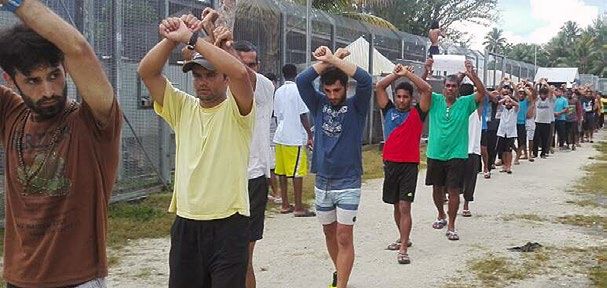
TO LIVE LIFE
            M E N T A L          H E A LT H            I N      A U S T R A L I A               T O D AY

                    TO THE FULL
       MENTAL HEALTH IN AUSTRALIA TODAY
   What does your mental health                                  the usual challenges of life, but they are even more
                                                                 important in times of anxiety or despair.
   mean to you?
                                                                 We need the economic means to meet the costs of
   It can mean different things to different people and
                                                                 living, to develop our potential through opportunities
   our views about it can change as we progress through
                                                                 to study, to pursue our personal callings through our
   life. The World Health Organisation defines mental
                                                                 work, and to plan for the future. A just economy
   health as:
                                                                 ensures we can contribute to and share in the benefits
                                                                 of our society’s common wealth.
... a state of well-being in which the individual
realises his or her own abilities, can cope                      Through culture we make sense of the world and
with the normal stresses of life, can work                       hold up shared values such as a ‘fair go’ and lending
                                                                 a helping hand to others in difficult times. A healthy
productively and fruitfully, and is able to make a
                                                                 and sustainable culture breaks through the material
contribution to his or her community.1                           entrapments of consumerism and limitations of self-
                                                                 interest.
   Mental health is not simply the absence of illnesses,
   but having the capacity and opportunity to thrive –           As creatures made in the image and likeness of God
   that is, to participate in the fullness of life to which      we stand before the mystery of The Transcendent.
   Jesus invites us (Jn 10:10). We are a unity of body,          We feel deeply connected to something, and indeed
   mind and spirit. The abundant life to which we                Someone, beyond ourselves. These bonds of loving
   are invited engages our whole selves, physically,             relationship to one another, to all of creation, and
   psychologically and spiritually. It touches all aspects of    to the Creator of all that is, help us to experience
   our life together in community – social, economic and         meaning in life, even in its sufferings and limitations.
   cultural – because God created us out of love and for         These are key ingredients for good health in body,
   loving relationships.                                         mind and spirit. They point to the quality of personal
   We are social beings. We need the bonds of family,            and social relationships that promote the fullness of
   friends and the broader community to celebrate the            life for all.
   joys and hopes of life. These bonds help us to face
                                                                                                                                Shutterstock /FiledIMAGE

                                                                  S O C I A L J U S T I C E S TAT E M E N T 2 0 2 0 – 2 0 2 1                              3
T O         L I V E             L I F E      T O       T H E          F U L L

       THE MENTAL HEALTH
       OF OUR PEOPLE AND
       COMMUNITIES
    Most of us will experience a mental health problem at some point over the
    course of our lives. These problems may be temporary, but they can develop
    into mental illness. It is estimated that just under a quarter of the population
    are at risk of experiencing a mental illness.

      M
                    ental health can be seen as a                    people in Australia. The National Report, Called
                    continuum. At one end are people                 to the Fullness of Life and Love, identified mental
                    who are feeling well and coping with             health, followed by school or study, drugs and
                    the demands of daily life. This is the           alcohol, and body image as the main issues facing
       case for 60 per cent of all Australians.                      young people today.3
       At the other end are people experiencing mental               Mental illness typically emerges in adolescence and
       illness. Common conditions include anxiety and                early adulthood. Three-quarters of people who
       depression. Others relate to psychosis, including             develop ill-health first experience its symptoms before
       schizophrenia and bipolar affective disorder. These           they are 25 years old.4 This period of transition comes
       can range from mild conditions that are self-                 with significant changes in the functioning of the
       managed, to those that need basic care, through               brain in addition to many other pressures.
       to moderate and severe conditions that require
       specialist support or hospitalisation.2                       “I remember the day when they told me I
       With proper treatment and care, most people                   had schizophrenia. I didn’t know much about
       recover completely. And while those who are living            it at the time. I just knew all the stereotypes
       with mental ill-health, or who are on the path to             surrounding it. I was thinking ‘Does that mean
       recovery, are often active and productive members             I’m dangerous? Does it mean that they’re
       of the community, significant challenges remain.
                                                                     going to lock me away?’ They just said it like it
       People experiencing mental ill-health often                   was nothing. But for me it was this huge, life
       encounter stigma and may fall through gaps in                 altering thing.” Hannah – SANE Australia 5
       medical and community care. In fact, mental ill-
       health through the lifespan is quickly becoming
                                                                     There is the pressure to succeed at school, to start
       the greatest cause of disability in the world.
                                                                     university or find work. Lack of affordable housing,
       Having an understanding of mental health can
                                                                     significant debt early in life, and the ‘gig economy’
       raise our awareness of people in our families, faith
                                                                     can cause huge pressures. This is a time in life when
       communities, workplaces and society who need
                                                                     young people at risk can withdraw from family and
       our support.
                                                                     friends, engage in risk-taking behaviours and form a
                                                                     reliance on drugs and alcohol.
       Young people
                                                                     We are deeply saddened that over 3,000 people
       In the lead up to the 2018 Synod in Rome on                   are lost to suicide each year and that young
       young people, we surveyed over 15,000 young                   people aged 15 to 24 years of age are most

4      S O C I A L J U S T I C E S TAT E M E N T 2 0 2 0 – 2 0 2 1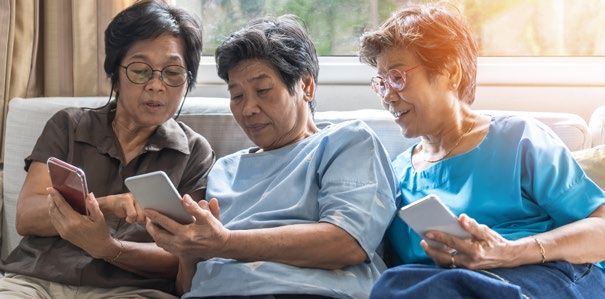
M E N T A L         H E A LT H         I N                          A U S T R A L I A                 T O D AY

    vulnerable. This is a growing problem. It accounts
    for around one third of deaths among people in
    this age group, with around 90 per cent of victims
    experiencing mental ill-health.6

    Older people
    Older Australians, on the other hand, have the
    best mental health across the lifespan.7 With
    increased longevity and good overall health,
    older Australians are taking up new opportunities
    for leisure, family life, social engagement and
    continued employment.                                Shutterstock/GrooveZ

    For those in declining health with few social
    supports, however, the experience of social
    isolation can cause depression and exacerbate pre-
    existing mental health problems. Major changes
    increase distress – grief for deceased spouses and
    friends, limited finances, losing independence and                          place terrible stress on relationships. Three million
    moving into residential aged care.                                          workers have mental ill-heath or are caring for
                                                                                someone with mental ill-health. There are also
“Depression was like being in a black hole                                      over 450,000 people struggling on meagre income
and not being able to climb out. A feeling of                                   support who have mental ill-health or are their
hopelessness. Unable to do anything, unable to                                  carers.11
drive, unable to think clearly. A terrible feeling We are all aware of the mental and emotional
of being alone which was different from being impact of separation and divorce. The breakdown
                                                   of a relationship is distressing for each partner
lonely.” Barbara – beyondblue 8
                                                                                and can have a lasting impact on children. An
                                                                                especially acute problem is the impact of domestic
    People aged over 75 receive some of the lowest                              violence and abuse on women. They are the most
    levels of mental health care. Because depression                            likely to suffer mental ill-health, with far higher
    is regarded as common among frail-aged people                               levels of trauma, anxiety, depression and suicidal
    in aged care, it may be seen as ‘normal’ and                                thoughts than the general population.12
    individuals and their carers are less likely to
    identify and treat the illness.9
                                                                                Communities and crises
    Family life                                                                 Over the past year Australia has been facing
                                                                                tumultuous upheavals, unprecedented in our
    Viewing mental health across the life span, we are                          lifetimes.
    mindful of those stresses that have an impact on
    family life.                                                                Prolonged drought has hit rural communities,
                                                                                threatening livelihoods, straining local economies
    The birth of a child is a great joy, but for many                           and eroding community networks. ‘Environment-
    parents it can also be a difficult time. Up to 20                           related’ anxieties have led to resignation and loss
    per cent of women experience depression during                              of hope. Sadly, that loss of hope has seen some
    pregnancy and following childbirth. Postnatal                               take their own lives. Suicide rates in rural and
    depression can have severe and prolonged effects                            remote communities are 66 per cent higher than in
    on daily routines and the care of a child.10                                major cities.13
    We know that the increasing demands of work                                 The recent bushfires wiped out entire
    can deprive families of valuable time together.                             communities. Lives were lost, communities
    More and more workers are employed on a casual                              displaced, homes and businesses were destroyed.
    or contract basis, some working two or more                                 The greater frequency and intensity of weather-
    jobs with irregular hours. These pressures can

                                                                                    S O C I A L J U S T I C E S TAT E M E N T 2 0 2 0 – 2 0 2 1   5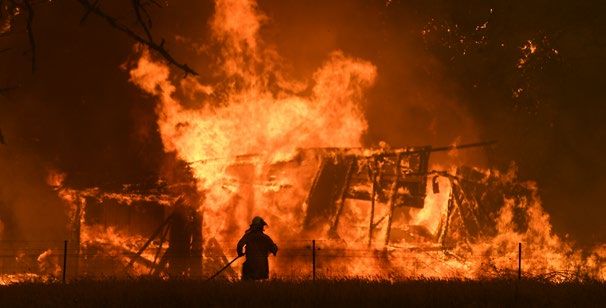
T O         L I V E             L I F E      T O        T H E          F U L L

     AAP/Dan Himbrechts

                          related disasters amplify the impact climate change           of pandemic. Many more will be distressed or
                          is having on mental health.                                   relive previous trauma through the impact the virus
                                                                                        is having in their lives.
    “The whole thing came through like an                                               This time also provides opportunities for our
    explosion, that’s the only way I can describe                                       society to act in a way that brings harmony and
    it, like a huge tornado. The air was just full                                      sustainability to all of life. Already the air is fresher
    of greasy, black smoke and embers, the wind                                         and rivers are running clearer. Greenhouse gas
    was howling … houses were just going up in                                          emissions are falling and our ecological footprint is
                                                                                        shrinking. Governments have moved responsibly to
    flames … But you can’t get over something
                                                                                        assist many who have been affected economically.
    like that and some people feel it more than                                         Focusing on the essentials of life has reduced
    others … some people I know went through                                            the force of consumerism in our lives, and we
    terrible trauma after it.” Vida 14                                                  are finding new ways to work and maintain our
                                                                                        social networks online. We are rediscovering the
                          We now face the COVID-19 pandemic. In our                     creativity of love in new ways.
                          vulnerability we realise that we are not in control.
                                                                                        We hope that our society’s shared experience of
                          Our daily routines have been disrupted and over
                                                                                        anxiety and distress will help us to remove the
                          a million people have lost their jobs or been
                                                                                        stigma and discrimination that has surrounded
                          stood down. Our workplaces and churches have
                                                                                        mental illness over the centuries.
                          been closed and we have been forced to isolate
                          ourselves from others.
                                                                                        The real cost of mental ill-health
                          Anxiety and fear of the unknown are normal
                          psychological responses that can spur positive                The Productivity Commission estimates that the
                          responses to protect ourselves and our                        cost of mental ill-health and suicide is between
                          communities. However, severe anxiety or                       $43 and 51 billion each year and that there is
                          depression can incapacitate us and fear of the                an additional cost of $130 billion per annum
                          unknown can become fear of our neighbour.                     associated with diminished health and reduced life
                          The solidarity of our community can be damaged                expectancy.15 These costs will increase as Australia
                          and those who are most vulnerable can be put in               responds to the pandemic.
                          harm’s way.                                                   But the real cost of mental illness is far more than
                          The number of people experiencing or at risk of               economic. It is felt in the stigma and discrimination
                          mental ill-health has increased during this period            experienced by the most vulnerable – being
                                                                                        labelled, shunned, denied support, or not even

6                         S O C I A L J U S T I C E S TAT E M E N T 2 0 2 0 – 2 0 2 1
M E N T A L             H E A LT H             I N                         A U S T R A L I A                T O D AY

    being recognised. This denies a person’s human                                      Members of the Body of Christ
    dignity and their right to live life to the full. It is a
    rejection of the gifts that they have to offer and                                  Our society tends to draw away from, or to push
    their membership in the Body of Christ.                                             away, those who confront us with our frailties
                                                                                        and limitations. It is a dynamic that is completely
                                                                                        at odds with the story of Jesus. In the Incarnation
“I feel that it is very important for people to be
                                                                                        Jesus takes on the frailty of the human condition.
heard. I do not feel that people suffering with                                         He actively draws near to those who are sick
a mental illness should identify themselves by                                          or who have disabilities, those who are poor,
their mental illness. If the wider community                                            marginalised or despised.
could see the person suffering mental illness as                                        Through Jesus we have become members of one
a whole person, rather than just as their illness,                                      body.
perhaps those who are ill would not encounter
so much stigma in their everyday lives.” Sandra                                         People living with mental health challenges,
– Mental Health Commission of NSW 16                                                    are no less members of the Body of Christ
                                                                                        than anyone else. People with mental illness
    The stigma associated with mental ill-health can                                    and their families often feel isolated from
    be as debilitating as the symptoms of the illness.                                  their faith community and thus isolated from
    Negative stereotyping of mental illness can have                                    God. Isolation is often caused by social stigma:
    a huge impact socially. People are often avoided,                                   the idea that mental illness is a question of
    excluded or experience dismissive treatment
                                                                                        character or a punishment from God.20
    at community gatherings. Meanwhile, in the
    workplace people with mental ill-health can be
    judged incompetent and denied opportunities for                                     Our parishes, organisations and communities
    advancement.17                                                                      should be places of acceptance, care and healing,
                                                                                        not places of rejection or judgement. Furthermore,
    Economically, people with mental ill-health face                                    as Pope Francis constantly reminds us, we have to
    greater levels of discrimination when seeking                                       take the initiative to go out to those pushed to the
    employment, renting accommodation and                                               edges, rather than waiting for them to come to us
    purchasing insurance. One in four of the poorest                                    seeking welcome.
    20 per cent of Australians experience high or very
    high levels of psychological distress compared with                                 All human beings have frailties and limitations
    only one in ten in the highest income brackets.18                                   because we are creatures and not ‘gods’. Despite

    In the cultural sphere, we must question the
    way mental illness is understood and portrayed.
    Popular culture, films and advertising often
    ridicule people living with mental ill-health or
    cast them as being violent. Sensationalist media
    reports can perpetuate fear and prejudice. In fact,
    people with mental ill-health are no more violent
    than the general population and they are more
    likely to be the victims of violence and crime.19
    Stigma undermines self-esteem, the treatment of
    ill-health, and the process of recovery. Tragically,
    people on the receiving end of prejudice and
    discrimination can internalise negative stereotypes
                                                                Shutterstock/Jacob_09

    and ‘self-stigmatise’.

                                                                                           S O C I A L J U S T I C E S TAT E M E N T 2 0 2 0 – 2 0 2 1   7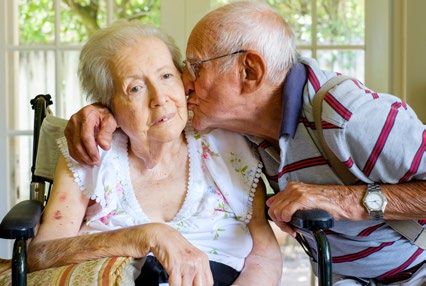
T O         L I V E             L I F E      T O       T H E         F U L L

    Shutterstock/Chinnapong

                              and even through these frailties and limitations, all         • Increasing mental health awareness training,
                              of us are able to give glory to God and to share in
                                                                                            • Making links with mental health networks in our
                              Jesus’ mission.
                                                                                              local area,
                              When we listen closely to the lived experience
                                                                                            • Advocating for the rights of individuals and their
                              of people experiencing mental ill-health, we will
                                                                                              families,
                              most likely observe trouble or suffering, but we
                              may also perceive intimate connection with God,               • Encouraging peer-to-peer support.
                              flourishing, fruitfulness and life-giving action –            Especially when people are experiencing great
                              signs of God’s grace.21                                       trauma in their lives, we have a role to maintain
                              Rather than shying away from human frailty, or                and develop relationships affording safety, trust
                              seeing it simply as a problem to be solved through            and collaboration.24
                              scientific knowledge, we need to attend carefully             Members of our community with the lived
                              to it, seeking to discern God’s self-communication            experience of mental ill-health have much to offer
                              and call. If mental illness is a unique form of frailty,      in informing our ministry, and the opportunity for
                              it might also be a context in which God’s strength            peer support shows how mental health and well-
                              is manifested in unique ways. By turning our faces            being can be fostered in everyone’s lives.
                              from those of us who are suffering from mental
                              illness, we refuse to learn what they have to teach
                                                                                            “If you’re struggling, don’t be afraid to get
                              us about God.22
                                                                                            help. No matter how small you feel the issue
                              We are called to re-member the Body of                        is in your head. Although you may feel right
                              Christ by making mental health a key priority,
                                                                                            now like things aren’t as good as they should
                              acknowledging people living with mental ill-heath
                              as ‘us’ and not ‘them’.                                       be, they will get better. I’ve been there, a lot
                                                                                            of us have been there. You don’t have to feel
                              As Bishops, we urge all parishes to make the
                                                                                            alone.”Declan – SANE Australia 25
                              issue of mental health a priority in their ministry
                              of inclusion and pastoral care. In 2019 we issued
                              mental illness and outreach guidelines for parishes           Jesus himself was labelled mad (Mk 3:21; Jn 10:19)
                              through our Disability Projects Office.23 Entitled            and like us he suffered psychological distress (Lk
                              Do Not Be Afraid, the guidelines highlight very               22:44; Mt 26:37; Mk 14:33; Jn 12:27). If Jesus
                              practical steps we can all take, including:                   embraced these human experiences, can we not
                                                                                            welcome and value those who are living through
                                                                                            them today?

8                             S O C I A L J U S T I C E S TAT E M E N T 2 0 2 0 – 2 0 2 1
M E N T A L           H E A LT H           I N                               A U S T R A L I A                T O D AY

   THE GREAT PROJECT
   OF COMMUNITY
   INTEGRATION
   Through the middle ages and even up to the 18th century, the treatment of
   people with mental illness included public shaming, inquisition, banishment,
   incarceration, torture and execution. The false view that ‘madness’ was the
   result of demonic possession, immorality or a punishment by God played a
   part in this history.

   T
           he life of St John of God (1495–1550)                                        treatment of ill-health sought an end to long-term
           provides an example. St John devoted his                                     institutionalisation and promoted the release of
           life to the care of the sick and destitute and                               patients back into society when they were well.
           himself experienced times of great mental
                                                                                        But mental hospitals were often overcrowded,
   and spiritual anguish. He was subjected to ‘the
                                                                                        and patients were exposed to inhumane and
   latest methods to try to bring him to his senses’:
                                                                                        abusive conditions, often indefinitely. Hence the
                                                                                        asylum model gave way to less custodial and less
The cures they used for such cases like his                                             segregating community-based care.27
consisted of flogging and placing the afflicted
person into a dismal dungeon. They used                                                 The program of
other similar methods as well, so that by                                               ‘deinstitutionalisation’
means of inflicting pain and punishment, the
                                                                                        In the late twentieth century, Australia
patients might shed their madness and regain
                                                                                        began closing its mental health hospitals and
their sanity. So they stripped him naked and                                            reintegrating people into the community to receive
tying him up by the hands and feet, they                                                medical and psychosocial support. This process
flayed him with a doubly knotted whip.26

   In his ministry to people experiencing mental illness
   and destitution, St John established a hospital in
   Granada – the House of God – where people were
   treated instead with charity and love.
   The development of the sciences of psychology
   and psychiatry in the 19th and 20th centuries
   recast the issue of mental health as a medical
                                                            Alamy/The Print Collector

   one. Asylums for the ‘insane’ were established
   to treat people in a secure environment away
   from the mainstream of society. Psychiatrists
   began to develop standards for the diagnosis of
   disorders. Psychological therapy and advancements
   in medications led to an approach in which the

                                                                                           S O C I A L J U S T I C E S TAT E M E N T 2 0 2 0 – 2 0 2 1   9
T O         L I V E             L I F E                                     T O        T H E          F U L L

                                                                                                  “Ten years ago we had far more community
                                                                                                  services in Central Sydney than we have
                                                                                                  now … People have just been dudded. The
                                                                                                  money has been syphoned off on the pretext
                                                                                                  of putting it into the community and then it
                                                                                                  goes into some black hole and it’s never seen
                                                                                                  again.” Dr Jean Lennane (in 1994) – former director at
                                                                                                  Rozelle Hospital 31

                                                                   i-Stock/monkeybusinessimages
                                                                                                  Since then there have been many Federal and
                                                                                                  State inquiries, but they have not led to lasting
                                                                                                  reform. A National Mental Health Strategy has
                                                                                                  been established, and we now have the Fifth
                                                                                                  National Mental Health and Suicide Prevention
                                                                                                  Plan. The Productivity Commission has recently
                                                                                                  been conducting a national inquiry into Mental
     reduced the number of acute psychiatric beds from                                            Health and Victoria is holding a Royal Commission
     30,000 in the 1960s to around 6,000 by 2005.28                                               into its mental health system.

     In the early 1980s, the New South Wales Inquiry                                              The commitment of governments to the
     into Health Services for the Psychiatrically Ill and                                         humanitarian principle of community integration
     Developmentally Disabled (‘The Richmond Report’)                                             was a great advance that is still to be fully realised.
     became the blueprint for the new model of care.                                              It is hoped that the current inquiries will ensure
                                                                                                  adequate funding for Australia’s mental health
     Integrated community services, backed up by                                                  system. We need a nationally agreed, implemented
     specialist hospitals, were to ensure that people                                             and evaluated mental health service model.
     living with mental ill-health were cared for
     in a ‘normal community environment’. Early
     intervention, home-based care for people
                                                                                                  The missing middle
     experiencing mental illness and adequate support                                             While Australia spends over $10 billion on mental
     for their families were stressed. The aim was to                                             health care each year, we still have disjointed
     foster a supportive community, where mental                                                  and complex service systems that are difficult to
     illness was de-stigmatised and the rights of                                                 navigate. They are unresponsive to the needs of
     people with ill-health to social integration and                                             people experiencing a mental health crisis and lack
     opportunities for advancement were guaranteed.                                               capacity to provide a person-centred service across
                                                                                                  the continuum of care – ranging from consultation
     But there was a catch. The program would only
                                                                                                  with general practitioners through to acute
     work if it was preceded by the redirection of
                                                                                                  specialist care.32
     funding from the closure of existing hospitals to
     the development of community services.29                                                     There is a ‘missing middle’ – a severe lack of
                                                                                                  specialist community mental health services and
     A decade later, the National Inquiry into the
                                                                                                  after-hours care. Gaps between primary health
     Human Rights of People with Mental Illness
                                                                                                  care and acute care mean that people are falling
     (‘Burdekin Report’) found the policy had largely
                                                                                                  through the system.33 They are the ones whose
     failed due to inadequate funding. Because of the
                                                                                                  mental ill-health is too complex for general
     inadequacy of community mental health services,
                                                                                                  practitioners yet not severe enough to access
     charities and the community sector, together
                                                                                                  limited specialist support.
     with families and carers, ended up carrying much
     of the load. Inquiry Chair and Human Rights                                                  People who have special needs also face barriers to
     Commissioner, Brian Burdekin, labelled the                                                   accessing care and getting the correct diagnosis. For
     deprivation, discrimination and stigmatisation still                                         example, it is very difficult for people with disability,
     suffered by Australians affected by mental illness ‘a                                        particularly intellectual disability, or those within the
     national disgrace’.30                                                                        deaf community, to find appropriate services.

10   S O C I A L J U S T I C E S TAT E M E N T 2 0 2 0 – 2 0 2 1
M E N T A L H E A LT H I N A U S T R A L I A T O D AY
Access to care is limited where services in public in close relationships. However, the level of need
health are stretched and care in the private and emotional and financial stress can also take
system, particularly for those without insurance, is their toll on these unsung heroes of Australia’s
unaffordable. There has been a significant increase mental health system. Foregone employment
in people attending emergency departments, but opportunities, diminished social networks,
these are often busy and ill-equipped to assist and reduced income and savings are common
and turn people away or refer them to another experiences of people caring for someone with
hospital.34 Patients are also at risk of being severe, complex and prolonged mental ill-health.
discharged prematurely from acute mental health
Carers are themselves experiencing high levels of
units due to the limited number of beds.
psychological distress as a consequence. It has
been estimated that carers experience clinical levels
“When I took that really, really difficult step, of depression at a rate over 75 per cent higher
that really heartbreaking step of trying to than the general population.37
ask for help, there was really nothing there
for me. I was kind of greeted with silence in “We care because we love the people who
return. So, that’s just really distressing … it need us, but caring takes a massive toll
makes you feel very hopeless and like you’re on our mental health! We give up plans,
really never gonna get better.” Amelia 35 dreams, relationships, careers and much,
much more – to give them the best life
This is not a criticism of mental health staff. possible. We become isolated from our
We commend the commitment and hard work friends, relatives and co-workers because our
of doctors, nurses, community care workers lives are ‘different’ and no longer ‘fit in’ to
and volunteers who are often overstretched in
mainstream, ‘normal’ society. I am one such
their service to people who are vulnerable and
distressed. They have faced pressures over many
carer. I care for my son who I love dearly but I
years as a result of rapid policy changes, increased spend my days ‘on edge’.” Amy 38
demand, funding and staff shortages. The impact
the National Disability Insurance Scheme will
have on access to mental health services and on
Falling through the system
staffing and employment in the sector is also The circumstances of people who are falling
uncertain. through the system demonstrate the mental health
system’s failure to provide adequate community
We commend the mental health support provided
care. Two groups most vulnerable to mental ill-
by volunteers and staff of Catholic organisations
health are people who are homeless or in prison.
including the Society of St Vincent de Paul,
CatholicCare, our hospitals, schools and community
health services, and the wide-ranging work of
Religious Orders. Catholics can be very proud of
their efforts to bridge the ‘missing middle’.
Unsung heroes
The burden of this policy failure has been borne
largely by informal carers – often family and
mostly women. They have picked up many of the
Shutterstock /Fotoluminate LLC
responsibilities once budgeted for and funded in
the mental health institutions of last century. Over
970,000 Australians are caring for loved ones who
experience mental ill-health. The cost of their care
is valued at up to $15 billion each year.36
Personal fulfilment, companionship, a sense of
service and devotion are all part of care-giving
S O C I A L J U S T I C E S TAT E M E N T 2 0 2 0 – 2 0 2 1 11T O L I V E L I F E T O T H E F U L L
again. The ‘Housing First’ model of housing and
support has been proven worldwide to be effective
in ending street homelessness, including for people
with mental illness and also dual diagnosis of
mental illness and substance abuse.
Without a home and the right support, the
most vulnerable are caught in an ongoing cycle
through homelessness services, boarding houses,
i-Stock ID/Rawpixel
emergency departments and acute care.
And then there is the risk of exposure to the
criminal justice system.
Mental ill-health does not equate with criminality and
violence. However, exposure to the criminal justice
People who are homeless experience a much system does increase when adequate community
higher incidence of mental ill-health than the supports just aren’t there and people experiencing
general population – some estimate as high as 80 extreme episodes become a danger to themselves
per cent.39 or others, often on the streets. The police find
themselves the ‘default first responders’ where
Mental illness is both a cause and a consequence
services are unavailable, particularly after hours.
of homelessness. The inability to negotiate rental
Clearly, we need community mental health services
markets or the supported accommodation systems,
that are accessible and mobile 24 hours a day.
with a lack of other community support, puts
people at a high risk. And being homeless, living
in poverty, with all of the uncertainties and fear “I know of someone who got themselves
of harm and violence is a cause of high levels of arrested just so they could get into acute
psychological distress. mental health care. For some reason there
was not a single bed in the state for this
“It does impact my mental health and my person, and the person had to sit in the
emotional wellbeing from time to time. It’s emergency department with two police
given me a general sense of fear. So, fear officers for 36 hours.” Anonymous 42
around losing a home, losing an income,
not managing my life in that way, and the Around 40 per cent of people coming into
reality that the potential of homelessness prison and those being discharged back into the
could happen if things go wrong again … community have a previous diagnosis of mental
illness. They are ten times more likely than the
The ignorance from the broader community
general population to report a history of suicide
is what impacts me the most. The emotional attempts and thoughts of suicide. One third of
impact … There’s still things I am working inmates reported being homeless in the month
through emotionally … the sense of guilt prior to incarceration and 54 per cent expected to
that my daughter had to go through that be homeless on release.43
experience with me.” Naomi 40 The interplay of poor mental health, homelessness
and incarceration demonstrates the failure of the
The lack of secure and affordable accommodation mental health system to intervene early enough,
is the greatest obstacle to treatment and recovery.41 and through the course of people’s lives, to support
People who have mental illness, and who have them in their families and communities. The poor
been in psychiatric hospitals or in transient implementation of community integration has seen
accommodation, often lack living skills. They need the most vulnerable re-institutionalised in today’s
ongoing support, at assessed levels, to be able to boarding houses, shelters and prisons.
budget, buy food, cook, clean, maintain hygiene Those who have fallen through the system show us
and link to community services. Otherwise they are what is needed for a properly functioning system:
unable to sustain tenancy and become homeless
12 S O C I A L J U S T I C E S TAT E M E N T 2 0 2 0 – 2 0 2 1M E N T A L H E A LT H I N A U S T R A L I A T O D AY
• A significant increase in funding that is The account of the Gerasene demoniac, who is
quarantined and budgeted with independent living in a cemetery among the dead (Mt 8:28-34;
oversight and public accountability, Mk 5:1-17; Lk 8:26-37) and exhibiting behaviours
that suggest mental ill-health, is a story of the
• Coordinated person-centred care from early
dignity of the person-in-community. The man
intervention to acute care and aftercare across
himself, while still ill, takes the initiative and runs
clinical, community mental health and housing,
towards Jesus (Mk 5:6-7). When he is cured, the
social services and charities,
man is restored not only to health, but also to
• Improved and prioritised services for people with community.
serious, complex, enduring conditions,
He is freed from the stigma of mental ill-health.
• Improved mental health services, and the provision Furthermore, he is invited to participate in Jesus’
of face-to-face services where they are lacking, mission and becomes a witness. He is sent out to
for rural and remote communities, Aboriginal proclaim God’s action in his life (Mk 5:19-20).
and Torres Strait Islander communities, those of
Some instances of mental illness may be explained
culturally and linguistically diverse backgrounds,
and addressed by a purely medical approach.
and for people who are homeless or incarcerated,
However a more holistic approach is often needed
• Improved professional support to carers who are because human beings are a unity of body, mind
unaided and isolated.44 and spirit, and we are persons-in-community.
Without such a commitment, the system will Mental ill-health, and the suffering that often
continue to fail vulnerable people and the accompanies it, may be as much a mystery to be
community as a whole. lived as a problem to be solved.
Some suffering – including psychological suffering
Caring for the whole person-in- – can be meaningful, potentially transformative,
community and even redemptive. Not everyone who
experiences mental illness will recover, but all
We do not believe that mental ill-health is nonetheless share in Jesus’ promise of the fullness
caused by a moral failure or that it is a matter of of life (Jn 10:10). If we seek only to cure, rather
character. Suffering from a psychiatric disorder or than to accompany people experiencing mental
experiencing psychological distress is not a sign ill-health, we will be of no help to people seeking
of a lack of faith or weak will. Throughout history meaning in their experience. We will not notice the
we can see that people of strong faith and great action of God in their lives or learn what they have
holiness also experience mental health challenges. to teach us.46
The account of Jesus’ own distress and suffering
in the garden at Gethsemane (Lk 22:44, Mt 26:37, It is precisely in the broken, powerless and
Mk 14:33, Jn 12:27) makes it particularly difficult despised that God most frequently speaks to us.
to sustain a claim that mental distress should not Like all members of the Body of Christ, people
be part of the Christian life! experiencing mental ill-health are called to be
witnesses in their own way.47
There are many accounts of psychological distress
in the Bible. For example, at one point, Elijah is
so despondent that he asks God to take his life
(1 Kings 19:4), and Naomi is so distressed that
she renames herself Mara or ‘bitter’ (Ruth 1:20).
God’s response to Elijah suggests an integrated
approach to mental health. An angel appears to
Elijah tending to the physical needs of his tired body
Shutterstock/KarenHBlack
and later God approaches Elijah gently in a whisper
addressing the source of his despair. The story of
Naomi and Ruth highlights the importance of social
support in times of psychological distress. In neither
case does God chastise the one who is suffering or
coax them to pray more or to repent of sin!45
S O C I A L J U S T I C E S TAT E M E N T 2 0 2 0 – 2 0 2 1 13T O L I V E L I F E T O T H E F U L L
WE ARE ALL IN THIS
TOGETHER
The test of our society’s commitment to the common good is the care we show for the people
who are most vulnerable or disadvantaged. Pope Francis explains in his encyclical Laudato Si’:
In the present condition of global society, where injustices abound and growing
numbers of people are deprived of basic human rights and considered expendable,
the principle of the common good immediately becomes, logically and inevitably, a
summons to solidarity and a preferential option for the poorest of our brothers and
sisters. This option entails recognising the implications of the universal destination
of the world’s goods … it demands before all else an appreciation of the immense
dignity of the poor in the light of our deepest convictions as believers.48
A
commitment to the common good First Nations people and
means attending to the good of all of
us, without exception, paying special
communities
attention to those who are most often Aboriginal and Torres Strait Islander people
overlooked, pushed aside, or fall through the gaps. continue to be over-represented on key measures
of disadvantage including lower life expectancy,
We know that social determinants including
poverty, imprisonment and ill-health, both physical
poverty, living conditions and personal security are
and mental.
significant contributors to mental ill-health. There
is no doubt that these factors place First Nations
people and communities, asylum seekers, refugees “Mental illness doesn’t just affect the
and humanitarian entrants at a disproportionate Aboriginal community, it affects everyone,
risk of poor mental health. but unfortunately it’s even more prominent
What is the quality of our care for these groups? in our Aboriginal and Torres Strait Islander
Are we really all in this together? community. Depression and mental illness and
suicide in Aboriginal communities is a huge
flow on effect from things that happened
200 years ago. A lot of people don’t like to
hear that, but it is what it is. We’ve been
oppressed for 200 years, knocked down
to the point where many people start to
develop these mental illnesses. We’ve got
AAP/Juan Ignacio Roncoroni
to help our community build their resilience
and confidence.” Joe Williams – Mental Health
Commission of NSW 49
14 S O C I A L J U S T I C E S TAT E M E N T 2 0 2 0 – 2 0 2 1M E N T A L H E A LT H I N A U S T R A L I A T O D AY
AAP/Darren England
Social and economic disadvantage is a cause
of higher levels of mental illness among our Proportionally, we are the most incarcerated
Indigenous sisters and brothers. Behind this people on the planet. We are not an innately
disadvantage lies the history of dispossession, which criminal people. Our children are aliened
is itself the cause of intergenerational trauma. from their families at unprecedented rates.
European settlement brought alcohol, diseases, This cannot be because we have no love for
poverty and new forms of violence. The them. And our youth languish in detention in
destruction of physical and spiritual links to obscene numbers. They should be our hope
country has had disastrous impacts on identity,
for the future.
culture and language. Australia’s history is marred
by massacres, generations of children stolen,
These dimensions of our crisis tell plainly the
imprisonment and First Nations people pushed to structural nature of our problem. This is the
the fringes. torment of our powerlessness.52
The death rate from intentional self-harm is twice
as high for Aboriginal and Torres Strait Islander The Statement from the Heart calls for
people as for non-Indigenous Australians. This rate constitutional reforms to establish a First Nations
has increased dramatically over the past decade, Voice and Makarrata Commission to underpin
from 17 to 24 in every 100,000 people.50 agreement-making with government. The
empowerment of an Indigenous voice and self-
Being incarcerated poses a risk of ill-health and
determination in all decisions that affect the lives of
self-harm. It is very alarming, therefore, that the
their communities is aimed at bringing the values of
imprisonment of Indigenous people is increasing
fairness, truth and justice to Australia’s relationship
– from around 7,500 to 10,500 over the past
with First Nations people and communities. It is
decade. First Nations people make up three per
about stepping up to the unfinished business of
cent of the Australian population, but almost a
our past and ensuring the right of each person to
third of people in prison.51
flourish and live life to the full.
Clearly there is a pressing need for the
That call is yet to be answered in a spirit of
development of collaborative and culturally
national solidarity.
appropriate mental health services. Better linkages
with the criminal justice system are needed to
promote diversion from custody. Refugees and asylum seekers
Much more is needed too. In 2017, Indigenous The common good is both universal and
Elders and leaders from around Australia gathered intergenerational because the human dignity
at Uluru for the Aboriginal and Torres Strait of people does not depend on their location in
Islander Referendum Convention. They issued time or space. As the COVID-19 pandemic has
the Statement from the Heart, which emphasised made painfully clear, we are one human family.
the nation’s need for greater truth-telling and We are called to loving relationships with all
Indigenous empowerment in decision-making: people regardless of nationality or visa status. A
S O C I A L J U S T I C E S TAT E M E N T 2 0 2 0 – 2 0 2 1 15T O L I V E L I F E T O T H E F U L L
AAP/PR Handout Image
commitment to the good of all, especially the most How is it that we as a nation have spent around $1
vulnerable, must include those people who have billion a year to establish and run offshore detention
been locked in Australia’s offshore immigration centres that we know breach key international
detention centres. human rights obligations, including that no one
shall be subjected to torture or to cruel, inhuman or
At the end of 2012, Australia resumed its offshore
degrading treatment or punishment?55
processing of asylum seekers, transferring people
who arrived by boat to Nauru and Manus Island in Detaining people in inhumane conditions and
Papua New Guinea. Over 4,000 men, women and refusing them resettlement in order to send a
children have passed through these centres since message to people traffickers treats vulnerable
that time. people as a means to an end. The damage done
in the meantime has compounded their trauma
In September 2019, there were around 600 people
and mental ill-health.56 The policy seems aimed
still detained in Nauru and Papua New Guinea.
at breaking their spirits, but it does the rest of us
It is estimated around 70–75 per cent have been
spiritual harm too.
determined to be refugees. Some have been in
detention for up to seven years.53 The deterioration of mental health in those held
offshore is evident in extremely high levels of self-
“Will I see freedom again? harm. Several people have died by suicide both in
offshore detention facilities and facilities in Australia.
My wings have become disabled in the cage
People are cutting themselves, self-battering and
of waiting. attempting to hang themselves. The respective rates
The vision of my eyes can’t see from behind of self-harm on Nauru and Manus Island have been
the grid fences any more. estimated as being 45 and 216 times the Australian
Hope and love are dying in my body. rate for hospital treated self-harm.57
I have become a stranger with myself.”
Kazem – Manus Island 54
“Living here is hard. The tension in here and
the tension from home. Too much sad[ness]
Many immigration detainees already experience
… whenever I call home they ask when I will
poor mental health as a result of the disasters
and wars, persecution and torture from which
be released. I tell them Inshalla (God willing)
they have fled. They experience high levels of … Many people here are hurting themselves.
depression, anxiety and post-traumatic stress. Boys cutting hands, arms … I was thinking
Fleeing entails the experience of great insecurity about that.” Unaccompanied child – Christmas
and involves many risks such as human trafficking Island, 4 March 2014 58
and forced labour, harassment and abuse.
16 S O C I A L J U S T I C E S TAT E M E N T 2 0 2 0 – 2 0 2 1M E N T A L H E A LT H I N A U S T R A L I A T O D AY
We are especially aware of the risk of self-harm, Moving forward as Church and
assaults and sexual abuse of children in such
environments. The 2014 Australian Human Rights
as a Society
Commission report, The Forgotten Children, We have seen that the causes of mental illness
found that children were endangered by the lie in the social, economic, political and cultural
violent environment of centres and their close context as well as within the person. Poverty,
confinement with adults suffering high levels of discrimination, trauma and violence frequently
mental illness. result in or contribute to mental ill-health. There
can be no doubt that the institutional harm done
A third of parents with children in detention had
to the most vulnerable in Australia is an instance of
moderate to severe mental ill-health and one third
structural sin. This harm is reflected in the mental
of children had mental health conditions serious
health issues, such as intergenerational trauma,
enough to be referred for psychiatric treatment if
suffered by individual people, families and whole
they were in the Australian community.59 A recent
communities. Both the harm and the causes must
study of conditions on Nauru confirms the huge
be addressed.
risks to children in detention.60
We Bishops, as leaders in the Catholic Church in
National bodies representing psychiatrists,
Australia, are painfully aware of the failings of
psychologists, doctors and other mental health
so many Church people and entities to protect
professionals have repeatedly condemned the
and care for children and vulnerable adults in
disastrous mental health impact of detention. We
institutions. We again say sorry to the Stolen
join their call for an end to prolonged inhumane
Generations and their families for the Catholic
detention and for the transfer of high-risk groups
Church’s complicity in the removal of Aboriginal
including children and people with mental ill-
and Torres Strait Islander children from their
health to care in the Australian community.61
Indigenous families. We say sorry to all the survivors
The marginalisation and incarceration experienced of childhood institutional abuse and their families.
by the First Australians and also the latest people We commit ourselves to continue to advocate for
to come to Australia raise real questions about our the humane and just treatment of asylum seekers,
commitment to the common good. We are called refugees and humanitarian entrants.
to reach out to these people at the fringes who
Because structural sin is non-voluntary and non-
have been ignored and harmed by our society.
individualistic, it can be difficult to grasp our
They too must share in the good of all of us. As
personal and collective responsibility to put things
Pope Francis explains:
right where possible, and to work for positive
change. The sinful personal choices of many people
[God] impels us constantly to set out anew, over time can become entrenched in organisational
to pass beyond what is familiar, to the fringes culture, policies, social processes and in institutions.
and beyond. … Unafraid of the fringes, he Particular moral responsibility for these situations
himself became a fringe (cf. Phil 2:6-8; Jn cannot then be attributed to specific individuals
only. All of us who inherit these situations share in
1:14). So if we dare to go to the fringes,
the responsibility to address them.
we will find him there; indeed, he is already
there. Jesus is already there, in the hearts of Breaking down structures of sin and building up
structures that might better mediate God’s grace is
our brothers and sisters, in their wounded
part of our mission to transform the world – that it
flesh, in their troubles and in their profound may be on earth as it is in heaven. The witness of
desolation. He is already there.62 those whose physical, mental or spiritual wellbeing
has been harmed challenges us all to work for
change.
S O C I A L J U S T I C E S TAT E M E N T 2 0 2 0 – 2 0 2 1 17T O L I V E L I F E T O T H E F U L L
CALLED TO LIVE LIFE
TO THE FULL
W
hile the thief comes only to steal, experiencing mental ill-health:
kill and destroy, Jesus has come • when we reject stigmatisation,
that we may have life (Jn 10:10).
• when we work for the transformation of social
This promise is made in the context
determinants of mental ill-health,
of the parable of the Good Shepherd – a story
of intimate connection, care and protection (Jn • when we call for policies and service provision that
10:14).63 It is through connection with God, and meet the needs of the poorest, most marginalised
the quality of relationships into which this calls us, and recognise in them the face of Christ Jesus.
that we will experience the fullness of life in body, As we seek the fullness of life for all under the care
mind and spirit, both personally and communally. of our Australian governments, we recall these
In the farewell discourse John reports Jesus’ words Pope John Paul II spoke to mental health
warning to his disciples: workers 25 years ago:
In this world you will have trouble. But take Whoever suffers from mental illness always
heart! I have overcome the world. (Jn 16:33). bears God’s image and likeness in themselves,
as does every human being. In addition, they
Intimate connection with the heart of God may always have the inalienable right not only to be
require us to embrace and find meaning in the considered as an image of God and therefore
vulnerability and suffering that comes with loving. as a person, but also to be treated as such.64
It will draw us to work to eliminate that suffering
which cuts people off from God, each other, and In our parish communities, our institutions and
the rest of creation – suffering that denies people throughout the Church in Australia, we have
and communities participation in the fullness of life. a duty to break through the stigma of mental
illness. As Church, we have the opportunity and
We have identified a range of matters that require
responsibility through the Plenary Council 2020 to
reflection and action in our parishes and local
consider at a deeper level our care for these most
communities, and in government policy and
vulnerable of our brothers and sisters.
service provision. As Bishops, we are confident
that the energy, insight and commitment needed We are called to restore the Body of Christ
are present among members of the Catholic by making mental health a key priority,
community and all people of goodwill. acknowledging and including people living with
mental ill-heath within our communion and the
Together, we promote the fullness of life for all
heart of Australian society.
when we ensure appropriate care for everyone
Please support the work of the Office for Social Justice
The Office for Social Justice is an agency of the Australian Catholic Bishops Conference.
It supports and assists the Bishops Commission for Social Justice, Mission and Service.
Can you spare $30 a year to support this work?
Sign up here: https://socialjustice.catholic.org.au/supporter/
Subscribe to our free e-newsletter Social Justice Trends here:
https://socialjustice.catholic.org.au/newsletter/
Further information: admin.socialjustice@catholic.org.au T 02 8306 3499
18 S O C I A L J U S T I C E S TAT E M E N T 2 0 2 0 – 2 0 2 1NOTES
1 World Health Organization, Mental health action plan 2013-2020, Geneva: Intergovernmental arrangements, Submission in response to Productivity
WHO Document Production Services, 2013, 6. Commission Inquiry into Mental Health, Canberra: MHA, 2019, 2, 7.
2 Productivity Commission, Mental Health, Draft Report, Canberra: 33 Productivity Commission 2019, 11.
Commonwealth of Australia, 2019, 117f. 34 Australian Institute of Health and Welfare, Mental Health Services–in brief
3 Pastoral Research Office, Called to Fullness of Life and Love: National report 2019, Cat. No. HSE 228, Canberra: AIHW, 2019, iv, 1.
on the Australian Catholic Bishops’ Youth Survey 2017, Canberra: Australian 35 State of Victoria, 2019, 164.
Catholic Bishops Conference, 2018, 38f.
36 Productivity Commission, 2019, 51, 458; Mental Health Australia, Submission
4 Productivity Commission, 2019, 35. in response to the Productivity Commission Inquiry into mental health,
5 SANE Australia, Hannah, People like us, Information and stories, South Canberra: MHA, 2019, 27.
Melbourne: accessed 2020. 37 Productivity Commission, 2019, 465f; State of Victoria, 2019, 53f.
6 Productivity Commission, 2019, 14; J Robinson, E Bailey, V Browne, G Cox & 38 Productivity Commission 2019, 820.
C Hooper, Raising the bar for youth suicide prevention, Victoria: Orygen, The
National Centre of Excellence in Youth Mental Health, 2016, 10f. 39 A Steen, ‘The many costs of homelessness’, Editorial, Medical Journal of
Australia 208 (4), 2018, 167; Department of Health, Prevalence of mental
7 D Rickwood, Pathways of Recovery: Preventing further episodes of mental illness among homeless populations, National Mental Health Report 2013,
illness, Monograph, Canberra: Commonwealth of Australia, 2006, 56. Canberra: Australian Government, 2013, 1.
8 Beyond Blue, Anxiety and depression in older people, Victoria: Beyond Blue, 40 M Wolfshoerndl, ‘They spit at you with their eyes’ - Experiences of
2018, 17. homelessness in New South Wales, Sydney: Public Interest Advocacy Centre,
9 Australian Institute of Family Studies, Normalising mental illness in older adults 2016, 21.
is a barrier to care, Canberra: Australian Government, 2019, 1f. 41 Productivity Commission, 2019, 31.
10 Black Dog Institute, Depression during pregnancy & the postnatal period, fact 42 State of Victoria, 2019, 161.
sheet, Sydney: Black Dog Institute, accessed 2020; Productivity Commission,
2019, 653f. 43 Australian Institute of Health and Welfare, The health of Australia’s prisoners,
2018, Cat. No. PHE 246, Canberra: AIHW, 2019, vi, 13, 28, 43.
11 Productivity Commission, 2019, 37, 39.
44 Australian Catholic Bishops Conference, Productivity Commission – Draft
12 R Braaf & I Barrett Meyering, Domestic Violence and Mental Health, Sydney: Report – Mental Health, Submission, Canberra: ACBC, 2020; Society of St
Australian Domestic & Family Violence Clearinghouse, UNSW, 2013; K Vincent de Paul, Productivity Commission, Mental Health Review, Canberra;
Trevillion, S Oram, G Feder & L Howard, Experiences of Domestic Violence and SVdP, 2020; Catholic Health Australia 2019, Response to the Productivity
Mental Disorders: A Systematic Review and Meta-Analysis, PLoS ONE 7(12): Commission’s Inquiry into mental Health in Australia, Canberra: CHA; Catholic
e51740, 2012, 9–10. Social Services Australia, Submission to the Productivity Commission Inquiry
13 A Boxall, ‘Mental health challenges in rural and remote Australia’, Pearls and into the Social and Economic Benefits of Improving Mental Health, Canberra:
Irritations, May 6, 2015. CSSA, 2019.
14 B Shepherd & L Birch, ‘After a bushfire, the impact on communities’ mental 45 M Webb, 2012, 57–58.
health can last for years, as Yarloop knows to well’, ABC News, January 14, 46 A P Scrutton, ‘Suffering as Potentially Transformative: A Philosophical and
2020. Pastoral Consideration Drawing on Henri Nouwen’s Experience of Depression’,
15 Productivity Commission, 2019, 9, 51. Pastoral Psychology, 64 No 1, 2015, 100.
16 Mental Health Commission of New South Wales, Sandra’s story, fact sheet, 47 Pope Francis, Gaudete et Exsultate, Apostolic Exhortation On the Call to
Sydney: 2018. Holiness in Today’s World, Vatican City: Libreria Editrice Vaticana, 2018, 11.
17 Productivity Commission, 2019, 800f. 48 Pope Francis, Laudato Si’, Encyclical Letter On Care for our Common Home,
18 Ibid, 41, 792, 808. Vatican City: Libreria Editrice Vaticana, 2015, 158.
19 SANE Australia, Facts vs myth: mental illness and violence, fact sheet, South 49 Mental Health Commission of New South Wales, Joe’s story, fact sheet,
Melbourne: accessed 2020; SANE Australia, Reducing stigma, Guide, South Sydney: 2018.
Melbourne: accessed 2020; Everymind, Reporting suicide and mental illness: 50 Australian Bureau of Statistics, 3303.0 - Causes of Death, Australia, 2018, 25
A Mindframe resource for media professionals. Newcastle: Australian September 2019, Canberra: 2019.
Government, Department of Health, Newcastle: 2014, 19–27. 51 Australian Bureau of Statistics, 4517.0 - Prisoners in Australia, 2019, 5
20 Commission for Pastoral Life, Parish Kit to Assist Parishes to Acknowledge December 2019, Canberra: 2019.
World Mental Health Day 2015, Canberra: Australian Catholic Bishops 52 First Nations National Constitutional Convention, Uluru Statement from the
Conference, 2015, 2. Heart, Uluru: 26 May 2017.
21 M Webb, ‘A Narrative Account of Abundant Life with Mental Illness’, Journal 53 Refugee Council of Australia, Offshore processing statistics, Sydney: RCoA,
of Disability and Religion, 19, No 3, 2015, 263–264. accessed May 2020 at: https://www.refugeecouncil.org.au/operation-
22 M Webb, ‘Towards a Theology of Mental Illness’, Journal of Religion, Disability sovereign-borders-offshore-detention-statistics/
and Health, 16 No 1, 2012, 65. 54 Amnesty International Australia & Refugee Council of Australia, Until when?
23 Disability Projects Office, Do Not Be Afraid – Mental illness and Outreach: The forgotten men on Manus Island, Report, Sydney: AI & RCoA, 2018, 22.
Guidelines for Parishes, Canberra: Australian Catholic Bishops Conference, 55 Refugee Council of Australia, accessed May 2020.
2019.
56 Australian Human Rights Commission, Asylum seekers, refugees and human
24 C Kezelman & P Stavropoulos, Talking about Trauma: Guide to everyday rights, Snapshot Report (2nd Edition), Sydney: AHRC, 2017, 32f.
conversations for the general public, Sydney: Blue Knot Foundation, 2017, 12.
57 K Hedrick, G Armstrong, G Coffey & R Borschmann, ‘Self-harm in the
25 SANE Australia, Declan, People like us, Information and stories, South Australian asylum seeker population: A national records-based study’, Article,
Melbourne: accessed 2020. SSM – Population Heath 8 (2019) 100452, Elsevier, 2019, 6.
26 B O’Grady, O.H., History of the life and holy works of John of God, Translation 58 Australian Human Rights Commission, The Forgotten Children, National
of ‘The First Biography of St John of God by Franciso de Castro’ (1585), Inquiry into Children in Immigration Detention, Sydney: AHRC, 2014, 61.
Dublin: 1986, Chapter 8.5.
59 Ibid, 2014, 59, 63.
27 State of Victoria, Royal Commission into Victoria’s Mental Health System,
Interim Report, Victoria: Parliamentary Paper No.87, 2019, 86; T Gilbert, 60 Refugee Council of Australia & Asylum Seeker Resource Centre, Australia’s
States of Being: Exploring the links between homelessness, mental illness and Man-made Crisis on Nauru: Six years on, Sydney: RCoA & ASRC, 2018, 5–8.
psychological distress, Policy paper, Canberra: Homelessness Australia, 2011, 61 The Australian Psychological Society, End mental health crisis in offshore
4–6; Commonwealth of Australia, Human Rights & Mental Health, Report detention, urges APS, Media release, Melbourne: 7 December 2018; The
of the National Inquiry into the Human Rights of People with Mental Illness, Royal Australian & New Zealand College of Psychiatrists, The provision of
Canberra: Human Rights & Equal Opportunity Commission, 1993, 38–40, 136. mental health services for asylum seekers and refugees, Position statement 46,
28 Productivity Commission, 2019, 544. Melbourne: RANZCP, 2017, 1; Australian Medical Association, Call to set time
limit to refugee detention, Media release, Canberra: AMA, 12 January 2016;
29 New South Wales Department of Health, Inquiry into Health Services for The Royal Australian College of Physicians, Refugee and Asylum Seeker Health
the Psychiatrically Ill and Developmentally Disabled, Report, Part 1, Sydney: Position Statement – May 2015, Sydney: RACP, 2015, 16f.
Division of Planning and Research, 1983, Recs 1–4, 17–18, pp 17–18, 44.
62 Pope Francis, 2018, 135.
30 B Burdekin, National Inquiry into the Human Rights of People with Mental
Illness – Launch of Report, 20 October 1993, Sydney: Australian Human Rights 63 M Webb, 2015, 263.
Commission, 1993,15. 64 Pope John Paul II, Whoever suffers from mental illness always bears God’s
31 C Smark, Accounting and Asylums: A case study reflecting on the role of image and likeness in himself, Papal address to the XI International Conference
accounting related thinking in deinstitutionalization policy in New South of the Pontifical Council for Pastoral Assistance to Health Care Workers, World
Wales, University of Wollongong School of Accounting and Finance, 2006, 3. Federation of Catholic Medical Associations, 30 November 1996.
32 Productivity Commission, 2019, 9, 184; Mental Health Australia,
S O C I A L J U S T I C E S TAT E M E N T 2 0 2 0 – 2 0 2 1 19You can also read


