Tom Wilson Supporting access to help for young people
←
→
Page content transcription
If your browser does not render page correctly, please read the page content below
Accessibility
Tom Wilson
Supporting access to help for young people

Open
access
What we think
we know
and when an
intermediary
can help                                         The golden
                                                 age of
                                                 information
                                                 is coming
                                                 Will it be the golden
                                                 age for LIS?

 September 2013 VOLUME 34 Issue 9

                                             ISSN 0158-0876 September     2013 INCITE
                                                            (print) ISSN 2202-347X      |1
                                                                                   (online)
CONTENTS
INCITE is the magazine of YOUR LOCAL ALIA CONTACT
the Australian Library and State and Territory Managers are
Information Association. It
REGULARS
ALIA representatives in each state/
presents perspectives on territory. Their duties include being a
issues relating to library and point of contact for members and
information science. non-members.
© ALIA 2013 ACT: Rachael Hind AALIA
04 NEWS
0408 673 362
Apart from fair dealing for the
rachael.hind@alia.org.au
purposes of research or study, Frontline
reproduction of this material NSW: Julia Garnett
in any form, by any means, 0466 585 018
for public or commercial use
is prohibited without written
permission from the publisher.
julia.garnett@alia.org.au
NT: Jayshree Mamtora AFALIA (CP)
0416 366 634 05 Directline
06 CBCA awards
09
Contributors assert their moral jayshree.mamtora@alia.org.au
rights to be identified as the
authors of their works. QLD: Claudia Davies AALIA (CP) Why should libraries
08 be in the literacy
0468 310 808
_________________________________ claudia.davies@alia.org.au
AUSTRALIAN LIBRARY AND
Opinion: What the L? space?
SA: Samantha Sheridan
INFORMATION ASSOCIATION 0416 087 686 Literacy, learning and
ABN 40 090 953 236
Street address
samantha.sheridan@alia.org.au
VIC and TAS:
libraries
22 ALIA groups: access
24 for all
ALIA House, 9–11 Napier Close Margie Anderson AALIA (CP)
Deakin ACT 2600 03 9315 1090
LIS investigations:
23
margie.anderson@alia.org.au
Postal address Educating for print
PO Box 6335, Kingston ACT 2604 WA: Noreen Kirkman AALIA (CP)
Digital hubs the focus
ph 02 6215 8222 0417 618 2 86 disabilities
fx 02 6282 2249 noreen.kirkman@alia.org.au for new ALIA group
24
enquiry@alia.org.au BOARD OF DIRECTORS
www.alia.org.au
INCITE Editor
Board members welcome
your comments and feedback.
Please feel free to contact a
EEI: The truth about
access to work
25 Two very special
Lee Welch AALIA
ph 0407 390 089 Board member at any time. reading helpers
incite@alia.org.au
INCITE Designer
Email: BoardofDirectors@alia.org.au
with your comments. 29 ALIA team out and
30 Membership - what’s
Gemma Kelly Julie Rae AALIA about: The
President new?
EEI Co-ordinator
Lesa Maclean AALIA (CP) 0400 147 059 Department of
maclean.lesa@gmail.com
INCITE Advertising
Susan Coker AALIA
Vice-President
07 47738816
Education,
Employment & 32 Self-education cap
Jessica Honeychurch
ph 08 8379 9522 Workplace Relations scrapped - for now
Edmund Balnaves AALIA
34
fx 08 8379 9735
jhoneychurch@hwrmedia.com.au
Director
02 9212 2899
Library
Index:
31
COST TO PURCHASE SINGLE Alyson Dalby AALIA (CP)
ISSUES OF INCITE Director
Events People and
non-member
Australia $35.00 incl. p&p
0404 655 319
companies
33
Overseas $40.00 incl. p&p Elke Dawson AALIA (CP)
member
Director
07 4930 6838
ALIA Training
Australia $15.00 incl. p&p
35
Overseas $25.00 incl. p&p Damian Lodge AALIA (CP)
Subscription enquiries
Director
02 6933 2172
The last word:
subscriptions@alia.org.au
Aileen Weir AALIA (CP) Service to Youth
ALIA EXECUTIVE
Sue McKerracher
Director
02 6262 1448
Council’s YouthStreet
Executive Director Libraries
sue.mckerracher@alia.org.au
Harry Carroll
Director: Corporate Services
harry.carroll@alia.org.au
Diana Richards AALIA
Director: Operations
diana.richards@alia.org.au
Judy Brooker AALIA (CP)
Assistant Director: Professional
Development
judy.brooker@alia.org.au
COVER
Fox Sports’ Tom Wilson is on
a mission to ensure young
people have access to the
support they need to break
out of homelessness and
unemployment. Page 35.
2 | INCITE Volume 34 Issue 9
CONTENTS

                             29
                             ALIA team out
                             and about: The
                             DEEWR Library

FEATURES                           23 ALIA Digital Hubs group
                                       launched
10 Smarter than the average card 25 Lending a helping paw
13 Bold new bookshelf for Curtin Uni
                                     ALIA FUTURE OF THE
14 Stepping into the open: the       PROFESSION PROJECT
   intermediary perspective on
   open access services              26 Facing the future
17 One size doesn’t fit all          27 The future: in reply
18 Encouraging access: a look in 28 Mt Druitt workshop
   the ALIA LIW archive

20 Getting the good (free)
    stuff online

                                                      September 2013 INCITE | 3
REGULARS

FRONTLINE
DECIDING OUR FUTURE
                              Over the     challenging too. Current issues voiced            Where will our communities meet? It
                          past months      at the NACs have included outsourcing,            is likely there will be an even greater
                          we have          the huge mass of digital material now             divide between the haves and the
                          been active in   available but not catalogued, are we              have nots; we will find ourselves not
                          seeking your                                                                             just talking about the

                                           T
                          feedback on                                                                              digital divide but about
                          the future of                                                                            a whole new poverty
                          libraries and                                                                            index measuring the
                          our profession
                          through the
                                              hose who don’t invent a                                              differences between
                                                                                                                   the content poor and
                          National
                          Advisory
                                           future for themselves must                                              the content rich.
                                                                                                                       Those who can
                          Congresses
(NAC). These meetings will conclude
                                           live in someone else’s.                                                 afford it will access the
                                                                                                                   information and those
with a summit in October. We have                                                                                  who can’t will be the
seen record attendances in each state                                                                              poorer for it.
and we thank you for your interest and                                                                                 Tertiary institutions
involvement.                               invisible to our funders, the ageing of the       would certainly suffer if the library
   Interesting discussions on the issues   profession, managing and planning for             did not exist. Who would assist with
that confront us today and those           multiple digital platforms, copyright and         literature reviews, research and, more
that have an impact into the future        digital rights.                                   importantly, developing and managing
sometimes leave us with a pessimistic          We have received some criticism of            the organisation’s own content through
view of our future, perhaps because        our topic for this year’s NAC. Some of            institutional repositories?
we tend to focus more on potential         our members said they felt library and                  When looking at science fiction
problems, and we find the unknown          information professionals discussing their        novels and how libraries are depicted,
                                                           own future is ridiculous, self-   many books describe the ‘library’ as
                                                           serving and not very critical     being a virtual place where there are
                                                           in nature. While I see some       vast collections of information and data
                                                           merit in this criticism, I        – in fact one assumes it holds everything.
                                                           believe that it is important      There is also only one ‘library’, it is global
                                                           that we discuss the issues        in nature and available at all times.
                                                           that affect us today and          This scenario assumes the information
                                                           will affect us into the future.   contained within this ‘global library’ is
                                                                Not only do we need          easy to find and retrieve. Will this fantasy
                                                           to understand how our             ever be a reality? We know that to
                                                           services will be shaped by        have a global information repository,
                                                           others into the future, we        the infrastructure would need to be
                                                           also need to know how to          huge and the standards, algorithms,
                                                           shape our future ourselves.       and taxonomies required would keep
                                                                In that context, it          librarians employed for quite some time.
                                                           is interesting how we             Maybe this is a positive move?
                                                           stumbled over the                       In 2009 Bill Thompson spoke about
                                                           question of what the world        the future at a Victorian Public Libraries
                                                           would look like if libraries      gathering. He made this important point:
                                                           did not exist, finding it         those who don’t invent a future for
                                                           inconceivable. Libraries          themselves must live in someone else’s.
                                                           have been around for                    Now is the time to decide what
                                                           centuries, we said, why           future we want for libraries and the
                                                           wouldn’t they continue to         professionals who work in this sector –
                                                           exist? When they did not          and then we must go out and build that
                                                           exist in the early days of        future.
                                                           Australia, local industrialists
                                                           created Mechanic’s                Julie Rae
                                                           Institutes to provide books       President
                                                           and information to the
                                                           masses, playing a key role
                                                           in adult education in the
                                                           process.
                                                                Our concerns were to
                                                           be expected. What will
                                                           happen to the literacy
                                                           levels of our communities?

4 | INCITE Volume 34 Issue 9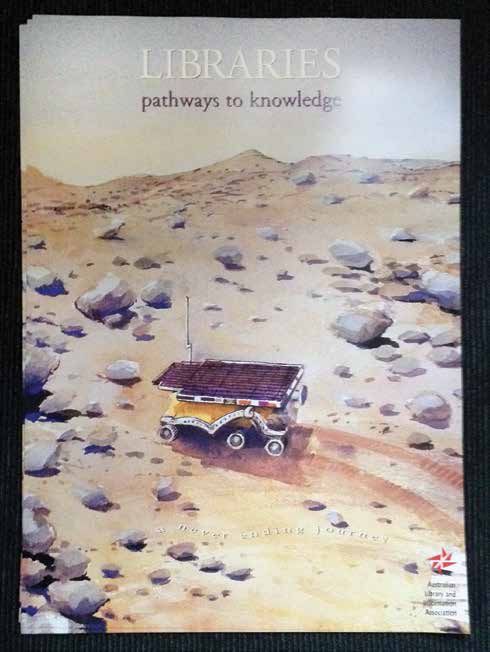
REGULARS

DIRECTLINE
ADVOCACY ON THE FRONT FOOT
     Having worked in a number of              and reasonable explanation for that                   I’d like to
industries, I’m very aware of the fact that    – the contents settle after filling. In the     think we can
there are recurring stories in the media       restaurant industry, the expose was (and        really get onto
for which you need to have a prepared          probably still is) consumer outrage at          the front foot
comeback. These are the stories that           the price of mineral water and the profit       and start to
journalists and commentators tend to           margin on wine and coffee. It’s a fair          piggyback
fall back on when there’s a slow news          cop, but have you ever tried to make            news items
day or they can’t think of a topic for their   money in catering?                              that are not
column.                                            The next stage in ALIA’s ever-              necessarily
     In the packaging industry, the easy       developing approach to advocacy                 about libraries
(seemingly shocking) story used to be          and lobbying is to try to work out what         but that can

T
                                                                     the media is going to     give us a
                                                                     throw at us, before       platform from
                                                                     they take aim. We         which to talk about value, contribution

   he next stage in our ever-                                        need to identify these
                                                                     stories by type of
                                                                                               and impact.
                                                                                                     It would be wonderful if all the media

developing advocacy                                                  library, by geographic
                                                                     region and by
                                                                                               coverage of libraries was positive, but
                                                                                               it is a sad fact that negative stories are

approach is to work out
                                                                     issues (copyright,        out there, and try as we might to be
                                                                     education, budgets).      proactive, we will need to be alert and
                                                                     We have a fair sense      reactive too.
what the media are going                                             of this, but we haven’t         One such example of this occurred
                                                                     yet set it down in a      last month. Below is our response to a
to throw at us, before they                                          plan.
                                                                         Having a strong
                                                                                               typical ‘death of the traditional library’
                                                                                               story that appeared in the Australian
take aim.                                                            sense of what’s
                                                                     coming enables us to
                                                                                               Financial Review: www.alia.org.au/
                                                                                               news/1626/alias-letter-editor-financial-
                                                                     have the evidence         review-published.
that manufacturers are short-changing          and the answers ready and it will help us
consumers such as, “the contents of            create advocacy materials to assist our         Sue McKerracher
cereal and washing powder boxes                members. It will also form the basis for a      Executive Director
are only ever 90% the size of the box”.        proactive media campaign schedule.
There’s actually a perfectly simple

                                                                                                            September 2013 INCITE | 5
NEWS

THE TERRIBLE SUITCASE WINS
CHILDREN’S BOOK OF THE YEAR
     Many school students were part of the crowd present to            The night included the official launch of Children’s Book
cheer on the announcement of The Terrible Suitcase by Emma        Week by Steve Doszpot MLA, who affirmed the essential role of
Allen and Freya Blackwood (Omnibus Books, Scholastic Press)       teacher librarians in schools in his address and congratulated
as Book of the Year: Early Childhood. The win was announced       the CBCA on a wonderful celebration of quality children’s
at the Children’s Book Council of Australia (CBCA) Children’s     literature.
Book of the Year Awards at the National Library of Australia on        A book signing by the shortlisted authors and illustrators was
August 16.                                                        held after the ceremony for the many attendees, who brought
     Winning author Emma Allen was on hand to receive             along their copies of the short-listed books and relished the
the award and to see Year 4 students from Canberra Girls          opportunity to meet the creators of their favourite books.
Grammar perform The Terrible Suitcase as a Readers’ Theatre
for the large crowd. The event was hosted by the CBCA             Rachael Hind
National President Angela Briant, with ABC Radio’s Alex Sloan     ALIA ACT Manager
as a guest speaker.                                               rachael.hind@alia.org.au
     Julie Hunt and Ron Brooks received the award for Picture
Book of the Year for The Coat (Allen & Unwin), Margo
Lanagan’s Sea Hearts (Allen & Unwin) won Book of the Year:
Older Readers, while Book of the Year: Younger Readers was
awarded to Children of the King by Sonya Hartnett (Viking
Books, Penguin Group Australia), and Tom the Outback
Mailman by Kristin Weidenbach and Timothy Ide (Lothian
Children’s Books, Hachette Australia) won the Eve Pownall
Award for Information Books. The Chrichton Award for new
illustrators was awarded to Marc Martin for his work titled A
Forest (Viking Books, Penguin Group Australia).

                                                                  Jackie Kerin and Peter Gouldthorpe

                                                                  Timothy Ide, Kristin Weidenbach

                                                                  Authors Julie Hunt and Margo Lanagan

6 | INCITE Volume 34 Issue 9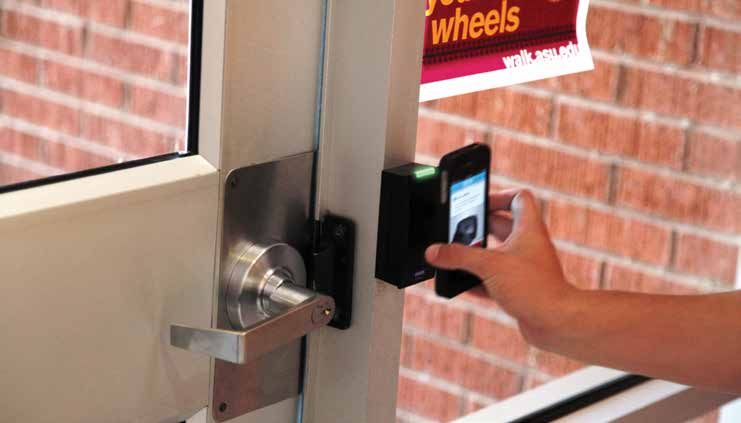
September 2013 INCITE | 7
REGULARS

OPINION
                                Each month, OPINION features contributions from invited guest writers. The opinions
                                expressed in this column do not necessarily reflect those of the Australian Library and
                                Information Association.

What the L?                                      to building literacy. As trusted public
                                                 institutions which are open to all, libraries
                                                                                                                 disabilities and those with limited
                                                                                                                 English as well as the young and the
                                                 offer welcoming environments in which                           old and those in between. Libraries
NSW State Librarian Dr Alex Byrne                people can find the information they                            have easy reading materials as well
recently put the case for literacy,              need, engage with knowledge and                                 as novels, histories and biographies.

                                                                                         T
learning and libraries to readers of             ideas, and develop the
                                                 literacy skills essential to
The Sydney Morning Herald online.                actively participate in
This is what he had to say.
     The announced closure of the
                                                 today’s society.
                                                      Far from the dusty                    oday’s libraries are using
Ford car plant in Geelong, waning
employment in mining and forecast
rises in unemployment have highlighted
                                                 book repositories of the
                                                 past, today’s libraries                 their unique community
                                                 are light-filled and
the need for flexibility in the Australian
workforce.
                                                 vibrant places with                     position to work creatively
                                                 extraordinary community
     A key factor in employability is
literacy and there the news is depressing.
                                                 support and very varied                 in metropolitan, regional
                                                 programs. Nearly
The Australian Bureau of Statistics (ABS)
reported recently that more than two-
                                                 half of the Australian
                                                 population belongs to
                                                                                         and remote areas to
fifths (7.3 million) of Australians aged
15 to 74 years have literacy skills below
                                                 public libraries and many
                                                 others attend library
                                                                                         address literacy issues.
the level needed to function in today’s          events or use other types
society. With limited literacy, people           of libraries including
cannot read contracts or fill out forms          university, school and state. This level                        Community languages are a priority
and are easy to exploit. Employment              of community trust and libraries’ long                          and a challenge. Blacktown City Library,
opportunities are limited, especially for        commitment to learning makes them                               for example, offers materials in 27
older people whose literacy levels tend          a natural platform on which to address                          languages including Twe, Urdu, Somali
to be lower, according to the studies.           literacy wholeheartedly.                                        and Hindi.
     These preliminary findings from                  Public library programs relevant                                Audio books, which were once
an international study, which will be            to literacy start early. Many provide                           the preserve of the vision impaired,
fully reported in September, show that           ‘book bags’ to new babies and their                             are today read by truckies, tractor
another two-fifths of the population             mothers containing a first book and tips                        drivers and mothers who can’t find the
have skills at the basic level and less          on reading at home. Rhyme Time for                              time to sit and read. Online services
than a fifth is at higher levels. The            under two year olds and Storytime for                           in libraries enable people to access
findings confirm a 2006 ABS study which          preschoolers introduce children to the
showed that we are not ensuring that             world of reading and language while
all Australians can master the high levels       their parents – sometimes grandparents
of literacy needed for a contemporary            – connect with each other. In some
economy.                                         areas, such as Ryde, these activities are
     A lifelong commitment to developing         bilingual, recognising the diversity of our
literacy is needed across the states             population.
and territories. Literacy development                 During school years, students come
                                                                           to public libraries

W
                                                                           to borrow books,
                                                                           check the internet,

      e are not ensuring that                                              play games and
                                                                           hang out, always

all Australians can master                                                 absorbing the
                                                                           value of literacy.
                                                                           By high school, the
the high levels of literacy                                                library is a natural
                                                                           place to study, a
needed for a contemporary                                                  habit that persists
                                                                           for many through
economy.                                                                   tertiary education
                                                                           and on to career
                                                                           and business                          information and fill out forms, often with
needs to be emphasised in the formal             development. After school and holiday                           the assistance of library staff. Books
education system but must also draw              activities deepen the interest in being                         and pamphlets provide easy to read
on community based initiatives and               literate and in learning as I recently saw                      information including health and drug
programs including the use of volunteers         with Indigenous kids in Eden.                                   information and the State Library’s plain
and learning in informal settings which               But it doesn’t stop there. Library                         English legal information access service.
may be less intimidating to those who            programs reach into the lives of the most                       Partnerships with community groups
have left school.                                vulnerable in our community including                           provide volunteer literacy tutoring.
   Although outside the formal                   prisons, hospitals and retirement homes.                            Improved literacy has great potential
education sector, libraries provide keys         Programs are tailored to people with                            to enrich an individual’s quality of life on

8 | INCITE Volume 34 Issue 9
NEWS

Why should libraries be in the literacy space?
     In July at the State Library of New      staggering rates of poor literacy, and     which will assist libraries to determine
South Wales, National and State Libraries     this provoked discussion around how        how they are placed as learning
Australasia (NSLA) held an event titled       libraries might reach those most in need   institutions, and will provide libraries
Brave New Worlds – Libraries, Learning        of support.                                with some aspirational goals. Once the
and Community Needs.                              The NSLA Literacy and Learning         testing is complete, the Matrix will be
     Brave New Worlds aimed to provoke        Group will consider the possibility of     made available to all libraries, along
discussion about why libraries are and        similar seminars being held across the     with guidelines and a diagnostic tool

                                              L
should be involved in the literacy and                                                                   to help organisations
learning space.                                                                                          work towards their goals.
      Many libraries have a strong and                                                                   Further information can
visible presence in this space, but should
we? Isn’t literacy and learning the remit
                                                 ibraries can reach out                                  be found at www.nsla.org.
                                                                                                         au/projects/literacy-and-
of our formal education system?
     By focussing on how partnerships         to their communities to                                    learning.

and initiatives like the National Year of
Reading can raise the profile of libraries,   encourage vital literacy                                 Margaret Allen
                                                                                                       CEO and State Librarian
and how programs like 26Ten in Tasmania
and Better Beginnings in Western              development.                                             State Library of Western
                                                                                                       Australia
Australia can make a real difference                                                                   margaret.allen@slwa.wa.gov.au
to literacy levels and to people’s lives,     country in the future. Broadening the
Brave New Worlds aimed to encourage           audience beyond libraries provides
libraries to reach out to their communities   opportunities for greater engagement
across all ages to support vital literacy     with government at all levels and
development and encourage and                 partnerships with other organisations in
support learning.                             the community.
     Adult literacy was raised as a major        The NSLA Literacy and Learning
issue, with Australia still suffering from    Group is developing a Maturity Matrix

                             a personal, community and work
                             level. We are fortunate that we
                             have a great community institution
                             that can help us tackle the
                             challenge of bringing all Australians
                             to the level needed today.
                                  Today’s libraries are using their
                             unique community position to work
                             creatively in metropolitan, regional
                             and remote areas to address
                             literacy issues. Many libraries have
                             already adopted innovative
                             programs to address the needs
                             of their unique and sometimes
                             culturally diverse communities. But
                             we who provide library services
                             need to better understand how
                             to use our skills and our status as
                             trusted public institutions in literacy
and learning. Working together with other community groups
and the education sector, we can build a more literate and more
resilient Australia.

Dr Alex Byrne
NSW State Librarian and CEO
State Library of New South Wales
alex.byrne@sl.nsw.gov.au

This article was first published in The Sydney Morning Herald online.

                                                                                                      September 2013 INCITE | 9
FEATURES

SMARTER THAN THE AVERAGE CARD

 Smart cards can provide access to much more than a physical space

    There are many different layers of        cards gained visual security such as a      versions improve security, privacy and
access available through the humble           photograph, to provide a basic form of      portability to mobile credentials, and
smart card these days, many of which          authentication. Best security practices     users are increasingly enhancing their
can benefit the library and information       would require employees to wear their       cards and badges with more layers of
sector. While the traditional proximity (or   photo ID/access cards and be trained        visual and digital security.
prox) card is an effective and trusted        to challenge anyone in a restricted area        Smart cards come in either contact
method of allowing access to certain          without proper identification.              or contactless form, and can offer
parts of a library building,                                                                              three levels of security:

                             E
modern developments                                                                                       single, dual or three-factor
can allow access to                                                                                       authentication. With single-
computer systems                                                                                          factor authentication, using
and other hardware,             ven smarter smart cards can                                               the card on its own will
store information                                                                                         give access to a computer
about the user and
their professional
                             add new dimensions to the                                                    system or open a door.
                                                                                                          Dual-factor authentication
requirements, and offer
a greater level of security
                             experience of library patrons,                                               adds an extra level of
                                                                                                          security in the form of a
in a simple, easy format.
    For nearly 20 years,
                             make systems and workplace                                                   PIN code, identifying an
                                                                                                          individual and transmitting
low frequency (125 kHz)
cards have been the
                             practices more efficient, and                                                their personal parameters.
                                                                                                          Three-factor authentication
standard in the security
industry, offering efficient save users time and effort.                                                  goes a step further,
                                                                                                          using a PIN and an extra
and effective access                                                                                      security measure such as a
control. At their simplest,                                                                               biometric scan.
these cards allowed a person access               Today’s top standard for access             This all sounds very impressive,
to a building. Whoever had a card in          control is the contactless smart card,      but what does it really mean for the
their possession could enter the building,    based on open standards and featuring       average library in Australia? First, think
and walk through any doors the card           a universal card edge. Also known as a      added security provided in a more
had been set up to protect. This could        card command interface, the universal       effective and convenient manner. If
be an employee who was issued a card          edge improves the card’s ability to         an employee is allowed access to all
or a perpetrator who gained access            interact with a broad variety of products   areas of the building where their daily
using a lost or stolen card. Over time,       within a trusted boundary. The latest       work takes them, a card can be set

10 | INCITE Volume 34 Issue 9
FEATURES
up to allow access to just those areas, and yet restrict them
from entering others where they do not need to go. A cleaner
can be allowed access to the library floor and staff room for
example, but restricted from offices that may contain sensitive
information or equipment.
‘Frictionless’ is something of a buzz-word in modern security.
This relates to any access solution that doesn’t slow a user
down, or burden them with multiple cards and tags. Now that
a smart card can store information about the person using it,
there is scope to achieve much more than just physical access.
The same card that allows a library employee to walk into
the building in the morning can be set up to log them into the
computer on which they work. Instead of remembering and
typing in one or more passwords to access the computer’s
applications, a touch or wave of the card can do the same
thing. This is referred to as logical access, and a system that
allows physical access as well as logical access through the
same card or tag is a ‘converged solution’.
In the same way that cards can be set up to operate within SAVE THE DATE
15 – 19
a trusted security boundary and allow or deny access to parts
of the building, the same can be achieved with access to parts
of the computer network. Systems and files can be smart-card
protected, so that only users who need access to them can
get in. Sensitive data can be stored in the common archives,
but access controlled by card or tag to allow users access to it.
A comprehensive record of who has accessed areas of the SEPTEMBER 2014
building and who has opened specific files can be created
using the data collected from card use and other elements Pullman Albert Park Hotel,
within the secure environment. This can be used to better Melbourne, Australia
understand how physical space and resources are being used,
with a view to improving systems and streamlining workflows.
Library patrons can use the technology in a similar way.
Some cards can now store up to 164K of data, which can
be used to record a patron’s borrowing history, personal
information and credentials. The same card could therefore
allow access to the library, let the individual check out books
and information, and keep a record of borrowed items.
In the same way that retailers in Australia use big data
to predict consumer behaviour, a smart card can be
programmed to interact with the library database to enhance
a patron’s experience.
Suppose an individual has a favoured genre, or topic – let’s
say an interest in bird-watching in the Snowy Mountains. At
the point of checking out a book, a card’s internal storage
can interact with a library’s database to alert the patron that
a book on that topic has recently been published and advise
where it is located.
Another developing area is the use of Near Field
Communication (NFC) enabled smartphones to access secure
areas and information. This technology follows the same
principles as the traditional plastic smart card, but allows digital
credentials carrying a user’s identity data to be embedded
inside a mobile phone, which is then able to exchange data
with readers placed on secured doors and systems. NFC
smartphones can also be used to provide access to personal
borrowing history in the same way as smart cards, but with
much more internal storage, the scope is even greater.
There are many advancements in smart card technology
that could benefit the library and information services sector
in Australia. While advanced security will add to the safety of
staff and protect facilities, the same technology can add new
dimensions to the experience of library patrons, make systems
and workplace practices more efficient, and save users time
and effort.
Jordan Cullis
HID Global Corporation
JCullis@hidglobal.com
September 2013 INCITE | 112014 | NEW TO 2014 | NEW TO 2014 | NEW TO 2014 | NEW TO 2014 | NEW TO 2014 | NEW TO 2014 | NE
2014 | NEW TO 2014 | NEW TO 2014 | NEW TO 2014 | NEW TO 2014 | NEW TOVisit
2014the EduTECH
| NEW TO 2014 | NE
Australia’s LARGEST K-12 Libraries
O 2014 | NEW TO 2014 | NEW TO 2014 | NEW TO 2014 | NEW TO 2014 | NEW TORESOURCE
2014 | NEW TO 2014 |
event is coming in 2014!
NEW TO 2014 | NEW TO 2014 | NEW TO 2014 | NEW TO 2014 | NEW TO 2014 | NEW TO 2014 | NEW TO 20
| NEW TO 2014 | NEW TO 2014 | NEW TO 2014 | NEW TO 2014 | NEW TO 2014 |CENTRE
NEW TO 2014 | NEW TO
2014 | NEW TO 2014 | NEW TO 2014 | NEW TO 2014 | NEW TO 2014 | NEW TOwww.edutech.net.au
2014 | NEW TO 2014 | NE
O 2014 | NEW TO 2014 | NEW TO 2014 | NEW TO 2014 | NEW TO 2014 | NEW TO 2014 | NEW TO 2014 |
NEW TO 2014 | NEW TO 2014 | NEW TO 2014 | NEW TO 2014 | NEW TO 2014 | NEW TO 2014 | NEW TO 20
| NEW TO 2014 | NEW TO 2014 | NEW TO 2014 | NEW TO 2014 | NEW TO 2014 | NEW TO 2014 | NEW TO
2014 | NEW TO 2014 | NEW TO 2014 | NEW TO 2014 | NEW TO 2014 | NEW TO 2014 | NEW TO 2014 | NE
O 2014 | NEW TO 2014 |
®
K-12 Library
Managers Congress
Exploring how student libraries need to evolve to support the
paradigm shifts happening in schools. Discover the key themes
behind this congress by visiting the EduTECH website today!
Who Attends?
The K-12 Library Managers Congress is designed for anyone who
has a role to play in the management of K-12 dedicated libraries.
Heads of Library
Library Services Coordinators SPECIAL
Heads of eLearning
EARLY BIRD
Teacher Librarians
ONLY $395
Information Services Managers
Digital Curriculum Coordinators
Confirmed Keynote for 2014
Professor Sugata Mitra
Global Education Superstar
TED Prize Winner 2013
More speaker details on
our website
Interested in sponsoring
or exhibiting?
REGISTER TODAY Contact Jon Chivers
www.edutech.net.au T: 02 8908 8518
12 | INCITE Volume 34 Issue 9
E: jonc@acevents.com.auFEATURES
B O LD NEW
B O O K SHE LF FOR
C UR TIN U NI
New technology is enabling Curtin University to showcase electronic and physical collections
seamlessly for their patrons
With the purchase of physical books seemingly The Virtual Bookshelf technology delivers a
on a downward spiral everywhere, libraries and convenient browsing experience that includes
information services have found themselves both physical and virtual resources in a single
faced with yet another challenge – how do you attractive display, either showing as a moving
promote your collection if it’s part hard copy, carousel or, in the best tradition of ebook stores,
C
sitting on a wood grain bookshelf. Each
item’s cover is shown in a display that is
updated weekly with new titles.
urtin University has Clicking on the book cover image
reveals a pop-up of its bibliographic
made the Virtual Bookshelf details and links to the location and
availability for hard copy works. If it is
an ebook, then clicking on the image
technology freely available will take the client straight to the ebook
itself.
to interested libraries. Curtin has made the technology
freely and openly accessible to
interested libraries for use with their
part electronic, and your patrons can no longer clients. Any libraries interested in getting access
necessarily ‘see’ the full collection to browse it? to the code should follow New Books link from the
Curtin University Library’s Virtual Bookshelf, library’s homepage at www.library.curtin.edu.au.
recently awarded the Library Board of Western
Australia’s Excellence Award for 2013, is proving to
be a successful solution.
September 2013 INCITE | 13FEATURES
STEPPING INTO THE OPEN: THE INTERMEDIARY
PERSPECTIVE ON OPEN ACCESS SERVICES
The past couple of years have been (NISO) looking at standardisation of OA many individual invoices is vast. Industry
rather fast-paced in the open access metadata promises to make OA content figures state that a normal invoice takes
(OA) world. The failure and fallout of the more easily identifiable, allowing it to be around an hour to administer from
Research Works Act in the US in 2012, more easily integrated into A-Z lists, and receipt to payment. That’s nearly 700
the Finch Report in the UK and its new therefore more useful and accessible to full-time people, and paid OA is still in its
gold OA mandate, and more recently end users through their library. early days.
the announcement from the University Intermediaries are well known If we look at the average cost of
of California that all funded research will for their extensive catalogues and processing an invoice (industry standards
be made open access for all to read: databases, and as vendors of suggest $50USD), then supporting
these events all show that the scholarly aggregated content, they provide a researchers to publish gold OA is already
landscape and
A
costing an extra $9M. This number will
publishing models only go up as OA expands, and will
associated with it place more pressure on library and other
are changing faster
than ever before. t a time when library institutional resources.
Just as intermediaries manage vast
For many this
is great news. resources and budgets numbers of subscriptions for libraries,
so they are able to use their many
Increasing free relationships with publishers to quickly
access to more are as stretched as ever, and cost-effectively manage large
research must numbers of APC payments. After looking
surely be a good there seem to be clear roles carefully at the market, this is where
thing. For students Swets has developed its first open access
and researchers
it means a
for intermediaries to take related service, in APC management;
launched initially in the UK with a view to
broadening of
material that
away much of the burden expanding the service to other regions
shortly.
is available for
use in study or
associated with OA. In time, there are many other
functions that an intermediary may
research work. It play around OA, including offering
also expands the possibilities for deep natural place to harvest and collate OA similar services to publishers and funding
data mining across increasing amounts metadata. bodies. Swets is looking carefully at a
of content to discover hidden meaning Secondly, we see many libraries number of these opportunities.
in the research record. For publishers, adopting a teaching or coaching It’s an exciting time as open access
the paid side of OA (Gold) opens up a function to help researchers and authors publishing grows and an ecosystem of
new stream of revenue that they can in their institutions find the best way ancillary services starts growing around it.
develop as subscriptions lie flat or are in to approach open access publishing, Intermediaries will develop to add value
decline. But what about libraries, whose advise which journals to publish in, and where possible as the research and
central role is managing content and help them with licensing issues. The publishing environment changes, using
information for their patrons? ‘library as educator’ is a lively topic right capabilities in-house that can cover
Inevitably, new publishing models now across the blogosphere. gaps libraries don’t need to fill.
have meant the need to develop Intermediaries are well-connected
and maintain new workflows, and with to publishers, and therefore gathering Finbar Galligan
OA much of this has fallen at the feet licensing and copyright information Marketing Specialist
of the library. At a time when library might be another natural way in Swets Information Services
resources and budgets are as stretched which they could provide up-to-date fgalligan@uk.swets.com
as ever, there seem to be clear roles for information back to libraries and authors.
intermediaries to take away much of the Finally, there is the administrative
burden associated with OA. function the library and its staff play in
There are three broad areas which managing content.
see an intermediary working alongside Library professionals are responsible
the library to deliver common benefits for selecting, acquiring and then
and increase the value of service they distributing the materials for their library,
provide within the scope of OA. which usually means managing budgets,
Firstly, library professionals seek to payments and other administrative
ensure that their patrons can access OA tasks. One of the overarching benefits of
content as easily as standard subscribed working with an intermediary is that they
content. Content acquisition, curation can take a lot of that admin away.
and preparation for use by patrons are For OA, the industry is now faced
primary functions of the library and OA with article processing charges (APCs).
content should be no exception to this. We estimate that 180 000 articles were
A current initiative from the National published via paid (‘Gold’) OA in 2012.
Information Standards Organisation The administrative time to process that
14 | INCITE Volume 34 Issue 9September 2013 INCITE | 15
REGULARS

ENERGISE, ENTHUSE, INSPIRE
EEI gives a voice to the new generation of library and information professionals. If you
have any suggestions or topics for this column, please contact the column co-ordinator
Lesa Maclean at maclean.lesa@gmail.com

FIRST, YOU NEED TO BE
ABLE TO GET INTO THE
BUILDING
Accessibility can mean many                                    Even large, open workrooms have their          local governments have a requirement
different things for different                                 issues with boxes and other things on the      that staff be able to move between
                                                               floor, which can make it difficult for me      branches. My disability restricts my ability
people. As someone who often
                                                               to navigate the room. Simple things such       to drive, so that immediately disqualifies
uses a wheelchair, the first thing                             as making sure workrooms have sufficient       me from a number of positions. I once
Suzie Day asks before she can do                               floor space around the furniture can           asked a manager if there might be some
anything in life is “can I get in the                          make a big difference.                         considerations or adjustments made,
building?” Sadly, the answer is ‘no’                               Often larger organisations will have a     and that I was eligible for 50% off taxi
more often than you might think.                               standardised form to fill out to apply for     vouchers. He responded that they might
                                                               a job. You can’t prove it, but you know        consider me if I had 75% off vouchers
But when we’re talking about                                   when you tick the box that says “Do you        (which don’t exist). When you move
accessibility in libraries, for Suzie,                         have a disability or illness that may affect   staff between branches “because we
                                                               you performance?” your CV goes to              like to rotate staff”, accommodations
the greatest hurdle is getting
                                                               the bottom of the pile. Legally speaking,      can be made. Besides, one of their older
employment.                                                    I am under no obligation to declare            buildings had no ramp entry.
      Over the last two years I have been                      any disability until after I am offered a          I know that as a new grad, my CV
applying for just about every suitable                         job, and even then I do not have to            looks fantastic. I am just two arts electives
job (and a few that were not!), and                            disclose anything unless it is relevant to     from graduating, I have supervised
have gained just two interviews. Both                          the position. The loophole that is often       volunteers and staff, I am currently
of these positions were for short term                         exploited can be found in the disclaimer       starting a library from scratch, I have
contracts with NGOs that provide                               that states “Should it be found this           presented a paper at an international
disability services. I am halfway through                      declaration is false at a later date, it may   conference, I have written for INCITE
my current contract, so I am back in                           result in grounds for termination”. Since      and other publications on a number of
the job market. As my fiancée is also                                                                         occasions, I network at every opportunity

                                                  I
disabled, but cannot work at all,                                                                             I get and I attend conferences as
it is essential that I have secure                                                                            often as possible. I am so passionate
and stable employment. Being                                                                                  about libraries, and their role within the
disabled is expensive, and
at the end of each fortnight,
                                                    n Australia, just                                         community.
                                                                                                                  I just want the chance to show what
any money that isn’t spent on
appointments, medications,                        39.8% of people                                             I can do. So to all employers out there,
                                                                                                              please consider making more effort to
and therapy is usually gone the
following week. One person                        with disabilities                                           employ people with disabilities. When
                                                                                                              taking into consideration a suitable
                                                  are employed.
living on the disability pension is                                                                           building, workload, time commitments,
surviving. Two people living on                                                                               flexibility, and public transport, my job
the pension isn’t even that. In
Australia, just 39.8% of people                   This is one of the                                          options are limited. I need that one
                                                                                                              perfect job more than you realise.
with disabilities are employed,
compared to 79.4% employment
rates within the general
                                                  lowest workforce                                            Suzie Day
                                                  participation rates of
                                                                                                              @MissSuzieDay
population. This is one of the
lowest workforce participation                                                                                Suzie Day is in her final semester of
rates of developed nations.
      As it stands, before I even
                                                  developed nations.                                          university and currently works part-
                                                                                                              time at the Mental Health Law Centre
think about what to put in my                                                                                 Library doing a whole lot of cataloguing.
cover letter, I always have to                                 January, I have completed no less than         She is passionate about providing
ring the organisation, to find out just how                    six job applications such as this. If any      information services to marginalised
suitable it is. In my experience, older                        managers have control over this aspect         communities, and about libraries being
library buildings tend to be wheelchair-                       of recruitment, then it is something they      community spaces. She can be found
accessible in the main area, but the                           should be aware of.                            on Twitter as @MissSuzieDay and blogs
staff-only areas such as the break room                             Another hurdle I have found in finding    at CatalogueThis.com. She also looks
are not. Newer buildings tend to be                            employment is the increasing need              fantastic in bow ties.
better, but this is not always the case.                       for a drivers licence. More than a few

16 | INCITE Volume 34 Issue 9
FEATURES
ONE SIZE DOESN’T FIT ALL
In June, member states of the World friends reading endless law texts onto
Intellectual Property Organisation (WIPO) tape before the advent of computer • People with
formally adopted the Treaty to Improve technology changed his world forever. disabilities are
Access to Published Works for Persons But very few ebooks, he trenchantly individuals.
who are Blind, Visually Impaired, or points out, are produced enabled for the • Disabilities may
otherwise Print Disabled. This was the print disabled. be temporary or
culmination of decades of discussions The Round Table on Information permanent.
and very hard work over recent years by Access for People with Print Disabilities • People may have
many groups, among them IFLA and the defines the print disabled as not only more than one
World Blind Union. individuals who are blind or vision disability.
The World Blind Union has estimated impaired, but also people with physical • People can
that a mere 7% of published books are disabilities that affect their ability to be further
ever made accessible in formats such as manipulate print materials, those with disadvantaged by
Braille, audio or large print. The objective disabilities that affect concentration and a lack of English
of the treaty is to establish a copyright those who are limited by poor literacy or language skills, lack
exception to enable cross-border language skills. of familiarity with
transfer of books to increase that figure, That we might not usually include Australian library
by sharing and improving accessibility people with poor literacy skills when we and information
of copies for the print disabled across talk about the print disabled is just one practices and by
national borders. example of how difficult it can be to poor literacy skills.
Emeritus Professor Ron McCallum, understand and plan for people with • The needs of
Australia’s first totally blind person to disabilities to truly ensure they are able friends, families,
achieve a full professorship and to to be an active part of our community of professionals and
become a Dean of Law, recently likened patrons and colleagues. Is now a good self-help groups
the achievement of this treaty as the time to look again at your organisation’s must also be
“biggest thing since the invention of policy and procedures? considered.
Braille”. Professor McCallum, now an Read the WIPO Treaty at wipo.int/ • Not all disabilities
acclaimed human rights advocate, meetings/en/doc_details.jsp?doc_ are obvious.
was assisted in his studies by family and id=241683.
September 2013 INCITE | 17FEATURES ENCOURAGING ACCESS: LIBRARY AND INFORMATION WEEK IN POSTERS ALIA has run many Library and Information Week campaigns over the decades. Each year the artists and designers try out new ideas to depict the riches of Australia’s libraries, showcase the skills of those who work in them, and encourage patrons to make the most of both. Just recently the ALIA House staff took a walk down memory lane in the archives, sparking a discussion about how the imagery and slogans have changed over the years, although the message about access remains the same. Whether they use science, humour or technology to get the message across, there’s something for everyone. Here are just a few of our favourites. Which are yours? 18 | INCITE Volume 34 Issue 9
FEATURES

September 2013 INCITE | 19
FEATURES

GETTING THE GOOD (FREE) STUFF ONLINE
Information in the digital world has burgeoned dramatically over the past 10 years. Information professionals
now find themselves in an environment where information is coming from everywhere at once: social
networking sites, blogs, wikis, Open Access (OA) books and monographs, forums and discussion groups,
videos, mobile apps…
These phenomena were the starting point for Taylor & Francis to put on their thinking caps and explore the key
issues librarians are experiencing when it comes to the discoverability of free content. This article is a précis
of the White Paper prepared for ALIA’s Future of the Profession discussions, titled Facilitating Discovery of Free
Online Resources: Challenges and Opportunities for the Library Community.

    As part of our commitment         in academic institutions for
to supporting the academic            research and teaching, to
and library communities, we           understand how librarians help
decided to research how               users to recognise quality and
librarians, striving to best          relevance in non-purchased
serve their end users’ needs,         resources. We aimed to identify
make free content fully               any perceived problems with
integrated and searchable             using non-purchased content
within the library online public      and understand how librarians
                                                 demonstrate the

   F
                                                 value of non-
                                                 purchased resources.

‘ ree-to-access’
                                                 We wanted to start
                                                 a debate on the          1. Growth and value
                                                 next generation of
doesn’t necessarily                              publishing activities    of free content
                                                 so that we could
mean ‘easy-to-find’                              start solving some
                                                 existing issues across
                                                                              Free content is growing rapidly. How
                                                                          librarians sift through this volume of material
                                                 the industry by          to identify what high quality free resources
access catalogue (OPAC).              commissioning research on the       should be brought to the attention of their
We intended to identify the           discoverability of free online      patrons.
challenges that librarians            resources.
face in facilitating access               We used a variety of
to free online resources,             primary research methods to
while continuing to manage            collect research intelligence
paid resources as they have           that was as representative
traditionally done.                   as possible. The research was
     Free resources could             run from our UK offices, and
potentially be of great value
in all aspects of education:
                                      included responses from initial
                                      phone interviews with our
                                                                                          free
teaching, learning and                library and information science
research, but the challenge           editors, focus groups in the UK
lies in librarians determining        and the US, in-depth tele-
the value of all these online         interviews (with UK librarians)
resources when ‘free-to-              and an online survey that
access’ doesn’t necessarily           elicited over 500 responses. We
mean ‘easy-to-find’. Users are        also conducted desk research
increasingly overwhelmed with         to support our findings on
content and find it difficult to
navigate effectively through
                                      the discovery of free online
                                      resources to represent the          2. Resource
what is available in order to
apply it in their research, studies
                                      views of as many librarians as
                                      possible.                           challenges for
or teaching. In helping users to
navigate this non-purchased
                                          Our primary research
                                      explored the following key          librarians
content, librarians often have        seven themes and the full               Making free resources discoverable
no ownership in the traditional       paper examines each of these.       takes up staff time – how can library and
sense of library acquisition, and     They are:                           information professionals ensure that
often no usage statistics by                                              bringing together free and paid content
which to gauge relevance.                                                 is worth the effort when no metrics are
     We wanted to define                                                  available to identify an institution’s
the types of non-purchased                                                performance?
content currently being used

20 | INCITE Volume 34 Issue 9
FEATURES
3. Identification and Taylor & Francis is supporting all the
current Open Access mandates and
selection of content working with authors, institutions, funders
and policy makers to ensure we develop
Currently it is a challenge simply to identify access robust, transparent and trusted services
restrictions to content. Many librarians comment that for all involved. We have author rights
the lack of metadata makes the management of policies that allow for posting of author
free online resources difficult and unpredictable. Free manuscripts post-peer review (post-prints)
content can also be subject to a variety of licences, on institutional repositories, supporting
with no easy way to identify reuse terms. What do the Australian Research Council’s recent
library and information professionals require in their Green Open Access mandate.
new role as facilitators of free online content? What Under our Library and Information
free are the current attitudes towards free and paid for
content?
Science (LIS) pilot program, which
has been running since 2011, authors
in our LIS journals can freely post their
4. The role of the library
The research has revealed that the role of
library and information professionals relating to
C ollaboration is
the key to success
the facilitating of free online content falls into two
key areas, these being evaluation and selecting
resources following a clear methodology and
in the searchability
providing guidelines and training.
and permanence
of free content.
post-prints immediately on publication,
without any embargo. We have already
free
5. Information literacy
reached agreement with a number of
repositories such as PubmedCentral and
free Moving out of the library and into their
the World Bank to deposit the author-
accepted manuscript directly to the
community, and in particular forging links with faculty,
repository on behalf of authors to enable
appears to be a key priority for many of the librarians
them to fulfil their funder mandates,
who participated in our research.
and we see this program expanding
further in future. Details of our current LIS
Author Rights Policy can be found on
our website: journalauthors.tandf.co.uk/
preparation/lisrights.asp
The Taylor & Francis White Paper uses
the results and findings from our research
6. User needs and to explore the above themes in more
detail in order to draw conclusions about
what our research means for the library
expectations and publishing community, as well as for
Taylor & Francis. It looks at challenges
User behaviours and expectations are changing.
that are faced by library and information
We asked librarians about their plans for improving
professionals and publishers, and how
their discoverability services for users, to identify what
they, and aggregators, are responding
they feel is of the greatest importance to support
to the changes. It then addresses the
users when discovering free content.
next steps at the face of this burgeoning
of digital content. Ultimately, the key
message that emerges from our research
is that collaboration is the key to success
in the searchability and permanence of
free content.
7. The role of publishers This is just the start of a conversation,
so please download the White Paper,
should take in helping solve some free
Librarians’ views are split on the role that publishers
of these problems.
view the supplementary data, sign up
to webinars and let us know what you
Nevertheless, there are clear areas where publishers think: explore.tandfonline.com/lmt/
can provide support. Ultimately publishers generally discoverability.
need to continue to support collaborative efforts to For further information please contact
provide industry-level safety nets that tackle issues of the Taylor & Francis Melbourne office:
preservation, indexing, measurement and evaluation. enquiries@tandf.com.au.
September 2013 INCITE | 21NEWS
ALIA GROUPS: ACCESS FOR ALL
ALIA groups make a special and greatly valued
contribution to ALIA, bringing the library and
Access to professional
information community together from all parts of
Australia through location and special interests.
development
Group professional development events can offer you
There are now over 40 groups nationwide, offering
great value for money professional development (PD)
our members unparalleled networking opportunities opportunities too, often free or at a very low cost. Groups’
as well as access to all the
I
PD events are
benefits of coming together to frequently the
learn and share. ideal PD for our
t’s easy to start an ALIA group. members, offering
Networking virtually customised
ALIA groups present and
It doesn’t matter whether you sub-sector specialist
events with the
manage a vast array of networking
events to enable members to
are in a rural or central location, convenience of
local venues. The
volunteer Group
connect with others in the industry,
both locally and nationally. These
and it can be done for nearly Committees put in
a lot of dedicated
events give you access to a network
of peers and provide a platform to any special or sector focus. hard work to
showcase and share your expertise. present these PD
Networking is a valuable events. As active
activity, particularly for individuals who are members of a large practitioners themselves, they understand what you want in
organisation but who may be isolated either geographically, terms of area of practice or locality.
and for professionals who are part of a small staff or one or
two. Networking gives you the opportunity to share information,
provide (and get) support, and to learn what others are doing
Access to information
in their libraries. Your ALIA groups also provide access to information on their
Groups’ pages, blogs, social media and elists. The information
provided ranges from simply sharing event information relevant
to the sector, to providing free reports and publications. One
example of the great reports accessible on the ALIA website
is the Health and Librarianship Workforce and Education:
Research to Plan the Future final report, made available by the
Health Libraries Australia Group.
Another fantastic example of information sharing comes
from Molly Tebo, a committee member of ALIA West Group,
who used Twitter at her state’s National Advisory Congress
using a smart board. This extended the conversation to those
who couldn’t make it to the event and gave them access to
updates of the event.
Here’s what Molly had to say about using social media to
enable more members to participate in the meeting: “Twitter
is a wonderful tool for extending conversations beyond people
who are physically present. At the WA ALIA National Advisory
Congress, people who couldn’t be there. and even people
from interstate. could follow what was happening and ask
questions via Twitter. This led to a workshop on the Future of
the Profession that was more interactive and accessible to a
greater number of people”.
How to join or start a group
It’s easy to join or start an ALIA group. To see the full list and
contact details for all our groups, check out the website at
www.alia.org.au/our-communities/alia-groups.
Starting a group is easy too. It doesn’t matter whether you
are in a rural or central location, and it can be done for nearly
any special or sector focus. So if you have a special interest, or
would like to create a new group for your region all you have
to do is contact me, and I can help you get started.
Emily Peters
ALIA Groups Coordinator
groups@alia.org.au
22 | INCITE Volume 34 Issue 9NEWS
DIGITAL HUBS THE FOCUS FOR
NEW ALIA GROUP
With a focus on the importance of internet internet access points, supplied with a number of internet
accessibility, ALIA’s Public Library Advisory Committee ready computers, all over Australia.
recently launched a new group called the ALIA Digital The ALIA Digital Hubs Group brings together public
Hubs. libraries around Australia that are at various stages
of introducing a government-funded
O
Digital Hub, to share information,
program ideas and resources. The bi-
ur ALIA group allows libraries monthly teleconferences for this group
already regularly attract more than 20
participants.
implementing Digital Hubs to As Digital Hubs Group member
Michelle Hudson says, “The rollout of
discuss the new programs and the NBN offers huge potential for public
libraries around Australia as well as many
services they are delivering as well challenges.
“Our ALIA group allows libraries
as the new technologies they are implementing Digital Hubs to discuss
the new programs and services they
using with their communities. are delivering as well as the new
technologies they are using with their
communities. The group facilitates the
The Digital Hubs Group will be giving priority to exchange of ideas and encourages libraries to work
sharing information about the National Broadband together across Australia.”
Network (NBN) roll-out and takes its name from the For more information on the ALIA Digital Hubs Group,
government programs that are being established to contact Groups Coordinator, Emily Peters at groups@
provide community based computer training and alia.org.au.
September 2013 INCITE | 23You can also read


