LS-Magazine for members - Olympic memories Transit of Venus Mysterious Audubon Wallis album
←
→
Page content transcription
If your browser does not render page correctly, please read the page content below
SL
  –
  Magazine for members
  Winter 2012

 Olympic memories
    Transit of Venus
Mysterious Audubon
       Wallis album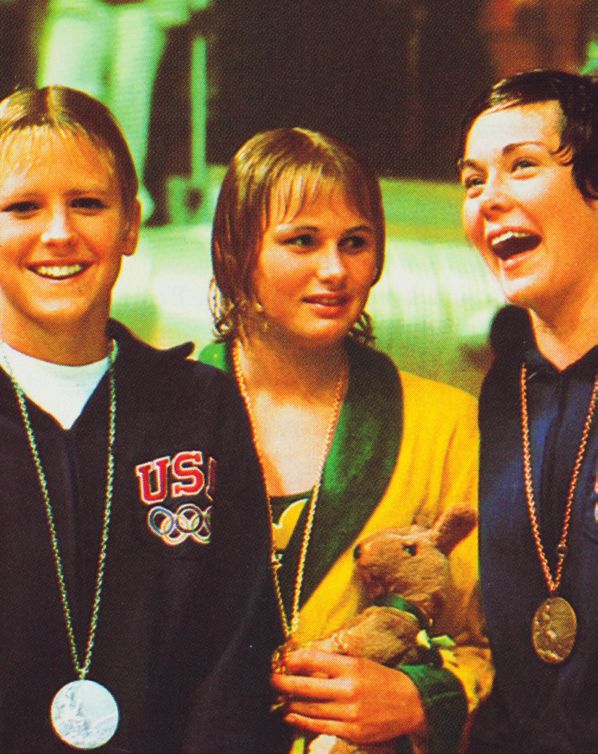
Message
Passages
Permanence, immutability, authority tend to go with the
imposing buildings and rich collections of the State Library
of NSW and its international peers, the world’s great
libraries, archives and museums.
But that apparent stasis masks the voyages we host.
In those voyages, each visitor, each student, each scholar
finds islets of information and builds archipelagos of
understanding. Those discoveries are illustrated in this
issue with Paul Brunton on the transit of Venus, Richard
Neville on the Wallis album, Tracy Bradford on our
collections on Olympians such as Shane Gould and John
Konrads, and Daniel Parsa on Audubon’s Birds of America,
one of our great treasures.
All are stories of passage, from Captain James Cook’s
voyage of geographical and scientific discovery to Captain
James Wallis’s album that includes Joseph Lycett’s early
Newcastle and Sydney watercolours. This artefact, which
had found its way to a personal collection in Canada,
has now been repatriated to New South Wales, in the care
of the State Library.
C
SL
THE MAGAZINE FOR
FOUNDATION MEMBERS,
FRIENDS AND VOLUNTEERS
IS PUBLISHED QUARTERLY
BY THE LIBRARY COUNCIL
OF NSW.
WINTER 2012
VOL. 5 NO. 2
ontents
Winter 2012
STATE LIBRARY OF NSW
MACQUARIE STREET
SYDNEY NSW 2000
PHONE (02) 9273 1414
FAX (02) 9273 1255
LIBRARY@SL.NSW.GOV.AU
WWW.SL.NSW.GOV.AU
6
8
10
14
NEWS
Elegance in exile
Classic line-up
Reading hour
Biography and
business
Library takes on
Premier’s awards
French connection
ON THIS DAY
FEATURE
World records
LANDMARK
26
30
32
34
PROVENANCE
Rare birds
A LIVING COLLECTION
Paul Brickhill’s
war of nerves
NEW ACQUISITIONS
Vantage point
Art of politics
BUILDING A STRONG
FOUNDATION
New online story
reveals history
of rural Australia
37
ISSN 1835-9787
These are inspiring stories of sharing knowledge across P&D-3799-5/2012 OPENING HOURS ACQUISITION VOLUTEERS
the globe. It is the same inspiration that drives the National PRINT RUN 2500 MONDAY TO THURSDAY
9 AM TO 8 PM
Pride of place: Family ties
Year of Reading, which we are celebrating in 2012 with many The Wallis album
38
FRIDAY 9 AM TO 5 PM
events. We are promoting the personal and societal benefits
EDITOR
18
WEEKENDS 10 AM TO 5 PM FOR OUR FRIENDS
CATHY PERKINS
of being a reader, and how we go on imaginative voyages
40
CPERKINS@SL.NSW.GOV.AU EXHIBITION GALLERIES FEATURE
OPEN TO 5 PM, TUESDAYS
with great creative writers or learn from the experiences DESIGN & PRODUCTION TO 8 PM Chasing Venus RECENT HIGHLIGHTS
of others — as I have done while reading Andrew Tink’s MARIANNE HAWKE THE MITCHELL LIBRARY
READING ROOM IS CLOSED
22 43 Q&A
excellent Lord Sydney: The Life and Times of Tommy PHOTOGRAPHY ON SUNDAYS. EXHIBITION
Fred Watson
Townshend (2012), which describes his influence on
UNLESS OTHERWISE STATED
ALL PHOTOGRAPHIC WORK
COVER Recycled Library
SHANE GOULD HOLDING ALOFT
the character of the early colony. IS BY DIGITISATION AND
IMAGING SERVICES, THE TEAM MASCOT FOLLOWING
And briefly, I am pleased to note that the Library’s role STATE LIBRARY OF NSW. THE 400 METRE FREESTYLE
MEDAL PRESENTATION,
in supporting and celebrating writing and its passages has SUSTAINABILITY MUNICH OLYMPIC GAMES, 1972,
MLMSS 7025/7X
PRINTED IN AUSTRALIA BY
been highlighted by the Premier’s decision to bring the PEGASUS USING BJ BALL
BACK COVER
NSW Premier’s Literary Awards and NSW Premier’s History ECOSTAR PAPER. THE PAPER
IS CARBON NEUTRAL AND DIVERS PRACTISE DURING
Awards home to the State Library. 100% RECYCLED FROM
POST-CONSUMER WASTE.
THE SECOND DAY OF THE
14TH FINA WORLD AQUATICS
CHAMPIONSHIPS, IN SHANGHAI,
CHINA, IN JULY 2011,
ALEX BYRNE
BY ADAM PRETTY, AUSTRALIA,
NSW State Librarian & Chief Executive GETTY IMAGES, 2ND PRIZE
SPORT STORIES, WORLD PRESS
PHOTO 2012, SPONSORED BY
CANON AUSTRALIA AND
SUPPORTED BY TNT
THE STATE LIBRARY OF NSW
IS A STATUTORY AUTHORITY OF,
AND PRINCIPALLY FUNDED BY,
THE NSW STATE GOVERNMENT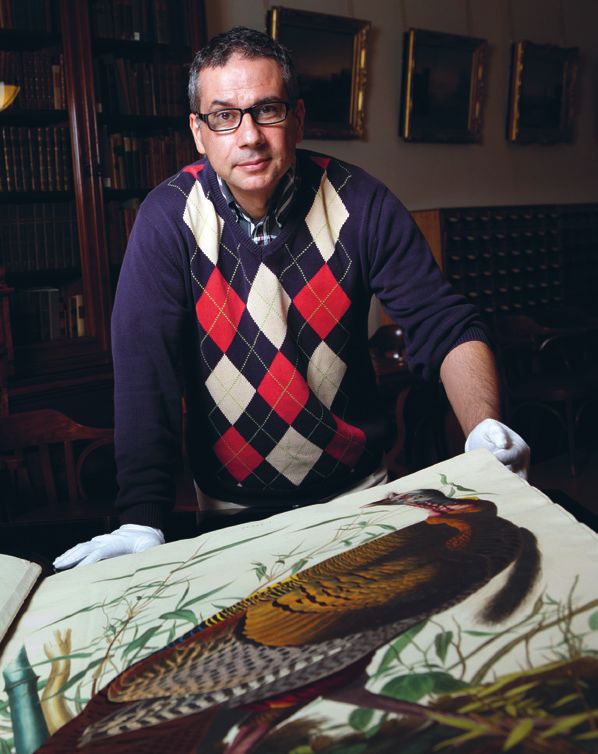
PHOTO BY BRUCE YORK
Biography and business
By the time you receive SL magazine, judges will
have chosen from a record 63 National Biography
N EWS
Award entries to announce the winner (on 14 May).
The longlist for Australia’s pre-eminent prize for
biographical writing and memoir ranges from
autobiographies by musician Paul Kelly and former
prime minister John Howard, to city biographies
of Sydney, by Delia Falconer, and Melbourne, by
Sophie Cunningham. On presenting the longlist,
chair of the judging panel, Peter Rose, commented
that ‘Biography — in its many styles and guises —
is in rude health.’
In other awards news, renowned journalist and
author Trevor Sykes has won Australia’s largest
Classic line-up and most significant award for business literature,
the $30,000 Ashurst Business Literature Prize,
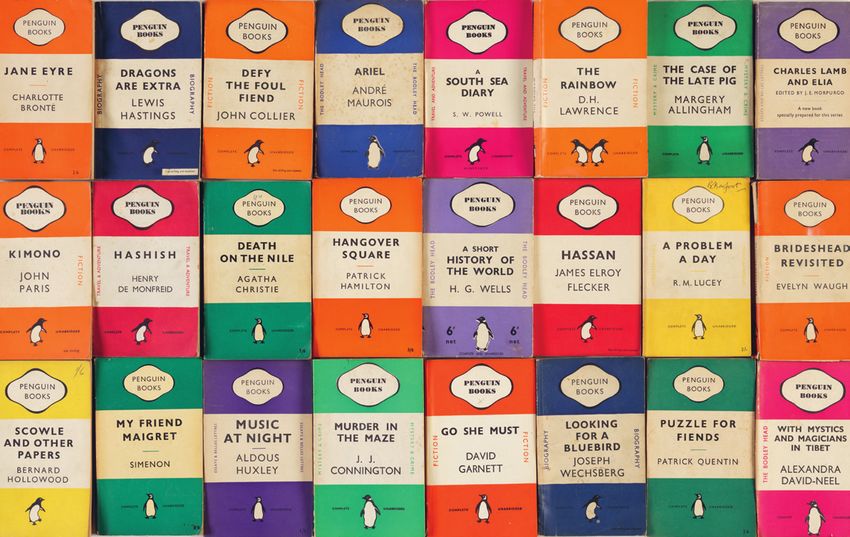
When the Library’s Penguin Books collection for Six Months of Panic: How the Global Financial
(see photo pp. 4–5) was purchased in 1981, it was Crisis Hit Australia (Allen & Unwin). The National
one of the largest sets of Penguins ever offered for Biography Award and Ashurst Business Literature
sale, a representative sample of almost 3000 editions Prize are administered by the Library.
from 1935 to 1970. But 30 years later, the Library
still had no catalogue records for them.
Then, in 2011, the launch of a training program
for new librarians was a chance to dig them out.
For Jan-Amanda Harkin, one of four librarians French connection
given the task of cataloguing these publishing icons, Could you be a Huguenot? With the ever-increasing
the collection has great appeal. ‘The public has an interest in genealogy, the Library’s Huguenot
affection for the Penguins,’ says Jan, ‘they gave people records are proving a popular resource for those
access to affordable, but quality, literature.’ Far from seeking to establish a French connection in their
pristine first editions, ‘they’ve been used, lent, read family line. The Huguenots were French Protestants
many times,’ says Anatta Abrahams, who oversees who fled religious persecution between the sixteenth
the training program. ‘It’s all part of their charm, and eighteenth centuries. According to family history
and their purpose.’ Over 2500 new records for the librarian David Berry, the Library has ‘all the
Penguins have so far been added to the catalogue. essential sources for tracing Huguenot ancestry’.
Elegance in exile MICHAEL CARNEY AND JAN-AMANDA HARKIN WITH PENGUIN BOOKS NATIONAL BIOGRAPHY AWARD SHORTLIST A significant resource is the Quarto Series of
PHOTO BY HAMILTON CHURTON the Huguenot Society of Great Britain and Ireland,
State Library conservators have prepared
which brings together the surviving Huguenot
21 drawings and watercolours for display at
church registers for England and Ireland, and
the National Portrait Gallery in Canberra this
winter as part of the exhibition Elegance in Exile Reading hour Library takes on Premier’s awards many other useful records. A Library volunteer,
Cecile Ramsey Sharp (now deceased) — known as
(1 June to 26 August). On show will be the work
The Reading Hour on A reinvigorated Premier’s Literary Awards and Premier’s ‘Miss Huguenot’ to Library staff — spent 15 years
of four convict artists — Richard Read senior,
25 August is a call to action History Awards will be managed by the State Library, with indexing the Quarto Series. Researchers around
Thomas Bock, Thomas Griffiths Wainewright
for people of all ages to an awards ceremony in November 2012 in the Mitchell Library the world use her microfiche index to identify
and Charles Rodius — who are credited with
encourage families to ‘share Reading Room. ‘This historic location, which has fostered so Huguenot ancestors. You’ll find these resources
producing ‘the most significant and elegant
a book with your child for much historical and creative writing, is the perfect setting for in the Family History Service on the lower ground
portraits of the colonial period’.
10 minutes a day, an hour a these awards,’ NSW Premier Barry O’Farrell announced on floor of the State Reference Library, where librarians
In 2010–11, items from the Library’s
week’. Part of the National 5 April. The Premier stated that the awards would be enhanced can help you in your search.
collection were displayed at 49 exhibitions
Year of Reading, events will and receive the recognition they deserve, with the Library well
in Australia and overseas. HUGUENOT FAMILY PORTRAIT: PERDRIAU FAMILY, SYDNEY,
be held throughout the day placed to promote regional involvement through its public FROM ELUSIVE FREEDOMS BY RALPH J PERDRIAU, 1966
MRS [ELIZABETH] MARSDEN WIFE OF REV. S. MARSDEN,
RICHARD READ SNR, 1821, MIN 74
in libraries, bookshops and library network. In 2013 the awards will revert to coincide
other public places. with the Sydney Writers’ Festival and NSW History Week.
6/SL MAGAZINE Winter 2012 State Library of New South Wales SL MAGAZINE Winter 2012 State Library of New South Wales / 7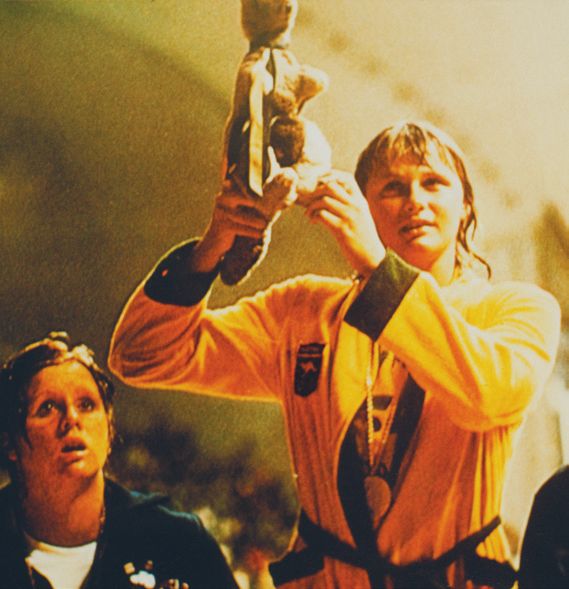
5 June 1788
The precious herd of cows transported
to Sydney with the First Fleet stray and
become lost. The area where they are
finally found in 1795 is then named
Cowpastures (near present-day Camden).
VIEW OF THE GOVERNMENT HUT AT COWPASTURES, 1804
SSV1B / COWP D / 1
                                                                        19 June 1822
                                                                        John Bigge’s damning report into the
                                                                        state of the colony is printed in London.
                                                                        Among other things, Commissioner
                                                                        Bigge criticised Governor Macquarie’s
                                                                        extravagance in town planning.
                                                                        REPORT OF THE COMMISSIONER OF INQUIRY INTO THE
                                                                        STATE OF THE COLONY OF NEW SOUTH WALES, 1822,
                                                                        BY JOHN THOMAS BIGGE DSM/Q991/7A2
                                                                                                                         DAY
                                                                                                                         on this

                                                                                                                                   10 August
                                                                                                                                                COMPILED BY

                                                                                                                                   FEAST DAY OF ST LAWRENCE
                                                                                                                                   Today is the feast day of Saint
                                                                                                                                   Lawrence, one of the patron saints of
                                                                                                                                                                         Emma Gray, Discover Collections

                                                                                                                                   librarians and archivists (the other is
                                                                                                                                   Saint Jerome). Lawrence was burnt
                                                                                                                                   to death in Rome in AD 258.
                                                                                    6 July 1813                                    SAINT LAWRENCE, FROM BOOK OF HOURS FROM
                                                                                                                                   THE WORKSHOP OF JEAN COLOMBE OF BOURGES,
                                                                                                                                   C. 1480
                                                                                    The first commercial export                    ILLUMINATED MANUSCRIPT SAFE 1 / 7C

                                                                                    of fine wool from NSW is
                                                                                    shipped by John and Elizabeth
                                                                                    Macarthur to the UK, founding
                                                                                    the Australian wool industry.
                                                                                    JOHN MACARTHUR, C. 1850s
                                                                                    DG 222

                 4 July 1934
                 Billie Samuel leaves Sydney GPO on
                 her attempt to break the women’s cycling
                 speed record to Melbourne. She arrives                                                                                   24 August 1917
                 three days, one hour and 20 minutes later                                                                                Author Ruth Park is born in Auckland,
                 at the Melbourne GPO, breaking Elsa                                                                                      New Zealand. She is best known for
                 Barbour’s record by six hours.                                                                                           the classic Australian novels The Harp
                 BILLIE SAMUEL ON THE MALVERN STAR BIKE, 4 JULY 1934,                                                                     in the South, Playing Beatie Bow and
                 BY SAM HOOD. HOME AND AWAY - 4237
                                                                                                                                          The Muddle-headed Wombat. Ruth Park
                                                                                                                                          died in 2010.
                                                                                                                                          RUTH PARK, PRE-1947
                                                                                                                                          PHOTOGRAPH P1 / PARK, RUTH

8/SL   MAGAZINE   Winter 2012 State Library of New South Wales                                                                                                                SL MAGAZINE   Winter 2012 State Library of New South Wales / 9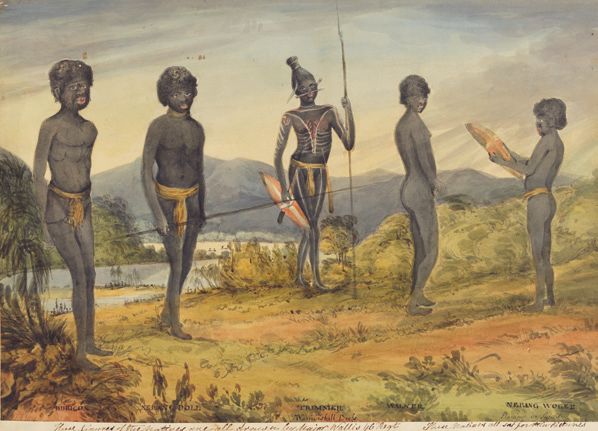
F E AT U R E
Diaries and memorabilia of two young swimmers
reveal the ordinary and the incredible experiences
of Australia’s elite athletes.
On 22 November 1956, the Games of the XVI
Olympiad opened in Melbourne, the first Olympic
Games to be held in the Southern Hemisphere.
The following day, at Crown Street Women’s Hospital
in Sydney, a baby girl was born to Shirley and Ron
Gould. Sixteen years later, Shane Elizabeth Gould
would be the golden girl of the pool at the Munich
Olympic Games, a household name in Australia and
around the world.
While 2012 sees London host the 30th Olympic
Games, it also marks the 40th anniversary of a
remarkable Olympic debut by one of Australia’s
most talented swimmers — and her Olympic swan
song. At the age of 15 years and nine months, Shane
Gould’s prodigious talent in the swimming pool
yielded three Olympic gold medals, one silver and
one bronze from the five events she contested.
The great American swimmer Mark Spitz, with
an astonishing seven gold medals, was the male
had a reputation for training successful
swimmer of the Games, and ‘our Shane’ the standout
elite swimmers, and it was this reputation
female swimmer. Despite her young age, her success
which led the young Shane to the Ryde
was not unexpected. By early in 1972, Shane already
swimming club in 1970.
held all five freestyle world records — 100, 200, 400,
The dedication and hard work required
800 and 1500 metres — and she went into the Games
of a swimmer with elite aspirations are
holding the 100, 400 and 1500 metre records. In
addition she was the Australian and Commonwealth evident in the training logbooks which
record holder in the 200 and 400 metres individual form part of the Shane Gould papers held
medley and the 100 metres butterfly. by the State Library of NSW. A daily
*
Introduced to competition swimming as a nine- record, the logbooks record the distances
year-old by Ken Wyles of the Sans Souci swimming and times swum in training, race results,
WORDS Tracy Bradford height and weight and general health
club, Shane achieved success — a silver medal in the OPPOSITE: SHANE GOULD
50 metres breaststroke — at her first competition, the information as well as comments from the (CENTRE) WITH AMERICAN
SWIMMERS SHIRLEY
NSW State Swimming Championships, after only a coaches on performance at training and in BABASHOFF AND KEENA
ROTHHAMMER, 200 METRE
month of training. An innate competitiveness fuelled competition. They shine a light on the life FREESTYLE, MUNICH
OLYMPIC GAMES, 1972,
the young Shane’s quest for better times and further of an elite athlete and the dedication MLMSS 7025/7X
success. This drive led her to seek out the highly required to achieve their goals. ABOVE: SHANE GOULD’S 1972
MUNICH OLYMPIC TEAM BAG,
regarded coach Forbes Carlisle when the family Along with the logbooks, the Library LR 82; LADIES SILK SCARF
FROM 1964 TOKYO
returned to Sydney after a brief time in Brisbane. also holds Shane’s diaries, including one OLYMPICS, FROM JOHN
KONRADS COLLECTION,
The Carlisles — Forbes and his wife Ursula — from the 1972 Munich Olympic Games. MLMSS 8125/15
10 / S L MAGAZINE Winter 2012 State Library of New South Wales SL MAGAZINE Winter 2012 State Library of New South Wales / 11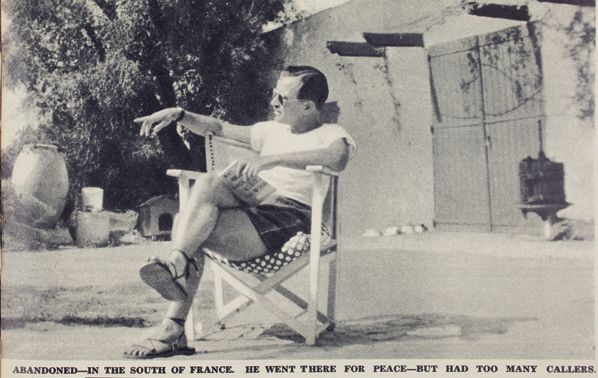
While it is easy to forget — in the light of her
achievements in Munich — that Shane was not yet
16 years old, the diary of her Olympic experience
helps to remind readers of her youth. She records
her nervous excitement at competing on such a large
stage under the scrutiny of millions of spectators
world-wide. Her joy at winning gold is obvious,
as is her disappointment at feeling unwell during
her program of events. At the end of the first day
she comments:
    200 IM Final: It doesn’t feel as though I’ve won an
    Olympic Gold medal, really. On the dias I shed tears,
    the people stood up & cheered & I waved to them with
    the team mascot (since 1956) kangaroo. After I got the
    medal box, received kisses everywhere, I was so happy.
The camaraderie shared by many of the athletes
is on display in the diary entry which describes
how she visited her friend and great rival, Keena
Rothhammer, who beat her in the final of the
800 metres freestyle. That night, not far from
where the young swimmers were unwinding in
the American team’s accommodation, 11 Israeli
athletes and a policeman were killed by Palestinian
terrorists in an attack which shocked the world.
   Shane’s diary entry, while brief, poignantly
conveys her sense of disbelief about the attack:
‘We went for a walk at 2am ONLY 3hrs before
2 Israeli Olympians were killed by Arab guerillas!’
Subsequent entries clearly convey her disappointment                    In addition to her training logbooks and diaries, the   March that year, becoming the first ever swimmer to          While they are two high-profile Olympians
at having to leave the Village early for security                    Shane Gould collection includes photographs, letters,      hold every freestyle world record from 200 metres         represented in the collections of the State Library,
reasons and missing out on experiencing the Games                    postcards, telegrams, invitations, scrapbooks, printed     to 1650 yards. At the 1958 Commonwealth Games in          Shane Gould and John Konrads are by no means the
as a spectator rather than a competitor. She retired                 items, Olympic Games ephemera and Shane’s official         Cardiff, Wales, he won gold medals in the 440 and         only Olympians represented. Substantial collections
from swimming soon after.                                            Olympic team bag. Together they document a short           1650 yards freestyle, and at the 1960 Rome Olympics       relate to Olympic swimmers Wilhelmina (Mina)
                                                                     chapter in the life of a remarkable Australian woman.      he won gold in the 1500 metres freestyle, and two         Wylie and Harold Hardwick, and track and field
                                                                        Complementing the Shane Gould collection,               bronze medals for the 400 metres freestyle and the        athletes Eileen Wearne and Basil Dickinson. As the
                                                                     which the Library acquired in 2000, is the John            4 x 200 metres relay. He also competed in the relay       Library’s collections continue to grow, it is very likely
                                                                     Konrads collection. Acquired at auction in August          at the 1964 Tokyo Olympics. In a remarkable career        we will be reading in future editions of SL magazine
                                                                     2011, this collection also includes swimming diaries,      spanning 1956 to 1964, John Konrads broke a total         about the acquisition of collections of current and
                                                                     logbooks and lap times, scrapbooks, photographs,           of 25 world records. After his retirement from            recently retired Olympians.
                                                                     correspondence, ephemera and objects relating to           competitive swimming in 1964, he became a                 Tracy Bradford is the State Library’s Head of Manuscripts.
                                                                     John’s Olympic experiences in 1956 (Melbourne),            professional swimming coach in Paris and later
                                                                                                                                                                                          A selection from the Library’s Olympic collections will be
                                                                     1960 (Rome) and 1964 (Tokyo).                              pursued a career in marketing.                            on display in the Dalgety Walkway from 23 July until the
                                                                        Like Shane Gould, John Konrads showed enormous             Although his diary entries aren’t as regular or        end of August.
                                                                     talent at a young age. Born in Riga, Latvia, in 1942,      detailed as those of Shane Gould, they still provide an
                                                                     he migrated to Australia after World War II with his       insight into the planning and training that goes into
                                                                     family, eventually settling in Bankstown, Sydney. Along    making an elite athlete.
                                                                     with his sister, Ilsa, John took up swimming and trained      John and Ilsa Konrads enjoyed enormous
TOP RIGHT: JOHN KONRADS                                              under Don Talbot at the Bankstown swimming club.           popularity during their careers, and arguably were
(CENTRE) AND AUSTRALIAN
TEAM MATES, MLMSS 8125/13                                            Between them, they went on to set 37 world records.        the first ‘superstars’ of Australian and world
ABOVE: ENTRY DATED
28 AUGUST 1972 FROM
                                                                        While still only 13 years old, John was selected to     swimming. Their popularity is attested to by the
SHANE GOULD’S DIARY,
DESCRIBING HER VICTORY
                                                                     attend, though not compete in, the 1956 Melbourne          amount of fan mail in the John Konrads collection,                                                             JOHN KONRADS (RIGHT)
IN THE 200 METRE                                                     Olympic Games. In an eight-day period in January           along with several scrapbooks of photographs and                                                               AND AUSTRALIAN TEAM
INDIVIDUAL MEDLEY FINAL,                                                                                                                                                                                                                       MATES, POSSIBLY IN OSAKA
MLMSS 7025/1A                                                        1958, he set six world records and another eight by        newspaper cuttings compiled by an admiring fan.                                                                IN 1958, MLMSS 8125/13

12 / S L   MAGAZINE   Winter 2012 State Library of New South Wales                                                                                                                                          SL MAGAZINE   Winter 2012 State Library of New South Wales / 13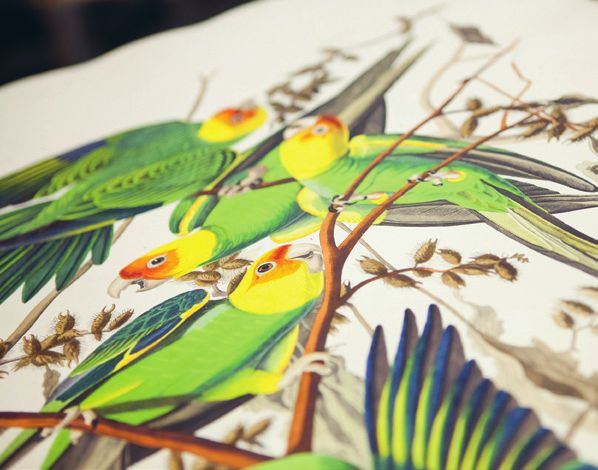
LANDMARK ACQUISITION
A previously unknown collection of drawings
from 1818, the Wallis album adds rich texture and
new insights to our understanding of colonial life.
It’s a great story: an album of Australian colonial
drawings is discovered in the back of a cupboard
in Canada. Yet how it got there remains a mystery,
one of many that surround this important artefact.
The album was compiled by Major James Wallis,
commandant of the Newcastle penal settlement
between 1816 and 1818. Wallis was responsible for
a significant program of public works — the best
known is probably Nobbys breakwater. Governor
Macquarie praised Wallis’s ‘humane and judicious’
oversight of almost 700 convicts under his charge,
and his ‘zeal, ability and judgement’, but Wallis’s own
correspondence suggests that Newcastle was much
less ordered and compliant than Macquarie asserted.
Wallis was also a keen patron of the arts and
an amateur artist. For a brief period, under his
is titled An Historical Account of the
command, Newcastle became the epicentre of
Colony of New South Wales. The legend,
cultural activity in New South Wales. The town
PRIDE OF
printed beneath many of the engravings,
boasted a number of artists and craftsmen among notes that they are from ‘Original
its convicts: most prominent of these were the drawings by Capt Wallis’. This has been
painter Joseph Lycett and the engraver Walter a point of dispute among colonial art
Preston. Wallis came up with a number of projects historians for years, because many of the
to employ this talent: the two collector’s chests, images are stylistically similar to the work
PLACE
now in the Library’s collections, are magnificent of Joseph Lycett.
results of this collaboration. In the 1830s Wallis, now retired, began
Wallis also commissioned a series of 12 views to reflect on his career. As we might these
of the major settlements of the colony, engraved days compile photograph albums of our
by Preston. Suggesting the artist had used whatever travels, Wallis started to arrange the
material happened to be lying around, Wallis later collections of watercolours he had
made much of these engravings being produced acquired, or made himself, over the course
The Wallis album
on ‘common sheet copper which is employed for of his lengthy career. It is probably during
coppering the bottom of ships’. Was it a coincidence this period that he wrote, with great ALL IMAGES ARE
WATERCOLOURS FROM
that at the same time he was requesting copper from affection and some sentimentality, a brief THE ALBUM OF ORIGINAL
Sydney for a boat being constructed at Newcastle?
DRAWINGS BY CAPTAIN
unpublished memoir (acquired by the JAMES WALLIS AND JOSEPH
Wallis took these engravings back to England Library in 2006) about the years he spent LYCETT, C. 1817–18, PXE 1072
OPPOSITE: BURIGON,
*
where they were issued in two editions by travel in Newcastle. In it he recalls the area’s NERANG DOLL, TRIMNIER,
publisher Rudolph Ackermann. The first edition,
WALKER [&] NERANG
beautiful scenery, and the ‘delightful days WOGEC BY JAMES WALLIS
WORDS Richard Neville with images only, is called Australian Views. The almost peculiar to New South Wales’ he ABOVE: A VIEW OF THE COVE
AND PART OF SYDNEY ...
second, published in 1821 with an extensive text, experienced there. BY JOSEPH LYCETT
14 / S L MAGAZINE Winter 2012 State Library of New South Wales SL MAGAZINE Winter 2012 State Library of New South Wales / 15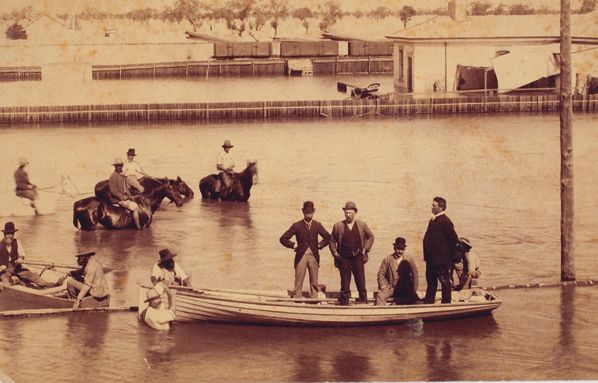
AWABAKAL ANCESTORS
On 20 February the Hon. George Souris MP,
NSW Minister for the Arts, unveiled the
Wallis album at Newcastle Art Gallery.
Nola Hawken, a woman of Awaba, gave the
Welcome to Country. This is an excerpt.
It has been for thousands of years that my
Aboriginal ancestors, the Awabakal people,
have lived in this land. It is my absolute
pleasure to now welcome you here today on
this auspicious occasion in anticipation of
this unique and precious ‘Wallis album’ …
our family album really! I can’t tell you how
heartening it is to think that there are still so
many people interested in the Awabakal story
and landscape. Today as we gaze into these
portraits and landscapes, perhaps we will
remember these paintings have captured
individuals who are, indeed, relatives of the
Awabakal peoples.
Living on the Isle of Wight in the 1840s, Wallis out individual drawings of fish and pasting them of four remarkable large watercolours which Wallis
focused on his Newcastle watercolours. He took a copy onto a larger sheet. It is possible that this page himself made of the Awabakal people. Again Wallis
of An Historical Account of the Colony … and had a was intended to help design the fish panel on the employed a collage technique, pasting cut-out figures
local book binder add additional pages onto which he collector’s chests. Other images include botanical of Aboriginal people onto a pre-prepared landscape
pasted his drawings. His widow gave this album to watercolours by Lycett. Wallis notes that Australian background. In one the people are identified, which
Wallis’s nephew in 1866, and from there it somehow flowers ‘exceed in beauty and variety those of any was unusual. And to assert their authenticity
found its way to the back of a cupboard in London, other part of the world’ — the beauty and variety of someone has written, ‘These figures of the natives
Ontario, Canada. The Library purchased it, with the Australian nature he also sought to physically corral, are all drawn by Major Wallis 46th Regt’.
generous support of its Foundation, in October 2011. through his collections of actual birds and insects, These images are precious. For Awabakal people
The 39 watercolours and drawings, never seen into the collector’s chests. today, they are treasured, moving and rare depictions
publicly, are in excellent condition. Many appear to Most striking, however, are Wallis’s own drawings of their ancestors. For everyone, they are bold
be the original drawings for the engravings published of the local Awabakal people. Wallis recounted, reminders of the Awabakal people’s connection to
in An Historical Account of the Colony … which Wallis with great affection, his friendship for local elder Newcastle. Wallis’s images, too, reflect a more
had claimed as his own work. But, interestingly, Burigon, or Long Jack as he was sometimes known. respectful association between Aboriginal people and
underneath these drawings Wallis has written In An Historical Account of the Colony … he talks Europeans. While there is no doubting that Europeans
‘Drawn by a convict’ — clearly Joseph Lycett — of Burigon as a ‘brave expert fellow’, and in his dominated the relationship, Wallis’s watercolours
conclusively disproving his own published assertion later written account he recalls hunting expeditions suggest, at least briefly and locally, a sense of
of authorship. Perhaps Wallis felt that as a gentleman he undertook with him: ‘I remember poor Jack … understanding not built around the usual stereotypes.
and officer, and as the person who commissioned the ministering to my pleasures, fishing, kangaroo This wonderful artefact is a time capsule of one
drawings from a convict, he was entitled to claim hunting, guiding me thro trackless forests …’ man’s affection for a place in colonial New South
them as his own. It was not the first time this had Wallis pasted drawings of Burigon and his Wales. Compiled many years after Wallis lived in
happened. In the 1790s the Surgeon General John brother Dick into his album. Curiously, while his the colony, it is a rich record of a particular kind of
White decided that convict artist Thomas Watling earlier memoir records in some detail Burigon’s colonial experience, of pleasurable memories and
should not be acknowledged if his drawings were murder of Dick, in the album it is erroneously genuine curiosity.
OPPOSITE: THE FISH OF
published in a manuscript White had written. recorded that ‘Dick killed Burigon one day with Richard Neville is the Mitchell Librarian. NEW SOUTH WALES,
Wallis’s arrangement of the drawings within the one blow’. Burigon was actually murdered by a JOSEPH LYCETT
TOP LEFT: BURIGON OR JACK
album is unusual. Illustrations like The Fish of New convict in 1820. But this was not the only depiction [&] DICK, JAMES WALLIS
South Wales were compiled, collage-like, by cutting of Burigon in the album. He also appears in a series ABOVE: THE WALLIS ALBUM
16 / S L MAGAZINE Winter 2012 State Library of New South Wales SL MAGAZINE Winter 2012 State Library of New South Wales / 17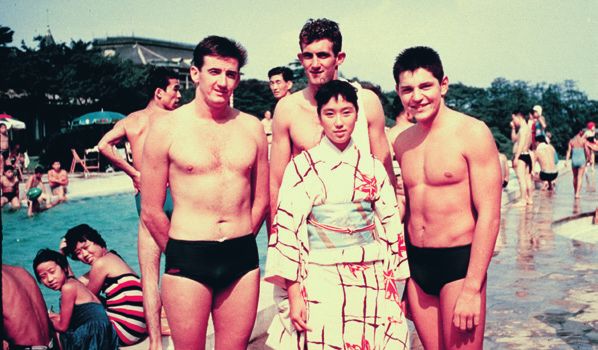
F E AT U R E
It’s our last chance to witness the transit
of Venus, but questions of its role in the
British settlement of Australia will remain.
On 6 June, the planet Venus will make a journey of
six-and-a-half hours across the face of the sun.
Because these transits usually occur in pairs within
WORDS Paul Brunton eight years of each other — the first of this pair was in
2004 — then not again for more than 100 years, no one
alive today is likely to see this phenomenon again.
The transit of Venus was first observed in 1639.
Its next appearance, in 1761, has been called ‘the first
global scientific event’, involving 120 observers from
many countries. Its significance is clear. By recording,
from various locations, the time taken for the transit,
it is possible to calculate the distance of the earth from
the sun. Astronomers realised this would yield
information about the size of the solar system, and the
distances between planets and between the stars and
the earth — useful knowledge, not least for navigation.
Unfortunately, the observations were not The Royal Society had chosen
satisfactory. There was too great a variation in the Alexander Dalrymple, a hydrographer,
final calculations, with the sun’s distance ranging a Fellow of the Royal Society, and a
from 125 to 154 million kilometres. Another chance passionate believer in the existence of a
was coming up in 1769, and it was important to grasp great southern continent. But on 2 April,
the opportunity as another transit would not occur the Admiralty vetoed his appointment
until 1874. as commander — as he was not a naval
The Royal Society, Britain’s foremost scientific officer — and Dalrymple refused to go
body, petitioned King George III for funds for an only as the astronomer. A new commander
expedition to the South Seas to observe the 3 June was needed — and urgently. Cook was
transit. Observations from the southern hemisphere chosen in little more than a week.
were needed for comparison with those from the But why him?
north. In February 1768, the King granted the society James Cook had returned from North
£4000 and the government agreed to provide a vessel America in November 1767. Since 1758, he
and crew. had performed valuable surveying work
By the end of March, the vessel Earl of Pembroke there, particularly in Newfoundland and
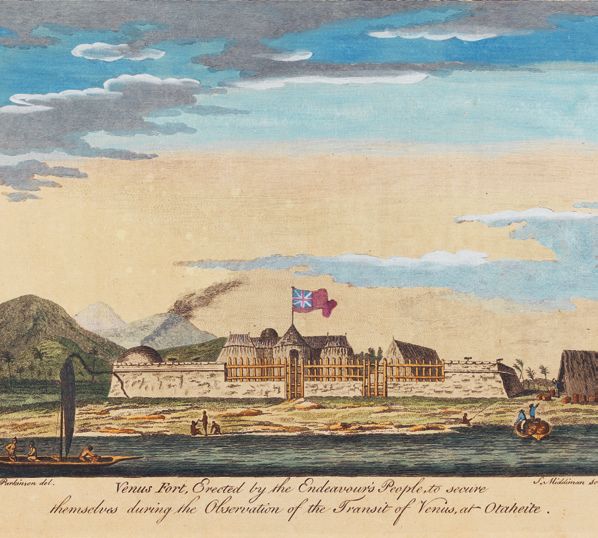
had been purchased — later to be renamed Labrador. From 1766 his surveys and OPPOSITE: FORT VENUS,
TAHITI, ERECTED TO
Endeavour, the most famous ship in Australian sailing directions were progressively OBSERVE THE TRANSIT,
SYDNEY PARKINSON, FROM
history. She was a Whitby collier, like the vessels published. In that year, he had observed A JOURNAL OF A VOYAGE
TO THE SOUTH SEAS, 1784,
in which James Cook gained his sailing experience, an eclipse of the sun and used this DIXSON LIBRARY, Q78/10
and the type he would later prefer for his expeditions. information to calculate the longitude of ABOVE: CHART OF THE
ISLAND OF OTAHEITE
Cook had no say in the selection, nor was he the first the place of observation. This was (TAHITI), BY JAMES COOK,
1769, PUBLISHED 1773,
choice as commander. published by the Royal Society in 1767. DIXSON LIBRARY, Z/CA77/1
18 / S L MAGAZINE Winter 2012 State Library of New South Wales SL MAGAZINE Winter 2012 State Library of New South Wales / 19C H A S I N G V E N U S
This was all relevant experience. However, at On 3 June 1769, Cook observed the transit from
the age of 39, this labourer’s son from Yorkshire Tahiti. That assignment completed, he sailed south as
was still only a master whose most important instructed. He found no continent. He circumnavigated
command so far had been of a brig with a crew of 20. and charted New Zealand. He then sailed west and
There were experienced officers available. It seems sighted the east coast of Australia at Point Hicks near
that Hugh Palliser, Governor of Newfoundland and the present-day New South Wales–Victorian border.
Labrador and Cook’s former captain, and Philip Sailing north, he produced the first chart of the coast
Stephens, the influential secretary to the Admiralty, and, at Possession Island in Torres Strait, claimed for
were responsible for the appointment. If so, their Britain a place he called, for reasons which remain
judgment was certainly vindicated, but even they obscure, New South Wales.
could not have envisaged On board was the 27-year-old
that Cook would become milord, Joseph Banks, on his
the greatest seaman of any own variation of the grand
age. He explored large tour, this one around the
swathes of the earth’s whole world. Around nine
surface and proved once years later, in 1779, Banks
and for all, on his second would successfully propose
great voyage, that there was the east coast of Australia to
no unknown south land, the a House of Commons
notion of terra australis Committee enquiring into a
incognita having existed suitable location to transport
since classical times. In late Britain’s convicts. After
May he was appointed another nine years, in
lieutenant. January 1788, the First Fleet
The ship and arrived. The sequence of
commander were in place, events began with the
but the location for the observation of the transit
observation had still not and ended with the British
been decided. As charts of colonisation of Australia. But
the South Pacific were it could have been otherwise.
incomplete and not always What if someone other
accurate, any island than Cook had been chosen?
selected may have needed Would he have gone that
relocating. Then, in the extra mile, as Cook did when,
nick of time, it was made after circumnavigating
clear. On 28 May, Samuel Wallis returned to New Zealand, he had fulfilled all his orders and could
Britain on the Dolphin. The crew had, in June the have returned home but instead pursued the eastern
previous year, been the first Europeans to sight extremity of New Holland? It was a decision that
Tahiti, where they stayed for five weeks. This was demonstrated Cook’s mettle and catapulted him into
providential because Tahiti was almost in the the top rank. Without it, the east coast of Australia
centre of what was believed to be the optimum would not have been an option as a destination for
area in the South Seas to view the transit, and the convicts.
Wallis had provided precise latitude and longitude. Because Tahiti was discovered just in time, OPPOSITE: JOSEPH BANKS
Furthermore, reports from the crew of mountains, Cook was given additional instructions. Otherwise, RETURNING IN TRIUMPH
FROM HIS VOYAGE OF
seen to the south, probably led to Cook being given Cook and the Endeavour may now be remembered A LIFETIME, ENGRAVING
additional orders: to sail south, following the only for their role in observing the transit of Venus. FROM A PAINTING BY
BENJAMIN WEST, 1773,
observation, and seek out this elusive southern Paul Brunton, Senior Curator, Mitchell Library, will host
DIXSON LIBRARY Pf 69
ABOVE: OBSERVATIONS AND
continent and, if that failed, at least investigate a dinner at the Library on 1 June to celebrate the transit REMARKS ON THE TRANSIT
the east coast of New Zealand. of Venus.
OF VENUS BY JAMES COOK,
3 JUNE 1769, MITCHELL
LIBRARY, SAFE 1/26.
20 / S L MAGAZINE Winter 2012 State Library of New South Wales SL MAGAZINE Winter 2012 State Library of New South Wales / 21EXHIBITION
An exhibition of artworks using found books
is a chance to reflect on the beautiful and
confronting ways artists have used books.
Ideas take a physical form in books as they do in
artworks. Altered books like those featured in the
upcoming exhibition Recycled Library highlight the
role of books in bringing order, and as vehicles for
storage and memory. By taking something mass-
produced and creating an individual artwork, artists
who use books as a medium are reflecting on this
cultural icon in a time of new technology.
The union of images and text in books dates back to
the illuminated manuscripts of AD 400–600, but at
that time pictures served only to decorate the text. The
genesis of books made by artists can be traced to the
British poet, painter, and printmaker William Blake
(1757–1827), who developed new printing methods to
integrate image and text. At Kelmscott Press in the
1890s, William Morris reinvigorated the ideals of
book design and pushed for a harmony of type and
illustration so that each book would be seen as a whole.
Recycled
This extended to all aspects of production, including In the late twentieth century another shift occurred
the paper, the form of type, the spacing of the letters, when artists began to consider books as objects that could
and the position of the printed matter on the page. be transformed. Under the influence of other art forms
At the end of the nineteenth century livres d’artistes such as sculpture, book art emerged as a separate medium
LI B R ARY
were developed by French art dealers and publishers to artists’ books. Where illuminated manuscripts and
who wanted to combine classic text with illustrations artists’ books enhance the contents of the book, altered
by artists of the day. In the early twentieth century, books often obliterate the contents. The text is rendered
artists such as Picasso and Matisse drew on this unreadable, ensuring that ideas are conveyed through the
tradition, but moved away from merely illustrating concept rather than the text or image.
the words to creating an avant-garde art form with a Altered books occupy a space of tension; where books
*
fusing of image and text. invite engagement, artworks are hands off, frustrating the
By the 1960s, artists’ books were flourishing. reader but rewarding the viewer. Altered books negate one
WORDS Louise Tegart Artists engaged with the concept of the book as kind of reading for another.
a symbol of information and knowledge systems.
As they were cheap to produce and had the potential OPPOSITE: SCHACH #1
to reach a large audience, artists’ books appealed to (CIRCLE) / SCHACH #2
(TRIANGLE) / SCHACH #3
practitioners who believed in making art inclusive (SQUARE), 2006, ALEX
SELENITSCH, THREE BOOKS,
and democratic. As well as a range of material from ARTSPACE MACKAY
medieval manuscripts to the modern private press,
COLLECTION
ABOVE: STIGMATA NO. 2,
the Library holds over 200 artists’ books produced 2006, JÁNIS NEDÉLA,
FOUND BOOK, NAILS, PAINT,
in Australia over the past 30 years. COURTESY OF THE ARTIST
22 / S L MAGAZINE Winter 2012 State Library of New South Wales SL MAGAZINE Winter 2012 State Library of New South Wales / 23R E C Y C L E D L I B R A R Y
Recycled Library is an exhibition of works by The works draw on subjects as diverse as taxonomy,
Australian artists who use books as a major conceptual migration, history, science, politics, colonisation,
and creative element in sculptures, collages and the environment and art itself. For some artists, the
photographs. The exhibition investigates the contents of the book are irrelevant but for others, the
symbolism of ‘the book’ in an era in which the printed choice of book provides a conceptual layer that adds
page is in danger of being superseded by digital meaning to the work. The works are united in treating
technology. Many of the artists in Recycled Library the humble book as a raw material to be transformed.
are renowned for their work in other mediums, On the surface, the act of modifying books may
but all have an interest in the primacy of the book. appear like malicious damage, but the artists’
Recycled Library is drawn predominantly from the manipulation of these books ironically highlights their
collection of Artspace Mackay and is curated by its social and cultural value. By giving a new life to books,
former director, Michael Wardell. In 2005, the gallery the artists both reflect nostalgically upon them and
decided that artists’ books would be a core area of give them a new context and use in a digital world.
collecting, and in 2006 it introduced a biennial Louise Tegart is the Library’s Manager of Exhibitions.
National Artists’ Books Award (The Libris Awards)
Recycled Library will be on show at the State Library
and a Focus on Artists’ Books conference to develop
of New South Wales from 2 to 22 June 2012.
and promote the collection. The Artspace Mackay OPPOSITE: LIFE AND
collection is the third largest collection of its kind in ALL ITS MARVELS, 2007,
DAVID SEQUEIRA, BOOK,
Australia after the National Gallery of Australia and DIGITAL PRINTS, COLLAGE,
ARTSPACE MACKAY
the State Library of Queensland. Recycled Library: Altered Books is a national COLLECTION
Many of the artists in this exhibition have used travelling exhibition curated by Michael Wardell CLOCKWISE FROM ABOVE:
BUFF-TAILED THORNBILL,
second-hand books as a way of questioning the for Artspace Mackay and toured by Museum & Gallery 2005, KYLIE STILLMAN,
ARTSPACE MACKAY,
authority of the printed text. Works in the exhibition Services Queensland. The exhibition tour is supported MACKAY COLLECTION
reveal new and unexpected layers of meaning that go by the Contemporary Touring Initiative through LEARNING TO READ AGAIN
#10, 2004, YVONNE
beyond the book as a source of information and offer Visions of Australia, an Australian Government KENDALL, BOOK, CREPE
PAPER, NEWSPAPER,
a fresh look at its place in an increasingly digitally program, and the Visual Arts and Craft Strategy, ARTSPACE MACKAY,
oriented world. They highlight the paradox of books an initiative of the Australian Government and MACKAY COLLECTION
MALTHEISM, 2007,
state and territory governments.
as means of both private reflection and broad ARCHIE MOORE,
FOLDED PAGES OF BIBLE,
consumption. A personal thread runs through many The Artist Book 3.0 forum is for artists, curators, COURTESY OF THE ARTIST
of the works, exploring experience and memory as librarians, students and researchers interested in I’M COMING BACK FOR
MY WINGS I (DETAIL), 2009,
well as political commentary. artists’ books and the book arts: GLEN SKIEN, BOOK AND
COLLAGE, COURTESY
http://artistbooks.ning.com/ OF THE ARTIST
24 / S L MAGAZINE Winter 2012 State Library of New South Wales SL MAGAZINE Winter 2012 State Library of New South Wales / 25PROVENANCE
Mystery surrounds the Library’s copy
of the world’s most expensive book,
Audubon’s Birds of America.
Rare
BIRDS
John James Audubon’s Birds of America, completed
in 1838, is considered by many to be the finest
work on the natural history of America and its birds.
Of 120 known copies in the world today, only 12 are
in the hands of private individuals. When a copy
sold for $11.5 million in 2010, it was the highest
amount ever paid for a book. Five of the 10 most
expensive individual books sold at auction have
been copies of Birds of America.
A four-volume set of Birds of America was
purchased by the Public Library of NSW in 1885
after the Australian Museum passed up an
opportunity to buy the expensive item. In 1973,
having held the renowned book for almost a century, It seems most strange that with the large amount of
the Library was surprised when a survey published correspondence which took place between us and the
that year, The Double Elephant Folio: The Story of knowledge which he [Australian philanthropist and
Audubon’s Birds of America by Waldemar H Fries, zoology enthusiast, Sir Edward Hallstrom] had of my
did not include our copy in its ‘complete’ list of research project, that of tracking down the extant sets of
*
subscribers and owners. The Double Elephant Folio of Audubon’s Birds of America
Special Collections Librarian, Rose Smith, he [Sir Hallstrom] would not have mentioned the
WORDS Daniel Parsa wrote directly to Fries: Audubon folio at the Library of New South Wales —
perhaps it has been carefully hidden away all these years.
The project you undertook was a valuable one for
librarians, researchers, and ornithologists, and I was Fries assured her he would write to ornithological
particularly interested in the Census and Survey of journals asking them to mention the State Library
Extant Complete Sets. My disappointment was great, copy in their review of his book. He must have
however, in finding that one set only (that in the State wondered where the Library’s copy came from. In his
Library of Victoria) is listed under Australian holdings definitive book of more than 500 pages, which took
in the Census. him 16 years to research and write, he meticulously
I would be interested to know whether you are traces the story of the Birds of America. As much as
contemplating an addendum to the census of the copies he could, Fries documents the fate of each plate,
of Audubon’s Birds. Would you be kind enough to let me some of which had more complicated stories than
know your plans in this matter.
others. Some sets were incomplete, due to wavering
[Excerpt from letter dated November 1974]
subscription commitment. Some were broken up and
sold as individual plates. Others were destroyed
In December 1974 Rose Smith received a handwritten in fire, or flood, or in wars. And the location
reply from Fries: of a few sets was unknown. OPPOSITE: DANIEL PARSA
WITH BIRDS OF AMERICA,
I am deeply grieved that in the Audubon Census the set VOL.1, WILD TURKEY, PLATE 1
of the folio located at the Library of New South Wales PHOTO BY BRUCE YORK
ABOVE: RED-SHOULDERED
never came to my attention. HAWK, PLATE 56
26 / S L MAGAZINE Winter 2012 State Library of New South Wales SL MAGAZINE Winter 2012 State Library of New South Wales / 27R A R E B I R D S
The correspondence between Rose Smith and Early in 1975, Fries learned that his niece,
Fries changed course as they both became interested Miss Cook, was off to Australia for a holiday.
in who owned the set before it landed in the hands He asked her to visit the State Library to examine
of the London book dealer Henry Sotheran. The most its copy of Birds of America, and Rose Smith was
obvious place to go to was the Sotherans, who wrote more than happy to show her the set. Miss Cook’s
in reply to Rose Smith’s letter: findings helped convince Fries that the set
… I regret very much that I have to report the fact, was originally in loose prints and was bound
we cannot be of help in any way at all. by Sotherans.
Firstly two wars and many moves have left us with There is no record of any correspondence for the
hardly any records, a very brief history is all, that has next three years. Then, in a letter dated 12 June 1978,
been compiled only recording particular important Fries wrote to Smith in response to an avenue of
events, we have no files or copies of letters that could enquiry she was pursuing:
provide the provenance, for your copy of Audubon.
Audubon in his Journals or letters to his wife mentioned
Fries was now very curious to know the origin that he had arranged with both the French artist
of the copy. Redouté and the Englishman Gould to exchange prints.
Original subscribers to Birds of America received
British ornithologist John Gould (1804–1881)
plates — a large bird followed by three small birds
is well known in Australia for his seven-volume
— almost every month. The cost of the complete set
of 435 plates, received over 87 deliveries between Birds of Australia. He is considered the ‘father of bird
1827 and 1838, came to $870. The text was produced study in Australia’ and inspired the Gould League
separately to avoid having to deposit copies with of Bird Lovers. Although Audubon (1785–1851) died
eight British libraries, and brought the cost up to some 30 years before Gould, their paths had crossed.
$1000, the equivalent of a year’s salary for a Audubon’s work broke all the conventions in size,
well-paid artist at the time. style and technique and set a new standard. Yet when
Some of the original subscribers were: Audubon was struggling to get Birds of America
engraved and printed, Gould was enjoying a high
— His Most Gracious Majesty George IV
level of success both financially and professionally.
— Her Royal Highness the Duchess
When the Audubons lived on London’s Wimpole
of Clarence
Street the Goulds called on them, and Gould loaned
— His Grace the Duke of Rutland
Audubon specimens which were used in two drawings.
— BG Cuvier
— Le Prince Massena
— Baron Kruder Env. Extr. from Russia Rose Smith had discovered that Gould’s
— The Library of Congress of the books were offered for sale by Sotherans at the
United States of America same time as Birds of America, with bindings in
— Philadelphia Academy of Natural Sciences the same style. Yet Audubon’s remarkable work
— University of Edinburgh was not on the inventory of an estimated 30 tonnes
— La Bibliotheque de L’Institut of material removed from Gould’s house when
Royal de France. he died. Was it possible that Birds of America was
Fries advised Smith to check the volumes among Gould’s possessions when Sotherans took
for a name or initial, but none could be found. over the estate? If so, the Library’s copy could
have been exchanged by Audubon for copies of OPPOSITE: JOURNALIST
AMANDA HOOTON AND
Gould’s books. PHOTOGRAPHER JAMES
The origin of the State Library copy of Birds BRICKWOOD EXAMINE
BIRDS OF AMERICA FOR
of America remains a mystery. If the theory posed AN ARTICLE IN THE GOOD
WEEKEND MAGAZINE
by Rose Smith in the 1970s is ever proven, the most OF 21 APRIL 2012,
WITH ASSISTANT
expensive item in the Library’s collection would CONSERVATOR
SILVANA VOLPATO
rise in value. It may become priceless. AND DANIEL PARSA
ABOVE: CAROLINA PARROT,
Daniel Parsa is part of the Library’s rare books team. PLATE 26
28 / S L MAGAZINE Winter 2012 State Library of New South Wales SL MAGAZINE Winter 2012 State Library of New South Wales / 29A LIVING COLLECTION
A leaflet signalled hope for the
troubled author who had risen to fame
with The Great Escape.
‘Where are you heading?’ asks a vivid red leaflet in of the disabled English air force pilot Douglas Bader,
the Mitchell Library’s collection. Toward pain and ‘but sometimes a vagrant thought intrudes that some
loneliness via the trials and tribulations of this hand not of this world may be using Bader as a vessel
ruined world? Distributed on Sydney’s northern bearing another lesson for Man in his struggle.’
beaches in the autumn of 1960, the leaflet offered a Now, amid his own struggle, Brickhill turned to
way out for sufferers. ‘The Church Army is coming to the Church Army. Perhaps he saw its truck one day,
Pittwater’, it announced, ‘because we believe God has with its slogan ‘God is Love’ painted on the cabin.
provided an answer to all our problems.’ An Anglican More likely he read the red leaflet advertising the
imitation of the uniformed Salvation Army, the Army’s imminent arrival at St Mark’s Church in
Church Army presented itself as a straight-talking Avalon. Captain Batley was to host a ‘Men’s Tea’
friend of the desperate, the downcast and the there, it announced, and on the following Saturday
downtrodden. Strange, then, that one of Australia’s there would be a ‘Community Hymn Singing and
most successful authors responded to their call. Answers to Questions’. No prayer books would be
Paul Brickhill’s
Born in Melbourne and a veteran of the Second needed, and ‘clear, straight-forward addresses’ would
World War, Paul Brickhill had published bestselling take the place of sermons. So Brickhill found himself
books and lived in London, New York and Florence on the pews of St Mark’s amid a congregation that
before settling in Clareville near Avalon. To all hoped to be counted, their church magazine said,
WA R
appearances the author of The Great Escape, ‘among God’s prayer warriors’.
The Dam Busters and Reach for the Sky was a jaunty He ‘derived great benefit and insight’ from the
companion, a nimble writer and a brave former experience, he later wrote — but not enough to keep
fighter pilot, graced with a glamorous wife and two him from drinking too much, from clashing bitterly
charming children. Inside the man it was a different with his wife, and from a paralysing fear that his
of nerves
story. He was struggling to write a novel, struggling talent and his marriage were both evaporating.
to keep his marriage together, and sometimes His novel, aptly titled War of Nerves in its American
struggling against despair. He had tried several paths edition, proved a disappointment when it appeared in
out of the abyss, from travel to psychiatric treatment. 1962, and Brickhill spent the rest of his life largely
Suddenly there seemed a better way out. forgotten by his readers. But the Church Army leaflet
Perhaps there was a God-sized gap in Brickhill’s reminds us of the bestselling author’s struggle, and
heart. He had attended church as a boy, and if the also of the countless items in the Mitchell Library
maelstrom of his war years made him an agnostic, he that might appear quaint or sometimes even
was far from being an atheist. ‘I am no churchman, ridiculous today but once spoke arrestingly of the
*
being unable to imagine God as the rigid Victorian pain of human existence.
patriarch that some dogmas suggest’, he wrote
WORDS Craig Wilcox Craig Wilcox is a military historian. He is writing the
toward the end of Reach for the Sky, his biography Australian Dictionary of Biography entry on Paul Brickhill.
PAUL BRICKHILL
FROM PEOPLE (SYDNEY),
20 MAY 1953, P. 20
CHURCH ARMY LEAFLET
‘WHERE ARE YOU HEADING?’,
DONATED 1964, 267.183/1A1
30 / S L MAGAZINE Winter 2012 State Library of New South Wales SL MAGAZINE Winter 2012 State Library of New South Wales / 31newacquisitions Art of politics
Lloyd Rees (1895–1988) is one of Australia’s NSW Parliament. Rees equates anti-Kerr graffiti
most highly regarded artists, best known for on the church with Kerr’s ‘defacement’ of the country
his Australian and European landscapes. in 1975, which ‘gouged a scar across the face of
Two drawings recently acquired by the Library Australia that may never be removed’. The drawing
show another side to his work. Created after the was purchased and taken to Canada.
dismissal of the Whitlam Labor government by A Labor supporter for most of his life, Rees
Vantage point the Governor-General Sir John Kerr, The Dismissal
(1976) and Hope under Labor we march forward
describes how his ‘deepest political beliefs were
profoundly hurt by the action of the Governor-
(1977) — a large pastel drawing depicting a couple General’. Apart from these exceptions, he writes that
A recent donation of photographs and negatives striding towards a distant city — are rare examples he never had any desire to express his political bias
taken by Donald Maclurcan in 1938 contained a of his political works. in his art.
surprising image. In his autobiography Peaks & Valleys (1985), MEGAN ATKINS
Maclurcan is best known as the architect of Rees mentions two drawings with political Original Materials
many of the bridges around Sydney, including the meaning. One was a pen illustration drawn in
Captain Cook, Nepean, Bargo and Hawkesbury the 1920s at the time of the Bruce government;
For more purchases and donations
see our new acquisitions blog on the
bridges. In 1938, though, he was a 19-year-old the other, The Dismissal, he describes as a ‘vicious State Library of NSW website.
draftsman with the architectural firm of Hennessy’s affair — an anti-Kerr, large watercolour drawing
in Martin Place. As Sydney’s sesquicentenary parade for a pro-Whitlam exhibition at the Hogarth Gallery,
passed below, he photographed the throng from the Paddington, during the election campaign following
windows of his office and later from among the Mr Whitlam’s dismissal’. The church in the drawing
crowd in George Street.
is St Stephen’s in Macquarie Street, opposite the
A crowd estimated at 750,000 had lined the
pageant route in the city. It was a hot day and
ambulance officers attended 5346 collapses among Desperate sightseers crammed onto the trams,
the record crowd. According to the Sydney Morning seeking a vantage point, even clambering onto the
Herald on 27 January 1938: roof. This extraordinary spectacle would not be
believed today, were it not for a young architectural
At many points in the city thousands were wedged
draftsman and his camera.
together in one solid mass. Martin Place, between
Incredibly, despite the melee, few people required
Pitt and George Streets, was blocked, the crowd being
treatment at hospital. One man was hit by a tram,
40 deep in places. From there along George Street
a youth trying to get a better view fell through a
to Bathurst Street 600 men and women collapsed.
skylight, and an elderly woman had to be rescued
Of these, about 250 became unconscious in Martin
from the harbour at Circular Quay.
Place, and they would have fallen and probably been
trampled on had not police and ambulance men and ALAN DAVIES
nurses pressed forward to rescue them. Curator of Photographs
SPECTATORS CLAMBER [THE DISMISSAL], 1976,
ONTO TRAMS TO SEE BY LLOYD REES, PASTEL,
THE SESQUICENTENARY WATERCOLOUR, AND
PAGEANT, SYDNEY 1938, PENCIL ON PAPER, XV / 111,
DONALD MACLURCAN, © LLOYD REES/LICENSED
ON 437 BY VISCOPY, 2012
32 / S L MAGAZINE Winter 2012 State Library of New South Wales SL MAGAZINE Winter 2012 State Library of New South Wales / 33You can also read


