Training Module: Community Exporters - CDFI Fund
←
→
Page content transcription
If your browser does not render page correctly, please read the page content below
Training Module:
Community Exporters

    This training contains general information only and Deloitte is not, by means of this training session, rendering accounting,
    business, financial, investment, legal, tax, or other professional advice or services. This training is not a substitute for such
    professional advice or services, nor should it be used as a basis for any decision or action that may affect your business.
    Before making any decision or taking any action that may affect your business, you should consult a qualified professional
    advisor.

    Deloitte shall not be responsible for any loss sustained by any person who relies on this training session.

                                                                               Provided by:                                   Page 0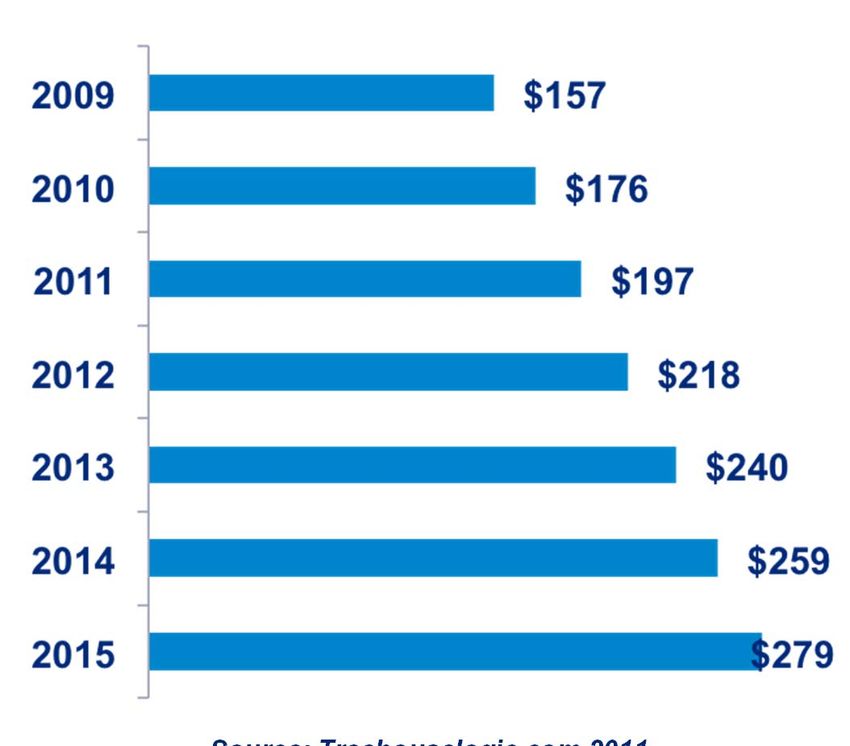
What does Community Exporters mean?
Local niche and specialty
businesses can export
their goods or services
outside the local             Surrounding Regions
community in order to
expand their small                              Surrounding Communities
business customer base,
regionally, nationally, and                Local niche
even internationally.                     and specialty
                                           businesses
Growing
interconnectedness makes
exporting feasible for SBs
at a lower cost

                                         National and Global
                                               Reach

                                           Provided by:             Page 1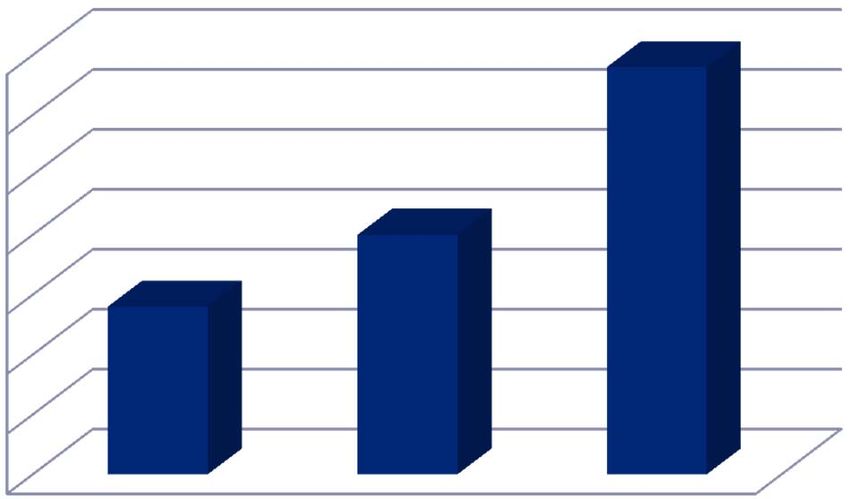
Why Community Exporters was selected?
1. Community Wealth Creation - Exporting provides opportunity for revenue
   and cash to come back into the local community
2. Federal Government Priority- Increased federal government priority to push
   exporting by small businesses
3. Job Creation - Potential for creation of high quality jobs, not just a matter of
   the number of jobs created
4. Growth Prospect – Allows small businesses to follow the growth trajectory as
   they mature - local, regional, national and international

        Stages of Maturity of Local
        Business
                                                                  Export
                                          Invest in and
                                                                  Products and
                                          Attract Growth
                   Setting the                                    Services
                                          Businesses
                   Foundation

                                                       Provided by:              Page 2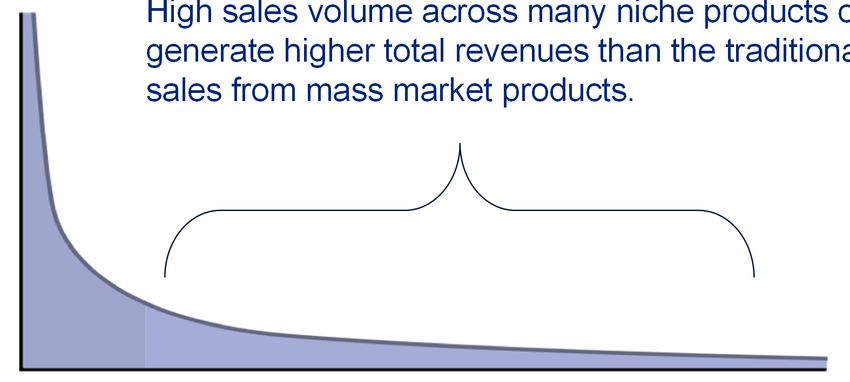
Major Trends in Community Exporters
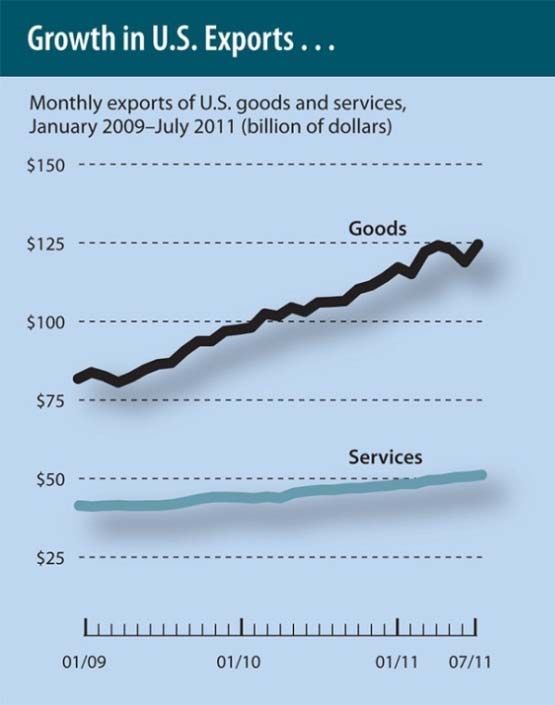
1. Regional and National E-Commerce Opportunities increase for
   Local Specialized Products

2. U.S. Mobility creates National and Global Demand for Regional
   Niche Products

3. The Global Market is more open to Small Business

                                          Provided by:        Page 3
Trend #1 – Regional and National E-Commerce
Opportunities increase for Local Specialized Products
• Over 2 billion internet users worldwide
Online Sales Projections
spent ~$8 trillion through e-commerce In Billions USD
• Online marketplaces facilitate SBs to
connect with, understand, and inform
potential customers and partners, (such as
Etsy, eBay, Zulily, etc.)
• Wider net of consumers allows niche
businesses to grow revenue
Source: Treehouselogic.com 2011
Related Innovation: The National Storefront
Provided by: Page 4How has the E-Commerce Marketplace changed the
Business Model for selling niche products?
The Long Tail Business Model
High sales volume across many niche products can
generate higher total revenues than the traditional high
sales from mass market products.
Revenues
Products
Mass market Highly Specialized
Provided by: Page 5Trend #2 – U.S. Mobility creates National and Global
Demand for Regional Niche Products
How Many Places Have you Lived? • Since the recession, rates of
1% out of state migration have
increased
15% 37% • 25-29 year olds represent the
Same Town
biggest gains in mobility
Same State
12% Two States • 42% of survey respondents
Three States have lived in at least 2 states
Four or more States
15%
• 38% of survey respondents
NA
say the place they consider
20% home isn’t where they
currently live
Source: Pew Research Center
Identifying SB Opportunities
Look for Regional Specialty Items that could be
marketed Nationally
Provided by: Page 6What are the characteristics of niche or specialized
products?
• Not easily replicable
• Price Inelastic – demand for product is greater than the relative cost
• Shipping and distribution costs are low relative to product price
• Strong local recognition of product
• Differentiating factors such as price, quality, or market
Provided by: Page 7Trend #3 – Global Market is more open to small business
Two factors have created opportunities for Small Businesses to expand abroad:
1. Macroeconomic trends favor small business exports:
− Weaker dollar makes U.S. goods more attractive abroad
− Trade agreements have been enacted, further opening markets
− Technology has created seamless banking networks
2. Rise in the Middle Class Abroad creates increased global demand for
quality niche products from U.S. Small Businesses
Source: OECD, The Emerging Middle Class in Developing Countries, January 2010
Provided by: Page 8Innovations across markets #1:
The Nationwide Storefront
CDFIs can finance Small Businesses with successful
local products and services to expand to surrounding
communities and nationally through online platforms
Products to
National E- Support
Commerce Global SB
Regional Expansion ExportingWhy National Product Expansion through Online
Platforms was selected?
• Small businesses can reach a wide customer base without needing to create
a website.
• There is potential for high demand and sustainable profit for niche products.
• Niche products are less replicable
• Niche products can also warrant higher margins
• Opportunity to make sustainable profits and good jobs for small business
owners.
Provided by: Page 10Potential of Niche Product E-Commerce Expansion
• Americans in lower income areas are increasingly using the Internet for e-
commerce – expanded markets
– 75% of low income earners own an internet accessible mobile phone and 42% own a
personal computer
– Only 19% of internet users, making less than $50K, do not shop online.
• High Income Earners make online purchases more frequently- market
deepening
Percentage of Users by income bracket that make online
purchases at least 3 times per month
34%
35%
30%
20%
25%
14%
20%
15%
10%
5%
0%
$0-$49K $50-$99K $100K+
Source: JP Morgan 2010 Internet User Survey
Provided by: Page 11Small Business E-Commerce – Where the CDFIs Fit
• As Lenders
− Provide growth financing
− Provide working capital funds
• As a partner
− Connect with the SBA, the Department of Commerce, and other e-Commerce
resources
• As Service Providers
− Provide small businesses with support in development of growth plans
− Help small businesses strategically position themselves on Online Platforms
− CDFIs could also create an Online Platform to sell products and services of strong
small businesses in their communities
Provided by: Page 12What to look for in an Expansion Plan
• Product has demonstrated a strong and sustained demand in its current market
• Clear growth plan that covers the following:
– Justification for new target market
– Identified strategic partners
– Operational capacity to manage the growth
– Experience in liquidity management to allow them to adjust for fluxes in accounts
receivable
Key E-Commerce Product Performance Indicators
Traffic, Conversion, Sales, Net Promoter Score,
Frequency of Purchase, and Return Rate
Provided by: Page 13Innovations across markets #2:
Small Business International
Exporting
The Export-Import Bank has created the SB Global
Access program to mitigate the risks of International
Exporting
Products to
National E- Support
Commerce Global SB
Regional Expansion ExportingSmall Businesses can successfully export
• US Small and Medium-sized companies account for 98% of U.S. exporters, but
represent nearly 1/3 of the known export value of U.S. goods exported
• Very small businesses (less than 20 employees) account for more than 70% of
all exporting firms
• Less than 1% of America’s 30M
companies export
• Of U.S. companies that do
export, 58% export to only one
country
Provided by: Page 15Why Small Business International Exporting?
• Increased Priority on SB Exports and expansion of our specialized product
offering
• New markets provide growth opportunities for both existing SB exporters as
well as those new to exporting
• CDFIs have the opportunity to bolster local jobs and support the creation of
additional tax revenues for local community development
• Survey indicates that exporters account for well over 20% of total U.S.
employment
Provided by: Page 16What to look for in a Small Business Exporter
• Product has demonstrated a strong and sustained demand in its current market
• Successful past expansion efforts on smaller scale (regionally, nationally, etc.)
• Entering into a new or expanding in an existing foreign market with a clear
growth plan
Provided by: Page 17Strategies for entering New or Untapped Markets
• Find and Expand into new geographical markets for an existing product
– Utilize resources such as the Port Import/Export Reporting Service (PIERS) which
provides names of U.S. consignees or shippers as well as overseas suppliers
• Target and penetrate emerging markets
• Source new products that complement existing ones and offer them as
a new, specially priced package deal
• Reduce dependence on existing markets
– Protect your company against the risk of decline in domestic sales by exporting,
using the Internet, licensing, or franchising your product
Provided by: Page 18Risks and Challenges in International Exporting
• Access to Finance
– Need working capital to fill export orders, most export businesses are under
capitalized
– Factoring the Receivables Financing is difficult in the U.S. because of the historically
strong U.S. economy and limited underwriting of international receivables
– Credit risk serving borrowers who may not qualify for conventional loans
• Operational and Compliance Risk
– Understanding the Tariff Documents for differences in measurement standards i.e.
the metrics system
– Need Capacity to manage the growth into new or untapped markets
– Compliance for filing insurance claims
• Business Development
– Cultural Differences in Doing Business
– Need to understand the demand potential for products in different countries based
on local regulations, taste preferences, religious and social norms, etc.
– Need to be able to develop and conduct local marketing
Provided by: Page 19Strategies to Overcome the Challenges in
International Exporting
• Ex-Im Bank Export Credit Insurance mitigates the risk to US
1. Access to Financial Intermediaries
Finance • SBA has three loan guarantee programs
• Work with an Insurance Broker of the Ex-Im Bank
• One Stop Export Promotion Shops at local SBA Offices to mitigate
the challenges and combine the resources of several agencies
2. Capacity • Department of Commerce provides technical training to Export
Businesses and Foreign Buyer Leads
• Trainings provided by the Ex-Im Bank for Trade Financing
• Be flexible and open to Cultural Differences
• Develop Partnerships Oversees (e.g. for Distribution)
3. Business
• Utilize the Port Import/Export Reporting Service (PIERS), provides
Development
names of U.S. consignees or shippers
Getting Started
www.export.gov aggregates resources from across the U.S.
Government to assist American Businesses in Exporting
Provided by: Page 20Mitigating the risks of International Exporting
for Small Businesses
The Role of the Export Import Bank
Provided by:What is the Global Access Program?
• National Initiative by the Export Import Bank of the U.S. to engage more Small
Businesses in foreign sales
• Helped 3,200 small businesses expand their export sales in 2011
• Products include:
– Working Capital Guarantee
– Single-Buyer Credit Insurance
– Small Business Multi-Buyer Credit Insurance
– Multi-Buyer Credit Insurance
– Medium-Term Credit Insurance
– Medium and Long-Term Loan Guarantee
Provided by: Page 22Small Business Global Access Program: Where CDFIs Fit
With Financing: With Outreach:
Connect Borrowers to a CDFI can help with
suite of financing and outreach for the SB
technical assistance in exporting efforts of the
Exporting, including CDFIs should explore Ex-Im Bank, the Dept of
insurance and credit partnership Commerce and the
opportunities with SBA, especially among
products the Ex-Im Bank
minorities and women
Provided by: Page 23What is Export Credit Insurance?
• Ex-Im Bank insures the SB International Receivables for a single-buyer as well
as for an entire portfolio
• Frequently a financial institution is the insured and will disburse funds to the
exporter when the insurance coverage is approved
• Parties involved:
Financial
Intermediary
Ex-Im Bank International
Buyer(s)
U.S. Small
Business Seller
Provided by: Page 24Criteria for Export Credit Insurance
• Covering commercial and political risks
• Requires a down-payment by the buyer
• Eligible for financing even with less than 3 years of experience
• Should not be financing offshore operations or selling in a prohibited country
Provided by: Page 25Walk Through
www.exim.gov
Ex-Im Bank Deal Examples Large and Small
Provided by:What are the capacity needs for this innovation?
• Strategy allows for international export financing
• Access to a subject matter expert in Exporting (paid or unpaid)
• Relationship with the Ex-Im Bank or other relevant organizations (i.e. Dept.
of Commerce or the SBA), especially with the women and minority business
units
• Mission impact analysis of the transaction on the target market (considering
impact on jobs, and local revenue generation)
• Sufficient oversight or reporting provided by the secondary borrower to
adequately file future claims with the Ex-Im Bank
Provided by: Page 27Who to contact at the Ex-Im Bank in your area?
Miami: 305-526-7436
New York: 212-809-2650
Chicago: 312-353-8093
Houston: 281-721-0470
Orange County, CA: 949-660-1341
San Francisco: 415-705-2280
Atlanta: 404-897-6082
Minneapolis: 612-348-1213
Seattle: 206-728-2264
Dallas-area: 214-551-4959
Detroit: 313-230-8832
Provided by: Page 28Preview: The Process for Innovating New Business
Step 7
Step 6 Make the
deal
Step 5 Assessing happen
the deal
Mission & financials • Meet with the
Step 4 Profit small
Alignment • Business businesses
Step 3 sources and
Assess • Economic • Meet with
uses
Capacity impact on the financial
Step 2 Market Small • CDFI sources partners
• Core CDFI Business & uses
Assessment capacity
Identify • Social impact
Step 1 Small • Verify business • Deal on community
Business needs capacity
Identify Opportunity • Meet with
Trends sellers
• Meet with
• Monitor costs/ prices buyers
• Monitor economic/
market activity
Provided by: Page 29For sources and further information, see
the “Community Exporters” section of the
Virtual Resource Bank
About Deloitte
Deloitte refers to one or more of Deloitte Touche Tohmatsu Limited, a UK private company limited by guarantee, and its
network of member firms, each of which is a legally separate and independent entity. Please see
www.deloitte.com/about for a detailed description of the legal structure of Deloitte Touche Tohmatsu Limited and its
member firms. Please see www.deloitte.com/us/about for a detailed description of the legal structure of Deloitte LLP
and its subsidiaries. Certain services may not be available to attest clients under the rules and regulations of public
accounting.
Provided by: Page 30You can also read


