TRAINING PROGRAMME 2021 - Autocraft Equipment Ltd
←
→
Page content transcription
If your browser does not render page correctly, please read the page content below
TRAINING PROGRAMME 2021
TEXAEDU TRAINING PROGRAMME
Technology is changing rapidly and diagnostic tools are now an integral part of the repair and
maintenance of modern vehicle systems.

The TEXAEDU UK Training Facilities use the latest presentation technology to ensure each
candidate receives the best possible training experience. This allows practical testing throughout
the course and direct interaction between the candidate, tool and systems.

Each course has a maximum number of candidates per course, this is put in place to guarantee
the best level of interaction between the trainer and trainees. Each course involves a final test to
ensure that the candidate has understood and learnt from the course content.

All of our training courses are IMI accredited.

At the end of the course there will be a test with a set pass mark.
All courses are Professional Achievement Certificates and give the candidate the opportunity to
become a member of the IMI.
CONTENTS

  P1 Technical Training for Truck . . . . . . . . . . . . . . . . . . . . . . .             4
  P1 Technical Training for Car . . . . . . . . . . . . . . . . . . . . . . . . .           6
  P1 Technical Training for Bike . . . . . . . . . . . . . . . . . . . . . . . . 8
  IDC5 Off Highway . . . . . . . . . . . . . . . . . . . . . . . . . . . . . . . . . . .    10
  AOM 230 ADAS Systems for Car . . . . . . . . . . . . . . . . . . . . . . 12
  D9T ADAS Systems for Truck . . . . . . . . . . . . . . . . . . . . . . . . . . 14
  G14C AdBlue Systems of BMW, AUDI & Mercedes . . . . . . . . 16
  G21 SCR/AdBlue Systems for Euro 5 & Euro 6 . . . . . . . . . . . 18
  G20 Trailer EBS Advanced Settings . . . . . . . . . . . . . . . . . . . . . 20
  G1 Electrical & Electronic Systems & Testing . . . . . . . . . . . . 22
  G16C Operating and service principles of
  R1234yf & R744 (CO2) A/C systems . . . . . . . . . . . . . . . . . . . . 24
  FGAS Refrigerant Handling . . . . . . . . . . . . . . . . . . . . . . . . . . . . 26
  Course Costs . . . . . . . . . . . . . . . . . . . . . . . . . . . . . . . . . . . . . . . . 28
  Cancellation Policy . . . . . . . . . . . . . . . . . . . . . . . . . . . . . . . . . . . 29

DURATION:
                                                                                    2 DAYS

    P1: TECHNICAL TRAINING FOR TRUCK
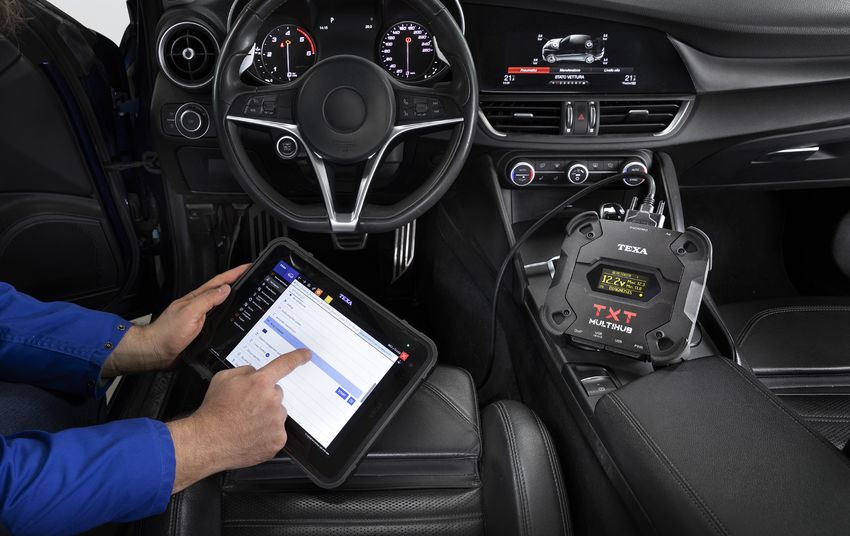
    This course is an introduction to diagnostic functions and resources, it also covers new
    additions for functionality and innovation in the IDC5 software. This course covers tool
    operation & functions, software updates, vehicle selection, system identification, vehicle
    communication, the ‘search’ settings, adjustments, Special code features, technical
    information and wiring diagrams.

    There are both theory and practical elements on live vehicles, giving the candidates
    opportunity to apply what they have learnt throughout the course.

    If you would like more information or would like to book a place on the course, please
    email: edu.uk@texa.com
4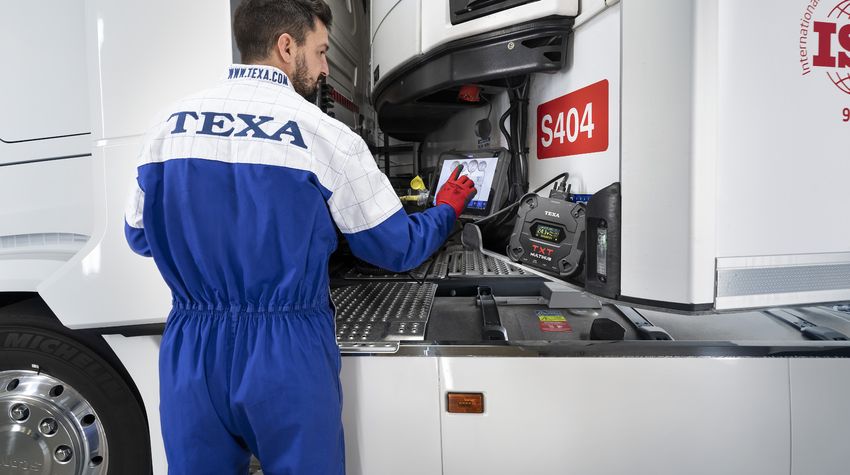
THEORY                                         •    Navigator TXTs firmware update.
                                                   •    Settings menu.
    •    1st level diagnosis using dashboard
                                                   •    Utilities, software license,
         and blink codes.
                                                        subscription checks, etc.
    •    2nd level diagnosis.
                                                   •    Automatic configuration to pair up
    •    Euro emission standards, how
                                                        the TEXA Bluetooth devices.
         manufacturers have achieved these
                                                   •    Vehicle and system selection.
         standards by using EGR, AdBlue/SCR
                                                   •    Cable selection.
         systems, Common rail and Diesel
                                                   •    1st level diagnosis using dashboard
         particulate filters.
                                                        and blink codes (vehicle specific).
    •    TEXA IDC5 Software.
                                                   •    Menu Parameters, Faults, Status,
    •    IDC5 desktop and settings.
                                                        ECU info, Activations and Settings.
    •    Software updates.

THEORY & PRACTICAL
•       Web access and special functions.          •    Vehicle maintenance and service light
•       Wiring diagrams, technical data, engine         reset.
        data torque settings, wheel alignment,     •    Serial diagnosis on a range of vehicles.
        etc.                                       •    Activations, short cut, settings and
•       ECU configuration.                              adjustments short cut.
•       ECU replacement, configuration and         •    Software security levels including
        exchange manager functions.                     Special Code.
•       TGS3 global scan.
•       Technical information (within the IDC5
        software).

PRACTICAL DAY 2
•       Serial diagnosis - Practical (Workshop).
•       Settings and adjustments, short cuts, tools and utility menus including saving vehicle
        fault codes to fleet number and parameter data recording.
•       TGS3 global scan.
•       ECU replacement, configuration and exchange manager functions.
•       Serial diagnosis on a range of vehicles.
•       Interpretation of data.
•       Testing procedures demonstration.

                                                                                                   5
DURATION:
                                                                                    2 DAYS

    P1: TECHNICAL TRAINING FOR CAR
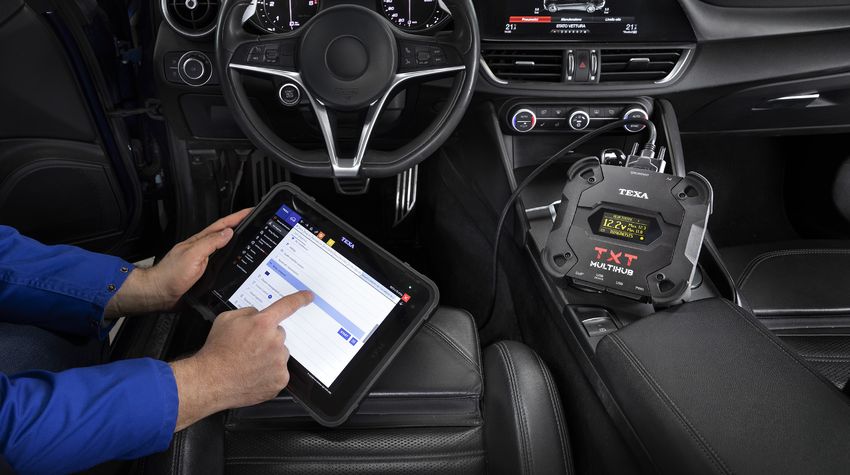
    This course is an introduction to diagnostic functions and resources, it also covers new
    additions for functionality and innovation in the IDC5 software. This course covers tool
    operation & functions, software updates, vehicle selection, system identification, vehicle
    communication, the ‘search’ settings, adjustments, technical information and wiring
    diagrams.

    There are both theory and practical elements on live vehicles, giving the candidates
    opportunity to apply what they have learnt throughout the course.
    If you would like more information or would like to book a place on the course, please
    email: edu.uk@texa.com
6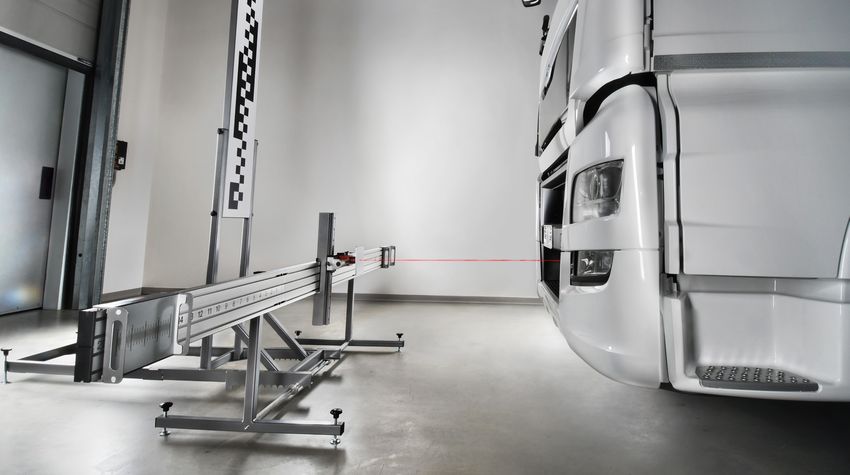
THEORY                                           •
                                                 •
                                                     Settings.
                                                     Serial diagnosis.
•   Introduction to diagnostic functions         •   Cable selection.
    and resources.                               •   ECU replacement.
•   1st level diagnostics.                       •   Technical information.
•   2nd level diagnostics.                       •   Vehicle maintenance and service light
•   Can network overview.                            reset.
•   TEXA IDC5 software.                          •   Activations short cut.
•   IDC5 desktop and settings.                   •   Settings and adjustments short cut.
•   Software updates/activation                  •   Wiring diagrams.
    interface firmware update.                   •   Technical data, engine data torque,
•   Automatic configuration to pair up               settings, wheel alignment etc.
    TEXA Bluetooth devices.                      •   Tools and utility menu including
•   Vehicle and system selection.                    saving vehicle fault codes to
•   VIN Scan/TGS3s global scan.                      registration number in customer
•   Parameters/Status.                               management and parameter data
•   Faults.                                          recording.
•   ECU info.                                    •   Diagnostic best practise
•   Activations.

PRACTICAL
•   Serial diagnosis.
•   Activations.
•   Tools and utility menu including saving
    vehicle fault codes to registration number
    in customer management and parameter
    data recording.
•   ECU replacement (use of TEXA Exchange
    Manager data saving/loading feature).
•   Record and road test functions.

                                                                                             7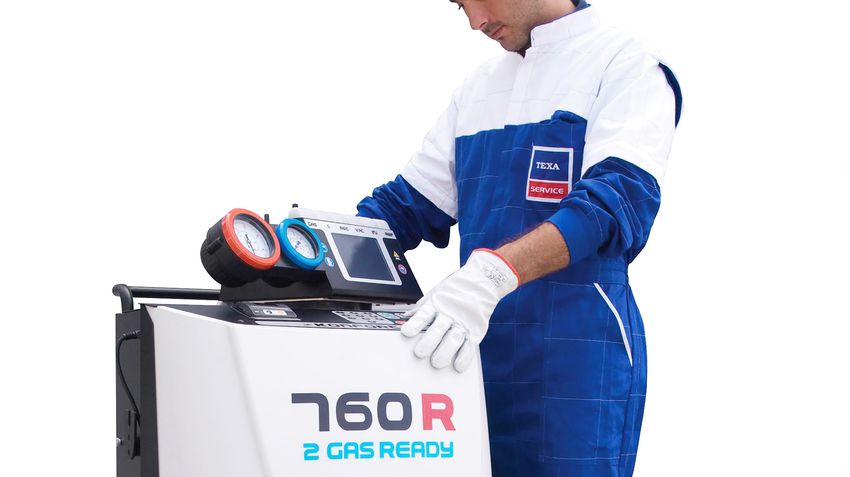
DURATION:
                                                                                     1 DAY

    P1: TECHNICAL TRAINING FOR BIKE
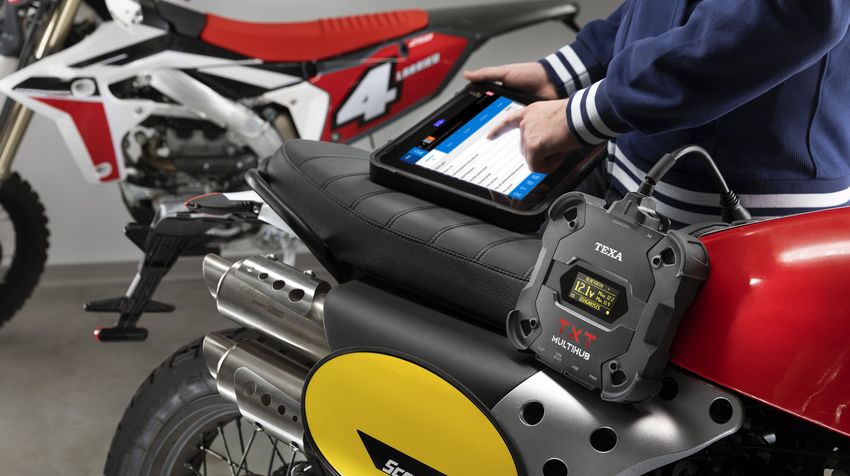
    This course is an introduction to diagnostic functions and resources, it also covers new
    additions for functionality and innovation in the IDC5 software. This course covers tool
    operation & functions, software updates, vehicle selection, system identification, vehicle
    communication, the ‘search’ settings, adjustments, technical information and wiring
    diagrams.

    There are both theory and practical elements on live vehicles, giving the candidates
    opportunity to apply what they have learnt throughout the course.
    If you would like more information or would like to book a place on the course, please
    email: edu.uk@texa.com
8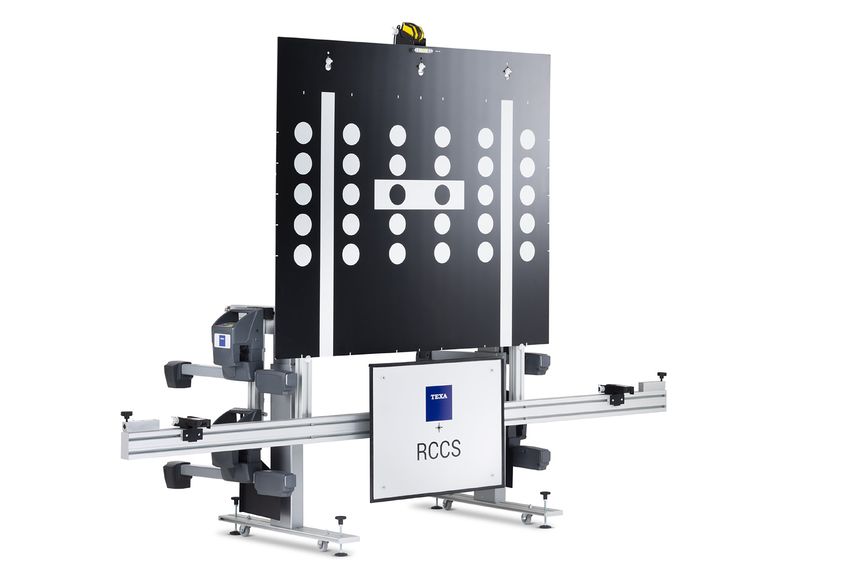
THEORY
•       TEXA IDC5 software.                          •   Settings.
•       Utilities.                                   •   Technical information.
•       IDC5 desktop and settings including          •   Vehicle maintenance and service light
        software update via internet.                    reset.
•       Interface firmware update.                   •   Activations short cut.
•       Settings menu.                               •   Settings and adjustments short cut.
•       Automatic configuration to pair up           •   Wiring diagrams.
        TEXA Bluetooth devices.                      •   Tools and utility menu including
•       Serial diagnosis.                                saving vehicle fault codes to
•       Vehicle and system selection                     registration number in customer
        including VIN scan facility.                     management and parameter data
•       Cable selection.                                 recording.
•       Serial diagnosis.
•       Parameters.
•       Faults.
•       Status.
•       ECU info.
•       Activations.

        PRACTICAL
    •   On-vehicle connection identification.
    •   Vehicle system identification and scan.
    •   Function screen identification.
    •   Access to road test and record function
        (demonstration).
    •   Use of customer management for scan,
        screen shot, and results of repair.
    •   Use of data saving and loading feature for
        ECU replacement.

                                                                                                 9
DURATION:
                                                                                      2 DAYS

     IDC5 OFF HIGHWAY
     This course is an introduction to diagnostic functions and resources, it also covers new
     additions for functionality and innovation in the IDC5 software. This course covers tool
     operation & functions, software updates, vehicle selection, system identification, vehicle
     communication, faults, parameters, activations, technical information and wiring diagrams.

     This course includes both theory and practical elements giving the candidates
     opportunity to apply what they have learnt throughout the course.

     If you would like more information or would like to book a place on the course, please
     email: edu.uk@texa.com
10
THEORY
• Introduction to software applications • Communication troubleshooting
• Tools used for diagnosis • Exchange/configuration manager
• Connectors, cables and pin outs • Wiring diagrams
• Emissions and their tier system • Cable list
• CAN systems and technology
• CAN advantages, components and
messages
• IDC5 software characteristics and
settings
• Software and hardware updates
• Settings
• Configuration and customer
management
• IDC5 use and best practice
• Fault finding
• Parameters, recording, settings,
activations, dashboards & graphs.
PRACTICAL
• On-vehicle connection identification.
• Vehicle system identification and scan.
• Fault interrogation
• Screen identification
• Road test/record function and screen
shots
• Customer management
• ECU replacement/ Data transfer
• Tests
11DURATION:
2 DAYS
AOM 230 ADAS SYSTEMS FOR CAR
This course focuses on the latest technologies being implemented by vehicle manufacturers
for ADAS (Advanced Driver Assist Systems).The course describes the way systems work
on the vehicle and how they assist the driver. These new systems present challenges to the
workshop when diagnosing and repairing they also need to be calibrated when they have
been removed, replaced or repaired.
This course has both theory and practical elements based on live vehicles using the latest
TEXA ADAS calibration equipment. The equipment includes static and dynamic calibrations,
parameters, errors, and activations.
If you would like more information or would like to book a place on the course, please
12
email: edu.uk@texa.comTHEORY
• Pre-Calibration Requirements. • Windscreen Requirements.
AOM 230 • Self-Diagnosis Help. • Reversing Camera.
• Issues related to ADAS systems & • Auto parking systems.
Resolution methods. • Active cruise control systems.
• Examples of static calibration • Emergency Braking Function and
VOLKSWAGEN Group-Front Camera Forward Collision Warning system
Calibration. with Active Braking Assist.
• Example of Dynamic Calibration. • Lane departure warning systems.
• VOLVO-Front camera calibration.
• RADAR (Radio Detection and
Ranging) LIDAR (Light Detection and
Ranging).
• ADAS Sensors and their operation.
• Ultrasound Sensors.
• Rear Radar.
• Camera Systems front and rear.
• Front Stereo Camera.
•
PRACTICAL
• ADAS Calibration System (RCCS) set up,
and Calibration.
• Manual Radar Calibration.
• Front Camera Calibration.
• 360 Surround Camera calibration.
Candidates who successfully complete the course will receive an industry recognised
AOM 230 certification.
13DURATION:
1 DAY
D9T: ADAS SYSTEMS FOR TRUCK
This course focuses on the latest technologies being implemented by vehicle manufacturers
for ADAS (Advanced Driver Assist Systems) in heavy vehicles.The course begins with Driver
Assistance Systems familiarisation, the technologies and equipment required to perform
their check, maintenance and repair. Calibration of cameras, radars and sensors by using the
dedicated equipment; using diagnostic techniques to reset the Driver Assistance Systems,
check for possible malfunctions and find solutions. Practical examples of static calibration
and dynamic calibration using technical tools and self-diagnosis. Performing diagnostic and
troubleshooting procedures using the diagnostic tool; interpreting information, such as errors,
parameters, statuses, activations and adjustments.
If you would like more information or would like to book a place on the course, please
14
email: edu.uk@texa.comTHEORY
• ITS (Intelligent Transportation • Actuators.
Systems). • Help Diagnosis.
• Description and Operation of Driving • Example of Static calibration for
support systems. Radar on MAN and SCANIA vehicles.
• Lane Departure Warning System • Example of Static calibration camera
(LDWS). on VOLVO vehicles.
• Adaptive Cruise Control (ACC). • Example of Dynamic calibration radar
• BSD - Blind Spot Detection or on VOLVO vehicles.
Sideguard Assist. • Example of Static camera calibration
• Adaptive High Beam Control. on DAF vehicles.
• Forward Collision Warning. • Example of Static camera calibration
• Advanced Emergency Braking on MERCEDES vehicles.
System AEBS.
• Sensors and Actuators in the ADAS
System.
• Radar (Radio Detection and Ranging).
• Multi-Functional Camera.
PRACTICAL
• Renault T Series calibrations
• Equipment set up & selection
15DURATION:
2 DAYS
G14C: ADBLUE SYSTEMS OF BMW, AUDI & MERCEDES
This course provides an overview of the principle of the reduction process, identification
and functionality of the individual system components, fault status indication and the failure
strategies related to modern vehicle applications. The course also provides an overview of the
specific system variants employed by various manufacturers.
If you would like more information or would like to book a place on the course, please
email: edu.uk@texa.com
16THEORY • Self-diagnosis.
• VOLKSWAGEN and AUDI AdBlue
• The Selective Catalytic Reduction system.
system, components and description. • First generation description for Audi.
• AdBlue liquid (including quality • SCR catalytic process for the new
testing). generations.
• The chemical reaction in the SCR • AdBlue control unit.
catalyst. • AdBlue System Components, tank,
• Generic overview of an SCR system. level sensor, system heaters, additive
• The Nox sensor and its operation. pump and dosing module.
• Injection quantity calculation. • Self-diagnosis.
• AdBlue dosing strategy. • SCR 2 BMW SCR system 2.
• MERCEDES Bluetec system • AdBlue supply for:
description. Mazda.
• MERCEDES Bluetec control unit. Opel (Vauxhall).
• AdBlue dosing module Zafira C and Tourer.
components, Circuit emptying valve, FORD Transit.
AdBlue dosage system electronic Seat Alhambra.
control. Renault Traffic.
• NOx sensor and control. Peugeot-Citroen.
• AdBlue supply system
control test.
PRACTICAL
• AdBlue control unit.
• AdBlue System Components, tank, level
sensor, system heaters, additive pump
and dosing module.
• Self-diagnosis.
• dosing circuit leak control test.
• AdBlue injector operation check.
• NOx control sensor check.
• AdBlue level check and tank fill.
17DURATION:
2 DAYS
G21: SCR/ADBLUE SYSTEMS (EURO 5 & 6)
This course is structured to provide an overview of the legislation that has required the
introduction of these systems to meet emissions control limits, the principle of the reduction
process, identification and functionality of the individual system components, fault status
indication and the failure strategies related to modern vehicle applications. The course also
provides an overview of the specific system variants employed by various manufacturers
such as DENOXTRONIC for DAF, MAN and Scania, DENOXTRONIC 2 for Iveco, Volvo and
Renault, BLUETEC for Mercedes Benz and the Cummins MSCR system. The course looks at
the diagnostic features of these systems, the information provided by the ECU and the test
functions that are available for system evaluation. This course is both classroom theory and
workshop based, testing on live vehicles.
18 If you would like more information or would like to book a place on the course, please
email: edu.uk@texa.comTHEORY
• Euro anti pollutant standards. • 1st level malfunction.
• Diesel engine pollutants. • 2nd level malfunction.
• Euro IV and Euro V. • Bosch Denoxtronic theory.
• After-treatment technology. • Description and function of the
• FAP, DPF, SCR. individual phases.
• Chemical functioning principal of the • Individual system components
SCR catalyst. description.
• System components. • Self-diagnosis with IDC5.
• ECUs. • Parameters.
• Additive tank, heaters, level and • Faults.
temperature sensors. • Activations including dosing module
• Pump module, Metering, dosing and testing and measuring of delivery.
injectors. • Bosch Denoxtronic Self-diagnosis for
• Catalyst. DAF, MAN and Scania.
• Pressure, humidity and temperature • Bosch Denoxtronic theory.
sensors. • Description and function of the
• NOx sensors Malfunction indication individual phases.
and fault codes. • Individual system components
• Regulation and legal reference. description.
• MI lamp.
PRACTICAL
• Individual system component • Individual system component
identification. identification.
• Self-diagnosis with IDC5. • Self-diagnosis with IDC5.
• Parameter checking. • Parameter checking.
• Activations including dosing module • Activations including dosing module
testing and delivery measurement. testing and delivery measurement.
• BOSCH DENOXTRONIC EURO 5 • Euro 6 Renault & Mercedes
Self–diagnosis for Iveco, Volvo, Renault demonstrations.
TESTING IVECO STRALIS. • Individual system component
• Individual system component identification.
identification.
19DURATION:
2 DAYS
G20: TRAILER EBS ADVANCED SETTINGS
This training course has been developed for technicians who maintain Trailer braking
systems. The course covers principles of Trailer braking technology, system identification and
testing leading to a better understanding of the brake control systems. The course then
explores how EBS systems have evolved and the specific component functionality and
diagnostic procedures. Also covered are the operating principles, functions and diagnostics
of various types of EBS braking systems, as well as looking at the specific settings and
programming functions available for Wabco C, D and E systems, Haldex Generation 1 & 2 and
Knorr Bremse TEBS and Gen 2.
If you would like more information or would like to book a place on the course, please
email: edu.uk@texa.com
20THEORY
• TEXA IDC5 software. • Technical information.
• Utilities. • Vehicle maintenance and service light
• IDC5 desktop and settings. reset.
• Software updates. • Activations short cut.
• Interface firmware update. • Settings and adjustments short cut.
• Settings menu. • Wiring diagrams.
• Automatic configuration to pair up • Tools and utility menu including
the TEXA Bluetooth devices. saving vehicle fault codes to
• Serial diagnosis. registration number in customer
• Vehicle and system selection. management and parameter data
• Serial diagnosis. recording.
• Parameters.
• Faults.
• Status.
• ECU info.
• Activations.
• Settings.
PRACTICAL
• Required Equipment and Data. • ECU replacement.
• Connection to trailer, including system • Parameter setting.
identification. • Special code facility.
• DTC reading.
• DTC erasing.
• Parameter interpretation.
• Status menu.
• Customer management file use.
• Exchange manager files use.
21DURATION:
2 DAYS
G1: ELECTRICAL & ELECTRONIC SYSTEMS & TESTING
This course is focused on electrical principles and testing, it is important for a vehicle
technician to be able to correctly test, measure and diagnose electrical circuits for accurate
fault diagnosis. Using the skills gained from this course will save time and expense from
costly incorrect diagnosis and component replacement. We use purpose built electrical and
electronic test boards the same as are used by many of the world’s leading vehicle
manufacturers and training colleges. These enable many of the circuits found on modern
vehicles to be created quickly and tested easily.
If you would like more information or would like to book a place on the course, please
email: edu.uk@texa.com
22THEORY
• Electric Energy definitions, Current, • Kirchoff Principle.
Voltage, Voltage Generators, • The Electric Circuit, Connections,
Electrical Resistance, electrical power Components fitted in Series and
Fuses, and Circuit breakers, operation parallel. Testing for power supply.
and importance.
• Ohm’s Law- the Law of Ohm and the
Human Body
• Watt’s Law- power in circuits.
• Measurements Multi-meter,
Voltmeter, Ammeter, Ohmmeter.
• Electric Power (Watts, and Watts
Law).
• Section of a Conductor- its effect on
circuit capacity.
PRACTICAL
• Electrical Components Switches, Relays,
Resistances, Potentiometers, NTC
Sensors, PTC sensors and Capacitors.
• Magnetism the Direct Current Electric
Motor, the Alternating Voltage Generator,
the Transformer/Coil.
• Measurements: Oscilloscope- Scale,
Settings of Voltage and Time, DC/AC
Selection, Trigger Adjustment.
• Electronic Components the Theory of
Semiconductors, Diodes, the Diode as a
Rectifier of Alternating Current.
• Wiring Diagrams Schemes Standard.
• Analogue and Digital, Binary Numeration,
Understanding how an ECU functions.
23DURATION:
1 DAY
G16C: OPERATING AND SERVICE PRINCIPLES
OF R1234YF & R744 A/C SYSTEMS (LOW
GWP REFRIGERANTS).
This course is an introduction to the new low GWP refrigerants R1234yf and R744 CO2. The
course introduces new technology and systems along with the health and safety
surrounding these refrigerants. It also covers the appropriate safety precautions, equipment
required, practical sections for refrigerant identification, 744 service process and forming gas
leak detection. It is recommended that candidates hold a valid F-Gas certificate to attend this
course.
24 If you would like more information or would like to book a place on the course, please
email: edu.uk@texa.comTHEORY
• Introduction to A/C legislation. • Precautions when using R744.
• Features of the R1234yf refrigerant. • Description of the R744 refrigeration
• Precautions when using R1234yf. system.
• Problems when mixing R134a with • System components.
R1234yf refrigerants. • Procedures for recharging a CO2
• Technical measures and precautions system through the R744 system.
for service stations with R1234yf. • Operator safety
• Technical features of A/C systems • Description of the service station.
with R1234yf. • Preparation for use.
• Identification of contaminated • Operating procedures.
refrigerant.
• Refrigerant identification procedure.
• Recovery of contaminated
refrigerants.
• Features of the R744 refrigerant.
PRACTICAL
• Demonstration of refrigerant
identification.
• Demonstration of the leak detection
process and equipment used.
• Degas and regas of a R744 system.
• An in-depth walk through of the
equipment required.
25DURATION:
1 DAY
FGAS REFRIGERANT HANDLING
This training course has been developed for individuals working on Mobile Air Conditioning
(MAC) systems. Under current legislation, all individuals must achieve a refrigerant handling
qualification that meets the EC 824/2006 regulation.
This course covers F-Gas regulations, health & safety, safe handling of refrigerants, air
conditioning principles, component identification and system operation. This course
delivers and is assessed by both theory and practical elements, online multiple choice test
with instant result and feedback, followed by a series of practical tasks to establish
competency in handling refrigerants.
If you would like more information or would like to book a place on the course, please
email: edu.uk@texa.com
26THEORY
• Regulations. • Best Practice.
• Leakage. • Fuel Rails and AC.
• Montreal Protocol. • Refrigerant Identification and
• Ozone Depletion. contamination checking, refrigerant
• Kyoto Agreement. cylinder types.
• EPA 1990.
• Refrigerant Disposal.
• COSHH requirements.
• Refrigerant- what it is.
• Refrigerant Types.
• Safety Precautions.
• AC Principles.
• AC Systems.
• AC Health & Safety.
• Vehicle AC Servicing.
PRACTICAL
• Port Selection.
• Transferring Refrigerant from a cylinder
to a station.
• Recovery from vehicle.
• Leak Detection OFN and forming gas.
• Vacuuming a system.
• Refilling a system.
• Understanding AC Pressure Gauges.
• End Test (online).
27COURSE COSTS
IDC5 TECHNICAL IDC5 TECHNICAL IDC5 TECHNICAL IDC5 OFF
TRAINING FOR TRAINING FOR TRAINING FOR HIGHWAY
TRUCK CAR BIKE
2 DAYS 2 DAYS 1 DAY 2 DAYS
£300 £300 £199 £300
AOM 230
AOM 230 DIAGNOSIS & ELECTRICAL & TRAILER EBS
ADAS SYSTEMS CALIBRATION ELECTRONIC ADVANCED
FOR CAR FOR ADAS SYSTEMS SETTINGS
TRUCK
2 DAYS 1 DAY 2 DAYS 2 DAYS
£495 £270 £320 £300
FGAS: SCR/ADBLUE ADBLUE OPERATING
REFRIGERANT SYSTEMS FOR SYSTEMS OF PRINCIPLES OF
HANDLING EURO 5 & 6 BMW, AUDI & R1234YF & R744
MERCEDES AC SYSTEMS
1 DAY 2 DAYS 2 DAYS 1 DAY
£250 £400 £400 £250
28 28CANCELLATION POLICY
• All cancellations and transfer requests must be made in writing.
• Customer name changes can be made at any time without charge, except for the Level 3 Award in
Automotive Refrigerant Handling (F-Gas) course, where there will be a £25.00 fee.
• Any incorrect spelling of candidates’ names, where the customer is at fault, will incur a £5.00 fee.
Where a customer cancels their place on the course, or requests to transfer to an alternative course or
date, the full cost of the course will be due, unless notice specified below is given prior to course start
date:
More than 4 weeks’ notice No charge
4 weeks’ notice 30% of the cost
2-3 weeks’ notice 50% of the cost
1 - 2 weeks’ notice 75% of the cost
Less than 1 weeks’ notice 100% of the cost
Refunds of monies paid will be made to customers if:
1. TEXA UK cancels the course and does not offer an alternative date.
2. There are individual exceptional circumstances where the customer cannot attend.
3. A complaint is upheld.
Other
• Where the customer is to provide a venue and/or equipment, TEXA UK reserves the right to verify its
suitability.
• TEXA UK reserves the right to provide a substitute trainer should the nominated trainer become
unavailable.
• TEXA UK reserves the right to re-schedule any commercial programme where minimum numbers of
candidates are required and not achieved.
29Texa UK Limited
32-34 Churchill Way
Lomeshaye Ind Est
Nelson - BB9 6RT
Tel: +44 (0) 1282 606787
Fax: +44 (0)1282 604240
edu.uk@texa.com
This document is strictly confidential. All copying, in part or in whole, is strictly forbidden without the prior
authorisation of TEXA S.p.A. Future specifications, descriptions and appearances may vary with respect to this
brochure. TEXA S.p.A. reserves the right to modify its products without prior notice.
WARNING
The trademarks and logos of vehicle manufacturers in this document have been used exclusively for information purposes and are used to clarify
the compatibility of TEXA products with the models of vehicles identified by the trademarks and logos. Because TEXA products and software are
subject to continuous developments and updates, upon reading this document they may not be able to carry out the DIAGNOSTICS of all the
models and electronic systems of each vehicle manufacturer mentioned within this document. References to the makes, models and electronic
systems within this document must therefore be considered purely indicative and TEXA recommends to always check the list of the “Systems
that can be diagnosed” of the product and/or software at TEXA authorized retailers before any purchase. The images and the vehicle outlines
within this document have been included for the sole purpose of making it easier to identify the vehicle category (car, truck, motorbike, etc.) for
which the TEXA product and/or software is intended. The data, descriptions and illustrations may change compared to those described in this
document. TEXA S.p.A. reserves the right to make changes to its products without prior notice.You can also read


