Trivago Magazine Writers Guidelines - About
←
→
Page content transcription
If your browser does not render page correctly, please read the page content below

Version 1.01, August 2018

trivago Magazine
Writers Guidelines

About                                                          Index
trivago Magazine is an online magazine for hotel and           • Introduction
travel lovers, by hotel, and travel lovers. These guidelines   • Formatting
provide a general introduction to a strong, distinctive        • Imagery
and powerful brand expression.                                 • Copy guidelines
                                                               • Contact
trivago Magazine       1 Introduction
Writers Guideline

Our stories:

                    Showcase the most
                    worthwhile experiences
                    in destinations both at
                    home and abroad.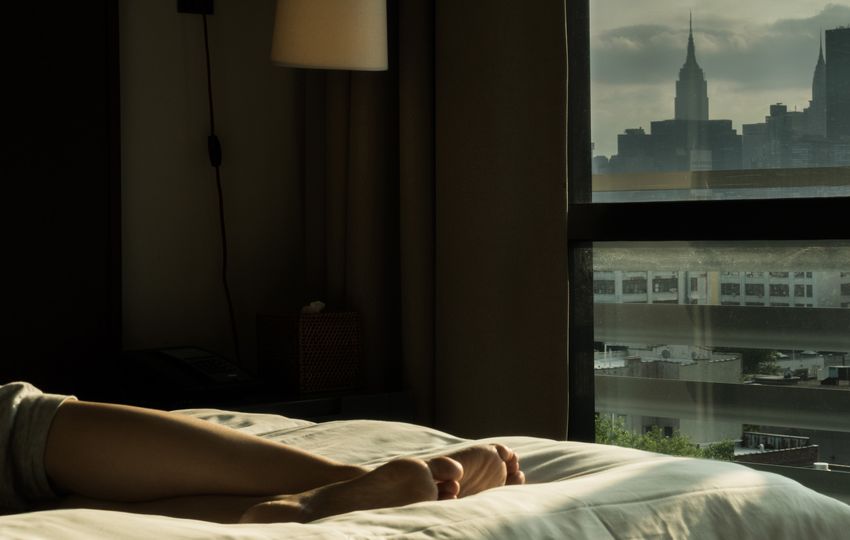
trivago Magazine       1 Introduction
Writers Guideline

Our stories:

                    Connect every kind of
                    traveller to their ideal
                    accommodation.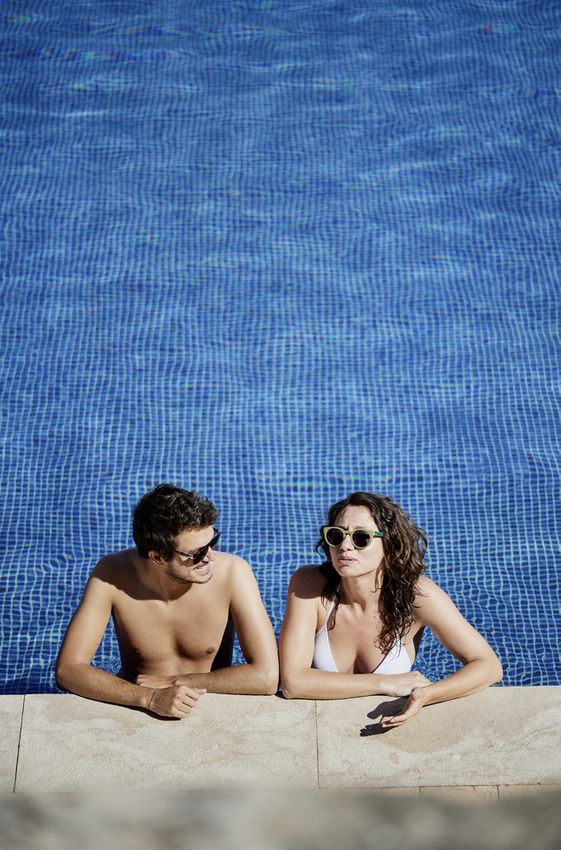
trivago Magazine       1 Introduction
Writers Guideline

Our stories:

                    Inspire readers to travel
                    often and make the most
                    of every trip.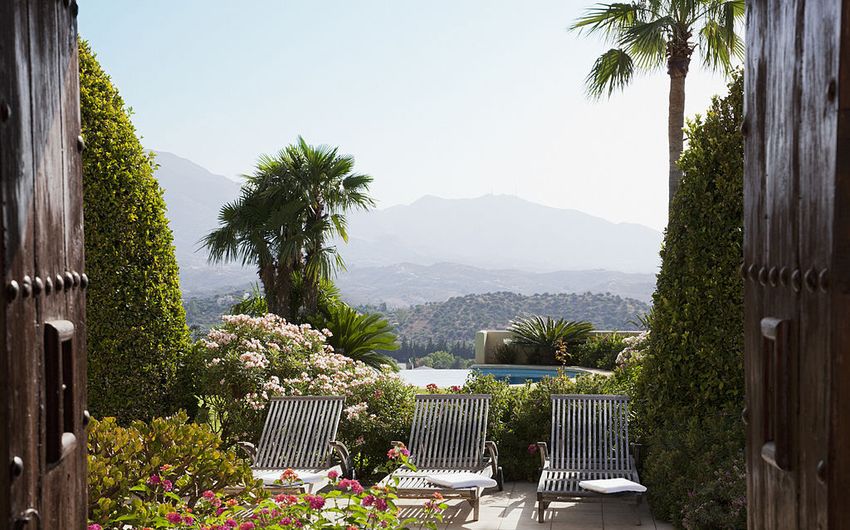
trivago Magazine    2 Submissions
Writers Guideline

Submissions
                    Keep it simple.

                             Follow AP style
                             Submit as Google doc with share
                             settings set to "Edit"
                             Use Times New Roman 12-point font

                             Keep your copy single-spaced, without
                             paragraph indents
                             Include an author bio (50 words) and
                             headshot with your submission.
trivago Magazine    3 Copy guidelines
Writers Guideline

Copy guidelines
                    Important Stuff...

                    Hotel Selection
                    This is the central element to your story; choosing inspiring hotels will
                    determine the success of your article.
                    Ask yourself, as a reader clicking through to this hotel on trivago: would
                    you book it?

                    The hotel must have:
                    • Prices shown on trivago for multiple dates
                    • A good selection of high-quality images on the trivago listing
                    • A green user rating of 7.5 or higher

                    Not sure your chosen hotels fit the bill? Feel free to send the trivago links
                    over, we are happy to double check them before you start writing!

                    Hotel Description
                    Feel free to let your personality shine through; remember, you are writing
                    as you, not as trivago! We want details above and beyond the hotel
                    amenities. Did your kids love big squishy beds in the family suite? Did the
                    homemade croissants at breakfast set you up for the day? Did the owner
                    tell you a fascinating story about the hotel’s interiors? Whatever made
                    your trip unique, we want to hear about it!
trivago Magazine    3 Copy guidelines
Writers Guideline

Copy guidelines
                    And don’t forget about…

                    Keywords
                    Weave your keywords throughout the article. They should naturally come
                    into both the first paragraph and the hotel descriptions.

                    Originality
                    You can include a bit of “touristy stuff” in your stories, but we are especially
                    looking for unique, off-the-beaten-path suggestions. Showcase your local
                    expertise, not your ability to use the internet.

                    Detail
                    Your favorite dish on the menu (and why?), what’s packed in your purse,
                    the sights, smell and tastes of the city – it’s the little details that bring travel
                    writing to life. Let’s hear about the little anecdotes that made your visit from
                    the story the shopkeeper told you, to the reason why you’ll take the wooden

                    Additional Sources
                    Take your story to the next level with compelling quotes from relevant
                    sources. Whether it’s the owner of the coffee shop you’re recommending
                    or another expert traveller, utilize other perspectives. Include links to any
                    mentioned businessesfishing boat over the regular ferry next time.
trivago Magazine    3.1 Copy guidelines
Writers Guideline

Copy Guidelines
Continued
                    Stories we don't love...

                    The hotel has 104 rooms over 6 floors
                    We don’t need to know the hard facts for each hotel. And we don’t need a list
                    of all the basic amenities. Keep to the details that are relevant to your topic
                    and weave them into your storytelling. And if the hotel is one of convenience,
                    that’s also okay! It can still support an amazing travel experience in many
                    ways; this is where your creativity comes in.

                    Beautiful, Amazing
                    Bland, overused words. These are a dime a dozen in travel writing, so
                    challenge yourself to find other, more specific ways to express your ideas.

                    Where/were/wear
                    Silly grammatical and spelling mistakes. Run your work through a spell
                    check before submitting it.

                    WTF LMAO
                    Abbreviations. Spell out numbers under 10, spell out time increments like
                    minutes and seconds, etc. When in doubt, spell it out.
trivago Magazine                                     4 Photography style
Writers Guideline

Photography style
                                                     Keep it authentic.
      Do‘s:
        • feel real and natural looking
        • show a story
        • draw readers into the moment
        • high-quality, something a destination
          would use to promote themselves

     Don‘ts:

      • color filters
   1 • posing
   1 • staged, artificial composition
   1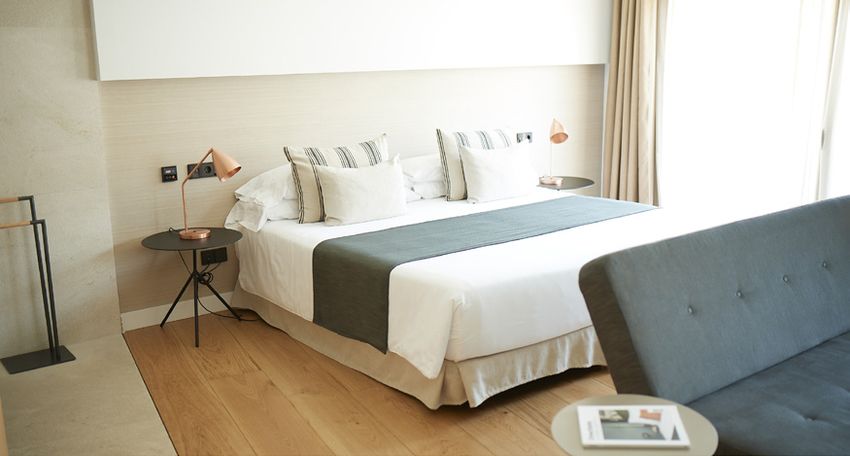
trivago Magazine    5 Image logistics
Writers Guideline

Image logistics
                    Keep it small (and legal).

                              Landscape photos should be at least
                              1920px wide. Portrait photos should be
                              at least 1080px wide.
                              File size should be under 200kb. (You
                              can resize easily using this site.) Use
                              file names that make it clear what it is,
                              where it was taken and who the pho-
                              tographer was.
                              External images must be cleared for
                              commercial use on all Room5 distribu-
                              tion channels (blog, paid social media
                              promotion, email newsletter, press re-
                              leases).
                              Send the links that correspond to
                              downloaded images.
trivago Magazine 6 Invoices
Writers Guideline
Invoices
Let's talk numbers.
Please send your invoice via email as a
PDF and include the following info:
• Full Name
• Billing Address
• Telephone Number
• Bank Details - including IBAN & SWIFT
• VAT ID / Tax Number
• Article Name
• Amount Due (in Euros)
• trivago’s Full Address:
trivago N.V.
Kesselstrasse 5-7
40221 Düsseldorftrivago Magazine
Writers Guideline
Impress and contact
This guideline has been published by trivago N.V.
Kesselstraße 5-7, 40221 Düsseldorf
© 2018 trivago N.V.
This document and all embedded files are protected
by copyright and are not to be shared or published
without specific permission.trivago Magazine 7 Contact
Writers Guideline
Have your own idea?
Pitch us.
Use our search bar to read all of the Magazine content on your
proposed destination to be sure we have not already published a
similar piece.
Think you have something good?
Send over a brief story pitch to:
Partnerships: Eleanor Kutylowski (eleanor.kutylowski@trivago.com)
Be sure to include:
• Your specific angle and the “why now?” (This should be more specific than
“there’s a new interest in tourism here”)
• Why you’re the best writer for the job (Do you currently live there? Are you
a topic expert?)
• A suggested target audience (Who will care about this story?)
• trivago links to the properties you plan to include
• Your desired timeline
• And finally, remember: your pitch should be both inspirational and
accessible for readers in your localeYou can also read


