Tustin Estate Improvement Programme - APPENDIX 2 - Meetings, agendas ...
←
→
Page content transcription
If your browser does not render page correctly, please read the page content below
APPENDIX 2

Tustin Estate Improvement
Programme
Equality and Health Impact Assessment
14 December 2020
Mott MacDonald
10 Fleet Place
London EC4M 7RB
United Kingdom

T +44 (0)20 7651 0300
mottmac.com

                                           Tustin Estate Improvement
                                           Programme
                                           Equality and Health Impact Assessment

                                           14 December 2020

Mott MacDonald Limited. Registered in
England and Wales no. 1243967.
Registered office: Mott MacDonald House,
8-10 Sydenham Road, Croydon CR0 2EE,
United Kingdom
Mott MacDonald | Tustin Estate Improvement Programme
        Equality and Health Impact Assessment

        Issue and Revision Record

         Revision                                                                                                                                  Date                                                                                                                            Originator                                                                                                                                     Checker                                                                                                                                                 Approver                                                                                                                   Description
         A                                                                                                                                         10/12/2020                                                                                                                      Emma Will,                                                                                                                                     Sarah                                                                                                                                                   James Beard                                                                                                                Updated draft reflecting single
                                                                                                                                                                                                                                                                                   Nadia Luhr                                                                                                                                     Marshall                                                                                                                                                                                                                                                                           option choice
         B                                                                                                                                         14/12/2020                                                                                                                      Emma Will,                                                                                                                                     Sarah                                                                                                                                                   James Beard                                                                                                                Final report following client
                                                                                                                                                                                                                                                                                   Nadia Luhr                                                                                                                                     Marshall                                                                                                                                                                                                                                                                           comments

        Document reference: 418208 | 1 | B

1.1.1   Information1.1.2
                    class:                                                                                                                                                                                                                                        Standard

         This document is issued for the party which commissioned it and for specific purposes connected with the above-
         captioned project only. It should not be relied upon by any other party or used for any other purpose.

         We accept no responsibility for the consequences of this document being relied upon by any other party, or being
         used for any other purpose, or containing any error or omission which is due to an error or omission in data supplied
         to us by other parties.

         This document contains confidential information and proprietary intellectual property. It should not be shown to other
         parties without consent from us and from the party which commissioned it.
         This report has been pr epared sol ely for us e by the party whic h c ommissi oned it (the ‘Client’) i n c onnecti on with the capti oned proj ect. It should not be used for any other purp os e. N o person other than the Client or any party who has ex pressly agreed terms of r eliance with us (the ‘Reci pient(s)’) may rely on the c ontent, i nformati on or any vi ews ex press ed i n the repor t. W e acc ept no duty of c are, res ponsi bility or liability to any other r eci pient of thi s doc ument. T his r eport is co nfi denti al and c ontains pr opri etary intell ectual property.

         No representati on, w arranty or under taki ng, expr ess or im plied, is made and no res ponsi bility or liability is acc epted by us to any party other than the Cli ent or any Reci pient(s), as to the acc uracy or com pleteness of the i nformati on c ontai ned i n this r eport. For the av oidance of doubt this r eport does not in any w ay purport to i nclude any legal , insur anc e or fi nanci al advic e or opi nion.

         We dis claim all and any liability w hether arising i n tort or c ontrac t or otherwise whic h it might otherwise have to any party other than the Cli ent or the Reci pient(s), in r es pect of thi s report, or any information attri buted to i t.

         We accept no r esponsibility for any error or omission i n the r eport w hich is due to an error or omis sion i n data, information or statem ents s upplied to us by other par ties incl udi ng the client (‘D ata’). We hav e not i ndependently v erified suc h D ata and hav e assum ed it to be acc urate, com plete, reli abl e and current as of the date of s uch inform ation.

         Forec asts pres ented i n this docum ent w ere pr epared usi ng Data and the report is dependent or bas ed on D ata. Inevitably, s om e of the ass umptions us ed to dev elop the for ecasts will not be realised and unantici pated ev ents and circumstances m ay occ ur. C ons equently M ott MacDonal d does not guarantee or warr ant the c oncl usi ons contained i n the repor t as there are likely to be differ enc es betw een the for ecas ts and the ac tual results and those di ffer ences may be m aterial. Whil e w e c onsi der that the inform ation and opini ons given i n this r eport are sound all parti es m ust rely on their ow n skill and j udgement when m aking us e of it.

         Under no circums tanc es m ay this report or any extr act or s ummary ther eof be us ed in c onnection wi th any public or private sec urities offering i ncluding any rel ated mem orandum or pros pectus for any s ec urities offering or stock exc hange listing or announc ement.

        418208 | 1 | B | 14 December 2020
Mott MacDonald | Tustin Estate Improvement Programme
Equality and Health Impact Assessment

                                                                                               Appendices                                                                            32
Contents
                                                                                               A.    Analysis of existing evidence                                                   33
                                                                                                     A.1 Impact on resident and community resources during renewal                   33
Executive summary                                                                         1
                                                                                                     A.2 Impacts on businesses during renewal                                        38
        Overview of the commission                                                         1
                                                                                                     A.3 Impact on community following renewal process                               40
        Summary of the EHIA                                                                1
        Findings                                                                           1
                                                                                               B.    Area profile and proportionality                                                43
                                                                                                     B.1 Socio-demographic profile of the area                                       43
1       Introduction                                                                      2
                                                                                                     B.2 Community resources                                                         10
        1.1       Purpose of the EHIA                                                      2
                                                                                                     B.3 Businesses                                                                  11
        1.2       The Equality and Health Impact Assessment                                2
                                                                                                     B.4 Health profile                                                              11
        1.3       Overall approach to the EHIA                                             4
                                                                                                     Socio-demographic monitoring                                                    13
        1.4       Tasks Undertaken                                                         4
        1.5       Methodology for identifying and assessing equality and health effects    5

2       Tustin Estate Improvement Programme                                               7
        2.1       Overview: Tustin Estate                                                  7   Tables
        2.2       Renewal of the Estate                                                    8   Table 2.1: Tenure mix per block                                                        7
                                                                                               Table 2.2: Details of renewal options                                                  9
3       Equality risks and opportunities                                                  10   Table 3.1: Evidence summary                                                           10
                                                                                               Table 4.1: Socio- demographic baseline                                                14
        3.1     Summary                                                                   10
                                                                                               Table 4.2: List of community facilities within the Estate                             15
                                                                                               Table 5.1: Impact on residents and community resources during renewal                 16
4       Area profile and proportionality                                                  14
                                                                                               Table 5.2: Impact on businesses during renewal                                        19
        2.3       Overview of the socio-demographic profile of the area                   14
                                                                                               Table 5.3: Impact on community following renewal process                              20
        2.4       Overview of community resources within the Estate                       15
                                                                                               Table 6.1: Impact on residents and community resources during renewal (from the ballot up
        2.5       Overview of businesses within the Estate                                15
                                                                                               to delivery)                                                                           24
                                                                                               Table 6.2: Impact on businesses during renewal (from the ballot up to delivery)       27
5       Impact assessment                                                                 16   Table 6.3: Impact on the Tustin Estate community following the renewal process        28
        5.1       Impact on residents and community resources during renewal              16   Table 7.1: Tustin Estate recommended action plan                                      30
        5.2       Impact on businesses during renewal                                     19   Table A.14: Employment and unemployment                                               11
        5.3       Impact on community following renewal process                           20   Table A.25: Median annual pay                                                         11

6       Overall equality and health effects                                               23
        6.1       Overview: assessing equality risks and opportunities                    23
                                                                                               Figures
        6.2       Risks and opportunities during renewal                                  23
        6.3       Risks and opportunities following renewal                               28   Figure 1.1: Article 149 of the Equality Act: The Public Sector Equality Duty           2
                                                                                               Figure 1.2: Determinants of Health                                                     4

7       Conclusion and action plan                                                        30
        7.1       Conclusion                                                              30
        7.2       Action plan                                                             30   Photos

418208 | 1 | B | 14 December 2020
Mott MacDonald | Tustin Estate Improvement Programme
Equality and Health Impact Assessment

Photo 2.1: Heversham House, Tustin Estate                          7

Maps
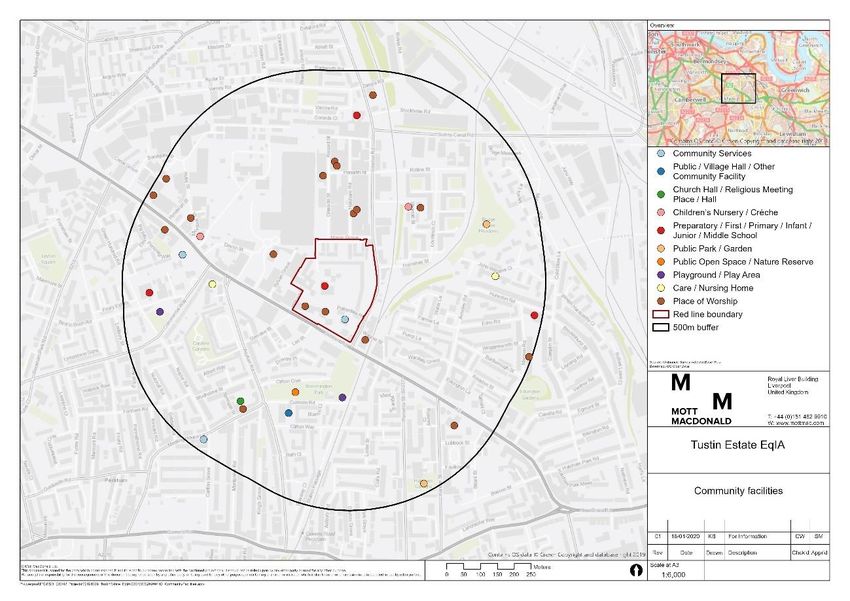
Map 4.1: Community facilities within and surrounding the Estate   15
Map 4.2: Businesses within the Estate                             15

418208 | 1 | B | 14 December 2020
1

Executive summary

Overview of the commission
Mott MacDonald has been commissioned by Southwark Council to undertake an Equality and Health Impact Assessment (EHIA) of the improvement programme (“the Programme”) for Tustin Estate, in the London Borough of
Southwark.

Summary of the EHIA
The EHIA process is focussed on the potential effects, including health effects, likely to be experienced by those living and working in the community in light of their ‘protected characteristics’ under the Equality Act 2010. It identifies
any differential or disproportionate effects (both positive and negative) on those with protected characteristics that may arise from the Programme and sets out potential mitigation or enhancement measures that the Council can put
in place to address them.

This EHIA presents summary equality and health findings for the result of either a majority ‘yes’ vote or a ‘no’ vote from the upcoming resident ballot on the future of the Estate. The two scenarios assessed are:

     1. Final Option for Tustin Estate (‘Yes’ vote – formerly referred to as Option 5). This was chosen as the favoured option through a ‘whittling down’ resident ballot and includes the full redevelopment of Tustin Estate, except
        for Manor Grove, which would be refurbished. This includes the replacement of all homes and retail units with new, larger and better quality housing and commercial space, a number of additional homes at a range of
        tenures including Council housing, a new school, new play spaces and green spaces and public realm improvements across the Estate.
     2. Maintenance of the Estate (‘No’ vote – formerly referred to as Option 1). This involves maintaining the Estate over the next 30 years to Decent Homes and Southwark Standard (new kitchens and bathrooms) and involves
        Estate Repairs

These options are set out in more detail in Table 2.2 in Chapter 2.

Findings
The process of research and analysis for this Final Option EHIA has identified a number of risks and several opportunities that could arise from the renewal options, split into three broad categories: potential impact on residents and
community resources during renewal; potential impact on businesses during renewal; and potential impact on the community following the renewal process.

The assessment considers the impacts of the renewal process–particularly the impact on residents and businesses. The assessment also explores the impact of the delivery of the renewed Estate on the current and future Estate
community. The table below sets out findings from the assessment. Potential risks and opportunities in the first column have been identified through a review of published literature, the scope of which is based on an understanding
of the context and proposed activities associated with the Estate redevelopment.

Assessment of equality effects has been undertaken in light of the characterisation of the effects –including sensitivity of the affected parties to the renewal, distribution of those groups on the Estate, nature of the effect and
mitigation measures in place to address the effect. This includes reference to COVID-19 where relevant. Recommendations have been made for addressing any potential residual effects on these groups. These findings are
summarised below from Chapter 5.

 Potential impact                                            Mitigation                                                   Recommendation                                               Overall equality and health effect

Impact on residents and community resources during renewal (from the ballot up to delivery)
 Loss of social cohesion and access to community               Final Option                                                    ● Work proactively and constructively with residents,    There are likely to be no adverse effects on equality
 resources                                                         ● Community led gardening project developed prior to          including though existing residents groups, including groups due to a loss of social cohesion.
 The renewal process can involve temporary or permanent              renewal process and continued throughout, promoting         the Resident Project Group (RPG) and Tustin
 resettlement of residents and demolition of housing and             social cohesion, and minimising social isolation, which     Residents Association (TRA), through a range of        There may be limited effects on equality groups due to
 community resources. This could lead to the risk of loss of                                                                     channels,  including face to face engagement  where    temporarily reduced access to some community
                                                                     has been exacerbated by COVID 19 restrictions.
 social infrastructure and temporary or permanent access to                                                                      possible, keeping up-to-date records of changing       resources during the renewal period under the Final
 this amenity provision. In particular, it can increase residents’ ● If demolition takes place, residents will have the option
                                                                                                                                 needs and circumstances. This is particularly importantOption.
 distances from facilities or places of social connection located    to remain on the Estate during construction and
                                                                                                                                 for residents who will be most affected by any social
 on or in close proximity to their neighbourhood. For example,       continue to access their social networks and
 relocation accompanied by a school move has the potential to                                                                    cohesion effects of the process.

418208 | 1 | B | 14 December 2020
2

 Potential impact                                                      Mitigation                                                 Recommendation                                              Overall equality and health effect
 be particularly stressful and disruptive to children. In addition,     community resources, such as the TRA hall (subject to ● Maintain continuity in access to community resources Overall, this risk is considered to be managed
 older people can experience feelings of isolation from                 COVID-19 restrictions).                                 (e.g. churches and play areas) where possible. If this through a range of proportionate measures.
 relocation if long-standing community links are broken and                                                                     is not possible, consider pop-up spaces for these uses.
 older people are already more likely to experience feelings of
                                                                      ● Pilgrim’s Way school will remain open during the
 isolation compared to other groups within society.                     renewal process, so there will be no requirement for
                                                                        pupils to change schools while the new school is being
                                                                        built.
                                                                      ● Phasing plan has been developed to limit number of
                                                                        temporary moves to a maximum of two, with residents
                                                                        only making one move in most circumstances.
                                                                         Housing solutions to enable residents to remain on
                                                                         Estate if they need to move temporarily, where
                                                                         possible.

                                                                         Final Option and Maintenance Option
                                                                      ● Dedicated resident support available online and in
                                                                        person, should social distancing guidelines allow.

 Difficulty accessing finance (e.g. costs associated                     Final Option                                            ● Work proactively and constructively with residents        There should be no significant adverse effects on the
 with moving home)                                                 ● If the residents vote in favour of the Final Option and       through a range of channels, including face to face       ability of equality groups to access finance, although there
 Although the renewal process can often increase the value of        their home requires demolition, homeowners will be            engagement where possible, keeping up-to-date             may be some effects linked to increases in rent, council
 properties it can also reduce the affordability of housing in the   offered the market value of their home.                       records of changing needs and circumstances. This is      tax, and service charges after renewal.
 area and contribute to financial exclusion. This means that                                                                       particularly important for those who are most affected
 some groups of people within society are not able to                 ● If the residents vote in favour of the Final Option and
                                                                                                                                   by financial exclusion.                                   Overall, this risk is considered to be managed
 purchase a renewed home as they are unable to get the                  their home requires demolition, a Home Loss Payment
                                                                                                                                                                                             through a range of proportionate measures.
 required mortgage or loan. In addition, where renewal                  (sum in recognition of home loss) and a Disturbance ●       Ensure that residents are signposted to the
 requires residents to resettle, it can lead to an increase in          Payment would be made to Council tenants and                reallocation process (including financial advice)
 their financial outgoings due to costs associated with moving          homeowners. The Home Loss Payment would be a                available online or via telephone, if necessary, to
 and securing new housing. Relocation costs could include               one-time payment, however the Disturbance Payment           comply with COVID- 19 requirements.
 removal services, the need to adapt a new home or buy new
                                                                        may be made more than once where necessary to           ●   Approximate changes to rent and service charges as a
 furniture.
                                                                        facilitate multiple moves. This includes reimbursement      result of the vote should be communicated to residents
                                                                        of funds for removals, disconnection and reconnection       as soon as possible.
                                                                        of cooker/washing machine, redirection of mail, BT
                                                                        Telephone Installation, cable TV/TV installation and
                                                                        reasonable adjustments to carpets and curtains.
                                                                      ● If the residents vote in favour of the Final Option, a
                                                                        number of options are available to leaseholders on the
                                                                        site, including shared ownership, an equity loan, and
                                                                        shared equity options. For leaseholders who cannot
                                                                        meet the equity requirements for these, council
                                                                        tenancies will be available, subject to financial
                                                                        appraisal.
                                                                      ● New build rents in line with bedroom numbers and
                                                                        consistent with new homes across Southwark.
                                                                      ● If the residents vote in favour of the Final Option, l
                                                                        leaseholders and freeholders will have access to an
                                                                        independent chartered surveyor to carry out a market

418208 | 1 | B | 14 December 2020
3

 Potential impact                                           Mitigation                                                     Recommendation                                            Overall equality and health effect
                                                              evaluation of the properties and discuss this with the
                                                              council surveyors.
                                                           ● Southwark Council commitment to work with
                                                             leaseholders and freeholders to ensure that no
                                                             household is worse off as a result of renewal.

                                                              Maintenance Option
                                                           ● Council rents remain the same under maintenance.

                                                              Final Option and Maintenance Option
                                                           ● Additional costs for freeholders resulting from the
                                                             works to the wider estate as well as costs related to
                                                             services and utilities will be set out in detail as the
                                                             earliest opportunity.

 Appropriate, accessible and affordable housing               Final Option                                                ● Work proactively and constructively through a range of   There is likely to be no adverse effect on equality
 Where renewal schemes require the resettlement of many         ● 10% of new build housing to be wheelchair accessible,     channels, including face to face engagement where        groups with relation to access to appropriate,
 residents, issues can arise regarding sourcing suitable          in line with national government requirements.            possible, keeping up-to date records of changing         accessible, and affordable housing during the renewal
 housing that meets the needs of families with children, people                                                             needs and circumstances – particularly those who are     period.
 requiring adaptable and accessible housing, people seeking     ● Those with special housing needs to be prioritised
                                                                                                                            most affected by a change to affordable and
 affordable housing and large intergenerational BAME              through rehousing process under the Final Option.
                                                                                                                            appropriate housing.                                     Overall, this risk is considered to be managed
 households.                                                    ● All new and refurbished social rented homes will be
                                                                                                                     ● Ensure that residents are signposted to the                   through a range of proportionate measures.
                                                             owned and managed by Southwark Council. They will
                                                                                                                       reallocation process (including financial advice)
                                                             all have Council rent levels.
                                                                                                                       available online or via telephone, if necessary, to
                                                           ● A mix of housing sizes and typologies will be available   comply with COVID- 19 social distancing and self-
                                                             through the Final Option, to provide for different        isolation recommendations.
                                                             housing needs.
                                                           ● All new homes under the Final Option will have access
                                                             to a balcony, patio, or roof terrace.
                                                           ● Under the Final Option, a variety of tenures will be
                                                             available to allow homeowners to stay on the estate
                                                             including shared equity and rehousing as a Council
                                                             tenant.
                                                           ● Tenants who are overcrowded in the low rise blocks
                                                             will be offered new accommodation to meet their
                                                             housing needs under the Final Option.
                                                           ● New housing block built specifically for older people
                                                             who are not living with children under the Final Option.

                                                              Final Option and Maintenance Option
                                                           ● All new and refurbished social rented homes will be
                                                             owned and managed by Southwark Council. They will
                                                             all have Council rent levels.

418208 | 1 | B | 14 December 2020
4

 Potential impact                                                    Mitigation                                                 Recommendation                                                 Overall equality and health effect
 Health effects                                                        Final Option                                            ● Demolition works should be monitored closely and              There may be minor adverse impacts on equality
 Health effects may arise as a result of stress due to           ● Potential health impacts related to stress due to             disruption should be minimised through the creation of        groups during the renewal period due to the noise and
 relocation, the environmental effects of demolition and           relocation under the Final Option would be mitigated          a Construction Environmental Management Plan                  air quality impacts of construction during the renewal
 construction processes and/or as a result from social isolation                                                                 (CEMP), which would be implemented by the                     period; and the potential stress associated with moving
                                                                   through rehousing support outlined above. There will
 due to housing relocation.                                                                                                      contractor carrying out the works, in order to address        home
                                                                       also be a dedicated team in place to help with
                                                                       questions or information throughout the process.          health impacts related to noise and air quality.              Overall, this risk is considered to be managed
                                                                                                                               ● Throughout the improvement works, identify and work           through a range of proportionate measures..
                                                                    ● Housing solutions to enable residents to remain on
                                                                      Estate if they need to move temporarily, where             with vulnerable people whose protected characteristics
                                                                      possible.                                                  may make them more vulnerable to adverse health
                                                                                                                                 impacts.
                                                                    ● New communal outdoor space to mitigate health
                                                                      impacts of social isolation, which may have been         ● Access to communal outdoor space should be
                                                                      exacerbated as a result of the COVID- 19 pandemic.         maintained during the construction period to limit
                                                                                                                                 impacts on health caused by social isolation.

                                                                       Final Option and Maintenance Option
                                                                    ● Environmental effects to be mitigated through
                                                                      considerate construction practices and environmental
                                                                      management planning.
 Safety and security                                                   Final Option                                       ● Ensure best practices for enhancing safety and                     The impact of safety and security is likely to cause no
 In the lead up to renewal, and during the decanting and            ● Properties to be secured through appropriate          preventing crime are considered throughout the                     adverse impacts on equality groups on the estate due
 demolition of properties in the area, properties will be             measures, including phasing of redevelopment so the   planning and construction process.                                 to the mitigations and recommendations.
 vacated. If these are not maintained properly there is a risk
                                                                      Estate is not left vacant.                          ● Ensure a process is in place for reporting and
 that they could fall into disrepair. This could attract unwanted
 activity including anti-social behaviour and crime, which can
                                                                                                                            addressing incidents of Anti-Social Behaviour (ASB)                Overall, this risk is considered to be managed
 affect those who are more likely to be a victim or witness of                                                              within the Estate.                                                 through a range of proportionate measures.
 crime or those who are more fearful of crime.                                                                                 ● Monitor the security of the Estate and consider
                                                                                                                                 additional security where concerns are flagged.
                                                                                                                                 However, any enhanced security measures should
                                                                                                                                 only be implemented as a last resort, if deemed
                                                                                                                                 necessary, and in conjunction with residents, as it risks
                                                                                                                                 adding to a sense of vulnerability, isolation, and loss of
                                                                                                                                 sense of community for residents.
 Accessibility and mobility in the surrounding area                    Final Option                                           ● As with health impacts, good access and mobility              There are potential minor impacts on accessibility and
 Evidence suggests that during construction the accessibility       ● Southwark Council will work with residents and master     would be maintained through the creation of a CEMP,           mobility which may affect equality groups during the
 and mobility of the local area can be affected. In particular,       planners on an integrated parking strategy that looks     which would set out arrangements for any necessary            renewal period.
 construction can cause difficulties in relation to increased                                                                   diversions, which should provide well-signed routes
                                                                      at current levels of parking, parking needs, the impact
 traffic on local roads, reducing parking (as construction                                                                      that limit extra travelling distances. The CEMP should        Overall, this risk is considered to be managed
 vehicles may use existing parking facilities), the construction
                                                                      of phasing on parking and parking levels as well as
                                                                      environmental considerations in any redevelopment.        also ensure that access is maintained through                 through a range of proportionate measures.
 activities blocking access to homes, shops, bus stops and
                                                                                                                                measures such as such as limiting pavement
 pavements and safe routes, as well as effects on wayfinding.       ● Resident car owners who currently have a parking
                                                                                                                                obstructions and maintaining disabled parking. The
                                                                      permit will have a parking permit for the redeveloped
                                                                                                                                CEMP should specifically consider the needs of
                                                                      estate.
                                                                                                                                protected characteristic groups who may have limited
                                                                    ● Blue badge permits to remain. Wheelchair homes will       mobility.
                                                                      have associated parking arrangements.
                                                                    ● Accessibility of Estate to be considered through
                                                                      construction planning (e.g. ensuring hoarding does not
                                                                      sever the Estate).

418208 | 1 | B | 14 December 2020
5
Potential impact Mitigation Recommendation Overall equality and health effect
Information and communication Final Option and Maintenance Option ● Accessible format consultation materials, including but There are likely to be no adverse impacts on equality
Complex material and information on the regeneration ● Southwark Council will fund independent resident not limited to, easy read, different community groups due to information and communication during
may present a challenge to those who have different advice which will include training and support in design languages, audio, and braille, should be available if the renewal period.
information and communication needs. and construction stages to ensure that residents can requested.
meaningfully engage in decision making. ● Access to information and communication should be Overall, this risk is considered to be managed
● Series of face to face and online meetings held with available in a number of formats, including online, through a range of proportionate measures.
residents to discuss issues and concerns of residents. telephone and one to one meetings, to ensure that all
residents have safe access to information and support
● A dedicated Tustin team of housing officers will be
services as COVID- 19 restrictions continue.
established to liaise with residents throughout the
development. ● Information should be provided in a clear and easy to
understand way, and communicated in a timely
● Information is published online as it is made available
manner. This includes keeping website information up
for all to access.
to date.
● Language interpretation and face to face engagement
available.
Impact on businesses during renewal (from the ballot up to delivery)
Barriers to reemployment Final Option ● Offer business development support to existing There may be some minor adverse effects on equality
The renewal process may result in the closure and ● Relocation options on Tustin Estate or nearby on an businesses to ensure they are equipped to maximise groups due to barriers to reemployment during renewal.
relocation of businesses. These changes may result in interim basis. the opportunity that the refurbishment and/or
business owners becoming unemployed, redundancies redevelopment may bring, such as information on how Overall, this risk is considered to be largely
or in current staff being unable to access ongoing they might diversify their business. managed through a range of proportionate
employment at a different location. Maintenance Option
measures, however consideration should be given
● Support for businesses to be made available if normal to adding the detail provided in the
operation is affected through refurbishment. recommendations to the existing proposed
measures.
Final Option and Maintenance Option
● Signposting to employment through Southwark Works.
Dedicated business support available.
Impact of redundancy on health and well-being Final Option ● Work proactively and constructively through a range of There may be some minor adverse effects on equality
Involuntary job loss due to redevelopment and renewal ● Relocation options on Tustin Estate or nearby on an channels, including face to face engagement where groups due to the impact of redundancy on health and
can have disproportionate health and well-being interim basis. possible with vulnerable business owners and wellbeing.
effects for families with children and older people. employees.
Overall, this risk is considered to be largely
Maintenance Option
managed through a range of proportionate
● Support for businesses to be made available if normal measures, however consideration should be given
operation is affected through refurbishment. to adding the detail provided in the
recommendations to the existing proposed
Final Option and Maintenance Option measures.
● Signposting to employment through Southwark Works.
Dedicated business support available.
Access to commercial finance Final Option ● Ensure businesses are fully informed of the timescales There may be some minor adverse effects on equality
For businesses, redevelopment and renewal may ● Relocation options on Tustin Estate or nearby on an that would affect them as soon as possible, including groups due to difficulty accessing commercial finance
result in effects on trade, relocation or closure. This interim basis. when they if and would need to vacate the premises during renewal.
may result in a need to access finance, which can be and the period of time they would be inactive for before
more difficult for particular groups.
418208 | 1 | B | 14 December 20206
Potential impact Mitigation Recommendation Overall equality and health effect
● Dedicated business support available. Relocation fund being able to reopen on the refurbished or Overall, this risk is considered to be largely
to be made available where appropriate. redeveloped Estate. managed through a range of proportionate
measures, however consideration should be given
to adding the detail provided in the
Maintenance Option
recommendations to the existing proposed
● Support for businesses to be made available if normal measures.
operation is affected through refurbishment.
Final Option and Maintenance Option
● Signposting to employment through Southwark Works.
Dedicated business support available.
Impacts on the Tustin Estate community following renewal
Tackling crime and disorder ● Beneficial effects. No mitigation measures to be ● Follow Crime Prevention Through Environmental There is likely to be a major positive impact on equality
Levels of crime can be in part been attributed to the applied Design (CPTED) and Secure by Design principles in groups due to the impact on tackling crime and disorder
urban environment. It has been argued that the designing the built environment and public realm. 1 after delivery of the Final Option.
opportunity for some forms of crime can be reduced
through well thought-out approaches to planning, and Overall, this risk is considered to be managed
the design of neighbourhoods and towns. Reducing through a range of proportionate measures.
potential for crime can affect those more likely to fear
crime or be a victim or witness of crime.
Improved access, mobility and navigation ● Beneficial effects. No mitigation measures to be ● Ensure the design of movement networks and public There is likely to be a major positive impact on equality
Renewal processes open up opportunities to create applied spaces specifically addresses the mobility needs of groups due to improved access, mobility, and
spaces and places that can be accessed and vulnerable groups. This can be achieved by applying navigation after delivery of the Final Option.
effectively used by all, regardless of age or disability, principles of inclusive design.
using principles of inclusive design. There are a Overall, this risk is considered to be managed
number of equality groups who can experience through a range of proportionate measures.
difficulties with access, mobility and navigation who
could benefit from improvements in this area.
Improved public realm and green space ● Beneficial effects. No mitigation measures to be ● Involve the local community in planning and designing There is likely to be a major positive impact on equality
Renewal offers an opportunity to improve the public applied improvements to the public realm and green spaces, groups due to improved public realm and green space
realm. The ability to access and use the public realm is specifically targeting protected characteristic groups after delivery of the Final Option.
vitally important to ensuring people feel that they are that are likely to benefit from improvements e.g.
active members of their community. This includes children, older people and disabled people. Overall, this risk is considered to be managed
basic activities such as using local shops or meeting ● Ensure the design of movement networks and public through a range of proportionate measures.
up with people in a shared space outside close to spaces specifically addresses the mobility needs of
home. In addition, the opening up of green space has vulnerable groups. This can be achieved by applying
been shown to impact positively on both physical and principles of inclusive design.
mental health.
Provision of community resources and improved ● Beneficial effects. No mitigation measures to be ● Continue to involve the local community in decisions There is likely to be a major positive impact on equality
social cohesion applied about which resources should be incorporated into the groups due to the provision of community resources
Community resources provide important places of area, specifically targeting protected characteristic and improved social cohesion after delivery of the Final
social connection and promote wellbeing for many groups that are likely to benefit from improvements. Option.
1
Jeffery (1971) ‘Crime Prevention Through Environmental Design’. Sage publications
Secured by Design (2014) ‘Secured by Design: Reducing crime by good design’. Available at: https://mbp.co.uk/wp-content/uploads/2017/06/Secured-by-Design-Reducing-Crime-by-Good-Design-reduced.pdf
418208 | 1 | B | 14 December 20207
Potential impact Mitigation Recommendation Overall equality and health effect
groups. For example, community hubs can provide an ● Ensure analysis is undertaken to understand on any
accessible centre point for local activities, services and potential pressure on public services that could result Overall, this risk is considered to be managed
facilities. They allow for a cross section of the from redevelopment (eg. extra pressure on schools through a range of proportionate measures.
community to be brought together in a safe place, and health care services).
allowing for better social cohesion and helping to
address social isolation.
New employment opportunities ● Beneficial effects. No mitigation measures to be ● Work with owners of new businesses in the renewal There is likely to be a major positive impact on equality
Renewal can act as a means of promoting economic applied area to employ local people, focussing on groups that groups due to new employment opportunities after
growth and supporting job creation. For example, are vulnerable to unemployment e.g. BAME groups, delivery of the Final Option.
property development can contribute to urban disabled people, young people.
economic regeneration by enabling local stores to Overall, this risk is considered to be managed
grow and expand, and through attracting investment to through a range of proportionate measures.
the area and revitalising neighbourhoods. It can also
facilitate improved connectivity between communities
and places of employment and education. Improved
opportunities to access employment and education
can serve to help address issues of inequality and
improve social mobility.
Improved housing provision ● Dedicated team in place to assist in welcoming and ● Ensure housing meets the needs of current and future There is likely to be a major positive impact on equality
Renewal can lead to improvements in housing integrating new residents into the community to residents. groups due to improved housing provision after delivery
provision within the regeneration area, thereby address any community cohesion effects as a result of of the Final Option.
improving suitability, accessibility and affordability, as a new population arriving on site.
well as its quality and efficiency in energy Overall, this risk is considered to be managed
consumption. through a range of proportionate measures.
418208 | 1 | B | 14 December 20202
1 Introduction
Figure 1.1: Article 149 of the Equality Act: The Public Sector Equality Duty
This chapter sets out the purpose and scope of the Final Option Equality and Health Impact (1) A public authority must, in the exercise of its functions, have due regard to the
Assessment (EHIA) of the improvement programme (‘the Programme’) of Tustin Estate, in the need to—
London Borough of Southwark. (a) eliminate discrimination, harassment, victimisation and any other conduct
The chapter also sets out requirements of the Equality Act 2010 (‘the Equality Act’), the that is prohibited by or under this Act;
approach to EHIA, and tasks undertaken throughout this process. (b) advance equality of opportunity between persons who share a relevant
protected characteristic and persons who do not share it;
1.1 Purpose of the EHIA
(c) foster good relations between persons who share a relevant protected
The purpose of the Final Option EHIA is to help Southwark Council (‘the Council’) understand characteristic and persons who do not share it.
the potential risks and opportunities of the renewal option, with a particular focus on people with
characteristics protected under the Equality Act and the health of the local population (including (2) A person who is not a public authority but who exercises public functions must, in
on health inequalities). the exercise of those functions, have due regard to the matters mentioned in
subsection (1).
Protected characteristics include the following (as defined by the Equality Act): 2 age, disability,
(3) Having due regard to the need to advance equality of opportunity between persons
gender reassignment, marriage and civil partnership, pregnancy and maternity, race, religion
who share a relevant protected characteristic and persons who do not share it
and belief, sex, and sexual orientation.
involves having due regard, in particular, to the need to—
This Final Option EHIA outlines the findings of the impact assessment for the renewal option
(a) remove or minimise disadvantages suffered by persons who share a
and provides recommendations for mitigation and further enhancement where appropriate.
relevant protected characteristic that are connected to that characteristic;
1.2 The Equality and Health Impact Assessment (b) take steps to meet the needs of persons who share a relevant protected
characteristic that are different from the needs of persons who do not share it;
This Final Option EHIA sets out the key potential equality and health impacts of the renewal
option for Tustin Estate. The approach to this report includes components of both Equality (c) encourage persons who share a relevant protected characteristic to
Impact Assessment (EqIA) and Health Impact Assessment (HIA). participate in public life or in any other activity in which participation by such
persons is disproportionately low.
1.2.1 Equality Impact Assessment Source: Equality Act 2010
1.2.1.1 The Pubic Sector Equality Duty The PSED is intended to support good decision-making. It encourages public authorities such
This EHIA has been undertaken in a process towards fulfilling the Council’s obligations under as the Council to understand how different people will be affected by their activities. This means
current UK equality legislation, and in particular the Equality Act. The Act sets out a Public services and policies are appropriate and accessible to all and meet different people’s needs.
Sector Equality Duty (PSED), at section 149 and is set out in Figure 1.1 below. The Council must demonstrate that it has shown due regard to the aims of the PSED
throughout the decision-making process to deliver the Programme. The process used to do this
must take account of the protected characteristics which are identified below in section 1.1.1.1.
2
Government Equalities Office/Home Office (2010): ‘Equality Act 2010’ Available at: www.legislation.gov.uk
418208 | 1 | B | 14 December 20203
1.2.1.2 Protected characteristics ● ensuring that decision-making includes a consideration of the actions that would help to
avoid or mitigate any negative impacts on particular protected groups; and
An EqIA provides a systematic assessment of the likely or actual effects of policies or proposals
on social groups with the following protected characteristics (as defined by the Equality Act): 3 ● supporting evidence-based and more transparent decision-making.
By understanding the effect of their activities on different people, and how inclusive delivery can
Protected Equality and Human Rights Commission (EHRC) definition
support and open opportunities, public bodies can be more efficient and effective. The EHIA
characteristic
process therefore helps public bodies to deliver the Government’s overall objectives for public
Age A person belonging to a particular age (for example 32-year olds) or range of ages (for example 18
to 30-year olds). services.
Disability A person has a disability if she or he has a physical or mental impairment which has a substantial
and long-term adverse effect on that person's ability to carry out normal day-to-day activities.
Gender The process of transitioning from one gender to another.
reassignment
Marriage and civil Marriage is a union between a man and a woman or between a same-sex couple.
partnership Couples can also have their relationships legally recognised as 'civil partnerships'. Civil partners
must not be treated less favourably than married couples (except where permitted by the Equality
Act).
Pregnancy and Pregnancy is the condition of being pregnant or expecting a baby. Maternity refers to the period
maternity after the birth, and is linked to maternity leave in the employment context. In the non-work context,
protection against maternity discrimination is for 26 weeks after giving birth, and this includes
treating a woman unfavourably because she is breastfeeding.
Race Refers to the protected characteristic of race. It refers to a group of people defined by their race,
colour, and nationality (including citizenship) ethnic or national origins.
Religion and belief Religion has the meaning usually given to it but belief includes religious and philosophical beliefs
including lack of belief (such as Atheism). Generally, a belief should affect someone’s life choices or
the way they live for it to be included in the definition.
Sex A man, woman or non-binary person.
Sexual orientation Whether a person's sexual attraction is towards their own sex, the opposite sex or to both sexes.
An EqIA does this through the following approaches:
● Assessing whether one or more of these groups could experience disproportionate effects
(over and above the effects likely to be experienced by the rest of the population) as a result
of the proposed renewal option. An EqIA includes examining both potential positive and
negative effects.
● Identifying opportunities to promote equality more effectively.
● Developing ways in which any disproportionate negative effects could be removed or
mitigated to prevent any unlawful discrimination and minimise inequality of outcomes.
1.2.1.3 Assessing equality impacts
While the PSED does not specify a particular process for considering the likely effects of
policies, programmes and projects on different sections of society for public authorities to follow,
this process is usually undertaken through some form of equality analysis, which can include
EHIAs.
Undertaking an EHIA helps to demonstrate how a public authority is complying with the PSED
by:
● providing a written record of the equality and health considerations which have been taken
into account;
3
Government Equalities Office/Home Office (2010): ‘Equality Act 2010’. Available at: www.legislation.gov.uk
418208 | 1 | B | 14 December 20204
1.2.2 Health Impact Assessment 1.3 Overall approach to the EHIA
1.2.2.1 Assessing health impacts The approach to EHIA employs the bespoke Mott MacDonald INCLUDE toolkit, which sets out
the following steps:
Health as a component of the EHIA will focus on assessing whether certain sections of the
population (based on the protected characteristic groups defined above) will experience health
1 2 3 4 5
consequences disproportionately or differentially. The HIA component of this assessment
identifies potential health risks and opportunities associated with the renewal option, focussing
on key health aspects of the regeneration process (e.g. relocation, construction effects) and
how this intersects with health inequalities. The mitigations Southwark has in place to prevent
Understanding Evidence, Engagement and Impact Action planning
adverse effects on health for vulnerable sections of society are also outlined.
the project distribution, and analysis assessment.
proportionality. Drawing conclusion
1.2.2.2 Determinants of health Analysis of the Engagement, Understanding the and identifying
Final Option and Review of available where possible, extent and scale of opportunities and
The approach to the HIA aspect of this report uses the World Health Organization’s (WHO) the activities demographic data with stakeholders any impacts further actions to
associated with and other to gather their arising, taking any manage and
definition of health as a ‘state of complete physical, mental and social well-being and not merely them, alongside published evidence views. mitigation and mitigate impacts.
the absence of disease or infirmity’. Health inequity (avoidable differences in health) was emerging plans to establish the enhancement
and activities likely scope and measures into
considered, introducing a notion of fairness. The figure below highlights the determinants of intended to nature of effects. account.
health in a community context. manage effects.
Figure 1.2: Determinants of Health
1.4 Tasks Undertaken
The Final Option EHIA is the second EHIA produced, aligned with the decision making process
on the Estate. The Initial EHIA comprised a series of tasks undertaken to understand the
equality and health effects of the original five scenarios put forward for the renewal of the
estate. Once potential effects were identified, they were assessed against the renewal scenario.
The initial EHIA was used to inform the residents ahead of the initial ballot in September 2020.
This Final Option EHIA is intended to provide further detail and analysis on the Final Option that
was selected by residents and is being taken forward by Southwark Council, pending the results
of a second ballot by residents.
Within the steps above, the following tasks were undertaken to deliver the assessments:
1.4.1 Understanding the project
Discussion with Southwark Council: Initial discussions were undertaken with the Council to gain
a better understanding of the Estate and the approach to the Programme. A further discussion
was undertaken prior to beginning the EHIA of the Final Option to receive an update on the
Programme.
Estate walkover: A visit to the Estate was undertaken in December 2019. The visit included a
viewing of the low-rise blocks on the Estate: Ullswater House, Hillbeck Close, Heversham
House, Kentmere House, and Manor Grove; Pilgrims Way Primary School; and the Tustin
Community Centre.
Review of renewal proposals: A review of documentation associated with the renewal, planned
mitigation measures and impacts on residents was undertaken on an ongoing basis, as it was
Source: Barton and Grant (2006) The health map, based on a public health concept by Whitehead and Dahlgren, The produced. This was repeated for the Final Option.
Lancet 1991. Department for Health (2010) Health impact assessment of government policy
418208 | 1 | B | 14 December 20205
1.4.2 Evidence, distribution and proportionality important to the attendees in making their decisions; and their thoughts on the future of the
estate.
Initial desk-based evidence and literature review: In order to better understand the potential
risks and opportunities arising from the redevelopment, and to help to identify possible
mitigation measures and opportunities associated with the programme, relevant published
literature from governmental, academic, third sector and other sources were reviewed and 1.4.4 Impact assessment
updated throughout all EqIA stages. This allowed for the characterisation of potential risks and
Assessment of potential risks and opportunities: Potential risks and opportunities were
opportunities typically associated with estate regeneration and relocation, to understand
examined using the research undertaken in the stages above. Assessment of equality and
whether they applied in this instance.
health risks was undertaken in light of the sensitivity of the affected parties to regeneration and
This process was repeated for the Final Option EHIA, to update the literature and capture any relocation, and distribution of people with protected characteristics amongst residents of the
potential new effects. Estate. Both risks and opportunities were identified in the context of the mitigation measure
implemented by the Council.
Demographic analysis of the Estate and surrounding area: A social and demographic profile of
Tustin Estate was collated using publicly available data and compared to wider social and Action planning and making recommendations: An action plan has been developed which
demographic data for Southwark, London and England. This work was undertaken in the outlines the responsibilities to involved affected parties following submission of the Final Option
baseline stage and updated in subsequent stages to reflect newly available data. EHIA. A series of further recommendations have been developed to help manage the renewal
process in a way that minimised the potential for adverse effects where appropriate.
1.4.3 Engagement and analysis
Residents Project Group meetings: The EqIA team participated in three Residents Project 1.5 Methodology for identifying and assessing equality and health effects
Group (RPG) meetings between December 2019 and February 2020 to provide ongoing
background, information and updates on the EHIA process and findings. Input to the EHIA from 1.5.1 Assessing equality and health effects
the RPG was provided through this process. The assessment of effects across the EHIA process is predominantly qualitative and outlines
Drop-in events: Presented the EHIA process and findings at a design options drop-in event in the nature of the impact on:
February 2020 and a final options drop-in event in March 2020 to provide the wider Estate ● residents living in low-rise and tower blocks on Tustin Estate;
community with information about the EHIA, gather feedback on how they felt the proposals
● commercial properties on Tustin Estate, including employees and customer bases;
would affect them and help them understand the differences between the options from an
equality and health perspective. ● community facilities on Tustin Estate and their service users;
● owners of residential and commercial property on Tustin Estate; and
Youth session: Provided input to a youth session run by Common Grounds (the architects
● the local community.
commissioned to design the options) and reviewed the engagement summary. It was important
to engage youth in this process as, while typically affected by activities concerning regeneration
and community planning, they are often under-engaged in mainstream consultation activities. The assessment considers:
This youth session forms part of a longer running youth engagement strategy which aims to set ● whether the proposed renewal option will have a positive or negative effect on the lives of
up a Young Persons Steering Group for the Estate with the potential for advising on future those who live in the area;
governance and engagement. ● the relationship of the effect to the renewal option proposed within the Programme (e.g.
direct relationship such as loss of property or indirect relationship such as loss of access to
The session provided an overview of the current project and allowed young people to share
services);
local knowledge and insight. The intention of this was to understand shared experiences and
think of possible design interventions to facilitate their vision for the local area they live in. ● the severity of change; and
● the resilience of those who are affected.
Analysis of Starting the Conversation Questionnaire: The autumn 2019 ‘Starting the
Conversation’ questionnaire conducted by Southwark Council aimed to understand the 1.5.2 Types of equality and health effects
household needs of residents and picked up some common themes relating to particular
equality groups around how the Estate could be improved. Feedback is incorporated in Chapter 1.5.2.1 Differential effects
3 Equality Risks and Opportunities. Analysis of demographic information with respect to who
was engaged through the questionnaire is incorporated in the Appendix. Differential effects occur where people with protected characteristics are likely to be affected in
a different way to other members of the general population. This may be because groups have
Final Option Engagement Session: An engagement session was held in November 2020 to take specific needs or are more susceptible to the effect due to their protected characteristics.
local residents through the final Final Option for the redevelopment, and present on the EHIA Differential effects are not dependent on the number of people affected.
process. The session took attendees through the potential equality impacts of the development,
as well as Southwark Councils plan to mitigate these. Feedback was also received on areas
418208 | 1 | B | 14 December 20206 1.5.2.2 Disproportionate effects Disproportionate effects occur where there is likely to be a comparatively greater effect on an equality group than on other sections of the general population. Disproportionate effects may occur if the affected community includes a higher than average proportion of people with a particular protected characteristic, or because people from a particular protected characteristic group are the primary users of an affected resource. 418208 | 1 | B | 14 December 2020
7

2 Tustin Estate Improvement Programme                                                                                                     Photo 2.1: Heversham House, Tustin Estate

This chapter sets out the context of Tustin Estate and the renewal option proposed as part of
the improvement programme. It provides background to the Estate including its history and
current situation, before outlining the proposed renewal option relevant to this EHIA.

2.1          Overview: Tustin Estate
Tustin Estate is a five-hectare brick-built housing estate located in the London Borough of
Southwark, on the Southwark and Lewisham border. Constructed in the 1960s and 1970s, the
Estate is made up of 526 properties spread over six low rise blocks and three 20 storey towers;
a one form entry Primary School, retail units, Tustin Community Centre, open space, resident
parking and district heating system. Many of the blocks are in need of significant reinvestment;
and there is currently major renovation works underway on the three tower blocks as part of a
separate improvement programme. Consequently, this assessment focuses on the low rise
blocks as they are the subject of focus for the proposed option for improvement.

The resident and tenure mix per low rise block as of December 2019 is listed in Table 2.1
below.

Table 2.1: Tenure mix per block
                                                                                                                                          Source: Southwark Council
    Block                                            Temporary
                              Total no. of                                         Council
                                                 Accommodation                                         Leasehold               Freehold
                               properties                                          Tenants
                                                       Tenants4
                                                                                                                                          2.1.1     History of Tustin Estate regeneration
    Bowness House                          34                          0                   19                     15                  0
    Heversham                                                          0                                                                  Southwark Council is the biggest social landlord in London and has committed to delivering a
                                           98                                              71                     27                  0
    House                                                                                                                                 target of 11,000 new council homes for social rent by 2043. Tustin Estate is also subject to the
    Hillbeck Close                         32                          0                   27                       5                 0   Southwark Planning policy framework, including the Old Kent Road Area Action Plan which
    Kentmere                                                           0                                                                  establishes a minimum target of 20,000 new homes and 10,000 new jobs in the area.
                                           38                                              36                       2                 0
    House
    Manor Grove                            49                          0                   18                       0                31   It has launched a ‘Great Estates’ programme, with the aim of guaranteeing that every estate is
    Ullswater                                                                                                                             clean, safe, and cared for, and to give residents the opportunity to improve their estate. Tustin
                                           47                         47                     0                      0                 0
    House                                                                                                                                 Estate is intended to be a leading example of this programme.
    Total                                 298                         47                  171                     49                 31
Source: Southwark Council                                                                                                                 In 2016 Tustin Estate residents were engaged in discussions about the future of the estate, and
                                                                                                                                          as a result of these discussions it was determined that Southwark would undertake a major
                                                                                                                                          refurbishment programme of the three high rise towers. No decision was made with regard to
                                                                                                                                          the low rise blocks and consequently no major investment has been made.

                                                                                                                                          The council has since reengaged with residents through the Tustin Community Association
                                                                                                                                          (TCA) and intend to work with local representatives. Following the completed of the master-
                                                                                                                                          plan of the Final Option it is currently intended that the masterplan will be put to a resident’s
                                                                                                                                          ballot alongside a document detailing the council’s commitment to residents.

4
    subsequent to the effects of Covid 19 this block has been decanted to allow for social distancing practices to be adhered to.

418208 | 1 | B | 14 December 2020
8
favoured option of all blocks on the Estate with the exception of Manor Grove residents. Manor
2.2 Renewal of the Estate
Grove is where all freeholders on the Estate are located.
2.2.1 Renewal scenarios Option 5 was the second most favoured option for Manor Grove residents, just following Option
1.
Initial options
Options for the Programme were developed by Common Grounds, taking account of feedback 2.2.2 Final Option
from Tustin Estate residents, the Council and other consultants involved in the process to date.
Announcement of Final Option
Five scenarios were initially considered for the redevelopment of the Estate. Of the five
The decision on which option to take forward was based on the results of the options survey, its
scenarios, Option 1 simply involved the maintenance of the Estate with no new builds, Option 2
alignment with council policies and aims, and supporting information in the Cost Benefit
and 3 required part refurbishment/part demolition of the Estate and new builds, Option 4
Analysis and the Equalities and Health Impact Assessment. It was determined that the Final
required the complete demolition and rebuild of the Estate, and Option 5 required almost
Option for the Estate was Option Five - the complete demolition and re-provision of all
complete demolition of the estate, with the exception of Manor Grove, which would be
blocks with the exception of Manor Grove. The Manor Grove homes would be retained and
maintained and infilled with new homes.
refurbished, with infill housing established. The decision to proceed with Option 5 was based on
taking all of the above information into account, and because it allows for the benefits of both
Impact of COVID- 19
Option 4 and Option 5 to be realised.
Due to the emergence of the COVID- 19 pandemic in March 2020, and subsequent national
restrictions, Southwark Council temporarily postponed the consultation and engagement period As part of the plans for Option 5, all residents currently residing on the Estate will have the
designed to whittle down the five options. In July 2020, as restrictions began to lift, the option to be re-housed within the Estate and will not be required to relocate to another area or
consultation was re- started to refresh residents’ memories on the options and continue estate. This should only require one move within the Estate, unless residents request two
conversations regarding the renewal options. Social distancing requirements meant that moves or residents want to move off the Estate.
gatherings of groups was not permitted, and therefore additional efforts were made to ensure The Final Option will be taken to a ballot of residents in February 2021, with the option to vote
that residents continued to receive the information they required through online RPG meetings Yes or No on the Final Option. If the majority votes Yes, the redevelopment will be taken
and public events, letter drops, telephone calls (including with those residents known to be forward, but if the majority votes No, the low rise homes and wider estate will be repaired and
vulnerable or requiring additional assistance in interpreting information), and socially distanced maintained with no new homes built.
one to one meetings where required.
The following table presents a high level summary of the renewal choices.
Residents Ballot
In September 2020, residents were asked to rank the options in order of preference in a ballot.
Option 4, which would see the full redevelopment of the Estate, including Manor Grove, was the
418208 | 1 | B | 14 December 2020You can also read


