UK Creative Industries - International Strategy - Driving global growth for the UK creative industries
←
→
Page content transcription
If your browser does not render page correctly, please read the page content below

UK Creative Industries –
International Strategy
Driving global growth for the
UK creative industries

www.gov.uk/ukti
@UKTIcreative

UK Creative Industries – International Strategy

Welcome
                                           These targets include:
                                           – doubling the value of exports from
                                              creative industries
                                           – doubling the number of UK creative
                                              businesses that use UKTI services

Ed Vaizey                                  – winning a greater share of inbound
                                              foreign direct investment, all by 2020.
Parliamentary Under Secretary of
State for Culture, Communications          I look forward to continuing to work
and Creative Industries                    with the Sector Advisory Group
                                           and companies across the sector to
From the Beatles to Bond, J.K.             ensure that, together, government
Rowling to Norman Foster, and              and industry deliver this ambitious
Sherlock to Stella McCartney, UK           Strategy for growth.
creativity is world-renowned. The
talent, capability and demand for
our creative industries has played
an important part in underpinning
the UK’s economy.
Government is committed to
supporting the energy, innovation,         Tim Davie
skills and talent in our creative          Chief Executive Officer, BBC
industries so that it can harness          Worldwide and Director, Global
the opportunities the international
marketplace offers. That is why we         As co-Chair of the Creative Industries
have worked closely with industry          Sector Advisory Group, I am delighted
to produce a five-year Strategy to
ensure the UK’s creative industries
                                           to endorse this Strategy, which will
can continue to compete in the             deliver a massive boost to UK creative
global race.                               exports and position the UK as the
                                           favoured location for creative
                                           inward investment.
The UK Creative Industries
International Strategy has been            This represents a real partnership
shaped by UK Trade & Investment            between government and industry,
(UKTI) in collaboration with its           which is essential to reaching out
industry-led Creative Industries           to our creative businesses and
Sector Advisory Group – of which           providing them with the right support
I am co-Chair. It is a partnership that    to internationalise. It sets challenging
has been fundamental to setting out        targets for industry and government
a plan of ambitious targets that will      alike to ensure that the UK builds on our
drive growth and job creation in the       current creative success and continues
UK’s creative sector.                      to succeed in the increasingly
                                           competitive global environment.

Cover: UK Pavilion at
Milan Expo 2015
UK Creative Industries – International Strategy     1

      Welcome
      Overview:
      A Strategy for international
      creative success                                      2
      – Where are we now?
      – Where do we want to get to?
      – How will we get there?
      Background to the Strategy                            6
      – Creative Industries Sector Advisory Group
      – What can government do?
      – What can industry do?
      Creative UK in figures                               10
      Big wins                                             12
      1 Create overseas partnerships with the
        greatest potential to generate new business
      2 Maximise supply chain opportunities for
        creative businesses in major global projects
      3 Focused targeting to drive inward investment
      Next steps                                           20
      Get on the map with UKTI                             22
      Creative Industries
      Sector Advisory Group                                24
      Contacts – UKTI                                      IBC

Left: Guangzhou Opera House,
China, Zaha Hadid Architects
Below: Grand Theft Auto V,
Rockstar Games/Rockstar North
based in Scotland
2    UK Creative Industries – International Strategy

Overview
A Strategy for international
creative success
                                                         The UK Creative Industries
                                                         International Strategy forms part of
                                                         the international work stream of the
                                                         Creative Industries Council’s (CIC)
                                                         strategy for growth. It will be delivered
                                                         by government and industry and focus
                                                         on new-to-export companies, current
                                                         exporters seeking to further develop
                                                         their international business and new
                                                         trade and investment partnerships with
                                                         global creative companies to access
                                                         new high value opportunities.

                                                         Where are we now?
                                                         From film to fashion, games to
                                                         software, music to media, advertising
                                                         to architecture, the UK’s £71 billion
                                                         creative sector is one of the UK’s most
                                                         important industries, driving economic
                                                         growth and supporting jobs across
                                                         England, Northern Ireland, Scotland
                                                         and Wales. The value of the sector
                                                         increased by 15.6 percent between
                                                         2008 and 2012, compared with an
                                                         increase of 5.4 percent for the UK
                                                         economy as a whole. It is estimated
                                                         that in 2012 the sector generated over
                                                         £8 million an hour and employed nearly
                                                         1.7 million people1.

                                                         Beyond Britain’s shores, UK creativity
                                                         inspires the world with its stream
                                                         of brilliant individuals and creative
                                                         teams. Architects like Zaha Hadid,
                                                         multi-faceted designers like Thomas
                                                         Heatherwick and Priestmangoode,
                                                         visual effects innovators Framestore
                                                         and branding masterminds like
                                                         Futurebrand are all examples of
                                                         companies and individuals that have
Over a period of seven months, UK Trade &                won the UK an international reputation
Investment (UKTI) and the Creative Industries Sector     for imagination, inspiration and ingenuity.
                                                         In total the value of services exported
Advisory Group – which includes representatives          by the creative industries stood at
                                                         £15.5 billion in 2011, some eight
from across the UK’s creative industries – have          percent of total UK service exports.
undertaken a consultation with over 200 companies,       For more information on the
individuals and other bodies in the UK’s creative        success of the UK creative sector see
sector to develop a Strategy that will help the sector   ‘Creative UK in Figures’ on page 10 or
                                                         www.thecreativeindustries.co.uk
grow exports and encourage inward investment.            1 DCMS Creative Industries Economic
                                                            Estimates, January 2014
UK Creative Industries – International Strategy     3

£71bn
                            The challenge                                The UK must also build on its
                                                                         reputation as one of the most attractive
                            The UK cannot take its international
                                                                         places for inward investment into the
                            reputation for creative leadership for
                                                                         creative sector. The UK has the ability
                            granted. The sector faces intense
                                                                         to create everything from best-selling
                            competition, not only from traditional
                                                                         bands to genre-defining video games
The UK’s creative           competitors like North America and
                                                                         and globally-loved TV formats, and the
industries drive economic   Europe, but from new sector rivals in fast
                                                                         country’s attractiveness is underpinned
                            growth economies whose governments
growth, support jobs and    also support the development of their
                                                                         by its strength as a centre for
contribute £71 billion to                                                international business and by a system
                            creative industries.
                                                                         of tax credits. With the competition
the national economy                                                     for inward investment likely to increase
                            To meet this challenge more UK creative
                                                                         in the coming years the UK must
                            companies need to be encouraged
                                                                         take steps to ensure it maintains its
                            and supported to export. It is currently
                                                                         leading reputation as a magnet for
                            difficult to ascertain how many of the
                                                                         global creatives.
                            estimated 150,000 creative businesses
                            in the UK export but from information
                                                                         The Government is determined to help
                            available to UKTI and trade associations
                                                                         the sector to grow and already provides
                            it is clear that far fewer actively export
                                                                         a wide range of support in the form of
                            than could do so. Therefore by 2020 this
                                                                         UKTI’s range of products and services
                            Strategy aims to double the number
                                                                         (see pages 22–23); the GREAT Britain
                            of creative industries companies with
                                                                         campaign (see page 4); support for the
                            which UKTI works and to focus more
                                                                         arts and culture; corporation tax reliefs
                            effort on winning high-value export
                                                                         for film, TV, animation, video games
                            business. Doing this will require close
                                                                         and, soon, regional theatre; and insight
                            collaboration between public and
                                                                         and expertise from the Technology
                            private sectors, and improved data
                                                                         Strategy Board. This Strategy outlines
                            collection will be needed to accurately
                                                                         some of the ways that the government
                            track and measure progress. Barriers
                                                                         intends to build on this support, with
                            to international business will also need
                                                                         UKTI, the Government Department
                            to be identified and tackled.
                                                                         that helps UK-based companies
                                                                         succeed in the global economy, taking
                                                                         a leadership role.

                                                                         This Strategy outlines how government
                                                                         and industry can work together to meet
                                                                         all these challenges.

                                                                         Far left: Award-winning
                                                                         singer-songwriter Ellie Goulding
                                                                         Left: Ikea development, Wuxi,
                                                                         China, designed by BDP for IICC
4    UK Creative Industries – International Strategy

Creativity is GREAT

The GREAT Britain campaign is just one of the ways
in which the Government is working to support the
UK creative sector.

                                                       The GREAT Britain campaign is
                                                       the Government’s most ambitious
                                                       international marketing campaign to
                                                       date. It showcases the very best of
                                                       what Britain has to offer in order to
                                                       encourage the world to visit, study
                                                       and do business with the UK.

                                                       The campaign draws heavily on the
                                                       creative industries to do this, and in
                                                       so doing aims to promote the sector’s
                                                       expertise in 144 countries.
UK Creative Industries – International Strategy     5

Where do we want to get to?                   This Strategy sets out how government        The three big wins are:
                                              and industry can work together to
Exports and inward investment
are fundamental to the long-term
sustainability and success of British
                                              realise these ambitious targets by
                                              focusing on three strategic ‘big wins’.
                                              It also explains the series of priority
                                                                                            1
business. The Government is seeking
a transformation in the UK’s export
                                              actions that industry and government         Create overseas partnerships
                                              need to take to deliver each ‘big win’.
performance with an overarching                                                            with the greatest potential
objective across all sectors to more          Delivering this Strategy will also require   to generate new business
than double exports to £1 trillion            an improvement in the collection of
by 20202.                                     data about creative sector exports, as       Actions:
As part of this national transformation       this data is currently fragmented and
                                                                                           u
                                                                                            Establish industry-led alliances
this Strategy sets out three major            incomplete: for example, estimates of
                                                                                             in high-growth markets.
targets for the creative sector:              the value of creative content exports are
                                              not currently collected. Government          u
                                                                                            Ensure a strong UK presence in
u
 to double creative industries                and industry will need to work closely        creative clusters in priority global
 services exports by 2020 to                  together to address this issue.               markets.
 £31 billion3
                                                                                           u
                                                                                            Ensuring that creative businesses
u
 to double the number of creative             How will we get there?                        support the international growth
 industries companies that export:                                                          of British brands through e-retailing.
                                              The Strategy focuses on areas where
  – for UKTI this means doubling the         the sector and UKTI can work together.

                                                                                            2
     numbers of creative companies            This will include encouraging new
     supported per year from 7,500            companies to export; supporting
     companies in 2013/14 to 15,000           existing exporters to expand their
     per year by 2020                         international work; and focusing on          Maximise supply chain
  – for industry and trade bodies
                                              ambitious and challenging projects
                                              which have the capacity to deliver
                                                                                           opportunities for creative
     this means agreeing growth
     targets (not specified at this point).
                                              the big wins.                                businesses in major global
u
 to increase the UK’s share of the
                                                                                           projects
 global market for inbound foreign                                                         Actions:
 direct investment (FDI) in creative
 industries by 50 percent by 20204.                                                        u
                                                                                            Enhance the impact of major
                                                                                            overseas projects for the creative
                                                                                            industries particularly through
                                                                                            UKTI’s Creative Industries High
                                                                                            Value Opportunity (HVO) Taskforce.
                                                                                           u
                                                                                            Winning business in the ‘experience
                                                                                            economy’.

                                                                                            3
                                                                                           Focused targeting to drive
                                                                                           inward investment
2 UKTI Annual Report 2012–13
                                                                                           Actions:
3 From £15.5 billion in 2011. DCMS’s                                                      u
                                                                                            Making the case for wider inward
   Creative Industries Economic                                                             investment in the UK creative sector.
   Estimates, January 2014. This refers to
   creative services as defined by DCMS                                                    u
                                                                                            Highlighting UK centres of creative
4 From an average of 10 percent of the                                                     excellence.
   global market between 2009–2013
6        UK Creative Industries – International Strategy

Background to the Strategy

This Strategy has been      Creative Industries Sector                                   For the purposes of this Strategy
                                                                                         we define the creative industries
produced over a seven-      Advisory Group                                               as embracing nine sub-sectors6:
                            This work has been driven on behalf
month period in close       of industry by the Creative Industries
                                                                                         u
                                                                                          advertising and marketing

collaboration with industry Sector  Advisory Group (SAG), set up                         u
                                                                                            architecture
                            by UKTI to help its public and private
                                                                                         u
leaders, business and       sector partners focus their efforts on
                                                                                            crafts
                            creating an effective programme of
                                                                                           design (product, graphic
government.                 international activity. SAG is made up of
                                                                                         u
                                                                                           and fashion)
                                               key creative leaders, and is co-chaired
                                                                                         u
                                                                                          film, TV, video, radio and
                                               by Tim Davie, CEO BBC Worldwide
                                                                                          photography
                                               and Director, Global, and Ed Vaizey,
                                               Minister for Culture, Communications      u
                                                                                          IT, software and computer
                                               and Creative Industries. The               services
                                               consultation for this Strategy has
                                                                                         u
                                                                                          museums, libraries and galleries
                                               included three workshops, an online
                                               survey and one-to-one interviews          u
                                                                                          music, visual and performing arts
                                               with business and government leaders.
                                               The responses to this consultation        u
                                                                                            publishing.
                                               have helped determine the Strategy’s      Recognising the considerable
                                               objectives, ideas and actions.            differences between these sub-sectors
                                                                                         (and in particular between the services
                                               The Strategy aligns with the work of      and content sectors), this Strategy does
                                               the Creative Industries Council (CIC)5,   not seek to devise individual action
                                               the joint government-industry body        plans for each of them. Instead, it
                                               which instigates industry-led             concentrates on those areas where the
                                               approaches to boosting growth and         sector and UKTI could work together
                                               competitiveness, with government          to deliver benefits to the creative
                                               facilitating and removing barriers.       industries and economy as a whole.

5 For information on the Creative
   Industries Council, see gov.uk
6 For further information see DCMS
   (January 2014) Creative Industries
   Economic Estimates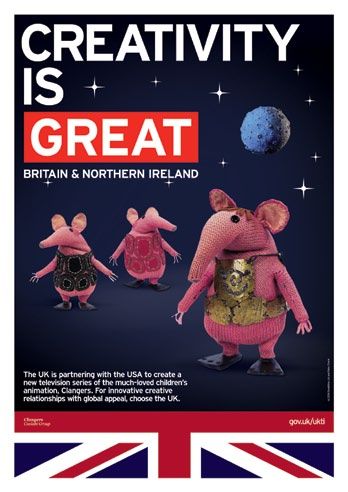
UK Creative Industries – International Strategy    7

                                                                              What can government do –
                                                                              doing better business
                                                                              together
                                                                              In order to double creative exports more
                                                                              companies will need to be encouraged
                                                                              to export. Through its existing
                                                                              relationships with the Sector Advisory
                                                                              Group and trade associations, UKTI
                                                                              will take a lead on delivering this goal.
                                                                              It will also develop new relationships
                                                                              with private sector intermediaries such
                                                                              as banks and professional service
                                                                              organisations to ensure export support
                                                                              penetrates the whole sector. To deliver
                                                                              an improved programme of engagement
                                                                              with creative businesses UKTI will work
                                                                              with a wide range of trade associations,
                                                                              industry bodies and other business
                                                                              multipliers to help them to step up their
                                                                              export or investment offer to creative
                                                                              companies and help more companies
                                                                              access UKTI support.

                                                                              Drawing on its extensive domestic and
                                                                              international network, UKTI will also
                                                                              consider how its services can be better
                                                                              targeted and delivered to UK creative
                                                                              businesses so they are equipped with
                                                                              the optimal information, skills and
                                                                              confidence to operate in overseas
                                                                              markets or with inward investors.

                                                                              UKTI already has a well-established
                                                                              suite of services and activities in
                                                                              place for new and experienced
                                                                              exporters and inward investors. These
                                                                              are delivered by UKTI’s network of
                                                                              specialist International Trade Advisers
                                                                              throughout England and export
                                                                              adviser networks in Wales, Scotland
                                                                              and Northern Ireland7, working with
                                                                              Commercial Officers based in embassies
                                                                              and other diplomatic posts overseas.
                                                                              This includes support for UK companies
                                                                              at international events such as SXSW,
                                                                              MIPCOM, European Film Market, GDC
                                                                              and the Frankfurt Book Fair and support
                                                                              at sector events in the UK such as
Above: The Gruffalo, written by
                                                                              London Fashion Week, London Design
Julia Donaldson and illustrated by
                                                                              Festival and Sheffield Doc Fest, and
Axel Scheffler
                                         7 Creative companies in devolved    support for missions.
Left: Mercury high-speed train concept      administrations may be eligible
by Priestmangoode                           for additional support
8   UK Creative Industries – International Strategy

                                          Since September 2013, UKTI support          The key areas of government support
                                          has also included the Music Export          from 2014 until 2020 will include:
                                          Growth Scheme (delivered by BPI),
                                          which provides £1 million a year to         u
                                                                                       working with industry to create a
                                          help UK music companies develop              creative industries cross-sector
                                          artists or projects internationally.         communications plan
                                                                                      u
                                                                                       making support and services
                                          In 2013/14 UKTI helped some 7,500
                                                                                       for small and mid-sized creative
                                          creative companies with their export
                                                                                       businesses more accessible and
                                          plans. With over 150,000 companies
                                                                                       effective
                                          in the sector, however, it is clear that
                                          many more businesses might benefit          u
                                                                                       generating more up-to-date data
                                          from export advice and support.              about targets and better market
                                          Therefore in addition to its business        intelligence
                                          support, government can continue
                                                                                      u
                                                                                       improving co-ordination between
                                          to help raise the profile of the creative
                                                                                       public bodies and agencies
                                          industries ‘offer’ at home and abroad.
                                                                                       including working effectively
                                          This can be delivered through a high
                                                                                       with the devolved administrations
                                          profile network of international experts
                                                                                       and their agencies
                                          and advocates including the Prime
                                          Minister’s Business Ambassadors and         u
                                                                                       supporting trade associations
                                          Trade Envoys, the Creative Industries        and other partners in delivering
                                          Council, Catalyst UK (senior business        for business
                                          leaders who have lent their support to
                                                                                      u
                                                                                       establishing new relationships
                                          UKTI to further trade and investment)
                                          and Ministers. Government will also          with other intermediaries to reach
                                          continue to leverage the successful          small new-to-export creative
                                          GREAT campaign overseas to                   companies
                                          showcase the best of UK creative            u
                                                                                       UKTI, BIS and DCMS to consider
                                          talent and demonstrate thought               how leveraging agreements such
                                          leadership in the sector.                    as the Trans Atlantic Trade and
                                                                                       Investment Partnership can
                                                                                       open up opportunities in
                                                                                       creative sectors
                                                                                      u
                                                                                       leveraging the UKTI network
                                                                                       to communicate the value
                                                                                       and capability of the creative
                                                                                       industries worldwide.

                                                                                      Above: Dyson AM01 desk fan
                                                                                      Left: Oscar-winning Gravity starring
                                                                                      Sandra Bullock and George Clooney,
                                                                                      filmed, and with VFX provided, in the UK
                                                                                      Right: Ministry of Sound
                                                                                      ‘Chilled’ campaign created by Fold7
UK Creative Industries – International Strategy 9
What can industry do? Export levels must also be measured if
they are to be managed and government
Delivering the Strategy will require and industry will need to work together
the UK creative industries sector and to improve data in this area if progress
government to collaborate closely is to be accurately recorded. This will
in a number of areas. In particular, require each sub-sector to develop
industry can play a proactive role export targets and a robust process
in communicating the benefits of for counting and tracking export levels.
internationalisation to UK creative
business. A sector-wide communication Industry can also take the lead
plan is to be agreed, which will highlight on sharing best practice in export
opportunities, provide information and development across the creative sector. Engaging new business
signpost sources of support. Trade
associations and industry bodies will
– the network
have a critical role in raising awareness In order to meet the challenging
of these, and in using their networks to targets set out in this Strategy UKTI
engage harder-to-reach businesses. and industry organisations will need to
coordinate and support each other and
the sector. Figure 1 below shows how
this might be done.
Figure 1: Engaging the creative industries
Government UK creative companies Industry
UKTI to lead direct engagement (in partnership Partner with UKTI to aid development and
with industry) for key Strategy programmes such as: delivery of key Strategy programmes
Creative Industries HVO Taskforce, industry led
alliances and global clusters
400
Access to UKTI services for new and experienced Maintain/extend existing directly delivered
exporters and investors including: specialist
advisers, overseas events/missions and UK
based events (see pages 22–23)
15,000 trade and investment programmes
40,000
UKTI to support industry drive to Industry to lead (with UKTI support) a drive
encourage more creative companies to encourage more creative companies to
to export or invest in the UK export or invest in the UK
150,000
Awareness raising of UKTI Awareness raising of
export/investment services industry and government
export programmes
Estimated number of creative businesses in the UK10 UK Creative Industries – International Strategy
Creative UK
in figures
The creative industries are a dynamic,
flourishing sector of the British economy.
As shown in Figure 2 their Figure 2: Percentage change in GVA 2008–12 (2009=100)
contribution (as measured by Gross
Value Added) to the UK economy 125
has been growing at a faster rate
than the economy as a whole, and 120
the creative industries bounced Creative industries GVA
back strongly from a period of UK total GVA
economic downturn. The UK 115
exported £15.5 billion of creative
services in 2011, eight percent of 110
all UK service exports.
Figure 3 shows that the three 105
sub-sectors with the largest number
of services exported in recent years 100
are: ‘IT, software and computer
services’ (£7.2 billion); ‘film, TV,
video, radio and photography’ 95
(£4.3 billion); and ‘advertising
and marketing’ (£2 billion). 90
2008 2009 2010 2011 2012
The creative industries have
also made a major contribution Source: DCMS
to the UK’s position as the largest
recipient of foreign direct investment
(FDI) in Europe8. Of the 1,559 inward Figure 3: Exports of services by creative industries sub-sector, 2011
investment projects recorded by
UKTI as being won by the UK in Sub-sector Exports (£m)
2012/13, a total of 369 (almost 25 Advertising and marketing 2,013
percent) were classed as ‘creative
industries and ICT’, accounting for Architecture 362
20,837 new jobs. Currently North Crafts *
America, the EU, Japan, China,
Design: product, graphic and fashion 131
India and Australia rank as the
most significant sources of Film, TV, video, radio and photography 4,257
inward investment. IT, software and computer services 7,210
Museums, galleries and libraries *
Music, performing and visual arts 275
Publishing 1,245
Right: Benedict Cumberbatch as Source: DCMS Creative Industries Economic Estimates, January 2014
Sherlock Holmes and Martin (*Numbers suppressed for reasons of non-disclosure)
Freeman as Dr John Watson, www.gov.uk/government/publications/creative-industries-economic-estimates-january-2014
in the BBC’s Sherlock, produced
by Hartswood Films and
filmed and produced in Wales 8 UKTI Inward Investment Report 2012/13, LondonUK Creative Industries – International Strategy 11
12      UK Creative Industries – International Strategy

Big wins
Working together,
government and industry
have identified three
‘big wins’ – ambitious,
strategic projects designed
to help creative businesses
accelerate export growth
and increase inward
investment.
These projects aim to offer
opportunities for all sizes of creative
businesses, to support both new and
existing creative industry exporters
and to drive inward investment into the
UK. They are grouped together under
themes, rather than being focused on
particular countries, and not all of them
will apply equally to every sub-sector
within the creative industries.

This section explores these three big
wins and the actions to support them
in more detail.

£15.5bn
The UK exported £15.5 billion
of creative services in 2011,
eight percent of all UK
service exports

Scene from War Horse, a National
Theatre production at the New
London Theatre
UK Creative Industries – International Strategy    13

    1           Create overseas partnerships with the greatest
                potential to generate new business

The UK has long been                        Supporting the creation of ‘business-
                                            to-business’ relationships by
                                                                                               In December 2013 the China Industry-
                                                                                               University Research, Investment and
a successful exporter                       establishing strategic alliances with              Financing Union and UKTI signed a
                                            domestic firms offers an effective way             memorandum of understanding to
of creative goods and                       to overcome these barriers and realise             support the creation of a federation
services.                                   the untapped potential of such markets.            of digital media, entertainment and
                                                                                               communication business enterprises,
However, the concept of the creative        By bringing together a range of                    entrepreneurs, creators, investors and
industries and the related notion of the    partners (UK and overseas businesses               educators. This alliance aims give a
creative economy, which many argue          and organisations), these informal                 new platform for working with China
was first developed in the UK, has          consortia can tackle issues which                  and will lead to more business in
now been taken up across the world,         affect both exporters and domestic                 China for UK creative companies
with many nations encouraging growth        firms, so offering reciprocal benefits             and encourage investment from
in their own creative sectors. The          to both the UK and the host country.               China into the UK.
market is increasingly competitive          A partnership approach can also help
and the UK needs to strengthen its          smaller UK firms obtain benefits of
                                            scale without having to change their
                                                                                               Making it happen
partnerships, especially in high-growth                                                        u
                                                                                                Government and industry to decide
markets, to maintain and build on its       existing structures.
                                                                                                on three priority high-growth markets
earlier successes.                                                                              that would benefit from a strategic
                                            This approach has already been
                                            successfully demonstrated by the                    alliance approach over the next
Action 1:                                   Technology Innovators’ Forum (TIF-IN)               five years.
Establish industry-led                      in Los Angeles, London and China                   u
                                                                                                Government, businesses and
                                            which brings together leaders from
alliances in high-growth                    the fields of entertainment, technology
                                                                                                investors to work together to
                                                                                                create international consortia in
markets                                     and investment with BBC Worldwide,                  the chosen markets to build a more
                                            BBC, Universal Music Group and the                  supportive business environment,
High-growth markets such as those in
                                            Founders Forum as its partners.                     strengthen relationships and deliver
Asia and Latin America are becoming
                                            TIF-IN focuses on content (film, TV,                commercial goals.
increasingly important for UK
                                            music and games) and its enabling
businesses. This is particularly true for
                                            technologies, and has become a brand               u
                                                                                                Government ministers to undertake
the creative industries, as the growing                                                         top-level ‘government to government’
                                            in its own right, through which UKTI
middle class in these markets tends to                                                          discussions in relevant international
                                            promotes the UK creative market.
be increasing its spending on culture,                                                          forums to reduce trade barriers and
leisure and entertainment. Creative                                                             to improve the regulatory environment
                                            Building on this success, UKTI is
businesses often face significant                                                               for creative industries.
                                            developing a Global Digital Media
‘barriers to entry’ to these markets,
                                            and Entertainment Alliance with China.             u
                                                                                                UKTI to work with the Intellectual
such as a lack of protection for
intellectual property, difficulties                                                             Property Office and its Intellectual
accessing local knowledge and the                                                               Property attachés overseas to
challenge of breaking into global                                                               address IP and piracy issues
supply chains (see Figure 4 on                                                                  which affect the creative sector
                                            9 The IPO’s IP attaché network places a            in certain markets9.
page 14).
                                               business attaché in overseas markets
                                               (currently in China, India, Singapore and
                                               Brazil) to help British businesses and          Target wins:
                                               encourage improvements to the host
                                               nation’s IP environment
                                                                                               £1 billion by 2020
14 UK Creative Industries – International Strategy
Action 2: Several key UK multinational Making it happen
businesses, such as Pinewood Studios
Ensure a strong UK presence Group, have established a permanent
u
Government will work with industry to
identify five target cities where world
in creative clusters in global overseas presence, enabling and
class clusters offer the potential to
attracting similar creative companies
priority markets to set up a base to capture mutual generate significant business for UK
business opportunities. creative companies. It is intended
From San Francisco to Singapore, that there would only be one of these
many of the world’s most successful UKTI will use its networks in the per national territory, spread across
creative companies and individuals UK and overseas to help facilitate the both mature and emerging markets.
cluster together in a handful of locations, growth of creative supply chains which u
UKTI will leverage its network of
often in ‘world’ cities, resulting in leverage the presence of the cluster, Business Ambassadors, Trade
creative clusters where ideas can helping to match supply and demand. Envoys, Ministers and programmes
be born, capability can be shared
such as GREAT missions to build
and supply chains can be grown.
local support for the establishment
of a strong UK presence in identified
Encouraging a strong UK presence
target cities to raise the profile of
in key creative clusters in targeted
those UK businesses connected
locations – which may include a physical
with it.
space with an identifiably British
presence as shown by the Pinewood u
UKTI
will work with UK multinational
example – would enable UK creative businesses in key international
industries to develop deeper commercial clusters and consider how working
relationships with many key players for together may support the ambitions
trade, investment and R&D. Each cluster of their supply chains and other UK
would have links to existing trade, companies new to the relevant market.
cultural and/or academic players and
be anchored by one or two large UK
creative businesses.
Target wins:
£500 million by 2020
Figure 4: Ease of Doing Business rankings for largest export markets, 2013
How accessible are Country Ranking out of 189, with 1st being
best (UK ranks 10th)
key markets for UK
United States 4th
businesses?
Australia 11th
While the UK‘s creative industries
succeed in selling their wares in Germany 21st
almost every country in the world, Japan 27th
there is considerable variation in
France 38th
accessibility from one major market to
another. Data compiled by the World Italy 65th
Bank shows how some of the UK Russia 92nd
creative industries’ top markets rank
China (and Hong Kong) 96th (Hong Kong 2nd)
in terms of ease of doing business:
Brazil 116th
India 134th
Source: World Bank, Ease of Doing Business Index, June 2013UK Creative Industries – International Strategy 15
Action 3: Making it happen Target wins:
Ensuring that creative
u UKTI to include creative sector These targets will be
companies in the opportunities
businesses support the created by the ‘omni-channel’ developed in line with
international growth of strand of the UK Retail Industry – the UK Retail Industry –
British brands through International Action Plan. The
success of the programme is
International Action Plan
e-retailing ultimately measured in how many
companies achieve export growth
UKTI is scaling its support for as a result of UKTI support. Creative
consumer and retail businesses, businesses will also be tracked to
helping their export growth not only see how and when they have
through traditional routes but also supported this new high value
through new, digital channels to campaign and how it has made
customers around the world. Creative a difference to UK exports.
companies have a role to play in
supporting this new multi-channel
approach, enabling innovative retailing
and ultimately winning business.
Above left: Radical Fashion exhibition
at the V&A by Event Communications
Above: Furniture by Benjamin Hubert:
Pontoon oak dining table, Martime S chairs16 UK Creative Industries – International Strategy
2 Maximise supply chain opportunities for creative
businesses in major global projects
Action 1:
Enhance the impact of
major overseas projects
for the creative industries
particularly through UKTI’s
Creative Industries High
Value Opportunity (HVO)
Taskforce
The High Value Opportunities (HVO)
programme is a major UKTI initiative
that helps UK businesses to access
large-scale overseas procurement
projects with an accessible value to
UK business of at least £250 million.
Within these projects are a host of
supply chain opportunities for UK
creative companies to capitalise on,
particularly in global sports, healthcare,
retail and infrastructure.
At the end of 2013, UKTI announced
the launch of a Creative Industries
HVO Taskforce consisting of 100 key
creative companies across architecture,
design, branding, advertising and media
production, with proven international
experience in their sectors. The
Taskforce includes game-changing
creative companies such as Adjaye
Associates, Mother and BAMM TV, and
has been developed to ensure creative
100
companies can benefit from the
opportunities arising in the supply chain
of major overseas projects. Taskforce
members also act as ambassadors for
Above: Desh, direction, choreography the UK creative offering.
and performance by Akram Khan
The UKTI network is already working
UKTI has established a Above right: Glass roof of the Great with several Taskforce members to
Court at the British Museum with
Creative Industries HVO the Reading Room building in the
facilitate supply chain opportunities
worldwide.
Taskforce consisting of foreground, London, designed by
100 key companies Foster + PartnersUK Creative Industries – International Strategy 17
Action 2: Making it happen
Winning business in the u
UKTI to identify major cultural,
entertainment and themed attraction
‘experience economy’ projects around the world and focus
To date, much of the support around on cultivating opportunities arising
the HVO programme has focused on from them for the creative industries.
large-scale infrastructure investments. u
Government and industry to work
Making it happen In the longer term UKTI will seek to
broaden this programme to include
together to improve awareness
u
UKTI to provide support to the major projects that have a clear benefit
among creative companies of
work of the Creative Industries HVO the processes by which these
to creative industries.
Taskforce to ensure it is successful opportunities can be won.
in securing £500 million worth of Over the next ten years, hundreds u
UKTI to use trade missions to
high value overseas contracts over of new projects will be built in the facilitate the building of consortia
the next three years for the 100 visitor attractions industry globally: and include relevant businesses
creative enterprises and their wider theme parks, museums, aquariums, from across the creative industries
supply chain. UKTI will regularly waterparks and family entertainment to address the specific requirements
review the taskforce’s remit and centres. In addition, the global retail of major global projects.
activities. sector is increasingly embracing the
u
Industry and government to explore
u
UKTI to support the Taskforce concept of making shopping more
the feasibility of a HVO database of
in engaging creative businesses of an interactive ‘experience’ for its
business opportunities specifically
both within and outside its core customers, often drawing on the
targeted at creative companies.
membership to build wider consortia output of the creative industries to
of creative ‘supply chains’ to achieve this. Taken together, the value
strengthen their offer and capability of currently known projects in these Target wins:
to win business. areas is estimated by UKTI to exceed
£500 billion. There are two existing
UKTI is working to
u
UKTI to deliver a series of bespoke HVOs in the experience economy establish the accessible
events, learning opportunities and
access to resources to enable the
sector, the West Kowloon Cultural value of these projects for
District in Hong Kong and Sa’adiyat
Taskforce and wider creative sector island in the UAE. Both are at relatively UK’s creative industries
to win international business. early stages of development, but
u
Government and industry to work generated £11 million in supply chain
together to improve awareness projects for UK creative firms last year.
among creative companies of the
tendering processes for major HVOs are, primarily, construction
global projects in order to build projects, but the UK’s creative
key relationships. industries have considerable capability
in visioning, planning, designing and
u
UKTI to work with industry equipping projects in this area. By
specialists to offer best available targeting clusters of firms on projects
support to UK creative businesses
beyond the Taskforce to ensure
in markets such as China, Malaysia
and South Korea, UKTI can help UK
Over the next ten years,
widespread benefits. companies access the elements of the hundreds of new projects
Target wins:
project’s supply chain that are relevant
to the sector’s capabilities will be built in the visitor
£500 million over attractions industry
three years globally: theme parks,
museums, aquariums,
waterparks and family
entertainment centres18 UK Creative Industries – International Strategy
3 Focused targeting to drive inward investment
Action 1: In order to protect that position and u
Work in partnership with industry
drive further FDI success the UK to channel communications and
Making the case for wider creative industries need to continue to generate productive global
inward investment in the articulate their messages on two levels: connections, for example around
the creative tax reliefs. This
UK creative sector – to continue to raise awareness of should include joined-up coherent
The UK is already the leading the overarching cultural narrative of messaging across government
European destination for foreign direct the UK creative economy, reinforcing agencies, trade bodies and other
investment (FDI), and this is true too for the factors that make the UK such a intermediaries promoting the UK to
the creative industries sector. Seen as creative hub attracting international inward investors. An example here is
a gateway to Europe and a hub for the businesses the partnership with the British Film
Europe, Middle East and Africa (EMEA) Commission, British Film Institute
– at a more fine-grained level, each
region, major corporations from both and DCMS to encourage screen
creative sub-sector should develop
established and emerging economies investment.
its own case for investors, stating
view the UK as a commercial the commercial opportunities and u
Commission research to evidence
destination of choice. imperatives, strengths and unique the UK’s position relating to the
selling points which create the transformative changes and
In addition the ‘creative tech’ conditions for successful FDI. This emerging market opportunities
sector is growing fast, and its might include: scale, skills, innovation, across the sector driven by digital
start-ups and small companies expand infrastructure, talent, supply chain, technologies and the convergence
internationally at much earlier stages of regulation, incentives, R&D and more. of creative platforms and disciplines.
their development than traditional firms This research should evidence UK
do. The UK’s innovation and depth of business innovation and start up
creative talent in these areas offers
great scope to create new global
Making it happen successes, plus wider consumer
businesses, brands and platforms. u
Focus on creative economy sub- trends and behaviours.
sectors with the greatest potential u
Government and industry to
to drive FDI business and match to work together to develop the UK’s
the top three priority markets for that proposition as an innovation and
sub-sector, helping build coherent R&D lab for international business
and strategic plans to deliver and a catalyst for future product
increased inward investment. and service development. UKTI
u
Develop benefit‐led propositions to promote the UK as a platform
to make a compelling commercial for innovation by highlighting the
case to potential inward investors UK’s research capabilities such
– matched to market opportunities as Technology Strategy Board,
(in the UK and as a hub for expansion Catapult Centres, Research Councils
across the wider EMEA region). and universities combined with the
These propositions will articulate UK’s attractive fiscal incentives like
the business environment, revenue Patent Box, and R&D and creative
potential and supply chain landscape; tax credits.
and will form the core of targeted
communications between UKTI and
prospective FDI clients.UK Creative Industries – International Strategy 19
Making it happen
u
UKTI to work with the Creative
Industries Sector Advisory Group,
the Creative Industries Council
and others – for example, local
enterprise partnerships, devolved
administrations and industry
networks – to develop propositions
for UK centres of excellence with
demonstrable international strengths
and actively promote these
internationally.
u
Define a strategy of focused
targeting of potential FDI clients
matched to the commercial
environment, supply chain
opportunities and R&D activities
within each centre of excellence,
again as a coherent partnership
The UK has a number Action 2: between all interested parties
of highly successful and Highlighting UK centres and investment organisations.
globally recognised centres of creative excellence u
Generate a ‘one-stop shop’ central
knowledge base within UKTI to allow
The UK has a number of highly
of excellence, both in successful and globally recognised greater clarity in the presentation of
the full UK offer as it relates to each
London and spread across centres of excellence, both in London
and spread across England, Northern centre of excellence. This should
England, Northern Ireland, Ireland, Scotland and Wales, often provide linkage to partners and
intermediaries; articulate scale,
Scotland and Wales, often with a specific focus on a particular
creative discipline or genre. Within skills and talent base; demonstrate
specialisms and highlight funding
with a specific focus on these clusters businesses and
their supply chains are co-located opportunities and cost benefit
a particular creative alongside academic institutions analyses (including financial support
via Enterprise Zones, the Regional
discipline or genre with complementary specialisms or
concentrations of relevant technology Growth Fund and other regional
development – making the whole incentives).
centre a more attractive investment u
Raise the profile of the industry-led
proposition. site www.thecreativeindustries.co.uk
and creative content on www.gov.uk
These centres of excellence not only
attract FDI in their own right but also
act as ‘connectors’ to international
creative cities and clusters, catalysing
trade opportunities and wider
investment potential. A strategy to
articulate the international quality of
these centres of excellence across
the country, matched to defined
Above: Set build, Game of Thrones, sub-sector targets for FDI, will help
in Titanic Studios, Belfast enhance the UK’s creative economy
offer and help further attract global
Left: The innovative Tip Ton
business to the sector.
chair designed by British duo
Barber Osgerby for Vitra20 UK Creative Industries – International Strategy
Next steps
This Strategy is owned jointly by UKTI and industry
and is supported by the Department for Business,
Innovation and Skills and the Department for Culture,
Media and Sport.
The intention is that it should be a Phase 1: Phase 2:
living document that will be regularly
reviewed over a five-year period. Assessment Implementation:
Preparatory research and action plan and preparation: April 2015 – March 2020
development will begin in June 2014.
Implementation of the Strategy’s June 2014 – March 2015 u
Programme delivery (to meet value
actions will begin in April 2015 with the u
Secure agreement of government and number targets).
final assessment of the Strategy taking and industry to targets. u
On-going performance monitoring,
place in the spring of 2020. evaluation and continuous
u
Collect market intelligence and
agree methodologies. improvement.
u
Priorities identified and agreed.
u
Development of detailed
implementation action plans with
stakeholders.
u
Realign programmes to support
strategic objectives.
Left: Christopher Kane collection,
London Fashion Week 2013
Above: 104 Series watch by
Uniform Wares
Right: Shaun the Sheep
© Aardman Animations Ltd 2012UK Creative Industries – International Strategy 21
22     UK Creative Industries – International Strategy

Get on the map with UKTI
UK Trade & Investment has helped thousands of UK exporters and
inward investors from overseas achieve commercial success by providing
tailored services with specialist support covering a wide range of industries.
Follow our handy guide to discover how we can help your organisation.

Inward investors
UK Trade & Investment’s comprehensive range of services
assists overseas companies, whatever their size and
experience, to bring high-quality investment to the UK.
They include:

          Global Entrepreneur
          Programme (GEP)
          Helps overseas entrepreneurs and
          early-stage technology companies
          globalise their businesses from a
          UK hub.

                                                          Regional  and local
                                                          location analysis
                                                          Helps overseas companies to
                                                          choose the right place to set up.

     Investor Development Network
     Offers continued support to
     overseas companies once they have
     established a presence in the UK.

                                                          Bespoke information
                                                          Advice on key commercial
                                                          considerations such as
                                                          company registration,
                                                          immigration, financial incentives,
                                                          labour, real estate, transport,
                                                          utilities and regulatory issues.

                                                                          Introductions
     Next steps                                                           To key contacts in government,
     Want to know more? Contact the                                       industry and academia, or professional
     UKTI Investment Services Team on                                     service organisations (including
     0845 539 0419 or +44 (0)20 7333 5442,                                solicitors, accountants and recruitment
     email enquiries@ukti-invest.com                                      consultants).
     or visit www.gov.uk/ukti
UK Creative Industries – International Strategy 23
UK exporters
Whether a firm is starting out or is experienced in exporting,
UK Trade & Investment’s services can help to make doing
Gateway to Global Growth
business internationally as easy as possible. They include:
Offers a strategic review, planning
advice and support to experienced
exporters to help them build on
their success and develop new
Passport to Export overseas markets.
Provides new and inexperienced
exporters with the training, planning
advice and ongoing support they need
to succeed in overseas markets.
verseas Market Introduction
O
Service (OMIS)
A chargeable, tailored service to access
market and industry information, identify
Export Communications potential contacts or plan events.
Review (ECR)
Assesses the way companies
communicate with overseas customers
and makes practical recommendations
for improvement.
Market visits and trade missions
Export Marketing
Organised to help UK companies Research Scheme (EMRS)
visit the market they’re interested in Free independent advice on how
and talk face-to-face with prospective to carry out marketing research.
business partners.
Business opportunities
Personalised email alerts informing
businesses about relevant opportunities
radeshow Access
T and developments.
Programme (TAP)
Provides grant support for eligible
small and medium-sized businesses
to attend overseas exhibitions. Overseas business risk
UK Trade & Investment and the Foreign
& Commonwealth Office can provide
key information to help you manage
Events and seminars the risks of doing business overseas.
Held across the UK and overseas,
these briefings offer business/networking
opportunities and market information
and allow UK firms to showcase
their capabilities.
www.gov.uk/ukti
An invaluable source
Next steps
For more information on UK Trade &
of up-to-date country,
Investment services, call 020 7215 5000,
Mid-sized business programme sector, event and
email export@uktilondon.org.uk
contact information.
UKTI provides a variety of support for or visit www.gov.uk/ukti
Bookmark the URL
companies with a turnover of between and set up alerts
£25 million and £250 million. to receive daily
content updates.24 UK Creative Industries – International Strategy
Creative Industries
Sector Advisory Group
Co-Chairs Nick McDowell Strategy consultation
Director for International,
Ed Vaizey Arts Council England In addition to the Sector Advisory
Parliamentary Under Secretary of Group approximately 200 organisations
State for Culture, Communications John McVay and individuals from across the creative
and Creative Industries Chief Executive, PACT industries (from trade associations,
government, the regions, devolved
Tim Davie Richard Mollet administrations and businesses
CEO, BBC Worldwide, CEO, Publishers Association including inward investors) input into
and Director, Global the development of this Strategy.
Caroline Norbury
Members CEO, Creative England Approximately 120 individuals
participated in three workshops (two
Nick Allott in London and one in Manchester)
Managing Director, Harry Rich
CEO, RIBA and Business Ambassadors and Trade
Cameron Mackintosh Envoys with an interest in the creative
Caroline Rush industries also contributed. A survey
Joss Croft also supplemented the consultation.
Marketing Director, VisitBritain CEO, British Fashion Council
Julian David Graham Sheffield
CEO, TechUK Director Arts, British Council
Jo Dipple Jo Twist
CEO, UK Music CEO, UKIE
Rosy Greenlees Colin Watson
Executive Director, Crafts Council Managing Director, BCFA
Janet Hull Adrian Wootton
Director of Marketing, IPA CEO, Film London
Oli Hyatt Government
Chair, Animation UK Representatives from BIS, DCMS and
UKTI attend. UKTI acts as Secretariat
John Mathers (Kirstie Cranshaw).
CEO, Design CouncilContacts – UKTI
Sue Bishop Inward investment Sector specialists
Director, Creative Industries
sue.bishop@ukti.gsi.gov.uk Sanjay Shah Gina Fegan
Account Manager Screen and Digital Media
Tim Flear sanjay.shah@ukti.gsi.gov.uk gina.fegan@uktispecialist.com
Deputy Director,
Creative Industries Megan Thomas Christine Losecaat
tim.flear@ukti.gsi.gov.uk Account Coordinator Design and Creative Industries
megan.thomas@ukti.gsi.gov.uk christine.losecaat@uktispecialist.com
Content Experience economy Phil Patterson
Gillian Baker Music
Head of Creative Content Richard Parry phil.patterson@uktispecialist.com
gillian.baker@ukti.gsi.gov.uk Head of Experience and Attractions
Industry and Publishing Tony Hughes
Angela Whelan richard.parry@ukti.gsi.gov.uk Digital Games
Programme Manager tony.hughes@uktispecialist.com
angela.whelan@ukti.gsi.gov.uk Barrie Harris
Sector Manager Mark Leaver
John Durkan barrie.harris@ukti.gsi.gov.uk Film, Animation, TV and VFX
Sector Manager mark.leaver@uktispecialist.com
john.durkan@ukti.gsi.gov.uk Team Support
James Carey Barbara Wilson
Fashion
Services james.carey@ukti.gsi.gov.uk
barbara.wilson@uktispecialist.com
Jo Robotham +44 (0)20 7215 2479
Head of Creative Services Jonathan Robson
joanna.robotham@ukti.gsi.gov.uk Rob Bishop
rob.bishop@ukti.gsi.gov.uk Experience Economy
+44 (0)20 7215 4747 jonathan.robson@uktispecialist.com
Neil Semple
Programme Manager
neil.semple@ukti.gsi.gov.uk
Yvette Smithers
Programme Manager
yvette.smithers@uktispecialist.com
Kirstie Cranshaw
Sector Manager
kirstie.cranshaw@ukti.gsi.gov.uk
Cover: Visualisation of ‘Hive’ by Wolfgang Buttress; an artist’s impression of the winning design for the UK Pavilion at Milan
Expo 2015, a stunning concept inspired by the honey bee. The theme of the 2015 Expo is ‘Feeding the Planet, Energy for
Life’ and the UK’s presence will reflect ‘Grown in Britain’. The UK Pavilion is designed by Wolfgang Buttress and developed
and built with internationally-recognised UK construction expertise from Stage One, Rise, BDP and Tristan Simmonds.
Together the winners represent Nottingham, York and London.
Image credits: IFC/p.1: © Hufton+Crow, p.1: Rockstar Games, p.2: Ellie Goulding, Universal Music, Photograph by
Conor McDonnell, p.3: BDP, p.6: © Priestmangoode, p.7: © Axel Scheffler 2012, p.8: Dyson Air Multiplier™ fan,
p.8: © Warner Bros. Pictures, p.9: Fold7, p.11: © BBC/Hartswood Films, p.12: © Brinkhoff Mogenburg,
p.14: © Event Communications, © Benjamin Hubert Ltd, p.16: © Richard Haughton, p.17: © Crown Copyright,
p.18: © BarberOsgerby, p.19: © Northern Ireland Screen, p.20: Christopher James, p.20: © Uniform Wares,
p.21: © Aardman Animations Ltd 2012To find out more, scan this
code with your smartphone.
www.gov.uk/ukti
+44(0)20 7215 5000
UK Trade & Investment is the UK Trade & Investment is responsible for Copyright
Government Department that helps the delivery of the Solutions for Business
© Crown Copyright 2014.
UK-based companies succeed in product “Helping Your Business Grow
the global economy. We also help Internationally”. These “solutions” are You may re-use this information
overseas companies bring their available to qualifying businesses, and (excluding logos) free of charge in any
high-quality investment to the UK’s cover everything from investment and format or medium, under the terms
dynamic economy acknowledged grants through to specialist advice, of the Open Government Licence.
as Europe’s best place from which collaborations and partnerships. To view this licence, visit:
to succeed in global business. http://www.nationalarchives.gov.uk/doc/
UK Trade & Investment offers open-government-licence/
expertise and contacts through its Or you can email:
extensive network of specialists in psi@nationalarchives.gsi.gov.uk
the UK, and in British embassies Where we have identified any third party
and other diplomatic offices around copyright information you will need to
the world. We provide companies obtain permission from the copyright
with the tools they require to be The paper in this document is made
from 50 per cent recycled waste pulp holders concerned.
competitive on the world stage.
with 50 per cent pulp from well-managed Any enquiries regarding this document
forests. This is a combination of Totally should be emailed to us at:
Chlorine Free and Elemental Chlorine enquiries@ukti.gsi.gov.uk
Free. The laminate on the cover is Or you can call:
sustainable, compostable and can +44 (0)20 7215 5000
be recycled. This document is also available at:
www.gov.uk/ukti
Whereas every effort has been made
to ensure that the information given
in this document is accurate, neither
UK Trade & Investment nor its parent
departments (the Department for
Business, Innovation and Skills, and
the Foreign & Commonwealth Office)
accept liability for any errors, omissions
or misleading statements, and no
warranty is given or responsibility
accepted as to the standing of any
individual, firm, company or other
organisation mentioned.
Published June 2014
by UK Trade & Investment
© Crown Copyright
URN UKTI/14/911You can also read


