LONDON MUSEUM DEVELOPMENT 2018 LOOKING BACK, LOOKING FORWARD - Museum of London
←
→
Page content transcription
If your browser does not render page correctly, please read the page content below
London Museum Development 2018 | Looking back, looking forward

LONDON MUSEUM
DEVELOPMENT 2018
LOOKING BACK,
LOOKING FORWARD

                  museumoflondon.org.uk/supporting-london-museums      1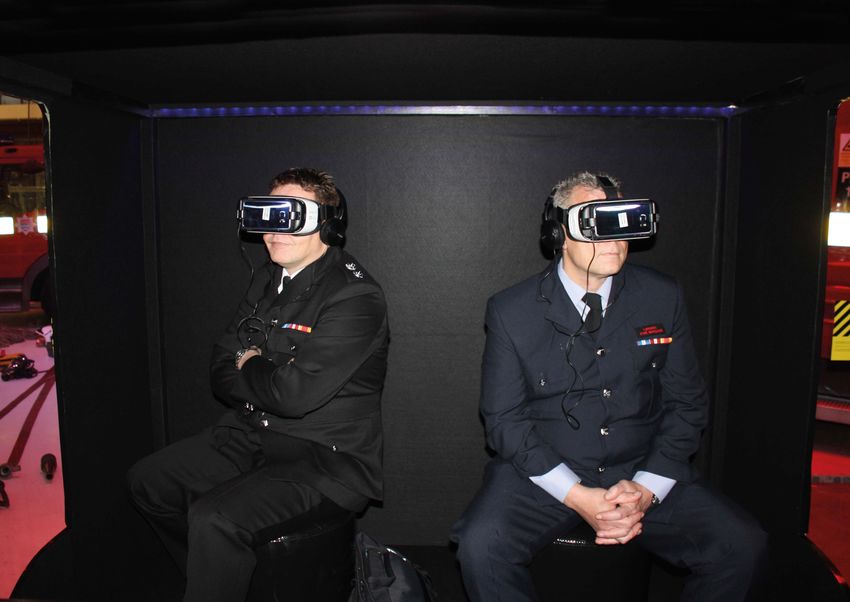
London Museum Development 2018 | Looking back, looking forward                                      London Museum Development 2018 | Looking back, looking forward

                                                                    Contents

                                                                    London Museum Development : The team                                                      04

                                                                    Introduction                                                                              05

                                                                    Part 1: Looking forward 2018-22                                                          07

                                                                    About the programme                                                                      08

                                                                    Diversity Matters                                                                         14

                                                                    Measuring Up                                                                              16

                                                                    Family Friendly                                                                           19

                                                                    Local Cultural Education Partnerships                                                    20

                                                                    Digital Futures                                                                          20

                                                                    Skills Plus                                                                              22

                                                                    One-to-one support                                                                       22

                                                                    Survive and Thrive                                                                        23

                                                                    Strong and Safe                                                                          24

                                                                    Sector information                                                                       24

                                                                    Part 2: Looking back 2015-18                                                              27

                                                                    Introduction                                                                             28

                                                                    Museum Development Officers                                                              30

                                                                    Training programmes                                                                      32

                                                                    Digital grants                                                                           34

                                                                    Ready to Borrow                                                                          36

                                                                    Survive and Thrive                                                                       38

 Cover image:                                                       Strong and Safe                                                                          40
 The opening night of ‘Scholar, courtier,
 magician: the lost library of John Dee’ at
 the Royal College of Physicians Museum.                            Collection grants                                                                         41
 Object loans made possible with support
 from the Ready to Borrow small capital                             London Volunteers in Museums Awards                                                      42
 grants scheme.
 Credit: © Rupa Photography
2 Museum of London                                                                                                 museumoflondon.org.uk/supporting-london-museums      3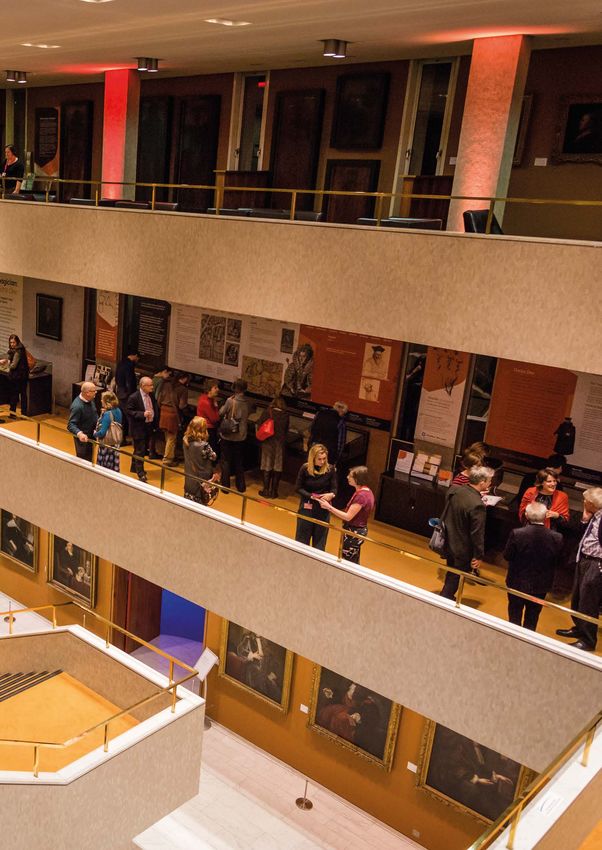
London Museum Development 2018 | Looking back, looking forward London Museum Development 2018 | Looking back, looking forward
LONDON MUSEUM DEVELOPMENT INTRODUCTION
THE TEAM
The Museum of London is very proud to be the host of the Museum Development programme
in London. The London Museum Development service plays a crucial role not only in delivering
direct development support for museums, but also in brokering skills sharing and best practice
across museums of all shapes and sizes right across the capital. Direct development support and
skills sharing have both been key features of the 2015-18 programme, and will remain so going
forward into 2018-22.
Yvette Shepherd
Museum Development Officer Looking back at the 2015-18 programme It calls for a stronger museum sector development
Organisational Health role for ACE, and Museum Development is to
Over the last three years, the London Museum
play its part in helping supporting ACE with this.
Development programme has played a key role
In London, the continuation of many of our key
in nurturing museums in London. We have seen
resilience and training programmes reflect the
the ‘Ready to Borrow’ small capital grants scheme
Mendoza Review’s call to support museums with the
already begin to drive new audiences to museums,
ongoing internal strengthening and improvements
and resilience support though Accreditation advice
needed if they are to respond to the above external
and more intensive programmes, such as Survive
expectations upon them. The Review also describes
and Thrive, and Strong and Safe, giving museums
the importance of accurate data to the health of
a much healthier platform from which to strike out
Rachael Crofts the sector. Along with the Museum Development
to success. Our training programmes have become
Museum Development Officer programmes in other regions, we will be asking
ever stronger in their impacts. Not least among these
Audiences museums to co-operate with us on new data
is the innovation in museums that has come from
gathering initiatives to collect the information
our Digital Futures training strand, and the extra
both we, and the museum, need to make the
engagement that has come from the incorporation
sector more resilient.
of the Museum of London’s collections care expertise
into our training activity.
Going forward, the signs for Museum Development,
and the museums it supports, are positive. Like the
Nationally, it’s also been a time of consolidation
other culture sector support bodies in receipt of
and strengthening for the Museum Development
ACE funding, the nine regional Museum Development
Elizabeth Coningsby Network, the partnership of the nine separate
services have been formally designated as Sector
Museum Development Officer regional providers of Museum Development services,
Support Organisations (SSOs). The importance of
Training which meets regularly to share best practice and
the local knowledge that Museum Development
identify economies of scale.
services have, for instance in their ability to link
museums with local placemaking initiatives, has also
been identified through the work of the Mendoza
Looking forward to the 2018-22 programme
Review. Like all other support programmes, there is
The 2018-22 programme begins at a time when the no additional funding available for individual regional
profile of the Museum Development programme Museum Development programmes. However,
is rising nationally. Going forward, Museum ACE has responded to a further Mendoza Review
Alec Ward Development will have a greater role in supporting recommendation by setting aside an extra £150,000
Museum Development Officer museums to achieve the vision as set out in the five p.a. centrally to enable Museum Development to
goals of ACE’s strategic framework, Great Art and become more nationally consistent and regionally
Digital and Communications
Culture for Everyone. There is a new role for Museum responsive. All in all, the recognition of the small and
Development in supporting museums in areas where medium size museums sector grows ever stronger,
there is growing public and political expectation as does the importance of the Museum Development
for instance the diversity of their workforce and programme which supports it.
audiences, in the quality of their public offer, and in
their work with children and young people. For the Museum of London, 2018-22 represents
an exciting time as the museum begins its
To be added to this are the tasks for ACE and Museum transition from its current site, to a new museum
Development as set out in the Mendoza Review: in West Smithfield. The creation of the new museum
Ben Travers an independent review of museums in England, will offer a range of exciting opportunities for
Regional Museum Development Manager published by the Department for Digital, Culture, partnerships with the museum sector in London.
Media and Sport (DCMS) in November 2017. This is The Museum Development team will broker these
the first government review of museums for 10 years. developing opportunities.
4 Museum of London museumoflondon.org.uk/supporting-london-museums 5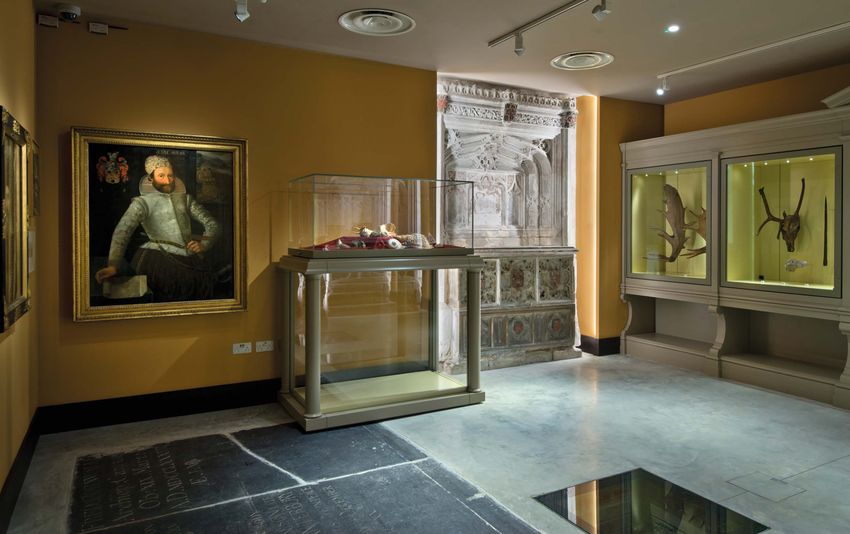
London Museum Development 2018 | Looking back, looking forward     London Museum Development 2018 | Looking back, looking forward

                                                                    PART 1:
                                                                    LOOKING
                                                                    FORWARD
  A digital grant enabled the London
  Fire Brigade Museum to purchase
  virtual reality headsets, smartphones
  and headphones which enabled
  visitors to experience and learn from
                                                                    2018-22
  a re-creation of a house fire.
  Credit: © London Fire Brigade

6 Museum of London                                                                museumoflondon.org.uk/supporting-london-museums      7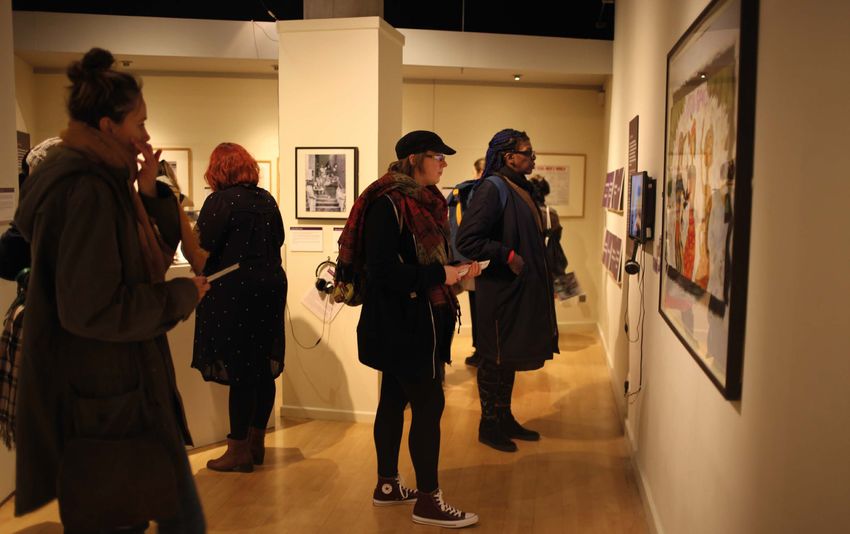
London Museum Development 2018 | Looking back, looking forward                                                                       London Museum Development 2018 | Looking back, looking forward

     ABOUT THE
     PROGRAMME
     The London Museum Development programme
     uses ACE funding to drive development and
     deliver sustainability, resilience and innovation
     in non-national museums in the capital, so they
     can maximise their benefits to audiences
     and communities.
     Much of the context for our 2018-22 offer is
     provided by some key national strategies and
     policy priorities. Table 1 lists the key strategic
     drivers and the programmes we will be running
     in response to them. The five goals of the ACE
     10-year strategic framework, Great Art and
     Culture for Everyone, are among the most
     important of the drivers. Some of the five goals
     express public and political expectations upon
     museums and the consequent pressure upon
     them to reach an increasing number of people,
     and increasing diversity of audiences in ever
     more innovative and dynamic ways. We are a
     running a number of brand new programmes to
     support museums large and small to respond
     to these expectations.
     Our Diversity Matters programme will
     encourage museums to embrace ACE’s Creative
     Case for Diversity and engage a more diverse
     range of visitors with the collections they hold, as
     well as supporting them with long standing issues
     about the diversity of their boards and workforce.
     Our Measuring Up programme will encourage
     museums to secure a measurable improvement in
     collections development and engagement, in line
     with ACE quality principles. Other programmes
     such as Family Friendly, and our work with Local
     Cultural Education Partnerships, explicitly
     challenge museums to think about their offer for
     children and young people.
     (Cont’d on page 12)
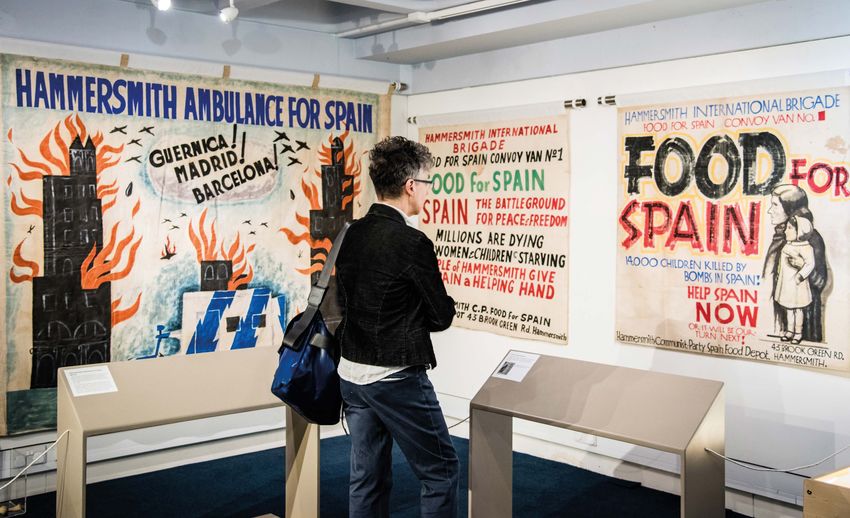
                                                                    The Banners for Spain exhibition at
                                                                    Islington Museum. Barriers purchased
                                                                    via our Ready to Borrow small capital
                                                                    grants scheme made the loan of the
                                                                    banners possible.
                                                                                                            ‘We are running a number of brand new
                                                                    Credit: © Islington Museum
                                                                                                              programmes to support museums large
                                                                                                              and small to respond to the public and
                                                                                                              political pressures upon them’

8 Museum of London                                                                                                                                  museumoflondon.org.uk/supporting-london-museums      9
London Museum Development 2018 | Looking back, looking forward London Museum Development 2018 | Looking back, looking forward
TABLE 1
LONDON MUSEUM DEVELOPMENT 2018-22
LONDON MUSEUM DEVELOPMENT PROGRAMMES
Great Art and Culture for Everyone
Diversity Matters
Five ACE goals
Measuring Up
The Mendoza Review: an independent review of museums in England (DCMS 2017)
Family Friendly
Nine ‘priorities’ for museums
Local Cultural Education Partnerships
Nine areas for internal development and strengthening
Digital Futures training programme
Skills Plus training programme
Specialist one-to-one support
Accreditation advice
Business framework
Survive and Thrive
Strong and Safe
STRATEGIC CONTEXT
Annual data return
ACE GOALS Every
Excellence child and
is thriving young
and personinhas
celebrated the opportunity to experience the richness of museums
museums
1 x x x x
(and museums carry out work responding to the Creative
The leadership and workforce in museums Case for
are diverse andDiversity)
appropriately skilled
2 EveryoneMuseums
has the opportunity
are resilienttoand
experience and to be
environmentally inspired by museums
sustainable x x
3 MuseumsEveryone
are resilient and opportunity
has the environmentally sustainable
to experience and to be inspired by museums x x x x x
4 The leadership and workforce
Excellence is thriving in
andmuseums areindiverse
celebrated and appropriately skilled
museums x x x
5 (and
Every child andmuseums carryhas
young person outthe
work responding
opportunity to to the Creative
experience Case forof
the richness Diversity)
museums x x x
MENDOZA REVIEW: 1 AdaptingWorking internationally
to today’s funding environment x x x
PRIORITIES 2 Growing Digital capacity and
and diversifying innovation
audiences x x x
3 DynamicDiversifying the workforce
collections curation and management
4 Developing
Contributing to placeleaders
makingwith
and appropriate skills
local priorities x x
5 Delivering
Delivering cultural education
cultural education x x
6 Contributing
Developing to appropriate
leaders with place makingskills
and local priorities
7 Dynamic
Diversifying collections curation and management
the workforce x x
8 Growing
Digital capacity and
and diversifying audiences
innovation x x
9 Working Adapting to today’s funding environment
internationally
1 Museum sector data
Partnerships x x x x x
MENDOZA REVIEW:
INTERNAL DEVELOPMENT 2 Business Partnerships
planning x x x x x
AND STRENGTHENING
3 AudienceEffective
focus collections management x x x x x
4 Workforce
Governance x x x x x
5 Leadership
Leadership x x x x x
6 Governance
Workforce x x x x x x
7 EffectiveAudience focus
collections management x x x x x
8 Business planning
Partnerships x x x x x
9 MuseumPartnerships
sector data x
10 Museum of London museumoflondon.org.uk/supporting-london-museums 11
London Museum Development 2018 | Looking back, looking forward                                                                                                                       London Museum Development 2018 | Looking back, looking forward

      ABOUT THE PROGRAMME (cont’d)                                                                                        TABLE 2

                                                                                                                          LONDON MUSEUM DEVELOPMENT STAFF STRUCTURE 2018-22

      More recently we have had the publication of                   For museums opting to do a much more
      the Mendoza Review, the first government                       comprehensive and in-depth assessment of                                                                                   SUB-REGIONAL SUPPORT
      review of English museums for more than 10                     their business needs, the Survive and Thrive                                                   SPECIALIST SUPPORT          (ACCREDITATION, BUSINESS
                                                                                                                            POST HOLDER           POST TITLE        (PAN-LONDON ROLE)           FRAMEWORK, ETC)
      years. Some of the priorities it identifies for                programme will continue, giving four museums
      museums also reflect – like the ACE goals –                    over the period intensive support from MDOs
                                                                                                                            YVETTE                MDO               ORGANISATIONAL              SOUTH AND WEST LONDON
      modern expectations about museums’                             and trained peers to identify their areas for                                ORGANISATIONAL    HEALTH
                                                                                                                            SHEPHERD                                                            Harrow, Brent, Hammersmith and Fulham,
      public offer (see table 1). Its ‘best practice                 improvement and also the funding to address                                  HEALTH
                                                                                                                            (4 days per week)                                                   Ealing, Hounslow, Hillingdon,
      recommendations’, however, are much more                       them. Meanwhile, the ongoing precarious state
                                                                                                                                                                                                Richmond upon Thames, Kingston upon
      about internal development and strengthening                   of local authority finance is a particular concern
                                                                                                                                                                                                Thames, Merton, Sutton, Croydon,
      that museums need to undertake in order to                     in London. Most of the museums supported
                                                                                                                                                                                                Bromley, Lewisham, Greenwich, Bexley
      respond to those external expectations.                        are in the outer suburbs – the very part of
      We will be running a mixture of new and                        the capital which available data still suggests
      ongoing programmes to support museums                          has the lowest levels of museum and broader            RACHAEL               MDO               AUDIENCES                   CENTRAL AND EAST LONDON
                                                                                                                            CROFTS                AUDIENCES                                     Camden, Islington, Westminster,
      in these areas. Our Digital Futures skills                     cultural engagement. We will, therefore, also
                                                                                                                            (full time)                             WORKING WITH                Kensington and Chelsea, Wandsworth,
      programme will address the lack of innovation                  be continuing our National Archives-funded
                                                                                                                                                                    CHILDREN AND                Lambeth, Southwark, City of London,
      and strategic approach to digital work identified              Strong and Safe resilience programme for local
                                                                                                                                                                    YOUNG PEOPLE                Hackney, Tower Hamlets, Newham, Barking
      by the Mendoza Review, caused to some degree                   authority-funded museum and archive services.
      by a lack of confidence in this area among                                                                                                                                                and Dagenham, Redbridge and Havering
                                                                     Museum Development services in London
      museum leaders. Our Skills Plus training
                                                                     and across England will also take the lead on          ALEC                  MDO DIGITAL &     DIGITAL
      programme will respond to the greater emphasis
                                                                     administering a requirement in the Mendoza             WARD                  COMMUNICATIONS    TECHNOLOGIES
      called for by Mendoza on developing generic
                                                                     Review for a data return from museums about            (full time)
      skills such as business planning, management,
                                                                     their workforce, income, audiences, resilience,
      income generation, marketing and fundraising,
                                                                     finances, closure risk and so on, providing the        ELIZABETH             MDO TRAINING
      and on aptitudes such as flexibility and
                                                                     museum sector with important comparative               CONINGSBY
      collaboration. Our own understanding of how
                                                                     information, and stakeholder bodies for the first      (2.5 days per week)
      to respond to these findings has been greatly
                                                                     time with a full and consistent overall picture of
      enhanced by our recently undertaken training
                                                                     the regional and national health of the sector.
      needs analysis of the London non-national                                                                             BEN                   REGIONAL MUSEUM                               NORTH LONDON
      museum sector.                                                                                                        TRAVERS               DEVELOPMENT                                   Barnet, Enfield, Haringey
      One-to-one support from Museum Development                                                                            (full time)           MANAGER                                       and Waltham Forest
      Officers (MDOs) will continue as before, with
      specialist support available across the whole of
      London, and Accreditation advice available via
      an unchanged sub-regional structure (see table 2).
      There will, however, be increased emphasis on our
      sub-regional support for the internal development
      and strengthening for museums, noted by the
      Mendoza Review as being the pre-requisite to
      success. In common with all regional English
      Museum Development services and as required by
      ACE, we will be using a new business framework,
      aligned to Accreditation, to build a picture of
      individual museums’ internal development needs.

12 Museum of London                                                                                                                                                                                  museumoflondon.org.uk/supporting-london-museums      13
London Museum Development 2018 | Looking back, looking forward                                                                                                                               London Museum Development 2018 | Looking back, looking forward

      DIVERSITY
      MATTERS
      The lack of diversity within London’s museum
      workforce, particularly regarding some specific
      groups, continues to be a matter of concern.
      For instance whilst 38% of London’s working age
      population is Black, Asian and minority ethnic
      (BAME), only 9% of London respondents to the
      2016 ACE Character Matters survey1 were from this
      group. As the majority of London respondents to
      this survey were from national and larger museums,
      it is likely that the figure for small and medium size
      museums – the main consumers of the Museum
      Development programme – are even worse.
      The key aim of ACE’s main policy initiative in this
      area, the Creative Case for Diversity 2, is that
      museums should be engaging a more diverse
      range of visitors with their collections and displays.
      Creative Case also recognises, however, that in
      order to get to this point, museums will first need to
      address the diversity of their boards and workforce.
      The underlying cause of the worrying statistics
      above is almost certainly structural, with a shortage
      of people from these groups seeking careers in
      museums – a problem which only larger national
      programmes of funded apprenticeships and
      traineeships can hope to address. The London
      Museum Development programme can, however,
      have a role in ensuring that museums in the capital
      are ready to embrace the change that is required,
      and ensure that their diversity practices are as
      good as they can be. Under the Diversity Matters
      programme we will run an annual event which will
      showcase best practice in embedding board and
      workforce diversity, how to run programmes to
      target specific under-represented audiences, and
      how to deliver the final transformational change of
      a more diverse core visitor base regularly engaging
      with displays and collections.
      Support will be provided for museums to develop
      an equality action plan setting out the work
      they will do to make these changes. 11 museums
      over the period will then benefit from a £1,000
      grant with which they can implement one of the
      projects in their equality action plan. The priority                      Visitors at the opening of
      for grants will be projects which engage diverse
      visitors with collections and displays, for instance
                                                                                Making Her Mark, an exhibition
                                                                                at Hackney Museum developed
                                                                                in partnership with the East End
                                                                                                                                                                     ‘Museums should be engaging a more
      a contemporary collecting project or co-produced
      exhibition. Where the grant fund does not stretch
                                                                                Women’s Museum.
                                                                                Credit: © Hackney Council                                                              diverse range of visitors with their
      to cover all museums making an application, MDO
      support will be available to help museums identify
      other funding sources for proposed projects.
                                                                                                                                                                       collections and displays’
14 Museum of London         1
                              Character Matters: attitudes, behaviours and skills in the UK museum workforce ACE, Museums Galleries Scotland, Museums Association,                                           museumoflondon.org.uk/supporting-london-museums      15
                            Association of Independent Museums 2016 2 Equality, Diversity and the Creative Case ACE 2015
London Museum Development 2018 | Looking back, looking forward                                                              London Museum Development 2018 | Looking back, looking forward

      MEASURING
      UP
      Measuring Up is a new programme which will
      encourage museums to adopt ACE quality principles
      of self-evaluation, and peer and audience review
      as a way of securing a measurable improvement
      in collections development and engagement. The
      initial emphasis in the Measuring Up programme
      will be on self-evaluation and peer review.
      Our collection grants will be modified and four
      made available each year to enable museums to
      more effectively assess the quality of how they
      develop, research, care for, interpret and share
      their collections. Grants might be awarded for
      consultancy to develop more strategic collections
      development policies, to plan rationalisation
      programmes, purchase an iPad for collections
      recording in-store, or for conservation of an object
      or picture frame for display.
      We will invite another four museums per year
      to participate in a mystery shopper exercise to
      investigate via peer review the quality of collections
      engagement through their interpretation and
      programming. In our year 1 trial the four museums
      will conduct reciprocal anonymised mystery shopper
      exercises of each other’s exhibitions or programmes,
      with moderation and support provided by an MDO.
      Finally, four digital grants similar to those provided
      in the past will be available annually to enable
      museums to address both collections development
      and collections engagement. Awards might be for
      purchase of cameras to capture collection images
      for online research, iPads or Raspberry Pis for use
      as interactives in galleries, or for equipment for 3D
      imaging or film-making.
      In all, 12 museums per year will be supported to
      demonstrate and measure quality in relation to
      collections development and engagement.
      The programme will be run on a trial basis in
      year 1, and will evolve based on this and in the light
      of the successor to ACE’s quality metrics framework,
      to be rolled out to National Portfolio Organisations
      (NPOs) from 2019.
                                                                     The new Ark Gallery at the
                                                                     Garden Museum Lambeth,
                                                                     opened with support from our
                                                                     Ready to Borrow small capital
                                                                                                     ‘12 museums per year will be supported to
                                                                     grants scheme.
                                                                     Credit: © John Chase              demonstrate and measure quality in relation
                                                                                                       to collections development and engagement’
16 Museum of London                                                                                                                         museumoflondon.org.uk/supporting-london-museums      17
London Museum Development 2018 | Looking back, looking forward   London Museum Development 2018 | Looking back, looking forward

                                                                     FAMILY
                                                                     FRIENDLY
                                                                     This new programme is designed to encourage
                                                                     museums to sign up to and embed the Kids in
                                                                     Museums manifesto. Each year we will run an
                                                                     event with Kids in Museums which will showcase
                                                                     current best practice in family-friendly activities
                                                                     and provide zero-cost tips to help museums meet
                                                                     the Kids in Museums manifesto. From year 2,
                                                                     those museums which have signed up to the
                                                                     manifesto will be able to apply for a small grant
                                                                     to embed an aspect of it in their work. Grants
                                                                     could be used for purchasing a range of
                                                                     equipment such as baby-changing facilities, family
                                                                     friendly signs, easy-to-use activities for families,
                                                                     or for tablets to be used by children in galleries.
                                                                     By year 4 we are hoping that 60% of London’s
                                                                     non-national, non-NPO museums will have signed
                                                                     up to the manifesto. We will be agreeing separate
                                                                     targets with ACE in due course for the number
                                                                     of museums embedding the manifesto into their
                                                                     work via grants and other means.

                                                                     A Skills Plus session with Vocaleyes
                                                                     inspired many access improvements
                                                                     at the Foundling Museum, including
                                                                     establishment of a handling collection
                                                                     for visitors with visual impairments
                                                                     or learning difficulties.
                                                                     Credit: © Dan Weill Photography

18 Museum of London                                                               museumoflondon.org.uk/supporting-london-museums     19
London Museum Development 2018 | Looking back, looking forward London Museum Development 2018 | Looking back, looking forward
LOCAL CULTURAL
EDUCATION
PARTNERSHIPS (LCEPS)
LCEPs are partnerships whereby the ACE-funded London Museum Development already works
regional Bridge organisation (in London, A New very successfully with A New Direction in this
Direction) works with schools, the local authority, regard, and already there are 11 non-national
voluntary and community bodies and cultural non-NPO museums actively engaging with one
organisations to improve the formal cultural of the LCEPs in London. By year 3 we will have
education offer for children and young people in worked with A New Direction to ensure that
their locality. There is an interest in growing the at least another six museums are engaging
museum participation in LCEPs in order to further with LCEPs.
improve the formal learning offer to children
and young people, and Museum Development
services are being requested to assist the regional
Bridge organisations in this recruitment exercise.
DIGITAL FUTURES
We have decided to continue our Digital Futures We intend to address these issues by providing
skills programme in the light of recent surveys of a new structure for the Digital Futures skills
workforce need which show that museums are programme. We will deliver the same format
still behind other parts of the cultural sector in and scale of programme, but will group it into
this area of practice. The Mendoza Review echoed broad modules such as creating digital content
the Digital Culture report3 which preceded it or digital marketing. Each module will have
by finding that a lack of digital literacy among an introductory event looking in brief at the
museum leaders and managers sometimes different approaches to the theme. These scene-
prevented their organisations from being able to setting events may be of particular benefit to
take a strategic or innovative approach to these managers and leaders. Each module will also
issues. A related finding was that museum staff include a number of events looking at different
tended to focus on specific digital activities, with approaches to addressing the theme in more
less of an understanding of the broader picture detail. So, for instance, an introductory event
of other digital solutions for specific issues. on creating digital content could be followed
by others on taking photographs of collections,
creating 3D digital models, basic film-making
or managing a blog.
The London Fire Brigade Museum
used their Digital Futures training
on mobile devices to devise
a programme showing families
how to make animations on
the theme of fire safety.
Credit: © London Fire Brigade
20 Museum of London 3
Digital Culture 2017 Report, Arts Council England, Nesta & MTM museumoflondon.org.uk/supporting-london-museums 21London Museum Development 2018 | Looking back, looking forward London Museum Development 2018 | Looking back, looking forward
SKILLS ONE-TO-ONE SURVIVE AND THRIVE
PLUS SUPPORT For museums opting to do a much more important opportunity for all types of museums
comprehensive and in-depth assessment of to strengthen ahead of challenges facing them
We will continue our broader Skills Plus training The structure for providing one-to-one support their business needs, the Survive and Thrive such as continued cuts in public funding and
programme to the same scale and format, but from MDOs will remain broadly unchanged programme will continue. In 2018-22 this process steadily reducing opportunities for trust funding.
here also recent workforce surveys have led us (see table 2). Specialist support from MDOs will again give museums intensive support We will support four museums through the
to update our approach to the subject content covering organisational health, audiences and from MDOs and trained peers to identify their programme – two in each half of the funding
of these events. The Mendoza Review reflects digital will continue to be available to museums areas for improvement, and the funding to act period – and £4,000 per service will be available
surveys which preceded it such as Building a right across London, with a similar service on upon them and address them. The support to implement improvements identified by going
Creative Nation4 and Character Matters, in collections care available from the Museum of provided goes well beyond the level of the through the process.
describing how the skills needed for a museum London’s Regional Collections Care Development new business framework, and remains an
career are changing. In the words of these Officer. The sub-regional structure for delivering
reports, the greater emphasis going forward on Accreditation advice will also continue, with
skills such as flexibility, collaboration, business MDOs providing this support according to
planning, income generation, marketing and specific geographic areas. Within this sub-regional
fundraising calls for a need for ‘T-shaped’ people, and locally provided support, however, there will
those who can retain their specialist heritage also be an increased emphasis on the type of
knowledge whilst at the same time develop internal development and strengthening favoured
those broader generic skills. by the Mendoza Review, as described on page 4.
In common with all English regional Museum
Our own training needs analysis5 conducted of
Development services and as required by ACE, we
museum managers and supervisors found there
will be using a new business framework, aligned
was a consensus on the need for greater skills
to Accreditation, to build a picture of individual
around income generation and fundraising.
museums’ internal development needs.
Business and management skills however were
Museum Development services will remain free
felt to be a lower priority. In order to address this
but from 2019 it is probable that the picture built
mismatch we will be experimenting with training
via an individual museum’s business framework
which has museum topics as its main theme, but
will increasingly be used to help guide museums
which at the same time incorporates practical
to appropriate Museum Development support.
content as to how better generic skills could
improve delivery of the relevant museum theme.
So, for example, we may work project management
‘We will be using a new
into sessions on exhibition or collection
management project planning, or we may use
the hook of our popular volunteer management
training to introduce better general practice on
management and leadership of all staff.
business framework
We will continue to deliver stand-alone sessions
on museum topics which continue to score highly
to build a picture of
museums’ internal
with London museum managers, such as audience
development, collections documentation and
visitor experience, and similarly will run sessions
exclusively on generic, non-traditional topics.
But alongside these we will also be running events
development needs’
aiming to provide a practical combination of the
two. For both approaches, we will be evaluating
both take-up and the organisational impact.
A collection grant from London
Museum Development enabled Brent
Museum to purchase equipment
for the safe handling of archive
collections in their search room.
Credit: © Brent Museum and Archive service
22 Museum of London 4
Building a Creative Nation: the Next Decade Creative and Cultural Skills 2015 museumoflondon.org.uk/supporting-london-museums 23
5
London Museum Development Training Needs Analysis December 2017 (available on our web site)London Museum Development 2018 | Looking back, looking forward London Museum Development 2018 | Looking back, looking forward
STRONG SECTOR
AND SAFE INFORMATION
Information services such as the weekly e-update
for museums, London Museum Development
The ongoing precarious state of local authority twitter account and web pages will continue.
finance is a particular concern in London. In addition to this support, there will be
Most of the museums it supports are in the outer greater emphasis on the data that museums
suburbs – the very part of the capital which need to place their business activity in context
available data still suggests has the lowest levels and enable them to benchmark against each
of museum and broader cultural engagement. other and other culture providers. Museum
We will, therefore, also be continuing our Development services in London and across
Strong and Safe resilience programme for local England will take the lead on the requirement in
authority-funded museum and archive services. the Mendoza Review for an annual data return
which will collect from museums data about
At the time of writing the 2018-22 programme their workforce, income, audiences, resilience,
has not been finalised but is likely to again finances, closure risk and so on. In year 1 this will
feature training events on subjects such include questions about audience data collection
as influencing and advocacy, evidence and practice, as we investigate the possibility of
outcomes and income generation. standardised systems which might make possible
Museum and archive services are often jointly the better sharing of audience information.
located or managed within London local
authorities – indeed they have had to work Once all the data is processed, museums and
ever more closely together as cuts take effect stakeholder bodies will for the first time have
and remaining staff take on a wider variety of proper comparative information giving a full and
duties. The opportunity for museum and archive consistent overall picture of the regional and
colleagues to share ideas and insights at these national health of the sector. All museums will be
events has been a key strength of the programme invited to participate in the first data collection
so far, and the programme will remain open to exercise in London, taking place in 2018-19.
both sectors. Repeat funding means that, for The resulting data will hopefully be available to
year 1 at least, this will continue as an MDO-run, the sector in 2019-20, with the exercise being
National Archives-funded programme. repeated each year.
‘The ongoing precarious state
of local authority finance is a
particular concern in London’
Organisers of the 2017
London Volunteers in Museums
Awards event at City Hall.
Credit: © London Heritage
Volunteer Managers Network
Photo: Marie Stewarts
24 Museum of London museumoflondon.org.uk/supporting-london-museums 25London Museum Development 2018 | Looking back, looking forward London Museum Development 2018 | Looking back, looking forward
PART 2:
LOOKING
BACK
2015-18
‘Tour de Store’: some
sessions in the Skills
Plus programme were
delivered by collection
care staff at the Museum
of London working
alongside Museum
Development Officers.
Credit: © Museum of London
26 Museum of London museumoflondon.org.uk/supporting-london-museums 27London Museum Development 2018 | Looking back, looking forward London Museum Development 2018 | Looking back, looking forward
INTRODUCTION
The capital’s non-national museums help make No less important has been the slower burn of
London’s cultural offer one of the richest to be intensive development projects such as Survive
found anywhere in the world. The collections and Thrive, and Strong and Safe, involving a
of these small and medium-size museums tell a smaller number of museums but with a more
huge range of unique stories. Whether it’s the intensive process across whole organisations,
niche collections of eclectic art, medical history, leading them safely away from dangers, such
different faiths or famous personalities which as closure, and often, some years down the line,
typify the centre, or the stories of diverse and to great success.
dynamic local communities which typify outer
This brief look back celebrates some of the key
London, museums give a richness to London’s
successes, and also takes a look at the scale of
cultural landscape which should be cherished
the programme and the number of museums,
and celebrated.
staff and volunteers it has reached over the
Over the last three years, the London Museum last three years.
Development programme has played a key role
in nurturing these museums, supporting them
to be innovative and as resilient as possible
during a period of ongoing economic difficulty.
The Ready to Borrow small capital grants scheme
has been a most welcome and substantial
addition to the funding offer from Museum
Development services across the country
including in London. We are already seeing the
first signs of how these capital improvements
are making possible new loans from the great
national collections and driving new audiences
to smaller museums.
MDOs working on the ground with services
right across London have been busier than ever.
With MDOs taking direct responsibility for
Accreditation advice, the amount of
one-to-one support given increased nearly
three-fold. This support has helped museums
keep a focus on their resilience during the
ongoing tough financial times, thus minimising
the number of service contractions and closures.
Our training programmes have put in a very
strong return with 75% of managers believing
that attendance of their staff at these had led
to organisational improvements. The Museum
of London’s collection care expertise has been a
valuable extra draw to these events. The Digital
Futures training and related grants programme
A collection grant enabled the
in particular has been a breath of fresh air for Charles Dickens Museum to
smaller museums, giving them a chance to commission specialist scans which
innovate in areas as diverse as 3D printing, confirmed the provenance of their
virtual reality, film-making and live streaming. portrait of Catherine Dickens.
See case study on page 41.
Credits: © Hamilton Kerr Institute
© Charles Dickens Museum London
28 Museum of London museumoflondon.org.uk/supporting-london-museums 29London Museum Development 2018 | Looking back, looking forward London Museum Development 2018 | Looking back, looking forward
MUSEUM
DEVELOPMENT
OFFICERS
MDOs work with non-national This London increase was largely caused by
museums right across London, providing Museum Development services being given
a one-to-one support and development formal responsibility by ACE for advising on
service on all areas of museum operations. Museum Accreditation over the period 2015-18.
The matrix structure of the team In the biennial MDO Impact Survey last carried
continued whereby MDOs with lead out in 2016 , all respondents bar one who had
specialist responsibilities in areas such accessed Accreditation support in London,
as organisational health and audiences said they had found the MDO assistance
also provided more general advice and either very or quite effective. London Museum
mentoring to museums according to Development also took on London Museum
geographical sub-regions. Instances Group’s former responsibility for skills sharing
of significant support given by MDOs during the 2015-18 period. This change was
increased nearly three-fold on the last also successful with the MDO team either
funding period, to 1,046. The number sourcing or co-ordinating 180 zero-cost skills
of different museums supported also shares, presentations or peer-to-peer mentoring
1046
increased, from 128 to 183. sessions, either directly between museums or
across all the various museum networks and
the training programmes described below.
These expert case studies freely given by
colleagues working in the London museums
sector has greatly added to the quality of the
delivery, at the same time making programme
budgets go much further.
386
Figure 1: Museum Development Officers
Significant
run training programmes and
183
one-to-one
provide one-to-one support for
support provided
128
by MDOs museums right across London.
Credit: © Museum of London
No. separarte instances 2015-18
No. separarte instances 2012-15
No. different museums 2015-18
No. different museums 2012-15
‘Instances of one-to-one significant support
increased nearly three-fold to 1,046’
30 Museum of London museumoflondon.org.uk/supporting-london-museums 31London Museum Development 2018 | Looking back, looking forward London Museum Development 2018 | Looking back, looking forward
TRAINING PROGRAMMES CASE STUDY: THE CHARTERHOUSE
LONDON
MUSEUM
DEVELOPMENT
TRAINING
PROGRAMMES
2015-18
NUMBER OF The Skills Plus retail training gave The Charterhouse
the confidence to expand their product range and
DIFFERENT display them in a more appealing way for visitors.
Credit: © The Charterhouse
Museum of London MUSEUMS
collection care staff
delivering the ‘Tour ATTENDING The Charterhouse – a historic site on the edge of the City of
80
de Store’ training. London dating back to 1348 – opened to the public for the first
Credit: © Museum of London time in January 2017 with a small museum, learning centre,
coffee house and shop. Ellie Darton-Moore’s wide-ranging role
The largest training programme run for led by the MDO Digital and Communications,
at The Charterhouse as Museum and Collections Manager
museum staff and volunteers during 2015-18 was and, like the Skills Plus programme, drew heavily
includes management of the museum shop, something she had
Skills Plus. The programme provided practical on expert presentations and case studies from
no previous experience of. In July 2017 Ellie attended London
half or full-day events on a range of topics colleagues across the museums sector.
divided according to the three major themes of Museum Development’s Skills Plus course, Introduction to retail.
Overall in April 2015 to December 2017, She found the part of the day led by Polly Redman, Retail and
accreditation – organisational health, collections
and audiences. These fully funded sessions
88 events were provided across the Skills Plus
and Digital Futures programmes, with 1,321
NUMBER OF Marketing Manager at Braintree District Museum, particularly
inspiring, especially the range of practical tips.
sometimes drew on freelance trainers but many
were led by the MDO team and the majority also
delegates attending from at least 80 different TRAINING EVENTS
museums across London. Across all events the Through the training and a follow up visit from Polly, Ellie was
drew on presentations delivered by museums
88
tendency for bookings to exceed the number of able to get to grips with an area of retail she found the most
staff from across the London sector and beyond,
places available has grown over the period, and, challenging, visual merchandising. Together Polly and Ellie
bringing case studies and expert skills and
in the case of the Skills Plus programme, demand
knowledge to the sessions at no charge. took every single product off the shelves and piled them up
has grown by 61% at a time when a significant
on the floor. Polly encouraged Ellie to think about the visitor
Another important training programme run amount of museum training was also available
journey through the shop and how products should tell a story.
during 2015-18 was Digital Futures. from other providers.
Successful visual merchandising can help customers to link
This programme was designed to excite the
With one exception, all courses achieved an products, and it was clear that shop stock could be merchandised
London museums sector with the possibilities
average rating from delegates across a range more effectively alongside clear themes running through
for digital technologies, with a range of practical
of indicators of good or excellent. More The Charterhouse museum.
how-to sessions encompassing all areas of
digital practice in museums. It was based on a
important was the excellent impacts revealed
by long-range questions asked of managers and NUMBER OF The course gave Ellie the confidence to expand the product
digital skills needs survey initially undertaken
in 2015 and has been regularly reviewed since.
supervisors of all those who attended training
sessions in 2015-18. These responses were
INDIVIDUAL range and display them in a way which makes them appealing
to visitors. She has focused on products which are unique to
The emphasis across the programme was on the
potential of digital for audience engagement,
measured against the worldwide Kirkpatrick
standard for evaluating the effectiveness of
DELEGATES The Charterhouse, for example those by local makers, which result
in impulse buys because visitors know they can’t buy it elsewhere,
taking in for instance subjects as diverse as social
training. Of those managers and supervisors ATTENDING
1,321
media strategy, mobile devices in galleries, live and which also work well on social media as a way to raise awareness
responding, 84% felt the delegate had put
streaming, making interactive stories, and also about the organisation generally and the shop specifically.
their learning into practice (Kirkpatrick level 3
sessions on key back-of-house aspects of digital
Behaviour), and 75% felt that the training had
work such as good practice in creating films and Whereas previously many visitors did not even look in the shop
enabled the organisation to improve in that
digital photographs, digital asset management on their way out, it is now getting more traffic. The museum’s
area of operation as a result (Kirkpatrick level 4
and rights management. Whilst some of the volunteers also feel more invested in the shop and make an
Results – the highest level). The case study from
back-of-house sessions were delivered with effort to keep it tidy, restock bare shelves and advise visitors
The Charterhouse gives a good example of one
Collections Trust, in most cases delivery was which merchandise would suit their interests.
museum putting its learning into practice.
32 Museum of London museumoflondon.org.uk/supporting-london-museums 33London Museum Development 2018 | Looking back, looking forward London Museum Development 2018 | Looking back, looking forward
DIGITAL GRANTS CASE STUDY: HACKNEY MUSEUM
Image of a 3D digital
Between 2016 and 2018 we ran a programme model and subject, The opening event for the Making Her Mark
taken during a Digital exhibition at Hackney Museum.
of funding for small-scale digital projects
across London’s Accredited museums. These Futures training event. Credit: © Hackney Council
small grants of £500 enabled museums to bid Credit: © Museum of London
for low cost items and services and filled a Hackney Museum’s exhibition programme is rooted Three of the interviews from the LGBTQI+ oral
funding gap not covered by other providers. in local needs and interests, with exhibitions, public history project are currently available in Hackney
They proved highly successful with the fund programmes and learning provisions being created in Museum’s current exhibition on women’s activism
being oversubscribed in both years with good partnership with local community groups. Staff were entitled Making Her Mark, which was developed
quality applications. achieving good results by using their own equipment in partnership with the East End Women's
In all, 21 grants of a total value of £10,500 were to make digital film recordings for incorporation Museum. Having access to the filming equipment
awarded to London museums. These grants have in these exhibitions, but the museum needed to meant that the museum could also produce
been used for a variety of different projects. purchase its own equipment in order to establish a interviews and filmed content in this exhibition
Projects ranged from the purchase of a 3D printer sustainable strategy for training and best practice exploring themes and stories that were missing
for printing models from historic architectural on digital film recording. from their existing collections, but important
drawings to using virtual reality headsets to to their community members who were helping
enable visitors to experience and learn from a Once in possession of the new equipment provided by them to co-curate the exhibition. Interviews
re-creation of a house fire. Many of the projects the grant, the museum was able to begin a programme included one with Diane Abbott MP and
were inspired by insights gained from the Digital of recruiting and training volunteers to record oral another with an independent domestic
Futures training programme. The case study histories. This made possible the launching of the violence advisor working within the African
below describes a project which shows the London Borough of Hackney’s first ever LGBTQI+ and Caribbean community.
versatility of digital technologies and how they history month, where the museum asked people to help
can be used to create engaging content preserve and share personal accounts of LGBTQI+ and
for offline and online audiences. Since receiving the grant and becoming more
other hidden histories, by filming interviews for their
confident in their ability to provide quality videos,
collection. These videos were used for work with young
Hackney Museum has begun sharing existing
people from Project Indigo, a local group working with
films on their YouTube account, surpassing
vulnerable LGBTQI+ youth, to encourage them to open
15,000 views and reaching new audiences with
up and reflect upon the challenges they still face today.
their content.
This resulted in Hackney Museum’s exhibition, From
Bedroom to Battleground.
34 Museum of London museumoflondon.org.uk/supporting-london-museums 35London Museum Development 2018 | Looking back, looking forward London Museum Development 2018 | Looking back, looking forward
READY TO BORROW CASE STUDY: ROYAL COLLEGE OF PHYSICIANS MUSEUM
SMALL CAPITAL GRANTS
Acclaimed author Jeanette
Winterson (left) with
members of the RCP Museum
team at the opening of
Scholar, courtier, magician:
the lost library of John Dee.
Credit: © Rupa Photography
The new Ark Gallery at
the Garden Museum The modern building which houses the Royal College loan for its 2016 exhibition Scholar, courtier, magician:
Lambeth, opened with
support from the Ready
of Physicians (RCP) Museum is a celebrated Grade I the lost library of John Dee. The painting, from the
to Borrow small capital listed post-war construction. It has extremely large, Ashmolean Museum Oxford, was important as it is
grants scheme. two-storey spanning windows on the south side, believed to be the only contemporary portrait of John
Credit: © Sin Bozkurt facing onto two floors of gallery space where oil Dee made during his lifetime. The exhibition reunited
paintings hang, and where the museum puts on its the painting with Dee’s lost library of books, now held
The Ready to Borrow small capital grants main exhibitions. by the RCP, and other items belonging to Dee from
scheme was administered on behalf of ACE national collections.
by Museum Development services across By 2015 the museum’s exhibitions were becoming
England during 2015-18. Its purpose was to increasingly high profile and were including a growing The exhibition really galvanised the team at the RCP
enable museums to upgrade their buildings and
exhibition spaces to meet the environmental
THE AVERAGE range of loan material. The environmental conditions
however stipulated by the lenders had often been
Museum, which undertook one its most extensive
ever event programmes, and contracted in specialist
and security standards of the Government
Indemnity Scheme (GIS), thus enabling them to
SIZE OF very challenging. The museum had added UV film to
display cases, but the large windows had meant that
media support to help with online and public relations
activity. The exhibition was shortlisted in the Museum
take loans from national and other larger museums.
GRANT PROVIDED the museum was still unable to bring light levels down
sufficiently for some lenders, ruling out some artworks.
and Heritage Awards in the category of best marketing
campaign. More important, the exhibition was such a
London Museum Development awarded funding
success that it went on to become the best attended in
of £281,000 to 12 different museums. In some
instances awards went to museums already
UNDER THE The small capital grant enabled the RCP Museum to the college’s history, exceeding the number of visitors
carry out the large-scale UV filming programme that of any previous show within the first month.
engaged in major capital projects who focused
on specific items, for example high specification
READY TO was required to replace expired film on the large In 2017, the museum followed this up with another very
main windows and add additional protective film to successful exhibition, Cabinet of Rarities: The curious
display cases, as the finishing touch necessary to
meet GIS standards. In other instances awards BORROW SMALL windows in display areas not previously covered. collections of Sir Thomas Brown, which featured a loan
were for security barriers, room alarms or As a result, light levels that were 263 lux and 66 UV from the Natural History Museum of The Herbarium,
shutters, or for programmes of work to improve CAPITAL GRANTS were reduced to 30-90 lux and 33 UV. The museum a very rare book from the Hans Sloane collection
environmental conditions, for instance UV filming was, therefore, able to achieve GIS coverage for a key requiring strict light levels.
programmes or conversion of conventional lighting SCHEME
to LED. All of this is enabling a much richer sharing
of notable objects in new and different parts of
London, enabling more people to see, learn from
‘The exhibition went on to become the
£23,417
and enjoy these great treasures. Exhibitions being
made possible by the scheme range from a display
of Spanish Civil War banners at Islington Museum, best attended in the College’s history,
to national treasures relating to gardening pioneer
Tradescant coming home to the Garden Museum
in Lambeth. The upgrading of museum spaces at
exceeding the number of visitors of any
the Royal College of Physicians near Regent’s Park
provides a striking case study of the impact these previous show within the first month’
grants can have.
36 Museum of London museumoflondon.org.uk/supporting-london-museums 37London Museum Development 2018 | Looking back, looking forward London Museum Development 2018 | Looking back, looking forward
SURVIVE AND CASE STUDY: THE BRUNEL MUSEUM
THRIVE
The 2015-18 period remained tough for All five museums confirmed that they had found
museums, with sources of public and trust the self-assessment and peer review process
funding dwindling and competition for private beneficial. Figure 3 shows the different ways in
income intense. The Survive and Thrive which the funded improvement projects made a
programme continued, supporting museums difference to the museums. The experience of the
to refresh and refocus their organisational Brunel Museum provides a good example of how
priorities, improve their financial sustainability participation the programme can help museums
and respond to change. MDOs, working with strengthen in crucial areas.
specialty trained museum peers, supported five
museums through a process of self-assessment
and peer review, enabling them to identify
strengths and areas for improvement. A total
fund of £24,000 was available for museums to
carry out the improvement projects identified.
Improvement projects ranged from governance
review to gathering community engagement
data and audience development research.
Figure 3: Survive and Thrive – how the five museums said the programme made a difference
New information to support decision making As a result of participation in Survive
3 and Thrive, the Brunel Museum has
a detailed audience profile and clear
audience development objectives.
New insights
4 Credit: © Benedict Johnson
New skills The Brunel Museum is located near the famous The museum’s understanding of who visited them
1 Brunel train tunnel in Rotherhithe. For many years it began to improve, and the next step was to develop
had hosted popular events programmes, such as the a deeper understanding of who was not visiting.
New systems Midnight Apothecary cocktail bar in its gardens. The museum therefore commissioned the Audience
2 The improvement planning process had, however, Agency to produce an area profile report which enabled
Improved external/internal communication shown that it needed to develop a deeper it to identify the demographic segments which were
understanding of its current and potential under-represented in its audiences. The two key target
4 audiences in order to most advantageously audiences identified through all this research were
develop its displays, programmes and facilities. primary schools within 30 minutes travel time, and local
families. A further specialist, this time in Learning, was
As part of its funded improvement project, the commissioned to help the museum think through how it
museum, therefore, commissioned an audience could best develop its offer for schools and families.
development specialist to run focus groups with
existing visitors, non-users and teachers. It also signed As a result of all this work the museum has a detailed
up to the Association of Independent Museums’ audience profile and clear audience development
Visitor Verdict audience data gathering tool. Rather objectives. By September 2017 it had launched a new
than risk the low response rate which would probably schools learning programme and for the first time was
result from volunteers trying to collect data from offering family learning activities at weekends and
audiences directly, this process required no more of during school holidays. Perhaps most importantly, the
the volunteers that to collect email addresses from visitor profile and audience development priorities
visitors, so that survey information could be collected were used to inform a capital bid for the development
from them subsequently online. of displays and the school offer, which they have now
submitted to Heritage Lottery Fund.
38 Museum of London museumoflondon.org.uk/supporting-london-museums 39You can also read


