ULTRA X 125 NEW ZEALAND - RACE INFORMATION PACK 16-17 JANUARY 2021 ULTRA-X.CO
←
→
Page content transcription
If your browser does not render page correctly, please read the page content below
ULTRA X 125 NEW ZEALAND
                 RACE INFORMATION PACK
                       16-17 JANUARY 2021

44°30S/169°16E                              ULTRA-X.CO
WELCOME
                 Ultra X 125 New Zealand takes participants to Lake Hāwea, the country’s ninth largest lake, located
                  near the west coast of the South Island in an ancient glacial valley formed during the last ice age.

                  An Ultra X race is the ultimate test of preparation. A participant who has planned and trained well
                 will be a successful one. It is just as important that participants calculate their water, electrolyte and
                                food requirements, as it is their pacing during this two day adventure.

                 This is not a self-supported race. Participants only need to carry their daily provisions of mandatory
                    safety equipment, nutrition, and hydration. Bags are stored securely at the campsite (the same
                 location as the start line and finish line) and water is resupplied at checkpoints approximately 10km
                   apart. However, weight management is still crucial and runners are advised to only bring items
                                             which are essential to their health and comfort.

                  Ultra X welcomes both runners and walkers. All participants will likely be doing a combination of
                             the two in order to get to the finish line, which is the most important thing.

44°30S/169°16E                                                                                                                ULTRA-X.CO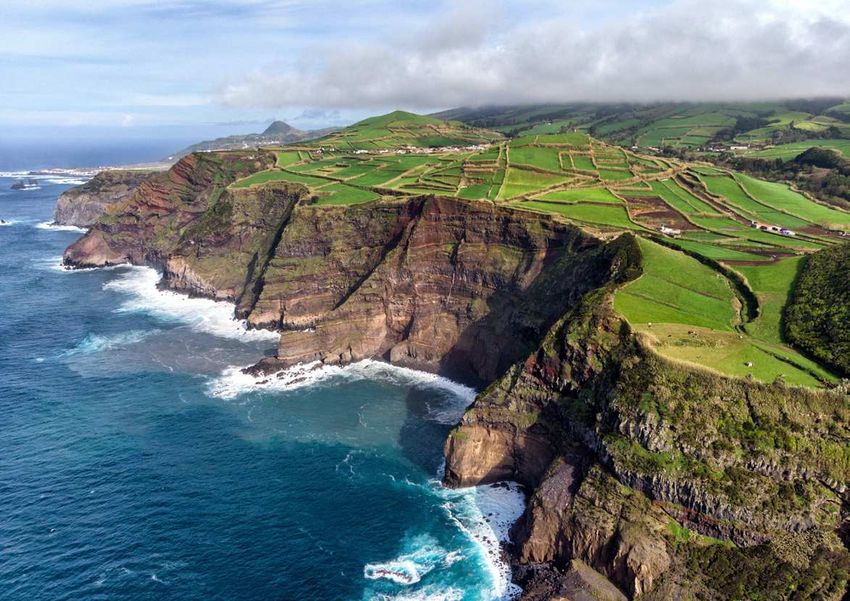
RACE OVERVIEW
 Ultra X 125 New Zealand is a multi-day ultramarathon that
takes place over two days near Lake Hāwea on the country’s
             South Island in January each year.

     The South Island of New Zealand is renowned for its
mountains, lakes, and glaciers. This breathtaking island is one
of the few places on the planet where mountain views, ancient
forests, volcanic landscapes, and stunning coastline can all be
                  experienced in a single day.

  The course is a looped route, taking participants from the
    banks of Lake Hāwea, up and over the mountain trails
  that overlook neighbouring Lake Wanaka, and back again,
         covering a total distance of 125km (78 miles).

There are two stages, Saturday and Sunday. The first stage is
83km and will commence at 07:00. The second stage is 42km
and will commence at 09:00. There are checkpoints stationed
  approximately 10km apart where competitors can access
      water, shelter, and if necessary, medical support.

Competitors will sleep at their accommodation on the Friday
  before and the Sunday after the race. On Saturday night,
 competitors will camp by the banks of Lake Hāwea, where
they will have access to osteopathy/physiotherapy treatment,
                medical care, and hot water.

                                                                  44°30S/169°16E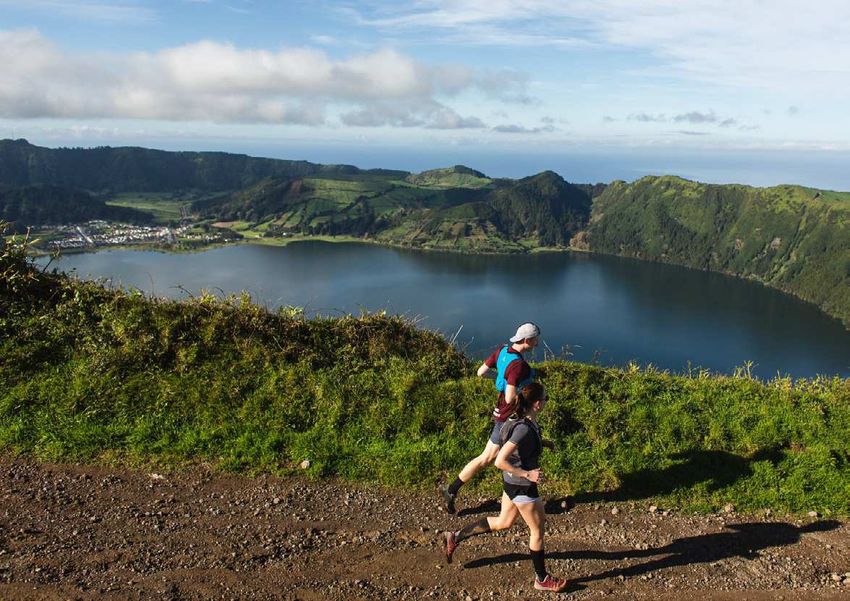
KEY
                         INFORMATION
                   The following document covers some key points. For the full race
                      rules and regulations, please see our Terms & Conditions.

                                               Arrivals:
                  We advise participants arrive into Queenstown Airport on or before
                   Friday 15th January. Participants are responsible for transferring
                                 themselves to their accommodation.

                                            Race HQ:
                               The Camp - Lake Hāwea Holiday Park
                  (1208 Makarora-Lake Hawea Road, Lake Hawea 9382, New Zealand)

                  Those that wish to camp at Race HQ on Friday 15th January will have
                     the option to book when registering online (tents are provided and
                  spaces are allocated at random unless specifically requested to share).
                 It is a 70-75 minute journey from the airport to the campsite. The camp
                     will be aware of late check-ins and will provide access on arrival.
                 There will also be a shuttle bus departing Queenstown Airport at 16:00
                  on Friday 15th January which can be booked when registering online.

                                       Race briefing and kit checks:
                   Race welcome and safety briefings will take place virtually. A video
                 link will be shared with participants closer to the race date. Mandatory
                   kit items will be spot checked throughout the weekend. Randomised
                      checks will occur at registration, the start line, checkpoints, the
                                        campsite, and the finish line.

44°30S/169°16E
MAP OF QUEENSTOWN
AIRPORT AND RACE HQ
ITINERARY   Friday 15th January
Participants are advised to stay in either Wanaka (15-20 min drive to
start line), or to camp at Race HQ in Lake Hāwea (tents are provided
and can be booked when registering online). There is also the option
 to stay in Queenstown (70-75 min drive to start line). A shuttle bus
transfer from Queenstown Airport to both Wanaka and Lake Hāwea
                 can be booked when registering online.

                         Saturday 16th January
   The first stage starts at 07:00 from the campsite at Lake Hāwea
 Holiday Park. Competitors are responsible for getting themselves to
the start line and must allow enough time to deposit their main travel
bag (max 25kg) and their race holdall (max 6kg), which will be stored
  at Race HQ. A shuttle bus transfer from Wanaka to Lake Hāwea
     (departing at 05:30) can be booked when registering online.

                          Sunday 17th January
The second stage starts at 09:00 from the campsite. Travel bags and
  race holdalls will remain stored at Race HQ and will be available
   at the finish line, where there will be a prize giving and awards
ceremony with food and drinks available to purchase. All competitors
     are invited to the afterparty in Wanaka on Sunday evening.

  Competitors can transfer to their accommodation after the race.
Shuttle bus transfers from Lake Hāwea to Wanaka and Queenstown
          Airport can be booked when registering online.

   Participants are then free to transfer to the airport on Sunday/
 Monday for return flights, or to begin their well deserved holiday.
 For those staying in country, we suggest booking with a local tour
       company — please get in touch for recommendations.

                                                                         44°30S/169°16E
THE ROUTE
  LAKE HAWEA
     QUEENSTOWN TO LAKE HAWEA

                                                 ea
                                     aka

                                               āw
     1 HOUR

                                                H
                                 Wan

                                             ke
                                           La
                                Lake

44°30S /169°16E                                       28°48ULTRA-X.CO
                                                            N /105°78W
THE ROUTE
The route may change slightly each year depending on the weather and
                                                                              COURSE MARKINGS
                                                                              The course route will be marked at approximately 40m intervals using
other varying factors.                                                        coloured ribbons, reflective tape, signs, and paint, depending on terrain.
The race organisers create each leg to take in the most beautiful and         Areas where competitors are likely to be running in darkness will be
challenging aspects of Lake Hāwea, Lake Wanaka, and the surrounding           illuminated with glow sticks and reflective tape and are likely to have course
region. The course takes runners along lakeside paths, across beaches,        marshals stationed more frequently.
over mountain trails, through wooded forests, and up and over some of
                                                                              If a participant is in a situation where they are really stuck, they can always
the highest mountain peaks in the area.
                                                                              wait for other competitors and work it out together. The best way to avoid
Ultra X 125 New Zealand is open to individuals and teams, elite runners       mishaps is to listen to the course directions given out on the morning of each
and first timers, and anyone keen to embark on the adventure of a             stage and to stay attentive to course markings.
lifetime. The challenge is available to everyone from all around the world.
                                                                              There are checkpoints approximately every 10km.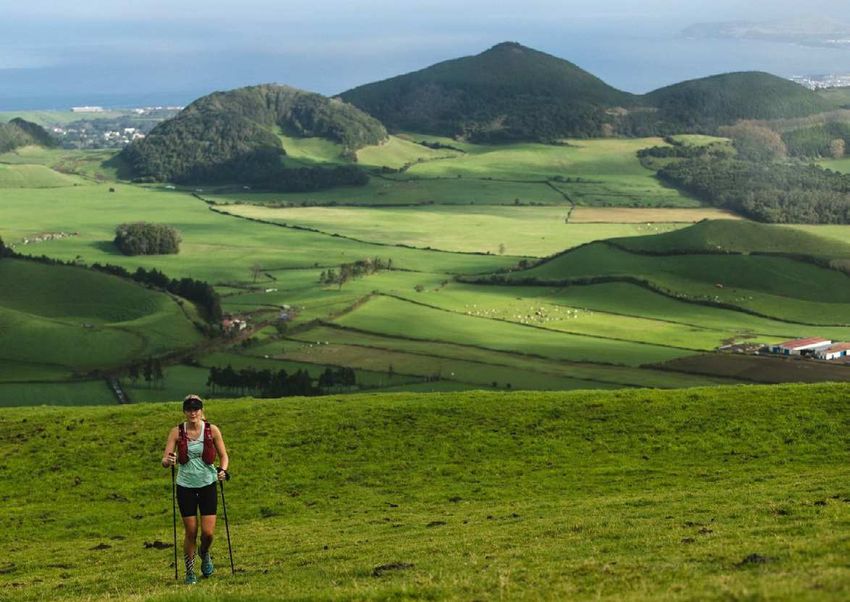
ELEVATION                             4,221 M
                                                             125 KM
                                                                    4,221 M
                PROFILE
                                 STAGE 1                      STAGE 2
       2,000
 ALTITUDE (M)

                             TOTAL DISTANCE: 125KM
                            TOTAL ELEVATION: 5,800M
                0
                    Start                                                         Finish
                                  79.8 km                      45.2 km
                               2,773m       2,773m           1,448m      1,448m

44°30S/169°16E                                                             ULTRA-X.CO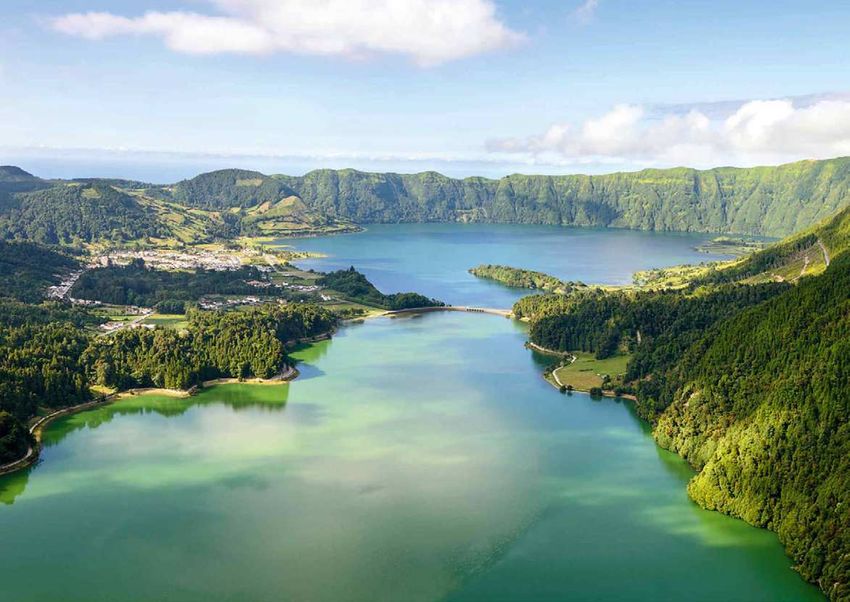
STAGE 1                                                                               STAGE 2
             The race starts from the iconic 18th-century city gates in the centre of Ponta       The second stage heads north from the campsite, passing local orchards before
           Delgada and the runners head north out of town. The tarmac turns to trail after        joining a stream-side trail that runs past the renowned Salto do Prego waterfall.
           a few kilometres and the route winds up and over the beautiful rollings hills and      The route heads deep into the canyon and runners must cross the stream before
                           green pastures for which São Miguel is famous.                          climbing up and out, following a series of switchbacks overlooking the ocean.

              The first big climb comes halfway through stage one, as competitors head up         The course then turns to rocky trails and the challenging climb up to Pico da Vara
               towards Pico da Barrosa, which affords stunning views over the crater lake,       begins. Don’t give up! The highest point on São Miguel offers panoramic views of all
              Lagoa do Fogo. Skirting the southern edge of the Nature Reserve, a series of       four sides of the island. The route then follows a series of boardwalks and protected
            single track trails overlooking the volcanic crater take competitors east, through      woodland trails that head west towards Lagoa das Furnas. A steep descent past
                wooded forests and protected parklands, eventually reaching the dramatic         geothermal springs that release volcanic steam from the mossy rocks takes runners
            cliffside trails of Ribeira Quente, which lead down towards the seaside campsite       to the banks of the lake, where the gothic Chapel of Nossa Senhora das Vitórias,
                   where runners can look forward to taking a dip in the Atlantic Ocean.            which marks the finish line and location of celebratory food and drinks, awaits.

                                   79.8 KM                      07:00                                                    45.2 KM                        09:00
                                   2,773 M                      2,773 M                                                  1,448 M                        1,448 M
2,000                                                                                            2,000
 Elevation (m)

                                                                                                   Elevation (m)

        0                                                                                             0
                 0.0                          Distance (km)                              79.8                      0.0                 Distance (km)                            45.2
SCRUTINEERING
This is the process by which the race organisers will ensure participants
SLEEPING
The living accommodation consists of tents shared by between 6 and 15
have the mandatory kit and are carrying the correct number of calories. competitors. Participants must provide their own roll mats and sleeping bags.
Scrutineering will take the form of spot checks, which will be carried
Competitors will be allocated tents at random by gender, unless specifically requested
out at random throughout the race. Randomised checks will occur at
to share. Tent partners often become close friends and support each other throughout
registration, the start line, checkpoints, the campsite, and the finish line.
the race. There is no doubt that one of the best things about multi-stage ultra
marathons are the lifelong friendships forged along the way.
To make scrutineering more efficient, each food item must be labelled
with the number of calories it contains. Food parcels which have been Although competitors must carry essential safety equipment (such as water bottles,
assembled by the participant must have a sticker estimating their calorie daily nutrition, basic medical kit, a whistle etc) in their running packs, their race
content. All packaging must also be labelled with race numbers. Any holdall (containing sleeping equipment, clothing, meals etc) can be left securely at the
packaging found littered anywhere on the course or at the campsite will campsite (the same location as the start line and finish line).
put the corresponding participant at risk of disqualification.NUTRITION &
HYDRATION
One of the most important aspects of any Ultra X race is preparing
and calculating nutrition and hydration requirements. Participants
want to bring enough to be fully fueled but not so much that they are
carrying unnecessary weight.
Participants will also want to bring electrolyte solutions. Drinking
water alone will not be sufficient to stay properly hydrated during a
multi-stage ultramarathon event.
It is useful to contact runners who have experience in multi-day
racing, as they will have accurate expertise in this area. Participants
will be invited to join the Ultra X Competitors Facebook group upon
registering for the race, where they can contact members of our
friendly and experienced community.
Competitors will need to be self-sufficient (supply their own food)
from Saturday 16th January to Sunday 17th January.
We highly recommend dehydrated or freeze dried food that can be
easily rehydrated with hot water, which is supplied at the campsite
in the morning and evening.
Participants are required by race rules to bring a minimum
of 2,000 calories per day, for each day of the race.
Participants must also carry 800 calories of emergency fuel each
day, which must only be consumed in an emergency situation.
44°30S/169°16EIV’S
If it is deemed necessary by the race
MEDALS
Only those that finish the event will
doctors for a participant to have an receive a race medal. Different medal
IV, a time penalty of 1.5 hours will be ribbons will be awarded based upon
given on each occasion. If a participant the finishing times outlined below.
contests the IV and the doctor deems Those that do not want a medal will
them to be at risk, they may have to be be able to opt-out at race registration.
pulled from the race.
To avoid this situation, we advise the
regular consumption of electrolytes and
to avoid drinking excessive amounts of
FOOD &
pure water when out on the course.
COOKING
There is no cooking with gas allowed
DROP OUTS during Ultra X events. For food, the
organisers will provide hot water with
which participants can rehydrate their
dehydrated meals. Hot water will be
This is an extreme event and voluntary available at camp after the finish on
or imposed withdrawal does happen. This Saturday and two hours before the
is taken seriously and handled with great scheduled start on Sunday.
respect by the race organisation.
Participants may withdraw from the
event at any time. We request that any
competitor who wishes to stop their race
informs the organisation and hands in
CUT-OFFS
their bib number to a race marshal.
Should a participant retire or be
withdrawn from the event, all additional
costs incurred (accommodation, transfers, Exact cut-offs will be communicated
food, etc.) must be covered by the to competitors before each stage of the
participant. race. Participants must have departed
the checkpoint before the cut-off time, or
Withdrawal or being withdrawn from they will not be allowed to continue.
the race will not automatically allow the
participant to become part of the crew. However, we want everyone to finish
The participant will only be allowed to the race whilst enjoying the scenery. We
join crew members at checkpoints with
permission from the Race Director.
therefore have generous time allowances
of 2.5 hours for every 10km. 44°30S/169°16EBODY
MAINTENANCE
Multi-stage ultra running can destroy your body and feet.
However, it doesn’t have to be like this.
To ensure participants do not spend all their recovery time in
the medical tent, it is important they not only take care of their
feet during the race but also pay extra attention to toughening
them up during training.
Suitable running socks must be worn. Participants should try
and select those that are comfortable and trial different options
in training.
During the race, blister treatment after each stage will
significantly impact both performance and enjoyment.
Neglecting this area of body maintenance is one of the most
common causes of retirement from the race. If you look after
your feet, they will look after you!
Bear in mind that our experienced expedition medical team
are there to help. If a participant has any questions, niggles
or injuries, they are encouraged to consult them. It is vitally
important that niggles are addressed sooner rather than later.
The vast majority of race dropouts are due to feet and
hydration neglect. Participants who stay on top of these
controllables have a much higher chance of finishing the race.
44°30S/169°16ECLOTHING EQUIPMENT
A kit list is available on the race
What a participant chooses to run in website and will be further issued
is up to them. We recommend trying to participants upon registration.
different options to find out what is most This will contain mandatory and
comfortable over long distance. Many of recommended equipment.
our competitors choose to wear the same
outfit every day as their ‘go-to’ kit, but
others like to alternate.
As the race organisers securely store
a bag at the start, campsite and finish,
participants have the luxury of being
able to bring a change of clothes for the
weekend, and something to keep warm in
SUITABLE
the evenings when the temperature drops.
FOOTWEAR
Well in advance of the race, participants
will need to decide on the right footwear.
The heat and friction produced whilst
CLIMATE
running not only puts shoes under
extreme stress, it also causes feet to
swell. As is good practice before any
race, participants should ensure their
January in this region is generally warm, shoes are sufficiently worn in. The same
with daytime temperatures averaging can be said for all kit and equipment - it
around 23°C. However, it can range from must be comfortable over long distance.
17-28°C, with temperatures dropping
at night. As such, it is important that The course is split between technical
competitors have equipment that
prepares them for different conditions.
and hard trail with some sections of soft
mud. Trail shoes are recommended. 44°30S/169°16EBAGS & RACE
HOLDALLS
Participants are allowed three bags for the weekend:
Main travel bag (25kg): This main travel bag will be securely
stored at Race HQ in Lake Hāwea (the same location as the start
line, campsite, and finish line) and will contain any clothing and
travel items that are not required during the race. Once the race has
started on Saturday, participants will not have access to this travel
bag until after the race on Sunday afternoon.
Race holdall (6kg): This will be securely stored at Race HQ in Lake
Hāwea (the same location as the start line, campsite, and finish line)
and should contain everything required for the entirety of the race.
Participants will have access to their race holdalls in the campsite
after the first stage on Saturday and at the finish line on Sunday. It
must be a waterproof holdall bag and must not exceed 6kg.
Running pack: This is the bag participants will carry each day
whilst running. Running packs must be large enough to carry the
mandatory items on the kit list.
44°30S/169°16EPRIZE MONEY &
MEDAL RIBBONS
The prize pot for Ultra X 125 New Zealand is £3,000 and will be split
equally between genders. Prize money will be awarded to the overall
podium finishers, individual stage winners, and the overall masters
age category (50+) podium finishers.
Overall Podium Overall Stage Winners Overall Masters 50+*
(Men and Women) (Men and Women) (Men and Women)
1st - £550 Stage 1 Winner - £150 1st - £100
2nd - £350 Stage 2 Winner - £100 2nd - £60
3rd - £150 3rd - £40
All finishers will receive a race medal. Different medal ribbons will
be awarded based upon the finishing times outlined below. Those that
do not want a medal will be able to opt-out at race registration.
Black Ribbon - under 14 hours
White Ribbon - under 16 hours
Blue Ribbon - over 16 hours
Green Ribbon - awarded to the competitor that displays the highest
commitment to reducing their environmental impact both in
preparation for and during the race (as determined by the organisers).
If there are less than five competitors in the masters category then only first prize will be awarded.
*
44°30S/169°16EINSURANCE
Personal insurance that covers ultra
marathon trail running is required to
participate in this event. If a participant
does not have sufficient insurance, they
will not be allowed to race.
Company insurance is included in
the entry fee. However, the overall
cost of the event for the individual is
significant. We require participants
to be covered in case of cancellations
before, or injury during, the event.
Proof of adequate insurance must be
submitted via the My Events portal
that ACTIVE (our booking platform)
operates. A personal link will be sent to
participants upon registration.
There are several insurance companies
that offer ultra marathon trail running
SAFETY
Although not mandatory, it’s always
cover. We recommend:
a good idea to consult a doctor before
taking part in extreme endurance
Dogtag
44°30S/169°16E
challenges and to discuss vaccines
ITRA Insurance
and medication before travelling.
The British Mountaineering CouncilYOU CAN DO SO MUCH MORE
THAN YOU THINK YOU CAN
44°30S/169°16E ULTRA-X.COYou can also read


