Guide for Silver Award Participants - DATE OF LAST REVISION 2021/04/08 The Duke of Edinburgh's International Award Canada 2021 - The Duke of ...
←
→
Page content transcription
If your browser does not render page correctly, please read the page content below
Guide for Silver Award
Participants
                       DATE OF LAST REVISION           2021/04/08
           © The Duke of Edinburgh’s International Award Canada 2021
Welcome to your Silver level
    Award challenge!
Taking part in the Award isn’t easy – it requires commitment over
time – but it is simple to get started and after all your time and
effort you will have achieved something special of which you can
be very proud.

As an Award participant you will have the chance to:

•   Design your own Award program
•   Work with your adult mentors to set goals and record your progress
•   Make a positive impact on the lives of others through community service
•   Learn valuable practical and social skills for career development
•   Take up the challenge of an Adventurous Journey
•   Connect with other Award participants at home and abroad

You can continue with activities you’re already taking part in, such as sports or volunteering, and
start counting these towards achieving your Award, or your Award could be an opportunity to try
something new and develop a passion for something different.

The Silver Award is the second level of The Duke of Edinburgh’s International Award. You may have
already been involved at Bronze level and perhaps you will also go on to do your Gold level.

                         CANADIAN AWARD GUIDE FOR SILVER PARTICIPANTS                          PAGE 2/21
                                            © The Duke of Edinburgh’s International Award Canada 2021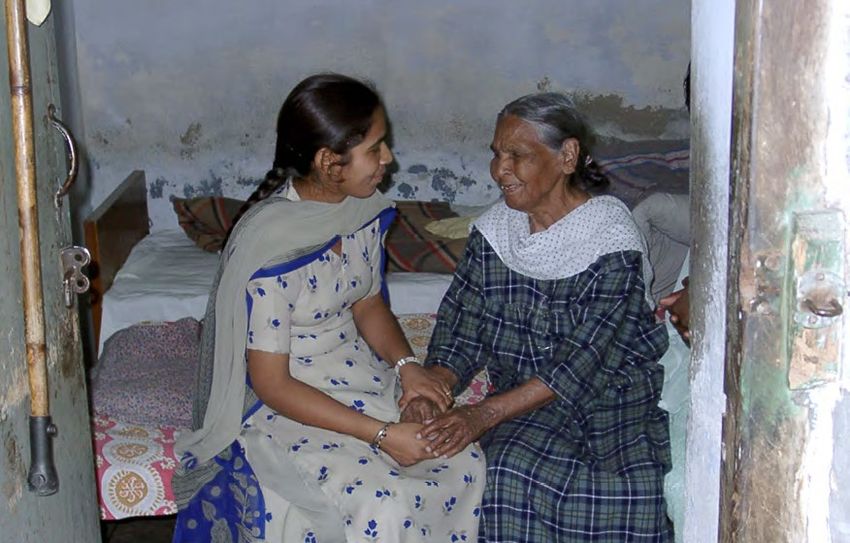
Your Silver Award Requirements
To begin, you need to plan your Award by choosing an activity and a personally challenging goal for
each of the four sections. You can choose to start a new activity or continue to develop your skills in
activities you have already been doing. Remember, your Award should be balanced so choose
activities from a range of areas; and all Award activities must be voluntary (no cash, no chores,
no school credit).

     Service
     Challenge yourself to make a positive difference in your
     community. See pages 10–11

     Physical Recreation
     Challenge yourself to improve your health, fitness and
     performance. See pages 12-13

     Skills
     Challenge yourself to improve your skills and widen
     your interests. See pages 14–15

     Adventurous Journey
     Challenge yourself in planning, preparing and undertaking
     a journey with a group of peers. See pages 16-19

Time Requirements

You can start your Silver Award if you are at least 15 years old or have completed your Bronze level.
You will need to participate in your activities regularly for the set minimum duration of time; an average
of an hour per week. Participants must be registered with their Award Centre before starting their
Award. Activities prior to registration cannot be counted towards the Award.

                                                       }
Physical Recreation 		        minimum 26 weeks               Direct Entrant participants (those who have not
Skills 				minimum 26 weeks                                  achieved Bronze) must complete a Major of an
                                                             additional 26 weeks in one section (Voluntary
Voluntary Service 		          minimum 26 weeks               Service, Skill, OR Physical Recreation).
Adventurous Journey 3 days + 2 nights
				plus training, preparation,
				                and a Practice Journey.

                          CANADIAN AWARD GUIDE FOR SILVER PARTICIPANTS                          PAGE 3/21
                                             © The Duke of Edinburgh’s International Award Canada 2021
An Overview of Your Award Journey

          Register via www.dukeofed.org/sign-up.

          Plan your Award: Choose activities and setup SMART goals for
          each section, find your Assessors, setup your activities and get
          authorization from your Award Leader on the Online Record
          Book (ORB).

          Do your activities for minimum duration of time and record
          your progress.

          Submit AJ report and have your Assessors sign off and comment
          on your progress.

          Submit your Award for final approval and consider taking on the
          next level of the Award.

          Receive official recognition for your hard work and celebrate
          your achievements!

         CANADIAN AWARD GUIDE FOR SILVER PARTICIPANTS                        PAGE 4/21
                           © The Duke of Edinburgh’s International Award Canada 2021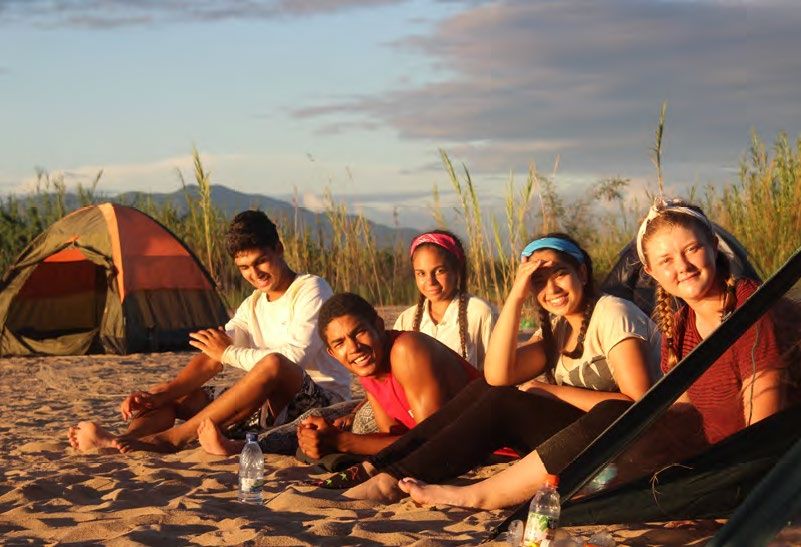
Plan Your Program
This is your Award and it is entirely up to you what you do for each section. It is all about setting yourself a
challenge and feeling great when you see yourself progress and achieve your goals. You can take this as an
opportunity to explore new activities that interest you or you can continue participating in activities you are
already passionate about - your Award, your choice!

Questions that will help you design your Award:

1.     What do I want to do? Think about what you enjoy, what you are passionate about and what
       areas of interest you would like to explore for each section of the Award.

2.     What do I need to plan for? Consider your resources and access. All your Award activities must
       be extra-curricular and voluntary, meaning you cannot receive payment or credit for them.

3.     Who do I know? Having support will help you complete your Award. Writing down a list of who
       you know can help you get started to identify potential Assessors.

4.     How can I challenge myself further? It's more than practicing what you're already good
       at doing. To be really good at something, you need to push yourself out of your comfort zone.
       Speak with your Award Leader or Assessors for guidance in setting realistic goals and developing
       a plan to achieve your goal.

Find Your Assessors
You will need to find a different adult to be an Assessor for each of your activities. You will work with your
Assessor to build your goal and a check-in plan for the duration of your activity.

Assessors can be teachers, leaders, family friends, neighbours, coaches etc. Assessors must be adults
and cannot be immediate family members. Your Assessor should be knowledgeable in the activity and
be able to mentor you as you work through your Award. Your Assessor does not need to be present for your
activity, but you need to communicate with them regularly. Once the activity is completed your Assessor
will verify your participation and submit a report to comment on your progress.

                        3 Reasons Why Having a Great Assessor Can Help
 1. Learn from someone who 'walks the walk' - Your Assessor has typically done what you are trying to
 achieve and can share their knowledge and experiences with you.

 2. Get support and build resilience - Your Assessor is someone who wants to see you succeed and can
 offer support if you ask. They will cheer you on when you are doing well and encourage you to keep
 going when times get tough.

 3. Uncover more of your potential - Your Assessor can help you to see your strengths and weaknesses.
 If you are struggling, a mentor can offer valuable advice to help you find a solution.

                          CANADIAN AWARD GUIDE FOR SILVER PARTICIPANTS                           PAGE 5/21
                                             © The Duke of Edinburgh’s International Award Canada 2021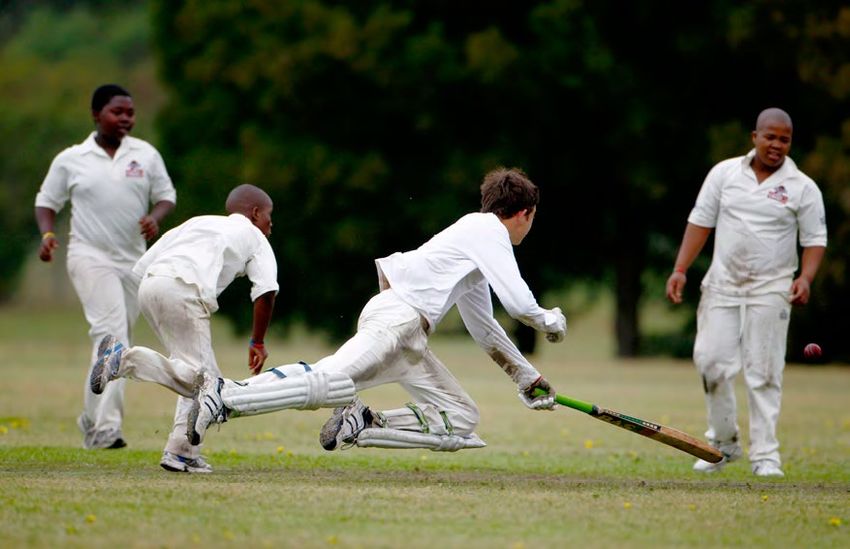
Set Your Goals
Goals are a great way of helping yourself maximize your motivation to achieve. The best goals are specific
and acknowledge where you are, where you want to be, and how will you get there. Having a clear goal is
essential to starting your Award. Talk to your Award Leader and Assessor(s) to help you establish a goal.

    S M A R T
        G                     O                     A                         L                     S
     SPECIFIC          MEASURABLE             ACHIEVABLE                 REALISTIC           TIME BOUND
     What do               How will               It is in                 Can you             When exactly
  you want to do?      you know when          your power to              realistically        do you want to
                      you’ve reached it?      accomplish it?             achieve it?         accomplish this?

When you are ready, set up your activities on the Online Record Book (ORB). Your Award Leader will confirm
whether your Assessors and goals are suitable for your chosen activities. Your Award Leader can offer support
and guidance throughout your Award; if you have any questions or concerns throughout your Award don’t
hesitate to reach out.

          5 WAYS A SMART GOAL                                         WHICH OF THE TWO GOALS
         WILL KEEP YOU MOTIVATED                                     SOUNDS MORE MOTIVATING?
 1. Gives you something to visualize                           1. I want to learn to swim better.

 2. Plans out your progress                                    2. I will swim 500 m in 7 minutes or less by the
                                                                  end of September. I will achieve this by
 3. Breaks down your goal into smaller,                           training with my swim coach three times per
    ongoing steps                                                 week to continuously improve my times. I
                                                                  want to learn to swim better.
 4. Allows you to measure your progress and
    adjust your plan

 5. Reminds you of the bigger picture

                         CANADIAN AWARD GUIDE FOR SILVER PARTICIPANTS                               PAGE 6/21
                                           © The Duke of Edinburgh’s International Award Canada 2021
Do the Work
Work towards your goals and do your activities regularly for the set duration of time. Log your progress in
your ORB account. In your logs provide detail on what you are doing and how you feel you are progressing
towards your overall goal. Be sure to communicate with your Assessor and Award Leader as you work through
your Award.

Submit Award for Approval
Once you have finished all the requirements of the Award and gathered your completed Assessor Reports,
you will need to submit it to your Award Leader for approval. Your Award will be sent to your Award Leader
through the ORB and then to the Award office for final approval. If all requirements have been met, you will
receive confirmation from the Award office once your Silver level is approved!

Celebrate Your Success
You will receive a pin and certificate to recognize your accomplishment. Ask your Award Leader where and
when your local Award presentation ceremony will take place – this is an opportunity to celebrate and to be
recognized by your family and friends for your achievement! When you have completed your Silver Award
you can continue to your Gold Award. If you move from Silver to Gold, all of your account information on the
ORB will remain the same.

                         CANADIAN AWARD GUIDE FOR SILVER PARTICIPANTS                        PAGE 7/21
                                           © The Duke of Edinburgh’s International Award Canada 2021
Participant Submission Checklist
   PHYSICAL RECREATION
   Logged a minimum of 26 weeks
   SMART goal(s) achieved
   Completed Assessor Report for each activity

   SKILL
   Logged a minimum of 26 weeks
   SMART goal(s) achieved
   Completed Assessor Report for each activity

   VOLUNTARY SERVICE
   Logged a minimum of 26 weeks
   SMART goal(s) achieved
   Completed Assessor Report for each activity

   MAJOR (PHYSICAL REC, SKILL OR SERVICE)
   Additional 26 weeks logged in one section
			              OR
   Major already completed at Bronze

   ADVENTUROUS JOURNEY
   Preparation and Training completed
   At least 1 Practice Journey completed with team
   Completed Assessor/Supervisor Report for Practice Journey
   Qualifying Journey completed with team
   Group aim achieved
   Group AJ Report submitted
   Completed Assessor/Supervisor Report for Qualifying Journey

                    CANADIAN AWARD GUIDE FOR SILVER PARTICIPANTS                      PAGE 8/21
                                        © The Duke of Edinburgh’s International Award Canada 2021
The Sections
The following pages contain basic information about each section you’ll
complete in order to achieve your Silver Duke of Edinburgh’s International
Award.

We’ll give you some ideas to get you started when you are trying to decide
what to do for each section. Remember that these are only suggestions of
activities that other people have done in the past. Use them to help you
think about what interests you or what you’d like to try.

                 CANADIAN AWARD GUIDE FOR SILVER PARTICIPANTS               PAGE 9/21
                              © The Duke of Edinburgh’s International Award Canada 2021
Voluntary Service

Through the Voluntary Service
section you can volunteer in your
community, meet people and see
how your service benefits those
around you.
                                                “Through doing my Award I
Volunteering over a period of time              definitely felt that I developed my
enables you to meet people within               confidence, which helped me to
                                                engage better with my community.
the community whom you might not                The program taught me many
otherwise engage with and realize               other things too. I have learned to
the positive difference you can make.           manage my time better, to keep
It can also help improve skills such            building experiences, and also to
                                                embrace trying new things.”
as team work, communication and
self-confidence.                                Nia
                                                Indonesia

               CANADIAN AWARD GUIDE FOR SILVER PARTICIPANTS              PAGE 10/21
                           © The Duke of Edinburgh’s International Award Canada 2021
Types of Activities
The list of possible activities is almost unlimited and is often dictated by available resources or
opportunities. To ensure the essential balance of your Award, you should be careful not to pick
activities that are too similar to your chosen Physical Recreation or Skills activities.
There are many people and organizations that are willing to provide you with opportunities for
practical service. These include: social workers, doctors, religious leaders, schools, hospital or prison
authorities, youth departments, conservations groups, local government authorities, voluntary
youth organizations, animal welfare organizations, service clubs, and both national and international
non-governmental organizations or agencies.
Do some research in your local area to identify a suitable opportunity. Activities should
generally fall into the following categories:
Voluntary Service Ideas
• Supporting people in the community
• Youth work
• Community education and health education
• Environmental service
• Charity work
• Supporting a local emergency service
If you are struggling to come up with an idea of what to do for your Voluntary Service section, there
are a number of resources available to you. You can speak to your Award Leader, chat with other
participants or check out the Canadian Award website (www.dukeofed.org).
CANADIAN AWARD GUIDE FOR SILVER PARTICIPANTS PAGE 11/21
© The Duke of Edinburgh’s International Award Canada 2021Physical Recreation
The Physical Recreation section of
the Award encourages you to improve
your health and fitness, whatever
your starting point. You could choose
to do a team sport, solo sport or
“When my teacher encouraged
any healthy activity. It could be me to try a new sport rather than
something you already do regularly, stick with football, I wasn’t very
have tried before or something enthusiastic but I was also looking
completely new to you. for something new to do so,
reluctantly, I took up the challenge
and chose track...I know of the
The Physical Recreation section Award saying ‘There is more in you
should make you feel healthy and than you think’ and I am an
example of this.”
happy, and should help you build
valuable team skills, self-esteem Etiam
Ghana
and confidence. It’s also great fun!
CANADIAN AWARD GUIDE FOR SILVER PARTICIPANTS PAGE 12/21
© The Duke of Edinburgh’s International Award Canada 2021Types of Activities
The list of possible activities is almost unlimited but you should be careful not to pick activities
that are considered, in Award terms, to be Skills section or a Voluntary Service section activity
(or at least ensure there is a balance to your program). Essentially, the chosen activity should be
physically challenging or demanding for you.
The types of activities for the Physical Recreation section can be grouped broadly into the
following categories:
Physical Recreation Ideas
• Ball and racket sports
• Athletics
• Cycling
• Water sports
• Winter sports
• Martial arts
• Animal Sports
• Fitness activities
• Adventure sports
• Street sports
If you are struggling to come up with an idea of what to do for your Physical Recreation section,
there are a number of resources available to you. You can speak to your Award Leader, chat with
other participants or check out the Canadian Award website (www.dukeofed.org).
CANADIAN AWARD GUIDE FOR SILVER PARTICIPANTS PAGE 13/21
© The Duke of Edinburgh’s International Award Canada 2021Skills
Through the Skills section you can
develop your personal interests as
well as your practical and social
skills.
You could choose to improve on an “The Award has shaped me,
existing skill or try something new. moulded me, empowered me, and
truly changed me for the better. I
It’s all about engaging, learning am so confident in myself and I can
something new and getting better serve others whilst contributing
at it; giving yourself a sense of positively to the world because of all
achievement and well-being. that I learned with the Award.”
Colleges, universities and employers Emily
South Africa
like to see that you have life skills
too!
CANADIAN AWARD GUIDE FOR SILVER PARTICIPANTS PAGE 14/21
© The Duke of Edinburgh’s International Award Canada 2021Types of Activities
The list of possible activities is almost unlimited but participants should be careful not to pick
activities that are considered, in Award terms, to be a Physical Recreation or Voluntary Service
section activity. If you think more than you sweat, it's a skill! In other words, your chosen Skill
activity should be passive in nature rather than physically active.
The types of activities for the Skills section can be grouped broadly into the following categories:
Skill Ideas
• Music
• Sports-related (eg leadership, coaching and officiating)
• Arts and crafts
• Nature and the environment
• Animals
• Media and communications
• Games
• Life, technical and vocational skills
• Performance skills
If you are struggling to come up with an idea of what to do for your Skills section, there are a
number of resources available to you. You can speak to your Award Leader, chat with other
participants or check out the Canadian Award website (www.dukeofed.org).
CANADIAN AWARD GUIDE FOR SILVER PARTICIPANTS PAGE 15/21
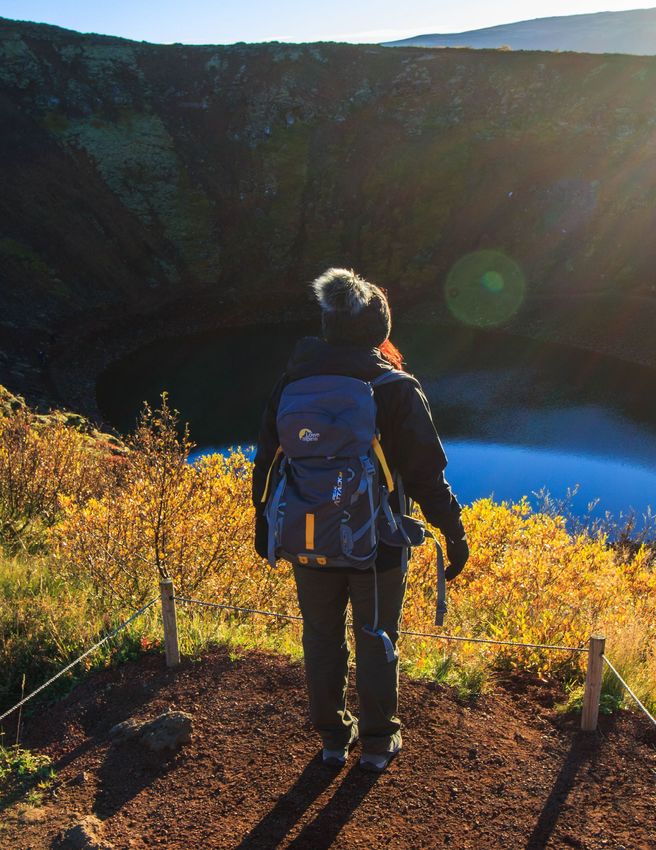
© The Duke of Edinburgh’s International Award Canada 2021Adventurous Journey
For the Adventurous Journey section
you’ll need a sense of adventure
and discovery as you go on a team
journey, expedition or exploration.
You’ll have the opportunity to learn “I am proud to say that on 21 May
more about the wider environment, 2016 at 5:27am, I made it to the
summit of Mount Everest... I gained
as well as to develop self-confidence, a really great sense of achievement
team work and health. It is a tough in myself and it has driven me to
challenge and you might be taken carry on my involvement in the
out of your comfort zone for a bit but Award so that I can continue to see
how it impacts other young people
you will be safe with suitable training from across the world."
and supervision, and you won’t
Antish
regret it! Nepal
CANADIAN AWARD GUIDE FOR SILVER PARTICIPANTS PAGE 16/21
© The Duke of Edinburgh’s International Award Canada 2021Adventurous Journey Stages
There are three stages to an Adventurous Journey (AJ). Each part must be done with your team*, have
a clearly defined aim/goal, be assessed by a suitable adult and be completed as a distinct activity for the
Adventurous Journey to be considered “complete.”
*All team members must be equally involved in each of the Adventurous Journey stages.
NOTE
Team members must be peers and you must work with the same team for the duration
of your AJ. Team members may include people who are not participating in the Award.
1. Preparation and Training: participants decide as a team on the aim, location, and mode of
travel. Participants undertake suitable training for their journey including: appreciating the
culture within the journey's environment, camp craft skills, competency in the mode of travel,
first aid and emergency procedures, navigation, equipment knowledge and training, route
planning, team building and leadership skills, and understanding your impact on the
environment.
2. Practice Journey(s): the team takes take on at least one Practice Journey to ensure they will be
successful and self-sufficient as a team on the Qualifying Journey.
3. Qualifying Journey: the team will work together to achieve their journey aim. After the
Qualifying Journey is completed participants will debrief together and complete an Adventurous
Journey Report that is presented to their Assessor and submitted on the ORB.
Adventurous Journey Checklists can be found here and Adventurous Journey Report Template here.
Types of Adventurous Journeys
With your team you will need to decide what type of Journey (Expedition or Exploration) you
will plan and implement.
Expedition
An Expedition is a “journey with a purpose” - the primary focus is on the journeying. More time is
devoted to journeying with less effort put into research and gathering information.
Example Aim - To canoe along the Stagg River in the Northwest Territories to Stagg Lake. Each day we
will paddle 20-30 km and camp at a designated area. We will utilize basic paddling techniques and add
a stroke every day that will help us with navigating the wind and water patterns to ensure we reach
our campsite before nightfall. We will keep a journal of route, weather observations and paddling
skills learned; these will be included in our journey report along with an analysis of the best paddling
technique to navigate the Stagg.
CANADIAN AWARD GUIDE FOR SILVER PARTICIPANTS PAGE 17/21
© The Duke of Edinburgh’s International Award Canada 2021Exploration
An Exploration is a “purpose with a journey” in which the primary focus is to observe and collect
information relevant to the purpose. More time is spent on this, and less time is devoted to getting from
one place to another.
Exploration Example Aim - To study Gros Morne as a National Park and its impact on the different
communities that lie within its boundaries. We will conduct pre-trip research on the National park including
landforms, wildlife, vegetation and communities. During our trip we will hike Gros Mornes Mountain to the
backcountry campground and travel daily by hiking or canoeing throughout the area conducting interviews,
exploring and detailing unique landforms, and will work with a geologist to help us study plants, soil, rocks
etc. We will submit our findings in our AJ report at the completion of our trip.
Adventurous Journeys 13 Requirements
1. A clearly defined aim (a purpose with a desired outcome)
2. No fewer than four and no more than seven participants in the group (eight for tandem travel) *
3. Must have undergone suitable training
4. All participants must be involved with the planning and preparation of their Practice and
Qualifying Journeys
5. Completed at least 1 Practice Journey *
6. Journey is through own physical effort, on land or water
7. New and unfamiliar environment chosen *
8. Minimum time spent on purposeful effort per day (6 hours at Bronze, 7 hours at Silver,
8 hours at Gold)
9. Suitable Assessor and Supervisor chosen
10. Sufficient equipment and supplies are packed and group equipment is shared out *
11. Accommodations are self-sufficient (tent, hut, etc.) with little or no amenities *
12. Substantial meal prepared and consumed each day of the journey
13. Report submitted to Assessor once completed
* COVID-19 accommodations in place until December 31 2022. Contact your
Award Leader or Award office for details and approval.
CANADIAN AWARD GUIDE FOR SILVER PARTICIPANTS PAGE 18/21
© The Duke of Edinburgh’s International Award Canada 2021AJ Duration by Level
Level Practice Journey Qualifying Journey Purposeful Activity
Each Day
Bronze 1 day (night out 2 days, 1 night 6 hours
optional)
Silver 1 day, 1 night 3 days, 2 nights 7 hours
Gold 1 day, 1 night 4 days, 3 nights 8 hours
Types of Activities
Here’s a list of ideas to inspire your Adventurous Journey Expedition or Exploration.
Adventurous Journey Ideas
• Exploring the natural world: glaciations, erosion, geology, coastal studies,
river valleys, plant studies, bird studies or animal studies, insect studies
• Exploring historic land use: prehistoric man, historical periods
• To investigate the survival or extinction of a language
• Exploring human impact: visitor pressure in national parks, pollution
monitoring, surveys of numbers of walkers in remote areas
• To carry out health surveys or health education in remote areas
• To complete a particularly demanding journey by foot, cycle or canoe/kayak,
horseback, ski
• To investigate group dynamics in challenging conditions while on a
camping trip
• Following an ancient pilgrimage trail
CANADIAN AWARD GUIDE FOR SILVER PARTICIPANTS PAGE 19/21
© The Duke of Edinburgh’s International Award Canada 2021Frequently Asked Questions
How do I know who my Award Leader How does the Online Record Book count
is? hours/weeks?
A: You can find your Award Leaders’ contact A: For the Skills, Physical Recreation and Voluntary
information by logging into your Online Record Service sections of the Award, you must undertake
Book. At the top of the screen, click on “My Award regular activity over a set period of time. On
Leader”, and a pop-up will display your Award the Online Record Book, all logs are recorded
Leader’s email address and phone number. in quarter, half and full hours. The general
requirement for Skills, Physical Recreation and
Who is an Assessor? Voluntary Service is to undertake regular effort of
one hour of activity per week or two hours per 2
A: An Assessor is someone who is interested in weeks over the required time frame. You achieve
helping you to complete your section and achieve your Award by being consistently active; working
your Award. Assessors should have experience towards your goals for the set duration of weeks.
in the activity you have chosen and can offer you You can choose to take longer than the minimum
support and guidance throughout the time you are requirements but you cannot complete your
doing your activity. They could be a teacher, coach, Award in less time.
counsellor, neighbour, leader, family friend etc.
Family members do not qualify as Assessors. You
should have a different Assessor for each section My Assessor needs to sign off my logged
of the Award. activities, how can they do this?
A: Once you’ve completed a section, you can
I’ve got evidence I want to save, can I either download and print a summary of your
save it in the Online Record Book? activities for your Assessor to sign and then upload
it to your documents OR you can send a digital
A: Yes, you can upload photographs, videos and
report directly from the ORB to your Assessor's
scanned documents not bigger than 10 MB.
email. If you have any issues contact your Award
Leader.
Can I change activities mid-way through
a section?
A: If your current activity becomes unsuitable
or difficult to complete you can speak with your
Award Leader about choosing another activity. The
time you spent on your previous activity will still
count towards your Award.
CANADIAN AWARD GUIDE FOR SILVER PARTICIPANTS PAGE 20/21
© The Duke of Edinburgh’s International Award Canada 2021Any Questions?
If you have any questions about your Award, talk to your Award Leader first – they
are there to help you.
You can also find further information via www.dukeofed.org
Acknowledgements
This publication has been inspired by the work of The Duke of Edinburgh’s Award in the United
Kingdom and their publication DofE Participants’ Handbook.
About our Charity
The Duke of Edinburgh’s International Award - Canada is a charity registered in Canada whose
mission is to promote The Duke of Edinburgh’s International Award (known simply as the Award)
to provide young people with the Award, and to preserve the quality of the Award in Canada.
We want every young person aged 14 to 24 in Canada to have the opportunity you’ve had to
participate in the Award. We hope you enjoy your experiences!
Don’t forget to let us know how it goes and share your stories and photos!
You can also connect with us via social media:
The Duke of Edinburgh's International Award- Canada
215 Niagara Street, Suite 100, Toronto, ON M6J 2L2
www.dukeofed.org
Registered charity in Canada number 12391 6751 RR0002
CANADIAN AWARD GUIDE FOR SILVER PARTICIPANTS PAGE 21/21
© The Duke of Edinburgh’s International Award Canada 2021You can also read


