UPDATE ON PROGRESSWITH SAICE'S NEW - STRATEGY GROWING
←
→
Page content transcription
If your browser does not render page correctly, please read the page content below
December 2019          Vol 27 No 11

                                                                      Icivil Enjiniyering

UPDATE ON            PPS-SAICE NATIONAL      SAICE 2019 INSTITUTION       SAICE 2020
PROGRESS WITH        2019 PROJECT AWARDS –   AWARDS – DIVISION,           TRAINING
SAICE’S NEW          ALL THE WINNERS,        BRANCH, STUDENT              CALENDAR – PLAN
STRATEGY – GROWING   COMMENDATIONS AND       CHAPTER, PEOPLE              YOUR CPD WELL
FORWARD TOGETHER     FINALISTS               AWARDS                       IN ADVANCE
Railway
Engineering

                Short Courses in Railway Engineering
                 Access a wide selection of Railway Engineering short courses from leading experts from
                 the University of Pretoria and stay on track with the latest industry developments to get
                     a head start with integral knowledge and skills in a highly competitive industry.

                                              JANUARY–NOVEMBER 2020
    JANUARY                                                           JULY
    20–24 Jan   Rolling Stock Technology                              13–17 Jul    Transnet Freight Rail Operations
                                                                      29–30 Jul    Railway Technology for Executives
    FEBRUARY
    3–5 Feb  Introduction to Railway Projects and Processes           AUGUST
                                                                      3–4 Aug      Technical writing and presentation skills
    MARCH
                                                                      12–14 Aug    Railway Assest Management
    2–3 Mar     Railway Safety Audits, Investigation and Reporting
                                                                      24–27 Aug    Railway Safety Investigation
    23–25 Mar   Management of Continuously Welded Rails
                                                                      SEPTEMBER
    APRIL
                                                                      7–11 Sep    Introduction to Multi- Disciplinary concepts in
    6–8 Apr     Introduction to Railway Projects and Processes
                                                                                  Railway Engineering
    20–24 Apr   Introduction to Multi- Disciplinary concepts in
                                                                      28 Sep–1 Oct      Train Movement Control Systems
                Railway Engineering
                                                                      OCTOBER
    MAY
                                                                      12–15 Oct    Law, Risk, Economics and Environment
    11–15 May Railway Infrastructure Maintenance Management
                                                                      26–30 Oct    Rolling Stock Technology
    JUNE
                                                                      NOVEMBER
    8–12 Jun    Track Geotechnology
                                                                      9–12 Nov  Wheel-Rail Interaction
    22–26 Jun   Introduction to Multi- Disciplinary concepts in
                                                                      23–27 Nov Railway Infrastructure Maintenance Management
                Railway Engineering

                                                                     Railway Engineering short courses are registered with ECSA for CPD.

                                       Contact us today for more information or to book your space.
                                                         Client Information Centre
                                            Tel: +27 (0)12 434 2500 | info@enterprises.up.ac.za

                                SMS the keyword ENTERPRISES followed by SAICE your name and email to
                                        43366 to receive more information about our full offering.

                                                    Shifting knowledge to insight

                                                                                      enterprises.up.ac.za/engineering-courses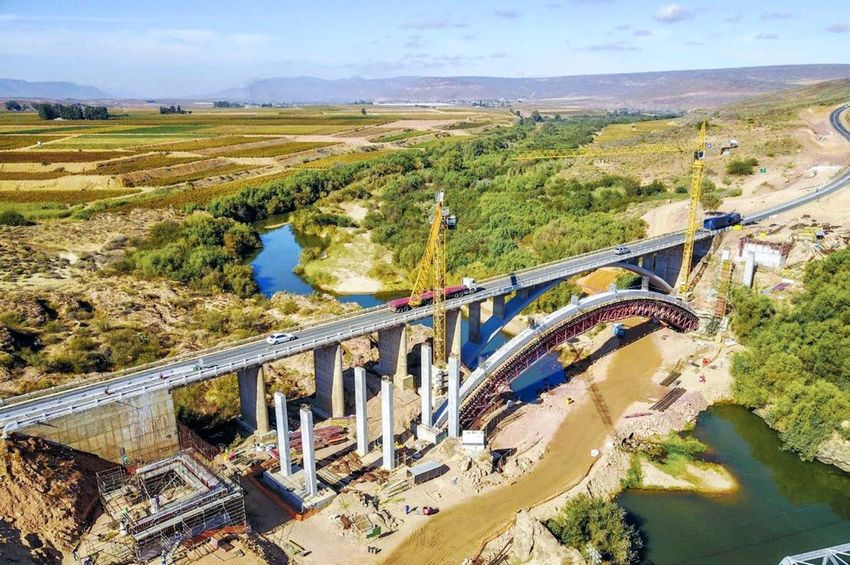
FR O M T H E P R E S I D E N T ’ S D E S K
Congratulations and Welcome!
This final edition of my President’s SAICE is a learned society – a society while you were learning. Now that you
Column is dedicated to the graduates of Branches and Divisions, a centre of are working, and earning, the cost is
from all our universities and universities excellence for civil engineering know R800 a year to become a member of a
of technology. I wish to congratulate ledge, a source of advice and a provider prestigious body promoting the interests
you on the achievement of a significant of resources to encourage innovation of 15 000 civil engineering practitioners
moment in your lives and welcome you and excellence, and a promoter of civil and providing you with meaningful
into the community of Civil Engineers – engineering, representing the profession advice and support in the development of
welcome to the real world! to the press, the public, government and your career.
In the most stressful period of your perhaps your future opportunity for a In the meantime, as the holiday
life – so far – you have learned to pass wonderful career. season approaches, I urge all members
exams, i.e. you have learned to retain The Branch is your local society – a of SAICE to reflect on the value we add
knowledge for that brief period from place where you can socialise and learn, to society and to ensure that, through
studying a topic until the exam ends. make contacts and accelerate your ca- our Attitude and Integrity, we promote
Then it appears to be of no consequence reer. I encourage you to become an active a better South Africa, and through our
if you retain that knowledge – there member of your local Branch – you have Enthusiasm we promote our own careers.
is no annual drivers test. What there nothing to lose and everything to gain. It has been my privilege to serve you
is, when you start your first job, is the The year 2019 has been a watershed as President this year. I trust that my
daily challenge of solving engineering one for SAICE. A year of introspection theme, It’s a New World, has allowed us
problems and the acquisition of a steadily about gender and diversity, and a year to recognise the changes that lie ahead
growing body of knowledge – growing of brave new plans. Our strategy – and to plan for them. I wish you peace
slowly at first, but at an ever-increasing GROWING FORWARD TOGETHER – with your families and time to contem-
pace until you are ready for the has consolidated and extended the plate a better future.
Professional Interview. support we offer, particularly to learners,
Your first day(s) in your new job to new graduates and to young engineers. We must be the change we want to see
can be just as terrifying as your final On the next two pages you will see how in the world.
exams. You realise that 90% of what you we are adding value to everything you are
undertook at university was intended today and everything you have learned to Brian Downie
to display your intellectual ability. Now get yourself to this point in life. We are
you must do real work! Unless you have investing in your future success – all you SAICE President 2019
brian@saice.org.za
a kindly and patient mentor this can need to do is accept our offer.
be very stressful, and no matter how Further, we have made it easier for
empathetic your mentor is, there are only you financially. As a Graduate (Year 1),
so many times they will answer the same your SAICE subscription is less than
question. Enter SAICE. 2% of the fees you have been paying
SAICE is a learned society – a society of Branches and Divisions, a centre of
excellence for civil engineering knowledge, a source of advice and a provider
of resources to encourage innovation and excellence, and a promoter
of civil engineering, representing the profession to the press, the public,
government and perhaps your future opportunity for a wonderful career.
The Branch is your local society – a place where you can socialise and
learn, make contacts and accelerate your career. I encourage
you to become an active member of your local Branch –
you have nothing to lose and everything to gain.
Civil Engineering December 2019 1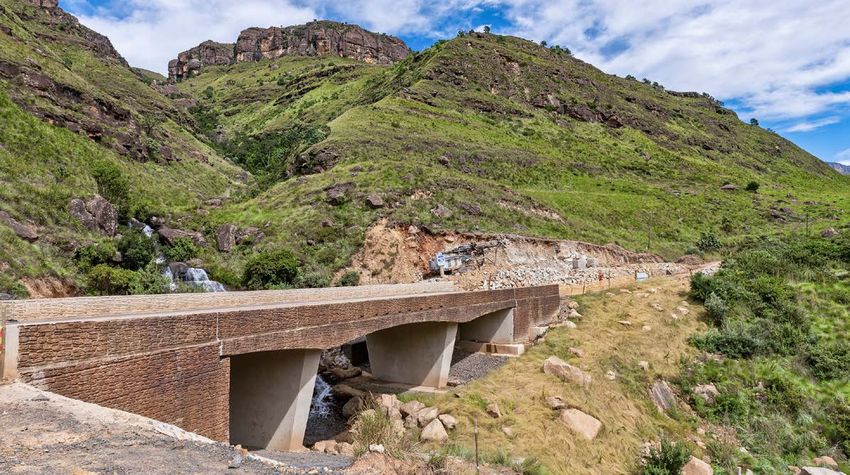
G R O W I N G F O R WA R D TO G E T H E R

  Grow-a-Graduate with Ask SAICE
           Duncan McKune
           Engineer: SMEC South Africa
           SAICE Growing Forward Champion for:
           Grow-a-Graduate and Ask SAICE
                                                                     1
           duncan.mckune@smec.com
                                                                                             Ethics,           2
                                                                                          Diversity and
                                                                                           Inclusivity
  A vital component of a graduate’s                    Getting to
  training comprises on-the-job                        know    your
  learning, with supervision and                          SAICE
  mentorship from experienced                                                                                       Knowledge
  engineering professionals.                                                                                        Trailblazer
  However, with an embat-                                                                                           The Voice –
  tled industry we are losing                                                                                        Advocacy
  experienced engineers who                7
  would normally act as mentors
  to our new graduates. The                                                                                                          3
  Grow-a-Graduate initiative
  intends to expand upon SAICE’s             Grow SAICE
  current graduate programmes
  and to promote structured                                                                               SAICE STAR
  graduate training. At its core,                                                                         Success Through
                                                                                                           Academic Readiness
  Grow-a-Graduate is driven by a
                                                                                                           Programme
  desire to upskill and equip our Young
  Members to better serve future needs.
                                                                                                          SAICE SOS
                                                                                                          Support Our
      How we aim to achieve the vision is                             Assist-a-University                  Students
  as follows:                                                5–6 Grow-a-Graduate
  QQ Ask what SAICE does already                                        Grow-an-Expert                    4
  QQ Ask what our Young Members need
      and want
  QQ Identify gaps, opportunities, etc
  QQ Provide a platform that is tailor-made         At the core of the Grow-a-                   please get involved by emailing me
      to support Young Members                  Graduate initiative will be Ask SAICE, a         (duncan.mckune@smec.com) and/or
  QQ Facilitate events that further support     platform which will become the port of           Brian Downie (brian@saice.org.za).
      Young Members                             call for all Young Members. The platform            Become part of our success!
  QQ Mentoring (in every possible way), and     will be developed in stages, with the
  QQ Market our approach.                       initial stages including the collation of fre-
  This is a bold approach, with many            quently asked questions, and a repository
  moving parts in play. A phased approach       of relevant guidelines and documentation,
  has therefore been adopted by the Grow-       all of which is currently held by the
  a-Graduate team. Initial steps include        SAICE Divisions
  a complete review of Young-Member-                Future stages of Ask SAICE will
  focused initiatives which are currently       include the ability to ask questions, which
  offered by SAICE, and surveys among           will be moderated and answered by
  Young Members regarding their needs           relevant experts, discussion boards, men-
  and wants. These will be used to inform       toring platforms, and many more … This
  the long-term strategy and develop a          will involve the development of a new
  business plan for the Grow-a-Graduate         platform or the use of existing platforms
  initiative. The performance against the       available locally and/or globally.
  business plan will be monitored and               Ask SAICE will be informed by
  evaluated by the SAICE Executive Board        the needs and wants of SAICE’s Young
  on a quarterly basis to ensure that we are    Members, and will therefore be our plat-
  achieving our vision.                         form. If you have something to contribute,

  2                                                                                                          December 2019 Civil Engineering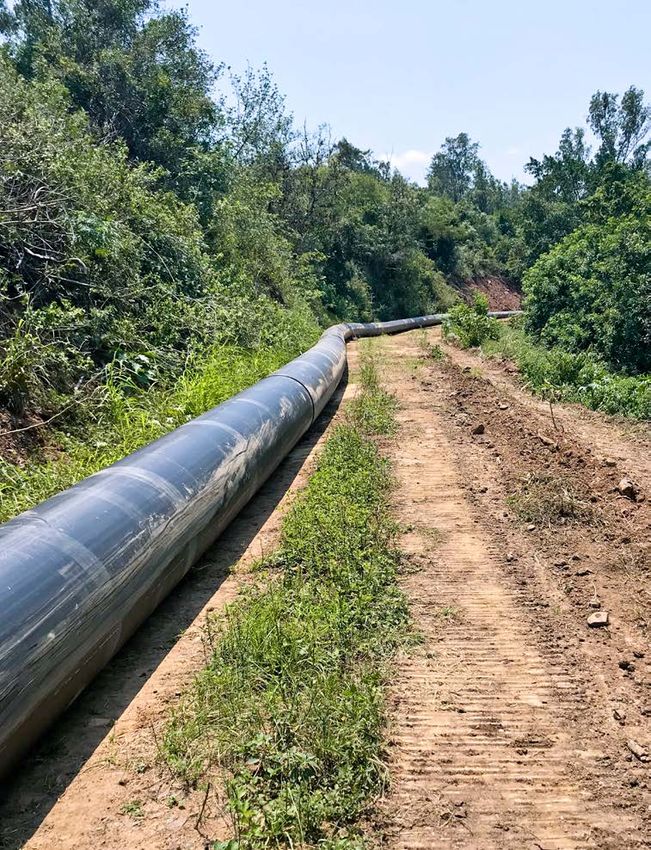
Khulekani Magwaza
SAICE Growing Forward Champion for:
STAR (Success Through Academic Readiness)
magwazak@gmail.com
Academic Readiness with the
Khan Academy
The Khan Academy is a non-profit smartphone or other digital device, get Digital Competitiveness Ranking 2019),
educational organisation created in 2008 a free sim-card from Telkom and access our future-readiness for the Fourth
by Salman Khan with the intention of BCXLearn.com. From then on everything Industrial Revolution (4IR) needs to be
creating a set of online tools that would is free. addressed urgently.
help educate students and learners – with On 17 August this year SAICE and The SAICE STAR (Success Through
an emphasis on maths and science. The Telkom BCX launched this programme Academic Readiness) programme is
organisation produces short lessons in at Tembisa High School. Telkom arrived geared towards creating awareness about
the form of videos. Its app and website there with 500 sim-cards, but soon ran STEM (science, technology, engineering
also include supplementary practice out of stock and had to start taking ap- and maths) careers by strengthening
exercises and material for educators. plications, such was the demand. This subject comprehension, offering career
Funded, in the first instance by the Bill success story was repeated in Soweto two guidance, boosting confidence in STEM
and Melinda Gates Foundation, it is now weeks later. subjects, and developing and building
supported by a wide variety of resources. To fully understand what you as a important learning skills.
It is truly free, world-class education for SAICE member can do in your region, This initiative (SAICE STAR) will be
anyone, anywhere. you first need to watch two YouTube rolled out through the SAICE Branches
SAICE has liaised with Bill Gates and videos – just start by typing in “Let’s use during the coming months, and we need a
the Khan Academy to promote this as video to reinvent education” and “SAICE champion in each Branch. These champions
a resource that South Africa so sorely click maths talk by Jay Jay Miranda”. will be part of a national committee and will
needs. In the months leading up to August Now you are in a position to make a participate in generating initiatives to work
2019 we also liaised with the Department difference. To give you an idea of the with the schools in their regions. In many
of Basic Education about curriculum impact that this approach can have – we areas there are already existing initiatives,
innovation and e-learning, as well as with have seen results of up to and beyond such as Saturday School programmes, and
Click Maths who are the Advocates for 44% increase in school marks in schools we will cooperate with them as well.
Khan Academy in South Africa. where the maths and science teachers are Our aim is to generate this
However, it has been the home below par. approach as a key initiative at each
learning that has been the ultimate With one in three young people SAICE Branch. Please contact me
breakthrough with Telkom BCX, who has between the ages of 25–34 years in (magwazak@gmail.com) and/or
undertaken to provide literally everyone South Africa being unemployed (STATS Brian Downie (brian@saice.org.za) if
in South Africa with free data access to SA Q1:2019), and with our country you would like to get involved in this
the Khan Academy as well as to several ranking 48th out of 63 economies for ‘revolution’.
other learning platforms. Take an old digital competitiveness (IMD World Are you ready to help Education SA?
Let’s use video to SAICE click maths talk
reinvent education by Jay Jay Miranda
www.youtube.com/watch?v=DC58z4N0IWw&t=1s www.youtube.com/watch?v=EpxeFWndTRI
Civil Engineering December 2019 3
December 2019 Vol 27 No 11
Icivil Enjiniyering
UPDATE ON PPS-SAICE NATIONAL SAICE 2019 INSTITUTION SAICE 2020
PROGRESS WITH 2019 PROJECT AWARDS – AWARDS – DIVISION, TRAINING
SAICE’S NEW ALL THE WINNERS, BRANCH, STUDENT CALENDAR – PLAN
STRATEGY – GROWING COMMENDATIONS AND CHAPTER, PEOPLE YOUR CPD WELL
FORWARD TOGETHER FINALISTS AWARDS IN ADVANCE
AN ELEGANTLY FESTIVE EVENT!P6
Icivil Enjiniyering = IsiZulu
ON THE COVER
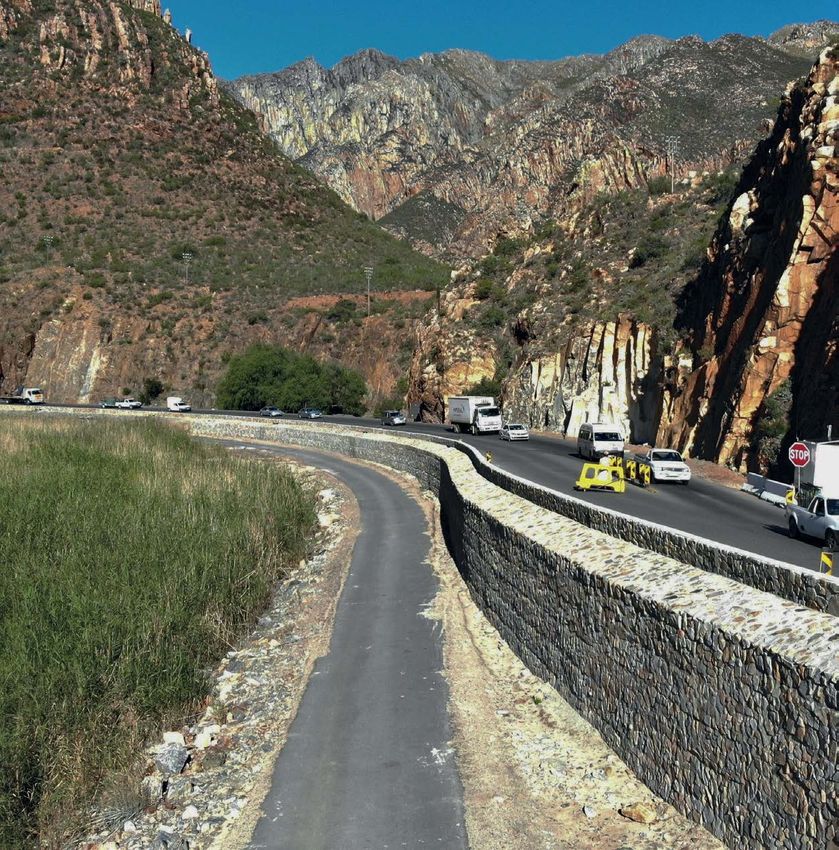
The KZN Department of Transport is
upgrading the Sani Pass to improve
At the stylish PPS-SAICE 2019 National Awards event, held on 23 October at Montecasino in
road drainage and prevent gravel loss
Johannesburg, outstanding civil engineering projects spanning 2018/19 were celebrated in
during high-intensity rain storms. festive fashion
Phase 2a of the contract entailed the
construction of seven culverts, one
bridge and one mechanically stabilised
earth retaining wall which incorporated FROM THE PRSIDENT’S DESK
Congratulations and Welcome!���������������������������������������������������������������������������������������������������������������������������������������������������������������������������������������������������������������������������������������� 1
a large box culvert (see page 26).
South African
Institution of
GROWING FORWARD TOGETHER
Grow-a-Graduate with Ask SAICE �������������������������������������������������������������������������������������������������������������������������������������������������������������������������������������������������������������������������������� 2
Civil Engineering
Academic Readiness with the Khan Academy ������������������������������������������������������������������������������������������������������������������������������������������������������������������������������������������ 3
December 2019 Vol 27 No 11
Icivil Enjiniyering
Published by SAICE
PPS-SAICE NATIONAL 2019 AWARDS
An elegantly festive event! ���������������������������������������������������������������������������������������������������������������������������������������������������������������������������������������������������������������������������������������������������� 6
Block 19, Thornhill Office Park,
Bekker Street, Vorna Valley, Midrand
Private Bag X200, Halfway House, 1685
Tel +27 11 805 5947/8 | Fax +27 11 805 5971
http://www.saice.org.za | civilinfo@saice.org.za
Projects: Technical Excellence Category
Acting Chief Executive Officer
Construction of the Tugela River Bridge – Mabhobhane ���������������������������������������������������������������������������������������������������������������������������������������������������������� 8
Steven Kaplan Pr Eng
steven@saice.org.za | Tel +27 11 805 5947/8
Editor
Verelene de Koker
verelene@saice.org.za Improvement of the Olifants River Bridge Crossing and Associated Works – Western Cape�������������������������������������������������11
Tel +27 11 805 5947/8 | Cell +27 83 378 3996
Editorial Panel Mambedi Lower Dam Spillway – Limpopo������������������������������������������������������������������������������������������������������������������������������������������������������������������������������������������� 14
Marco van Dijk (chairman), Irvin Luker (vice‑chairman),
Sappi Tugela Treated Effluent Pipeline Replacement – Mandeni��������������������������������������������������������������������������������������������������������������������������������17
Brian Downie (president), Steven Kaplan (acting CEO),
Andile Gqaji, Jeffrey Mahachi, Avi Menon,
Prisca Mhlongo, Jones Moloisane,
Unconventional Lateral Support – The Median in Rosebank ����������������������������������������������������������������������������������������������������������������������������������������� 19
Beate Scharfetter, Verelene de Koker (editor),
Lorraine Mpofana (editor’s assistant), Sharon Mugeri
(editor’s assistant), Barbara Spence (advertising)
Annual subscription rate
R730.00 for 2020 (VAT included) Construction of New Northbound Carriageway to North Coast Toll Road N2�������������������������������������������������������������������������������������������� 21
Park Square – Umhlanga Ridge New Town Centre ��������������������������������������������������������������������������������������������������������������������������������������������������������������������� 22
Advertising
Barbara Spence, Avenue Advertising
barbara@avenue.co.za
The Upgrade of the Emergency Overflow Dam at Driefontein Wastewater Treatment Works �������������������������������������������� 23
Tel +27 11 463 7940 | Cell +27 82 881 3454
Design and reproduction
Marketing Support Services, Ashlea Gardens, Pretoria
Printing Lower Malukazi Pump Station and Bulk Sewer Project����������������������������������������������������������������������������������������������������������������������������������������������������������� 24
Fishwicks, Pretoria
The South African Institution of Civil Engineering accepts
no responsibility for any statements made or opinions Projects: Community-based Category
expressed in this publication, and all information is provided
Sani Pass Phase 2 Structures ������������������������������������������������������������������������������������������������������������������������������������������������������������������������������������������������������������������������������������ 26
without prejudice. Consequently nobody connected with the
publication of the magazine, in particular the proprietors, the
publishers and the editors, will be liable for any loss or damage
National Department of Public Works Cluster 1 Technical Support ������������������������������������������������������������������������������������������������������������������������ 29
sustained by any reader as a result of his or her action upon
any statement or opinion published in this magazine.
Construction of the Tugela River Bridge – Mabhobhane ����������������������������������������������������������������������������������������������������������������������������������������������������� 31
ISSN 1021-2000
Johannesburg Water’s 1.4 ML Tower in Aeroton����������������������������������������������������������������������������������������������������������������������������������������������������������������������������� 32
Civil Engineering December 2019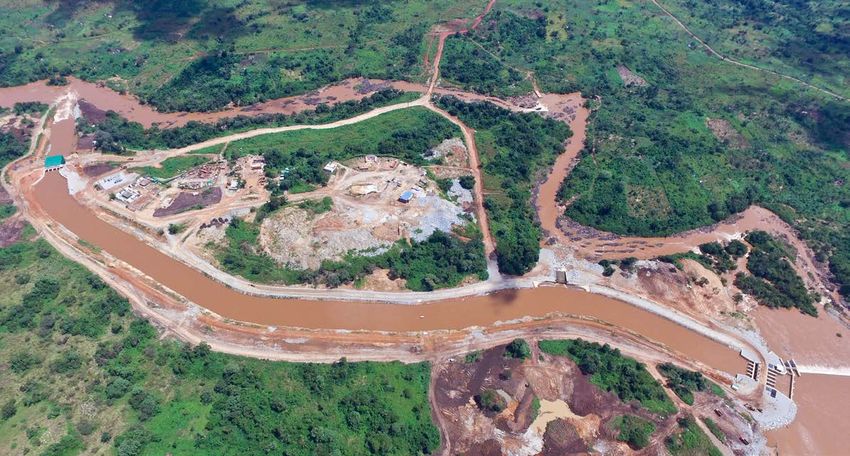
P11

              Provision of Consulting Services for the Design and Construction Supervision
              of Informal Area Metering within eThekwini Municipality ��������������������������������������������������������������������������������������������������������������������� 33
              Houghton Heritage Wall Pedestrian Bridge����������������������������������������������������������������������������������������������������������������������������������������������������������������34
              Provision of Water and Sanitation Services to Human Settlements within
              eThekwini Municipality (Phase 3)�������������������������������������������������������������������������������������������������������������������������������������������������������������������������������������������� 35
              Climate Support Programme: Scaling up the Waste Management Flagship Programme −
              Diversion of Waste from Landfills Phase 2��������������������������������������������������������������������������������������������������������������������������������������������������������������������36

    Projects: International Category                                                                                                                                                                                                                             P8
              Azambi Hydropower Project – Democratic Republic of Congo �������������������������������������������������������������������������������������������������������� 37
              Viper Elevated Woodland Walkway – United Kingdom��������������������������������������������������������������������������������������������������������������������������� 40
              Khoemacau Copper Mine Project – Botswana ������������������������������������������������������������������������������������������������������������������������������������������������������ 41

    Institution Awards
              SAICE Individual Awards ���������������������������������������������������������������������������������������������������������������������������������������������������������������������������������������������������������������������42

    IN BRIEF
    Sika involved in renovation of Durban Point Promenade����������������������������������������������������������������������������������������������������������������������� 44                                                                             P26
    Innovative aggregates by Lafarge helped hospital gain 5-star rating ������������������������������������������������������������������������������� 44
    WSP and Bridges to Prosperity build third footbridge in joint mission in Rwanda ���������������������������������������������45

    Local Government
    Developing cooperative governance in marine resource management at
    local government level�������������������������������������������������������������������������������������������������������������������������������������������������������������������������������������������������������������������������������� 46

    SAICE AND PROFESSIONAL NEWS
    SAICE Training Calendar 2020 ������������������������������������������������������������������������������������������������������������������������������������������������������������������������������������������������������������50
                                                                                                                                                                                                                                                                 P29
                                                                                                                                                                                                                                                                        5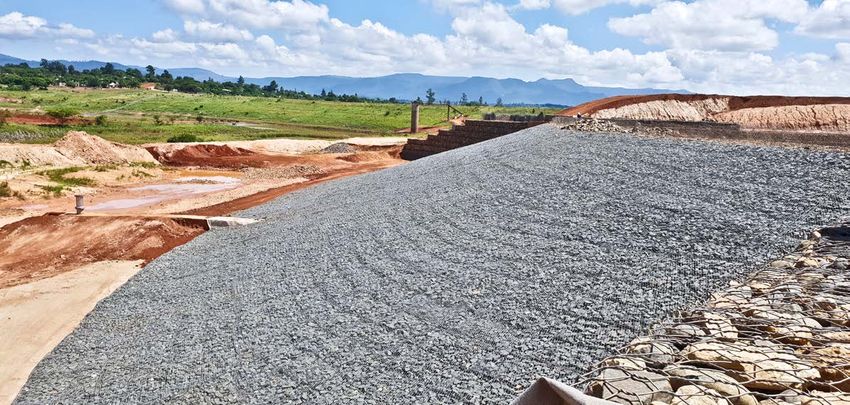
PP S-SA I C E 2019 N AT I O N A L AWA R D S
An elegantly festive event!
On 23 October this year SAICE hosted its annual awards event in the Ballroom at Montecasino, Johannesburg.
The stylish evening of celebration (against a magnificent backdrop of old-Egyptian décor) showcased
outstanding (post-pyramid!) civil engineering projects spanning 2018/19. Considering the current trying
economic climate, these examples of world-class South African engineering were truly inspiring. In this edition of
our magazine we share these projects (finalists and winners) with our readers.
AWARD CATEGORIES The joint winners in this category were
Projects were entered into the following the Construction of the Tugela River
categories: Bridge – Mabhobhane (pp 8–10) and
QQ Technical Excellence Category the Improvement of the Olifants
(9 projects) River Bridge Crossing and Associated
QQ Community-based Category Works – Western Cape (pp 11–13).
(8 projects) The following projects in this category
QQ International Category (3 projects) were highly commended:
QQ SAICE Institution Awards QQ Mambedi Lower Dam Spillway –
Limpopo (pp 14–16)
PROJECT ADJUDICATORS QQ Sappi Tugela Treated Effluent Pipeline
We would like to thank our team of Replacement – Mandeni (pp 17–18).
adjudicators sincerely for giving so much
of their time and expertise. They have COMMUNITY-BASED CATEGORY
to review each project according to the Although almost all civil engineering
submission in front of them, and in projects happen in and for communities,
this respect our adjudicators would like the judges stressed that, to be considered
to share a word of advice. Projects of for an award in this category, com-
obviously winning standard are often pre- munity cooperation should be seen as
sented from a public relations perspective meaningful and empowering, and should
only, omitting the essential in-depth civil be demonstrated throughout the project
engineering information on which the life cycle. The implementation should
adjudicators’ evaluation has to be based. identify and close specific shortcomings
When preparing project submissions for and gaps within the community, while
adjudication, entrants should therefore imparting useful and life-enhancing
always keep this requirement in mind. skills and technologies that will further
sustain members of the community
1 TECHNICAL EXCELLENCE CATEGORY beyond the construction period. Lastly,
1 T he timelessness of elegance (Innocentia The judging criteria in this category are its planning, design, choice of solutions
Mahlangu, one of the Young Engineer of the following: and c onstruction materials, as well as
the Year nominees) QQ The project shows notable advance- implementation should demonstrate in-
ment in the application of new or ex- novate thinking in the application of civil
isting methods of design, construction engineering techniques for the benefit
We have gone to great lengths to or project management. of mankind. The judging criteria in this
ensure that the information for the QQ The project portrays the art and category can therefore be summarised
key players in each project is reflected science of civil engineering. as follows:
accurately as per each project entry QQ The project is functionally efficient. QQ Level of community cooperation and
form. We do, however, apologise QQ The project was well managed and participation during the planning and
should any key players have been completed on time. execution of the project
overlooked inadvertently. QQ The project’s environmental and com- QQ Sustainable benefit to the community
munity impacts were well managed. after project completion
6 December 2019 Civil Engineering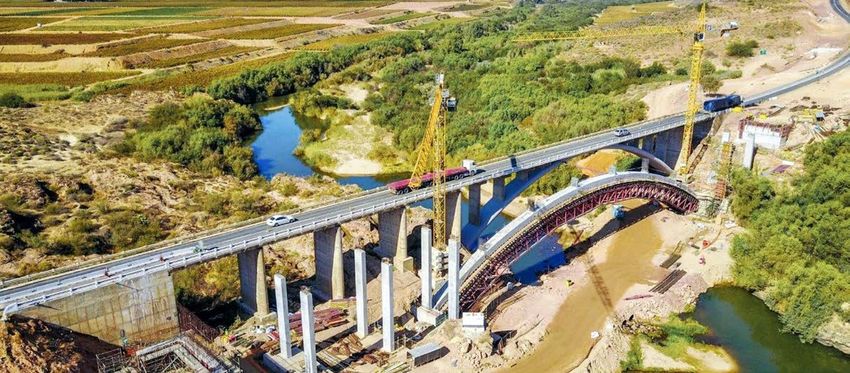
3

                                      2

QQ Degree of skills development or tech-
   nology transfer
QQ Demonstration of civil engineer-
    ing’s contribution to the welfare of
    mankind
QQ Timely completion and well managed.
The joint winners in this category were
the Sani Pass Phase 2 Structures
(pp 26–28) and the National Department
of Public Works Cluster 1 Technical
Support (pp 29–30), while the following
project was highly commended:
QQ Construction of the Tugela River
    Bridge – Mabhobhane (p 31).               4
INTERNATIONAL CATEGORY
The judging criteria in this category are   making this wonderful event possible.
the same as for the Technical Excellence    They were PPS (naming-rights sponsor),            5
Category. The winner in this category       CCS, Enterprises University of Pretoria,
was the Azambi Hydropower Project –         and ERWAT.
Democratic Republic of Congo
(pp 37–39), while the following project
was highly commended:                       2 S AICE President, Brian Downie, and his
   Viper Elevated Woodland Walkway –           wife Linda enjoying some conversation
United Kingdom (p 40).                         with guests

                                            3 C
                                               aptivated by the video presentation of
INSTITUTION AWARDS                            the projects that made it to the finals,
These are individual awards made by           and wondering whether their project
SAICE to recognise the exceptional            stands a winning chance, are Devan
                                              Govender (left) and Josh Padayachee,
contributions made by the Institution’s
                                              both from Naidu Consulting
members, regional branches and technical
divisions (pp 42–43).                       4 H
                                               appy members of the SAICE
                                              Johannesburg Branch
SPONSORS                                    5 M
                                               eeting old friends again – Errol Kerst,
SAICE would like to take this opportunity     SAICE 2018 President (left), and Seetella
to thank our sponsors sincerely again for     Makhetha, SAICE 2011 President

Civil Engineering December 2019                                                          7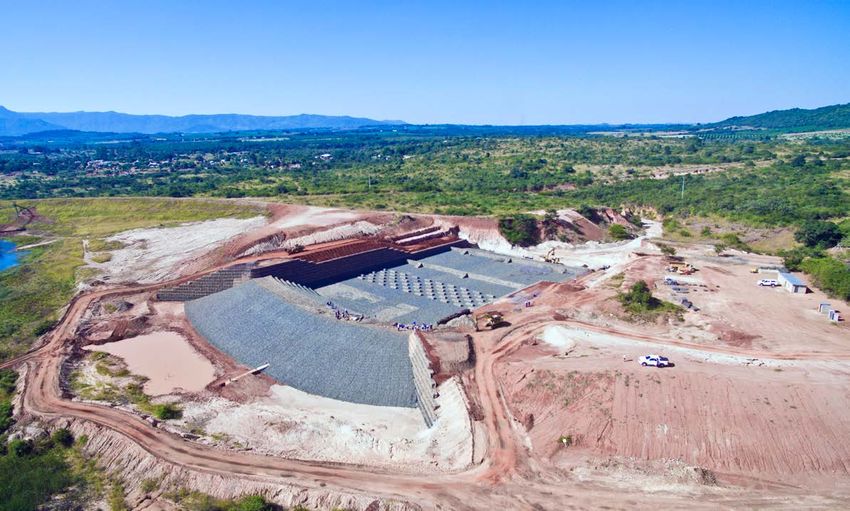
PP S-SA I C E 2019 N AT I O N A L AWA R D S
C AT E G O RY: T E C H N I C A L E XC E L L E N C E

   Construction of the Tugela
   River Bridge – Mabhobhane
   SUMMARY                                                         river was impassable, they had to travel             The client’s brief was to develop an
   The Bangindoda community, which in-                             approximately 28 km to the nearest town          engineering solution that would be eco-
   cludes more than 200 learners, is situated                      of Eshowe to access health and social ser-       nomical and have low environmental im-
   on the Eshowe side of the Tugela River,                         vices, and learners missed out on school.        pact. Through ingenuity and innovation
   KwaZulu-Natal’s largest river. To access                            The KwaZulu-Natal Department of              a solution was developed that consisted
   basic services such as schools, clinics,                        Transport appointed Naidu Consulting             of the construction of a 330 m long com-
   pension pay points and the post office,                         to deliver a solution that would provide         posite structural steel truss and reinforced
   which are all on the Maphumulo side of                          the desperately needed link between the          concrete slab deck bridge with spans of up
   the river, the community daily faced the                        Nodunga and Bangindoda communities               to 40 m, the longest composite bridge to
   risk of drowning when crossing by boat.                         to commute safely across the Tugela River        be constructed over the Tugela River.
   When the boat was out of operation or the                       in all weather conditions.
                                                                                                                    INNOVATIVE CONSTRUCTION
                                                      Construction begins across the mighty Tugela to give the      TECHNIQUES
                                                          Bangindoda community access to schools and other          Notable advances in construction
                                                                essential services on the other side of the river
                                                                                                                    and design techniques allowed for the
                                                                                                                    350 tons of structural steel deck trusses
                                                                                                                    to be prefabricated some 290 km away, off
                                                                                                                    site, concurrently with the construction
                                                                                                                    of the substructure. Once placed, the
                                                                                                                    steel trusses were used to support the
                                                                                                                    construction of the concrete deck slab
                                                                                                                    temporarily, while the composite deck
                                                                                                                    section was completed. In this way no
                                                                                                                    falsework and formwork from the riverbed
                                                                                                                    were required – a huge benefit as the river
                                                                                                                    is notorious for flash flooding.
                                                                                                                        The elegant lines of the structural steel
                                                                                                                    trusses and slenderness of the concrete
                                                                                                                    deck slab and piers also presented a
                                                                                                                    uniquely aesthetically appealing solution
                                                                                                                    with a limited construction footprint.
                                                                                                                    This resulted in lower environmental im-
                                                                                                                    pacts during construction and a reduced
                                                                                                                    carbon footprint for future sustainability.

                                                                                                                    PROJECT CHALLENGES
                                                                                                                    The location of the bridge was chosen to
                                                                                                                    best suit access between the communities
                                                                                                                    and limit the impact of construction on
JOINT WINNER
Technical Excellence Category
                                                                                                                    the environment. The steep topography
                                                                                                                    on the northern bank required road
KEY PLAYERS                                                                                                         grades of up to 20%, and the hydrology of
Client: KwaZulu-Natal Department of Transport                                                                       the Tugela River restricted the deck height
Project Team: Naidu Consulting, Umso Construction,
  Franki Africa, Inkunzi RMC, Churchyard & Umpleby,                                                                 to accommodate the 1:50-year flood level
  Form‑Scaff                                                                                                        with free board and the 1:100-year flood
                                                                                                                    level without free board, resulting in a

   8                                                                                                                               December 2019 Civil Engineering
bridge length of 330 m with a maximum
longitudinal slope of 0.235% and height of
up to 20 m above riverbed level.
The width of the river meant that
it was not feasible to avoid having any
piers within the river, although this had
originally been specified by the client.
The piers were, however, positioned to
coincide with the existing island and
rock outcrops. Owing to the depth of the
bedrock, the bridge had to be founded
on piled foundations, and where rock
was encountered at shallower depths, on
spread footings. To anchor the structure,
where founded on spread footings,
foundation dowels were grouted 4 m into
the bedrock. A total of 350 m of percus-
sion drilling was done to install up to 12 Once in place the trusses provided the support to the
dowels per footing. This solution was also falsework and formwork required to cast the concrete
the most viable, amounting to 40% of the slab, thus completing the composite deck section
cost of having all the foundations piled.
The number of piers in the river was It further allowed the substructure to Furthermore, the pier construction, the
further significantly reduced by intro- be constructed concurrently with the river and any temporary access ways or
ducing four 40 m main spans to limit the truss fabrication, thereby reducing the structures needed to have a minimum
impact of flooding and debris entrapment. construction period and exposure to the impact on the river in the event of flash
In addition to the main spans across the risk of flooding. flooding. Before work commenced on site,
river, four 20 m spans adjacent to these The deck truss sections, of up to 40 m a specialist botanist mapped out the site
to the north, and six 20 m spans to the in length, 3.1 m wide and 3.1 m in height, and identified plant species needing relo-
south were required to straddle the full were prefabricated approximately four cation. These plants were then monitored
river width. This was the most economical hours away from the site and transported until they were fully re-established.
configuration and the one best suited for to site via abnormal load. A total of The temporary access was constructed
the local conditions. 350 tons of structural steel and 2.6 km using biodegradable bags which were
of welding was used in the fabrication of filled with river sand and sealed. This
DESIGN INGENUITY AND INNOVATION the trusses. prevented undue siltation downstream in
Constraints regarding constructability The cast in situ F-shaped parapets the event of flash flooding and washing
and limiting the impact on the pristine were made solid and continuous over the away of the temporary access.
bush environment of the Tugela River 40 m spans to solve two problems, namely The structural solution chosen
were carefully considered in developing a higher level of vehicular containment reduced the volume of concrete required
the solution. Construction methods and and increasing the structural stiffness in the deck by 70% of what would ordi-
materials with minimal environmental of the composite deck, thereby reducing narily be required for structures of this
impact were therefore required. the vibrations by keeping the natural fre- magnitude. This resulted in a lower en-
Due to the height of the structure, as quency of the 40 m span elements within vironmental impact during construction
well as the flow of the Tugela River, con- the required limits. A precamber was also and a reduced carbon footprint for future
ventional structural types requiring the introduced to compensate for the dead sustainability. Monthly environmental au-
support of falsework and formwork from load deflection of the trusses. dits were undertaken on the site to ensure
below were not feasible. With spans of up strict adherence to the EMP. Throughout
to 40 m, simpler structural articulation AESTHETICS AND construction no major environmental
systems such as precast beams were also ENVIRONMENTAL IMPACT non-conformances were raised.
ruled out. Overhead construction support The environmental impact and aesthetics The elegant lines selected for the
methods, such as incremental launching constraints were carefully considered structural steel trusses, the dove-grey paint
and balanced cantilever construction, during the preliminary design stage. The colour, as well as the optimised slenderness
were therefore considered. bridge solution chosen therefore incorpo- of the concrete deck slab and piers were
The structural solution was, however, rated four 40 m clear spans across the river. crafted to blend seamlessly with the pris-
found in modular construction, consisting A full environmental management tine natural environment and to present a
of structural steel trusses and reinforced plan was compiled and included as part of uniquely aesthetically appealing solution
concrete slab decks. This solution al- the tender document. The environmental with a limited construction footprint. This
lowed the concrete deck, with up to authorisation and water use licence stipu- resulted in lower environmental impacts
70% less concrete, to be temporarily lated that certain indigenous plant species during construction and a reduced carbon
supported by the prefabricated trusses. needed to be relocated by a specialist. footprint for future sustainability.
Civil Engineering December 2019 9The whole project was completed within the allocated
time and budget, and without any major safety incidents,
despite working at heights up to 20 m above riverbed level
MODULAR CONSTRUCTION movements without undue restraint. The included in the tender document so that
The modular construction method of the trusses therefore formed the support to the contractor could price accordingly.
bridge deck permitted the truss sections the falsework and formwork of the in situ Various early-warning alarm signals
to be fabricated off site concurrently concrete deck slab. This feature allowed the were put in place to ensure a safe working
with the substructure, thus reducing the deck construction to proceed unconstrained environment for the members of staff
construction time and cost. by any possible flash flooding. working near the river. These included
The 2 600 m of coded and tested a safety rope across the Tugela River
welding of the trusses was done in a rigor- COMMUNITY ENGAGEMENT with buoys in the event of flash flooding
ously quality-controlled environment. After AND EMPLOYMENT without warning.
the approval of the fabrication, the trusses Coordinated by the KwaZulu-Natal Monthly site audits were undertaken
were coated with a total of 4 000 m2 of the Department of Transport, a Project during the construction period. Through
advanced four-layer corrosion protection Liaison Committee (PLC), composed the implementation of effective safety
system applied to a minimum dry film of the local community structures, measures and a safe working culture, the
thickness of 300 microns to provide 25 years contractor and engineer, was established. project proceeded without any significant
of guaranteed maintenance-free protection. The PLC ensured that vital project health and safety incidents, despite the
Through the implementation of a information was disseminated and the challenges of working at heights up to
detailed and comprehensive quality control community was engaged in every stage of 20 m above riverbed level.
plan (QCP) the process of re-assembly implementation.
on temporary plinths, and verification of A total of 77 job opportunities was TIME AND COST MANAGEMENT
dimensional compliance was repeated on also directly created through employing The contract period was initially 20
site. After the QCP had been signed off members from the local community, as months, with practical completion sched-
by all responsible parties, the trusses were well as 28 youth below the age of 35 who uled for 15 February 2017, but an exten-
hoisted into place with cranes of up to were trained in a 10-month National Youth sion of time of 10 months was granted to
440 t capacity. The trusses were positioned Service (NYS) learnership. A Labour Task the contractor due to abnormal climatic
with precision to within 5 mm. Temporary Team consisting of local ward council- conditions, adverse physical conditions
bracing, designed and inspected by the lors and traditional leaders ensured that due to river flooding, as well as extended
temporary works designer, was installed to labour recruitment and awarding of NYS scope of works. Nevertheless, the
ensure that 120 t, 40 m main span trusses learnerships were done impartially and R110 million bridge construction project
did not distort during erection and casting transparently. Community engagement was completed within time and budget.
concrete of the deck slab. and strengthened relationships enabled
Once in place, the trusses provided the construction to proceed without any inci- IN CLOSING
support to the falsework and formwork dent of community dissatisfaction. The innovative solution to the far-reaching
required to cast the concrete slab, thus com- challenges of this well-managed bridge con-
pleting the composite deck section. With HEALTH AND SAFETY struction project has resulted in the often-
the trusses placed, the 52 bridge bearings A baseline risk assessment was un- devastating effects of crossing the mighty
were grouted in position and the temporary dertaken during the design stage to Tugela River during flooding becoming a
transport lugs released to allow the structure ensure that various risks were identified, nightmare of the past for the learners and
to convey the various loading and thermal considered and mitigated. This was also members of the adjacent communities.
10 December 2019 Civil EngineeringPP S-SA I C E 2019 N AT I O N A L AWA R D S
C AT E G O RY: T E C H N I C A L E XC E L L E N C E
JOINT WINNER
Technical Excellence Category
KEY PLAYERS
Client: South African National Roads Agency Limited (SANRAL)
Project Team: Aurecon South Africa (consulting engineers),
Stefanutti Stocks (contractor)
Improvements to the Olifants River Bridge crossing in progress
Improvement of the Olifants River
Bridge Crossing and Associated
Works – Western Cape
INTRODUCTION needed to eliminate the obstruction of CONFIGURATION AND DECK TYPE
The South African National Roads Agency traffic on the N7. Due to the limited The major influence on the conceptual
Limited (SANRAL) commissioned structural capacity of the existing bridge, design of the new structure was the ex-
improvements to the Olifants River Bridge the only option to improve the service isting Olifants River Bridge adjacent to the
on National Route 7, near Klawer in the level of the road was to provide a new proposed new bridge. For both aesthetic
Western Cape. The new bridge is part of bridge structure next to the existing one. and hydraulic reasons, a similar arch-type
the works for the upgrading of the N7 from The new Olifants River Arch Bridge structure was deemed to be appropriate.
a single carriageway to a dual carriageway is approximately 166 m long, including a Even though the overall impression of the
in the vicinity of the Olifants River. 93 m long arch, and uses an ancient struc- existing bridge is aesthetically pleasing,
The N7 is an important route that tural form in an innovative way, making there was room for improvement. The
provides an economic link between use of modern materials and analysis existing bridge, for example, has two
South Africa and Namibia for tourism techniques to provide an aesthetically different deck types – over the arch and in
and freight. Improvements were urgently pleasing structure. the back spans respectively.
Civil Engineering December 2019 11To cause the least amount of obstruc-
tion to the flow of the river, the new
bridge supports had to align with the
existing supports. This meant that the
spans of the new bridge would be ap-
proximately 15 m. The deck type that was
found to be very efficient for this span is a
twin-spine beam.
Once the deck type had been deter-
mined, the remainder of the conceptual
design followed. Instead of wall-type piers, Sliding formwork support truss
two columns, one beneath each spine
beam, were proposed. On the arch portion additional forces due to horizontal loads This meant that two seemingly
of the bridge the columns are supported on the deck and bending in the arch. contradictory requirements had to be met
on a twin-arch structure, connected with These horizontal forces can be the result when sizing the piers. First, the piers had
cross-beams at each support. of thermal expansion and contraction of to be large enough to resist the vertical
the deck or be caused by live loads such as reactions and moments from the deck,
CONCRETE HINGES ON THE PIERS braking or skidding. The size of the forces and secondly, they had to be slender
High-maintenance items such as expan- that are attracted by the piers is dependent enough to avoid attracting large forces.
sion joints and bearings were reduced by on their stiffness, which is a function of For the tall piers that are supported on
providing a continuous deck and integral the support conditions, the cross-sectional the ground this could be achieved because
piers. Integral piers do, however, attract area of the piers and the height. of their natural slenderness, but for the
shorter piers that are supported on the
A closer look at the work in progress arch this was a near-impossible task.
The solution was to introduce a con-
crete hinge at the top of the short piers.
This reduced the stiffness by a factor of
four and also reduced the design moments
significantly.
ARCH FOOTINGS
Masonry and stone were the preferred
materials for the construction of arches;
a shape close to a semi-circle was found
to be effective in avoiding tensile forces.
For the Olifants River Bridge arch, the rise
was limited to around 14 m, which is only
approximately 15% of the span. This meant
that significant moments would be gener-
ated at the arch foundations. The magnitude
of the moments at the supports is dependent
View from below on the rotational stiffness provided by the
supporting material, which is not necessarily
elastic and varies according to the loading.
A comprehensive geotechnical
investigation found competent rock at the
support locations. An iterative process
was followed, where the geotechnical en-
gineers were provided with design loads,
based on an assumed rotational stiffness,
to determine the rotational stiffness
geotechnically. The structural model was
then updated with a revised stiffness until
the results converged.
CONSTRUCTION TECHNIQUES
CONSIDERED
Two possible construction techniques
were considered during the design
12 December 2019 Civil Engineeringprocess, namely self-supporting falsework,
which is better known as the Cruciani
system, and the Melan method.
The Cruciani system consists of
timber truss segments. For span lengths,
such as at the Olifants River Bridge, the
segments are erected by crane. After
construction has been completed, the
falsework is removed and spoiled.
The Melan method consists of a
structural steel arch which is light and
quick to erect. Once the steel arch is in
place, the formwork is suspended from it
and the steel arch is encased in concrete
to become permanent falsework. The
steel truss is then used together with
conventional reinforcement to reinforce The project nearing completion
the concrete arch. This is the method
that was used in the construction of the conducted over the duration of the project, the collaboration achieved between the
existing bridge. leaving as many people as possible with contractor, the consultant and the client.
After consideration of the two employable skills for future projects. The tendered sum for the new Olifants
methods, it was found that each had merit Clerical staff, both wage and administra- River Bridge was approximately R24 mil-
and could be successfully implemented. tive, were employed from the community lion, excluding P&Gs and escalation.
However, designing for the Melan method and many of them have now gained perma- With the unexpected conditions on site,
would have limited the freedom of the nent employment, moving to new projects the completed construction cost was
contractor to propose an alternative with the contractor, Stefanutti Stocks. The approximately R29 million, which equates
method since it would require a complete contactor not only achieved the SANRAL to a cost per square metre of deck area of
redesign of the arch. The proposed target of R16 million spend in local em- R14 175. This compares extremely favour-
construction methodology was therefore ployment, but more than doubled it, with a ably with the cost of bridges recently
a variation of the Cruciani method, where total employment spend of R33 million. constructed, even though these were a lot
a steel arch would support the formwork The project also supported many less complicated.
and the concrete during casting. areas of the business sector in nearby The very low initial cost, together with
The contractor’s temporary works de- towns, including plant hire, fuel supply, the expected low maintenance during
signer proposed a single temporary steel aggregate purchases, signage, transport the lifetime of the bridge, means that the
arch which, after being used to support and accommodation. client received extremely good value for
the first concrete arch, was moved into their investment.
position for construction of the second CLIENT OBJECTIVES MET
concrete arch. The project was completed to high IN CONCLUSION
standards and to the client’s require- A combination of innovation in design
ENVIRONMENTAL CONSIDERATIONS ments. Notwithstanding various changes and construction, together with the
In compliance with the National in construction details in response to extreme care taken with details and con-
Environmental Management Act unexpected geotechnical conditions, the crete finishes, resulted in an aesthetically
(NEMA), a basic assessment process was bridge was completed and handed over to pleasing structure, of which the public,
undertaken for the construction works. the client as required in November 2018. the client and all those involved with this
A Water Use Licence was obtained for This was only made possible through project can be proud.
taking water from a water resource, which
involves impeding or diverting the flow of Aesthetically pleasing completion
water in a watercourse. of a challenging project
A freshwater ecology study was
carried out and a vegetation study was
conducted. A search-and-rescue operation
for indigenous vegetation was also under-
taken before clearing and grubbing of the
construction areas.
PUBLIC INTERESTS AND BENEFITS
The entire unskilled labour force was
employed from the local community.
Several skills training programmes were
Civil Engineering December 2019 13PP S-SA I C E 2019 N AT I O N A L AWA R D S
C AT E G O RY: T E C H N I C A L E XC E L L E N C E
COMMENDATION
Technical Excellence Category
KEY PLAYERS
Client: Eastern Produce Estates SA (EPESA)
Project Team: PG Consulting Engineers, Maccaferri Africa,
BERJ Construction, AWA Construction
Mambedi Lower Dam Spillway under
construction (Photo credit: Janès Gouws)
Mambedi Lower Dam
Spillway – Limpopo
INTRODUCTION Failed concrete overflow structure and prevailing
Mambedi Lower Dam, located 40 km donga (Photo credit: Juan-Louis de Beer)
east of Makhado (Louis Trichardt) in
Limpopo, is a key water source for use in
the production of macadamia nuts. The
dam suffered large-scale damage during
an extreme rainfall event in February
2000 when water discharge nearly reached
the regional maximum flood (RMF) peak.
This event damaged the existing concrete
overflow structure and spillway channel
on the right bank, leaving in its wake a
donga nearly 80 m wide and 15 m deep,
through which water flowed freely, drasti-
cally reducing the dam’s overall capacity.
EPESA appointed PG Consulting
Engineers as the main consultant for the
repair of the dam’s spillway, based on a de-
sign for discharge just higher than the RMF.
14 December 2019 Civil EngineeringView from tier 7 of the stepped gabion weir – spillway
under construction (Photo credit: Juan-Louis de Beer)
The spillway design required a full spec- selecting the appropriate spillway was due to factors such as water flow through
trum of upstream and downstream erosion subsequently affected by various factors, the porous units, as well as significant aera-
and scour protection, as well as reinforced including the presence of some highly dis- tion of water undergoing nappe or skim-
channel wing walls and embankment. persive soils on site, the height of the eroded ming flow as it flows down the steps. This,
PG Consulting approached Maccaferri embankment faces, and peak water velocities coupled with a gabion structure’s ability to
Africa for assistance in designing these modelled as reaching almost 6 m/s. absorb a degree of differential settlement
various water-channelisation structures. The spillway was designed as a stepped without compromising structural integrity,
Construction on the project started in gabion weir, with an approach apron created led to the decision to use an 80 m wide
July 2017, with the overall project requiring out of 0.3 m Reno mattresses underlined by stepped gabion weir structure as the outlet
the installation of more than 12 000 m2 of a geotextile and an impervious liner to assist of the spillway. A downstream stilling
gabions, Reno mattresses and Terramesh® in preventing seepage through the dam basin was also installed using gabion en-
structures, as well as 25 000 m2 of varied core. The spillway embankment was created ergy dissipaters and two counter weirs, as
geotextiles and 10 000 m2 of geosynthetic using a clay core to this effect as well. well as a mattress lining to prevent erosion
soil reinforcement. A stepped gabion weir was imple- of the underlying soils. The importance of
mented in the down chute of the spillway implementing this “armour layer” (in the
GABION SPILLWAY to a height of around 9 m. This meticulous form of Reno mattresses) in the stilling
Conceptualising, and later detail design of construction included a concrete cap- basin cannot be overstated, as one of the
the new spillway, required a rigorous repeti- ping on the steps in order to protect the causes of hydraulic structure failures is
tion of ideas in order to produce an agreeable underlying mesh from any possible damage scour of soil at the toe, especially where
and cost-effective solution for the client. due to debris crossing through the spillway flowing water meets erodible material.
With the dam wall having been designed during overflow. Stepped gabion spillways The stepped weir was designed using
as an embankment wall by PG Consulting, have proven energy-dissipation attributes Maccaferri’s MacRA (Maccaferri River
Reno mattress approach apron, enclosed by two
wing walls (Photo credit: Juan-Louis de Beer)
Civil Engineering December 2019 15fill, along with a longitudinal subsoil drain
to enhance the structure’s resistance to
saturation. The Terramesh® walls range
from 4 m to 15 m in height and were
designed in conjunction with geogrids of
up to 150 kN/m tensile strength, checked
using Maccaferri’s MacStARS 4.0 software
in conjunction with BS 8006:2012 (Code of
Practice for Strengthened/Reinforced Soils
and Other Fills).
Stilling basin, energy dissipaters and CONCLUSION
Terramesh® walls (Photo credit: Juan-Louis de Beer) The remediation of Mambedi Lower Dam
will ensure improved water capacity,
Analysis) 2 software, with the stilling basin wing walls on the approach to the spillway, providing water for livestock and farming
and approach apron lining being checked as well as of the embankments enclosing the activities in the greater Mambedi area.
using Maccaferri’s MacRA 1 software stilling basin. It was decided to implement a Construction also stimulated job creation,
outside of the standard hydraulic design reinforced soil structure (RSS) using a com- with local labour having been used to
undertaken by PG Consulting. Once bination of geosynthetic soil reinforcement place and pack thousands of cubic metres
hydraulic stability was confirmed, all of varied tensile strengths (in the form of of gabions and Reno mattresses.
structures were checked for static stability Maccaferri’s Paragrid® geogrids) as primary Due to its magnitude, this project
using Maccaferri’s MacStARS 4.0 software. reinforcement, as well as Terramesh® units required quality control that is second
(gabion units with double-twist steel wire to none, including special resources
EMBANKMENT PROTECTION mesh tails) as secondary reinforcement. such as drone imagery and 3D CAD
With the decision having been taken to A MacLine SDH 150 geomembrane liner models in order to assist the contractor
implement a stepped gabion weir, attention was installed behind the facing to limit the in accurately constructing this mam-
turned to stabilisation and reinforcing of the amount of water ingress into the structural moth structure.
16 December 2019 Civil EngineeringPP S-SA I C E 2019 N AT I O N A L AWA R D S
C AT E G O RY: T E C H N I C A L E XC E L L E N C E
SAPPI Tugela Treated Effluent
Pipeline Replacement – Mandeni
SUMMARY
SAPPI’s Tugela Mill at Mandeni in COMMENDATION
Technical Excellence Category
KwaZulu-Natal required the construction
of a new treated effluent pipeline adjacent KEY PLAYERS
to the existing pipeline, which needed to Client: SAPPI Tugela
Project Team: JG Afrika (design engineers), Leomat
remain in operation during construction
Construction (main contractor), NRB Piping (sub-contractor)
as it is essential for the operation of the
mill. Adopting a conventional approach
would entail the excavation and laying of
the new pipe adjacent to the operational
pipeline, and once completely installed,
the treated effluent would then be
conveyed via the new pipe. The project
involved four road crossings and the main
Mandeni Stream crossing.
RISKS INVOLVED AND
SOLUTION ADOPTED
The existing 3.5 km gravity, 1 000 mm
diameter, treated effluent steel pipeline
had reached the end of its design life and,
if ruptured, would create an environ-
mental risk to the area. The construction
activity had to stay within the existing
8 m servitude in accordance with the
MMP and be completed as quickly as
possible to mitigate environmental risk
in the event of a pipe burst. The design
and construction team recognised these
risks as central to the design methodology
and looked to create a unique solution to
alleviate the risks.
The pipe route runs from the mill,
adjacent to and crossing the Mandeni
Stream before discharging into a dedi-
cated discharge point along the Tugela
River. The contract also involved the
rehabilitation and protection of two con- The commissioned above-ground treated
crete structures at the pipe inlet, within effluent pipeline for the SAPPI Tugela Mill
the mill.
Pipelines of this diameter are not a an uncommonly large-diameter pipeline, Once commissioned, the temporary
common occurrence in the water engi- but the best properties of the material of above-ground pipe was able to convey the
neering field, and generally are only found choice, HDPE, were exploited in an innova- treated effluent, while the construction
in bulk water and sewage operations. The tive and risk-averse way. HDPE is incred- team was able to “re-excavate” the old
existing pipeline needed to be replaced ibly workable, flexible and tough, allowing steel pipeline for removal and recycling
with an 800 mm diameter HDPE Class 10 the team the ability to double-handle the of the steel pipe. Rock occurred along
butt-welded pipeline. Not only was this pipes in a two-phased approach. approximately 43% of the pipe trench,
Civil Engineering December 2019 17You can also read


