VISITFLANDERS - publicaties van de vlaamse overheid
←
→
Page content transcription
If your browser does not render page correctly, please read the page content below
VISITFLANDERS
The Flanders of Tomorrow
Flanders is one of the most productive and prosperous regions in the world. However we cannot afford to become
complacent,. Nor should this give us cause to think that we are self-sufficient. Since the Middle Ages, the people of
Flanders have prided themselves on their openness to the world, turning Flanders into a crossroads where people
from various cultural backgrounds want to build a great future together. Exciting things happen at crossroads.
This is also where people make choices. Today is no different in this respect as the people of Flanders continue to
think about the things that shape and define their lives, working for their future in this flat land by the North Sea.
Demonstrating creativity and ground-breaking craftsmanship, modesty and obstinacy, it always comes with typical
Flemish ‘quirkiness’. The “Flanders of Tomorrow’ series provides a platform for Flemings who think about and build
their future society. As such, we also fuel the social debate for a better Flanders.
5

Contents

     Preamble                                                   8

1/   COVID-19 – The coronavirus pandemic has accelerated the
     Travel to Tomorrow process                                20

2/   Towards a new type of tourism                             30

3/   Flourishing travel destinations                           44

4/   Tourists and their wishes                                 66

5/   Entrepreneurs and tourism                                 82

6/   Travel to Tomorrow? Let’s get started!                    104

7/   Policy-makers also travel to tomorrow                     122

     Epilogue                                                  156

                                                                     Contents
8

    Preamble

       “Whatever you keep hidden in
       your heart, God manifests in you
       outwardly. Whatever the root of
       the tree feeds on in secret, affects
       the bough and the leaf.”

       Rumi
       (Persian poet, 1207-1273)
10

     The Linden Tree
     PETER DE WILDE

     There used to be an old linden tree in the square in front of the church of the village where I grew
     up on the fringe of the Scheldt polders. This was where the locals met. We celebrated the Year of the
     Village in 1978 under its foliage. Annual markets and fun fairs were organised around it. I only found
     out much later that this tree was planted there in November 1919 to celebrate the advent of peace.
     A photo of this memorable occasion reveals that the entire village turned up to witness this event,
     thereby infusing the place with meaning.

                                                           were nailed to their trunks. My grandmother
                                                           often liked to tell us how the rising waters
                                                           of the great flood of 1953 stopped at her
                                                           threshold thanks to the intervention of
                                                           one such figurine in a tree. Her tiny house
                                                           and cottage garden were situated on the
                                                           banks of the Barbierbeek, where the fertile
                                                           Brabantse Kouters transition into the lower
                                                           polders. In prehistoric times, the Waasland
                                                           cuesta consisted of a wet borderland near
                                                           the ever-threatening Scheldt River. A few
                                                           years ago, they found the oldest human
                                                           remains in Flanders just a couple of
                                                           hundred metres from her house.

                                                           We were mystified as to what compelled
                                                           these cyclists and hikers (‘van over ‘t water’
                                                           [from across the river]) to seek their
                                                           entertainment in the polders. In our minds,
                                                           this was the playground of hunters and
     Cyclists and hikers, usually from Antwerp,            farmers, a convenient larder, a place where
     often set out from this tree on a tour of the         fields had their own names and the animals
     cobbled roads through our polders. Other              were strange and unseen. We had no clue
     linden trees stood guard at various strategic         that these polders were also beautiful in the
     locations, protecting the population from             eyes of these hikers and cyclists. They were
     breaches in the dikes, with the assistance            there, they were useful and they seemed
     of the Chapels of the Virgin Mary, which              eternal.
13

In the 1970s, they started to cut into the      One of the two unexpected guests, a skinny
soul of this place, which until then was        bloke wearing a turtle-neck, approached
deemed inalterable. Parts of the village were   my grandmother, hand outstretched: “Hello
parcelled up, including the kouter. Funnily     Madam, my name is Rudi.” As he rolled a
enough, I still remember the instant of this    cigarette, Rudi explained that he and his
first cut very well. It happened on Wednesday   colleague Lode had taken over the voluntary
6 April 1977, a chilly and miserable day. The   work of the amateur archaeologists. They
temperatures had plummeted to almost            were now carrying out an emergency survey.
freezing point overnight and the menacing       My grandmother gazed at him in alarm:
clouds only made this spring day during Holy    Which emergency? Had someone gone
Week even more sombre. My sister and I were     missing in the polders? Had a pipe burst?
spending the day with my grandmother.           Was this a new research technique of the
The dark house, which felt like a time          pensions department? All very typical and
capsule from the 1930s, the abandoned           healthy Flemish reflexes.
stables and the expansive cottage garden
were a marvellous place to poke around for      “Madam, the Oud Hof as people call it
unknown objects and strange tales. Even         around here, has probably been here for a
though our grandmother was supposed to          thousand years. Not the farm as you know
be minding two children, she was always         it, but its predecessor. It was the home of
busy. In the morning, she would tackle the      a thirteenth-century knight called Bertram
weeds in her vegetable garden with stubborn     of Bordebure.” He took a quick drag on
determination, back hunched over the            his cigarette. “Do you see that elongated
vegetable plot: time to clear the space and     subsidence over there? This was probably
plant sprouts, spinach, carrots and leeks       where the moat around the keep used to
– a building plot or two would one day          be. The knight’s successors also built a wall
take their place. I was just eight years old,   with turrets around it. There once may have
staring intently at her calloused hands. The    even been a taller tower a little further up
sound of clappers on brass emanated from        the road, under your garden perhaps.”
the familiar spire of the local church in the
distance.                                       “What a load of tosh”, my grandmother
                                                remarked later that day while peeling
Two ‘strangers’ were making their way across    potatoes in the half-darkened room near the
the adjoining overgrown plot of land. This is   wood-burning stove. “I’ve lived here my entire
where the Oud Hof, a small ramshackle farm,     life and and I’ve never heard of this Bertram
used to be situated until recently. After the   until today. And now this stranger rolls up
last walls were torn down, the entire kouter    to come tell me all about him.” But it fuelled
was parcelled up – “the best land in Bazel”,    my youthful imagination, especially after
my grandmother had muttered. She meant          Rudi told me, cigarette dangling from his
farmland, of course, being the descendant       lips: “The landscape speaks, lad. The thing is
of several generations of farmers. Recently     we no longer understand what it’s saying.”
a group of curious villagers had taken to
excavating the subsoil to check whether it      When they discovered an old filled-in well
contained foundations of long forgotten         under her cottage garden, my grandmother
buildings – before new homes would silence      started to have her doubts. Especially when
the past forever. The previous year, the same   they found the fragments of a lost world
group of people had founded a historical        in the well: remnants of earthenware pots
society, named after the local castle of        and dishes, stoneware jugs, fragments
Wissekerke.                                     of Venetian glass, a horseshoe, a latch

                                                                                                 Preamble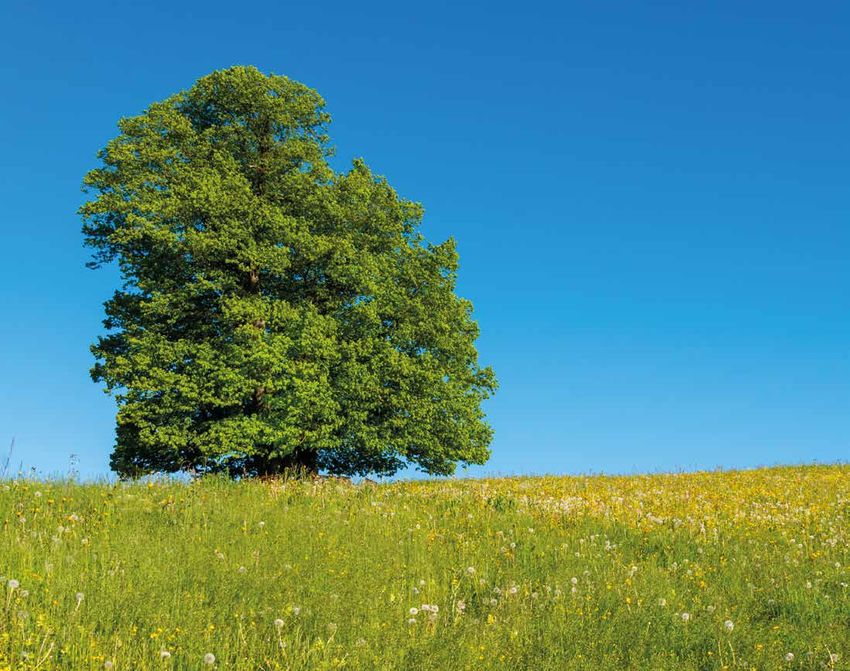
15

and bolt, a spade-shaped object, a leather       also provide answers themselves, can be
shoe, the links of a chain and a number          the answers, something we only become
of mysterious metal plates. And to top           aware of when they disappear or when
it all off, a 17th century jeton, “minted in     they lose their soul. Such losses often
Nuremberg”, according to Rudi. We had no         occur randomly, painlessly, or so we think.
idea what a jeton was, had never even heard      Because this is the instant when silence
of Nuremberg and had no notion of what or        descends and the language of a place
who was minted and why.                          becomes a dead language that is no longer
                                                 understood or spoken by anyone. A place
But the place slowly revealed its secrets and    then becomes a formal phenomenon,
began to speak again. To this day, I can         frozen in time, with questions limited to the
still see Rudi, a glass of Duvel beer in hand,   how, rather than the why.
standing in the old village inn,
elaborating on why a tree had been planted       Learning to speak this language again is a
in this specific place, what the reason was      first step in the process of re-establishing
behind an elevation or trench in a field that    a connection with the full potential of a
nobody had ever noticed until he mentioned       place. An intense experience, which requires
it, why the sightline of the avenue near our     no other skill than an open mind and as
school was anything but random, and why          little prejudice as possible. It’s only when
the church tower leant at a slight angle. My     you really start to listen that stories can
world subsided with every word he spoke,         come to life again. It requires you to be
my gaze started to search for the stories        calm, ‘in the moment’, rather than rushing
behind these familiar places. Stories that       on to the next best thing.
tell us something about the ‘soul’ of a place    Being perceptive, understanding that
and their relationship with our deepest          someone else’s gaze can also add something
sense of ‘homecoming’. “Knowing where we         to your own experience, or better yet
come from and where we belong helps us           can bring up something, revealing and
feel more grounded, feel safer”, says Michael    highlighting it.
Jones in The Soul of the Place.
                                                 Learning to see through someone else’s
“Just as the acorn gives birth to the oak        eyes, through a guest’s eyes, takes me
tree, the place we come from holds the           back to these formative years. We didn’t
code for what we are to become. As such,         understand why these visitors found our
place orients us, giving us strength for         place so beautiful. We could not reconcile
our journey and an optimism for the              their “beautiful” with our ‘useful’. But
possibilities the world holds for us as we       the ‘beautiful’ camp steadily found more
venture forth.”                                  supporters. When my parents took over
                                                 the village inn, called De Eenhoorn (The
***                                              Unicorn), in the 1980s we soon realised
                                                 that our terrace was never big enough in
I was too young to fully realise it at the       summertime to accommodate all these
time but the seed had been planted and           avid visitors. As they walked off the ferry in
wherever life would take me, this fascination    Kallebeek or cycled through the Waasland,
for the hidden language of places would          the polders caught their eye and their
join me on my path. Places ask questions,        attention. Especially now they were at
I soon realised. For a long time I thought       risk of disappearing, making way for the
that the answers to these questions could        construction of a controlled flooding area,
only be found in books. But places can           the so-called potpolder.

                                                                                                  Preamble
16                                                                                                                                                                                                       17

     A word that continues to tap into plenty        own there. Like the preserves in my              candid question can help a place to express      experiences and for sincere and sustainable
     of pent-up emotions in the village. For         grandmother’s canning jars, they were            itself again.                                    hospitality. This ‘spirit of place’, as ICOMOS
     many a curse because it symbolised the          safely locked away to prevent any decay,                                                          calls it, consists of both tangible elements
     meddling of ‘Brussels’, for others robbing      deep within myself. So deep that the idea        I sensed this in many a discussion. With         (sites, buildings, landscapes, routes, objects)
     them of their livelihood and the equivalent     of “my place” has remained dormant there         volunteers who had taken on the care of          and intangible elements (memories,
     of a nuclear bomb for nature lovers when        for more than twenty years, coloured by          a place and whose faith in the community         stories, festivals, commemorations, rituals,
     it was announced: no, we don’t want your        the patina of my memories. The years after       had thus been restored, thanks to the            knowledge that is handed down, values,
     potpolder. The silent majority, however,        my childhood were years of chasing down          attention of visitors. With an engineer          textures, scents, colours etc.), which all
     gradually veered towards indifference (we       things: getting to grips with my studies, a      who discovered the original reason why           significantly contribute to the essence of a
     knew the Spanish costas better than our         career, a relationship, a job. Carving out my    a centuries-old convent was built when           place, to its soul. The intangible elements
     own neighbourhood) and in time, our views       own place in the world. Whereas ‘my’ place       working on its repurposing and found a           infuse the physical elements with richer and
     evolved in step with the engineers’ views.      already existed, but had been covered up in      way to express this in language so that it       fuller meaning. Moreover, the soul of a place
     Why don’t we make a virtue out of necessity     the rush of everyday life.                       could provide an answer to the questions         is a continuous process of reconstruction,
     and turn this flooding area into a new                                                           that we ask ourselves today. With visitors       corresponding with the need for change
     natural habitat for plants and animals? And     I visited more than forty countries in just      to the battlefields of the Great War who         and the continuity of communities. That
     that is exactly what happened: the polders      under ten years. Always driven by the            were suddenly overwhelmed by questions           is why this soul can vary in time and
     that we had lived in for seven centuries,       inexplicable urge to ask questions about         about the meaning of life as they walked         between cultures. A place can thus have
     the rustling wind in the Canadian poplars,      why people chose to claim a place, whether       among the graves and with the many hosts         different souls and be shared by different
     the fields and pastures surrounded by           it be the Taj Mahal or a slightly run-down       and hostesses who started to reflect on the      communities.
     green hedges, the farmers who sowed and         castle in the English countryside. Often the     reason behind their hospitality.
     harvested their crops: all gone. The ‘new’      passion of the locals, when they talked about                                                     If you are aware of the value of a place
     wildlife and at times unexpected plants         their place, triggered something in me that      ***                                              for the local residents and for visitors,
     thrive, attracting visitors once again. Most    I found difficult to explain or which I now                                                       travel can never solely be an act of pure
     of the – now solitary – linden trees are        think I subconsciously repressed.                After spending ten years in the city, I          consumption. People came around to
     still there today. Very few passers-by still    I translated these indescribable passions into   returned to my roots in 2014, rediscovering      the idea that travel and tourism does not
     understand their language. The ‘fat tree’, a    formal data, theories and building practices,    my place in the process. Because I had left, I   have to be a goal in itself. Even if visitors
     linden tree near the jetty to the ferry, once   operating models and economic formulas,          was able to see it with new eyes of in a new     undeniably contribute to economic growth
     a beacon at the intersection of dikes and       typologies and types. Safely sorted without a    light, asking other questions, including to      and jobs and to prosperity: the visitor’s
     a place where labourers liked to take their     residual fraction.                               myself. Thanks to my many travels I learned      perspective and the deeper connection with
     break under the shadow of its foliage, has                                                       to appreciate the value of coming home           the local community can also restore the
     now become the ‘tree of love’. Probably         But the deeper truth is often concealed in       again, but also of travel itself. I became       community’s own self-esteem and power.
     because of a few padlocks that were left        this residual fraction of your life. And you     convinced that travel, living consciously        In my opinion this positive, transformative
     behind on a fence nearby. New rituals.          cannot ignore your roots without getting         between the moment of departure and the          power of tourism seemed like a stronger
     One hundred years from now, younger             off scot-free.                                   return can have a beneficial effect on your      foundation to start from the one-
     generations will probably wonder where          In looking back, I realise that this             well-being if you are open to connecting         dimensional economic story of return on
     the name ‘liefkesboom’ comes from. The          undefined feeling of loss crept up on me         with places, with people – an openness that      investment.
     landscape speaks a new language, which          during intense times or events in my life,       resonated much stronger in me now that it
     is rooted in the old idiom, but which also      where a place suddenly takes on another          was able to thrive on stable roots. Impactful    ***
     covers up a lot.                                layer of meaning, because of an intense          travel experiences, whether they are caused
     Including the indifference. The locals          experience. A sincere question to a place        by the intense experience of a place, a          In the context of my job at VISITFLANDERS
     rediscovered and embraced their backyard,       or to the people that take care of this          meaningful encounter or an inspiring             I had the privilege of turning this idea,
     especially during the lockdown as a result      place essentially infers a commitment to         activity, are inevitably associated with         which was shared by an inspired group
     of the coronavirus pandemic.                    connection, or in any event the intention        strong emotions. People feel overwhelmed,        of employees and fuelled by encounters
                                                     thereto. That instant when you feel              connected, moved, proud, inspired...             with such wise people as Anna Pollock or
     ***                                             displaced, when you take the time to slow                                                         Gervaise Bushe, into the starting premise
                                                     down, leave on a trip and put your daily         The inevitable conclusion of this train of       for a new vision for the future of tourism.
     The places of my childhood were preserved       hassle on the back burner: this sometimes        thought was that the ‘soul of the place’         We decided to call it Travel to Tomorrow.
     in my memory, leading a life of their           creates the kind of silence in which your        was the main catalyst for powerful travel

                                                                                                                                                                                                          Preamble
18

     From 2017 onwards, we, together with            help you when you decide to travel to
     several travel companions from inside and       tomorrow.
     outside the tourism industry, set out to
     understand what constitutes the positive        When a tree has sturdy roots, it is healthier
     force of tourism and how this force can         and more likely to weather storms.
     become the driving force behind our             Communities are rooted in places. This
     actions. We listened to many personal           doesn’t mean that you are automatically
     stories about unique travel experiences.        part of a community if you were born in
     We also listened to what the locals in art      a certain place. Nor does it mean that a
     cities across Flanders had to say about their   community is limited to the people who
     place, about (too many or enough) visitors      were born there. Who you are, how you
     and the importance of tourism for their         look at your environment, your neighbour
     own environment and quality of life. Based      or your guest is mainly defined by the
     on these different listening exercises, we      connection that you are – perhaps
     formulated insights about how tourism can       consciously – looking for. The desire to
     make a positive contribution to our society.    connect is much stronger when there is
     A first fundamental step in this learning       a balance. And the desire to connect also
     process was that tourism is not a goal in       contributes to a better balance. In this way,
     itself, it is a means for letting communities   a community’s strength is revealed once
     thrive.                                         more so that it can flourish.

     In 2018, we summarised this process. Our        ***
     vision was set out in a magazine titled
     ‘Travel to Tomorrow’. What started out as a     Everything came full circle for me when
     broader, deeper reflection on the ‘soul of a    the linden tree in front of the church
     place’, and which was subsequently linked       died shortly after the commemoration of
     to various aspects of sustainability, soon      the Great War. The terminally ill tree was
     developed into a new vision for the future      felled on 11 March 2018 while the church
     of tourism. Our findings on the importance      bells sounded and the villagers looked on.
     of this balance for people and places had       Everyone wanted to bid farewell to this old
     thoroughly changed our views on our             comrade and many a villager wept openly
     profession. We chose the image of the           when it came down at 3.04 pm. Its last
     linden tree to explain this vision – I later    flowering branch was raised in the church’s
     found out that it was not a random choice       nave.
     – because the balance of what people,           Those who wanted could attach a card to
     visitors and entrepreneurs find important,      the twigs, with a wish for our community. A
     and the needs of the soul of a place, is an     wake was organised.
     organic balance. Like a tree, this balance
     can grow or die, causing communities to         But on 11 November of that same year,
     prosper or fall apart. Many of these stories,   we planted a new peace tree in the
     of these practical experiences showed us        same location: a 10-metre tall silver lime,
     what happens when people open their             weighing in at 4,500 kg. Everyone was once
     minds and hearts to the positive power of       again in attendance, infusing the instant
     travel and how it can make communities          and the place with meaning. The soul of
     flourish. Inspiring stories that also fuel      this place, of our place, is still very much
     research and action. This in turn also          alive and kicking. Those who want to take
     prompted the publication of the book that       the time to discover it are more than
     you are holding and which will hopefully        welcome to do so.
1
20
Covid-19 The corona-
virus pandemic has
accelerated the process
of Travel to Tomorrow
According to the UNWTO (the United According to the UNWTO, sustainability
Nations World Tourism Organization), will become the new standard in
the coronavirus pandemic is “by far the tourism.
worst crisis that international tourism While the sustainable tourism growth
has faced since records began in 1950.” models are yet to be widely applied,
At the time of writing (the summer The organisation adapted its vision, the ambition of VISITFLANDERS and
of 2020), the coronavirus pandemic aiming to become stronger and more of Travel to Tomorrow is to encourage
turned the world as we know it upside resilient. people to take this route, to further
develop this idea and endorse it.
down. It also swept through the world
of tourism, which will never be the
same again. It is impossible to predict
how this pandemic will evolve. One
thing is certain: the coronavirus pan-
demic has not changed the vision of NEW BEGINNINGS
Travel to Tomorrow. On the contrary, it
The ETC (European Travel Commission) and Eurail also realise that things need to
is a catalyst even. Travel to Tomorrow
change. They have joined forces to define sustainable growth models for rail tou-
is tourism’s equivalent of the vaccine rism in Europe. Travelling by train reduces our ecological footprint. The ETC and
against the virus, in a manner of speak- Eurail have requested political and financial support from the European instituti-
Covid-19 - The coronavirus pandemic has accelerated the Travel to Tomorrow process
ing. Because one thing is certain: travel ons to promote train travel and offer support for campaigns. Eduardo Santander,
experiences will be quite different once the executive director of the ETC, is convinced that the pandemic offers opportu-
we put this behind us. nities for change and new beginnings for tourism in Europe.
Holidays in 2020 are very different from
holidays as we have known them. The We now need to look ahead and make a unique opportunity for a creative
tourism industry as a whole is groaning sustainable choices. Staying at home has and hard reset. “Things that have
under the impact of the coronavirus made us realise the value of travel. At been here forever, but which have
pandemic and has been forced to question the same time, we are more than ever gone under the radar, are suddenly
everything it stands for much faster than aware of our vulnerability and of the up for discussion when a major issue
expected, in addition to searching for consequences of our travel behaviour on arises. That is the change that I have
alternatives. Travel has taken on a different the ecosystem. We are challenged to think observed as a result of this pandemic.
meaning. We can no longer hop on a about what really matters, about what we Let us think about underlying
plane to a remote and exotic destination, want to retain and how we should do this. symptoms, such as the major
without a care in the world. Cheap flights ecological impact, vacuous tourism,
to popular destinations are no longer that Economic models need to be and overconsumption and reflect on
simple. The focus of holidaymakers and reconsidered. Likewise tourism must what is truly essential”, says Dirk De
holiday producers has automatically and reinvent and reorient itself in line with a Wachter (psychiatrist, professor and
forcibly shifted, causing them to discover sustainable model. We have been handed author).
nice places closer to home. Suddenly, mass
tourist attractions are no longer overrun.23
Giselinde Kuipers, cultural sociologist
YOU CAN ALSO ENJOY EXTRAORDINARY EXPERIENCES CLOSER TO HOME
The coronavirus pandemic has forced the tourism industry as a whole to reinvent itself. For the
time being, we are no longer able to travel to remote destinations. European holidays need to
become more attractive, according to Giselinde Kuipers, a Dutch professor of cultural sociology
at the Catholic University of Leuven.
In 2020, many people opted to take a staycation.
When they had time off, they explored new,
unknown places in their own region. “This may “It will take a while before
potentially have an enduring effect”, says Giselinde
Kuipers. “During the lockdown, many people
everyone’s sense of safety
went for walks or bike rides close to home and is restored. A large part of
they realized that they liked it. You observe your
surroundings in a completely different way: slower the population will never
and more intensely. As a result, you are more recover it”
likely to notice what’s around you. I was a keen
Covid-19 - The coronavirus pandemic has accelerated the Travel to Tomorrow process
walker but I discovered plenty of places, within
walking distance of my house, that I had never
heard of before and which are really nice. While
many people may forget this experience over time, How can we promote staycations? Should we
others will continue to appreciate it. I often travel focus on the fact that they are ‘very safe’? “It
for work, but because of the COVID-19 measures I doesn’t sound that adventurous”, Kuipers thinks.
took two staycations this year in the Netherlands. “I would put it differently: there is a wide variety
I was astounded at the tremendous variety!” of things to discover close to home and you can
also enjoy extraordinary experiences here. I think
One thing that will linger after a crisis like the this sounds a lot better.”
coronavirus pandemic is that people will tend to
avoid risks. “We all had so much certainty. You
could fly to Africa or go backpacking in Thailand A new sustainability policy
at the drop of a hat. The existential certainty that A global crisis like the current coronavirus
the world was ours and that everything could pandemic offers the momentum for devising
be easily arranged has been undermined. It will a new policy, including in terms of tourism.
take a while before everyone’s sense of safety is Sustainability will play an important role in this.
restored. A large part of the population will never For anyone on this earth – whether human or
recover it. Europe will have to become a more animal – it is vital that our planet remains clean.
attractive destination.”24
“You can stop flying to your travel
destination but if others don’t follow
your example, it won’t make the
world a better place”
“VISITFLANDERS can tackle such overcrowding
by continuing to reflect with visitors on what is or
isn’t possible. There are also plenty of regulatory
“But if you’re the only one to do this, then options. Governments have the possibility to take
nothing will change. You can stop flying to action and should strive to spread out tourists
your travel destination but if other people don’t more. You can receive lots of tourists without
follow your example, it won’t make the world them getting in each other’s way.”
a better place. After a major crisis, such as this
pandemic, people are more inclined to think
of the bigger picture and less about their own Off the beaten track
individual interests. This solidarity enables you A first option is to limit the number of tourists,
to achieve things that would be very difficult to e.g., by limiting the number of hotel beds.
achieve otherwise”. This creates a practical obstacle. “One way of
controlling human behaviour is to make things
“In exchange for its support to tourism difficult. Next you start to promote alternative
organisations, the government can impose a destinations, by highlighting them as authentic
sustainable policy. A striking example: Air France and worth exploring, because they are off the
is obliged to collaborate more closely with beaten path, away from mass tourism. This story
railway companies. Likewise the local authorities appeals to a lot of people. It may inspire them
in Flanders can decide to award grants to to visit other places than just Bruges”, Kuipers
museums or attractions dependent on how explains.
they consider different ways of becoming more
sustainable or spreading out tourists.” “In the Netherlands they tried to solve this by
expanding Amsterdam, by calling the wider
region Amsterdam: Amsterdam Castle in Muiden,
Disney in Amsterdam Amsterdam Beach in Zandvoort... I don’t think
Spreading out tourists? “Unfortunately this this is a very convincing strategy as you’re
backfired spectacularly in recent years in essentially capitalising on the same image.
Amsterdam. Everyone thought: “Great, let’s take Better to develop a wide variety of images,
a bike, it’s so authentic, so Dutch. But if you’re meanings and associations. But this strategy
not used to cycling in the city it can be quite takes much more time.
dangerous and even fatal. What’s more, it’s no People increasingly organise themselves in
longer workable for the locals. They feel like separate groups, with other tastes and styles.
they’ve become extras in what is essentially the You can capitalise on this with tourism. It ties in
Disneyland version of their own habitat. This with how culture works today because cultural
loss is difficult to explain on the emotional level. lifestyles and tastes are increasingly fragmented.
Everything is still there, but actually it no longer Tourism can also work like this. Flanders is
is: this can feel quite strange and even deeply eminently suited for this because its offering is
disturbing”, Kuipers says. so diverse.”#TOURISMHELPS:
INSPIRING COVID-19 INITIATIVES
They say that hospitality entrepreneurs always remain faithful to their true nature,
offering service to people, and they amply proved this during the coronavirus pandemic
in the spring of 2020. Their drive and creativity gave rise to plenty of unique initiatives
that attest to their tremendous resilience and enterprising spirit. New ideas were
launched in the tourism industry on an almost daily basis.
Hotels offered rooms to victims of domestic from the comfort of your own home and
violence, to carers, to the homeless and even take a virtual walk through Flemish
asylum seekers, to patients recovering from Brabant. That is how entrepreneurs
COVID-19, to home workers who felt like they contributed to and helped strengthen their
were going stir crazy in their own home, communities, something they already do
and to key workers who needed a place to 365 days a year really.
relax and unwind during the day.
Danny Van Assche, the CEO of entrepreneurial
Hospitality vouchers were created for network Unizo, also stresses the creativity of
dinners and drinks in the future. An umbrella entrepreneurs: “During the COVID-19 crisis, a
site for food deliveries and a box with company that usually builds stands for trade
regional products were launched, a cultural fairs started to produce plexiglass screens.
café reopened as a supermarket and virtual Distilleries switched to producing hand
tastings were organised. Cities and towns sanitiser while lingerie manufacturers sewed
promoted their local hospitality businesses face masks. When your business grinds to
and large breweries helped by (partly) a halt, you have no choice but to look for
waiving the rent. creative alternatives and opportunities.
Every sector has the creativity to explore
Virtual trips through Flanders were also new markets, this is also typical of
developed: you could enjoy the flowering entrepreneurship.”
orchards in Tongeren, explore LimburgTHE EVENT RISK MODEL:
A COVID-19 SAFETY SCORE FOR EACH TYPE OF EVENT
One of the main challenges of the COVID-19 pandemic was trying to determine
how to safely organise an event, a convention or even a small meeting. You need
to take social distancing, hygiene, safety measures and so much more into account.
But where to start?
The convention bureau of VISITFLANDERS also influences the final score. Some twenty
joined forces with the industry to think parameters are taken into account for this.
about ways of doing this and came up with
some very practicable solutions. Thanks to The Event Risk Model comes with a Code
this strong co-creative collaboration, they of Conduct (COC) that helps organisers
were able to develop a new model, enabling exclude the risk of transmission of the
businesses and visitors as well as the locals coronavirus at their event as much as
to meet each other ‘live’. The events industry possible. This COC offers an insight into the
alliance developed an Event Risk Model (ERM) practical organisation of an event. How to
in conjunction with VISITFLANDERS, Event deal with social distancing? In that case,
Flanders and the Karel de Grote university we discuss crowd management measures,
college. The professional events industry as such as putting up signage with information
well as cities and towns can use this online or ensuring there are a sufficient number
tool. of stewards on hand to raise people’s
awareness. The Code of Conduct also lists the
The Event Risk Model is a scientific model required hygiene and prevention measures
that assigns a COVID-19 safety score to for reducing the risk of transmission to a
each event. This score is calculated based minimum: compulsory temperature checks
on weighting factors that are assigned to for visitors, hand sanitiser, paper tissues,
specific event parameters. This can include face masks and gloves. The Event Risk
the space where the event takes place: Model calculates the safety score for all
outdoor events are weighted differently and (commercial, cultural and sports) events and
have a different score than indoor events. meetings (from fun fairs to festivals).
The presence or absence of hygiene facilities2
30
Towards a new
type of tourism
After a hesitant start more than THE FACTS
two years ago, the first concrete
steps were taken towards the Travel
Booming business of overtourism soon took over. In
to Tomorrow project, an intensive
During the lockdown, many streets Flanders, the situation was still
process of which everyone could, and squares were deserted. Terraces workable. A survey among the local
and still can, be a part. We went and shops remained closed, exhibitions populations in Bruges, Antwerp, Ghent
in search of the right ingredients and events were cancelled and holiday and Brussels in 2019 revealed that there
for a new and different future for cottages closed their doors. A perplexing still was plenty of support for tourism
tourism, with a growing group of situation, because we were used to in their city. But at some times of the
throngs of tourists and a mix of day, they did experience a nuisance as
industry organisations, experts and
nationalities in the tourist centres of a result of too many tourists in the city
entrepreneurs, in addition to policy-
cities such as Brussels, Bruges, Ghent and and congestion in the city centre.
makers and and (inter)national Antwerp. Tourism had become a booming
experts. business in many places across Flanders
The coronavirus pandemic provided and Brussels and experienced a strong The world, our village
additional momentum for this growth: from five million international In 2019, the young Swedish climate
quest for a new vision. En route, we tourists in Flanders in 2000 to 7.8 million activist Greta Thunberg made
in 2019. The expectation was that this headlines around the world. Every
organised a major survey, listening
number would increase to more than week thousands of young (and older)
to stakeholders far and wide, 10 million by 2030. people took to the streets to remind
formed think tanks, held seminars, us of our responsibility for the climate
published magazines, set up working and their future. Global tourism is not
groups, organised experiments ‘Tourists go home’ an innocent bystander. Images of the
and trial sessions, drew up papers, In many places around the world, polluting trail of litter that tourists
tourism has created jobs and brought leave behind in their wake in fragile
memorandums and strategic plans.
prosperity. Nonetheless, angry locals nature areas are not exactly a cause for
spray painted ‘Tourists go home’ joy. Eight percent of CO2 emissions is
Since then, Travel to Tomorrow has on the walls of buildings in Venice, generated by tourism-related activities.
brought together a large group of people Barcelona and Amsterdam, venting their Cruise ships that unleash hordes of
with different backgrounds, to reflect frustration about the hordes of tourists tourists in popular destinations are
on a new, sustainable and wide-ranging on their streets (the desolate streets now the target of public criticism.
approach to tourism. The public may not in popular tourist destinations during The unbridled air traffic as a result
be ready yet, but gradually, they too will the coronavirus pandemic suddenly of the ridiculous prices of low-cost
become convinced thanks to the impact painted an entirely different picture), carriers is raising a growing number of
Towards a new type of tourism
and activities of more and more people the noise nuisance, the litter they left questions. A party weekend in Ibiza?
and organisations who have already behind, the rising real estate prices It costs next to nothing. You can easily
taken this new story on board. and the disappearance of the local fly to Milan for the day for a business
baker and butcher to make way for yet meeting. The world has become our
another souvenir shop. The phenomenon village and travel our good right.32 33
Lost the plot
Many experts pointed to the economic model We often forgot that we, as humans, are part of
that has ruled our society in the past centuries a unique ecosystem. If we disrupt it – climate
and which is unilaterally geared towards growth change and the loss of biodiversity are two tell-
and profit maximisation. We referred to travel tale signs – we all will pay a price for this in
in production terms: tourism products, tourists the long term. Business as usual is no longer
or customers, tourism providers... We measured an option if we don’t want to go from bad to
the success of our efforts based on the rise worse.
in overnight stays, spending and employment.
In doing so, we lost sight of a number of
fundamental things. The actual cost of tourism
activities – for a place, a community, for
nature – was not factored into this system. “If
the cost of tourism outweighs the benefits, then
the ability of a place to cope with this tourism
has been exceeded. Any further growth will
cause detrimental damage”, said Jan van der
Borg, a professor of geography and tourism at
the Catholic University of Leuven.
THE EXPERTS’ ANSWER BACK TO THE BASICS OF TRAVEL
Many experts participated in the debate during the two-year Travel to Tomorrow process. They Back to basics. We also took time to reflect on the essence of travel.
shared their vision, their expertise, their dreams for the future. Anna Pollock, a British tourism What really matters when travelling? What turns a trip into a positive experience that you will
expert and the founder of Conscious Travel, played a special role in this debate. She tirelessly remember for many years to come? We decided that we needed input from holidaymakers, which
travelled through Flanders to raise our awareness about the need for change and the importance of is why we invited 1,600 Belgian and international tourists to share a travel experience that had a
a ‘flourishing host community’, which must underpin any tourism development. lasting impact on them as part of a large-scale survey. It contains a wealth of information. After
analysing the results, we learned that travel essentially involves engaging in a meaningful relationship
with people and places. And that activities that invite us to see things from a different perspective,
that encourage reflection or that challenge us, enhance this travel experience.
Anna thinks that flourishing destinations have development, from gross profit to net profit.
a unique character, a marked personality ‘Sustainable tourism 2.0’ means that in addition
and a different feeling. The hosts are in love to limiting the negative impact of what you When all these boxes are ticked, there is much story. The encounter between travellers and
with their home and convey this to their do, you go one step further and try to make a more to travel than just ‘consumption’. In that the destination then develops into a reciprocal
guests. Authenticity is key. The hosts work positive contribution to society, to the locals case, travel can move people deeply, surprising relationship: the holidaymaker departs feeling
together to create sustainable communities. and to visitors, to entrepreneurs, to nature and or overwhelming them, making them feel a changed. But he or she also leaves a unique
A utopian vision? Not if we make the shift the planet with your tourism activities. connection. The place, the (local) people and legacy in the local community. Travel has the
from quantitative expansion to qualitative the activities mainly prefer to speak their own power to bring about positive change.
authentic language, telling their own unique
Towards a new type of tourism34 35
.
Tourism
as a means
THE FLOURISHING DESTINATION
Based on these facts and analyses, we developed a new vision for the tourism of tomorrow.
We started from the belief in the positive power of tourism, which led us to our dream destination:
THE PLACE
gives
the flourishing community or destination. A good place, for locals and travellers alike.
rise
FLOURISHING
VISITORS
to
The linden tree as a symbol for Travel
to Tomorrow
You will find a linden tree in many a Flemish
FLOURISHING
village. Traditionally the linden tree was the DESTINATION
place where judgements were rendered or where
people met to celebrate together. The tree is
FLOURISHING
firmly rooted in its place and has a connection LOCALS
with all the other living organisms around it. We
see the linden tree as a symbol for a flourishing
FLOURISHING
destination where locals, entrepreneurs ENTREPRENEURS
and visitors experience a connection with the
place and draw on tourism as a life force.
PLACE KEEPERS
Place keepers under the linden tree
Place keepers are the many people that take contributes
the initiative to build a flourishing community
together. They can be local entrepreneurs
and all kinds of organisations, as well as
FLOURISHING
private individuals that work towards a nice COMMUNITY
neighbourhood. They are the driving forces, the
trunk of our tree. They deserve encouragement,
support, and the space to experiment.
Create added value Cooperating Connecting places,
The added value of flourishing for the stakeholders in co-creation and shared people and activities in a
All the participants of a flourishing community while balancing their interests responsibility unique story
experience the added value of tourism first-
hand.
What can this involve? What does flourishing
mean for the place, the locals, the entrepreneurs
and visitors?36 37
A COMMUNITY FLOURISHES WHEN A COMMUNITY FLOURISHES WHEN A COMMUNITY FLOURISHES WHEN A COMMUNITY FLOURISHES WHEN
the visitor the entrepreneur/service provider the place the local
> feels very welcome > is vital and profitable and can cope with > is attractive, pleasant and safe > enjoys living in his/her place, knows
change in a resilient way the place and is proud of it
> can fully experience the DNA of the > invites the locals, entrepreneurs and
place > has good working conditions and is visitors to meet each other without > is involved in the (tourism) policy of
given appreciation excluding anyone the place so that he/she endorses the
> experiences the positive impact of his/
desired development thereof
her stay: new energy and inspiration, > takes a passionate and innovative/ > reveals its unique character and
personal growth, a connection with creative approach to his/her product or identity, while preserving natural and > enjoys the positive effects of tourism:
the place and the people that he/she service, while always retaining his/her cultural heritage preservation and strengthening of
meets there unicity amenities, heritage, culture, revenue,
> provides the space for creativity and
jobs, intercultural encounters...
> shows respect for nature, culture and > is an ambassador of the place where experimentation
the place’s unicity he/she works > experiences the added value of
> draws on the intelligence of the local
tourism, such as the opportunity to
> has a soft spot for the place and the > strives for a high level of satisfaction community
meet visitors, be hospitable
people, feels involved and is inclined through genuine and sincere hospitality
> connects with the rest of the world
to return to the place or would and professionalism
and makes a positive contribution to a
recommend it to others
> takes the impact of his/her activities on flourishing planet
other place keepersand the place into
account
> wants to make a positive contribution
to society/the community/the place38
A NEW MODEL, A NEW APPROACH
The new flourishing destination model requires a number of significant changes to the
development and promotion of tourism:
1 / Searching for the right balance place and of the makers must be told, the
While economic profit and profitability passions of visitors and locals must be
continue to be important for all tourism shared. Tomorrow’s tourism is tailor-made.
activities, they are not the only objectives.
We want to create broad social added value Even though the contact may be brief in
through tourism: for the locals, who help many instances, a strong connection can be
shape the tourism developments while established between all parties involved. In
also enjoying them and for the visitors, by some cases, ties are forged that subsist for a
offering them a qualitative and inspiring long time after the visit. What is surprising is
travel experience. The idea is to find the the warmth: a sincere welcome, engagement
right balance. Factoring in the ‘loss of value’, and helpfulness that go beyond what is
such as the environmental cost, is equally expected. A tailor-made welcome ‘for
important. All local actions must tie in with everyone’ – because a destination can only
the bigger picture of shared responsibility flourish if nobody is excluded, if everyone
for our planet. can enjoy the added value of a holiday. As
such, the attitude of the host or hostess
We measure the success of a tourism policy can make all the difference. People who
and of tourism activities based on the (net) know their community, who take pride in
added value for all the parties involved. it and enjoy receiving guests make a strong
impression.
2 / Connecting people, places and activities
in a unique story 3 / The consequences of COVID-19
In a flourishing destination, we aim for Travel used to be taken for granted. We now need to look ahead and make are challenged to think about what really
impactful experiences, that are enriching COVID-19 disrupted our social and economic sustainable choices. Staying home has matters, about what we really want to retain
for visitors and the locals as well as for system, revealing that bussiness as usual made us realise the value of travel more and how we should do this. Tourism must
entrepreneurs and service providers, that is no longer an option. The challenge than ever, the opportunity to exchange our also reinvent itself and take advantage of
inspire people and enhance well-being. is twofold. Many tourism entrepreneurs daily environment for a less familiar place, this opportunity for a hard reset.
are suffering the consequences of this for new encounters and discoveries (that Travel to Tomorrow capitalises on this.
Towards a new type of tourism
We cannot direct or guarantee these unprecedented crisis. Survival is their motto. we can also make at home). At the same
impactful experiences, but we can Tourists come back, they all say. time, we are more than ever aware of our
facilitate them by creating the right vulnerability and of the consequences of
circumstances. The unique story of the our travel behaviour on the ecosystem. We41
Anna Pollock, tourism expert at Conscious Travel
TOURISM MUST THOROUGHLY CHANGE
The British international tourism expert Anna Pollock has called on everyone to reflect on a
completely different type of tourism. She did this well before the coronavirus pandemic occurred.
In her opinion, mass tourism as a successful consumer model has run its course, because ultimately it
destroys itself. “Stop focussing on tourism as an economic market product”, she advises. “Instead, let
it grow or ‘flourish’ in unique destinations that are created by visitors, locals and entrepreneurs.”
As much as possible handling of heritage and nature. If the only
“In the past fifty or sixty years, mass tourism goal is to sustain and even expand this form of
as an (economic) phenomenon has exploded, tourism, then we are heading for an unmitigated
especially given that many forms of transport disaster.”
have become democratically accessible.
People travel on a large scale, they take up a
lot of space and they consume loads of raw Everything’s for sale
materials”, Pollock says. Tourism was extremely Being a trend watcher, Anna Pollock found it
successfull until the spring of 2020 when the interesting to see the creative ‘solutions’ that the
coronavirus pandemic exploded. “Every country industry came up with.
wants a piece of the cake and wants to attract as Are there people who no longer want to lay
many tourists as possible. But in many places, like on the beach in Spain, Turkey or Tunisia? Fine,
Amsterdam or Venice, people had have enough. we’ll think of something else. “At some point,
Tourism has become a burder over there, many people switched to adventure travel, to
causing the loss of many things and even see how far they could push their physical
destroying them. Moreover, nobody takes boundaries, for instance in a canoe on a white-
any responsibility for the cost of travel: the water rafting trip. The emphasis then shifted to
environmental damage, the crowds, the bad yoga, contemplation and solitude trend. Now we
have the millennials, the generation that wants
to be transformed by the travel experience.
They return from their travels a changed
person. Another recent trend is emerging in
“The locals are best placed to the United States. There you can now travel
Towards a new type of tourism
around the world to lend a helping hand to
recommend their region” local communities, while experiencing your own
social transformation, as part of ‘travel with a
social impact’.”42 43
To the core: ‘flourishing people’ “Seligman came up with the term ‘flourishing’.
We need to get back to the heart of the matter: When people ‘flourish’, it means that they
“There is no manual what is tourism all about? Why do people want feel good. They can grow as a person and feel “You can earn more with
to travel and what are they looking for? Let’s included in a larger group. It is a sustainable
for this” assume that (more) happiness is their goal. But system”, Pollock explains. The fact that the word
fewer tourists”
what does happiness mean and how can you flourishing is related to ‘flora’ and nature says
measure this? a lot.
The problem is that it’s mainly the marketers The American psychologist Martin Seligman
who are focusing on these trends. Their job is to performed research into what makes people A living system the best-case scenario to 120 euros, but again,
transform each need into something that can happy. He soon realised, however, that happiness Flourishing refers to a certain solidarity, to a you are only left with five percent of this at the
be sold or marketed. But is this really possible? is the wrong indicator to measure someone’s sense of belonging to a group. “We can learn end of the day. And in the meantime, you also
“Tourism is a service, rather than a product. well-being. You’re happy when you win the a lot from nature. After all, we are all part of get a lot of visitors. Now imagine if you were to
The escalating urge for more and different lottery. You’re sad when your father dies. But the a living planet”, Pollock continues. “Tourism say, let’s invest in ways of increasing this impact
experiences is being eroded. The bucket list has opposite is also possible. Are you happy when especially depends on what is happening in the from five to twenty percent, then you won’t have
been ticked off. Been there, done that. Boring! you’re rich? The two don’t always necessarily go world, and is part of a larger organic whole. Is to attract that many additional visitors.”
Now what?” hand in hand.. a country safe for tourists, does it have good
accommodation, can you travel further once
you’ve arrived? You cannot view the industry as Coaching rather than directing
a separate entity.” The fact that Flanders want to Travel to
Tomorrow and become a flourishing destination,
“This kind of tourism implies that visitors is cause for hope. Research has been conducted
or tourists form a flourishing destination on this and experiments carried out for more
together with entrepreneurs and locals (e.g., in than two years already. “This requires talking as
the hospitality industry). You then approach a well as listening, really listening. When people
destination as a living system, just like a forest start to talk to each other in their own
for example. It has a self-healing effect: when communities, engage in a dialogue, things can
part drops out or cannot contribute enough, start to grow”, Pollock claims. “In that respect
another part takes over. This goes one step everyone is involved and everyone is an expert.
further than the sustainability that people so After all, who knows the neighbourhood, the
often strive for. Yes, I believe in aiming higher”, city or the region best? The locals and the
Pollock laughs. entrepreneurs, of course. They are the perfect
partners for making their destination flourish,
together with the tourists.”
Enrichment
“Figures clarify what I mean by this. In most “The only thing we need to watch out for is that
cases, five percent of everything a visitor spends we don’t come up with a fixed recipe”, Pollock
in a given destination finds its way back into the warns. “Because then you’ll end up with a
local community. So for every hundred euros checklist, a manual of ‘how to do’ things”. From
that is spent, five euros will stay in the local that moment, you stop thinking. That’s where
community. Currently (under the old system) the the unique creative process stops.”
idea is to increase these 100 euros to 110 or in
Flourishing travel destinations3
44
Flourishing
travel destinations
Travel to Tomorrow assigns a specific A PLACE IS MORE THAN JUST A PLACE
meaning to the word ‘place’ as
the interaction of a place with its In the framework of Travel to Tomorrow, we prefer the word ‘place’ (‘plek’ in Dutch)
over the word ‘location’ (‘plaats’ in Dutch). “A place is equal to a location plus
visitors, locals and entrepreneurs. The
meaning”, says the Dutch biologist, photographer and explorer Arita Baaijens. Meaning,
“soul of the place” is regarded as the which transforms a location into a place, is the ‘result’ of people’s interpretation of
most important catalyst for powerful a place, of the value that they assign to it and the emotional relationship they have
travel experiences and for genuine with it. Peter De Wilde’s preamble to this book, about the linden tree in his village, is
and and for genuine and sustainable a good example of this.
hospitality. Travel to Tomorrow
Recent research from the National Trust, Immeasurable soul
explores these propositions, allows
the organisation that protects heritage The value of a place is determined by all
experts to discuss their impact and
in the United Kingdom and opens it up the human and non-human connections
tests them against the practice of to the public, has shown that visitors that make a place a place. UNESCO al-
tourism today. How can we identify experience a significant connection with ready referenced the ‘spirit of the place’
such inspirational places even better? certain sites. Our brain generates strong as early as 2008. The spirit of a place is a
Why do we feel so good there? Which positive emotions when confronted with combination of tangible and non-tangible
places should we focus on? Tourists certain meaningful places. These places elements. Tangible elements include the
also influence our behaviour. buildings, the land, the landscapes, objects
often like to head into nature. It
and routes. Intangible elements are memo-
is captivating and enchantingly More than eight out of ten people (86 ries, stories, writings, traditional knowledge,
beautiful. At the same time, it can percent) describe their place as being part values, colours, scents, textures, events, and
also be threatening and dangerous. of their identity and a source of well- the past.
The sea is one of these attractive being. Many people feel a strong desire to
places but perhaps we can do better? protect this place for future generations. According to UNESCO, the spirit of a place
Ninety-two percent say they would is transmitted by people and this transmis-
In cities, tourists often rely on a
be upset if their special place were to sion is an important aspect of its preser-
guide to find their way around. The
disappear and 61 percent state that they vation. The World Heritage Organization
religious heritage that has been are actively trying to protect it. therefore asks to ensure that the commu-
handed down to us constitutes an nity concerned is involved in the reflection
additional challenge, in terms of The Flanders Heritage Agency came to a about the future of places. Such open com-
finding a new approach to it. similar conclusion. The people of Flanders munication and participation is the best
are extremely appreciative of heritage way of keeping the spirit of places alive, of
sites such as castles and fortresses, developing it.
landscapes, city and villagescapes and
feel that they should be preserved. Sixty- Arita Baaijens uses the term chora when
Flourishing travel destinations
six percent of the Flemish population referring to ‘the meaning of a place, as
wants to actively reflect on the future of sensed by people’. And that is exactly what
nearby heritage sites. Travel to Tomorrow is all about. About the
power of a vision and enthusiasm, about
moving closer to the desired future, and
about tapping into people’s creative pro-
blem-solving capacity.You can also read


