Education and Outreach - WDFW
←
→
Page content transcription
If your browser does not render page correctly, please read the page content below
Education and Outreach
                                                                                                                                                                Washington Department of Fish & Wildlife
The Warmwater Fish Program participates in a variety of             every day. Anecdotal surveys indicate that at least
education and outreach efforts, which provide a direct nexus
between the program and the public. Some of those efforts
                                                                    50 percent of active duty military members hunt or
                                                                    fish. Last year’s events, along with ongoing outreach
                                                                                                                                                               Warmwater Fish Program
from last year include:                                             programs at JBLM, include:                                                              Annual Program Report: 2016-17
  • Youth events: An important component of the                        –– Monthly “Newcomer’s Orientation” for newly
    program’s outreach effort includes helping and inspiring              transferred service members.
    young anglers to join the sport. Staff participate in youth        –– Educational seminars on a variety of fishing
    events to teach kids how to fish and show them how                    topics.
    much fun it can be. Staff participated in 10 events across
    the state, at which nearly 4,000 kids participated.                –– Armed Forces Day, on-post event.

  • Fishing club meetings: Maintaining a good working                  –– Northwest Adventure Center Open House, on-
    relationship with the large variety of fishing clubs across           post event.
    the state helps keep communication between WDFW                    –– Free Fishing Weekend, on-post event.
    and its constituents open and clear. It also provides              –– Hands-on field events to teach service members
    an opportunity for anglers to hear directly from a                    how to fish.
    representative of WDFW. Staff gave presentations to 20
                                                                  • Outreach to minority groups and women: Program
    fishing clubs in the past year.
                                                                    staff assisted with two events that reached out to
  • Sportsman shows: Sportsman shows are a good                     under-served immigrant communities, including a
    venue to contact a large number of hunters and                  Team Naturaleza event in Wenatchee, teaching natural
    anglers, mostly local to the location of the show, and          resource appreciation and skills to Hispanics. The other
    present information about local, as well as statewide           event was a basic “how-to-fish” clinic for Burmese and
    opportunities and resources. Staff participated in seven        Bhutanese immigrants at Lake Fenwick in Kent. Staff
    shows.                                                          also participated in the Washington Outdoor Women’s
  • Outreach to military service members at Joint Base              Teaching Workshop in North Bend, helping teach
    Lewis McChord (JBLM): There are approximately                   outdoor skills, including fishing to women.
    35,000 active-duty military service members stationed         • Other outreach: Program staff also participated in
    at JBLM with up to 1,000 rotating to or from the base           several community events and presented program
    each month. Approximately 100,000 civilians, retired            information and data to multiple scientific groups.
    military, and family members live and work on JBLM

New initiatives for 2018
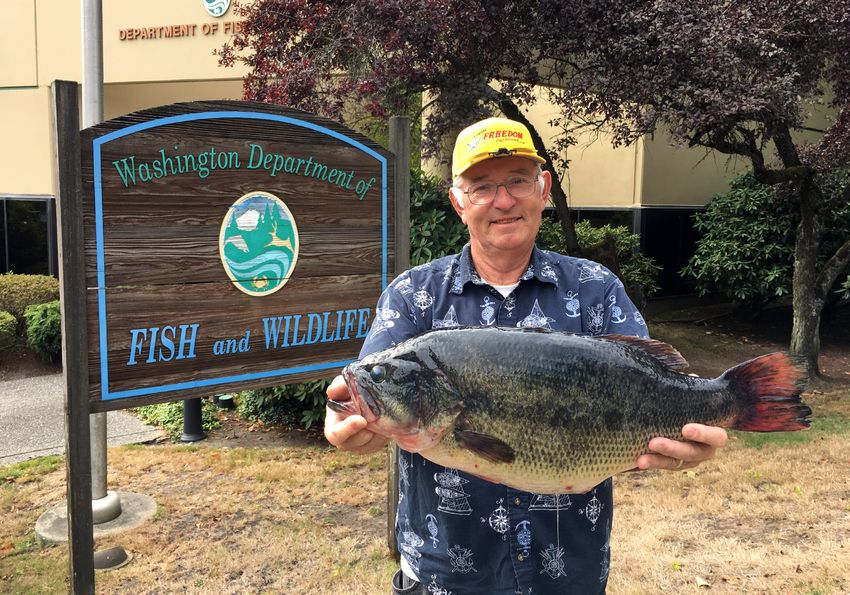
                                                                                                                                                                                          Bill Evans holding a record-breaking largemouth bass he caught in 2016.
  • Recruitment, Retention, and Reactivation (R3)
    Plan: These activities seek to recruit new participants
                                                                  • Shoreline access: Access to fishing opportunities has
                                                                    historically been cited as a barrier to recruiting and
                                                                                                                               Introduction
    or increase continued participation rates of current or         maintaining anglers. Shoreline access in particular has    Sportfishing for warmwater species, such as largemouth           to support the enhancement of warmwater fishing
    lapsed anglers. Reversing the widespread declining trend        been an acute problem for many anglers who do not own      bass, smallmouth bass, walleye, catfish, panfish and tiger       opportunities in Washington. The warmwater program
    in angler participation is the overall goal of most R3          a boat. This effort provides information about specific    muskie, is a popular recreational activity in Washington         actively manages over a dozen species of fish for recreational
    efforts. The Warmwater Program is leading the way in            shore fishing locations, including maps and related        and generates significant economic value to the state. A         angling opportunities. Although warmwater fish are not
    the Fish Program to develop a cohesive plan to direct its       information, on the WDFW website. Maps and other           2008 economic analysis estimated that 300,000 warmwater          native to Washington, these species provide popular fishing
    R3 activities.                                                  handouts will also be available at license vendors and     anglers in Washington produced $83.9 million in net              opportunities in thousands of waters statewide.
                                                                    other public locations.                                    economic value through the sales of fishing gear, boats,         The primary functions and priorities of the Warmwater
  • Urban Fishing Program: This campaign identifies
                                                                                                                               motors, gas, food and lodging. That is nearly double the net     Program are to collect and analyze field data in order to
    and promote fishing in urban locations that provide
                                                                                                                               economic value generated by recreational saltwater salmon        optimize management of warmwater fish resources. The
    sustainable opportunities and attempts to recruit and
                                                                                                                               fisheries in Washington and 18% of the total net economic        program also provides public education and outreach
    maintain youth and female anglers in urban areas.
                                                                                                                               value from recreational fishing.                                 by highlighting and promoting warmwater-fishing
                                                                                                                               The Warmwater Fish Program within the Washington                 opportunities. This report details some of the program’s
                                                                                                                               Department of Fish and Wildlife (WDFW) was created               activities for 2016-17.
  Contact: Bruce Bolding, Warmwater Fish Program Manager | 360-902-8417 | bruce.bolding@dfw.wa.gov                             in 1996 by legislation that provided dedicated funding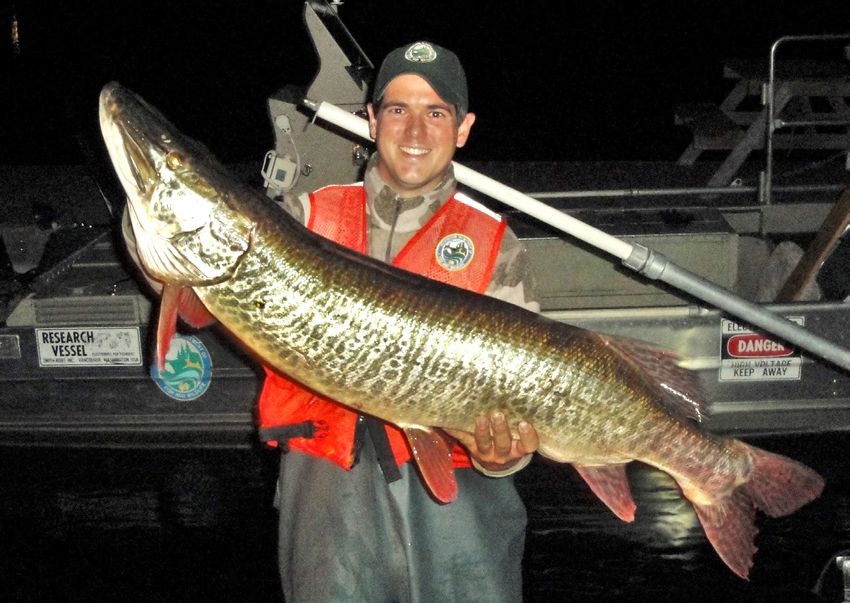
Management Challenges Ongoing Warmwater Fish Management
• Lake Washington – There is growing concern about Warmwater Program collaborates with other agencies, Warmwater fish production: The Ringold-Meseberg recreational fishing opportunities. An explanation of
interactions between other species and native salmon in tribes and WDFW programs to monitor northern pike Hatchery is located about 15 miles up the Columbia River standardized surveys can be found online at https://
Lake Washington. The Warmwater Program manages abundance and distribution. from Richland, in Franklin County. This is the only wdfw.wa.gov/conservation/fisheries/warmwater/surveys.
warmwater resources in the state for sport angling • Funding – All funds for the warmwater program come WDFW hatchery that raises warmwater fish. The hatchery html.
opportunity, while at the same time, helping to reduce from a “dedicated” portion of each freshwater and produces about 6,000 tiger muskies per year which are • Fishery monitoring surveys: “Creel” surveyors conduct
negative impacts to native fish species. The Warmwater combination fishing license sale. Because license sales stocked into seven lakes across the state to provide a unique angler interviews both onshore and on the water to
Program leads WDFW’s effort to assess potential have remained relatively level over the last 20 years, the and popular trophy-fishing opportunity. determine the popularity, angling success and which
interactions in the main lake, the ship canal and Lake account revenue for the program has also been flat while Scientific surveys: As in other fisheries, scientific research species are targeted on different waters around the state.
Union. inflation has eroded “buying power.” Without a change has long played an essential role in managing the warmwater In 2016-17, staff collected creel data from Lakes St. Clair
• Northern Pike pose an enormous environmental and to how the program is funded, significant reductions resources in Washington. Field data from surveys provides and Lawrence in Thurston County and Lake Tapps
economic threat to Washington. The distribution of in the program will be necessary during the 2019-21 the foundation for both sportfish management and the in Pierce County. Most anglers targeted trout in the
northern pike is currently limited to the Spokane River, biennium. protection of native species. This includes: two Thurston County lakes. The two main fisheries in
Pend Oreille River, the upper section of Lake Roosevelt • Northern pike monitoring: Unchecked, northern Tapps are tiger muskies and smallmouth bass. Anglers
and Lake Washington. However, they will likely pike can decimate both native and warmwater fish experienced very good success with both species.
continue their downstream movement in the Columbia populations. Warmwater Program staff monitored the Other Projects: Program staff routinely participate in a
River, where some stocks of salmon and steelhead relative abundance of Northern Pike in Box Canyon variety of special projects. Examples from last year include:
are listed under the Endangered Species Act. The Reservoir (Pend Oreille County), measuring the success • Translocation of fish: Staff captured and transported
of suppression activities. Suppression is intended to warmwater fish to accommodate requests from business
keep the pike population in check and maintain healthy, partners, like Bass Pro Shops, for public display at
Warmwater Fish Program Revenue by Year fishable populations of both native and warmwater sport in-store, live-fish displays. Staff also provided fish for
fish. several kids’ fishing events.
$2,500,000
• Common carp suppression feasibility surveys: • Fishing contests: The Warmwater Program manages
Warmwater fish populations can be severely impacted the Fishing Contest Permit Program for WDFW. In the
$2,000,000
by carp. Carp outcompete desirable species for food
Revenue (dollars)
last year, there were 248 sportfishing contests targeting
and space, and they stir up silt and muddy the water, seven different species.
$1,500,000 blocking sunlight to aquatic vegetation, and impacting
plankton, aquatic invertebrates, waterbirds, and native
$1,000,000 fish. Program staff contracted with
Avista Corporation to provide boat
electrofishing and gill netting services
$ 500,000
for two weeks in May 2017 in support
of a project to determine the feasibility
$0 of manually removing common carp
7 8 9 0 01 02 03 4 05 6 07 8 9 0 11 12 13 4 15 6
199 199 199 200 20 20 20 200 20 200 20 200 200 201 20 20 20 201 20 201 from Long Lake (Spokane County).
Removing carp may improve the
Year
ecosystem for both native and
warmwater sport fish in Long Lake.
• Standardized surveys: These
Program Highlights from 2016-17 surveys collect data on lakes that
have not previously been surveyed
• Fall Walleye Index Netting surveys: These surveys • Water access development grants: Program staff
or they analyze changes in the
show continued abundant walleye populations in five of secured over $1 million in state grant funds for water
fish communities since the last
the state’s most important walleye fisheries. The 2008 access improvement projects for fishing and boating on
survey. Program biologists use this
economic analysis values the Washington sport walleye Lake Lawrence in Thurston County and Roses Lake in
information to optimize management
fishery at $3 million annually. Chelan County.
of those fish communities as well
as public outreach to promote
WDFW staff Danny Garrett holding a tiger muskie.Management Challenges Ongoing Warmwater Fish Management
• Lake Washington – There is growing concern about Warmwater Program collaborates with other agencies, Warmwater fish production: The Ringold-Meseberg recreational fishing opportunities. An explanation of
interactions between other species and native salmon in tribes and WDFW programs to monitor northern pike Hatchery is located about 15 miles up the Columbia River standardized surveys can be found online at https://
Lake Washington. The Warmwater Program manages abundance and distribution. from Richland, in Franklin County. This is the only wdfw.wa.gov/conservation/fisheries/warmwater/surveys.
warmwater resources in the state for sport angling • Funding – All funds for the warmwater program come WDFW hatchery that raises warmwater fish. The hatchery html.
opportunity, while at the same time, helping to reduce from a “dedicated” portion of each freshwater and produces about 6,000 tiger muskies per year which are • Fishery monitoring surveys: “Creel” surveyors conduct
negative impacts to native fish species. The Warmwater combination fishing license sale. Because license sales stocked into seven lakes across the state to provide a unique angler interviews both onshore and on the water to
Program leads WDFW’s effort to assess potential have remained relatively level over the last 20 years, the and popular trophy-fishing opportunity. determine the popularity, angling success and which
interactions in the main lake, the ship canal and Lake account revenue for the program has also been flat while Scientific surveys: As in other fisheries, scientific research species are targeted on different waters around the state.
Union. inflation has eroded “buying power.” Without a change has long played an essential role in managing the warmwater In 2016-17, staff collected creel data from Lakes St. Clair
• Northern Pike pose an enormous environmental and to how the program is funded, significant reductions resources in Washington. Field data from surveys provides and Lawrence in Thurston County and Lake Tapps
economic threat to Washington. The distribution of in the program will be necessary during the 2019-21 the foundation for both sportfish management and the in Pierce County. Most anglers targeted trout in the
northern pike is currently limited to the Spokane River, biennium. protection of native species. This includes: two Thurston County lakes. The two main fisheries in
Pend Oreille River, the upper section of Lake Roosevelt • Northern pike monitoring: Unchecked, northern Tapps are tiger muskies and smallmouth bass. Anglers
and Lake Washington. However, they will likely pike can decimate both native and warmwater fish experienced very good success with both species.
continue their downstream movement in the Columbia populations. Warmwater Program staff monitored the Other Projects: Program staff routinely participate in a
River, where some stocks of salmon and steelhead relative abundance of Northern Pike in Box Canyon variety of special projects. Examples from last year include:
are listed under the Endangered Species Act. The Reservoir (Pend Oreille County), measuring the success • Translocation of fish: Staff captured and transported
of suppression activities. Suppression is intended to warmwater fish to accommodate requests from business
keep the pike population in check and maintain healthy, partners, like Bass Pro Shops, for public display at
Warmwater Fish Program Revenue by Year fishable populations of both native and warmwater sport in-store, live-fish displays. Staff also provided fish for
fish. several kids’ fishing events.
$2,500,000
• Common carp suppression feasibility surveys: • Fishing contests: The Warmwater Program manages
Warmwater fish populations can be severely impacted the Fishing Contest Permit Program for WDFW. In the
$2,000,000
by carp. Carp outcompete desirable species for food
Revenue (dollars)
last year, there were 248 sportfishing contests targeting
and space, and they stir up silt and muddy the water, seven different species.
$1,500,000 blocking sunlight to aquatic vegetation, and impacting
plankton, aquatic invertebrates, waterbirds, and native
$1,000,000 fish. Program staff contracted with
Avista Corporation to provide boat
electrofishing and gill netting services
$ 500,000
for two weeks in May 2017 in support
of a project to determine the feasibility
$0 of manually removing common carp
7 8 9 0 01 02 03 4 05 6 07 8 9 0 11 12 13 4 15 6
199 199 199 200 20 20 20 200 20 200 20 200 200 201 20 20 20 201 20 201 from Long Lake (Spokane County).
Removing carp may improve the
Year
ecosystem for both native and
warmwater sport fish in Long Lake.
• Standardized surveys: These
Program Highlights from 2016-17 surveys collect data on lakes that
have not previously been surveyed
• Fall Walleye Index Netting surveys: These surveys • Water access development grants: Program staff
or they analyze changes in the
show continued abundant walleye populations in five of secured over $1 million in state grant funds for water
fish communities since the last
the state’s most important walleye fisheries. The 2008 access improvement projects for fishing and boating on
survey. Program biologists use this
economic analysis values the Washington sport walleye Lake Lawrence in Thurston County and Roses Lake in
information to optimize management
fishery at $3 million annually. Chelan County.
of those fish communities as well
as public outreach to promote
WDFW staff Danny Garrett holding a tiger muskie.Education and Outreach
Washington Department of Fish & Wildlife
The Warmwater Fish Program participates in a variety of every day. Anecdotal surveys indicate that at least
education and outreach efforts, which provide a direct nexus
between the program and the public. Some of those efforts
50 percent of active duty military members hunt or
fish. Last year’s events, along with ongoing outreach
Warmwater Fish Program
from last year include: programs at JBLM, include: Annual Program Report: 2016-17
• Youth events: An important component of the –– Monthly “Newcomer’s Orientation” for newly
program’s outreach effort includes helping and inspiring transferred service members.
young anglers to join the sport. Staff participate in youth –– Educational seminars on a variety of fishing
events to teach kids how to fish and show them how topics.
much fun it can be. Staff participated in 10 events across
the state, at which nearly 4,000 kids participated. –– Armed Forces Day, on-post event.
• Fishing club meetings: Maintaining a good working –– Northwest Adventure Center Open House, on-
relationship with the large variety of fishing clubs across post event.
the state helps keep communication between WDFW –– Free Fishing Weekend, on-post event.
and its constituents open and clear. It also provides –– Hands-on field events to teach service members
an opportunity for anglers to hear directly from a how to fish.
representative of WDFW. Staff gave presentations to 20
• Outreach to minority groups and women: Program
fishing clubs in the past year.
staff assisted with two events that reached out to
• Sportsman shows: Sportsman shows are a good under-served immigrant communities, including a
venue to contact a large number of hunters and Team Naturaleza event in Wenatchee, teaching natural
anglers, mostly local to the location of the show, and resource appreciation and skills to Hispanics. The other
present information about local, as well as statewide event was a basic “how-to-fish” clinic for Burmese and
opportunities and resources. Staff participated in seven Bhutanese immigrants at Lake Fenwick in Kent. Staff
shows. also participated in the Washington Outdoor Women’s
• Outreach to military service members at Joint Base Teaching Workshop in North Bend, helping teach
Lewis McChord (JBLM): There are approximately outdoor skills, including fishing to women.
35,000 active-duty military service members stationed • Other outreach: Program staff also participated in
at JBLM with up to 1,000 rotating to or from the base several community events and presented program
each month. Approximately 100,000 civilians, retired information and data to multiple scientific groups.
military, and family members live and work on JBLM
New initiatives for 2018
Bill Evans holding a record-breaking largemouth bass he caught in 2016.
• Recruitment, Retention, and Reactivation (R3)
Plan: These activities seek to recruit new participants
• Shoreline access: Access to fishing opportunities has
historically been cited as a barrier to recruiting and
Introduction
or increase continued participation rates of current or maintaining anglers. Shoreline access in particular has Sportfishing for warmwater species, such as largemouth to support the enhancement of warmwater fishing
lapsed anglers. Reversing the widespread declining trend been an acute problem for many anglers who do not own bass, smallmouth bass, walleye, catfish, panfish and tiger opportunities in Washington. The warmwater program
in angler participation is the overall goal of most R3 a boat. This effort provides information about specific muskie, is a popular recreational activity in Washington actively manages over a dozen species of fish for recreational
efforts. The Warmwater Program is leading the way in shore fishing locations, including maps and related and generates significant economic value to the state. A angling opportunities. Although warmwater fish are not
the Fish Program to develop a cohesive plan to direct its information, on the WDFW website. Maps and other 2008 economic analysis estimated that 300,000 warmwater native to Washington, these species provide popular fishing
R3 activities. handouts will also be available at license vendors and anglers in Washington produced $83.9 million in net opportunities in thousands of waters statewide.
other public locations. economic value through the sales of fishing gear, boats, The primary functions and priorities of the Warmwater
• Urban Fishing Program: This campaign identifies
motors, gas, food and lodging. That is nearly double the net Program are to collect and analyze field data in order to
and promote fishing in urban locations that provide
economic value generated by recreational saltwater salmon optimize management of warmwater fish resources. The
sustainable opportunities and attempts to recruit and
fisheries in Washington and 18% of the total net economic program also provides public education and outreach
maintain youth and female anglers in urban areas.
value from recreational fishing. by highlighting and promoting warmwater-fishing
The Warmwater Fish Program within the Washington opportunities. This report details some of the program’s
Department of Fish and Wildlife (WDFW) was created activities for 2016-17.
Contact: Bruce Bolding, Warmwater Fish Program Manager | 360-902-8417 | bruce.bolding@dfw.wa.gov in 1996 by legislation that provided dedicated fundingYou can also read


