OPINION SURVEY ON EXOTIC PET USE IN JAPAN 2021 - JAPAN
←
→
Page content transcription
If your browser does not render page correctly, please read the page content below

JAPAN

        OPINION SURVEY ON
        EXOTIC PET USE IN JAPAN
        2021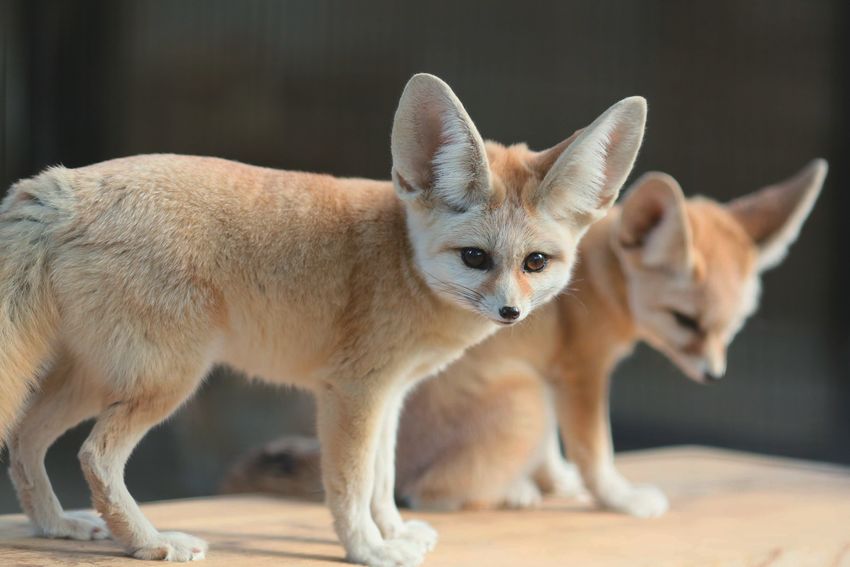
With the backdrop of the growing popularity of exotic
                                                                                            pets, WWF Japan conducted an opinion survey of
                                                                                            Japanese citizens’ attitude toward exotic pet use and
                                                                                            its associated issues.

                                                                                           ● One in every three (33%) indicated interest in petting exotic pets,

         KEY
                                                                                             while one in every six (17%) indicated interest in having them as
                                                                                             pets. The interest was higher among younger age groups.

         FINDINGS                                                                          ● Around 68% had little or no knowledge of the five issues
                                                                                             associated with exotic pets, namely, the issues of infectious
                                                                                             diseases, animal welfare, endangered species, illegal
                                                                                             trade, and invasive species.

                                                                                           ● After being informed, 95% responded that they felt the issues
                                                                                             were problems. About 60% expressed that the issue of infectious
                                                                                             diseases was most important, followed by 18% indicating that
                                                                                             endangered species were the most important.

                                                                                           ● About 95% responded that stronger regulations were ‘needed’ or
                                                                                             ‘somewhat needed’. However, the proportion expressing they
                                                                                             were ‘needed’ declined with age.

                                                                                           ● After being informed about the issues, respondents interested in
                                                                                             petting declined to 25%, while 14% still expressed interest in
                                                                                             having exotic pets. The margin of decline in the latter was
                                                                                             markedly small.

                                                                                           ● The survey revealed that although the awareness on the issues of
                                                                                             exotic pets is low amongst Japanese citizens, once they are
                                                                                             informed, many would perceive these issues as problems.
                                                                                             Conversely, potential consumers found particularly in younger
                                                                                             age groups had a tendency to not change their interest in having
                                                                                             exotic pets by simply being informed.

                                                                                           ● These results suggest that a set of actions, including policy efforts
                                                                                             to realize swift regulatory improvements, raising public
                                                                                             awareness to foster the social norms, changing the behavior of
                                                                                             potential consumers, as well as improving of businesses is
                                                                                             necessary to address the issues associated with keeping exotic
                                                                                             pet. WWF will work together with a wide range of stakeholders to
                                                                                             achieve these changes.

                                                                                            * In this survey, exotic pets were defined as "animals that are not considered as common pets,
                                                                                              primarily those having overseas and/or wild origins".
 ©WWF / Simon Rawles

Forest by the Mahakam River, Kutai Barat, Borneo. Southeast Asia is home to many species that are used as exotic pets, including slow lorises (genus Nycticebus) and the green tree python (Morelia viridis).

      WWF
      WWF is one of the world’s largest and most experienced independent                                       Published in March 2021 by WWF Japan
      conservation organizations, with over 5 million supporters and a global                                  Any reproduction in full or in part must mention the title and credit
      network active in more than 100 countries. WWF’s mission is to stop the                                  the above-mentioned publisher as the copyright owner.
      degradation of the planet’s natural environment and to build a future in which                           For contact details and further information:
      humans live in harmony with nature, by conserving the world’s biological                                 World Wide Fund for Nature Japan (WWF Japan)
      diversity, ensuring that the use of renewable natural resources is sustainable,                          communi@wwf.or.jp Tel: +81-3-3769-1714
      and promoting the reduction of pollution and wasteful consumption.                                       3F Mita-kokusai Bldg., 1-4-28 Mita, Minato-ku, Tokyo, Japan

     1            Opinion Survey on Exotic Pet Use in Japan 2021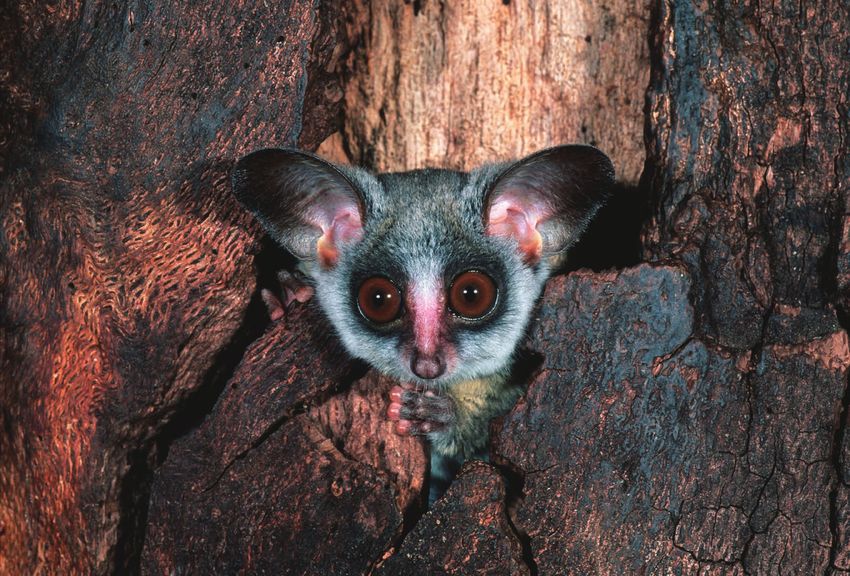
INTROUDCTION
& METHODOLOGY

 Japan is one of the key exotic pet markets in the
 world. Animals like otters, galagos, hedgehogs,
 owls, and many other rare species of turtles and
 tortoises, lizards, chameleons, frogs, etc., are
 traded as private pets or for the purpose of display
 and petting at commercial facilities like animal
 cafés. In fact, Japan is known for having the
 highest number of exotic animal cafés in East and
 Southeast Asia. The popularity of exotic pets is
 being amplified through social media and the
 mass media. However, it is not well known that
 such popularity of exotic pet encompasses                                                        © Martin Harvey / WWF

 multifaceted issues, including the risks of
 infectious diseases, animal welfare, endangered
 species, illegal trade, and invasive species. WWF
 Japan, therefore, conducted its first opinion
 survey of Japanese citizens on the use of exotic
 pets and attitudes toward these issues.

 The survey was conducted between February 1st
 and 3rd via an online questionnaire. The sample
 consisted of 1,000 respondents of age 15–79,
 reflecting Japan’s age composition. In this survey,
 exotic pets were defined as “animals that are not
                                                                                                     © Kari Schnellmann
 considered as common pets, primarily those
 having overseas and/or wild origins.”

                                                        Opinion Survey on Exotic Pet Use in Japan 2021          2
INTEREST IN EXOTIC PETS
50%
Ranking of animals wanted as pets
have experience of
– excluding dogs and cats
keeping animals other
Responses were provided against the following categories of animals. than dogs and cats
■ Interest in keeping as pets
29%
■ Experience with keeping as pets
14.7%
Rabbits* have experience of
11.8%
keeping animals other
11.4%
Aquarium fishes than conventional pets*
13.2%
Rodents 11.3%
(e.g., hamsters and chinchillas)* 17.2% *hamsters,
excluding relatively common pets such as rabbits,
goldfish, budgerigars, beetles, etc.
11.0%
Hedgehogs
1.2%
10.5%
Goldfish, carps, and killifish*
41.4%
Small-sized birds 10.5% For this survey, exotic pets were
(e.g., budgerigars)* 19.8%
defined as “animals that are not
9.9%
Owls considered as common pets,
0.2%
primarily those having overseas
Medium-sized birds 8.2%
1.7% and/or wild origins.” However, it
(e.g., parrots)
is often difficult to draw clear
7.4%
Ferrets lines for many animal groups.
1.5%
7.2%
The animal groups on the left chart
Otters
0.3% also include categories which could
6.8% contain both common pets and
Sugar gliders
0.5% exotic pets defined in this survey.
5.8% Therefore, the proportion of
Turtles, tortoises
14.4% respondents with experience in
4.5% keeping exotic pets shown above is
Prairie dogs
0.6%
a crude estimate.
4.5%
Meerkats
0.2%
4.2%
Penguins
0%
Exotic pets - “never had”
3.8%
Slow lorises
0.3% but “interested in having”
3.6%
Insects (e.g., beetles)* Exotic animals, such as aquarium
21.9%
fishes, hedgehogs, owls, medium-sized
3.5%
Fennec fox birds (e.g., parrots), ferrets, otters,
0.4%
3.5%
and sugar gliders, were among the
Snakes
0.4% top-ranked animals desired as pets.
3.2% Some also expressed interest in
Chameleons
0.4% keeping reptiles, amphibians, and
2.5% insects.
Lizards
1.6%
2.3%
Marmosets and tamarins
0%
1.7%
Newts and salamanders
1.4%
1.7%
Bats
0.2%
1.3%
Frogs
3.3%
Non-insect arthropods 1.0%
(e.g., spiders, scorpions) 0.4%
(N=1000)
3 Opinion Survey on Exotic Pet Use in Japan 2021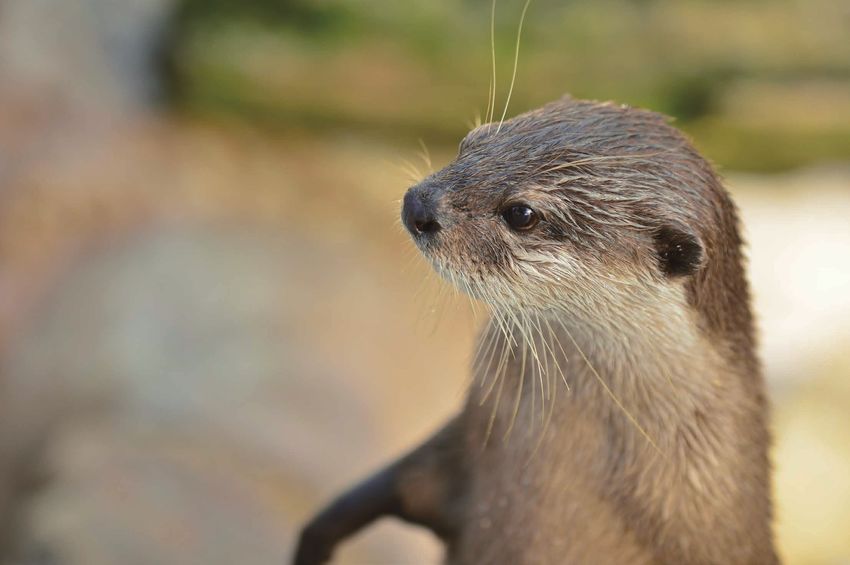
Q Would you like to pet exotic animals?

              Interest in
                 petting:             33%                 are interested in petting
                                                          (yes or yes to a certain degree)
                                                                                                                                               (N=1000)

 By age groups          ■ Yes ■ Yes to a cer tain degree

        10s                20s                    30s                  40s                    50s                    60s                     70s
    63%                   49%                   42%                   37%                    28%                    25%                     13%
    (N=59)               (N=126)                (N=143)               (N=186)                (N=163)                (N=163)                (N=160)

Q Would you like to have (or continue to have) exotic pets?

              Interest in
                 having:              17%                 are interested in having/continuing to have as pets
                                                          (yes or yes to a certain degree)
                                                                                                                                              (N=1000)

 By age groups          ■ Yes ■ Yes to a cer tain degree

        10s                20s                    30s                  40s                    50s                    60s                     70s
    39%                   25%                   22%                   19%                    16%                     9%                      4%
    (N=59)               (N=126)                (N=143)               (N=186)                (N=163)                (N=163)                (N=160)

                                                                                   Stronger interest in younger age groups
   Reasons I want to keep exotic pets
                                                                                   The proportion of respondents indicating interest
                                                                                   in petting and keeping exotic pets doubled in the
                                                                                   teenage group. Furthermore, over 50% of teenage
   1      animals are kawaii (cute)                       53 %                     males/females, males in their 20s, and females in
                                                                                   their 30s expressed interest in petting exotic
   2      animals give me iyashi (healing)                43 %                     animals.

   3      they are animals that I like                    39 %                         People in their 10s and 20s accessed information
                                                                                       about exotic pets through a wide range of sources
   4      I want to pet animals                           29 %                         including the internet (portal sites as well as
                                                                                       websites for zoos and aquariums), TV (shows,
   5      I enjoy viewing animals                         17%                          commercials), and the social media such as Twitter.

   6      they are animals that my family likes           16 %
   6      I am interested in rare animals                 16 %                     Motivation behind wanting exotic pets
   8      animals are beautiful                           14 %                     The most common reasons for wanting exotic pets
   9      I feel lonely without animals                    7%                      pertained to notions of “kawaii (cute)” and “iyashi
                                                                                   (healing).” These motivations appear to be shared
                                                           2%
          I want to attract attention by
   10                                                                              with motivations toward more common pets like
          keeping rare animals
                                                                                   dogs and cats. Contrarily, 16% expressed rarity was
   11     Other                                            1%                      an important factor.
                       (Among those gave reasons for wanting N=354)

                                                                                                       Opinion Survey on Exotic Pet Use in Japan 2021     4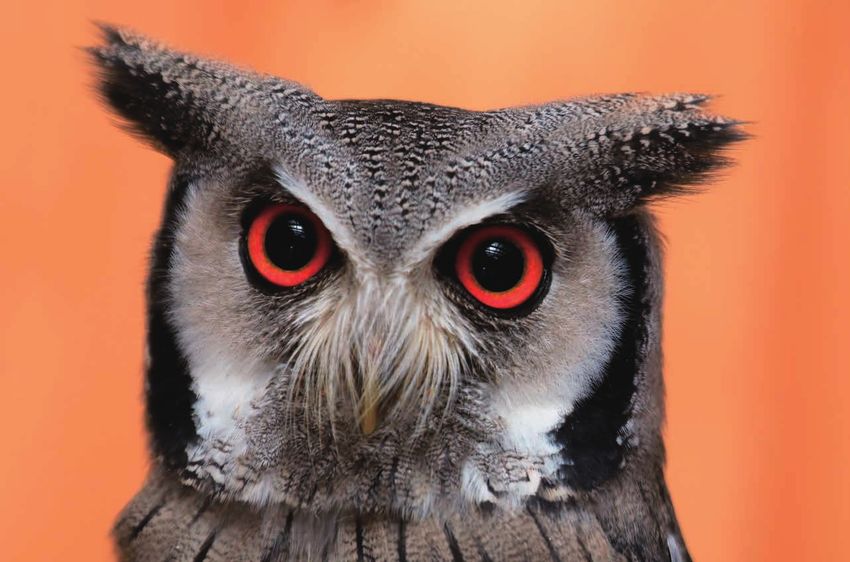
ATTITUDE TOWARDS ISSUES
    WITH EXOTIC PETS
    Level of awareness on the issues were low. However, after being informed,
    95% perceived them as problems.

    Issues with exotic pets                              Level of awareness           Level of concern
                                                                                       after being informed

    01 Infectious diseases
    There are risks of contracting infectious diseases
    from exotic pets, as certain pathogens (called
                                                                68%                            96%
                                                               unaware                       felt it is a
    “zoonotic diseases”) transmit from animals to                                             problem

    humans. COVID-19 is a zoonotic disease.

    02 Animal welfare
    Some are animals not suited to be kept as pets
    in private homes or facilities like cafés. Such
                                                                79%                            94%
                                                               unaware                       felt it is a
    animals may suffer from serious mental and                                                problem

    physical stress.

    03 Endangered species
    Many animals kept as exotic pets are
    endangered species. For some, pet trade is
                                                                66%                            95%
                                                               unaware                       felt it is a
    threatening their survival in the wild.                                                   problem

    04 Illegal trade
    Exotic pet smuggling cases are busted every
    year in Japan. It is known that smuggled
                                                                64%                            95%
                                                               unaware                       felt it is a
                                                                                              problem
    animals enter the domestic pet market.

    05 Invasive species
    There are many incidents, where animals
    traded as exotic pets are introduced into a
                                                                61%                            96%
                                                               unaware                       felt it is a
    nonnative environment with negative                                                       problem

    consequences for the ecosystems.

    Attitude toward the five
    issues (average)                                     68%   unaware
                                                               (have no knowledge
                                                               or little knowledge)   95%     felt it is a problem
                                                                                              (it is a problem or somewhat
                                                                                              problem)

                                                                                                              (N=1000)

5      Opinion Survey on Exotic Pet Use in Japan 2021
The most important issues
                         with exotic pets:                             60%              chose infectious diseases

 Animal welfare                               Illegal trade               Infectious diseases considered most important,
 6.1%                                         4.7%                        followed by endangered species.
                                                                          The tendency to emphasize the issue of infectious
 Invasive                                                                 disease likely stems from the awareness brought about
 species                                                                  by COVID-19, as well as the fact that it is the only issue
 11.5 %                                                  Infectious
                                                                          that presents a direct health risks to humans.
                                                                          Following infectious diseases, 18% responded that the
                                                         diseases

                                                         60.0%
                                                                          issue of endangered species was most important. The
                                                                          issue of animal welfare was the least known of all the
 Endangered
 species                                                                  issues, with 79% being unaware.

 17.7%                                             (N=1000)

 ATTITUDE TOWARD
 REGULATIONS ON EXOTIC PETS
Q Do you feel stronger regulations are needed?
   after being informed about the five issues and the current regulations (P7)

                                     95 %            felt stronger regulations are needed
                                                      (needed or somewhat needed)
                                                                                                                                    (N=1000)

  By age groups        ■ needed ■ somewhat needed                ■ not needed

  10s                                                                                       Slight difference across age
(N=59)                  49 %                              42%                 8%
                                                                                            groups
  20s                 44%                                48%                  8%            Across all samples, 95% expressed that
(N=126)
                                                                                            stronger regulations were ‘needed’ or
                                                                                            ‘somewhat needed’, with 67%
  30s                       56 %                              36 %            8%            indicating that it was ‘needed’. For
(N=143)
                                                                                            each age group, over 90% expressed it
                                                                                            was ‘needed’ or ‘somewhat needed’.
  40s
(N=186)                        62%                              30 %          9%            However, around 80% in the age
                                                                                            group 50s–70s indicated that it was
                                                                                            ‘needed’, the proportion went down to
  50s                                77%                               21%         2%       only 45-50% in the 10s–20s.
(N=163)
                                                                                            Furthermore, while only 1-2% in their
  60s                                                                                       50s–70s expressed that stronger
(N=163)                               78%                               21%        1%
                                                                                            regulations were not needed, the
                                                                                            proportion went up to 8-9% in the
 70代                                                                                        10s–40s.
(N=160)                                83%                               16 %      1%

                                                                                             Opinion Survey on Exotic Pet Use in Japan 2021    6
Attitude toward regulations on exotic pets
■ needed ■ somewhat needed ■ not needed
Import Prohibit import or restrict it substantially 62% 32% 6%
Strictly regulate domestic trade to
Domestic trade
ensure traceability 69 % 26 % 5%
Prohibit possession as pets at private
homes 50 % 39 % 11%
Prohibit possession at facilities like cafés 44% 43% 14%
Handling after
domestic trade
Introduce license requirements
(expert knowledge and facility requirement) 60 % 33% 7%
Limit the kinds of animals that can be kept
in private homes or facilities like cafés 59 % 34% 7%
Introduce guidelines on appropriate
handling that are tailored to each species 63% 31% 6%
(N=1000)
Over 90% responded that regulations over trade and management of animal handling were ‘needed’ or ‘somewhat
needed’, with 59-69% indicating that they were ‘needed’. Even 86–89% indicated prohibiting the possession of
exotic pets at home or facilities like cafés were ‘needed’ or ‘somewhat needed’, with 44–50% indicating they were
‘needed’.
[ Supplementary information on current regulations ]
Infectious Certain animals (e.g., monkeys and bats) with high risk of infectious diseases are banned from import.
However, there are few regulation to domestically trade and handle these animals, including keeping them as
diseases
pets. This is giving rise to a situation where, in addition to domestically bred animals, illegally imported
animals are traded as pets. Furthermore, the current regulation does not comprehensively cover import of
exotic pets from the standpoint of precautionary principle toward disease risks.
Animal Existing regulations on handling of animals do not provide for the welfare of exotic pets or animals having wild
origins. This gives rise to a situation where many species of wild origin are kept privately at homes and
welfare
facilities, such as cafés, in conditions that undermine their welfare.
Endangered Existing regulations do not sufficiently cover the domestic trade of non-native endangered species. Many species
are outside the scope of regulations and are being traded without traceability, which raises concerns over the
species
increasing decline of wild populations in their native ranges.
Illegal trade Current regulations do not require sellers to present any proof of legal origin for most animal species in trade. As a
result, consumers are unable to distinguish if animals that have been illegally imported (smuggled).
Invasive Current regulations prohibit import and handling (keeping as pets) of certain animal species which were
confirmed to have negative impacts on local ecosystems. However, the regulation does not widely cover
species
import or handling of non-native exotic pets from the standpoint of precautionary principles toward
ecosystem invasion risks.
7 Opinion Survey on Exotic Pet Use in Japan 2021CHANGE IN ATTITUDE TOWARDS
EXOTIC PETS
Comparing people’s perception before and after the survey, the proportions of respondents interested in petting
and keeping exotic pets, respectively, changed from 33% to 25% and from 17% to 14%. The margin of decline for
interest in keeping exotic pets was only 3%.
Before being informed After being informed
Interest in
petting
exotic pets
33% are interested in
petting
(yes or yes to a certain degree) 25% are interested in
petting
(yes or yes to a certain degree)
(N=1000)
17% 14%
are interested in are interested in
having/continuing having/continuing
Interest in to have as pets to have as pets
having (yes or yes to a certain degree) (yes or yes to a certain degree)
exotic pets
(N=1000)
CONCLUSIONS
The survey revealed that although awareness on the issues around exotic pets is low
amongst Japanese citizens, once they are informed, as many as 95% would consider
these issues as problems and demand stronger regulations. Conversely, potential
consumers, particularly those belonging to younger age groups, had a tendency to not
change their interest in having exotic pets by simply being informed. These results
suggest that the following actions are needed to address the issues associated with
exotic pet use in Japan:
● Policy efforts for a swift introduction of adequate regulations;
● Raising public awareness to foster the social norms;
● Social behavior change communications targeting potential consumers;
● Improving businesses involved in trade and display of animals.
WWF will work together with a wide range of stakeholders to achieve these changes.
Opinion Survey on Exotic Pet Use in Japan 2021 8Opinion Survey on Exotic Pet Use
in Japan 2021
95%
expressed that
68%
stronger
regulations are
needed
unaware of issues
associated with
exotic pets
17%
interested in having
exotic pets
33%
interested in
petting exotic pets
© NASA
For contact details and further information please visit WWF Japan’s website at
www.wwf.or.jp
© 1986 Panda symbol WWF – World Wide Fund For Nature (Formerly World Wildlife Fund)
wwf.or.jp
® “WWF” is a WWF Registered Trademark. WWF, Rue Mauverney 28,
1196 Gland, Switzerland – Tel. +41 22 364 9111; Fax. +41 22 364 0332.You can also read


