Warnbro Primary School Business Plan 2019 2021 - Our Community is Striving for Excellence and Compassion
←
→
Page content transcription
If your browser does not render page correctly, please read the page content below
Warnbro Primary
              School

           Business Plan
            2019 – 2021

Our Community is Striving for
 Excellence and Compassion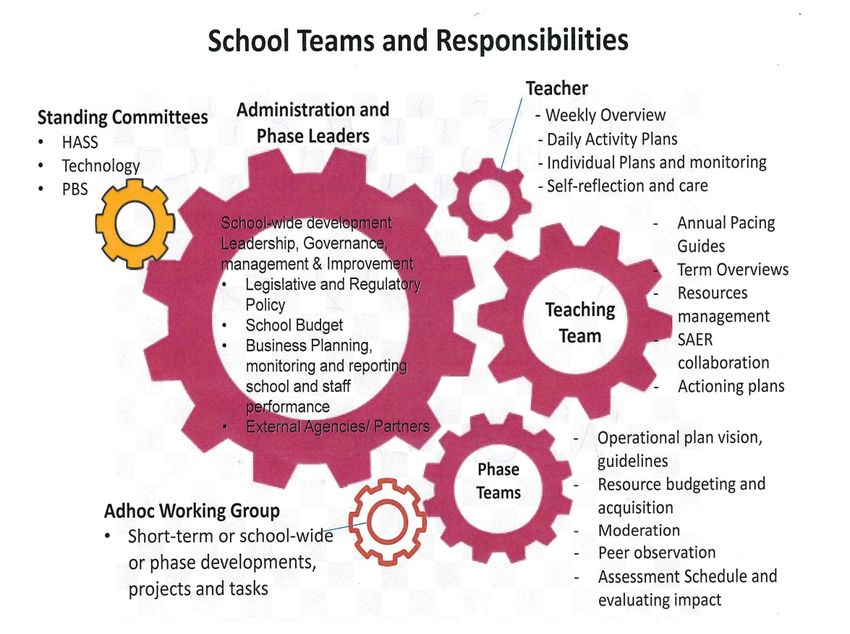
School Context
Introduction
At Warnbro Primary school we share a commitment to achieving excellent progress in all we do. We place students
front and centre in all our decision-making and maximising student’ progress in their engagement, progress in
learning and socio-emotional development as young people is our highest priority. We are very clear that this
collective, community mission will be achieved when every student is support by highly effective staff working
together with highly supportive families. We understand that outside of the contributions of family, most frequently it
is the quality of teaching makes the strongest contribution to the development of young people. When highly
supportive families connect with highly skilful teachers (including support staff) the children of our community are
presented with the best opportunities to flourish.

Broad Influences
The 2019-2021 Business Plan describes the priority areas in which we will focus our work over the coming three
years. They have been identified through reflection on our school mission and vision, an analysis of student
performance and school delivery information. Additionally, it incorporates Department of Education Strategic
Priorities (eg High Performance–High Care and community engagement) thus our theme of A Community Striving
Excellence and Compassion; a focus on play and STEM); a contemporary directions in education (eg Targeted
Teaching and Visible Learning).

In order for every child to develop their potential we, the school community, must set high expectations with our
roles, for our ongoing development and performance. We must provide the best conditions possible for our
teachers, education assistants and other school support staff to grow professionally and personally.
The community, students, parents, carers and partners must be consulted, heard and engaged in order to provide
the conditions that best suit our children’s growth, development and achievement.

The evidence is clear that a critical factor within schools for successful students is the quality of teaching, including
education assistants and Chaplains etc and the provision of a safe, caring and inclusive learning environment. Our
2019-2021 Business Plan places a strong detailed focus on these factors. We will through our annual Operational
Plans across this period enable success by ensuring the efficient allocation and use of resources, providing high
quality professional learning, distributing leadership and maintaining positive relationships.

Local Factors
The local context of schooling is increasing viewed by educational researchers as of critical importance of knowing
what learning needs to be focused on (especially early on); how learning should occur and the conditions required
for optimal learning to take place. We are aware through observation, testing and expert, external reviews that a
considerable percentage of our students arrive at Warnbro Primary School with less than generally expected
language, communication and cognitive experiences. Additionally, as in many other schools an increasing
percentage of children who have experienced or are experiencing significant traumatic circumstances and events.
Evidence-based, compassionate, Trauma Informed Practices, social, emotional and behavioural development
programs and a positive approach to behaviour management and improvement are focused upon in this Business
Plan.

Key student performance data clearly points to the fact that many of our students bring high academic and other
capabilities to school. This is shown in their achievements in state and local competitions and performances. Many
of our students who commence school making limited progress are by Year 5 progressing more rapidly than their
counterparts in other schools. In this Business Plan, provision is made to ensure that these students are supported
with high expectations, targeted teaching and feedback, opportunities to work collaboratively and develop their
leadership.

I commended this Warnbro Primary School 2019-2021 Business Plan to our community and thank all those who
have assisted in its development.

Gordon Murdoch
Principal
Our Vision
                 At Warnbro Primary School we:

                Our Mission                                            Our Beliefs
                                                      Our school community is committed to maintaining a
                                                      compassionate, safe, happy and engaging environment
Warnbro Primary School children are inspired,         for all students and staff in which excellence in teaching
inquisitive learners. They are knowledgeable,         and learning flourishes.
skillful, innovative and creative. Our children see
a positive future in which they connect with          Relationships: Each adult and child develops and main-
others to contribute to fair, sustainable and         tains positive, compassionate and trusting
peaceful world.                                       relationships with others so that we work, play and learn
                                                      together and from each other.
Targets                                               Teaching: Teaching and support at our school is
                                                      evidence-based, data driven and constantly developing
by 2022:                                              as we collaboratively learn, review, plan and act .
                                                      Learning Environment: The learning environment is an
•   NAPLAN results for Year 3 and Year 5              inclusive, trauma-sensitive, happy, safe and provides
    students will show distribution of student        developmentally appropriate settings in which all can
    achievement and progress better than like         flourish.
    schools.
                                                      Resources: We use our resources human, financial and
•   On Entry results Pp to NAPLAN Year 3 will         others on meeting Our Mission through the achievement
    show distribution of student achievement          of the targets and goals within our school plans. All
    and progress better than like schools.            members of the school community have a voice in creat-
                                                      ing that alignment of purpose and        resources.
•   All Aboriginal students will be at or above the   Leadership: Our leadership focuses on excellence in
    Year 3 and 5 NAPLAN National Minimum              learning environments and staff practices that have high
    Standard in English and Mathematics; and          impact on learning. We develop and distribute
    will make progress matching                       leadership and work collaboratively to grow or capacity.
    non-indigenous students.                          We nurture leadership in our students and give them a
                                                      valuable voice in the school improvement process.
•   Average attendance for Aboriginal and
    non-Aboriginal students to reach 93% with
    70% of students attending regularly .                       Our Values
•   The number of suspensions and the
    incidence of major negative behaviours will       Respect: Respect of self, for others and for the environment.
    decline each year from 2019 to 2021.
                                                      Excellence: Setting challenging goals and working towards
•   Student Learning Environment Survey will          them with enthusiasm and perseverance to achieve our very
    show 90% or more students feel safe and
    that the concerns are listen to and acted on      best.
    by staff.
                                                      Responsibility: Making commitments, meeting expectations,
•   Parent, students and staff responses on the
    National School’s Opinion Survey will score       being accountable and trustworthy.
    4 or better on all survey questions.
                                                      Safety: Behaving in ways that promotes the physical, social
•   90% of students will when surveyed feel safe in   and emotional well-being of ourselves and others.
    the playground and their concerns listen to by
    their teachers.
Our Strategic Drivers

School Improvement and Accountability     Leadership and Governance Tree
         Elements and Process

          Collaborative teams and       A consultative change management process
           distributed leadership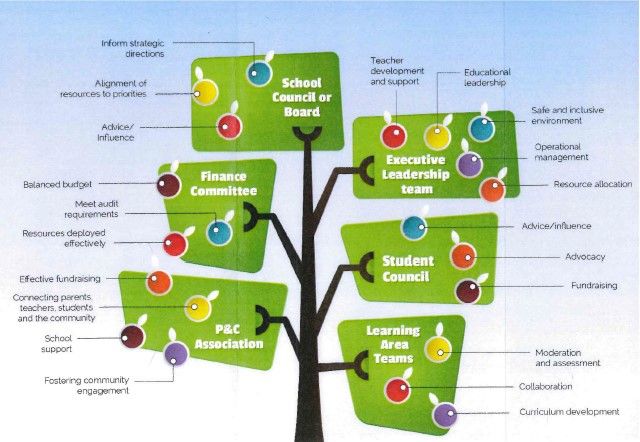
Teaching and Learning Environment Focus Areas

Our Instructional Drivers

                                                     Positive Behaviour Support
   High Impact Teaching Strategies (HITS)
     Higher Order Thinking Skills (HOTS)

                             Intentional and
                              child initiated
                                   play

                                                Integrated Science, Technology,
                                                 Engineering and Mathematics
Teaching and Learning Environment
             Improvement Focus Areas Overview

     FOCUS AREAS                                      GOALS

                        Increasing the active engagement of WPS students will develop
                        deeper understanding of content and reflection upon the learning
                        process. Active learning requires teachers to provide authentic and
                        differentiated learning activities that involve self-questioning, deeper
                        thinking and problem-solving.
 Engaged, Active and
                         Providing our students with engagement strategies like repetition,
 Connected Students     trial and error and posing questions move the brain into active and
                        constructive learning. WPS students will develop greater self-belief,
                        self-regulation, self-awareness and feelings of connection through
                        collaboration with teachers, peers, community and the environment.

                       Teachers will accelerate learning by using evidence of each
                       student’s progress on a standards referenced learning
                       continuum. To do so, teachers will identify what each student
 Targeted Teaching     knows, target what they are ready to learn next, and track each
                       student’s progress over time.
         and
  Visible Learning     Students will see assessment as an opportunity to track their own
                       progress, receive constructive feedback, set goals and develop a
                       growth mindset. Students will engage in self-learning
                       (metacognitive) as progression is made ‘visible’ with teachers and
                       students are clear about what is to be learned (WALT); and the
                       success criteria (WILF). Additionally, teachers will provide feedback
                       that shapes students personal goals.

                       Warnbro Primary School students will develop social and emotional
                       skills that make it easier for them to develop resilience and a sense
                       of self-worth, resolve conflict and engage in teamwork. They will
                       feel positive about themselves and the world around them and build
                       the foundations for life long learning and active citizenship.
Social and Emotional
 Development and       As students learn about their own emotions, values, strengths and
                       capabilities, they will better regulate their own emotions and
     Regulation
                       behaviours, understand others and so establish and maintain
                       positive, productive relationships.
Teaching and Learning Environment
         Improvement Focus Areas Overview (contd)

       FOCUS AREAS                                       GOALS

                          Warnbro Primary School will equip students of all ages with the
                          STEM skills and capabilities they need now, and for the future. Our
                          students will be supported to think critically and creatively and solve
                          complex problems. Whatever their future school pathways, a strong
                          base of STEM knowledge and skills will ensure they can engage in
    Authentic and Rich    dynamic, authentic learning.
         Tasks
                          Through high quality STEM teaching and resourcing all students will
                          have access to STEM experiences that are keeping pace with the
         (STEM)           rapidly changing STEM environment.

                          The learning experiences of children in Warnbro Primary School
                          early childhood classes form the critical foundations for future
                          development as they progress through life. Scientific research
                          shows that teacher directed and child initiated play provides
Strengthening Learning    appropriate and essential opportunities through which children’s
     and Development      learning will flourish.
    through Play in the   Inspiration, innovation, creativity , inquisitiveness, connection and
                          collaboration are amongst to attributes that result from the
        Early Years
                          exploration and discovery in children’s play.
                          Play is: - actively engaging - joyful - socially interactive - deep
                          learning.

                          Warnbro Primary School understands the educational impacts of
                          trauma. In response the students will experience a safe,
                          compassionate environment where they are supported to make
                          positive connections with adults and peers. They will experience
Trauma-Sensitive School   programs that teach them to calm their emotions and focus on
     Programs, Policies   learning and behave appropriately. Students will feel confident in
       and Practices      their social interaction while learning and at play. Teachers display
                          trauma sensitivity in forming, managing and supporting behavioural
                          expectations. Through the training of staff, our beliefs, policies and
                          practices, children who struggle to meet expectations will be
                          assisted in their development with targeted teaching and support.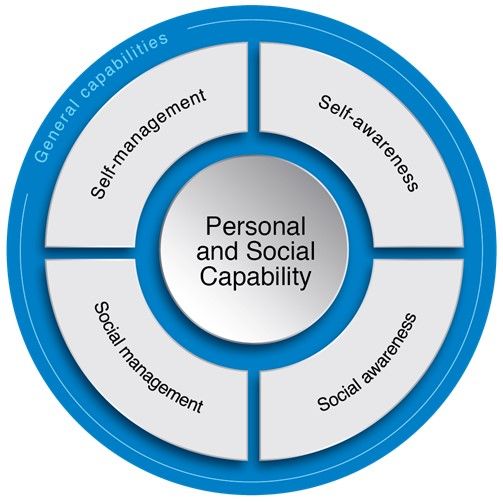
Focus 1
Increasing the active engagement of WPS students will develop
deeper understanding of content and reflection upon the learning
process. Active learning requires teachers to provide authentic and
differentiated learning activities that involve self-questioning, deeper
thinking and problem-solving.
Providing our students with engagement strategies like repetition,
Engaged, Active and trial and error and posing questions move the brain into active and
constructive learning. WPS students will develop greater self-belief,
Connected Students self-regulation, self-awareness and feelings of connection through
collaboration with teachers, peers, community and the environment.
Differentiated Teaching
Differentiated teaching extends the knowledge and skills
High Level Questioning of every student in every class, regardless of their
Questioning is a powerful tool and effective teachers starting point. It lifts the performance of all students,
regularly use it for a range of purposes. It engages Including those who are falling behind and those ahead
students, stimulates interest, curiosity and makes links of year level expectations. Effective teachers plan
to students’ lives. Questioning opens up opportunities lessons that incorporate adjustments for content,
for students to discuss, argue, and express opinions process, and product.
and alternative points of view.
Teachers will : Teachers will:
Undertake professional learning to effectively Provide evidence-based and data driven
provide 4 Level questioning that stimulates, instruction (see Focus Area 2) for whole-class and
deepens and gives all children access to learning. small groups
Plan questions in advance for provoking, Regularly plan, deliver and review supplemental
probing, extending, revising and reflecting on instruction strategies for individuals with re-
learning. quired learning adjustments to meet or exceed ex-
pected standards.
Promote self-regulated engagement, innovation
and creativity through the use of open-ended Regularly plan, deliver and review individualised
questions. curriculum adjustments that sufficiently
challenges the student, or enables them to access,
Use questioning as an immediate source of feed- the targeted content and achieve their goals.
back to track progress in knowledge and
understanding.
Authentic Collaboration Teachers will:
Undertake PL in managing effective small groups
Collaborative learning best occurs when students work in
using effective instructional strategies and building the
small groups and everyone participates in a learning task.
collaborative skills of student
There are many collaborative learning strategies using
varying forms of organisation and tasks. Provide meaningful challenges where students are
Collaborative learning is supported by designing required to work together to apply and synthesise
meaningful (‘real-world’) tasks in which students actively previous learnings . (See Focus Area 4)
negotiate content, roles, responsibilities and outcomes. Give students choice and voice such as options for
or within topics, how to express their learning and
opportunities to share expertise, ideas, outcomes and
reflections.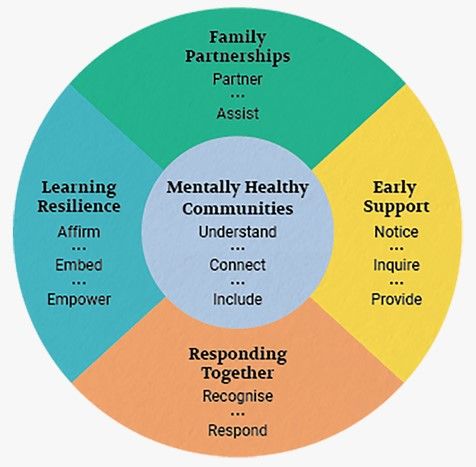
Focus 2 Teachers will accelerate learning by using evidence of each
student’s progress on a standards referenced learning
continuum. To do so, teachers will identify what each student
knows, target what they are ready to learn next, and track each
student’s progress over time.
Targeted Teaching Students will see assessment as an opportunity to track their own
progress, receive constructive feedback, set goals and develop a
and growth mindset. Students will engage in self-learning
Visible Learning (metacognitive) as progression is made ‘visible’ with teachers and
students are clear about what is to be learned (WALT); and the
success criteria (WILF). Additionally, teachers will provide feedback
that shapes students personal goals.
Explicit Targeted Teaching Process
The adjacent model describes the process and steps of
effective targeted teaching.
Teachers will:
Within their Teaching Teams develop/adopt
progressions of learning intentions (WALTs) with
success criteria (WILFs) aligned to the WACO
Standards and visibly displayed these in classrooms.
Progressively implement the Target Teaching
process in English, Mathematics, Science and Personal
and Social Capability.
Use students achievement of goals to inform
Student Semester Reports and their Performance
Development .
Collaboratively engage in moderation activity to
ensure making valid judgments and giving reliable
feedback.
Self-Regulated Learning (Metacognition) Feedback and Goal Setting
Teachers will: Teachers will:
Through guided questioning and modelling Ensure all students set goals for next steps in learning
(think aloud), engage students in discussions to
reflect on how prior learning could be applied against progressions aligned to the WACO.
and new goals attained in tasks.
Routinely provide each student with feedback that
Explicitly guide students in planning how to
guides their achievement of goals for learning.
monitor progress and evaluate achievement in
learning activities and tasks. record the each child’s achievement of learning goals
Focus of developing all students Higher Order making them visible within the learning environment.
Thinking Skills (HOTS) that enable them to
structure and organise their approach to Students will use provided exemplars of progress in
challenging tasks.
learning to set and monitor their achievement of goals.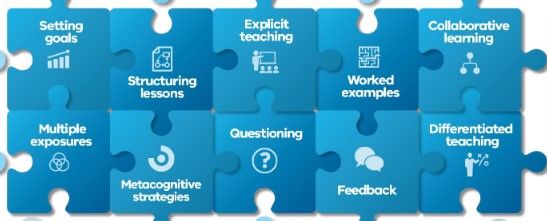
Focus 3 Warnbro Primary School students will develop social and emotional
skills that make it easier for them to develop resilience and a sense
of self-worth, resolve conflict and engage in teamwork. They will
feel positive about themselves and the world around them and build
the foundations for life long learning and active citizenship.
As students learn about their own emotions, values, strengths and
capabilities, they will better regulate their own emotions and
Social and Emotional behaviours, understand others and so establish and maintain
Development and positive, productive relationships.
Regulation
The terms ‘social and emotional development, learning and
regulation ’ and ‘personal and social capability’ are synonymous and
often referred to by the SEL acronym.
Whole-school Approach
Explicit Teaching Establishing an effective
Students’ lack awareness of social and school wide approach to SEL
emotional learning so need to be made is most effective when all
explicitly aware of the progressions within members of a school
elements of the ‘Personal and Social community are aware of,
Capabilities’. Using cross-curricular committed to, and take
approaches makes learning authentic and ownership over developing a
relevant to students however, explicit shared vision and
teaching is required to avoid this learning implementing and agreed
being ‘lost’ or secondary to the subjects in policies, programs and
which they are embedded. It is not practices. A school wide
sufficient to assume that by integrating that approach relies on the
students will naturally achieve these critical ongoing collaborative
intended learning outcomes. planning, action and review.
Teachers will: Teachers will:
Build trust relationships with students by explicitly
Continue to develop and implement our PBS
modelling calm, attentiveness and compassion in their approach, Behaviour Improvement, SAER and
interactions with children. Transitions policies.
In K-Year 3 deliver ‘Bounce Back’ and in
Along with Education Assistants continue to
Years 4—6 use Aussie Optimism (both aligned to
develop abilities to undertake Functional
WACO) modules and resources.
Behaviour Assessments and 5 P case
Use ‘Zones of Regulation’ activities and resources to formulation .
teach strategies for behavioural regulation.
Work with other school community
Implement a targeted teaching and visible learning stakeholders and external partners within a
approach (see Focus Area 2) using goals and ‘wellbeing’ standing committee developing and
progression derived from the ‘ACARA Personal and supporting a universal SEL and targeted Mental
Social Capability Learning Continuum’. Health and Tier 2 Behaviour Operational Plan .
Use ABLEWA assessment to develop, implement Participate in CMS Foundation and Team Teach
and continuously review small group and individual programs maintaining ongoing accreditation.
plans for children who are experiencing difficulty in
Allocate funds from Teaching Team budgets to
meeting expected social and emotional capabilities.
acquire resources and development of spaces that
support SEL (see also Focus Area 6).Focus 4 Warnbro Primary School will equip students of all ages with the
STEM skills and capabilities they need now, and for the future. Our
students will be supported to think critically and creatively and solve
complex problems. Whatever their future school pathways, a strong
base of STEM knowledge and skills will ensure they can engage in
dynamic, authentic learning.
Through high quality STEM teaching and resourcing all students
Authentic and Rich have access to STEM experiences that are keeping pace with a
Tasks rapidly changing STEM environment.
(STEM)
Rich for Deep Learning
Teachers will:
Authentic Tasks Collaboratively plan project activities starting with
assessment ‘for’, ‘of’ and ‘as’ learning, in mind and
Teachers will:
sharing these with students.
Collaborate to create integrated tasks and
Support students to apply explicitly taught higher order
assessments linked to STEM Learning Areas,
thinking strategies (HOTS) that explicitly structure and
Cross Curriculum Priorities and General
organise their approach to challenging tasks.
Capabilities, within and across teaching teams.
Use advanced questioning skills and modelling to
Provide students with learning tasks that address
deepen and extend students’ learning and assist them
contemporary issues that are relevant to their
identify innovative pathways to achieving success.
current future lives.
Guide students to evaluate and reflect on their
Enable students to share their learning journeys
progress by revisiting the learning objectives of tasks
and project outcomes with peers, the school and
match them to their own performance.
wider community.
Engage students in ‘design thinking’ and using digitals
Support students to set personal goals aligned to that assist them to connect with prior learning ,
task objectives and provide ongoing, targeted understanding constraints and developing creative
feedback. ideas.
Engage in assessment design and moderation
workshops and activities to confidently and
reliably make judgements and report student Building Capacity for STEM Plus
achievement. Teachers will:
Extend delivery of authentic tasks to other subject Through the school’s engagement in the STEM
areas such as HASS, The Arts and Health to Pioneer Project have access to high quality
contribute to a connected curriculum. professional learning, leadership development and
networking.
Participate in determining strategic resourcing that
enables them to utilise their increasing capability keeps
pace with STEM a rapidly changing STEM
environment.
Have targeted, shoulder-to-shoulder support from
trained, school-based teacher leaders.
Engage parents and the broader community by sharing
the learning experiences and achievements of their
students through class and school-wide opportunities.Focus 5 The learning experiences of children in Warnbro Primary School
early childhood classes form the critical
foundations for future development as they progress through
life. Scientific research shows that teacher directed and child
initiated play provides appropriate and essential opportunities
through which children’s learning will flourish. Inspiration,
innovation, creativity, inquisitiveness, connection and
Strengthening Learning
and Development collaboration are amongst to attributes that result from the
through Play in the exploration and discovery in children’s play.
Early Years
Activate Self-regulated Learning Settings and Spaces
Teachers and Education Assistants will: Teachers and Education Assistants will:
Routinely use provocations and modelling to Provide a diverse range of settings that enable
cause children to re/direct and reflect on experiences that acknowledge all children’s
their learning, as well as to monitor their own
progress . uniqueness and supports their learning and
developmental needs.
Provided authentic and rich contexts for play
that require children to apply taught Develop the resources that support explore,
knowledge, concepts and strategies. discover, create, innovate and test ideas and
Explicitly teach , provoke and model Higher skills.
Order Thinking Skills (HOTS) that assist
Learning activities and spaces will be
children to take critical and creative
approaches exploration and play. intentionally developed to activate and direct
play towards learning leading to, within and
Guide children to express, represent and re-
flect on their learning journeys in a wide vari- beyond in the WACO.
ety of highly ‘visible’ ways within classrooms
and other spaces.
Playing and learning together Planning, activating and assessing learning
Teachers and Education Assistants will: Teachers and Education Assistants will:
Develop productive relationships and Use real time observations of children’s playful
confidence in following the protocols of play learning and respond in the moment using
and collaboration. relevant guiding strategies
Children’s social and emotional programs will Teachers and EAs reflect on the explicit
have a strong emphasis on cooperative monitoring of child initiated and teacher led play
playing and collaboratively learning together. to develop targeted subsequent experiences.
Teachers will termly explicitly share the inten- Teachers will use children’s interests and needs
tions, activities and outcomes of children's as well as the NQS, EYLF and WACO to plan
learning through play. the play experiences.Focus 6
Warnbro Primary School understands the educational impacts of In
trauma. Our students will experience a safe, compassionate envi-
ronment and be supported to make positive connections with
adults and peers. They will experience programs that teach them
to calm their emotions and focus on learning and behave appro-
priately. Students will feel confident in their social interaction while
Trauma-Sensitive School learning and at play. Teachers display trauma sensitivity in form-
ing, managing and supporting behavioural expectations.
Programs, Policies
Through the training of staff, our beliefs, policies and practices,
and Practices children who struggle to meet expectations will be assisted in their
development with targeted teaching and support.
Trau-
ma-
Sensi-
Strengthening Community Awareness , tive
Vision and Action
The school will:
Empower the PBS Tier 2/ Mental Health Team
and seconded parents/ carers to lead the Be
You Framework approach to becoming a trau-
ma-sensitive school.
Engage staff, students and families in a review
of our
policy, procedures and practices in light of the
National Safe Schools Framework.
Support staff to complete the SMART Online
Trauma training modules. (commencing with
Special Needs Education Assistants). SMART Classroom Practice
Develop systems to ensure a school-wide Teachers and Education Assistants will:
compliance , commitment and action for child
protection. Work in the Teaching Teams to implement the
Provide staff with training in developing person- SMART P-R-A-C-T-I-C-E approach to create
al safety plans. trauma sensitive classrooms.
Engage the whole-school community in Continue to develop children’s emotional
awareness and action programs strongly literacy , social skills and self-regulation
focused on decreasing violence and
bullying. using Zones of Regulation, Bounce Back and
Aussie Optimism.
Develop an early childhood Green (social and
emotional learning) Room in EC5 with an ad- Provide authentic opportunities for children to
joining sensory garden. develop belonging and practice pro-social
behaviour though play.
Continue partnerships with Curtin University
of School of Social Work, Kwinana Early Years Investigate how Cognitive Behavioural
Services and Department of Communities. Therapy can be integrated into their social
and emotional programs and how it could be
applied in Tier 2 and 3 individual plans.Leadership, Governance and Partnerships
Focus Areas
Governance
Leadership
Partnerships
Goals
Our School staff and School Board will adhere to data-driven, evidence-based
approaches leading innovation and responding to community initiated issues through
consultation and consensus. The School Board will regular evaluate the impact of programs and
policies and the school will report these findings to the community.
Resources will be allocated to train and equip staff to lead and deliver initiatives that achieve
excellence in student performance and compassionate support of children, families and staff.
There will be effective, beneficial external partnership that strengthen our capability to improve
the delivery and performance requirements and aspirations.
We will continue to work supportively and collaboratively with the Parents and Citizens
Association to raise valuable funds supporting improvement in children’s experience and
development at school and community engagement.Leadership, Governance and Partnerships
Focus Areas
Continue to develop a self-assessment culture and processes that
Focus 7 emphasises the strategic alignment between student performance
monitoring and the focus of improvement initiatives.
Provide induction and build the capacity and profile of the School
Board and communicate decisions to the school community.
Further build capacity of the finance committee to participate in the
Governance oversight of the school’s finances .
Key Performance Measure
The School Board’s biennial survey of its effectiveness is shows parents
are represented on the in line with its Terms of Reference.
Provide training and coaching supporting more staff to
Focus 8 effectively undertake leadership roles across teaching teams and
improvement focused committees.
Develop expertise for the effective peer coaching, observation and
feedback that is a seamless extension of Performance Management.
Principal and Deputy Principals undertake self-reflection against the
Leadership
Principal Performance Improvement Tool and 360 Degree Feedback.
Key Performance Measure
Staff respond very positively through the National School’s Satisfaction
Survey and 360 Survey. to the development and effect of
administrative and distributed leadership.
Focus 9
Maintain partnerships with Curtin University School of Social Work and
Murdoch University School of Education and seek new beneficial
partnerships.
Participate in the professional partnerships with local schools in the
South Peron Education Network and Network 20.
Partnerships
Strongly support for the development and activities initiated by the
Parents and Citizens Association and alignment of those activities to
the aspirations of the School Board.
Maintain highly effective relationship with Department of
Communities Rockingham through collaborative case management.
Key Performance Measure
A School initiated annual Partnership Survey shows very positive
perception by partners of our school’s level of effective engagement.You can also read


