Rise and Shine - Maranga a Whiti Learning Journeys - Our Passion! - MOE ID 2871 - Kapanui School
←
→
Page content transcription
If your browser does not render page correctly, please read the page content below
Kapakapanui School

                                                           Strategic Plan - 2020

                                                             MOE ID – 2871

                                  Rise and Shine – Maranga a Whiti
                                  Learning Journeys – Our Passion!
                                     Last reviewed, revised and adopted by the Board – February 2020

                                                                                                       1
Kapakapanui School Charter 2020
Section 1-Ko wai tātou? Who we are?
Introduction
Kapakapanui School is a full primary school (Years 1-8) with a student roll which ranges from 550 students at the beginning of the year
to around 600 by the end of the year. In 2020 we will have 23 classes which operate in 4 syndicates/teams. We pride ourselves on our
caring, inclusive, diverse, accepting and community/family and whānau based school where children enjoy learning and staff enjoy
working!
Kapanui to Kapakapanui
Our school opened in 1978 under the name Kapanui School. In short this name was shortened from the largest mountain (maunga) in
the area, Kapakapanui. Over time we have used Kapakapanui in our school waiata, haka and mihi. Kapanui has NO te reo translation
and is literally an abbreviated name with no meaning! In 2019 we launched a consultative process of dialogue with whakarongotai
marae and our school community. The marae trustees were in full support of the change and our survey also supported the change.
We contacted the Ministry of Education and in February 2020 our school name officially became Kapakapanui School.
Throughout 2020 we will be redesigning our school logo which will involve a rebrand of our current logo which is already the image of
the maunga Kapakapanui.
2
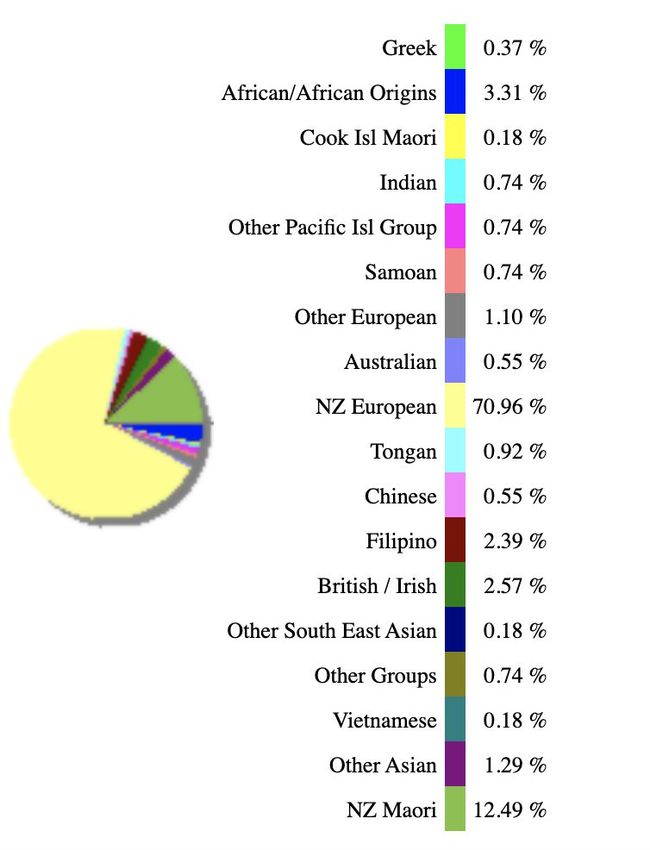
Kapakapanui School Charter 2020Enthic Breakdown of Student Roll
3
Kapakapanui School Charter 2020Section 2-Strategic Priorities
Kapakapanui School Strategic Priorities
2019 - 2022
Vision Statement:
To develop and inspire our children culturally, socially and academically to be the best they can be - kia pai ake koe!
Purpose Statements-The Teachers at Kapakapanui have agreed on the following 4 overarching statements which summarise our
teaching and learning beliefs.
Relationships
We come here to connect and create strong relationships across our school and local community.
Develop Learning Dispositions
We come here to inspire curious and creative minds, achieve success and value self and others as life-long learners.
Value Diversity
We come here to nurture and celebrate diversity, including all the people in our community, so that all can thrive.
Identity
We come here to foster cultural identity, waiora and hauora of children, to enable a holistic approach to education.
Strategic Direction-
In 2019 our school engaged in the process of preparing a new strategic document. We employed an external facilitator and throughout the year
engaged with BOT, staff, parents, whānau and students in a variety of ways-community meeting, staff meetings, a community survey and many
conversations where we refined and revised the document. We identified the following five (5) strategic priorities.
4
Kapakapanui School Charter 2020Strategic Priorities
Strategic Priority 1
Relationships, sense of family connection (W
hanaungatanga)
We will:
1. welcome, celebrate, and value our cultural diversity at Kapakapanui School.
2. harness and apply the strengths, knowledge, and expertise of parents, whānau and the wider community.
3. maintain and enhance positive, meaningful and respectful relationships across the school and wider school community.
4. provide welcoming and inclusive classes that are safe for all.
Strategic Priority 2
Te Ao Māori, Te Reo Māori
We will:
1. enhance teachers’ skills to increase the use of Te Reo Māori in the classroom.
2. enhance students’ skills in Te Reo Māori, Tikanga Māori, their own whakapapa and the tīkanga of Te Atiawa ki Kāpiti.
3. maintain and enhance links with whānau and Whakarongotai Marae.
4. maintain and enhance the use of Te Reo Māori in all school communication.
Strategic Priority 3
Think Globally, Act Locally - Kaitiakitanga
We will:
1. explore and create opportunities for shared learning of our local, Māori and wider Aotearoa history.
2. develop the role of Kapakapanui School in the guardianship and sustainability of the Waikanae environment.
3. improve our understanding of the environmental and social issues affecting Aotearoa/New Zealand and the wider world, including the
positive impact we can have.
4. embrace other cultures and contribute positively as global citizens.
5
Kapakapanui School Charter 2020Strategic Priority 4
Maranga a Whiti - Rise and Shine
-The Learning Journey
We will:
1. inspire students to be Curious, Creative and Confident learners.
2. recognise and provide for the individual needs of each student.
3. develop more integrated approaches to delivering the curriculum that includes the Arts, Education Outside the Classroom (EOTC), Science,
Technology, Engineering, Maths (STEM), Financial Literacy etc.
4. develop how we deliver the curriculum e.g. through play-based learning, project-based learning, active learning, rich learning tasks, student
voice and collaborative / team teaching and practical technology.
5. review assessment practices to identify what is essential and effective.
6. establish a school-wide digital technology vision that assists learning.
7. teach and embed key competencies and pathways across the school.
8. maintain and enhance student agency, growth mindset strategies and collaboration (mahi tahi).
9. create a shared understanding within the school of the student journey from preschool right through to Year 8, including a graduate student
profile for Year 8 school leavers.
10. engage parents as partners in the learning journey and improve communication about learning.
Strategic Priority 5
Our Values:
● Kotahitanga (unity & togetherness)
● Manaakitanga (kindness, caring, respect)
● Whanaungatanga (relationships, sense of belonging, family / whānau)
● Kaitiakitanga (responsibility to the land / environment, sustainability)
● Aumangea (resilience)
● Manawanui (perseverance)
We will:
1. model and encourage others to live our Kapakapanui School values.
2. explore and deepen our understanding of our values.
3. embed our values into everyday actions, curriculum and the whānau (house) system
6
Kapakapanui School Charter 20204. strengthen connections with the values of Te Ati Awa ki Kāpiti and other Māori concepts
5. foster student and staff wellbeing / hauora using mindfulness and the ‘Te Whare Tapa Wha’ model:
5.1. Taha Tinana / Physical
5.2. Taha Hinengaro / Mental
5.3. Taha Whānau / Social
5.4. Taha Wairua / Spiritual Health
Strategic Priority 1
Relationships, sense of family connection (W
hanaungatanga)
We will….. 2019 Status Actions/Indicators-2020 Moving towards
2022 Target
welcome, celebrate, and value our -Powhiri, karakia/mihi,hui, flags in -Learning linked to community with -Cultural understanding is
cultural diversity at Kapakapanui hall, languages in classrooms, a sense of belonging. -Ensure we embedded in all areas of school
School. meet T day, ongoing te reo are open, welcoming and inviting, life with staff understanding what
commitment letters to children, SLCs, regular this means eg Tapasa
harness and apply the strengths, -Kick start, ECS visits, MLAs, emails, open classes -Increased school wide
knowledge, and expertise of parents helping in -Calendar of cultural celebrations engagement across entire school
parents, whānau and the wider c/rooms/sports/camps etc, for the school. ie reflected across all
community. relationships with iwi, invite -Working group/ambassador - cultures-classrooms, staffroom,
parents Lyn of people who are actively cultural performances, all school
maintain and enhance positive, -H&S committee, whānau hui, reaching out to each cultural settings
meaningful and respectful kapahaka, regular emails from T, group. -Diversity ambassador makes &
relationships across the school open door policy, local -Cultural week to celebrate maintains contacts/links within
and wider school community. trips/camps/rest homes, CCC, cultures(on calendar). school community
SLCs, newsletters, social media -Staff understanding cultural -Relationships with wider
nuances. community eg Menz Shed, Rotary
provide welcoming and inclusive -Use of TAs, SENCO, inclusive, -Consider home visits
classes that are safe for all. hui, powhiri, assemblies, -Working group - John to review
celebrations, sports etc Seesaw, whanau, mediators, student
leaders and its role. Embed this
7
Kapakapanui School Charter 2020welcome letters from T, parent more in our curriculum.
sheet to T, diversity
Strategic Priority 2
Te Ao Māori, Te Reo Māori
We will….. 2019 Status Actions/Indicators-2020 Moving towards
2022 Target
enhance teachers’ skills to -T expertise increasing/”giving it a -Teacher PD on tikanga, TOW, NZ -Marae is an extension of school
increase the use of Te Reo Māori go”, Matua Rangi, PLD 2019 (Te history, translations in English/Te on an informal basis
in the classroom. ahu o te reo Maori), powhiri, Reo in classrooms -Noho regular part of school
pepeha, marae visits, Matariki, -Unpack te reo calendar
enhance students’ skills in Te Reo parihaka, powhiri, whānau hui, T progressions/curriculum -Kawa is understood by all,
Māori, Tikanga Māori, their own giving, class commands, throughout the school (Maori observable in practice. Student
whakapapa and the tīkanga of Te whakatauki, staffroom displays, te Lead Team working group) - know marae as part of ‘their’
Atiawa ki Kāpiti. wiki o te reo Maori Craig supporting place.
-Local stories known. Written and
maintain and enhance links with -Kapakapanui consultation, published students-video/youtube
whānau and Whakarongotai emails, parihaka, class visits, -understand local -Staff comfortable using te reo
Marae. elders visit school on occasions issues/stories/histories, parihaka, -Staff meetings at marae
matariki (all school take part) -Wider use of te reo across
school-staff/students. Te reo is
maintain and enhance the use of -Greetings, macrons, school -Noho marae (students/staff) normalised.
Te Reo Māori in all school newsletter, Signage around continuation of parihaka day
communication. school/wharepaku (whole school day?)
-Continue to build on
Whakarongotai relationships
8
Kapakapanui School Charter 2020Strategic Priority 3
Think Globally, Act Locally - Kaitiakitanga
We will….. 2019 Status Actions/Indicators-2020 Moving towards
2022 Target
explore and create opportunities -Parihaka day, matariki, nga -Parihaka day, Matariki, Nga -Recommendations of working
for shared learning of our local, manu, hills to sea camp, sites bus Manu, hills to sea, camp, sites bus group embedded
Māori and wider Aotearoa history. trip, El Rancho, school trip, El Rancho, school Students intrinsically
waiata/haka, local stories, mahara waiata/haka, local stories, Mahara -Authentic learning experiences
gallery, marae visits Gallery, marae visits involving project based/action
inquiry developing out of children’s
develop the role of Kapakapanui curiosity
School in the guardianship and -clean up beach/park, walks hemi -Environmental working group - -Solar panels
sustainability of the Waikanae matenga/river/beach, milk bins, Michelle to identify issues, -Clean school, no rubbish/litter
environment. no rubbish bins, kapakapanui, curriculum links/activities, around school
community -NZ history is taught and
improve our understanding of the -Inquiry, speeches, korero mai, connections/sustainable embedded into school curriculum.
environmental and social issues project jonah, pharazyn reserve, practices/policies Children know their NZ history.
affecting Aotearoa/New Zealand native garden, Kapiti Island -Community garden
and the wider world, including the -More local EOTC -More local EOTC
positive impact we can have. trips/experiences trips/experiences
contribute positively as global
citizens. -build relationships with the wider
community e.g. rest homes,
community gardens, pre schools
9
Kapakapanui School Charter 2020Strategic Priority 4
Maranga a Whiti - Rise and Shine
-The Learning Journey
We will….. 2019 Status Actions/Indicators-2020 Moving towards
2022 Target
inspire students to be Curious, -PBL, Creative challenge, -Hands on and diverse -Everyone’s needs are met with
Creative and Confident learners. collaboration, Coding, Trips, programmes shared understanding at various
Discovery, whānau, School Play levels across school and how
recognise and provide for the Days, Homework challenges. -Investigate and trial curriculum is delivered . Greater
individual needs of each student. programmes/tools and develop integration based on students
-Dyslexia, visual timetables, tracking systems that will support interests, passions. Students are
develop more integrated SENCO, PLCs, school transitions, dyslexia/diverse learning including curious, creative and confident
approaches to delivering the mixed ability groupings, 5+, multi sensory learning. -Lyn learners, excited and motivated
curriculum that includes the Arts, cooking, buddies about learning.
Education Outside the Classroom -Curriculum and assessment
(EOTC), Science, Technology, -Integrated themes, rich tasks, working party - -Flexible timetabling
Engineering, Maths (STEM), camps, dancespalsh, ASB $, Rochelle/Karen/Brenda
Financial Literacy etc. Otago maths, sports, Bands, choir, incorporating KCs, learning
develop how we deliver the ukes, PBL, team teaching, PREP, experiences, cross curricular -Opportunities for learning
curriculum e.g. through play-based kindy visits experiences (The Arts, EOTC, collaboratively throughout
learning, project-based learning, STEM). Develop a Flight path that syndicates/whanau, communities
active learning, rich learning tasks, -PBL, whole school day(s), builds across the whole school. based projects, play across
student voice and collaborative / discovery time, hut building, doors school,
team teaching and practical open between classes more often -Well being, mindfulness focus for
technology. 15 minutes a day and included in -What does PBL,Stem, Project
newsletter with Mental Health Ed based look like across the school?
10
Kapakapanui School Charter 2020and Hauora focus. What experiences at each level.
Play to Project.
-Continue PBL, collaborative and
team teaching. PD TOD, school
visits, review 2019 team teaching
survey, extending STEM across
school
-Structured choices are evident in
-exploring structured choices and the classrooms, skills from the
review assessment practices to accessing community skills. community are accessed.
identify what is essential and -2019 review, SLCs, Seesaw,
effective. Eportfolios
-Streamlined assessment
establish a school-wide digital -Formulation of Kapakapanui practices throughout school.
technology vision that assists -Lucy PD, uLearn, increasing use School Assessment expectations - Improved student outcomes.
learning of robotics, Epro8 Management Lead Team
Review assessment practices -
teach and embed key -Review Seesaw & Eportfolios reports, see saw etc.
competencies and pathways -Reporting including community consultation,
across the school. -Learning pathways what and when?
-Digital curriculum embedded.
-PLD on digital curriculum/ MOE Clear on the use of technology.
PLD on technology/STEM as Recommendations of working
required. group embedded. Students
confident (& safe), connected,
maintain and enhance student -Greater use and teaching of creative users of technology
agency, growth mindset strategies -’You Are Awesome’ book, Term 1 scratch, coding, Epro8,
and collaboration (mahi tahi). focus, GM PD robotics-STEM
create a shared understanding -Increased use of GM strategies,
within the school of the student languages and practices
journey from preschool right -Kindy/Class/College transitions,
through to Year 8, including a play days, senior leaders,
graduate student profile for Year 8 provocations -Clear pathways which flow
school leavers. -Curriculum progressions, PACT through school
(John), What dispositions do our Consistent language in flight path
Yr 8 students need and how will
11
Kapakapanui School Charter 2020engage parents as partners in the -SLCs, Seesaw comments, open we get them there.
learning journey and improve doors, weekly emails, community -Working group
communication about learning. experts , speeches, student Rochelle/Karen/Brenda/John
voice/agency including shared language used
across school, student profile
Strategic Priority 5
Our Values:
● Kotahitanga (unity & togetherness)
● Manaakitanga (kindness, caring, respect)
● Whanaungatanga (relationships, sense of belonging, family / whānau)
● Kaitiakitanga (responsibility to the land / environment, sustainability)
● Aumangea (resilience)
● Manawanui (perseverance)
We will….. 2019 Status Actions/Indicators-2020 Moving towards
2022 Target
model and encourage others to -Term focus, values awards, -Explicitly teach and integrate -Values are child led and Te
live our Kapakapanui School mediators model/role play, values in both te reo and english whare tapa wha underpins our
values. assemblies, celebrations, shine practices-IEPs, reporting, staff
awards -Collect student voice, NZCER meetings, behaviour management
explore and deepen our -Observations of KCs in play WellBeing/AC - Craig
understanding of our values. -Staff PD (mindfulness, te whare -Children have holistic awareness
-Leaders, whanau tapa wha) of te whare tapa wha
embed our values into everyday lunch/time/challenges, class
actions, curriculum and the buddies, whakatauki, hw -Working group - John on -Students & staff well being is
whānau (house) system challenges whanau/assemblies/hui-include high, mindfulness practices &
strengthen connections with the students. strategies are taught and
values of Te Ati Awa ki Kāpiti and embedded into classroom/school
other Māori concepts -Consultation with whakarongotai
including values
12
Kapakapanui School Charter 2020foster student and staff wellbeing /
hauora using mindfulness and the -Mindfulness, treaty in classrooms, -Teach mindfulness practices in
‘Te Whare Tapa Wha’ model: safe environments, reduced stress classrooms. Build on 2019 PD,
-Taha Tinana / Physical levels, staff buddies, team building use of MOE hauora book. Lynnie
-Taha Hinengaro / Mental TOD, staff meeting/PD, hui, brain and Diane
-Taha Whānau / Social breaks, go noodle, Inside /out
-Taha Wairua / Spiritual Health PD,anxiety meeting with parents,
well being booklets, H&S
committee, EAP services, collegial
support, leadership support
Annual Professional Development Plan 2020
The main purpose of professional development is to develop teacher capability to raise student achievement. Focused effort in a
school is important if school-wide teaching and student learning are to improve. Empowering others throughout the school to develop
and exercise leadership roles and to share in the leadership of change is both desirable and achievable. This, along with the
engagement of support from external agencies, is vital.
The staff development plan for Kapakapanui School is based on identified school needs using review information and data. The
programme is developed to include recommendations from the Best Evidence Professional Learning and good practice for adult
learners.
Our focus professional development areas for 2020 year are
● Implement the strategic priorities as noted above. This will involve working groups who will make recommendations to the staff.
● Collaboration-whole school PD day-external facilitator Mark Sweeney.
● Leadership development-external facilitator Chris Rowan
● School culture-external facilitar Sarah Tocker
BES - elements important for promoting professional learning in ways that impacted positively and substantively on a range
of student outcomes:
● Extended time for quality opportunities to learn is necessary
● Quality external expertise is typically necessary
13
Kapakapanui School Charter 2020● Teachers’ engagement in learning at some point is more important than initial volunteering
● Prevailing discourses are challenged
● Opportunities to participate in a professional community of practice are important
● Consistency with wider trends in policy and research is necessary
● Active school leadership is necessary
Adult Learning
Adults prefer learning situations -
● Which are practical and problem-centred
● That promote their positive self esteem
● That integrate new ideas with existing knowledge
● That show respect for the individual learner
● That capitalize on their experience
● That allow choice and self-direction
14
Kapakapanui School Charter 2020Section 3-Annual Goals
Kapakapanui School ‘Raising Achievement Plan’ 2020
– Annual Targets
Aim: For all children to achieve their individual goals to the satisfaction of their teacher, their parents and themselves. We want our children to have high
levels of literacy and numeracy as well as demonstrating independent work habits/skills.
We aim to maintain or improve our current levels of all students within the wider New Zealand Curriculum. A particular focus will include the foundational
learning areas of maths, reading, and writing.
In discussion with our BOT at the 2019 year end assessment meeting the board asked to see us report on a wider range of areas throughout the school
ie drill down deeper into our data and groups of students. We have decided in 2020 to continue to get an overall picture of the whole school data and
continue to track our Maori and Pasifika students. Additional areas which are focus areas in our school are kapahaka students, ESOL students, ex
reading recovery students and students who have dyslexia. Broad questions are
● How are these students achieving at Kapakapanui School?
● What progress are they actually making as many of these students may already be below the expected levels for the age cohorts.
● The school invests a lot of financial resources into these groups eg specialist teachers, tutors, teacher aides, intervention programmes and
professional development. Are these programmes fulfilling our aim of improving student outcomes?
2020 Achievement Goals/Targets – to be achieved and reported on by mid December 2020
1. To accelerate the reading and writing achievement levels of students in the following groups
a. ESOL- 31 Students
b. Dyslexia - 40 Students
2. To ensure discontinued reading recovery students continue to make expected progress as their peers once they have integrated back into the
classroom once they have completed the reading recovery programme. NB 14 students
3. To increase the number of students achieving at or above the appropriate Curriculum Level for their year group in all foundation learning
areas.
4. To ensure Maori and Pasifika students continue to achieve at a similar level to other cohorts in ALL foundation learning areas. NB
Pasifika =14 students 68 students, Maori group =68 students
15
Kapakapanui School Charter 20201. To accelerate the reading and writing achievement levels of students in the following groups
a. ESOL-31 Students
b. Dyslexia -40 Students
Baseline Data:
ESOL Reading 2019
ESOL Writing 2019
16
Kapakapanui School Charter 2020Dyslexia Reading 2019
Dyslexia Writing 2019
2. To ensure discontinued reading recovery students continue to make expected progress as their peers once they have integrated back into the
classroom once they have completed the reading recovery programme.
Baseline Data:
2019 reading data - 14 students
Well Below=0 students Working towards=3 students Within=11 students Above =0 students
17
Kapakapanui School Charter 20203. To increase the number of students achieving at or above the appropriate Curriculum Level for their year group in all foundation learning areas.
Baseline Data:
2018- 2019-
% of students At or Above % of students Within or Above
NB-based on National Standards NB-based onNZC Levels
information
Reading 87.8% 87.3%
Writing 76.9% 76.2%
Maths 80.6% 77.4%
4. To ensure Maori and Pasifika students continue to achieve at a similar level to other cohorts in ALL foundation learning areas. Note that there
are only 22 students in the Pasifika group. Effectively each child is ‘worth’ 4.5%.
Baseline Data:
2018- % of students 2019- % of students 2018- % of students 2019- % of students 2018-School wide 2019-Schoolwide % of
Maori Students At or Maori Students Within Pasifika students At Pasifika students % of students Within studentsWithin or Above
Above or Above or Above Within or Above or Above
Reading 83.5% 79.2% 79.1% 83.4% 87.8% 87.3%
Writing 70.9% 68.8% 79.2% 68.2% 76.9% 76.2%
Maths 80.6% 71.9% 83.4% 68.1% 80.6% 77.4%
18
Kapakapanui School Charter 2020How will we achieve this?
When Actions-What Who Indicators of Progress
Weeks 1-3 term 1 Review 2019 assessment data and All staff Priority lists developed with targeted students identified and
AOV and strategic priorities. Look for groups placed onto etap
identify/trend areas of concern, plan
appropriate programmes. Review Class descriptions/AC and tracking sheets
notes from previous years, discuss
with previous teachers if required.
Ongoing Māori – The Success for Māori and TEAM Leaders / Improvement in student outcomes
Pasifika team will continue to identify Success for Māori
ways to engage parents and iwi and Team Build on current strong and genuine connection/relationship with
inform staff of effective ways to teach whanau
Māori and Pasifika students.
Kapa haka, powhiri, matariki,
parihaka, Whakarongotai Marae,
Fund Kaiarahi Te Reo tutor
Ongoing Awareness of brain development All staff Emotionally settled children, strong and positive relationships
research -ie the stage a child is at with families and whanau
developmentally. What can they do,
what can they not do, what can WE Student progress.
do to ensure their emotional and
physical needs are met in order for
student success? Examples-
emphatic, caring and meaningful
relationships, Play Based Learning
(PBL), music etc
Attendance at relevant PD sessions
eg Nathan Wallis
Week 3-5 Update data/ information based on Staff/SENCO Action completed
new knowledge of learners. Speak
with previous teachers if required to
19
Kapakapanui School Charter 2020gather additional information on Staff can reference student information/data from previous years
learners. to ensure effective transition
Ongoing Ensure assessment moderation Staff/Team Leaders Assessment and moderation practices will be consistent
processes are consistent throughout throughout the school.
the school. Regular discussions,
sharing of views/work samples,
information. Create:
a supportive forum for professional
conversation
opportunities to observe and be
observed
support for teachers to be reflective
of their own practices and that
this is to include shared reflection
staff development to enhance teacher
inquiry
the use of outside expertise to
supplement current staff expertise
On-going Explore the PACT tool and make John and Rochelle Moderation practices will be consistent throughout the school.
recommendations to staff by the end
of term 3.
On-going Monitor students’ levels of All staff Meetings ongoing, reflection/progress indicator sheets from
achievement within teams at least meetings
twice a term. Students who require
support will be identified and
included on the target notes.
Monitor students during syndicate
meetings and writing groups.
Discuss progress, implement
appropriate actions. Information will
be linked with appraisal discussions
and reflections.Tracking sheets to be
set up in term 1.
20
Kapakapanui School Charter 2020As required Staff professional readings and All staff Greater teacher effectiveness in teaching writing. Student
discussions, staff meetings, links. outcomes improve.
Trialling new initiatives and reflecting
on the impact of these..
1-2 per term Use Appraisal Connector appraisal Principal, Teachers Adapt and guide teacher practice.
system to reflect on and adapt and
guide teaching practice and student Positive impact on student outcomes
achievement/progress. Can be
linked to PLC notes as required.
Ongoing Implement growth mindset strategies Principal, Teachers Adapted teacher practice has a positive impact on student
into classroom programmes. outcomes. Teachers and students will use GM strategies as part
Resources-Principal 2016 sabbatical of their learning, teaching and it will become part of ‘what we do’.
report, professional readings, talks,
‘You’re Awesome’ book
On-going Continue to explore flexible grouping All staff Teachers have higher expectations, student outcomes improve
in all classrooms across all core
areas.
On-going BYOD for Years 5-8. This can have Principal/BYOD Students show motivation to write and enjoy writing
a positive impact on levels of teachers/BOT
achievement. Writing results improve
As required Attend relevant PD/courses. Literacy PLD is in place and effective
Leader/Principal Student outcomes improve, targets met.
Each term Students who require support will be SENCO/Teachers Student outcomes will improve
identified, explicit teaching.
On-going We will use appropriate writing Teachers & Resources effectively support programme
resources and exemplars. Lit Leader Staff and students use exemplars to guide teaching and learning
Term monitoring Continue to provide additional BOT/ SENCO/ Student outcomes will improve
support through teacher aide hours. Principal
Term 2/3 Involve student voices in the direction Teachers Increased engagement and enthusiasm for writing
of the writing programme. Continue to Literacy leader
build on 2018 survey.
21
Kapakapanui School Charter 2020Ongoing Junior classes continue with play Years 1-2 Increased engagement and enthusiasm for writing
based learning. Principal Readiness for writing to be assessed on an individual basis.
Writing to be based on experiences
and have an authentic context.
Development of oral language and
fine motor skills through play based
activities.
On-going Work with parents/whanau to further Lyn Parents/whanau are more confident in supporting student
support learning at home. We will Teachers progress. No surprises when reporting to parents.
inform parents of concerns and look
for ways to work together to improve
the achievement levels of our
students. Working group established
with a ‘cultural ambassador’ to
coordinate connections between
home and school.
End of Term 2 Complete mid year assessments in SENCO/Principal/ Mid year results used to inform next teaching steps for remainder
Term 2, analyse data and plan Teachers of 2020
teaching and learning and resourcing
for the remainder of year. Report to
the BOT.
Term 1-ongoing Reading recovery monitoring-1 slot Sue B Ex RR students will continue to make progress and not slide
per week where students are Michelle after coming off the RR programme.
monitored, teachers are updated on
progress and programmes adapted
as required. Some students maybe
in the 7+ programme
Term 1-ongoing Students with dyslexia identified by Lyn Students english language will improve and they will make
teachers and group created on etap Lesley academic progress
and SENCO register. Teachers
Teachers and TA trained in 7+ Regular monitoring of student progress should see improvements
during Xmas holidays. Begin in student outcomes
teaching 7+ programmes in weeks
22
Kapakapanui School Charter 20203-4 having completed the BURT
identification test.
Senco presented dyslexia school
strategy (staff meeting). Teachers
will have a clear understanding of
the 3 tiers and what learning support
is required.
Support and PD also provided by
RTLB (Al)
Term 1-ongoing ESOL students identified by teachers Lyn Students english language will improve and they will make
and groups created on etap. Specific Lesley academic progress
Teacher Aide will be working with Teachers
these students throughout the year
End of Term 4 Complete final assessments in Term SENCO/Principal/ End of year results used to inform us for 2021.
4, analyse data and plan teaching Teachers
and learning and resourcing for
2021. Report to the BOT.
Proposed Planning and Reporting Timetables
Deliverable Responsible Timeframe
Charter/Annual Plan/A.O.V Principal March 1
Data Collection School wide Term 2/Term 4
Analysis of Data School wide Term 2/Term 4
Reporting to B.o.T./Community Principal Monthly + Weekly Newsletters
23
Kapakapanui School Charter 2020Achievement Targets for Principal/Staff November/December
following year
Annual Plan prepared for Principal/Staff November/December
following year
Budget B.o.T. Treasurer/Principal November/December/February
Professional Development Principal/Staff December/ February
Plan
Adopted by Kapakapanui School BOT February 2020
24
Kapakapanui School Charter 2020You can also read


