WHO work on sepsis Ed Kelley Director, Service Delivery and Safety - on behalf of the Sepsis Coordination Group
←
→
Page content transcription
If your browser does not render page correctly, please read the page content below
WHO work on sepsis
                  Ed Kelley
   Director, Service Delivery and Safety
on behalf of the Sepsis Coordination Group
             WHO-HQ, Geneva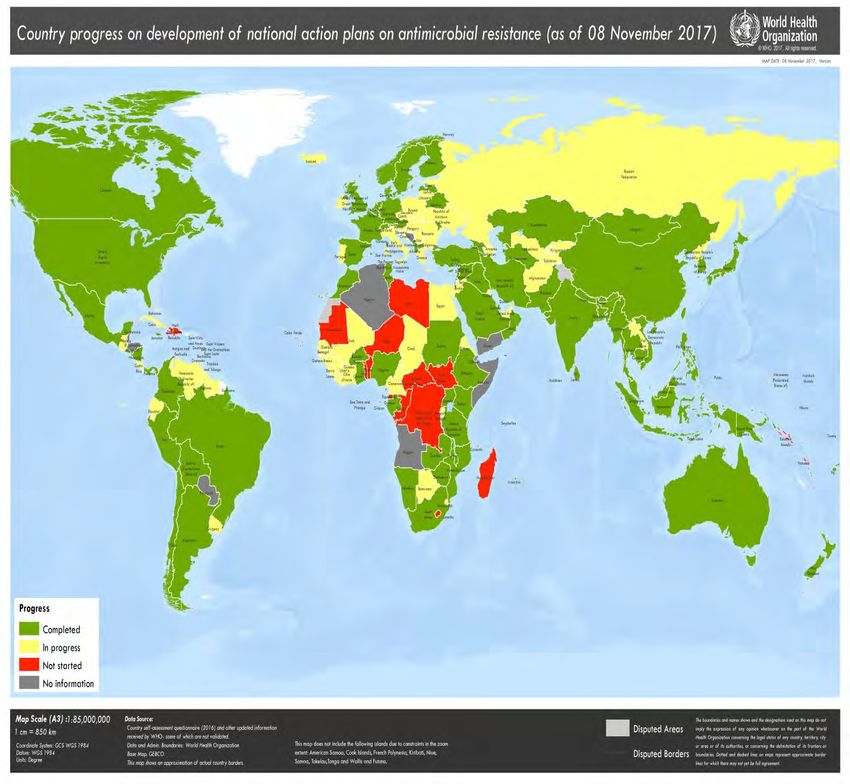
70th WHA - Sepsis report and resolution
3|
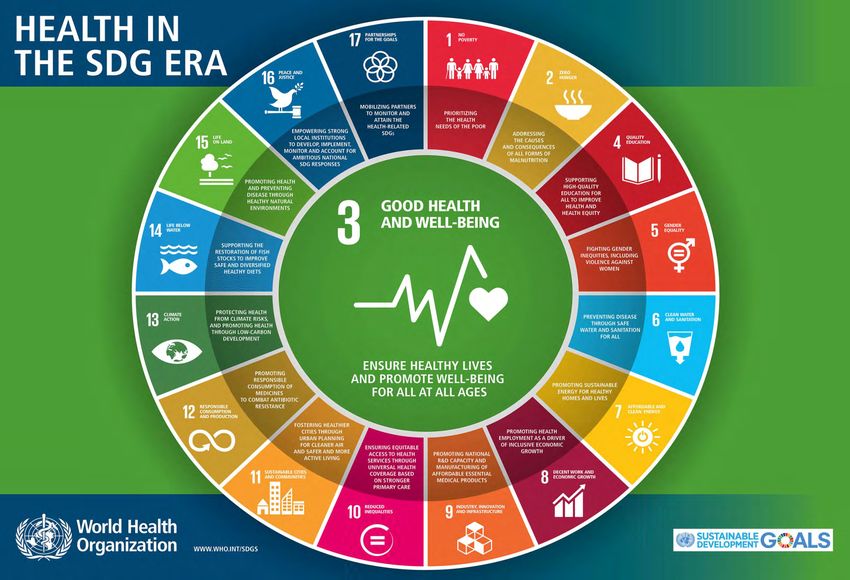
SDG 3: health targets & linkages with sepsis

                         – Maternal, neonatal and
WHO Activities and Sepsis
WHO PROGRAMMES focusing on Sepsis WHO ACTIVITIES supporting Sepsis
management and prevention
Antimicrobial Resistance
Networking, coordinating partners’
Essential Medicines and Health Products
actions
Immunization, Vaccines and Biologicals
Evidence-based guidelines
Infectious Hazard Management
Information, Evidence and Research Policies and standards
Innovation Access and Use Implementation strategies, with
Maternal, Newborn, Child and Adolescent special focus on low-resources
Health settings
Public Health, Environmental and Social Research
Determinants of Health
Reproductive Health and Research
Service Delivery and Safety & Infection
Prevention and Control
5|
Main aspects of sepsis
          according to the resolution

1. Epidemiology and global burden of sepsis

2. Prevention

3. Diagnosis

4. Clinical management, including AMR

6|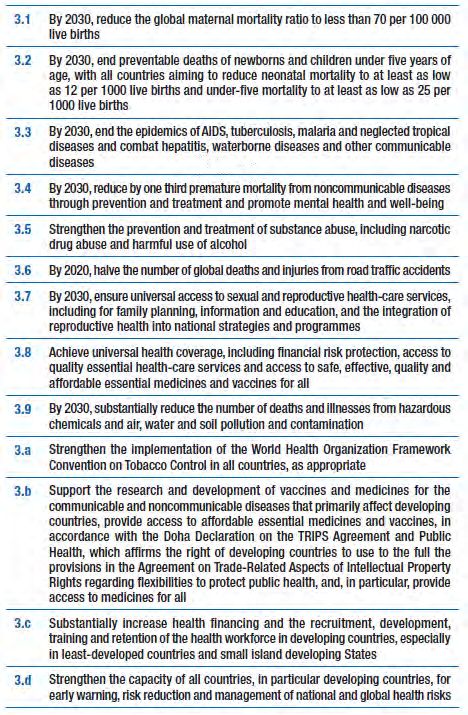
Main actions for tackling sepsis
according to the resolution
Awareness raising activities
Reports
Policies
Evidence-based guidelines
Implementation strategies
Education and training activities
Research
Networking, coordinating partners’ actions
7|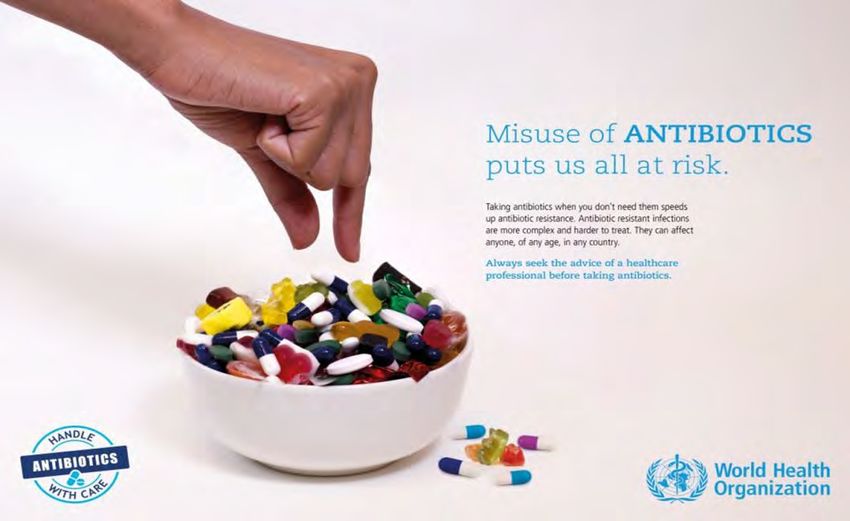
Main areas for tackling sepsis
         according to the resolution

1. Epidemiology and global burden of sepsis

2. Prevention

3. Diagnosis

4. Clinical management, including AMR

8|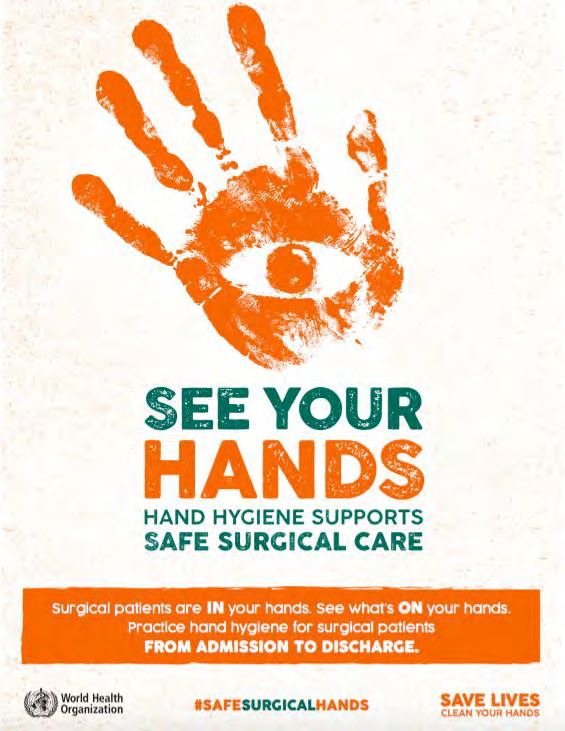
2017 Report supporting the resolution:
         overview of sepsis global data

9|
Interagency reports on
       maternal and child mortality

10 |
Global distribution of deaths
among children under 5 years
11 |–UN Inter-agency Group for Child Mortality Estimation, Levels & Trends in Child Mortality Report 2017.Global distribution of deaths
among newborns
12 |–UN Inter-agency Group for Child Mortality Estimation, Levels & Trends in Child Mortality Report 2017.WHO efforts to better understand
epidemiology of sepsis
Morbidity and Mortality data
– ICD 11 currently under development
Maternal sepsis
– Periodic prevalence study on maternal and early newborn
sepsis in the context of the Global Maternal and Neonatal
Sepsis Initiative
– 53 countries, over 2770 women in LMIC (47 countries) and 350
women in HIC
Neonatal sepsis
– WHO Global Health Observatory data portal on the Global
Strategy for Women’s, Children’s and Adolescents’ Health
– Every Newborn Action Plan
– Global Technical Working Group on maternal and perinatal
death audit and response
13 |New WHO definition for Maternal Sepsis (2016) “Maternal sepsis is a life-threatening condition defined as organ dysfunction resulting from infection during pregnancy, child-birth, post-abortion, or post- partum period” 14 |–http://www.who.int/reproductivehealth/publications/maternal_perinatal_health/maternalsepsis-statement/en/
Global burden of
Health Care-Associated Infections (HAIs)
–Globally, hundreds of millions of people every year
are affected by HAIs = 1 in 10 patients
Intensive care: In high-income countries, up to 30% of patients may be
affected by at least one HAI in intensive care units; in developing countries
the frequency is at least 2─3 times higher.
Neonatal care:
– Among hospital-born babies, infections are responsible for 4% to 56%
of all causes of death in the neonatal period (3/4 in South-East Asia
and sub-Saharan Africa).
– Neonatal sepsis: 6·5-38/1000 live hospital-born babies
Maternal care:
– In Africa, up to 20% of women who have delivered through caesarian
section get a wound infection affecting their health and ability to take
care of their newborn child.
WHO Report on the burden of endemic health care-associated infections worldwide, 2011
15 | Allegranzi B et al. Lancet 2011;377:228-41Global AMR Surveillance System (GLASS)
GLASS early implementation (2015-19): 49
countries
– Data on the status of national AMR surveillance
– Aggregated national AMR data for priority
pathogen-antibacterial combinations
• Antibiotic susceptibility test (AST) data from blood
and other priority specimens sent routinely to labs for
clinical purposes
– GLASS promotes a shift from surveillance based
solely on lab data to a system to a system that
includes epidemiological, clinical, and population-
level data
First GLASS report
January 2018!
16 |GLASS – Incidence of Blood Stream Infection by pathogen under surveillance Preliminary results Embargoed!
2014 WHO survey of AMR in health care
Prevalence of multidrug
resistance from inpatient
clinical blood and urine
specimens
Most important resistant
pathogens (MRSA, ESBL,
CRE and MRAB) from
blood cultures
significantly higher in
LMICs
World Health Organization period prevalence survey on multidrug-resistant microorganisms in health care
18 |
ECCMID 2017Main areas for tackling sepsis
according to the resolution
1. Epidemiology and global burden of sepsis
2. Prevention
3. Diagnosis
4. Clinical management, including AMR
19 |Group B streptococcus (GBS) Vaccination
Leading etiologic agent of neonatal sepsis and of neonatal meningitis
with substantial maternal morbidity/mortality during pregnancy and
postpartum
During 2015 and 2016, the WHO Product Development for Vaccines
Advisory Committee (PDVAC) identified as a priority the development of
GBS vaccines suitable for maternal immunization in pregnancy and use
in LMIC.
WHO subsequently developed a preferred product characteristic
document
"To develop and license safe, effective, and affordable GBS vaccines for
maternal immunization during pregnancy to prevent GBS-related
stillbirth and invasive GBS disease in neonates and young infants,
appropriate for use in high-, middle- and low-income countries."
–Liu L, et al., Lancet 2015
20 | –Sinha A, et al. Pediatr Infect Dis J 2016Understanding the public health value of
GBS vaccination
GBS vaccine development for use in low resource settings however requires
more data to better understand the public health and economic value of this
intervention, as well as its feasibility.
WHO Initiative for Vaccine Research in collaboration with LSHTM is
developing a comprehensive value proposition for GBS vaccination for
pregnant women (2017-2020), based on
– Assessment of the medical need for maternal immunization against GBS at global level
– Economic analysis of economic burden of disease, vaccine cost effectiveness, and anticipated vaccine
introduction costs in different settings
– Identification of potential impact of operationalizing GBS vaccination programmes
The analysis will aim to provide an overview over major data gaps to the
creation of a favourable environment for future vaccine introduction
–Liu L, et al., Lancet 2015
21 | –Sinha A, et al. Pediatr Infect Dis J 2016WHO Infection Prevention and Control (IPC)
Global Unit
Based at WHO HQ and providing support to Member States
through the 3 levels of WHO
Functions Technical areas of work
1. Leadership, connecting and IPC programmes
coordinating IPC to combat AMR
2. Campaigns and advocacy Hand hygiene in health care
3. Technical guidance and Injection safety
implementation
Surveillance & burden of HAIs
4. Capacity building
Prevention of infections associated
5. Measuring and learning with invasive procedures (e.g.
surgery and catheters) - sepsis
22 | http://www.who.int/infection-prevention/en/Why IPC is important for patient outcomes
(incl. sepsis)
Effective IPC programmes lead to more than a 30% reduction in
overall Health Care-Associated Infections (HAIs) rates
HAI surveillance contributes to a 25-57% reduction in HAIs
Improving hand hygiene practices may reduce pathogen transmission
in health care by 50%
With strong IPC national plans, the USA succeeded in reducing central
line-associated bloodstream infections by 50%, surgical site infections
(SSI) by 17% and MRSA bacteraemia by 13%, between 2008 and 2014
A 56% decline in MRSA was achieved over a four-year period in
England in line with a national target
A safety culture and IPC programme reduced SSI risk by 41% in
African hospitals
23 | http://www.who.int/infection-prevention/en/WHO SAVE LIVES: Clean Your Hands campaign
Links to broader global health issues
http://www.who.int/infection-prevention/en/Main areas for tackling sepsis
according to the resolution
1. Epidemiology and global burden of sepsis
2. Prevention
3. Diagnosis
4. Clinical management, including AMR
26 |Essential Medicines and Health Products
Several WHO projects on improving access to essential
medicines, in vitro diagnostics (IVDs) and other medical
devices/equipment that contribute to prevent, diagnose and
treat sepsis, including:
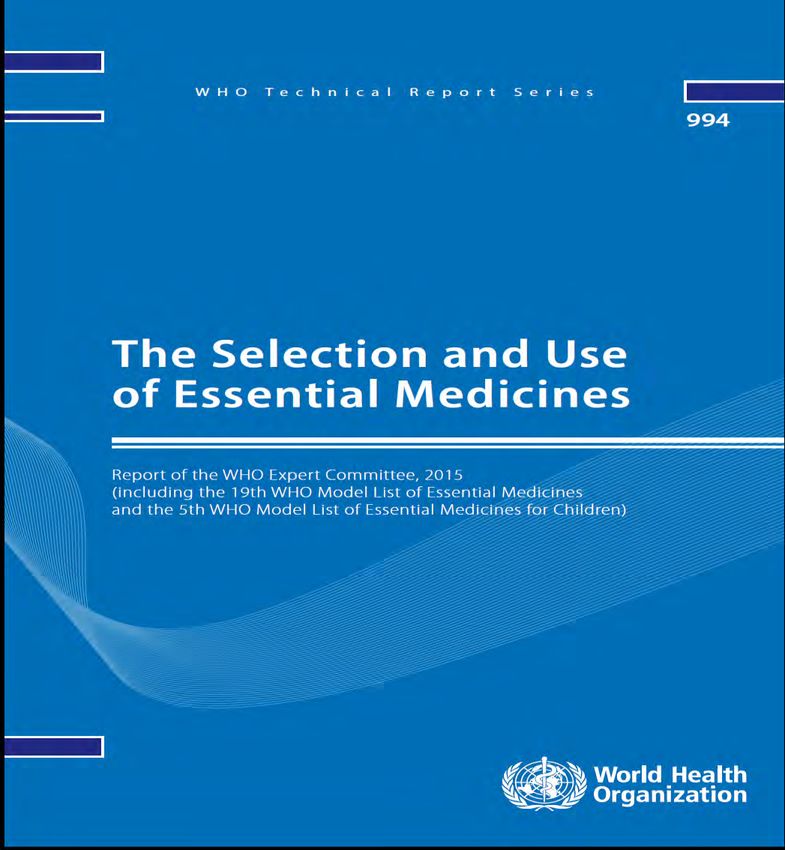
– WHO list of essential medicines with categorization of antibiotics
– Global priority list of antibiotic-resistant bacteria to guide research, discovery,
and development of new antibiotics
– Antibiotic R&D pipeline report
– Global Antibiotic and Development Partnership (GARDP)
– WHO list of essential in vitro diagnostics
– Mapping of IVDs for AMR, identification of gaps, prioritization and development
of target product profiles for priority IVDs
– Semi-open multiplex multi-analyte diagnostic platform for levels 1-2 in
collaboration with FIND and MSF that could be used with a sepsis panel
– Priority medical devices and equipment
27 |20th Essential Medicine List (EML) &
6th EMLc (children) 2017
20th EML: 433 medicines
6th EMLc (children): 314 medicines
http://www.who.int/medicines/publications/essentialmedicines/20th_EML2017_FINAL_amendedAug2017.pdf?ua
28 | =1
http://www.who.int/medicines/publications/essentialmedicines/6th_EMLc2017_FINAL_amendedAug2017.pdf?uaEML 25 syndromes guidances/ recommendations 29 |
WHO EML 2017: Sepsis
       (neonatal and paediatric)

30 |
Critically Important Antimicrobials (WHO CIA list) WHO supports optimization of the non-human use of antimicrobial medicines to preserve their effectiveness by taking a One Health approach 31 | –http://apps.who.int/iris/bitstream/10665/255027/1/9789241512220-eng.pdf?ua=1
Priority Pathogens List (PPL) The list is to guide and promote research and development (R&D) of new antibiotics, as part of WHO’s efforts to address AMR. 32 | –http://www.who.int/mediacentre/news/releases/2017/bacteria-antibiotics-needed/en/
Global efforts to tackle AMR

World Health Assembly 2015    UNGA (September 2016)

                                                      National Action Plans

                                                       Global Monitoring
                                                         Questionnaire

                                                        Guidelines on
                                                       Antimicrobial Use
   Global Action Plan (GAP)
           on AMR                                         And more…

  33 |
Global Action Plans & National Action Plans
Global strategic objectives Examples of key actions for national action plans
1. Improve awareness and • Risk communication
understanding of AMR • Education
• National AMR surveillance system
2. Strengthen knowledge through
• Laboratory capacities
surveillance and research
• Research and development
3. Reduce the incidence of infection • IPC in health care (incl. liaison with WASH)
through effective sanitation, hygiene • Community level prevention (incl. liaison with WASH)
and infection prevention measures • Animal health
4. Optimize the use of antimicrobial • Access to qualified antimicrobial medicines
medicines • Animal health
• Measuring the burden of AMR
5. Ensure sustainable investment in
• Assessing investment needs
countering antimicrobial resistance
• Establishing procedures for participation
34 http://www.who.int/antimicrobial-resistance/global-action-plan/en/Facets of AMR (and sepsis)
Health
Health System Security
Strengthening Joint External
Evaluation
Communicable
Diseases HIV TB
and malaria One Health
AMR
Infection
Prevention and Medicines
Control
Water,
Sanitation, Maternal and
and Hygiene Child Health
35 |Awareness raising activities Objective 1: “Improve awareness and understanding of AMR through effective communication, education and training.” A) World Antibiotic Awareness Week B) Behaviour Change Group C) Health Workforce Education 36 | Global Action Plan AMR
Global Momentum in addressing AMR
    Progress in Developing multisectoral National Action Plans (Nov
                                 2017)

–

    37 |
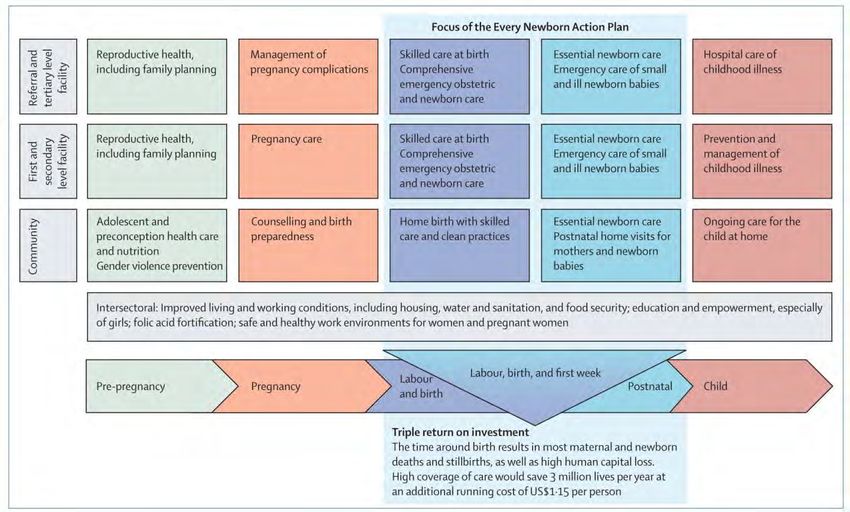
Maternal and Newborn Health packages delivered
along the continuum of care
–Source: Lancet Every Newborn series, paper 5
CARE AT BIRTH, TRIPLE RETURN
Highest impact, Highly cost effective
38 | Benefits women, stillbirths, newbornsWHO’s technical guidance on neonatal sepsis
2017
2015
2010
2000
39 |WHO guidance on neonatal sepsis
Integrated practice guide for care of In 2014, a guidance document on
mother and newborn at first level management of neonatal sepsis, based on
clinical experience and expert opinion
Includes preventive measures:
WASH, safe and clean delivery and Careful approach
cord care, preventive antibiotic – Referral to hospital
treatment
– Injectable therapy for 7-10 days
Use of syndromic approach to (i.e., injectable ampicillin/benzyl penicillin
identify neonatal infections, classify, x 4 times plus gentamicin once daily )
and decide treatment and referral
– Single regimen irrespective of severity
Pregnancy, childbirth, postpartum and newborn care - A guide for essential practice (3rd edition)
40 |
WHO Pocket book of hospital care for children 2014WHO Guideline for Management of Possible Serious Bacterial Infection (PSBI)
in neonates and young infants when referral is not possible
For low resource settings in the context of primary health care only
where referral is not possible
Rationalize the use of antibiotics for young infants with suspected
infection
For use by professionally trained health workers, and not for lay
community health workers
The health workers should be appropriately trained, supplied with
necessary equipment and medicines and supervised for the
identification of signs of illness, referral, treatment if referral is not
accepted and close follow up
Monitoring is essential for ensuring high quality of identification,
treatment and follow up activities
Surveillance for antimicrobial resistance should be strengthened
Guideline – Managing possible serious bacterial infection in young infants when referral is not feasible
41 |
http://apps.who.int/iris/bitstream/10665/181426/1/9789241509268_eng.pdf?ua=1The Global Maternal and Neonatal Sepsis Initiative A global initiative to accelerate the reduction of preventable maternal and newborn deaths due to sepsis Objectives Raise awareness about maternal and newborn sepsis among health care providers, policy makers and the public; Assess the burden and the management of maternal and newborn sepsis at global scale; Develop and test effective strategies to prevent, detect and successfully manage maternal and newborn sepsis. 42 | Lancet Glob Health. 2017 Apr;5(4):e390-e391.
2017 Global Maternal Sepsis Study and
Awareness Campaign
WHO launched awareness campaign in the week
of 13 Sep, 2017 (the 2017 World Sepsis Day),
starting with World Sepsis Congress Spotlight to
raise provider awareness on maternal and
neonatal sepsis
STOP SEPSIS campaign was implemented in over
500 facilities around the world
During one week in November, a massive and coordinated data
collection effort took place to assess the burden and the current
management of maternal and early newborn sepsis
– 53 countries, over 2770 women in LMIC (47 countries) and 350 women in
HIC
For more information visit: http://srhr.org/sepsis/
43 |The Global Maternal and Neonatal Sepsis Initiative:
other activities
44 |WHO’s Health Emergencies Programme
Infectious Hazards Management (IHM)
Timely and appropriate clinical management is crucial to reduce the fatality
rate, e.g.:
– Viral heamorrhagic Fever: from 80~90% to 40% (West Africa), 18% (Europe and USA,
Ebola 2014-15)
– H5N1: from 60% to 30% (WHO pooled analysis)
The WHO Clinical Management team aims to save lives from emerging
infectious diseases by optimal clinical management
– Rapid deployment of clinicians to field to ensure quality care and field
adaptation of guidance
– Production of rapid guidance and normative guidelines
– Production and implementation of training programs
– Clinical research
45 |WHO’s Health Emergencies Programme
Infectious Hazards Management (IHM)
Focus on dangerous pathogens infection
• Emerging or re-emerging infectious diseases (i.e. Ebola, MERS-CoV,
influenza, yellow fever, plague, diphtheria, etc.)
Focus on care of critically ill patients
• Management of complications such as ARDS, sepsis, septic shock, multi-
organ failure
Coordination of clinical network (Emerging Disease Clinical Assessment
and Response Network – EDCARN)
• Prepare and respond to outbreaks
46 |Clinical Management Team (IHM) products
https://openwho.org/courses/diphthe
ria-clinical-management
47 | Pandemic & Epidemic Diseases–Conclusions
WHO leads several programmes focusing on sepsis based on the resolution
WHO’s role supporting sepsis management and prevention spans from:
– Networking, coordinating partners’ actions and supporting ID emergency
response, to
– Developing evidence-based guidelines, policies and standards
– Developing and rolling out implementation strategies, with special focus on
resource-limited settings
– Promoting and leading research
Mechanisms for better coordination and synergy among the different
programmes established and will lead to a more structured corporate
approach
WHO is eager to work with partners to raise awareness on the importance of
sepsis and to develop resolutions and actions to tackle this problem
48 |SURPRISE! New web page launch: TODAY! 49 |
SURPRISE! New web page launch: TODAY!

   –THANK YOU FOR YOUR ATTENTION!
50 |
You can also read


