Winter 2019 - UNC School of Nursing
←
→
Page content transcription
If your browser does not render page correctly, please read the page content below
winter 2019
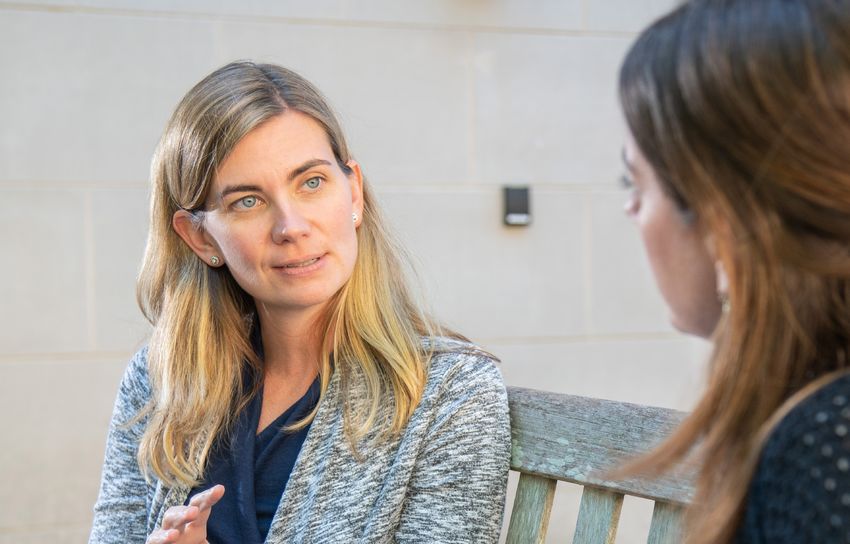
Photo by Alyssa LaFaro

Dear Alumni and Friends,

In these introductory pages, it gives me great pleasure to share the UNC School of Nursing’s new
Strategic Plan with you.

Developed over an intense three-months at the start of this year and voted into implementation by our
faculty in April 2018, the plan is the result of enormous community engagement and will prove a bold
and essential guide for our activities for the next four years.

As the first Strategic Plan for the School in more than two decades, it couldn’t come at a better time in
our history, giving us a thoughtful and inspiring “North Star” by which to navigate the many opportunities
and challenges presented by the rapid changes in our health care system and technologies, looming
shortages of nurses and nursing faculty, aging facilities, and increased competition for the best students,
scientists, teachers and mentors.

True to Carolina’s character, this is genuinely “the people’s
plan.” The mission, vision, values and priorities you see on
this and the following pages were identified and defined
through an outpouring of input from our our entire School
community — faculty, staff, students, alumni, donors
and friends provided feedback in no fewer than five
surveys and three all-community meetings devoted to its
development. And the Plan’s Task Force met 13 times and
its Advisory Committee met three to ensure that the input       A STRATEGIC PLAN
received was well incorporated in the final draft.              for

                                                                CAROLINA NURSING
We think it shows, and our hope is that you are as inspired
by the outcome as we are. With the vision to be First in        2018-2022
Nursing, we are drawing on the pioneering spirit the
School has demonstrated since its earliest days and
confidently calling on the tremendous talents of our
faculty, staff and students to ensure Carolina’s place of
leadership in the profession, science and education of          Our MISSION
nursing.
                                                                CAROLINA NURSING:
Please accept our thanks for your participation in this         DISTINCTLY EMPOWERED TO
worthwhile process and for all you do to help us be what        ADVANCE HEALTH FOR ALL
we have been, First in Nursing!

Warmly,
                                                                Our VISION
                                                                FIRST IN NURSING
                                                                The world’s leading School of Nursing
                                                                for the public

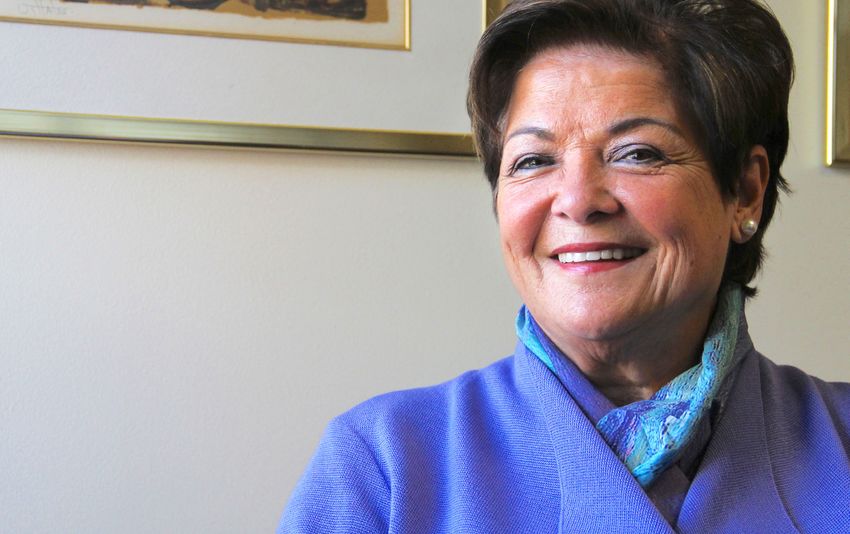
Nena Peragallo Montano, DrPH, RN, FAAN
Dean and Professor

                                                                Our VALUES
                                                                I-LEAD
                                                                  Integrity
                                                                  Leadership
                                                                  Excellence
                                                                  Agility
                                                                  Diversity

                                                                                     continued on next page
WE WILL BE WHAT
WE HAVE BEEN:

PRIORITY: CULTURE
Foster an inclusive environment of respect and civility, and embrace decisions with a strategic mindset

  OBJECTIVE: Build a diverse and dedicated community
               • Encourage, reward and celebrate collaborative achievements
               • Reflect those we serve through increased diversity
               • Cultivate meaningful relationships among community members
               • Promote engagement and enthusiasm for our shared mission

  OBJECTIVE: Communicate and facilitate clear decision-making
               • Clarify decision-making processes, boundaries and levels of responsibility
               • Align decisions with organizational strategy
               • Empower individuals to make decisions to the fullest scope of their capacity

PRIORITY: INFRASTRUCTURE
Upgrade facilities and integrate technologies to exceed current and future demands

  OBJECTIVE: Generate resources and develop plans to upgrade facilities
               • Raise at least $50 million for renovations
               • Design an environment that encourages innovation and collaboration
               • Build world-class facilities with leading technology

  OBJECTIVE: Advance technology to optimize operations and outcomes
               • Promote and expand cutting-edge learning opportunities and platforms
               • Create processes to achieve and sustain technological progress
               • Engage partners in campus collaborative opportunities

                                                      2
if rst                  IN NURSING

PRIORITY: INNOVATION
Transform curriculum, forge new pathways, and advance research and scholarship

  OBJECTIVE: Research: Achieve excellence and distinction in research that optimizes health and
              resilience, locally and globally
              • Renew and advance the research infrastructure
              • Increase and retain research-active faculty and students to support nurse-led team science
              • Focus on research of high scientific, social and positive cultural impact

  OBJECTIVE: Education: Create and advance high impact educational programs and a dynamic
               intellectual community
              • Create an innovative and rigorous curriculum across all academic programs
              • Transform instructional modalities (e.g. online, simulation, global, etc.)
              • Develop new clinical placements and experiences to meet student and community needs

  OBJECTIVE: Practice: Shape current and future care and care delivery
              • Incentivize practice contributions to education and research innovation
              • Partner to develop new models of intra- and interprofessional care delivery
              • Translate nursing knowledge into practical evidence-based application in clinical practice and
                policy

  OBJECTIVE: Service: Increase service commitment to external community
              • Develop and demonstrate model service programs to NC rural communities and underserved
                populations
              • Design and implement pacesetter community-engaged scholarship and education to improve
                the health of the public, locally and globally
              • Inspire, innovate and influence advancement of nursing through increased service to
                professional, community and public organizations
Contents
                                   FEATURES

     leading locally:   From, With and About       5
leading globally: Partnership with St. Luke’s     12
               International A Learning Lab
        leading nationally: Leading by Caring     15
         leading in practice: Answering A Call,   19
                                 Giving a Voice

                               SCHOOL NEWS        24
                        ADVANCEMENT NEWS          27
                                HONOR ROLL        34
                               ALUMNI NEWS        46

                           4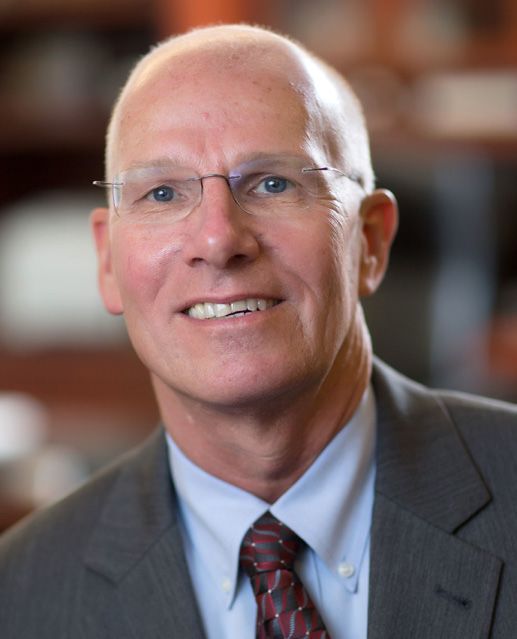
LEADING LOCALLY

From, With and About
Nursing Leads the Way on a Team-Based Campus Curriculum
by courtney jones mitchell

What if the one thing standing in the way of better patient care isn’t
an as-yet discovered technology, but a missed opportunity?

Can a conversation over coffee in a hospital cafeteria, a joint home
visit with a provider from another field, or even a University-wide
curriculum change that begins to blend the fields of nursing,
medicine, public health – and so much more – change
patient care?

They can, and they are.

And, at Carolina, nursing leads the way.
Meg Zomorodi is Carolina’s first Assistant Provost for
Interprofessional Education

      Meg Zomorodi, PhD, RNL, CNL, associate                      “Nursing is naturally interprofessional, and this
      professor at the nursing school, is Carolina’s              school has been leading in interprofessional
      first Assistant Provost for Interprofessional               education for years,” says Zomorodi. “Nurses
      Education and Practice, leading the Office for              have to work well with everyone to care for their
      Interprofessional Education and Practice to solidify        patients, so we have a unique skillset that makes
      University-wide commitment to breaking down the             us great leaders of interdisciplinary teams. We
      barriers between schools and units and allowing             know firsthand that the minute it becomes about
      innovation to become fundamental for a healthier            ‘somebody’ instead of the patient, it’s not going to
      North Carolina. Not only will this help schools meet        work.”
      accreditation requirements in interprofessional
      education, also known as IPE, but it also                   A light on the hill
      establishes Carolina as a leading-edge example for          The University’s health affairs schools are set along
      universities across the country. Under Zomorodi,            the southern corridor of Carolina’s campus, lining
      a multidisciplinary group of faculty across schools         either side of Columbia Street up the hill from main
      and units will infuse current curriculums with              campus. Schools of nursing, medicine, dentistry,
      practices that engage students with different               public health, pharmacy, and social work had been
      interests in interactive learning and collaborative         established throughout the last half century to live
      environments, sending more practice-ready                   out the University’s missions of teaching, research
      students into the workforce after graduation.               and public service. Though the buildings create
                                                                  natural silos, the clinics where Carolina students
      In health care systems, many such collaborative             first practice their skills are supporting the same,
      initiatives are led by physicians, says Zomorodi. She       shared goal – the health of North Carolina’s people.
      was humbled – and thrilled – to be chosen for the
      role she feels like she was born to do.                     “Though they are learning in different schools, in
                                                              6
practice those walls come down,” said Zomorodi. because the patient has missed several
appointments when the clinic has done so much
And, she says, if our students-turned-providers to manage their disease process. He wonders,
aren’t well-practiced in that scenario, the need does she just not care about her health? But,
to collaborate quickly can catch them off guard. the occupational therapy student engages in a
In that event, it is the patient who suffers. A 2018 deeper dialogue with the patient and finds the
study from researchers at Johns Hopkins University full story: she is afraid to walk down her steps for
School of Medicine identified medical errors as fear of falling. The social work student then uses
the third leading cause of death in the U.S., right his connections in the Department of Aging to get
behind heart disease and cancer. A common a free repairman to come and build her a ramp
precursor to medical error, says Zomorodi, is so she can walk down her stairs without fear of
insufficient communication, which can lead to falling.”
preventable misunderstandings or incomplete
transmissions of information that compromise a They also have a deeper appreciation for other
patient’s safety. members of the healthcare field, something that
will help them build relationships throughout their
By the World Health Organization’s definition, IPE careers, said Zomorodi. They will have already seen
occurs when two or more professions learn from, that, without it, the collaboration can’t reach its full
with, and about each other to develop a successful potential.
collaboration that improves health outcomes.
Putting those students together in classes and Zomorodi leads these experiences as part of UNC’s
clinics begins to break down those barriers and Rural Interprofessional Health Initiative (RIPHI),
naturally disrupts preconceived ideas about who- established in 2017 with a
does-what in a patient-care setting, an internalized $1.5 million award to the
hierarchy of health care providers who each focus School of Medicine from
on a different part of a patient’s story. the William R. Kenan, Jr.
Charitable Trust, which
“Each of us, based on our experiences, will walk provides interprofessional
into a room and see something different. If we clinical experiences
go to visit a patient in his home, an occupational for health professions
therapy student is going to notice if there is a students in rural areas of
missing rubber tip on his cane. A pharmacy student the state to the benefit
may inspect prescription bottles and find a drug of their educations and
interaction, and a nutrition student is going to our state’s underserved
take note of the empty refrigerator. And, if we do communities.
this together, these students will pick up on the
questions they didn’t think to ask – and it will make Students spend the fall
them better.” semester paired with
students outside their
Zomorodi gives an example: fields training in quality-
improvement methods
“For instance, the nursing student is frustrated to solve
continued on next pageSchools of nursing, medicine, dentistry, public health,
pharmacy, and social work had been established throughout the
last half century to live out the University’s missions of teaching,
research and public service. Though the buildings create natural
silos, the clinics where Carolina students first practice their
skills are supporting the same, shared goal – the health of North
Carolina’s people.
real-world problems in rural communities that that by myself – I have someone on my side. On
partner with RIPHI. They pitch their possible a home health visit, I was paired with a physical
solutions, borne out of the evidence collected therapy student who noticed that a patient’s legs
in the first semester, to the clinics and spend the weren’t in the right position to support her if she
spring semester initiating them in patient-care stood up. It seems so simple, but it was a fall risk,
settings. and I wouldn’t have seen it. It’s better for all of us,
especially that patient in our care.”
“I’m a nurse, and I’m with nurses all day – in a group
I’m more likely to go stand by nurses. But, imagine Putting it into practice
you have a class with someone from a different Zomorodi is a systems person. As a young
profession, and a year later you see them on the intensive care nurse herself, she entered the other
patient floor. Suddenly, this might be the person side of patient care when she visited her mother
you gravitate toward.” in a hospital ICU. The nurse in her knew proper
protocols were followed, but the worried daughter
Brandi Robinson is a master’s degree student at in her could see the teamwork breaking down.
the School of Nursing who has been a nurse at To learn more about the relationship between
UNC Hospitals for six years. Her interprofessional teamwork and safety in hospitals, Zomorodi
experiences in Zomorodi’s class have opened decided to go back to school. She attempted to
her eyes to what other professions bring to the start a master’s degree, but she quickly learned
table, and now she looks forward to calling on her what she really needed was the School of Nursing’s
colleagues for help because it optimizes the care PhD program.
for her patient. Nurses spend more facetime with
the patient than any other provider. But it can be During her training, a discussion with then-Dean
daunting when you feel like so much is riding on Linda Cronenwett led her to the table of the
your shoulders alone, she said. Quality and Safety Education for Nurses (QSEN)
project, from which the school had recently
“I didn’t know before this class that hospital received a grant.
pharmacists will come do bedside consults for
your patient. A pharmacist has more complete “I fell in love,” she said. “Here I was a nursing
knowledge about the medications than I do, and student, on a team with these champions of
it’s a relief to know I don’t have to worry about nursing and medicine working on an international
8level to put quality safety education in nursing.” in developing curriculum for interprofessional
education, and she found the groove that would
Zomorodi finished her PhD with a doctoral become the root of her career. The school had
dissertation on a team-based approached to end- already been on the forefront of IPE at Carolina,
of-life care, and she joined the faculty of the School with cutting-edge patient simulation classes
of Nursing. She started inviting physicians from led by Carol Durham, EdD, RN, in partnership
the hospital to lead the nursing students through with the schools of medicine and pharmacy to
case scenarios, so they could have classroom improve quality and safety in health care. In perfect
experience working with physicians. timing with her Macy scholarship, the academic
deans from all the health affairs schools made a
“This gave our nursing students an opportunity to recommendation to then-Provost James Dean to
experience what it would be like to treat patients establish an official presence for IPE on campus,
in collaboration with a physician. Our students and Zomorodi was chosen to lead a steering
would see that when a doctor asks you to repeat committee to figure out how.
something, it’s not because she’s not listening to
you – she has a massive case load and needs to The stars truly aligned, said Zomorodi, when the
hear your concern again. Go ahead and speak up,” dean of the School of Pharmacy, Bob Blouin,
she said. “It was eye opening for everyone.” became the University’s provost in 2017. Blouin
had been part of the push for more IPE, and
From there, Zomorodi was selected as a Josiah he wanted to take IPE beyond a component of
Macy Jr. Faculty Scholar, just one of six in the accreditation to a cornerstone in the Carolina
nation and one of two nurses in her cohort. experience so that students learn team-based
The appointment gave her two years to train approaches by default and graduate ready to be
continued on next pagechange agents for the state of North Carolina. where they aren’t able to sleep well or can’t access
He created the office Zomorodi now leads and the food, they can’t study. That teacher will have
established a Director of IPE for each of Carolina’s a different view of that student who falls asleep in
schools to work toward this goal. class, and they can also use those experiences to
“The delivery of high-end advocate for changes to the
quality health care services educational system that help
demands interprofessional “It is essential that we kids grow up healthy. It’s
care,” said UNC Executive prepare our health huge.”
Vice Chancellor and Provost
Bob Blouin, PharmD. “It is science students and Eventually she envisions
essential that we prepare related disciplines with IPE as a thread weaving
our health science students through the whole of
and related disciplines the knowledge and skills Carolina education as IPE
with the knowledge and of a highly integrated, practices are embedded
skills of a highly integrated, into the existing coursework
collaborative professional in collaborative professional in campus wide – all in the aim
order to support the rapid order to support the rapid of providing for our state
changes taking place in a a nimble, caring workforce
performance-based care changes taking place in a ready to work together
world.” performance-based care for a healthier population.
Students will graduate with
Making more world.” a number of core immersive
connections experiences simply by
Now even more barriers are attending Carolina, with the
broken as Zomorodi brings option to do even more.
in schools outside health
affairs, particularly Kenan- Personally, and
Flagler Business School and professionally, Zomorodi is
the School of Education. still learning from IPE, too.
Business students train
to solve major problems, “I’m in awe of how hard
which will be beneficial people work across campus
in developing outcomes- to do the right things for
based initiatives that work. their patients. I’ve learned so
Zomorodi also knew, as a Dr. Robert “Bob” Blouin much from seeing how other
nurse leader and educator, Executive Vice Chancellor schools teach their students
getting future teachers into and Provost
and what they value,” she
IPE situations would have a says. “We all have similar
meaningful impact on the issues, and we’re all trying to
state’s children. solve them. Maybe someone
over there has a solution I can try – and we can
“Health and education go hand-in-hand. Taking a learn from, with and about each other.”
teacher on a home visit where there are children
is powerful, because if they are in a living situation sss
10Durham Selected SON’s First-Ever Director of IPE Earlier this year, Carol Durham, EdD, RN, ANEF, FAAN, was chosen as the School of Nursing’s first-ever director for interprofessional education, which supports the University’s IPE efforts being led by Zomorodi. Durham is also director of the School’s Education Innovation Simulation Learning Environ- ment (EISLE). Durham has been a leader in IPE not only at the School, but also across campus, where others have long counted on her expertise in teaching teamwork and patient safety through patient simulation. Since 2009, she has been team-teaching “Interprofessional Teamwork and Communication: Keys to Patient Safety,” a patient-simulation elective for nursing, medical and pharmacy students. The course is based on national standards that are part of accreditation and TeamSTEPPS (Team Strategies and Tools to Enhance Performance and Patient Safety), an evidence-based teamwork system designed for health-care professionals. The course was ahead of its time, predating even the University’s adoption of Core Competencies for Inter- professional Collaborative Practice. In 2015 Durham was invited by the National Council of State Boards of Nursing (NCSBN) to join an eight-member task force that will develop simulation guidelines for state boards of nursing in response to the NCSBN Simulation Study.
LEADING GLOBALLY

 Partnership with St. Luke’s
 International University ‘a
 learning lab for all of us’
 Like the United States, Japan has a highly skilled           curriculum for a new DNP program. School of
 nursing force and the rich industrial resources that         Nursing Professor Emerita Donna Havens, PhD, and
 are indicative of a strong economy. This summer St.          Jennifer D’Auria, PhD, an associate professor and
 Luke’s International University in Tokyo sought as-          assistant dean in the MSN/DNP division, shared the
 sistance from faculty from the School of Nursing as          curriculum from the school’s own DNP program as
 they launched Japan’s first Doctor of Nursing Prac-          guide.
 tice program to help them better leverage those
 resources for the benefit of the entire country.             St. Luke’s is the premier nursing school in Japan,
                                                              established in 1920 by an American missionary,
 SeonAe Yeo, PhD, professor, and Mark Toles,                  Dr. Rudolf Bolling Teusler, who appointed Alice
 PhD, assistant professor, traveled to Tokyo in mid-          C. St. John, an American nurse, to produce skilled
 June to visit the new DNP program, now instructing           nurses.
 its second cohort of 10 students, to teach them the
 research approaches and implementation science               “St. Luke’s has been collaborative from the very
 they can use to improve their own hospitals and              beginning, so I wanted to make this a very real
 clinics. In that time, they taught three DNP courses,        collaboration on the school level instead of one I
 presented a faculty-developed seminar and                    did on my own,” says Yeo.
 consulted at a faculty meeting, and they met with
 32 groups of faculty and students for one-on-one             For this summer’s trip, where Yeo planned to
 conferences.                                                 evaluate the progress of the first cohort and
                                                              welcome the second, Yeo asked her colleague,
 “Last year, in 2017, I went to Japan to help start           Mark Toles, to join her. He brought to St. Luke’s
 the first cohort, and these were the very first DPN          program a course on research approaches and
 students in Japan,” says Yeo.                                methods of implementation science, which is
                                                              the science of strategically applying evidence-
 Yeo’s collaboration with St. Luke’s began more               based solutions to solve problems in health
 than five years ago as Yeo wanted to find a unique           care, particularly to improve the health of a
 way to impact her beloved home country of Japan              particular population of a hospital, clinic or other
 and Carolina, where she has been on faculty for 11           demographics.
 years, and see if they could have an impact on one
 another. 2016 brought a more formal collaboration            “I wanted to bring them much more than
 as St. Luke’s asked Yeo to develop a formal                  information. Mark has had unique experiences
                                                         12
“I wanted to bring
them much more than
information.” —SeonAe Yeo
implementing change in diverse healthcare
settings and knows what will work. With the two of
us in Tokyo, Mark could lead the second cohort as
I evaluated the success of those who had entered
the previous year, and we could work on really
teaching research approaches,” says Yeo. “The
lessons we learn as we do this will help us refine
what we teach. It’s more than guiding them – this
isn’t a mutual partnership if we can’t learn from
them.”
Japan is highly technologically advanced, rich with Professor SeonAe Yeo
new ideas, and incredibly inventive in multiple
domains. Thus, it was no surprise that faculty
leaders at St Luke’s sought new ways to prepare based intervention and implementation methods
nurses for translating innovations into clinical necessary for an impactful DNP program – many
practice. Many American ideas about quality of the faculty advisors weren’t familiar with the
improvement processes originated in Japan – the DNP degree or with implementation science, but
Japanese word kaizen being the origin for our they were enthusiastic about learning. Toles and
term “continuous quality improvement.” In Japan, Yeo met with all the DNP students individually and
Yeo and Toles taught a new synthesis of kaizen and again with their advisors. In order to master the
implementation science, with the goal of preparing concepts, faculty members were encouraged to
new DNP trainees to become health care leaders in audit courses with their students.
their communities.
“All students in the program are working nurses
Toles says the DNP program is specifically focused with at least three years of master’s-level clinical
on how to move innovation into practice, into experience. Maintaining full-time employment is
their hospitals and community-based settings. a requirement of the program, because clinical
“A doctorly trained work force will give them the problems at students’ work sites dictate the
capacity for change; for example, to increase learning process in their courses,” says Yeo. “They
assessments of depression in senior centers, to are serious about using this program to make a
retain new nurses and reduce staff turnover in difference in population health.” Toles had never
hospitals, and to support patients as they undergo been to Japan, and he says he had to give Yeo’s
courses of chemotherapy.” The students weren’t invitation a bit of thought. With Yeo’s guidance
the only ones who wanted to learn the evidence- in Japan, and the positive experiences he had
continued on next pageworking with St. Luke’s faculty, he was committed. “Not only our DNP students, but also all the faculty
The experience was so professionally and in our school, were very inspired,” she wrote.
personally inspiring that he can’t wait to go back.
“At St. Luke’s, they were ready for this program,” he Yeo says she can see something extraordinary
says. coming together as they work on establishing this
program and refining the curriculum. Her vision of
The first cohort of 10 students were defending their having a collaborative partnership, where faculty
research proposals in Fall 2018 for the projects and staff across schools will be able to explore new
they will execute in the spring and summer, using opportunities for conducting research and solving
the DNP project guidelines prepared by Toles and big problems in health care, can be realized.
translated by Yeo.
“I’m really excited to see this grow at St. Luke’s
“This is the first milestone, to see these 10 students and see how the faculty here can engage with and
defend their proposals. We are excited to work learn from them, so we can share information back
with them on their plans so far away, in another and forth.”
part of the world. By the time we go back next
year, the projects of the first cohort will be nearing Toles says participating in a global project is much
completion, the faculty will have a lot of feedback, more than just a visit to another country, but also a
and the new proposals will already be coming up,” wonderful opportunity to start seeing the people in
Toles says. far-away places as mutual partners.
Dr. Shigeko Horiuchi, the incoming dean at “I am heavily invested in the students as they begin
St. Luke’s wrote School of Nursing Dean Nilda to implement these models and do the work.
Peragallo Montano to communicate her university’s There’s such an openness as they talk to us about
gratitude for sharing the future of research and it,” he says. “And, I think we are learning – that will
clinical practice in the field of nursing. She wrote help us refine our own program. This is really a
that the collaboration was essential to developing learning lab for all of us.” sss
a unique and effective DNP program in Japan, and
that she hoped the relationship would continue
and grow.
Professor SeonAe Yeo with Assistant Professor Mark Toles
14LEADING NATIONALLY
LEADING
by caring
The National League for Nursing, with a In 2016, Chancellor Carol L. Folt asked Alexander
membership of 40,000 nurses, is the oldest to be the first ever special assistant to the
professional association for nurses in the country. chancellor for diversity, and in 2017 she took
This year it celebrates its 125th anniversary, just her current role as associate vice chancellor for
as Carolina, the nation’s oldest public university, diversity and inclusion.
celebrates its 225th.
A career in nursing has been the perfect
In these two landmark years, Rumay Alexander, preparation.
EdD, RN, FAAN, holds important leadership
positions at both: she is the president of the first “Care is part of our DNA. It’s a natural lens through
and the associate vice chancellor for diversity and which we see things. When there’s a need for
inclusion at the second. healing, which we see so much in issues of diversity
and inclusion, the experience of learning how to
It is indicative of how far the world has come, be with people where they are is essential. These
says Alexander, and the intrinsic leadership style people are in your care – what do they need?”
that comes from nursing, to see these two things Early on Alexander had a sense that she was made
converge. to do something big, but that the world around her
continued on next pagewas not automatically going to make room. She grades spiral downwards.
learned that when others saw her name, Rumay,
on paper, that they expected to meet someone “I had always been a straight A student,” she says.
French or Italian. They were visibly caught off- “Something wasn’t right.”
guard to find out she was African-American. It
taught her to read the room, she says, to always Alexander discovered the school system had
know her environment been supplying the all-
and to confront black elementary school
stereotypes, implicit bias “Care is part of [nurses’] with outdated textbooks
and discrimination with while giving the other
eloquent rage. DNA. It’s a natural lens school the most recent or
through which we see things. cutting-edge textbooks.
“I was put in so many She had been intentionally
situations where something When there’s a need for heal- undereducated. Repeating
– an unfair rule or an unkind ing, which we see so much in that realization, even now,
person – was pushing still leaves her with a bit of
against me, and I have issues of diversity and inclu- shock.
always pushed back. I didn’t sion, the experience of learn-
know what I was being “Throughout my childhood,
prepared for, but I knew it ing how to be with people there were different rules
was for something.” where they are is essential. for different people, and it
didn’t make sense to me.
When Alexander was in These people are in your care But I had a lot of grit. I’d
the seventh grade, her – what do they need?” think to myself – ‘manage it.’
home state of Tennessee So, I caught up. As a child, I
was ordered to integrate Dr. Rumay Alexander, was working at night until 2
schools, and she was UNC Associate Vice a.m. because I wanted to be
given the opportunity to Chancellor for Diversity and excellent.”
leave her totally black Inclusion,
school to attend a totally UNC School of Nursing After graduation, Alexander
white school and make Professor, and enrolled in the University
it diverse. Immediately National League for Nursing of Tennessee in Knoxville.
she felt the tension within President She had an aptitude for
her new school, at which science, which led her to
some assumed she wasn’t health care. As a child, she’d
good enough or intelligent only see white providers,
enough, and her close-knit community, which the injustice at the hands of some that she’d long
thought “maybe she now thinks she is too good or recognized. But, she’d also recognized the nursing
better than us”, says Alexander. care that had made her feel safe, the humanity of
the nurses who had soothed her when she was
She felt caught between these two worlds and injured.
fully fitting, belonging or welcomed with neither.
School had always been easy for Alexander, and “We needed black providers in health care. The
with the transition to her new school, she saw her health sciences had not come around to studying
16their black populations. Becoming a nurse was through systems that weren’t going to easily
a way for me to give voice on behalf of these accommodate her have instilled in her a desire
patients.” for humanity and equality. She says these values
are essential to making a difference and working
Alexander’s first job was as a pediatric nurse, toward inclusive and equitable environments of
but she soon wanted more. She took a job as living and learning during these pivotal years for
Senior Vice President for the Tennessee Hospital both Carolina and the National League of Nursing.
Association, one of two women in such roles across
the country, the only African-American and the only “I have worked my entire life to be a game-changer
nurse. and to make sure that I am so well-prepared that
the excuse of not being so could not be used
She felt herself tested by those who didn’t believe as an eliminating factor for my presence, and
she belonged, so she once again turned to her grit the decision-makers would have to work hard to
and defied the expectations had on her. Realizing eliminate me based on my record of achievement. I
she needed bigger tools to do bigger things, she have seen others do that, too, for my whole career,
earned her Master of Science in Nursing from not be their whole selves because they worry
Vanderbilt University and her doctorate degree others do not find them legitimate,” she says.
in education from Tennessee State University, and
she used the skills she’d learned in advocacy and “But I understand this so well because I have lived
education to begin a career consulting on diversity it, and experienced it, and I can articulate it in ways
and inclusion. those who are different from me can understand.
To be here now, I can see everything that has come
“I understood the patient side of it, the public before makes perfect sense.” sss
policy side of it, the racial side of it, gender
inequity side of it and the educational side of it,”
she says.
In 2003, Alexander joined the faculty of UNC’s
School of Nursing, which had recently become
dedicated to having a class that reflected the
demographics of the state. The school was the first
on campus to hire a full-time chief diversity officer,
focusing on curriculum, recruitment and retention The NLN serves as the premier
and the organizational climate. organization for nurse faculty and leaders
in nursing education, offering professional
“I knew that if you don’t get the climate right, development, networking, testing services,
the other two won’t work. You need policies and nursing research grants and public policy
practices and strategic planning,” she says. “So, all initiatives to 40,000 indivdual members
the work I’d done before had truly led me right to and 1,200 institutional members.
that place.” In 2008 she made history once again,
becoming the School of Nursing’s first African- Dr. Alexander began her term as president
American full professor. in September 2017, a role she will hold
until September 2019.
Her life experiences of so often trying to workA non-traditional student,
Assistant Professor
Rhonda Lanning didn’t
consider going to college
until a friend suggested it to
her. But once she started, she
couldn’t stop. Having earned
her doctor of nursing practice
last year, she has helped
countless students — and
birthing mothers — find their
voices along the way.
18LEADING IN PRACTICE
Answering a call to serve,
giving a voice to others
A volunteer doula, one of 70 on the call schedule $500 to $1,000.
for UNC Birth Partners, sits in the lobby of the
postpartum floor at N.C. Women’s Hospital, At N.C. Women’s Hospital, School of Nursing
rubbing her eyes and palming a cup of coffee. Her faculty Rhonda Lanning, DNP, CNM, IBCLC,
shift was over hours ago, when she’d seen a new LCCE has developed a revolutionary program
mother through a healthy – if long and difficult – that provides access to doula care to laboring
birth on the labor-and-delivery unit just one floor women at no cost. Volunteer doulas from UNC
below. Other volunteer doulas are on call now, and Birth Partners attended more than 200 births in
the sun is up, so she could go home. But, in her lap 2017 and are trending toward at least 300 in 2018.
is a small brown bag that holds a tiny, hand-knitted, With nearly 3,500 births per year at N.C. Women’s
baby-blue cap. To this doula, the shift isn’t over Hospital, UNC Birth Partners are coming close to
until she’s seen Mom in her new room and put this seeing 10 percent of the mothers who give birth
gift – crafted by doulas and other volunteers and there.
given to each mother who uses the hospital’s doula
service – in her hands. Most insurance companies don’t reimburse for
doulas, and most hospitals – especially a public
Doulas are trained professionals who provide one like UNC’s – wouldn’t be able to absorb the
continuous physical, emotional and informational costs. UNC Birth Partners volunteer their time in
support to a mother before, during and shortly two 12-hour shifts per month, often in addition
after childbirth. In the Triangle area, the number to being full-time graduate or undergraduate
of expectant mothers hiring doulas to attend students or working full-time jobs.
their births is on the rise. A 2017 research review
published in the Cochrane Database of Systematic “It is a powerful thing to work with a woman on her
Reviews evaluated the births of more than 15,000 childbirth, to walk her and her partner through the
women and found a clear connection between steps of labor and support them through what they
doula-supported births and a reduced risk for need – more information about a stage of labor, a
cesarean birth, better pain management and high back massage, help getting in the tub, strategies
satisfaction scores. With research that links doula for getting through contractions – because it makes
support to improved outcomes and experiences an incredible impact on how they feel about their
for both moms and babies, hiring one begins to experience,” she said. “But, it’s more than that. It’s
feel like a necessity. But, it’s not accessible for an evidence-based practice that has been shown
everyone. A private doula can cost as much as to improve birth outcomes. Offering this service in
continued on next pagea major medical center is an extraordinary thing.” with a mother as the physician follows his process,
we can be there to help this mother experience
Bringing the best of birthing her baby’s delivery as more than a surgery, but an
The word doula has Greek origins and means amazing life event.”
“a woman who serves.” Throughout history and
in many cultures, women have traditionally Lanning spent the fall of 2017, in the final year of
surrounded other women in labor, providing her doctor of nursing program at Duke University,
emotional and physical support before, during and piloting a doula program for the operating room to
after birth. Bringing doulas into a tertiary medical measure outcomes and satisfaction rates. Doulas
center like UNC’s takes a process that can feel very attended the cesarean births of more than 60
medical and helps shape women over a period of
it into the phenomenal 12 weeks, and the results
experience it is – a were overwhelmingly
personal life even unlike
“I want to be that faculty positive.
any other. member for our students
Nearly 100 percent of
That all this, Lanning
who can help them see those women were able
says, is possible within their potential,” she said. to experience skin-to-skin
a maternity care center contact with the newborn
that ranges from low-
“We need them. They are in the operating room,
risk to the most high- important. I want them to which helps regulate the
risk deliveries is a truly baby’s body temperature
unique opportunity
know they have a voice.” and begin the bonding
to bring the best of process, and both
birthing to the Triangle. Dr. Rhonda Lanning, patient and nurse
In bridging those worlds, Assistant Professor evaluations showed the
Lanning has positioned families and practitioners
doulas in a once- in the room were highly
unexpected place: the operating room. satisfied with the process. Often the OR nurse
would be the one to assist the mother with what
A cesarean section comes with powerful pain are known as ‘gentle cesarean’ practices, such as
management and obstetrical surgeons working offering a clear drape to feel more connected to
behind a drape to safely – and quickly – deliver a the birth or initiating skin-to-skin after delivery. In
child. Many mothers might wonder, why would you an emergency situation, a doula presence frees the
need a doula to help manage a birth experience nurse to assist with the delivery.
that is already so well managed? Whether a
woman has a scheduled cesarean section, or she “What we found is that a doula is a really necessary
finds herself rushed from the delivery room to an addition to an operating room. It’s a high-stakes
operating room, Lanning says a doula presence situation. It’s not as comforting as a delivery room.
offers a tremendous benefit to a surgical birth. By attending these births, the physicians and
nurses can concentrate on delivering the baby and
“In fact, these are some women who need us the keeping mom safe, and the doula can help make
most,” says Lanning. “Being in the operating room the experience feel less like a surgical process and
20Now holding a doctorate, Lanning started out as
a non-traditional student, dropping out of high
school at age 16, just one year after she’d found
herself completely on her own, to complete a GED.
more like a birth.” important, so we want to know what questions she
has, and we want to help her stay calm, breathe,
For Lanning, maternal health is not only an issue and take a minute so she can clarify her needs. It’s
of safety, but one of women’s rights. So many not about the doula determining her needs – it’s
negative birth experiences relate to a perceived about creating room for her to express them so
loss of autonomy, she says, and a feeling that you together you can figure out how to make even an
aren’t able to advocate for yourself amid a room unexpected birth experience a truly wonderful
full of experts. She believes every mother deserves one.”
a positive birth experience where they feel
empowered to have a say in how they receive care. Lanning’s own anecdotal observation is that doula
support can help a mother avoid or lessen the
“In the rush of the medical part of childbirth, it’s severity of postpartum depression that may be
easy for a mother to feel like she’s lost her voice, borne from a traumatic birth. “It’s important for
that it is something that is happening to her, rather the mother to be able to speak up and begin
than a life-changing experience. Doulas honor processing it with someone who knows about
that,” she says. labor and birth, and who can also remind her
of her strength and the amazing things she
Birth trauma is not uncommon, says Lanning, and accomplished during that birth.”
families can feel continued distress when a birth
doesn’t go as planned, even if both the mother and Building a self through service
baby are ultimately healthy. For instance, she says, Lanning’s work is making a mark on the culture
if the baby needs to go to the neonatal intensive of labor-and-delivery, earning her the 2018 UNC
care unit for observation, the parents are left in the Medical Center Nursing Faculty of the Year.
room trying to process the situation. And, once With particular concern for women who might
mom and baby are stable, they may still be left with be laboring alone or in difficult circumstances,
questions. Lanning has dedicated resources to specially train
doulas to serve incarcerated women delivering
“When a family has an unexpected outcome, at N.C. Women’s Hospital as well as women in
a doula is there to provide support and helps the UNC Horizons Program, a treatment program
them make sense of everything that happened. for pregnant women who live with substance use
Even positive outcomes begin with difficult disorders.
situations, and we want the mother to feel like
we’re there to help her process and preserve “I always had this feeling that I wanted to help
the birth experience,” says Lanning. “Her voice is people and do some good in the world. Early on, I
knew I was passionate about women’s rights when
continued on next pageit comes to their health care,” said Lanning. experience.
Now holding a doctorate, Lanning started out as “What I’ve found is that students who engage in
a non-traditional student, dropping out of high service come away with such powerful experiences
school at age 16, just one year after she’d found and such an incredible perspective on all they
herself completely on her own, to complete a GED. can do as an individual,” she said. “It’s a fantastic
A heart for serving others grounded her and gave opportunity to feel empowered to do this kind of
her a sense of self-worth, and she filled her time work.”
with volunteer activities, longing to do more even
as she doubted her academic potential. Nurses are trained to advocate for their patients,
Lanning says, and bringing voice to the voiceless
A friend suggested Lanning apply to college, but – on the patient floor or in a classroom – is central
like many first-generation college students, she to her practice as a nurse and an educator. This
had no idea where to begin. But once she started, year she is serving as a faculty mentor for the
she didn’t stop. She attended Earlham College Lookout Scholars program, which guides first-
in Indiana on a Pell grant and graduated with a generation college students through their years
degree in biology, which she followed with both a at Carolina. She wants these students to see their
bachelor’s and a master’s degree of nursing at the own potential, and not hold themselves back from
University of Pennsylvania. Lanning practiced as a transformative experiences on a campus where
certified nurse midwife for several years before they still might not believe they belong.
joining UNC’s School of Nursing
faculty, where she teaches several It’s an important new role for her on a campus
courses including Supporting where her impact and influence on the lives of
the Childbearing Family, an others continues to grow, always rooted in
interprofessional APPLES amplifying the voices and needs of others. It is
far beyond what she’d long-ago imagined –
what she’d never even allowed herself to
imagine – she could do.
It is a gift not lost on her.
“I want to be that faculty member for our
students who can help them see
their potential,” she said. “We need them.
They are important. I want them to know they
have a voice.”
service-learning course which she created.
The innovative class, for which Lanning
earned the 2016 Office of the Provost
Engaged Scholarship Award for Teaching,
brings students and volunteer doulas together
for a hands-on, patient-centered learning
22Ready
for
more?
Check out our full complement of top-ranked programs
to take your Carolina Nursing career to the next level.
• RN-Master of Science in Nursing*
• Master of Science in Nursing
• Post-Master’s Certifcate in Nursing
• Doctor of Nursing Practice
• PhD in Nursing
• Postdoctoral Programs
*New online options available!
Visit our website to learn more:
nursing.unc.eduFaculty News and Accomplishments
from June to December 2018
Jennifer Alderman received the 2018 UNC Class of (INASCL) “Spirit of Simulation” Leadership Excellence
1996 Award for Advising Excellence. Nominations Award, given annually to a “visionary and inspiring
and statements are submitted by undergraduate nurse leader in the INASCL simulation practice
students. community who exemplifies the characteristics of a
transformational leader.”
Jada Brooks was invited by Chancellor Carol Folt to
join the 2018 cohort of the 10th annual Chancellor’s Cheryl Giscombe was named an inaugural Art
Faculty Entrepreneurship Workshop, which offers a Museum-based Health Professions Education Fellow
deep-dive into the theory and practice of through the Harvard Macy Institute.
entrepreneurship, working side by side with faculty
peers and experts.
Saif Khairat was featured by the American Medical
Association, American Hospital Association, and
Ashley Leak Bryant was named a fellow of the Politico for his study on the effects of electronic
Gerontological Society of America, and became the health records systems.
chair of the Oncology Nursing Society Leadership
Development Committee.
Kathy Knafl was honored by her alma mater, the
University of Illinois at Chicago with their Alumni
Jean Davison was awarded the North Carolina Achievement Award for her groundbreaking research
Nurses Association (NCNA) Mentorship in Nursing on how illness affects family life.
Award.
Deborah Mayer was appointed the UNC School of
Carol Durham received the International Nursing Nursing Frances Hill Fox Distinguished Professor of
Association for Clinical Simulation and Learning’s Nursing and the interim director of the National
CONGRATULATIONS
to our 2018
FELLOWS
of the
American Academy
of Nursing
24
Eric Hodges Lixin SongDonna Sullivan Havens, professor emerita and
former interim dean, was named the Connelly En-
dowed Dean of the M. Louise Fitzpatrick College of
Nursing at Villanova University, her alma mater,
on June 30, 2018. She was honored for her
considerable contributions to Carolina Nursing with
a celebratory reception on September 10, 2018.
Cancer Institute’s Office of Cancer Survivorship. Wilmoth was also elected to a three-year term on the
Army War College Foundation Board of Directors.
Hudson Santos received a K23 grant of nearly
$395,000 from the National Institute of Nursing
Research to establish relationships among Lisa Woodley was honored at the Nurses Education
DNA methylation, maternal hardship, and Funds, Inc (NEF) Gala reception as a recipient of the
neurodevelopmental impairment in extremely Cynthia Davis Sculco Scholarship as she continues
preterm children with an ultimate goal towards her pursuit of a PhD in Nursing.
preventing or minimizing impairment. Dr. Santos also
became an Academic Editor for PLOS ONE.
Meg Zomorodi was presented with honorable
mention of the 2018 George E. Thibault, Nexus
Victoria Soltis-Jarrett received the Isabel Hampton Award at the Nexus Summit Conference on behalf of
Robb Award for Outstanding Leadership in Clinical the UNC Rural Interprofessional Health Initiative
Practice from the National League for Nursing (NLN). (RIPHI) team that she oversees. Dr. Zomorodi also
served as guest editor of the July-August issue of the
North Carolina Medical Journal, a journal of health
Mark Toles was awarded a $1.945 million R01 grant policy analysis and debate.
from the National Institute for Nursing Research.
Through April 2020, Dr. Toles will study Connect-
Home: Testing the Efficacy of Transitional Care of
Patients and Caregivers during Transitions from G R A N T S & CO N T R AC T S
Skilled Nursing Facilities to Home.
Ruth Anderson is a Multiple Principal Investigator on
Peggy Wilmoth was selected to participate in the a $3.47 million U01 grant from the National Institute
American Academy of Colleges of Nursing’s Wharton of Dental and Cranio facial Research and the National
Executive Leadership Program, offered by the Institute on Aging to improve the oral hygiene of
Wharton School of The University of Pennsylvania. Dr. people with mild demential.Diane Berry received a $2.974 million R01 grant from
SCHOOL NEWS
the National Institute for Nursing Research to improve
nutrition and physical activity among overweight
Hispanic mothers and their young children in order
to inhibit the development of prediabetes, type 2 The UNC School of Nursing was named
diabetes, and cardiovascular disease later in life. Dr. an NLN Center of Excellence in Nursing
Berry was also appointed the role of Assistant Dean for Education in July.
research for the School of Nursing.
The designation is designed for schools
of nursing and health care organizations
Cheryl Jones received a $710,000 grant from The that have achieved a level of excellence
Duke Endowment, as well as matching funds from the in a specific area.
Schools of Nursing and Medicine, UNC Health Care,
and other groups for her project HeartHome, a nurse Carolina Nursing was recognized
driven, home-based cardiac rehabilitation program, for its excellence in “Enhancing
designed to improve access to cardiac rehabilitation for Student Learning and Professional
underserved North Carolinians. Development.”
“Centers of Excellence help raise the
Betty Nance-Floyd was awarded $1.5 million in funding bar for all nursing programs by role
from the US Health Resources and Services modeling visionary leadership and
Administration (HRSA) to increase the number of environments of inclusive excellence
certified Sexual Assault Nurse Examiners (SANE) in rural that nurture the next generation of a
areas of Eastern NC. strong and diverse nursing workforce
Sonda Oppewall received the Lillian Wald to advance the health of the nation and
Humanitarian Award from the National League for the global community,” said NLN CEO
Nursing (NLN). Beverly Malone, PhD, RN, FAAN stated.
Sue Thoyre received nearly $200,000 in an
administrative supplement for an R15 study in which
she is the co-investigator examining behavioral and
physiological responses to oral feeding in infants with
complex congenital heart disease.
Megan Williams received $2.4 million in funding
from the Health Resources and Service Administration Carolina Nursing ranked
(HRSA) Nurse, Education, Practice, Quality and
Retention-Registered Nurses in Primary Care Award for 6th in ShanghaiRankings
her project: Invest in Nursing: An Educational Redesign
to Strengthen the Primary Care Workforce. sss 2018 worldwide rankings
of schools of nursing.
26Ferris Bequest to Support Graduate Students
ADVANCEMENT
Seeking Leadership Role
Laurice “Laurie” Ferris, an emeritus faculty member of the School of Nursing has designated a bequest
to the School that will support graduate students in nursing with the goal of developing the next
generation of nurse leaders. In her establishment of The Laurice Ferris Endowment for Nurse Leaders,
Ferris hopes to apportion financial aid to graduate students in the Hillman Scholars in Nursing Innovation
Program.
The program places students entering the undergraduate BSN program directly on the path to obtain
a PhD in nursing. It aims to prepare these nurse scholars with the substantive and methodological
knowledge, vision and personal acumen to study, lead, and change the shape and future of health care.
The pursuit of leadership is an attribute close to Ferris’s heart, as she feels that a PhD in nursing places
nurses on a similar level as other health professionals, thus granting nurses more visibility and credibility
within the health care setting.
“Nurses need to be at the table when health care policy decisions are being made, to advocate for
nursing and to advocate for the patients they care for,” Ferris says, “To get to the table, nurses need the
education, and credentials.”
But while Ferris never obtained a PhD—of no detriment to her, she added—she enjoyed a successful
career in nursing innovation and research. While living in Ohio, she established a program of education
for nurses who were interested in cardiovascular and critical care. She also established several teaching
centers in northwestern Ohio counties where she educated cardio nurses to care for their patients in
the ICU. Upon her arrival at the UNC School of Nursing she
established similar programs for nurses across North Carolina.
She directed the School’s continuing education division for
many years and was an active leader in the North Carolina
Nurses Association. She participated in a three-month U.S.
Health and Human Services grant in Washington, D.C while
carrying out her responsibilities as director of continuing
education. This experience was most valuable in examining the
impact of national policies in the healthcare field.
Ferris arrived at Carolina before a PhD in nursing existed. Now
that doctoral education is in place, she hopes her endowment
will make it easier for students to earn the degree and become
future nurse leaders. sssYou can also read


