Wisconsin Monarch Conservation Strategy 2019-2038
←
→
Page content transcription
If your browser does not render page correctly, please read the page content below
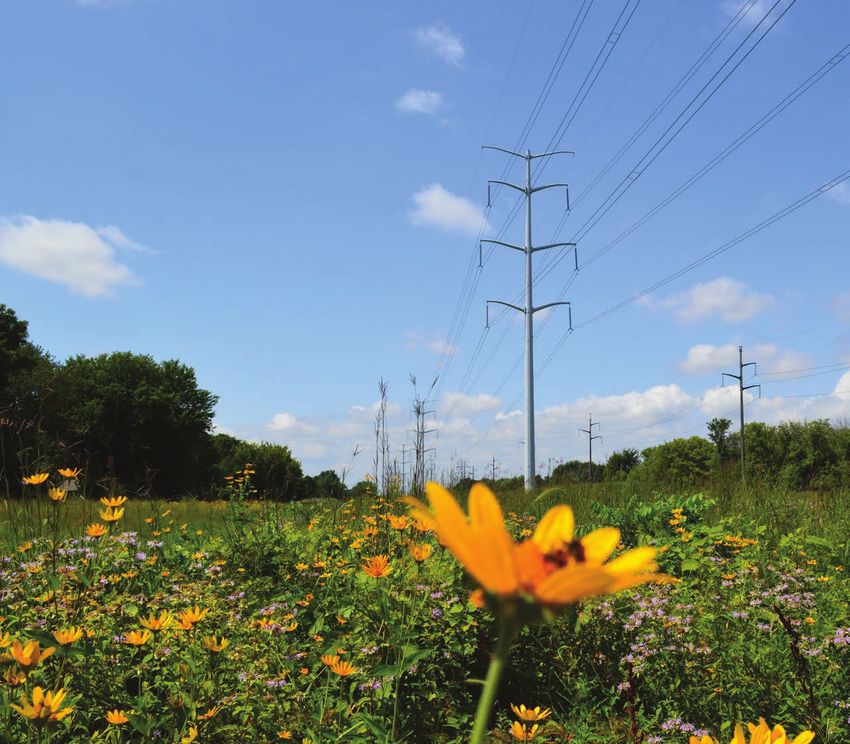
2019-2038

                                     Strategy
                                     Monarch
                                    Wisconsin
                                   Conservation
JAY WATSON

             Paul Skawinski                           ARLENE KOZIOL

                              RYAN BRADY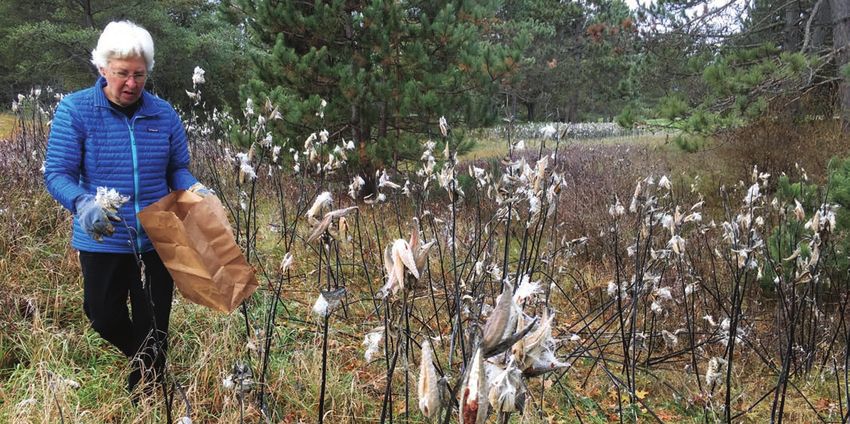
2019-2038
  Wisconsin
   Monarch
 Conservation
   Strategy
     Introduction                    3
     Background                      4
     Goals & Strategies              6
         Communications & Outreach   6
         Agriculture                 7
         Protected Lands             9
         Rights-of-Way               11
     	Urban & Greenspace             13
         Research & Monitoring       15
     Acknowledgements                16

                                          2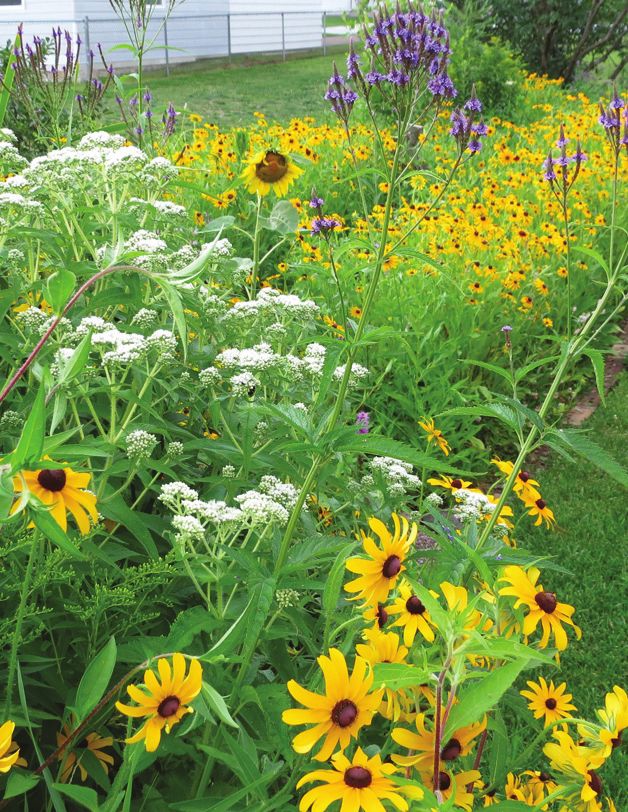
Introduction                                               MONARCH FALL &
                                                                      SPRING MIGRATION

                 Monarch butterfly (Danaus plexippus                                 CORN
                                                                                     BELT
                 plexippus) is an iconic insect species
                 valued by people around the world.
                    They are beloved creatures for WINTER
                 many reasons, including their
                 ability to travel up to 3,000 miles

                                                                                                                                                    Source: U.S. Fish and Wildlife Service
from their summer breeding grounds to their                       FALL migration
                                                                                          WINTER
overwintering sites in Mexico; their interesting                  SPRING MIGRATION

                                                                  SUMMER BREEDING AREAS

life cycle; their colorful wings; and their charisma,             SPRING BREEDING AREAS

which allows them to serve as a flagship species                  OVERWINTERING AREAS

                                                                  CORN BELT: HIGH MONARCH PRODUCTION

for conservation.       They are also an important                       WINTER

indicator for ecosystem health, including the health
of the pollinator community, since habitat for monarchs benefits many pollinator species. However, the
monarch population east of the Rocky Mountains has declined by more than 80 percent over the past 20
years (Xerces Society 2018). During the winter of 2013-2014, measurements taken at overwintering sites in
Mexico showed that the eastern migratory population had reached its lowest level since monitoring efforts
in Mexico had begun. Reasons for the decline include breeding habitat loss, overwintering habitat loss,
climate change, pesticide use, natural enemies, and other anthropogenic concerns (Monarch Joint Venture
2018). While there are many factors for the decline in monarchs, habitat loss is considered the primary
concern for the states where monarchs breed (Midwest Association of Fish & Wildlife Agencies 2018).

   Monarchs are found in Wisconsin       defines monarch habitat as “diverse,
from around early May to late October.   forb-rich grasslands, mixed woodland-                                           PRIMARY GOALS
After spending the winter in the         grasslands, or cultivated areas that
Sierra Madre mountains of Mexico,        provide native, regionally-appropriate
the eastern population travels north     milkweed plants and blooming nectar                                       The primary goals of
to reproduce. Successive generations     resources throughout their breeding and
make their way to Wisconsin,             migration range” (MAFWA 2018). As                                         the Wisconsin Monarch
continuing to breed, and live only two   outlined in the MAMCS, the southern                                       Conservation Strategy are:
to six weeks as adult butterflies. The   54 counties in Wisconsin are within                                       • To set voluntary timebound
last generation enters reproductive      the North Core Monarch Conservation
                                         Unit, the region of the Midwest that is
                                                                                                                      goals for statewide monarch
diapause as the days begin to shorten
and the temperature gets cooler in       where creation of monarch habitat is of                                      recovery
autumn, migrates south to Mexico, and    highest priority.                                                         • To coordinate priorities,
lives up to nine months.                                                                                              identify gaps, and
   Wisconsin has important habitat              Monarch butterfly                                                     strengthen existing efforts
for monarch butterflies that serves                 life cycle
                                                                                                                      within and between sectors
as both larval and adult food sources
which support the monarch life                                                                                        statewide
cycle. Monarchs have four distinct                                                                                 • To attract resources for
stages: egg, larva (caterpillar), pupa                                                                                improved and increased
(chrysalis), and adult. Monarch adults
only lay their eggs on milkweeds, and
                                                                                                                      statewide monarch
it is the only plant that caterpillars                                                                                conservation
can eat, so increasing the amount                                                                                  • To integrate statewide
of native milkweeds in the state is
                                                                                                                      efforts with regional and
vital to support a viable monarch
                                                                                                                      trilateral efforts between
                                                                                        Source: journeynorth.org

population. Monarch adults eat
nectar from blooming plants, so it is                                                                                 Canada, the United States,
important to have monarch-friendly                                                                                    and Mexico
native flowers blooming from spring
through fall. The Mid-America Monarch
Conservation Strategy (MAMCS)
                                                                                                                                                    3
Background

     National Efforts

In response to the unprecedented
low population of monarchs during
the winter of 2013-2014, a coalition
of non-governmental organizations
and citizens submitted a petition
to the United States Fish & Wildlife
Service (USFWS) to list monarchs
as a threatened species under the
Endangered Species Act (ESA). In
December of 2014, the USFWS decided
that the listing may be warranted
and that a Species Status Assessment
should be initiated. The listing decision
is scheduled for release by the USFWS

                                                                                                                                                              Jay Watson, WDNR
the summer of 2019.

                                            Eastern Migratory Flyway and identifies

                                                                                                                       Source: U.S. Department of Interior/
                                            conservation targets, programs, and
                                            coordinated strategies to provide a

                                                                                                                       U.S. Geological Survey
                                            blueprint for reversing the decline of
                                            monarchs (MAFWA 2018). MAFWA
                                            also created a governance structure
     Regional Efforts                       to coordinate monarch conservation
                                            efforts throughout the Midwest, as well   Map of Wisconsin illustrating the
                                            as Arkansas, Oklahoma, and Texas.         Wisconsin portion of the North Core
Due to the importance of regional
collaboration for this effort,the             Since 2015, four workshops have         Monarch Conservation Unit , a priority
Midwest Association of Fish & Wildlife      been convened with representatives        area for monarch conservation.
Agencies (MAFWA), Pheasants Forever,        from MAFWA state agencies and the
and the National Wildlife Federation        USFWS to discuss how to allocate
                                                                                         In September of 2017, the Mid-
took a leadership role for monarch          regional and national habitat goals
                                                                                      America Monarch Conservation Strategy
butterfly conservation shortly after        across state boundaries. One product of
                                                                                      Board of Directors set the goal of adding
the species was petitioned for listing      these workshops was the Mid-American
                                                                                      1.3 billion stems of milkweed to the
under the ESA in 2014. In 2015 MAFWA        Monarch Habitat Allocation Tool.
                                                                                      North Core Monarch Conservation Unit
committed to coordinate the creation        This planning tool was developed to
                                                                                      by 2038, with a baseline year of 2014
of a 20-year plan that would summarize      facilitate habitat goals and allocation
                                                                                      for counting new conservation efforts.
higher level strategies for the reversal    decision making among states utilizing
                                                                                      While stems of milkweed are the metric
of the decline of monarch butterflies       GIS data layers and data from the
                                                                                      for tracking progress, the MAMCS
and build upon existing efforts of          Thogmartin et al. 2017 “All Hands on
                                                                                      assumes that new milkweed stems
federal, state, and local agencies,         Deck” publication to establish baseline
                                                                                      will be embedded in a diverse matrix
as well as private organizations and        milkweed densities by land use type and
                                                                                      of nectar plants to support monarchs
individuals. The Mid-America Monarch        explore scenarios that could achieve
                                                                                      during breeding and migration.
Conservation Strategy (2018-2038)           milkweed goals by state and land use
includes input from 16 states in the        type (Thogmartin et al. 2017).
                                                                                                                                                              4
Background
              continued

                                             hosted by DNR and funded jointly by       Conservation Strategy is effectively
                                             DNR and generous donations from NRF.      and efficiently implemented. The
                                              The Collaborative consists of five       representatives on the Coordination
                                             Working Groups:                           team include Collaborative Working
                                                                                       Group co-leads, plus agency
                                                 Agriculture                           representatives from the Wisconsin
Wisconsin Actions                                Urban & Greenspace                    Department of Agriculture, Trade and
                                                                                       Consumer Protection, the Wisconsin
                                                 Rights-of-Way                         Department of Transportation, and
In 2015, states within the eastern               Protected Lands                       the Wisconsin Department of Natural
migratory path of the monarch                    Research & Monitoring                 Resources. A Communications &
butterfly began convening Monarch                                                      Outreach Team was also created to
Summits to lay the foundation for a            A Coordination Team was created to      coordinate communications activities
holistic coordinated statewide plan          support and guide the Working Groups      for the Collaborative.
for supporting monarchs due to their         and ensure that the Wisconsin Monarch
drastic decline over the past 20 years.
In May of 2017, 60 individuals from
agencies, non-profit organizations,
and businesses participated in the
Wisconsin Monarch Conservation
Summit. Representatives in Wisconsin
from the Department of Natural
Resources (DNR), the Department of
Transportation (WisDOT), Department
of Agriculture, Trade and Consumer
Protection (DATCP), Pheasants Forever,
Wisconsin Wildlife Federation, Sand
County Foundation, and the Natural
Resources Foundation of Wisconsin
collaborated to host the event with
full financial support from a U.S. Fish
and Wildlife (USFWS) grant awarded
to the National Wildlife Federation.
The summit had participation from
representatives from agriculture,
protected lands, outreach and
education, research, utilities,
                                                Swamp milkweed seedlings

                                                                                                                               Paul Skawinski
transportation, and urban sectors.
Summit participants laid the foundation
for a statewide strategy for achieving
the habitat enhancement goals being
established by the Mid-America
Monarch Conservation Strategy                        Wisconsin’s habitat goal
(MAMCS). At the end of the summit,
participants created a collaborative
governance design for a new group—              Given the regional goal of adding 1.3 billion stems of milkweed, state
the Wisconsin Monarch Collaborative             monarch conservation groups were asked to set a state milkweed stem
(hereafter “the Collaborative”)—to              goal and were given two sets of projections to inform their goal-setting:
continue the work needed to create              scenario results from the Milkweed Habitat Allocation Tool, and an
and facilitate implementation of the            additional analysis that apportioned milkweed stem goals proportionally
strategy. The goal of the Collaborative         to states based solely on the percentage of land area that each state has in
is to provide coordination and technical        the North Core Monarch Conservation Unit. For Wisconsin, the Milkweed
resources for public and private                Habitat Allocation Tool recommended a goal of just over 119 million
landowners to voluntarily add or                stems of milkweed, while the proportional land area method suggested
enhance monarch habitat, share success          a goal of nearly 138 million stems. There was broad agreement across the
stories, and track progress as individuals
and organizations in Wisconsin help
                                                Collaborative Working Groups to use the Milkweed Habitat Allocation
in the national effort to proactively           Tool recommendation and set the Wisconsin goal at 119,166,104 milkweed
recover monarchs. The Collaborative             stems embedded in a matrix of diverse nectar sources throughout
hired a full-time coordinator in January        the state, with priority on the 54 counties in the North Core Monarch
2018 to facilitate its operations,              Butterfly Conservation Unit. Voluntary participation from many partners,
prepare this strategy, and to coordinate        representing all land use sectors will be essential to reach this goal.
implementation. The coordinator is
                                                                                                                               5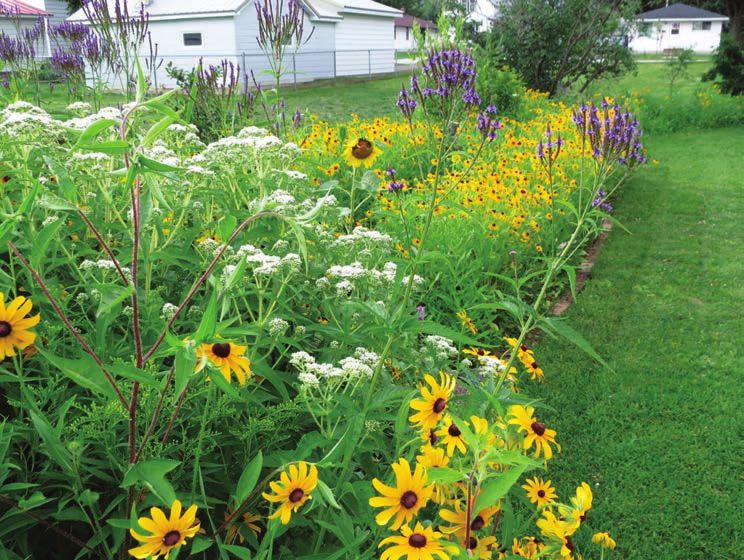
Goal
GOALS & STRATEGIES 2
Ensure that creative and thoughtful
partnerships are in place to
facilitate monarch conservation
Communications work in Wisconsin.
& outreach
Strategy 2.1
Overview Identify key stakeholder gaps in the
Wisconsin Monarch Collaborative and
Communications and outreach strategies are key to successful seek to close those gaps.
conservation efforts. By identifying communications tone and Assessment: Completion of a gap
messages as well as participants, supporters, and influencers, the assessment within the first six months
Communications & Outreach Team helps advance the Collaborative’s of implementation and a subsequent
strategy to close the gaps.
goals by ensuring cohesive messaging between Collaborative members,
and inspiring people and organizations to take action in this voluntary
effort. This team is made up of Communications & Outreach Liaisons Strategy 2.2
Ensure partners are engaged through
and the Wisconsin Monarch Collaborative Coordinator. There is one consistent communications and
Communications & Outreach Liaison on each Working Group who strategic in-reach.
serves as the communications and/or outreach expert in that sector. Assessment: Monitor frequency of
communications and development of
work plan for implementing strategic
Goal in-reach.
1 #1
Goal
Communicate clear, consistent, Strategy 1.3 Strategy 2.3
on-point messages about the Develop internal communications Identify opportunities for increased
channels for the Wisconsin Monarch and more robust partnerships among
Wisconsin Monarch Collaborative’s
Collaborative. Collaborative members in order to meet
goals and progress, as well as Collaborative goals and strategies.
the conservation issues facing Assessment:The Coordination
monarch butterflies and how Team will provide guidance on the Assessment: Inclusion of partnership
individuals can help make a best methods for communication opportunities in future Wisconsin
between Working Group members. Monarch Summits, work plans, etc.
difference by supporting the work
and communications efforts of the
Collaborative’s Working Groups.
Strategy 1.4
Develop a Monarch Collaborative
Strategy 1.1 Toolkit that will provide Wisconsin
Dedicated communications and Monarch Collaborative members
2019-203
8
outreach experts will participate on the with ideas for social media, calls to
Wisco
Mon nsin
Conse arch
Communications & Outreach Team and
COLLA
action, talking points, etc. to improve
MISSIO BORATIVE
rvatio N
Strateg n The pur
y pos
Wisconsin e of the
as liaisons to Working Groups that are
Collabo Monarch
statewide awareness of monarch
rati
The easter create and ve is to
n monar a statewi implement
declined ch popula
by tion has conserv de monarch
years. Org over 80 percen
aligned with their expertise.
atio
anization t in the which enc n strategy
decline, what’s causing it, and how
created s from acr past 20 habitat ompasses
MONARCH
a bluepr oss Wiscon creation SPRING FALL
monarch int to and enh MIGRAT &
population help reverse the sin anc
education ement,
ION
voluntary
, coordin decline throug and rese and outreach,
habitat ated, lan ha arch
they can help make a difference.
conservat dscape-sca monitoring and How can
Assessment: By the end of the first
ion approa le . the mo you help
Members ch. narch
of s?
Collabora the Wisconsin Create hab
tive create Monarch CORN matter howitat. No
Monarch d
Conservat the Wisconsin
BELT
you hav much spa
year, Communications & Outreach
e, ce
include ion WINTER
monarch-fyou can plant
individual Strategy. Memb
Assessment: Completion of the
a
s from var ers with nat riendly garden
agencies, ive milk
non-profit ious and nec
tar plan
weed
s, busine ts.
universiti sses and
liaisons will have representation on
es from
FALL mIgRAT
ION
acr COLLA
Toolkit in the first year and revisions
the state. oss
SPRINg
mIgRAT
GROUPSBORAT ION
IVE
SUmmER
BREEDIN
g AREAS
SPRINg
BREEDIN
SeRviCe
OVERWI
g AREAS WINTER
The Collabo
NTERINg
AREAS
CORN BELT:
AND WiLDLiFe
rative is
each Working Group and will ensure
HIgH mONAR
compris CH PRODUC
Service
TION
ed
Working of five
and updates as needed throughout
WINTER
Groups:
and Wildlife
PRIMAR
u.S. FiSh
• Agricul
ture Y GOAL
, DNR
• Protect
SOuRCe:
U.S. Fish
The goa
JAY WATSON
ed When they
• Researc Lands l of the
that communications messaging from
are in Wisco
Wisconsin monarchs nsin, adult
Source:
h is to add lay their
• Rights-o & Monitoring
which is eggs on
the duration of implementation.
an Monarch the milkweed,
embedded additional 119
caterpillars only plant mona
• Urban
f-Way Collabora can eat. rch
mil tive
& Green
Space throughou in a matrix of dive lion milkweed ste
t the sta rse nectar ms,
Learn mo te by 203
each group is frequent and consistent.
sources,
re at
SKI
wimonarc 8.
PAUL SKAWIN
DONATE
hs.org
Plant To learn
these how you
native donate can
to
mil kweed wimona this effort, visit
specie rchs
s: “Donate” .org and clic
at the top k
Or, poin .
t
smartph your
one ’s camera
Strategy 1.5
to this QR
directly code to go
to that pag
e!
Strategy 1.2
BUTTERFL
Develop agreed-upon
Y
WEE
(Asclepia D RED (SWA
MP)
s tuberosa MILKWEE
Blooms ) (Asclepia D COMMON
Jun-Aug
s incarnata) MILKWEE
Blooms
The Communications & Outreach Team
Jun-Aug (Asclepia D
s syriaca)
communications messages for
Blooms
Learn mo Jun-Aug
re at wim
, DNR
onarchs.o
JAY WATSON
rg
members will assist Working Groups targeted audiences.
with communications and outreach
Assessment: Members of the A handout with information
issues on an as-needed basis.
Communications & Outreach Team about this Strategy document
Assessment: By the end of the first will identify education messaging for was created by Collaborative
year there will be a process in place targeted audiences (e.g. Agriculture members, which will be
for supporting communications and Working Group Strategy 1.1). distributed to the public.
outreach activities for Working Groups.
6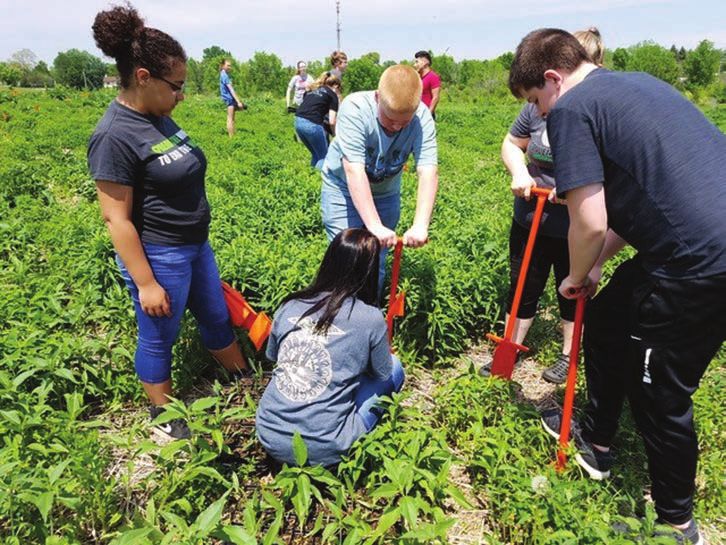
Strategy 1.5
        GOALS & STRATEGIES                                                                Provide resources for K-12 educators to
                                                                                          give students knowledge and experience
                                                                                          for integrating habitat within an
                                                                                          agricultural landscape.
                                                                                            Assessment: Track the type and
                                                                                            number of standards-based curriculum
AGRICULTURE                                                                                 resources that are utilized by educators
                                                                                            annually.

Overview
Agriculture is the dominant land use within the monarch butterfly’s Goal
midwestern summer breeding range.             Privately-owned farmland     2
provides the single largest opportunity to create the widely distributed
patchwork of habitat needed to grow monarch populations. Field Increase the presence of milkweed
                                                                         and other nectar-bearing forbs
buffers, ditch banks, farmsteads, private roadways, and unproductive within the agricultural landscape in
areas of farms all offer potential sites for various species of milkweed ways that do not compete with crop
and other forbs needed to sustain not only monarchs but also the production.
multiple bee species needed to pollinate many crops.
                                                                                          Strategy 2.1
                                                                                          Improve habitat quality on land
                                             Strategy 1.4                                 currently enrolled in USDA conservation
                                             Provide certified crop consultants           easement and land-rental programs
 Goal                                        and other agricultural advisors with         though management practices such
    1                                        professional training for integrating        as inter-seeding, prescribed fire, and
                                             habitat within an agricultural               removal of invasive species.
Communicate benefits,                        landscape.
opportunities, and methods of                                                               Assessment: Track the number
                                               Assessment: Track habitat-related            of Conservation Reserve Program
habitat enhancement to private
                                               trainings and continuing education           (CRP) and Agricultural Conservation
agricultural land managers and                 credits earned by agricultural advisors      Easement Program (ACEP) acres that
those who support them.                        annually.                                    receive treatment annually.

Strategy 1.1
Define a consistent message to
agricultural stakeholders on behalf of
the Wisconsin Monarch Collaborative.
  Assessment: Confirm agreement
  among Wisconsin Monarch
  Collaborative agricultural members of
  public messaging and talking points,
  updated annually.

Strategy 1.2
Maintain a “speakers bureau” of
specialists available to promote habitat
enhancement at agriculture events
across Wisconsin.
  Assessment: Track the number and
                                                                                                                                       COURTESY OF ALSUM FARMS & PRODUCE

  type of specialists available statewide.

Strategy 1.3
Deliver presentations about monarch
habitat at one or more events delivered
by each major agricultural stakeholder
group in Wisconsin.
  Assessment: Track the number of            Larry Alsum, of Alsum Farms near Spring Green, has been using unirrigated areas of
  presentations and audience reached         his farm fields to plant wildflowers, milkweed and prairie grasses since the 1990s and
  annually.                                  now has about 17 acres of restored pollinator habitat.
                                                                                                                                      7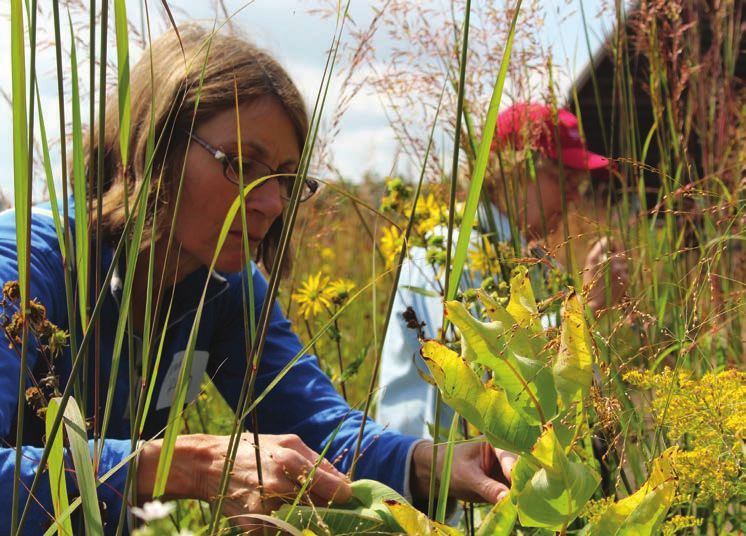
Agriculture
              continued

                                             Goal #3
Strategy 2.2
Create new habitat through enrollment        Goal
of agricultural producers into USDA             3
and other financial assistance
programs.                                    Promote to agricultural                     Assessment: Track the publication of
  Assessment: Track number of acres          stakeholders the most efficient             appropriate seeding methods to land
  implementing monarch habitat               and cost-effective means to                 managers and service providers.
  through new contracts under CRP,           establish, monitor, and protect
  Conservation Reserve Enhancement           monarch habitat.                          Strategy 3.3
  Program (CREP), ACEP, Environmental
                                                                                       Promote the use of practices designed
  Quality Enhancement Program (EQIP),
                                             Strategy 3.1                              to minimize off-target movement or
  Conservation Stewards Program
                                             Publicize appropriate seed mixes and      overspray of pesticides onto dedicated
  (CSP), and other federal, state or local
                                             milkweed seed densities for specific      monarch habitat, field margins and
  programs.
                                             site settings, field conditions, and      sensitive areas.
                                             management approaches.                      Assessment: Monitor trends in the
Strategy 2.3                                                                             adoption of these practices.
                                               Assessment: Track the publication
Improve habitat value of on-farm non-
                                               of appropriate seed mixes to land
production lands through appropriately
                                               managers and service providers.         Strategy 3.4
timed mowing, brush management
                                                                                       Increase volunteer participation in
or other practices that encourage
                                                                                       the Integrated Monarch Monitoring
milkweed propagation.                        Strategy 3.2                              Program on agricultural land.
  Assessment: Estimate changes in land       Publicize appropriate site preparation
                                             and seeding methods for specific            Assessment: Track the number of
  management activities every three
                                             site settings, field conditions, and        agricultural sites that are monitored
  years.
                                             management approaches (e.g. through         by the Integrated Monarch Monitoring
                                             demonstration sites).                       Program.
Strategy 2.4
Establish new habitat on a portion of
agricultural lands with lower return on
investment for agricultural production.
  Assessment: Monitor trends in the
  successful establishment of habitat
  on former cropland, especially
  through use of precision agricultural
  technology.

Strategy 2.5
Establish new habitat or encourage
milkweed propagation on portions of
idle lands around facilities used for
livestock feeding, dairy production,
grain storage, food processing, and
other agricultural enterprises.
  Assessment: Track the number of
                                                                                                                                Sand County Foundation

  acres and number of facilities where
  habitat is established.

                                             Chilton, Wisconsin FFA members creating monarch habitat.

                                                                                                                                       8
Strategy 2.2
       GOALS & STRATEGIES                                                               Coordinate all partners working together
                                                                                        to interseed monarch habitat by sharing
                                                                                        expertise, seed/plants, and equipment.
                                                                                          Assessment: The Protected Lands
                                                                                          Working Group will complete this
                                                                                          much of this effort within three years
PROTECTED LANDS                                                                           of implementation, but this will be an
                                                                                          ongoing strategy.
Overview                                                                                  Assessment: The Protected Lands
                                                                                          Working Group will work to implement
Currently tens of thousands of acres of permanently protected land                        one demonstration site showcasing
by state, federal, county, and local units of government; land trusts;                    interseeding techniques to improve
conservation organizations; and tribes are or could provide monarch                       monarch habitat in the next five years.
rearing and fall nectar habitat. Many of these acres are already being
managed for wildlife, and with additional work the lands can also                       Strategy 2.3
greatly benefit monarchs and other pollinators. A combination of                        Interseed species that benefit monarchs
                                                                                        (milkweeds and fall nectar species) on
new plantings (80% of habitat goal), interseeding (15%), along with                     existing grassland and savanna habitats
habitat management (5%) will increase or maintain use by monarchs.                      that support suboptimal populations of
  In addition to planting milkweeds, all projects should include species                milkweeds (host) and fall nectar species.
that benefit pollinators and bloom throughout the growing seasons,                        Assessment: Eighty percent of the
especially those species that monarchs nectar on in fall migration.                       interseeding will be completed in the
                                                                                          first 10 years of implementation.

                                             Assessment: The Protected Lands
Goal                                         Working Group will work to implement
   1                                         one demonstration site showcasing                     Popular Native
                                             new monarch habitat planting in the
                                                                                                  Milkweed Species
                                             next five years.
Identify and establish new
plantings for improving monarch
                                           Strategy 1.3
habitat in Wisconsin’s grasslands
                                           Plant monarch habitat and convert
and savannas.                              existing open areas to monarch habitat                                 BUTTERFLY
                                           by planting milkweed seeds, and a                                        WEED
Strategy 1.1                               diversity of forbs and grasses, especially                         (Asclepias tuberosa)
Identify state, federal, county, and       fall nectar species.                                                 Blooms Jun-Aug
local units of government; land              Assessment: Eighty percent of the
trusts; conservation organizations;          planted habitat will be completed in
and tribes that manage permanently           the first 10 years of implementation.
protected lands along with the
acreage of cropland or marginal
habitat that could be restored to          Goal                                                                 RED (SWAMP)
monarch habitat.                              2                                                                  MILKWEED
                                                                                                             (Asclepias incarnata)
  Assessment: The Protected Lands                                                                              Blooms Jun-Aug
  Working Group will complete most         Identify and interseed key monarch
  of this effort within two years of       plants into existing grassland and
  implementation; however other            savanna habitats.
  partners can join this effort anytime.
                                           Strategy 2.1                                                            COMMON
Strategy 1.2                               Identify state, federal, county, and                                   MILKWEED
Coordinate all partners working            local units of government; land trusts;                             (Asclepias syriaca)
together to plant monarch habitat by       conservation organizations; and tribes                               Blooms Jun-Aug
sharing expertise, seed/plants, and        along with the acreage of permanently
equipment.                                 protected land that could be interseeded
  Assessment: The Protected Lands          to monarch habitat.
  Working Group will complete much           Assessment: The Protected Lands
  of this effort within three years of       Working Group will complete most              For more information about
  implementation, but this will be an        of this effort within ten years of            Wisconsin’s native milkweed
  ongoing strategy.                          implementation.                               species, please visit:
                                                                                           wimonarchs.org/habitat.cfm

                                                                                                                                     9
PROTECTED LANDS
             continued                       Strategy 3.3                                    Assessment: Members of the Protected
                                             Manage monarch habitat by prescribed            Lands Working Group will complete
        AGRTICULTURE                         burning, brush removal and invasive             baseline monitoring before a pre-
Goal          continued                      species removal.                                selected number of land management
   3                                           Assessment: The Protected Lands               actions.
                                               Working Group will be conducting this
Maintain monarch habitat in
                                               work for the next 20 years.                 Strategy 4.3
Wisconsin’s grasslands and savanna                                                         Conduct monitoring on milkweed and
with Best Management Practices                                                             key fall nectar species in restored and
that will provide for high quality            Goal                                         managed habitats.
breeding and fall migration habitat.
                                             \ 4                                             Assessment: Members of the
                                                                                             Protected Lands Working Group will be
Strategy 3.1                                                                                 conducting/coordinating/assisting with
Identify state, federal, county, and         Report research and monitor results
                                                                                             monitoring of milkweed and key fall
local units of government; land trust;       of establishing and maintaining                 nectar species in a pre-selected number
conservation organizations; and tribes       monarch habitat on permanently                  of areas for the next 20 years.
along with their acreage of monarch          protected lands.
habitat that requires management
including prescribed burning, brush                                                        Strategy 4.4
                                             Strategy 4.1                                  Report research and monitoring results
removal and invasive species removal.        Conduct research on interseeding              to the Collaborative.
  Assessment: The Protected Lands            monarch habitat.
  Working Group will complete most                                                           Assessment: The Protected Lands
                                               Assessment: The Protected Lands               Working Group will be reporting results
  of this effort within three years of         Working Group will be conducting/
  implementation; however other                                                              annually for the next 20 years.
                                               coordinating/assisting with this
  partners can join this effort anytime.       research for the next 10 years.

Strategy 3.2                                 Strategy 4.2
Coordinate all partners working              Conduct baseline assessments of
together to maintain monarch habitat         milkweed and key nectar species prior
by sharing expertise and equipment.          to conducting habitat restoration or
                                             habitat management practices.
  Assessment: The Protected Lands
  Working Group will be conducting this
  work for the next 20 years.

                                                                                                                                       AL HILLERY

Julie Hillery of Boulder Junction has become an advocate for monarchs, emphasizing the need to increase milkweed stems to
support the species. Each fall, she collects milkweed pods to harvest the seeds so others can add more of the plants that nourish
monarch caterpillars and adults alike.
                                                                                                                                    10
Strategy 1.3
GOALS & STRATEGIES Publish and share applicable BMPs
and resources identified in Strategies
1.1 and 1.2 on the Wisconsin Monarch
Collaborative website.
Assessment: ROW Working Group of
the Wisconsin Monarch Collaborative
RIGHTS-OF-WAY will complete this effort within two
years of Plan implementation.
Overview
Go
Transportation and utility rights-of-way (ROWs) have been identified Goal
as unique opportunity areas for monarch and pollinator habitat 2
al #2
conservation at the landscape level. ROWs encompass thousands
of acres of land, intersecting much of Wisconsin’s landscape. These Implementation of best
management practices for
systems are typically managed for the safe and efficient transport of improving monarch and pollinator
goods, services and/or people. However, with minor modifications habitat applicable to Wisconsin
to routine practices, ROWs can also be managed to promote monarch right-of-way areas, where practical.
and pollinator conservation by creating, enhancing and maintaining
diverse habitats Strategy 2.1
Identify utility, transportation, and
railroad partners that operate, maintain,
Goal Assessment: ROW Working Group of and own land in Wisconsin.
1 the Wisconsin Monarch Collaborative
will complete this effort within one year
Assessment: Complete during
Wisconsin Monarch Collaborative
of implementation. implementation process. Welcome
Identify best management practices new partners throughout duration of
(BMPs) for improving monarch and Wisconsin’s Strategy.
pollinator habitat that are applicable Strategy 1.2
Identify applicable BMPs for creating,
to Wisconsin right-of-way areas.
enhancing and maintaining monarch Strategy 2.2
and pollinator habitat in Wisconsin Identify potential Wisconsin ROWs to
Strategy 1.1 ROW. create and/or enhance monarch and
Research and review existing BMPs for Assessment: ROW Working Group of pollinator habitat.
creating, enhancing and maintaining the Wisconsin Monarch Collaborative Assessment: Strategy will be
monarch and pollinator habitat in will complete this effort within one year implemented within first three years
Wisconsin ROWs. of implementation. of Plan Strategy implementation.
Xcel energy
11RIGHTS-OF-WAY
continued Strategy 4.3
Goal Educate industry decision-makers on
4 the role of ROW for monarchs and
pollinators in Wisconsin, emphasizing
Strategy 2.3 Support education and outreach the business case, cost-benefit analyses
Implement pilot projects and efforts throughout the state and public interest in monarch and
demonstration areas showcasing for industry representatives, pollinator conservation.
various pollinator BMPs, with projects stakeholders and the public on Assessment: Working with industry
that represent the different types of the roles of ROWs in monarch partners and the Communications
ROW managers participating on the
and pollinator conservation & Outreach Team, create education
ROW Sector group.
and industry constraints in materials for industry partners to
Assessment: Implement five pilot implementing conservation share with decision-makers. Create
projects or demonstration areas within initiatives. materials during the first two years
five years of Strategy implementation. of plan implementation and refine at
least every five years, as needed. Share
Strategy 4.1 materials within and across sector
Strategy 2.4 Increase industry awareness about groups and partners involved in the
Identify and showcase industry how monarchs and pollinators utilize Collaborative.
champions that are leading monarch Wisconsin ROWs.
and pollinator conservation efforts in
the state via demonstration sites. Assessment: Strategy will be Strategy 4.4
implemented throughout duration Increase public and stakeholder
Assessment: Champions represent of Plan.
organizations that are exceeding awareness about the role of Wisconsin’s
the Plan’s goals by implementing rights-of-way in monarch and pollinator
successful monarch and pollinator conservation, and industry constraints
Strategy 4.2
initiatives, such as pilot projects and in implementing monarch and pollinator
Educate industry partners and decision-
BMPs. Champions and demonstration conservation initiatives.
makers about the Wisconsin Monarch
sites will be showcased through the Collaborative and the BMPs identified Assessment: Working with the
Wisconsin Monarch Collaborative and by the ROW Sector group. Communications & Outreach Team,
on the Collaborative’s website. create outreach and education
Assessment: Strategy will be
materials during the first two years
implemented by ROW Sector group
of Strategy implementation. Refine
during first five years of the plan and
Goal will continue throughout the duration
materials at least every five years or
3 of the plan to encourage continued
as needed. Share outreach materials
within and across sector groups and
participation and welcome new
partners involved in the Collaborative.
Increase collaboration among partners.
Encourage outreach efforts among
landowners, natural resources partners annually throughout duration
experts, volunteers, industry of the plan.
representatives, and decision-
makers resulting in successful
statewide rights-of-way monarch
and pollinator initiatives.
Strategy 3.1
Identify and promote partnership
opportunities in Wisconsin ROWs on
the Wisconsin Monarch Collaborative
website.
Assessment: Strategy will be
implemented throughout duration of
Plan, with additional emphasis and
effort in first five years.
Strategy 3.2
Establish partnerships that create
and enhance monarch and pollinator
habitat in Wisconsin ROWs.
Assessment: Strategy will be
implemented throughout duration of
AL HILLERY
Plan, with additional emphasis and
effort in first five years.
12GOALS & STRATEGIES Goal
2
Build community familiarity with
native plants and their benefits,
URBAN & and expertise in native plant garden
care.
GREENSPACE
Overview Strategy 2.1
Create a Top 12 plant list for butterfly
Urban landscaping and greenspaces like public parks offer great gardens, focusing on species that are
opportunities to support monarchs. Simple choices of which plants appealing to a wide audience (versatile,
to install into a flowerbed at a park’s entrance or along the foundation sturdy, somewhat short, beautiful, etc.).
of a house can provide nectar sources and milkweeds for egg-laying. Assessment: Create list by July 2019
and post to Monarch Collaborative
With education and better availability of native plants, homeowners website.
and greenspace managers can play a crucial role in providing monarchs
with the resources that they need to thrive in our urban, suburban, and
Strategy 2.2
rural residential environments. Promote Healthy Lakes funding
(Healthylakeswi.org) to cost-share
native plantings and rain gardens near
Goal lakes and rivers, which can be designed
1 Assessment: Document successful
collaboration activities with Parks
with monarch conservation in mind.
Departments and other park managers Assessment: Create map of new native
Increase prevalence of monarch planting installations assisted by the
habitat (breeding and nectaring) in on an ongoing basis.
Healthy Lakes grant program.
urban/suburban environments.
Popular Native Monarch
Plant Bloom Times
Strategy 1.1
Support creation of demonstration
butterfly gardens using native plants at MAY JUNE JULY AUGUST SEPTEMBER OCTOBER
Wisconsin parks, schools, libraries, and
other public places where large numbers Prairie phlox (Phlox pilosa)
of people can see and be inspired by
them. Encourage the certification of Butterfly milkweed (Asclepias tuberosa)
these demonstration gardens as official
Monarch Waystations. Common milkweed (Asclepias syriaca)
Assessment: Track the installation
Anise hyssop (Agastache foeniculum)
of new demonstration gardens, and
communicate with Monarch Watch to
determine the number of new Monarch Aromatic aster (Symphyotrichum oblongifolium)
Waystations in Wisconsin and where
they are located. Orange coneflower (Rudbeckia fulgida)
Swamp milkweed
(Asclepias incarnata)
Strategy 1.2
Partner with groups such as Master Showy goldenrod (Solidago speciosa)
Gardeners and Wild Ones chapters to
provide outreach to local gardening Showy blazing-star
groups, birding clubs, and other (Liatris ligulistylis)
organizations with an interest in New England aster
landscaping and gardening. (Symphyotrichum novae-angliae)
Assessment: Document successful Sweet black-eyed susan
collaboration activities between (Rudbeckia subtomentosa)
organizations on an ongoing basis.
Be sure to plant species native to Wisconsin and to pick a mixture of plants
Strategy 1.3 that bloom from spring to fall. Here are some monarch favorites to get you
Work with Parks & Recreation started, listed by bloom times. These monarch favorites were selected by
Departments to encourage use of the Urban & Greenspace Working Group members.
natives in park landscaping.
13URBAN & GREEN SPACE
continued Strategy 3.2 Strategy 3.3
Seek out opportunities to reach Work with appropriate media outlets
professional landscapers, including including gardening radio shows (e.g.
conferences, to get landscapers more Wisconsin Public Radio’s Garden Talk)
Strategy 2.3 familiar with native plants and the to share information about establishing
Encourage demonstration gardens to benefits of using them. butterfly gardens, and addressing
also register as Monarch Waystations questions/concerns from the public.
Assessment: Document conferences
with associated signage displaying
that Collaborative partners attend. Assessment: Archive media outreach
the purpose of these habitats. Provide
“Proud Partner of Wisconsin Monarch efforts.
Collaborative” stickers to owners/
managers of demonstration gardens.
Assessment: Create map of new
demonstration gardens and Monarch
Waystations.
Strategy 2.4
Hold native plant garden open houses
or tours. These tours would range
from residential property “garden
tours” to tours of nature center
gardens, arboreta, and other public
demonstration gardens.
Assessment: Document garden tours
and organizations that work with
Paul Skawinski, Urban & Greenspace Co-Lead
Collaborative partners to promote
these events.
Strategy 2.5
Hold workshops in which prospective
native plant gardeners could bring
along yard sketches/layouts to get
expert advice on how to design a native
garden on their property, and answers
to questions about gardening with Urban Monarch Waystation habitat.
native plants.
Assessment:Document workshops
and organizations that work with
Collaborative partners to promote
these events.
Goal
3
Reach out to major landowners
and professionals who can lead by
example in their communities.
Strategy 3.1
Paul Skawinski, Urban & Greenspace Co-Lead
Encourage outreach to corporations,
universities, and private campuses with
expanses of land that could be modified
to contain monarch habitat.
Assessment: Document campuses that
install monarch habitat and promote
their partnership with the Monarch
Collaborative.
This planting served as a colorful wall of flowers to screen views of the
neighboring properties.
14GOALS & STRATEGIES
RESEARCH &
MONITORING
Overview
To best support monarch butterfly recovery in the state, activities Goal
and efforts need to be supported by the best available science and be
responsive to changes on the ground. A comprehensive recovery
2
Goal #2
plan should include ways of incorporating research and monitoring Develop monitoring approaches
in guiding statewide efforts. Moreover, as the Wisconsin Monarch for both milkweed and monarchs
Conservation Strategy is focused primarily on the addition of milkweed that enable the tracking of progress
plants embedded in a matrix of diverse nectar plants, the Wisconsin towards statewide targets for
Monarch Collaborative should utilize information from citizen science both species.
projects that inform where habitat efforts should be focused and
measure the success of such efforts. Strategy 2.1
Determine the optimal method(s)
for monitoring monarch populations,
monarch habitat use, and monarch
Goal Strategy 1.3 habitat quantity and quality in
1 Incorporate spatial considerations when
planning milkweed restorations to
Wisconsin. Ensure that method(s)
selected are integrated with ongoing
ensure the greatest monarch regional or national efforts.
Establish science-based criteria population gains will be realized. Assessment: By the end of the first
for determining habitat-based year, adopt and publicize unified
Assessment: By the end of the first
milkweed targets appropriate to year, refine planting recommendations sampling approaches and protocols
Wisconsin, refining best available and where in the state planting that allow easy exchange of data on
science-based strategies for optimal should occur as informed by emerging monarchs and milkweed habitat across
monarch habitat and monarch landscape ecology research. efforts/programs/projects.
population gains for Wisconsin.
Strategy 1.1
Determine if habitat-based milkweed
stem density assumptions are
appropriate for Wisconsin, and collect
relevant data to refine estimates.
Assessment: Within the first year, have
a list of milkweed species ideal for use
in Wisconsin, and best management
practices for establishment of target
milkweed stem densities.
Strategy 1.2
Identify regions in the state, or particular
habitat types, where increasing milkweed
plantings can have the greatest effect on
monarch populations.
The Monarch Joint Venture
Assessment: Within the first year,
coordinate with the other working
groups to identify where milkweed
abundance is likely to be increased and
evaluate potential monarch increases
from that land.
Monarch Larva Monitoring Program training at the UW-Madison Arboretum.
15RESEARCH &
MONITORING
continued Assessment: By the end of the Assessment: By the end of the third
second year, quantify baseline (2018) year, develop a process by which data
participation in relevant citizen science from on-the-ground efforts can be
Goal programs and set a goal, including summarized and compared to stem goal
3 #3
Goal
benchmarks if determined appropriate,
for the quantity and spatial distribution
benchmarks.
Develop mechanisms for incorporation of participation in citizen science Goal
of monitoring results into broader
program that are compatible with the
monitoring methods in Strategy 2.1. 5 #5
Goal
statewide restoration efforts.
Support other working groups who
Goal #4 require information on the best-
Strategy 3.1:
Increase participation in citizen science 4 management practices or target goals.
efforts and evaluate the Monarch Help establish criteria for a successful
Conservation Strategy’s integration with monarch recovery in Wisconsin and
these efforts. Several long-standing and Strategy 5.1
the targets and metrics to evaluate Coordinate with other groups,
new monarch citizen science projects
can contribute valuable information progress towards those goals. including those within the Wisconsin
to monarch science and conservation, Monarch Collaborative (e.g., Outreach
and can help monitor milkweed, nectar & Communications Team) to inform
Strategy 4.1 strategies/outcomes, and provide
resources, and monarch populations. Monitor the status of monarchs,
Programs to consider include, but may expertise towards monarch recovery.
milkweeds, and their habitats, as they
not be limited to, Journey North, the relate to the 20-year milkweed stem goals. Assessment: Ensure Research
Monarch Larva Monitoring Project & Monitoring Working Group
(MLMP), and Integrated Monarch Assessment: By the end of the first representatives participate in other
Monitoring Program (IMMP). year, develop benchmarks for stem working group discussions/planning.
goals (e.g., 5, 10, and 15-year midpoints)
for each of the land use types (e.g.,
rights-of-way, agriculture).
ACKNOWLEDGEMENTS
WORKS CITED
idwest Association of Fish & Wildlife Agencies. 2018.
M A special thank you to the Wisconsin Monarch
Mid-America Monarch Conservation Strategy. Collaborative Coordination Team members for leading the
Available from: http://www.mafwa.org/?page_ development and vision of the strategy: Alyssa Barrette
id=2347 (Wisconsin Department of Transportation), Owen Boyle
(Wisconsin Department of Natural Resources, Strategy &
onarch Joint Venture. 2018. Threats. Available from:
M Collaborative Technical Lead), Cindy Burtley (Public Service
https://monarchjointventure.org/monarch-biology/ Commission of Wisconsin), Shannon Davis-Foust (Fox
threats Valley Wild Ones), Craig Ficenec (Sand County Foundation),
hogmartin, W.E., L. López-Hoffman, J. Rohweder,
T Claudio Gratton (University of Wisconsin- Madison), David
J. Diffendorfer, R. Drum, D. Semmens, S. Black, I. Hogg (University of Wisconsin-Madison), Brenna Jones
Caldwell, D. Cotter, P. Drobney, L.L. Jackson, M. Gale, (Wisconsin Department of Natural Resources, Strategy &
D. Helmers, S. Hilburger, E. Howard, K. Oberhauser, J. Collaborative Coordinator), Chris Kirkpatrick (The Prairie
Pleasants, B. Semmens, O. Taylor, P. Ward, J.F. Weltzin Enthusiasts), Mark Martin (Madison Audubon Society/
and R. Wiederholt. 2017. Restoring monarch butterfly Goose Pond), Brenna Marsicek (Madison Audubon
habitat in the Midwestern U.S.: ‘all hands on deck’. Society), Marty Moses (Pheasants Forever), Michael
Environmental Research Letters, 12: 074005 Murray (Wisconsin Department of Agriculture, Trade,
erces Society. 2018. Monarch Conservation. Available
X and Consumer Protection), Christa Schaefer (Wisconsin
from: https://xerces.org/monarchs/ Department of Transportation), Paul Skawinski (University
of Wisconsin-Extension), Andrew Wallendal (Wisconsin
Potato and Vegetable Growers Association), Caitlin
Acknowledgements Williamson (Natural Resources Foundation of Wisconsin),
and Tom Senatori Designs.
his Wisconsin Monarch Conservation Strategy
T
was made possible by the Wisconsin Monarch Additional supporters of the Collaborative are welcome
Collaborative supporters, associated organizations, and encouraged to reach out to the Wisconsin Monarch
and their staff by dedicating time and effort to planning, Collaborative Coordinator or Co-Leads in order to take part
writing, and editing the document. A full list of in the Collaborative activities. More information about
the Collaborative supporters can be found here: the Collaborative and how to donate can be found at
wimonarchs.org/about.cfm wimonarchs.org.
16You can also read


