Women's Month: Successes and challenges Technology to fight fall armyworm
←
→
Page content transcription
If your browser does not render page correctly, please read the page content below
A magazine of the UN in South Africa
Vol. 2, Issue 1. May-August 2019

Women’s Month:                     Technology to fight                             Durban xenophobic
Successes and                      fall armyworm                                   attack victims
challenges                            InFocus   1
                                                                                   assisted
                                                    A magazine of the UN in South Africa - April 2019
A magazine of the UN in South Africa
                                                                   Vol. 2, Issue 1. May-August 2019

                                                                   Publisher
                                                                   Nardos Bekele-Thomas,
                                                                   UN Resident Coordinator

6
                                                                   Editorial Advisory Board
       UN working with                                             Zeenat Abdool (UNIC)
                                                                   Markku Aikomus (UNHCR)
       government to make gender                                   Ethel Maringa (RCO)
                                                                   Ziyanda Ngoma (UNFPA)
       equality a reality by 2030                                  Sudeshan Reddy (UNICEF)
                                                                   Masimba Tafirenyika (UNIC)

        CONTENTS
       also in this issue...
                                                                   Editorial Team: UNIC Pretoria

                                                                   Contacts:
                                                                   The Editor, UNIC Pretoria
                                                                   P.O. Box 12677, Tramshed, Pretoria, 0126
4    Refugees suffer from xenophobic attacks                       Tel: +27-12-354-8509; Fax: +27-12-354-8501
                                                                   Email: info.pretoria@unic.org
6    UN working with government to make gender equality a          Website: www.un.org.za/magazine/current-issue
     reality by 2030
                                                                   InFocus is published in English by the United Nations in South
8    Car charging stations launched in Pretoria                    Africa. Its contents do not necessarily reflect the views of the
9    UNICEF urges employers to allow breastfeeding at work         United Nations. Articles from this magazine may be freely reprinted.
                                                                   Copyrighted photos may not be reproduced.
10   Ban Electronic Nicotine Delivery Systems

                                                                   EDITORIAL NOTE
12   Fighting the fall armyworm with IT
13   Improving collaborative governance in Northern Cape
14   Building a green economy by promoting eco-
     entrepreneurship
15   Third PAGE Ministerial Conference calls for greener and
                                                               In this edition of InFocus, a magazine of the United Nations
     inclusive growth                                          system in South Africa, we feature some of the major
                                                               events and activities that dominated the UN’s calendar
16   Unlocking opportunities for women-owned businesses
                                                               over the past few months. We reprint an op-ed penned
17   National Action Plan to combat racism launched            by Nardos Bekele-Thomas, the UN Resident Coordinator
18   Boosting dialogue on the Fourth Industrial Revolution     in South Africa and Anne Githuku-Shongwe, the UN
19   UN pledges support to floods victims                      Women South Africa Multi-country Office Representative,
                                                               to commemorate the beginning of the women’s month
20   SADC report on population and development launched
                                                               (August) in this country. Among some of the activities was
21   Young people advocate for sexual and reproductive         the visit by a UN team led by the Resident Coordinator to
     health and rights
                                                               flood victims in KwaZulu-Natal and Eastern Cape provinces.
22   United Nations pledges support to a Human Rights Plan     The UN donated food and non-food items and offered to
     on HIV/AIDS                                               assist the affected communities to engage in sustainable
24   South Africa Learns to Love Forests                       self-help projects. We also feature a piece by UNHCR,
25   Go-Goals SDG board game: Fun meets education              the UN Refugee Agency, on its efforts in assisting more
                                                               than 50 refugees who were left homeless and without any
26   UNIDO launches SADC Renewable Energy and Energy
     Efficiency Status Report                                  support following recent xenophobic attacks in Durban. To
                                                               highlight the importance of breastfeeding, we run a story on
27   Agreement to step up cooperation on forced
     displacement signed                                       a media roundtable discussion organized by UNICEF, the
                                                               Department of Health and the University of Stellenbosch to
28   A healthier learning experience for children
                                                               raise awareness among employers on the need to support
29   Workshop on the U.N. Convention on the Elimination of     mothers to breastfeed.These and several other stories from
     Discrimination Against Women                              UN agencies give a synoptic view of the organization’s
30   Staff Profiles                                            work in South Africa in collaboration with partners from the
31   UN encourages mental health care of staff and their       government, civil society and the private sector. Please feel
     families                                                  free to send us your feedback.

                                                    InFocus    2      A magazine of the UN in South Africa - April 2019
United Nations in South Africa Country Team

                      Lola Castro                                                                               Brian Chirombo
                                                   Nardos Bekele-Thomas, United Nations
                                                    Resident Coordinator in South Africa

 Francesco Pierri          Joni Musabayana                     Lily Sanya                           Abigail Noko                 Mbulawa Mugabe

Dr Ayodele Odusola       Cecilia Kinuthia-Njenga         Anne Githuku-Shongwe                     Beatrice Mutali                Valentin Tapsoba

Masimba Tafirenyika        Sanjay Wijesekera               Khaled El Mekwad                      Zhuldyz Akisheva                Carlton Mukwevho

                                                   InFocus       3          A magazine of the UN in South Africa - April 2019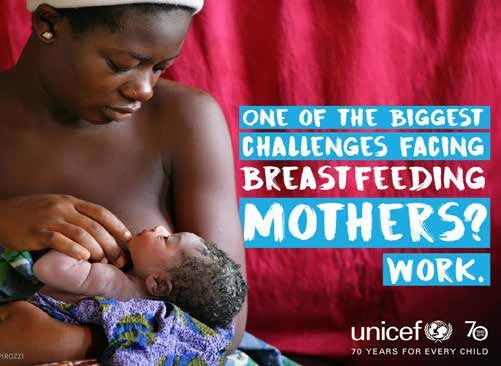
Refugees suffer from
   xenophobic attacks

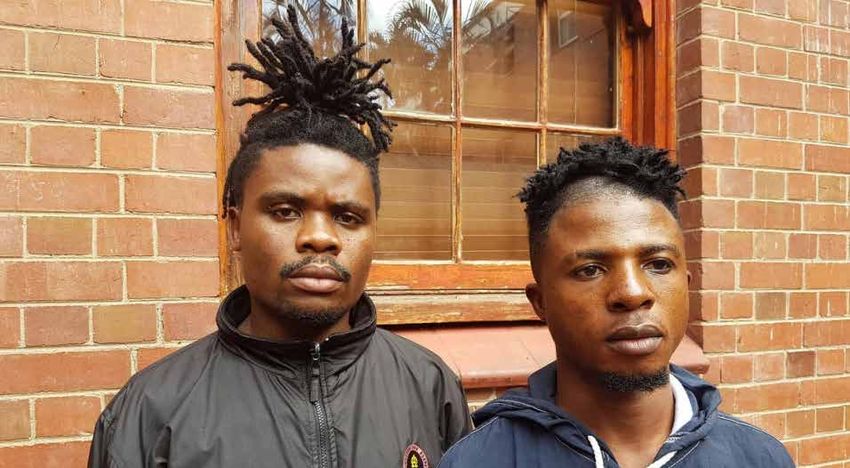
Matabishi Kasese (left) and Robert Mafikiri (right) were affected by the xenophobic attacks in Umlazi township in Durban, South Africa.
© UNHCR/Pumla Rulashe

Left homeless and without any                     demonstrated meant big trouble!”                       would know who they were looking
support, 53 refugees who faced                    A series of questions ran frantically                  for,” she says, adding that she and her
recent xenophobic attacks in a Durban             through the Congolese refugee’s mind:                  husband were then forced out of the
township are struggling to rebuild their          what do they want from my husband?                     house.
lives writes UNHCR’s Pumla Rulashe.               What has he done? What could have
                                                  happened to bring all these people to                  Their Congolese neighbor, Matabishi
When 26-year-old Esperance Zawadi                 my door so early in the morning?                       Kasese, 29, was also confronted with
opened the door to loud, insistent                                                                       the same accusations and then bundled
knocking in the early morning on the              The men jostled for positions to take a                into the boot of a car with his brother
last day of March, she had no idea it             good look at Zawadi’s husband as he                    before being driven off to an unknown
was the start of a sequence of events             came to the door. Zawadi explains that                 location. Zawadi managed to escape
that would change her life and that               they were looking for a short, dark-                   and ran towards a nearby taxi rank.
of the refugee community in Umlazi                skinned, dreadlocked foreign national
Township’s Philani section in Durban.             who had allegedly murdered a member                    “I didn’t want to leave my husband,
A group of over 20 men and women                  of their community the previous night.                 but he forced me to leave for the safety
ordered her husband to the door. “I                                                                      of the city,” she says adding that he
immediately felt faint with fear,” she            “Their leader announced that it wasn’t                 promised to find her if he survived.
recalls. “The attitude and anger they             my husband but as foreigners, we                       Zawadi’s husband, Kasese and his

                                                           InFocus         4      A magazine of the UN in South Africa - April 2019
brother say they were subjected to           UNHCR’s Senior Operations Manager in                includes a contribution towards
beatings punctuated with orders to           Durban. “Their protection rests primarily           payment of rent for a limited period. It
reveal the whereabouts of the man the        with the South African Government.”                 also includes the provision of income
attackers were after.                                                                            generating equipment such as scissors,
                                             She adds that part of their protection              hair and shaving clippers which were
A breakaway group of the irate mob           includes the issuance of Section 22 and
                                                                                                 lost during flight. Families are receiving
would continue their search and seizure      24 asylum seeker and refugee permits
                                                                                                 between US $240 (R3,400) and US
of refugees and asylum seekers in            respectively, both of which grant the
Philani. They rushed towards Robert          holders of these documents the legal                $520 (R7,300) depending on the
‘Gift’ Mafikiri’s barbershop. The            right to work and study, as well as the             number of children.
Congolese refugee took one look at           protection of their fundamental human
the approaching mob and ran for his          rights which are enshrined in the South             UNHCR has spent close to US$3,000
life. Short, slim, dark-skinned and          African constitution.                               (R42,000) on the refugees’ immediate
dreadlocked, he fit the profile of the                                                           needs with the reintegration package
wanted man they were looking for.            UNHCR and several other humanitarian                “most likely to run into the thousands,”
Eventually cornered and captured, he         organizations are using community-                  says Ms. Hogg.
was beaten unconscious and dumped            based meetings with key government
in a remote location on the outskirts of     departments, including the Department
                                                                                                 Since the attacks, refugees have been
Umlazi.                                      of Homes Affairs, the Department of
                                                                                                 accommodated at Haven of Hope, a
                                             Arts and Culture, Community Safety,
News of the attack spread fast forcing       the South African Police Services and               shelter in Durban’s central business
53 Congolese and Burundian refugees,         the KwaZulu-Natal Council of Churches               district. They are adamant that they
including eight school-going children,       to re-engage on the importance of a                 will not return to Umlazi township
to flee to the Refugee Social Services       sustained public education campaign                 and many are looking for affordable
(RSS), which works with UNHCR, the           on the plight and rights of refugees.               accommodation elsewhere.
UN Refugee Agency in Durban. Both
organizations carried out the verification   “Strong commitment and a concerted                  “We are too traumatized,” says Mafikiri,
of the displaced refugees, drawing in        effort to address the problems giving               who adds that people he has met from
the Department of Home Affairs (DHA)         rise to xenophobic violence is required             Philani after the attacks are shocked to
to assist with the re-issuance of permits    from all stakeholders in general,
                                                                                                 see him alive.
lost as they fled.                           particularly the Government,” adds
                                             UNHCR’s Ms. Hogg.
“Refugees and asylum seekers have                                                                “Others jeer at us from taxis and buses,
often been targeted in South Africa          To help the survivors of the attacks get            telling us that if we return, they’ll be
amid an economic downturn as                 back on their feet, UNHCR is sourcing               waiting for us,” he laments. “I can’t in
communities blame their struggles            financial support for the implementation            all honesty be expected to return there
on foreigners,” says Madalena Hogg,          of a reintegration package which                    after I stared death in the face.”

                                                  InFocus      5      A magazine of the UN in South Africa - April 2019
UN working with government to make
      gender equality a reality by 2030
       By NARDOS BEKELE-THOMAS AND
       ANNE GITHUKU-SHONGWE

                Nardos Bekele-Thomas                                                             Anne Githuku-Shongwe

“WE SHALL not rest until we have           As the UN, we are working closely                  and expenditure, on women’s
won for our children their fundamental     with the government to make gender                 empowerment and gender equality
rights of freedom, justice and             equality a reality by 2030 – the year by           within their oversight functions.
security.”                                 which countries are expected to have
                                           achieved Sustainable Development                   It also means increased public
These are the last words of the petition   Goals.                                             investment in gender equality and the
delivered by the thousands of women                                                           empowerment of women and girls.
who marched to the Union Buildings in      With compelling evidence that
Pretoria in 1956.                          gender inequality extracts enormous                Women bear the brunt of poverty,
                                           economic and human development                     unemployment and inequality. The
During Women’s Month, as South             costs, our first big solution is to ensure         most recent quarterly labour force
Africa marks 25 years of democratic        all government planning, spending,                 survey from Statistics SA confirms this
freedom, it becomes evident that it        investment and accountability                      picture: 31.3% of women are out of
takes a committed generation to make       processes are geared towards gender                work compared to 27.1% of men.
a difference for the ones to come.         equality and women’s empowerment.
                                                                                              The higher unemployment rate for
It also takes committed partners –         The government’s approval in March                 women is further compounded by the
government, civil society, the private     this year of the Framework on Gender               fact that many women do unpaid work
sector and development partners            Responsive Planning, Budgeting,                    as caregivers in the home and work in
– to make bold decisions that will         Monitoring Evaluation and Audit,                   informal sectors, both of which leave
transform the lives of women and           means Parliament and provincial                    women vulnerable to unfair wages and
girls.                                     legislatures must include performance,             discriminatory practices.

                                                   InFocus       6     A magazine of the UN in South Africa - April 2019
It is critical that the institutions and    implementation of the summit’s                     combining them with the ingenuity
structures that perpetuate gender           outcomes has begun.                                of young people, we can co-create
inequality and injustice within the                                                            opportunities to empower young
economy are transformed. For                Addressing negative norms and                      people.
example, public procurement                 stereotypes must be at the core of
expenditure alone amounts to                prevention strategies, in addition to              Co-ordinated investments in
approximately R1.2 trillion yet less        rapid response to new and ongoing                  adolescent health and well-being,
than 10% of that goes to women-             cases.                                             in education and in appropriate
owned businesses.                                                                              skills development are among the
                                            The 2030 Sustainable Development                   best investments to achieve the
Imagine what changes we could               Agenda aspires to peaceful, just                   Sustainable Development Goals and
see in job-creation, GDP growth,            and inclusive societies to underpin                to provide high economic and social
and investment if women accessed            sustained development.                             returns.
procurement opportunities equally.          In South Africa forms of insecurity
                                            threaten women and girls daily,                    In June, the UN launched Generation
We must also direct our attention           including sexual and domestic                      Equality, a campaign to mark next
towards building the capacity of            violence, human trafficking;                       year’s 25th anniversary of the
women entrepreneurs – especially            food insecurity; forced internal                   Beijing Platform for Action and the
micro-entrepreneurs – so they can           migration; harmful cultural practices              5th anniversary of the Sustainable
participate in critical value chains such   (including child marriage and forced               Development Goals. The campaign
as agriculture, energy, infrastructure      marriage); and targeted violence                   calls for urgent and well-resourced
and manufacturing. In South Africa,         and discrimination against (non-                   action from governments, the private
for example, the agricultural sector        heterosexual) LGBTIQA communities.                 sector and civil society to close the
contributes nearly 30% to GDP but                                                              gender gap.
less than 1% comes from women               The UN has supported the National
farmers.                                    Action Plan on Women, Peace and                    We have seen what South Africa has
                                            Security to address these challenges               been able to achieve in 25 years.
Yet research from the UN Food and           and ensure that women participate
Agriculture Organisation shows that if      and lead in peace-building.                        As we head for 2030, let us meet
women farmers had the same access                                                              the campaign’s demands: equal pay,
to resources as men, the number of          All our efforts must put young people              equal sharing of unpaid care and
hungry people in the world could be         at the fore – young people are the                 domestic work, an end to sexual
reduced by up to 150 million.               reason for the push for equality now.              harassment and violence against
                                            They constitute a tremendous and                   women and girls, health-care services
Equally important is that we must           essential asset worth investing in                 that respond to women and girls’
continue to emphasise the need to           to secure a future where inequality                needs, and equal participation in
prevent and end violence against            does not exist. At the same time, girls            political life and in decision-making in
women and girls. The UN is                  and young women face incredible                    all areas of life.
encouraged that following the National      and disproportionate challenges,
Gender-based Violence Summit in             including access to quality education,             The UN stands ready to support South
November last year resulting from           health care or decent work. By                     Africa in accelerating its efforts to
#Thetotalshutdown a year ago,               harnessing our collective efforts and              realise equality in this generation.

                                                                                               We cannot rest until we have won for
                                                                                               our children an equal future.

                                                                                               This piece was first published in The
                                                                                               Independent and The Saturday Star on
                                                                                               2 August 2019.

                                                                                               Bekele-Thomas is the UN resident
                                                                                               co-ordinator in South Africa and
                                                                                               Githuku-Shongwe is the UN Women
                                                                                               South Africa Multi-country Office
                                                                                               representative.

                                                 InFocus     7      A magazine of the UN in South Africa - April 2019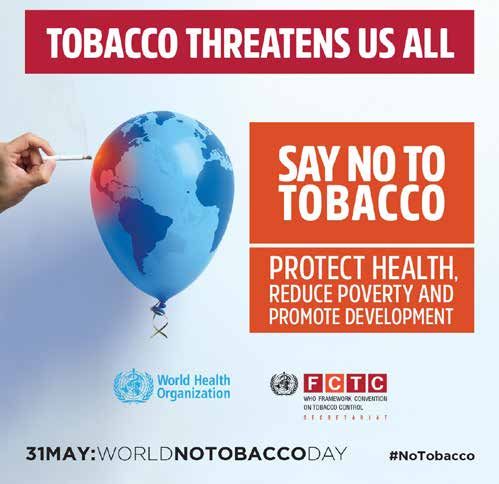
Car charging stations launched in Pretoria

T
      wo new electric vehicle
      charging bays were recently
      installed at the municipal
headquarters of the City of
Tshwane in Pretoria. The charging
bays, sponsored by the United
Nations Development Organization
(UNIDO), were launched by the
Executive Mayor, Councillor Stevens
Mokgalapa, at an event which
coincided with the city’s celebrations
of Earth Hour under the theme,
Change the Way We Live.

As part of its membership of the C40
Cities Climate Leadership Group, the
City of Tshwane signed the Clean
Bus Declaration, which commits
it to having 40% of its bus fleet
converted to clean technologies by           Officials from UNIDO and the City of Tshwane at the launch of the two UNIDO-sponsored
2020. To achieve this, the city is in the    electric vehicle charging bays at Tshwane municipal headquarters.
process of installing charging stations
throughout the city.                         impact of this mode of transport on                 address sustainable transport in South
                                             the environment.                                    Africa and other developing countries
In his address at the launch of                                                                  such as China and Malaysia.
the parking bays, Cllr. Mokglapa             He explained that UNIDO’s
explained that the intention was to          sponsorship of the charging stations                South Africa’s Green Transport
have charging points throughout the          was in line with the organization’s                 Strategy aims to reduce emissions in
city and particularly at locations           partnership with local municipalities
such as shopping centres where                                                                   road transport, and the introduction
                                             and the Department of Trade and                     of electric vehicles is an important
parallel activities can take place while
                                             Industry to support sustainable                     contributor to achieve the country’s
commuters charge their vehicles. The
                                             and clean transport policies and                    emission reduction targets by 2050.
city already has two solar charging
                                             demonstrate technologies for the
stations, one at the Centurion
                                             transition to a lower carbon and
Municipal Complex in Lyttelton                                                                   The widespread and coordinated
and the other at the Police Station          circular economy.
                                                                                                 installation of public electric vehicle
in Bosman Street. These charging
stations are open to the public as                                                               charging infrastructure is crucial to
                                             “We are here today to celebrate a
part of the city’s commitment to             partnership with the City of Tshwane                meeting the needs of vehicle owners
facilitating and implementing electric       through our Low-Carbon Transport                    who travel relatively long distances.
vehicle infrastructure.                      Project,” said Mr. Kassier. The Low-                Mr. Kassier said that where elec-
                                             Carbon Transport project is funded                  tronic-vehicle installations are linked
UNIDO’s Conrad Kassier                       mainly by the Global Environment                    to the national grid, renewable energy
congratulated the City of Tshwane on         Facility and enables UNIDO and its                  technologies such as rooftop solar
its proactive role in introducing electric   project counterpart, the SA National                were a wise investment and a reliable
vehicles to demonstrate the positive         Energy Development Institute, to                    way to charge electric vehicles.

                                                     InFocus       8      A magazine of the UN in South Africa - April 2019
UNICEF urges employers to
  allow breastfeeding at work
                                                                                           and to encourage further online
                                                                                           dialogues. “This campaign is
                                                                                           important because it gives advice
                                                                                           to mothers about the first 1,000
                                                                                           days, which is a crucial time in the
                                                                                           development of the child,” explained
                                                                                           Dr. Bamford in her address.

                                                                                           Ann Behr, also from the health
                                                                                           department, spoke about the
                                                                                           Workplace Toolkit which is a guideline
                                                                                           for organizations on breastfeeding.
                                                                                           The toolkit is expected to help
                                                                                           South Africa reach the World Health
                                                                                           Assembly target of at least 50%
                                                                                           of infants under six months of age
                                                                                           being exclusively breastfed by year
                                                                                           2025. Currently the figure is at 32%.
                                                                                           “In a breastfeeding policy review,
                                                                                           out of 100 respondents from 32
                                                                                           organizations, only eleven had a
                                                                                           workplace breastfeeding policy; while

M
                                                                                           just five had a written policy providing
         any employers in South          on the need to support mothers to
                                                                                           breastfeeding breaks for six months,”
         Africa know little about the    breastfeed.
         breastfeeding provisions as                                                       noted Ms. Behr.
stated in the country’s law on the       Dr. Lesley Bamford from the health
basic conditions of employment.                                                            Lynette Daniels, a PhD student on
                                         department gave a brief background
The law—the Code of Good Practice                                                          breastfeeding at the University of
                                         of the work by the government
on the Protection of Employees                                                             Stellenbosch, presented the latest
                                         through their Side by Side Campaign
During Pregnancy and After the           which aims to ensure that children
Birth of a Child—includes guidelines     receive care and protection they
that promote breastfeeding in the        require to reach their full potential.
workplace and makes provision for        Supporting breastfeeding is one of
two 30-minute breastfeeding breaks.      the core mandates of this campaign
                                         and it provides weekly information
Despite the existence of this law, few   through national radio programmes,
employers and workers are aware          including drama and talk-shows to
of the code, and most workplaces         millions of listeners.
usually lack facilities that allow for
breastfeeding or the expressing          This is supported by community
and storing of milk. Against the         dialogues, booklets for new parents
background, UNICEF and the National      and caregivers with a national website
Department of Health in South Africa     being promoted through all the
engaged in a media roundtable to         materials. Social media is also being
raise awareness among employers          utilized for information dissemination            Breast feeding campaign poster

                                             InFocus      9     A magazine of the UN in South Africa - April 2019
findings on support for breastfeeding         As a result, more focus is placed on                on how the workplace could be
in the workplace. Key to the findings         work and targets. There is also a lack              made conducive to breastfeeding,
was that support practices were               of funding to provide breastfeeding                 and the steps employers and
limited and inadequate. This is mainly        space and resources. Support for                    colleagues could take to encourage
due to a variety of factors, such as          breastfeeding in the workplace is
                                                                                                  breastfeeding. Some of these include
the lack of private space and time            limited and there is widespread
for expressing breastmilk, as well as         ignorance about the rights of                       establishing breastfeeding support
negative and unsupportive attitudes           employees.”                                         groups and employers providing time
from co-workers and supervisors. Ms.                                                              and space for new mothers to nurse
Daniels explained that “employers do          A roundtable discussion followed                    or express milk.
not consider breastfeeding a priority.        the presentations which focused
                                                                                                  Dr. Alison Feeley, the UNICEF South
                                                                                                  Africa Nutrition Specialist, reminded
                                                                                                  participants that breastfeeding in
                                                                                                  the workplace must be treated as
                                                                                                  a norm, noting that many mothers
                                                                                                  know the benefits of breastfeeding
                                                                                                  but choose not to breastfeed as they
                                                                                                  need to return to work. “Returning to
                                                                                                  work should not stop a mother from
                                                                                                  initiating and sustaining breastfeeding.
                                                                                                  We need to establish how we can
                                                                                                  support the mothers who struggle to
                                                                                                  breastfeed. Workplaces are important
Editorial roundtable panelists pose with baby-shaped boards. ©UNICEF/Mojapelo                     in doing this,” she said.

   Ban Electronic Nicotine Delivery
   Systems pose a real menace to young
   South Africans

T
      obacco kills more than 42,000           the electronic nicotine delivery system             among younger age groups in some
      South Africans annually, either         (ENDS), of which e-cigarettes are the               countries with unrestricted access.
      directly through tobacco-               most common—a 2016 South African                    Unless something changes, like
related diseases, or indirectly through       survey reported they were used by                   curbing their availability to young
exposure to second-hand tobacco               3% of men and 2% of women.                          people, this is likely to be the path
smoke. Several approaches have                The electronic nicotine delivery                    South Africa will tread in the coming
been adopted to curb the tobacco              system typically heats a liquid                     years.
epidemic, including regulatory,               containing nicotine and other
legislative and through taxes.                chemicals to produce a nicotine-                    Nicotine delivery systems are
                                              infused aerosol, which is inhaled by                currently unregulated in South Africa
In several countries, alternative             users. This delivery system contains                and freely available, without any
products, which are claimed to                a wide range of flavours and are                    regulatory limitations. This must be
reduce tobacco related risks have             attractively designed to lure younger               stopped if we are to prevent youth
been introduced. One such product is          users. This has fuelled an epidemic                 uptake, using measures such as

                                                       InFocus      10     A magazine of the UN in South Africa - April 2019
those proposed in the South African
government’s Control of Tobacco
Products and Electronic Nicotine
Delivery System Bill.
The nicotine delivery system may
be less toxic than conventional
cigarettes, but they do pose health
risks both to users and non-users,
including potential effects on the
developing brain and addiction from
exposure to nicotine.
Recent surveys in both the USA and
Europe have shown rising use of
ENDS among young people, which is
a serious cause for concern. Evidence
shows that young people who
experiment with ENDS are more likely
to go on to smoke cigarettes and
become nicotine addicts. Given that
most tobacco use is established in
adolescence and the association (not
causal) between ENDS use in youths
and tobacco use, everything possible
should be done to deter the use of
such products at the earliest stage.
“ Tobacco threatens us all” poster
Since ENDS were introduced to the
global market in 2003, they have In line with global recommendation,
tobacco products (dual use). To date
gained so much ground that global no electronic nicotine delivery system South Africa should consider
sales are expected to reach US$26.8 has been approved for sale as a prohibiting or regulating ENDS, aiming
billion by 2023. The tobacco industry cessation aid. to protect non-tobacco consumers
is now actively seeking to expand
and bystanders, while challenging
sales of new products like ENDS in Currently, around 30 countries ban unproven health claims by the
low- and middle-income countries. ENDS globally and they are regulated tobacco industry.
Concerned at the effects on young in about 80 others. In South Africa
people, some countries that initially and elsewhere, they remain largely
opened their markets to electronic Regulation through appropriate
unregulated.
nicotine delivery systems are now legislative and fiscal policies is a
introducing regulatory and tax priority, given the risks these systems
Given the unclear evidence on harm,
measures to prevent surges among may pose to future generations. WHO
the increased use of ENDS by young
youth in nicotine use. therefore warmly endorses efforts
people in some jurisdictions and the
need to protect non-smokers (about to press on with the government’s
Some studies link ENDS use to 80% of the global population), a Control of Tobacco Products and
smoking cessation, but others precautionary approach is justified. Electronic Nicotine Delivery System
contradict this and suggest they WHO does not recommend ENDS as Bill without further delay. This
attract new users, especially the a cessation aid, and instead advises legislation applies lessons learned
young. Currently, there is not enough smokers to use proven and approved elsewhere in the world and will
evidence to support the use of ENDS approaches. Non-smokers, minors help South Africa to avoid a youth
as smoking cessation aids, and most and pregnant women should never epidemic by ensuring zero exposure
people use them in addition to other use ENDS. to nicotine.
InFocus 11 A magazine of the UN in South Africa - April 2019Fighting the fall armyworm with IT
of international experts, developing regional and national
plans of action and identifying the current knowledge gaps
and priorities.
The Director of Plant Health at the Department of
Agriculture, Alice Baxter, thanked FAO for its timely
intervention which, she said, further strengthens their
partnership in efforts to end hunger. The gesture would go
a long way in improving understanding, and ensuring the
timely reporting, of the fall armyworm detections across
South Africa.
The menace caused by the fall armyworm has rapidly
Francesco Pierri (left) flanked by Winston Makabanyane, Alice Baxter
spread across sub-Saharan Africa, infesting tens of millions
and Jan Hendrick Venter from Department of Agriculture, Forestry and
Fisheries. of hectares of maize, sorghum and millet. The armyworm
flies nearly 1,000 miles in just 30 hours and can easily
W
ith the fall armyworm wreaking havoc in South migrate to neighboring countries. The female moth can
Africa and the rest of Southern Africa, the Food lay up to 1,000 eggs in her lifetime and in its larvae stage,
and Agriculture Organization (FAO) recently can cause significant damage to crops, if not managed
handed over eleven Tablets and a box of fall armyworm properly. It has a taste for maize but also feeds on more
kill strips to the Early Warning System Division of South than 80 species of plants including rice, sorghum, millet,
Africa’s Department of Agriculture, Land Reform and Rural sugarcane, vegetables and cotton. In sub-Saharan Africa,
Development. over 200 million people depend on maize for food security,
as it is a staple cereal grown by farmers.
The kill strips, which were presented to the head of
the Early Warning System Division by the FAO Country The fall armyworm poses a serious threat to Africa’s
Representative, Francesco Pierri, are used to kill the male food security and although there are solutions, remedial
moths of the fall armyworm and have proven effective action differs from region to region. So far, the infestation,
throughout Africa in reducing the number of the male which started in 2016, has been contained in some areas
population. FAO rolled out a mobile phone app, the but none of the measures taken so far is long-term or
Fall Armyworm Monitoring and Early Warning System sustainable. However, innovation and technology are
(FAMEWS), to help farmers and extension workers collect crucial in finding solutions to mitigate the risk of decreasing
and record information when scouting fields and checking
food security in Africa. The value of small innovations, such
pheromone traps for the fall armyworm.
as mobile apps, means that farmers can start tackling the
issue before it’s too late.
The mobile application is now available for download
on Google Play Store and has incorporated Nuru, a
The time for eradication, however, has long passed and
programme that uses machine learning to identify fall
armyworm damage on maize leaves. The Tablets are scientists, NGOs, and governments are now focused on
loaded with the FAMEWS app to enhance reporting as part control. For some, this means chemical pesticides, but
of surveillance efforts. these are expensive and many smallholders do not know
how to safely apply the chemicals, making them a threat
“FAO continues to help member countries to better to human and environmental health, including the survival of
equip themselves against this threat, monitor it, take other insects and their predators. In order to better control
necessary early action and draw on lessons learned the fall armyworm, maize farmers in Africa, most of whom
from other regions,” said Mr. Pierri, speaking at the are smallholders and grow the crop for subsistence, need
hand-over ceremony. FAO, which works closely with to learn how to identify the fall armyworm and its damage, a
governments in responding to pests menace, further task that can challenge even trained extension workers.
assists in strengthening the capacity of the community
InFocus 12 A magazine of the UN in South Africa - April 2019Improving collaborative governance in
Northern Cape
E
ach day South Africa is faced tone for the dialogue and served
with graphic demonstrations as a reminder of government’s
of how poor service delivery commitment to its citizens.
affects communities. The need for
constant improvement is always “Policy is a statement of intention
present. Early this year, municipal through which we, as government,
councillors gathered to attend a commit ourselves and tell the
communities that they can hold us
dialogue on collaborative governance
accountable,” Collen Rammule,
and inclusive public participation
the acting specialist for policy and
organized by the United Nations
research at SALGA told participants
Development Programme (UNDP).
during his presentation.
respond to challenges raised by
The UNDP heard first hand as The challenges of communicating the councillors, UNDP presented
municipal councillors expressed on time, delayed responses to the Personal Premier, a project
concerns about their relationships communities’ needs as well which uses technology to improve
with the various communities as inconsistent planning and communication between citizens
they serve in the Northern Cape reporting were among some of and government. The Personal
Province. The dialogue was one of the issues raised by the municipal Premier provides a platform for
the national- and provincial-driven councillors. Members of the citizen-generated data which will
initiatives of the South African Local Northern Cape Provincial Legislature enable municipalities to improve their
Government Association (SALGA) made presentations on petitions communication with the communities
aimed at supporting local structures management and shared with they serve and use the data to
to promote and implement inclusive participants the challenges they faced improve planning and reporting.
public participation. Presentations with delayed responses to petitions. UNDP hopes this project will reduce
outlining the different levels of public the number of violent service delivery
participation (inform, consult, involve, In an effort to identify solutions, protests as the rationale behind
collaborate and empower) set the enhance communication and the project is that service delivery
protests are a symptom of poor
communication.
The dialogue challenged the
municipal representatives to explore
how they can better listen to the views
of young people as they improve
their practice of inclusive public
participation. The role of traditional
leadership as an important aspect
in enhancing inclusive governance
and public participation was also
highlighted and noted as an area that
will require more discussions. UNDP
is of the view that Northern Cape
Province is fertile ground for testing
the concept and to this end, will work
Participants at the governance workshop.
closely with SALGA.
InFocus 13 A magazine of the UN in South Africa - April 2019Building a green economy by promoting
eco-entrepreneurship
By THOMAS MERTENS
F
or any country to prosper, opportunities exist for micro, small sectors are able to identify green
the development of strong and medium-size enterprises (MSMEs) business opportunities.
infrastructure is essential. in the supply and improved economic
To this end, the European Union value of waste feedstock. Towards the By supporting private sector-led
launched the SWITCH Africa Green end of 2019, Fetola will launch a new inclusive green growth and developing
(SAG) programme, a pilot initiative to biomass economy incubator that will green businesses and eco-
promote green economy in six African aim to enable 25 MSMEs to seize the entrepreneurship, the SAG programme
countries of Burkina Faso, Ghana, opportunities presented by this new aims to encourage countries to
Kenya, Mauritius, South Africa and industry. transition towards an inclusive green
Uganda. The EU-funded programme economy. As a result, the programme
is implemented in partnership with the One of its targets are the MSMEs also supports the achievement of
United Nations Environment (UNEP). within the building industry, where the Sustainable Development Goals
Clay Brick Association of South Africa (SDGs) on reducing poverty,
As part of the SAG programme, a joint and EcoMetrix Africa and Partners protecting the planet and promoting
project managed by Fetola, a local for Innovation are implementing a prosperity.
company, SkyNRG, an Amsterdam- SAG project to promote inclusive
based entity that supports sustainable sustainable practices in the clay brick One of the expected benefits of the
aviation fuel, and the World Wide sector. The aim is to empower MSMEs SAG programme is the development
Fund for Nature (WWF) is developing to transform their production practices of a new cadre of eco-entrepreneurs
a waste-based sustainable aviation and implement sustainable building in South Africa. According to head of
fuel industry in South Africa. The practices, including monitoring and UN Environment in South Africa and
first phase of the project has shown reporting. The project will also include the Regional Programme Coordinator,
that there are viable and sustainable the informal small-scale brick-making Cecilia Njenga, “Eco-entrepreneurs
biomass waste streams available to sector that so far has not been are key actors for innovation,
support the production of bio-jet fuel addressed. promoting resource efficiency and
in the Sasol process. better productivity and generating
The second phase of the SAG new products and services to satisfy
The next phase will see the setting programme will target three key human needs, generate green
up of a biomass-based SAG supply sectors: transportation, building and jobs and increased incomes, while
chain pilot. Along the value chain, agriculture so that MSMEs in these protecting the environment.”
Informal clay brick production. Informal clay brick production.
InFocus 14 A magazine of the UN in South Africa - April 2019Third PAGE Ministerial Conference calls for
greener and inclusive growth
T
he Third Partnership for Action offer support to countries on the The Cape Town conference featured
on Green Economy (PAGE) inclusive green economy to ensure a series of global events around the
kicked off in Cape Town, South proper coordination and to avoid Green Economy. It opened with the
Africa, early this year amid heightened duplication. Green Economy Coalition Global
interest in efforts to pursue greener Meeting where delegates debated
and more inclusive growth across the South Africa became a PAGE partner and made policy recommendations
world’s economies, under the theme: country in March 2015. Since to achieve equitable, inclusive, and
Advancing Inclusive and Sustainable then, PAGE continues to support people-focused economies. This was
Economies. and strengthen the cooperation, followed by a lively media debate
coordination as well as to provide the under the theme “What makes your
The ministerial conference, which capacity that is required to implement country wealthy?” organized by the
was attended by more than 500 the country’s transition to a low-
Green Economy Coalition and the
delegates representing governments, carbon, resource-efficient and pro-
Green Growth Knowledge Platform in
the private sector and the civil society employment development path. In co-
partnership with CNBC Africa.
from over 50 countries, provided a hosting the 3rd Ministerial Conference
platform for conversations about how with PAGE, South Africa, through the
to develop inclusive green economies Department of Environmental Affairs, The 3rd PAGE Ministerial Conference
based on sustainable production and became the first partner country to paid tribute to South Africa’s
consumption. Delegates explored host the conference. former Minister of Environmental
ideas on how to mainstream natural Affairs, Edna Molewa, who had
capital in policies and strategies, The conference outcome document passed away a few months
how to prepare for the future of work “Cape Town Action Pathways Towards before the conference. She was
and how to innovate and promote 2030” highlights the following: acknowledged for her instrumental
green finance and green industries. leadership and contribution in
The answers to these ideas will form • The need to reinvigorate our moving environmental affairs from
the bedrock for a better and more economies, shifting from linear the margins to the mainstream of
sustainable future for all. economic models of production, economic and social development,
consumption and investment nationally and internationally. The
PAGE was launched in 2013 as a towards circular economies; conference provided an inspiring
response to the call at the United • The importance of anchoring environment which saw delegates
Nations Conference on Sustainable green strategies and policies reflecting, discussing and working
Development Rio+20 to support in long-term development to solve the urgent challenges of
countries to embark on greener and frameworks; collective concern, addressing climate
more inclusive growth trajectories. • The focus on economic, social change through a just transition to
By placing sustainability at the heart and political inclusion to ensure environmental sustainability by lifting
of economic policies and practices, that no one is left behind in millions out of poverty, securing
PAGE works with countries to foster accessing equitably the benefits
decent work for all, especially young
economic growth, create incomes and and opportunities arising
people and reducing inequality.
jobs, reduce poverty and inequality, from economic, social and
and strengthen the environmentally environmental progress;
sustainable foundations of economies • The element of the Future of Achieving the goals of the conference
to advance the 2030 Agenda for Work in a changing climate, for is not going to be an easy task. But as
Sustainable Development. PAGE which we must re-organize our noted Guy Ryder, the Director-General
brings together five UN agencies—the economies towards a greater of the International Labor Organization
UN Environment, the International resource efficiency, sustainability in his keynote address quoting Nelson
Labour Organization, the UN and resilience; and Mandela: “It always seems impossible
Development Programme, the UN • The importance of strengthening until it’s done”. The conference
Industrial Development Organization partnerships and multilateralism showed that it can be done as nations
and UN Institute for Training and to sustain a collective vision take meaningful action that impacts
Research—whose combined to transform economies and the lives of people in an inclusive
mandates, expertise and networks societies. manner.
InFocus 15 A magazine of the UN in South Africa - April 2019Unlocking opportunities for
women-owned businesses
W
hile the South African public of a dialogue for women-owned considered when formulating policies
procurement accounts for businesses from the district level at both national and provincial levels.
about R1.2 trillion (US$86 to engage with key government There was also an emphasis on the
billion) of its gross domestic product, departments, including the National need for entrepreneurial activities to
women-owned enterprises still Treasury, the Department of Social have an impact at community level.
receive only an estimated 9% of Development, the Department of Some of the issues raised included
the total spend annually. While it is Cooperative Governance and Traditional localising businesses at community
still slow, South Africa still performs Affairs’ Local Economic Development, level; ensuring that commercial banks
better that the average 1% in women business owners from KwaZulu- understand the challenges of women-
developing countries. According to Natal districts and Nedbank. owned businesses and making
a study conducted by Development sure that banks’ corporate social
Economics in 2018—in the next five “We are who we are today because investment programmes are aligned
years—women-owned businesses of women entrepreneurs who traded to community challenges.
in South Africa have the potential in Tupperware, Avon, stokvels
to unlock more than R175 billion (savings clubs) and tuckshops,” Zola At the end of the dialogue several
(US$12.5 billion) a year and create Shabangu, the Chief Executive Officer resolutions were adopted including
nearly 100,000 jobs. of Intsika Women in Business said in a decision to have a formal protocol
her opening remarks, thanking women between Intsika Women in Business
In commemorating this year’s entrepreneurs who had paved the way and the Provincial Treasury that
International Women’s Day, the UN for others to succeed in business. would ensure women can access
Women South Africa Multi-Country “A big applause to the millions of procurement information. Intsika
Office (SAMCO) teamed up with unsung heroes who brought us here”. Women in Business will collaborate
Intsika Women Business Association The discussions identified mining, with partners who participated in
in the Kwa-Zulu Natal Province the ocean economy, energy, ICT, the dialogue to ensure that the
to emphasize the importance of agriculture, transport and logistics as resolutions are converted into
unlocking business opportunities sectors that women should explore to concrete actions. Following the
for women. The initiative is part expand their market share. Key issues dialogue, a pledge was signed, as
of SMACO’s flagship programme, raised included the need for frequent part of the IWD commemoration,
Stimulating Equal Opportunities platforms for networking and learning between Intsika, UN Women, the
for Women Entrepreneurs. Under such as the International Women’s Department of Social Development,
the programme, SAMCO works Day Dialogue; access to finance for the Department of Economic
with governments, UN entities, women-owned businesses; access to Development and Strauss Daly. All
the private sector, civil society and business opportunities in high revenue partners committed to consciously
women entrepreneurs to influence sectors such as renewable energy, and proactively increase participation
procurement policies so that they agriculture and waste management; of women in the South African
are designed to deliver on several and ensuring women’s ideas are economy.
Sustainable Development Goals.
These targets include promoting
development-oriented policies
that encourage the growth of
entrepreneurs; increasing the
number of youth and adults who
have relevant skills for employment,
decent jobs and entrepreneurship;
and enhancing the use of technology International Women’s Day 2019 commemoration with Intsika Women Business
to promote women’s empowerment. Association in KwaZulu-Natal.
The commemoration was in the form
InFocus 16 A magazine of the UN in South Africa - April 2019National Action Plan to combat
racism launched
E
arly this year, after extensive the plan in collaboration with the who live in it are not just entitled to
consultations, South Africa relevant stakeholders. equality, but experience equality in
published its National Action their daily lives.”
Plan to combat racism, racial In his forward to the plan, President
discrimination, xenophobia and Cyril Ramaphosa said, “The time has The plan sets out measures over
related intolerance. With the passing come for us to shed all shackles of an initial five-year implementation
of national elections in May 2019, the prejudice and discrimination so that period (2019-2024), and both the
new government is now expected to we can fulfil the promise of building parliament and the executive will have
proceed with the planning, budgeting a united, non-racial, non-sexist and oversight roles to ensure its effective
and costing of measures to implement prosperous country in which all implementation. The governance
structure put in place to guide the
action plan is drawn widely from
government departments, Chapter 9
institutions, civil society, academia/
research institutions, as well as other
sectors such as media and business.
Moreover, the South African Human
Rights Commission has a role in
monitoring and evaluating progress.
At the launch, messages of support
were delivered by the Office of the
United Nations High Commissioner’s
Regional Representative for Southern
Africa, Abigail Noko, as well as the
Deputy Regional Representative of the
UN High Commissioner for Refugees,
Leonard Zulu. Both UN agencies had
been active stakeholders throughout
the consultation process.
The then Deputy Minister of Justice
and Constitutional Development, John
Jeffery, delivered the keynote address
and spoke of how South Africa
still suffers from the division of two
nations: rich, white South Africa and
poor, black South Africa. The deputy
minister stressed that the launch of
the plan was only a beginning, and
that the efforts of the entire society
were needed in implementing it,
including civil society, trade unions
and schools among others.
InFocus 17 A magazine of the UN in South Africa - April 2019Boosting dialogue on the
Fourth Industrial Revolution
of tailoring university curricula
to prepare the youth for the 4IR,
saying that in addition to technical
abilities, students will need soft
skills, including the ability to work in
heterogeneous teams.
She also stressed the importance
of government, academia and
industry working together to prepare
the youth for the new reality. A
current example is an initiative
Prof. Roula Inglezi-Lotz (UP), Weza Moss (AIDC) and Lauren Hermanus (Adapt) between Telkom, the local telecom
T
company, and the universities of the
he United Nations Industrial of the South Africa Regional Office, Witwatersrand, Johannesburg and
Development Organization Khaled El Mekwad, stressed that Fort Hare, focusing on how South
(UNIDO) brought industry and innovation, knowledge sharing and Africa should respond to the 4IR.
academia experts together for a multi-stakeholder partnerships are
panel discussion during the 11th key to developing countries to unlock Echoing Inglesi-Lotz’s thoughts,
Africa Energy Indaba in Sandton. the potential of 4IR technologies Weza Moss, the Chairman of the
Focusing on the opportunities and to achieve the SDGs. He also Board of the Automotive Industry
challenges stemming from the noted that the concept of the 4IR Development Centre, called for
Fourth Industrial Revolution (4IR) is currently gaining momentum in industry to “invest in technical
in the context of the Sustainable South Africa, pointing to President and vocational education and
Development Goals (SDGs), Cyril Ramaphosa’s recent State of training colleges. “This will enable
the discussion was another the Nation address when he said them to provide the youth and
example of UNIDO’s convening the country had “a choice between the unemployed with upskilling
function in support of knowledge being overtaken by technological opportunities in line with the sector’s
transfer, networking and industrial change or harnessing it to serve our current and future requirements.”
cooperation. development aspirations.”
“In South Africa, UNIDO has been “To embrace this digital revolution,
The 4IR will impact the way everyone engaging with the Department policy and institutional development
works, lives and interacts, affecting of Trade and Industry and other needs an aesthetic sensibility, or a
industrialized as well as industrializing stakeholders on structuring creative, adaptive approach. The
economies. It has the potential to interventions on the 4IR based on its policy needs to be part knowledge-
enhance productivity and generate expertise, experience and lessons making, part art and part ethics and
economic growth, ultimately resulting learned from other countries,” said work not only with what has been,
in better social welfare. However, the Mr. El Mekwad. but with what is yet to come. This
ability of countries to benefit from its must be embedded in democracy,
potential will be determined by the One of the panelists at the gathering, as ongoing engagement to reach a
capacity to innovate and adapt to Roula Inglesi-Lotz, an Associate dynamic political consensus,” said
new technologies, and there is a risk Professor at the University of Lauren Hermanus, the Director of
of a widening of the development Pretoria’s Department of Economics, Adapt. “If we are successful, this
gap. said that life-long learning is crucial digital revolution, like the industrial
to adapting to the “technology revolutions before it, promises jobs,
In his welcoming address, the tsunami” that the world is facing. increased living standards and better
UNIDO Representative and Head She emphasized the importance health for more people.”
InFocus 18 A magazine of the UN in South Africa - April 2019UN pledges support to floods victims
By ZEENAT ABDOOL
grapple with the after-effects compounded by their poorly built
of Cyclone Idai that hit parts of homes on the most vulnerable
Mozambique, Malawi, Zimbabwe and piece of land—the river banks.
South Africa. There are fears that as Though illegal, hundreds of homes
climate change rears its ugly head are located near the banks of
and global warming becomes a stark rivers and underlying areas which
reality, natural disasters are bound to increases their vulnerability to the
increase. consequences of natural disasters.
UN Resident Coordinator Nardos Bekele- Many refused to leave despite what
Thomas handing over items for victims of the The UN in South Africa team visited had happened.
devastating floods in Durban. some of the affected areas in
KwaZulu-Natal and the Eastern Cape “And, it’s likely to only get worse in
“I visited the office briefly for the
provinces pledging support and the coming years as global warming
first time since my operation today
solidarity with the leadership and the and the reality of climate change kicks
thinking it would comfort me, but it
people affected by the floods. The in with full force,” says Eric Apelgran
didn’t,” Fatima Asmal, the owner of a
organization donated sleeping mats, from the eThekwini Municipality. He
local non-governmental organization,
blankets, dignity packs and torches adds that “previously, the island of
wrote in a Facebook post about 24
to the municipalities assisting those Madagascar would act as a buffer
year-old Saleh, one of the 70 people
affected who are either in community to the KwaZulu-Natal coastline.
killed in severe floods early this year
shelters or have returned to what However, cyclones and other weather
Kwazulu-Natal and Eastern Cape
is left of their homes in the affected patterns are coming through the
provinces of South Africa.
areas. Flash lights, though small and coastline and the Madagascar
often deemed insignificant, were channel thus affecting coastlines
“I thought of the numerous times he
some of the necessities as families across Tanzania, Mozambique,
had come by - to fetch Amr’s (my
narrated how the severe rains and Malawi, Zimbabwe and South
son) gym bag when he was taking
subsequent flooding resulted in Africa.”This doesn’t bode well for
him from tuition to gym to chat. He
sat there cracking one joke after the power outages and family members residents that reside on the river
another, eating naan katai (Indian were unable to locate each other. banks and vulnerable areas around
biscuits) and drinking tea. Sometimes Some explained was that was how rivers and streams. The Resident
he messaged wanting to pop by and children and their parents were Coordinator of the UN in South
I told him we were busy - I regret washed away as water filled homes. Africa, Nardos Bekele-Thomas, says
every one of those times now,” that “policies need to be developed
wrote Fatima. Saleh was planning to and implemented to prohibit any
get married and often volunteered housing near these volatile areas.”
his services to the NGO based in
Durban. He was known as a “friend, The UN technical team also visited
confidant and big brother” and met Port St. Johns in the Eastern Cape
his death after the floods uprooted a Province to assess the damage
pole that fell upon his home. in that area that was also hard
hit by the floods. A rapid needs
Destruction caused by floods in Durban.
Saleh’s death is one of many tragic assessment was conducted to assist
stories that a United Nations team the people and their leadership with
heard about in the aftermath of The families most affected by the to prevent further damage, despair
the floods. The tragedy came as flooding live in already stressed and destruction from future natural
southern Africa’s coastline countries socio-economic circumstances disasters.
InFocus 19 A magazine of the UN in South Africa - April 2019You can also read


