World Press Freedom Day 2019 - Global Conference Addis Ababa, Ethiopia Media for Democracy - Unesco
←
→
Page content transcription
If your browser does not render page correctly, please read the page content below
World Press
Freedom Day
2019
Global Conference
Addis Ababa, Ethiopia
1 – 3 May

Media for Democracy
Journalism and elections in times of disinformation

                                                         PROGRAMME
                                 #WorldPressFreedomDay
                                 #PressFreedom
          Federal Democratic
          Republic of Ethiopia
PARTNERS’ FORA
WEDNESDAY, 1 MAY 2019

                              Registration at Intercontinental Hotel only
  08:30                   ***Registration available for all participants on 30 April to 1 May all day***        08:45
                      Be sure to pick up your badges at Intercontinental beforehand. No registration at UNECA

  09:00
                                                                                                                        8

  10:00      1        2             3                4                5                   6                 7
    -12:00

  12:00                           Lunch Break / Tour to Africa Hall in UNECA
    -13:30                                     Venue: UN Conference Centre - UNECA Compound

  13:30           9                 3               10                5                   6                 7           8
    -15:00

  15:00                                               Refreshment Break
    -15:30                                   Venue: UN Conference Centre - UNECA Compound

  15:30
   -17:00/   11       12            3               10                 5                  6                 7           8

    -18:00

                                 EthioJazz: International Jazz Day in Ethiopia
                                          Venue: Ethiopia National Theatre, Gambia St, Addis Ababa
                                                  Free and open concert to all participants
SEE DESCRIPTIONS OF ALL SESSIONS IN
PARALLEL SESSIONS CLOSED MEETINGS* OPEN EVENTS THE PARTNERS’ FORA SECTION (PAGE 12)
Parallel Session A Lab on Online
1 #journodefender – Turning 6 Workshop on Artistic
Freedom
10 Harassment of Women
Trolling against Journalists on its
Head Journalists
Time and Venue:
Time and Venue: 10:00 - 18:00 Time and Venue:
10:00 - 12:00 Large briefing room 13:30 - 18:00
Conference Room 3 Conference Room 3
Organizer:
UNESCO Organizers:
Organizers:
UNESCO / Global Diplomacy Lab
FOJO Media Institute / UNESCO
Closed meeting / International Alumni Centre /
World Wide Web Foundation
Interactive team debate
Closed session
Academic Conference on
Parallel Session B 7 the Safety of Journalists
2 Telling the Story of Elections and
Parallel Session F
Disinformation: A Comparative
Perspective
Time and Venue:
10:00 - 18:00
11 Media and Elections in Africa
Conference Room 2
Time and Venue: Time and Venue:
10:00 - 12:00 15:30 - 17:00
Organizer: Conference Room 6
Conference Room 5
UNESCO / Makerere University /
OsloMet University / The University Organizers:
Organizer:
of Sheffield / The University of IREX – SAFE EA / KICTANet
ARTICLE 19
Malaga
Participatory storytelling Interactive debate
Joint Media Forum –
Design Thinking Workshop 8 Challenges and opportunities for
Parallel Session E
3 on Interactive Communications the Media in the Age of
Disinformation
12 Media and Information Literacy for
between the African Union and Peace and Resilience
Citizens Building
Time and Venue:
Time and Venue: 08:45 - 18:00
Time and Venue:
09:00 - 17:00 Conference Room 1
15:30 - 17:00
Conference Room 3 Conference Room 5
Organizers:
Organizers: African Union / UNESCO / APRM /
Organizers:
African Union / GIZ African Media Initiative (AMI) /
Embassy of Portugal to Ethiopia /
OHCHR/ Africa Editors’ Forum
UNESCO – IICBA
Interactive debate (TAEF) / EILCO-IOHR
(by invitation only) Participatory storytelling
Parallel Session D
4
Parallel Session C
Protecting Democracy: Defending the
9 Best Practices on Elections Reporting:
* SEE ALL CLOSED
Media whilst Harnessing the Benefits When Stakeholders Come Together
of ICT – A Commonwealth Perspective
MEETINGS FROM 30 APRIL
on the Role of Human Rights Time and Venue: TO 3 MAY ON PAGE 22
13:30 - 15:00
Time and Venue: Conference Room 5
10:00 - 12:00
Conference Room 6 Organizers:
Media Foundation for West Africa
Organizer: (MFWA) / International Media Support
Commonwealth Secretariat (IMS)
Interactive discussion Interview style
Media Reform in Ethiopia:
5 A Consultation for
Collective Action
download
Time and Venue:
10:00 - 18:00 WPFD 2019
Conference Room 2 mobile app
Organizer:
TO check
CIMA TIME and ROOM
updates
Closed Workshop
DAY 1
            THURSDAY, 2 MAY 2019
08:30       Registration for all participants
  -09:30    All participants are advised to pick up their conference badges at Intercontinental Hotel on 30 April and 1 May (all day)

09:30       Opening Ceremony
   -10:15   Venue: Mandela Hall

 10:15      Plenary Session 1
  -12:00    Strengthening Media’s Role in the Face of New Challenges
            Venue: Mandela Hall

12:00       Lunch Break
  -13:30    Venue: African Union Forecourt and Multipurpose Hall

13:30       Parallel Session 1                   Parallel Session 2                      Parallel Session 3
  -15:00    Artificial Intelligence,             AU Protocol /Declaration/Working        Journalism under the Firing
            Journalism, and Press Freedom        Group on the Safety of Journalists      Line: Facing the Challenges
            in Times of Elections                                                        of Covering Elections in the
                                                 Organizers:                             Digital Age
            Organizers:                          African Union Commission,
            International Media Support          UNESCO and Safety of Journalists        Organizers:
            (IMS) / UNESCO                       stakeholders in Africa, AU Peer         International Federation of
            Venue:                               Review Mechanism                        Journalists (IFJ) /
            Medium Conference Room               Venue:                                  Federation of African
                                                 Small Conference Room 2                 journalists (FAJ)
            Panel discussion                                                             Venue:
                                                 Panel discussion                        Small Conference Room 3

                                                                                         Panel discussion

15:00       Refreshment Break
  -15:30    Venue: Lobby

15:30       Parallel Session 4                   Parallel Session 5                      Parallel Session 6                   Parallel Session 7
  -17:00    Media, Public Trust, and the         Electoral practitioners’ responses      True Story..? A Verification Quiz    The Role of Media in
            Crisis of Democracy                  to new challenges related to            Show”                                Promoting Good Governance
                                                 information flows in protecting                                              Trough the African Peer Review
            Organizers:                          the integrity of elections              Organizer:                           Mechanism (APRM)
            PROJECT SYNDICATE / Center                                                   Deutsche Welle Akademie (DWA)
            for International Media              Organizers:                             Venue:                               Organizers:
            Assistance (CIMA) /                  UNESCO / UNDP/ International            Small Conference Room 3              African Union Peer Review
            European Journalism Centre           Institute for Democracy and                                                  Mechanism with Africa Media
            (EJC)                                Electoral Assistance / AUC /            Quiz show                            Stakeholders
            Venue:                               African Union of Broadcasters /                                              Venue:
            Medium Conference Room               Organisation Internationale de la                                            Conference Room 6
                                                 Francophonie
            Round table                          Venue:                                                                       Panel discussion
                                                 Small Conference Room 2

                                                 Round table

17:00       Transfer to Hotels & to Venue of Prize Ceremony
  -19:00    (upon invitation only)

19:00       UNESCO/Guillermo Cano World Press Freedom Prize Ceremony
  -22:00    and Gala Dinner
            Venue: Sheraton Hotel, Taitu Street, Addis Ababa (Doors open 18:30)
DAY 2
           FRIDAY, 3 MAY 2019
08:30      Registration for all participants
  -09:30   All participants are advised to pick up their conference badges at Intercontinental Hotel on 30 April and 1 May (all day).

09:30      Parallel Session 8                            Parallel Session 9                             Parallel Session 10
  -11:00   Social Media Councils: A New                  Doing What It Takes: Making the                Towards Constructive Dialogue and Shared
           Regulatory Model for Content                  Guidelines on Access to Information and        Narratives: Exploring Media’s Role in
           Moderation in Global Perspective              Elections in Africa Work                       Conflict-Prone Societies

           Organizers:                                   Organizers:                                    Organizer:
           Stanford University / ARTICLE 19              fesmedia Africa, Friedrich-Ebert-Stiftung      South East Asia Press Alliance (SEAPA)
           Venue:                                        Venue:                                         Venue:
           Medium Conference Room                        Small Conference Room 2                        Small Conference Room 3

           Interactive workshop                          Interactive fireside discussion                Panel discussion

11:00      Plenary Session 2
  -12:30   Media, Democracy and Elections
           Venue: Mandela Hall

12:30      Lunch Break
  -14:00   Venue: African Union Forecourt and Multipurpose Hall

14:00      Parallel Session 11                           Parallel Session 12                            Parallel Session 13
  -15:30   Understanding Electoral                       Cartooning for Peace and Democracy:            Enabling Freedom of Information: What can
           Information Flows: Mapping the                Artistic Freedom and Freedom of                the SDG Agenda mean for you?
           Impact of Digital Technology from             Expression at the Tip of the Pen
           Network Disruptions to                                                                       Organizer:
           Disinformation                                Organizers:                                    Free Press Unlimited (FPU)
                                                         Cartooning for Peace / UNESCO                  Venue:
           Organizer:                                    Venue:                                         Small Conference Room 3
           Global Network Initiative (GNI)               Small Conference Room 2
           Venue:                                                                                       Panel discussion with storytelling
           Medium Conference room                        Panel session + live drawing

           Panel discussion

15:30      Refreshment Break
  -16:00   Venue: Lobby

16:00      Parallel Session 14                           Parallel Session 15                            Parallel Session 16
  -17:30   Press Freedom in Ethiopia – Before and        Enlarging Choices: Artistic Freedom and        Keeping It On at Election Times: Navigating
           After the Transition                          Diversity of Contents                          the Dilemma, Mapping Good Practices

           Organizers:                                   Organizer:                                     Organizers:
           Association of Ethiopian Broadcasters         UNESCO                                         Collaboration on International ICT Policy in
           (AEB) / UNDP / UNESCO                         Venue:                                         East and Southern Africa (CIPESA) / Access
           Venue:                                        Small Conference Room 2                        Now
           Medium Conference Room                                                                       Venue:
                                                         Short film screening + panel discussion        Small Conference Room 3
           Panel discussion
                                                                                                        Panel discussion

 17:45     Closing Session: Adoption of the Addis Ababa Declaration / Handover to 2020 Host
  -18:30   Venue: Mandela Hall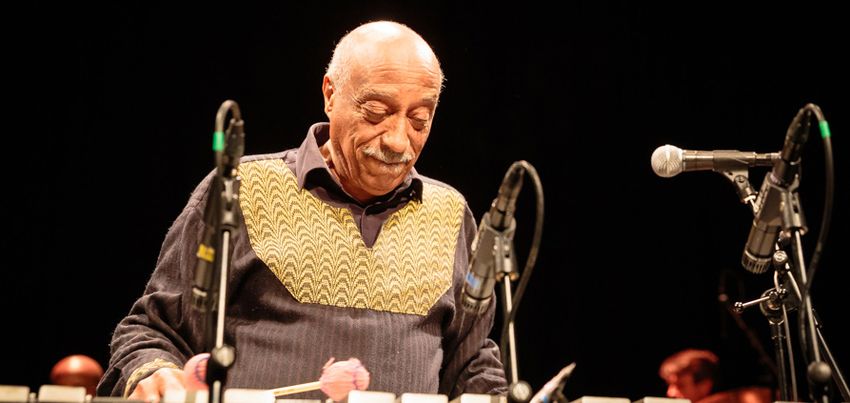
download
                 WPFD 2019
                 mobile app
                 TO check
                 TIME updates                           World Press Photo Exhibition
                                                        Photos of the winners of the 2019 World Press Photo
                                                        contest will be exhibited digitally on a large LED screen.

                                                        OPENING: 2 MAy | Lobby A

                                                                  Fake ≠ Fact Info Lab

                                                                  The Swedish Embassy in Ethiopia and the
                                                                  Swedish Institute - together with Swedish Media
                                                                  Institute Fojo - proudly presents the Fake ≠ Fact
                                                                  Info Lab at the World Press Freedom Day in Addis
                                                                  Abeba. The exhibition that investigates the flow
                                                                  of messages that hide opinions formed in the dim
                                                                  environments of the internet.

                                                                  OPENING: 2 MAy | Lobby A

                                                        CARTOONING FOR PEACE
                                                        Exhibition and live MURAL
                                                        Check out the series of press freedom inspired cartoons by
                                                        members of Cartooning for Peace – the network of press
                                                        cartoonists set up by Kofi Annan and Plantu, - and don’t
                                                        miss the opportunity to see them drawing on the “live”
                                                        mural.

                                                        OPENING: 3 MAy | Lobby A

    FOR MORE INFORMATION PLEASE VISIT:                                    #WORLDPRESSFREEDOMDAY #PRESSFREEDOM
6   EN.UNESCO.ORG/COMMEMORATIONS/WORLDPRESSFREEDOMDAY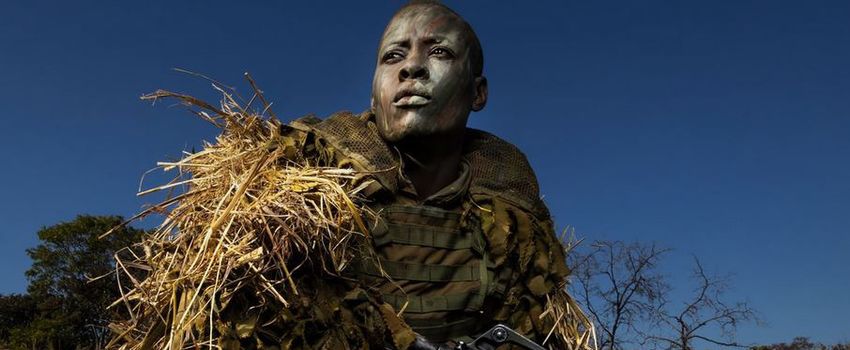
EthioJazz: International Jazz
                                                       Day in Ethiopia
                                                       This year, the city of Addis Ababa celebrates International
                                                       Jazz Day, organized and led by the founder of Ethio-
                                                       Jazz, Dr Mulatu Astatke, performances and concerts
                                                       with regional performers, particularly from the Southern
                                                       part of Ethiopia. The event is free and open to all WPFD
                                                       participants.

                                                       1 MAy | Ethiopia National Theatre

                                                       African World Heritage Sites -
                                                       Photo Exhibition

                                                       This is an opportunity to celebrate the wealth of Africa’s
                                                       cultural and natural heritage, embodying outstanding
                                                       universal values. This is a moment for the world to stand
                                                       with Governments, local communities and societies to
                                                       support one of the continent’s most precious resources.
                                                       Africa’s cultural and natural heritage is a force for peace –
                                                       it is also a driver of development and innovation.

                                                       OPENING: 2 MAy

                                                         DW AKADEMIE BOOTH
                                                         Access to information and freedom of expression are
                                                         fundamental human rights and key to sustainable
                                                         development. Test your knowledge with our games and
ETHIOPIA NATIONAL THEATRE                                quizzes about media freedom worldwide at DW Akademie’s
                                                         info space at the World Press Freedom Day 2019!
Theatre performance based on Socrates’ last days and     DW Akademie has developed numerous interactive “serious
his struggle for his right to freedom of expression.     games” and digital interactives with the aim to teach critical
                                                         media literacy.
3 MAy | FOLLOWING THE CLOSING SESSION
                                                         2 -3 MAy | LOBBY A

 FOR MORE INFORMATION PLEASE VISIT:                                      #WORLDPRESSFREEDOMDAY #PRESSFREEDOM
 EN.UNESCO.ORG/COMMEMORATIONS/WORLDPRESSFREEDOMDAY                                                                        7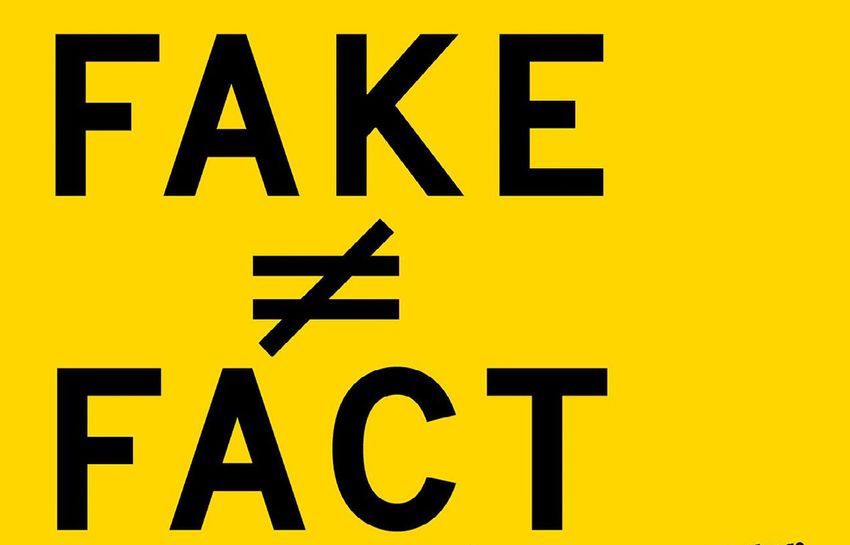
YOUTH
      NEWSROOM
      This year, the Youth Newsroom is hosted by the
      School of Journalism at the University of Addis Ababa.
      The Youth Newsroom will offer media students
      and young reporters the opportunity to work with
      international peers in covering a major international
      event live, with guidance from experienced
      professionals. Youth Newsroom participants will
      have the opportunity to engage in Q&A sessions with
      leading media professionals, including Jonathan
      Munro, Head of Newsgathering at BBC News and
      different guests press cartoonists from the Cartooning
      for Peace Network.

      Be sure to follow the fresh perspectives of the Youth
      Newsroom’s articles, photos and video coverage of
      this global event. Don’t forget to follow their website
      and social media channels!

      Found out more about the students that are
      participating this year at:
      https://en.unesco.org/commemorations/
      worldpressfreedomday/

      ABOUT
      World Press Freedom Day hosts a youth newsroom,
      which engages journalism students and young reporters
      from all corners of the world in covering plenaries,
      parallel sessions and side events.

      The young journalism students conduct interviews
      with participants and provide background stories and
      editorials. Photographers, videographers, social media
      producers, and other journalists work together, guided
      by a team of national and international experienced
      journalists and editors.

      PARTNERS
      Addis Ababa University
      NLA Høgskolen
      BBC Media Action
      University of Oregon - UNESCO Institute for
      Intercultural Dialogue and Conflict-Sensitive reporting
      UNESCO

    FOR MORE INFORMATION PLEASE VISIT:                          #WORLDPRESSFREEDOMDAY #PRESSFREEDOM
8   EN.UNESCO.ORG/COMMEMORATIONS/WORLDPRESSFREEDOMDAY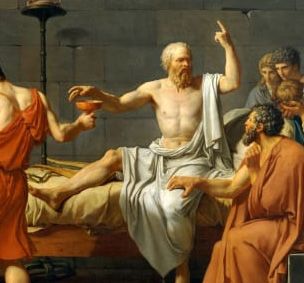
CAN’T FIND
    YOUR SESSION?
                     Download the World Press Freedom Day 2019
                     Conference mobile app !
                     Don’t miss any update, share your comments on the
                     sessions, and connect with participants with the app’s
                     network features.

                     Look for WPFD 2019 in the Apple and Google app stores.

FOR MORE INFORMATION PLEASE VISIT:                             #WORLDPRESSFREEDOMDAY #PRESSFREEDOM
EN.UNESCO.ORG/COMMEMORATIONS/WORLDPRESSFREEDOMDAY                                                    9
PARTNERS’
                    FORA
                     MAY 1
                     VENUE: UNECA

     FOR MORE INFORMATION PLEASE VISIT:                  #WORLDPRESSFREEDOMDAY #PRESSFREEDOM
10   EN.UNESCO.ORG/COMMEMORATIONS/WORLDPRESSFREEDOMDAY
JOINT MEDIA FORUM –
Challenges and opportunities for the Media in
the Age of Disinformation
TIME AND VENUE PROGRAMME
08:45 - 18:00
Conference Room 1 08:45 – 09:15
Opening Session
Focal points: The opening session will be interactive with a panel of key leaders from government,
Lydiah Gachungi (l.gachungi@unesco. multilateral and intergovernmental organizations sharing their opinions on the
org) and John Bosco Mayiga ( jb.mayiga@ theme of the World Press Freedom Day celebrations.
unesco.org)
09:15 - 10:45
OPENING SESSION Session 1
Moez Chakchouk Fact Checking and Elections: Ensuring Fair, Balanced and Credible Elections in
Assistant Director-General for Communication
Africa:
and Information Sector, UNESCO
In an era where mis- and disinformation seem to create alternative realities and
H.E. Nigussu Tilahu threaten the basis of democracy, it is more important than ever for journalism to be
Press Secretary/Minister in the Office of the factually correct. Today, many people find it hard to differentiate between what is
Prime Minister, Government of Ethiopia authentic and what constitutes propaganda. This state of affairs puts a direct strain
H.E.Mr Morten Assland on the production and consumption of everyday news. This becomes particularly
Ambassador and Permanent Representative of problematic during elections, where the peddling of fake and distorted news can
Norway to the African Union harm the integrity of the electoral process. The aim of this panel is to showcase one
of the leading examples on the continent – Africa Check, which has been equipping
Wynne Musabayana
Head of Communication, Directorate of journalists with the methods and skills to instill a culture of fact-checking in their
Information and Communication, African Union newsrooms.
Commission.
11:00 - 12:00
MODERATOR Session 2
Umbi Karuaihe-Upi Freedom of Expression and Hate Speech in the Context of Human Rights
Namibia Broadcasting Corporation, Chair Governments around the world face challenges to balance rights to freedom of
of Southern Africa Broadcasting Association opinion and expression on the one hand, and prohibitions of incitement to hatred on
Gender Committee the other. Both obligations are enshrined in international human rights law. Rights
to free expression and prohibitions of hate speech are cited in numerous resolutions
and declarations agreed by Member States of the United Nations and regional
SESSION 1 organisations, like the African Union. Nevertheless, the practical application of these
Alphonce Shiundu norms often causes serious contention, as journalists and media professionals in
Country Editor, Africa Check many countries continue to face various forms of threat, including killings, beatings
and arrests. The objective of this session is to increase understanding of applicable
Tom Mshindi
Media Consultant, African Council for international standards on how to strike a balance on freedom of expression and
Communication Education hate speech and explore possible areas of collaboration to tackle hate speech, while
Sherif Alaa promoting and protecting the exercise of the right to freedom of expression.
Programme Manager, North Africa and West
Asia, International Institute for Democracy and 12:00 - 12:40
Electoral Assistance (International IDEA)
Session 3
Kabiru Yusu AFROBAROMETER Findings on the Media in Africa (2016-2018)
Chair, Media Trust Limited Even though a plurality of Africans assess media freedoms in their country as
Roukaya Kasenally (Moderator) increasing, support for media freedoms has plummeted to a historic low. This is
CEO, African Media Initiative a worrisome trend, and an indicator that popular concerns about fake news, hate
speech, and other messages could give governments broadened opportunities to
place new limitations on media. The objective of this session is to review results
SESSION 2 on Africans’ assessments of and support for media freedoms, as measured in
David Kaye Afrobarometer surveys in thirty-four countries, with 45,000 respondents, between
UN Special Rapporteur on the Promotion and 2016 and 2018. Panellists will discuss the potential causes of these shifts in public
Protection of the Right to Freedom of Opinion opinion, as well as the possible ramifications for the media and democracy, more
and Expression broadly.
Alistair King-Smith
Coordinator of the UK Foreign Office’s Global 12:40 - 14:30 Lunch break and tour of the Africa Hall (UNECA) and Exhibition
Campaign for Media Freedom
Continued on the next page...
FOR MORE INFORMATION PLEASE VISIT: #WORLDPRESSFREEDOMDAY #PRESSFREEDOM
EN.UNESCO.ORG/COMMEMORATIONS/WORLDPRESSFREEDOMDAY 11JOINT MEDIA FORUM –
Challenges and opportunities for the Media in
the Age of Disinformation
Getachew Engida 14:30 - 16:00
Former Deputy-Director General of UNESCO, Session 4
Distinguished Professor of Leadership & The Need for UN, International and Local protection mechanisms for journalists:
Management, Development Institute (CALDI); First hand experiences of the consequences of lack of such mechanisms”.
Tsinghua University, Beijing, PR China. Journalists should be able to do their jobs without fear and with due protection
Elias Meseret Taye when needed. Hence it is vital to have the framework for protection mechanisms in
Journalist and Lawyer, Correspondent for place from international, to national and local levels. The panel will share expertise
The Associated Press (AP) to Ethiopia and the
on this drawing from lived experiences.
African Union (AU)
14:30 - 16:00 Tea break
SESSION 3
Josephine Appiah-Nyamekye Sanny
Communications Coordinator for Anglophone 16:15 - 17:45
West Africa, Afrobarometer Session 5
“The Place of Media in APRM Process”.
Jeff Conroy-Krutz The African Peer Review Mechanism’s purpose is to foster the adoption of policies,
Associate Professor of Political Science,Michigan
State University, and Working Papers Editor,
standards and practices that lead to political stability, high economic growth,
Afrobarometer sustainable development and accelerated sub-regional and continental economic
integration through sharing of experiences and reinforcement of successful and
Nana Kwasi Gyan-Apenteng best practices, including identifying deficiencies and assessing the needs for
Consultant in media, culture and capacity building. The APRM embodies the principle of shared values and advocacy
communication, Former Chair, National Media as well as of accountability, integrity and inclusivity. Hence, members of the media
Commission of Ghana
have a critical role to play in promoting these principles. The APRM also recognises
Zoe Titus that the media has the power to influence decisions and their implementation as
Strategic Coordinator, Namibia Media Trust well as advocate for good governance practises. Therefore, the Media represents
a strategic ally for the APRM in terms of achieving its goals and it is critical for
SESSION 4 the APRM to partner with organisations that share common values particularly
in relation to human rights inclusive of media freedom. In order to advance and
Trish Lynch (Moderator)
TV Presenter, IOHR
promote the “Africa We Want”, the APRM is hoping to further involve media within
its processes. This will require the APRM to engage the different players in the
Ruth Nesoba media landscape continentally in order to identify challenges faced by media and
Deployments Editor, BBC World Service formulate recommendations that can be implemented by countries. The objective
of the APRM-Media Roundtable is to conceptualize the APRM-Media Forum while
Befekadu Hailu looking at ways to forge and strengthen APRM collaboration with Media in the
Writer, Blogger and Democracy Activist interest of improving good governance on the Continent.
Valerie Peay
Director, International Observatory of Human 17:45 - 18:00
Rights and the Trustee Director of the Royal Way Forward: Recommendations
Caledonian Educational Trust
This Forum marks the beginning of a joint partnership that brings on board
Woubshet Taye Abebe different partners to exchange ideas and address the challenges and opportunities
Editor in Chief, Gulale Post Magazine of the media in the Age of Disinformation. Hopefully, this vehicle can later be used
to ensure that we create synergy and coordination of our media and share amongst
Sirgut Yadeta us various media development initiatives.
Co-founder, Ethiopian Institute for Leadership,
Communication and Organisation
SESSION 5
Migai Akech
Governance Expert, African Peer Review
Mechanism
ORGANIZERS
AU / UNESCO / APRM / African Media
Initiative (AMI) / OHCHR/Africa
Editors’ Forum (TAEF) / EILCO-IOHR
FOR MORE INFORMATION PLEASE VISIT: #WORLDPRESSFREEDOMDAY #PRESSFREEDOM
12 EN.UNESCO.ORG/COMMEMORATIONS/WORLDPRESSFREEDOMDAYACADEMIC CONFERENCE
ON THE SAFETY OF
JOURNALISTS
TIME AND VENUE PROGRAMME
10:30 - 18:00
Conference Room 2 10:00 - 10:30
Welcome by:
Guy Berger, Director for Freedom of Expression and Media Development, UNESCO
ABOUT Kristin Skare Orgeret, OsloMet University (Host) |Makerere University (Host)
The fourth edition of the Academic
Conference on the Safety of Journalists Opening remarks by:
Jonathan Munro, Head of Newsgathering , BBC
brings together researchers from different
disciplines. It also offers the possibility
for them to connect with decision-makers 10:30 - 11:50
and media practitioners. Panel A: The Safety of Women Journalists
Panelists:
This year, non-academics including • ‘Female TV journalists defying gendered newsroom culture: A qualitative study
representatives from civil society of Pakistani Media’ - Noor Rabia (Pakistan)
organisations will be invited to participate • ‘Online harassment against female journalists’ - Samiksha Koirala (Nepal)
in the event as ‘Respondents’. The role of • ‘Online threats against women journalists in Kenya: Adequacy of cyber security
the Respondent is to offer critique on the laws and policies’ - Jacqueline Ondimu (Kenya)
• ‘Assessing the presence and challenges of women in the political desk in the
findings presented and suggestions on
democratic era in Nigeria’ - Yetunde Ayobolu (Nigeria)
how the research can support the work Moderator:
of the different stakeholders, including Ruth De Frutos, Coordinator, UNESCO Chair in Media Freedom Journalism Safety
media organisations, governments and and the Issue of Impunity at The University of Malaga
CSOs, working towards shared strategies
and objectives of promoting and defending 11:50 - 12:00
the safety of journalists, freedom of Respondent Panel A: Silvia Chocarro, Head of Protection, ARTICLE 19
expression and freedom of the press.
12:00 - 13:30
ORGANIZERS Lunch break
UNESCO / Makerere University /
13:30 - 14:50
OsloMet University / The University of Panel B: The Safety of Journalists in Times of Elections
Sheffield / The University of Malaga Panelists:
• ‘Trailer to 2019 General Elections: Debunking fake news and disinformation
during elections in India’ - Furquan Ameen (India)
• ‘Democracy at stake: Self-censorship as a self-defence strategy for journalists’ -
Gerwald Walulya & Gorretti Nassanga (Uganda)
• ‘Online TV coverage of the first democratic municipal elections in Tunisia after
the 14th January 2011’ - Nouha Belaid (Tunisia)
• ‘Developing and validating a framework for promoting the safety of journalists
covering electioneering campaigns and election processes’ - Celestine Gever
(Nigeria).
Moderator:
Professor Jackie Harrison, UNESCO Chair in Media Freedom Journalism Safety and
the Issue of Impunity | Centre for Freedom of the Media (CFOM)| The University of
Sheffield
14:50 - 15:00
Respondent Panel B: Leon Willems, Director, Policy and Programmes, Free Press
Unlimited
Continued on the next page...
FOR MORE INFORMATION PLEASE VISIT: #WORLDPRESSFREEDOMDAY #PRESSFREEDOM
EN.UNESCO.ORG/COMMEMORATIONS/WORLDPRESSFREEDOMDAY 13ACADEMIC CONFERENCE
ON THE SAFETY OF
JOURNALISTS
15:00 - 16:00
Panel C: Freedom of Expression and Freedom of the Press: Internet
Shutdowns | Debunking Disinformation | Governance and Justice
Panelists:
• ‘Debunking disinformation’ - Sriram Arulchelvan (India)
• ‘Methodological possibilities for strengthening the monitoring of indicator
16.10.1’ - Jackie Harrison, Sara Torsner & Diana Maynard (UK)
• ‘Information retrieval in transitional societies: Risky business’ - Terje Skjerdal
(Norway)
Moderator:
Professor William Tayeebwa, Head of Department, Department of Journalism and
Communication, Makerere University
16:00 - 16:10
Respondent Panel C: Bilal Randeree, Program Director for Africa & MENA Media
Development Investment Fund
16:10 - 16:30
Refreshement break
16:30 - 17:10
Panel D: Challenges to the Overall Safety of Journalists
Panelists:
• ‘Free and independent press in Bulgaria’ - Gergana Georgieva
• ‘Journalists safety and perceptions in the age of online media: the case of
Ethiopia’ - Nigussie Meshesha Mitike
Moderator:
Professor Kristin Skare Orgeret, OsloMet University
17:10 - 17:20
Respondent Panel D: Margaret Sentamu, Executive Director, Uganda Media Women’s
Association (UMWA)
17:20 - 17:30
Closing remarks by:
Professor Jackie Harrison, UNESCO Chair in Media Freedom Journalism Safety and
the Issue of Impunity |Centre for Freedom of the Media (CFOM)| The University
of Sheffield: ‘The route to the greater success of academic input into the international
stakeholder efforts on journalism safety and the issue of impunity’
FOR MORE INFORMATION PLEASE VISIT: #WORLDPRESSFREEDOMDAY #PRESSFREEDOM
14 EN.UNESCO.ORG/COMMEMORATIONS/WORLDPRESSFREEDOMDAYLAB ON ONLINE
HARASSMENT OF
WOMEN JOURNALISTS
TIME AND VENUE SUMMARY
13:30 - 18:00
Conference Room 3
As a part of a larger UNESCO initiative on countering gender-based
FORMAT harassment and threats against journalists, UNESCO together with the
Closed session, by invitation only Global Diplomacy Lab, the International Alumni Center (Bosch Alumni
Focal point: Network) and the World Wide Web Foundation are convening a moderated
Theresa Chorbacher brainstorming session on Tackling the Safety of Women Journalists Online.
(t.chorbacher@unesco.org)
This workshop will be the second session in a series of consultation sessions
SESSION FACILITATORS organized by UNESCO and its partners on this topic, after a kick-off session
Patrick Mpedzisi in February 2019 at the OSCE in Vienna.
Organizational Development Consultant
The session has the goal of engaging participants of different backgrounds
Elizabeth Maloba ( journalism, internet governance, academia, NGOs, government and
Organizational Change and Business
Growth Facilitator
international organization) in a discussion on best practices to counter online
harassment of women journalists. Online threats, violence and harassment
ORGANIZERS against women journalists are a growing problem. Such attacks hamper
UNESCO / Global Diplomacy Lab / freedom of expression online; can lead to self-censorship and in some cases,
International Alumni Centre / World online violence triggers offline attacks.
Wide Web Foundation
The results of this discussion will contribute to a UNESCO study on
countering online harassment of women journalists. The study will examine
gender-based harassment and threats against journalists online. With a
global scope and an intersectional perspective, it will strive to develop
concrete recommendations on how to combat online harassment. The
recommendations will be targeted at different stakeholder groups such as
governments, media organizations, judiciary, NGOs and journalists.
Through the participatory format, multi-stakeholder engagement is
encouraged, delivering specific input for the research. By bringing together
actors from different fields in a creative, open discussion, needs as well as
potential solutions will be explored.
The session will be facilitated by Elizabeth Maloba and Patrick Mpedzisi,
experienced facilitators and members of the Global Diplomacy Lab and the
Bosch Alumni Network.
FOR MORE INFORMATION PLEASE VISIT: #WORLDPRESSFREEDOMDAY #PRESSFREEDOM
EN.UNESCO.ORG/COMMEMORATIONS/WORLDPRESSFREEDOMDAY 15PARALLEL SESSION A
#journodefender – Turning Trolling against
Journalists on its Head
TIME AND VENUE SUMMARY
10:00 - 12:00
Conference Room 3
A panel discussion around findings, recommendations and solutions from
FORMAT two recent studies dealing with disinformation, online hate and harassment,
Interactive debate particularly directed towards female journalists. The session is presented by
Fojo Media Institute and UNESCO.
SPEAKERS
Ewa Thorslund
Former Head, Swedish Media Council and The study #journodefender by Fojo analyses how online propaganda
Expert on Digitalization and its Effects on against journalists across the world - through hate, harassment, threats and
Society
fabricated news – undermines independent reporting, sows doubt among
Hadra Ahmed Ibrahim the public and exposes journalists to online attacks and physical abuse to the
Freelance Journalist
detriment of freedom of expression and open, democratic societies.
Nigussu Solomon
Digital Data Expert, Deputy Managing Director,
Nubia Media The UNESCO study, Journalism, “fake news” and disinformation, takes
Lars Tallert the form of a handbook which aims to empower journalists to: avoid
Head of Policy and International development, being hoaxed; to expose fraudulent information and rumour; to conduct
Fojo Media Institute, Linneus University
investigations into orchestrated campaigns; and to resist attacks. The
Patricia Kevine Litho
Chairperson, Ugandan Women Media
publication was produced within UNESCO’s International Programme for
Association the Development of Communication (IPDC) and it has been translated into
Julie Posetti Vietnamese by Fojo.
Senior Research Fellow, Reuters Institute for the
Study of Journalism, University of Oxford
The discussion will include focus on the situation in Ethiopia, Uganda and
globally and the growing awareness among media professionals of the need
MODERATOR
for new tools to stem online abuse. It will also cover calls for accountability
Marika Griehsel
Project Manager, Fojo Media Institute and transparency from media companies, mobile telecom operators,
governments and other economic and political actors. The floor will be open
ORGANIZER for questions.
FOJO Media Institute / UNESCO
UNESCO and Fojo Media Institute are each working to promote media
development in Ethiopia. Fojo is involved in a media reform support program
in collaboration with local partner Nubia Media and Communication,
financed by the Swedish Embassy in Ethiopia. UNESCO is using the IPDC-
approved Media Development Indicators to assess legal, economic, political,
infrastructural and training dimensions of the country’s media.
FOR MORE INFORMATION PLEASE VISIT: #WORLDPRESSFREEDOMDAY #PRESSFREEDOM
16 EN.UNESCO.ORG/COMMEMORATIONS/WORLDPRESSFREEDOMDAYPARALLEL SESSION B
Telling the Story of Elections and Disinformation:
A Comparative Perspective
TIME AND VENUE SUMMARY
10:00 - 12:00
Conference Room 5
This storytelling session takes a comparative case study perspective of recent
FORMAT experiences of elections and disinformation in Ethiopia, Kenya, Turkey,
Participatory storytelling Mexico, Bangladesh and Senegal. Participants will discuss how traditional
challenges to covering elections have evolved in the digital age and explore
SPEAKERS how social media and messaging have disrupted professional media
Nobonita Chowdury
Prime Time Moderator, Rajkahon show, DBC reporting. The session will assess the role of the Internet and social media in
News shaping the dominant narratives in these electoral contexts and will explore
Seçil Epik the manner in which disinformation has driven election campaigning and
Editor and Literary Critic, P24 outcomes. The event will also gauge the impact of Artificial Intelligence, in
Regina Opondo particular automated chat bots, on these elections and ask what lessons have
Executive Secretary, Constitution and Reform
Education Consortium (GRECO) been learned.
Amal El Mekki
Freelance Journalist The participatory session will engage the audience in a discussion on how
Paula Saucedo professional journalism can play a more visible and distinctive role during
Rompe el Miedo, ARTICLE 19 elections to compete with disinformation and how to better communicate
the crucial role of journalists and media workers in the context of elections,
MODERATOR including to inform the public about candidates, their platforms and ongoing
Mesud Gebeyehu debates. Drawing on recent ARTICLE 19 reports, speakers from Brazil and
Executive Director, Consortium of
Turkey will discuss how transparency and the right to information can be
Ethiopian Rights Organizations (CERO)
strengthened, while the speakers from Senegal/ Tunisia and Bangladesh
ORGANIZER will address how press freedom and electoral regulations apply to media
ARTICLE 19 companies and Internet governance.
FOR MORE INFORMATION PLEASE VISIT: #WORLDPRESSFREEDOMDAY #PRESSFREEDOM
EN.UNESCO.ORG/COMMEMORATIONS/WORLDPRESSFREEDOMDAY 17PARALLEL SESSION C
Protecting Democracy: Defending the Media whilst Harnessing
the Benefits of ICT – A Commonwealth Perspective on the Role of
Human Rights
TIME AND VENUE SUMMARY
10:00 - 12:00
Conference Room 6
Freedoms of opinion and expression, assembly and association are
FORMAT fundamental rights that form the basis of the full enjoyment of a number
Opening statement followed by facilitated of other rights. They are essential cornerstones of democratic societies,
interactive discussion indispensable conditions for the full development of the person, and are at the
heart of a free press and active civil society. Information and communication
SPEAKERS
technologies offer significant opportunities for the advancement of these
Patsy Robinson
Chair. Ramphal Institute and other human rights. Inherent in such new technologies is the capacity to
Elena Abrusci provide new ways to promote and protect human rights in a range of sectors
Senior Research Officer, Human Rights, Big and areas of life. At the same time, however, ICT has the potential to be used
Data and Technology project, The Human Rights
Centre and School of Law, University of Essex
deleteriously to restrict, undermine or to violate the enjoyment of rights,
with vulnerable groups being particularly more vulnerable, destabilizing the
Neil Ford
Director of Communications, Commonwealth basis of participatory democracy in the process.
Secretariat
George Morara Monyoncho The side event will provide a forum in which to discuss maximizing ICT’s
Vice Chairperson, Kenya National Commission
on Human Rights
benefits to individuals, responses to the many challenges presented to the
media by new technologies, and the framing of rights-based approaches
MODERATOR to ICT governance to help Commonwealth governments achieve their
Karen McKenzie objectives while meeting their international human rights obligations.
Head of Human Rights, Commonwealth
Secretariat
ORGANIZER
Commonwealth Secretariat
FOR MORE INFORMATION PLEASE VISIT: #WORLDPRESSFREEDOMDAY #PRESSFREEDOM
18 EN.UNESCO.ORG/COMMEMORATIONS/WORLDPRESSFREEDOMDAYPARALLEL SESSION D
Best Practices on Elections Reporting:
When Stakeholders Come Together
TIME AND VENUE SUMMARY
13:30 - 15:00
Conference Room 5
This panel organized by International Media Support (IMS) and Media
FORMAT Foundation West Africa (MFWA) looks at global media development efforts
Interview style that have succeeded in strengthening media actors in their coverage of
elections. The challenges facing media, authorities and citizens during
SPEAKERS elections are plentiful - from the digital spread of disinformation to freedom
Kofi Boakye
Commissioner of Police in charge of Research, of press issues, and a lack of trust between media and authorities, including
Planning Monitoring and Evaluation at the security actors. But the list of good practices seeking to pave the way for
Ghana Police Headquarters
good journalism in the face of these challenges is also long. In this session
Yesufu Kemi Onyekachi we hear from both police and journalists from Ghana and Nigeria on how
Journalist
improving relations between the two helped support peaceful elections
Simbiso Marimbe
Programme Manager, International Media and better journalism. In Zimbabwe, a comprehensive media elections
Support programme strengthened both the capacity and content of media towards
Joyce Laetitia Kazembe the 2018 elections.
Commissioner, Zimbabwe Electoral Commission
Vivian Affoah Best practices are shared on the programme and on the performance of the
Programme Manager, Freedom of Expression at
the Media Foundation for West Africa (MFWA)
media as seen from the Zimbabwe Elections Commission. Norway’s public
service broadcaster along with two of the country’s biggest newspapers
Tore Bergsaker
Investigative Journalist, fact checker and have come together to create Faktisk.no, a fact checking unit. Faktisk.
founder of Norwegian fact-checking initiative, no cooperated closely with Facebook to fight disinformation during the
Faktisk.no
country’s elections. From Ghana MFWA’s experience with an elections-
related language monitoring project that focused on the issue of media and
MODERATOR
Jesper Højberg hate speech during elections, conflict sensitive reporting will be shared.
Executive Director, International Media Support
ORGANIZERS
Media Foundation for West Africa
(MFWA) / International Media Support
(IMS)
FOR MORE INFORMATION PLEASE VISIT: #WORLDPRESSFREEDOMDAY #PRESSFREEDOM
EN.UNESCO.ORG/COMMEMORATIONS/WORLDPRESSFREEDOMDAY 19PARALLEL SESSION E
Media and Information Literacy for Peace and Resilience
Building
TIME AND VENUE SUMMARY
15:30 - 17:00
Conference Room 5
We are all surrounded by massive flows of information today. The Internet
FORMAT and social media have ushered in an era of unprecedented connectivity.
Participatory storytelling Words and images are widespread and powerful, which can be a double-
edge sword: some arouse us to love and some trigger us to hate. Influenced
SPEAKERS by malicious messages online, many young people become violent and
Jingxin Bao
UNESCO IICBA extreme and disseminate these messages to negatively influence even more
youth. However, parents and educators often find themselves struggling to
Dawit Endeshaw
Journalist effectively address these worrying developments as they do not interact
Sylvain Platevoet with the digital age as the youth do today.
Programme and International Development
Manager, Cartooning for Peace
Media and Information Literacy (MIL) enables people to interpret and make
Ali Ghamir informed judgments as users of information and media, as well as to become
Editorial Cartoonist
skillful creators and producers of information and media messages in their
Nadia Khiari
Teacher in Visual Arts, Painter and Cartoonist; own right. It contributes to peace and resilience building by empowering
Creator of Willis from Tunis people, in a digital society, to understand, inquire, create, communicate and
Isabel Boavida think critically, effectively and responsibly with ethical, cultural and social
Cultural Attaché, Portugal Embassy in Ethiopia understanding. It is crucial for young people and teachers of the 21st century
Daniel Ergetachew to be equipped with MIL.
Graphic Designer, UNESCO IICBA
UNESCO International Institute for Capacity Building in Africa (IICBA) has
MODERATOR
Yumiko Yokozeki
devoted itself in teacher development and youth empowerment for peace and
Director, UNESCO IICBA resilience building in Africa. In collaboration with the Embassies of Portugal
in Ethiopia and Cartoon for Peace, UNESCO IICBA is organizing a side event
ORGANIZERS in celebration of the World Press Freedom Day in 2019. Practitioners and
Embassy of Portugal to Ethiopia / youth are invited to this event to spark thought-provoking and far-reaching
UNESCO – IICBA conversations on how our world is shaped by social media and how MIL can
help to build peaceful and resilient societies for youth today and tomorrow.
FOR MORE INFORMATION PLEASE VISIT: #WORLDPRESSFREEDOMDAY #PRESSFREEDOM
20 EN.UNESCO.ORG/COMMEMORATIONS/WORLDPRESSFREEDOMDAYPARALLEL SESSION F
Media and Elections in Africa
TIME AND VENUE SUMMARY
15:30 - 17:00
Conference Room 6
The Special Rapporteur will offer perspectives of use of online spaces during
FORMAT elections.
Interactive debate
IREX: The Securing Access to Free Expression (SAFE) Project will
SPEAKERS share tips on election coverage based on a case study of Kenya 2017 general
Grace Githaiga
Co-Convenor, Kenya ICT Action Network elections on physical, digital and psychosocial safety and security and the
(KICTANet) role of solidarity in the awake of democracy and civil unrest.
David Kaye
United Nations Special Rapporteur on the KICTANET: The Kenya ICT Action Network (KICTANet) observed the
Promotion and Protection of the Right to
Freedom of Opinion and Expression use of ICTs before, during and after Kenya’s 2017 General Elections. Some
Dinah Kituyi aspects observed and which are relevant to media and freedom of expression
Executive Director, IREX Kenya, Regional Lead included access to election information by citizens as well as use of online
– Securing Access to Free Expression – East
Africa
spaces during the electioneering period. Further, ways in which fake news
and disinformation were used by both the ruling party and the opposition to
Regina Opondo
Executive Director, Elections Observation Group suit their needs were evaluated.
(ELOG)
Speaker from ARTICLE19 (TBC) The KICTANet observer mission particularly observed use of the Kenya
Integrated Elections Management Systems (KIEMS) from a user perspective
MODERATOR during the elections, and how sometimes the media reported from a point of
Rachael Nakitare
Acting Television Programmes Manager, Kenya misconception or lack of understanding.
Broadcasting Corporation
KICTANet proposes to hold this session during the WPFD, to mainly share
ORGANIZERS experiences on what tech based electoral observation constitutes, discuss
IREX – SAFE EA / KICTANet the gaps and lessons learnt in particular on issues of access to information,
fake news and disinformation, and how the media can also strengthen is
reporting during such events. This is important in particular for the media
in countries that will be holding general election, as well as using technology
in the next two years.
FOR MORE INFORMATION PLEASE VISIT: #WORLDPRESSFREEDOMDAY #PRESSFREEDOM
EN.UNESCO.ORG/COMMEMORATIONS/WORLDPRESSFREEDOMDAY 21DESIGN THINKING WORKSHOP
on Interactive Communications between the
African Union and Citizens
TIME AND VENUE SUMMARY
09:00 - 17:00
Conference Room 3
The Design Thinking Workshop on Interactive Communications between
FORMAT the AU and Citizens is conceptualized as an open space for civic innovation
Participation by invitation only hub and start-ups, media hubs and new and traditional media enthusiasts
Workshop is open for a maximum of 40 and journalists, to come together and ideate solutions to assist the African
participants Union in enhancing its interaction with African citizens. Using a design
thinking methodology, participants will emphatise, design and conceive
Focal points:
Ibrahim Bukunle (Sanusil@africa- protoype ideas that will bring the citizens closer to the AU and vice versa
union.org) and Wynne Musabayana and tackle disinformation all over Africa.
(MUSABAYANAW@africa-union.org)
The prototype ideas may contribute to any of the following areas:
- Popularisation of AU Shared Values Instruments
ORGANIZER
African Union / GIZ
- Fact-based media reporting and citizens journalism
- African Union – Citizens Interaction and Engagement
It is expected that the participants will come up with ideas for digital
interaction formats/tools, audio-visual content/campaigns or mobile
applications.
The main goal of the Workshop is to facilitate an innovation-driven space
to create ideas that enhances citizens interaction and engagement with the
African Union. The expected outcome of the Workshop is a portfolio of idea
prototypes that can be developed or scaled by the AU.
The Workshop is organized by the AUC Directorate of Information and
Communication and the AGA Secretariat with technical and financial
support from the GIZ/AU Citizens Engagement Lab Programme.
FOR MORE INFORMATION PLEASE VISIT: #WORLDPRESSFREEDOMDAY #PRESSFREEDOM
22 EN.UNESCO.ORG/COMMEMORATIONS/WORLDPRESSFREEDOMDAYCLOSED SESSIONS
30 APRIL - 3 MAY
30 APRIL 1 May 2 May
ONLINE HARASSMENT MEDIA REFORM IN TEAM MEETING,
WORKSHOP & ETHIOPIA: INTERRUPTRR AFRICA
ROUNDTABLE: A CONSULTATION FOR COLLECTIVE
ACTION TIME AND VENUE
MAPPING STRATEGIES FOR
13:00 - 15:15, 2 May
FIGHTING BACK.
TIME AND VENUE AUC
09:00 - 17:00, 1 May
Conference Room 2 FORMAT
TIME AND VENUE
UNECA Closed meeting
09:00 - 12:00, 30 April
Large Briefing Room
FORMAT ORGANIZER
UNECA
Closed meeting European Journalism Centre
FORMAT
Closed meeting ORGANIZER
by invitation only CIMA
ORGANIZER
PEN America WORKSHOP ON
ARTISTIC FREEDOM
TIME AND VENUE
10:00 - 18:00. 1 May
Large Briefing Room
UNECA
FORMAT
Closed meeting
Capacity-development workshop open
only to Ethiopian nationals on UNESCO’s
invitation
ORGANIZER
UNESCO
FREE CITY TOURS !
(hosted by the government of ethiopia)
30 APril (afternoon)
4 MAy (MORNING)
REGISTER!
contact: wpfd@flawlessevents.net
FOR MORE INFORMATION PLEASE VISIT: #WORLDPRESSFREEDOMDAY #PRESSFREEDOM
EN.UNESCO.ORG/COMMEMORATIONS/WORLDPRESSFREEDOMDAY 23MAY 2
VENUE: AFRICAN UNION HQ
FOR MORE INFORMATION PLEASE VISIT: #WORLDPRESSFREEDOMDAY #PRESSFREEDOM
24 EN.UNESCO.ORG/COMMEMORATIONS/WORLDPRESSFREEDOMDAYOPENING CEREMONY
AND PLENARY SESSION 1
Strengthening Media’s Role in the Face of New
Challenges
OPENING CEREMONY
09:30 - 10:15
WELCOME REMARKS BY
Dr. Vera Songwe, Executive Secretary, United Nations Economic Commission for Africa
H.E. Audrey Azoulay, Director-General, UNESCO
Chairperson / Deputy Chairperson, African Union Commission
Prime Minister / President, Government of the Federal Democratic Republic of Ethiopia
TIME AND VENUE SUMMARY
10:15 - 12:00
Nelson Mandela Hall
Hostile discourse and anti-media rhetoric in several countries have led
FORMAT the UN Human Rights Council to express alarm “at instances in which
Panel discussion political leaders, public officials and/or authorities denigrate, intimidate
or threaten the media […] which increases the risk of threats and violence
French interpretation provided and undermines public trust in the credibility of journalism”. Furthermore,
disinformation campaigns have led to a slump in public trust in the media.
KEYNOTE SPEAKER
Tsedale Lemma In the face of these challenges, it is important to discuss how media can push
Editor-in-chief of Addis Standard back and counter such attacks against the free press.
PLENARY SPEAKERS This plenary will examine the impact of anti-media rhetoric as well as
Wambui Kiai disinformation campaigns on freedom of expression. Furthermore, it will
Director, School of Journalism and Mass
Communication, University of Nairobi seek to identify ways in which public trust in journalism can be strengthened
Jonathan Munro so that the media can be a catalyzer of peace, gender equality, democracy and
Head of Newsgathering, BBC the rule of law.
Nadia Khiari
Press cartoonist, Cartooning for Peace, creator Questions discussed will include:
of Willis from Tunis
• What can be done to counter rhetorical attacks on journalism?
Afrah Nasser
Blogger, winner of CPJ’s International Press
• How can public trust in the media be strengthened?
Freedom Award 2017 • What can journalists, internet companies and fact-checking initiatives do
in order to counter disinformation and uphold fact-based political debate?
MODERATOR • What partnerships are possible to raise media and information literacy?
Hiba Morgan
Producer and Journalist, Al Jazeera
ORGANIZER
UNESCO
FOR MORE INFORMATION PLEASE VISIT: #WORLDPRESSFREEDOMDAY #PRESSFREEDOM
EN.UNESCO.ORG/COMMEMORATIONS/WORLDPRESSFREEDOMDAY 25PARALLEL SESSION 1
Artificial Intelligence, Journalism, and Press
Freedom in Times of Elections
TIME AND VENUE SUMMARY
13:30 - 15:00, 2 May
Medium Conference Room
Developments in artificial intelligence (AI) affect the way journalistic
FORMAT content is produced, disseminated, and consumed; thus (re)shaping the
Experts’ discussion communications landscape and impacting on media freedom, including in
critical times such as elections. AI can strengthen the free flow of information
PANEL and journalistic activity, but it can also be used to replace human journalistic
Terens Quick
Deputy Minister, Ministry of Foreign Affairs of work as well as amplify both disinformation - that is, deliberately constructed
Greece falsehoods - and misinformation - which lacks malicious intent. Among the
Lifaqane Nare most debated issues to be considered will be:
Researcher, fact-checking organization ZimFact
Michael J. Oghia - The harnessing of AI to create and/or amplify disinformation, meaning
Advocacy & Engagement Manager, Global Fund fraudulent information (often in news formats) that is intended for political
for Media Development
objectives and often to create confusion or to discredit verifiable journalistic
Elena Abrusci reports;
Senior Research Officer, Human Rights, Big Data
and Technology Project, Human Rights Centre - The fact that AI is already replacing relatively simple, fixed-format article-
and School of Law, University of Essex writing jobs (especially in the field of financial journalism), alternatively
Nnenna Nwakanma impacting on journalists’ job security or freeing journalists up to do higher
Interim Policy Director, World Wide Web
Foundation end work in interpretation, analysis, verification and presentation of news;
- The implications of automated news writing/production without human
MODERATOR intervention or supervision as a reality that is often hidden to the readers/
Eric Johnson audience, which thus poses deontological issues (as well as others related to
Independent Expert and Consultant authorship and liability);
- Media organizations increasing reliance on algorithms, and media content
ORGANIZERS production that is increasingly informed by analytical and decision-making
International Media Support (IMS) /
accorded to sophisticated algorithms as well;
UNESCO
- The impact of counterfeit media brands, fake accounts and “deepfake”
content in time of elections;
- The pervasiveness of automated trolling, which has consequences for
journalists’ safety.
FOR MORE INFORMATION PLEASE VISIT: #WORLDPRESSFREEDOMDAY #PRESSFREEDOM
26 EN.UNESCO.ORG/COMMEMORATIONS/WORLDPRESSFREEDOMDAYPARALLEL SESSION 2
AU Protocol/Declaration/Working Group on the
Safety of Journalists
TIME AND VENUE SUMMARY
13:30 - 15:00, 2 May
Conference Room 2 Background:
Participants at the Interregional Forum held at the UNECA in Addis Ababa on
FORMAT November 26-27, 2018 under the theme “Strengthening National Monitoring and
Presentations by African Union and Reporting Mechanisms for the Safety of Journalists in Africa in the realisation of
UN Special Rapporteur followed by Agenda 2063 Aspiration 3 and Agenda 2030 SDG 16.10.1” agreed to a establish
interactive discussion with the audience coordination mechanism at the Continental, Sub regional and National Level as
follows:
French interpretation provided
At the Continental Level:
FOCUS AREAS They called on the African Union (AU) and UNESCO to work together, in
collaboration with other interested stakeholders, to develop the AU Working Group
1. Safety of Journalists Coordination on Safety of Journalists into an operational, multi-stakeholder framework for a robust
Mechanisms in Africa at the continental, Coordination Mechanism that brings together the relevant public sector actors and
Regional and National level as per the other media stakeholders in Africa. To this end, the participants called on UNESCO
and AU to move expeditiously to:
Addis recommendations
1. Establish a representative technical working group to develop a draft blueprint
for the Coordination Mechanism to be housed at the AU.
2. AU Working Group on Safety of
2. Conduct broad consultations, including in the five regions of Africa, with
Journalists
relevant stakeholders with a view to ensuring that all views are taken into account
and that the Coordination Mechanism secures the buy-in of AU Member States.
3. AU draft protocol/ declaration on
3. Take the necessary steps to formalise and establish the Coordination
Safety of Journalists
Mechanism.
At the Sub-regional Level:
Called on the Regional Economic Communities (RECs), UNESCO and lead
ORGANIZERS organisations on safety of journalists to affirm and continue to develop, and where
African Union Commission / UNESCO needed to establish, sub-regional mechanisms on safety of journalists which are
and Safety of Journalists stakeholders multi-stakeholder in nature and which have a broad remit to take operational actions
in Africa / African Union Peer Review to support safety. To this end, participants call Economic Communities (RECs),
Mechanism UNESCO and lead organisations on safety of journalists to:-
1. Make reference to the Addis Resolution adopted in Addis Ababa, Ethiopia on
15 November 2017.
2. Put in place a robust, consultative process to formalise the establishment of a
safety in mechanism in each sub-region.
3. Work with the national safety mechanisms that exist in the respective sub-
region, including through the focal points, to coordinate activities in support of
journalists’ safety.
4. Provide support to national safety mechanisms, including by supporting the
establishment of such mechanisms in countries where they do not yet exist.
At the National Level:
Called on each AU Member State, in consultation with interested stakeholders,
to establish effective, multi-stakeholder national mechanisms for the safety of
journalists, taking into account their different country contexts. When forming these
national mechanisms, consideration should be given to engaging the following actors:
all three arms of government including security actors and other administration
of justice actors, civil society actors working in this area, representative bodies of
journalists, media workers and media outlets, lawyers’ associations, human rights
defenders, journalism training and research institutions, media regulatory bodies,
NGOs, INGOs, relevant inter-governmental organisations, including United Nations
agencies, and other representatives of the international community.
FOR MORE INFORMATION PLEASE VISIT: #WORLDPRESSFREEDOMDAY #PRESSFREEDOM
EN.UNESCO.ORG/COMMEMORATIONS/WORLDPRESSFREEDOMDAY 27You can also read


