WRITE FOR RIGHTS 2018 - A HUMAN RIGHTS EDUCATION TOOLKIT - FOR EDUCATORS - Amnesty ...
←
→
Page content transcription
If your browser does not render page correctly, please read the page content below
WRITE FOR RIGHTS 2018
– A HUMAN RIGHTS
EDUCATION TOOLKIT
FOR EDUCATORS
ii      HRE WRITE 4 RIGHTS TOOLKIT                                         1. USING THE HRE W4R TOOLKIT

CONTENTS

1. USING THE HUMAN RIGHTS EDUCATION                                    8. ATENA DAEMI & THE PROHIBITION OF TORTURE
   WRITE FOR RIGHTS TOOLKIT                                        1      AND CRUEL, INHUMAN OR DEGRADING TREATMENT 49
     1.1 Structure of the HRE W4R Toolkit                          2      8.1 Background Information on the Prohibition of Torture
     1.2 Amnesty International’s Human Rights Education            3          and Cruel, Inhuman or Degrading Treatment                  49
                                                                          8.2 Activities: Prohibition of Torture and Cruel, Inhuman or
2. THE WRITE FOR RIGHTS CAMPAIGN                                   4          Degrading Treatment                                        50
     2.1 How can I organize a W4R letter-writing campaign                 8.3 Take Action for Atena Daemi                                55
         in my school?                                             7
     2.2 Activity: W4R Letter Writing                              8   9. ME NÂM & THE RIGHT TO A FAIR TRIAL                             58
                                                                          9.1 Background Information on the Right to a Fair Trial        58
3. INTRODUCTION TO THE 2018 W4R CAMPAIGN                          11      9.2 Activities on the Right to a Fair Trial                    58
                                                                          9.3 Take Action for Me. Nấm                                   60
4. WOMEN HUMAN RIGHTS DEFENDERS                                   15
     4.1 Background Information: Who is a Woman Human                  10. GULZAR DUISHENOVA & FREEDOM FROM
         Rights Defender?                                         15       DISCRIMINATION                                                67
     4.2 Activities: Introducing Women Human Rights Defenders     18      10.1 Background Information on Freedom from Discrimination     67
     4.3 Take Action for Women Human Rights Defenders             21      10.2 Activities on Freedom from Discrimination                 68
                                                                          10.3. Take Action for Gulzar Duishenova                        72
5. HUMAN RIGHTS – A SHORT INTRODUCTION                            22
     5.1 Background information: What are human rights?           22   11. NONHLE MBUTHUMA & INDIGENOUS PEOPLES’
     5.2 Two Short Activities to Introduce Human Rights                    LAND RIGHTS                                                   75
     to your Students                                             23      11.1 Background Information on Indigenous Peoples’
                                                                              Land Rights                                                75
6. NAWAL BENAISSA & THE RIGHTS TO FREEDOM OF                              11.2 Activities on Indigenous Peoples’ Land Rights             76
   EXPRESSION AND PEACEFUL ASSEMBLY                               28      11.3 Take Action for Nonhle Mbuthuma                           80
     6.1 Background Information on the Rights to Freedom of
         Expression and Peaceful Assembly                         29   12. ANNEX                                                         82
     6.2 Activities: Freedom of Expression and Right to Protest   29      Annex 1: ABOUT AMNESTY INTERNATIONAL                           82
     6.3 Take Action for Nawal Benaissa                           32      Annex 2: WRITE FOR RIGHTS 2018 HANDOUTS                        83
                                                                          Annex 3: SIMPLIFIED VERSION OF THE UNIVERSAL
7. MARIELLE FRANCO & THE RIGHT TO LIFE                            42               DECLARATION OF HUMAN RIGHTS                           89
     7.1 Background Information on the Right to Life              42
     7.2 Activities: Right to Life                                43
     7.3 Take Action for Marielle Franco’s Family                 47

                                                                                         All images © Amnesty International
                                                                                         unless otherwise stated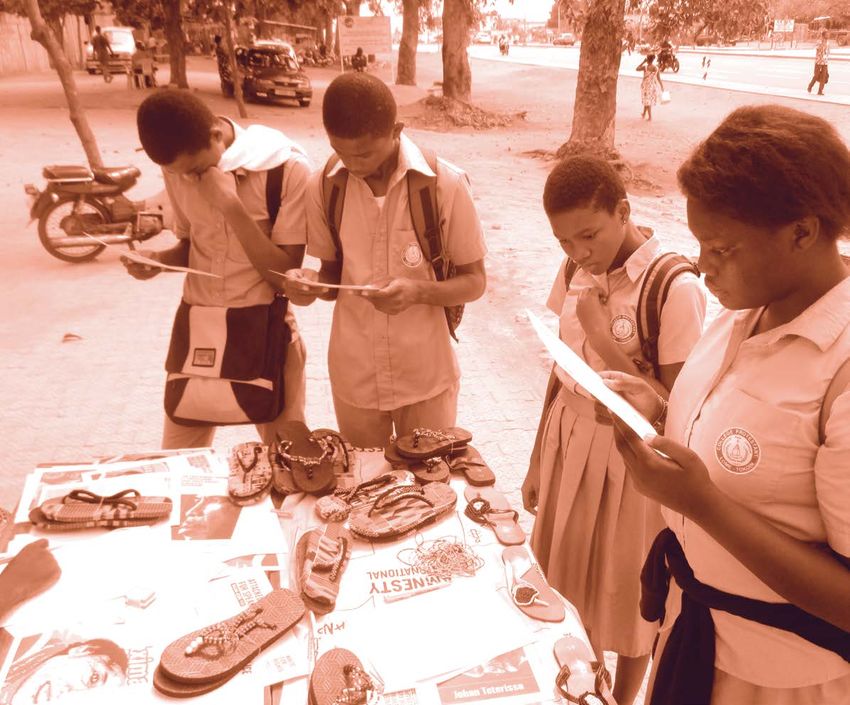
1    HRE WRITE 4 RIGHTS TOOLKIT                                 1. USING THE HRE W4R TOOLKIT

1. USING THE HUMAN RIGHTS
EDUCATION WRITE FOR
RIGHTS TOOLKIT

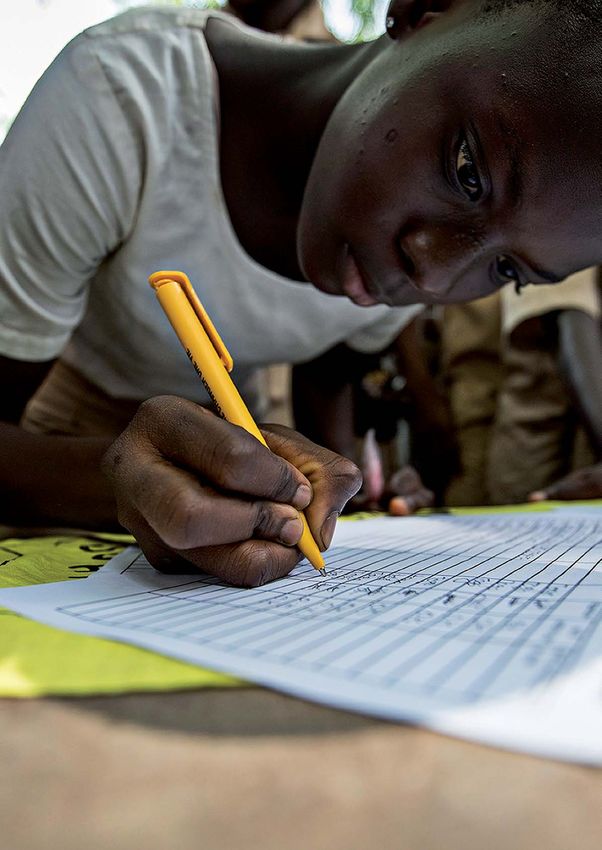
Thank you for your interest in Write for Rights (W4R)! This Amnesty International
global campaign brings about change to the lives of people and communities from
different parts of the world where human rights abuses have taken place.

This Human Rights Education (HRE) Write for Rights          This toolkit was primarily designed for use in a school
(W4R) toolkit was created to support your participation     setting: both inside the classroom as well as in clubs or
with your students in the campaign. By learning about       school-wide events. It was created for students aged 13
the lives of others and writing persuasive letters to       and above. Activities in the toolkit can also be adapted
help end human rights violations and achieve justice,       for use in other, non-formal education contexts such as
you and your students contribute to the international       youth groups and community settings. We encourage
human rights movement and see for yourselves how            you to try!
words can make a difference in the world.

In addition to the toolkit, you have access to the W4R
campaign web page here: https://www.amnesty.org/
en/get-involved/write-for-rights/. You can find more
detailed information on the people we are campaigning
for, including those mentioned in the toolkit, a Letter-
Writing Kit with letter templates and instructions on how
to work with the W4R campaign in your classroom or
school environment, videos – and more!
2     HRE WRITE 4 RIGHTS TOOLKIT                                  1. USING THE HRE W4R TOOLKIT

1.1 STRUCTURE OF THE
HRE W4R TOOLKIT

The UN Declaration on Human Rights Education and Training (2011) says that
human rights education is “about”, “for” and “through” human rights. The varied
human rights education (HRE) activities in this toolkit contain methodologies that we
think you will find exciting – including letter-writing, the creative arts, social media,
project-based work and roleplays. They are designed to enable teachers to introduce
the W4R campaign into the classroom, to encourage students to engage more fully
with human rights, and to extend participation in the human rights issues associated
with the W4R campaign and cases.

This toolkit is divided into 11 sections. The first five     You can decide which of the WHRDs you want to focus
introduce the HRE W4R Toolkit (section 1), the W4R           on for the W4R campaign. You can work on just one
campaign (section 2), the 2018 W4R campaign                  case, or several - you can even work on all of them.
(section 3), who are Women Human Rights Defenders            You may want to start with an introductory activity
(WHRDs) (section 4) and What are human rights                on the UDHR (section 5) or on the topic of WHRDs
(section 5). The toolkit also contains optional learning     (section 4) in order to better understand who they
activities that teachers can use to prepare students to      are and the work they do before doing the specific
take part in the campaign in the W4R section and the         activities proposed in sections 6-11. We aim to give you
introduction to human rights sections.                       a range of options so you can choose the activities that
                                                             will best cater for the needs of your students and can
The subsequent sections present the key human rights         be completed in the time you have available.
associated with some of the people profiled in the
2018 W4R (sections 6-11). Each year, W4R illustrates         The Annex contains all handouts of the WHRDs
the importance of specific rights such as the right to       profiled in the W4R Toolkit and a simplified version
life, the right to a fair trial, Indigenous peoples’ land    of the UDHR which can be used for some of the
rights and non-discrimination. In 2018, W4R highlights       activities.
WHRDs from around the world who are facing risks
and retaliation for standing up against injustice
and defending the human rights of others in their
communities.

In these sections you will find a choice of activities to
accompany each right: a warm-up, a longer activity
(that can sometimes be shortened) and guidance
on taking action for WHRDs profiled in this year’s
campaign. Each lesson is associated with at least one
of the WHRDs and concludes with a call to action for
one of them.
3     HRE WRITE 4 RIGHTS TOOLKIT                                 1. USING THE HRE W4R TOOLKIT

1.2 AMNESTY INTERNATIONAL’S
HUMAN RIGHTS EDUCATION

Human rights education (HRE) enables people to learn about human rights
and how to claim them. HRE can be defined as any learning, education, training
or information efforts aimed at building a universal culture of human rights. It
encompasses:

a. knowledge - learning about human rights and               which schools can actively engage in HRE and take
    human rights mechanisms;                                 action for human rights. You and your students will be
                                                             joining thousands of like-minded others in classrooms
b. values, attitudes and behaviour – developing values       across the world in bringing attention to the injustices
    and reinforcing attitudes and behaviours which           experienced by human rights defenders.
    uphold human rights;
                                                             In addition to the W4R campaign, Amnesty
c. skills to take action - acquiring skills to apply human   International carries out other forms of HRE. As an
    rights in a practical way in daily life and taking       educator of youth, remember that you can join your
    action to defend and promote human rights.               local Amnesty International section and help to create
                                                             and carry out human rights education! You can also
Amnesty International works with and through its             carry out HRE year-round in your classroom or through
members, supporters and activists like you in carrying       an Amnesty International club.
out HRE in local and national contexts. Today, educator
groups at many of Amnesty’s regional offices and
sections across the world raise awareness and support
campaigning for the international human rights
movement. The W4R campaign is one of the ways in
4    HRE WRITE 4 RIGHTS TOOLKIT                                     2. THE W4R CAMPAIGN

2. THE WRITE FOR
RIGHTS CAMPAIGN

Amnesty International’s W4R campaign takes place annually on and around Human
Rights Day, 10 December. Human Rights Day commemorates the day when
the Universal Declaration of Human Rights was adopted in 1948, shortly after the
founding of the United Nations. People celebrate Human Rights Day in different
ways all over the world. At Amnesty International, we encourage people to show their
solidarity with the international human rights movement by engaging in the W4R
campaign, one of Amnesty’s biggest human rights event. In 2017, more than
6 million actions were taken in support of the individuals and groups featuring in
the campaign.

W4R involves raising awareness, taking action and
more. It is a campaign that aims to bring about genuine
change in the lives of people or communities that
have suffered or are at risk of human rights violations.
Among the many actions that happen as part of W4R,
Amnesty International raises individual cases with
decision-makers who can change the situation, gives
visibility to those cases by organizing protests and
public actions, and focuses international attention
through media and internet exposure.
5     HRE WRITE 4 RIGHTS TOOLKIT                                          2. THE W4R CAMPAIGN

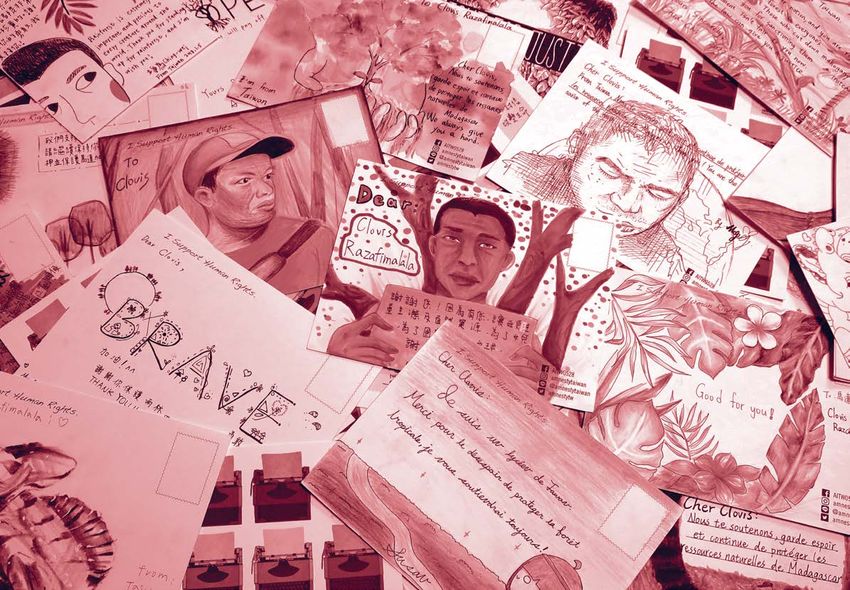
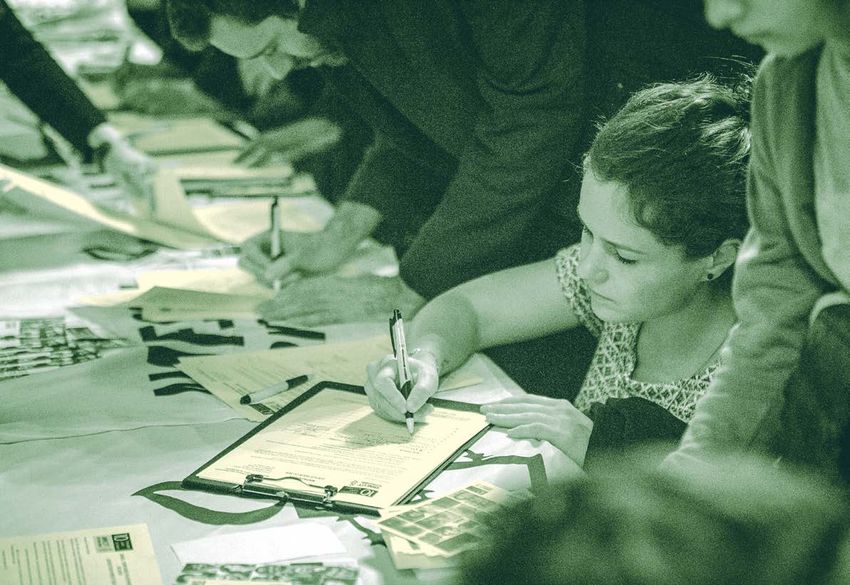
A major part of the W4R campaign consists of a letter-writing marathon which
involves millions of people around the globe. Every year, we ask supporters to write
two letters. One is to the person in authority – it could be a king/queen, president
or head of police – who can help make change happen. The other letter is to the
person or group of people we are fighting for (and/or their family) to express support
so they know we will never forget them.

As a result of the international call to action, public        There are different ways to learn about previous W4R
officials are bombarded with letters. Victims of torture,      campaigns. Here are two links to some past success
prisoners of conscience and people facing the death            stories:
penalty or other human rights violations receive messages
of solidarity from thousands of people in far-off corners      1. Big wins for Write for Rights
of the globe. Those suffering the violations and their         2. 10 ways you proved your words have power
families know that their cases are being brought to
public attention. They know that they are not forgotten.       You might also want to share with your students a
                                                               one-minute video on these W4R successes or have
The results of similar campaigns in previous years have        them engage in Amnesty International’s 15-minute
been striking. Individuals affected by the violations report   online course that introduces the W4R campaign.
the difference that these letters make. They express their     The course is self-paced and contains a video and
gratitude to those who have written, and they often            three infographics. There is a quiz at the end to
describe the strength they derive from knowing that so         confirm learning. Here is the link to Write for Rights –
many people are concerned about their case. Often              A Short Guide.
there is a noticeable change by officials towards these
individuals: charges are dropped, treatment becomes
less harsh, and laws or regulations addressing the
problem are introduced. Your letters matter!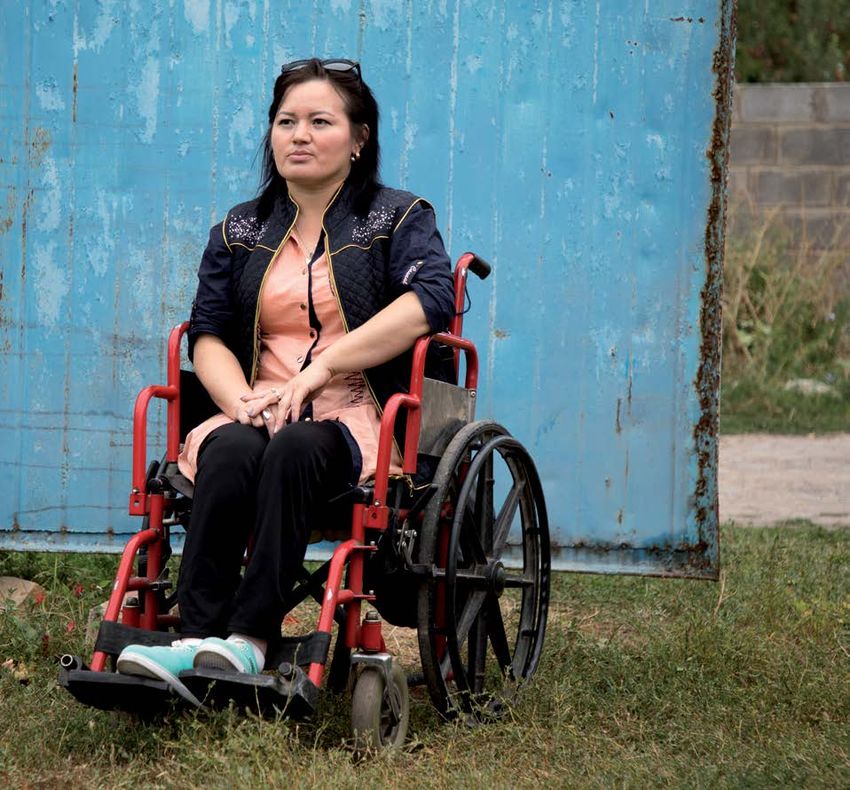
6     HRE WRITE 4 RIGHTS TOOLKIT                                       2. THE W4R CAMPAIGN

 SUCCESS STORIES

 Below are three success stories to inspire you and
 your students’ actions this year!

     FREED IN CHAD

                                               Mahadine, an online activist in Chad,
                                               faced a life sentence for a Facebook post
                                               critical of the government. Supporters
                                               took more than 690,000 actions for him;
                                               he was freed in April 2018.

                                                     ‘‘youI wantall.toI appreciate
                                                                         express my gratitude to
                                                                                   you, I love you,
                                                        I respect you.”

                   CHARGES DROPPED IN PERU

                                                    ‘‘supporting,
                  Criminal charges against
                  Máxima Acuña, a peasant             Keep on
                  farmer who is defying one of
                  the world’s biggest gold mining
                  companies, were dropped in
                                                      helping,
                  May 2017. More than 150,000         and not
                  people worldwide sent her           just me, ok?”
                  solidarity messages.

                                       RELEASED IN THE USA

‘‘ I and
     wish I had the time
         ability to thank
                                                                      Whistleblower Chelsea
                                                                      Manning walked free in May
                                                                      2017, after her 35-year prison
   each one of you for                                                sentence was cut short by
giving me a little bit of                                             outgoing US President Barack
   joy with each letter                                               Obama. More than a quarter of
            and card.”                                                a million people wrote for her
                                                                      release.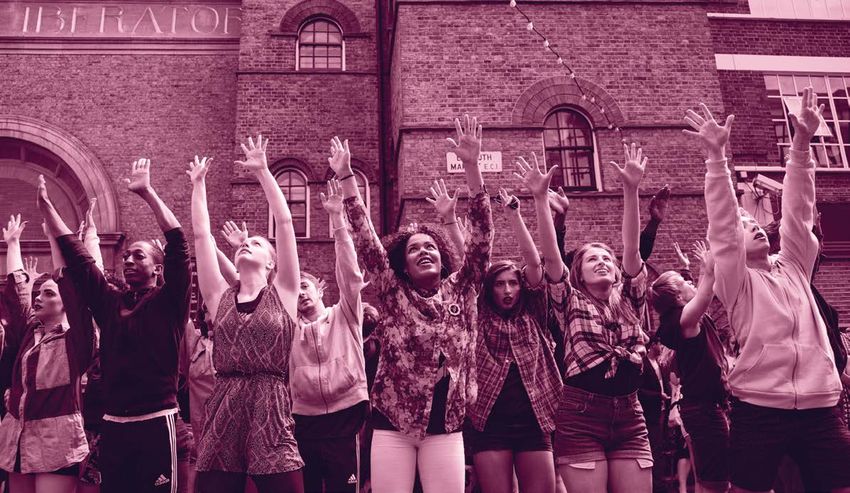
7     HRE WRITE 4 RIGHTS TOOLKIT                                    2. THE W4R CAMPAIGN

2.1 HOW CAN I ORGANIZE
A W4R LETTER-WRITING CAMPAIGN
IN MY SCHOOL?

The main purpose of this section is to familiarize teachers with the logistics of
organizing a letter-writing campaign. Through years of experience working with
educators and young people, Amnesty International has developed many resources
to help anyone who wants to get involved in the W4R campaign. This toolkit is
one of them!

The W4R Toolkit you are reading now contains lessons      Besides the toolkit, there are many other resources that
on the cases of human rights defenders and the            you can draw on in preparing your students to engage
specific human rights they are fighting for.              in the campaign:

You will find six out of 10 individuals profiled in the   The 2018 W4R web page (https://www.amnesty.org/
W4R campaign.                                             en/get-involved/write-for-rights/) gives you access to
                                                          the full descriptions of each person profiled in this
                                                          year’s W4R campaign, videos and more. We strongly
                                                          recommend that you visit the web page while preparing
                                                          your activities.

                                                          The 2018 W4R Letter-Writing Kit contains fact sheets
                                                          about the individuals featured in this year’s campaign,
                                                          as well as sample W4R letters and addresses. This
                                                          is an essential document if you wish to use the W4R
                                                          campaign in your classroom. You will find the Letter-
                                                          Writing Kit on the 2018 W4R web page.

                                                          Additional online and offline Amnesty International
                                                          HRE resources are proposed in the suggestion boxes
                                                          you will find in the toolkit for all activities.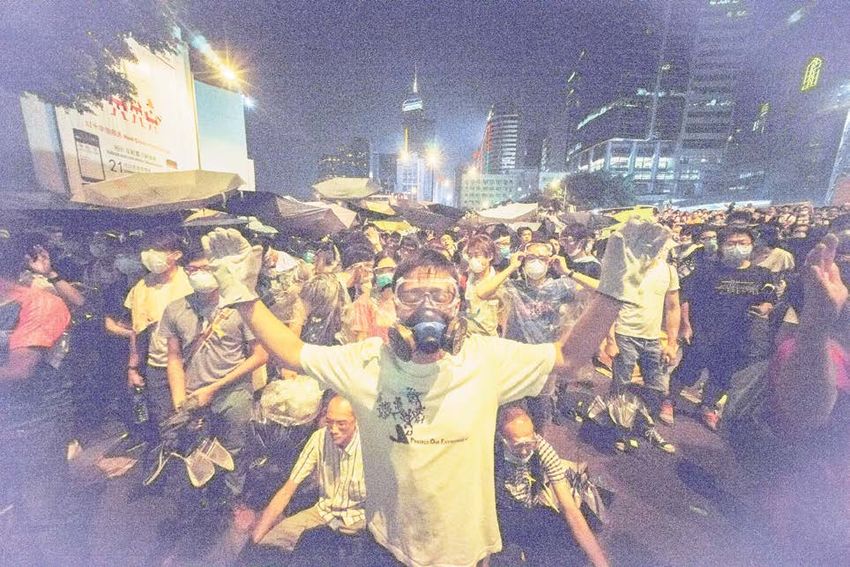
8      HRE WRITE 4 RIGHTS TOOLKIT                                      2. THE W4R CAMPAIGN

2.2 ACTIVITY
W4R LETTER WRITING

 Below is an activity you can use when preparing students for the           OVERALL LEARNING OUTCOMES
“hands-on” work of letter-writing. You might want to use this lesson
 following your engagement with one of the people whose rights have         Students will be able to:
 been violated and the associated human right. You might also opt to
 have your students move into letter-writing for one or more individuals    Explain the purpose of Amnesty
 by skipping the individual situation-based activities and proceeding       International’s W4R campaign and its
 directly to the activity below.                                            impact

The next section introduces the context of this year’s campaign             Discuss one or more people featured
focusing on women human rights defenders that it aims to support.           in this year’s W4R campaign and
More detailed information and activities focusing on HRDs and               the human rights violations they are
WHRDs are provided.                                                         subjected to

The W4R Letter Writing activity aims at engaging students to take action    Write effective letters of solidarity to
for one or more people of the 2018 W4R campaign depending upon the          the individual(s) and to officials
time available. Use the W4R handouts and the letter-writing materials
you will find on the W4R web page to empower students to write effective
letters for a person of their choosing. You can use the guideline found
in the “Take Action” activity of each section (6-11) to help your
students write their letter. Examples of letters can be seen in the W4R
Letter-Writing Kit for your students if you wish to expedite and/or
combine the letter-writing process with an individual-based activity.

Activity adapted from the “Letter
Writing” Lesson from Amnesty
USA’s 2017 Educator Guide
9     HRE WRITE 4 RIGHTS TOOLKIT                                    2. THE W4R CAMPAIGN

2.2 ACTIVITY
W4R LETTER WRITING

TIME                                      PLAN
    60 MINUTES                            1. Display an image of one or more of the women human rights
                                             defenders from this year’s W4R campaign. Briefly share their story.
                                                                                                     5 MINUTES
MATERIALS
                                          2. Tell students about W4R, and how they can take part by writing
Paper, pens, envelopes and stamps            letters to officials who have the power to put an end to these
                                             human rights abuses or solidarity messages to the people they
Picture of one or more persons from          want to help and support.                                  5 MINUTES
this year’s W4R campaign (See W4R
Web page for the pictures)                3. Distribute the handouts and review the “six simple rules” for
                                             effective letter writing in the box at the end of this activity.
Handouts: The W4R people (Annex)                                                                             5 MINUTES

Optional: Sample of W4R letters           4. Provide students with one or two pieces of paper and encourage
(See W4R Letter-Writing Kit)                 them to write a letter to the officials or/and a solidarity letter.
                                             Repeat this process for each of the individuals profiled for this
Optional: Internet access and computer       year’s campaign.                                              30 MINUTES
or tablet
                                          5. Once their letters are complete, ask students to reflect on what
                                             they have learned and the letter that they have written. 10 MINUTES
PREPARATION
                                             If time allows, talk through the following questions to inspire
Prepare pictures of the WHRDs on             reflection and to help them think of other ways they can continue
slides for projection                        to help:
                                             a. How does it feel to advocate for another person’s human
Print copies of the handouts                      rights?
                                             b. Who can you share your experience with to involve them in
Arrange for each student to have an               W4R?
envelope, paper, pens and a stamp,           c. What are some other ways you can think of to take action for
according to the number of cases and              someone else’s human rights?
letters they will be writing
Optional: Printed copies of letter        6. Collect the students’ letters and encourage them to act on one of
samples                                      the ways they can involve others in W4R and to continually take
                                             action to promote and defend human rights. (See “Additional
Take a look at the Take action activity      actions” below.)                                        5 MINUTES
of sections 6-11 to guide your students
10 HRE WRITE 4 RIGHTS TOOLKIT 2. THE W4R CAMPAIGN
2.2 ACTIVITY
W4R LETTER WRITING
ADDITIONAL ACTIONS WHAT MAKES A GOOD LETTER?
1. With a mobile device (or on a tablet See the six simple rules below. If you wish, distribute
or computer), compose a post about sample letters found in the W4R Letter-Writing Kit.
Write for Rights expressing: Follow the six simple rules:
•solidarity to someone whose • Always be polite
rights are currently being violated • Follow the instruction and information provided,
and your support for their cause and avoid any mention of religion, including
(see Take action sections 6-11) religious holidays, or politics
• your support for the Write for • Let them know who you are, and mention that
Rights campaign, encouraging you are a student
others to write in support of • If you have a personal connection to the country
people whose rights are being or issue, feel free to include it
violated • Emphasize how the person you are writing to
Share your tweet with your followers! has the power to make a difference
Make sure to use the #W4R18 and tag • Be brief—one page at the most. Sometimes just
@amnesty in your posts. 5 MINUTES a few well-crafted sentences can be the most
effective
2. Organize an Amnesty International
event! Check out how you can get
involved and take action to promote
and defend human rights on our
web page: www.amnesty.org/en/get-
involved/take-action/11 HRE WRITE 4 RIGHTS TOOLKIT 3. INTRODUCTION TO THE 2018 W4R CAMPAIGN
3. INTRODUCTION TO THE
2018 W4R CAMPAIGN
Brave individuals throughout the world struggle in their defence of human rights
each day. Many of the human rights that we personally enjoy are possible because
of the efforts of others who have advocated for these rights.
A human rights defender (HRD) is someone who acts contribution of women to the advancement of human
to promote or protect human rights. HRDs are ordinary rights around the world and highlighting the specific
people all over the world, working alone or with others challenges they face when defending human rights.
to promote human rights. HRDs can be engaged Female activists often face additional challenges
with any of the human rights listed in the simplified of gender-based discrimination and violence and
version of the Universal Declaration of Human Rights stereotypes that can impact negatively on their ability
(see Annex), including civil, political, economic, to not only enjoy their human rights but to be taken
social and cultural rights, as well as environmental seriously as activists as well.
rights. Sometimes they are working for the rights of
individuals, but they may also be promoting the rights WHRDs can be women, in all of their diversity, working
of groups, such as women, Indigenous people or on any human rights issue, or defenders of any gender
others who are marginalized or who are experiencing working on rights related to gender and sexuality. It could
systematic discrimination – for example, on the basis be an Indigenous woman fighting for her community’s
of their sexual orientation or gender identity. rights and against gender-based violence, a woman
advocating against torture, an LGBTI rights campaigner,
This year’s W4R is about women human rights a sex workers’ rights collective, or a man fighting for the
defenders (WHRDs) who have suffered human rights advancement of sexual and reproductive rights.
violations or are at great risk because of the positions
they have taken on certain human rights issues. In
this year’s campaign we are celebrating the amazing12 HRE WRITE 4 RIGHTS TOOLKIT 3. INTRODUCTION TO THE 2018 W4R CAMPAIGN
Many WHRDs break new ground with their work as they challenge power and You can also engage in
social norms. What these defenders have in common are the additional, specific a more comprehensive
challenges they face for being women, LGBTI people or for identifying with their self-paced course to
struggles. Women defenders need special recognition of their work, a safe space learn more about who
to work in, and specific protection to meet their needs. Because their cutting HRDs are and how they
edge work continues to be underrepresented and insufficiently recognized by mitigate risks, and to
mainstream society, including policy-makers and the media, this year W4R will explore the creative ways
shed light on their causes and their courage. in which they speak
up: Human Rights
Fifty years after the adoption of the Universal Defenders Massive Open
Declaration of Human Rights, the UN acknowledged Online Course.
that people who stood up for human rights were
in need of support both from institutions and from
individuals. In December 1998, the UN General
Assembly adopted the UN Declaration on the Right
and Responsibility of Individuals, Groups and
Organs of Society to Promote and Protect Universally
Recognized Human Rights and Fundamental
Freedoms – commonly known as the UN Declaration
on Human Rights Defenders. It defines a human
rights defender and sets out the responsibilities of
governments, civil society and individuals to support
and defend them. You will find this Declaration in the
Annex to this toolkit.
You can learn more about HRDs in
Amnesty International’s 20-minute,
self-paced online course called
“Human Rights Defenders –
A short guide.” It comprises three
short components: a video, a case
study and a quiz for self-assessment
of learning.13 HRE WRITE 4 RIGHTS TOOLKIT 3. INTRODUCTION TO THE 2018 W4R CAMPAIGN
WHRDs AND
W4R 2018
The W4R 2018 campaign focuses on women from different parts of the world who
are standing up for human rights. Their names, countries, short description and
the human rights they work on are listed below. You will also find more detailed
information about each WHRD in the Annex and more on other WHRDs in this
year’s campaign on the W4R web page.
NAWAL BENAISSA
Nawal Benaissa, Morocco, is a human rights defender
who faces constant harassment from the authorities,
including repeated arrests and a 10-month suspended
prison sentence for fighting against discrimination in
her region.
FREEDOM OF EXPRESSION AND PEACEFUL ASSEMBLY
ATENA DAEMI
Atena Daemi, Iran, is serving a seven-year prison
sentence in Tehran’s Evin prison. She has suffered
inhumane conditions and been denied medical
treatment as retaliation for defending human rights, in
particular for speaking out against the death penalty.
FREEDOM FROM TORTURE AND INHUMANE TREATMENT
GULZAR DIUSHENOVA
Gulzar Diushenova, Kyrygyzstan, is a campaigner
facing daily discrimination for fighting on behalf of
women with disabilities to get equal access to services,
including health care.
FREEDOM FROM DISCRIMINATION14 HRE WRITE 4 RIGHTS TOOLKIT 3. INTRODUCTION TO THE 2018 W4R CAMPAIGN
WHRDs AND
W4R 2018
MARIELLE FRANCO
Marielle Franco, Brazil, worked tirelessly to promote
the rights of black women, people who are LGBTI and
young people facing discrimination. She denounced
abuses committed by security forces, including
extrajudicial executions. She was killed in March 2018.
RIGHT TO LIFE
NONHLE MBUTHUMA
Nonhle Mbuthuma, South Africa, faces intimidation
after standing up against the destructive impact of a
titanium mining company in her community.
INDIGENOUS PEOPLES’ LAND RIGHTS
HGUYEN NGOC NHU QUYNH
Nguyễn Ngoc Nhu’ Quynh, aka Me. Nấm (Mother
Mushroom), Viet Nam, a blogger sentenced to 10
years in jail for speaking out against injustice and
denouncing human rights violations, including police
brutality.
FAIR TRIAL
Each of the people is profiled by at least one of the activities in this toolkit. You can identify the
activity by matching the associated human rights area. For example, the activity on freedom from
discrimination involves Gulzar Diushenova from Kyrgyzstan. It is important to keep in mind that all
the persons presented in this toolkit see many of their rights violated.
To help your students reflect on what it means to be a WHRD, we have included a short activity
which can be done in addition to the activities proposed for each individual case.15 HRE WRITE 4 RIGHTS TOOLKIT 4. WOMEN HRDS
4. WOMEN HUMAN
RIGHTS DEFENDERS
4.1 BACKGROUND INFORMATION: WHO IS
A WOMAN HUMAN RIGHTS DEFENDER?
Women human rights defenders are women, in all of their diversity, working on any
human rights issue, and defenders of all genders working on rights related to gender
and sexuality.
It could be an Indigenous woman fighting for her The situation becomes even tougher if the identity of
community’s rights and against gender-based violence, the defender fuels discrimination (for example if they
a woman advocating against torture, an LGBTI rights are women, Indigenous, black, lesbians or if these
campaigner, a sex workers’ rights collective, or a man identities and characteristics intersect). Defenders who
fighting for sexual and reproductive rights. experience intersecting forms of discrimination and
structural inequality are at an increased risk of attack
Women human rights defenders often break new for what they do and who they are. Discrimination
ground with their work as they challenge power and and oppression may be based on age, sex, gender,
social norms. What these defenders have in common language, ethnicity, sexual orientation, gender identity,
are the additional, specific challenges they face for race, caste or class, Indigenous identity, disability,
being women, LGBTI people or for identifying with religion or belief, nationality or other status. These
their struggles. Women human rights defenders need different forms of discrimination can overlap and
special recognition of their work, a safe space to work interact, intensifying and diversifying an individual’s
in, and specific protection to meet their needs. experience (see section 10).
Challenges WHRDs may face:
People who fight for the principles of freedom, justice
and equality often do so in an environment where
they are demonized and restricted in their work. Many
human rights defenders are smeared, threatened,
spied on, physically attacked, criminalized and
sometimes even killed, just for daring to stand up to
those in power.16 HRE WRITE 4 RIGHTS TOOLKIT 4. WOMEN HRDS
This means that WHRDs can be targeted because of misogyny, racism, homophobia
and transphobia, and other forms of hate and discrimination, as well as for
defending human rights.
For example: Aura Lolita Chávez, an Indigenous woman
human rights defender from Guatemala with the K’iche
People’s Council (Consejo de Pueblos K’iche, CPK),
was threatened with death and sexual assault by
armed men in June 2017. She explained “when they
threaten me, they say that they will kill me, but before
they kill me they will rape me. They don’t say that to
my male colleagues. These threats are very specific to Indigenous women. There is also
a very strong racism against us. They refer to us as those rebel Indian women that have
nothing to do, and they consider us less human.”
As well as facing the same attacks as other human rights defenders, women human
rights defenders are often exposed to additional risks and pressures, particularly
when they demand human rights publicly and challenge social norms, or when the
rights they defend are disputed in mainstream discourse (for example, access to
abortion, or decriminalization of sex work). The risk is greater in highly patriarchal
societies with strict notions about sexuality, gender roles, and women’s place in the
community and the home.
For example: In El Salvador, women human rights activists
campaigning on sexual and reproductive rights
have been publicly accused in the press of being
“unscrupulous”, “pro-death”, “adding to the rivers
of blood already flowing in the country”, “unpatriotic
traitors bringing shame on El Salvador”, and of
“manipulating vulnerable women”.17 HRE WRITE 4 RIGHTS TOOLKIT 4. WOMEN HRDS
Those attacking them may be state actors such as governments and politicians, but
also non-state actors, such as armed groups, religious groups and businesses.
For example: In September 2014, Iraqi lawyer and women’s human rights defender Samira
Saleh Al-Naimi was murdered by a group of armed men belonging to the group calling
itself Islamic State (IS) who shot and killed her in a public square. She had allegedly
been kidnapped and tortured before the murder because of her criticism of the group
for violations they had committed. Samira had been “tried” in a Shari’a court on charges
of apostasy, or committing actions seen as against the Muslim faith.
In addition, many women human rights defenders also face pressure within their
family and their community if their activism or public activities are viewed as
rejecting gender norms or challenging gender stereotypes, which they are expected
to conform to.
For example: in June 2008, Laxmi Bohara, a member of the
Women’s Human Rights Defender Network in Nepal,
died after being severely beaten and forced to take
poison by her husband and mother-in-law. They had
criticized her human rights work as being incompatible
with the traditional role that wives and mothers are
expected to fulfil.
The violence they face may include gender-based violence, including sexual
violence, stereotyped smears and insults, defamation campaigns linked to their gender
or identity, and attacks on their reputations or appearance.
For example: In South Africa, sexual assaults and other
physical attacks against LGBTI people remain
common, particularly against those living in townships
and rural areas. In April 2011, Noxolo Nogwaza, a
lesbian human rights defender, died in a township near
Johannesburg after being raped, beaten and stabbed.
Their families may also be attacked or threatened because WHRDs are seen as
– and often are – primary care-givers. In addition, WHRDs face different forms of
exclusion at economic, political and legal levels, which also impact on their ability to
defend human rights.18 HRE WRITE 4 RIGHTS TOOLKIT 4. WOMEN HRDS
4.2 ACTIVITIES:
INTRODUCING WOMEN HUMAN
RIGHTS DEFENDERS
OVERALL LEARNING OUTCOMES:
Students will be able to:
Identify who is a human rights defender and explain what they do
Outline challenges WHRD are facing and recognize the importance
of their work
Write a letter (or letters) to support WHRDs
OVERVIEW OF ACTIVITIES:
• Warm-up: Who are HRDs? 20 MINUTES
• Activity: Challenges faced by WHRDs 50 MINUTES
• Take Action for one or more WHRDs 20 MINUTES19 HRE WRITE 4 RIGHTS TOOLKIT 4. WOMEN HRDS
WARM-UP
WHO ARE HRDs?
TIME PLAN
20 MINUTES 1. To introduce human right defenders, ask students to think of
people they may know or have heard about in history who have
defended human rights. They can be people from their country,
MATERIALS community or abroad. For example, Martin Luther King, Rosa
Parks, Edward Snowden, etc. Write the names of the men on one
Poster board side of the silhouette and the women on the other side. 5 MINUTES
Markers
2. Invite students to come up and write in the silhouette the
particular characteristics, roles and abilities displayed by the
PREPARATION people they named that makes them a HRD. Reflect with the
group what could be the definition of a HRD and write it at the
Teacher or facilitator should read the bottom. As a final definition you could refer back to Amnesty’s
Introduction to 2018 W4R Individual suggestions on who is a HRD on p15. You can also watch the
cases in annex and background video “Are you a HRD?” with your class. 10 MINUTES
information above
3. Review with students if they could think of more men than women
Draw a silhouette on a piece of poster HRDs, or vice versa, and why that might be. If the result is more
board men, explain that in general WHRDs are less recognized in society
which is one of the reasons we are focusing on women for this
year’s W4R campaign. 5 MINUTES20 HRE WRITE 4 RIGHTS TOOLKIT 4. WOMEN HRDS
ACTIVITY
CHALLENGES FACED
BY WHRDs
TIME PLAN
50 MINUTES 1. Depending on how many students there are, form groups of 2 or
4 people. Give each group a poster board and ask them to draw a
silhouette. Ask one group to write in and around the silhouette the
MATERIALS characteristics, abilities and roles that they think women have in
society, and the other group the same but focusing on men.
Poster board 10 MINUTES
Markers
2. In plenary ask the students to reflect on the following questions:
Handout: All W4R handouts in annex
a. Are the characteristics of men or women more like those
Optional: AV equipment and internet we identified as HRDs? (In most cases it will be that the
access characteristics for HRDs are more like those expected from
men, not women.)
b. What happens to women who do not conform to their
PREPARATION perceived roles or specific characteristics that society expects
from them? (Often when women or others try to break
Read the Introduction to the people in with social norms and expectations they are marginalized,
2018 W4R campaign in the annex and targeted for violence, discriminated against, stigmatized and
the background information above threatened. WHRDs break or challenge social norms by being
pieces of poster board public figures or being otherwise outspoken. (See background
information above.) 15 MINUTES
Optional: Set up the AV equipment to
watch the video 3. To further explore the challenges that WHRDs face, divide into
small groups and give each group one case from the W4R. Ask
the groups to read their case and answer the following, and then
prepare a creative way to present their woman HRD:21 HRE WRITE 4 RIGHTS TOOLKIT 4. WOMEN HRDS
ACTIVITY
CHALLENGES FACED
BY WHRDs
a. What specific challenges do you imagine this HRD faces or
faced because she is a woman? 4.3 TAKE ACTION FOR
b. What type of discrimination, violence or human rights violations WOMEN HUMAN RIGHTS
has she been exposed to?
c. What characteristics do you imagine she must have or had to
DEFENDERS
do what she does or did? 15 MINUTES Depending on the time allotted, have your
students write solidarity letters or to officials
4. Bring the groups together in plenary. Ask the students to name the for one or more people of the 2018 W4R
challenges their HRDs have identified because they are women. Campaign. To guide your students, you
Even though these women are from countries in different regions can refer to the “Take action activity”
of the world, do they face similar challenges, discrimination, that you will find at the end of each
violence and rights violations? Conclude that this is due to the fact section on the different people featured
they are women and for that reason Amnesty is focusing this W4R in this Toolkit (sections 6 to 11) or use
on WHRDs to try to give them added protection for their special the 2018 Letter-Writing Kit.
needs and recognition for their work. Encourage your students to
take action for one or more WHRDs. 10 MINUTES22 HRE WRITE 4 RIGHTS TOOLKIT 5. HUMAN RIGHTS – A SHORT INTRODUCTION
5. HUMAN RIGHTS – A
SHORT INTRODUCTION
Amnesty International organizes the W4R campaign annually so that any person
can express through letter-writing their support for those whose rights have been
violated and attacked and to advance justice and human dignity. This is a direct
and meaningful way to get involved with human rights!
5.1 BACKGROUND INFORMATION:
WHAT ARE HUMAN RIGHTS?
Human rights are the freedoms and protections that What is the Universal Declaration of Human Rights?
belong to every single one of us. They are based on
principles of dignity, equality and mutual respect, and The Universal Declaration of Human Rights, also
they belong to everyone – regardless of age, nationality, known as the UDHR, was adopted by the General
gender, race, beliefs, sexual orientation and gender Assembly of the United Nations on 10 December
identity, or any other status. 1948. Since then, it has formed the backbone of the
international human rights system, and has been
Human rights are about being treated fairly and treating followed by numerous other human rights treaties that
others fairly. They are about having the ability to make elaborate and build upon the principles contained
choices about one’s own life. Human rights are within it. The human rights laws and standards
universal – they belong to all of us, everybody in the contained in these treaties continue to evolve and,
world, wherever or whoever we are. They are inalienable together, they constitute a comprehensive system
– they cannot be taken away, bought, traded or sold. protecting and promoting human rights.
And they are indivisible and interdependent – they
are all of equal importance and are interrelated: the The UDHR is the most widely translated document
advancement of one human right helps the progress of in world history. It is inspiring and thought-provoking.
other rights; equally, when one human right is denied Have a look! An abbreviated version is located in the
this adversely affects other rights. Annex of this toolkit.
Human rights are enshrined in international human
rights treaties. These are international laws that Amnesty International offers a free 90-minute, self-
governments are obliged to uphold. These binding paced course “An Introduction to Human Rights”
laws provide the basis for organizations like Amnesty that you could ask your students to complete in
International to call on governments to refrain from the preparation for the letter-writing campaign. This
types of behaviour or treatment that fall short of human course has four short components with videos,
rights standards and principles. quizzes, case studies and interactive exercises
which can be used in your classroom. Those who
successfully complete this course and pass the
quizzes receive a certificate.23 HRE WRITE 4 RIGHTS TOOLKIT 5. HUMAN RIGHTS – A SHORT INTRODUCTION
5.2 TWO SHORT ACTIVITIES TO INTRODUCE
HUMAN RIGHTS TO YOUR STUDENTS
The activities below provide an introduction to human rights to enable OVERALL LEARNING OUTCOMES
your students to connect the rights in the UDHR to their daily lives.
You can use these warm-up activities to introduce human rights to Students will be able to:
your students if you feel they need basic knowledge of the issues
before engaging with the W4R activities. Distinguish between the different
human rights contained in the UDHR
Explain how human rights apply in
their daily lives
Recognize that all human rights are
universal, inalienable and indivisible
OVERVIEW OF ACTIVITIES
First Warm-up Option 25 MINUTES
Second Warm-up Option 30 MINUTES24 HRE WRITE 4 RIGHTS TOOLKIT 5. HUMAN RIGHTS – A SHORT INTRODUCTION
ACTIVITY
FIRST WARM-UP OPTION
TIME PLAN
25 MINUTES 1. Divide students into small groups and distribute eight UDHR
Article Cards and eight Daily Action Cards to each group. 5 MINUTES
MATERIALS 2. Ask the groups to match the rights with the examples (that is,
which Daily Action Card can be applied to which UDHR Article).
Handout: UDHR Article Cards 10 MINUTES
Handout: Daily Action Cards 3. Regroup and ask students to discuss their answers. They should
Scissors look like this:
Article 19 I use social media and say what I think on different topics
PREPARATION
Article 3 I walk freely in my town without fearing for my life
Print copies of both handouts (UDHR
Article Cards and Daily Action Cards) Article 12 I do not have to disclose my personal life to my teacher
Cut the handouts to have one Article 13 I can go wherever I want in my country freely
UDHR Article Card and one Daily
Action Card each Article 25 I go to see a doctor if I am sick
Article 18 I speak freely about my beliefs
Article 24 I play with my friends
Article 26 I can go to school and study
There is more than one possible solution for some of the rights. This
is a good opportunity to outline that rights are interconnected.
10 MINUTES25 HRE WRITE 4 RIGHTS TOOLKIT 5. HUMAN RIGHTS – A SHORT INTRODUCTION
ACTIVITY
SECOND WARM-UP OPTION
TIME PLAN
30 MINUTES 1. Have each group pick four rights from among the UDHR Article
Cards and place them in chronological order. Which right did
students enjoy from the time they woke up to the present moment
MATERIALS in the classroom? 5 MINUTES
Handout: UDHR Article Cards 2. Get each group to remove one of the four rights they have
arranged. Ask students to discuss in their group the following
question: How would today have been different if they could not
PREPARATION enjoy this right? 10 MINUTES
Print copies of both handouts (UDHR 3. Have every group present to the others and discuss:
Articles and Daily Action Cards) a. How the denial of the right they removed led to the denial of
other rights
Cut the handouts to have one UDHR b. How their parents, teachers, friends, etc. would be affected by
Article and one Daily Action Card on the denial of that right 15 MINUTES
each card
Explain that human rights are universal, inalienable and indivisible.
Removing one right can have an impact on other rights.26 HRE WRITE 4 RIGHTS TOOLKIT 5. HUMAN RIGHTS – A SHORT INTRODUCTION
HANDOUT
UDHR ARTICLE CARDS
ARTICLE 19: ARTICLE 3:
Right to freedom of expression Right to life and to live in
freedom and safety
ARTICLE 12: ARTICLE 13:
Right to privacy Right to freedom of movement
ARTICLE 25: ARTICLE 18:
Right to a standard of living Right to freedom of thought,
adequate for your health and conscience and religion
wellbeing
ARTICLE 24: ARTICLE 26:
Right to rest and leisure Right to education27 HRE WRITE 4 RIGHTS TOOLKIT 5. HUMAN RIGHTS – A SHORT INTRODUCTION
HANDOUT
DAILY ACTION CARDS
I use social media I walk freely in my town
to say what I think on different without fearing for my life
topics
I do not have to I can go wherever I
disclose my personal want in my country freely
life to my teacher
I go to see a doctor I speak freely
if I am sick about my beliefs
I play with I can go to school
my friends and study28 HRE WRITE 4 RIGHTS TOOLKIT 6. FREEDOM OF EXPRESSION 6. NAWAL BENAISSA & THE RIGHTS TO FREEDOM OF EXPRESSION AND PEACEFUL ASSEMBLY This unit contains a brief introduction to the Rights to Freedom of Expression and Peaceful Assembly and three corresponding activities: “Warm-up: Word Cloud”, “Activity: Right to Protest” and “Take Action for Nawal Benaissa”. Depending upon the time available and the needs of students, teachers may choose to use either Warm-up or Activity, or both, before encouraging students in the final activity to “Take Action for Nawal Benaissa”.
29    HRE WRITE 4 RIGHTS TOOLKIT                                     6. FREEDOM OF EXPRESSION

6.1 BACKGROUND INFORMATION ON
THE RIGHTS TO FREEDOM OF EXPRESSION
AND PEACEFUL ASSEMBLY

According to the UDHR, freedom of expression is the right of every             6.2 ACTIVITIES: FREEDOM
individual to hold opinions without interference and to seek, receive          OF EXPRESSION AND RIGHT
and impart information and ideas through any media, regardless of              TO PROTEST
frontiers. Freedom of expression protects your right to hold your own
opinions and to express them freely without government interference.
This includes the right to express views through public protests or            OVERALL LEARNING OUTCOMES
through written materials, media broadcasts and works of art. This
right also protects your freedom to seek and receive information from          Students will be able to:
other people. Although we have the right to freedom of expression,
it is not an unlimited right – sometimes governments have a duty to            Outline how the right to freedom of
protect other people’s rights or certain public interests which requires       expression relates to their lives
some expression to be prohibited. But the circumstances in which
the authorities can restrict freedom of expression are very narrow and         Explain why it is important that human
must be considered as exceptional rather than the norm.                        rights defenders can speak up freely

Freedom of peaceful assembly is the right of people to come                    Write a letter (or letters) in support of
together in a public place for a common expressive purpose, such               Nawal Benaissa
as for meetings, strikes, processions, rallies and sit-ins. The right
to peaceful assembly means that someone can gather together
with others peacefully without fear of being arrested or harassed by           OVERVIEW OF ACTIVITIES
the police. In fact, the authorities have a positive duty to facilitate
peaceful assemblies, so the police may be required to take special             Warm-up: Word Cloud            20 MINUTES
measures to ensure the safety of both the people assembling and
the general public.                                                            Activity: Right to Protest     60 MINUTES

The rights to freedom of expression and peaceful assembly are                  Take Action for Nawal Benaissa
enshrined in international human rights law, including in the UDHR                                         20 MINUTES
and the International Covenant on Civil and Political Rights (ICCPR),
as well as many national legal systems.

                                            If you would like to explore the rights to freedom
                                           of expression further with your students, Amnesty
                                           International offers two free online courses.
                                           There is the brief introductory course, “Speaking
                                           Out for Freedom of Expression”, which can be
                                           completed in 20 minutes. The other is “Freedom
                                           of Expression – A Fundamental Right”, which
                                           takes 10 hours to complete.
30 HRE WRITE 4 RIGHTS TOOLKIT 6. FREEDOM OF EXPRESSION
WARM-UP
WORD CLOUD
TIME PLAN
20 MINUTES 1. Ask students to write down on sticky notes the ways in which
they commonly express themselves. Examples could be “sharing
selfies”, “writing poems” or “dancing”. 3 MINUTES
MATERIALS
2. Invite students to put their sticky notes on the chart so everyone
Flip chart can see their responses. Give students a minute to look at the
Sticky notes notes on the flip chart. 2 MINUTES
3. Once the flip chart is covered with notes, ask students why they
PREPARATION express themselves in these ways? What does it enable them to
do? Why is it important to them? 5 MINUTES
Prepare the flip chart
Hand out the sticky notes 4. Ask students to get together in pairs and discuss what would be
the consequences if they were not allowed to express themselves
in these ways any more? Would it have a big impact on their daily
activities and their friendships? How would it make them feel?
Would they be upset? Why? Or why not? 7 MINUTES
5. Bring the whole class back together. Ask students what came out
of their discussions. What surprised them about the discussions?
Explain to students that many people around the world cannot
express themselves freely and that some people are even thrown
into prison simply because they speak their minds. 3 MINUTES31 HRE WRITE 4 RIGHTS TOOLKIT 6. FREEDOM OF EXPRESSION
ACTIVITY
RIGHT TO PROTEST
TIME PLAN
60 MINUTES 1. Show the students the four pictures in the Handout: Types of
protest. What do the pictures have in common? Where are the
pictures located? What are the people in the pictures doing? Why?
MATERIALS 5 MINUTES
Projector, or printed pictures 2. Read the notes about the pictures out loud. Pause after each paragraph
and ask the students which picture is being described. Together with
Handout: W4R Nawal Benaissa the students, explore why people protested in the ways they did? What
(see Annex) do the protestors across all the cases have in common? 10 MINUTES
Handout: Protest Notes 3. Reveal to students that the last picture shows Nawal Benaissa,
a human rights defender and protest leader in Morocco, who
Optional: Internet connection and speaks up for herself and her community. Nawal Benaissa is part
computer of a popular movement that emerged in October 2016, after the
vendor Mouhcine Fikri was killed by a rubbish truck while trying to
recover some fish the police had confiscated from him and thrown
PREPARATION into the back of the vehicle. Distribute the handout of Nawal
Benaissa’s story to students and ask them to read it. 5 MINUTES
Print copies of the W4R Nawal
Benaissa handout for students 4. Ask students to split up into five groups, research more about
Nawal’s story online and discuss the questions below. If they
Set up the projector, or print pictures do not have access to online resources, ask them to work with
of Nawal information in the handout.
a. Why is Nawal protesting? What are her demands? Who is
she protesting for?
b. What are the difficulties she is facing?
c. Why is it important that Nawal can freely express herself?
And for whom?
d. What inspires you about her story?
e. What do you think gives Nawal the strength and courage to
continue? How could you take action to support her? 25 MINUTES
6. Ask each group to answer one of the questions above (a, b, c, d,
e) and other groups to comment and add their own findings. After
the last question let everybody decide if they want to get active for
Nawal by writing a letter of solidarity. 15 MINUTES32 HRE WRITE 4 RIGHTS TOOLKIT 6. FREEDOM OF EXPRESSION
6.3 TAKE ACTION
FOR NAWAL BENAISSA
TIME PLAN
20 MINUTES 1. Explain to students that Nawal Benaissa speaks out for her region,
where many people feel forgotten by their government. She’s
been on peaceful protests and campaigned on social media.
MATERIALS But she’s been harassed by the Moroccan authorities and was
given a 10-month suspended sentence for “inciting to commit
Paper, pens, envelopes and stamps an offence”. She just wants to be free to fight for the chance of a
better life.
Projector, or printed pictures of Nawal
2. Encourage students to write to the Moroccan Head of
Handout: W4R Nawal Benaissa (see Government, urging him to stop harassing Nawal today.
Annex)
You can give students the following guidelines to help them write
Optional: Internet connection and their letter to the Moroccan Head of Government. They can:
computer • Tell him something about themselves.
• Tell him what shocks them about Nawal’s story. She is a
Optional: Letter-Writing Kit templates peaceful protestor and human rights defender who just wants a
better life for people in her region.
• Urge him to halt the harassment of Nawal.
PREPARATION
The letter can be sent to:
Print copies of the W4R Nawal Department of the Head of Government
Benaissa handout Palais Royal Touarga
Rabat, Morocco
Set up the projector, or print pictures Facebook: www.facebook.com/cg.gov.ma
of Nawal Twitter: @ChefGov_ma
Salutation: Excellency33 HRE WRITE 4 RIGHTS TOOLKIT 6. FREEDOM OF EXPRESSION
6.3 TAKE ACTION
FOR NAWAL BENAISSA
3. Encourage students to stand with Nawal Benaissa.
The students can send their message of solidarity and support to
Nawal and her family, so they know there are people around the world
who stand by them.
You can give the students the following guidelines to help them write
their letter of solidarity. They can:
• Express their solidarity, admiration or anything else they feel
towards Nawal
• Ask them to think about what she might want to hear at this
difficult time
The letter can be sent to:
c/o Amnesty International Morocco
20 rue Ouargha appartement 5 Agdal
10000 Rabat – Morocco
Alternatively, you can choose to use the templates provided in the
2018 Letter-Writing Kit.34 HRE WRITE 4 RIGHTS TOOLKIT 6. FREEDOM OF EXPRESSION HANDOUT TYPES OF PROTESTS
35   HRE WRITE 4 RIGHTS TOOLKIT   6. FREEDOM OF EXPRESSION

HANDOUT
TYPES OF PROTESTS
36   HRE WRITE 4 RIGHTS TOOLKIT   6. FREEDOM OF EXPRESSION

HANDOUT
TYPES OF PROTESTS
37   HRE WRITE 4 RIGHTS TOOLKIT   6. FREEDOM OF EXPRESSION

HANDOUT
TYPES OF PROTESTS
38   HRE WRITE 4 RIGHTS TOOLKIT             6. FREEDOM OF EXPRESSION

HANDOUT
PROTEST NOTES

                                  More than 1,000 people, including
                                  schoolchildren, protested against bride
                                  kidnapping in Kyrgyzstan on 6 June
                                  2018, after a 20-year-old woman was
                                  murdered in a police station by her
                                  kidnapper.
39 HRE WRITE 4 RIGHTS TOOLKIT 6. FREEDOM OF EXPRESSION
HANDOUT
XXXX
PROTEST NOTES
This is one of a series of photographs of actions and
events taking place in the USA as part of Amnesty
International USA’s Game of Drones bus tour. This
brings Amnesty USA’s campaigns and grassroots
organizing around a secret drone programme into
cities across the USA, building a mobile organizing
space that directly incorporates local activists. This
photograph shows University of Minnesota students
taking action to urge the US government to end
extrajudicial executions. Drone strike victims and
their families have little chance of securing justice.40 HRE WRITE 4 RIGHTS TOOLKIT 6. FREEDOM OF EXPRESSION
HANDOUT
XXXX
PROTEST NOTES
In 2014, tens of thousands of people
took to the streets of Hong Kong,
China, to call for democratic reforms
in the city. The 79-day protest
occupied key districts of central Hong
Kong and became known as the
Umbrella Movement. The umbrellas,
used by the protesters to deflect
pepper spray and tear gas, has given
the everyday item iconic status,
symbolizing resistance and the
underlying social grievances.41 HRE WRITE 4 RIGHTS TOOLKIT 6. FREEDOM OF EXPRESSION
HANDOUT
XXXX
PROTEST NOTES
Nawal Benaissa of the grassroots Al-Hirak Al-
Shaabi movement attends a protest on 31 May
2017 in the northern Moroccan city of Al-
Hoceima. Thousands staged demonstrations to
demand the release of the leading voice of the
protest movement. The region has been shaken
by social unrest since the death in October
2016 of fishmonger Mouhcine Fikri, 31, who
was crushed in a rubbish truck as he protested
against the seizure of his fish by the police.42 HRE WRITE 4 RIGHTS TOOLKIT 7. THE RIGHT TO LIFE 7. MARIELLE FRANCO & THE RIGHT TO LIFE The Right to Life unit contains three possible activities: “Warm-up: The State and the Right to Life”, “Activity: Marielle and her Right to Life” and “Take Action for Marielle Franco’s Family”. Depending upon the time available and the needs of students, teachers may choose to use either Warm-up or Activity, or both, before encouraging students in the final activity to “Take Action for Marielle Franco’s Family”. 7.1 BACKGROUND INFORMATION Amnesty International opposes the death ON THE RIGHT TO LIFE penalty in all circumstances and holds Everyone has the inherent right to life. This right is the that it breaches human rights, in precondition to enjoy the other rights and has to be particular the right to life and the right to protected by law. Nobody should be randomly deprived be free from torture or cruel, inhuman or of their right to life. This means that governments not degrading treatment or punishment. To only have to refrain from taking life, they also have know more, take Amnesty International’s to take reasonable measures to prevent death. A free 20-minute online course, “Taking a failure to investigate the circumstances of someone’s Stance Against the Death Penalty”. death could constitute a human rights violation under international human rights law. States have to ensure that a prompt, independent, impartial, thorough and effective investigation takes place if someone has lost their life. This has to be carried out by independent and impartial bodies. If it is suspected that the death was the result of criminal conduct, the authorities must ensure that those suspected of responsibility are brought to justice in fair trials. Article 6 of the International Covenant on Civil and Political Rights (ICCPR) and Article 3 of the UDHR outline that states have to respect, protect and fulfil the right to life.
You can also read


