WWF and IKEA Co-operation on Forest Projects: a partnership to promote responsible forestry highlights from our work 2002-2005
←
→
Page content transcription
If your browser does not render page correctly, please read the page content below
WWF and IKEA
Co-operation on Forest Projects:
a partnership to promote
responsible forestry
                                                       Credits: Background image
highlights from our work 2002-2005   © WWF-Canon/WWF-Switzerland/A.della Bella
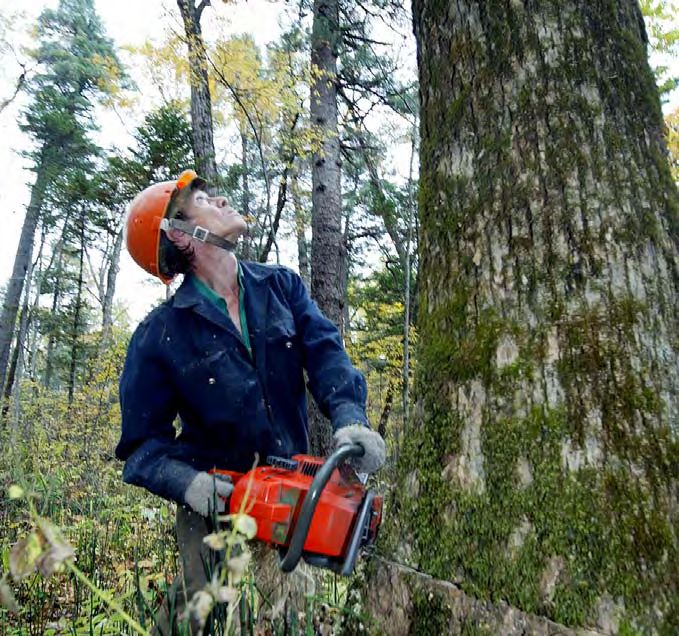
                                     Man sawing log © WWF-Canon/Edward Parker
                                              Beech leaves © WWF/ Fritz Pölking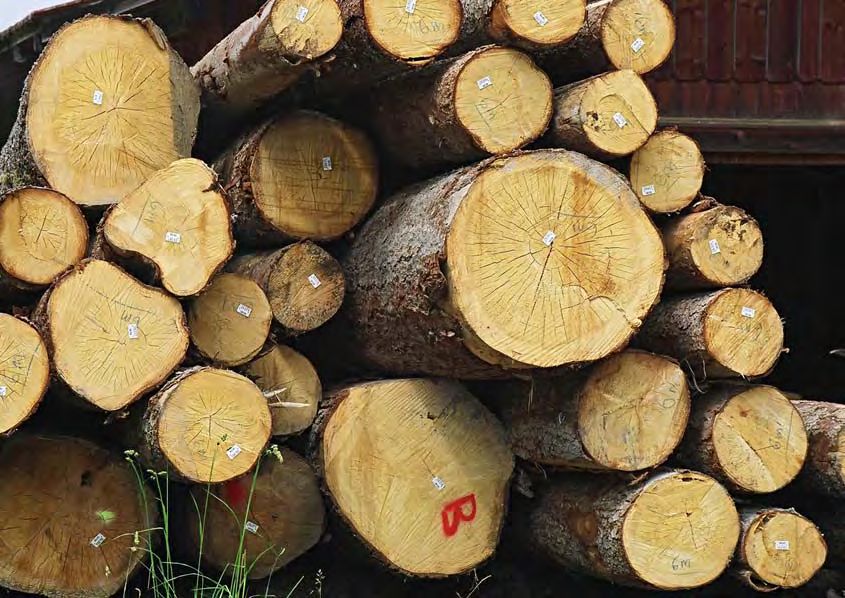
2   Summary
                                               In this report, WWF highlights some of the main                        partners including NGOs, industry, research
                                               results achieved by our co-operation with IKEA and                     institutes, and local, regional and federal
                                               some of the lessons learned along the way.                             authorities. We have also brought on board other
                                                                                                                      donors to help scale-up the impacts of our efforts
                                               These last three years have been very productive.                      and replicate similar activities in other countries.
                                               Here are a few examples of what our co-operation                       As a result, we have more than doubled the initial
                                               has helped achieve so far:                                             investment and catalyzed supporting activities in
                                                                                                                      Asia, Africa, Latin America and Europe.
    © WWF-Canon/Michel Gunther

                                               ●                   In China, 100s of forest officers and scientists
                                                                   have been trained in responsible forestry and      We are starting to see that our co-operation’s
                                                                   certification;                                     work is having an impact on each country’s
                                               ●                   In Russia, 17 timber companies have committed      forest agenda, shaped by the technical know-how,
                                                                   themselves to responsible timber management by     political willingness and business environment
                                                                   joining the WWF Russia Forest and Trade Network;   found there. In China, for example, top-level
                                               ●                   In Romania, 1 million hectares of state forest     government support for our work has enabled us
    IKEA and WWF share a common interest                           have achieved certification;                       to move ahead quickly on certification standards
                                               ●                   In Latvia, 5 demonstration forests have been       and training, while in Russia, the enthusiasm of
    in the conservation and sustainable
                                                                   established to show forest owners and managers     key timber companies has opened the door for our
    use of forest resources, and began a
                                                                   the benefits of responsible forestry.              work to make certification a reality on the ground.
    co-operation in 2002 to jointly promote
    responsible forestry in priority regions   The on-the-ground work has been done largely by                        However, many challenges remain and making
    around the world. Together the two         WWF’s regional and national offices and associate                      real change happen will require persistence.
    organizations planned a series of          organizations with input from a large number of                        That's why in 2005, WWF and IKEA are now
    projects in China, Russia, Bulgaria,                                                                              beginning a second phase
                                                                                                                      of work. In the coming three
    Romania, Estonia, Latvia and Lithuania
                                                                                                                      years, our two organizations
    that would advance the implementation                                                                             will take further some of
    of IKEA’s forest action plan and the                                                                              the existing projects and
    achievement of WWF’s conservation                                                                                 expand into other areas
    targets. The overall goal of the co-                                                                              where we share a
                                               © WWF-Canon/John E.Newby

    operation’s efforts has been to promote                                                                           common interest.
    legal compliance in forestry and trade,
    reduce unsustainable logging and
    strengthen multi-stakeholder-based
    forest certification and management.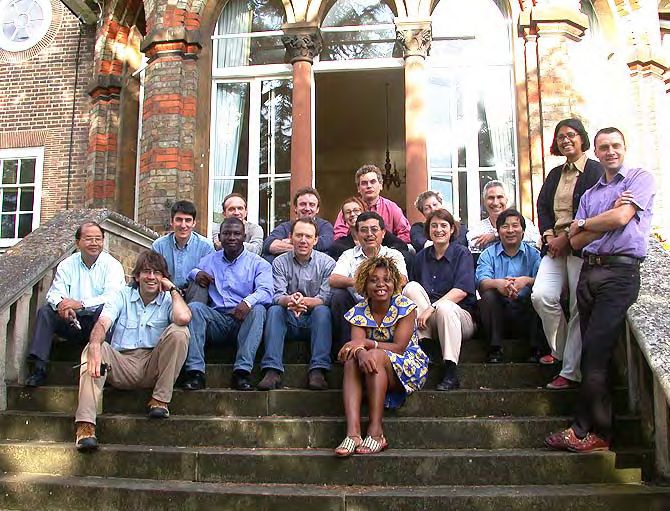
3   Introduction & background
    In 2002 WWF International and the IKEA
    Group began a co-operation to jointly        Background -
    promote responsible forestry in priority
    regions across the globe. Together our two
                                                 combining our
    organizations developed a set of global
    toolkits and implemented a series of
                                                 strengths
    regional projects to help reduce
    unsustainable logging, promote legal         Shared values, matching
    compliance, strengthen multi-stakeholder     strengths
    -based forest certification and increase
                                                 IKEA and WWF recognize that when forest
    the amount of forest under responsible       raw materials are extracted, the biological and
    management.                                  social values of the forest must be maintained
                                                 and protected.
    Here we at WWF report on some of the
    highlights of the co-operation’s work and    The mission of WWF, the global conservation
                                                 organization, is to stop and eventually reverse
    some lessons we have learned along the
                                                 environmental degradation and to build a future
    way, as the first three-year phase wraps
                                                 where people live in harmony with nature. With
    up. We will also look briefly at plans for   forest conservation one of its top global priorities,
    the second phase, which is planned to        WWF addresses forest issues through: policy
    run through 2008.                            advocacy, on-the-ground action and international
                                                 campaigns.

                                                 WWF recognizes the increasingly important role
                                                 that business plays in shaping and implementing
                                                 sustainable policies. All of WWF’s co-operations
                                                 with companies are based on three guiding
                                                 principles: mutual respect, transparency and WWF’s

                                                                                                         © WWF-Canon/Martin Harvey
                                                 right to criticize. We believe that our co-operation
                                                 with IKEA shows the real differences that can be
    © WWF-Canon/Martin Harvey

                                                 made by joining forces with private companies
                                                 committed to conservation goals.
4       Introduction & background
        The IKEA Group, for its part, is one of the largest    How it all began
        private companies in the world, with over 200 home
        furnishing stores in more than 30 countries. Wood      The current co-operation took off in 2000 with a
        is the most commonly used raw material in IKEA         brainstorming workshop where IKEA and WWF
        products and, with a sustainability mission to have    representatives jointly set priorities for the
        an overall positive impact on people and nature,       collaboration. The countries to include in the project
        IKEA pays close attention to the sources of its wood   work were selected on the basis of their importance
        products. To achieve its long-term goal of sourcing    for IKEA’s present and future wood sourcing and
        all its wood from certified forests, IKEA has          WWF’s conservation priorities. Similarly, the choice
        developed a four-level step-wise model to place        of issues to be addressed in the projects was based
        gradually higher demands on its solid wood             on their relevance to IKEA’s business and their place
        suppliers. IKEA does not accept timber from intact     in WWF’s target programme. The actual project work
        natural forests or high conservation value forests     of the co-operation started at the beginning of 2002.
        (HCVFs), unless the latter are FSC-certified.
                                                               The goal set for the co-operation's work was to
        IKEA has teamed up with several organizations to       promote responsible forestry by:
        implement its social and environmental strategy
        and in forestry has been working with Global Forest    1.Contributing to the development of global
        Watch, an initiative of the non-profit organization      toolkits: to help identify and manage particularly
        World Resources Institute, to map the world’s intact     important forest areas and to encourage
        natural forests.                                         certification and improved forest management

                                                               2.Implementing a tailored set of supporting                                            1 The WWF/IKEA
                                                                 activities – often including the regional application                                steering group
                                                                 of the toolkits – in priority countries:
                                                               ● China

                                                               ● Bulgaria and Romania

                                                               ● Russia

                                                               ● The Baltic States: Estonia, Latvia and Lithuania

                                                                                                                         © WWF-Canon/Michel Gunther

    1
5       Walking the talk                                                                                                                                 1 FSC logo
                                                                                                                                                         on sustainably
                                                                                                                                                         harvested logs

        Two of the main forest conservation                        WWF supports credible forest certification as a tool
        concepts that we have applied in our                       to ensure environmentally responsible, socially                                       2 Prime panda
        project work are forest certification and                  beneficial and economically viable management of                                      habitat - a good
                                                                   forests. Currently, FSC is the only certification                                     example of an
        High Conservation Value Forests. So what
                                                                   scheme that fulfils the WWF criteria. Similarly FSC                                   HCVF in China
        do these terms mean and why are they                       is still the only forest certification standard that
        important to what the co-operation has                     meets the long-term aims of IKEA.                                                     3 A birch landscape
        been trying to achieve?                                                                                                                          in Russia, protected
                                                                   High Conservation                                                                     for its high
                                                                                                                                                         conservation values
                                                                   Value Forests
                                                                   One of the co-operation's key products is a global
                                                                   toolkit for identifying and managing High Conservation
         © WWF-Canon/N.C.Turner

                                                                   Value Forests (HCVFs). These forests are defined
                                                                   as forests of outstanding and critical importance due
                                                                   to their high environmental, socioeconomic,
                                                                   biodiversity or landscape values. HCVFs could be
                                                                   old-growth forests in Siberia, habitats of threatened
    1                                                              orang-utans in Southeast Asia or the sacred burial
                                                                   grounds of a North American First Nations people.
        Forest Certification:                                      The HCVF concept may allow for limited logging of
                                                                   these forests, as long as their conservation values
        more than just a label                                     are maintained. Both WWF and IKEA believe that
        Forest certification is a system of inspecting the         identification of HCVFs is important to help ensure
        quality of forest management and tracking the timber       conservation and sustainable use of these priority
        produced through to the final product. Certification       forest areas. IKEA has committed to accepting
        therefore not only guarantees that timber products         timber from HCVFs only if it is FSC-certified.
        have come from responsibly managed forests, but
        also enables timber buying companies to recognize
        and favour these products. The certification system
                                                                   © WWF-Canon/John MacKinnon

        of the Forest Stewardship Council (FSC) enjoys

                                                                                                                                © WWF-Canon/Darren Jew
        widespread support in more than 60 countries
        worldwide and requires, among other things, that
        forest management respects indigenous people's
        rights and preserves the important values of High
        Conservation Value Forests.
                                                               2                                                            3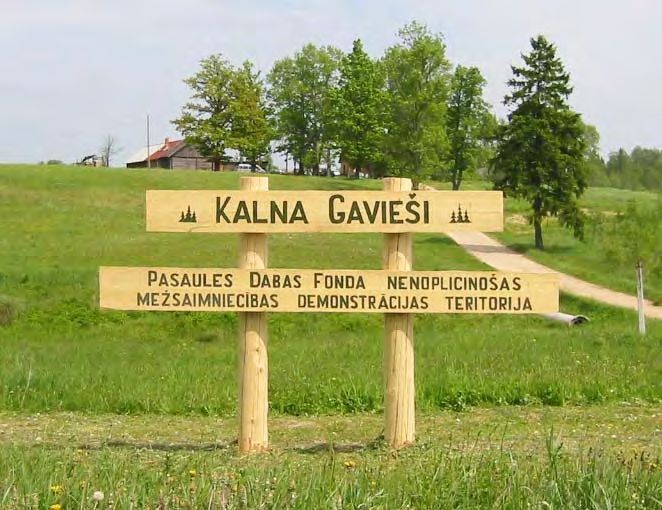
6       The right tools for the job
        Our co-operation’s project work included                HCVF Toolkit:
        production of three toolkits and their                                                                                                                          1 Getting muddy:
        application on the ground in several
                                                                turning theory into practice                                                                            identifying HCVFs
                                                                                                                                                                        in Russia
        countries. So what has gone into this trio
                                                                The HCVF concept, while important for forest
        of toolkits and what role have they played              conservation, had proven rather unwieldy to put into                                                    2 FSC certified
        in promoting responsible forestry?                      practice. So the WWF/IKEA co-operation supported                                                        saw mill
                                                                the preparation of a toolkit that would help those
                                                                involved in forest management and certification to
                                                                identify and manage these valuable forest areas.
                                                                A natural resource management consulting firm,
                                                                Proforest, was tasked with coordinating production
                                                                of the toolkit by bringing together experts in the
                                                                HCVF field. The finished product can be
                                                                downloaded from www.panda.org/forests

                                                                The global HCVF toolkit provides guidelines for
                                                                defining HCVFs and lists the kinds of questions
                                                                that need to be asked when identifying the different
                                                                types of HCVs present. These questions help
                                                                specify forest areas which, for example:
    1
                                                                ●   contain rare or threatened ecosystems;
         No job too big                                         ●

                                                                ●
                                                                    are home to endangered species;
                                                                    provide important services, such as erosion
                                                                    control; or
         In Romania a tailored version of the HCVF              ●   are critical to the traditional cultural identity

                                                                                                                            © WWF-Canon/WWF-Switzerland/A.della Bella
         toolkit was used by the National Forest                    of local communities.
         Administration (NFA) to finalize FSC
         certification of 1 million hectares of                 The global toolkit has been translated and used
         state-owned forests. When receiving the                to map potential HCVFs in Russia, China, Bulgaria
         certification award, Mr Simion Maftei,                 and Romania, in collaboration with national and
         General Manager of the NFA, commented:                 regional authorities.

         “I want to acknowledge the support given by IKEA and
         by the WWF Danube Carpathian Programme.”
                                                                                                                        2
7   The right tools for the job

                                                                    Strength in numbers
    Switzerland/A.della Bella

                                                                    The Global Forest and Trade Network (GTFN)
    © WWF-Canon/WWF-

                                                                    is a WWF-led partnership between leading
                                                                    NGOs and companies and communities that
                                                                    are committed to demonstrating leadership
                                                                    and best practice in responsible forest
                                                                    management and trade. The GFTN provides
                                                                    participants with a supporting framework to
    Producer Group Toolkit:                                         create the right conditions for responsible
    taking it step by step                                          timber production and trade. Today the GFTN
                                                                    includes over 300 companies who together
    In many countries, forest certification has                     trade more than 45 million m3 of forest
    been slower to advance than was hoped.                          products annually.
    The main challenge has been to get
                                                                    The WWF/IKEA co-operation has supported
    forest managers to commit to costly
                                                                    producer-oriented Forest & Trade Networks
    certification and major changes in their                        in Bulgaria, Romania and Russia.
                                                                                                                   1
    forest management, with little resources
    or incentives for them to do so. In 2002,                                                                                          “GFTN                         1 Thinking steps:
    the WWF/IKEA co-operation decided to                            Boring title, brilliant tool                                       participation has
                                                                                                                                                                     the minds behind
                                                                                                                                                                     the MIV tool
    support committed timber companies to
                                                                    One of the least charismatic outputs of our                        improved our
    help them achieve credible certification                                                                                                                         2 Leaflet on the
                                                                    co-operation - the Modular Implementation      2                   environmental
    and responsible forest management by:                           and Verification (MIV) tool - has actually                                                       Carpathian FTN
                                                                    proven a great success. The tool makes FSC-        performance, making us more
    ●       mobilizing them as participants of producer-            certification a more doable and attractive         appealing to customers and
            oriented networks through WWF’s Global Forest           option for producers by breaking down the          investors and allowing us to
            & Trade Network;                                        requirements into reasonable phases and
    ●       providing these groups with technical support and       spreading out the costs over time. The step-       trade in environmentally
            market linkages;                                        wise approach, inspired by IKEA's own              sensitive markets.”
    ●       developing a toolkit to help these groups organize      staircase model for pacing the demands it          Gennady Ivanov, Logging Technology and
            themselves; and                                         places on timber suppliers, has undoubtedly        Organisation Manager, Ilim Pulp Enterprise,
    ●       developing a step-by-step tool to guide                 generated greater interest in certification        Russia
            participants in their progress towards certification.   among forest producers.
8       The right tools for the job
        PathFinder Toolkit:                                       environmental consulting firm, Pi Environmental           from around the world, and brought in some
                                                                  Consulting, to lead the work to build on this toolkit     groups that had previously been only marginally
        kick-starting certification                               and adapt it to the needs of NWGs.                        involved with certification. This has led to a more
                                                                                                                            widespread ownership of the toolkit and has
        The best starting point for FSC                           New sections were added on, for example, how              paved the way for possible follow-up activities in
        certification in any country is the                       NWGs can build consensus and deal with conflicts          other countries.
                                                                  between stakeholders, and how local communities
        formation of a multi-stakeholder National
                                                                  can participate in setting the certification standards.
        Working Group (NWG) to develop national                   The toolkit can be accessed at
        certification standards. Forest                           www.piec.org/pathfinder.                                    “The PathFinder outcome is
        management in that country can then be
        assessed for certification based on these                 The process of developing the PathFinder toolkit            fantastic - I feel proud of the
        relevant standards.                                       involved a wide range of organizations and experts          result.” PathFinder toolkit team member
                                                                                                                                                                                  1 Plotting the path:
                                                                                                                                                                                  start-up meeting for
                                                                                                                                                                                  the PathFinder
                                                                                                                                                                                  toolkit

                                                                                                                                                                                  2 Commercial
                                                                                                                                                                                  logging in Latvia

    1

        Up until now, these groups have been rather left
        to themselves to figure out how to do their work.
        With no real guidance, they have had to learn the
        hard way - through trial and error. The WWF/IKEA
        co-operation therefore supported the development
                                                                   © WWF-Canon/Edward Parker

        of a toolkit for NWGs, showing how the different
        stakeholders can work together to develop national
        forest certification standards. Fortunately WWF had
        already worked with the World Bank to produce a
        toolkit that contained many of the necessary
        elements. The co-operation commissioned an
                                                              2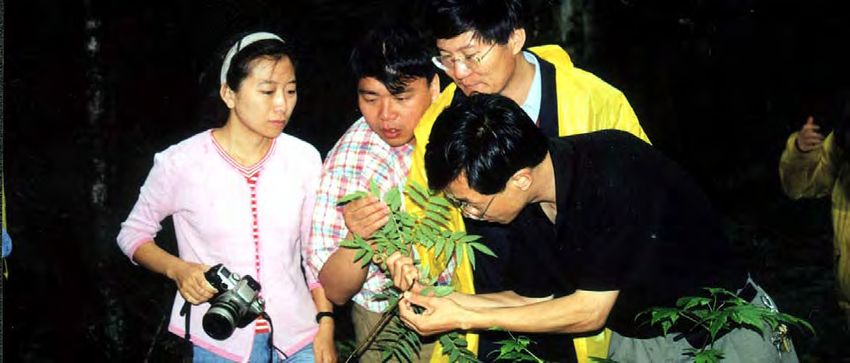
9       On-the-ground action China
        China is a major player in the global      The WWF/IKEA co-operation chose to focus its                 The co-operation’s work on HCVFs in China
        forest arena - both as a consumer and      work in China on three issues during 2002-2005:              included the identification of HCVFs in three
        supplier of forest products. With its                                                                   priority landscapes and in the areas covered by
                                                   ●   identifying HCVFs in Northeast China and Inner           two local forest bureaus. Encouragingly, the Jilin
        own forests degraded after decades
                                                       Mongolia (where most of IKEA’s suppliers                 Forestry Department in North-east China has
        of overexploitation, China now imports         operate);                                                included HCVF identification in its new 5-year
        huge amounts of timber from other          ●   encouraging legal compliance in the domestic             provincial forestry development plan.
        countries to satisfy its domestic market       and international supply chains for IKEA                                                                      1 Keeping tabs on
        and international export industry. China       products made in China; and                                                                                   China's timber trade
        currently supplies about 10% of IKEA’s     ●   building capacity and support for responsible                                                                 is a huge challenge
        solid wood. While IKEA is doing all it         forestry and certification.
                                                                                                                                                                     2 Map showing
        can to ensure this timber comes from
                                                   Through these efforts, the co-operation has made               “Thanks to the work of the                         potential HCVFs in
        legal, well-managed sources, the sheer     a real difference to forest conservation in China.                                                                Northeast China
        scale of the illegal logging trade makes   Three years ago, very few people in China knew
                                                                                                                  WWF/IKEA co-operation, forest                      and Inner Mongolia
        this a very difficult task.                about certification, awareness about the illegal               certification has become true in
                                                   logging problem was very low, and government
                                                                                                                  China.” Zhu Chunquan, WWF-China
                                                   support for responsible forest management was
                                                   sorely lacking. Now there is widespread support for
                                                   certification among many stakeholders, as well as
                                                   an open recognition of the illegal logging problem
                                                   and a real willingness to search for solutions. We
                                                   believe that the WWF/IKEA co-operation has been
                                                   instrumental in making these changes happen,
                                                   through our policy discussion and capacity
                                                   building work.

                                                   One of the most exciting signs of progress was the
                                                   decree issued in 2003 by the Chinese government
                                                   that called for fast-track promotion of forest
                                                   certification in line with international requirements.
        © WWF-Canon/Yifei Zhang

                                                   This led to the development of national and
                                                   regional certification standards and made the co-
                                                   operation’s capacity-building and outreach efforts
                                                   all the more relevant.

    1                                                                                                       2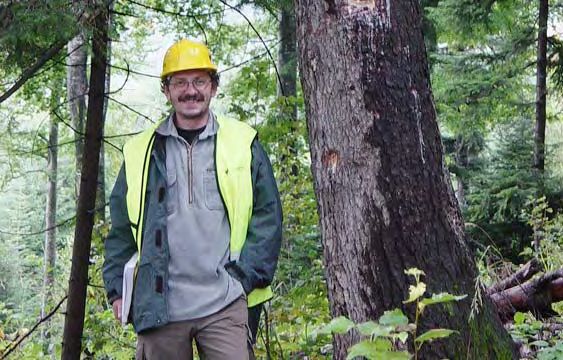
10       On-the-ground action China

         Getting back to basics                              Adding it all up                                  Some lessons learned
         The WWF/IKEA co-operation is developing a           ●   3 landscapes and 2 forest bureaus in
                                                                                                               in China
         manual for timber manufacturing and purchasing          northeast China and Inner Mongolia have       Chinese customs have no way of checking
         companies on how they can verify legal                  had their HCVFs mapped                        the source or legality of timber imports from
         compliance in their timber supply chains.                                                             Russia as these imports do not require any
         Originally this manual was to be based on the       ●   More than 80 forest product companies         verification from the Russian authorities.
         industry’s ‘best practice’ experiences. However         now have Chain of Custody certification       This obviously hinders efforts to track and
         it soon became clear that companies had little          (compared to 27 only three years ago)         tackle the illegal cross-border timber trade.
         to offer - they had no tried-and-tested methods
         for screening illegally harvested wood. So the      ●   100s of forest officers and scientists have   The HCVF concept provides an important
         co-operation decided to change tack and work            been trained in responsible forestry and      framework for improving forest management
         with experts to develop a ‘Keep it Legal’ manual        certification                                 in China. However, China’s forest zoning
         for companies. This has proved quite an                                                               policy is not really conducive to the
         enlightening process, as WWF has consulted          ●   At least 6000 people received regular         identification of HCVFs and more work is
         with a wide range of stakeholders and refined           newsletters on certification                  needed to make these two systems
         its own policies on legality along the way. For                                                       compatible.
         instance, WWF has now put in place clearer          ●   Up to 4 million people watched two special
         legality requirements for the participants in its       television programmes on certification
         Global Forest & Trade Network.

                                                                                                                                                               1 A field visit
                                                                                                                                                               to a project site
                                                                                                                                                               in China

     1
11 On-the-ground action Russia
Russia is home to one-fifth of the world’s We believe that the co-operation has been
forests and is a major supplier of timber able to catalyze something of a turnaround in
products to Europe and China. Pressure forest conservation in Russia. Illegal logging, a
taboo subject three years ago, is now high on
on Russia’s forests is increasing,
the political and business agendas. Responsible
fuelled by insufficient legislation and forestry has caught the attention of Russian
governance, and conservation efforts companies and there is increasing demand
are often frustrated by high levels of for information and knowledge on how to make
institutionalized corruption behind the it happen.
illegal logging activities. The Russian
Far East is a critical area as it contains But perhaps the most obvious difference has
been in the area of certification. In 2002 FSC
the last remaining mixed cedar-
certification was at an early stage in Russia and
broadleaved forests and could offer only about 300,000 hectares were FSC-certified.
hope for the survival of the critically Today, 6.3 million hectares of Russian forest are
endangered Siberian tiger. However, FSC-certified, of which 3.8 million hectares are
this region also suffers from the illegal managed by participants of the WWF Russia
timber trade with China and has seen Forest & Trade Network, including suppliers
to IKEA.
large-scale deforestation of its valuable
forest resources. 1 Broad-leaved
forest in the Russian
Far East
The WWF/IKEA co-operation developed five main
themes for its work in Russia during 2002-2005:
2 Getting down
● identifying HCVFs in key areas of interest to business: some
to IKEA and WWF; participants of the
● monitoring illegal logging and promoting WWF Russia Forest
legal compliance; & Trade Network
● strengthening the WWF Russia producer-
oriented Forest & Trade Network;
© WWF-Canon/Hartmut Jungius
● increasing certification capacity and
awareness; and
● establishing an anti-timber poaching brigade 2
in one area of the Russian Far East.
112 On-the-ground action Russia
Not a job for the faint Some lessons learned Adding it all up
hearted... in Russia ● 6 certification training centres - centres
Direct hits on the illegal logging trade can The Russian and Chinese customs records on of excellence in responsible forest
only be made on the spot, so the co-operation their timber trade don’t tally up. This makes management - are up and running in
set up a six-man team to uncover and bring to the cross-border trade non-transparent and priority regions
justice those involved in timber poaching. makes it easier for wood from dubious
Working in one province in the Russian Far sources to enter the market. ● 8 issues of a magazine on sustainable
East, this so-called Sobol Brigade faces some forest management have been produced
real challenges. The area’s harsh climate and We have seen the first signs of market
vast size, together with the highly-organized pressure from US and Chinese companies on ● 17 companies have joined the WWF
nature of the illegal logging business and its the issue of illegal logging, though much Russia Forest & Trade Network
links with corrupt government officials make work is still needed to make Chinese trading
their work a real struggle. Yet this team has and processing companies pay real attention ● Over 350 forest managers and WWF
made remarkable progress in fighting the to the legality of timber supplied from Russia. Russia Forest & Trade Network staff and
criminals and reducing the illegal trade. participants have taken part in certification
A high-profile case in 2003 saw the provincial training courses and seminars
head of the Federal Forest Service
Department found guilty of illegally allowing ● 3.8 million hectares of FSC-certified 1 Illegal harvesters
logging of the endangered cedar-broadleaved forests are managed by the WWF Russia with confiscated
forests. The Brigade has now been fully Forest & Trade Network participants cedar nuts
anchored in the regional administration and
is being used as a model by the Far Eastern
Federal District of the Ministry of Natural
Resources to reorganize all their forest
inspection teams. “The men are hand-picked for
their experience and devotion
to duty. They’re locals - you
need good contacts to get to
grips with a shady business
like this.”
Göran Sundberg, forest coordinator for IKEA
in Irkutsk, on the Sobol Brigade
113 On-the-ground action Bulgaria and Romania
Bulgaria and Romania have important
areas of biodiversity-rich natural forest
and some of the highest forest covers in
Eastern Europe - a region that currently
supplies 25% of IKEA’s solid wood.
However, these valuable resources are
under growing pressure from widespread
illegal logging, a high market demand for
cheap timber and changes in land
ownership. Land restitution policies are
putting significant areas of forest back in
the hands of private owners and opening
them up to market forces. Many of the
new forest owners have no experience in
sustainable forest management and little
incentive to conserve their forest foundations for the effective conservation and “The HCVF toolkit raised interest Romania’s Apuseni
responsible management of the region’s forests. Mountains in Winter
resources. There is therefore an urgent from foresters as it offered a
And the ‘process’ achievements have been equally
need for training and awareness-raising important, in engaging with private forest owners different perspective on the
to help these owners manage their and encouraging dialogue and collaboration
forests in a responsible manner. between the different stakeholder groups.
values of the forest”
George Dinicu, Forest Officer of WWF in Romania
The co-operation identified three priority issues for Country-specific HCVF toolkits were developed
its work in Bulgaria and Romania during 2002-2005: and tested in several state and private forest areas
in both countries - in districts from where IKEA the group’s participants we have been swimming
● promoting widespread use of the HCVF toolkit; suppliers are sourcing their wood. The toolkits went against a strong tide, as the demand for certified
● establishing a WWF Forest & Trade Network in the down very well with the foresters in these areas, timber in these countries’ main export markets is
region; who appreciated the new perspectives they gained very low. This has resulted in the group becoming
● building capacity and strengthening stakeholder on forest values. more active as an industry/NGO alliance to lobby
approaches for certification. for national legislation and policy to support
We have helped establish a regional Forest & Trade responsible forestry and curb illegal logging. In
While the results of our work here are perhaps not Network, known as the WWF Carpathian Forest & taking on this rather unexpected role, the group
as dramatic as those we have seen in China and Trade Network, which includes several IKEA participants are supporting the co-operation’s
Russia, they have nonetheless built strong suppliers. In trying to promote certification among policy advocacy efforts.14 On-the-ground action Bulgaria and Romania
We have set up certification information and training
centres in both Bulgaria and Romania and the Bulgarian Some lessons learned
centre has participated in the country’s first FSC
certification processes, for both state and private forests.
in Bulgaria and Romania
We found a surprisingly high level of
While the Bulgarian government is hesitant to adopt interest in certification and responsible
FSC certification on a wide scale, the Romanian forest management among private forest
government has been much more receptive. One owners in these two countries. Certainly in
million hectares of Romania’s state forest have been Bulgaria, private forest owners seem much
certified - something the WWF/IKEA Co-operation more receptive to these ideas than their
has directly contributed to through work on HCVFs and state counterparts - and their enthusiasm
support for the national working group on certification. bodes well for the future of the region's
What’s more, the Romanian forest administration forest resources.
has committed to bring all its 4 million hectares of
forest under certification, a move that would serve as Collaboration between NGOs and government
a positive example for other countries in the region. is still a challenge in the region. There are
some signs of improvement, driven in large
part by the countries' preparations for
Adding it all up accession to the European Union. One of the
best ways of helping build trust between
● 8 field tests of the HCVF toolkit have been these groups is to facilitate their joint
completed in Bulgaria and Romania participation in multi-stakeholder processes
such as certification standard setting or
● 16 companies have joined the WWF forest management planning.
Carpathian Forest and Trade Network
1 Assessing the
● Nearly 700 people have been trained in Naruja community
certification and responsible forest forest in Romania
management for FSC certification
© WWF-Canon/Magnus Sylven
● 17,000 hectares of forest owned by 9 2 The Koupena
communities have received FSC group Biosphere Reserve
certification in Romania in Bulgaria
● 1 million hectares of Romanian state forest
have achieved certification
1 215 On-the-ground action The Baltic States
Forests in the Baltic States (Estonia, Latvia ● developing and expanding group certification
and Lithuania) are important for both their schemes.
biodiversity value and their contribution to
The co-operation provided training, technical advice
the national economies. The region is also
and support for forest owners and producers wanting
an important source for IKEA’s solid wood to set up group certification schemes and our local
supplies. However, the region’s forests are partner in Estonia produced a toolkit for managers
under pressure, following recent political and members of these groups. The toolkit, relevant
and economic upheavals. An ongoing land for use in most European countries, has been widely
restitution process has put about half of disseminated by WWF.
the region’s forests in private hands. Many
The co-operation has also catalyzed shared learning
of the new owners have little knowledge of
within the region and between the Baltic States and
forest management and little incentive to Bulgaria and Romania. One of the most effective
invest in their forests. What’s more, the means of generating new ideas and support for
overall timber business environment is responsible forestry has been the organization of
1
riddled with illegal logging and other a series of study trips for forest owners and policy
criminal activities, making it very difficult makers from the different countries.
1 A seminar
for individual companies to maintain on biodiversity
responsible purchasing policies Show-and-tell forests conservation for
if they wish to stay in the market. On the harvesting
other hand, forest certification is more We set up five demonstration forests in contractors in
developed here than in other parts of Latvia to show private forest owners and Lithuania
Eastern Europe, and all state forests are forestry staff the techniques and benefits
FSC-certified in the three Baltic States. of responsible forest management. Visitors 2 The group
to these forests can see for themselves how certification toolkit
management has switched from clear cutting produced for Estonia
Given this scenario, we focused our efforts during (the most common harvesting method in the is being used in
2002-2005 on private forest owners, with the following country) to selective logging, and can many European
three goals: question the owners about the economic countries.
and ecological benefits of such a change.
● increasing the amount of certified private forests in
priority regions for WWF and IKEA; “People are surprised how much money they can save
● developing training material on responsible forest or make by using nature-friendly techniques.” says Janis
management and group certification; and Rozitis of Pasaules Dabas Fonds, formerly WWF Latvia.
216 On-the-ground action The Baltic States
“Surprisingly, the contractors
Making change happen Adding it all up
supported our ideas on
As in many other places, there is a need in ● 4 new FSC group certification schemes biodiversity conservation
the Baltic States for forest policies that have been established in the region
encourage private owners to switch to measures during final felling and
responsible forest management. The WWF/IKEA ● 5 demonstration forests have been created actively commented on our
Co-operation has therefore supported the in Latvia recommendations”
ongoing work of the local partners in Latvia Darius Stoncius, Lithuanian Fund for Nature
and Estonia to influence national forest policy ● About 70 different training events have
processes. One concrete result of these been held in these demonstration forests
efforts has been the development of a
progressive new forest legislation in Estonia ● More than 500 forest owners and State “We have learned how a global
that requires owners to draw up management Forest Service staff attended field-based company can in reality catalyze
plans for their forests. And in Latvia, the certification seminars in Latvia
change in forest management -
bringing together of the forest authorities,
banks and NGOs to discuss illegal logging both through support to WWF
and forest crime, along with coordinated and demands to suppliers.”
lobbying work, has resulted in major changes Some lessons learned Toomas Trapido, Estonian Fund for Nature, on
in tax legislation and control of the forest in the Baltic States their work with IKEA
sector. These changes are likely to change
the way that Latvian forest owners do Given the high demand for timber, there
business and reduce the incentives for tax is still little incentive for private forest
avoidance and money laundering. owners to invest in forest certification.
1 Welcome sign at a
Policy advocacy work can bring real results demonstration forest
in promoting responsible forestry and
certification, and controlling illegal 2 Private forest
logging. Only by combining the training owners and state
and demonstration activities with specific forest service staff
policy work will these have a major impact visit a demonstration
on forest management practices. forest in Latvia
2 117 Reflecting on progress
Reading over these highlights of our together NGOs and other stakeholders in the forest 1 Forest butterfly
co-operation, the achievements are sector have helped build a strong foundation for in China
striking - and so are the challenges. future progress in the Baltic States as well as in
Bulgaria and Romania. 2 Siberian tiger
We at WWF believe that our joint work
walking on a frozen
has had an impact on each country’s lake
forest agenda, shaped by the technical Rising to the challenge
know-how, political willingness and We shouldn’t underestimate the challenges which
business environment found there. still remain in all countries where the WWF/IKEA
In China, for example, top-level co-operation has been active. The sheer scale of
government support for our work has the illegal logging problems, together with a lack
of capacity and access to information, perverse
enabled us to make real progress on
market forces, and widespread corruption, all
certification and to train hundreds of create a daunting environment in which to work.
forest workers in responsible forestry Progress can be slow, but we are persistent and
approaches. In Russia there has been committed to consulting and engaging with a wide
a more than ten-fold increase in the range of stakeholders. Both organizations have
certified forest area. At the same time, learnt a great deal about each other, about what
the co-operation can offer, and how best to join
our discussions with both the Chinese
forces for maximum impact. These lessons will
and Russian governments have made the stand us both in good stead as we move into the
once-taboo illegal logging issue a focus next phase of our collaboration.
of attention at the regional and federal
levels in both countries.
In Bulgaria and Romania, it has been slower going,
though the Romanian government’s commitment to
certify its 4 million hectares of state forest is a major
step forward - and one in which the co-operation
played a key part. Our major impact in these
countries has been to help put in place safeguards
for the protection of valuable forest resources.
© WWF/Klein & Hubert
Finally, in the Baltic States, capacity building work
with private forest owners and advocacy work on
national forest policies have been particularly
relevant. These efforts, in addition to bringing
1 218 Reflecting on progress
What did we get out of it? More bang for our bucks Taking things further
For WWF, the co-operation has helped us move The WWF-IKEA co-operation was not designed as
closer to achieving our forest conservation targets a private affair. Instead, we have brought on board The WWF/IKEA co-operation has provided a
– particularly by developing and implementing tools several donor organizations to fund supporting platform for the two organizations to develop
for responsible forestry, tackling illegal logging and activities that have further increased the impacts a trusting relationship and learn from each
supporting the adoption of credible forest of our work. On the basis of the co-operation’s other. As a result, each organization has
certification worldwide. The co-operation has also achievements, WWF has been able to globalize the benefited from frank and informed input in
helped WWF advance its forest policy advocacy benefits and learning of the toolkits and the country other areas of their work. For instance, WWF
work, as IKEA’s involvement has given WWF work. Partner organizations such as USAID, DEG was invited to participate in the development
stronger leverage in its discussions with other (a member of KfW banking group), the Swedish of IKEA's Social and Environmental Strategy
stakeholders: companies, governments, Environmental Protection Agency, the WWF-World for FY 06-09. And IKEA participated in an
intergovernmental organisations, as well as other Bank Alliance and the EU have provided more internal meeting of WWF's European Forest
NGOs. WWF’s relationship with IKEA has also than twice as much funding as we started with Team to challenge WWF on how it works and
contributed hugely to our own organizational back in 2002. functions as an organization. Other
thinking on how to work with companies on forest opportunities for collaboration have been
issues and how best to pursue forest certification. The ‘bonus’ activities funded by other donors identified and are being explored.
IKEA’s step-wise phasing of the demands it have included:
places on its suppliers of solid wood products
has inspired WWF to adopt a similar approach ● Translation of the HCVF toolkit into Spanish and
in its engagement with over 300 companies French and its application in many different
through the Global Forest & Trade Network. countries in Africa, Asia and Latin America.
● Replication of the Producer Group training
programme in Russia, Eastern Europe, Asia,
Africa and Latin America.
● Translation of the PathFinder toolkit into Chinese
and its field-testing in China.
● Translation of the PathFinder toolkit into Spanish
and its application in training efforts in Belize,
Guatemala and Nicaragua.
© WWF-Canon/Vladimir Filonov
● Supporting the first FSC certification of state-
owned forests in China, now covering a total of
420,000 hectares.19 Growing on a strong base
So - what next for the co-operation? 1 Planning
Well, a lot remains to be done. Based community forest
on the successes and learning of the last certification in
Naruja, Romania
three years, we will take our collaboration
further by building on some of the 2 200-year old
existing projects and expanding into other Cedar in the
areas where we share a common interest. Russian Far East
The second three-year phase of work,
due to start during 2005, will include:
Creating a global HCVF centre in co-operation
with other donors: a one-stop shop for information,
advice and training on HCVF identification and
management. This meta-office (at www.hcvf.org)
will be the hub of a global resource network that
includes local organizations, training centres and
experts involved in HCVF work. 1
Driving responsible forest management and Switching to sustainable rattan harvesting and
curbing illegal logging in China, Russia, Latvia production in Lao and Cambodia. Here we plan to
and Lithuania. Here we will focus on mainstreaming investigate the booming rattan trade in mainland
the HCVF concept, training forest managers in Indochina and develop pilot models of sustainable
responsible forest management and certification, community-based rattan production and harvesting.
and encouraging timber businesses to adopt
responsible production and purchasing policies. Certifying acacia plantations in Southeast Asia.
We plan to work with pioneer plantation managers
Developing model forest areas in Bulgaria and to help them achieve FSC certification, and hope to
Romania with the aim of integrating forest bring at least one acacia plantation in the region to
management issues in the regional development certification standard within the next three years.
© WWF-Canon/Vladimir Filonov
plans and ultimately influencing national forest policy.
In addition, the WWF/IKEA co-operation will promote
Building capacity for responsible forest responsible cotton production through support to
management in the Ukraine. Our aim here is to projects in India and Pakistan. The aim is to reduce
build a base for future work on securing safe the environmental and social impacts of cotton
sources and supply chains for timber products and production while generating benefits for business,
encouraging sustainable forest management. farming communities and the environment. 220 Who’s who in the Co-operation 2002-2005
“By joining forces, both
© WWF-Canon/Irene Lengui
organizations have been
strengthened. For example,
with IKEA by our side it has
been easier to influence
companies and local authorities
WWF/IKEA Steering Group members: IKEA Project contacts: Russia: Alexei Nuamov; to act positively.”
IKEA: Thomas Bergmark, Lars-Göran Peterson, Bulgaria and Romania: Dan Stoenescu; Latvia,
Chris Elliott. Then-Programme Director
Tomas Paulsson, Sofie Beckham, Pär Stenmark; Estonia, Lithuania: Egle Petrylaite; China: Benson Yu
WWF Forests for Life
WWF: Hans Berglund, Chris Elliott, Margaret Rainey, Project managers at national level: Bulgaria and
Rodney Taylor. Romania: Erika Stanciu (WWF DCP), Zhivko
Bogdanov (WWF DCP Bulgaria), George Dinicu
WWF/IKEA Coordination: (WWF DCP Romania), Ioan Vasile Abrudan
WWF Sweden: Karin Wessman. (Romanian Working Group for Forest Certification);
China: Zhu Chunquan (WWF China), Dong Ke
WWF Project leaders: Baltic States: Per Larsson; (WWF China); Russia: Elena Kulikova (WWF Russia),
Russia, Bulgaria and Romania: Duncan Pollard; Liviu Amariei (FSC Europe), Denis Smirnov (WWF
China: Rodney Taylor. Russia Far Eastern branch); Latvia, Estonia,
Lithuania: Janis Rozitis (Pasaules Dabas Fonds,
For more information on the formerly WWF Latvia), Kaupo Kohv (Estonian Fund for
WWF/IKEA co-operation, Nature), Darius Stoncius (Lithuanian Fund for Nature).
contact WWF at Consulting organizations: Ruth Nussbaum,
wwf-ikea-forestprojects@wwf.se Steve Jennings (Proforest); Pierre Hauselmann
or visit www.panda.org/forests/ikea (Pi Environmental Consulting)
© WWF-Canon/Vladimir Filonov
© 1986 Panda symbol WWF ® ‘WWF’ and ‘living planet’
are WWF Registered Trademarks’You can also read


