Year 1 Home Learning Grid: Week Beginning 22.2.2021 - ENGLISH Monday
←
→
Page content transcription
If your browser does not render page correctly, please read the page content below
Year 1 Home Learning Grid: Week Beginning 22.2.2021

ENGLISH                              MATHS
                                     Monday
Monday
Inset Day                            Inset Day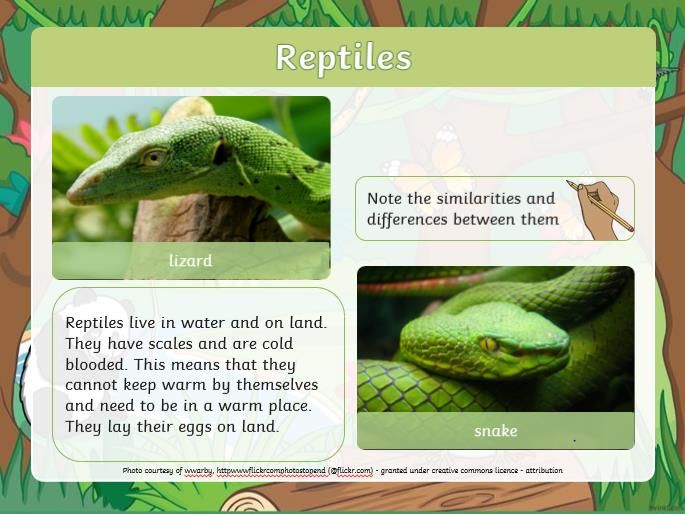
ENGLISH                                                               MATHS
                                                                      Tuesday
Tuesday 23rd Feb
                                                                      WALT: compare lengths
Welcome the children back after the week off…Quick check in
with children holding up their fingers to show how they are
feeling – 5 (excited), 4 (good), 3 (ok), 2 (sad), 1 (cross)

Starter

Show children an image on the screen….how many words can
children list related to the image?

Image of an ostrich

Possible words to list: bird, egg, feathers, run, wild, tall, beak,
long neck, long legs, black and white, live in Africa, eats seeds     https://vimeo.com/507433257
and leaves, lizards and snake, flightless                             Main activity

See how many different things children can find out about the         Find objects around the house to compare.

ostrich. Show video to go through the facts.

https://www.youtube.com/watch?v=MdaGMaWz95o                           Can you find an object longer than a spoon?
                                                                      Can you find an object shorter than a spoon?
Over the half term the children had a break from online
lessons….wonder what they got up to. Watch the story about
Blip and what he did…
                                                                      Can you find an object longer than a toy car?
https://www.youtube.com/watch?v=VCrUUKklZUw                           Can you find an object shorter than a toy car?

                                                                      Can you find an object longer than a pencil?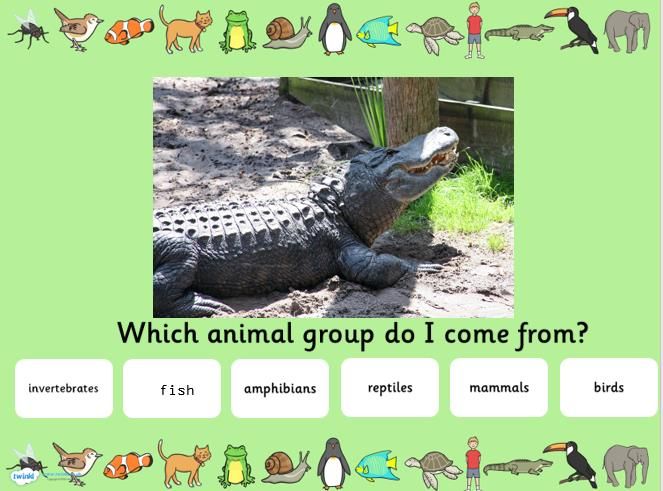
Children to list all of the appliance that they have in their   Can you find an object shorter than a pencil?

                   house that is plugged in...

      Feedback from children and teacher to make a list
                                                                  Can you find an object longer than a playing card?
                                                                  Can you find an object shorter than a playing card?
TV, DVD player, xbox, games console, PC, tablet, Ipad, iphone,
kettle, microwave, lamp, washing machine, tumble dryer, fridge,
         freezer, toaster, blender, oven, dishwasher              Can you find an object longer than a cushion?
                                                                  Can you find an object shorter than a cushion?

                                                                  Remember to line them up from the same starting point to make sure you are measuring accurately.

  Children to use this document as a template to list all the
different things they enjoy doing which are plugged/unplugged.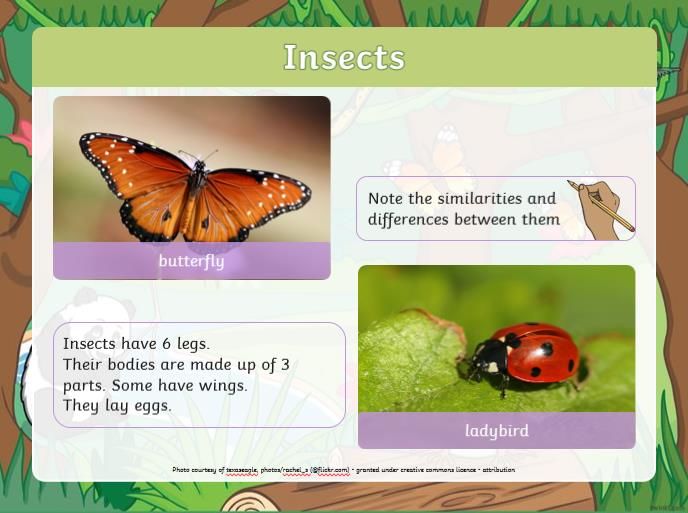
MATHS
                                                                 Wednesday
ENGLISH                                                          WALT: compare heights
Wednesday 24th Feb Experience lesson

Children in groups to visit the scene in the shared area.
          Photos of the scene to be shared as slides.

 Encourage the children to discuss what may have taken place.
What did they see? What clues did they find? Who could these
                        clues belong to?

           How will we find out what has happened?

Children to use magnifying glasses to inspect the porridge and
                            footprint
                                                                 https://vimeo.com/507433540

                                                                 Main activity.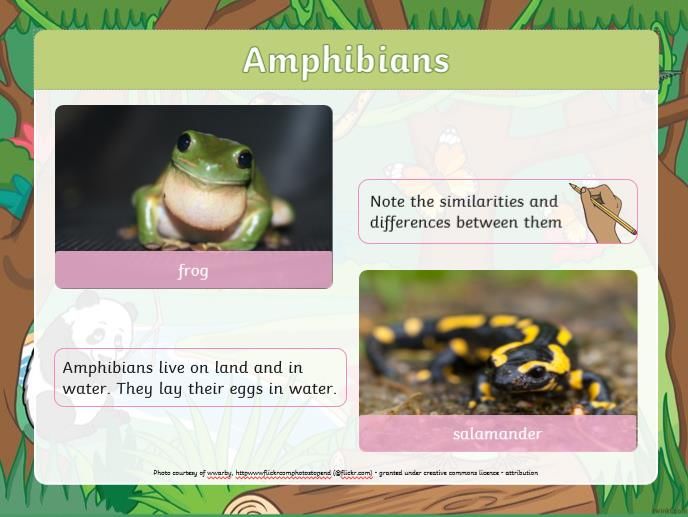
Write the correct words above each picture.

    Using sugar paper…children to jot ideas in a group.

Have they tasted porridge before? What does it taste like?

What happens to the porridge once it is cooked? Show the
                   children the changes

                                                             Find someone in your house who is taller than you.
                                                             Find someone in your house who is shorter than you.

                                                             Send your comparisons to your teacher!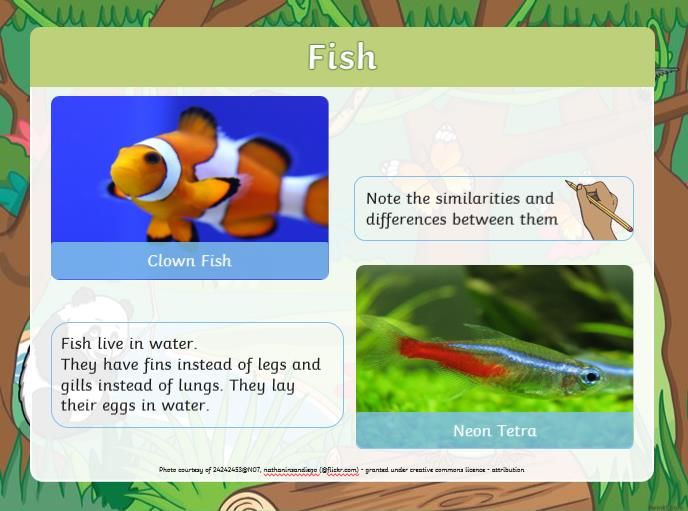
ENGLISH                                                            MATHS
Thursday 25th Feb                                                  Thursday
Step one Walt: use story starter                                   WALT: compare lengths and heights.

 Introduce the story and explain that it is a traditional story.
  What does that mean? How do you know what a traditional
         story is? Do you know any traditional stories?

                      Story starter ideas

                        Once upon a time

                       One fine sunny day

                     One gloomy dark night

                      A long, long time ago

                       In a land far away

Teacher’s model
                                                                   https://vimeo.com/507943851
    Once upon a time there were three ______ bears.

Children to write a story starter and use an adjective to          Main activity
describe the bears

DTM

/\ Can you write a sentence to describe one of the bears?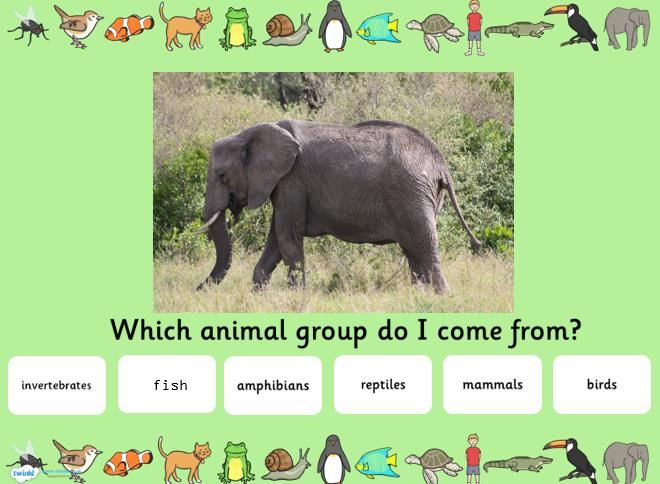
Step two Walt: use connective ‘and’

Where did they live? Think of the setting…what kind of house
                      will be in the forest

       Children to describe the cottage using adjectives

                           Adjectives

 Old, cosy, broken, small, pretty, colourful, dirty, quaint,
                        ancient, elegant

Teacher’s model

The three bears lived in a _______ and _______
cottage.

 Children to write two adjectives with and to add detail to the
                            sentence

                              DTM

/\ Where is the cottage? Can you write a sentence to describe
                               it?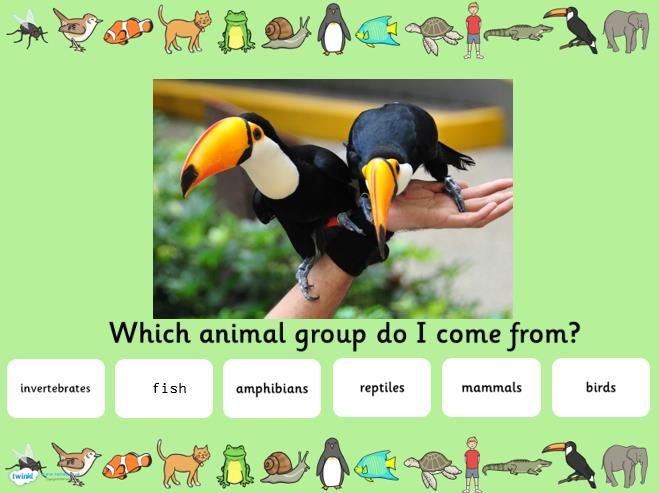
ENGLISH                                                            MATHS
Friday 26th Feb                                                    Friday
Step One Walt: use adjectives

Discuss what the meal at the start is called. Why is it
important to have a good breakfast? TTYP…What did you have
for breakfast?

    What do you think the bears like to eat for breakfast?

 Yummy, delicious, scrumptious, scrummy, amazing, tasty,
                  mouth-watering, sweet, fruity

Teacher’s model

     In the morning Daddy Bear made some _______,
                      _________ porridge.
                                                                   Cute out the different caterpillars and compare them with Connor.
 Children to write a sentence using two adjectives to describe
                     the taste of the porridge                     Put them under the correct headings.

                                DTM                                Can you make your own caterpillars to compare with Connor?

 /\ Think about what you had for breakfast. How did it taste?

           Can you write a sentence to describe the taste of it?

Step two
Walt: use synonyms and exclamation marks
The three bears sat down for breakfast to eat the yummy
scrummy porridge.
How do you think it tasted? TTYP…
Show the image of the bear trying to eat the porridge.
We are going to add another word to hot.
Boiling, scorching, burning, roasting, red, fiery, baking,
flaming, blistering
Teacher’s model
The porridge was _______ hot!
Children to write a sentence to describe the heat using a
synonym for hot and finishing with an exclamation mark.
DTM
/\ Can you write a sentence about what the bears should
do if the porridge is too hot to eat?Topic Related Learning: History Objective - to identify what we already know about castles. ’To use pictures and photos to find out about the features of castles. Key Vocabulary: castle, flag, catapult, tower, gate tower, moat, dungeon, keep, arrow slits, battlements, turret, ramparts, motte and bailey, drawbridge This half term the children will be learning all about castles. In this lesson we will be finding out what they already know. Look at the photos below and talk to your child about them. There are also some questions you could ask your child to help them.
Who do you think lived in them?

What features of a castle can you name?
Why do you think castles were built?

Where were they built and why?

Can you name any castles?

Have you visited any castles?

Can you think of anyone that lives in a castle today?

                                                        To create their own mind
  Activity:
                                                        map about all the things
they already know about castles.
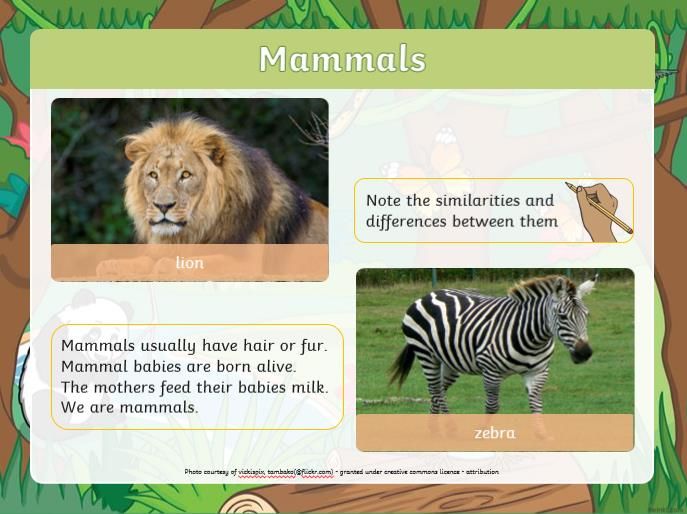
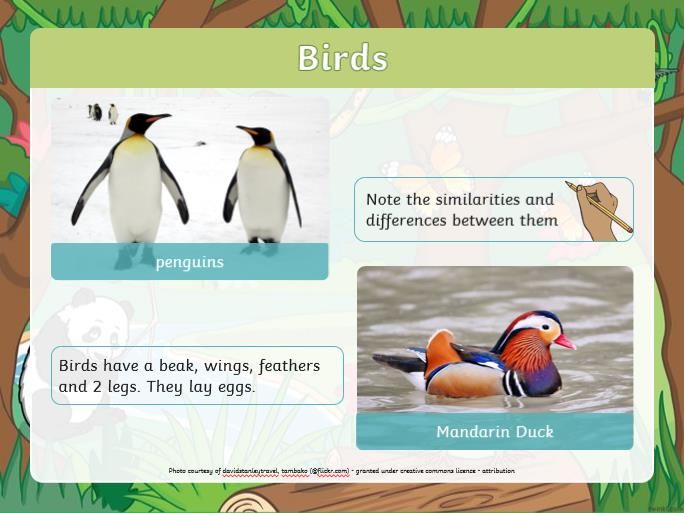
Science Objective - To identify and name a variety of common animals including fish, amphibians, reptiles, birds and mammals in the context of naming animals. Key vocabulary: Fish, birds, mammals, reptiles, amphibians, scales, gills, carnivores, herbivores, omnivores This half term we will be learning all about different types of animals. All animals belong to a particular animal group depending on what they look like, where they live, how they breathe, how they give birth to the young, what they eat. Today we will just be looking at the different classifications. Read the information below:
It’s time for a little quiz. Can you answer the following questions?
Which type of animals lay eggs?
Where do amphibians live?
What do Carnivores eat?
What type of animals are humans?
What can fish do that we can’t?
What can most birds do that we can’t?
Can you find anything else out about these groups of animals?

Activity
Art

Objective - I can compare two paintings. I can say something that is the same about two paintings. I can say
something that is different about two paintings.
Key vocabulary:
L.S. Lowry, industrial, landscape,
charcoal, pencil, paint, drawing,
painting, perspective, factory,
terraced houses, matchstick
figures

This half term we will be learning about a famous artist called L.S Lowry and over the next 4 weeks we will be
looking at his style of painting and trying it out for ourselves.
This is a photo and painting of L.S Lowry
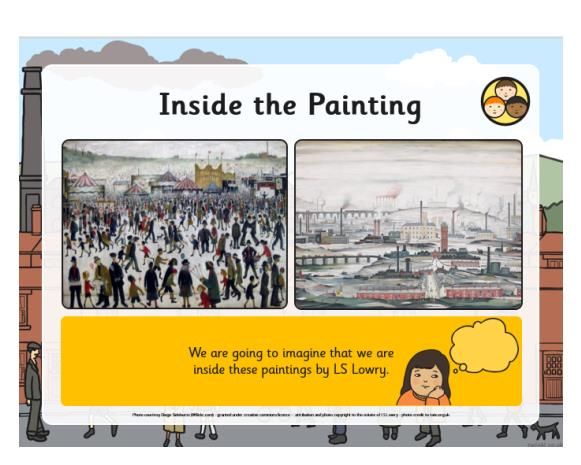
Here are some examples of his paintings. What can you tell me about them?

All the figures are dark, thin and small (not much detail) They tend to lean forward and are walking. These
are called 'matchstick figures'. There are also no shadows and weather effects. Lowry used just 5 colours -
ochre, blue, black, white and red.
What do you notice about these landscape paintings? What do you notice about colours?

mysterious, brooding, dull, gloomy, dreary, somber, colourless

Activity
Spellings
Links for extra activities
ENGLISH
Phonics - extra lessons with Mrs Ravilious
er
https://www.youtube.com/watch?v=OGVLmnOaxGs
ur
https://www.youtube.com/watch?v=fzHGO12y-IA

Adjectives
https://www.youtube.com/watch?v=IT-G4c2-CHU

MATHS
Super movers
https://www.bbc.co.uk/teach/supermovers/ks1-maths-length-height/zdrx92p

Oak Academy
https://classroom.thenational.academy/lessons/using-standard-and-non-standard-units-when-measuring-
cnh3jr?activity=video&step=1
TOPIC
History
https://www.bbc.co.uk/bitesize/clips/zqr4d2p
https://www.youtube.com/watch?v=hQ8PT-10_ss

Science
https://classroom.thenational.academy/lessons/what-is-a-living-thing-70t3ae
https://www.youtube.com/watch?v=VjDUuT1jlyA
https://www.youtube.com/watch?v=4VixROiu8Qg

Well being
Fun yoga poses - https://www.youtube.com/watch?v=ho9uttOZdOQ
You can also read


