Year 10 2019 - Paraparaumu College
←
→
Page content transcription
If your browser does not render page correctly, please read the page content below
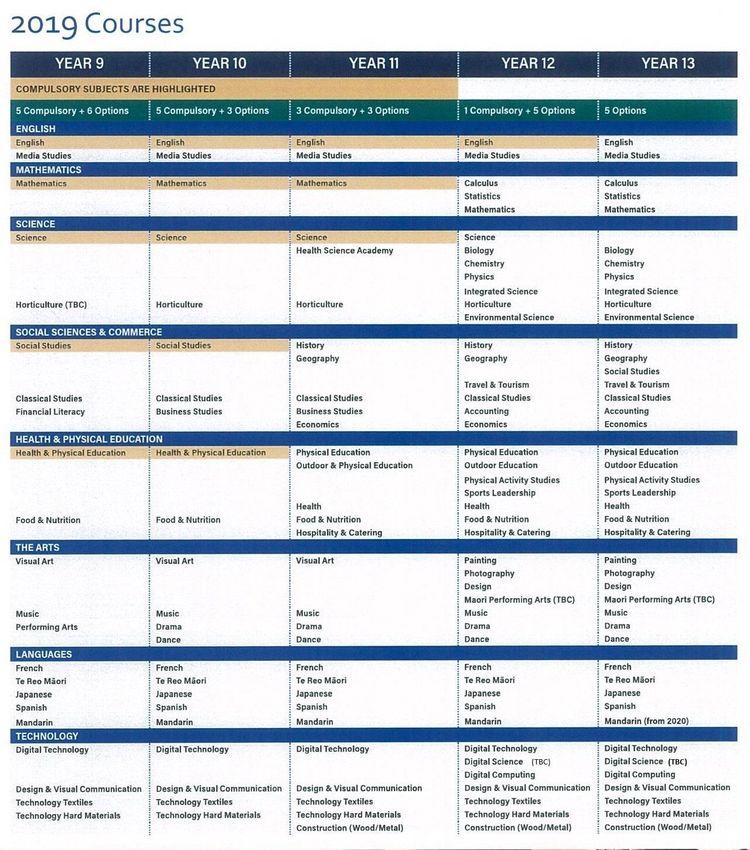
Year 10 2019
2019 General Course Information
     Information about selecting courses is found by following the links below:

●   Introduction

●   Choosing a Subject - Flow Diagram

●   Choosing a Subject - General Principles

●   What do employers want?

●   Course and Subject Assistance

●   NCEA and NCEA Fee Structure

●   University Entrance and Scholarship

●   Subjects Offered

●   On-line Course Selection

●   The Learning Areas

●   The Vocational Pathways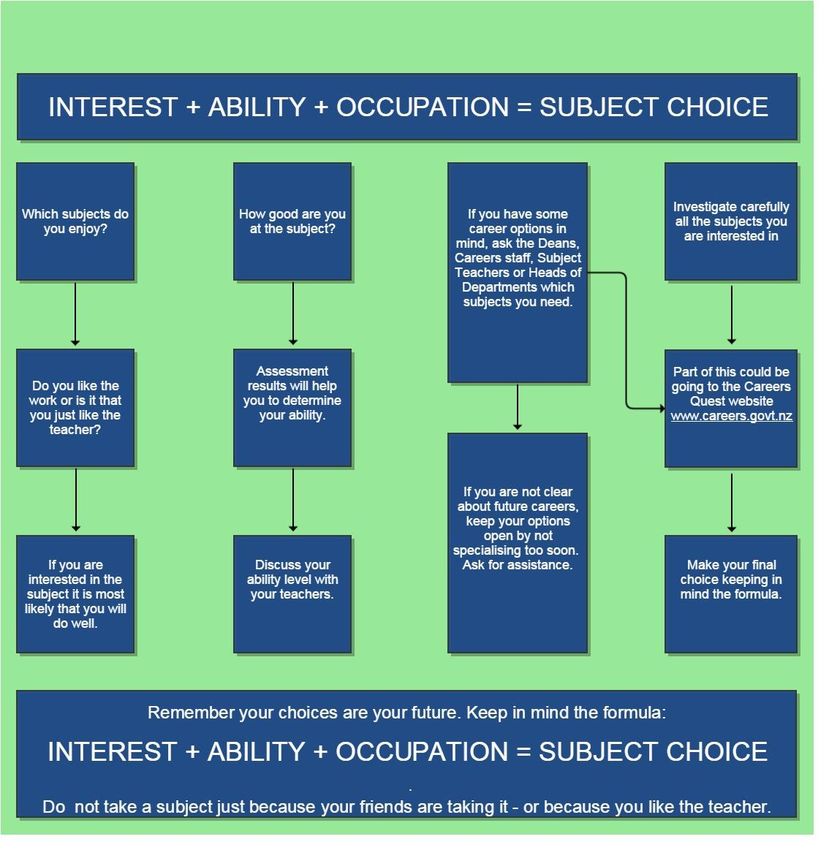
Introduction

It is important that students plan their course pathway carefully, gaining prerequisites for future
courses and also keeping various options open for future careers and tertiary studies. If uncertain,
students can gain advice from their form and subject teachers and from the Careers teachers.

Students also need to be aware that Universities are starting to introduce their own entry
requirements for some courses.
Choosing a Subject - Flow Diagram
Choosing a Subject - General Principles
● Choose subjects that keep as many career options open as possible
● Check how many subjects develop in the senior school and where they can lead to in tertiary
education and careers (e.g. Geography, Economics, Mathematics and a language form an
excellent programme for a career in Tourism Management).
● Check whether you need to study a subject at each level. It is now possible to start many
subjects at tertiary level. Physics, Mathematics and Chemistry are exceptions. (Note: Bridging
courses are offered by some Universities and Polytechnics to enable students to bring these
areas up to standard if some foundation work has been missed. Check whether there are costs
attached to such courses – e.g. are the courses free of charges or will you end up adding extra
costs to your student loan? Would you be better placed if you had completed these courses at
school?
● Watch the Science subjects. These are the hardest ones to retrieve if you drop them or don’t
choose them at school. A few key points are:
You must have studied NCEA L1 Science (and achieved certain grades) if you wish to take NCEA
Level 2 or Level 3 Science subjects.
Many Biology related career options also require Chemistry.
Mathematics and/or Physics are essential for many technical careers.
● Check out the minimum subject requirements for tertiary courses, eg. a good Art portfolio on
its own may not be enough. It is supported by study in Computing, Graphics and Technology.
Alongside these subject selection issues, consider what employers prioritise now and also what
they feel will be their needs in the future when selecting employees. Think about opportunities
and courses which may assist you to further develop your confidence, ability and growth in
these areas as a young adult.
Keep a count of your UE literacy credits. You will need 5 reading and 5 writing credits in order
to meet the University Entrance literacy requirements. These can be achieved in many level 2
and level 3 standards. Check our course guides to make sure the courses you’re selecting will
get you the credits you need.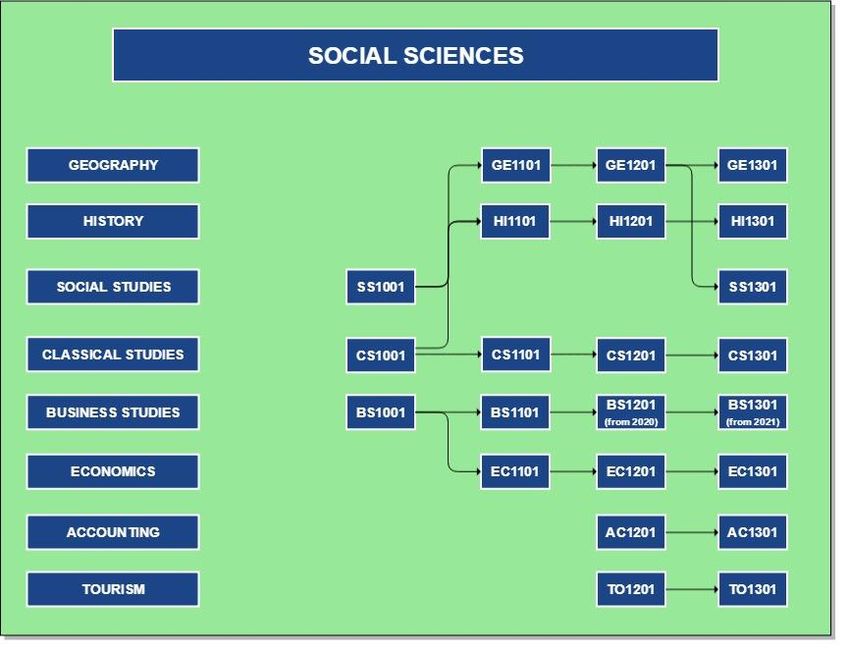
What Do Employers Want?

A Victoria University of Wellington survey has shed light on what employers across New Zealand are
looking for when recruiting students and graduates.

30 October 2015
The University’s Careers and Employment Service received responses from 346 organisations across
the country that were actively recruiting or had recruited university graduates or students in the last
two years.
It is the largest survey of its kind in Australasia.
Participants in the ‘Employability Skills Survey’ represented a cross-section of organisations of different
sizes in the private, public and non-profit sectors. They were asked to rank the importance of 20 skills
and attributes when recruiting for student and graduate positions and rate the expected competency
level for each of these skills upon hiring.

        Employability Skills Survey Top 10 - 2006      Employability Skills Survey Top 10 - 2015

       1. Interpersonal skills                         1. Work ethic

       2. Verbal communication skills                  2. Verbal communication skills

       3. Written communication skills                 3. Energy and enthusiasm

       4. Flexible and adaptable ‘can do’ attitude     4. Analytical and critical thinking

       5. Academic achievement                         5. Problem solving

       6. Self-motivated/self-starter                  6. Team work

       7. Team player                                  7. Interpersonal skills

       8. Energy and enthusiasm                        8. Written communication skills

                                                       9. Self-management
       9. Problem solving

                                                       10. Initiative and enterprise
       10. Analytical and conceptual skills

Click here to read more:
https://www.victoria.ac.nz/news/2015/10/employers-wish-list-of-skills-revealed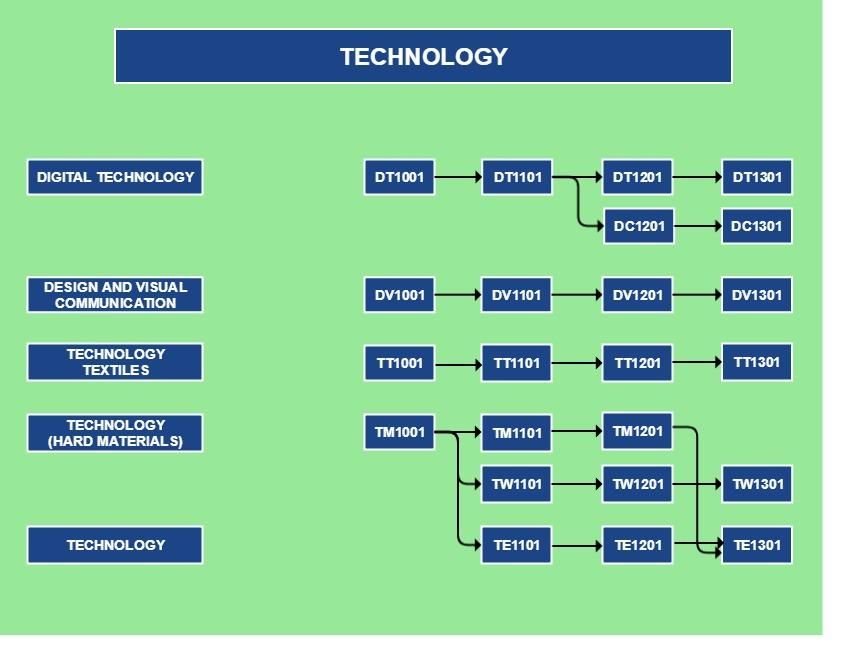
Course and Subject Assistance

The choice of subjects by a student is a serious decision and must match the abilities and goals of each
individual. We are aware that many pupils are uncertain of their future careers and this makes this
decision more difficult. The information in this booklet is designed to enable all students to make an
informed selection as it provides data about subjects leading to NCEA Levels 1, 2 and 3 including
prerequisites and standards offered. Any course costs such as field trips or course/practical books are
included in the indicative contribution request. While we advise students to plan their future course
beyond the next year, we are aware that goals and situations change so there is no obligation to
continue with their outlined programme beyond 2018. Changes and modifications are always
possible.

Students also need to be aware that a number of senior subjects require not just a minimum number
of credits for entry but may also stipulate that a proportion of these be derived from externally
assessed standards or from specific standards. If unsure please seek advice from teachers, Heads of
Departments or Deans.
NCEA
Endorsement
Endorsement of NCEA results is possible for NCEA Level certificates and individual courses of study.
Certificate Endorsement: Each Level certificate can be endorsed with Merit or Excellence. For Merit
endorsement a student needs to have at least 50 Merit or Excellence credits. For Excellence
endorsement a student requires 50 Excellence credits.
Course Endorsement: Each course of study (subject) can now be endorsed with Merit or Excellence.
For Merit course endorsement a student needs to have at least 14 Merit or Excellence credits, 3 of
which must be external and 3 internal. For Excellence course endorsement a student requires 14
Excellence credits, 3 of which must be external and 3 internal.
There are 3 exceptions to course endorsement, Physical Education, Religious Studies and Level 3 Visual
Arts, which are not subject to the internal and external credit requirement.

Year 11
All students take six courses of study. Each student’s course must include a course in English,
Mathematics and Science. Details of assessment and qualifications are listed with each subject. A
NCEA Level 1 certificate requires 80 credits including 10 Literacy credits and 10 Numeracy credits.

Year 12
All students select 6 subjects, one of which must be an English course. A NCEA Level 2 certificate
requires 80 credits of which 60 must be Level 2 or higher.

Year 13
All students will take at least five courses of study. All courses have internally assessed components.
Details of assessment are listed with each subject. Multi-level courses are possible. There are no
compulsory subjects. An NCEA Level 3 certificate requires 80 credits of which 60 must be Level 3 or
above.

All courses are subject to class numbers and staff availability. Some subjects may need to be taught
through Te Aho o te Kura Pounamu, The Correspondence School.
University Entrance and Scholarship
University Entrance
This is the minimum requirement to go to a NZ University. To qualify you need each of the following:
    ● NCEA Level 3
    ● 14 credits in each of three level 3 subjects from the approved list below
    ● Literacy, 10 credits at Level 2 or above, made up of 5 reading credits and 5 writing credits
    ● Numeracy, 10 credits at Level 1 or above.
    ● Note that universities can also have a required Entry Score based on the student’s 80 best
         credits in U.E. approved subjects. Please refer to the individual university’s web site

Scholarship
Scholarship is an award not a qualification, no credits are generated. Students contemplating
scholarship should plan for this from year 11 and 12. This exam is designed for students with high
level, flexible, critical thinking and evaluative skills, with the ability to analyse, synthesise and integrate
knowledge in complex situations.

                                       Approved Subjects List 2019

Accounting*                       Agriculture & Horticulture*     Biology*
Business Studies                  Calculus*                       Chemistry*
Chinese*                          Classical Studies*              Construction and
                                                                  Mechanical Technologies
Cook Islands Maori                Dance*                          Design (Practical Art)*
Design & Visual                   Digital Technologies            Drama*
Communication*
Earth and Space Science*          Economics*                      Education for Sustainability
English*                          French*                         Geography*
German*                           Health Education                History*
History of Art*                   Home Economics                  Indonesian
Japanese*                         Korean                          Latin*
Mathematics                       Media Studies*                  Music Studies*
Painting(Practical Art)*          Photography (Practical Art)*    Physical Education*
Physics*                          Print Making (Practical Art)*   Processing Technologies
Religious Studies                 Samoan*                         Science
Sculpture (Practical Art)*        Spanish*                        Social Studies
Statistics*                       Technology*                     Te Reo Māori* or Te Reo
                                                                  Rangatira*

The subjects in bold type are available at Paraparaumu College in 2019.
The subjects marked with an asterisk* are Scholarship subjects in 2019.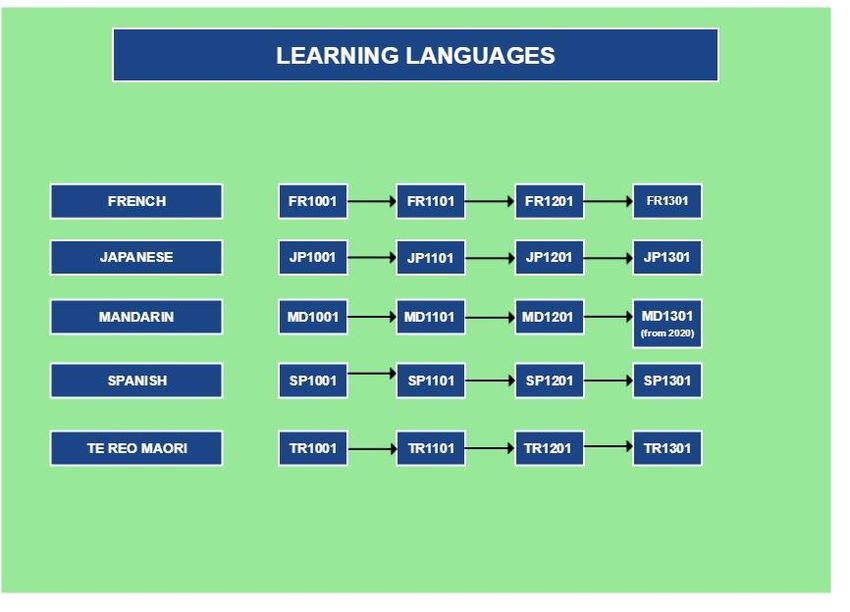
Subjects Offered
On-Line Course Selection

Year 10

All students take five compulsory subjects. These are English, Health and Physical Education,
Mathematics, Science and Social Studies. These lead to a wide range of subjects in the senior school.

They also take three option subjects. They are asked to choose two reserve subjects.

Put your first three option choices in Lines 1, 2 and 3. In lines 19 and 20 please put in your two reserve
options.
Learning Areas

    English and Media

    The Arts

    Health and Physical Education

    Learning Languages

    Mathematics and Statistics

    Science

    Social Science

    Technology
Vocational Pathways
The Vocational Pathways helps students identify current and future programmes of study that support
their career pathways, while also demonstrating a vocational profile to tertiary providers and
employers.
Each course in this booklet is colour coded based on a vocational pathway. Some topics may have one
or more Vocational pathway.
To receive a Vocational Pathways
Award, a minimum of 20 Level 2
credits must be from Sector-Related
standards, with the remaining from
Recommended standards to make up
60 pathway credits in total.
You can keep track of how you’re doing by logging on to the learners page on the NZQA webpage.
Here is an example of what you might see:ENGLISH AND MEDIA Back to The Learning Areas
ENGLISH

Course                   EN1001

Title                    English

Level                    Year 10

Entry Indicator          Level 4 curriculum average in Year 9.

Indicative Contribution Nil
Request

Course Description/      The course is derived from The New Zealand Curriculum. Students will
Skills Acquired          cover a range of units such as: Novel, Poetry, Drama, Film Study, Short
                         Stories, Non-Fiction, Debating and Shakespeare.

                         Students should be able to understand ideas or information they
                         receive through the skills of listening, reading and viewing. They
                         should be able to create meaning for themselves or others through the
                         skills of speaking, writing and presenting.

Assessment:
                              Assessment                           Topic
This course will offer
                          EN 100102          Reading
these assessments.
                          EN 100103          Viewing

                          EN 100105          Writing

                          EN 100106          Presenting

Where does it lead       EN1101/EL1101

Further Information      Department Head, Current Teacher or Careers Counsellor
ENGLISH
Course EF1001
Title English - Learning Support
Level Year 10
Entry Indicator Level 3 or below average in Year 9.
Indicative Contribution Nil
Request
Course Description/ The course is derived from The New Zealand Curriculum. Students will
Skills Acquired cover a range of units such as: Novel, Poetry, Drama, Film Study, Short
Stories, Non-Fiction and Debating.
Students should be able to increasingly understand ideas or
information they receive through the skills of listening, reading and
viewing. They should be able to create meaning for themselves or
others through the skills of speaking, writing and presenting.
Assessment:
Assessment Topic
This course will offer
EF 100102 Reading
these assessments.
EF 100103 Viewing
EF 100105 Writing
EF 100106 Presenting
Where does it lead EF1101/EN1101
Further Information Department Head, Current Teacher or Careers CounsellorENGLISH - Media Studies
Course ME1001
Title Media Studies (carries on from Year 9 Film Making)
Level Year 10
Literacy/Numeracy This course offers 3 literacy credits
Entry Indicator Year 9 Film Making OR working at Achieved or higher level in Year 9
English OR at the discretion of the HOD.
Indicative Contribution $5
Request
Course Description/ Media Studies builds on the work covered in Year 9 Film Making. It
Skills Acquired includes a mix of practical and academic activities. Students will
analyse a genre (eg crime TV shows), plan and make their own short
films, write research projects and complete close viewing activities.
Assessment:
Assessment Topic
This course will offer
ME 100101 Genre Study (eg crime TV shows)
these assessments.
ME 100102 Make a short film
ME 100103 Analyse an Advertisement
ME 100104 Podcast or Video Review
ME 100105 Make an Advertisement
ME 100106 Photography
ME 100107 Media Studies Exam
Standard Topic Int/Ext Credits
AS 90995 Demonstrate understanding of rules Int 3
that govern the media in New Zealand
Where does it lead Senior Media Studies
Further Information Department Head, Current Teacher or Careers CounsellorTHE ARTS Back to The Learning Areas
THE ARTS - Visual Art

Course                    AR1001

Title                     Art

Level                     Year 10

Entry Indicator           The structure is similar to Year 9 but at a much higher and more in-
                          depth level. Students who have not previously taken Art are welcome.

Indicative Contribution   Subject Contribution $30
Request                   Art Pack $55 (if student does not have from Year 9)

Course Description/       This course is similar to Year 9 but at a higher level with extension in
Skills Acquired           some areas especially drawing and painting. Students at the end of
                          this course will have developed further skills to enable them to tackle
                          the senior courses with confidence.

                          The course covers a selection of the following: Drawing, Painting,
                          Printmaking, Design and Sculpture. Units of work can vary and popular
                          units are Mask and skateboard design. We also offer a taste of NCEA
                          Art in the 1.2 internal achievement standard worth 4 credits.

Assessment:
                                Assessment                                      Topic
This course will offer
                           AR 100101             Drawing
these assessments.
                           AR 100102             Design

                           AR 100103             Printmaking

                           AR 100104             Sculpture

                           AR 100105             Painting

                           AR 100106             Digital

                             Standard                        Topic                      Int/Ext    Credits

                           AS 90914     Use drawing methods and skills for recording    Internal     4
                                        information using wet and dry media

Where does it lead        AR1101

Further Information       Department Head, Current Teacher or Careers Counsellor
THE ARTS - Music
Course MU1001
Title Music
Level Year 10
Entry Indicator To be able to play an instrument or sing, and read music at a junior
level
Indicative Contribution $15
Request
Course Description/ The aim of this course is to learn and develop music through active
Skills Acquired involvement in performance, composition, music fundamentals and
listening skills.
Students will study: Performance – regular monthly performances for
both solos and group divisions; Composition – two major pieces; Music
knowledge – rudiments, score reading, set works and aural perception.
Performance, Creative, Aural & Theory skills and Musical analysis skills
Assessment:
Assessment Topic
This course will offer
MU 100101 Solo Performance
these assessments.
MU 100102 Group Performance
MU 100103 Composition
MU 100104 Aural Perception
MU 100105 Music Fundamentals
MU 100106 Music/Drama
Where does it lead MU1101
Further Information Department Head, Current Teacher or Careers CounsellorTHE ARTS - Drama
Course DR1001
Title Drama
Level Year 10
Entry Indicator Open entry. Completing Year 9 Performing Arts would be an
advantage.
Indicative Contribution Workshops and scripts $30
Request
Course Description/ This course is an extension of the Year 9 course. Students will develop
Skills Acquired essential skills to enable them to take senior drama courses with
confidence. Students will be given opportunities to investigate the
characteristics, purposes and function of drama in a range of contexts.
Students will learn how to apply drama techniques, elements,
conventions and technologies effectively, taking into account theatre
form, performance space and types of audience. They will develop
skills and confidence performing in front of others and learn to give
and accept feedback through reflection on their own and others’ work.
In this course you develop drama literacy and self-discipline and
ultimately discover your own potential in Performing Arts.
Assessment: Internally assessed.
Assessment:
Assessment Topic
This course will offer
Scripted Group scripted performance
these assessments. Performance
Devising Drama Developing, communicating and interpreting Drama -
Short devised work
Theatre Form Investigate the functions and purposes of drama in cultural and
historical contexts
Drama History Developing an understanding of a theatre form practically and
presenting a performance to support the style
Where does it lead DR1101
Further Information Department Head, Current Teacher or Careers Counsellor
HEALTH AND PHYSICAL EDUCATIONTHE ARTS - Dance
Course DN1001
Title Dance
Level Year 10
Entry Indicator Open entry. Completing Year 9 Performing Arts would be an
advantage.
Indicative Contribution Workshops and tutors $30
Request
Course Description/ This course is an extension of the Year 9 course. You will develop
Skills Acquired essential skills to enable you to take senior dance courses with
confidence.
Throughout the course you will unpack the elements of dance,
applying this knowledge in small group projects. You will develop
technical dance skills in a variety of genres and explore the use of
choreographic devices. You will also explore how dance is used for
different purposes in a variety of cultures and contexts.
You will develop skills and confidence performing in front of others
and learn to give and accept feedback through reflection on your own
and other's’ work. In this course you develop dance literacy and self-
discipline and ultimately discover your own potential in Performing
Arts.
Assessment: Internally assessed.
Assessment:
Assessment Topic
This course will offer
Dance Technique/ Prepare, rehearse and perform a range of dances and demonstrate
these assessments. Performance an understanding of the performance requirements of the genres
and contexts
Choreography Select and use choreographic devices, structures and processes to
develop and give form to dance ideas
Dance History Explore and investigate, the features and backgrounds of a variety
of dance styles/genres
Dance Literacy Describe, explain and respond to the ways dance uses elements,
devices, structures and performance skill to communicate images,
themes, feelings and moods
Where does it lead DN1101
Further Information Department Head, Current Teacher or Careers CounsellorBack to The Learning Areas
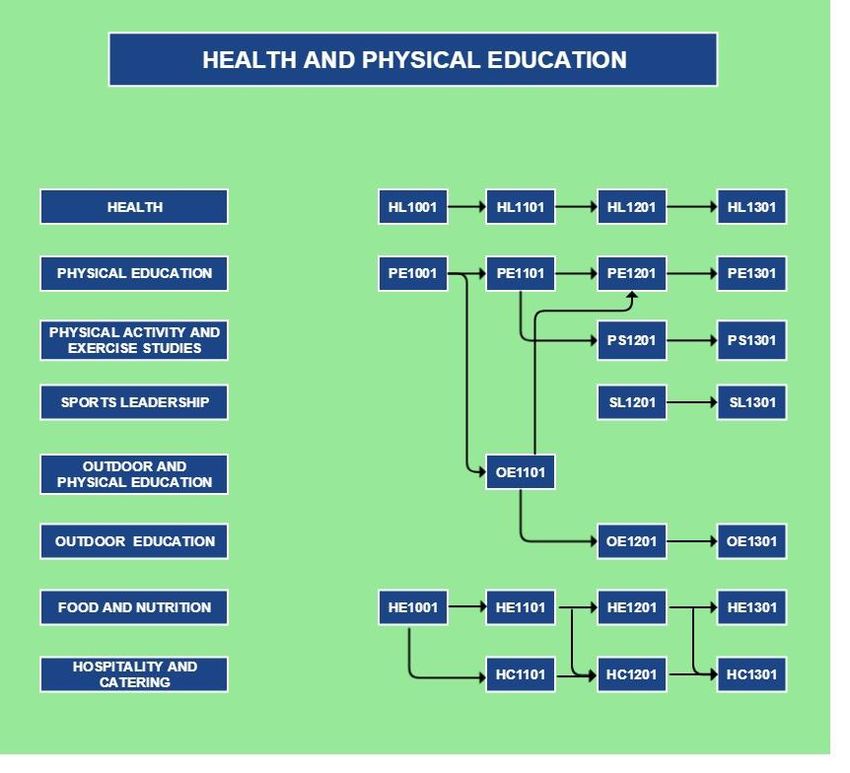
HEALTH AND PHYSICAL EDUCATION

Course                    HL1001

Title                     Health

Level                     Year 10

Entry Indicator           Compulsory Subject

Indicative Contribution   Nil
Request

Course Description/       The course will cover the following topics: Drugs, Interpersonal Skills
Skills Acquired           (Decision making, assertiveness, conflict resolution), Mental
                          Health/Stress and Sexuality *

                          The aim of the course is to enable students to understand the basic
                          requirements of good health, to develop a sense of responsibility for
                          their own health and to take constructive action for personal health,
                          for the health needs of others and for health issues in the community.

                          * Further information about the content of the sexuality programme is
                          available on the College website. Caregivers have the right to
                          withdraw children from areas of concern. Please contact the
                          appropriate Health teacher or the HOD to discuss issues.

Assessment:
                                Assessment                                    Topic
This course will offer
                            HL 100101          Toolbox: My future Path and People Problems
these assessments.
                            HL 100102          Choices: Self or Pair presentation on the effect of drug use on an
                                               individual, others and society

                            HL 100103          Sexuality: Test and Self assessment

Where does it lead        HL1101

Further Information       Department Head, Current Teacher or Careers Counsellor
HEALTH AND PHYSICAL EDUCATION
Course PE1001
Title Physical Education
Level Year 10
Entry Indicator Compulsory Subject
Indicative Contribution $6
Request
Course Description/ This is a practical centred course that is designed to maximise learning
Skills Acquired through doing. Students will study physical activity and exercise
through an interactive and experiential manner.
The aim of the course is to instill a lifelong interest in physical activity
and promote the importance of physical activity for health and well-
being both now and in the future. The course provides opportunities
for students to develop motor skills, develop an interest in physical
activity, increase fitness and enjoy challenge.
Study within this course will build on sport related skills, develop
academic knowledge and equip students with the necessary skills to
maintain and develop personal well-being.
Assessment:
Assessment Topic
This course will offer
PE 100101 Movement Concepts and Motor Skills
these assessments.
PE 100102 Self Management and Personal Responsibility
PE 100103 Relating and interacting with others
PE 100104 Participating and Contributing
Where does it lead PE 1101 OE1101
Further Information Department Head, Current Teacher or Careers CounsellorHEALTH AND PHYSICAL EDUCATION – Food and Nutrition
Course HE1001
Title Food and Nutrition
Level Year 10
Entry Indicator Open entry. Completing Year 9 Food and Nutrition would be an
advantage.
Indicative Contribution $95
Request
Course Description/ The aim of the course is to build on student’s health enhancing
Skills Acquired attitudes to food and nutrition. This will enable them to gain the
knowledge and the confidence to safely prepare health promoting
foods for themselves and others, letting them become wise food
consumers. This course has a practical component.
Topics covered: The relationship between food and the development
of health, safe and hygienic handling of food, safe and effective use of
kitchen appliances, economical food preparation practices and food
presentation, safe food preparation and serving skills, decision making,
management skills, creativity, investigation skills, cooperation,
application of knowledge and ideas, critical thinking about nutrition
issues and practical presentation skills.
Assessment:
Assessment Topic
This course will offer
HE 100101 Nutrition and basic skills
these assessments.
HE 100102 Investigation
HE 100103 Burgers
HE 100104 Top Chef
Where does it lead HE1101 HC1101
Further Information Department Head, Current Teacher or Careers Counsellor
LEARNING LANGUAGESBack to The Learning Areas
LEARNING LANGUAGES - French

Course                    FR1001

Title                     French

Level                     Year 10

Literacy/Numeracy         This course develops literacy strategies that can be applied across all
                          learning areas such as spelling, memorizing and applying grammar.

Entry Indicator           Satisfactory completion of Year 9 French or at the discretion of the
                          HOD

Indicative Contribution   $30 (Language Perfect website access)
Request

Course Description/       The course covers such topics as: Going shopping, Eating out, School
Skills Acquired           and daily routine, Describing your home and town, Describing people.
                          Listening, speaking, reading and writing skills are all developed further
                          in this course, as is the student’s understanding of the French way of
                          life, through the topics studied.

Assessment:
                              Assessment                                    Topic
This course will offer
                           FR 100101           Listening
these assessments.
                           FR 100102           Speaking –interacting and presenting

                           FR 100103           Reading

                           FR 100104           Writing

Where does it lead        FR1101

Further Information       Department Head-Languages, Current Teacher or Careers Counsellor
LEARNING LANGUAGES - Japanese
Course JP1001
Title Japanese
Level Year 10
Literacy/Numeracy This course develops literacy strategies that can be applied across all
learning areas such as spelling, memorizing and applying grammar.
Entry Indicator Satisfactory completion of Year 9 Japanese or at the discretion of the
HOD
Indicative Contribution $15 (Workbook)
Request
Course Description/ The aim of the course is to develop fluency in reading and writing of
Skills Acquired Japanese scripts and extend basic language skills through exposure to
different language topics.
The course will include the study of: Reading and writing of katakana
(second phonetic alphabet), Reading and writing of kanji (Japanese
characters), Sport, Weather, Describing people, Health, Zoo, Family
and Eating/Drinking.
Listening and reading carefully to elicit information and express
oneself clearly in writing and speaking.
Assessment:
Assessment Topic
This course will offer
JP 100101 Speaking –Presentation and Interaction
these assessments.
JP 100102 Listening
JP 100103 Reading
JP 100104 Writing
JP 100105 Vocabulary
JP 100106 Kanji
JP 100107 Culture
Where does it lead JP1101
Further Information Teacher in Charge, Current Teacher or Careers CounsellorLEARNING LANGUAGES - Mandarin
ARNING LANGUAGES - Spanish
Course MD1001
Title Mandarin
Level Year 10
Literacy/Numeracy This course develops literacy strategies that can be applied across all
learning areas such as spelling, memorizing and applying grammar.
Entry Indicator Satisfactory completion of Year 9 Mandarin or at the discretion of the
HOD
Indicative Contribution $30 (Language Perfect website access)
Request
Course Description/ The course covers such topics as: Going shopping, Eating out, School
Skills Acquired and daily routine, Describing your home and town, Describing people.
Listening, speaking, reading and writing skills are all developed further
in this course, as is the students’ understanding of the Chinese way of
life, through the topics studied.
Assessment:
Assessment Topic
This course will offer
SP100101 Listening
these assessments.
SP100102 Speaking –Interacting and Presenting
SP100103 Reading
SP100104 Writing
Where does it lead MD1101
Further Information Department head-Languages, Current Teacher or Careers CounsellorLEARNING LANGUAGES - Spanish
Course SP1001
Title Spanish
Level Year 10
Literacy/Numeracy This course develops literacy strategies that can be applied across all
learning areas such as spelling, memorizing and applying grammar.
Entry Indicator Satisfactory completion of Year 9 Spanish or at the discretion of the
HOD
Indicative Contribution $30 (Language Perfect website access)
Request
Course Description/ Students will develop the skills of listening, speaking, reading and
Skills Acquired writing in Spanish. They will study topics such as school, eating and
drinking, sports and leisure activities, as well as expand their
knowledge about Spanish culture and fiestas.
Assessment:
Assessment Topic
This course will offer
SP100101 Listening
these assessments.
SP100102 Speaking –Interacting and Presenting
SP100103 Reading
SP100104 Writing
Where does it lead SP1101
Further Information Teacher in Charge, Current Teacher or Careers CounsellorLEARNING LANGUAGES - Te Reo Māori
Course TR1001
Title Te Reo Māori
Level Year 10
Literacy/Numeracy This course develops literacy strategies that can be applied across all
learning areas such as spelling, memorizing and applying grammar.
Entry Indicator Open Entry, Year 9 Te Reo Māori an advantage.
Indicative Contribution $10
Request
Course Description/ Skills The aim of this course is to further develop basic skills from Year 9
Acquired course.
Topics include: Basic Language Structures and Grammar, Whānau
Whānui, Te Kura, Te Kāinga, Tangata Rongonui
Assessment:
Assessment Topic
This course will offer
Kōrero tōku whānau, tangata rongonui
these assessments.
Tuhituhi tōku whānau, te kāinga
Pānui tōku whānau, te kura
Whakarongo tangata rongonui,
Where does it lead TR1101
Further Information Department Head, Current Teacher or Careers CounsellorMATHEMATICS AND STATISTICS Back to The Learning Areas
MATHEMATICS

Course                    MA1001

Title                     Mathematics

Level                     Year 10

Entry Indicator           Core Subject

Indicative Contribution   $10
Request                   The use of student’s own calculator is required

Course Description/       The aim of this course is to develop skills, understanding and attitudes
Skills Acquired           that will enable students to engage with Mathematics in everyday life,
                          and to prepare students for the mathematical requirements of future
                          studies and/or vocations.

                          The topics covered include: Number, Measurement, Algebra,
                          Graphing, Geometry, Problem Solving, Statistics and Probability.

Assessment:
                               Assessment                                  Topic
This course will offer
                           MA 100101          Geometric Reasoning
these assessments.
                           MA 100102          Numeric Reasoning and Problem Solving

                           MA 100103          Algebraic Methods, Tables, Equations and Graphs

                           MA 100104          Statistical Investigations

                           MA 100105          Probability

                                Standard                          Topic                   Int/Ext   Credits

                           AS 91032           Right Angle Triangles                         Int       3

Where does it lead        MA1101

Further Information       Department Head, Current Teacher or Careers Counsellor
SCIENCE Back to The Learning Areas
SCIENCE

Course                    SC1001

Title                     Science

Level                     Year 10

Entry Indicator           Compulsory Subject

Indicative Contribution   $18
Request

Course Description/       The Year 10 Science course is based on Level 5 of the New Zealand
Skills Acquired           Curriculum. It gives students the opportunity to see how Science
                          affects their lives in many different ways. Through practical work,
                          discussions and research, students will develop key scientific skills and
                          gain a good understanding of some of the main ideas in Biology,
                          Chemistry, Physics and Earth Science.

Assessment:
                                    Assessment                                        Topic
This course will offer
                           Living World                     NZ Plants and Animals, Cells and Reproduction,
these assessments.                                          Human Body

                           Material World                   Atoms and Ions, Metals, Acids and Bases

                           Physical World                   Movement and Forces ,Electricity

                           Planet Earth and Beyond          Earth Systems

                           Understanding about Science      Models of the Atom

                           Investigating in Science         Down the Ramp

                           Communicating in Science         Climate Change

                           Participating and Contributing   Local Heroes

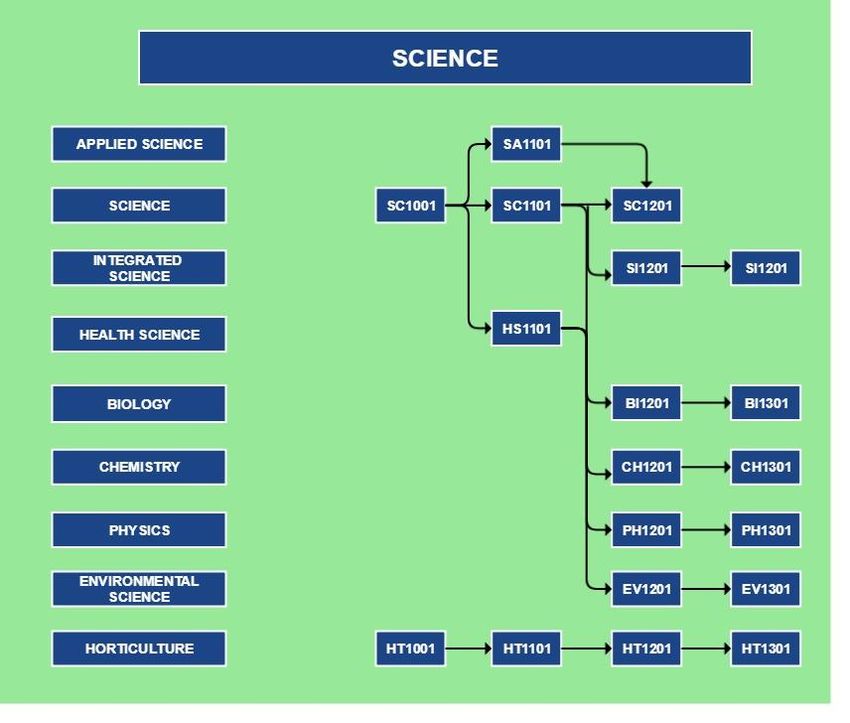
Where does it lead        SC1101      HS1101          SA1101

Further Information       Department Head, Current Teacher or Careers Counsellor
SCIENCE - Horticulture
Course HT1001
Title Horticulture
Level Year 10
Entry Indicator Open Entry
Indicative Contribution $21
Request
Course Description/ The aim of the course is to further develop plant propagation skills and
Skills Acquired develop an understanding of horticulture production in new Zealand.
The following topics are covered: NZ Native plants, how to develop a
garden, general garden work, plant husbandry and growing media,
propagation of flowers, fruit, herbs & vegetables, landscaping, pests
and disease and bonsai and topiary
Understanding about Science, Investigating in Science, Communicating
in Science, Participating and Contributing
Assessment:
Assessment Topic
This course will offer
HT 100101 Design a Landscape Plan
these assessments.
HT 100102 Designing a Herb Garden
HT 100103 Practical Work
HT 100104 Tropical Fruit Research
HT 100105 Understanding Pest Damage and Control
HT 100106 End of Year Exam
HT 100107 Design a Glasshouse
Where does it lead HT1101
Further Information Department Head, Current Teacher or Careers CounsellorSOCIAL SCIENCES Back to The Learning Areas
SOCIAL SCIENCES - Social Studies

Course                    SS1001

Title                     Social Studies

Level                     Year 10

Entry Indicator           Compulsory Subject

Indicative Contribution   Nil
Request

Course Description/       Social Studies in the New Zealand Curriculum is about how societies
Skills Acquired           work and about how people can participate in their communities as
                          critically, informed, active and responsible citizens.
                          The topics and key concepts covered include: Treaty of Waitangi
                          Events that have shaped New Zealand, and Human Rights.

                          Critical Thinking, Social Inquiry, Understanding Values and
                          Perspectives, Mapping the World, Resource Interpretation, Essay
                          Writing, Managing Self, Participating and Contributing and Social
                          Decision Making

Assessment:
                                Assessment                                     Topic
This course will offer
                            Formative Tests     Treaty
these assessments.
                            Summative           Human Rights, Events
                            Inquiry/Essay

                            End of year exam    All work covered in the year

Where does it lead        GE1101       HI1101   EC1101 SS1101

Further Information       Department Head, Current Teacher or Careers Counsellor
SOCIAL SCIENCES - Classical Studies
Course CS1001
Title Classical Studies
Level Year 10
Entry Indicator Open entry
Indicative Contribution Nil
Request
Course Description/ Year 10 Classics cover new topics concerning ancient Greece and
Skills Acquired Rome, whilst continuing to build on existing knowledge from Year 9.
The topics to be covered are: Life in ancient Sparta; Fate and hubris in
ancient Greek mythology; ancient historians and their take on famous
battles and ancient disasters. Shorter units will include Philosophy,
public entertainment and Roman emperors.
Assessment:
Assessment Topic
This course will offer
CS 100101 Resource Interpretation
these assessments.
CS 100102 Writing
CS 100103 Inquiry
CS 100104 Understanding of Concepts
Where does it lead GE1101 HI1101 CS1101
Further Information Department Head, Current Teacher or Careers CounsellorSOCIAL SCIENCES - Business Studies
Course BS1001
Title Business Studies
Level Year 10
Entry Indicator Open entry
Indicative Contribution Nil
Request
Course Description/ The aim of this course is to introduce students to the world of business
Skills Acquired and enterprise.
Units of work include: The World of Business, The Rights and
Responsibilities of NZ Workers, How Money Developed, How the Share
Market works and New Zealand’s place in the world economy.
A major focus of this course is students working in teams to set up
and run their own small business enterprise during terms one and
two.
This course develops students’ entrepreneurial skills, decision making
skills in a business context, problem solving in a business context,
business statistical skills and teamwork.
Assessment:
Assessment Topic
This course will offer
Assignments Units 1-3
these assessments.
Enterprise Reports Unit 4
Where does it lead EC1101, BS1101
Further Information Department Head, Current Teacher or Careers CounsellorTECHNOLOGY Back to The Learning Areas
TECHNOLOGY - Digital Technology

Course                    DT1001

Title                     Digital Technology

Level                     Year 10

Entry Indicator           Open entry, available to Year 10 students only.

Indicative Contribution   Nil
Request

Course Description/        Students will cover a range of units such as: Digital concepts and tools
Skills Acquired           (e.g. Gmail, GDrive, WP, SS, PPT, Pub etc), Digital media (e.g. Sound
                          editing, HTML coding, Images), Programming (e.g. Scratch, Python),
                          Digital society (e.g. ethics) and Digital Infrastructure components
                          (Installing hardware and Linux OS). This course is derived from The
                          New Zealand Curriculum and will assess students against the
                          Technology Learning Area.

Assessment:
                                Assessment                                 Topic
This course will offer
                            DT 100101          Brief development
these assessments.
                            DT 100102          Tech modelling

                            DT 100103          Tech systems

                            DT 100104          Tech products

                            DT 100105          Programming

                                 Standard                          Topic           Int/Ext   Credits

                            US 25659           HTML with a text editor               Int       2

                            US 26745           Photo editing                         Int       3

Where does it lead        DT1101

Further Information       Department Head, Current Teacher or Careers Counsellor
TECHNOLOGY - Design and Visual Communication
Course DV1001
Title Design and Visual Communication
Level Year 10
Entry Indicator Open entry
Indicative Contribution $20
Request
Course Description/ The course will focus on working through the design process to come
Skills Acquired up with solutions to design problems. Skills such as sketching and
instrumental drawing, analysis using the elements and principles of
design, modelling, presentation techniques, use & care of drawing
equipment, and rendering and shading techniques will be explored
and students will gain some computer generated drawing experiences.
The aim of this course is to provide a variety of challenging design,
drawing and digital experiences which will promote the students
awareness and understanding of design and technologies.
Assessment:
Assessment Topic
This course will offer
DV 100101 Design an applied design
these assessments.
DV 100102 Design a bedroom storage unit
DV 100103 Design a treehouse bedroom
Where does it lead DV1101
Further Information Department Head, Current Teacher or Careers CounsellorTECHNOLOGY - Hard Materials
Course TM1001
Title Technology Materials – Hard Materials
Level Year 10
Entry Indicator Open entry. Completing Year 9 Technology would be an advantage.
Indicative Contribution Subject Fee $70
Request
Course Description/ Project topics including; Maori inspired gifts, 3D printing and clock are
Skills Acquired undertaken to incorporate a wide variety of materials including:
metal, wood, plastics and composites. The design process and the
ability to design are important aspects of the course and are
incorporated into each project. The course aims to provide practical
and theoretical skills. Students will be taught safe working practices in
tools and equipment.
The aim of this course is to develop the skills needed by students to
enter the Level 1 NCEA programme, enhance students’ problem
solving skills, to encourage students to develop a continuing creative
interest in hard materials in technology and to create a practical
outcome of a product researched and designed by the individual
student.
Assessment:
Assessment Topic
This course will offer
TM 100101 Brief development
these assessments.
TM 100102 Planning for practice
TM 00103 Outcome development and evaluation
TM 100104 Technological modelling
TM 100105 Technological products
TM1 00106 Technological systems
TM 100107 Characteristics of technology
TM 100108 Characteristics of technological outcomes
Where does it lead TM1101 TW1101 TE1101
Further Information Department Head, Current Teacher or Careers CounsellorTECHNOLOGY - Textiles
Course TT1001
Title Technology Materials - Textiles
Level Year 10
Entry Indicator Open entry. Completing Year 9 Textiles would be an advantage.
Indicative Contribution $75
Request
Course Description/ In this course students will: Enhance their skills and understanding of
Skills Acquired design principles and fabrics, research to develop investigative skills
and subject knowledge, use a range of specialist equipment and use a
wide range of materials.
The aim of the course is to develop confidence and independence
while working with a range of equipment and to have fun creating
original and personally designed articles.
Competency in a wide variety of sewing equipment including
computerised sewing machines and overlockers, competency in more
advanced sewing skills and techniques, management of resources and
use a design process to produce a solution to a design brief
Assessment:
Assessment Topic
This course will offer
TT100101 Pattern and Fabric Knowledge
these assessments.
TT100102 Leisure Garment
TT100103 Pay It Forward
TT100104 Elements and Principles of Design
Where does it lead TT1101
Further Information Department Head, Current Teacher or Careers CounsellorYou can also read


