Zooming out Exploring the full landscape of veterinary medicine - Fall/Winter 2018 College of Veterinary Medicine
←
→
Page content transcription
If your browser does not render page correctly, please read the page content below
profiles
                              Fall/Winter 2018 \\ College of Veterinary Medicine

PAGE 10

Zooming out
Exploring the full landscape
of veterinary medicine

PAGE 8                     PAGE 14           PAGE 16              PAGE 18
An ambidextrous approach   Get a glimpse     Best and brightest   The answer in the enzyme
Public and private support is critical
profiles
CONTENTS
A comprehensive college
Life is a series of choices—some are made for you Volume 17 Number 2
FALL 2018
while others are choices you make either consciously or
unconsciously. For many readers of this magazine, you Profiles is published for donors, alumni,
made the decision to attend veterinary school in Minnesota and friends of the University of Minnesota
and continue supporting your college after earning your College of Veterinary Medicine. AN AMBIDEXTROUS
degree. As you can see on page 14, hundreds of students APPROACH
are seeing the wisdom of your choice. DEAN
Trevor Ames Better, cheaper canine cardiac care,
right here
IN EVERY ISSUE
By choosing the University of Minnesota College of ADVANCEMENT DIRECTOR
Veterinary Medicine, you selected a school that prides Martin Moen
itself on offering a comprehensive suite of programs. This PAGE 4
EDITOR
orientation makes sense because we are a vibrant part of Carolyn Bernhardt NEWS NOTES
one of the nation’s largest, most comprehensive research
universities. And we operate in a leading agricultural state CONTRIBUTING WRITERS Highlights from the College of
in a major metropolitan area that is home to the state’s Jenna Allerson Veterinary Medicine
government agencies. Providing veterinary students with Greg Breining ZOOMING OUT
Frank Jossi • Plans for regional veterinary
outstanding options is our strength and our necessity. Exploring the full landscape of
Jennie Kim program nearing completion
Martin Moen veterinary medicine
In this issue we highlight students—past, present, and future—who are benefitting from our Paige Polinsky • Veterinary and Biomedical Sciences
breadth of programs. From the student who turned toward research in her quest for answers, Rebecca Sabelko hosts event at Bell Museum
to our highly skilled staff who help students explore important support areas like rehabilitation Kaitlin Sullivan
medicine, to students who successfully integrate the worlds of veterinary medicine and public • Another record-setting year of
DESIGN
health, to a high school student spending the summer in one of our cancer research labs, these Hairun Li fundraising
pages are filled with examples of people having great choices available within one school. Nathan Pasch
• Prioritizing veterinary education
The fact that our breadth is a strength is a testament to our partnerships. We work closely GET A GLIMPSE
with the five other colleges that comprise the University’s Academic Health Center. Our work Learn about our 2018 – 19 students
in food animal medicine is done as part of a team with great programs in agriculture and PAGE 6
extension. We consider numerous state and federal agencies, associations and funders key allies
in our drive to sustain our excellence.
PATIENT NEWS
Success stories from our small
and large animal hospitals
Providing veterinary students with outstanding
options is our strength and our necessity. Please notify us of your change of address
or duplicate mailing.
• Potbellied and popular
Call 612-624-7624, BEST AND BRIGHTEST • Bosko the brave
email cvmadmin@umn.edu,
After nearly 20 years, the DVM/MPH
But most important are you, our alumni and donors. Many of you volunteer to mentor and or write to:
program maintains an expansive tradition • A race for health
teach our students or host them on externships. Some of you help us select the best students for CVM Communications of excellence
our programs. You contribute to scholarship funds that help us recruit students and lower the College of Veterinary Medicine
debt our students take on. Thank you for being part of the team. 1365 Gortner Avenue, St. Paul, MN 55108
PAGE 20................... Student news
The University of Minnesota is an equal-
If you want to get involved, contact Bill Venne, director of alumni relations at opportunity educator and employer. PAGE 22........Faculty & staff news
venne025@umn.edu and 612-625-8480. This publication is available in alternative
formats upon request. PAGE 24..................... Alumni news
PAGE 28...............In remembrance
Trevor Ames, DVM, MS, DACVM
Printed on recycled and recyclable paper
THE ANSWER IN PAGE 31............... Donor spotlight
with at least 10 percent post consumer THE ENZYME
waste material.
2 • profiles • University of Minnesota College of Veterinary Medicine www.vetmed.umn.edu • profiles • 3
NEWS notes
HIGHLIGHTS FROM THE COLLEGE OF VETERINARY MEDICINE
Veterinary and
Photo by Martin Moen
Plans for regional Biomedical Sciences
veterinary program hosts event at Bell
nearing completion Museum
L eaders from the University of Minnesota College of Veterinary
Medicine (CVM) and South Dakota State University (SDSU) are
are many well-qualified students from these institutions, the majority
are interested in companion animal medicine in urban settings.
A n August 21 event at the new Bell
Museum featured lively discussion
among alumni, industry partners, several
wrapping up a plan to launch a regional veterinary program designed U of M regents, and other stakeholders
to increase the number of graduates interested in rural mixed and food “This is about serving our state’s needs for veterinary care,” says Trevor with faculty from the Department of
animal practice. Approvals by regents for both schools are still needed Ames, DVM, MS, DACVIM, dean and professor at the CVM. “Our Veterinary and Biomedical Sciences.
along with start-up funding for new faculty and facilities at SDSU. western neighbors feel the shortage of veterinary care even more The event strengthened relationships
acutely. This is a good partnership for our schools.” that may lead to new partnerships and
The program would enroll approximately 20 veterinary students growth for the department.
annually. The seats would be earmarked for students from South “SDSU is excited to pursue this opportunity with the University of
Dakota and surrounding states. Their first two years of instruction Minnesota College of Veterinary Medicine,” said Dennis Hedge,
would be at SDSU in Brookings and feature classes taught by both provost and vice president of academic affairs at SDSU. “The synergies
SDSU and CVM faculty. Students would spend their final two years that exist between our two land-grant universities allow for the
in St. Paul, including their final year of clinical rotations, which are
held on campus and at locations throughout the region.
opportunity to combine resources that will ensure we are supporting
economic development, the animal agriculture industry, and its
Another record- Prioritizing
The goal is to produce more veterinarians interested in mixed or food
continued growth in South Dakota and the region.”
setting year of veterinary Participating faculty
animal practice in rural areas. The Dakotas and western Minnesota
have experienced a chronic shortage of this type of veterinarian for
The earliest that students might enroll at SDSU is the fall of 2021. If
approved, the regional veterinary program would be the fourth of its
fundraising education Veterinary Clinical Services
Brian Husbands, DVM, DACVIM
years. To create space for the SDSU students, the CVM would limit the kind in the United States. Chad Lothamer, DVM
T S
number of students it accepts from Caribbean schools who complete he College of Veterinary Medicine eventeen faculty members from across the Daniel Heinrich, DVM
Rosalind Chow, VMD, DACVECC
their final year of clinical training at United States schools. While there (CVM) had more donors than any College of Veterinary Medicine (CVM) Stephanie Goldschmidt, BVM&S
other college at the University of Minnesota are participating in the first cohort of the new
in fiscal year 2018, which ended June 30. CVM Instructor Development Program—a Veterinary Population Medicine
A total of 4,558 donors made 9,252 gifts— new addition for the 2018–19 academic year. Alex Bianco, ’11 DVM, MS
Christina Foutz, ’11 DVM,
both of which are College records. The The overarching goal is to provide resources ’11 DACVIM
College’s donor community contributed and education in best practices for the didactic Emily Barrell, DVM, MSc, DACVIM
$10,719,917 in the past year, the CVM’s and clinical instruction of DVM students, Erin Royster, DVM, ’14 MS
second-highest yearly fundraising total. Of undergraduates, and graduate students. Ferenc Toth, DVM, PhD, DACVS
Jaclyn Dykstra, DVM, ’15 PhD
that total, over $6 million were planned Perle Boyer, DVM, MSpVM,
gifts—meaning donors are investing in the Participating faculty will have the opportunity MPH, DACVP
future of the College. to supplement their established expertise Whitney Knauer, VMD, ’17 PhD
with effective teaching tools to pass on their
Veterinary and Biomedical
With these latest gifts, the CVM has now knowledge base. “This program will help Sciences
raised $55 million since 2012. That’s enrich the College’s culture to be one that Aaron Rendahl, ’08 PhD
79% of the CVM’s 10-year goal to raise makes teaching a primary function,” says Erin Burton, DVM, MS, DACVP
$70 million. The College has three years Peggy Root, ’87 DVM, ’95 PhD, assistant Sinisa Vidovic, MS, PhD
to raise the remainder. This is part of the dean of education and creator of the program.
University’s $4 billion campaign, Driven.
4 • profiles • University of Minnesota College of Veterinary Medicine www.vetmed.umn.edu • profiles • 5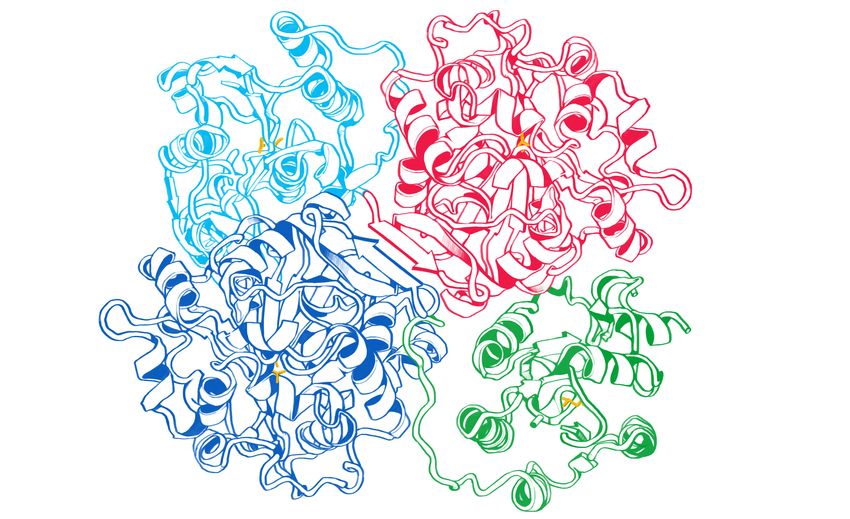
PATIENT news
Potbellied and popular A race for health
Illustration by Hairun Li
Photos courtesy of Jeff J. Maday, Canterbury Park
BY GREG BREINING
popular belief, pigs need a nutritious and
BY CAROLYN BERNHARDT strict diet to stay fit. They have difficulty
W hen a client has one pig, they often accumulate more,
according to Emily Barrell, DVM, MSc, DACVIM.
losing excess weight, and obesity can
cause foot or joint disease and breathing
problems. Teeth cleaning, nail care, and
O n February 25, an 18-year-
old thoroughbred mare
was trailered into the University
The initial exam was complicated
by the 100-pound fetus the
mare was carrying. Based on the
“You can’t just have one!” she says. vaccines are also vital. of Minnesota’s Piper Equine examination and tests performed,
Hospital for severe acute colic. A Nottle and Coppelman
Barrell did a mixed animal residency at Cornell University. Healthy pet pigs and hogs can live up common and potentially deadly determined the baby was still alive
There, she first began seeing porcine patients—and fell to 20 years. And according to Barrell, source of such gastrointestinal and decided the mare would need
in love with them. In January, she joined the University their owners are grateful for quality care. pain is a twisted colon, which emergency surgery to treat her
of Minnesota College of Veterinary Medicine (CVM) These clients are frequently turned away often requires surgery to correct. life-threatening colic condition.
faculty. With the rise in pet hog and potbellied pig cases at by veterinarians who don’t work on pet This emergency case was
the CVM’s Large Animal Hospital, Barrell has had many pigs often enough to know how to help. particularly risky, since the mare That evening, the mare was taken
opportunities to continue treating her favorite patients. “I always tell students that if you are up was roughly a month away from to surgery, where it became clear The thoroughbred mare races at Canterbury Park in Shakopee, Minn., with jockey
“Their owners are really invested in their care,” she says. front with your clients and you tell them giving birth. that her colon was twisted and Leandro D. Goncalves.
you are willing to at least try, you have displaced. A twisted colon not
But why have these porcine pets become so sought-after? likely earned a client for life.” “Severe colic from a twisted colon only blocks food and gas from the severity of her colic. “That in the middle of the night,”
“They are roughly as smart as a three-year-old toddler—you is a life-threatening emergency, passing but can also cut off forced her medical team to says Hughes. “From the time
can teach them even more than a dog, in some cases,” says For Barrell and the veterinarians at the and in this case, there was also circulation and starve tissues of be more aggressive with IV he reached the ground, she was
Barrell. Owners can housebreak and leash train their pigs. Large Animal Hospital, there is much a very real risk to the foal” says blood and oxygen. The surgery fluids, additional medications, nickering and taking good care
The squiggly tailed pals can even learn tricks. excitement for the future of continuing Lauren Hughes, DVM, a large team untwisted the colon and monitoring, and nutritional of him.”
to treat pigs and hogs. “They are not animal internal medicine resident correctly placed the abdominal support,” says Hughes.
With the rising demand for these pets, it’s increasingly important dogs—there are a lot of things they need in order to thrive, and I am who worked on the case with organs back into position. Hughes says the dedication of the
for owners to understand the necessity of routine care. Contrary to looking forward to working with clients and referral vets.” Bridget Nottle, DVM, and Now the onetime racehorse was mare’s owners and doctors, and
Elizabeth Coppelman, DVM, The mare recovered from surgery in a race of a different kind— the hospital staff working as a
of the equine surgery service. and was given antibiotics, healing fast enough to give team, made the treatment a great
To add urgency to the case: The anti-inflammatories, IV fluids, birth. “Mares need to use their success story. “We got a healthy,
thoroughbred was a racehorse and gastroprotectants. While abdominal muscles to deliver a happy mare out of it ... and a
Bosko the brave O ne frigid February afternoon, Naomi
Austin and her dog, Petey, headed out
for a walk along the railroad tracks. What
challenging in many veterinary clinic settings.
Many pets cannot handle walking through a
lobby filled with patients or performing nose
broodmare carrying a valuable
foal with a desired racing future
someday.
in recovery, she showed signs of
an acute kidney injury, which
could have been correlated to
foal,” says Hughes. Twenty-five
days after she was admitted, the
mare went into labor. “She foaled
healthy, happy colt.”
BY REBECCA SABELKO began as an average trek soon took a turn work, a practice that encourages dogs to sniff
when Austin saw that a dog was following out hidden rewards, in a small exam room.
them. The pit bull’s fur was disheveled and Despite these challenges, the behavioral staff
Photo courtesy of Naomi Austin
sparse. Its gait was wobbly and lizardlike. at the VMC works creatively to help dogs
Fearing a possible confrontation, Austin become confident and loving. A shining success BVSc, ’05 PhD, DACVIM, DACVSMR, very well. She has the right owners who
and Petey pressed home, but the unfamiliar the U’s go-to camelid specialist. “Generally, recognized the symptoms and the level of care
dog followed them to their door. Austin When Emerson first met Bosko, she worked BY JENNA ALLERSON camelids are very stoic and are not good at that was needed.”
realized she needed to help. After treating his around his anxiety by scheduling private showing signs of illness,” says Firshman.
numerous physical ailments, she adopted the early-morning sessions and finding large “We performed an ultrasound and found Firshman worked with Brittany Welch,
stray and named him Bosko. But it wasn’t
long before she noticed fear was controlling
her new companion’s life. She turned to
work areas to accommodate his need for
space. She used nose work and other novel
therapies to help grow Bosko’s confidence. He
W hen Sara Bender, owner
of Foggy Bottom Farms
in Isanti, Minn., had a distressed
that Morning Sunrise had a large amount
of fluid in her chest. We took a sample and
identified the bacteria in the fluid
DVM, and Christie Ward, DVM, PhD,
MVSc, DACVIM, to provide Morning
Sunrise with quality care. She and her team
Dana Emerson, BS, VT, KPA-CTP, a training continues to make strides toward living more alpaca, she decided to bring as alpaca fever.” are eager to continue treating camelids in the
specialist at the Veterinary Medical Center comfortably with the help of Emerson’s care. her pet to the University of future, as they make up roughly 20 percent of
(VMC), for help. Minnesota. “When we got home More often than not, alpacas the Large Animal Hospital’s patients.
“Bosko is a great dog, and we enjoy having from a show in Iowa, she wasn’t die from this bacterial
Many dogs suffer from fears that impair their him in our household,” says Austin. “But, eating,” says Bender. “We knew infection if they do not Meanwhile, Bender couldn’t be happier with
quality of life, but behavioral therapy—an because of unknowable events in his we would get the fastest results at receive appropriate care. the care Morning Sunrise received. “She made
emerging field in veterinary medicine that puppyhood, he is profoundly damaged, and the U of M.” “She needed her chest a perfect recovery, and she’s actually pregnant
Illustration by Hairun Li
addresses the common psychological issues he simply could not have survived without drained, fluid therapy, with her first baby,” says Bender. “We will
many pets face—can provide relief. Emerson the University’s help.” Morning Sunrise was quickly and around-the-clock care continue to utilize the U’s services and will
emphasizes the need for space, which can be treated at the Large Animal for about a week,” says recommend them to other camelid owners.”
Bosko goes for a car ride. Hospital by Anna Firshman, Firshman. “She responded
6 • profiles • University of Minnesota College of Veterinary Medicine www.vetmed.umn.edu • profiles • 7
An ambidextrous approach
Photo courtesy of Wanda Gordon-Evans
Better, cheaper canine cardiac care, right here THE NEXT STEP?
BY CAROLYN BERNHARDT
M aking the procedure available
to shelter animal patients. A
W anda Gordon-Evans, DVM, PhD, is
performing groundbreaking surgery
with one hand and finding ways to help
An electric innovation
Mitral valve disease is an inevitability for
through the vital organ during surgery. The
body can also become overly saturated with
the fluids used to stop the heart, which means
fund previously established by the U
of M’s Veterinary Medical Center—
owners save money with the other. Inspired to many dogs over nine years old, and it the patient will need a blood transfusion and supported by the generosity
both borrow from and improve upon human typically results in a heart murmur that can be to bring their red blood cell count back to of donors—provides lifesaving,
medicine, Gordon-Evans was recruited from managed with medication. But for some less normal. Though these expensive post-op innovative care for homeless animals
private practice to strengthen the University lucky canines, it can lead to heart failure. It practices are commonplace for humans (and who otherwise might not receive
of Minnesota’s canine cardiac care team. runs most rampant in Cavalier King Charles typically covered by insurance), they can ring these services and, upon recovery,
Equipped with a research background in spaniels, dachshunds, and Japanese Chins. up a rather high bill in a veterinary hospital.
make excellent candidates for forever
biomedical sciences, she aims to broaden And for dogs, a hospital stay of as long as 12
the cardiovascular surgery program’s strong Though surgeons who perform canine mitral days is needed to fully recover, which also homes. “For the very first cases we
research and clinical foundations to benefit valve repair or replacement are rare, they adds to the bill for owners. do,” says Gordon-Evans, “we would
both pets and owners. usually use a similar method: clamping the ideally provide the surgery at no cost
patient’s aortic valve and submerging the This entire medical endeavor typically adds to a humane society or rescue group.”
“I have always wanted to push veterinary patient’s heart in a solution that keeps it up to around $20,000 for a dog owner—and
medicine forward,” she says. “I was super from beating. This method—called cross- that does not include the required travel to Gordon-Evans with the cardiopulmonary bypass machine
happy to come back to academia and be clamping—has long been considered the Japan, France, or the UK to have the surgery
involved in something that has potential to gold standard in human medicine, providing performed, since those are the only countries Starting with ownerless dogs has
make a big scientific leap.” And when it comes the surgeon with a still, bloodless heart on where it is routinely offered. As such, very few shocks to strategically put her patient’s heart surgery would cost owners around $8,000, worked for Gordon-Evans in the
to her work—specifically on mitral valve repair which to operate. But returning a heart and US dog owners are left with feasible options into fibrillation—a state that allows her slashing more than half off the current price past. She and her team recently
and replacement—Gordon-Evans’ innovative its bodily home back to a stable state after this when their little Fido’s heart gives out from enough stillness to rebuild a damaged mitral of a typical canine heart surgery.
treated a rescue dog whose blood
and resourceful mind-set is making her and process is where complications and costs arise. mitral valve deterioration. valve. Meanwhile, her patient is hooked up to
her team a springboard for one such leap. a bypass machine so all organs can continue Once Gordon-Evans has helped establish the was not circulating to his lungs. “We
Cross-clamping often injures the heart So, Gordon-Evans has retooled the process. to be supplied with oxygenated blood. With U of M as the go-to place for canine mitral connected the aorta to the pulmonary
because it results in a lack of blood circulating Instead of cross-clamping, she uses electric the heart in fibrillation, Gordon-Evans only valve surgery in the United States, she has artery so that more blood goes to
has to navigate a minor amount of blood to her sights set on expanding into congenital the lungs,” she says. “He is doing
perform a repair, but the heart is still being defects and even cats. “Humans and cats both fabulously; he just got adopted.”
oxygenated enough to avoid injury. suffer from hypertrophic cardiomyopathy,”
she says. “Humans can have surgery and get
“Theoretically, if you are perfusing the heart off their meds.” Finding a way to apply this
Illustrations by Megan Murrell
with blood the whole time, there is less process to cats would be an opportunity to
damage,” says Gordon-Evans, “so we should extend feline lives as well as to once again If you are interested in supporting
have less care needed afterward and certainly better human medicine’s approach. Gordon-Evans’ critical work, please
a faster recovery.” She also suspects that the contact Lauren Craft, development
dog’s stability following the procedure would Everyone—including dogs, cats, pet owners, officer for the Veterinary Medical
call for a much shorter (and thus, cheaper) and future human patients—will feel the Center and Veterinary Clinical
hospital stay of around three days. According reverberations of Gordon-Evans and her Services, at lcraft@umn.edu. To
The surgery team places A fibrillating wire delivers Gordon-Evans repairs the The heart is defibrillated with The cannulas are removed
to Gordon-Evans, humans could potentially team’s work as their visionary advancement in provide for the care of other rescue
cannulas to connect electric shocks to the mitral valve as needed. two soup-spoon–shaped and the patient is taken off undergo the same procedure. cardiac surgery takes shape in the months and animals, visit give.umn.edu/vetmed
the patient to the patient’s heart. The patient’s paddles. It returns to a bypass. years to come. and donate to the VMC Shelter and
Looking to lighten the load
cardiopulmonary bypass heart beats faintly and normal rhythm.
machine, which oxygenates sporadically, delivering some Rescue Animal Fund.
the blood and circulates blood to the body. This But as always, Gordon-Evans remains
most of it throughout the keeps the heart profused
body without pumping it with some oxygenated Gordon-Evans’ goal is multifaceted: not steadfast in prioritizing affordability: “If we
into the heart. blood, but not enough to only is she thinking about the science, but can make cardiac surgery more economical
interfere with the procedure.
she’s also laser-focused on improving the for owners, then it can be a turning point for
procedure’s price tag. She estimates her heart disease.”
8 • profiles • University of Minnesota College of Veterinary Medicine www.vetmed.umn.edu • profiles • 9
Zooming out
Exploring the full landscape of veterinary medicine
BY PAIGE POLINSKY
T he field of veterinary medicine is constantly evolving. Yet, the image it evokes remains static: white-coated
doctors wielding stethoscopes and treating pets at the local clinic. This association, while it represents crucial
parts to the whole, is a drastic minimization of the professional range found within the animal health world.
According to the American Veterinary Medical Association (AVMA), companion animal vets at private clinics
account for around 60% of the field. In the remaining 40%, veterinary medicine contains unexpected roles and
applications that, through shaping animal health, actively mold the world around us—the environment, the
economy, and human health.
A JOURNEY in the University of Minnesota’s Comparative
and Molecular Biosciences program. While
potential gene variations. Parsing out a single
gene from this sea of big data can be a major OCEANS OF Oceans make up 90 percent of all habitable
space on Earth. These abundant marine
self-sustaining aquaculture are more relevant
than ever.” And the industry is booming.
THROUGH THE practicing large animal internal medicine,
however, Norton ran into unanswerable
step in unlocking the cause of a disease.
OPPORTUNITY ecosystems are crucial to global health,
and threats like pollution and commercial
“It is the fastest-growing animal production
system in the world right now,” says Alex
GENES questions. Frustrated by these unknowns, Research and training grants have been crucial overexploitation render aquatic medicine Primus, ’13 DVM, PhD.
she focused her master’s degree on genetics. in fueling these discoveries. The USDA and increasingly important. In particular, the field
Photo courtesy of Jessica Fox
“I never thought that I’d be doing research,” Norton now works at the University of Morris Animal Foundation fund Norton’s has a pressing need for passionate veterinary Primus, an assistant professor in the CVM’s
says Elaine Norton, DVM, MS, PhD student Minnesota College of Veterinary Medicine's sampling trips and genotyping. The National professionals. “When it comes to fish, for Department of Veterinary Population
(CVM) Equine Genetics and Genomics Institutes of Health T32, offered through the whatever reason, veterinarians kind of panic,” Medicine, studies infectious disease
Laboratory, where she studies equine U, supported her salary and covered tuition says aquatics expert Jessica Fox, ’15 DVM. management in aquatics. Organizer of the
Photo courtesy of Elaine Norton
metabolic syndrome, a devastating disease costs for three years. Fellowships like the 2018 UMN Aquaponics Symposium, Primus
similar to human type 2 diabetes. EQUUS Foundation Research Fellowship Currently, most veterinary colleges lack emphasizes the importance of fish health in
offer additional financial support. comprehensive aquatic medicine programs. aquaponic systems. He says veterinarians will
“Gene hunters” like Norton analyze DNA The University of Minnesota College of play a prime role in developing the tools needed
to determine whether parts of a disease are Research into the animal genome is uniquely Veterinary Medicine (CVM) offers students to achieve maximum aquacultural sustainability.
environmental or genetic. Their findings help translational, carrying implications beyond specific tracks—Large Animal, Small Animal, Minnesota is not yet a key aquaculture
identify high-risk individuals. “We can make veterinary medicine. Norton and her and Mixed Animal. Still, aquatically inclined producer—harsh winters and lack of ocean
environmental changes,” explains Norton, colleagues, for instance, have discovered that students require a certain resourcefulness, first access pose local industry challenges. “It just
“and manage them appropriately before they shortness and insulin resistance in ponies are establishing a more generalized foundation hasn’t been a major focus here,” says Primus.
start to have clinical signs.” both caused by one gene—the same gene of knowledge—in Fox’s case, through But the future is promising. Recirculating
that controls height in humans. “So it brings the CVM’s Mixed Animal track—then aquaculture systems, which don’t require
Despite its thrilling nickname, gene hunting everything back together,” says Norton, supplementing with aquatic electives, labs, ocean views or balmy winters, are a growing
is an exercise in patience. Moving from “where, yes, we’re doing something with internships, and graduate work. trend. As the industry’s technology advances,
a research proposal to an actionable plan horses, but there’s also this other benefit that aquatic veterinarians will be key players in
takes time. Tackling acquired data is its own you can see—this larger goal that our research Beyond companion animal care, aquatic helping Minnesota impact aquaculture on a
challenge. When handling complex diseases, can potentially help human patients.” medicine extends to improving the global scale more befitting the Land of 10,000 Lakes.
researchers must sift through hundreds of food supply. Says Fox, “Initiatives to create
Elaine Norton Jessica Fox performs surgery on a fish.
10 • profiles • University of Minnesota College of Veterinary Medicine www.vetmed.umn.edu • profiles • 11
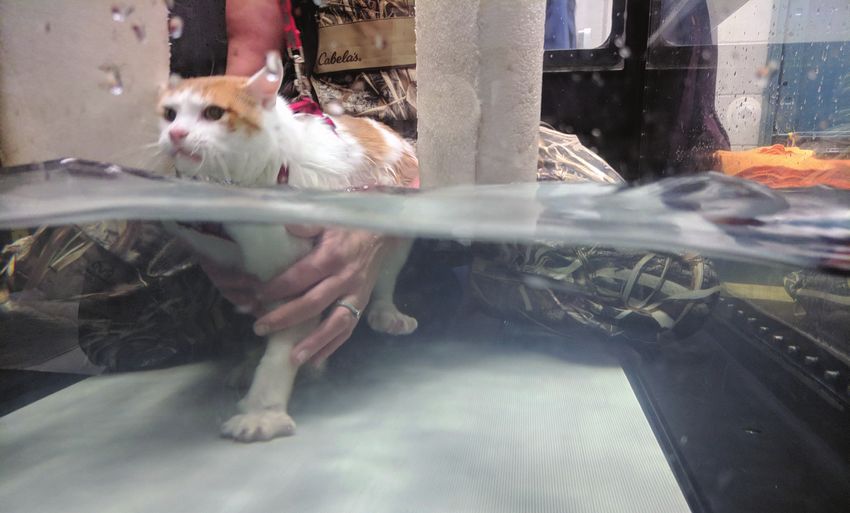
A CHANCE TO well, Nick’s lungs did not respond in the
way they should have, depriving his brain of
toes.” Her team often leveraged Nick’s natural
curiosity to keep him engaged, transforming
LOCAL ROOTS, CAHFS is one of five centers designated by
the World Organization for Animal Health
project aims to help salmon farms manage
Salmonid Rickettsial Septicaemia (SRS), a
LEARN oxygen for a period of time. The procedure humdrum obstacle courses into intriguing GLOBAL OUTREACH to build capacity for veterinary services crippling disease only minimally responsive
saved his life, but this left Nick severely tunnels. around the globe. Effective epidemiology has to current vaccines and which is responsible
crippled. Nick’s surgeon recommended him become increasingly vital as many developing for most antimicrobial use in Chile’s food
For a cat standing chest-deep in water, Nick to Colvard and her team. Colvard decided After 10 days of treatment, Nick was walking “We want to be the Silicon Valley of livestock countries shape their economies around animal systems. As the second-largest
doesn’t seem too perturbed. Kim Colvard, to use teaching funds to cover the cost of the independently. “It was really one of the health and agriculture production,” says agriculture. producer of salmon in the world, Chile’s
CVT, CCRP, carefully guides his legs along an cat’s care and give students the opportunity to most amazing opportunities that I’ve had in Andres Perez, DVM, PhD, professor in economy depends on healthy fish. CAHFS
underwater treadmill. Colvard is a specialist learn more about a rare case like Nick’s. my veterinary career so far,” says Bancroft. the Department of Veterinary Population While government funding and private members are developing system models for
in the Small Animal Rehab department at the “I don’t know of any other veterinary Medicine and director of the College’s donations have helped CAHFS increase SRS management that are both efficacious
CVM’s Veterinary Medical Center (VMC). In “He came in blind, deaf, and entirely unable clinic out there who is doing this kind of Center for Animal Health and Food Safety its outreach opportunities, international and accessible. One recent workshop, led in
her decade of experience there, she describes to walk,” says Channing Bancroft, a fourth rehabilitation on cats.” Today, Nick navigates (CAHFS). CAHFS was designed to operate research is largely financed by client countries. part by Alex Primus, collected feedback from
Nick’s case as “particularly unique.” year DVM student, who completed a rehab his environment with confidence. within Minnesota and the US but eventually The approach reflects a broader goal of local industry members to further improve
rotation in May. Bancroft fostered Nick expanded to work more globally. Perez, sustainability—one that most aid-based the system model.
Rehab is rarely considered a viable option for during his treatment, providing at-home care Nick’s case highlights the powerful through his roles as Endowed Chair of Global strategies lack. Long-term solutions, Perez
small animals. Felines, especially, are often between sessions. yet underutilized potential of feline Animal Health and Food Safety and director says, must rely on education and capacity CAHFS is implementing veterinary medicine
overlooked as candidates. But small animal rehabilitation, as well as the importance of of CAHFS, has been continuing to broaden building. “Rather than giving them some fish, on a macro scale, impacting trade and global
rehabilitators like Colvard are working to Colvard’s team developed specialized exercises teaching funds, which are crucial in exposing the Center’s focus. we are trying to help these countries learn economies. As for becoming an agricultural
change this. based on Nick’s progress. Though his feline students to a wide range of cases. Colvard how to fish.” Silicon Valley? “You cannot do that just
independence tested their problem-solving believes it will encourage students to explore Today, CAHFS works with 20 partner within your boundaries,” says Perez. “You
In May, Nick arrived at the VMC for a much skills, Colvard says flexibility is key for any different modalities when treating future countries to improve veterinary public health The Center’s largest international grant is have to go outside your borders and expand
needed hernia repair. While the surgery went rehab case: “It’s all about thinking on your patients of their own. worldwide. Minnesota’s agriculture-based from Chile, where CAHFS helped launch an your knowledge base.” A practice CAHFS
economy makes it a valuable consultant— aquatic epidemiology project in March. The knows quite a bit about.
Photo by Channing Bancroft
“It’s all just having the confidence
that, if you’re a veterinarian, you
know health.”
Jessica Fox offers these words of encouragement to
practitioners who may feel thrown off by aquatic patients.
But the same message can be applied across the entire
spectrum of animal health—whether dissecting diseases
at the genetic level, crossing the globe to shape the world
economy, or something else entirely. Veterinary medicine
is presenting more opportunities for innovation than ever
before. Stepping over the clinical threshold and recognizing
those opportunities is just the first step in pioneering
unexplored territories of the future.
Kim Colvard gently guides Nick's legs as he re-learns to walk on the underwater treadmill.
12 • profiles • University of Minnesota College of Veterinary Medicine www.vetmed.umn.edu • profiles • 13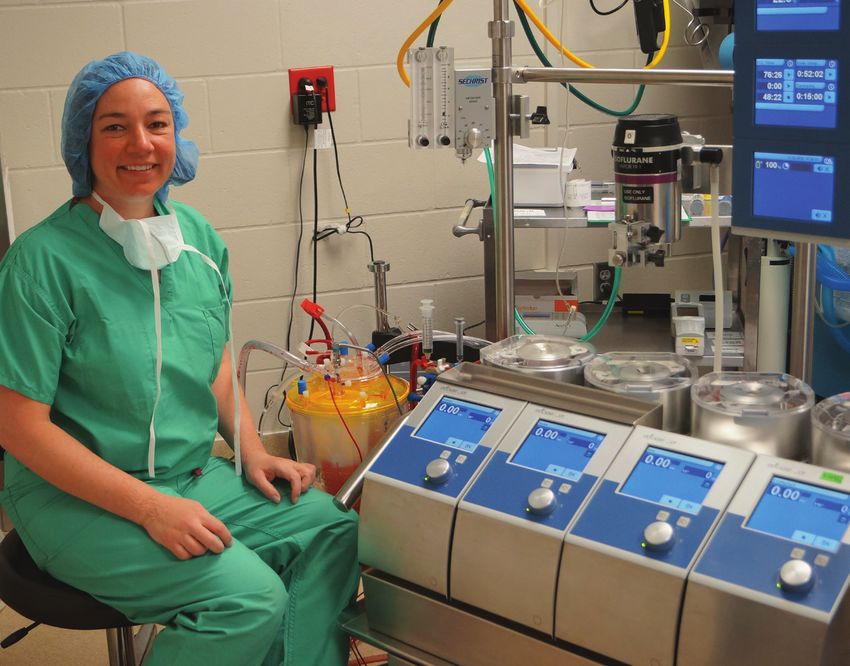
New students arrive on campus = 1 STUDENT
Graduate student snapshot
Get a glimpse
The College of Veterinary Medicine welcomed 105 new Doctor
of Veterinary Medicine students and 20 new graduate students DVM/MPH DUAL DEGREE
to campus this fall. Learn more about who they are, what they With the DVM/MPH dual degree program, students earn their
MPH degree in the same four years as their DVM degree. By
are studying, and where they are from in the graphic below. combining their veterinary studies with a Master of Public
Health degree, students earn the credentials to work at the
interface of human wellness and animal health—cultivating a
better environment for all.
CLASS OF
DVM student snapshot
2019
CLASS OF
2020
CLASS OF
2021
416 63.76% RESIDENCY DVM ACADEMIC TRACKS CLASS OF
2022
Infographic by Megan Murrell
RESIDENTS
INCLUDES:
55%
TOTAL DVM STUDENTS
36.23%
NON-RESIDENTS MN, ND, & SD
VetLEAD
To meet the increasing demand for veterinarians and to
promote diversity within the veterinary student body, the
University of Minnesota has introduced the Veterinary
SMALL ANIMAL Leadership through Early Admissions for Diversity (VetLEAD)
program. VetLEAD creates a pathway into veterinary school
17%
for high-ability students at partner institutions.
2 CLASS OF CLASS OF
1 3 4 2019 2020
206
2 1
2 16 2 VetFAST
3 15 7
9 3 FOOD ANIMAL The Veterinary Food CLASS OF
2 1 7 Animal Scholars Track
2019
13
16.5%
6 (VetFAST) program is
19 4
CLASS OF
1 9 7
designed to meet the
high demand for
2020
1 2 1 1 1 veterinarians who are
34 trained to work in food
CLASS OF
2021
2 animal medicine.
2 CLASS OF
WHERE
2022
3
MIXED
8.5%
2 1 ARE THEY UNDERGRADUATE INSTITUTION
1 3 FROM? INTER- 3.84% CHILE: 1 ECUADOR: 3 URUGUAY: 1
Canada 3 NATIONAL
1 10 China 6
South Korea 1 MN SCHOOLS 5.76%
EQUINE EGYPT: 1
VENEZUELA: 3 ITALY: 1
2%
BIG 1O
11.53 %
SCHOOLS
DVM STUDENT DIVERSITY
347
UMN 31.73%
NO TRACK AUSTRALIA: 1 SPAIN: 1 SRI LANKA: 2
DECLARED OTHER 47.11 %
1%
CANADA: 1
KENYA: 1 THAILAND: 1
22 12 17
11 5
2
TOTAL APPLICATIONS: 865
AFRICAN ASIAN HISPANIC MULTI- PACIFIC WHITE DID NOT RESEARCH &
AMERICAN ETHNIC ISLANDER DISCLOSE PUBLIC HEALTH UK: 2
18.5%
RESIDENT
81.5%
NON RESIDENT
CHINA: 7 COLOMBIA: 1
APPLICATIONS APPLICATIONS
3.63
GENDER
IN PREREQUISITE
GPA
84.29% 14.97% 53 RESIDENTS INDIA: 3 BRAZIL: 4 BANGLADESH: 1
COURSES 52 NON RESIDENTS
.72% DECLINED TO STATE
14 • profiles • University of Minnesota College of Veterinary Medicine www.vetmed.umn.edu • profiles • 15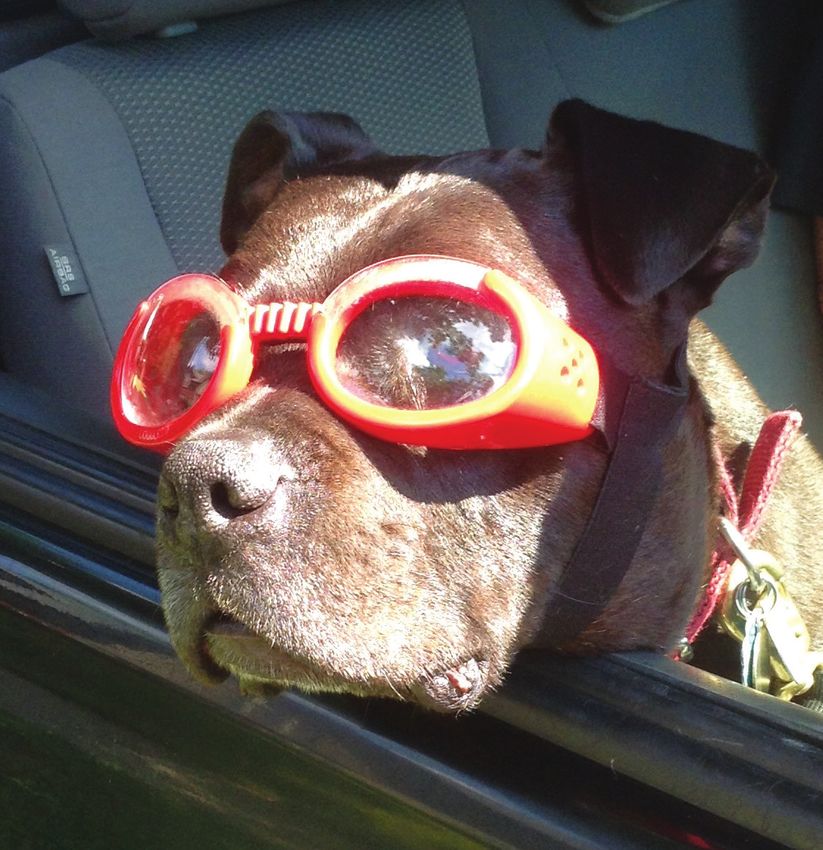
Best and brightest After nearly 20 years, the DVM/MPH program maintains an expansive tradition of excellence
BY CAROLYN BERNHARDT
S
ince 2002, the University of Minnesota’s “We find that either our students are already The sky’s the limit While other universities may have veterinary practicing professionals in public health
Photo by Amanda Stombaugh
DVM/MPH dual degree program passionate about public health, so they apply public health programs, they are usually and related fields. Participants can build or
has given students the opportunity to and start the MPH at the same time as they The program’s alumni travel many different administered quite differently than the U’s expand their professional expertise, learn
combine their Doctor of Veterinary Medicine start vet school,” says Sarah Summerbell, career paths. According to Summerbell, DVM/MPH program. Students from these best practices, embark on field trips, broaden
(DVM) studies at the College of Veterinary major coordinator for the program and roughly one-third become private universities often end up applying to the U their career options, network with other
Medicine (CVM) with the Master of Public education specialist at the CVM, “Or they practitioners. “Some want to practice for instead because of the program’s flexibility. professionals, or explore new areas of interest.
Health (MPH) program at the University’s get into vet school and they start learning all a couple of years after graduation because They can then complete their coursework Students remotely enrolled in the DVM/
School of Public Health (SPH). This dual the different things that a veterinarian can do that’s what they went to vet school for,” remotely. MPH program may have to travel far to
degree allows students to gain expertise and and they think, ‘Whoa, I didn’t know this was she says. “Then we have one-third who go attend, but Summerbell says they are always
experience in areas such as community health, an option—I’d really like to get some public into government. Some graduates go into “We often had the chance to interact with glad they did after mixing and mingling with
epidemiology, zoonotic diseases, food safety, health training!’” residency and other training programs.” students from across the country, which veterinary educators, professionals in the field,
and emergency response. Today, under the Sometimes alumni interested in more was really cool,” says Mesenhowski. “I and fellow students.
direction of professor Larissa Minicucci, Igniting interest academic specifics, such as epidemiology, have crossed paths with these classmates
DVM, MPH, the program has four official pursue PhD’s. in different ways over the course of my As long as students apply to the MPH
partner universities and enrolls roughly 25 One such student was Tatum Odland, now career, especially as I have relocated—I run program while they are enrolled in a DVM
U of M CVM students. In addition, nearly a third year DVM student at the CVM. Recent program graduates run the into people all the time. The University of program, participate in one Summer Public
150 students are enrolled remotely from 19 Odland became interested in serving the professional gamut, including conducting Minnesota is really at the forefront of the Health Institute, and complete the program’s
different universities nationwide. It is by far public as a veterinarian—ideally working for women’s mission work in Ethiopia, acting as DVM/MPH because the U's program creates degree requirements in five years, they are
the largest program of its kind in the US. the United States Department of Agriculture’s the state of Michigan’s wildlife veterinarian, a lot of opportunities for connections and awarded their degree. Whether they use it
Shannon Mesenhowski
(USDA) Animal and Plant Health Inspection and serving in the US Army in food safety. networking.” to round out their clinical skills, advance
But how do students arrive at the crossroads Service (APHIS) or Food Safety Inspection international trade and the food animal
of veterinary medicine and public health? Service. Luckily, DVM/MPH students gain Shannon Mesenhowski, ’10 DVM, ’11 MPH, I got specifically because of the DVM/MPH A requirement specific to the U of M’s industry, or mitigate infectious diseases
And what do they find there? the experience and knowledge needed to is now a program officer for the Livestock after my name.” program is that students must attend one that cross human, animal, and ecosystem
pursue public service careers. and Agriculture Development Team at the Summer Public Health Institute (PHI) health boundaries, students from all over the
Bill & Melinda Gates Foundation. Previously, No matter where they end up, Summerbell while pursuing their DVM/MPH. PHI is a country will benefit from this preeminent
Photo courtesy of Sarah Summerbell
“It all started in the Production Animal Mesenhowski completed a one-year says the vast majority of alumni are glad three-week summer intensive session, hosted dual degree program.
Medicine Club,” Odland says. “They hosted fellowship in the Bureau for Food Security they did the program. Alumni in private by SPH, that offers courses for students and
a veterinarian who works for USDA. She did at the United States Agency for International practice, for example, sing its praises despite
Photo courtesy of Tatum Odland
a presentation on how vets are involved in Development (USAID), where she worked on not working in public health directly.
disease outbreak investigations. I remember Feed the Future, a presidential initiative. The “They think about their medical practice
after that, I called my dad and said, ‘I think fellowship was made possible by the American differently because they are thinking more
I know what I want to do now!’ So I applied Association for the Advancement of Sciences. about populations and how diseases impact
to the DVM/MPH program after talking “The reason I got this fellowship was because community health, which is different than
to some people and realizing that you really I had the DVM/MPH degree,” she says. “I your standard clinical medical training where
need an MPH to be competitive in the public knew plenty of highly capable veterinarians you are looking at one animal at a time,”
service field.” previously not accepted, and the degree really says Summerbell.
gave me a leg up.”
Until that club meeting, Odland never Front-runners in the field
realized public service was a field veterinarians After the internship, Mesenhowski joined
contributed to. But since the US exports USAID’s Office for Foreign Disaster What sets the U of M’s program apart is
more food animals than it imports, public Assistance as a livestock advisor on droughts, that it does not require students to commit
service veterinarians are vital in keeping the disease outbreaks, and famine. “I spent up front, which frees them to explore their
economy flowing. “Public service vets help most of my time in West Africa during the academic and professional interests before
make sure that other countries continue to Ebola outbreak serving as a health advisor, applying. “There isn’t really another veterinary
accept our animals,” says Odland, who feels which is a role typically held by a human public health DVM/MPH program out
she will be best equipped for a career in physician or a public health professional,” there with the same flexibility we have,” Tatum Odland spent a week in Washington, D.C., this summer for the Smith-Kilborne Program through USDA-APHIS. The
program, which is designed to acquaint veterinary students with various foreign animal diseases that could potentially
public service with a background in public says Mesenhowski. “That was one role I know Summerbell says. threaten the domestic animal population in the United States, includes both laboratory experiences and classroom
health and tacked an MPH on to her DVM. presentations on diseases and their implications.
Sarah Summerbell
16 • profiles • University of Minnesota College of Veterinary Medicine www.vetmed.umn.edu • profiles • 17
Illustration by Hairun Li

                                                                                                                                                                                  Photo by Amanda Stombaugh
The answer
in the enzyme
                                                                                                    Mammalian soluble epoxide hydrolase (sEH)                                                     Alonso Guedes and Piper Equine Hospital's blood donor horse, Hercules

BY CAROLYN BERNHARDT

I  n the 1980s, researchers at the University
   of California, Riverside, were looking
for a way to control insects and found
                                                   “We mammals have a similar enzyme,”
                                                   Guedes says. “However, most of us don’t
                                                   undergo metamorphosis,” he adds with a
                                                                                                     medications and treatments, and euthanasia is
                                                                                                     currently the primary outcome for severe cases.
                                                                                                                                                                                                  inhibiting the enzyme could potentially
                                                                                                                                                                                                  protect some of the linking proteins that
                                                                                                                                                                                                  hold the tissues together in the hoof,” he says.
                                                                                                                                                                                                                                                           laminitis as well as arthritis. In many cases,
                                                                                                                                                                                                                                                           the compound works in conjunction with a
                                                                                                                                                                                                                                                           pain medication to provide the animal both
                                                                                                                                                                                                                                                                                                            alleviate pain and mobility limitations for
                                                                                                                                                                                                                                                                                                            equine patients with arthritis.

an enzyme—called JHEH—that, when                   smile. “We autoregulate and self-repair. And      “A horse’s hoof is like a human nail, except                                                 They’ve developed a compound that inhibits               pain relief and bodily recovery. Results for     “We want to understand how this enzyme is
inhibited, prevents caterpillars from becoming     in mammals, the presence of this enzyme has       they stand on it all day long,” says Guedes.                                                 the enzyme and allows for more blood flow                many of Guedes’ patients have been visible       working and how we can fine tune it to better
butterflies. This work led to the discovery of     the opposite effect—it diminishes the body’s      “The hoof wall is attached to the bone by a                                                  and delivery of nutrients to a harmed area.              within a matter of days.                         use it to promote health,” says Guedes.
an equivalent enzyme in mammals, called            ability to self-repair. Inhibiting it actually    very tough tissue that interconnects like a                                                  But crucial questions remain. Primarily,
soluble epoxide hydrolase or sEH.                  allows our cells to do their work.”               zipper, which is called the digital laminae.                                                 would inhibiting the enzyme allow the body               A similar compound has been tested in
                                                                                                     Certain proteins hold the digital laminae                                                    to repair already-damaged proteins and cells?            human clinical trials and resulted in improved
After spending a few years at UC Davis,            Guedes and his team are working to                together, and when there is inflammation,                                                    Secondly, at what rate does inhibiting the               outcomes for patients with neuropathy. And          If you are interested in supporting
Alonso Guedes, DVM, MS, PhD, associate             understand how blocking this enzyme can           such as with laminitis, those proteins break                                                 enzyme slow the process of deterioration? But            its effect on arthritis in horses could have        Alonso Guedes’ work, please contact
professor of Anesthesia and Pain Medicine          help improve mammal health, starting with         down and the hoof ’s connection to the bone                                                  most importantly, could we prevent damage                implications on human arthritis in the future,      Mindy Means, development
in the Department of Veterinary Clinical           horses suffering from laminitis—a severely        breaks apart.”                                                                               and deterioration by intervening early on?               too. Recently, Guedes and Troy Trumble,             officer at the College of Veterinary
Sciences, joined the University of Minnesota,      painful disease in the hoof that makes horses                                                                                                                                                           DVM, MS, PhD, associate professor in                Medicine, at 612-626-5482 or
where he is working to further understand          (and other hoofed animals such as sheep,          Guedes and his team want to know if sEH is                                                   At the University of Minnesota College of                the Department of Veterinary Population             mkmeans@umn.edu.
how to use sEH to advance pain management          goats, and cattle) unable to walk, develop,       involved in the breakdown of these important                                                 Veterinary Medicine’s Large Animal Hospital,             Medicine, were awarded two small but
in veterinary—and eventually human—                or behave normally. Most horses with              proteins, and they are already seeing evidence                                               Guedes has used the experimental compound                critical grants to further their research into
medicine.                                          laminitis do not respond well to current pain     confirming this in mice. “It seems like                                                      on a few different equine patients with                  this compound’s ability to inhibit sEH and

18 • profiles • University of Minnesota College of Veterinary Medicine                                                                                                                                                                                                                                                www.vetmed.umn.edu • profiles • 19
“It was an absolute privilege to have
First recipient known Dr. Morrison and to have
received his mentorship throughout
of Dr. Bob my veterinary education,” says
Betlach. “I hope to continue Bob’s
Morrison legacy through my collaboration
with swine veterinarians, academia,
Legacy Fund and producers toward the
development of science-driven
named resources for swine health and
production advancement.”
Target that breast cancer is difficult to
study at a genetic level. There
has driven a lot of collaboration,”
says Pope, who is advised
“When you’re so early in your
career but you already know what A lyssa Betlach, ’18 DVM, is
a graduate student in the
The College of Veterinary Medicine’s
new Dr. Bob Morrison Legacy Fund
practice is vast variety in the way breast
cancer is expressed, which makes
by professors from both the
University of Minnesota Medical
you want to do, to have that
value reaffirmed by someone who
Veterinary Medicine program
and was recently named the first
focuses on outreach, integrates
research and industry, works with
targeting individual cancer cells a School and the CVM. wants to support you in your Dr. Bob Morrison Legacy Fund swine practitioners and farmers,
challenge. goal,” she says, “that makes you recipient for the 2018–19 school and contributes to the success of
BY KAITLIN SULLIVAN
Pope is the recipient of the Al even more motivated to reach it.” year. Betlach’s research focuses on the swine industry. Contributions
Pope’s research identifies novel Weber DVM/PhD Fellowship the characterization of Mycoplasma to the fund support a broader
targets that cancer drugs can and won first place for her poster hyopneumoniae within the swine community of DVM students,
T hird year DVM and PhD
student Emily Pope is using
veterinary medicine to create a
latch onto. Identifying these
new targets could lead to new
uses for existing drugs and aid
presentation at the CVM Points
of Pride Research Day. She
has been the recipient of
field through the use of molecular
diagnostics and epidemiology.
Betlach is also a part-time associate
graduate students, practitioners, and
researchers to lead the industry in
knowledge-based solutions for both
better mouse model for treating in the development of new ones. multiple scholarships veterinarian at the Swine Vet Center health and production.
Illustrations by Megan Murrell
human breast cancer. The human “Treatments would be tailor- through the University. in Saint Peter, Minn.
implications of her research made to each cancer. That’s the
caught the eye of the Boehringer direction we’re headed in this
Ingelheim (BI) Veterinary field,” says Pope.
Scholars Program, a 10-week
summer program through the After veterinary school, Pope
University of Minnesota College hopes to land a residency
of Veterinary Medicine (CVM) in small animal surgery and
that helps students better continue to develop targeted and
understand the role research plays individualized cancer treatment
in developing new treatment therapies. She’s driven to produce
protocols or therapeutics. research that impacts both
human and animal communities.
Lopez wins Pijoan Fellowship
Pope has been working on
her research for four years,
but she spent the 2018 BI
Veterinary Scholars Program
“The CVM’s decision to
emphasize One Health—which
recognizes that the health
G ustavo Lopez, DVM, PhD
student, was recently selected
as the recipient of the Carlos Pijoan
The Carlos Pijoan Graduate Student
Fellowship in Swine Medicine honors
Carlos Pijoan, DVM, PhD, who
session analyzing her findings. of people, animals, and the Graduate Student Fellowship in Swine joined the University of Minnesota
What she knows for certain is environment are all connected— Medicine for the 2018–19 school College of Veterinary Medicine faculty
year. Prior to pursuing his PhD at the in 1982. Pijoan created and led the
University of Minnesota, Lopez spent Swine Disease Eradication Center.
six years in Russia, working for a large The fellowship helps train the next
meat production company. There he generation of specialists in swine
filled different roles, such as wean-to- health and production to conduct
finish production manager, head of applied research on the transmission,
genetic services, and head of health diagnosis, control, and elimination of
services. Lopez received his DVM in economically significant diseases of swine.
2010 from Universidad Central de
Venezuela.
20 • profiles • University of Minnesota College of Veterinary Medicine www.vetmed.umn.edu • profiles • 21FACULTY & STAFF news
Fifteen years in Gombe
S
Photo by Jennie Kim
ometimes we focus on the individual term behavioral project at Gombe National epidemiological prevention, they have seen
animal, sometimes we focus on the Park in Tanzania. Now, Travis is continuing fewer outbreaks and a lower mortality rate
group, but most of the time we focus on his work with the Jane Goodall Institute since the project began.
the interface—where these things intersect (JGI) studying infectious disease outbreaks
with humans and the environment,” explains and other illnesses in nonhuman primates. “Gombe is the perfect natural lab to do this
Dominic Travis, DVM, MS, associate work,” says Travis, who considers the park
professor in the University of Minnesota The U, he says, has provided opportunities to an ecosystem health demonstration site.
College of Veterinary Medicine’s (CVM) develop new collaborations. “The reason the “It’s a small park, so every single animal has
Department of Veterinary Population University of Minnesota is important is that been individually identified and watched for
Medicine. An expert in wildlife epidemiology ecosystem health is a giant multidisciplinary 50 years.”
and veterinary public health, Travis tackles team sport and the U just so happens to have
emerging health and natural resource expertise in everything.” The project’s larger implications have
sustainability issues at the interface of wildlife,
domestic animals, and humans. He and his For 15 years, Travis has collaborated with
reverberated around the world. Advised by
Travis and his Ecosystem Health colleagues,
Modiano mentors
colleagues in the department’s Ecosystem
Health division ask, “What is the ecology
scientists at the JGI and the University
of Minnesota to build a noninvasive
CVM graduate students are conducting
research in Gombe. Tiffany Wolfe, DVM,
Emperor Science
of the health among and between the living
organisms that make up an ecosystem?”
infrastructure in Gombe National Park that
strategically tracks local chimpanzee health.
’15 PhD, newly appointed assistant professor
in the Department of Veterinary Population
Award recipient
“Wildlife is not only where diseases hide but Medicine, completed her PhD by tracking
Travis previously served as a veterinary also the part modern science knows the least tuberculosis among the park’s chimpanzees BY JENNIE KIM
epidemiologist at Chicago’s Lincoln Park Zoo. about,” says Travis. and nonhuman primates. She was coadvised (From left to right) Jaron Magstadt, Kelly Makielski, and Jaime Modiano
There, in 2003, he and his colleagues built an by Travis and Randy Singer, DVM, PhD,
ecosystem health program with primatologist The team’s observations have helped pinpoint professor in the Department of Veterinary
and anthropologist Jane Goodall, PhD. The
program worked alongside Goodall’s long-
disease early enough to mitigate its impact.
Through management changes in basic
and Biomedical Sciences.
“The park is a living laboratory to work
W hile his peers took a break from
textbooks and papers, high school
student Jaron Magstadt spent the summer
For Modiano and Makielski, hosting and
mentoring an awardee seemed unlikely.
“Thousands of scientists answered the call,
is stronger than ever. “Next year, I’ll be doing
postsecondary enrollment options at the U,
and hopefully I’m going to med school in the
out wildlife surveillance methods and to at the University of Minnesota College of so chances were pretty low that we would be future,” he says. “This experience has really
Photo by Amanda Stombaugh
intersect them with humans in and around Veterinary Medicine (CVM) conducting selected,” Modiano says. affirmed my passion.”
the park,” says Travis, “And since we began research with Jaime Modiano, VMD,
doing this, we are not only helping wildlife PhD, Perlman Professor of Oncology and But while the odds of being selected were Modiano agrees that the experience has
but we are quickly connecting it to human Comparative Medicine in the Department statistically low, it’s clear the Modiano Lab been affirming but in a different way.
and ecosystem health.” He says a major of Veterinary Clinical Sciences, and Kelly was chosen due to its proven track record of “This mentorship reinforced my belief
lesson in having tracked and connected this Makielski, DVM, a postdoc in the Modiano Lab. mentoring young scientists. Magstadt had that there’s hope for the future,” he says.
interface has taught Travis that wildlife health much opportunity for growth this summer. “There are smart, young people like Jaron
is inseparable from the ecosystem and its Magstadt is with the Modiano Lab as a “We both saw Jaron become increasingly who are committed to making the world
individual parts. recipient of the Emperor Science Award, a confident in the hands-on work,” says Makielski. a better place. For me, that’s gratifying
prestigious national award for high schoolers and empowering.”
Travis’ reverence for chimpanzees, Gombe, with strong interests in cancer research. “He also got better at understanding whether
and human health nourishes his pursuit “I was there five days a week looking for a others did experiments or interpreted results
of better understanding an environment’s specific gene in canine osteosarcoma,” he correctly,” says Modiano.
interconnectedness. “These chimps represent says. “This gene can sometimes be lost in dog
all the issues of the interface. If we can protect tumors, and I was looking to see why and So, what’s next for Magstadt? One thing is
our most high-profile population in the when that happens.” clear—his passion for science and oncology
world—that represents our knowledge of the
evolution of people—that will say something
about our commitment to improving
ecosystem health.”
Dominic Travis
22 • profiles • University of Minnesota College of Veterinary Medicine www.vetmed.umn.edu • profiles • 23You can also read


