1/ Secure Vancouver's international reputation as a mecca of green enterprise.
←
→
Page content transcription
If your browser does not render page correctly, please read the page content below
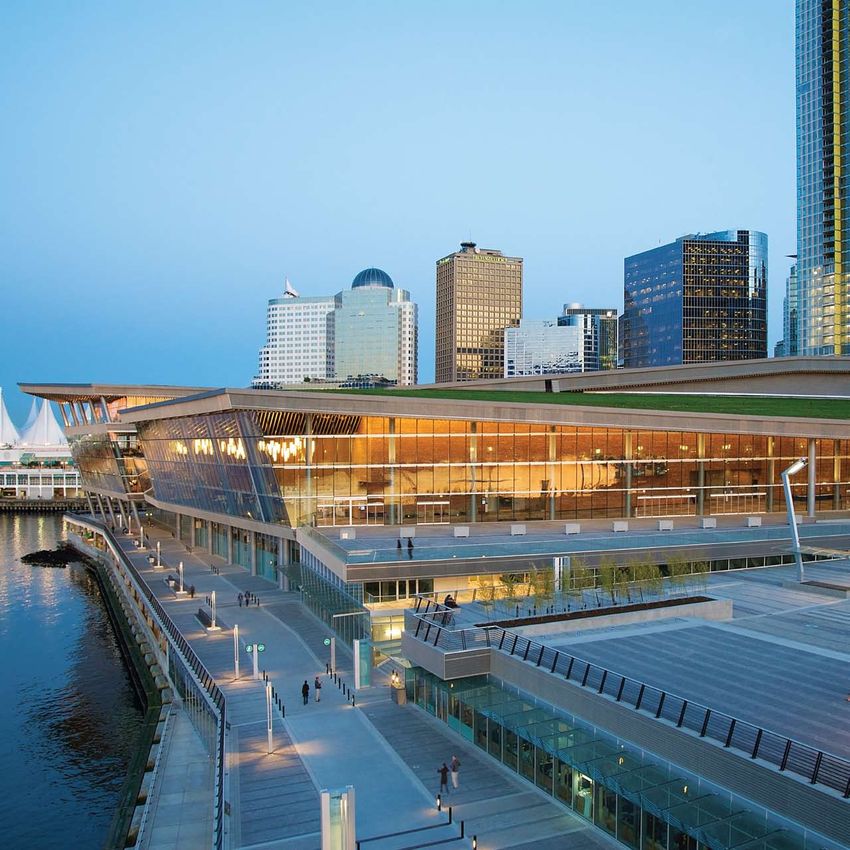
1/   Secure Vancouver’s international
          reputation as a mecca of green enterprise.

10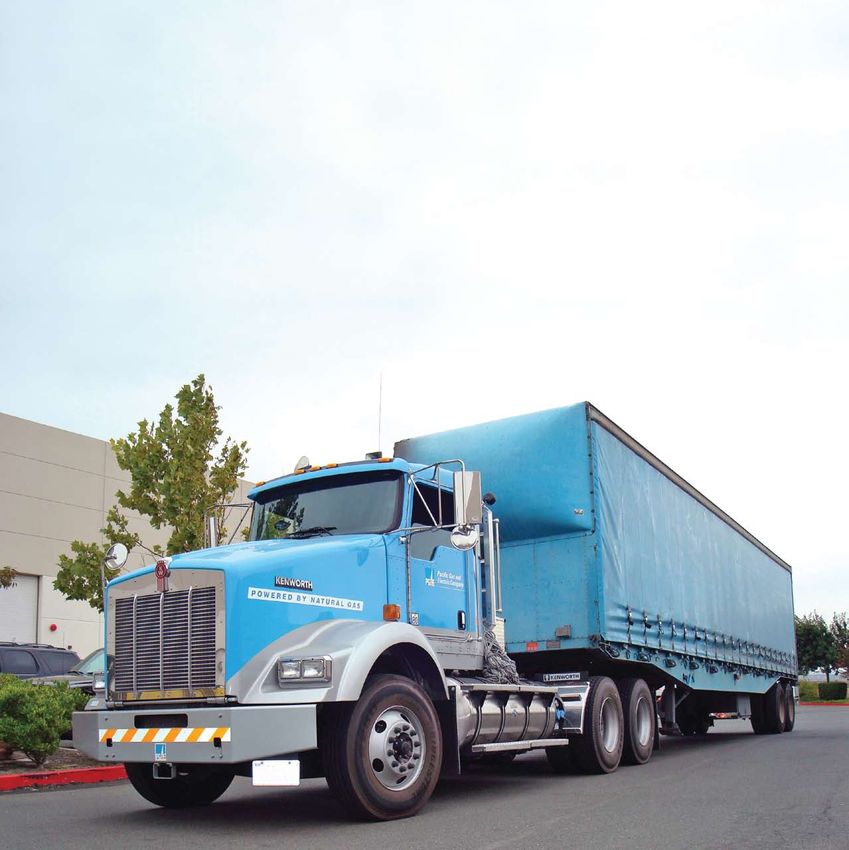
Green Economy
Targets:
1. D
    ouble the number of green jobs
   over 2010 levels by 2020.
2. D
    ouble the number of companies that
   are actively engaged in greening their
   operations over 2011 levels by 2020.
Vancouver’s green economy is growing more than twice as fast
as traditional sectors. The green economy includes jobs in clean
technology and products, green building design and construction,
sustainability consulting and education, recycling and composting,
local food, green transportation, and much, much more.
Green jobs can be found across traditional and new industry sectors.
For example, many of the resource-based companies headquartered
in Vancouver have sustainability departments, which have created
green jobs, as have energy and environment groups at Vancouver’s
more progressive financial institutions and telecommunications
companies. Vancouver’s emerging eco-fashion innovators are finding
ways to use sustainably produced fabrics and other materials in
their manufacturing processes. Many of BC’s clean technology
companies that are working towards energy solutions such as solar,
wind and tidal power, as well as bio-energy technologies, also call
Vancouver home.
Green economic development is also about greening all sectors of
the economy, encouraging organizations and businesses to make
environmentally responsible improvements in their operations. This
may mean sourcing recycled, reclaimed or locally manufactured
materials, taking steps to improve energy efficiency, or reducing the
amount of solid waste that businesses produce.
There’s a strong business case for going green. Efforts to increase
environmentally sound practices save money, including savings
from reduced waste disposal and energy costs. A green company           By embracing green economic development, Vancouver businesses
also benefits from access to contracts with organizations that have     can be more competitive, gain market share, and prepare for carbon
sustainable purchasing requirements. In addition, companies             regulation, all by improving their environmental performance.
that recognize the benefits of integrating their business systems       Developing Vancouver’s green economy is an opportunity and a
internally as well as with other companies and organizations will       necessity on the path to a healthy and sustainable future for our city.
find opportunities for improved productivity, innovative business
processes, creation of shared value, and additional revenue streams.
                                                                                                                                                  11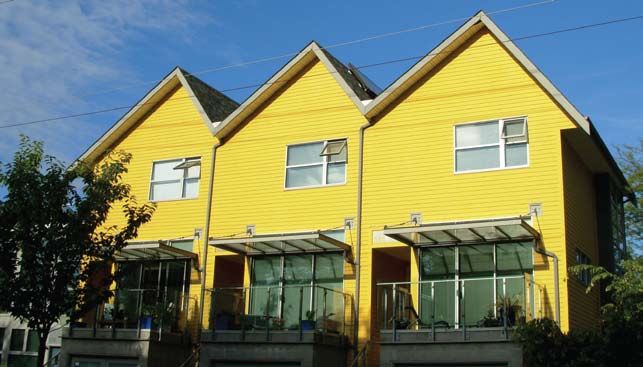
Baseline Numbers                                                                   Highest Priority Actions
    Vancouver has approximately 14,900 green jobs in eight sectors,                    The following are the highest priority actions for 2011–2014. The
    based on 2010/2011 numbers. This makes up more than 3% of total                    complete list of Green Economy actions can be found in the Greenest
    jobs in the city.                                                                  City 2020 Action Plan available at talkgreenvancouver.ca
                                                                                       1. D
                                                                                           evelop programs to support each of the five green job clusters
    Percentage of jobs in key sectors *
                                                                                          that the City has identified as priorities. Programs might include
        KEY SECTORS                                         PER CENT OF JOBS              research, technology hubs, business incubators, and network
        Wholesale & Retail Trade                                     13%                  development.
        Health Care & Social Assistance                               11%              2. Establish a Green Enterprise Zone. This area would make the
        Tourism (Accommodation & Food Service)                        9%                   Downtown Eastside and False Creek Flats the “greenest place to
        Manufacturing                                                 5%                   work in the world” by focusing green companies and organizations,
        Public Administration                                         5%                   green infrastructure, as well as innovations in building design and
                                                                                           land use planning in one location. The lessons learned from this
        Construction                                                  4%
                                                                                           zone would then be applied city wide.
        Transportation & Warehousing                                  4%
        Green Jobs                                                   3+%               3. Deliver a business engagement program. This program can help
                                                                                           Vancouver businesses make measurable improvements to their
    *
     SOURCE: Statistics Canada 2006 and VEC Green Economy Study 2010.                      environmental performance and improve productivity and
    Due to overlap of some industry sectors and multiple sources, the data do not
    sum to 100 percent.
                                                                                           competitiveness.
    About half of Vancouver’s green jobs will likely come from the
    creation of new jobs that don’t currently exist. The other half will
    come from the transformation of existing jobs through skills
    upgrading, and through organizations that green their existing
    business processes and take advantage of new opportunities in the
    green economy.

    Number of green jobs in Vancouver by sub-sector,
    2010/2011
                Local Food                                                  3,900

         Clean Tech & Green
          Building Products                                  2,950

      Green Transportation,
  Infrastructure & Planning                         2,350

        Waste Management
                                          1,400
                                                                                       Green JobS
               & Recycling

 Land & Water Remediation
& Environmental Consulting                1,350                                        • green business development         • smart meter manufacturer
     Green Building Design                                                               officer                             • green purchasing manager
            & Construction                1,350
                                                                                       • business energy advisor            • demonstration zone
     Sustinability Services,
 Public Sector & Education               1,300                                         • green funds manager                  coordinator
              Green Jobs in                                                            • carbon offsets aggregator          • industry association director
         Traditional Sectors       300
                                                                                       • carbon trader                      • policy analyst and researcher
                               0         1000      2000           3000          4000   • ICT networking specialist          • sustainability educator
    SOURCE: Vancouver Economic Commission survey and estimates,
                                                                                       • smart grid engineer and
    March 2010 and April 2011.                                                           technician

    12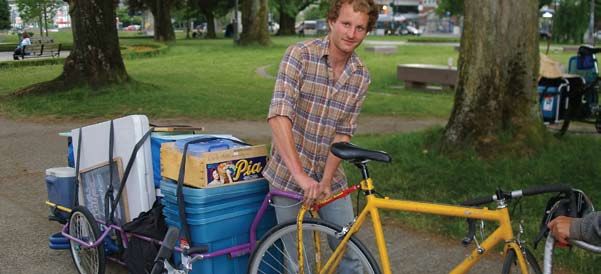
Key Strategies to 2020                                                     What It’s Going to Take
Doubling the number of green jobs in the City and greening existing        to Get There
businesses will take a coordinated effort. Some of the key strategies to
                                                                           Our ability to achieve the Green Economy targets will be largely
get there include:
                                                                           dependent on partnerships with other organizations—particularly
Economic development                                                       businesses, social enterprises, and educational institutions. The
                                                                           City and the VEC can support, encourage and enable green job
Economic development by the City and the Vancouver Economic
                                                                           creation, but the real leadership needs to come from those who are
Commission (VEC) will focus efforts on five industry clusters that
                                                                           ready to seek out the business opportunities that exist in Vancouver’s
have the most potential for growth over the next decade. These
                                                                           green economy.
clusters are: clean technology; green buildings; materials management
and recycling; local food; and sustainability services and education,      The Green Economy goal is directly connected to the other nine
along with other emerging sectors.                                         goals, particularly Green Buildings, Zero Waste, and Local Food—
                                                                           areas where many new green jobs are expected.
Community economic development
                                                                           At least 10% of green jobs have low barriers to employment and are
The City is working with partners to help create job opportunities and
                                                                           accessible to residents facing language barriers, mental health issues,
reduce barriers to employment. This is being done through projects
                                                                           homelessness, or other challenges. These include jobs in local food,
that deliver training and supportive employment programs. Examples
                                                                           waste management and recycling, and some forms of construction
include EMBERS Green Restoration (a home weatherization service),
                                                                           (including home weatherization and deconstruction). Nearly 70% of
a building deconstruction program, and urban farming.
                                                                           green jobs require post-secondary qualifications, including technical
Capacity building, education, and training                                 or trades training.

The City and VEC are continuing to support and participate in a            Forecasted green jobs growth
Campus-City Collaborative that offers green workforce development           30,000
                                                                                         WITH GREENEST CITY ACTION PLAN
as well as research capacity to support the Greenest City targets.
                                                                                         BUSINESS AS USUAL                                                28,000
Some projects already underway include City Studio—a program                 25,000
to connect student researchers with critical sustainability questions
facing the city, as well as a conference to ensure training offered by      20,000                                      21,100
                                                                                                                                                          22,200
local post-secondary institutions matches the need for a growing
                                                                                                                        18,200
green workforce.                                                             15,000
                                                                                      14,900
Greening existing workplaces
                                                                             10,000
The City and the VEC will work with partners to encourage and
enable Vancouver companies to improve efficiencies with respect to            5,000
energy, waste and water; develop innovative management practices
such as green purchasing standards; and re-imagine and redesign                   0
products and services that give them a competitive edge. This will                2010    2011   2012   2013   2014   2015   2016   2017   2018   2019 2020

contribute to the long-term financial health of local businesses, while
bringing us closer to our Greenest City targets.                           Where will the new green jobs come from?
                                                                           This estimate of sources for Vancouver’s new green
                                                                           jobs assumes the full implementation of the Greenest
                                                                           City 2020 Action Plan across all 10 goal areas and
                                                                           uses economic forecasts as its base. Though this is far
                                                                           from an exact science, these projections give useful
                                                                           information about where to focus our efforts.
                                                                                                                                                               13
Distribution of additional green jobs generated                       Green jobs by training required
by 2020, through Greenest City Action Plan
                                                                    Sustainability Services,
(total 10,000+)                                                   Public Sector & Education

                                                                             Green Jobs in
                  1% 1%                                                  Traditional Sectors
                                                                       Green Transportation,
                                                                   Infrastructure & Planning
                                GREEN BUILDING (50%)
                 4%                                               Land & Water Remediation
                                CLEAN TECH & GREEN BUILDING      & Environmental Consulting
           9%                   PRODUCTS (22%)
                                                                               Clean Tech &
                                                                    Green Building Products
                                LOCAL FOOD (13%)
                                                                      Green Building Design
                                INFRASTRUCTURE & PLANNING (9%)               & Construction
     13%
                          50%   WASTE (4%)                              Waste Management
                                                                               & Recycling
                                SUSTAINABILITY SERVICES
                                                                               Local Food*
                                & EDUCATION (1%)
                                                                                (Estimate)
                                LAND & WATER REMEDIATION (1%)
                                                                                     TOTAL
           22%
                                                                                           0%              25%         50%     75%       100%

                                                                                                PROFESSIONAL

                                                                                                TECHNICAL & TRADES

                                                                                                HIGH SCHOOL REQUIRED

                                                                                                LOW BARRIER

City Studio                                  Sustainability of the                                     With a goal of 5,000 homes by
                                             social, economic, and                                     2020, Green Renovations supports
Launched in the fall of 2011, City
                                             environmental kind                                        the City’s plans to create low-
Studio is an innovative program
                                                                                                       threshold green jobs while also
where up to 20 students from                 EMBERS Green Renovations is the
                                                                                                       supporting the GCAP’s Climate
Vancouver’s six public post-                 first business in Vancouver to offer
                                                                                                       Leadership and Green Buildings
secondary institutions work hand             weatherization services to residents
                                                                                                       goals.
in hand with the City to investigate         who want to lighten their ecological
and generate solutions for issues            footprint and save money by                               Home weatherization improves the
related to Greenest City goals. The          making their homes less drafty                            energy performance of buildings
idea for this studio was suggested           and more energy efficient. It’s also                      by installing low-energy, double-
in the Talk Green to Us community            a social enterprise that provides                         glazed windows, sealing gaps
consultation. Originally named               training and job opportunities                            around doors, pipes and wiring,
“City University,” it received so            to residents who’ve experienced                           and installing insulation in walls,
many votes through the website               barriers to employment and found it                       floors and ceilings. It’s estimated
that it finished as the fourth most          difficult to enter the job market.                        that comprehensive home
popular idea.                                                                                          weatherization improvements can
                                             EMBERS, the Eastside Movement
citystudiovancouver.blogspot.com                                                                       reduce up to one metric tonne of
                                             for Business and Economic
                                                                                                       carbon dioxide per year per home.
                                             Renewal Society, began its Green
                                                                                                       That’s about one seventh of the
                                             Renovations program in September
                                                                                                       annual emissions produced by the
                                             2010 with four employees who
                                                                                                       average American car.
                                             provided services to 50 homes in
                                             the first few months of operation.

14
What is a Green Job?
This plan borrows from the United Nations Environment Programme (UNEP) definition,
which describes green jobs as those that “contribute substantially to preserving or restoring
environmental quality… reduce energy, materials and water consumption… decarbonize the
economy and minimize or altogether avoid generation of all forms of waste and pollution.” Job
sectors range from clean technology and green buildings to education and materials recovery.
Green jobs also include jobs in traditional sectors with businesses that have significantly greener
processes or operations than industry standards.
The GCAP has added local food to the UNEP definition, as growing an urban food system is
central to the Greenest City vision for a sustainable economy. Local food is defined here as all
food and beverage (including wine) produced and consumed within British Columbia.
15You can also read


