BSc Arch Handbook 2018|2019 - UCD School of Architecture, Planning and Environmental Policy - University College Dublin
←
→
Page content transcription
If your browser does not render page correctly, please read the page content below
UCD School of Architecture, Planning and Environmental Policy

                                                                2018|2019

BSc Arch Handbook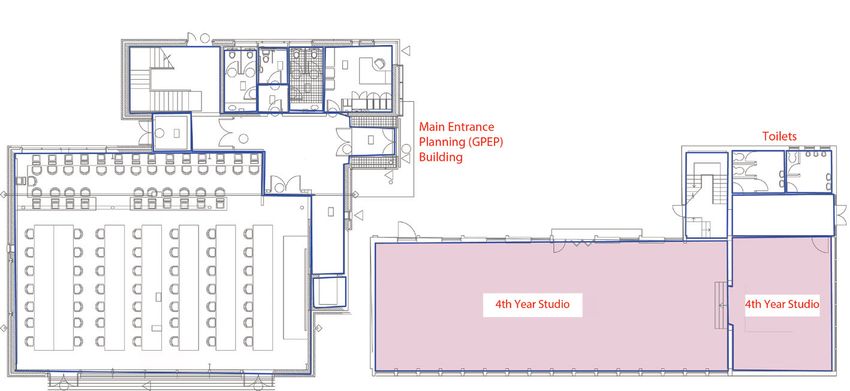
Table of Contents                                                        Architecture Staff/Student Committee
                                                                         Academic Regulations
                                                                         Code of conduct
                                                                                                                                          15
                                                                                                                                          16
                                                                                                                                          16
                                                                         Registration and Student Records	                               16
                                                                         Registration                                                    16
Welcome		                                                          5    Student Records                                                 16
                                                                         Communication with Staff                                        16
                                                                         Blackboard	                                                     16
                                                                         UCD Email                                                       17
Description of programme	                                          6    Research Ethics and Integrity	                                  17
Timetable	                                                          7   Plagiarism, Collusion and Unfair Means	                         17
Academic Calendar 2018-19                                           7   Assessment and Feedback                                         18
BSc Module Coordinators                                             8   Assessment                                                      18
Module Descriptors                                                  8   Grade Descriptors                                               18
Programme Staff                                                     8   Submission of work                                              18
Field Trips                                                        10   GDPR                                                            18
Architecture Student Prizes                                        10   Feedback                                                        18
James Dolan Prize                                                  10   Repeats/Resits                                                  18
Bruce Shortt Award                                                 11   Academic Appeals Procedure	                                     19
Portfolio Prize                                                    11   UCD College of Engineering & Architecture Student Continuation
Dissertation Prize                                                 11   Procedure                                                       19
                                                                         Extenuating Circumstances		                                     19
                                                                         Leave of Absence                                                20
Organisation, Policy and Procedures                                12   Withdrawing from a programme                                    20
The School of Architecture, Planning and Environmental Policy      12
University and School Structure                                    13
Engineering and Architecture Programme Office                      14   Progression 	                                                   20
The Architecture, Landscape, Planning & Environmental Policy Pro-        Understanding Your Degree Award Calculation                     20
gramme Board                                                       14   Accreditation                                                   21
Student Representation	                                            15   After Your Degree                                               22
Student Representatives to the ALPEP Programme Board               15   Conditions for Progression to M Arch Programme                  22
Students’ Union                                                    15   Study Abroad – ERASMUS                                          22

2                                                   2018|2019 | Handbook | bSc Architectural Science | APEP | UCD Architecture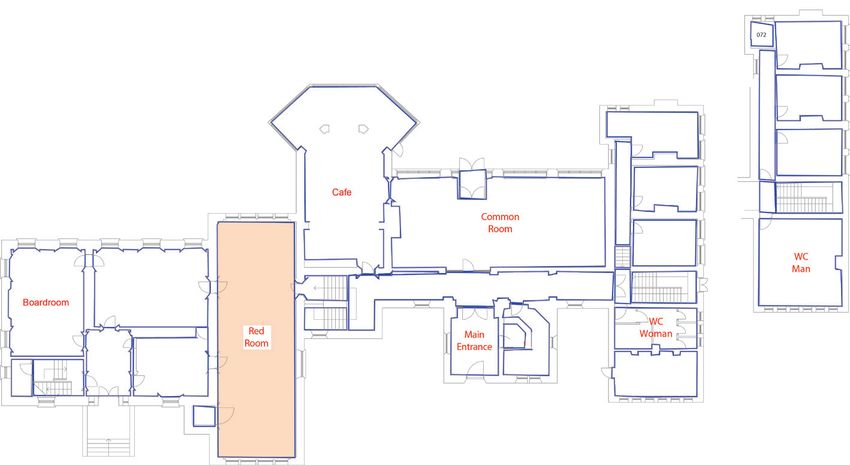
Year Out                                           22       Building Lab Contacts:                  34
                                                             UCD IT Services                         34
                                                             IT Support                              34
                                                             Software                                35
Supports, Societies and Facilities                23
                                                             PC Labs                                 35
Student Help                                       23
                                                             Documents and Storage                   35
Programme Office                                   23
                                                             Printing at Richview                    35
Student Desk                                       24
                                                             The Print Shop	                         35
Student Advisers                                   24
Student Charter                                    24
Health                                             25
Mental Health                                      25       Health & Safety                         36
Counselling                                        25       Safety Statement                        36
Chaplaincy                                         25       Emergency	                              36
UCD Access and Lifelong Learning 	                 25       Emergency Evacuation	                   36
Disability                                         25       Personal Emergency Egress Plan - PEEP   36
Dyslexia Screening                                 26       Alcohol and smoking	                    36
Equality, Diversity & Inclusion                    26       Theft/Personal Property                 37
Gender Identity and Expression                     27       UCD Walk Safe Service                   37
LGBTI                                              27
Dignity & Respect at UCD                           27
Financial Support                                  27       Contacts		                              38
Careers                                            28       Emergency Contacts                      38
Societies and Sports                               28
UCD Sport                                          28
UCD Student Centre                                 28
The Architecture Society                           29
Architecture Societies Outside UCD                 29
Buildings and Studios                              30
Facilities                                         30
Studio                                             33
Library	                                           33
Building Laboratory                                34

UCD ARCHITECTURE | APEP | BSc Architectural Science | HANDBOOK | 2018|2019                             3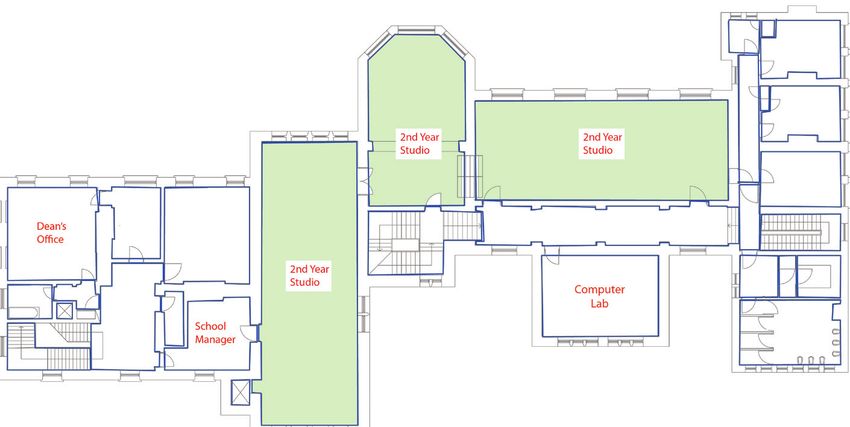
The information contained in this document is, to the best of our
                       knowledge, true and accurate at the time of publication, and is solely
                       for informational purposes.

4   2018|2019 | Handbook | bSc Architectural Science | APEP | UCD Architecture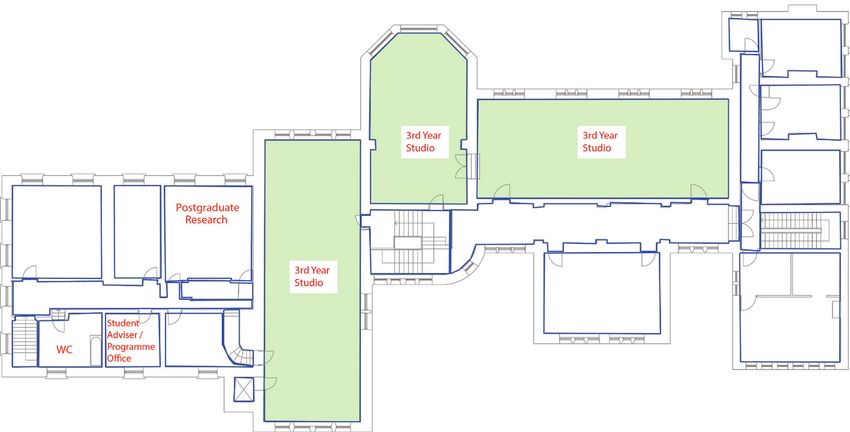
Welcome

                                                             Studying architecture is an adventure of the intellect and the imagi-
                                                             nation. From the outset, it will engage you in creating and learning,
                                                             in expanding your skills, your capacities and your knowledge. It is
                                                             an enjoyable and rewarding programme, but also a demanding one.
                                                             The role of this handbook in that great endeavour is a modest but
                                                             important one. It aims to set out clearly all the basic information you
                                                             will need during your time studying architecture. It provides a map
                                                             of what can sometimes be confusing territory – of your programme
                                                             of study, of the school and its structures, of the college of which the
                                                             school is a part, and of UCD itself, its policies and procedures, its
                                                             systems and its guidelines, its governing ethos.

                                                             Like all handbooks, it tries to be comprehensive but concise. Where
                                                             appropriate, it points you towards the best sources of further infor-
                                                             mation or the best person to contact. It’s not a book that can expand
                                                             your horizons or change your life, but it should equip you better for a
                                                             course of study which, hopefully, will.

                                                                                                                Prof. Hugh Campbell
                                                                                                     Dean and Head of Architecture

UCD ARCHITECTURE | APEP | BSc Architectural Science | HANDBOOK | 2018|2019                                                             5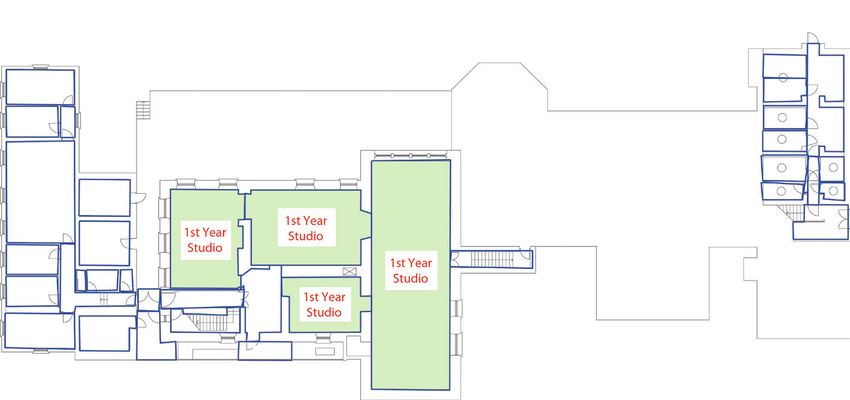
Description of programme UCD Architecture
BSc Architectural Science (Hons) 2018/2019
A programme is an approved course of study, the successful com-
Stage 1 Stage 2 Stage 3
pletion of which normally leads to a University award. The award is (Foundation Year) (Middle School) (Middle School)
ARCT 10010 ARCT 20050 ARCT 30010
made when the required number of credits have been successfully Architectural Design l Architectural Design lll Architectural Design V
accumulated, at appropriate levels, from approved modules, and over
an appropriate period of time, and all other programme requirements
SEMESTER l
CORE 15 ECTS CORE 15 ECTS CORE 15 ECTS
have been met, as outlined in the programme specification (see
ARCT 10030 ARCT 20020 ARCT 30030
General Regulation 3.8 of UCD’s Academic Regulations) approved by Architecture and its
Environment
The Indoor Environment History & Theory lV
Architecture, Urban & Land.
CORE 5 ECTS CORE 5 ECTS CORE 5 ECTS
Academic Council and/or its sub-committees.
ARCT 10090 ARCT 20040 ARCT 30090
History & Theory l History & Theory lll Architectural Technologies lll
Below is the information relating to the Module Levels applying to Perspective in Architecture
CORE 5 ECTS
Survey Course ll
CORE 5 ECTS
Systems, Production & Asse.
CORE 5 ECTS
the undergraduate Honours Bachelor’s degree in Architecture: BSc ARCT 10120 ARCT 20130 CVEN 30100
Into Practice Imagining Achitecture Theory and Design of
Architectural Science. Students intending to pursue the 5-year BSc/ CORE 5 ECTS CORE 5 ECTS
Structures lll
CORE 5 ECTS
MArch pathway should be mindful of this information when selecting
elective modules particularly in respect of the 3-year 180 credit BSc ARCT 10020
Architectural Design ll
ARCT 20010
Architectural Design lV
ARCT 30040
Architectural Design Vl
(Architecture) degree award.
SEMESTER ll
Module Level Restrictions for Honours Bachelor Degrees
CORE 15 ECTS CORE 15 ECTS CORE 15 ECTS
Level 0: 10 ECTS credits maximum ARCT 10040 ARCT 20100 ARCT 30100
Architectural Technologies l Architectural Technologies ll Architectural Technologies V
Intro to Building Envelope Building Frames & Skins Integrated Building Process
Level 2: a minimum of 100 ECTS credits must be at level 2 or above* CORE 5 ECTS CORE 5 ECTS CORE 5 ECTS
Level 3: a minimum of 40 ECTS credits must be at level 3 or above ARCT 1070 CVEN 20040
Theory and Design of
ARCT 30130
Framework for Practice
History & Theory ll
oSurvey Course l Structures ll
* These modules may include the 40 ECTS credits of Level 3 modules that are also CORE 5 ECTS CORE 5 ECTS CORE 5 ECTS
required. ARCT 10060
Engineering and Architecture
of Structures
To understand more about how your Degree Programme is structured in terms CORE 5 ECTS ELECTIVE 5 ECTS ELECTIVE 5 ECTS
of modules levels (modules of different levels of difficulty) and the relevance of
Module Levels to your degree award please refer to the User’s Guide to General In-programme elective offered by UCD Architecture:
ARCT 10080 - Visualisation and Photographic Technique 5 ECTS
Regulations. ARCT 20570 - Enhancing Digital Drawing Skills 5 ECTS
6 2018|2019 | Handbook | bSc Architectural Science | APEP | UCD Architecture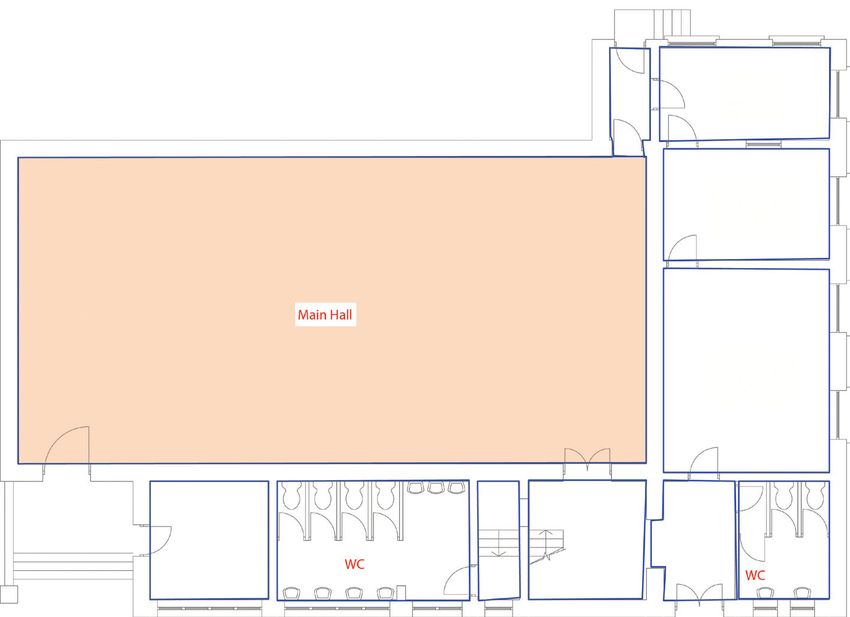
Timetable
Timetables for each semester can be viewed via the General Refer-
ence Timetable or via SIS web.

Academic Calendar 2018-19

 Semester 1 (Tuesday, 4 September 2018 – Sunday, 20 January 2019 inclusive)
 First Year Orientation                            Tuesday, 4 September – Friday, 7 September                     No. of days varies depending on course

 Teaching term 1                                   Monday, 10 September – Friday, 30 November1                    12 weeks

 Revision                                          Saturday, 1 December – Sunday, 9 December                      1 week

 Exams                                             Monday, 10 December – Friday, 21 December                      11 working days

 Christmas break                                   Monday, 24 December 2018 – Tuesday, 1 January 2019 inclusive

 Semester 1 Exam process2                          https://intranet.ucd.ie/registry/assessment/gap.html

 Semester 2 (Monday, 21 January – Sunday, 19 May 2019 inclusive)
 Teaching term 2a                                  Monday, 21 January – Friday, 8 March                           7 weeks

 Fieldwork/Study period                            Monday, 11 March – Sunday, 24 March3                           2 weeks

 Teaching term 2b                                  Monday, 25 March – Friday, 26 April 4                          5 weeks

 Revision                                          Saturday, 27 April – Sunday, 5 May                             1 week

 Exams                                             Tuesday, 7 May   5   – Saturday, 18 May                        11 working days

 Semester 2 Exam process2                          https://intranet.ucd.ie/registry/assessment/gap.html

 Summer term/Research period (Monday, 20 May – Sunday, 1 September 2019 inclusive)

 Term 3                                            Monday, 20 May – Sunday, 1 September6                               15 weeks

 Graduate Exam process2                            https://intranet.ucd.ie/registry/assessment/gap.html

 1 October Bank Holiday: Monday, 29 October 2018
 2 Incorporates Grading, Grade Entry, Processing, School Module Review Boards, Release of provisional results
 3 St. Patrick’s Day: Sunday, 17 March 2019. St. Patrick’s Bank Holiday: Monday, 18 March 2019
 4 Good Friday, 19 April 2019; Easter Sunday, 21 April 2019; Easter Monday, 22 April 2019

 5 May Bank Holiday: Monday, 6 May 2019

 6 June Bank Holiday: Monday, 3 June 2019; August Bank Holiday: Monday, 5 August 2019

UCD ARCHITECTURE | APEP | BSc Architectural Science | HANDBOOK | 2018|2019                                                                                 7
Module Descriptors                                                       BSc Module Coordinators

Module Descriptors for each module are available through SIS web.        (In alphabetical order by surname)
The module descriptor will give you detailed information on your
                                                                          Prof Hugh                ARCT10070 History & Theory of the
module including who the module coordinator is, when the module is
                                                                                                   Designed Environment II - Survey Course
offered, what you will learn, how you will learn and what the assess-     Campbell
                                                                                                   1
ment requirements are.
                                                                          hugh.campbell@ucd.ie
                                                                                                   ARCT20040 History & Theory of the
                                                                                                   Designed Environment III - Survey Course
Programme Staff                                                                                    2

Every module has a module co-ordinator who is identified in the                                    (jointly coordinated with Livia Hurley)
module descriptor. The module co-ordinator is responsible for the         Alice Clancy             ARCT20050 Architectural Design III
organisation and running of specific modules. If you have a problem
                                                                          alice.clancy@ucd.ie      ARCT10080: Visualisation and Photo-
or query with regard to a module the module co-ordinator is the first
                                                                                                   graphic Technique (Elective)
person to contact.
                                                                          Peter Cody               ARCT10010 Architectural Design I
Module coordinators make themselves reasonably available to
answer any queries in relation to a module. However, in line with         peter.cody.1@ucd.ie      ARCT10020 Architectural Design II
general UCD practice, they may designate particular periods during        Sarah Cremin             ARCT10040 Architectural Technologies I –
the week when they are available for such queries.                        sarah.cremin@ucd.ie      Introduction to Building Envelope
                                                                          Will Dimond              ARCT30010 Architectural Design V

                                                                          william.dimond@ucd.      ARCT30040 Architectural Design VI
                                                                          ie

8                                                    2018|2019 | Handbook | bSc Architectural Science | APEP | UCD Architecture
Dr Jennifer Keenahan CVEN10060 Struct: Eng & Arct James O’Hare ARCT20130 Imagining Architecture
jennifer.keenahan@ CVEN20040 Theory and Design of Struc- james.ohare@ucd.ie
ucd.ie tures II Prof Finola O'Kane ARCT30030 History & Theory of the
CVEN30100 Theory and Design of Struc- Crimmins Designed Environment IV - Architecture,
tures III Urban and Landscape
finola.okane@ucd.ie
Paul Kenny ARCT10030 Architecture & its Environ- ARCT30130 Framework for Practice
ment Daniel Sudhershan ARCT10120 Into Practice
paul.kenny@ucd.ie
ARCT20020 The Indoor Environment daniel.sudhershan@
ARCT20570 Enhancing Digital Skills ucd.ie
Elective Peter Tansey ARCT20010 Architectural Design IV
Dr Oliver Kinnane ARCT20100 Architectural Technologies peter.tansey@ucd.ie
II – Building Frames and Skins
oliver.kinnane@ucd.ie
ARCT30090 Architectural Technologies
III – Systems, Production and Assembly
ARCT30100 Architectural Technologies
IV – Integrated Building Process
Dr Samantha ARCT10090 History & Theory of the
Martin-Mcauliffe Designed Environment I - Perspectives on
Architecture
samantha.martin-
mcauliffe@ucd.ie
UCD ARCHITECTURE | APEP | BSc Architectural Science | HANDBOOK | 2018|2019 9Field Trips Field trips are an integral element of the studio programme in which
all students are ordinarily expected to participate. However it is
Field trips to destinations within and, less often, outside Ireland form
recognised that the additional costs and travel arrangements involved
an important element of the programme. Typically, studio modules
may occasionally preclude students from participating. In these
will involve field trips to sites for design projects. Where these are
instances, an alternative programme of study will be taught in UCD.
outside Dublin, this may involve travel and sometimes overnight
stays, although such requirements are kept to a minimum.
Field trips can also form standalone components within the studio Architecture Student Prizes
module, providing opportunities to study buildings and settlements
At the end of every academic year prizes are awarded by the school in
at first hand. Field trips typically happen in the first and second year
recognition of outstanding student work. The prize winners for 2017 –
of the undergraduate programme and on occasion in the first year of
2018 are listed below.
the graduate programme. These trips are typically to European urban
centres, with good transport connections and reasonably priced
accommodation. The module co-ordinator and a number of teachers
James Dolan Prize
on the module accompany the students on the field trip which will
have a detailed programme of activities provided. Where field trips The James Dolan Prize is given for the best drawing in first year.
occur during timetabled weeks of the semester, this may incur neces-
sary absence from some other modules. In such cases, arrangements Nominations
will be made well in advance and all effected module co-ordinators
Rebecca Dolan – 1.20 section / elevation
informed. Students will be informed of the details of any forthcoming
Conor Kiely – 1.20 section
field trips as early as possible, in order to facilitate the most economic
travel and accommodation arrangements. James Carey – 1.20 exploded axonometric
Katie Carroll – Drawing Machine exploded axonometric
While on field trips, students are expected at all times to conduct
themselves in accordance with UCD’s student policy. See the UCD Aisling Cotton – Table Drawings
Student Code. Hanwhao Wang – Kevin Harrington’s studio section
10 2018|2019 | Handbook | bSc Architectural Science | APEP | UCD ArchitectureWinner: Hanwhao Wang – Kevin Harrington’s studio section Portfolio Prize
The Portfolio Prize is awarded to the student in the school whose
portfolio is considered to have made the greatest contribution to the
Bruce Shortt Award studio culture.
The Bruce Shortt Award is given for best project in the school from
any year.
Winner: Chloe Loh, Fifth year.
Nominations
First Year: Paul O’Neill – Potter’s Studio Dissertation Prize
Second Year: Kevin Quinlan – Porto Housing project The Dissertation is awarded for the best M Arch dissertation in fifth
year (M Arch Stage 2).
Third Year: Christian Smith - Project for Further Education College in
Dun Laoghaire.
Fourth Year: City Life – Group project by Xueni Bai, Sofia Chillida Honourable Mentions:
Bernaudo, Roisin Burns, Zuhraner Celik, Paul Chastang, Emma
Cooney, Alberto Cubillo Romeo, Frank Devlin, Sonia Hernandez-Gil, Laura Doyle, “Urban Soundscape: Mapping the Acoustic Landscape
Samuel Holohan, Zainab Mahdi, Elie Marcel, Peter Molloy, Aoife Ni of the Liberties”
Eoghagain, Annika Olausson, Isobel Owens, Charles O’Dowd, Aoife Conor English, “Frank Murphy, the Missing Modernist: An Illumination
O’Halloran, Anna Pawliczuk, Eddie Sardeng, Vilde Reitan Forbregd, of a Forgotten Irish Architect”
Avaneesh Samant.
Runner up: Nicholas Morgan Cunningham , “The Evolution of the
Fifth Year: Ferdia Kenny – Kilkenny Festival Hall Segal Method”.
Winner: Chloe Loh, “A Territorial Project: The Projection of the ‘Com-
Winner: Fourth Year City Life - group project mon Good’ in the art and architecture of Siena’s Palazzo Pubblico,
1297-1345”
UCD ARCHITECTURE | APEP | BSc Architectural Science | HANDBOOK | 2018|2019 11Organisation, Policy and Procedures in their discipline.
A diagram showing the univsersity and school structure is given
overleaf.
The School of Architecture, Planning and Environmental
Policy
The School of Architecture, Planning and Environmental Policy was
formed in 2015 in order to gather together disciplines dealing with
the creation and management of the designed environment at every
scale from spaces and buildings to cities and landscapes to regions
and nations. The School has a range of undergraduate and graduate
programmes in Architecture, Landscape Architecture, Planning, Urban
Design and Environmental Policy.
The School is managed by the Head of School along with the School
Manager and the administrative team. Each discipline has its own
Head of Subject. These, along with the Heads of Research, Teaching
and Learning and International Engagement, sit on the School
Executive. Chaired by the Head of School, the Executive is the main
decision-making body for the School. The Head of School in turn sits
on the College Executive, chaired by the College Principal, along with
the Heads of the five Engineering Schools which comprise the College
of Engineering and Architecture.
The Heads of Teaching and Learning, of Research and of International
Engagement each convene a committee which meets regularly. In
addition, Heads of Subjects each meet regularly with faculty and staff
12 2018|2019 | Handbook | bSc Architectural Science | APEP | UCD ArchitectureUniversity and School Structure
President
Registrar University Management
Team
University Programme Board College Executive
Dean of Head of School Heads of Subject
Architecture of Architecture, Committee
Planning and
Environmental
Policy
Associate Dean
and Chair of School
School Executive
Programme Manager
Board
Head of Head of
Architecture, Landscape Director of Head of Head of
Teaching Research Head of Head of School Technical
Architecture, Planning International
and and Architecture
Landscape
Planning
Environmental
Engagement Architecture Policy Administration Staff
and Environmental Learning Innovation
Policy Programme Board
Programme
Office
Programme
Manager
UCD ARCHITECTURE | APEP | BSc Architectural Science | HANDBOOK | 2018|2019 13Engineering and Architecture Programme Office Erin O’Malley, ALPEP Programme Manager (erin.omalley@ucd.ie or
01 716 1871)
The Engineering and Architecture Programme Office comprises a
Áine Ahern, Programme Office Administrator (aine.ahern@ucd.ie or
team of friendly, approachable staff dedicated to supporting the
01 716 1939)
degree programmes offered in Engineering, Architecture, Landscape
Architecture, City Planning & Environmental Policy. The Architecture, Landscape, Planning & Environmental Policy
Programme Board
Staff in the Programme Office work closely with the Student Adviser,
Academic Programme Coordinators, School Staff and other supports The Architecture, Landscape, Planning and Environmental Policy
around the University to help students in progressing through their Programmes Board reports to the University Programmes Board
Degree. If you need assistance with online module registration, and to the Academic Council and is responsible to for the design,
examination queries, understanding academic regulations/policies, development, regulation and quality, and for overseeing the delivery
extenuating circumstances, your path through your Degree pro- of the programmes under its remit. These Programmes include all
gramme or any other support that you might require during your time Undergraduate and Taught Graduate Architecture, Landscape, Plan-
in UCD the Programme Office is there to help. ning & Environmental Policy Degree Programmes.
Programme Office Staff are based in the Architecture Building (Top The Programme Board is also responsible for monitoring the overall
Floor beside 3rd Year Studio) on Tuesday afternoons and Wednesday performance of students registered to these programmes, including
and Friday mornings during the Semester or alternatively in Room Erasmus, Exchange & Occasional Fee Paying students, monitoring
122, Engineering & Materials Science Centre, Belfield. their progression and ensuring their academic welfare.
Programme Office Contacts: The Programme Board recommends the structure and content of
UCD Engineering & Architecture Programme Office these programmes, and any regulations or policy which govern them,
Room 122, Engineering and Materials Science Centre, Belfield and makes decisions or recommendations regarding the admission,
Tel: (01) 716 1868 progression, continuation and graduation of students registered to
Website: www.ucd.ie/engarch these programmes.
Contacts for Architecture Students: The ALPEP Programme Board meets 2-3 times per Semester.
14 2018|2019 | Handbook | bSc Architectural Science | APEP | UCD ArchitectureStudent Representation whom are elected by the students. See the Student’s Union website
for further information on the structure and role of the union.
It is vital for the community spirit of the School that students’ voices
and concerns are heard. There are a number of ways in which this The Student’s Union nominates two student representatives to the
happens. Architecture, Landscape, Planning & Environmental Policy Programme
Board. Only students who have been officially elected to the Union
Student Representatives to the ALPEP Programme Board
can be invited to join the Board.
The membership of the Programme Board includes two student
Architecture Staff/Student Committee
representatives who must be nominated by the UCD Student’s Union.
It’s very important to the Board that students have a voice on the In addition to the student representatives on the ALPEP Programme
Programme Board Committees, student representatives are actively Board, students are represented on the Staff/Student Committee.
sought each year as the Programme Board meetings provide a plat- Class Representatives of each stage of the BSc (Arch) and from the
form to disseminate information and address any issues that arise at MArch meet with staff representatives several times per semester.
a Programme level. It is important that students are elected formally The Dean and the Associate Dean attend these sessions. At these
as Student Representatives via the UCD Students’ Union as the Board meetings, issues of immediate concern to the students are discussed,
can only invite students to join the Board if they have been officially but they also have to opportunity to discuss and contribute to the
elected to Union. broader development of the school.
Students’ Union Students are represented by at least two elected representatives from
each year of the MArch degree (Substantially Equivalent candidate)
UCD Student’s Union represents over 30, 000 students attending
and the BSc in Architectural Science (Pre-Professional degree). The
UCD. The Student’s Union offers help, advice and an advocacy service
Chair and Educational Secretary from ArcSoc, also attend SSC meet-
for students. It also runs campaigns promoting the interests of
ings. The Dean, the Associate Dean, faculty and staff representatives
students, as well as student shops and affordable entertainment.
attend these meetings regularly. The SSC meets once or twice per
The Union is run by the President and the Sabbatical Officers, sup- semester to discuss student issues including Curriculum, delivery of
ported by eight College Officers and 200 Class Representatives, all of Modules as well as the school facilities and student welfare.
UCD ARCHITECTURE | APEP | BSc Architectural Science | HANDBOOK | 2018|2019 15Student Regulations Registration and Student Records
Academic Regulations Registration
‘UCD’s Academic Regulations set out the university’s formal regu- Before you begin your programme you will need to ensure that you
lations in relation to how your degree programme is structured, its are fully registered with the University. Registration allows you to
workload, how it is assessed, progression requirements and award obtain your UCD Student Card (UCARD) and to gain access to UCD’s
classification.’ facilities and services. Registration is carried out online using your
SIS Web account. The Engineering & Architecture Programme Office
The Online User’s Guide has been designed to help students and staff
can help you with queries or difficulties you may have registering for
navigate their way through the Academic Regulations. The Guide
architecture and engineering modules (see page 14). The Student
is organised thematically and uses a FAQ approach. The Academic
Desk, located in the Tierney Building on main campus can help you
Regulations are subject to review and amendment on an annual
with general queries with regard to module registration. There are
basis. The Online User’s Guide is updated accordingly to reflect any
also online guides available to help you.
changes.
Student Records
Code of conduct
The Student Desk is responsible for the production of official docu-
The UCD Student Code sets out the University’s regulations and
ments relating to your registration and academic history.
expectations in respect of student behaviour and conduct. The Code
establishes types of behaviour that constitute breaches of the Uni-
versity’s disciplinary regulations and provides details of the student
Communication with Staff
disciplinary process. Any alleged breach of the UCD Student Code
may be treated as a disciplinary matter under the University’s Student Blackboard
Disciplinary Procedures. Students and University staff are expected
Blackboard is UCD’s eLearning environment. It is used to host and
to familiarise themselves with the UCD Student Code and related
communicate a wide range of content relating to modules as well as
procedures.
a means for submitting coursework and assignments. Modules vary
16 2018|2019 | Handbook | bSc Architectural Science | APEP | UCD Architecturein the manner and extent to which they make use of Blackboard. A involve humans or animals requires the individual researcher, and/
new system, Brightspace, is being introduced on a phased basis from or teams of researchers, to obtain ethical approval or an exemption
Spring 2019. from full ethical review. Research should be conducted in line with
an approved research ethics application and should adhere to the
UCD Email
conditions of that approval.
All students are assigned a UCD connect email account upon registra-
The Office of Research Ethics co-ordinate and support the work of the
tion. All connect email addresses follow the format: firstname.last-
UCD research ethics committees. We also provide support, advice and
name@ucdconnect.ie. This is your official UCD email address which
guidance to the UCD research community on their submissions for
is linked to your student record. All official email correspondence will
ethical review and any research ethics related matters.
be sent to your UCD Connect email so it is important that you check
your email regularly as important notices and instructions will be Plagiarism, Collusion and Unfair Means
sent here. Some email communications may be urgent and require
UCD upholds the principle of academic integrity, whereby appropriate
immediate attention.
acknowledgement is given to the contributions of others in any work.
Email will not be sent to personal email accounts. You may arrange to Plagiarism is a form of academic dishonesty, where ideas are present-
have your UCD Connect account redirected to another address or ser- ed falsely, either implicitly or explicitly, as being the original thought
vice provider but you should note that it is the student’s responsibility of the author. Plagiarism is a serious academic offence and while it
to ensure that this alternate mailbox is viable. It is recommended that may be easy to commit unintentionally, it is defined by the fact not
students use their UCD Connect mail box. UCD has a Student Email the intention. All students are responsible for being familiar with the
Protocol which you can read here. University’s Plagiarism Policy. The library also provides guidance on
how to avoid plagiarism.
Research Ethics and Integrity
What is Research Ethics?
All research conducted within UCD or by UCD staff or students that
UCD ARCHITECTURE | APEP | BSc Architectural Science | HANDBOOK | 2018|2019 17Assessment and Feedback force. These represent a major change in how data is dealt with in
relation to privacy. UCD has established a set of policies and proce-
Assessment
dures related to GDPR which will inform and underpin the School’s
Module descriptors will set out strategies for the assessment of work operations. You can find further information on GDPR here.
and assignments within the module including any exams, projects,
Feedback
presentations, portfolio submission etc. General information on
the rules guiding assessment in UCD can be found on the UCD By its nature, the architecture programme offers regular review and
Assessment webpage and within the online User’s Guide to General comments on students’ work and strategies for development an
Regulations. improvement. Such discussion is integral to the pedagogy, particularly
of the studio modules. Module co-ordinators and studio teachers are
Grade Descriptors
generally open and available to discuss students’ work. In addition,
The criteria required to achieve each grade are outlined in the grade if a more formal review of progress and more extensive feedback is
descriptor approved by UCD Academic Council which you can find sought, students can seek a meeting with the module co-ordinator
here. during timetabled hours. In turn, module co-ordinators may organise
to offer individual feedback to students on occasion. For tips on
Submission of work
coping with exams see here.
Work to be assessed should be submitted according to the schedule
Repeats/Resits
set out by module co-ordinator. Late submission of work may impact
the grade received. Where there are extenuating circumstances For detailed information on the remediation of failed modules, resits
which might lead to late submission, these should be made known and repeats see the User’s guide to the General Regulations section
to the module co-ordinator as soon as possible. For policy on late on remediation of failed modules here.
submission see here.
With regard to Studio modules, with the agreement of the module
GDPR coordinator, the option may be offered to resubmit the portfolio for
assessment at the Summer Exam Board.
In May 2018 the new General Data Protection Regulations came into
18 2018|2019 | Handbook | bSc Architectural Science | APEP | UCD ArchitectureInformation on the fees required for re-sits and repeats is available completion of their programme of study in a timely manner. Students
here. are encouraged to avail of supports and guidance available to them
at UCD, as required. This procedure will work in conjunction with the
Academic Appeals Procedure
interventions and support procedures available at university, college
UCD recognises that from time to time situations arise when a and school level.
student considers that they might have grounds for appeal against
The Engineering and Architecture Programme Office is available to
a decision related to assessment of their academic work. UCD’s
offer advice to students on examination results and progression as
Assessment Appeals Policy outlines the principles and process for
well as advice on university policies and procedures. For information
such an appeal. An assessment appeal will only be considered on
on how to contact the office see page 14.
certain grounds which are outlined on the Assessment Appeals Office
webpage. Further information is available here. Extenuating Circumstances
The Engineering and Architecture Programme Office is available to Extenuating circumstances are serious unforeseen events beyond
offer advice to students on examination results and progression as your control which prevent you from meeting the requirements of
well as advice on university policies and procedures. For information your programme e.g. illness, bereavement, other personal difficulties,
on how to contact the office see page 14. etc. Where your studies have been impacted by such circumstances,
you can submit an application to have your situation taken into
account. Applications are submitted online through your UCD Con-
UCD College of Engineering & Architecture Student nect SIS Web Account and supporting evidence must be submitted
Continuation Procedure directly to the Engineering & Architecture Programme Office in order
for your application to be verified. Once your application has been
The College of Engineering and Architecture seeks to support
verified by the Programme Office, the relevant Module Co-ordinators
students, progressing through their taught programme, in achieving
will be made aware that you have submitted an application and can
their potential.
discuss it with you.
The continuation procedure outlined here, describes the interven-
A Student Guide to Extenuating Circumstances is available here.
tions in place, designed to support student progression through to
UCD ARCHITECTURE | APEP | BSc Architectural Science | HANDBOOK | 2018|2019 19The Engineering & Architecture Programme Office is here to support Programme Board in certain conditions. Further information on Leave
you if you have any questions about making an application for exten- of Absence including how to apply online for a Leave of Absence can
uating circumstances or if you need to submit a medical cert or other be found here.
types of supporting evidence.
Withdrawing from a programme
Contact: Erin O’Malley, ALPEP Programme Manager (erin.omalley@
Before you complete a withdrawal form, make sure you get as much
ucd.ie or 01 716 1871) or Áine Ahern, Programme Office Administra-
advice as you can from an appropriate staff member. This includes
tor (aine.ahern@ucd.ie or 01 716 1939)
your Programme Office, your Student Adviser or the Student Desk.
Programme Office Staff are based in the Architecture Building (Top Read the UCD Withdrawal Policy and check the fee deadlines to
Floor beside 3rd Year Studio) on Tuesday afternoons and Wednesday familiarise yourself with all the implications of this request. With-
and Friday mornings during the Semester or alternatively in Room drawing from a programme may have implications with regard to fees
122, Engineering & Materials Science Centre, Belfield. which are outlined here.
Leave of Absence All information is treated in the strictest confidence and will only seen
by those staff processing your request.
A Leave of Absence enables you to take an approved and specified
period of time away from your programme. Before you apply for a
Leave of Absence, you should make sure that you get as much advice
as you can from an appropriate staff member e.g. your Programme
Progression
Office, your Student Adviser or the Student Desk. You should also Understanding Your Degree Award Calculation
make sure to read the UCD Leave of Absence Policy and familiarise
The overall award to each graduate of a Degree Programme is calcu-
yourself with all the implications of this request.
lated using the GPA (Grade Point Average) system. Your performance
Retrospective leave of absence: Retrospective leave of absence is across the range of modules you take will be calculated using this
defined as an extended period of time away from the programme of system, which is an average of grade-points awarded for each module
study, where that period of time has passed. Retrospective leave of weighted, according to the credit value of the modules for which the
absence is not normally permitted. However, it may be granted by a grades were approved – modules will count for 5, 10 or 15 credits.
20 2018|2019 | Handbook | bSc Architectural Science | APEP | UCD ArchitectureEach stage has 60 credits and you will receive a GPA at the end of for ‘the general advancement of Civil Architecture, and for promoting
each stage. and facilitating the acquirement of the knowledge of the various
arts and sciences connected therewith’. UCD’s BSc in Architectural
The BSc (Architecture) Degree calculation of honours is based on the
Science degree fulfils the requirements for the RIBA Part I the MArch
final stage of the programme where the grade points are weighted
for the RIBA Part II. The next RIBA accreditation visit will take place in
so that the final stage modules contribute 100% to the degree GPA.
September 2018 for the next five year cycle (2018 to 2023).
Further information is available here.
NAAB
Accreditation
The National Architectural Accrediting Board, established in 1940,
UCD Architecture is accredited by the RIAI, RIBA and has obtained
is the oldest accrediting agency for architectural education in the
substantial equivalency status from the NAAB.
United States. The NAAB accredits professional degrees in architec-
RIAI ture offered by institutions with U.S. regional accreditation. Currently,
there are 153 accredited programs offered by 123 institutions. The
The Royal Institute of Architects Ireland is the primary accrediting
NAAB develops standards and procedures appropriate for the edu-
body of our Professional Programme, currently MArch. Access to the
cation of architects. These standards are developed by architectural
profession of Architect in the EU member states, EEA countries and
educators, practitioners, regulators, and students. UCD’s MArch
Switzerland is governed by national legislation and thew standards
Programme received NAAB’s Substantial Equivalency Status from
must comply with the European Directive on the Mutual Recognition
January 2017 to 2022.
of Professional Qualifications (2005/36/EC). The Directive sets the
minimum standard for the professional recognition of architects
within the EU monitored by the RIAI in Ireland. UCD architecture is 1Conditions for Substantial Equivalency
accredited from 2018 to 2023. 2Procedures for Substantial Equivalency
3UCD Architecture Programme Report Visit Two July 2014
RIBA
4NAAB Visiting Team Report for Visit Two
The Royal Institute of British Architects is a global professional 5NAAB Visiting Team Report for Visit Three
membership body based in London. The RIBA was founded in 1834
UCD ARCHITECTURE | APEP | BSc Architectural Science | HANDBOOK | 2018|2019 21After Your Degree Study Abroad – ERASMUS
Conditions for Progression to M Arch Programme UCD has exchange agreements with 400 universities in Europe and
around the world. Many M Arch students use the opportunity to
This two year programme fulfils the requirements for the professional
study for a semester in one of our partner schools in Asia, Australia,
education in architecture (RIBA Part II exempt and RIAI and has
the US, and Europe during this first year of the M Arch programme.
obtained substantial equivalency with NAAB). It equips students to
Further information is available from UCD International Office and a
deal with complex design problems in challenging contexts. Through
list of where you can do is available here.
studio projects, academic writing and practical experiment it develops
professional capacities while placing equal emphasis on research Students agree in advance and confirm the modules they will be
and critical enquiry. It situates architecture within a broader field of taking during their stay in another host institution with the UCD
disciplines and influences. The programme is led by academics and Programme coordinator prior to travel, the modules from the host
practitioners at the forefront of the discipline. It encourages students institute must fulfill our required learning outcomes for that semes-
to participate in and lead the development of a vital and critical ter.
culture of architecture.
Year Out
Entry Requirements: For UCD BSc in Architectural Science graduates
Most students will take a year out to gain practical experience before
the entry requirement for the MArch Degree is a minimum Degree
progressing to the Master of Architecture Degree. This year out is not
Award GPA of 2.8 (equivalent to a mid 2H2 Degree) but students who
mandatory but it is recommended.
do not achieve a 2.8 GPA can still apply and will be considered subject
to interview and portfolio submission. Further information here. In Semester Two of Stage Three you will be contacted by email and
asked to confirm your intentions for the next academic year – pro-
For non-UCD Students: Entry onto this flagship programme is highly
gression or year out. It’s very important that you tell us what you
competitive and requires a Bachelors Degree with a minimum upper
intend to do as we can’t advance a student to the Master of Architec-
second class honours (NFQ Level 8) or international equivalence in a
ture or have their registration changed to Year Out (Leave of Absence)
relevant programme. A full portfolio review and (skype) interview is
unless they request it. See here for further information.
compulsory.
22 2018|2019 | Handbook | bSc Architectural Science | APEP | UCD ArchitectureSupports, Societies and Facilities Services, etc.
Programme Office Staff are based in the Architecture Building (Top
UCD has a range of supports in place to help students during their
Floor beside 3rd Year Studio) on Tuesday afternoons and Wednesday
time at university. This section briefly outlines what supports are
and Friday mornings during the Semester or alternatively in Room
available and how to access them.
122, Engineering & Materials Science Centre, Belfield.
Student Help
The Student Help webpage is a one-stop-shop which will direct you to
Programme Office Contacts:
the appropriate help from an emergency on campus to registering for
UCD Engineering & Architecture Programme Office
a course. You can find it here.
Room 122, Engineering and Materials Science Centre, Belfield
Programme Office
Tel: (01) 716 1868
Each course (programme in UCD) is supported by a Programme Of-
Website: www.ucd.ie/engarch
fice. They are your first point of contact if you need academic advice
or pastoral support. They are there to help you with any concern or
query relating to your degree programme. Some of the key areas your Contacts for Architecture Students:
Programme Office can help you with are:
Erin O’Malley, ALPEP Programme Manager (erin.omalley@ucd.ie or
• Registration queries 01 716 1871)
• Advice on examination results and progression Áine Ahern, Programme Office Administrator (aine.ahern@ucd.ie or
01 716 1939)
• Academic Programme advice
• Advice on University Policies and Procedures
• Extenuating circumstances/medical certificates
• Withdrawals from/re-admission to programmes
• Referral to Student Adviser/academic staff/Disability Support
UCD ARCHITECTURE | APEP | BSc Architectural Science | HANDBOOK | 2018|2019 23Student Desk is as fulfilling and enjoyable as possible.
The Student Desk is located in the Tierney Building on main campus. Dr Colleen Doyle is the Student Adviser for Engineering, Architecture
They provide a drop-in service and can help you with issues including: and Landscape Architecture Students. She is located in Richview in
the main Architecture Building (Top Floor beside 3rd Year Studio)
• Fees
on Thursdays during the academic term. She also has an office in
• Official documents the Engineering & Materials Science Centre, room 130A, (beside the
• Form stamping common room) and she is available here Mondays, Tuesdays and
Wednesdays.
• Registration
Appointments can be booked through her online diary, or by contact-
• Exam information
ing Colleen on email or by phone:
• Thesis Submission Checklist
colleen.doyle@ucd.ie (01) 716 1875 or (086) 382 5746 (office hours
• What is UniShare?
only)
Student Charter
Student Advisers
The UCD Student Charter summarises our aspirations and expecta-
The UCD Student Advisory Service is a point of contact, support and tions for all members of our University community. It sets out the
referral for all UCD students throughout their studies. Every academ- roles and responsibilities of the various groups within our University
ic programme in UCD has a dedicated Student Adviser who offers and outlines what students can expect from their University and what
students time and space to explore issues of concern to them. The the University can expect from its student members.
Student Advisers can assist students in finding pathways to deal with
personal, social and emotional issues and can advise of appropriate
UCD policies, procedures and services. Student Advisers work closely
with academic and administrative staff as well as with the other
student support staff to ensure that each student’s experience at UCD
24 2018|2019 | Handbook | bSc Architectural Science | APEP | UCD ArchitectureHealth Chaplaincy
The Student Health & Counselling Service is based on the first floor of UCD chaplains are available throughout the year for support, guid-
the Student Centre. It is staffed by medical professionals and a team ance and advice in complete confidence for those of all faiths and
of counsellors. Check out their website for opening hours and the none. Click here for further details.
range of services provided.
Mental Health
UCD Access and Lifelong Learning
UCD seeks to ensure that the promotion of mental health and well-
UCD Access and Lifelong Learning offers a range of academic support
being is part of the UCD Student Experience. (You can view the policy
services to students. It runs an academic skills workshop for all
online here.) There are number of supports on campus available to
students to help them transition to university level learning. You can
help you. See here for more information. If you or someone you know
find out more here.
is suffering with their mental health, there is an online guide available
to direct you to appropriate help and support here. Disability
Counselling UCD Access and Lifelong Learning also offers a range of services
to support students with disabilities, including: dyslexia screening
UCD provides a Student Counselling Service. This is a free and confi-
service, advice on managing disabilities, exam accommodation and
dential service staffed by professionally qualified psychologists and
assistive technology. Find out more about these services here.
counsellors. It aims to provide easily accessible support for students
when personal issues arise that affect their happiness, well-being, All students with a disability in UCD have the opportunity to receive
capacity to cope, relationships or learning. supports. To receive these supports students are invited to register
with UCD Access & Lifelong Learning. More information and details
If you are a student who is in need of support click here to find out
on the documents required to register for supports can be found
how to avail of one to one counselling at UCD.
here.
Students already registered for support who have a query can email
UCD ARCHITECTURE | APEP | BSc Architectural Science | HANDBOOK | 2018|2019 25disability@ucd.ie or attend Disability Support - Drop In Sessions. it would be useful for them to get a full Educational Psychologist’s
Assessment. It is the student’s choice as to whether he/she will
UCD Access & Lifelong Learning has prepared a selection of guides for
pursue a full assessment. You can find out more here.
students on how to manage particular disabilities in college . Click on
the links below to download the appropriate guide.
Equality, Diversity & Inclusion
• Managing ADD/ADHD
UCD is committed to creating an environment where diversity is cel-
• Managing Asperger’s Syndrome
ebrated and everyone is treated fairly regardless of gender, age, race,
• Managing Dyslexia disability, ethnic origin, religion, sexual orientation, civil status, family
• Managing Dyspraxia status, or membership of the travelling community. The University
• Managing Hearing Difficulties recognises the challenges it faces and has a genuine commitment to
equality of opportunity for our staff and students, and to promote
• Managing Mental Health Difficulties
and maintain an inclusive work and study environment where there is
• Managing Physical Disabilities mutual respect and dignity. It is fully committed to both meeting and
• Managing Significant Ongoing Illnesses exceeding our obligations under current legislation by doing more
• Managing Visual Impairment than what is required by law. UCD’s policies on equality, diversity and
inclusion can be found here.
Architecture Faculty member, Associate Professor Elizabeth Shotton,
Dyslexia Screening serves as the college representative on the Equality, Diversity and
UCD Access & Lifelong Learning provides a Dyslexia Screening Service Inclusion (EDI) Group for the College of Engineering and Architecture.
for registered students of UCD. This free service is provided to allow You can find out more about the role and objectives of the group
UCD students who feel they are experiencing significant difficulties here.
with learning to attend an initial screening for dyslexia. The screening
service aims to provide students with an indication of whether or not
26 2018|2019 | Handbook | bSc Architectural Science | APEP | UCD ArchitectureGender Identity and Expression Dignity & Respect at UCD
Gender identity and expression is a positive, core part, of being UCD is committed to the promotion of an environment for work and
human and experiencing wellbeing and fulfilment. UCD celebrates study which upholds the dignity and respect of the individual and
its diverse community of employees and students and their diverse which supports every individual’s right to study and/or work in an
gender identities and expression. Fundamental equality and inclusion environment which is free of any form of harassment, intimidation or
in UCD’s community is central to our University’s ethos of academic bullying.
excellence and integrity and our aspiration to be leaders in our
There are a number of supports in place for staff and students
society.
experiencing bullying and/or harassment, and there are a range of
UCD’s Gender Identity and Expression Policy can be found here, along options (both informal and formal) available in an attempt to resolve
with further information on transitioning at UCD and gender neutral the issue. You can find out more here.
facilities on Belfield campus, including Richview.
The Dignity & Respect policy sets out the framework for dealing with
LGBTI complaints of bullying and harassment, including sexual harassment.
It includes information for dealing with complaints informally as well
The LGBTI Sub-Group comes under the umbrella of Equality, Diversity
as information on the formal procedure. It also contains information
and Inclusion. The purpose of this sub-group is to consider and
on the supports available for staff and students.
further opportunities for LGBTI focussed issues and concerns relevant
to equality, diversity and inclusion within the University, with a view
to optimising and transforming our university community’s culture,
Financial Support
ethos and practice towards one of universal equality.
Financial problems can arise for students for a number of reasons.
UCD is a founding member of the Diversity Champions programme of
To allow for these circumstances, UCD offers two opportunities for
the Gay and Lesbian Equality Network (GLEN) in Ireland and in that
students to apply for financial assistance; the Student Support Fund
context can be expected to take a proactive and open LGBTI-inclusive
and the Student Welfare Fund. You can find out more about how to
stance in its strategies and policies. You can find out more about the
apply for assistance, and eligibility criteria here. If you are unsure
group here.
UCD ARCHITECTURE | APEP | BSc Architectural Science | HANDBOOK | 2018|2019 27whether or not you may be eligible for financial assistance form Societies and Sports
either the Student Support Fund or the Student Welfare Fund please
UCD Sport
contact your Student Adviser in the first instance.
Exercise is a great way to keep mind and body healthy during your
time at university. UCD boasts an extensive range of sporting facilities
Careers available to students, including the UCD Sport & Fitness complex,
incorporating an Olympic-sized 50-metre pool and gym, twelve
UCD has a dedicated Career Development Office on main campus
natural grass playing pitches, hockey pitches, climbing wall, tennis
which is open to all students to gain support, information and advice
courts, squash courts and sports halls. There are almost sixty sports
with regard to post-university careers. The Careers office offers a wide
clubs available to students from team sports and adventure sports,
range of services: students and recent graduates (up to two years
to water sports and fitness classes. The full list of sports clubs is
after graduation) can book a 20 minute one-to-one appointment with
available here and facilities here.
a Career & Skills Consultant to talk about anything career related.
Students and graduates can also book a CV/Application review UCD Student Centre
appointment or a general ‘Quick Query’ appointment. In addition
The Student centre provides space for clubs and societies as well as,
the Careers office offers a Career Information Library, and a series of
essential student services such as the student health centre. It in-
Career Workshops during the academic year.
cludes the Clubhouse (student bar), UCD cinema, shops, restaurants,
UCD Architecture also offers one day workshop on Portfolio prepara- a pool room, the DramSoc Theatre, and a number of lecture theatres,
tion, CV and other career development related matters to graduating seminar rooms and offices.
year students.
UCD Student Societies
UCD has over 80 recognised student societies covering a wide range
of cultural interests, sports as well as academic disciplines, and many
more. Student societies are run by students for students. You can find
further information on the UCD Student Society website.
28 2018|2019 | Handbook | bSc Architectural Science | APEP | UCD ArchitectureThe Architecture Society AAI
The Architecture Society or Arc Soc is an important part of student The Architectural Association of Ireland promotes and facilitates the
life here at Richview. Arc Soc run a number of events throughout the study of architecture. The association runs a public lecture series
year including lectures, workshops and the annual architecture ball. featuring international architects as well as its annual awards compe-
You can find more information about the society here. tition; the AAI awards. It also publishes the journal Building Material
and the New Irish Architecture series of books. The AAI’s lectures are
Architecture Societies Outside UCD
a great way to broaden your architectural knowledge. Membership
RIAI of the AAI is free, but there is a charge for attending lectures and
The Royal Institute of the Architects of Ireland supports and regulates site visits. An annual student pass is available at a discount. For more
the architectural profession and promotes the value that architecture information visit their website.
brings to society for everyone’s benefit. The RIAI have a student
membership available to students of architecture for free. For more
information on what the RIAI does and membership see their web-
site.
IAF
The Irish Architecture Foundation is an independent organisation
dedicated to the promotion of architecture as culture. Its mission
is to encourage people to engage with their built environment, to
inspire new ways of thinking about architecture. The IAF runs many
events and initiatives throughout the year including lectures and
talks, teaching projects, tours, as well as Open House Dublin held in
October every year. Open House Dublin is a great opportunity to visit
architecture all over the city which is not normally open to the public.
Student membership is available.
UCD ARCHITECTURE | APEP | BSc Architectural Science | HANDBOOK | 2018|2019 29Facilities Buildings and Studios
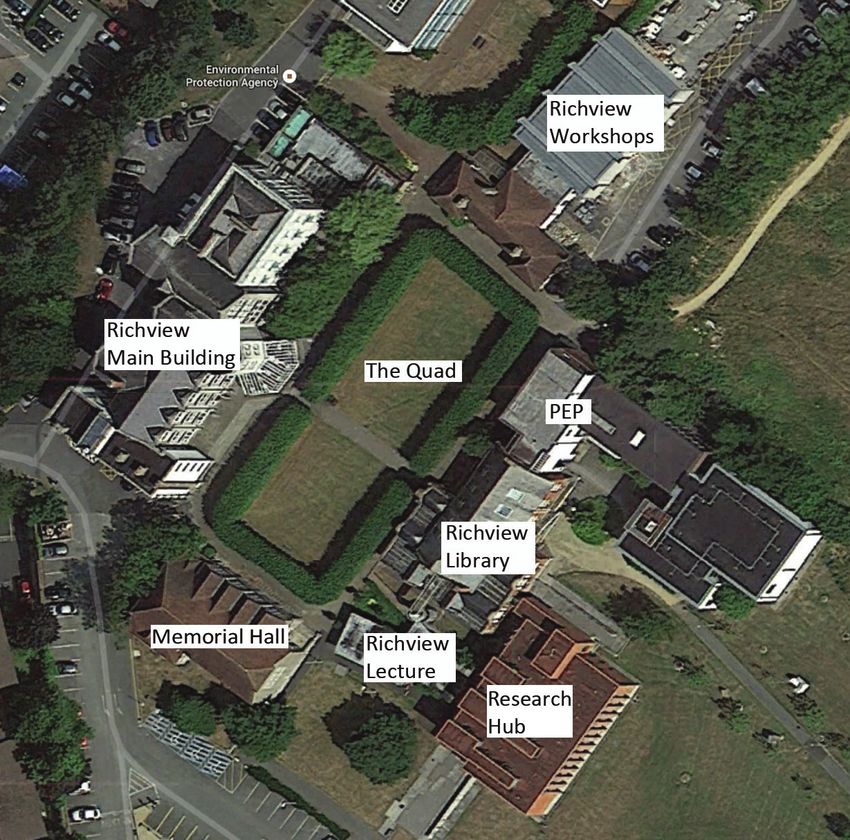
The architecture school is located at Richview, a ten-minute walk to
the west of the main Belfield campus and a two-minute walk to the
Civil Engineering and Landscape Architecture buildings. A map of
Belfield campus is available here.
Richview Main Building – Lower Ground Floor
Richview Main Building – Ground Floor
30 2018|2019 | Handbook | bSc Architectural Science | APEP | UCD ArchitectureYou can also read


