2019 UNGC on Progress - Communication ELI LILLY AND COMPANY
←
→
Page content transcription
If your browser does not render page correctly, please read the page content below
E L I L I L LY A N D C O M PA N Y

  2019 UNGC
Communication
 on Progress

Contents
PAGE 3           ABOUT LILLY & ABOUT THIS REPORT
PAGE 4           A MESSAGE FROM OUR CEO
PAGE 6           LILLY’S RESPONSE TO COVID-19
PAGE 9           2019 RESPONSIBILITY HIGHLIGHTS
PAGE 13          HUMAN RIGHTS
                 UNGC PRINCIPLES ADDRESSED:
  1                  Businesses should support and respect the protection of internationally
		                   proclaimed human rights; and
                 2   make sure that they are not complicit in human rights abuses.

PAGE 41          LABOR
                 UNGC PRINCIPLES ADDRESSED:
  3                  Businesses should uphold the freedom of association and the effective
		                   recognition of the right to collective bargaining;
                 4   the elimination of all forms of forced and compulsory labor;
                 5   the effective abolition of child labor; and
                 6   the elimination of discrimination in respect of employment and occupation.

PAGE 56          HEALTH, SAFETY AND ENVIRONMENT
                 UNGC PRINCIPLES ADDRESSED:
                 7   Businesses should support a precautionary approach to environmental challenges;
                 8   undertake initiatives to promote greater environmental responsibility; and
                 9   encourage the development and diffusion of environmentally friendly technologies.

PAGE 77          ANTI-CORRUPTION
                 UNGC PRINCIPLES ADDRESSED:
  10 Businesses should work against corruption in all its forms, including extortion
		 and bribery.

                               Intro          |         Page 2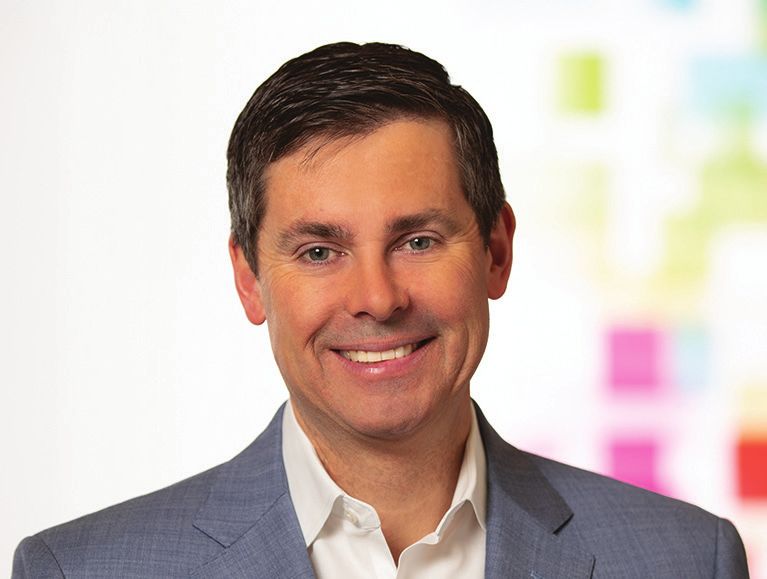
About Eli Lilly
            and Company
            Lilly is a global healthcare leader that unites caring with discovery to create medicines that make life better for
            people around the world. We were founded more than a century ago by a man committed to creating
            high-quality medicines that meet real needs, and today we remain true to that mission in all our work.
            Across the globe, Lilly employees work to discover and bring life-changing medicines to those who need them,
            improve the understanding and management of disease, and give back to communities through philanthropy
            and volunteerism.

            To learn more about Lilly, please visit us at www.lilly.com and http://newsroom.lilly.com/social-channels.

About This Report
This report represents our Communication on Progress for 2019 in implementing the principles of the United Nations
Global Compact.

Data and other updates contained in this report are focused on the 2019 calendar year and include global operations, unless
otherwise noted. We also discuss data and trends from previous years, where relevant, and include some significant events
and initiatives that occurred in the first half of 2020. This report does not include joint ventures, partially owned subsidiaries,
or outsourced operations.

In response to the COVID-19 pandemic, Lilly refocused internal resources to execute response activities, including those
necessary to ensure that employees and their families are safe and that patients have access to Lilly medicines. As a result of
these actions, we decided to postpone third-party verification of selected environmental data and progress against 2020 goals
for the 2019 report. We will be completing this assurance process later in 2020 and the resulting assurance will be posted
on lilly.com.

Lilly follows structured processes to collect, evaluate and calculate the data we report, to ensure appropriateness and
accuracy. We consider external standards in deciding what data to collect and report. Our global health, safety and
environment management system is periodically reviewed by an independent, accredited auditor to ensure conformance
with the American Chemistry Council’s Responsible Care® Management System requirements.

We welcome feedback on this content, as it helps us to prepare future reports.

Mohamed Osman Mohamed
Corporate Responsibility, Eli Lilly and Company
Email: mmohamed@lilly.com
Phone: +1-317-430-8123

                                                  Intro         |         Page 3
A Message from
            Our CEO
Dear Stakeholders,                                                  DAVID A. RICKS
                                                                    Chairman and CEO
Since Lilly’s last communication on progress to the
United Nations Global Compact, the world has changed.
The COVID-19 pandemic has impacted the way we live,
the way we conduct business and, most important, the
health and wellness of millions of people. Our response
to the pandemic has been powered by our purpose, as
we press forward to discover and supply medicines that
make life better for people around the world.

Leveraging Our Expertise to Fight
the Pandemic
Given the urgent need for new medicines to prevent and
treat COVID-19, we partnered with two companies to
                                                                  and launched important new medicines and made
develop potential antibody therapies and with National
                                                                  progress on our productivity agenda. The number of
Institutes of Health in the NIAID Adaptive COVID-19
                                                                  people our medicines are helping totaled more than 40
Treatment Trial with baricitinib, our JAK inhibitor.
                                                                  million last year.
We initiated a Phase 2 clinical trial with one of our
investigational antibodies, and we are developing
                                                                  We continue to form partnerships within and across
serological antibody tests that could prove critical in the
                                                                  health systems to facilitate patient access to critical
next phase of the pandemic.
                                                                  treatments, regardless of income level or geography.
                                                                  Through our Lilly 30x30 commitment, we’ve set a goal
Partnering with our home state of Indiana, we repurposed
                                                                  to improve access to quality health care in resource-
specialized labs to conduct free diagnostic testing and
                                                                  limited settings for 30 million people on an annual
created a drive-through testing facility for healthcare
                                                                  basis through 2030, with a focus on pipeline, programs
workers and first responders. We created opportunities
                                                                  and partnerships.
for Lilly employees to volunteer during work hours to
support our medical system. And with other life
                                                                  Pipeline: Scientific discoveries that don’t become
sciences firms, we joined the Bill & Melinda Gates
                                                                  marketed medicines can still provide value. To address
Foundation, national regulators and the WHO to ensure
                                                                  priority global diseases, Lilly researchers reviewed
promising studies are quickly scaled to help people
                                                                  more than 350 molecules and legacy products to study
around the world.
                                                                  mechanisms of action against known disease markers.
                                                                  They identified about a dozen promising candidates for
Advancing Global and Local Health                                 further study and will make recommendations in 2020 to
The actions we have taken around COVID-19 augment                 an internal research governing committee.
our employees’ excellent work in 2019, as detailed in this
report. Lilly delivered solid financial results, developed

                                                  Intro       |     Page 4
Programs: We offer more than 150 patient support                      of 2015 to the end of 2019, we increased the number of
programs across 51 countries that reach close to two                  women in management globally from 41 percent to 45
million people each year. These programs support people               percent. For racial and ethnic minorities and other non-
who are taking Lilly medicines, along with their caregivers           majority members in the United States over that same
and loved ones. People who use our insulin can access                 period, we increased management representation from
numerous programs through our Diabetes Solutions                      18 percent to 24 percent. Across all levels of our company,
Center, to which we have added the Lilly Insulin Value                in 2019 we saw increased representation for minorities in
Program, enabling anyone with commercial insurance and                the United States and women globally.
those without insurance to fill their monthly prescription
of Lilly insulin for $35. Together, our solutions are helping         Since 2015, we have conducted research called employee
up to 20,000 people each month better afford their insulin.           journeys to understand the experiences of women, African
In 2021, we’ll be participating in a new program that aims            Americans, Asians and Latinxs at Lilly. We have used this
to help seniors in Medicare Part D plans as well.                     information to make systemic advances that are having
                                                                      real, measurable impact. One example is Make It Safe to
Partnerships: Through strategic global health                         Thrive, an education program to build cultural literacy
partnerships, Lilly and the Lilly Foundation work to                  and strengthen teams by reducing unconscious bias and
strengthen local healthcare systems and improve access                microaggressions. In 2019, all employees were required
to care. We use our technology and expertise to find                  to complete an online version of this training.
sustainable and scalable solutions to pressing global
health concerns, including diabetes and cancer.                       Managing Our Environmental Impact
Contributions from Lilly and the Lilly Foundation have                Our promise of making life better includes protecting
helped support two new endeavors that are saving and                  and preserving our world through environmental
strengthening lives. The first is AMPATH, a medical                   sustainability efforts. In 2019, Lilly scored a rating of
consortium that provides medicines and quality health                 B on climate change and B on water from CDP, the
care to people living in western Kenya. Lilly and the Lilly           world’s largest repository of environmental management
Foundation are supporting the expansion of the AMPATH                 information. We exceeded two of our 2020 environmental
model to Mexico and Ghana, respectively, with the                     goals—15 percent reduction in phosphorous emissions
potential to reach millions more people. The second is the            and 20 percent improvement in waste efficiency—and we
new Health Worker Training Initiative, in which Lilly joined          are developing our next set of targets, to be announced
forces with four other companies and the Bill & Melinda               in 2020.
Gates Foundation to fund 2,500 community health workers
                                                                      Since meeting our waste efficiency goal in 2018, we’ve
providing primary health care for nearly 1.7 million people
                                                                      focused on achieving our recycling and waste-to-
in up to six African countries.
                                                                      landfill targets. During 2019, our facilities management
                                                                      team implemented innovative strategies for the
Fostering Diversity and Inclusion                                     decommissioning and demolition of a large R&D facility,
We continue to set aspirational goals and measure our                 seeking out new approaches to recycle and repurpose
progress in building a diverse workforce. From the end                materials and achieving zero waste to landfill.

My signature below affirms our company’s ongoing commitment and our intent to support and advance the Compact’s ten
universally accepted principles in the areas of human rights, labor, environment and anti-corruption, in addition to the United
Nations Sustainable Development Goals.

In these extraordinary times, we will continue to do everything in our power to aid in the global crisis, while delivering
medicines to sustain the health of patients who rely on us. We’re confident that our industry and the scientific strength that it
brings will ultimately rid the world of COVID-19, and we will continue to do all we can to advance that noble cause.

                                               David A. Ricks, Chairman and CEO

                                                 Intro          |        Page 5
Lilly’s Response to the COVID-19 Pandemic
  The global pandemic brought on by the COVID-19 virus in early 2020 has changed the world as we know it. At Lilly, we are
  honored to join with our industry partners in bringing the unique scientific and medical expertise of the pharmaceutical industry
  to bear in this crisis. We’re working together—with partners around the world—to help affected patients and communities.

  Lilly continues to closely monitor the COVID-19 pandemic and its global impact. For updated information visit our COVID-19
  media page on lilly.com.

  OUR PRIORITIES INCLUDE:

                 Maintaining Supplies of and Access                   •    Lilly does not source active pharmaceutical
                 to Lilly Medicines                                        ingredients for any of our approved medicines
                                                                           from China, and, as of May 2020, our insulin
                  With the help of a large network of global
                                                                           manufacturing sites in the United States and Europe
                  external manufacturing partners we
                                                                           have not been impacted by the coronavirus.
                  supply medicine to nearly 125 countries.
  Lilly is committed to public health and does not currently          •    As the global situation evolves, we will continue to
  anticipate shortages for any of our medicines, including                 take the steps necessary to safeguard the reliable
  all forms of insulin.                                                    supply of our medicines.

  •    We’ve taken several actions to protect our                     •    For those affected economically, we introduced
       manufacturing processes, such as moving to a work-                  our Lilly Insulin Value Program enabling people in
       from-home policy for everyone except those with jobs                the United States on commercial insurance or no
       that are essential to ensuring supply of medicines.                 insurance at all to fill their monthly prescription for
                                                                           most Lilly insulins for $35.
  •    We’re in close communication with key suppliers
       regarding supplies of raw materials.

“Lilly is moving at top speed and using all available resources to help
fight this pandemic. Developing potential therapeutic medicines
for COVID-19 is part of our vital and humanitarian mission. To be
successful, we must combine resources, data and expertise, with
 government, academia and other companies.”
—Daniel Skovronsky, M.D., Ph.D., Lilly’s chief scientific officer and president of Lilly Research Laboratories

                                                  Intro         |         Page 6
Keeping Our Employees Safe and                        •    To keep employees informed, we created a frequently
              Healthy                                                    updated global resource page dedicated to COVID-19,
                                                                         including: frequently asked questions, resources
                 Protecting the health and safety of our
                                                                         for leaders and a global virtual assistant to provide
                 employees has been, and remains, a major
                                                                         responses to employee questions.
priority for Lilly. The pandemic has forced all of us to work
in new ways and we are committed to supporting one                  •    To support employee well-being, we made physical
another as we all adapt. We have worked to keep open                     and mental health resources available, including a
communication with teams around the world during this                    global website for well-being resources featuring on-
challenging time.                                                        demand webinars, live fitness classes and resilience-
                                                                         building activities.
•    To maximize social distancing, we announced travel
     restrictions and remote working arrangements for               •    This year our global Week of Well-Being included
     those whose roles do not require on-site presence.                  a global keynote address on resilience, a series on
                                                                         mental health and a virtual 5K race.
•    In the field, we supported our customers and each
     other in new ways in this difficult time. We have              •    In the United States, we enhanced local benefits
     stopped face-to-face interactions with customers in                 related to health care, childcare and time off, and
     many countries and we’re moving rapidly to a pure                   expanded reimbursement for home office ergonomic
     digital communication platform with customers.                      support expenditures.

             Developing Treatments for COVID-19                     •    We entered into a study with the National Institute of
                                                                         Allergy and Infectious Diseases (NIAID)—part of the
             As the world urgently awaits new treatments
                                                                         National Institutes of Health—to study baricitinib as
             for COVID-19, we at Lilly are working to do
                                                                         an anti-inflammatory treatment approach under the
             our part to put our expertise to work. In the
                                                                         NIAID Adaptive COVID-19 Treatment Trial.
             face of the outbreak in early 2020, we’ve
             redirected scientific efforts to help solve            •    We also have an investigational selective monoclonal
critical medical issues—including potential therapeutics,                antibody against Angiopoietin 2, to Phase 2 testing
diagnostics and testing.                                                 in pneumonia patients hospitalized with COVID-19
                                                                         who are at a higher risk of progressing to acute
•    Under a partnership with AbCellera Biologics, Inc. we
                                                                         respiratory distress syndrome.
     began Phase I clinical trials to develop treatments
     based on antibodies isolated from patients infected            •    With other life sciences companies, we joined
     with COVID-19 who have recovered.                                   with the Bill & Melinda Gates Foundation, national
                                                                         regulators and the World Health Organization to
•    We also entered into an agreement with
                                                                         ensure promising studies are quickly scaled to help
     Junshi Biosciences—which launched one of the
                                                                         people around the world.
     industry’s first R&D efforts aimed at discovering
     therapies to combat COVID-19—to co-develop
     therapeutic antibodies.

                                                  Intro         |       Page 7
Supporting Communities                                                             local stakeholders to establish the Indianapolis
                                                                                                        E-Learning Fund to support Indianapolis educators,
               Lilly has a long history of giving back to the
                                                                                                        students and families during the transition to at-
               communities where we work and live. In
                                                                                                        home distance learning.
               this time of global crisis, we are committed
               to supporting our workforce, affected                                             •      Together with the governor of Indiana, the mayor
communities and people who need our medicines. We’re                                                    of Indianapolis and other community stakeholders,
working together—and with partners around the world—                                                    Lilly launched the #INThisTogether community
to help communities weather this storm and come back                                                    awareness campaign to provide access to helpful
even stronger.                                                                                          tips and information and galvanize communitywide
                                                                                                        commitment to flattening the curve of
•      We repurposed specialized labs to conduct free
                                                                                                        COVID-19 infections.
       diagnostic testing in our home community of
       Indianapolis and created a drive-through testing                                          •      Lilly and the Lilly Foundation also provided financial
       facility for healthcare workers, first responders and                                            assistance for supplies and relief efforts in China
       other essential workers.                                                                         through our long-standing partners, Project HOPE,
                                                                                                        Direct Relief and the Red Cross.
•      The Lilly Foundation1 joined a coalition of community
       funders to launch an initial $16.5 million Central                                        •      Lilly donated personal protective equipment—
       Indiana COVID-19 Community Economic Relief Fund                                                  including masks, gloves and lab coats—to Project
       to support human services organizations in Central                                               HOPE for distribution to hospitals and clinics in
       Indiana during the crisis.                                                                       high-risk areas and hot spots, including New
                                                                                                        Orleans, New York, Los Angeles, the Navajo
•      The Lilly Foundation announced a 2:1 match for
                                                                                                        Reservation near Gallup, New Mexico and
       employee and retiree contributions to select
                                                                                                        Puerto Rico.
       COVID-19 community relief funds across the United
       States and in our hometown of Indianapolis.                                               •      The Lilly Foundation is matching 1:1 for employee
                                                                                                        contributions to international COVID-19 related
•      We announced a joint effort with Merck and Pfizer
                                                                                                        projects—including more than 150 coronavirus-
       to enable employees who are licensed medical
                                                                                                        related projects—from relief aid distribution in China
       professionals to aid in the fight against COVID-19.
                                                                                                        to emergency response efforts in Italy.
•      As local schools were shuttered, the Lilly Foundation
       joined forces with the city of Indianapolis and other

“The Lilly Foundation and Lilly are actively engaged with
community partners to address new and complex challenges
arising from the coronavirus—including the need for meaningful
access to e-learning. The Lilly Foundation is privileged to join
 others to support the Indianapolis E-Learning Fund to ensure kids
 in Indianapolis—regardless of household income—have access to
the e-learning tools and support they need to succeed.”
—Tiffany Benjamin, senior director, corporate responsibility, global health and president, Lilly Foundation

1
 The Eli Lilly and Company Foundation, Inc, a separate nonprofit organization, is commonly referred to as the Lilly Foundation.

                                                                    Intro               |            Page 8
2019 Responsibility
            Highlights
            Beyond the impact of our medicines, Lilly has a long history of strengthening communities. We collaborate with
            organizations that have proven track records of social impact and we create meaningful opportunities for our
            employees to give and volunteer.

United Way
During our 100-year relationship with United Way,                                  CONTRIBUTIONS AT A GLANCE
contributions from Lilly employees and retirees—plus
matching gifts from the Lilly Foundation—have totaled
                                                                                                          TOTAL COMMITTED TO
$315 million. Together, we work to address complex
societal challenges and create lasting change in the areas
                                                                                $90M                      GLOBAL HEALTH EFFORTS
                                                                                                          THROUGH 2022
of health, education and financial stability. During its
annual campaign, the Lilly Foundation worked with United
Way of Central Indiana to develop new corporate partners
by matching employee contributions dollar-for-dollar.                          $1.3B                      2019 TOTAL PRODUCT DONATIONS1

Global Day of Service                                                     $32.6M                          2019 TOTAL CASH DONATIONS
                                                                                                          *including $24.3M from the Lilly Foundation
Every year, more than 20,000 Lilly employees volunteer
worldwide to improve health, education and communities
around the globe. We collaborate with local organizations
in 65 countries to increase our impact. Together, we’ve
completed thousands of projects—from assembling
                                                                                  2.1M                    INSULIN VIALS DONATED: 2008-2019
                                                                                                          TO THE LIFE FOR A CHILD PROGRAM

cancer care packages to teaching in classrooms to
improving local community centers.
                                                                                                          2019 TOTAL UNITED
                                                                          $13.4M                          WAY CONTRIBUTIONS
                                                                                                          *including $6.9M from the Lilly Foundation

                                                                                                          NUMBER OF EMPLOYEE
                                                                                  1.2M                    VOLUNTEER HOURS
                                                                                                          THROUGH LILLY GLOBAL DAY
                                                                                                          OF SERVICE SINCE 2008

                                                                   1
                                                                    All product donations in this report have been valued at wholesale acquisition
                                                                   cost or WAC.

                                               Intro         |         Page 9
Education—Investing in the Next Generation
The Lilly Foundation works to improve the lives of those who lack resources, including supporting and championing efforts
in our home state of Indiana to strengthen public education focusing on early childhood education, K-12 and STEM subjects
(science, technology, engineering and math). The Foundation backs results-oriented programs and organizations with the
proven ability to drive community impact, including:

•   Indianapolis Public Schools (IPS), which empowers and educates students with diverse backgrounds to think critically,
    creatively and responsibly to pursue their dreams with purpose. The Foundation grants support K-12 STEM subjects and
    ensuring equity in education;

•   The Mind Trust, which strives to provide every Indianapolis student access to a high-quality school that will improve the
    lives of the students served and create new possibilities for the communities where they are located;

•   Teach for America, which advances educational excellence and equity in the United States through a network of
    remarkable and diverse leaders working to expand opportunity and access for all children;

•   Starfish Initiative, which strives to make a difference in the lives of marginalized youth—one student at a time—and its
    newly-launched mentoring initiative focused on LGBTQ+ teens;

•   Center for Leadership Development, which fosters the advancement of minority youth in Central Indiana as future
    professional, business and community leaders by providing experiences that encourage personal development and
    education attainment.

                                              Intro         |        Page 10
Connecting Hearts Abroad: A Decade of Impact
Lilly’s global employee volunteer program marks 10 years of service and social impact
in 2020. Since the program began, more than 1,300 Lilly employees worldwide have
volunteered across multiple communities with limited resources in 18 countries.
Through hands-on, health-focused, sustainable projects, our volunteers help address
health inequalities and extend Lilly’s reach and impact on society.
Diabetes Care in Mexico globe, serving people
and communities
Since 2016, teams of skilled volunteers--including
affected by cancer
diabetes educators, endocrinologists and data scientists—
and exploring new
have served with Lilly global health partners in Mexico
possibilities for their own lives. Together with volunteers
to explore more efficient approaches to diabetes care,
from AFC, our employees have reached more than 1,000
especially in poorer communities.
community members in Peru through volunteer projects
In 2016 and 2017, Lilly volunteers worked with the and support groups.
Carlos Slim Foundation in Mexico City to help develop a
In 2019, Lilly and AFC expanded our Connecting Hearts
new screening process for women at risk of gestational
Abroad collaboration to Kenya. Through this pilot
diabetes. Compared with the test commonly used
program, Lilly volunteers partnered with other cancer
to screen for this condition, the novel protocol could
advocacy specialists and local Kenyans to build grassroots
generate health savings of about 65 percent in Mexico.
support and leadership in cancer advocacy—including
This work has captured the attention of the diabetes
earlier diagnosis. Through AFC’s Global Emerging
medical community, including the American Diabetes
Leaders Program, Lilly volunteers are helping the
Association. The new approach may offer compelling
organization advance its goal to reach 32,000 Kenyans
evidence for its use in both developing and developed
affected by cancer by 2025.
health systems.
Since 2018, Lilly employees have volunteered with Supporting Holistic Care in Greece and Panama
Clínicas del Azúcar (CdA), a social enterprise and the In 2019, Lilly volunteers began working with the
largest private provider of affordable, specialized diabetes international nonprofit Global Brigades in Greece and
care in Monterrey, Mexico. Our volunteers are helping its Panama to deliver care through mobile medical clinics.
network of 16 low-cost diabetes clinics develop health- Global Brigades uses a holistic model to help meet a
based interventions to increase patient engagement. This community’s health and economic goals collaboratively,
work contributes to a three-year study under way by Lilly, building community ownership.
the Massachusetts Institute of Technology and CdA. Early
results are encouraging. For example, according to the In Greece, Lilly volunteers cared for more than 725
national health survey ENSANUT, on average, about 25 refugees in two weeks, helping with health screenings
percent of diabetes patients in Mexico achieve glycemic and other medical services. About half of the patients
control. That number jumps to 63 percent for patients screened were referred to local health centers and
under the care of CdA. More than 100,000 patients have hospitals for additional care. In Panama, our volunteers
benefited from the support of CdA and the enterprise attended to the health needs of more than 920 patients
plans to reach one million diabetes patients within the across five diverse communities.
next three years.
These projects both contribute to Global Brigades’
Cancer Care and Advocacy in Peru and Kenya commitment to empower 100 rural communities to
permanently rise out of global poverty through three core
In 2020, Connecting Hearts Abroad celebrates five components, aligned with the United Nations Sustainable
years of partnership with A Fresh Chapter (AFC), a Development Goals: health care, clean water and
nonprofit that empowers people impacted by cancer to sanitation, and economic development.
build resilience, navigate uncertainty and reclaim their
stories. Forty Lilly employees who are cancer survivors or
caregivers have volunteered with AFC in Peru, connecting
with fellow survivors and caregivers from across the
Intro | Page 11As a member of the UN Global Compact, Eli Lilly supports the United Nation’s Sustainable Development Goals (SDGs) and
works to advance these goals within our sphere of influence. We are inspired by the global vision that the SDGs represent—
and we are committed to doing our part to contribute. You can learn more about our efforts towards the SDGs in these areas
of the report.
LABOR ANTI-CORRUPTION
HUMAN RIGHTS
H E A LT H , S A F E T Y A N D E N V I R O N M E N T
Intro | Page 12Human
Rights
Lilly supports the UN Global Compact’s principles on respecting internationally
proclaimed human rights. As a global pharmaceutical company, our activities
cut across a broad range of societal issues: activities such as ensuring the
safety and availability of our medicines, promoting global health and enhancing
access to medicines for those who have trouble affording them. In this section,
we discuss our work in the following areas related to human rights: bioethics;
the availability and safety of our products; sourcing in our supply chain;
the affordability of medications; and our global health initiatives. Further
information on our support for labor standards can be found in the Labor
section of this report.
Intro | Human Rights | Labor | Health, Safety and Environment | Anti-CorruptionBioethics
Lilly believes that bioethics—which focuses on the ethics of health care, biomedical research and biomedical
public policy—is an integral component of corporate integrity in the pharmaceutical industry. In 1999, Lilly became
one of the first pharmaceutical companies to establish a standing bioethics committee to systematically identify,
evaluate and communicate bioethics issues, and in 2008, we created a bioethics program with dedicated full-
time staff. We embrace a comprehensive approach to bioethics, providing a variety of resources and educational
offerings to help employees navigate ethical scenarios and apply bioethics principles in their daily work.
In 2019, we continued our integration of our bioethics team into Lilly’s global ethics and compliance organization,
coordinating and enhancing our communications to employees and broadening our scope to encompass all
phases of research and product development—from preclinical research to commercialization once a medicine
is ready for the marketplace. As part of a new focus on boosting awareness of our bioethics capability throughout
Lilly’s global affiliates, we launched new internal pages on Lilly’s intranet, translating bioethics content into eight
languages in addition to English. Our team participated in bioethics conferences and relaunched the Bioethics
Leadership Academy, our intensive bioethics training for employees.
Lilly Bioethics has a new page on LillyNow—an internal company intranet—that provides Lilly employees
with information on how to request a bioethics consultation, links to the Lilly Bioethics Framework for Human
Biomedical Research and position papers on major bioethics issues, and contains information about bioethics
education and training opportunities.
Governance of This committee serves as a clearinghouse for the latest
thinking in bioethics and provides a sounding board for
Bioethics at Lilly the business, a place where internal Lilly teams can
seek guidance on bioethics considerations, discuss
Lilly’s bioethics team reports to the company’s chief potential alternative courses of action and receive
ethics and compliance officer and is staffed by full-time recommendations on permissible and preferable paths
dedicated staff with pharmaceutical industry expertise as forward. Throughout these interactions, by applying the
well as specialized training in bioethics. These individuals principles contained in the Lilly Bioethics Framework,
serve as valuable internal resources for the company, and bioethics plays a role in research study design, informed
are responsible for program development, deliverables consent process and content, selection of countries and
and oversight of Lilly’s bioethics program. A cross- clinical trial sites, requests for access to investigational
functional bioethics advisory committee also includes treatments outside of clinical trials, animal care and
external expertise in bioethics. use, handling of special populations (e.g. pediatrics), and
timing and content of research publications, just to name
a few.
Human Rights | Page 14“As part of Global Ethics and Compliance, the Lilly Bioethics Program not only continues to serve the research
and development organization in which it was founded, but now provides resources and advice for our
preclinical research and commercialization teams. We are benefiting from integrating the bioethics lens into
broader business ethics conversations and we are excited to engage in and lead broader industry efforts to
increase consistency in our application of bioethics.”
—Melissa Barnes, SVP, enterprise risk management and chief ethics and compliance officer
Bioethics Leadership Academy The program focuses on building basic bioethics
awareness, application of bioethics principles and
The Bioethics Leadership Academy (BELA) provides
experiential learning, including taking part in ongoing
Lilly employees with a specialized curriculum in bioethics.
bioethics activities and consultations. In 2019, we worked
Employees who are selected to participate in BELA
to globalize the BELA program, enrolling participants
dedicate a portion of their working time to bioethics
from Europe and Asia in addition to the United States.
training for nine months.
Protecting Research Subjects’ Rights in Clinical Trials
Lilly is committed to protecting the rights and well-being of research subjects and patients who use our medicines.
Lilly applies a single global standard to the conduct of medical trials involving human subjects. This standard is based on
well-respected ethics guidance and other requirements including:
• The World Medical Association’s Declaration of Helsinki;
• The Council for International Organizations of Medical Sciences’ International Ethical Guidelines for Biomedical
Research Involving Human Subjects;
• The International Conference on Harmonisation’s Guideline for Good Clinical Practice (E6);
• The Pharmaceutical Research and Manufacturers of America’s Principles on Conduct of Clinical Trials; and
• Applicable laws and regulations of the country or countries in which a study is conducted.
Lilly’s commitment to protecting the rights of research subjects is articulated in two company guidance documents—
Principles of Medical Research and Bioethics Framework for Human Biomedical Research—and upheld through company
policies, standards and procedures.
Human Rights | Page 15Lilly’s Principles of Medical Research research and development and it informs advice that
the bioethics committee provides. Lilly has developed
The Principles of Medical Research specify Lilly’s
position statements on bioethics issues such as stem cell
standard for conducting, funding and communicating
research, pediatric medicine and multinational clinical
results from its medical research. For more information
trials, among others.
on how Lilly shares information from clinical trials, see
the Transparency section of this report.
Fostering Industry Collaboration in Bioethics
Lilly’s Bioethics Framework and Positions In addition to publishing Lilly’s Bioethics Framework
for Human Biomedical Research, Lilly was a founding
Lilly’s Bioethics Framework for Human Biomedical
member and driving force behind the establishment of
Research provides a bioethics foundation for the
the Biopharmaceutical Industry Bioethics (BIB) Forum.
company’s biomedical research so that it is aligned
Founded in 2016, the BIB Forum promotes collegial,
with broadly accepted ethics principles and Lilly’s core
non-competitive discussions regarding the application of
values. The framework consists of four basic principles
bioethics concepts in the biopharmaceutical industry and
and 13 essential elements for conducting ethical human
sharing of best practices. In 2019, Lilly staff participated
biomedical research and sits within the context of Lilly’s
in five bioethics conferences, sharing our approach to
broader company purpose and values. It specifies and
bioethics consultations and networking with bioethics
compiles Lilly’s bioethical responsibilities to multiple
colleagues inside and outside the industry.
stakeholders. The framework informs the development of
bioethics positions on topics important to pharmaceutical
Bioethics Consultations
Since 1999, Lilly’s bioethics committee has offered an internal consulting service, providing a forum for employees to
seek advice regarding bioethics and research ethics issues. Using the Bioethics Framework and bioethics positions,
this service increases awareness about bioethics, empowers employees to raise concerns and helps them reason
through challenging issues.
Bioethics Consultation Service
Lilly’s internal Bioethics Consultation Service handles requests for consultation about specific ethical concerns, as well
as bioethics position clarification and application, document review and discussion of hypothetical or historical cases.
400 BIOETHICS CONSULTATIONS
In 2019, Lilly Bioethics completed its 400th bioethics consultation.
Since 2008, the department has consulted on over 60 different molecules.
Human Rights | Page 16Primary Bioethics Consultation Topics: 2008-2018
Continued Access 46
Pediatric Population 42
Informed Consent 42
Human Biological Samples 41
Patient Rights 38
Early Termination of a Clinical Trial 29
Benefits and Risks 29
Expanded Access 27
Study Design 22
Scientific Publication 17
Country/Site Selection 15
Conduct of Clinical Trial 10
Internal Company Processes 8
Clinical Use 8
Incentives 7
Vulnerable Population (Non-Pediatric) 6
Independent Ethics Review 6
Conflict of Interest 2
External Standards and Guidelines 1
Tailored Therapeutics 1
Bioethics Principles Informing Lilly’s
Bioethics Framework for Human Biomedical Research
BASIC BIOETHICS PRINCIPLES KEY CONCEPTS
Ensures that research participants are not treated as a mere means to an
end but as self-determining individuals with the right to fully exercise their
autonomy, including:
Respect for Persons
• that those who are capable can provide voluntary informed consent and
• ensuring protections are in place for those who are not capable
Beneficence Requires that researchers seek to maximize benefits and minimize harms
Nonmaleficence Requires that researchers avoid inflicting harm or imposing undue risk of harm
Requires that research procedures be carried out fairly and equitably and that
Justice
there is a fair distribution of the burdens and benefits of research
Human Rights | Page 17Patient Safety and
Product Availability
From early discovery, through drug development and while a drug is on the market, Lilly works to ensure the
safe and effective use of its medicine. We recognize that taking the right medication at the right time is critical to
a person’s overall health. Therefore, ensuring our products are available wherever and whenever patients need
them is one of our top priorities.
Global Patient Safety Ensuring
Throughout the lifecycle of a medicine from discovery Product Availability
through approval to after it is marketed to the public,
The mission of Lilly’s global manufacturing team is
Lilly aims to characterize the benefit-risk profile of our
to provide a reliable supply of high-quality medicines.
medicines and communicate these to patients, healthcare
Because Lilly manufactures medicines that people rely
professionals and regulators. Lilly’s Global Patient Safety
upon and that can be critical for health, we know that
organization, consisting of more than 300 physicians,
we have a responsibility to safeguard both the materials
pharmacists, nurses and other professionals, is dedicated
needed to manufacture these medicines and the supply
to the continuous collection, monitoring, evaluation and
chain logistics that help to ensure their availability.
reporting of safety information. Lilly collects adverse
event reports and other safety information from around Our Manufacturing Policy Committee oversees the
the world in a company-specific adverse event database maintenance of Lilly’s inventory of essential raw
to further evaluate the safety of our medications. New materials. Before they enter the Lilly system, our
safety findings are communicated to patients, healthcare raw material and component suppliers are evaluated
professionals and regulators to appropriately manage for technical competence and the ability to provide
risks associated with the use of our medicines. high-quality, efficacious raw materials to Lilly. More
information can be found in the Supply Chain section
of this report.
As an additional safeguard, we have mitigation plans
in place for our drug product components, including
materials critical to manufacturing finished drug
products. Continuous improvement initiatives in our
manufacturing, packaging and distribution capabilities
help to safeguard the supply of Lilly medicines, and allow
us to provide safe and effective finished drug products to
patients and healthcare providers. Product serialization,
first rolled out in the United States in 2018, with ongoing
implementation in other countries, adds an additional
level of security to our distributed products.
Human Rights | Page 18Supply Chain
At Lilly, our efforts to ensure the safety and integrity of our products begin with the procurement of materials and
extend throughout the production process. This includes our interactions to promote strong health, safety and
environment (HSE) practices with suppliers who provide us materials for research and development, as well as
with the contract manufacturers who help make our medicines and other pharmaceutical products. It extends
to our work to stem the tide of counterfeit medicines and to ensure we comply with governmental efforts around
conflict minerals. In addition to the topics we discuss in this section, more information on our work around HSE in
our supply chain can be found in the HSE section of this report.
Preventing Counterfeit Medicines
Counterfeit medicines have been found in all therapeutic areas in every region of the world. Their impact is wide-reaching and
potentially deadly, both due to toxic substances sometimes found in the counterfeit medicines and because they undermine a
patient’s confidence in legitimate medicines and the credibility of healthcare providers. Lilly’s anti-counterfeiting strategy is
composed of three key objectives:
• Securing the integrity of Lilly medicines through the legitimate supply channels;
• Deterring major counterfeiters of Lilly medicines through targeted investigations, internet monitoring, legal actions; and
• Partnering with governments, non-governmental organizations and trade associations to raise awareness, and to
strengthen, enact and enforce anti-counterfeiting laws.
Working to Deter Counterfeiters Online of Boards of Pharmacy that helps patients find safe and
and in the Field legal online pharmacies. Lilly cooperates with customs,
police and other law enforcement officials around the
Patient safety is the foundation of Lilly’s global anti-
world to investigate and prosecute those who make and
counterfeiting efforts, and we are engaged in efforts to
distribute counterfeit Lilly medicines without regard to
combat counterfeiters. We are a founder and member
the law or patient safety.
of the Alliance for Safe Online Pharmacies, a global
coalition of stakeholders with an interest in protecting
patient safety and ensuring that patients have access to Serialization
safe and legitimate online pharmacies. Lilly advocates Serialization is the unique identification of individual
for protections for patients from the growing number of packs of medicines to ensure the security of the
illegitimate and unsafe online drug sellers. legitimate supply chain. One of Lilly’s major legislative
efforts has been to advocate for the establishment of
Lilly worked collaboratively with European stakeholders a uniform standard for coding, serializing and tracking
on the successful implementation of the False Medicines pharmaceutical products. Lilly has made considerable
Directive to help ensure counterfeit medicines do not investments in its packaging operations, distribution
make it into legitimate supply chain channels. In the centers and IT infrastructure to support this initiative,
United States, we actively advocated for the Drug Quality including new technology, which impacts all of our
and Security Act, federal legislation that established a packaging lines around the world. These efforts help to
uniform standard for coding, serialization and tracking of ensure that doctors, pharmacists and patients can be
products. Lilly also supports the dedicated domain name confident in the medicines they prescribe, dispense
“dot pharmacy,” an initiative of the National Association and receive.
Human Rights | Page 19Lilly believes it is imperative that legislative efforts and to create white papers and guidance documents to help
policies around serialization and product traceability define recommendations for effective track and trace
follow global standards. Non-standard requirements not systems. In response to the U.S. Drug Supply Chain
only increase the implementation costs for manufacturers Security Act (DSCSA), which goes into effect in 2023,
and trading partners, but also open the door to counterfeit we have joined the Partnership for DSCSA Governance,
and illegally diverted products entering the legitimate a newly-formed, independent nonprofit organization,
supply chain, increasing the potential for patient harm. created to govern efforts among industry and supply
Lilly actively partners with industry groups such as The chain partners. Lilly’s involvement with the Partnership
Alliance for Global Pharmaceutical Serialization (RxGPS), is extremely important in helping to achieve an effective
global standards bodies such as GS1, country level groups traceability system across the industry, enabling Lilly to
and think tanks, and regulators in many markets around reap the benefits of the significant investment we have
the world to advocate for global standards to ensure a made in our serialization infrastructure.
harmonized approach to product traceability initiatives.
Lilly’s advocacy efforts have created positive and tangible
Lilly works with a variety of governmental and industry outcomes that we believe enhance patient safety. We
initiatives to advance reliability and effectiveness of played a leadership role in China on this issue, influencing
traceability in the pharmaceutical supply chain. Our a shift from a non-standard product traceability
efforts include educating on, and increasing awareness requirement to a policy that will accommodate global
of, global standards and the importance of harmonizing standards. In Malaysia and India, Lilly continues to invest
traceability policy by conducting training programs for in advocacy efforts to educate and inform regulatory
regulators through our partnership with Asia Pacific authorities on the importance of adhering to global
Economic Cooperation. Lilly also works with the standards as they evaluate upcoming legislation.
International Coalition of Medical Regulatory Authorities
Conflict Minerals
Lilly is concerned with the variety of human rights violations that occur throughout the world. We are aware that the ongoing
conflict in the Democratic Republic of Congo (DRC) and the surrounding countries is understood to be financed, in part, by the
mining and trade of certain minerals, including tungsten, tantalum, tin and gold. We are committed to making every effort to
ensure we understand our supply chain and the potential upstream impacts of our supply and purchasing decisions as they
relate to the minerals at issue.
From 2014 to 2020, Lilly filed annual reports with the U.S. Securities and Exchange Commission (SEC) relating to the conflict
minerals rule. As a part of that reporting process, we examine the raw material content of all of our global commercial
products and seek to identify the origin and source of these raw materials. Our goal is to develop a better understanding of the
supply chain and to avoid the inadvertent support of businesses associated with human rights violations.
Lilly’s expectation is that our suppliers will source their materials responsibly and abstain from procuring materials from
areas or sources that might promote conflict in the DRC and that our suppliers conduct their own due diligence regarding
the source of any materials they provide to us in order to ensure those materials are conflict-free. We filed our latest conflict
minerals disclosure documents with the SEC in May 2020.
Lilly is committed to continue to understand the origin of these materials and will take appropriate action to avoid the
inadvertent support of businesses associated with human rights violations.
Human Rights | Page 20Access to
Medicines,
Affordability and
Transparency
Biopharmaceutical companies such as Lilly have a responsibility not only to develop much-needed treatments
and cures but to do what we can to ensure those who need these treatments can access them. Striving to make
patients’ costs affordable is critical to helping them stay on their medicines and stay healthy. We’re committed
to working with stakeholders in healthcare systems to make sure patients can get the medicines they need—at
reasonable out-of-pocket costs and with pricing information they can understand. This includes finding new
solutions that help address the affordability of our medicines, including for people who need insulin.
Innovative medicines can reduce the burden of disease, improve lives and save money. But as a larger society, we
also need more innovation on how to pay for medicines and better ways to deliver them to patients. That’s why
Lilly has been pursuing more value-based contracts, in which the price we receive depends on how much our
medicines help patients. In the United States, 20 percent of revenue flowing through access-based contracts has
a value-based component, and we have more than 300 alternative access contracts in other global markets, many
of which are value-based.
Our efforts to bring innovative medicines to patients may take different paths depending on the healthcare
system unique to a specific region of the world. However, we work to ensure our strategy fits with the needs and
expectations of a number of different stakeholders, in addition to patients. As we evaluate the various stakeholder
perspectives, Lilly may take into account the following considerations:
• Health system needs and constraints (e.g., advanced technology, quality metrics, budget constraints)
• Patient and caregiver needs (e.g., education and support tools)
• Regulatory requirements (e.g., the need for ongoing post-market safety or outcomes studies)
• Public policy limitations (e.g., price controls) and enablers (e.g., additional research incentives)
Pricing Around the World
Lilly sells medicines in approximately 125 countries around the world. Each country values medications and innovation
differently and must balance competing demands for limited resources. This includes other healthcare products and services,
as well as meeting other social needs such as education or infrastructure. At Lilly, we consider country-specific conditions
when pricing medicines on a market-by-market basis, to help ensure patients have affordable access to the innovative
medications we develop. We support public policies to meet this same end. We strive to price our medicines to enable
Human Rights | Page 21affordable access for appropriate patients, reflecting the Lilly’s Support of Universal
value provided to patients, providers, payers, caregivers, Healthcare Principles
the health system, and society as a whole. We define value
In September 2019, Lilly sent a representative of our
in clinical, human, and economic terms, and we base our
global health team to the first-ever high-level meeting
assessment on the results of clinical trials, economic
of the United Nations (UN) General Assembly focused
analysis, projected and measured health outcomes, as
exclusively on universal health coverage (UHC). Entitled
well as market research.
“Universal Health Coverage: Moving Together to Build a
Lilly is exploring new ways to achieve the right level of Healthier World,” the meeting featured heads of state,
pricing in different markets and we advocate for policy global health leaders and policymakers, who issued a
changes that help increase access to medicines. Value- collective call to elevate discussions of access to health
based and outcomes-based reimbursement models are care beyond ministries of health and to address the issue
examples of payment initiatives that offer the ability to in a holistic way.
deliver greater economic and health value to healthcare
Lilly supports the principles of UHC, and its importance in
systems. When countries look at health costs and related
fulfilling the 2030 Agenda for Sustainable Development,
outcomes holistically, rather than in budget silos, it is
which provides a framework for member countries, the
clear that medications deliver substantial benefits in both
private sector and non-governmental organizations to
human and economic terms.
work together towards achieving peace and prosperity for
As a global company, we are particularly aware of people and our planet by realizing the UN’s Sustainable
the economic circumstances in many developing Development Goals. UHC means that all individuals and
countries that can make access to medicines difficult. communities have access to quality healthcare services,
In response, Lilly has developed alternative business where and when they need them, without risk of financial
models, recognizing that the poorest nations should pay hardship. Pharmaceutical companies are part of a much
less than wealthy nations. Lilly also supports efforts to larger health ecosystem comprised of public and private
decrease the final price of medicines to patients, such as providers, health professionals, hospitals and clinics,
minimizing taxes of all types and limiting markups applied laboratories and health insurers, and we recognize that
in the supply chain. In addition, Lilly has a long-standing no single organization or sector can achieve UHC on
policy of not seeking or enforcing patents for medicines its own. Lilly believes that the private sector is well-
in any of the least developed countries, as defined by the positioned to contribute to UHC goals since it already
United Nations. provides products and services for many millions of
people across the globe.
Working Together to Build a Healthier World
The pharmaceutical industry has voiced its perspective that there are three key components to achieving universal health
coverage (UHC). In recognition of the need to move together towards achieving UHC, Lilly is committed to partnering with
others towards these goals.
Upholding Access to like Lilly, play a vital role in developing and delivering
Quality Primary Health Care health innovations that can support and strengthen
local healthcare response. In 2019, Lilly joined with the
Quality primary health care and resilient local health
Bill & Melinda Gates Foundation and four other health
systems are the backbone of UHC. They are what
companies to fund community health workers in up to six
enable UHC to be truly inclusive and ensure no one
African countries that are projected to reach an estimated
is left behind. The full sweep of essential healthcare
1.7 million people by 2022. By tackling health challenges
services— often beginning before birth and continuing
at the local level, community health workers can improve
through illness, injury, work, childbirth, aging and the
individual health outcomes, contributing to increased
end of life—are foundational to health, and they are
community employment and fewer health crises, while
essential in helping countries respond to public health
reducing national health expenditures.
disasters and emergencies. Pharmaceutical companies,
Human Rights | Page 22Invest More, and Invest Better, in Health
To reduce high and impoverishing out-of-pocket healthcare expenses, sufficient, sustained, equitable and innovative funding
solutions are required for UHC to become a reality. Lilly believes that new partnerships are needed that help all actors within
the healthcare system ensure resources are invested more efficiently. Through investments in people, medicines and health
systems, Lilly aims to reach 30 million people in resource-limited settings annually by 2030. This ambitious goal is backed by
an initial $90 million investment from the company and the Lilly Foundation to fund global health programs through 2022.
Improve Access to Safe, Effective and Affordable Essential Medicines and Vaccines
Medical innovations, like vaccines and medicines, are not only a foundation of modern healthcare, but a critical element for
achieving UHC. Safe, effective, quality and affordable medicines and vaccines can prevent, manage, or even cure disease, and
ensuring they are accessible to all who need them is a key element to providing universal good health and well-being. In 2019,
we turned to our asset library in search of options to address priority global health diseases. Our researchers examined more
than 350 shelved assets—including small and large molecules and legacy products—alongside a list of diseases in need of
better treatments. They identified about a dozen of these for further review and will make recommendations to a research
governing committee in 2020.
Pricing in the United States
Pricing our medicines is one of the most important decisions we make as a company. We aim to strike a balance between
access and affordability for patients while sustaining investments in life-changing treatments for some of today’s most serious
diseases. We consider:
CUSTOMER PERSPECTIVE C O M PA N Y C O N S I D E R AT I O N S
The unmet needs that medicines can fulfill for The costs of research, development, manufacturing,
patients and caregivers, and how people can and support services for customers; business
affordably access the treatment trends and other economic factors; as well as the
medicine’s potential market size, patent life, and
COMPETITIVE LANDSCAPE place within our larger portfolio of medicines
The benefits of our medicine compared to
OT H E R E X T E R N A L FACTO R S
alternative medicines, where our medicine fits in
treating conditions, and existing contracts between Such as health system changes and policy guidelines
payers and our competitors
The way that medicines are paid for in the current healthcare system can seem confusing. Here’s how it works when Lilly
prices our medicines in the United States.
• Lilly sets a list price for each of our medicines, taking into account the value provided to patients, affordability, the
competitive landscape, costs of research, manufacturing, marketing and support services we provide, as well as other
factors such as health system changes.
• To ensure patient access, Lilly pays rebates and other discounts to payers, pharmacy benefit managers (PBMs) and other
supply chain entities, such as wholesalers and distributors.
• The final dollar amount that Lilly ultimately realizes after paying these rebates and discounts is sometimes called the
net price.
Lilly is committed to increasing transparency around the price of our medicines. Our television advertisements direct viewers
to a website, lillypricinginfo.com, that provides the list price, average out-of-pocket costs and financial assistance information
for the medicine advertised.
Human Rights | Page 23You can also read


