2020-2021 Course Catalog - A Division of American Indian OIC, Inc., Minneapolis, MN - Takoda
←
→
Page content transcription
If your browser does not render page correctly, please read the page content below
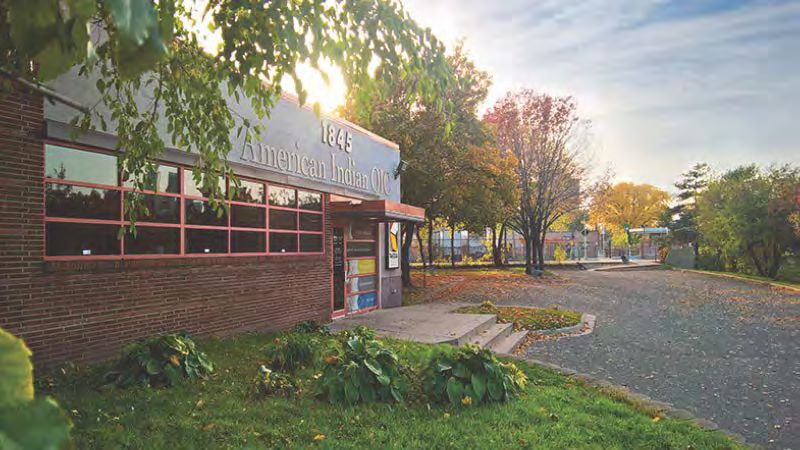
2020-2021 Course Catalog

 A Division of American Indian OIC, Inc., Minneapolis, MN
 Accredited Member, Accrediting Commission of Career Schools and Colleges

                               July 6, 2020
TAKODA               INSTITUTE

                                                    Contents
        Subject                                                                    Starting on page
        Admissions and Enrollment ............................................................... 3
        Testing ................................................................................................ 3
        Programs of Study.............................................................................. 5
        Course Descriptions ........................................................................... 7
        Cost of Attendance / Refund Policy ................................................. 12
        Financial Aid ..................................................................................... 14
        Student Activities ............................................................................. 15
        Student Progress and Completion ................................................... 15
     Policies concerning Add, Drop, Withdraw, Credit Transfer, Student Rights and
  Responsibilities, Attendance, Tardiness and Make-up Hours, Grade Point Averages,
Extended Absence Policy, Code of Conduct, Privacy and Release of Information, Appeals
  and Grievances and Violence, Weapons and Security are in the Student Handbook.

                              THE COURSE CATALOG AND STUDENT HANDBOOK
                       WORK IN TANDEM AND SERVE AS ADDENDA TO EACH OTHER.

           The 2020-2021 Takoda Institute Calendar with Holidays

Summer Quarter July 6—September 25, 2020 (Labor Day, September 7)
Fall Quarter           October 5 – December 23, 2020. (Veterans Day, November 11; Thanksgiving
                       Break, November 26-27)
Winter Quarter         January 4 – March 26, 2021. (MLK Day, January 18; Wounded Knee Day,
                       February 15)
Spring Quarter         April 5 – June 25, 2021. (Memorial Day, May 31)

A Welcome Event is held each quarter for new students before the start date.
Start dates indicate the first day of the quarter. Students may start a program at the beginning of each
quarter. Part-time enrollment and per course enrollment are available. Some programs require a
minimum number of students to begin. Contact a Takoda Institute Representative at 612-341-3358 Ext.
108 for program information and call Ext. 146 for financial aid information.
TAKODA         INSTITUTE

         2020-2021 Catalog of the Takoda
           Institute of Higher Education
An Overview                                                    home health care, and any setting
                                                               where personal health services,
Statement of Ownership and                                     human services or administrative
Purpose                                                        support services are needed.
The American Indian OIC is a non-profit
                                                           •   A learning environment that will instill
corporation, incorporated in 1979 to train and
                                                               self-respect and self-esteem and will
retrain the unemployed and underemployed
                                                               inspire students to strive for
in preparation for employment in business,
                                                               excellence in a competitive world.
industry, and government; to secure
placement of trainees in jobs, and to promote              •   Individual attention and
other educational and developmental                            encouragement to allow students to
purposes. (Articles of Incorporation, Article II).             master marketable skills, exceed their
In 2012, American Indian OIC formally                          expectations and achieve their visions.
changed the name of its Post-Secondary
school to the Takoda Institute of Higher                   •   An atmosphere that supports the
Education (A Division of American Indian OIC).                 values and beliefs of American Indian
                                                               students, and all others, while building
The bylaws (revised in 2008) state that our                    on the individual strengths of each
mission shall be the training and development                  student.
of skills of American Indians, but the resources
and programs of the corporation shall be               Officers
available to all persons, regardless of race,          The officers of the corporation are: Danielle
creed, color or sex.                                   Grant, Chairman; Donald Flower, Vice
It is the Vision of the Takoda Institute of            Chairman; Charles Bolger,
Higher Education that the Institute is                 Treasurer/Secretary; Joe Hobot is the
successfully training unemployed and                   President & CEO.
underemployed people. Alumni of the                    See page 21 for the complete list of board
Institute are employed in business, human              members.
service organizations, health care facilities,
industry and government. To accomplish this,           Information given here is current for July 2020
we will provide:                                       and until further notice. Interested persons
                                                       may reach the Institute by calling (612) 341-
    •   Quality instruction to achieve                 3358, or writing to the Director of Takoda
        academic, technical and personal               Institute, Kimberly Ben-Haim, or to the
        enhancement, giving students the               President & CEO, Joe Hobot, both at AIOIC,
        tools they need to keep pace with a            1845 East Franklin Avenue, Minneapolis, MN
        changing world in fast-growing                 55404. The Web site is www.takoda.org and
        occupational areas. These include              the fax number is (612) 341-3766.
        green industries, health care in
        hospitals, clinics and nursing homes or
TAKODA          INSTITUTE

History                                                   Each course has a comprehensive syllabus which
The American Indian OIC began an Office Skills           is provided to the student listing textbooks,
Training Program in May of 1981. The                     requirements and testing.
program grew to include full-time and part-
time programs, delivered by numerous staff.              Student Portfolio: In addition, depending on
This technical emphasis continues in our                 the program, some full-time students are
programs, which now include various                      required to build a portfolio of information,
certificates in fields leading to employment in          including a resume, sample cover letters, class
offices, stores, hospitals and other health-care         work samples, reference letters, and Service
facilities, government, and non-profit                   Learning Experience materials, to be kept on
organizations.                                           file at Takoda Institute during the period of
                                                         enrollment.
Facilities
Our campus is centrally located at the corner            These are developed in order to receive the
of Franklin and Cedar Avenues, with access to            certificate of completion. Various courses
many bus routes and to the Franklin Avenue               include assignments that build this valuable
Light Rail Station. Our campus offers free               resource for the students’ future employment
parking for students and guests.                         or education. Students present this material
                                                         to their Academic Program Advisor for
The Institute building includes class areas,             approval and will take the originals with them.
library, and computer rooms. Equipment
includes networked, CD-ROM or DVD-                       Service Learning Experience: In the six- and
equipped computers with Internet access and              nine-month programs, the student are
USB ports, laser and color ink-jet printers,             required to complete a work experience called
photocopy equipment, FAX and scanners.                   a "Service Learning Experience” (SLE) in order
WIFI service is available.                               to complete their program.

Internet access is available to all students for         This experience lets the student use the skills
use in their coursework and for general                  learned in the classroom, and brings that
awareness of this technology. The curriculum             student in contact with potential employers in
includes textbooks, a selection of current               a setting that helps the student practice job-
software, and supplemental materials including           hunting skills, learn specific procedures at a
learning modules and various resources                   workplace, and refine his or her perception of
including relevant events and speakers.                  this type of employment.

Description of Programs                                  The SLE should be started during their last
The Institute has one six-month and two nine-            quarter or sooner. Current employment may
month programs leading to certificates.                  count but must be related to the student's
                                                         program, approved by his or her advisor, and
Programs and the Course Syllabus: Each                   follow the guidelines and procedures of SLEs.
program has some requirements common to the
other programs, as well as a special focus
relevant to the individual employment fields. All
of the courses listed in each program are required
and must be passed for the student to complete
the program.

                                                     2
TAKODA INSTITUTE
Admissions and Enrollment Math Reading
Full-time students will apply through the Student Accepted 7 or higher 7 or higher
Services/Financial Aid Office, which has Accepted – mandatory 5.5-7 7 or higher
Bridging with Adult Basic
established the following procedure for becoming
Education
a fully enrolled student. Each student will: Accepted – mandatory 7 or higher 5.5-7
• Complete the Takoda Institute application & Bridging with Adult Basic
Education
intake paperwork
Denied - Referred to the 5.4 and lower 5.4 and lower
• Take and successfully complete the Test of Adult Basic Education
Adult Basic Education Program
• Apply for financial aid if eligible Readmission Process: Former students who
• Complete an interview with a Student/Career wish to reenter active status after withdrawing
Services Representative for any reason will need to start a readmission
process with a Student Services Representative.
• Provide a copy of your official or unofficial For these students, as is the case with other
high school transcript or high school diploma students, all financial aid must be approved or
or GED (U.S. conversion may be required) arrangements made for payment before
• Provide immunization record if you were registering for classes.
born after 1956 Adult Basic Education: Adult Basic Education
• Request unofficial transcripts from previously students are those who are willing to engage in
attended postsecondary institutions a learning contract for the purpose of skills
Once a potential student has completed all the improvement for Adult Basic Education or for
necessary steps outlined and decided which GED preparation. Students testing for the full-
program he or she is seeking admission to, he or time Institute may be referred to ABE to
she may be formally admitted to the Institute. An increase scores before being accepted by the
Enrollment Agreement will be signed by all parties. Institute. Others who do not wish to enroll in the
All students must complete a registration form. All Institute may also attend these classes.
students pay a one-time $50 registration fee and a ABE/GED classes are available free of charge,
$100 technology fee quarterly. and are supported by the State of Minnesota.
Individual Course Prerequisites: Courses may General Requirements: Students who are fully
have testing requirements and/or prerequisites. enrolled in Takoda Institute programs must have
For example, Introduction to SQL must be taken a high school diploma or GED, and if born after
before Intermediate SQL. See the individual 1956 must provide immunization records.
course listings on pages 7-11 for details of the Student who graduated from high school in 1997
course prerequisites listed just below the course or later do not need to provide immunization
titles. records. Students must meet the relevant testing
Testing: Testing is required for long-term, adult requirements, meet financial aid requirements or
basic education and GED students. Minimum make arrangements to pay for the courses.
scores and criteria designed to measure the Takoda Institute recognizes that in rare instances
applicants’ ability to benefit from training are students may not be able to provide
established. Applicants with satisfactory test documentation required by our admissions
scores are formally admitted to a program of criteria due to issues beyond their control (e.g.,
study. Testing for long-term students is given loss of records due to fire or flood, inability to
prior to each quarter. Other students may call the obtain records, home schooled students, etc.). In
ABE/GED program at Ext. 103 for information on these rare cases, a school may use an admissions
their testing procedures. Requires testing scores test in lieu of documentation of a high school
are as followed for all programs: diploma or its equivalent. Under these
3TAKODA INSTITUTE
circumstances, the student must sign a statement 1. These credits will be documented on an
attesting that he or she in fact obtained a high official postsecondary transcript from an
school diploma or its equivalent and state the accredited institution.
reason(s) why documentation of the earned 2. The course material of the class credits
credential cannot be provided. The admissions being transferred in must be similar to the
test used under these circumstances must be class being replaced.
reviewed by a qualified, independent, third party All credit transfers are to be evaluated by the
and certified as to the appropriateness of the Office of the Registrar in consultation with the
instrument and required score levels (i.e., Director of Takoda Institute as well as with all
equivalent to a high school diploma). relevant instructional staff. If a transfer of
Choosing a Program: During registration credits is allowed, those credits in effect
students choose a course of study. At that time, supplant the required program credits and fulfill
they must decide if they wish to be enrolled in those credit requirements for program
one of the certificate programs or to register for completion. (The full Credit Transfer Policy is
individual courses only. Students must request found in the Student Handbook.)
in writing to change their program of study Transfers to Other Schools: Takoda credits
before the start of the next quarter. There are may transfer to other schools, depending on
consequences in how the credits apply for the the other school's determination of the
various programs as well as in the availability of relevance to their curriculum in the areas of
some student financial aid, to these kinds of study the student chooses there. Takoda
changes. Please confer with the Financial Aid Institute will provide copies of transcripts of
Officer before requesting a program change. courses enrolled in and completed and of the
Students with Disabilities: Admission syllabuses as requested to facilitate this
requirements are the same for all students. process. There is no charge for Takoda
Students with disabilities are encouraged to Institute transcripts. Any Takoda Institute
apply and to meet with a Career Services course a student enrolled in will appear on the
Representative and/or a Rehabilitation Services transcript.
Counselor at a nearby site for an individual Proficiency Credit
planning session for academic support services. Official documents (CLEP or AP scores) related
Welcome Event: New students in the six- and to transfer or proficiency credit must be
nine-month programs may enroll at the received by Takoda Institute prior to the class
beginning of the quarter. New students will start. No more than 25 percent of program
participate in several activities at the Welcome credits will be considered for any type of
Event, which serve as an orientation. These proficiency credit.
sessions are designed to provide concise Class Proficiency Test
orientation to the overall requirements, services Students applying for programs requiring a
and facilities and to enhance student success Keyboarding class must complete a TypingMaster
through a series of activities. (See the quarter assessment at 35 words per minute and an
start dates on the inside cover.) accuracy rate of 92% percent to be exempt from
Transferring Credits into Takoda Institute: that requirement. Requests for testing out of
Credits earned at other schools may be other classes approved by the Institute must be
considered toward completing a program at made through the class instructor within the
Takoda Institute if they meet the following add/drop period of the quarter. Testing out must
criteria: be completed by the end of add/drop period of
the quarter. No more than 25 percent of
program credits will be considered for any type of
proficiency credit.
4TAKODA INSTITUTE
Programs of Study
Computer Support Specialist (Nine Months)
The Computer Support Specialist program is a sequence of courses designed to provide students with
an understanding and technical proficiency related to the concepts, principles, and techniques
required in computer design and information processing. Program graduates are competent in the
concepts and skills needed to support computers and networks. Upon completion, students are
qualified for entry level employment as a Computer Support Specialist. Program length is 1125
hours—900 instructional hours plus out-of-class projects, and writing assignments requiring an
estimated 225 hours. Typical cohort/class size is 20.
Requirements Credits
CA 29 Introduction to Microsoft Office 3 Block I
COA 12 PC Architecture 3
COA 16 Desktop Operating Systems 3
COA 30 Desktop Configuration 3
COM 3 Technical Communications 3
CA 14 Advanced Microsoft Office 3 Block II
COA 14 Network Essentials 3
COA 17 Client-Server Relationship 3
CSS101 Introduction to SQL 3
CSS 141 Active Directory 3
COA 19 Network and Data Security 3
CSS110 Intermediate SQL 3 Block III
CSS120 Certification Preparation 6
PCD 10 Professional Development 1
SPT 8 Service Learning Experience 2
Total 45 Quarter Credits
Placement and Career Path
The High Demand Careers program at Takoda Institute is focused on training in two high-growth
areas, one of which is the Computer Support Specialist in health care and business sectors.
According to a study by Robert Half International, 51% of employers plan to add IT staff over the
coming year, many of which will be help-desk jobs. According to the U.S. Bureau of Labor Statistics,
there is estimated to be a 14% increase in job openings for Computer Support Specialists
nationwide.. This is also considered by the Minnesota Department of Employment and Economic
Development to be a high-pay area as well.
5TAKODA INSTITUTE
Patient Services Specialist (Six Months)
This six-month program prepares the students for a range of entry level positions within the health
care industry. These could include Health Information, Medical Records and Patient Services jobs.
Program length is 765 hours—612 instructional hours, plus outside-of-classroom assignments
requiring an estimated 153 hours. Typical cohort/class size is 20.
Because of employment requirements, a background check is required to enroll in
this program.
Requirements Credits
CA 29 Introduction to Microsoft Office 3 Block I
d
COM 2 Business Communication 3
HOC 40 Medical Language 3
HOC 50 Patient Services 3
HOC 60 Revenue Cycle Management 1 3
KOP 10 Keyboarding 1
CA 14 Advanced Microsoft Office 3 Block II
HOC 41 Medical Language Application 3
HOC 70 Compliance and Regulatory 3
HOC 61 Revenue Cycle Management 2 3
SPT 1 Service Learning Experience 1
PCD 10 Professional Development 1
Total 30 Quarter Credits
Placement and Career Path
In the general area of Health Care Support occupations, about 45,000 people are working, it is
estimated, in the Twin Cities area. Job requirements usually include written and spoken
communication skills, good problem-solving abilities. Patient Services Representatives, Medical
Records Specialists and Health Information Technicians are projected to increase at about 22
percent over the next decade, which doesn’t yet reflect the changes likely to come about as a
result of the Affordable Health Care Act.
Takoda Institute reserves the right to cancel classes which do not meet minimum
required enrollment numbers (usually 5 students).
6TAKODA INSTITUTE
Takoda Institute of Higher COM 4 Marketing 3 credits
75 hours: 14 hours lecture, 46 hours lab and
Education Courses Offered in 15 hours out-of-class assignments
2020-2021 This course provides students with a basic
understanding of marketing activities and best
Earning Credits practices. Student will gain an understanding of how
One-quarter credit is earned for 10 clock hours of marketing plays a vital role in the professional world
classroom training or 20 clock hours of lab. (see and how marketing skills are direct contributors to
each syllabus for hours). Students can also expect their professional portfolio.
to spend 5 hours per credit in outside-of-class
COM 6 Introduction to Public Relations 3 credits
assignments. One Service Learning Experience
75 hours: 14 hours lecture, 46 hours lab and
credit is earned for 30 hours of SLE (30 clock
15 hours out-of-class assignments
hours).
This course introduces students to the value of
See the Academic Progress Policy on page 16 for public relations in influencing business decision-
information on how grades are determined. making on a daily basis. Through detailed study
of communication principles, ethical and legal
Communication considerations, media relations and the skills
COM 2 Business Communication 3 credits required by the professional public relations
75 hours: 14 hours lecture, 46 hours lab and practitioner, students will learn to how to plan
15 hours out-of-class assignments and execute effective public relations
campaigns. This learner-centered course will
This course prepares the student to communicate employ various teaching strategies (e.g.,
orally and in writing at an acceptable standard for lectures, class discussions, video clips, group
entry-level employment in offices or at health activities, individual presentations, etc.) to
service agencies. The student prepares for engage in the learning process.
communication with co-workers or customers
through vocabulary building, preparation of memos COM 7 Communications Careers Exploration 3 credits
and letters in various formats, and discussion. It 75 hours: 14 hours lecture, 46 hours lab and
includes grammar and language mechanics, and it 15 hours out-of-class assignments
requires the student to practice group skills in a
This course introduces students to the range of
cooperative learning setting, to discuss the topics, to
careers available in communications fields, and
apply vocabulary, to give oral presentations, and to
the skills that prepare them for entry-level
use the Internet and other sources effectively.
professional roles. Students will evaluate their
COM 3 Technical Communication 3 credits abilities, interests and values, and develop a
75 hours: 14 hours lecture, 46 hours lab and personalized academic plan that will support
15 hours out-of-class assignments their learning throughout the program. Students
who successfully complete this course will be
This course prepares the student to write at the able to: describe the variety of communications
paragraph and report level for business and career choices; identify and relate their personal
technical writing, and to present orally. It characteristics to occupational choices; develop
requires the students to demonstrate these strategies for increasing their knowledge of the
skills, to practice group skills by critiquing drafts world of work; and produce a plan for gaining
of writing in a cooperative learning setting, and skills and experiences relevant to the career and
to discuss the topics. Internet and other sources job search process
are used and students must locate, analyze and
present information.
7TAKODA INSTITUTE
Computer Applications CA 14 Advanced Microsoft Office 3 credits
CA 29 Introduction to Microsoft Office 3 credits 75 hours: 14 hours lecture, 46 hours lab and
75 hours: 14 hours lecture, 46 hours lab and 15 hours out-of-class assignments
15 hours out-of-class assignments This course prepares the students to use Word,
Excel, and Access at a production level. The
This course prepares the student to use students learn to create, use, and monitor
computers and peripheral equipment and to worksheets and document files, and to apply the
conduct fundamental operations such as features appropriately to a task. It requires the
opening of files, saving of changes, copying of students to demonstrate these skills, to create
files, and other utilities. The student uses a documents and workbooks, to filter and sort
selection of common software applications to data, and to discuss the topics. Prerequisite:
practice these skills, including presentation successful completion of CA 29.
programs, word processing, Internet
browsers, database and spreadsheet. It Computer Applications—COA/CSS
requires the student to demonstrate these
skills individually and in a group, and to COA 12 PC Architecture 3 credits
discuss the topics. 75 hours: 14 hours lecture, 46 hours lab and
15 hours out-of-class assignments
This course provides an introduction to
Takoda Institute reserves the right to component identification and the installation,
configuration, maintenance, and troubleshooting
cancel classes which do not meet
of PC hardware. In addition, this course teaches
minimum required enrollment numbers
the relationship between computer hardware &
(usually 5 students). software, computer networks & peripherals, virus
protection, disaster recovery and maintenance
planning. Students who successfully complete
this course will be able to proceed to the
established pathway to the A+ certification.
For more information:
COA 14 Network Essentials 3 credits
Visit www.takoda.org for: 75 hours: 14 hours lecture, 46 hours lab and
15 hours out-of-class assignments
Additional classes if offered This course is designed to cover the
Non-credit courses foundations of networking including Local
Area Networks (LAN) and Wide Area Networks
Certification (WAN) technology, and how communications
Book information and costs are accomplished in those environments.
Students learn about the fundamental
News and special timely
building blocks for a network – with protocols,
announcements topologies, hardware, and network operating
Graduations systems. Students who successfully complete
this course will be able to proceed as they
Other events
continue along the established pathway to the
Network+ certification exam.
8TAKODA INSTITUTE
COA 16 Desktop Operating Systems 3 credits skills they acquire by completing the exercises
75 hours: 14 hours lecture, 46 hours lab and and will make them strong candidates for
15 hours out-of-class assignments service desk and customer support jobs that
require an intimate knowledge of how to
This course covers the various operating
accomplish desktop support tasks according to
systems including Windows, Mac and Linux.
industry best practices.
The main emphasis of the course is to
familiarize the student with installing,
configuring, administering and managing CSS101 Introduction to SQL 3 credits
workstations in a Windows platform. 75 hours: 14 hours lecture, 46 hours lab and
15 hours out-of-class assignments
COA 17 Client-Server Relationship 3 credits This course introduces data modeling and general
75 hours: 14 hours lecture, 46 hours lab and problem solving techniques, combined with the
15 hours out-of-class assignments database Structured Query Language (SQL) to
build a foundation for approaching problem
This course is about how servers are used to
solving from the data perspective. Students who
manage the standardize workstations so users
successfully complete this course will be able to
have a predictable, consistent experience with
apply fundamental data modeling and data
the network. The course also examines the
structures in a database environment.
best practices used to secure, share, and
monitor network resources. The approach
used to increase the student's knowledge CSS110 Intermediate SQL 3 credits
about client-server relationships is hands on 75 hours: 14 hours lecture, 46 hours lab and
and very practical with a mix of lecture and 15 hours out-of-class assignments
labs.
This course continues to build and expand on
COA 19 Network and Data Security 3 credits the introductory SQL course using Microsoft’s
75 hours: 14 hours lecture, 46 hours lab and Management Studio for database
15 hours out-of-class assignments administration including creating and
analyzing reports. Students who successfully
This course covers topics related to risk complete this course will be able to apply
management, business impact analysis, and enhanced data modeling and data structures
securing applications, systems, networks and in an SQL environment. Prerequisite:
devices. Students will learn the concepts of threat successful completion of CSS101.
assessment and penetration testing, and develop
appropriate mitigation plans. Students will learn
to operate with an awareness of applicable CSS120 Credentials Preparation 6 credits
policies, controls and procedures to preserve 125 hours: 40 hours lecture, 60 hours lab and
confidentiality, integrity and availability, Students 25 hours out-of-class assignments
are preparing to take the CompTIA Security+ This course builds on the existing user-level
certification exam. knowledge and/or experience with technology
including desktop and network hardware,
COA 30 Desktop Configuration 3 credits operating systems and other peripherals. The
75 hours: 14 hours lecture, 46 hours lab and objective of this course is to provide the
15 hours out-of-class assignments student with a well-defined regimen to
This class will give students hands-on succeed in the CompTIA A+ and N+
experience with configuring and managing certification examinations. Prerequisite:
Window workstations. The knowledge and successful completion of COA12 and COA14.
9TAKODA INSTITUTE
quality care. This course is designed to equip all
levels of healthcare providers with the essential
CSS 141 Active Directory 3 credits skills necessary to develop and sustain patient
75 hours: 14 hours lecture, 46 hours lab and satisfaction. This course is based upon active
15 hours out-of-class assignments learning, with rich, interactive exercises, case
Active Directory is used to centrally manage studies, and applied experiences. Students will
the settings, appearance, and users, explore the course of success to a healthcare
application, and computers in a network. career and practice good communication skills.
Active Directory also makes it easy to share They will be able to recognize the behaviors of
resources like printers and files between people who communicate using different
users. PowerShell is one of the most versatile communication styles and understand
and secure tools for administering computer managing anger and stress, while respecting
networks. This course shows students how to people of other cultures in diversity training.
manage Active Directory by writing HOC 60 Revenue Cycle Management 1 3 credits
PowerShell scripts.
75 hours: 14 hours lecture, 46 hours lab and
15 hours out-of-class assignments
Health
This course emphasis is on the patient
HOC 40 Medical Language 3 credits interaction point of patient access, or the
beginning of the revenue cycle process.
75 hours: 14 hours lecture, 46 hours lab and
15 hours out-of-class assignments Through lecture, class demonstration, and class
discussion, students will learn the skills needed
This course covers the fundamental building of to proficiently work in a medical office or
a medical term as it is used in a healthcare hospital care system.
environment. Through detailed lecture,
PowerPoint, daily worksheets and weekly HOC 61 Revenue Cycle Management 2 3 credits
quizzes, students will learn to spell, pronounce, 75 hours: 14 hours lecture, 46 hours lab and
define and utilize medical terms as it relates to 15 hours out-of-class assignments
disease, diagnosis and treatment. In this, the second course of RCM emphasizes
HOC 41 Medical Language Application 3 credits government and private health insurance and
how healthcare reimbursement works.
75 hours: 14 hours lecture, 46 hours lab and
15 hours out-of-class assignments Through lecture, PowerPoint, class discussion
and weekly assignments, students will get a
This course covers appropriate usage of thorough understanding of insurance plans and
medical language in written documentation. verification as it pertains to the management of
Through complete immersion, lecture, front and back office patient registration and
PowerPoint and daily writing assignments, medical insurance claims. Prerequisite: HOC 60
students will learn to effectively communicate
medical terms for hospital/ clinic HOC 70 Compliance and Regulatory 3 credits
documentation and patient care 75 hours: 14 hours lecture, 46 hours lab and
understanding. Prerequisite: HOC 40 15 hours out-of-class assignments
HOC 50 Patient Services 3 credits This course outlines the legislative regulatory
process mandated by CMS and the OIG. The
75 hours: 14 hours lecture, 46 hours lab and
15 hours out-of-class assignments curriculum the students will study is based on
lecture, real case study scenarios and critical
Patient satisfaction is key to maintaining a thinking assignments highlighting awareness of
competitive edge, and the patient-centered compliance issues seen in healthcare.
approach is also fundamental in providing safe,
10TAKODA INSTITUTE
A survey course covering basic project
management principles including definitions,
Keyboarding and Office theories and current procedures that are
Procedures standard for the professional project
management. Through lectures, class
KOP 10 Keyboarding 1 credit
discussion and hands-on activities, students
25 hours: 5 hours lecture, 15 hours lab and 5
will apply project management methodologies
hours out-of-class assignments
and tools to successfully achieve project goals
This is a Pass/Fail Course efficiently and effectively.
This is an introductory level course. The main
focus is on operating a standard keyboard with
Service Learning Experience
reasonable speed and accuracy. Students will
achieve a sense of direction and achievement SPT 1 Service Learning Experience 1 credit
so they can set goals for themselves that are 32 Externship hours
attainable. Students will be provided a
combination of materials, information, and This is a Pass/Fail course
training procedures to ensure good typing
This course provides occupational experience
habits and basic skills of keyboarding. At the
relevant to the student’s program. A training
end of the course, students will have attained
plan is developed for each student in
the required words per minute speed and
cooperation with a supervisor at the training
accuracy.
site and with our academic advisors and
Career Services Representatives. The students
will apply skills and knowledge acquired
Personal and Career Development during the completion of their coursework to
an actual work setting. Additional hours may
PCD 10 Professional Development 1 Credit be completed by mutual agreement between
25 hours: 5 hours lecture, 15 hours lab and 5 the student, AIOIC academic advisors, and site
hours out-of-class assignments supervisor.
This is a Pass/Fail course
SPT 8 Service Learning Experience 2 credits
This course helps graduating students prepare 60 hours externship
to enter the job market. You will learn how to
present a positive and competent image of This is a Pass/Fail course
yourself, both on paper and in person. This course provides occupational experience
Throughout the course we will complete relevant to the student’s program. A training
activities that will build your preparedness plan is developed for each student in
and confidence to obtain employment in your cooperation with a supervisor at the training
field. Topics include resume and cover letter site and with our academic advisors and
writing, soft skills training, interview coaching, Career Services Representatives. The students
and LinkedIn profile creation. will apply skills and knowledge acquired
during the completion of their coursework to
an actual work setting. Additional hours may
Project Management be completed by mutual agreement between
the student, AIOIC academic advisors, and site
PM 01 Project Management 3 credits supervisor.
75 hours: 14 hours lecture, 46 hours lab and
15 hours out-of-class assignments
11TAKODA INSTITUTE
Computer Patient
Support Services
Specialist Specialist
Total Credits: 45 30
Tuition ($185/credit): $8325 $5550
Textbook Purchase Fee: $440 $195
Registration Fee: $50 $50
Technology Fee: $300 $200
Industry Certificate Fee: $441 $0
Software License Fee: NA NA
Estimated Total: $9556 $5995
Cost of Attendance Notwithstanding anything to the contrary, if a
The above costs reflect those of a full-time student gives notice of cancellation within five
student enrolled in a 6 or 9-month program. business days of the execution of the contract
Students enrolled for less than 15 credits will or day on which the student is accepted, then
be charged based on the total number of a complete refund is given regardless of
credits enrolled for, the one-time registration whether the program has started. A contract
and quarterly fees, and the actual cost of the of enrollment agreement will be presumed to
effective on the date of that the institution
books for those courses. Additional fees for
notifies you that you have been accepted into
specific courses are shown on short-term
the institution and you have signed the
course lists.
contract of enrollment agreement. If the
Other Costs notification of acceptance into the institution
is sent by mail, then the effective day of being
Possible fees: ID replacement, $15; second accepted is the postmark on the acceptance
background check for PSS program (if missed), letter.
variable; course test-out fee, $100. Full-time
students can expect to spend about $40 to If a student gives notice of cancellation after
$70 for items such as pens, pocket calculator, five business days of the execution of the
and similar items per quarter. Any costs not contract or day on which the student is
covered by financial aid are the responsibility accepted, but before the start of the program
of the student. All students are responsible by the school, then all tuition, fees and other
for the full payment of tuition, books and fees. charges, except 15 percent of the total cost of
the program (15 percent not to exceed $50.00)
BUYER’S RIGHT TO CANCEL shall be refunded to the student.
(REFUND POLICY) If a student gives notice of cancellation after
the start of the period of instruction for which
Each student will be notified of acceptance/
the student has been charged, but before
rejection in writing. In the event a student is
completion of 75 percent of the period of
rejected, all tuition, fees and other charges
instruction, then student is assessed a pro rata
will be refunded.
portion of tuition, fees and all other charges
based on the number of days in the term plus
12TAKODA INSTITUTE
25 percent of the total program cost (25 The effective date of termination for refund
percent not to exceed $100.00.) purposes will be the last day of attendance.
Notification of withdrawal from the student
Any notice of cancellation shall be
shall not be required for refund.
acknowledged in writing within 10 business
days of receipt of such notice and all refunds
shall be forwarded to the student within 30 RETURN OF FEDERAL TITLE IV AID
business days of receipt of such notice. Notice
is effective on the date it was given. If you do In compliance with Federal regulations,
not withdraw or contact the institution about Takoda Institute will determine how much
your absence, and you have not attended your Federal student financial assistance the
program for 21 consecutive days, you will be student has earned or not earned when a
considered to have withdrawn from the student withdraws from school.
school as of your last date of attendance.
Takoda Institute will calculate the percentage
This refund policy is not linked to any student and amount of awarded Federal student
conduct policy and any promissory instrument financial assistance that the student has
shall not be negotiated prior to the earned if the student withdraws up through
completion of 50 percent of the course. the 60 percent point of the term or session. If
the student has completed more than 60
Cancellation shall take place on the date percent of the term, the student earns 100
notice is given to the school. The date of percent of the Federal student financial
execution of the enrollment agreement shall assistance.
be presumed to be the date of delivery of the
notice of acceptance: and if delivered by mail, The amount earned will be based on the
the postmark date of the letter of acceptance. percentage of the term that was completed in
days up to and including the last date of
Short-term programs. Licensed schools attendance. To calculate the amount earned,
conducting programs not exceeding 40 hours Takoda Institute will determine the
in length shall not be required to make a full percentage by dividing the number of
refund once a program has commenced and calendar days completed in the term up to
shall be allowed to prorate any refund based and including the last date of attendance by
on the actual length of the program as stated the total number of calendar days in the term.
in the school catalog or advertisements and If there is a scheduled break of five or more
the number of hours attended by the student. days, it will reduce the term length and if the
scheduled break is before the student’s last
day of attendance (LDA), it will also reduce the
ADDITIONAL TERMS
calendar days completed.
Additionally, students that have never been If the students received more than the
on campus may withdraw orally from their amount of Federal student financial assistance
program with a full refund up to three days earned, the difference will be returned to the
after having been on campus to tour the Federal student financial assistance programs
facilities. from which funds were received in the
following order: Pell Grant, Supplemental
Takoda Institute conforms with all state and
Educational Opportunity Grant. Funds will be
federal guidelines.
returned to the aid source within 45 days of
13TAKODA INSTITUTE
the date that Takoda Institute determines that To calculate the minimum refund due to the
the student has withdrawn. Minnesota State Grant program and other Aid
Programs the Minnesota Office of Higher
If more Federal student financial assistance Education Refund Calculation Worksheet,
has been earned than has been received, the Appendix 13a, of the Minnesota State Grant
student may be eligible for a post-withdrawal manual is used.
disbursement. Takoda Institute will notify the
student of any post-withdrawal disbursement Withdrawals
for which the student may be eligible and
(More details of the procedure for withdrawal
what steps need to be taken for the Federal
from courses are found in the Student
financial assistance funds to be received.
Handbook.)
If Federal student financial assistance funds
need to be returned, the institution must Financial Aid
return a portion or all of the unearned funds Student financial aid is available in eligible programs
equal to the lesser of: for students who qualify. The Institute participates in
the Pell Grant program, Minnesota State Grant
• The institutional charges multiplied by the (MHESO), Minnesota Indian Scholarship Assistance
percentage of the unearned Federal student Program, and various other grant programs.
financial assistance funds; or Supplemental Educational Opportunity Grants (SEOG)
and Work-Study may also be available to qualifying
• The entire amount of unearned funds. students. Students can be admitted when the
financial aid application package is completed.
If the remaining amount of funds to be Students eligible for funding in more than one
returned includes grant funds, the student consecutive fiscal year (July 1 through June 30) will be
must return any amount of the overpayment required to apply for both years.
that is more than half of the grant funds
As the financial aid is received, it is applied first to cover
received. Takoda Institute will notify the
tuition, registration fee, quarterly fees, books and lab
student as to the amount owed and how and and supply fees. Any amounts received above and
where it should be returned. beyond the cost of tuition, books and fees will be
disbursed to the students. Disbursement of financial
Examples of the calculations are available in aid depends upon satisfactory progress and
Student Financial Services. attendance, as defined by the Institute. Unmet costs
are the responsibility of the student.
NON FEDERAL REFUND POLICY
Student Status Based on Credits
Refunds for state aid programs and non-state A half-time student is defined as a student
aid programs are calculated on a proportional who is enrolled for 6 to 8 credits per quarter.
basis using the state mandated or institutional A three-quarter-time student is defined as a
refund policy. student enrolled for 9 to 11 credits. A full-time
student is enrolled for 12 or more credits.
Charges are adjusted proportionately up to Credit enrollment defines the student's
the 75% point in the quarter. After the 75% financial aid eligibility. To receive a full
point, Takoda Institute will retain 100% of the Minnesota State Grant Program award,
charges. Funds will be returned to the aid students must be enrolled in 15 or more
source within 45 days of the date that Takoda credits and that award is recalculated
Institute determines that the student has downward at each enrollment level from 15
withdrawn. credits to 3 credits of enrollment
14TAKODA INSTITUTE
Student Activities Attendance, Student Progress and
The Institute sponsors monthly talking circles
Completion, and Students Rights
with students to discuss concerns and to plan and Responsibilities
activities such as student showcases or fund- The Takoda Institute of Higher Education has
raising events on behalf of their programs established policies on these areas which are
and/or Takoda Institute itself. found in the Student Handbook available to all
students at the front desk and presented to
The Website www.takoda.org also provides
them at the student Enrollment Event.
a window into the Institute and the entire
Sections on Attendance, Add/Drop/
AIOIC organization.
Withdrawal Policy, Rights and Responsibilities,
How to Apply for Financial Aid Tardiness and Make-up Hours, Privacy and
Release of Information, Code of Conduct,
Application Procedures: violence and weapons, and Security are
included.
Complete the Free Application for Federal
Student Aid (FAFSA) Student Progress
Students can go online and complete this step All full-time students are expected to
on their own at www.fafsa.ed.gov (add our complete in the scheduled time, but
school code: 016346, so your results will be extensions beyond the program length may be
sent here automatically) or students can meet requested and granted, provided satisfactory
with staff here at AIOIC for assistance in filing attendance and progress is maintained. These
the FAFSA. extensions shall not exceed 150% of the
length of the vocational programs. However,
To complete the FAFSA students will need:
persons starting over entirely to complete the
their federal tax return from the previous year
course will be assessed full tuition for that
(if they filed) and documentation of any
course. In addition, repeating coursework will
monies received from public assistance, social
affect the students' financial aid and may
security, etc.
affect their academic standing.
Dependent students will need to work with
Internal Changes to Program: In the event
their parents to gather their information to
that a student changes programs, only those
complete the FAFSA.
courses whose content are applicable to the
If you complete the FAFSA on your own— new program are accepted into the program
please call the financial aid office at 612-341- and count toward the maximum length of the
3358 Ext. 146 to let them know that you have new program. Credits and grades of those
this step completed and to set up your one- courses are included in the Grade Point
on-one appointment for step 2. Average. See the Satisfactory Academic
Progress statement on page 16.
Once the school received the electronic copy
of the FAFSA, a one-on-one appointment is Additional policies on maintaining satisfactory
scheduled with the financial aid office to go academic and financial aid progress and
over results and eligibility. You may be asked minimum Grade Point Averages are found in
for additional documentation if anything is the Student Handbook.
required.
15TAKODA INSTITUTE
Completing Requirements Academic Progress Policy
Students must satisfactorily complete each
Grades
required program course in order to complete
their program. Also, students must complete Grades are determined on the basis of testing and
their program with a Cumulative Grade Point performance, including the successful completion of
Average of 2.0 to receive a certificate of activities. The minimum attendance described on the
completion, and must also meet all other syllabus is also necessary for a passing grade. The
graduation requirements below. grading system is based on the following:
Successful graduation or completion of a 90%-100%: A—Excellent
course or program requires that all enrollment 80%-89%: B—Good – Well Above Average
criteria have been met, all required
70%-79%; C—Average
assignments and/or testing out have been
completed, and all tuition and registration 60%-69%: D—Below Average - Passing
fees have been paid in full. (See page 2 for Below 60%: F—Failing
description of required portfolio and Service
Withdrawal (after Add/Drop Period): WD—
Learning Experience.)
Withdrawn
Withdrew Prior To Start of Quarter (During
Add/Drop Period or prior): WF—Withdrew –
Certificates First Two Weeks / Never Enrolled
Pass / Fail (P/F): P or F—P = Pass / F = Fail
The student will receive a certificate for
completion in one or more of the programs, as Incomplete: I—An Interim Grade up to 3
well as transcripts of courses completed and months
credits earned. Transfer In/Test Out: TI/TO -- Passing
Students starting, but not completing, a Grades are determined on the basis of testing
program may request a transcript of all
and performance, including the successful
coursework enrolled for.
completion of activities. The minimum
attendance described on the syllabus is also
necessary for a passing grade.
Extended Absence Policy
Records are kept and grades are reviewed with
An Extended Leave of Absence policy is found each student at regular intervals, and grades are
in the Student Handbook.
assigned each quarter.
16TAKODA INSTITUTE
Incompletes Process of Warnings and Probations
The grade of incomplete (“I”) may be assigned If a student’s Grade Point Average (GPA) falls
when a student’s work is of passing quality and below 2.0, the student will placed on academic
represents a significant portion of the warning for their returning quarter. If after
requirement for a final grade, but is incomplete returning from Academic Warning status the
for a good cause as determined by the instructor: student fails to reach or maintain a minimum of
good cause may include any item listed in the a 2.0 Cumulative Grade Point Average (CGPA)
mitigating section of the Student Handbook. and met the 67% minimum completion rate, he
Moreover, some rules govern the use of “I”s. or she will be placed on Academic Probation and
Incompletes must be approved by the instructor will not be eligible for federal or state financial
and filed with the Office of the Register. aid. The student is still eligible to continue the
Additional information on the incomplete policy coursework, but will be responsible for securing
is found in the Student Handbook. his or her own funding. An Appeals Process for
each of these two statuses are detailed within
Grade Points
the Student Handbook.
Records are kept and grades are reviewed
In the event of a flagrant violation of AIOIC
with each student at regular intervals, and
policies, the Education Director—Post-
grades are assigned each quarter.
Secondary and/or the Academic Affairs
Points Assigned to Letter Grades Council reserves the right to “fast track” any
and all formal proceedings in order to bring
A Earns 4 points
about a resolution in an expedited fashion –
B Earns 3 points
possibly including and/or leading up to the
C Earns 2 points
immediate termination of services and the
D Earns 1 point
permanent removal of the student(s) in
F Earns 0 points
WD Earns 0 points question from campus.
Grade Point Averages The Academic Affairs Council and additional
warnings (Academic, Behavioral, and Financial Aid),
The calculations of Grade Point Average (GPA) as well as Minimum Requirements for Enrollment
and the Cumulative Grade Point Average and Student Corrective Action Plans, are found in
(CGPA) are found in the Student Handbook. the Student Handbook.
Academic and Financial Aid Satisfactory
Progress
Appeals and Grievances and Sexual
A 2.0 Grade Point Average (GPA) for any
Harassment Policy
program (6 or 9 month) is the minimum
standard for satisfactory academic and Academic and Financial Aid Petition Process,
financial aid progress and completion of the Appeals, Quarterly Grade Resolution, General
program. The full-time student must also Grievance Procedures, and Sexual Harassment
complete 67% of the total enrolled credits and Sexual Violence Policy are found in the
(those enrolled for and not dropped), in order Student Handbook.
to maintain Satisfactory Academic Progress. A Incoming students complete the one-day
2.0 Cumulative Grade Point Average (CGPA) is Enrollment Event to the Takoda Institute of
required for continued enrollment and for Higher Education.
graduation. If a student repeats a course,
only the highest grade received is included in
the calculation of the CGPA.
17TAKODA INSTITUTE
Goals of the Agency and the business and other employers to place
graduates in fields related to their training.
Student
Staff of the Takoda Institute of Higher Workforce Innovations for Natives (WIN is a
Education wants to help each student to program which seeks to empower its clients to
achieve the goal of obtaining marketable job become employable and economically self-
skills and employment, as well as further sustaining individuals, and addresses other
developing an awareness of the need for barriers, such as child care, which can hold a
ongoing education. We intend to assist each person back from full-time employment.
student in breaking down the barriers which There is a WIN program located in the AIOIC
might keep a student from achieving these building. This particular WIOA programs at
goals. AIOIC serves unemployed and underemployed
American Indians living in Hennepin County.
Students should feel free to discuss problems (A WIN program located at the Minneapolis
that might interfere with attending classes, or American Indian Center serves American
with getting and keeping a job, with the staff. Indians living in any of 71 counties outside of
Hennepin County, including Ramsey County.)
Takoda Institute of Higher Education staff will
make every effort possible to help students MFIP is the Minnesota Family Investment
solve these problems. In addition, at least one Program. MFIP is a comprehensive state,
staff member (the Academic Advisor) will be county and city welfare –to-work effort to
assigned to discuss the academic expectations help families become self-sufficient. The
and overall progress for that student, and to AIOIC MFIP program offers case management,
act mutually with the student in finding career counseling, support services, and more.
support structures and resources needs for
completing school and moving into initial Minneapolis Works assists Minneapolis
employment. residents to gain economic self-sufficiency.
Supportive services such as providing
The success of each individual student is the transportation assistance, work clothes or
success of the Takoda Institute of Higher tools can also be gained through enrollment in
Education. The students are its most this program. AIOIC is a Minneapolis Works
important resource and product. Adult and Minneapolis Youth Works (ages 18-
24) service provider. Staff in our building
Assistance Toward Placement provide those services.
Throughout their program, students are As part of these services, a Career Resource
assisted in job skills development, Center, which has access to various services is
employment searches and placement through located in the AIOIC building. In that center,
their ongoing work with the Career Navigator. students and clients can receive assistance in
In addition, the following agencies also assist finding part-time employment while enrolled,
students in job placement: Workforce SLE placements and employment upon
Innovations for Natives, MFIP, Minneapolis graduation.
Works and a variety of local services that
focus on employment placement. The Website www.takoda.org also provides a
window into the Institute and the entire AIOIC
Career Navigator’s specialize in working to organization.
place graduates in employment. Our team
utilizes partnerships with healthcare, IT,
18TAKODA INSTITUTE
Statement on Health and Safety to 25 individuals (including
students, faculty, and staff).
Policy
o Ensure that sick students and
This is the current guidance from the institution staff and instructors
Minnesota Office of Higher Education: stay home. All Plans must
establish policies and procedures,
“Executive Order 20‐74 permits including health screenings, that
postsecondary institutions to begin in‐person prevent sick students or
classes and activities effective June 10, and institution staff and instructors
continues until rescinded. Prior to offering from entering the institution for
in‐person classes or activities, postsecondary in‐person or on‐site activities.
institutions need to meet all the o Social distancing. All Plans must
requirements in the requirements section establish social distancing policies
below. To be clear, summer or fall courses and procedures set forth by the
that require in‐person instruction are CDC and MDH. Plans must also
permitted under EO 20‐74. include signage in common areas
to discourage gathering.
Requirements Additionally, plans should
encourage all faculty, staff,
In order to offer in‐person activities or classes students, and visitors to wear
of 25 individuals or less (if those services masks or face coverings.
cannot be provided through a distance o Cleaning and disinfection
learning model) postsecondary institutions protocols. All Plans must establish
must: cleaning and disinfection
protocols for areas within the
• Establish and implement a COVID‐19 institution where students and
Preparedness Plan (“Plan”). Each Plan staff and instructors may visit, and
must provide for the institution's provide an enhanced sanitizing,
implementation of Minnesota OSHA cleaning, and disinfecting regimen
Standards and MDH and CDC consistent with Minnesota OSHA
Guidelines in their workplaces. A Standards and MDH and CDC
template COVID‐19 Preparedness Guidelines for common areas.”
Plan, which covers the above
requirements, is available as part of At this time, Takoda Institute is open at its
the Plan Guidance, available on regular hours and is making classes available
DEED's website in the building, following health precautions
(https://mn.gov/deed/safework/). At which are posted in the entryway. Some
a minimum, each Plan must classes may continue to have an online
adequately address the following alternative for those requiring that option.
areas: The COVID-19 Preparedness Plan is available
o Require distance learning to the student by request.
wherever possible. All Plans must Possible additional advice from the Office of
ensure that distance learning
Higher Education will be followed.
continues if possible. When
in‐person classes or activities are
required, they should be limited
19You can also read


