2020-2021 UT TYLER UNIVERSITY CATALOG - Including excerpts about the Fisch College of Pharmacy from the
←
→
Page content transcription
If your browser does not render page correctly, please read the page content below
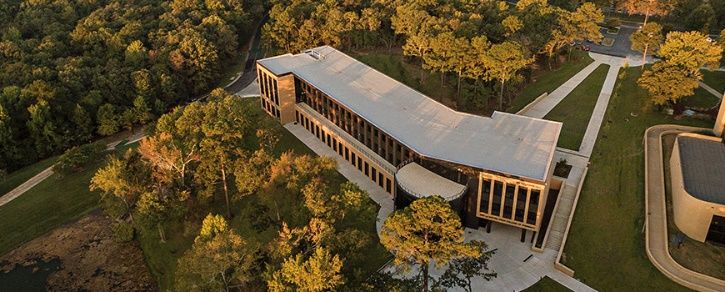
2020-2021
                            Fisch College of Pharmacy
                                   Student Handbook

 Including excerpts about the Fisch College of Pharmacy from the:
2020-2021 UT TYLER UNIVERSITY CATALOG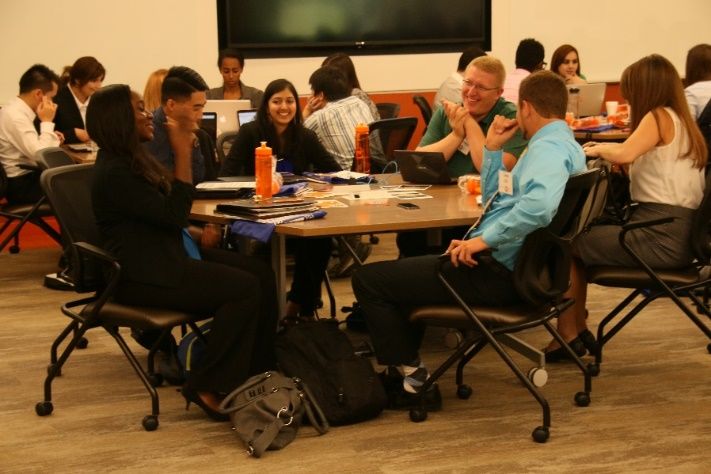
The University of Texas at Tyler
                    Ben and Maytee Fisch College of Pharmacy
                    Student Handbook 2020-2021                 Page -2-

Ben and Maytee Fisch College of Pharmacy
The University of Texas at Tyler (WTB # 120)
3900 University Blvd Tyler, TX 75799
Phone:           903.565.5777
Fax:             903.565.5504
Email:           pharmacy@uttyler.edu
Website:         www.uttyler.edu/pharmacy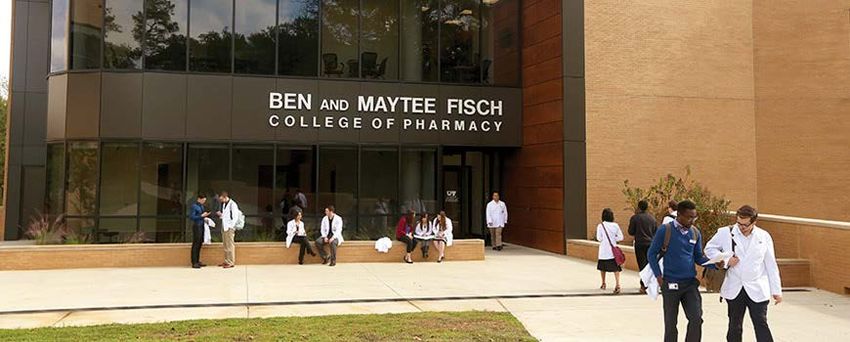
The University of Texas at Tyler
                  Ben and Maytee Fisch College of Pharmacy
                  Student Handbook 2020-2021                                                         Page -3-

                                                   Thank you for wanting to learn more about the
                                               Ben and Maytee Fisch College of Pharmacy at UT Tyler!

                                              This is a very exciting time as we build our pharmacy
                                              program with you at the center of our focus. From the design
                                              of our new student-friendly building to the development of
                                              our team-based learning curriculum, our emphasis is to
                                              create the kind of pharmacy program we know will help you
                                              succeed today and for the rest of your life.

                                              Gone are the hours of endless lectures in cramped, worn-out
                                              theater seats. Our new classrooms are open and bright where
                                              you are engaged in learning by critically evaluating
                                              information and creatively solving problems; not just
                                              memorizing endless pharmaceutical trivia. Gone are the
                                              faculty who stand isolated behind the classroom lectern
                                              hastily reading slides or feverishly writing formulas.

                                              Using team-based learning, our faculty will challenge you in
                                              class with real-world situations and work with you and your
                                              teams to help you understand problems and create solutions.

We facilitate, not dictate, your learning. You are put at the center of the learning environment, which means
you are vested in what happens in the classroom, laboratory and practice site. Isn’t that what learning
should be about?

Pharmacy is a profession that faces perpetual change. There are always new drugs, new treatments and
new information sources. A focus of our faculty is to help you learn how to navigate these new territories
and develop the skills required to practice pharmacy. In other words, we help you learn how to learn.
Learning involves more than just remembering facts that are presented to you so that you can pass a test.

Truly effective learning involves unrestrained curiosity, deliberate investigation, careful analysis and
critical inquiry. Our faculty embody these traits and our curriculum will hone them in you. When you
graduate, you will have the knowledge and skills to think critically and communicate effectively as a
contributing member of a health care team.

You will be an exceptional pharmacist!

Lane J. Brunner, Ph.D., R.Ph.
Dean and Sam A. Lindsey Professor
Ben and Maytee Fisch College of Pharmacy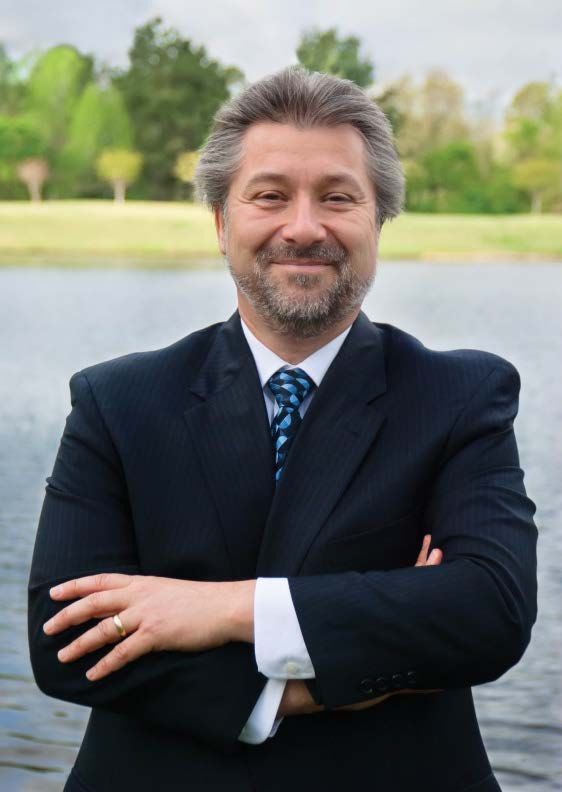
The University of Texas at Tyler
                            Ben and Maytee Fisch College of Pharmacy
                            Student Handbook 2020-2021                                                                                        Page -4-

                                                                   INTRODUCTION
Students matriculated into the Ben and Maytee Fisch College of Pharmacy (FCOP) follow The University of Texas at Tyler
(UT Tyler) policies and procedures. These policies are outlined in the (UT Tyler University Catalog, the Handbook of Operating
Procedures (HOP), the UT Tyler Graduate Policies (located within the UT Tyler University Catalog), and the Manual of
Policies and Procedures for Student Affairs (MOPP).
The FCOP Student Handbook is divided into three (3) sections:
•      Introduction to the University, the Fisch College of Pharmacy, the Pharmacy Profession;
•      Excerpts from UT Tyler Catalog at https://catalogs.uttyler.edu/; and
•      Fisch College of Pharmacy Student Handbook.
The excerpts from the UT Tyler Program and Course Catalogs are not intended to be a replacement for these catalogs. Students,
faculty, and staff wishing to review a specific policy should refer to the UT Tyler University Catalog at
https://www.uttyler.edu/catalog/.
The Fisch College of Pharmacy (FCOP) Student Handbook is updated each academic year, is posted on-line, and is available
in print through the Fisch College of Pharmacy Office of Student Affairs. FCOP policies and procedures that are developed
and/or updated between publications are posted on the FCOP website at uttyler.edu/pharmacy.
                                               Commonly Used Abbreviations and Definitions
The FCOP Student Handbook incorporates standard abbreviations within the catalog. Common abbreviations include:

    AACP             American Association of Colleges of Pharmacy             MMI            Multiple Mini-Interview
    ACCP             American College of Clinical Pharmacy                    NABP           National Association of Boards of Pharmacy
    ACPE             Accreditation Council for Pharmacy Education             NAPLEX         North American Pharmacy Licensure Examination
    AIP of Texas     Alliance of Independent Pharmacists of Texas             NCPA           National Community Pharmacists Association
    AMCP             Academy of Managed Care Pharmacy                         OSCE           Objective Structured Clinical Examination
    APhA             American Pharmacists Association                         OSHA           Occupational Safety and Health Administration
    APhA-ASP         American Pharmacists Association-Academy of              P1             First professional year; Pharm.D.
                     Student Pharmacists                                      P2             Second professional year; Pharm.D.
    APPE             Advanced Pharmacy Practice Experience                    P3             Third professional year; Pharm.D.
    ASHP             American Society of Health-System Pharmacists            P4             Fourth professional year; Pharm.D.
    CAPE             Center for the Advancement of Pharmaceutical             PCAT           Pharmacy College Admission Test
                     Education                                                PDX            Phi Delta Chi Pharmacy Fraternity
    CQI              Continuous Quality Improvement                           PharmCAS       Pharmacy College Application Service
    Didactic         Classroom-based, discussion-based, or laboratory-based   PLO            Program Learning Outcomes
                     teaching                                                 PLS            Phi Lambda Sigma Leadership Society
    Early Decision   Early admission pathway through PharmCAS                 Pre-Pharmacy   Undergraduate courses or students before starting the
    EPA              Entrustable Professional Activities                                     Doctor of Pharmacy program
    ETS              Department of Educational Technology Services at UT      Rho Chi        Rho Chi Academic Honor Society
                     Tyler                                                    Rho Pi Phi     Rho Pi Phi International Pharmaceutical Fraternity
    ETSHP            East Texas Society of Health-System Pharmacists          SACS COC       Southern Association of Colleges and Schools –
    Experiential     Practice-based teaching, e.g. Introductory or Advanced                  Commission on Colleges
                     Pharmacy Practice Experiences                            SCH            Semester Credit Hours
    FAQ              Frequently Asked Questions                               SGA            Student Government Association
    GETPA            Greater East Texas Pharmacy Association                  SNPhA          Student National Pharmaceutical Association
    iCAT             Individual Cumulative Assessment Test                    SSHSP          Student Society of Health-System Pharmacists
    IPPE             Introductory Pharmacy Practice Experience                TBD            To be determined
    iRAT             Individual Readiness Assessment Test                     TBL            Team-Based Learning
    IRB              Institutional Review Board                               tCAT           Team Cumulative Assessment Test
    KE               Kappa Epsilon Professional Pharmacy Fraternity           TCCNS          Texas Core Course Numbering System
    KY               Kappa Psi Pharmaceutical Fraternity                      TPA            Texas Pharmacy Association
    FERPA            Family Educational Rights and Privacy Act                tRAT           Team Readiness Assessment Test
    GPA              Grade Point Average                                      TSHP           Texas Society of Health-System Pharmacists
    HIPAA            Health Insurance Portability and Accountability Act      UT             The University of Texas
    HOP              Handbook of Operating Procedures                         UT System      The University of Texas System
    MOPP             Manual of Policies and Procedures for Student Affairs    UT Tyler       The University of Texas at Tyler
The University of Texas at Tyler
                       Ben and Maytee Fisch College of Pharmacy
                       Student Handbook 2020-2021                                                                        Page -5-

                                                      TABLE OF CONTENTS
INTRODUCTION                                              4     Doctor of Pharmacy (Pharm.D.) Curriculum                   32
  Commonly Used Abbreviations and Definitions              4      Pharm.D. Curriculum                                      32
TABLE OF CONTENTS                                         5     UT TYLER COURSE CATALOG                                    33
INTRODUCTION                                              6       Required Didactic, Laboratory, and Pharmacy Practice
  The University of Texas at Tyler                         6      Experiences                                              33
  The Fisch College of Pharmacy                            6      FCOP-Approved Elective Courses                           33
  Visit UT Tyler and the Fisch College of Pharmacy         7    ACADEMIC RESOURCES FOR PHARMACY STUDENTS                   34
  Fisch College of Pharmacy Facilities                     7      Academic Calendar                                        34
  Web Pages and Social Media                               7      Academic Support & Career Success Programs               34
OUR HISTORY                                               8       Pharmacy-Specific Resources                              35
  The Fisch College of Pharmacy                            8      State Board of Pharmacy Resources                        35
  The Story of Ben and Maytee Fisch                        8      Degree Plan Interruptions                                35
  The History of the Brookshire Grocery Company            9    UT TYLER AND FISCH COLLEGE OF PHARMACY RESOURCES
INFORMATION FOR PROSPECTIVE STUDENTS                      9     (NON-ACADEMIC)                               36
  Pharmacy as a Professional Career                        9      Tuition and Fees for Academic Year 2020-2021             36
  UT Tyler Pre-Pharmacy Opportunities                     10      Finances                                                 36
  Academic Advising for Prospective Students              10      Estimated Full-Time Cost of Attendance                   37
FISCH COLLEGE OF PHARMACY ADMISSIONS                      10      Health and Wellness Programs (UT Tyler)                  38
  Summary of Admission Applications and Matriculated Students     Health and Wellness Resources (Pharmacy-Specific)        39
                                                         10       Safety - Emergency Communications (UT Tyler)             39
TEAM-BASED LEARNING (TBL)                   10                  COMPUTER AND MOBILE DEVICE REQUIREMENTS FOR THE
FISCH COLLEGE OF PHARMACY FACULTY AND STAFF 13                  FISCH COLLEGE OF PHARMACY                  40
UT TYLER POLICIES AND PROCEDURES            14                  STUDENT ORGANIZATIONS AND LEADERSHIP
  General Information                                     14    OPPORTUNITIES                              40
  Handbook of Operating Procedures (HOP)                  14      Leadership Opportunities                                 40
  Manual of Policies and Procedures for Student Affairs   14      Student Governance                                       41
  The University Catalog                                  14      Student Organizations                                    41
UT TYLER UNIVERSITY CATALOG EXCEPTS (2020-2021) 15                External Pharmacy-Related Professional Organizations     42
UT TYLER UNIVERSITY CATALOG UPDATES             31                Additional Notes                                         42
The University of Texas at Tyler
                      Ben and Maytee Fisch College of Pharmacy
                      Student Handbook 2020-2021                                                                        Page -6-

                                                       INTRODUCTION
                                                 The University of Texas at Tyler
The University of Texas at Tyler (UT Tyler) is part of the
prestigious University of Texas System that includes nine
university and six health institutions located throughout the state.
Founded in 1971, UT Tyler today enrolls approximately 10,000
students and consists of seven colleges.
Our beautiful 259-acre UT Tyler campus is nestled along a lake,
surrounded by thick pine and oak forests, providing a picturesque
location for study and recreation. We also maintain regional
campuses in Palestine and Longview, as well as a location in
Houston.
Most UT Tyler classes are taught by professors, not teaching
assistants, and average a favorable student-to-professor ratio, a
definite advantage over larger, less intimate campuses. With more
than 80 bachelor’s and master’s degree programs offered, UT
Tyler provides a wealth of learning opportunities and dynamic programs, including many online master’s programs and PhD
degrees in nursing and human resource development.
Our learning environment is truly student-centered. We encourage you to visit our campus and see for yourself why UT Tyler is
where you’ll feel at home—and find your best path. UT Tyler’s students represent 41 states and 35 countries.
UT Tyler is a young, fast-growing university offering the latest facilities such as the renowned R. Don Cowan Fine and
Performing Arts Center, a centerpiece of cultural entertainment in the East Texas region, the Herrington Patriot Center, our state-
of-the-art fitness center, and Soules College of Business.
                                              The Fisch College of Pharmacy
The Ben and Maytee Fisch College of Pharmacy (FCOP) offers the Doctor of Pharmacy (Pharm.D.) Degree, which is a four-year
professional doctorate degree. Fisch COP graduates who take and successfully meet licensing requirements, such as the national
licensure exam and jurisprudence exam, are eligible to work as a pharmacist.
Mission and Vision
Our vision is to be the preeminent college of pharmacy that fosters leaders in pharmacy practice, education, scholarship, and
public service to care for rural and other underserved populations. We reach towards this vision through our mission of advancing
public health and wellness in East Texas and beyond through innovation and collaboration in pharmacy education, scholarship
and advocacy.
Core Values
The faculty and staff of the Fisch COP embrace specific core values as part of our academic and professional culture. We use
these core values to guide how we interact with all current and future stakeholders including students, practitioners, faculty, and
staff, develop didactic and experiential learning components of the curriculum, and engage the professional and lay communities.
These core values are:
    •    Integrity – honesty, fairness, and respect for individual worth;
    •    Optimism – supportive, positive, and hopeful;
    •    Curiosity – inquisition, investigation, and discovery of the possible;
    •    Accountability – transparency, responsibility, and commitment;
    •    Leadership – inspiration, collaboration, and advocacy:
    •    Initiative – purpose, innovation, and lifelong learning
    •    Development – growth, maturity, and cultivation.
The University of Texas at Tyler
                      Ben and Maytee Fisch College of Pharmacy
                      Student Handbook 2020-2021                                                                       Page -7-

                                      Visit UT Tyler and the Fisch College of Pharmacy
The Fisch College of Pharmacy welcomes visitors into college. Prospective students, family members, alumni, pharmacists, and
anyone interested in the college or our teaching methodology are encouraged to contact us for a tour of our facilities and to meet
with a college representative.
Specific programing for prospective students and families include:
•   Patriot Premiere (Open House): Each semester, UT Tyler hosts the Patriot Premiere for students interested in attending
    UT Tyler. On these days, prospective students can interact with current Fisch College of Pharmacy students, pharmacists,
    faculty, and staff. Students will also learn how team-based learning (TBL) works and how TBL is used to deliver the
    curriculum and prepare students to become pharmacists.
•   College Showcase Week: Each spring, UT Tyler organizes a week-long introduction to the different colleges and degree
    programs on campus. On each day, a specific college is highlighted on campus, including the Fisch College of Pharmacy.
    Prospective students will meet with current pharmacy faculty, current pharmacy students, and tour W.T. Brookshire Hall and
    the UT Tyler campus. Students will also meet with a UT Tyler Enrollment Management representative who can answer
    questions about UT Tyler, admissions, financial aid, and other resources on campus. Registration for College Showcase
    Week typically becomes available starting in November.
•   UT Tyler Campus Tours: UT Tyler campus tours are offered throughout the year. Tours can be arranged by contacting the
    Undergraduate Admissions Office at admissions@uttyler.edu or calling 1.800.UT.Tyler.
•   Fisch College of Pharmacy Tours: Prospective students and families may meet with a College of Pharmacy admission
    representative and tour the college of pharmacy by emailing pharmacy@uttyler.edu or calling 903.565.5777.
                                              Fisch College of Pharmacy Facilities
W.T. Brookshire Hall is the home of the College of Pharmacy and is named after W.T. Brookshire, the founder of Brookshire
Grocery Company. In April 2014, a ground-breaking ceremony was held to mark the official start of the construction. Since that
time, the building has truly grown from its foundation to the three-story, $26.5 million, spacious W.T. Brookshire Hall.
The building is specifically designed to encourage student-faculty interaction, support the college's innovative teaching methods,
and include a variety of student-centered classroom and study spaces.

W.T. Brookshire Hall facilities include:
• Team-Based Learning Classrooms
• Student Study Areas
• Model Pharmacy
• Compounding Laboratory
• Student Lounge
• Wireless Printing
• Research Labs
• Covalent Café

                                                 Web Pages and Social Media
The Fisch College of Pharmacy webpage and social media accounts provide regular updates including college of pharmacy and
community events, student activities, faculty profiles, and the developing admissions process and curriculum.

•   Web Pages uttyler.edu/pharmacy/
•   Facebook      facebook.com/UTTylerPharmacy
•   Twitter       twitter.com/UTTylerPharmacy
•   Instagram     instagram.com/UTTylerPharmacy
•   LinkedIn      linkedin.com/company/uttylerpharmacy
The University of Texas at Tyler
Ben and Maytee Fisch College of Pharmacy
Student Handbook 2020-2021 Page -8-
OUR HISTORY
The Fisch College of Pharmacy
The Ben and Maytee Fisch College of Pharmacy (FCOP) is the first Doctor of Pharmacy (Pharm.D.) program in East Texas. The
college was established at The University of Texas at Tyler to help meet the medical needs of East Texans and to provide students
access to an education in pharmacy that was previously unavailable in the region. Support for a college of pharmacy in East Texas
has been widely received and includes the community, businesses, healthcare institutions, and education leaders throughout the
region.
The college of pharmacy was named for Ben and Maytee Fisch, both pharmacists who graduated from The University of Texas
at Austin in 1945 and who had been an active part of the Tyler, Texas community since 1960. The Pharm.D. program is physically
housed in the W.T. Brookshire Hall, named for Wood T. Brookshire, founder of the Brookshire Grocery Company.
The Ben and Maytee Fisch College of Pharmacy is a self-supported college and does not receive any state funding.
The Story of Ben and Maytee Fisch
The story of Ben and Maytee Fisch is a charming tale of a young couple that met in college
and then built a life of community involvement and quiet philanthropy. Their story accents the
spirit of The University of Texas at Tyler and the people of East Texas. It is quite fitting that
our new College of Pharmacy is named in their honor.
Ben and Maytee Fisch met in the early 1940s while attending The University of Texas at Austin
as students in the College of Pharmacy. The two quickly became friends and were often seen
studying together and enjoying the sites around campus.
Ben Fisch knew while growing up in Richmond, Virginia that pharmacy was the path he would
take in college. He was greatly influenced by one of his cousins who worked as a hospital
pharmacist and helped Ben appreciate the important role a pharmacist plays in the appropriate
use of medications. Maytee Robinson, however, was less sure about pharmacy as a career.
Maytee was interested in both pharmacy and law and was split as to which would be the best
area of study. Little did she realize that her decision to enroll in the College of Pharmacy Ben and Maytee Fisch
would lead to a lifetime of joy with a man she would soon meet.
With a class of just over a dozen students, it was inevitable that Ben and Maytee would spend a lot of time together. As their
friendship grew, they discovered that they shared many of the same interests, values, and goals. In June 1945, just before
graduation, Ben proposed to Maytee and they became engaged. On July 29 of the same year, Ben and Maytee began the first of
their 56 years together.
In the meantime, Ben had decided to advance his education and pursue medicine. His application to Southwestern Medical School
in Dallas was accepted and he was excited about the future. Maytee was offered a pharmacy position in New Jersey and had also
been awarded a scholarship to The University of Texas Medical School in Galveston. Again, Maytee faced a difficult career
decision. Together, they decided to remain in Texas and move to Dallas so Ben
could pursue his medical education and Maytee could build a home for their family. Ben graduated in 1949, and began his general
practice an hour north in Gainesville and then two additional years of training as an allergist and immunology specialist.
The Fisch family moved to Tyler in 1960 where Dr. Fisch founded the Allergy Clinic and practiced as an allergist for over a
quarter century. Known for his kindness and extraordinary care, Dr. Fisch was a cherished member of the East Texas community.
In addition to the praise given to him by his many patients, Dr. Fisch received numerous awards from the professional and
academic communities. Most notably was the honor of being bestowed the Gold-Headed Cane Award by the Smith County
Medical Society for his years of commitment and activity in the community. Ben and Maytee were also recognized by The
University of Texas at Tyler in 2001 as the Patriots of the Year, an award given to community members who have made a
meaningful, sustaining impact on the University.
The Ben and Maytee Fisch Foundation was created to provide philanthropic support to the greater East Texas community. The
reason they chose the region is the strong affection Ben and Maytee had towards the community and its people. The area around
Tyler that the Ben and Maytee Fisch Foundation support was determined based on the travel that Dr. Fisch did as a practicing
allergist to network with fellow physicians. As a specialist, Dr. Fisch relied heavily on referrals from other doctors serving East
Texas. While Dr. Fisch may have chosen to contact these doctors through the phone or mail, he preferred the personal touch and
would drive out to the doctor's offices to have a personal conversation. Although he drove many miles to meet with his colleagues,
he always promised Maytee that he would be home for supper, and he was true to his word. So, the distance Dr. Fisch could
travel in a day became the area in East Texas the Foundation would support.
The University of Texas at Tyler
                      Ben and Maytee Fisch College of Pharmacy
                      Student Handbook 2020-2021                                                                       Page -9-

                                      The History of the Brookshire Grocery Company
On September 1, 1928, the late Wood T. Brookshire opened a small grocery store on the courthouse square in downtown Tyler,
Texas. Mr. Brookshire began with four employees in a small, 2,500 square-foot store. He possessed enthusiasm, aggressiveness
and the desire to give his customers the best service possible. He soon knew all his customers by name and had them bring new
customers into his store. Today, the company has grown to include
more than 150 stores – operating under the brands of Brookshire's,
Super 1 Foods and FRESH by Brookshire's.
Through the years, Brookshire Grocery Co. (BGC) has maintained
a philosophy of self-sufficiency and has provided many career
opportunities by operating its own support departments, distribution
centers, manufacturing facilities and by generally providing most of
the services necessary to keep the company growing.
At BGC, the primary focus is on people. Their tradition of
outstanding service was instilled many years ago when Wood T.
Brookshire made the decision to place the customer as his top
priority. This same commitment extends to its employee/partners –
the more than 13,000 people who help make BGC successful every
day.
BGC is the leader in the grocery industry and always looking to modernize, improve and grow. The company has come a long
way since 1928 – but is still focused on offering the same exceptional customer service it was founded on. BGC's mission is to
provide a great food and shopping experience.
At the heart of everything, BGC does is honesty, integrity and ethical business principles. BGC strives to be transparent with its
employees/partners, suppliers and customers.
BGC is proud of its reputation for great service, generosity, and involvement with communities. Each year, BGC donates millions
of dollars and millions of pounds of product to charitable service organizations. The BGC employees/partners are actively
involved in the communities where they serve and make it a top priority to not only help those in need, but to build solid
relationships with those in their local communities. The BGC corporate giving program supports more than 800 non-profit
organizations annually.
BGC is very aware of the impact our business has on the environment. We continually look for ways to improve sustainability.
BGC has been recognized by Progressive Grocer magazine for our outstanding green initiatives. The new concept store, FRESH
by Brookshire's, has been certified by LEED (Leadership in Energy and Environmental Design), a nationally recognized standard
for high-performance green buildings.
BGC values all perspectives and know a diverse workforce increases its ability to interact and engage with its customers. BGC
welcomes global perspectives and strives to empower our partners with the right tools needed for their success. BGC believes
that it is our differences that make us each unique, and we know these traits are valuable in connecting with and providing the
right foods and products for BGC consumers. Our company promotes a positive work environment in which everyone – partners,
suppliers and customers – are treated with equality and respect.
Adapted from: http://www.brookshires.com/company-history
                                       INFORMATION FOR PROSPECTIVE STUDENTS
                                              Pharmacy as a Professional Career
Pharmacists are consistently rated as one of the top "most trusted'' professionals.1 In 2015, UT Tyler began offering the Doctor
of Pharmacy (Pharm.D.) degree with the opening of the Ben and Maytee Fisch College of Pharmacy.
Students admitted to the UT Tyler Ben and Maytee Fisch College of Pharmacy will be a part of an exciting career and be a part
of a fully accredited college of pharmacy!
Pharmacy students will:
• Be an active participant in the classroom using team-based learning.
• Experience the practice of pharmacy, beginning in the first semester of the program!
• Advocate for health promotion and disease prevention through patient education and health screenings.
• Provide safe and effective pharmacy care by combining drug therapy knowledge, pathophysiology, and respect for every
    patient.
The University of Texas at Tyler
Ben and Maytee Fisch College of Pharmacy
Student Handbook 2020-2021 Page -10-
The Doctor of Pharmacy (Pharm.D.) program
The UT Tyler Pharm.D. program requires students to complete a minimum of 2 years of pre-pharmacy coursework and 4 years of professional pharmacy
coursework. Prospective students can apply for admission as early as the year before they plan to enter the program. The Pharm.D.
program includes a mixture of classroom, laboratory, and experiential (i.e., practice-based) learning. After a student completes
the Pharm.D. program, they are required to complete a national licensing exam (NAPLEX) and law exam to practice as a
pharmacist.
Career Outlook for Pharm.D. Graduates
The outlook for pharmacist careers is updated regularly by U.S. Bureau of Labor Statistics2 which can be accessed
https://www.bls.gov/ooh/healthcare/pharmacists.htm. There are multiple career options for pharmacists after graduation. An
excellent resource for learning about different careers in pharmacy includes:
• Pharmacy is Right for Me at http://pharmacyforme.org/
• APhA Career Pathway Evaluation Program for Pharmacy Professionals at http://www.pharmacist.com
UT Tyler Pre-Pharmacy Opportunities
Pre-Pharmacy Club
UT Tyler undergraduate and graduate students wishing to explore the field of pharmacy come and gather with other students
sharing similar interests through the Pre-Pharmacy Club. The club allows students to meet new people, listen to current
pharmacists, and learn more information related to applying to pharmacy programs.
Academic Advising for Prospective Students
UT Tyler Pre-Pharmacy Students
At UT Tyler, the pre-pharmacy academic advising is provided by the academic college of the student’s declared major. For
example, pre-pharmacy students who are biology or chemistry majors would seek advising from the College of Arts and Sciences
advising staff. For pre-pharmacy advising, please visit the advising center for your undergraduate program.
To identify yourself as a pre-pharmacy student at UT Tyler, notify your UT Tyler advisor or the Fisch College of Pharmacy and
ask for a pre-pharmacy “service indicator” to be placed at the top of your myUTTyler student center page. This service indicator
is a red star on the top of your profile. It is used to identify you as a pre-pharmacy student and does not affect your ability to
register for classes.
FISCH COLLEGE OF PHARMACY ADMISSIONS
Students interested in applying to the Fisch College of Pharmacy are encouraged to meet with our Office of Student Affairs to
learn more about the college of pharmacy and the admissions process. The UT Tyler Program Catalog and the Fisch College of
Pharmacy website provides detailed information on pharmacy prerequisites, minimum requirements to apply, the admissions
process, and much more. Prospective students are encouraged to review this information. Prospective students are also
encouraged to meet with the Fisch College of Pharmacy Office of Student Affairs by calling 903.565.5777 or by emailing
pharmacy@uttyler.edu.
Summary of Admission Applications and Matriculated Students
The Fisch College of Pharmacy publishes information annually regarding the number of applications received, admission
interviews conducted, and the number of students matriculated into the program. This information is available at the college
website at: https://www.uttyler.edu/pharmacy/admission-statistics/.
TEAM-BASED LEARNING (TBL)
The Fisch College of Pharmacy curriculum is a mixture of
classroom teaching, laboratory sessions, and real-world
pharmacy practice experiences. In the classroom, students learn
through a teaching methodology called Team-Based Learning
(TBL).
Changing the Classroom
Over the past 20 years or so there has been a shift in how college
students are taught. This change has occurred as we gained a
better understanding of how people learn and what improves the
retention of what they learned. As a result, more faculty members
are moving away from traditional lectures and incorporating
active learning as part of their teaching. This active learning may
include intermittent question and answer periods, writing
exercises or other activities that engage students in the classroom
as they learn the course material.The University of Texas at Tyler
Ben and Maytee Fisch College of Pharmacy
Student Handbook 2020-2021 Page -11-
One of the active learning techniques that has gained popularity in health care education over the past decade is team-based
learning (TBL). This method focuses on students working in teams to solve problems in the classroom rather than sitting through
lectures during class time and doing homework exercises at some later point. Read more about TBL in pharmacy education.
A few pharmacy programs have begun to incorporate TBL into their curriculum with only a small number using the method more
than just occasionally. Our Pharm.D. program will use TBL extensively throughout the curriculum. In fact, our new pharmacy
building, W.T. Brookshire Hall, has been designed specifically for TBL in the classroom and collaborative learning outside the
classroom.
The Appeal of TBL
Being a successful pharmacist involves more than knowing a lot about drug therapy. While medication therapy knowledge is
essential, equally important is the ability to think critically and solve problems. Since it is impossible for a single person to learn
every possible nuance of medication therapy management in pharmacy school, the ability to take core knowledge and apply this
knowledge to new situations is what will differentiate our graduates as exceptional pharmacists. This is where TBL shines.
Students in our Pharm.D. program will be learning the foundational sciences and drug therapy management skills while
developing critical thinking and problem solving skills.
Another attribute of an exceptional pharmacist is being able to communicate clearly. With TBL, students will constantly interact
with their team members as they work though problems, deliberate possible solutions and agree on answers. As students progress
through the Pharm.D. program, they will hone their communication skills and learn how to comprehend and explain complex
concepts in a clear and concise way using language that both professionals and patients can understand.
The ability to work well on a team is vital to being an exceptional pharmacist. No pharmacist works alone. Although a pharmacist
may be the only person in a specific location, that pharmacist is a member of a health care team who must work effectively with
others to ensure the best care for their patients. As the name implies, TBL places students in groups who work together in and
out of the classroom as they learn about pharmacy and how to manage drug therapy. This is very different from “team projects”
when a group of students may met a “couple of times” to work on something together, where the result was anything but work
from the entire group.
To function well as a team takes a bit of time and a lot of work, just like any good interpersonal relationship. TBL helps students
learn how to develop these professional relationships through improved communication and collaborative learning. In our
Pharm.D. program, we place the students in teams at the beginning of each semester and students will remain in these same teams
for each course during that semester. Over the first few weeks the teams will become cohesive as they communicate and work
collaboratively to solve real-world problems. By the end of the school semester, our goal is that the incoming group of individuals
will have developed into a knowledgeable, high-functioning team who respect and trust one another. This is the hallmark of an
effective health care team.
Each semester the teams will be reorganized. Students will get to work with new team members from the class just like they did
in the prior semester. Using this approach, students will continue to develop and refine the team-building and team-maintenance
skills so valued in the workplace today.
The TBL Difference
TBL is a significant departure from how many students have been taught in school. Rather than receiving content in class and
then going away to solve homework problems, the process is essentially reversed. Class time is used to solve problems and time
outside the class is used to digest content. TBL is different from “flipping” the classroom by using the readiness assurance
process. This is the real key to TBL’s success. Coming to the classroom truly prepared to solve problems is what will keep our
student on top of the material and be able to apply and retain what was learned.
TBL uses modules. Modules are a collection of related topics that are best learned together and that build on prior knowledge.
For each TBL module, a general process is followed that begins with (1) guided preparation, (2) assessment of readiness for class,
and (3) application exercises that allow students to apply knowledge and skills in such a way that students learn to think critically
and solve problems.
Guided Preparation
Pre-class preparation can take many forms, including pre-recorded presentations, specific reading assignments, and introductory
problem sets. It all depends on the faculty member and the content to be learned. In general, an instructor will assign the pre-class
material with appropriate learning objectives designed to guide the student s to what needs to be accomplished before class
begins.
The expectation is that you will understand important foundational concepts prior to coming to class so that deeper learning can
occur during class time. It is not the goal to have you master material before class, but rather have a solid fundamental
understanding of the important concepts so that those concepts can be applied during class. Of course, you can always work with
your team or seek help from the instructor before class on those really tough topics.The University of Texas at Tyler
Ben and Maytee Fisch College of Pharmacy
Student Handbook 2020-2021 Page -12-
Assessment of Classroom Readiness
At the start of class, students take an individual quiz that assesses their readiness to actively participate in the class. This graded
quiz is called an individual readiness assurance test (iRAT) and assesses a student’s preparation for class. It also serves as a
powerful incentive for students to keep up with the course material since the iRATs are graded.
Following the iRAT, each student team takes the same graded RAT together; this is called the team readiness assurance test
(tRAT). The team discusses, negotiates and selects the best answer for each of the questions. Since not all students study the same
way or come to class with same level of understanding of the pre-class material, discussions that occur during the tRAT are great
for refining conceptual understanding and preparing the team to solve problems in the classroom.
After the iRAT and tRAT, the instructor reviews the questions and has an interactive discussion with the entire class. This helps
to ensure the students have an appropriate understanding of the pre-class material. At this time, instructors will generally review
more challenging concepts and perhaps introduce more advanced topics in preparation for the problems to be solved during class.
This facilitated discussion, often called a mini lecture, is important for both the instructor and students to help identify areas that
may still be perplexing and provides topics the instructors can address with individual teams later during the class period.
When the iRAT, tRAT, and the facilitated discussion is finished, the readiness assurance process is complete.
Application Exercises
The problems students teams solve in the classroom are called application exercises. These exercises are at the core of learning
using TBL. These problems are designed for teams to delve into real situations that face practicing pharmacists. Just like in the
real world, these problems often don’t have a single right answer, but have several correct answers where one may be better
than the others. This approach helps the teams appreciate that pharmacists need the ability to make definitive decisions or
recommendations when multiple potential solutions are available.
Following completion of the application exercises, teams are often asked to present and defend their answers. At times, teams
even debate each other over the merits of their choices. Instructors use these events to enrich the learning experience. For
example, a team may present an approach to solving a problem not intended by the instructor. Instructors will also use this time
to explore new avenues of critical thinking that help students enhance their problem solving skills.
Midterms and Finals are Different
At designated intervals during the semester, most courses will have major examinations, such as midterm exams. At the end of
the semester, a final exam will be given to assess the knowledge gained during the course. These exams are different than with
traditional courses in that the way students study for them is greatly influenced by the use of TBL.
Students keep up with the material as they prepare for class and take the iRATs and tRATs. The students then apply that
knowledge during class. As a result, there is less of a pre-exam scramble to study that lessens the stress for many students. In
other words, the exams are just as detailed and tough as traditional courses, but students are better prepared and students end up
not needing to cram for the exams.
Why Not Lecture?
That’s a valid question with an easy answer. The lecture format is not routinely used at the Ben and Maytee Fisch College of
Pharmacy, because lectures really don’t work well. As odd as that may sound, it’s true. The lecture format is very common in
colleges of pharmacy and within colleges and universities because lectures are efficient at delivering content. However, lectures
are not necessarily effective for learning. Another reason lectures are efficient for giving information, is that lectures can be given
to a large number of people. It takes the same energy to prepare and deliver a slide presentation for hundreds of students as it
does for dozens of students. With this teaching method, more people may have heard the information but the individuals may not
have learn more as a result. Probably the most likely reason that many teachers teach using lectures is that they were taught using
lectures. We model what we know. Although bright and talented teachers may be exceptional at delivering a lecture, it’s clear
that when students are actively engaged in the classroom and responsible for their learning, they have better comprehension and
greater retention. And that’s what learning is all about.
A Better Way to Learn
We believe that using TBL is a better way to teach and a better way for you to learn. Not only will our students prepare better for
class, but the time in class will be spent applying what this material in a way that improves communication and critical thinking.
This will lead to a deeper understanding of the complex world of pharmacy and a stronger set of skills when you enter into the
profession. Instructors will challenge the students both in and out of the classroom to be the best possible pharmacist for their
patients. Our Pharm.D. students will develop lasting professional relationships with their classmates as they learn and teach each
other throughout the curriculum.
We believe our graduates will have the best education in pharmacy!The University of Texas at Tyler
Ben and Maytee Fisch College of Pharmacy
Student Handbook 2020-2021 Page -13-
FISCH COLLEGE OF PHARMACY FACULTY AND STAFF
The Fisch College of Pharmacy includes the college’s administrative offices, the Offices of Academic Affairs, Experiential
Education, Student Affairs, the Department of Pharmaceutical Sciences, and Department of Clinical Sciences.
Osama. Shoair, Ph.D.
Office of the Dean 903.565.5783 Assistant Professor
Lane Brunner, Ph.D., R.Ph. Yanyan Wang, Ph.D.
Dean and Sam A. Lindsey Professor
Associate Professor
Kathleen Snella, Pharm.D., FCCP
Associate Dean for Academic Affairs Dept. of Clinical Sciences 903.566.6212
David Romerill, Pharm.D., BCNSP Brad Brazill, Pharm.D.
Associate Dean for Student Affairs Chair and Associate Professor
Pamella Ochoa, Pharm.D. Jeremy Ashley, Pharm.D.
Associate Dean for Experiential Education Clinical Assistant Professor
Kelly Moore Rachel Bratteli, Pharm.D.
Administrative Services Officer Clinical Assistant Professor
Rebecca Dunn, Pharm.D., BCPS
Office of Academic Affairs 903.566.6530 Clinical Associate Professor
Kathleen Snella, Pharm.D., BCPS, FCCP
Norman Fenn, Pharm.D.
Associate Dean for Academic Affairs Clinical Assistant Professor
Dawn Dearion Karen Ingram, R.Ph.
Asssessment Coordinator
Clinical Assistant Professor
Heidi Childers Jonathan Newsome, Pharm.D, BCGP
Administrative Assistant III, Administrave Assistant III Clinical Associate Professor
Office of Experiential Education 903.565.5784 Brittany Parmentier, Pharm.D., BCPS
Pamella Ochoa, Pharm.D. Clinical Assistant Professor
Assistant Dean for Experiential Education Justin Reinert, Pharm.D.
Karen Ingram, R.Ph. Clinical Assistant Professor
Director, Introductory Pharmacy Practice Experiences Shannon Rice, Pharm.D.
Frank Yu, Pharm.D. Clinical Assistant Professor
Director, Advanced Pharmacy Practice Experiences David B. Romerill, Pharm.D., BCNSP
Jeneane Cremers Clinical Assistant Professor
Experiential Education Coordinator Winter J. Smith, Pharm.D., BCPS
Heidi Childers Clinical Professor
Administrave Assistant III Kathleen Snella, Pharm.D., FCCP
Clinical Associate Professor
Office of Student Affairs 903.565.5777 Jose Vega, Pharm.D.
David Romerill, Pharm.D, BCNSP Clinical Professor, Director of Interprofessional Education
Interim Associate Dean for Student Affairs Cole Wilder, Pharm.D.
Patty Bell, MS Clinical Assistant Professor
Student Affairs Coordinator (Admissions) Jessica Wooster, Pharm.D.
Amanda Lynn, MS Clinical Assistant Professor
Student Affairs Coordinator (Enrolled Students) Tianrui “Cindy” Yang, Pharm.D.
Jennifer Engel Clinical Assistant Professor
Admissions Representative Elizabeth Yett, PharmD
Clinical Assistant Professor
Dept. of Pharmaceutical Sciences 903.565.5783
Frank Yu, Pharm.D.
Rahmat Talukder, Ph.D., R.Ph.
Clinical Assistant Professorlizabeth Yett, Pharm
Chair and Associate Professor
May Abdelaziz, Ph.D. UT Tyler Liaisons 903.565.5614
Assistant Professor Michael Skinner, MLS, MBA
Farah Deba, Ph.D. Head of Electronic Resources and Collection Manager;
Assistant Professor Liaison to the College of Pharmacy
Joseph Glavy, Ph.D.
Associate Professor Other Phone Numbers
Ayman Hamouda, Ph.D.
Associate Professor
David Pearson, Ph.D.
Associate ProfessorThe University of Texas at Tyler
Ben and Maytee Fisch College of Pharmacy
Student Handbook 2020-2021 Page -14-
UT TYLER POLICIES AND PROCEDURES
General Information Manual of Policies and Procedures for Student Affairs
The Fisch College of Pharmacy follows the policies and The Manual of Policies and Procedures for Student Affairs
procedures outlined by UT Tyler, these include, but (MOPP) describes policies and procedures that are related
are not limited to: to all students at UT Tyler, including students enrolled in the
• The UT Tyler Handbook of Operating Procedures College of Pharmacy. This information is located in the
• The UT Tyler Manual of Policies and Procedures for Student Affairs section of the catalog.
Student Affairs Topics include:
• The UT Tyler University Catalog: Graduate School
Policies • Graduate Policies and Procedures
• The UT Tyler University Catalog: Fisch College of • Graduate Admission Requirements
Pharmacy Policies • Academic Fresh Start
• International Graduate Student Admissions
• Student Seeking a Second Graduate Degree
Handbook of Operating Procedures (HOP)
The Handbook of Operating Procedures (HOP) includes • Concurrent Enrollment in Two Master’s Degree
several student-related policies, including but not limited Programs
to: • Transient Admission: Student Pursuing Degrees at
Other Universities
Series 200 General Policies and Procedures • Transient Admission: UT Tyler Students at Other
2.1.1 Public Records Policy Universities
2.2.1 Strategic Planning and Assessment • Transfer of Graduate Credit
2.3.1 Copyrighted Materials • Scholastic Load
2.3.2 Intellectual Property Policy and Guidelines • Catalog Year
2.4.1 Nondiscrimination Policy & Complaint Procedure • Change of Program
2.4.3 Sexual Harassment Procedures & Responsibilities
• Course Enrollments
2.4.4 Sexual Harassment by Faculty, Staff, or Visitor
2.4.5 Sexual Harassment by Students • Grading System
2.5.5 Conflicts of Interest in Research • Graduation Guidelines and Procedures
2.4.6 Consensual Relations • Student Affairs Policies and Procedures
2.5.2 Conflict of Interest, Commitment, Outside • Complaints and Grievances Process
Activities • Disability Services
2.6.1 Confidentiality of Social Security Numbers • Emergency Response, Fire Safety, and Security
2.7.1 Freedom of Expression • Gang-Free Campus
2.8.1 Inclement Weather Policy • Greek Life
2.9.1 HIV and Hepatitis B Policy • Non-Academic Student Grievances
• Non-Discrimination and Sexual Harassment Policy
Series 500 Student Affairs
and Complaint Procedure
5.2.1 Student Academic Responsibilities and Appeals
5.2.3 Student Records Family Educational Rights and • On-Campus Solicitation
Privacy Act (FERPA) • Parking
5.4.1 Student Right-to-Know and Campus Security Act • Residence Life
5.5.1 Student Conduct • Student Responsibilities
5.5.2 Student Conduct Code, Student Disciplinary • Student Conduct and Discipline
Hearing and Appeals Procedures • Academic Dishonesty
5.6.1 Student Organizations • Copyright Infringement
5.6.3 Guidelines for Student Travel and Off-Campus • Hazing
Activities (Exceeding 25 miles) • Student Right-To-Know and Campus Security Act
5.7.1 Student Publications • Student Travel Policy
5.8.1 Student Complaints
5.9.1 Mandatory Freshman Housing
5.10.1 Approved Student Absences The University Catalog
5.10.2 Class Attendance Students enrolled in the Pharm.D. program are classified
5.11.1 Grade Appeals within the university as graduate students. Therefore, the
5.12.1 Immunizations graduate school policy and procedures, outlined in the
5.13.2 Scholastic Load University Catalog, also apply to College of Pharmacy
5.14.1 Disability Accommodation Policy and Procedures students. The Fisch College of Pharmacy Policies are also
outlined in the University Catalog. Specific forms used as a
part of those policies are available at:
www.uttyler.edu/pharmacy/student-handbook/index.phpThe University of Texas at Tyler
Ben and Maytee Fisch College of Pharmacy
Student Handbook 2020-2021 Page -15-
UT TYLER UNIVERSITY CATALOG EXCEPTS (2020-2021)
BEN AND MAYTEE FISCH COLLEGE OF
PHARMACY
Dr. Lane J. Brunner, Dean Pharm.D. Curriculum
The Ben and Maytee Fisch College of Pharmacy (FCOP) offers a four- The FCOP Pharm.D. curriculum is a combination of classroom
year professional doctorate degree program, the doctor of pharmacy (including the foundational and clinical sciences), laboratory, and
degree (Pharm.D.). Graduates of the program are eligible to sit for the experiential learning. The full curriculum is available at:
national licensure examinations. Those who successfully pass the https://www.uttyler.edu/pharmacy/admissions/curriculum.php.
licensure examinations are qualified to work as a pharmacist.
Didactic Courses
Vision and Mission
The Pharm.D. curriculum is organized into fall and spring semesters.
Our vision is to be the preeminent college of pharmacy that fosters Globally, the course content in the first year focuses on the
leaders in pharmacy practice, education, scholarship, and public service foundational sciences. The second and third years of the curriculum
to care for rural and other underserved populations. We reach towards focus on the clinical sciences, social and behavioral sciences, pharmacy
this vision through our mission of advancing public health and wellness law, and elective coursework. Each of the required courses in the
in East Texas and beyond through innovation and collaboration in didactic portion of the curriculum is taught using team-based learning.
pharmacy education, scholarship and advocacy. Laboratories, elective, and experiential coursework may include other
teaching methods.
Core Values
The faculty and staff of the FCOP embrace specific core values as part
Introductory Pharmacy Practice Experiences
of our academic and professional culture. We use these core values to Introductory Pharmacy Practice Experiences (IPPEs) are integrated
guide how we interact with all current and future stakeholders including throughout the first, second, and third years of the curriculum. During
students, practitioners, faculty, and staff, develop didactic and IPPEs, students rotate through institutional and community pharmacies
experiential learning components of the curriculum, and engage the where they learn from pharmacist preceptors. These experiences
professional and lay communities. These core values are: provide the opportunity to apply knowledge and skills gained from
• Integrity – honesty, fairness, and respect for individual worth classroom and laboratory coursework to pharmacy practice. IPPEs
• Optimism – supportive, positive, and hopeful provide the breadth of experience to prepare students for success in
• Curiosity – inquisition, investigation, and discovery of the possible Advanced Pharmacy Practice Experiences. Participation in IPPEs
• Accountability – transparency, responsibility, and commitment requires an active intern/intern trainee license. The FCOP Office of
• Leadership – inspiration, collaboration, and advocacy Experiential Education oversees IPPE curriculum.
• Initiative – purpose, innovation, and lifelong learning Advanced Pharmacy Practice Experiences
• Development – growth, maturity, and cultivation.
The fourth professional year consists of Advanced Pharmacy Practice
Experiences (APPEs). Throughout this final year of the curriculum,
Doctor of Pharmacy Degree students rotate through various pharmacy practice settings. Four core
The doctor of pharmacy curriculum is designed to be completed within rotations and two elective rotations are required, each being 6-weeks in
four years. The first three professional years of the program are length. Students have the option to choose a third elective as a seventh
primarily based in the classroom and laboratories on campus at UT rotation. This option is based on availability of sites and preceptors.
Tyler. The fourth professional year is comprised of in-depth practice Core APPE rotations include: Adult Medicine, Advanced Community,
experiences where students learn at pharmacy practice locations with Advanced Institutional, and Ambulatory Care. Elective rotations include
community practitioners and faculty members. both patient care and non-patient care electives. Students must
complete at least one patient care elective during APPEs. Participation
Team-Based Learning in APPEs requires an active intern license. The FCOP Office of
The FCOP uses a different approach to classroom teaching from the Experiential Education oversees APPE curriculum.
methods most students have encountered. Rather than having courses
Pharm.D. Program Learning Outcomes
taught using traditional lectures, pharmacy students actively engage in
their learning by spending classroom time solving problems as part of a The Pharm.D. curriculum is designed to develop 15 key skills and
team. Students come to the classroom prepared to work on cases related characteristics necessary for FCOP graduates to enter the profession
to the pharmacy profession and solve those using critical thinking and and practice at the highest level of their credentials. These Program
communication skills. This method of teaching and learning greatly Learning Outcomes influence the development of curricular, co-
enhances comprehension and application of the content. More curricular, and extracurricular activities within FCOP:
information about team-based learning can be found on the FCOP
website at: http://uttyler.edu/pharmacy/about/learning.php.The University of Texas at Tyler
Ben and Maytee Fisch College of Pharmacy
Student Handbook 2020-2021 Page -16-
1. Foundational knowledge: Integrate and apply scientific, social- FCOP, and the University. This evaluation includes, but is not limited
behavioral, and clinical knowledge to make therapeutic decisions to: past academic record, prior experience in pharmacy or other
and recommendations.
healthcare fields, volunteer activities, letters of recommendation, writing
2. Patient-centered care: Develop individualized patient health-care skills, and admission interviews assessments. Residency status (e.g. in-
plans.
state vs. out-of-state applicants) is not considered in admissions
3. Medication use systems management: Manage medication use
decisions.
systems to improve healthcare outcomes.
4. Health and wellness: Promote health and wellness strategies to All application materials must be submitted through PharmCAS or as
prevent and manage chronic diseases. directed by the FCOP Office of Student Affairs. Letters of
5. Population-based care: Integrate population-based data into the recommendations or other materials received outside of the official
development of healthcare plans. application process (e.g. unsolicited letters of recommendations) will be
6. Problem solving: Identify and resolve medication-related kept in a separate file and not considered in the application process. The
problems.
Associate Dean of Student Affairs may, when needed, contact the
7. Education: Provide education about pharmacological and non- applicant regarding the information received outside of the formal
pharmacological therapies.
application process.
8. Patient advocacy: Advocate for healthcare needs on individual
and population-based levels. The submission of documents in support of applications for admission
9. Interprofessional collaboration: Collaborate in decision making and fellowships such as transcripts, diplomas, test scores, references,
as part of a healthcare team. essays, or the applications themselves, that are forged, fraudulent,
10. Cultural sensitivity: Incorporate the traditions of diverse cultural altered from the original, plagiarized, materially incomplete, obtained
groups into individual and community-based care. under false pretenses, or otherwise deceptive (collectively referred to as
11. Communication: Communicate clearly on a level appropriate for fraudulent documents) is prohibited by UT Tyler and may be
the intended audience.
punishable by: a bar on applying for admission, fellowships, suspension,
12. Self-awareness: Identify areas for self-improvement and and/or expulsion. Students who submit fraudulent documents are not
incorporate constructive feedback into personal and professional
development. eligible to reapply.
13. Leadership: Motivate teams to work towards shared goals. Application Process
14. Innovation and entrepreneurship: Develop new ideas to improve
patient care and advance the profession. Students may begin applying for admissions to the Pharm.D. program
15. Professionalism: Demonstrate respect for all members of the the summer before their anticipated year of entry. To apply for the
community. program, the following requirements must be met by the published
deadline:
National Licensing Examinations 1. Satisfy the minimum requirements to apply;
The Fisch College of Pharmacy Pharm.D. program provides students 2. Complete the PharmCAS application;
with the knowledge needed to pass the North American Pharmacist 3. Submit three letters of recommendations; and
Licensure Examination (NAPLEX) licensing exam. The program also 4. Submit official copies of all transcripts.
provides students with the knowledge needed to pass the Federal and
To be considered for admission, all of the above requirements and an
Texas State Laws tested within the Multistate Pharmacy Jurisprudence
on-site interview must be completed. Prerequisite coursework must be
Examination (MPJE). The program does not provide comprehensive
able to be completed by the May 31 immediately preceding entry into
coverage of state laws outside of Texas. Additionally, not all
the program or the date designated by the FCOP Office of Student
states/territories use the MPJE for their law examinations, including
Affairs.
Arkansas, California, Idaho, Puerto Rico, and Virgin Islands. The
National Association of Boards of Pharmacy maintains a list of states Applicants to the FCOP must be eligible for admission to UT Tyler.
accepting the NAPLEX and MPJE as licensing exams as well as contact For example, students barred from applying to UT Tyler or who are
information for each board of pharmacy. ineligible for readmission to UT Tyler will not be considered for
admission to the FCOP.
Policies for the Fisch College of Pharmacy Pharmacy College Admission Test (PCAT): The PCAT is not
required for admission.
Only students admitted to the Pharm.D. program may take classes
within the Fisch College of Pharmacy. PharmCAS Application: Applicants must apply through PharmCAS at
www.pharmcas.org. Applicants should review the FCOP PharmCAS
Admission Standards for the Pharm.D. Program profile and the FCOP website for specific instructions on completing
The Pharm.D. program begins each fall semester and continues for a this application.
total of four academic years. Students with current or previous
Letters of Recommendation: Letters should be requested from
coursework completed at an ACPE-accredited college of pharmacy and
individuals who know the applicant professionally or academically such
who wish to be admitted as a transfer should refer to the Transfer
as employers, faculty advisors, health care professionals, pharmacists,
Student Admissions section.
pre-health advisors, professors (math or science), and/or supervisors.
The admission standards for the Pharm.D. program differ from those Letters from pharmacists or supervisors are strongly encouraged.
for other graduate programs. The FCOP uses a whole-file review Letters from family and/or friends are not accepted. Committee letters
process when making admissions decisions. The review primarily and composite letters of reference are also not accepted.
focuses on whether a student is a good fit for the profession, theYou can also read


