CANCER RESEARCH STUDENT PROJECTS 2020 - Peter MacCallum ...
←
→
Page content transcription
If your browser does not render page correctly, please read the page content below
CANCER RESEARCH
STUDENT PROJECTS
2020

2

FROM OUR CANCER RESEARCH
EXECUTIVE DIRECTOR
For 70 years, Peter Mac has been providing high
quality treatment and multidisciplinary care for
cancer patients and their families. Importantly,
we house Australia’s largest and most progressive
cancer research group, one of only a handful of
sites outside the United States where scientists and
clinicians work side-by-side.

Our research covers a diversity of topics that range from
laboratory-based studies into the fundamental mechanisms of
cell ransformation, translational studies that rovide a pipeline
to the patient, clinical trials with novel treatments, and         Peter Mac is committed to continue to support and build our
research aimed to improve supportive care.                         broad research enterprise including fundamental research,
                                                                   and I am in no doubt that strong discovery-based research labs
The proximity and strong collaborative links of clinicians and     and programs are essential for us deliver the best care for our
scientists provides unique opportunities for medical advances      patients.
to be moved from the ‘bench to the bedside’ and for clinically
orientated questions to guide our research agenda. As such,        If you undertake your research at Peter Mac, you will be
our research programs are having a profound impact on the          supported by a pre-eminent academic program, driven by
understanding of cancer biology and are leading to more            internationally renowned laboratory and clinician researchers,
effective and individualised patient care.                         with a strong focus on educating future generations of cancer
                                                                   clinicians and researchers.
As Executive Director Cancer Research, it is my mission to
strategically drive Peter Mac’s standing as one of the leading     You have the opportunity to work at the forefront of cancer
cancer centres in the world by enhancing our research              care and make a contribution to our research advances.
outputs, increasing our talent pool and enabling existing and
new areas of research excellence.
                                                                   Welcome to Peter Mac Cancer Research.

I firmly believe that our model of research-driven cancer
care is the right one and Peter Mac is uniquely positioned to
expand this paradigm both internally and with our external
partners.

                                                                   Professor Ricky Johnstone
                                                                   Executive Director, Cancer Research

 3
CONTENTS

Peter Mac’s comprehensive and internationally renowned cancer researchers seek fundamental
biological and biomedical discoveries, and aim to facilitate the development and application of these
discoveries to their full therapeutic potential.
Critical to this aim is our ability to recruit outstanding staff and students to drive our innovative basic
and translational research.
This book provides an overview of project directions available for students across different
disciplines, all with a focus on cancer and changing treatment outcomes for patients.

                                                         About Our Research
                                                                 Laboratory Research
                                                                 Clinical Research
   ‘Nothing but the best                                         Platform Technologies
 is good enough for the                                          Research Programs
    treatment of cancer’                                 Research Education
                                                                 Comprehensive Cancer PhD Program
                       Sir Peter MacCallum
                                                                 Becoming a Student
                                                         Project descriptions
                                                                 (Alphabetical by Research group)

                                                                         Peter MacCallum Cancer Centre    1
ABOUT OUR RESEARCH

Peter Mac is one of the world’s leading cancer research, education and treatment centres globally
and is Australia’s only public hospital solely dedicated to caring for people affected by cancer. We
have over 2,500 staff, including more than 600 laboratory and clinical researchers, all focused on
providing better treatments, better care and potential cures for cancer.

Dedicated research is the key to better treatments, better   Peter Mac is home to many large, group [cohort] studies
care and cures for cancer. This is a place where normal      collecting biospecimens, blood samples and survey data
days are extraordinary – as are the people we care for.      from people with cancer to build large open-access
Each day our team strives to provide the very best in        resources for innovative research projects. Some studies
cancer care, better treatments and potential cures for all   also collect information from people who have never had
people affected by cancer.                                   cancer.
                                                             Cohort studies give our researchers, and researchers
Globally, we are facing one of the most pivotal times in     worldwide, access to a vast array of ethically collected
the pursuit of cancer cures, and Peter Mac stands at its     clinical samples and associated clinical data. Our cohort
forefront. Together, we aim to lead a new era of cancer      studies include:
prevention, care and discovery, supported by state-
                                                             •   Australian Ovarian Cancer Study (AOCS)
of-the-art facilities at our home within the Victorian
Comprehensive Cancer Centre building,                        •   BROCADE - BReast Origin CAncer tissue DonatEd after
                                                                 death
LABORATORY RESEARCH                                          •   CASCADE - Cancer Tissue Collection After Death
Peter Mac’s comprehensive and internationally renowned       •   Cancer 2015
cancer research laboratories seek fundamental biological
                                                             •   International Sarcoma Kindred Study
and biomedical discoveries, and aim to facilitat the
development and application of these discovereis to their    •   kConFab
full therapeutic potential.
                                                             •   Lifepool
Peter Mac is home to over 450 laboratory-based scientists
                                                             •   Melanoma Research Victoria (MRV)
and support staff, including more than 150 higher degree
(mainly PhD) and Honours students.                           •   SUPER - Solving cnacer of unkonwn primary

Supported by nine core technology platforms, our research    •   ViP: Variants in Practice
laboratories are organized into programs of laboratory-
based and translational research:
• Cancer Genetics & Genomics
                                                             CLINICAL RESEARCH
                                                             https://www.petermac.org/research/programs/
• Cancer Immunology                                          clinical-research-areas-programs
• Cancer Metabolism                                          Peter Mac is committed to linking patient care with cancer
                                                             research. Our clinician researchers take thier observtions
• Cancer Therapeutics                                        from the clinc and plan thier research directions with
• Computational Biology                                      patients in mind.
                                                             There are many specialised groups actively engaged in
• Gastrointestinal Cancer
                                                             clinical research. Our aim is to improve treatment, and
• Organogenesis and Cancer                                   care and experience outcomes of cancer patients and their
                                                             support networks.
• Prostate Cancer
                                                             Our clinician researchers work across all tumour types
• Translational Haematology                                  and services: the Bone and Soft Tissue, Breast, Cancer
                                                             of Unknown Primary, Colorectal, Gynae-Oncology,
• Tumour Angiogenesis and Microenvironment                   Haematology, Head and Neck, Lung, Melanoma and Skin,

                                                                                 Peter MacCallum Cancer Centre           2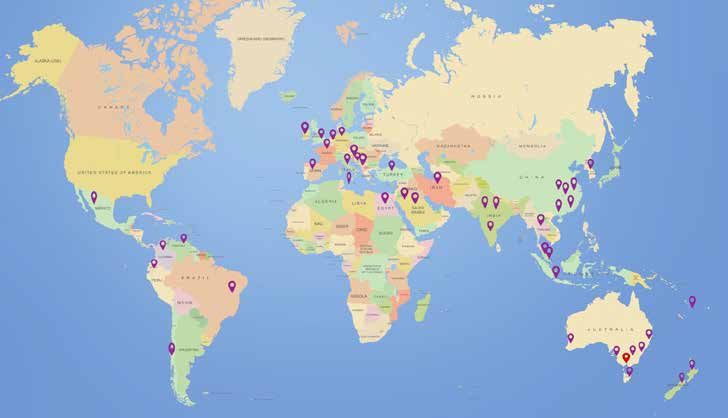
ABOUT OUR
                                                                      Treatment informed by research, and
RESEARCH                                                       research informed by treatment, is the key to
                                                                            progressing better cancer care.
Neuro-Oncology, Paediatric and Late Effects, Upper               exposure to effective therapy while reducing exposure to
Gastrointestinal, and Uro-Oncology Services.                     normal tissue.
Clinical services research includes the following areas:         Radiation Oncology Research
Australian Cancer Survivorship Centre (ACSC)                     Radiation oncology research aims to provide the most up-
 The ACSC aims to better understand the issues that              to date and effective evidence-based treatment for patients
survivors experience and their needs, and develop and test       with cancer who require radiotherapy as part of their
interventions that improve survivors’ well-being.                treatment.

Cancer Allied Health (CAH)                                       Cancer Surgery & Anaesthesia Research
CAH research is focused on delivering high-quality               This clinical research group is working to improve the
evidence-based services to our patients, their families and      technical aspects and impact of cancer surgeries, and
carers.                                                          to improve the delivery and efficacy of anaesthesia and
                                                                 interventional pain medicine.
Cancer Experiences Research
                                                                 Victorian Epigenetics Group (VEG)
This group develops novel, patient-centred strategies and
interventions. Their research focus is on communication,         The VEG supports clinical trials of “epigenetic drugs” for
health literacy, emotional and physical functioning, care        patients with blood cancers through pre-clinical evaluation,
coordination, education information, well-being for survival     novel biomarker development and early phase clinical
and living well at the end of life.                              trials of new drugs.

Familial Cancer Centre (FCC)                                     Biostatistics and Clinical Trials (BaCT)
The Parkville FCC works with families to investigate             Peter Mac is the leading biostatistical centre focusing
hereditary cancer syndromes and how they can better              on cancer clinical trials in Australia. The centre provides
manage their cancer risk.                                        statistical expertise for national cancer trials groups
Imaging and Diagnostic Research                                  including the Trans Tasman Radiation Oncology Group
                                                                 (TROG) and the Australasian Leukaemia and Lymphoma
Imaging and diagnostic research is conducted in Peter            Study Group (ALLG).
Mac’s Centre for Cancer Imaging. Our researchers image
tumours to develop new therapies and improve imaging             Radiation and Cancer Imaging
technologies for cancer patients.                                State-of-the-art radiation and imaging equipment
                                                                 underpins Peter Mac’s efforts to enhance the delivery
Infectious Diseases & Infection Control (IDIC)
                                                                 of radiation therapy, both as a single modality and,
Peter Mac’s IDIC research group aims to improve cancer           increasingly, as a combined modality therapy using novel
outcomes through enhanced infection services. This group         chemotherapy and targeted therapy agents.
is home to the NHMRC National Centre for Infections in
Cancer - an integrated health care program for reducing          Clinical Trials
infections in cancer.                                            Clinical trials are central to Peter Mac’s commitment to
                                                                 finding more effective cancer treatments and improving
ONTrac
                                                                 care for people with cancer, their families and carers.
This multidisciplinary research group is committed to
                                                                 With more than 200 clinical trials active every year,
improving the understanding and knowledge of the health
                                                                 Peter Mac has a comprehensive network of clinical trials
outcomes of young people living with cancer.
                                                                 support in place, bringing together laboratory researchers,
Pain & Palliative Care (PPC) Research                            medical, surgical and radiation oncologists, many of whom
 PPC research focuses on symptom control, end-of-life            are clinician-researchers, pathologists, pharmacists,
care including advance care planning, and models of              geneticists and clinical trials nurses.
integration of palliative and acute care.                        The Parkville Clinical Trials Unit (PPCTU) incorproates
Physical Sciences Research                                       the cancer clinicla trials services of Peter Mac, the Royal
                                                                 Melbourne Hospital, and the Royal Women’s Hospital.
Physical sciences research is focused on the delivery of
cancer radiotherapy treatments that increase tumour
 3
PLATFORM TECHNOLOGIES                                          grant applications and the analysis and publication of
                                                               genomic and transcriptomic data. Data types analysed by
Our core facilities and platform technologies are the          the core include whole-exome sequencing, targeted re-
backbone of our research and ensure that the researchers       sequencing, RNA-sequencing, ChIP-sequencing, NanoString
are outfitted with the equipment and expertise needed to       and various types of microarray data.
facilitate their research.
                                                               https://www.petermac.org/research/core-facilities/
An important role of the core platform technologies is to      bioinformatics
also identify, import, and develop new technologies.
Peter Mac’s core technologies and expertise are also made
available to external researchers on a collaborative or cost   Flow Cytometry and Cell Sorting
recovery basis, thereby increasing research output in the      This facility provides researchers with access to state-of-
                                                               the-art equipment and expertise that enables isolation,
wider bioscience community.                                    separation and analysis of cell populations based on their
                                                               biological and therapeutic properties.
                                                               Flow cytometry is a powerful technique for the analysis
Centre for Advanced Histology and Microscopy                   of individual cells within complex populations. It is used in
                                                               both research and clinical settings, and has an important
The Centre for Advanced Histology and Microscopy (CAHM)        role in the translation of knowledge from the research
underpins a multitude of cancer research projects with         setting to the clinical area (translational research).
four core platforms:
                                                               https://www.petermac.org/research/core-facilities/flow-
•   Histology                                                  cytometry
•   Optical Microscopy: including laser scanning confocal
    microscopes, a multi-modal super resolution
    microscope and multiphoton microscope, a dual              Functional Genomics
    laser multiphoton microscope, and a laser capture          Want to work with CRISPR? Want to knock down gene
    microscope.                                                expression? Interested in growing your cells in 3D?
                                                               Thinking about finding the next generation drug that
•   Electron Microscopy, inclusive of both transmission
                                                               targets your disease of interest? How about quantifying
    and scanning electron microscopy.
                                                               that cellular phenotype you are working on or the
•   Image Analysis, and Histology.                             expression of a series of proteins?
Researchers utilising CAHM receive support, training and       You can do all this and more in the Victorian Centre
advice from expert technical scientists.                       for Functional Genomics (VCFG) on Level 11 using the
                                                               sophisticated liquid handling automation, high content
https://www.petermac.org/research/core-facilities/centre-
                                                               microscopy and specialised analysis pipelines, the world-
advanced-histology-microscopy
                                                               first 3D bioprinter that embeds cells in a scaffold and our
                                                               Reverse Phase Protein array platform. The VCFG team
                                                               are highly experienced technical experts in the areas of
Bioinformatics Consulting Core
                                                               high throughput RNAi, CRISPR and compound screening
The Bioinformatics Consulting Core provides services and
                                                               coupled with many different types of functional readouts
know-how for the analyses of high-throughput genomics
                                                               to represent your cell biology and disease state. They have
data. Our team of bioinformaticians and postdoctoral
scientists work alongside laboratory and clinical
researchers and contribute to their experimental design,

                                                                                   Peter MacCallum Cancer Centre           4
recently installed the 3D bioprinter to grow cell lines and   Tissue Bank
patient derived material in 3D in high throughput allowing    The Tissue bank is a member of the Victorian Cancer
personalised medicine approaches to drug discovery.           Biobank, providing researchers with ethically collected,
The VCFG operates a ‘researcher-driven - staff assisted’      high quality human tissue, blood and data samples for their
model whereby someone from the team works with you            investigative projects. It also supports clinical trials at Peter
through the process of your project, trains you to run        Mac by processing and storing blood and tissue specimens
some of the instrumentation and assists in analysis and       in accordance with trial-specific protocols.
interpretation. The opportunities are vast, it really just    https://www.petermac.org/research/core-facilities/tissue-
requires your imagination!                                    bank
https://www.petermac.org/research/core-facilities/
victorian-centre-functional-genomics
                                                              Research Laboratory Support Services
                                                              Research Laboratory Support Services (RLSS) provides a
Molecular Genomics                                            centralised, comprehensive range of services that support
The Molecular Genomics Core facility offers researchers       the researcher’s needs in a timely and cost effective
access to state-of-the-art genomics technology platforms,     manner. This includes Media Kitchen, Labware Services and
providing service and expertise in conducting genomics        Research Store.
experiments. Genomics technologies are extremely
powerful tools for discovering mutations in genes
implicated in cancer. The facility operates three major       Transgenic and SPF Facility
platforms: Illumina Sequencing, Nanostring nCounter and       We currently breed and maintain approximately 20,000
QX200 Droplet Digital PCR.                                    mice, representing over 130 different strains of transgenic
https://www.petermac.org/research/core-facilities/            and gene-targeted mice.
molecular-genomics                                            Peter Mac’s Animal Ethics Committee (AEC) has an
                                                              important role in overseeing the ethical conduct of any
                                                              work involving the use of animals for scientific purposes,
Research Computing Facility                                   conforming to the NHMRC Australian Code of Practice for
The Research Computing Facility is responsible for            the Care and Use of Animals for Scientific Purposes.
administering Peter Mac’s Computing Cluster and Linux
environment, providing leadership in the area of data
governance, managing the Research Data Repository/
Archive, administering cloud computing resources, and
providing specialised software solutions and/or systems
to support research. The facility also provides training
for the software systems they administer and general
bioinformatics.
https://www.petermac.org/research/core-facilities/
research-computing-facility

 5
CANCER RESEARCH PROGRAMS
Organogenesis and Cancer Program
https://www.petermac.org/research/programs/organogenesis-cancer

Research Labs:                                    Despite being a fundamental part of life, we still lack a clear
                                                  understanding of how individual organs know how to grow to the
•   Louise Cheng
                                                  right size and maintain this size. The roles of stem and progenitor
•   Andrew Cox                                    cells in the growth of different organs are also unclear, as is the
                                                  impact of diet and nutrition on organ growth. To investigate these
•   Kieran Harvey
                                                  questions our program leverages the unique strengths that are
•   Ben Hogan                                     offered by different experimental systems including Drosophila,
                                                  zebrafish, mice and organoid cultures. We also collaborate
The primary focus of the Organogenesis & Cancer   with clinicians from within the VCCC network to examine how
program is to investigate the process of organ    deregulation of organogenesis signalling networks drive cancers
development and how failure of organogenesis      such as melanoma, mesothelioma, glioblastoma and hepatocellular
contributes to cancer.                            carcinoma.

Cancer Genetics and Genomics Program
https://www.petermac.org/research/programs/cancer-genetics-genomics -program

Research Labs:                                     The Cancer Genetics and Genomics program applies genomic
                                                  technologies to large patient cohorts, with a particular focus on
•   David Bowtell
                                                  breast, ovarian and prostate cancer. Familial (KConFab, ViP) and
•   Kara Britt                                    population-based (Lifepool) breast and ovarian (Australian Ovarian
                                                  Cancer Study) cancer cohorts are embedded in the program and are
•   Ian Campbell
                                                  highly enabling of the research program due to the large numbers
•   Kylie Gorringe                                of patient samples with rich clinical information and associated
                                                  biospecimens.
Cancer is fundamentally a polygenic disorder,
imparted by germline and somatic mutation.        More recently the program has established CASCADE, a unique
With advances in DNA sequencing and other         rapid autopsy study that provides an enabling platform for a variety
genomic technologies, it is feasible to obtain    of solid and haematological malignancies. Sophisticated genomics,
high-dimensional genomic information about an     functional genetics and bioinformatics capabilities are also highly
individual patient’s tumours and relate this to   enabling of the program.
clinical outcome.

Cancer Immunology Program
https://www.petermac.org/research/programs/cancer-immunology -program

Research Labs:                                    The Cancer Immunology Program is identifying ways in which the
•   Paul Beavis          •   Jane Oliaro          immune system can be harnessed to prevent and control cancer.

•   Phil Darcy           •   Sarah Russell        We are interested in the very early stages of how immune cells
                                                  can pick up and respond to the presence of cancer cells. We have
•   Belinda Parker       •   Tony Tiganis         demonstrated that specific toxins made by “killer T cells” can
•   Ricky Johnstone      •   Joe Trapani          prevent the onset of certain cancers (immune surveillance), and are
                                                  developing genetic technologies to modify and expand the activity
•   Paul Neeson          •   I lia Voskoboinik    of these cells to treat established malignancies. In addition, we are
                                                  defining the molecular means by which new classes of anti-cancer
                                                  drugs kill cancer cells, so that rational choices can be made on the
                                                  most appropriate cancer chemotherapy for a patient.

                                                                             Peter MacCallum Cancer Centre          6
CANCER RESEARCH PROGRAMS
Cancer Therapeutics Program
https://www.petermac.org/research/programs/cancer-therapeutics -program

Research Labs:                                                 available within the Peter Mac to discover, develop, characterise
•       Kristin Brown                                          and refine novel cancer therapeutics for clinical use.

•       Charbel Darido                                         This integrated program allows insight into fundamental aspects
•       Sarah-Jane Dawson                                      of cancer biology through the identification of novel tumour-
                                                               suppressor and tumour-initiating genes. We explore the
•       Shom Goel                                              functional relationships between altered cancer genetics and
•       Rodney Hicks                                           aberrations to the cancer epigenome, and a deeper
                                                               understanding of the molecular events that drive oncogenic
•       Sherene Loi
                                                               signalling networks. These findings serve as a basis for
•       Grant McArthur                                         extensive translation-based studies to determine the potential
                                                               therapeutic benefit of interfering with, or augmenting the activity
•       Belinda Parker
                                                               of key proteins involved in these signalling networks through
•       Ben Solomon                                            pharmacological intervention.

The Cancer Therapeutics Program aims to
integrate various basic research activities, platform
technologies, and pre-clinical model systems

Translational Haematology Program
https://www.petermac.org/research/programs/translational-haematology-program

Research Labs:                                                 The Translational Haematology Program contains a diverse set
•       Mark Dawson                                            of laboratories that focus on understanding the molecular
                                                               pathogenesis of a range of haematological malignancies.
•       Sarah-Jane Dawson
•       Ricky Johnstone                                        The program spans the breadth of basic science and
                                                               translational medicine with the goal of identifying novel
•       Lev Kats                                               therapies that will improve the outcome of patients with
                                                               haematological cancers.

Oncogenic Signalling and Growth Control Program
https://www.petermac.org/research/programs/oncogenic-signalling-growth-control
  Research Labs:                              A key feature of oncogenic signalling is-program
                                                                                       a requirement for cells to
                                                                 grow and proliferate, processes that are intimately linked to
    •     Rick Pearson
                                                                 protein synthesis and the provision of metabolic substrates for
    •     Grant McArthur: Molecular Oncology                     replication of cellular components. Specifically, increases in
                                                                 ribosomal assembly, mRNA translation and glycolysis are key
    •     Vihandha Wickramasinghe
                                                                 downstream events in many of the most important pathways
    •     Ygal Haupt                                             involved in malignant transformation. It is increasingly
                                                                 recognised that tumour heterogeneity both between lesions and
                                                                 within lesions in individual patients and the development of
    The global effort to understand the molecular                resistance, represent fundamental challenges to attainment of
    drivers of cancer is now coming to fruition with the         durable responses to targeted therapies. Unravelling the links
    identification of specific genomic events that influence     between oncogenic signalling and their influence on cell biology
    signalling through key oncogenic pathways.                   will be critical to designing new therapeutic approaches and
                                                                 improving patient outcomes.

7
CANCER RESEARCH PROGRAMS
Gastrointestinal Cancer Program
https://www.petermac.org/research/programs/gastrointestinal-cancer-program

Research Labs:                                            This Program has developed a world-class multi-disciplinary
                                                          translational research program that responds to the needs of
•   Wayne Phillips
                                                          patients by (i) addressing critical clinical questions related to
•   Rob Ramsay                                            treatment and management of gastrointestinal cancer, (ii) exploring
                                                          the cellular and molecular biology underlying the development and
•   Alex Boussioutas
                                                          progression of gastrointestinal malignancies, and (iii) actively
•   Nicholas Clemons                                      translating laboratory findings into the clinic.

                                                          The program has a focus on gastric, oesophageal, colorectal, and
Focussing on clinical, preclinical, and basic science     anal cancers, and has strong clinical links with a surgical research
research across all cancers of the gastrointestinal       team led by Professor Sandy Heriot and additional surgeons and
tract (including oesophageal, gastric, colorectal and     oncologists within the Victorian Comprehensive Cancer Centre
anal cancers).                                            alliance, offering extensive training opportunities for postgraduate
                                                          students, postdoctoral fellows and clinicians in basic, translational,
                                                          and/or clinical research.

Tumour Angiogenesis and Microenvironment Program
https://www.petermac.org/research/programs/tumour-angiogenesis-microenvironment -program

Research Labs:                                            The interaction of these cells types with tumour cells can either
                                                          support or inhibit tumour progression. The spread of cancer to
•   Steven Stacker
                                                          lymph nodes and distant organs is a critical aspect of cancer
•   Stephen Fox                                           progression and is facilitated by lymphatic and blood vessels. The
                                                          cells that line these vessels (the endothelial cells) are the control
•   Marc Achen
                                                          points for changes to vessel structure and activity.
The program is interested in understanding the key        The program provides broad opportunities for training of
role played by the non-malignant cells within the         postgraduate students, postdoctoral fellows, pathology fellows and
tumour microenvironment, which includes stromal           clinically trained researchers in areas of basic scientific research,
cells, blood vascular endothelial cells, lymphatic        translational research and molecular pathology.
endothelial cells and immune cells.

Prostate Cancer Program
https://www.petermac.org/research/programs/prostate-cancer -program

Research Labs:                                            Research in this program includes but is not limited to:
•   Ygal Haupt                                            •    Which tumours are aggressive vs indolent and put men at high
                                                               risk of progressing to aggressive disease?
•   Gail Risbridger
                                                          •    What returns predict tumour progression
The Prostate Cancer program aims to answer                •    What treatments can prolong and improve patient survival?
significant questions that arise at diagnosis and         The group uses patient specimens and clinically relevant models of
during treatment of men with Prostate cancer.             prostate cancer to provide practice changing outcomes to benefit
                                                          men with prostate cancer.
Despite being a fundamental part of life, we still lack
a clear understanding of how individual organs know
how to grow to the right size and maintain this size.

                                                                                    Peter MacCallum Cancer Centre          8
CANCER RESEARCH PROGRAMS
Computational Biology Program
https://www.petermac.org/research/programs/organogenesis-cancer
Research Labs: Our research interests encompass: bioinformatics algorithm
and methods development; computational cancer biology;
• David Goode
cancer evolution and genomics; software tool development; and
• Tony Papenfuss personalised medicine.
The program includes research laboratories, as well as the
The Computational Biology Program uses Bioinformatics Consulting Core and the Research Computing Facility.
mathematics, statistics and computing to generate Scientists come from a range of disciplines including biology,
new discoveries in cancer. We develop new models, computer science, mathematics and statistics, as well as
algorithms and software tools, and apply these to software engineering. Many researchers in the program hold joint
make sense of cancer data. This includes whole appointment with other programs or institutes.
genome, exome, transcriptome and epigenome
sequencing data.
Cancer Metabolism Program
https://www.petermac.org/research/programs/cancer-metabolism
Research Labs: Areas of interest in the program include understanding:
• Kristin Brown • obesity and the metabolic syndrome increasing the risk of
cancer
• Louise Cheng
• obesity driving tumour growth
• Andrew Cox
• redox balance in tumour development
• Rick Pearson
• nutrient availability and utilisation driving tumour growth
• Tony Tiganis
• metabolic heterogeneities in cancer
The ability of tumour cells to reprogram key
metabolic pathways to facilitate tumorigenesis • tumour metabolism altered to support cancer growth and
and metastasis is now recognised as one of the spread
hallmarks of cancer.
• mechanisms by which oncogenic pathways reprogram tumour
The Cancer Metabolism Program has been recently metabolism
established at the Peter MacCallum Cancer Centre
• alterations in tumour metabolism influencing the immune
and aims to understand the influence of obesity
response
and metabolism on the development and growth of
cancer. • alterations in immune cell metabolism influencing tumour
growth
• tumour metabolism promoting therapy resistance
• targeting tumour-specific metabolic vulnerabilities for cancer
therapy
9RESEARCH EDUCATION PROGRAM
With strong links to local and international universities and research institutes, our research
education program provides a training and support framework for the academic and
professional development of our staff and students.
Peter Mac is home to over 150 research students undertaking postgraduate and honours research programs. Most
students completing projects at Peter Mac are enrolled through The University of Melbourne. We also host students from
all Universities throughout Australia and overseas.
Our program provides all students with the opportunity to expand their research knowledge and skills, while also
developing important transferable skills that will make an important contribution to their future career directions.
We provide a structured yet flexible program to meet the varied needs of our students. This research environment
supports all students during the development of the important research and professional skills that will allow our
graduates to demonstrate their development as efficient researchers, and makes a significant contribution to improving
the quality of research coming out of our Centre.
Sir Peter MacCallum Department of Oncology, The University of Melbourne
The University of Melbourne’s Sir Peter MacCallum Peter Mac and the Sir Peter MacCallum Department of
Department of Oncology is located within the Peter Oncology also provide research placements for medical
MacCallum Cancer Centre. research programs, for international postgraduate
students, for undergraduate students associated with
The Sir Peter Mac Department brings to the university the
the Summer Vacation Research Program, undergraduate
strengths of world-class laboratory and clinical research
work experience and undergraduate research projects
conducted within a public cancer hospital, including:
undertaken in the laboratories.
• the largest cancer research group in Australia, with
laboratory-based researchers and clinicians working Postgraduate research students based in clinical settings
side-by-side; are supported by the Cancer Research Education program in
addition to the support offered by their clinical service teams.
• a strong academic program, driven by internationally
renowned laboratory and clinical researchers, with The co-location of research and research training capability
a strong focus on educating future generations of with a hospital dedicated to cancer treatment enables
cancer researchers; researchers and clinicians to work side-by-side to make
significant contributions to basic research, translational
• highly sophisticated equipment and technology, research and clinical trials for cancer.
enabling complex research projects through access
to cutting-edge core research technology platforms The Peter Mac Research Education program formed the
basis of The University of Melbourne’s Comprehensive
• a cancer stream-based and holistic model of care Cancer PhD program, described in the following section.
where multi-disciplinary experts come together to
provide tailored treatment at all stages of a patient’s
disease, across all common and rare cancer types.
Peter MacCallum Cancer Centre 10COMPREHENSIVE CANCER PhD PROGRAM
The Comprehensive Cancer PhD program (The University of Melbourne) supports the
academic and professional development of students undertaking cancer-related research
within the Victorian Comprehensive Cancer Centre (VCCC) Alliance.
This innovative and integrated program aims to produce The program includes:
graduates ready to conduct world-class cancer research
1. Research skills development, including mastery of
and set them on a path to a broad range of career options.
core technologies, cancer-specific seminars and
The Comprehensive Cancer PhD (CCPhD) Program is presentations and critical analysis through exposure to
designed to complement existing PhD activities by journal clubs.
providing eligible students with opportunities to broaden
2. Professional and career development, including
the scope of their research knowledge, professional
generic and transferrable skills, mentoring, networking,
development and career training, and to develop research
leadership, career opportunities, internships and
and professional skills that will help students to fulfill their
placements.
career ambitions.
3. Communication skills development, including thesis and
The Comprehensive Cancer PhD builds on established
journal writing skills, and oral or poster presentations
conventional training for cancer research students
skills.
providing a coordinated program of skills, research and
career training in addition to usual PhD activities. 4. Optional internships/placements tailored to the
student’s interests and relevance to their PhD.
Tapping into the depth and breadth of knowledge and
experience of the VCCC alliance partners, the program Examples of student activities in this program:
provides a unique opportunity for multidisciplinary cancer-
• Annual Student Symposium
related PhD candidates to experience clinical and research
activities across the alliance. • Annual Debate
The program is managed by the Sir Peter MacCallum • Thesis Bootcamp
Department of Oncology (University of Melbourne), and is
• Annual Chat with a Nobel Laureate
based on the gold-standard postgraduate program offered
by Peter Mac. • Topics in Cancer Seminar program, with recent topic
themes including:
All students engaged in postgraduate research studies at
Cancer Immunotherapy;
Peter Mac are enrolled in the CCPhD program, regardless
of which university they are enrolled through. Oncogenes and Tumour Suppression;
Pillars of Cancer Care
Cancer Genetics and Genomics
- Workshops, including presentation skills, communication
skills, candidature management, CV preparation.
For further information, email:
ccphd@petermac.org
The Comprehensive Cancer PhD Program is supported by academic partner the University of Melbourne,
Peter MacCallum Cancer Centre and the Victorian Comprehensive Cancer Centre alliance
11BECOMING A STUDENT AT PETER MAC
We provide a world-class research education program at a leading Australian cancer research
institution for students from The University of Melbourne and other national and international
universities.
There are two general stages in preparing to become a Honours students
student in our postgraduate and honours programs.
Each year we accept students from biomedical science and
Students must: science programs to undertake one-year, full time Honours
1. Find a project and supervisor for their research projects in cancer-related biomedical research.
program, and Students undertake all of their scientific research work on
2. Meet the University degree eligibility and entry site at Peter Mac, while undertaking their course work at
the university department through which they are enrolled.
requirements.
Our honours students come to us with a range of majors
and backgrounds including biochemistry, chemistry,
Postgraduate students
biomedical science, immunology, cell biology, medicine,
Applicants for postgraduate student positions at Peter Mac pharmacology, molecular biology, pathology, physiology,
enrol through a university program that approves your anatomy and other similar subjects.
project placement at Peter Mac. You must therefore satisfy
Most of our Honours students are enrolled at The
the minimum entry requirements at the university through
University of Melbourne through departments of the
which you plan to enrol.
Faculty of Medicine, Dentistry and Health Sciences,
Entry to the Peter Mac postgraduate program is based on such as: Biochemistry & Molecular Biology, Pathology,
the availability of projects, student suitability and academic Microbiology & Immunology, Anatomy & Cell Biology and
background. Pharmacology.
To undertake a postgraduate project at Peter Mac, students Students who have completed their undergraduate degree
need to: at another university in Australia or overseas are also
encouraged to contact us directly for further information
• Demonstrate a genuine interest in biomedical
on how to apply.
research.
Students interested in undertaking an Honours project at
• Be happy to conduct your research candidature full
Peter Mac need to:
time off-campus at Peter Mac.
• Demonstrate a genuine interest in biomedical
• Look through the available project summaries and
research.
contact the project supervisor directly by email.
• Ensure their university/department approves them
• Discuss your interest in the project with the
conducting their research project full time off-campus
supervisor.
at Peter Mac.
• Meet with potential supervisors at Peter Mac to
• Look through the available project summaries and
discuss the project, your interests, visit the lab and
contact the project supervisor directly by email.
meet others in the research group. At this meeting,
supervisors will also want to view your academic • Discuss your interest in the project with the supervisor.
record. International students will ‘meet’ supervisors
• Meet with potential supervisors at Peter Mac to discuss
via skype or similar.
the project, your interests, visit the lab and meet others
• Meet univeristy eligibility requirements for in the research group. At this meeting, supervisors will
postgraudate degree candidature. also want to view your academic record.
• Apply for candidature at The University of Melbourne • Apply for candidature at the University, meeting the
or at an equivalent university when supervisor and university’s application and eligibility requirements.
project are confirmed. University of Melbourne
students enrol with The Sir Peter MacCallum Assistance in the application process
Department of Oncology, through the Faculty of Further information about the postgraduate and
Medicine, Dentistry and Health Sciences. honours projects, supervisor contact details and the
• Apply for a postgraduate scholarship. Note the application process is available online at:
different deadlines that apply to different scholarships,
different universities, and for local versus international www.petermac.org/education/research-
scholarships. education
Peter Mac staff will work with students to facilitate these For application assistance, contact:
processes.
Applications for candidature/scholarships for all
Research.EducationAdmin@petermac.org
universities are online processes, requiring a leter of
supprot from the proposed supervisor.
12WHERE DO OUR STUDENTS COME FROM TO STUDY AT
PETER MAC?
We host students from countries and universities all over the world to undertake their research
studies at Peter Mac. Our mulitdisciplinary and multicultural student cohort is at the heart of our
research excellence.
WHERE DO ARE OUR GRADUATES GO AFTER THEY
COMPLETE THEIR DEGREES?
Our graduates have taken up research positions across the world at leading research institutes and
universities as post-doctoral researchers and academic leaders, including:
USA: Memorial Sloan Kettering Cancer Center, Dana- EUROPE: Research Institute of Molecular Pathology,
Farber Cancer Center, MD Anderson Cancer Center, Austria; University of Zurich, Switzerland; NKI, Amsterdam;
Stanford University, Harvard University, University of Max Planck Institute of Immunobiology and Epigenetics,
California (LA, Irvine, SF), St Jude’s Children’s Research Frieberg, Germany; Ludwig-Maximilians Universität
Hospital, University of Pennsylvania, Mount Sinai Hospital, München, Germany; Institute for Molecular Medicine,
University of Pittsburgh, Medical College of Wisconsin Finland; Karolinska Institute, Sweden; Stockholm
Cancer Centre, University of Texas Health Science Center, University, Sweden; Gustav Roussy, France; University
Brigham and Women’s Hospital, Boston; British Oregon of Paris Sud XI, France; Antoni van Leeuwenhoek,
Health and Science University, NYU School of Medicine, Netherlands,
Colorado Cancer Centre, John Hopkins School of Medicine,
Roswell Park Cancer Institute; Northwestern University; ASIA: Center for Genome Integrity, Institute for Basic
Columbia University. Science, Korea; Nanyang University Hospital, Singapore.
CANADA: University of Toronto, British Columbia Cancer
Agency, Vancouver. Our graduates have taken up research positions
across Australia and the world at leading
UK: Cambridge University; Cancer Research UK; University
College London; University of Dundee; The Beatson Institute
companies including:
for Cancer Research, Glasgow; Nottingham University Amgen, Roche, Pionyr Immunotherapies, Comugen
Hospitals NHS Trust; St Andrews University Edinburgh; Ltd, GSK, Seres Therapeutics, Genesearch, Geneworks,
Sanger EBI; Medical Research Council; University of Australian Department of Health (PBS), Davies Collison
Birmingham. Cave Intellectual Property, Merck, QIAGEN.
Peter MacCallum Cancer Centre 13WHY STUDY AT PETER MAC? WORDS FROM OUR PAST RESEARCH STUDENTS Collaborative interaction with national and international peers is a lynchpin of any vibrant program. Peter Mac is continually seeking to work with the best worldwide and the world’s best are increasingly seeking out Peter Mac researchers to interact with. In speaking to past research students, it is immediately evident that the two factors most strongly influencing their decision to join and stay at Peter Mac are firstly, the opportunity to be mentored by a strong and collegiate group of senior researchers and secondly, the well-established research infrastructure that enabled them to perform virtually any type of experiment they required at affordable cost. This is a strong vindication of our strategy of identifying, seeding and supporting the growth of an enabling environment, both in terms of talented senior personnel and a first-class research infrastructure. “I have been incredibly fortunate to be part of a dynamic and supportive research group at The National Centre for Infections in Cancer at Peter Mac. My inspiring PhD supervisors Prof Karin Thursky and Prof Monica Slavin have taught me to think beyond the hospitals walls, to collaborate across disciplines and to translate my research into practice.” Gabrielle’s research encompasses three domains: risk prediction, health-services utilisation and implementation. Her vision is to lead national knowledge translation studies to improve the management of infections in cancer with a focus on standardising practice, reducing unwarranted variation and improving efficiencies within the healthcare system. Results of Gabrielle’s PhD have already been implemented across Victoria and have resulted in significant reductions in hospital length of stay for children with cancer and febrile neutropenia (FN). Dr. Gabrielle Haeusler: Infectious Diseases Physician and Clincial Researcher, Peter MacCallum Cancer Centre. Recipient: 2018 Premier’s Award for Health Service Research; 2019 Chancellor’s Award, The University of Melbourne; 2019 Peter Mac Postgraduate Research Medal. “Doing a PhD at Peter Mac surrounded by a critical mass of world-class cancer researchers is invaluable experience for any young investigator and certainly was for me. Apart from learning an array of scientific techniques, it honed my ability to critically evaluate data, to present my own data verbally and in writing, and allowed me to get my first independent funding (a CJ Martin Fellowship) to undertake postdoctoral training at the British Columbia Cancer Agency.” Arun is a clinician-researcher with a focus on urological cancers and especially prostate cancer. He has a key role in early- and late-phase clinical trials in prostate cancer, including investigator-sponsored studies, and leads a lab team focused on characterising circulating blood-based biomarkers in advanced prostate cancer. HIs My work is supported by research grants and fellowships from NHMRC, Victorian Cancer Agency and other funding bodies including industry partners. He is co-PI of the Upfront-PSMA Movember/Cancer Australia Prostate Cancer Research Alliance. A/Prof. Arun Azad: Medical Oncologist and Clinician Researcher, Peter MacCallum Cancer Centre. “I was attracted by Peter Mac’s reputation as a holistic cancer centre with everyone striving towards one goal. In this supportive and collaborative environment I developed my potential towards making a significant contribution to the field of cancer research.” Nimali completed a postdoctoral position at Stanford School of Medicine. She is now a Clinical Scientist at Genentech/Roche working in Product Development Oncology, responsible for developing and executing the late stage (Phase II – IIIA) clinical strategies and plans, to help deliver novel therapies that provide significant improvement to patient health. Her goal is to translate promising, innovative scientific breakthroughs to global health that impacts patients. Dr. Nimali Withana, Clinical Scientist, Genentech/Roche, USA 14
“Undertaking a PhD at the Peter MacCallum Cancer Centre was critical to the
development of my career. Being immersed in an institute dedicated to cancer
research gave me a wide and diverse exposure to different aspects of cancer biology,
enabling me to tap in to different areas of expertise whenever I needed it. The PhD
education program and interaction with scientists across the institute (especially
other PhD students) provided me with a solid foundation across multiple areas of
cancer biology from cancer genetics, metastasis, immunology and more.”

Nick’s research interests in upper GI cancers were developed during research
fellowships in the Surgical Oncology Research Lab at Peter Mac and the MRC Cancer
Cell Unit at the University of Cambridge. Throughout his career, collaboration with
clinicians (especially surgical oncologists, medical oncologists and gastroenterologists)
has been critical to his research by enhancing the relevance of his work to the most
critical issues facing patients with oesophageal cancer. Nick’s research group focusses
on understanding the tumourigenic process in oesophageal cancer and they use this
knowledge to investigate opportunities to improve clinical management of this disease,
including the identification of new therapeutic approaches.

Dr. Nicholas Clemons: Head, Tumourigenesis & Cancer Therapeutics Laboratory, Peter
MacCallum Cancer Centre; Senior Honorary Fellow in the Sir Peter MacCallum Department of
Oncology at The University of Melbourne.

“I was very fortunate to do my PhD doing something I was really passionate about
– cancer immunotherapy. I had a wonderful time during my PhD at Peter Mac, not
only because it is a great place to work in with all the amazing people and staff, but
also because of all the opportunities I got as a PhD student. Peter Mac always brings
in the best scientists from various fields in cancer research, and all those seminars
definitely helped me learn so much about exciting current research outside of my
own. All the training I had at Peter Mac definitely has helped equip me with important
skills that I need here as a scientist, not only laboratory skills but also communication
and presentation skills.”

Sherly’s PhD My research focused on T cell immunotherapy, in particular chimeric
antigen receptor (CAR) T cell therapy which involves genetic engineering of T cells
to redirect their specificity to target tumour antigen(s). Sherly made the most of the
opportunties for personal development thorughout her PhD; she developed from
being a timid first year student into to a mature confident scientist in her final year,
presenting at international conferences and labs in the US. After these conferences
and lab visits, she was offered a few post-doctoral positions in a number of institutes
in Canada and the US, which then led her to her current role as a post-doctoral
scientist at the University of Pennsylvania in Philadelphia.

Dr. Sherly Mardiana: Postdoctoral Scientist, University of Pennsylvania, USA.

“Attending a Peter Mac Student Open Day in the 3rd year of my undergarudate
degree, I was struck by the enthusiasm and the collaborative environment at the
open day, and on subsequent visits to the labs. More so than other institutes that I’d
visited and work at, I didn’t really notice a clear distinction between RAs, students
and post-docs. I felt that everybody had an opportunity to contribute to the discussion
around the experiments.”

Don completed his Honours year at Peter Mac in 2010, following which he worked in
various RA roles in the Oncologenic Signalling and Growth Control Program before
commencing his PhD in 2014. He remained at Peter Mac throughout these stages
of his early research career because he enjoyed the excellence of the research
environment and facilities, and he was learning a lot from the people at Peter Mac.
After completing his PhD, he commenced a postdoctoral position at the Karolinska
Institute, Sweden, in June 2018.

Dr. Don Cameron: Postdoctoral Scientist, Karolinska Institute, Sweden

                                                                                       Peter MacCallum Cancer Centre   15
AVAILABLE PROJECTS BY RESEARCH GROUP
BEAVIS, PAUL therapeutic responses. The potential of radiomics has
shown in several cancer types including breast, brain,
head and neck, and lung. With the advancement in deep
TUMOUR IMMUNOLOGY PROGRAM learning methods and availability of high computational
https://www.petermac.org/research/labs/paul-beavis power, deep learning methods are successfully being
used in radiomics. In this project, we aim to develop deep
Enhancing lymphocyte trafficking to improve the learning models based on convolutional neural networks to
Immunotherapy of Cancer quantify radiological features from pre- and post-treatment
MRI/PET images to predict disease free survival (DFS) and
Supervisors: Dr. Paul Beavis, Dr. Imran House, Prof. Phil Darcy loco-regional control (LRC) in cancer patients after therapy.
Initially the project will focus on breast and cervical cancer
Recent immunotherapy successes in the clinic have
patients.
highlighted the potential of harnessing the immune
system to target cancer. The number of tumour-infiltrating During this project, the student will develop software to,
lymphocytes (TILs) positively correlates with disease
1) automatically delineate the tumour
outcome in cancer patients treated with standard
chemotherapy or checkpoint inhibitor immunotherapy. 2) extract features from multiple image types
In patients with low TILs, a group which constitutes
3) and automatically predict survival outcomes using pre-
the majority of cancer patients, immunotherapy with
treatment images
checkpoint inhibitors (e.g. anti-PD-1) has been largely
ineffective to date, underlining the need to develop This project will be suitable for a student with a
strategies to increase the recruitment of TILs. Trafficking background in mathematics or computer science or
of immune cells, including T cells, is modulated by a engineering. Prior experience in computational biology or
complex network of chemokine: chemokine receptor image analysis would be beneficial.
interactions. Chemokines interact with their respective
Key Words: Deep Learning; Machine Learning; Radiomics;
chemokine receptors and binding results in the activation
MRI; Bioinformatics; Gynaecological Cancers; Breast
of intracellular signalling pathways which result in the
Cancer.
migration of the target cells towards the source of the
chemokine. Target Students: PhD/postgraduate.
This project will employ state-of-the art technology to For more information about this project contact:
identify novel regulators of the key chemokines involved
Dr. Kaushalya Amarasinghe
in this process and test the potential of targeting these to
Kaushalya.amarasinghe@petermac.org
enhance lymphocyte infiltration into tumours and therefore
increase the efficacy of checkpoint immunotherapy and
chimeric antigen receptor (CAR) T cells. This approach
has high translational potential and has the capacity to BOUSSIOUTAS, ALEX
significantly enhance the effectiveness of Immunotherapy
GASTROINTESTINAL CANCER PROGRAM
in cancer.
Role of the tumour microenvironment in gastric cancer
Key Words: Breast Cancers, Cellular Immunology, Genetic
Immunology, Immunotherapy, Sarcoma, Skin Cancers (incl. Supervisors: Prof. Alex Boussioutas, Dr. Rita Busuttil
Melanoma), Solid Tumours, Tumour Immunology.
Gastric cancer (GC) is the fourth most common cancer
Target Students: PhD/postgraduate, Honours. globally and 7th in incidence in Australia. It has a poor
survival rate which can be attributed to the advanced stage
For more information about this project contact:
at diagnosis in most patients. The molecular and cellular
Dr. Paul Beavis paul.beavis@petermac.org mechanisms underlying the development of GC are not
well described. Traditionally cancer research involved
studying the cancer cell itself. More recently, there has
BIOINFORMATICS CONSULTING CORE been growing interest in studying the normal cells and
molecules which surround the cancer cell. This tumor
https://www.petermac.org/research/core-facilities/ microenvironment consists of a variety of stromal cell
bioinformatics types including cells such as fibroblasts. It is believed that
the dynamic communication between tumor cells and the
Deep learning methods for fast and accurate cancer
surrounding cell types may play a major role in cancer
prognostication using radiological images
initiation, progression and establishment of metastatic
Supervisors: Prof. Saman K. Halgamuge (The University of disease.
Melbourne), Dr. Jason Li (Peter Mac) and Dr. Kaushalya C. The aim of this project is to investigate tumor-stromal
Amarasinghe (Peter Mac) interactions in gastric cancer utilizing established and
‘Radiomics’, the field of extracting quantitative features primary cell lines. Once the molecular pathways by which
from medical images to explain radiological phenotypes, a tumor cell progresses has been elucidated it is possible
can be used to discriminate disease forms and to predict that these processes could be exploited in the development
of novel therapeutics. Our previous genomic experiments
Peter MacCallum Cancer Centre 16AVAILABLE PROJECTS BY RESEARCH GROUP
have provided a number of exciting candidate genes that Key Words: Cancer Cell Biology, Gastric Cancer; Cancer
may be involved in this interaction. This is novel research Genetics; Genomics; Cancer Prevention, Organoid, Molecular
that may have a major benefit to our understanding of Biomarkers, Upper Gastrointestinal Cancers.
cancer and improve patient outcomes.
Target Students: PhD/postgraduate, Honours.
Key Words: Gastric Cancer; Tumour Microenvironment;
Cancer Diagnosis; Cancer Genetics; Genomics; Upper
Gastrointestinal Cancers. Investigating the innante and adaptive immune response in
gastric cancer
Target Students: PhD/postgraduate, Honours.
Supervisors: Prof. Alex Boussioutas, Dr. Rita Busutti
Cancer is a disease involving complex interactions of
Twist as a regulator of EMT in gastric cancer and its role
the tumor cell along with a multitude of other cell types,
in invasion
including immune cells, which comprise the tumor
Supervisors: Prof. Alex Boussioutas, Dr. Rita Busuttil microenvironment. It is this cross-talk that promotes
cancer growth, invasion and metastasis. The immune
Gastric cancer (GC) is often diagnosed at advanced
system consists of an integrated system with two major
stages, giving patients a 5-year survival of less than 20%.
components: the innate and adaptive response systems.
Advanced stage GC is directly correlated with increased
Our laboratory is interested in examining the role of immune
local invasion of the cancer through the gastric wall and, at
system in the context of gastric cancer (GC). We have
more advanced stages into adjacent structures Epithelial
individually characterized the spatial distribution of cells
Mesenchymal Transition (EMT) is one mechanism which
comprising both the innate and adaptive immune system.
has been proposed as a modulator of invasion in GC as well
as other cancer types. This project aims to integrate these data to help elucidate the
degree of cross talk between the two systems and to validate
This project seeks to expand on previous work in our
the findings using in vitro and in vivo model systems with the
laboratory exploring the role of TWIST, a master regulator
ultimate aim of developing novel therapeutic strategies for
of EMT, in gastric cancer. We have previously shown that
treating GC.
TWIST is more highly expressed at the invasive front
of the tumor compared to its core indicating that EMT Key Words: Cancer Cell Biology, Cancer Immunology,
is occurring in this area. It is conceivable that reducing Immunotherapy, Innate Immunity, Terapeutics, Upper
TWIST expression could be used as a means to decrease Gastrointestinal Cancers.
the invasive capacity of a cancer. This project will aim
Target Students: PhD/postgraduate, Honours.
to further explore the role of TWIST in the invasion of GC
and its potential utility as a therapeutic target. A broad For more information about these projects contact:
range of techniques including bioinformatics, cell culture,
Prof. Alex Boussioutas alex.boussioutas@petermac.org
shRNA lentivirus mediated gene knockdown, and molecular
biology will be applied. Dr. Rita Busuttil rita.busuttil@petermac.org
Key Words: Gastric Cancer; Cancer Diagnosis; Cancer
Genetics; Genomics; Upper Gastrointestinal Cancers.
Target Students: PhD/postgraduate, Honours. BOWTELL, DAVID
CANCER GENETICS AND GENOMICS PROGRAM
Functional characterisation of genes involved in https://www.petermac.org/research/labs/david-bowtell
progression of gastric cancer Analysis of heterogeneity and chemotherapy resistance in
Supervisors: Prof. Alex Boussioutas, Dr. Rita Busutti ovarian cancer
Gastric cancer (GC) is the fourth most common cancer Supervisors: Dr. Liz Christie, Prof. David Bowtell
globally. It has defined premalignant stages and progresses A majority of women with high-grade serous ovarian cancer
through Intestinal Metaplasia (IM) in the majority of respond well to primary treatment but eventually develop
cases. GC is diagnosed at advanced stage resulting in drug resistance. We are currently performing whole genome
poor prognosis. Part of this is due to no means to identify and single cell RNA sequencing of tumour samples collected
and screen persons at risk of GC. Relatively little is from patients at recurrence or autopsy to further our
known about the key genetic events leading to IM. Our understanding of how tumours evolve to become resistant to
laboratory is currently in the process of completing the first chemotherapy.
comprehensive analysis of IM in the world and we have
identified a number of candidate genes which are likely This project will involve analysis of whole genome and
to be involved in the progression of IM to GC. These could single cell RNA sequence data to (1) identify resistance
potentially be used to reliably predict the progression to mechanisms, (2) understand their heterogeneity within and
GC in humans enabling clinical stratification of individuals between patients, and (3) examine how tumour subclones
into high-risk groups. This project would involve functional interact and evolve over time in response to chemotherapy.
validation of these candidates using cell culture and A broad range of techniques including bioinformatics, cell
organoid model systems culture and molecular biology will be applied.
17You can also read


