2022 Middle Years Curriculum Handbook - Kildare College
←
→
Page content transcription
If your browser does not render page correctly, please read the page content below
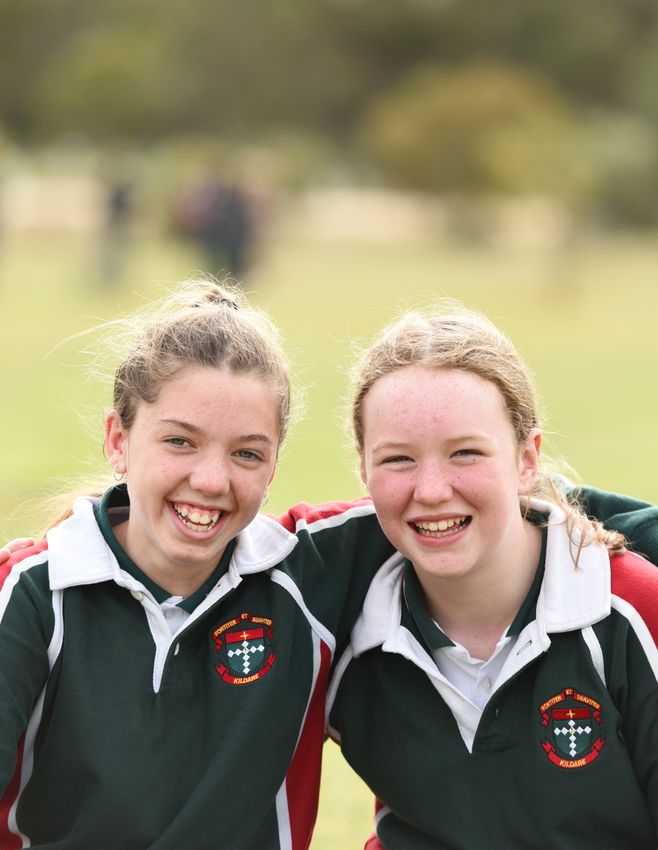
2022
Middle Years
Curriculum Handbook
2 | 2022 Middle Years Curriculum Handbook                                                                                                                               2022 Middle Years Curriculum Handbook | 3

                                                                                                                                  Contents
                                                                                                                                  Welcome 			                                                                   4

                                                                                                                                  Vision and Mission 		                                                         6

                                                                                                                                  Key Staff 		                                                                  7

                                                                                                                                  Middle Years Information		                                                    8

                                                                                                                                  Subject Information 		                                                      12

                                                                                                                                   Project Based Learning (PBL)                                                15

                                                                                                                                   Religious Education                                                         19

                                                                                                                                   Arts and Design                                                             23

                                                                                                                                   English                                                                     33

                                                                                                                                   Health and Physical Education                                               37

                                                                                                                                   Humanities and Social Science                                               41

                                                                                                                                   Languages Other than English (LOTE)                                         45

                                                                                                                                   Mathematics                                                                 49

                                                                                                                                   Science                                                                     53

                                                                                                                                   Design, Technology and Engineering                                          57

                                                                                                                                   Design and Technologies                                                     61

  The information contained in this publication is correct at the time of printing but may be subject to change without notice.

  2022 Middle Years Curriculum Handbook - Published V1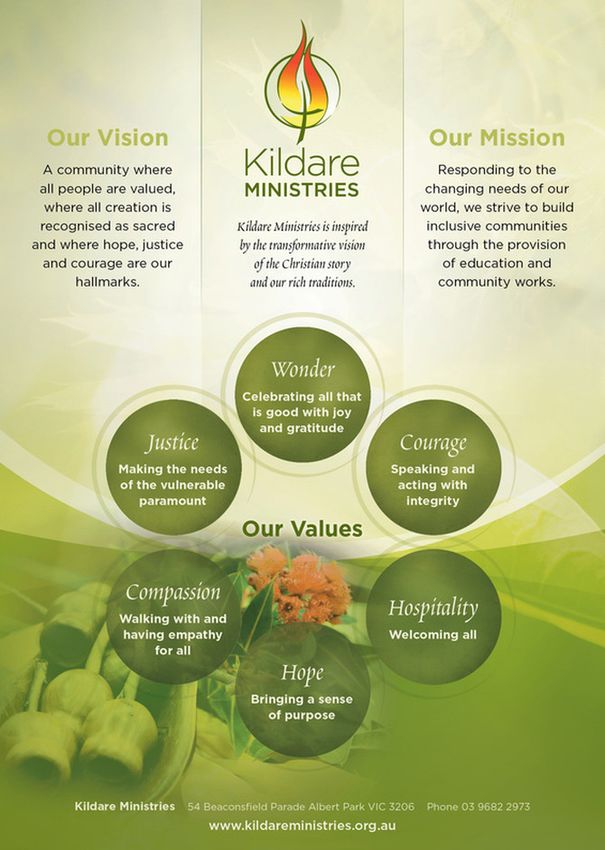
4 | 2022 Middle Years Curriculum Handbook 2022 Middle Years Curriculum Handbook | 5
Welcome College Crest Kildare College commenced in 1966 when the Brigidine
Sisters accepted an invitation from the Archbishop of
Adelaide, Dr Matthew Beovich, to open a school for girls
Our college crest is a means of telling and retelling the
in the then newly growing north-eastern suburbs. Brigidine
origins and tradition of our college.
Sisters lived continuously in the convent until the end of
The Middle Years Curriculum Handbook provides The two crosses on our crest are the Cross of St Brigid, 1990. The Brigidine Congregation has had responsibility
information about the exciting range of learning found in the top section of the crest, and a large cross of for the wellbeing and governance of Kildare College since
opportunities and subjects available to students in diamonds taken from the crest of Bishop Daniel Delaney then. In 2014, Kildare Ministries assumed canonical and civil
Year 7, Year 8 and Year 9 at Kildare College. In the Middle who founded the Brigidine Sisters. The cross of St Brigid is responsibility for Brigidine colleges in Australia, following
Years, adolescents need to be engaged and challenged based on the simple cross of reeds which, tradition says, St approval of a new Public Juridic Person, Kildare Ministries,
academically in an environment that both nurtures and Brigid used when teaching the truths of the Christian faith. by the Vatican. This will eventually take responsibility for
encourages excellence. the educational services and community works sponsored
The small lamp on fire in the centre of the crest, represents by the Brigidine Sisters.
All learning in the Middle Years at Kildare College is based the light of the Christian faith and the light of learning.
The light of this lamp is a powerful symbol for us as a
on the Australian Curriculum. It recognises the importance
learning community. It encourages us to see learning as a
of disciplinary knowledge, skills and understanding, the
General Capabilities and Cross-Curriculum Priorities of;
worthwhile, enjoyable and life-long challenge that links us
to the learning community which St Brigid established in
College Motto
literacy, numeracy, critical and creative thinking, personal Ireland, over 1500 years ago. As a Kildare Education Ministries college, Kildare
and social capability, ethical understanding, intercultural
College has the motto “Fortiter Et Sauviter, Strength and
understanding and ICT capability. Gentleness”. We believe that it is possible for all members
In addition to this, Project Based Learning (PBL) is an of the school community to develop the qualities of
underlying learning component in the Middle Years, strength and gentleness.
where students work on a project over an extended
period of time that engages them in solving a real-world FORTITER ET SAUVITER
problem with answering a complex question. They
demonstrate their knowledge and skills by developing STRENGTH AND GENTLENESS
a public product or presentation for a real audience. As
a result, students develop deep content knowledge,
critical thinking and communication skills, in the context of
creating an authentic, meaningful project.
Core Values
We are proud of the teaching and learning at Kildare that Kildare College is a student-centred learning community
engages students through the core curriculum, a diverse seeking to live out the message of Jesus Christ and the
Gospels. With the other Kildare Education Ministries schools,
range of elective subjects, and the numerous co-curricular
we share the core values of a Brigidine Education.
and extra-curricular activities available.
WONDER Celebrate all that is good with joy and gratitude
We value the support from families as partners in the
education of their daughter. We look forward to working COURAGE Speaking and acting with integrity
in partnership with you to encourage success and
enjoyment of your daughter’s learning journey at Kildare, HOSPITALITY Welcoming all
so that she can be the best she can be.
HOPE Bringing a sense of purpose
Please read through the handbook carefully. If you have
any questions or require additional information, please do COMPASSION Walking with and having empathy for all
not hesitate to contact me.
JUSTICE Making the needs of the vulnerable paramount.
In a girls’ school learning environment, young women College History
stop being the audience and become the players.
(D and M Sadler) We take our name from Kildare (Church of the Oak) in Acknowledgement of Country
Ireland, the site of St Brigid’s famous monastery. Inspired
by the Gospels from an early age, this fifth century woman Today we stand in footsteps millenia old.
responded to the hardship she saw around her. Eventually
Raymond Kropinski she founded her abbey as a place of hospitality and We acknowledge the traditional owners, the Kaurna
Director of Teaching and Learning learning where she nurtured and educated young women people, whose cultures and customs continue to nurture
to break the cycle of poverty that entrapped them. It this land since people have walked this country.
is with this in mind that Kildare College embraces the We honour the presence of these ancestors whose
community of Holden Hill and its surrounding suburbs. irrepressible spirituality flows through all creation.
As a community we are very proud of our college,
our Brigidine identity and the Brigidine ethos which
champions women, justice and peace in contemporary
Australia.6 | 2022 Middle Years Curriculum Handbook 2022 Middle Years Curriculum Handbook | 7
Kildare Ministries Vision and Mission Key Staff
Leadership
Principal Tina Neate
Deputy Principal Michelle Camilleri
Assistant Principal: Religious
Enrico Caprioli
Identity and Mission (APRIM)
Business Manager Lil Mader
Director of Teaching and Learning Raymond Kropinski
Director of Learning Enrichment Cherrell Murray
Director of Wellbeing Glenn Clifford
Coordinators
Acting Middle Years Coordinator Jack Monaghan
Senior Years Coordinator Emma Ward
Acting Transition Coordinator Kathy Hennig
House Leaders
Brigid House Leader Anne Molinaro
Chanel House Leader Mohammad Jafari
Delany House Leader Dominic Ascoli
Kildare House Leader Taymar Rowe
Nagle House Leader Angelica Paussa
Learning Leaders
Brigid Learning Leader Enrico Caprioli
Acting Chanel Learning Leader Patrick Johnson
Delany Learning Leader Julia Groutsch
Acting Kildare Learning Leader Rebecca Sarvas
Nagle Learning Leader Paul Beltrame8 | 2022 Middle Years Curriculum Handbook 2022 Middle Years Curriculum Handbook | 9
Middle Years
Information10 | 2022 Middle Years Curriculum Handbook 2022 Middle Years Curriculum Handbook | 11
Middle Years Vision Years 7 and 8
Our student-centered approach responds to the changing world and the challenges, needs and developing maturity of Students in Years 7 and 8 study a number of subjects which provide a strong foundation for their learning. They undertake
emerging adolescents. It provides a broad, connected teaching and learning program which engenders a spirit of inquiry transdisciplinary units of work and develop their skills of inquiry through Project Based Learning and explicit teaching of
and fosters creative and critical thinking. the General Capabilities.
The professional practice of our Middle Years teachers includes rigorous planning and preparation to produce engaging The core subjects integrate traditional learning with 21st century pedagogy to provide authentic, connected and real
world learning opportunities.
and authentic lessons. The General Capabilities of the Australian Curriculum play a significant role in our teaching and
learning program which is project based, relevant and challenging. We want to inspire our students to take responsibility Creativity is harnessed and essential literacy and critical analysis skills are taught and students apply them to various tasks.
for their learning, be positive risk takers, and achieve personal excellence.
STEM (Science, Technology, Engineering and Mathematics) incorporates the Australian Curriculum subjects of Science,
As a Kildare Ministries school our Core Values provide the foundation on which we base all teaching and learning. Technologies and Mathematics. Critical skills in numeracy and science are taught and students apply them to Project
Well-being for learning is at the core and underpins everything that happens at Kildare College. Our focus on pastoral Based Learning tasks.
care is explicit, implicit and embedded in all learning experiences. We believe this equips young women to act with a
All subjects are studied in Year 7 and Year 8 to provide students with broad educational learning experiences.
strong sense of justice and compassion.
Attributes of a Middle Years student Subjects
Core Subjects Elective Subjects
• Religious Education • Art
• English • Drama
• HASS (Humanities and Social Sciences) • Fabric Technology
• STEM • Food Technology
CHALLENGE • Italian • Music
• Health and Physical Education • Outdoor Education
Risk takers, Resilient, Critical and Creative
Thinkers, Collaborative Learners • Dance
• Girls Achieve Program (GAP)
Year 9
Students in Year 9 study core subjects as discrete learning areas and have additional elective choices based on the
INSPIRE content of the Australian Curriculum. Project Based Learning will provide an opportunity for students to inquire into an
area of personal interest and develop a project with ‘real world’ relevance.
Problem Solvers, Make Connections to
their World, Innovators, Student Voice
and Choice
Subjects
Core Subjects Elective Subjects
• English • Art
• HASS (Humanities and Social Sciences) • Dance
ACT • Religious Education • Drama
Ethical Citizens, Demonstrate Core • STEM • Fabric Technology
Values, Change Agents, Engage with the • Science • Food Technology
Community
• Health and Physical Education • Information Technology
• Project Based Learning (PBL) • Media Arts
• Girls Achieve Program (GAP) • Italian
• Music
• Outdoor Education
• Specialist Soccer12 | 2022 Middle Years Curriculum Handbook 2022 Middle Years Curriculum Handbook | 13
Subject
Information14 | 2022 Middle Years Curriculum Handbook 2022 Middle Years Curriculum Handbook | 15
Project Based Learning (PBL)
Students learn skills for PBL through projects in Year 7 and 8
Year 7
PBL
(STEM and HASS)
Ancient Worlds
Jewellery Making
(Compulsory)
Year 8
PBL
(STEM and HASS)
Sustainable Suburbs
(Compuslory)
Year 9
PBL
3 - 4 Themes
(Compuslory)
Skills developed in the Middle Years can be applied to multiple
subjects in Year 10, Stage 1 and 2 including Design, Technology
and Engineering16 | 2022 Middle Years Curriculum Handbook 2022 Middle Years Curriculum Handbook | 17
Year 7 PBL Year 8 PBL
PBL - JEWELLERY PROJECT PBL - SUSTAINABLE SUBURBS
LENGTH OF COURSE: 10 weeks LENGTH OF COURSE: 10 weeks
COMPULSORY / OPTIONAL: Compulsory COMPULSORY / OPTIONAL: Compulsory
COURSE DESCRIPTION COURSE DESCRIPTION
Students visit the SA Museum and Botanic Gardens in order Students visit Lightsview, Lochiel Park and attend a presentation
to research different aspects of Ancient Worlds. By using the by Co-built Homes and Urban and Regional Planning Solutions
engineering and design process students create a contemporary in order to research different aspects of sustainable and livable
jewellery product from polymer clay, 3D printed plastic, laser cut suburbs. By using the engineering and design process, students
wood and metal to answer the driving question: ‘How can we create a suburb using either cardboard or the program Minecraft
capture an aspect of Ancient Worlds through the creation of a to answer the driving question: ‘How can we design an inviting
contemporary piece of jewellery?’ A public exhibition for families and sustainable suburb?’ A public exhibition for families and the
and the community is held where students display their jewellery, community is held where students display their suburb, as well as
as well as other pieces of work. their pitch.
In this program, students: In this program students:
• Research aspects of Ancient Worlds using a range of • Create and adapt design ideas, make considered decisions
sources. and communicate to different audiences using appropriate
• Develop an historical inquiry question related to one aspect technical terms and a range of technologies and graphical
of an Ancient World. representation techniques.
• Use the Engineering & Design Process to create a • Develop criteria for success, including sustainability
contemporary jewellery product inspired by their historical considerations, and use these to judge the suitability of
inquiry. their ideas and designed solutions and processes.
• Create a public display for the Exhibition. • Describe how energy transfers and transformations cause
change in simple systems.
• Develop their Personal and Social Capability of self-
management and working independently (goal setting and • Use appropriate language and representations to
meeting deadlines). communicate science ideas, methods and findings in a
range of text types.
• Solve problems using ratio and scale factors in similar
figures.
Year 9 PBL •
•
Work individually and collaboratively to develop solutions
to an issue.
Reflect on their learning to propose individual and
collective action in response to a contemporary
PBL - 3-4 THEMES ACROSS THE YEAR geographical challenge, taking account of environmental,
economic and social considerations, and predict the
expected outcomes of their proposal.
LENGTH OF COURSE: Full Year
COMPULSORY / OPTIONAL: Compulsory
COURSE DESCRIPTION
Students work on a project over an extended period of time that
engages them in solving a real-world problem or answering a
complex question. They demonstrate their knowledge and skills
by creating a public product or presentation for an audience.
As a result, students develop deep content knowledge as well
as critical thinking, collaboration, creativity, and communication
skills. Project Based Learning unleashes a contagious, creative
energy among students and teachers.
In this program students work through the seven essential
project design elements:
• Sustained Inquiry • Critique and Revision
• Authenticity • Public product
• Student Voice and Choice • Challenging problem
• Reflection or Question18 | 2022 Middle Years Curriculum Handbook 2022 Middle Years Curriculum Handbook | 19
Religion Subject Flowchart
Year 7
RELIGIOUS
EDUCATION
(Compulsory)
Year 8
RELIGIOUS
EDUCATION
(Compulsory)
Year 9
RELIGIOUS
EDUCATION
(Compulsory)
Year 10
RELIGIOUS
EDUCATION
(Compulsory)
STAGE 1 RELIGION
SPIRITUALITIES, YOUTH
RELIGION AND MINISTRIES
MEANING
(Optional)
(Compulsory)
STAGE 2 RELIGION
SPIRITUALITIES, SPIRITUALITIES,
RELIGION AND RELIGION AND
MEANING MEANING
(10 Credits) (20 Credits)20 | 2022 Middle Years Curriculum Handbook 2022 Middle Years Curriculum Handbook | 21
Year 7 Religion Year 9 Religion
RELIGIOUS EDUCATION RELIGIOUS EDUCATION
LENGTH OF COURSE: Full year LENGTH OF COURSE: Full year
COMPULSORY / OPTIONAL: Compulsory COMPULSORY / OPTIONAL: Compulsory
COURSE DESCRIPTION COURSE DESCRIPTION
Topics Include:
Topics Include:
• Core Values • Synoptic Gospels
• Symbols and Icons • St Brigid • Vatican II and The Church in Australia
• Jesus • Christianity • Working for Justice
• Understanding the Bible • Church Celebrations • Ethics
Retreat theme: Being Connected. Retreat theme: Respect.
All students are expected to attend a full day retreat. All students are expected to attend a full day retreat.
Learning activities include: Learning activities include:
• Short answer responses • Debate
• Research based assignments
• Interview and reporting
• Group presentations
• Multimedia presentations
• Research based assignments
• Reflective tasks • Creative arts tasks
• Reflective tasks
Year 8 Religion
RELIGIOUS EDUCATION )
LENGTH OF COURSE: Full year
COMPULSORY / OPTIONAL: Compulsory
COURSE DESCRIPTION
Topics Include:
• Core Values • St Brigid
• Characteristics of Religion • Creation
• Jesus • The Church’s Liturgical Year
Retreat theme: The Walk to Emmaus.
All students are expected to attend a full day retreat.
Learning activities include:
• Short answer responses
• Research based assignments
• Group presentations
• Power Point presentation
• Reflective tasks22 | 2022 Middle Years Curriculum Handbook 2022 Middle Years Curriculum Handbook | 23
Arts and Design Subject Flowchart
Year 7
ART
(Compulsory)
Year 8
ART
(Compulsory)
Year 9 Year 9
ART DESIGN
(Elective) (Elective)
Year 10
Year 10 DESIGN A
ART and/or
DESIGN B
(Elective)
(Elective)
STAGE 1 ARTS AND DESIGN
Stage 1 Stage 1
VISUAL ARTS DESIGN
(10 or 20 Credits) (10 or 20 Credits)
STAGE 2 ARTS AND DESIGN
Stage 2 Stage 2
VISUAL ARTS DESIGN
(20 Credits) (20 Credits)24 | 2022 Middle Years Curriculum Handbook 2022 Middle Years Curriculum Handbook | 25
Dance Subject Flowchart
Drama Subject Flowchart
Music Subject Flowchart
Year 7 Year 7 Year 7
DANCE DRAMA MUSIC
(Compulsory) (Compulsory) (Compulsory)
Year 8 Year 8 Year 8
DANCE DRAMA MUSIC
(Compulsory) (Compulsory) (Compulsory)
Year 9 Year 9 Year 9
DANCE DRAMA MUSIC
(Elective) (Elective) (Elective)
Year 10
Year 10
YOGA & Year 10
MINDFULNESS DRAMA A
(Elective) and/or MUSIC
DRAMA B (Elective)
(Elective)
Stage 1 Stage 1
Stage 1
DANCE MUSIC
DRAMA ADVANCED
(10 or 20 Credits)
(10 or 20 Credits) (10 or 20 Credits)
Stage 2 Stage 2
Stage 2
DANCE MUSIC
DRAMA
(10 or 20 Credits)
(20 Credits) (20 Credits)26 | 2022 Middle Years Curriculum Handbook 2022 Middle Years Curriculum Handbook | 27
Year 7 - Arts and Design
VISUAL ARTS DANCE MUSIC
LENGTH OF COURSE: One semester LENGTH OF COURSE: One semester LENGTH OF COURSE: One semester
COMPULSORY / OPTIONAL: Compulsory COMPULSORY / OPTIONAL: Compulsory COMPULSORY / OPTIONAL: Compulsory
COURSE DESCRIPTION COURSE DESCRIPTION COURSE DESCRIPTION
In Year 7, students identify and analyse how other artists use visual Dance in Year 7 provides a broad, introductory curriculum catering Music in Year 8 gives students a positive experience through a
conventions and viewpoints to communicate ideas and apply this for all students regardless of their previous dance experience. very practical based approach.
knowledge in their art making.
Students evaluate how they and others are influenced by artworks Course content is designed to establish students’ basic skills in The course is designed to offer students basic skills and
practical and theory work that will be expanded on in future years, techniques on the drum kit, bass guitar, guitar, keyboard and
from different cultures, times and places. They plan their art
leading to advanced skills in senior year levels. Introductory years voice. Once students have experienced all of these instruments
making in response to exploration of techniques and processes
aim to expand students’ awareness and appreciation of dance as a
used in their own and others’ artworks, as well as demonstrating and developed some basic skills, a class band is formed. The class
creative art form and further their physical and mental awareness.
visual conventions, techniques and processes to communicate band develops knowledge of working collaboratively in a band
meaning in their artworks. situation as well as providing performance opportunities.
Students learn dance movement through practical, fun and
energetic classes. Genres of dance studied vary through the
Learning activities include: Students who have experience playing another instrument are
semester including a wide range of styles and techniques such as:
• Drawing Jazz Dance, Modern/Contemporary, Hip Hop and Cultural Dance. invited to play their chosen instrument in the band in addition to
• Painting Specialised fitness and dance training lessons may combine facets those covered in class.
• 3D Construction of Yoga, Pilates, Aerobics and Strength conditioning.
Music theory is covered and students learn how to practically
As part of the program students also learn how to create their own
apply key concepts and ideas.
dance pieces, exploring various themes, choreographic structures
and devices.
Topics include:
DRAMA
Students are assessed through their abilities in: • Rhythmic dictation
LENGTH OF COURSE : One semester • Technique
• Score analysis
• Choreography and Composition
• Drum kit
COMPULSORY / OPTIONAL: Compulsory • Guitar / Bass guitar
• Performance
• Appreciation (Dance Theory)
• Piano
COURSE DESCRIPTION • Ensemble Performance
Students identify and analyse how the elements of drama are Subject Requirements: Students must wear their P.E. uniform and/ • Notes on the treble and bass clef
used, combined and manipulated in different styles. Students or black tights for all practical dance classes. NOTE: Black tights • Note and rest values
apply this knowledge in drama when they perform. They evaluate are not part of the Kildare College uniform; as such students who • Simple time signatures
how they and others from different cultures, times and places opt to wear tights must change immediately prior and after dance • Structure and form
class. A note from parents/caregivers is required for students who
communicate meaning and intent through drama.
are unable to participate in practical work. Opportunities exist to extend and challenge students that have a
music theory background.
Students collaborate to devise, interpret and perform drama.
Students manipulate the elements of drama, narrative and
structure to control and communicate meaning. Students apply
different performance styles and conventions to convey status,
relationships and intentions.
Topics include:
• Stagecraft
• Improvisation
• Tableaux
• Character creation and development
• Performance
Assessment will consist of journal entries as well as a range of
performance tasks.28 | 2022 Middle Years Curriculum Handbook 2022 Middle Years Curriculum Handbook | 29
Year 8 - Arts and Design
VISUAL ART DANCE MUSIC
LENGTH OF COURSE: One semester LENGTH OF COURSE: One semester LENGTH OF COURSE: One semester
COMPULSORY / OPTIONAL: Compulsory COMPULSORY / OPTIONAL: Compulsory COMPULSORY / OPTIONAL: Compulsory
COURSE DESCRIPTION COURSE DESCRIPTION COURSE DESCRIPTION
Year 8 Art focuses on enhancing skills and knowledge, ensuring Students continue to develop an awareness of the safe practice Music in Year 8 gives students the opportunity to expand skills
students develop an understanding of the elements and and discipline involved in dance by studying a range of dance and techniques on the drum kit, bass guitar, guitar, keyboard and
principles that are applied in art. styles to further deepen their understanding of performance, voice. These skills are used in a variety of performance settings.
Through the introduction of different art techniques, mediums, choreography and appreciation. Technique and movement
styles of art and artists, students will be able to grow perceptive of sequences become more complex, expanding practical skills and
Students who have experience playing another instrument are
the artistic world around them, naturally enhancing their thought broadening movement capabilities.
invited to play their chosen instrument.
processes and creativity.
Students choreograph, evaluate and present short dance works
Assessment is based on the students’ skill development, visual and learn about the intricacies of dance, and its place in society. Music theory is covered and students learn how to practically
demonstration and understanding of different art styles inspired apply key concepts and ideas.
by various practitioners’ work, together with knowledge of Dance techniques taught include, correct posture, body alignment
different art techniques. and deportment. These enhance students’ ability in coordination, Topics include:
flexibility, control and balance. Through dance, students begin to
Learning activities include: appreciate spatial awareness, time, energy, movement dynamics
• Rhythmic dictation
and self motivation. • Score analysis
• Colour Theory • Drum kit
• Fine Drawing
Students are assessed through their abilities in: • Guitar / Bass guitar
• Painting • Piano
• 3D Construction • Technique
• Ensemble Performance
• Printmaking • Choreography and Composition
• Notes on the treble and bass clef
• Performance
• Note and rest values
• Appreciation (Dance Theory)
• Simple time signatures
DRAMA Subject Requirements: Students must wear their P.E. uniform and/
• Structure and form
or black tights for all practical dance classes. NOTE: Black tights
Opportunities exist to extend and challenge students that have a
LENGTH OF COURSE: One semester are not part of the Kildare College uniform; as such students who
opt to wear tights must change immediately prior and after dance music theory background.
COMPULSORY / OPTIONAL: Compulsory class. A note from parents/caregivers is required for students who
are unable to participate in practical work.
COURSE DESCRIPTION
Students work in small groups, individually and as an ensemble.
They have the opportunity to learn improvisation and mime
skills that are vital for performance. Students study a range of
performance styles and techniques and they demonstrate their
understanding and development of their performance skills in a
range of class based performance excercises and workshops.
They participate in a class performance to another class within
their year level.
Within this subject, students also learn the skills needed for
setting up sets, props, lighting and smoke machines, as well as
costumes and makeup.
Topics include:
• Stagecraft
• Improvisation
• Tableaux
• Character creation and development
• Performance
Assessment will consist of journal entries as well as a range of
performance tasks.30 | 2022 Middle Years Curriculum Handbook 2022 Middle Years Curriculum Handbook | 31
Year 9 - Arts and Design
VISUAL ART DANCE DRAMA
LENGTH OF COURSE: One semester LENGTH OF COURSE: One semester LENGTH OF COURSE: One semester
COMPULSORY / OPTIONAL: Optional COMPULSORY / OPTIONAL: Elective COMPULSORY / OPTIONAL: Elective
PRE-REQUISITES: Year 8 Dance
COURSE DESCRIPTION COURSE DESCRIPTION
This course builds on the skills and knowledge of Year 8 Art. COURSE DESCRIPTION Drama complements the whole school curriculum and helps
Students are challenged to use new skills and develop a visual explore the students’ lives and the worlds in which they live,
arts language. The Year 9 Dance course explores elements, skills and processes think, feel and communicate. It teaches students to understand
of dance through the intergrated practices of technique, themselves and other people more clearly. Drama allows the
Students will explore and experiment with a range of media, ideas choreography, performance and appreciation. In accordance with students to experience what it is like to be another person and to
and themes, whilst developing a variety of skills and techniques. the Australian Curriculum work is built around the two interrelated perceive the world through someone else’s eyes.
The course runs for one semester and students will focus on: strands, making and responding, developing students’
knowledge, understanding and skills in dance. The course offers students a diverse range of experiences in
• 2D component - Drawing, painting, printmaking or mixed- creating and making performance. Students are able to study a
Students are expected to extend their range in working with the range of units within semester length courses which involve them
media fundamental elements and techniques used to create dance and in the various techniques of improvisation, design (costumes,
are given opportunities to choreograph, evaluate and present make-up and sets), media studies and play building.
• 3D component - Clay, papier-mache or recycled sculpture
class work. At Year 9 level, students are able to apply and maintain
• Theoretical Understanding - Arts Analysis and Response to corrections and consolidate on their previous years of training with Course consists of:
Practitioners and their work increasing technical challenge and proficiency.
• Improvisation Skills
All practical work will be supported by developmental work which Students are encouraged to work with a consistent and • Solo Performance (Jabberwocky, Lewis Carroll)
will be recorded through the students’ visual diary. The theoretical conscientious attitude; performing with focus, perseverance • Ensemble Performance
work is to engage students with various practitioners and develop and determination to meet a higher standard of practical
• Primary School Performance
an understanding of the purpose and influences of different styles ability. Movement quality and the ability to autonomously ‘style’
and themes of art. dance work for performance is acquired at this stage as well
as improvements in students’ levels of strength, flexibility and
coordination (with efficient use of technique).
Students demonstrate evidence of their learning through the
DESIGN following assessment types: MUSIC
LENGTH OF COURSE: One semester Assessment Type 1: Making LENGTH OF COURSE: One semester
COMPULSORY / OPTIONAL: Optional • Dance Technique COMPULSORY / OPTIONAL: Optional
• Choreography and Composition
COURSE DESCRIPTION Assessment Type 2: Responding COURSE DESCRIPTION
This course will introduce students to the fundamentals of • Performance Ensemble Performance
design, developing their visual literacy and problem solving • Appreciation (Dance Theory) Ensemble performance forms a large part of the practical
skills. Students will be introduced to the 3 Disciplines of Design
component of music. Students rehearse and perform together on
and will produce folios of work that explore each of the 3 Design Subject Requirements: Students must wear their P.E. uniform and/ their chosen instruments and are expected to rehearse their parts
Disciplines, broadening their understanding. They will have the or black tights for all practical dance classes. NOTE: Black tights privately as well as during class.
opportunity to explore a variety of media to produce works of are not part of the Kildare College uniform; as such students who
Design that are supported by their developing ability of the opt to wear tights must change immediately prior and after dance Students revise Year 8 theory before building on their knowledge
Design Process. Students will develop and expand upon their class. A note from parents/caregivers is required for students who of key elements of music, such as pitch, rhythm, duration,
problem solving and idea development abilities through idea are unable to participate in practical work. dynamics and analysis while learning to use correct music
generation and planning and constructing a Design Brief. terminology and vocabulary. Students learn to construct major
scales and major and minor triads.
This semester course focuses on three of the General
Capabilities and one of the Cross Curricula Priorities With limited places in Year 9 Music, priority will go to students
learning an instrument. It is strongly encouraged that all girls
• Visual Literacy
planning on continuing with music in Year 10 will learn an
• ICT (Information Communication Technology) instrument privately as part of their studies in Year 9.
• Sustainability
• Critical and Creative Thinking32 | 2022 Middle Years Curriculum Handbook 2022 Middle Years Curriculum Handbook | 33
English Subject Flowchart
Year 7
ENGLISH
(Compulsory)
Year 8
ENGLISH
(Compulsory)
Year 9
ENGLISH
(Compulsory)
Year 10
ENGLISH
(Compulsory)
STAGE 1 - ENGLISH
ESSENTIAL
ENGLISH ENGLISH
(20 Credits)
(20 Credits)
STAGE 2 ENGLISH
ENGLISH ESSENTIAL
ENGLISH
Literary Studies ENGLISH
(20 Credits)
(20 Credits) (20 Credits)34 | 2022 Middle Years Curriculum Handbook 2022 Middle Years Curriculum Handbook | 35
Year 7 English Year 8 English Year 9 English
ENGLISH ENGLISH (HUMS) ENGLISH
LENGTH OF COURSE: Full year LENGTH OF COURSE: Full year LENGTH OF COURSE: Full year
COMPULSORY / OPTIONAL: Compulsory COMPULSORY / OPTIONAL: Compulsory COMPULSORY / OPTIONAL: Compulsory
COURSE DESCRIPTION
COURSE DESCRIPTION COURSE DESCRIPTION
The English curriculum is built around the three interrelated
In English, students develop knowledge, understanding and skills The study of English at Year 9 builds on the language skills taught
strands of language, literature and literacy which focus on
in listening, reading, viewing, speaking, writing and creating text. in Year 8 and on the students’ previous language experiences.
developing students’ knowledge, understanding and skills.
They build on concepts, skills and processes developed in Students learn how language works and how to use it effectively
Year 7. Knowledge of text structure and language features are in a variety of situations.
Students understand how text structures can influence the
further developed along with literary analyses and transformations
complexity of a text and are dependent on audience, purpose Students are actively involved in using a range of texts. They are
of texts.
and context. They demonstrate understanding of how the choice required to read, view and listen to novel, short story, film, poetry
of language features, images and vocabulary affects meaning. and media texts from different viewpoints. As they study these
A range of texts are explored - novel, short stories, film, poetry
and media texts. These texts present different cultural viewpoints texts, students are encouraged to explore ideas about themselves
Students explain issues and ideas from a variety of sources, and their community. Students also use these texts as resources
so that students have the opportunity to interpret, evaluate and
analysing supporting evidence and implied meaning. They for creating their own texts.
perform a range of responses in spoken, written and multimodal
develop their own responses, recognising that texts reflect
form. These studies also provide opportunities to explore ideas As students learn about English language, they learn that there
different viewpoints and listen for and explain different
about themselves, their community and globally. Students are different ways of using language and that particular choices
perspectives in texts.
develop their understanding of how texts, including media texts, may be more appropriate for specific contexts, purposes and
are influenced by context, purpose and audience. audiences. Students learn about appropriate text structures and
Students understand how the selection of a variety of language
features can influence an audience. They create texts showing language features as they compose a range of written, oral and
Literary texts explored comprise Australian literature, including media texts.
how language features and images from other texts can be
the oral narrative traditions of Aboriginal and Torres Strait
combined for effect. Students create structured and coherent
Islander peoples, as well as the contemporary literature of The aim is that students develop an extensive language repertoire
texts for a range of purposes and audiences. They make
these two cultural groups, and classic and contemporary world for personal and public use.
presentations and contribute actively to class and group
literature, including texts from and about Asia. There is a focus
discussions, using language features to engage the audience.
on continuing to develop independent readers and a range of Study portfolios include:
When creating and editing texts they demonstrate understanding
realistic, fantasy, speculative fiction and historical genres are used
of grammar, use a variety of more specialised vocabulary and • Poetry
that involve some challenging and unpredictable plot sequences
accurate spelling and punctuation.
and a range of non-stereotypical characters. • Film
Study portfolios include: • Text Production (written and oral)
Study portfolios include: • Language and usage
• Novel Study • Shared Novel
• • Shared Novel
Independent Reading
• Short Story • Independent Reading
• Reading Comprehension • Short Story
• • Poetry
Critical Reading
• Film • Close reading
• Narrative Writing • Media texts
• • Critical Reading
Poetry
• Reading Comprehension • Social Media
• Text Production (written and oral)
• Language and Usage
• Text Production (written and oral)
• Language and Usage36 | 2022 Middle Years Curriculum Handbook 2022 Middle Years Curriculum Handbook | 37
Health & Physical Education
Subject Flowchart
Year 7
Year 7
HEALTH &
OUTDOOR
PHYSICAL
EDUCATION
EDUCATION
(Compulsory)
(Compulsory)
Year 8
Year 8
HEALTH &
OUTDOOR
PHYSICAL
EDUCATION
EDUCATION
(Compulsory)
(Compulsory)
Year 9
Year 9 Year 9
HEALTH &
OUTDOOR SPECIALIST
PHYSICAL
EDUCATION SOCCER
EDUCATION
(Elective) (Elective)
(Compulsory)
YEAR 10 HEALTH & PHYSICAL EDUCATION
Year 10 Year 10
Year 10
HEALTH & PHYSICAL SPECIALIST PHYSICAL
SPECIALIST SOCCER
EDUCATION EDUCATION
(Elective)
(Compuslory) (Elective)
STAGE 1 HEALTH & PHYSICAL EDUCATION
PHYSICAL OUTDOOR
EDUCATION EDUCATION
(10 or 20 Credits) (10 Credits)
STAGE 2 HEALTH & PHYSICAL EDUCATION
PHYSICAL
EDUCATION
(20 Credits)38 | 2022 Middle Years Curriculum Handbook 2022 Middle Years Curriculum Handbook | 39
Year 7 Health & PE Year 8 Health & PE Year 9 Health & PE
HEALTH AND PHYSICAL EDUCATION HEALTH AND PHYSICAL EDUCATION HEALTH AND PHYSICAL EDUCATION OUTDOOR EDUCATION
LENGTH OF COURSE: Semester LENGTH OF COURSE: Semester LENGTH OF COURSE: Full year LENGTH OF COURSE: Semester
COMPULSORY / OPTIONAL: Compulsory COMPULSORY / OPTIONAL: Compulsory COMPULSORY / OPTIONAL: Compulsory COMPULSORY / OPTIONAL: Optional
COURSE DESCRIPTION COURSE DESCRIPTION COURSE DESCRIPTION COURSE DESCRIPTION
Year 7 Health and Physical Education is comprised of two lessons Year 8 Health and Physical Education is comprised of two lessons Year 9 Health and Physical Education is comprised of two lessons Year 9 Outdoor Education is a challenging subject focused on
of PE and one Health lesson per week. of PE and one Health lesson per week. In Physical Education of PE and one Health lesson per week. In Physical Education water sports and the development of environmental issues
lessons students will participate in a variety of health-related lessons students will participate in a variety of health-related around water.
In Health and Physical Education, students develop their and skill-related physical activities and sports. In Health lessons,
and skill-related physical activities and sports. In Health lessons,
knowledge, understanding and skills to help them achieve students will learn how to take positive action to maintain and Practical activities may include:
enhance their own and others’ health, safety and wellbeing. students will learn how to take positive action to maintain and
successful outcomes in leisure, social and online situations. They
enhance their own and others’ health, safety and wellbeing. • Outdoor activities
do this as they examine the nature of their relationships and other
factors that influence people’s beliefs, attitudes, opportunities, Practical activities may include: • Kayaking
Practical may activities may include:
decisions, behaviours and actions. • Athletics • Minimal Impact
• Soccer • Basketball • First Aid
In Physical Education, students develop specialised movement • Football codes • Bushwaling
skills and understanding in a range of physical activity settings. • Netball
• Volleyball • Sofcrosse
Practical units may include: • Team Games • Athletics
• Fitness
• Netball
Health topics include: • Archery
• Cultural Games
• Athletics • Health promotions Health topics include: SPECIALIST SOCCER
• Sofcross • Skills for your health
• Body Image
• Resilience
LENGTH OF COURSE: Semester
• Evaluating health
• Fitness COMPULSORY / OPTIONAL: Optional
• Respectful relationship
COURSE DESCRIPTION
OUTDOOR EDUCATION OUTDOOR EDUCATION The program will provide students with a strong ‘Sport Science’
focus and draws on the disciplines of Physical Education and
LENGTH OF COURSE: Semester LENGTH OF COURSE: Semester Science.
COMPULSORY / OPTIONAL: Compulsory COMPULSORY / OPTIONAL: Compulsory The design of the program will be based around:
COURSE DESCRIPTION COURSE DESCRIPTION • Individual ball skills training
• Speed, Agility and Quickness training (SAQ) (Quick feet
Outdoor Education is a challenging and rewarding subject that Outdoor Education is a challenging and rewarding subject. This movement, improved coordination and fast twitch training)
is designed to give students a safe introduction to outdoor course focuses on the environment and developing an awareness
adventure activities in an environment that fosters teamwork and
• Finishing drills Improve awareness and technique in the
of environmental issues through observation and evaluation.
penalty box
challenges their personal boundaries. Students explore their
understanding of outdoor pursuits, with the view to develop their Practical activities include: • Team related tactical knowledge, group plays and
knowledge and skills. small-sided games
• Leadership • Fitness, strength and stamina testings
Activities may include: • Menus and cooking • Pre-match preparation skills including dietary requirements
• Rock climbing and post-match recovery techniques
• Teamwork •
• Equipment
Environmental Studies • Football Sports Science
• Tent and Shelters • Player self assessment manuals
• Orienteering / Geocaching
• Bushwalking The program will include the assistance of highly experienced
• Minimal impact and credentialed coaches and coordinators with National
League, State League and A-League experience.40 | 2022 Middle Years Curriculum Handbook 2022 Middle Years Curriculum Handbook | 41
Humanities &
Social Science Subject Flowchart
Year 7
HASS
(Compulsory)
Year 8
HASS
(Compulsory)
Year 9
Year 9
HASS
MEDIA STUDIES
History & Geography
(Elective)
(Compulsory)
Year 10
Year 10
MEDIA
HISTORY
STUDIES
(Compuslory)
(Elective)
STAGE 1 - HUMANITIES & SOCIAL SCIENCE
(BASED ON PRE-REQUISITES)
ANCIENT MODERN MEDIA SOCIETY & PHILOSOPHY
STUDIES HISTORY STUDIES CULTURE
(10 or 20
(10 or 20 (10 Credits) (10 Credits) Credits)
Credits) (10 Credits)
STAGE 2 - HUMANITIES & SOCIAL SCIENCE
(BASED ON PRE-REQUISITES)
ANCIENT MODERN MEDIA WOMEN'S
STUDIES HISTORY STUDIES STUDIES
(20 Credits) (10 Credits) (20 Credits) (20 Credits)42 | 2022 Middle Years Curriculum Handbook 2022 Middle Years Curriculum Handbook | 43
Year 7 and Year 8 Year 9
Humanities and Social Science Humanities and Social Science
HASS (Year 7) HASS (Year 8) HASS (Year 9) Media Studies
LENGTH OF COURSE: Full year LENGTH OF COURSE: Full year LENGTH OF COURSE: Full year LENGTH OF COURSE: Semester
COMPULSORY / OPTIONAL: Compulsory COMPULSORY / OPTIONAL: Compulsory COMPULSORY / OPTIONAL: Compulsory COMPULSORY / OPTIONAL: Optional
COURSE DESCRIPTION COURSE DESCRIPTION COURSE DESCRIPTION COURSE DESCRIPTION
The Year 7 HASS curriculum deepens discipline-specific Incorporating the study of History, Geography, Civics and Across both semesters, students will engage in discussion around In Media Arts, students engage with communications
knowledge, understanding and skills with opportunities for Citizenship and Economics and Business, HASS provides the the importance of understanding lived experiences. This includes technologies and cross-disciplinary art forms to design, produce,
integration across History, Geography, Civics and Citizenship, and opportunity for students to learn about the world in which they exploring the connections between people and places in a world of distribute and interact with a range of print, audio, screen-based
Economics and Business. live while equipping them with the necessary skills to be active
emerging globilisation. or hybrid artworks. It involves creating representations of the
members of society.
world and telling stories through communications technologies
Students study ancient societies of the East and West and
The course focuses on the skills of inquiry focusing on the topics GEOGRAPHY such as television, film, video, newspapers, radio, video games,
investigate their contribution to modern social, political and
economic systems and commercial institutions. Students examine of: • Biodiversity and global food security the internet and mobile media.
their role in enabling a stable, secular, multi-faith society, whereby • Ethical trade
GEOGRAPHY Learning and assessment activities may include:
organisations and individuals may operate effectively and with HISTORY
diverse identities. • Mapping • Investigation
• Landforms • Effects of the Industrial Revolution
• Product
Across HASS, students foster their skills of critical thinking, ethical • Coastal Environments - Fieldwork • Impact of the colonisation on the ‘First Australians’
• Analysis
reasoning and creativity. By studying other cultures, including • Causes and effects of the First World War
ancient Australia, the Mediterranean and Asia, students broaden HISTORY
Learning and assessment activities include:
their understanding of the modern world in conjunction with • Medieval Europe and Medieval Japan
developing skills to help them navigate it. This includes inquiry- • The Black Death • Folios
based learning across the different HASS areas. • Source Analysis
CIVICS AND CITIZENSHIP • Individual and group activities
The content provides opportunities for students to develop
• Oral presentations
Humanities and Social Sciences understanding through key • Australian Government
• Reports and extended response
concepts such as continuity and change, cause and effect, place • Mega cities
and space, perspectives and action, and interconnections.
ECONOMICS AND BUSINESS
The key inquiry questions for Year 7 are:
• Economic issues
• What have been the legacies of ancient societies?
• How do people’s reliance on places and environments Learning activities include:
influence their perception of them? • Inquiry based projects
• What approaches can be used to improve the availability • Field Trip
of resources and access to services? • Excursions
• Medieval Fair
• What principles of justice help to protect the individual’s
rights to justice in Australia’s system of law?
• How is Australia a diverse society and what factors
contribute to a cohesive society?44 | 2022 Middle Years Curriculum Handbook 2022 Middle Years Curriculum Handbook | 45
Languages Other Than
English (LOTE) - Italian Subject Flowchart
Year 7
ITALIAN
(Compulsory)
Year 8
ITALIAN
(Compulsory)
Year 9
ITALIAN
(Elective)
(Full Year)
Year 10
ITALIAN
(Elective)
(Full Year)
STAGE 1 ITALIAN
Stage 1
ITALIAN
(20 Credits)
STAGE 2 ITALIAN
Stage 2
ITALIAN
(20 Credits)46 | 2022 Middle Years Curriculum Handbook 2022 Middle Years Curriculum Handbook | 47
Year 7 LOTE Year 8 LOTE Year 9 LOTE
ITALIAN ITALIAN ITALIAN
LENGTH OF COURSE: Full year LENGTH OF COURSE: Full year LENGTH OF COURSE: Full year
COMPULSORY / OPTIONAL: Compulsory COMPULSORY / OPTIONAL: Compulsory COMPULSORY / OPTIONAL: Elective
PRE-REQUISITES: Year 8 Italian
COURSE DESCRIPTION COURSE DESCRIPTION
Students use spoken and written Italian in a range of personal In the study of Italian, students will develop their COURSE DESCRIPTION
and social contexts. They describe people, places, events or communication skills of listening, speaking, reading and writing.
Language learning allows students to gain knowledge and skills
conditions; discuss likes, dislikes and preferences; present They will learn how to interpret and express their thoughts,
information; recount and narrate events; and talk about personal, so that they can communicate and make comparisons across
emotions and experiences through a variety of spoken and
social and school worlds. They understand main points and some languages and cultures. In doing so, students extend their
written texts.
specific details in a range of texts organised around familiar and understanding of their own language, widen their network of
unfamiliar language. They express and understand feelings when interactions and strengthen their own literacy and numeracy skills.
Students will develop skills in understanding how
corresponding with others, making connections between languages work. Learners will also broaden their In the study of Italian, students will develop their communication
language used and cultural concepts expressed. skills of listening, speaking, reading and writing. They will learn
understanding of the inter-relationships of language and culture,
exploring the values, traditions and everyday life of people in how to interpret and express their thoughts, emotions and
Students work both collaboratively and independently,
Italy. experiences through a variety of spoken and written texts.
exploring different modes and genres of communication
including their current social, cultural and communicative Topics include: Students will develop skills in understanding how languages
interests. They use modelled and rehearsed language in familiar work. Learners will also broaden their understanding of the
and unfamiliar contexts and begin to generate some original • Pastimes and weekends inter-relationships of language and culture, exploring the values,
language. They work in groups to pool language knowledge and • Nationalities and Languages traditions and everyday life of people in Italy.
resources, and to plan, problem-solve, monitor and reflect. • Modes of transport
They are encouraged to make cross-curricular connections and • Italian Food Topics include:
explore intercultural experiences and perspectives,
particularly through comparison. Learning activities include: • Asking and giving directions
• Italian food and shops
• Inquiry task on Rome
• Housing in Italy
Topics include:
• Italian Regions and Geography
• Health and the body
• Greetings and basic vocabulary • Role plays and learning games
• Festivals
• School in Italy • Italian films
• Travel and transport
• The family • Italian songs
• Weather
• City versus Country life • Cooking and eating Italian food
• Fashion
• Italian food • Inquiry task about Italian culture, products or country
• Geography of Italy
Learning activities include: • Region of Italy
• Inquiry task on Rome Learning activities include:
• Italian Regions and Geography
• Describing family members and the house
• Roles plays and learning games
• Projects
• Italian films
• Role plays
• Italian songs
• Italian films
• Cooking and eating Italian food
• Fashion parades
• Inquiry task about Italian culture, products or country
• Weather forecasts
• Cooking and eating Italian food
ADDITIONAL INFORMATION
In order to study a language in the Senior Years, students must
complete a year of Italian in Year 9 and continue the study of the
language at Year 10.48 | 2022 Middle Years Curriculum Handbook 2022 Middle Years Curriculum Handbook | 49
Mathematics Subject Flowchart
Year 7
MATHEMATICS
(MATH PATHWAYS)
(Compulsory)
Year 8
MATHEMATICS
(MATH PATHWAYS)
(Compulsory)
Year 9
MATHEMATICS
(Compulsory)
YEAR 10 MATHEMATICS
MATHEMATICAL
MATHEMATICAL GENERAL ESSENTIAL
METHODS
METHODS MATHEMATICS MATHEMATICS
(Elective)
STAGE 1 MATHEMATICS
(BASED ON PRE-REQUISITES)
SPECIALIST MATHEMATICAL GENERAL ESSENTIAL ESSENTIAL
MATHEMATICS MATHEMATICS
(with MM) METHODS MATHEMATICS MATHEMATICS
(10 or 20 Credits)
Numeracy
(20 Credits) (20 Credits) (20 Credits) (10 Credits)
STAGE 2 MATHEMATICS
(BASED ON PRE-REQUISITES)
SPECIALIST
MATHEMATICAL GENERAL ESSENTIAL
MATHEMATICS
METHODS MATHEMATICS MATHEMATICS
(with MM)
(20 Credits) (20 Credits) (20 Credits)
(20 Credits)50 | 2022 Middle Years Curriculum Handbook 2022 Middle Years Curriculum Handbook | 51
Year 7 Year 9
MATHEMATICS (Math Pathways) MATHEMATICS
LENGTH OF COURSE: Full year LENGTH OF COURSE: Full year
COMPULSORY / OPTIONAL: Compulsory COMPULSORY / OPTIONAL: Compulsory
COURSE DESCRIPTION COURSE DESCRIPTION
In Year 7, students focus on developing and consolidating key In Year 9, students solve problems involving simple interest. They
foundational skills. This is achieved through students engaging interpret ratio and scale factors in similar figures. Students explain
in a range of diagnostic activities, from which individual online similarity of triangles. They recognise the connections between
learning programs are developed. The individual learning similarity and the trigonometric ratios. Students compare
programs enable students to engage with Mathematics that they
techniques for collecting data from primary and secondary
are ready to learn which, in turn, boosts their confidence and
enjoyment of the subject. sources. They make sense of the position of the mean and
median in skewed, symmetric and bi-modal displays to describe
By engaging in a range of practical rich tasks, projects, individual and interpret data.
and group work students develop key skills in the three main
areas: Students apply the index laws to numbers and express numbers
• Number and Algebra in scientific notation. They expand binomial expressions. They
• Measurement and Geometry find the distance between two points on the Cartesian plane and
• Statistics and Probability the gradient and midpoint of a line segment. They sketch linear
and non-linear relations. Students calculate areas of shapes and
the volume and surface area of right prisms and cylinders. They
use Pythagoras’ Theorem and trigonometry to find unknown sides
of right-angled triangles. Students calculate relative frequencies
Year 8
to estimate probabilities, list outcomes for two-step experiments
and assign probabilities for those outcomes. They construct
histograms and back-to-back stem-and-leaf plots.
By engaging in a range of Skills and Application Tasks (Tests),
MATHEMATICS (Math Pathways) Investigations (Mathematical Reports) and individual and group
work, students develop key skills in the three main areas of
LENGTH OF COURSE: Full year Mathematics:
COMPULSORY / OPTIONAL: Compulsory • Number and Algebra
• Measurement and Geometry
COURSE DESCRIPTION • Statistics and Probability
In Year 8, students engage in interactive rich tasks, online learning
and sustained inquiry projects. This enables students to build
on the key foundational skills previously consolidated. The
focus in year 8 is to develop a sense of the connection between
Mathematics and real life contexts.
By engaging in a range of practical rich tasks, projects, individual
and group work students develop key skills in the three main
areas:
• Number and Algebra
• Measurement and Geometry
• Statistics and ProbabilityYou can also read


