A Collection of Asian Inspired Dishes
Showcasing the Best of Scottish Seafood
←
→
Page content transcription
If your browser does not render page correctly, please read the page content below
A Collection of Asian Inspired Dishes Showcasing the Best of Scottish Seafood
Working with some of the best chefs in contemporary Asian cuisine, the Scottish Seafood
                                                                                               This book brings together two delights;
Collaborative Group are proud to present a collection of Asian inspired dishes showcasing
                                                                                               premium Scottish seafood and the
the best of Scottish seafood.
                                                                                               internationally-renowned heritage
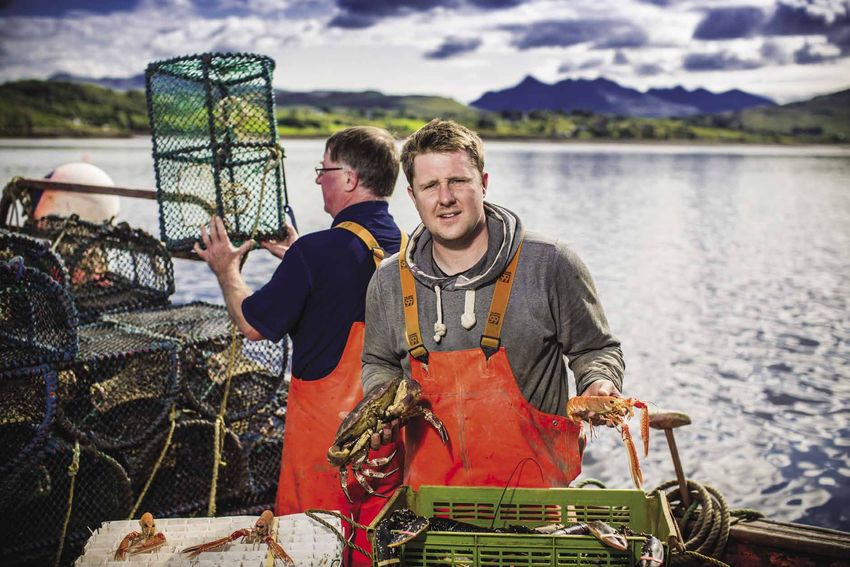
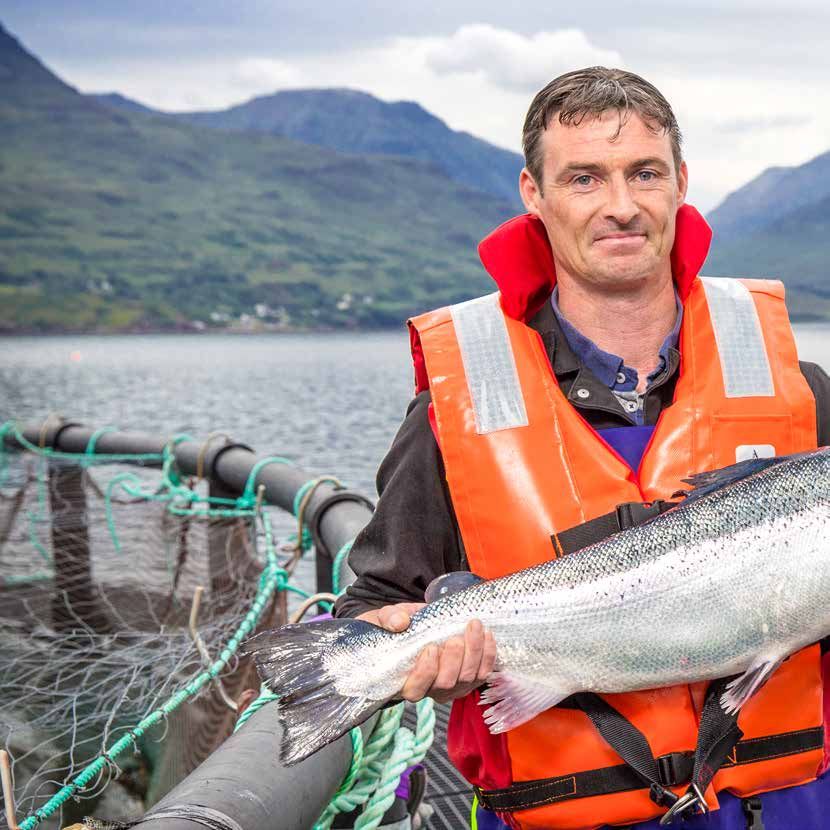
Scottish seafood is diverse, sustainable and delicious; from succulent whitefish, glistening   of Asian cuisine, producing culinary
shoals of mackerel, delicious farmed salmon and sweet-flavoured shellfish, it’s the perfect    inspiration! With recipes from across
choice for the world’s best chefs.                                                             China, Japan, Singapore and South
                                                                                               Korea, we are excited to forge culinary
Founded in tradition, yet focussed on the future, the industry invests in its people and
                                                                                               friendships through joint celebration
technology to ensure only the highest quality seafood is fished and farmed from our cold
                                                                                               of excellence in produce.
clear lochs and seas.

Join us on this exploration of the senses as cultures and
kitchens intertwine to produce an array of delicious dishes.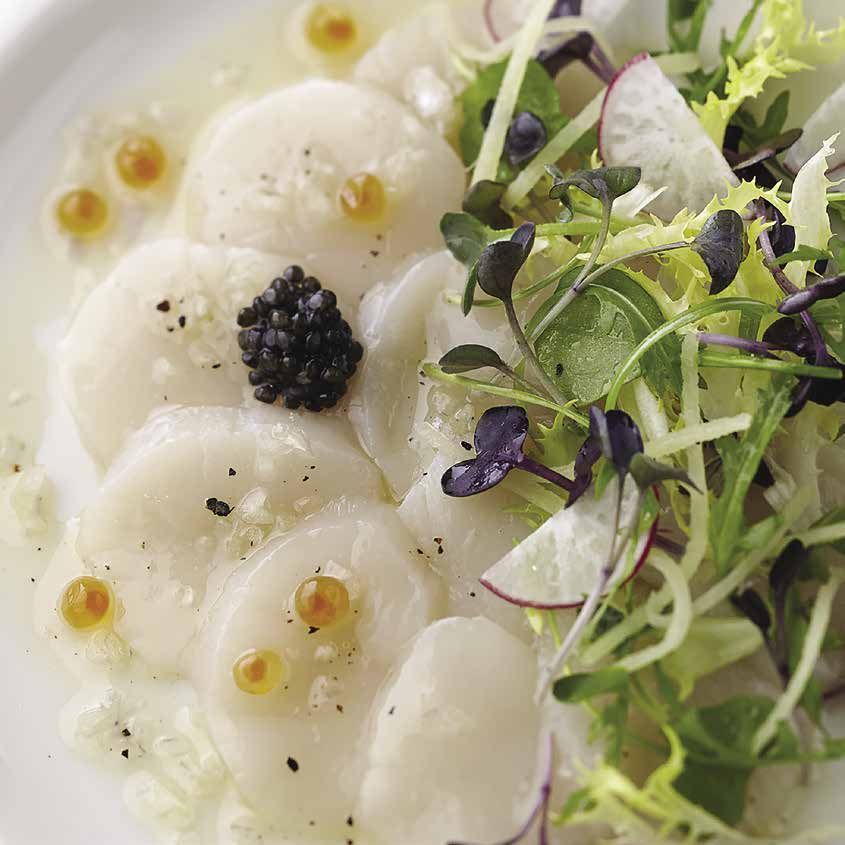
Contents
 4 Scottish Salmon Tartare with Crab, Avocado, Oscietra Caviar
   & Jeju Hallabong Jelly
 6 Scottish Seafood Lemak Curry
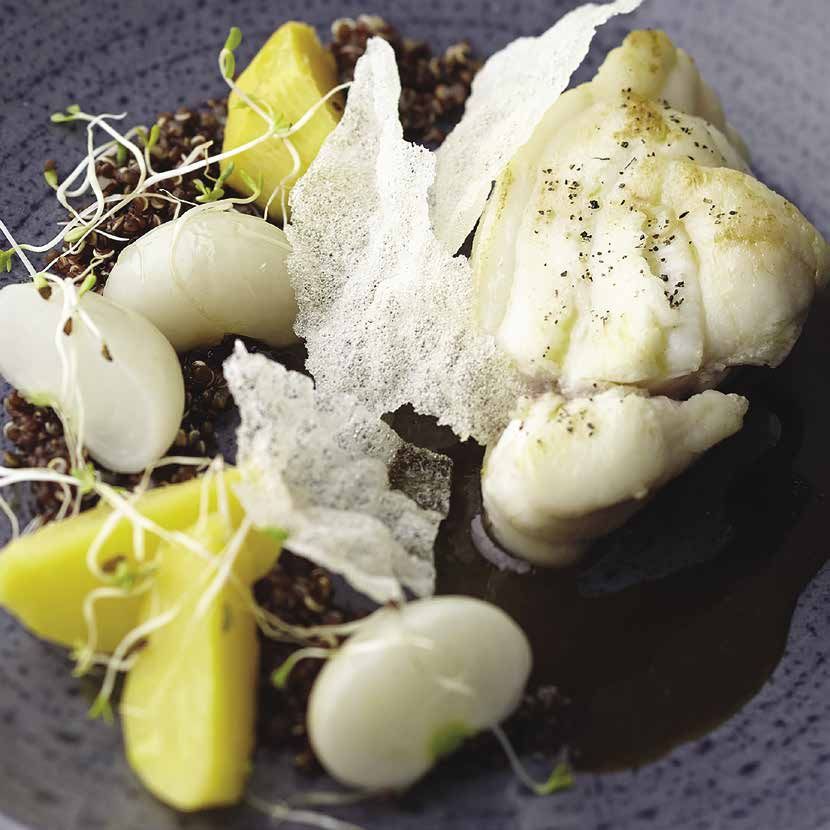
 8 Scottish Monkfish with Quinoa, Golden Beets & Teriyaki Sauce
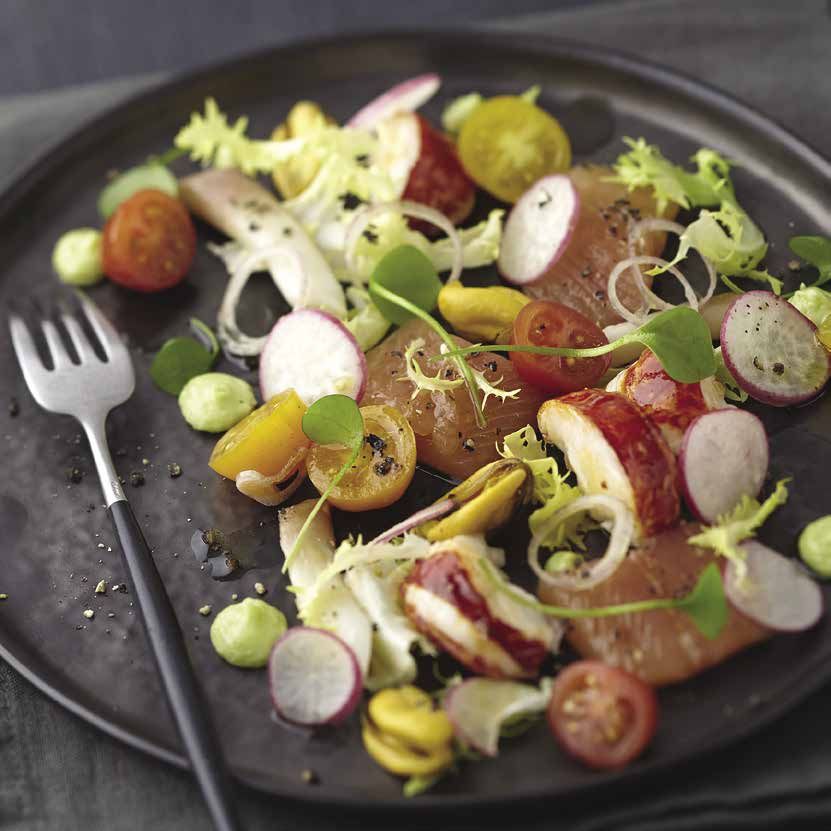
10 Confit of Cured Scottish Trout in Szechuan Pepper Oil
14 Scottish Seafood Tempura in Spicy Sweet & Sour Sauce
16 Sushi Style Sautéed Scottish Salmon
18 Pan-fried Lobster with Blood Orange, Pea Purée & Bacon Caviar
20 Salmon Roll with Sweet Chilli Sauce & Seasonal Salad

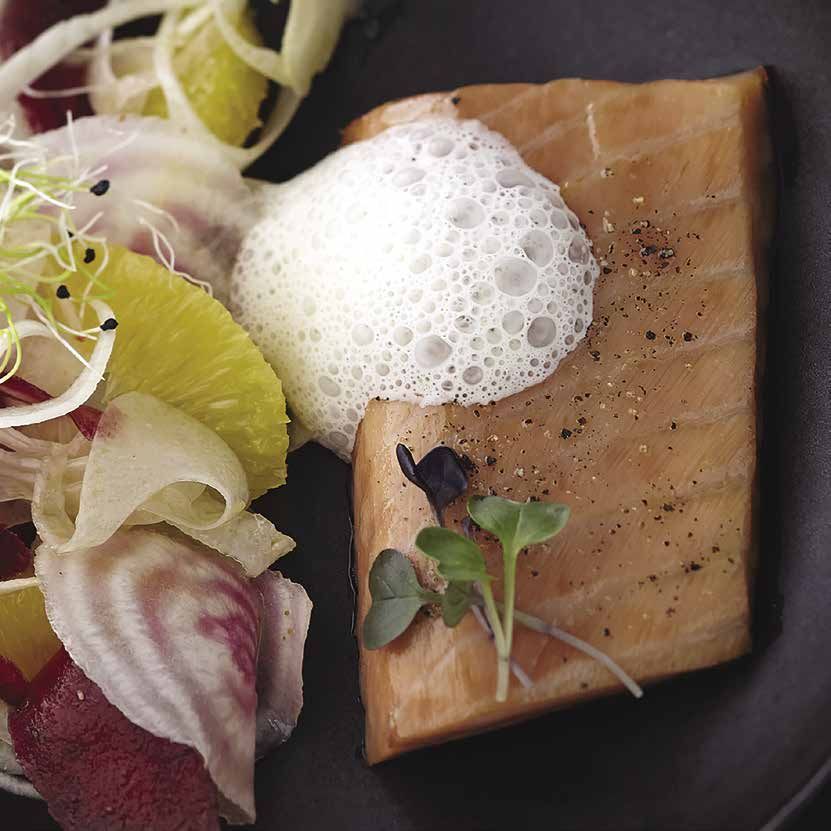
24 Confit Salmon with Warm Fennel, Beetroot & Turnip Salad

26 Scottish King Scallop Ceviche with Blanched Korean Ginseng,
   Oscietra Caviar & Hazelnut-Lime Sauce
28 Scottish Mackerel & Scallops with Chilli Paste

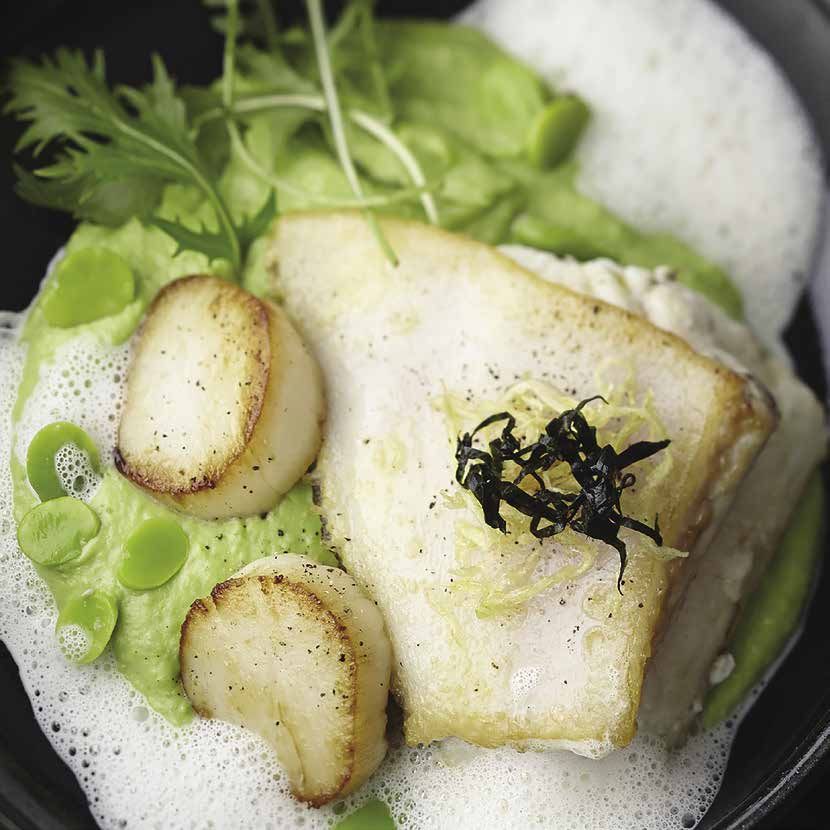
30 Scottish Plaice & King Scallop with Green Pea Purée,
   Ginger Foam & Yuzu

32 Singaporean Bouillabaisse

36 A Symphony of Scottish Seafood

38 Scottish Monkfish with Celeriac, Young Greens
   & Jeju Kumquat Emulsion

40 Salmon-Tofu Mousse Roll with Haddock Cream
   & Kumquat Sauce

42 Compressed Rainbow Trout with Crispy Quinoa,
   Apple Remoulade & Tarragon Oil

44 Glossary
Scottish Salmon Tartare                                                                          Serves 6
                                                                                                       120g
                                                                                                       180g
                                                                                                               White crab meat
                                                                                                               Scottish salmon fillet, finely diced

with Crab, Avocado, Oscietra Caviar                                                                    180g
                                                                                                       120g
                                                                                                               Brown crab meat
                                                                                                               Avocado, finely diced
                                                                                                          4    Jeju hallabong (can be substituted
& Jeju Hallabong Jelly                                                                           As needed
                                                                                                               with mandarins)
                                                                                                               Balsamic syrup
Recipe by Demi-chef Lee Kyong-soo, Conrad Hotel Seoul, South Korea                                  To taste   Salt and white pepper
                                                                                                           3   Gelatine leaves
                                                                                                       6 tsp   Oscietra caviar
                                                                                                   3 sprigs    Dill
                                                                                                       60ml    Olive oil
                                                                                                           1   Lime, juiced
                                                                                                 1. Pass the brown crab meat through a fine sieve.
                                                                                                 2. Mix the brown and white crab meat, 30ml
                                                                                                    of olive oil, half of the lime juice, salt and
                                                                                                    white pepper.
                                                                                                 3. Trim the salmon then cut into small dice.
                                                                                                 4. Marinade the salmon with the remaining oil
                                                                                                    and lime juice, salt, pepper and 1 sprig of
                                                                                                    chopped dill.
                                                                                                 5. Peel 3 of the hallabongs and process the
                                                                                                    flesh in a blender. Pass through a fine sieve
                                                                                                    and warm the juice in a saucepan - this
                                                                                                    will yield about 300ml. Soften the gelatine
                                                                                                    leaves in cold water then whisk into the
                                                                                                    warm juice until dissolved. Line 2 x 8cm
                                                                                                    flan rings with cling film and pour in the
                                                                                                    liquid. Place in the fridge for at least two
                                                                                                    hours to set into a jelly.
                                                                                                 6. Cut the remaining hallabong into 12 even
                                                                                                    wedges. Dust with icing sugar and place on
                                                                                                    a non-stick mat, then heat in a low oven
                                                                                                    or hot cupboard for at least 8 hours until
                                                                                                    dehydrated and crisp but not coloured.

                                     TO SERVE
                                     1. Divide the tartare into 6 portions. Place portions on individual plates using pastry rings.
                                     2. Top with a layer of the avocado, then a layer of the crab mixture.
                                     3. Arrange the pieces of jelly around the plate then dot with balsamic syrup.
                                     4. Finish with balancing the hallabong chips on the tartare and spoon on the caviar. Garnish with
                                        remaining dill sprigs.

                                                                                                                                                      5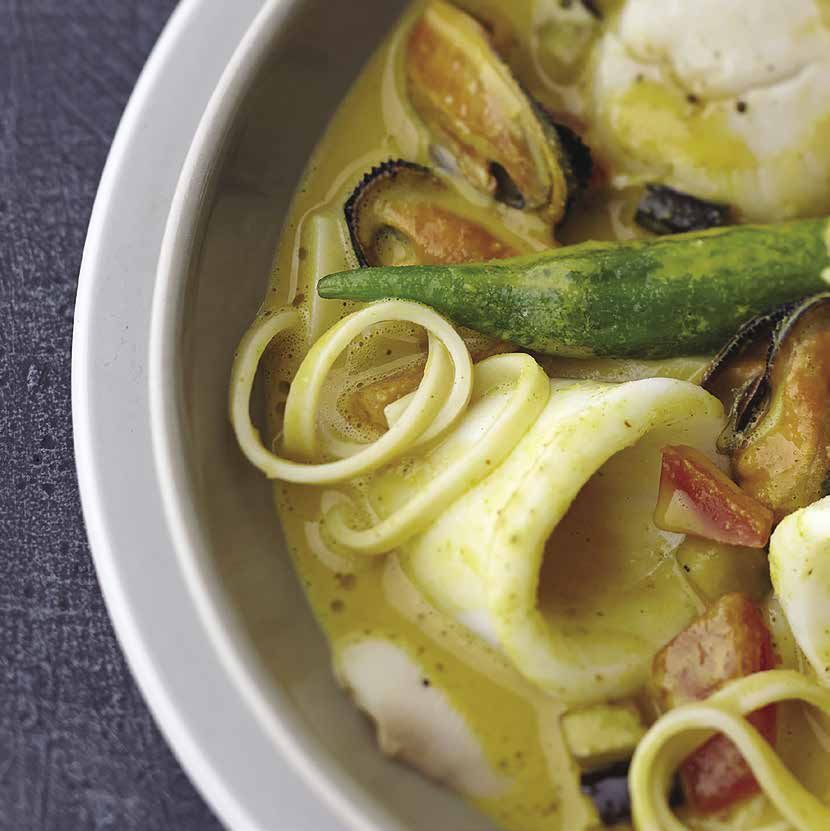
Scottish Seafood Lemak Curry
Recipe by Executive Chef Tony Khoo, Marina Mandarin Hotel, Singapore

Serves 6
Curry Paste                          Scottish Seafood
  135ml   Vegetable oil                  150g     Squid, trimmed and cut into 1" rings
    1½    Curry leaves                   150g     Scallop meat
   135g   Shallot paste                  150g     Langoustine tail meat
   105g   Yellow curry paste             150g     Mussel meat from about 1kg mussels
    45g   Blue ginger paste          1. Steam the mussels until open then remove the meat.
    20g   Garlic paste
                                     2. Blanch the langoustines in boiling salted water for
    45g   Lemongrass paste              2 minutes then remove the tails from the shells.
    30g   Dried chilli paste
    30g   Fresh chilli paste         3. Trim the squid and cut into 1 inch rings.
    10g   Belachan shrimp paste
    30g   Fish curry powder          Vegetable Garnish
     8g   Turmeric powder                120g     Tomato, diced
    10g   Dried shrimp powder            120g     Aubergine, finely chopped
    20g   Candlenut powder               120g     Okra, finely chopped
   150g   Transparent rice noodles       120g     Onion, finely chopped
  300ml   Carnation milk               To taste   Chicken powder
   150g   Coconut milk                 To taste   Salt
 1200ml   Shellfish stock            1. Heat oil in a large saucepan, then add curry leaves
                                        and pastes. Fry over a low heat for 15 minutes until
                                        combined.
                                     2. Add in fish curry powder, turmeric powder, dried
                                        shrimp, candlenut and belachan and fry for a further
                                        5 minutes until the mixture is fragrant.
                                     3. Pour in the shellfish stock, bring to boil and simmer
                                        for 20 minutes.
                                     4. Add in the squid, scallops, rice noodles and
                                        vegetables. Cook for a further 6 minutes before
                                        adding the coconut and carnation milk.
                                     5. Season with chicken powder and salt to taste.
                                     6. Finally, add the mussels and langoustine last and
                                        allow to warm through.
                                     7. Gently sweat the vegetable garnish together in a little
                                        oil for 2-3 minutes.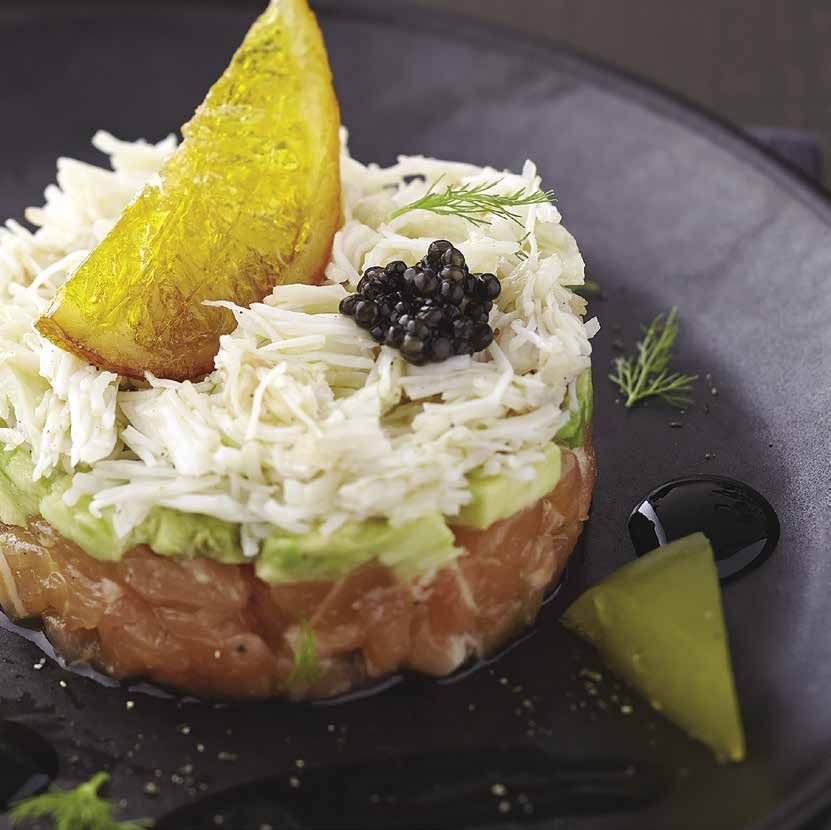
TO SERVE
Ladle the curry into individual bowls and
garnish with the lightly cooked vegetables.
Serve immediately.

Scottish Monkfish
with Quinoa, Golden Beets & Teriyaki Sauce
Recipe by Chan Hon Cho, Chef De Partie, Hong Kong Jockey Club, Hong Kong

Serves 6
Monkfish                                          Quinoa                                             Seaweed & Prawn Crackers
    1.2kg Monkfish fillets                            250g Bolivian quinoa                           24 sheets   Japanese rice paper
1. Portion the monkfish fillets into 6 X 200g         20ml Vegetable oil                                   5g    Seaweed powder, dried
   pieces.                                            150g Beetroot puree, reserve a few                  40g    Lobster coral, dried and powdered
                                                           spoons for final garnish                         2    Prawn crackers, crushed
2. Season with salt and pepper and tightly roll
                                                       50g White onions, finely chopped                     1    Egg, white only
   in cling film.
                                                     500ml White chicken stock                           40ml    Vegetable oil
3. Slow cook at 68°C in a water bath for               10g Fresh horseradish
   15-18 minutes or until the fish reaches                                                           1. Brush each of the Japanese rice papers
                                                         1 Lemon                                        with egg white and sprinkle with dried
   65°C core temperature.
                                                  1. Wash the quinoa quickly under cold                 seaweed, lobster powder and prawn
4. Remove from the cling film and pan fry            running water.                                     crackers and layer 4 on top of each other.
   in a hot pan with some vegetable oil until
   golden brown.                                  2. Sweat the finely chopped onions in              2. Deep fry them in oil at 180°C for 20
                                                     vegetable oil.                                     seconds until crispy and golden in colour,
Sauce                                                                                                   drain on absorbent paper.
                                                  3. Add the washed and dried quinoa and
   200ml Fish stock
                                                     chicken stock and cook for approximately        Garnish
     50g Bonito flakes
                                                     10 minutes until just soft.                          20g Walnut pieces
   100ml Teriyaki sauce
                                                  4. Finish with the beetroot purée and season            30g Micro cress
1. Reduce the fish stock with the bonito flakes
                                                     with salt and pepper.
   by half, to approximately 100ml then add
   the teriyaki sauce.                            5. Grate some raw fresh horseradish over the
                                                     top when serving.
2. Adjust seasoning and add a little squeeze                                                          TO SERVE
   of lemon juice. Set aside.                     Pickled Golden Beets & Turnips
                                                                                                      1. Place the sauce in the centre of
                                                      300g    Baby golden beets
                                                                                                         the plate and arrange the pan fried
                                                      300g    Baby turnips
                                                                                                         monkfish on top.
                                                     150ml    White wine vinegar
                                                       50g    Sugar                                   2. Arrange the beetroot quinoa in a half
                                                        5g    Coriander seeds                            circle shape to one side and garnish
                                                                                                         with the pickled golden beets and
                                                  1. Cook the washed turnips and golden
                                                                                                         turnips on top, finish with freshly grated
                                                     beets in their skins, in salted boiling water
                                                                                                         horseradish and walnut pieces.
                                                     (separately) until just cooked.
                                                                                                      3. Finally add some micro cress for
                                                  2. Refresh them in ice water and peel.
                                                                                                         decoration.
                                                  3. Bring the sugar, vinegar and coriander
                                                                                                      4. On the other side place the beetroot purée.
                                                     seeds to the boil and infuse for 10 minutes.
                                                                                                      5. Arrange the crispy cracker on top of
                                                  4. Pass through a sieve and add the cooked
                                                                                                         the monkfish at the last minute so it
                                                     and cut golden beetroot and turnips, allow
                                                                                                         stays crispy.
                                                     to pickle for at least 1 hour.

                                                                                                                                                       9
Confit of Cured Scottish Trout
in Szechuan Pepper Oil served with Salad of Warm Scottish
Langoustine, Mussels & Razor Clams
Recipe by WeeBin Khoo, Senior Chef Instructor, Sunrice Global Chefs Academy, Singapore
Serves 6 Pickled Vegetables Creamy Avocado Sauce
8 Shallots, peeled and thinly sliced 300g Avocado, peeled
Cherry Tomato Terrine
8 Radishes, thinly sliced 60ml Sour cream
350g Assorted cherry tomatoes,
blanched and peeled 200ml Pickling solution, (white wine vinegar, 80g Fresh parsley
1tsp each of sugar and salt) 10g Garlic, crushed
80g Ponzu
300ml Water Heat the pickling solution in a small saucepan. To taste Sea salt and crushed white pepper
80g Agar powder Once boiled add the sliced radish and shallot Blend the avocado, sour cream and parsley
To taste Sea salt and crushed white pepper and remove from heat. Set aside. until a smooth, creamy sauce is formed.
1. Combine the ponzu and cherry tomatoes Seared Langoustine Garnish
in a vacuum bag, season with sea salt and 4 Scottish langoustine tails, peeled 6 leaves Yellow frisée
crushed white pepper, seal the bag and 25g Unsalted butter 6 strands Red seaweed
allow it to marinade overnight, then remove 30ml Sherry vinegar 6 stems Coriander
the tomatoes and slice in half. 1 Sprig tarragon 6 each Black and green olives
2. Strain the remaining marinade, combining 1 clove Garlic, crushed
it with the water and agar powder in a 1. Melt the butter until it turns a nutty brown
small saucepan. colour and add in the tarragon, garlic and
3. Bring the solution to the boil, season to langoustine. Cook slowly over a low heat.
taste. Mix in the cherry tomatoes and press 2. Drizzle with the sherry vinegar and remove
into a terrine mould. from heat.
Cured Trout Razor Clams, Mussels & Chorizo
200g Scottish trout or salmon 500g Scottish mussels
150g Curing salt 1L Court-bouillon
150g Caster sugar 400g Scottish razor clams
100ml Szechuan pepper oil 50g Chorizo, thinly sliced
1. Portion the trout into pieces of about 50g 10g Shallot, finely chopped
each. Coat with curing salt and rest for 2tbsp Rapeseed oil
an hour. 1. Pour the court-bouillon into a saucepan on TO SERVE
2. After an hour rinse the trout in cold water high heat. When it reaches a rolling boil, add 1. Place the trout and langoustine on the
and gently pat dry with a paper towel. the mussels and razor clams and cover tightly centre of the plate.
with a lid. Remove from heat when shells have
3. Place in vacuum bag, and pour the 2. Surround with pickled vegetables, cherry
opened, and take the meat from the shells.
Szechuan pepper oil over the top. Vacuum tomato terrine, razor clams, mussels
seal the bag on medium setting. 2. In a frying pan, slowly heat the sliced and chorizo.
chorizo and shallots in a little rapeseed oil
4. Cook the salmon trout in the water bath for 3. Finish with yellow frisée, black and green
until translucent. Add the freshly cooked
1 hour at 45°C. olives, red seaweed and fresh coriander.
mussels and clams, mix well.
10Scotland’s cold, clear sea lochs and 12,000 kilometre rugged coastline are home to some of the world’s finest seafood.
Scottish Seafood Tempura
in Spicy Sweet & Sour Sauce
Recipe by Executive Sous Chef Dennis Thng, Tanglin Club, Singapore

Serves 6
Spicy Sweet & Sour Sauce                            Seafood Tempura
   2 tbsp   Vegetable oil                               180g     Sliced whitefish, cod or haddock
 5 cloves   Garlic, finely chopped                      540g     Langoustine tail-meat
      12g   Ginger, finely chopped                      270g     Scallops
  4 large   Ripened tomatoes, peeled and cut          To taste   Salt and white pepper
            into wedges                                      1   Egg, lightly beaten
   240ml    Water                                       120g     Plain flour
     90g    Chilli sauce                                   Oil   For deep-frying the seafood
     90g    Tomato sauce                                     1   Red capsicum pepper, julienned
    35ml    White vinegar                                    1   Green capsicum pepper, julienned
    25ml    Light soy sauce                             240g     Pineapple, cubed
     30g    White sugar                             1. Wash and dry the white fish, langoustine tail and scallops, sprinkle
     20g    Corn flour, dissolved in 30ml of           both sides with a little salt and pepper then dip in the egg.
            cold water
                                                    2. Drain off excess egg then coat the seafood with flour, gently
1. Heat oil in a pan, stir-fry garlic and ginger       shaking to get rid of any excess.
   over a low-medium heat until they begin to
                                                    3. In a wok or frying pan, heat oil to a temperature of about 170ºC.
   smell fragrant.
                                                    4. Add the fish to the oil and fry until cooked and golden brown on
2. Add the tomatoes and cook, stirring from
                                                       both sides. Drain excess oil on paper towel.
   time to time, until they reduce to a pulp.
3. Once the tomatoes have reduced, mix in the
   chilli sauce, tomato sauce, vinegar, soy sauce    TO SERVE
   and sugar. Bring to the boil and reduce the       1. Place hot seafood tempura on a serving dish with a dipping
   heat to a simmer.                                    pot of the sweet and sour sauce.
4. Simmer for 5 minutes, then add the corn           2. Garnish with red and green capsicum and fresh pineapple,
   flour mixture and stir until the sauce               serve immediately.
   thickens and clears. Keep the sauce warmed
   through while the seafood tempura is made.
Sushi Style Sautéed
Scottish Salmon
served with Basil Leaf & Horseradish Sauce
Recipe by Sous Chef Kazuyuki Kondo, Restaurant Kadota, Japan
Serves 6
600g Scottish salmon fillet, skin on 1. Marinate the Scottish salmon in salt and
200g Sushi rice seaweed for 2 hours.
2 Yuzu, finely zested then peeled and 2. While the salmon is absorbing the flavours,
finely chopped wash the rice with cold water and cook it for
3 Nori seaweed sheets, cut into small 20 minutes in 400ml of simmering water.
pieces
3. After the rice has cooled mix in the sushi
6 Basil leaves, chopped vinegar, finely chopped yuzu and yuzu zest.
200g Salt Set aside.
110ml Sushi vinegar
4. Cut the carrot into a fine julienne and
70g Sugar
deep fry in oil until crisp. Set aside.
180ml Fresh cream
10g Horseradish 5. Make a sauce by combining the fresh
20ml Soy sauce cream, soy sauce and horseradish.
200ml Water 6. Remove the salmon from the marinade
60g Carrot and sauté until crisp.
180ml OilTO SERVE 1. Serve the salmon on a ball of the yuzu flavoured rice. 2. Garnish with the finely sliced basil, fried carrot and horseradish cream.
Pan-fried Lobster
 with Blood Orange, Pea Purée & Bacon Caviar
 Recipe by Lam Cheuk Wang Thomas
 Chef de Partie, Hong Kong Jockey Club, Hong Kong

 Serves 6                                                                                                Bacon Caviar
 Lobster Tail & Claws                                                                                       200g   Pancetta
            6 Fresh live lobsters, 500-550g each                                                              1L   Chicken stock
     To taste Salt                                                                                            1L   Olive oil
                                                                                                             10g   Agar powder
 1. Freeze the lobsters for 40 minutes to put them to sleep. Separate lobster tails and claws.
 2. Bring a large pan of well salted water to the boil. When the water has reached a rolling boil, add   1. Cut the pancetta into lardons, pan roast
    in the lobster tails for 3 minutes. Finally, add in the claws for a further 3 minutes.                  until golden brown.
 3. Remove the lobster from the boiling water and plunge it into ice water, ensuring that the lobster    2. Keep about 6 lardons aside for garnishing.
    meat is not overcooked.                                                                              3. Place the remaining lardons into the
 4. Remove the shell.                                                                                       chicken stock and reduce.
 5. Pan fry the lobster in olive oil to colour. Cook the tails first, and then claws adding a knob of    4. Remove the lardons, add agar to the stock,
    butter before basting for a further minute.                                                             then mix into cold olive oil to make the caviar.

18
TO SERVE
1. Place the hot lobster claw and tail in the
centre of the dish.
2. Spoon bacon caviar beside the lobster
and balance a cooked lardon on top.
3. Scatter broad beans, onions, morel
mushroom and chrysanthemum leaves
around the lobster and bacon.
4. Dress the plate with pea purée and
blood orange and beetroot sauce.
5. Finish with a sprinkling of micro herbs.
Pea Purée Blood Orange & Beetroot Sauce Garnish
200g Frozen peas 200ml Blood orange juice 15 Fresh baby onions
1. Soak the peas in warm water until soft. 50g Beetroot, peeled and finely diced 50g Broad beans (podded)
500ml Cream 30g Dried morel mushrooms
2. Blend into a fine purée and cook gently
in a sauté pan for a minute to retain the 300g Butter 1 whole Fresh chrysanthemum leaf
green colour. 1. Combine diced beetroot and blood orange To taste Smoked paprika
juice over a low heat, reduce then add the To taste Micro herbs, greek basil and
cream and reduce again. purple basil
To taste Salt
2. Gradually mix in small pieces of butter until
you have a butter sauce consistency. To taste White pepper
6 Cooked lardons of pancetta
1. Clean and prepare the chrysanthemum
leaf, mushrooms, onions and beans.
19Salmon Roll with Sweet Chilli Sauce & Seasonal Salad Recipe by Sous Chef Seungmin Bae, 37th Grill & Bar at Conrad Seoul, South Korea
Serves 6
Salmon Roll
    240g     Smoked Scottish salmon, thinly sliced
      60g    Cucumber, deseeded
      60g    Carrots
      60g    Oyster mushrooms
   2 tbsp    Extra virgin olive oil
  To taste   Salt
      60g    Watercress
      24g    Salmon roe, Ikura
 6 sheets    Rice paper
1. Cut the carrots and cucumber into fine
   julienne strips. Set the cucumber aside.
2. Thinly slice the oyster mushrooms. Sauté
   the carrots and mushrooms in extra virgin
   olive oil and salt, set aside.
3. Dip the rice paper sheets in tepid water to
   soften.
4. Place the salmon, cucumber, carrot,
   mushrooms, salmon roe and watercress
   on the rice paper, then carefully roll the
   ingredients up in the rice paper.
Seasonal Salad
    180g     Mixed seasonal leaves or herb shoots
  To taste   Olive oil
  To taste   Salt
      50g    Sweet chilli sauce
1. For the salad gently dress the leaves with
   extra virgin olive oil and salt then set aside
   in the mixing bowl.

 TO SERVE
 Cut the salmon roll as desired and dress the
 plate with the salad and sweet chilli sauce.

                                                     21
Internationally recognised for its succulent, firm texture and distinct flavour, Scottish salmon is considered one of the world’s true delicacies.
Confit Salmon
with Warm Fennel, Beetroot & Turnip Salad
Recipe by Stagiaire Mohamed S. Mansour, Hong Kong Jockey Club, Hong Kong

Serves 6
Salmon                                                                    Warm Salad
   150ml    Olive oil                                                           50g   Fennel
       2    Bay leaves                                                          50g   Baby red and orange beetroot
       1    Vanilla pod                                                         50g   Baby turnips
     10g    Pink peppercorns                                                    50g   Orange segments
     1kg    Scottish farmed salmon fillets, skin on and scaled            1. Using a mandolin, slice the fennel, beetroot and turnips very thinly
1. Cut the salmon into 150g portions and place in the fridge.                and place in iced water.
2. Combine all the other ingredients in a pan and heat slowly             Port Syrup
   to a maximum of 60oC then maintain at this temperature for                  50g    Honey
   30 minutes.                                                               300ml    Red wine
3. Cool the oil down to room temperature, pour into vacuum bags              200ml    Port
   and place the portioned salmon inside.                                       3g    Cinnamon stick
                                                                                3g    Vanilla stick
4. Using a water bath, cook the salmon for 10 minutes at 60oC
                                                                               20g    Ginger, sliced
   for a medium finish.
                                                                               10g    Cardamom pods
5. Once cooked, crisp the skin with a blow torch or in a non-stick pan.        10g    Black peppercorns, cracked
Fennel Foam                                                                     3g    Black anise
    250g    Fennel                                                             10g    Coriander seeds
     10g    Star anise                                                         10g    Orange zest
     10g    Garlic                                                             10g    Lemon zest
    50ml    Pernod                                                        1. Reduce all the ingredients together until it becomes the
   125ml    Clam stock                                                       consistency of syrup then pass through a sieve and set aside.
    50ml    Cream
   150ml    Milk
1. Finely slice the fennel and garlic.
2. Sauté, then add the Pernod and reduce with the stock and                TO SERVE
   star anise.
                                                                           1. Brush the syrup onto the plate in the desired shape, then
3. Add the cream and milk and boil, finally passing it through a              add the warm salad and drizzle olive oil on top.
   fine chinois.
                                                                           2. Place the salmon on a bed of fennel foam and red
4. Place into a thermos gas gun and charge with one cartridge of              Japanese shiso.
   gas until needed.
Scottish King Scallop Ceviche
with Blanched Korean Ginseng, Oscietra Caviar
& Hazelnut-Lime Sauce
Recipe by Demi-chef Lee Kyong-soo, Conrad Hotel Seoul, South Korea
Serves 6
12 Scottish king scallops, 1. Slice the scallops into three medium slices.
white part only 2. Marinade the scallops with lemon juice, thyme
2 Korea ginseng, medium and salt for about 20 minutes.
As needed Baby greens or micro-herbs
3. Cut the trimmed ginseng into a fine julienne
for garnish
and blanch in lightly salted boiling water. Cool
6 tsp Salmon roe
in iced water.
6 tsp Oscietra caviar
6 Radishes, sliced 4. Mix the lime juice, hazelnut oil, chopped shallot,
salt and pepper to make a sauce.
3 Shallots, finely chopped
To taste Salt
To taste White pepper powder TO SERVE
1 Lime, juiced 1. Put the marinated scallops, radish, greens,
10g Thyme, for marinade salmon roe, caviar and ginseng on a plate.
100ml Hazelnut oil
2. Pour the hazelnut & lime sauce evenly over.
1 Lemon, juicedScottish Mackerel & Scallops
with Chilli Paste
Recipe by Executive Chef Alfred Lee, Suntec Convention & Exhibition Centre, Singapore
Serves 6 Serves 6 Serves 6
Chilli Paste Mango Salad Mackerel & Scallops
130g Bombay onion 60g Semi ripe mango flesh 6 Scottish mackerel,
75g Fresh red chillies 15g Bombay onion 35g fillets 3cm x 3cm
20g Chilli red padi 30g Tomato, skinned and de-seeded 10 Scottish scallops, medium size
25g Root ginger 1 small bunch Coriander 1. Once the chilli paste has cooled carefully
10g Lemongrass, 1 Calamansi, juiced (can be spread about 20g over each Scottish mackerel
white part cut into 0.5cm substituted with lime juice) fillet. Bake in the oven at 180°C for 4 minutes.
50g Garlic, peeled 10g Caster sugar 2. Heat oil in a pan and sear both sides of the
5g Fennel seeds To taste Salt scallops until golden.
15g Coriander seeds, toasted 1. While the chilli paste is cooling, slice the mango
300ml Water flesh and Bombay onion into long strips. TO SERVE
30g Chicken powder,
2. Chop the tomato and coriander, mix in with the 1. Arrange the mackerel fillet and scallops
or crushed stock cubes
onion and mango. in the centre of the plate with
300ml Coconut milk
3. Squeeze the juice of one calamansi over the accompanying mango salad.
40g Sugar
120ml Cooking oil top of the salad and finish with caster sugar 2. Finish with a couple of strips of mango
2g Lime leaves, finely julienned and a pinch of salt. on top of the freshly seared scallops.
5g Turmeric leaves, finely julienned 4. Toss the salad and set aside for plating. Serve immediately.
1. Blend the Bombay onion, red chilli,
chilli red padi, ginger, lemongrass,
garlic, fennel seeds and coriander
seeds until smooth. Add water to form
a paste.
2. Heat oil in a pan, add in the chilli paste
and fry over a low heat for 10 minutes
until fragrant.
3. Add in the coconut milk, chicken powder,
sugar and stir until the paste thickens.
4. Take off the heat and add in julienned
lime and turmeric leaves.
5. Put the mixture aside to cool.
29Scottish Plaice & King Scallop
with Green Pea Purée, Ginger Foam & Yuzu
Recipe by Commis Chef Kyung Sun Cho, Conrad Hotel, Seoul, South Korea
Serves 6
6 x 150g Scottish plaice fillets 1. Pre-heat the oven to 220°C.
12 Scottish king scallops, 2. In a sauté pan, heat 25ml of oil, add the chopped onion and sweat until translucent.
thinly sliced Add the green pea, garlic, butter and stir occasionally.
3 sheets Seaweed paper, cut to fillet
3. Add the chicken stock and simmer until the peas are tender.
size, thinly sliced
300g Green peas 4. Place the cooked pea mixture and washed spinach in a blender. Purée until very smooth.
30g Onion Season with salt and continue to blend while slowly adding 100ml of oil until it reaches a
15g Garlic consistency thick enough to coat the back of a spoon. Strain with fine mesh strainer and
cool it with an ice bath to retain a vibrant green colour.
60g Spinach
35g Butter 5. Rinse the fine julienned ginger in running water and fry in 75ml of oil until golden brown.
100ml Chicken stock Strain from the oil and spread them thinly to dry. Set aside for garnish.
5g Salt 6. Cut the seaweed paper to cover the plaice fillet skin-side. Attach the seaweed paper to
250ml Vegetable oil the skin, skin side up, then cover with thinly sliced scallops.
100g Ginger, fresh, fine julienne 7. Season the fish, seaweed, scallop trio and dust with rice flour on the scallop side for a
200g Baby rocket, washed golden brown colour.
15g Edamame, peeled, blanched 8. In a sauté pan, heat the remaining 50ml of oil and add the trio, scallop side down.
200ml Yuzu juice, fresh Press with a fish-slice to flatten the skin side.
200ml Ginger juice, fresh
9. Cook in the oven for around 3-4 minutes, depending on thickness.
200ml Water
5g Lecithin 10. In a saucepan, add the fresh yuzu juice, fresh ginger juice, water and sugar and simmer
20g Sugar on the hob until the sugar has melted. Take off the heat to cool and add lecithin.
3g Salt 11. Thinly slice the leftover seaweed paper for the garnish.
3g Black pepper, ground
3g Rice flour
TO SERVE
1 Yuzu, zested
1. Heat the purée and put it on the bottom of the plate. Toss the baby rocket with fresh lemon
juice and salt, and place it next to the purée.
2. Put the fish and scallop trio on the middle of the plate. Sprinkle with edamame.
3. Decorate with crispy ginger and seaweed paper and slice. Use a hand-blender to aerate the
yuzu ginger foam and place a spoonful of foam over the top. Finish with fresh yuzu zest.Singaporean Bouillabaisse Recipe by Chef Chai Ming Kent, SATS, Singapore
Serves 6
Shellfish                                       1. Heat a pan with the olive oil and sweat the
       1     Scallop                               onion, celery, carrot, parsley, leek and garlic.
       1     Razor clam                         2. Add the tomato paste to the pan and fry for
     20g     Sea urchin                            a few seconds and add the dashi stock.
     15g     Salmon roe                         3. Continue by adding the tomatoes followed
       1     Lobster                               by the bouquet garni, saffron and fennel.
As needed    Sake
                                                4. Bring up to a high heat for a few minutes
As needed    Soy sauce                             and add the fish bones and lobster shell.
1. Poach the scallops and razor clams              Keep on a high heat for 15 minutes then
   separately in the sake and soy sauce until      turn the soup down to a simmer.
   just cooked.                                 5. Skim any crust off the top of the soup to
2. Cook the whole lobster in boiling salted        leave the bouillabaisse with no impurities.
   water for 6 minutes.                            Strain using a fine sieve and pass through
3. De-shell the lobster and reserve the claws      a coffee filter or muslin for a truly clear and
   for serving.                                    smooth bouillabaisse.
Bouillabaisse                                   6. Return to the pan and continue cooking
As needed    Olive Oil                             the soup for 45 minutes until you have the
     60g     Onion, diced                          right consistency and colour then season
     30g     Celery, diced                         to taste. When the bouillabaisse is almost
     25g     Leek, diced                           done, add the cod and lobster claws back
                                                   into the pan for approximately 4 minutes
     20g     Garlic, finely sliced
                                                   and the razor clams for 2 minutes.
     30g     Carrot, diced
     15g     Parsley, chopped
     35g     Tomato paste
   500ml     Dashi stock
     40g     Tomatoes, skinned, seeded and
             finely diced
      25g    Bouquet garni
       2g    Saffron
      30g    Fennel
    200g     Fish bones
  To taste   Salt
  To taste   White pepper                        TO SERVE
      40g    Cod                                 1. Carefully gut the razor clams and place
                                                    the remaining meat back into the shell,
                                                    with the raw sliced sea urchin. Cut a
                                                    small hole in the centre of the scallop
                                                    and fill with salmon roe.
                                                 2. Assemble the lobster claws, tail,
                                                    scallops, cod and clam onto the plate
                                                    and pour the Bouillabaisse into the
                                                    bowl. Serve hot with a garnish of
                                                    julienne fennel and spring onion.

                                                                                                     33
Immersed in heritage and tradition, families have fished Scotland’s expansive coastline for centuries, with great pride and passion.
A Symphony of Scottish Seafood
Seared Scallops & Langoustine with Razor Clams in Tomato & Lemongrass Nage,
Confit of Squid with Squid Ink-Parsnip Purée & Smoked Pepper Sauce
Recipe by Executive Sous Chef Anderson Ho, SATS, Singapore

Serves 6
Squid Ink Risotto Crisps
(prepare one day in advance)
     25g    Unsalted butter
     30g    Olive oil
        1   Medium onion, finely diced
 4 cloves   Garlic, diced
   ½ tsp    Red chilli flakes
    1 tsp   Tarragon
    100g    Carnaroli rice
  1.5 tsp   Squid ink
  150ml     Dry white wine
  500ml     Chicken stock
     50g    Parmesan cheese
     20g    Nori furikake mix
    40ml    Vegetable oil
1. Melt the butter in a heavy-based
   pan over a medium high heat with olive oil.
   Sweat the onion and garlic for 4 to 5 minutes,
   until it becomes translucent and softens,
   making sure that it does not brown.
2. Add the rice and turn up the heat, slightly toasting whilst
   stirring constantly until the rice is covered with butter
   and onions. Add the wine and reduce until almost dry.
3. Add the chicken stock and continue cooking until the rice swells
   and doubles in size, adding stock ladle by ladle in the process.
4. Add the squid ink and stir to spread the ink evenly over the rice. Remove
   the pan from the heat and add the parmesan cheese, stirring into the rice.
5. Spread the rice thinly over a sheet of silpat and sprinkle the rice with nori
   furikake spice mix and dehydrate overnight in a dehydrator.
6. Break the dehydrated rice sheet into small pieces the next day and deep fry
   in oil at 180°C for 20 seconds until rice is crispy and puffy.
Red Pepper & Chorizo Sauce (Yield: 500ml) 1. Put all the vegetables, thyme, peppercorn, Squid
80ml Olive Oil white wine and water in a stock pot. Bring 2 medium Squid
50g Onion, diced to the boil and add a lemon slice. 750ml Vegetable oil
5g Garlic, lightly smashed 2. Return to a simmer and cook gently for 30 To taste Salt and pepper
350g Red peppers, seeded & diced minutes. Strain the court bouillon through 10g Parsley, chopped
½ tsp Smoked paprika a fine sieve. 3g Lemon zest
50g Chorizo sausage, sliced 3. Bring the stock to the boil, add the clams 1. Half the squid and score a criss-cross
80ml White wine and immediately cover with a tight-fitting lid. pattern on the inner part, then cut into 3cm
½ Lemon, juiced It will take no more than 30 seconds for all x 3cm squares. Keep the tentacles intact.
100g Tomatoes, quartered the clams to spring open. Remove the clams 2. Heat the oil to about 170ºC in a pan and
To taste Salt, pepper and sugar from the stock and rinse with cold water but drop in the squid, stirring with a wooden
1. Heat a pan to a medium heat and sauté retain the stock to make the sauce. Discard spoon. The squid will turn white after 30-40
the onion, garlic, red pepper and chorizo any clams that are unopened. seconds, once this happens remove from
until lightly brown. the heat and strain.
4. Take the clams from the shells and remove
2. Deglaze with white wine and reduce until the stomach, guts and the tip of the neck. 3. Season with salt and pepper, then toss with
almost dry, add tomatoes and smoked Rinse the meat to rid any sand particles chopped parsley and lemon zest. Keep warm.
paprika and cook further until the tomatoes and slice the clams thinly at an angle. Langoustine & Scallops
are completely broken down. 5. Melt the butter in a saucepan and sweat 12 Langoustine, shelled with tail intact
3. Season to taste and add lemon juice to the shallots, garlic and chilli over a medium and de-veined
balance the sweet and sour taste. Blitz the heat, without browning. 12 Scallops
sauce until smooth and pass through a fine To taste Salt & pepper
6. Add the clam stock and bring to the boil
sieve. Keep warm. 90ml Clarified butter
and reduce by half. Add cream and tomato
Razor Clams with Tomato concasse and once the cream thickens 1. Season the langoustine and scallops and pan
slightly add clams, chives and finish with a fry separately in clarified butter until just cooked.
& Lemongrass Nage
90g Shallots, chopped knob of butter. Season to taste. 2. Set aside and keep warm.
15g Garlic, chopped Squid Ink-Parsnip Purée Garnish
25g Red chilli, seeded and chopped 600g Parsnip, skin removed and diced 2 Asparagus stems peeled into ribbons
6 Razor clams, rinsed in ice-cold water 150ml Chicken stock 6 Baby carrots, blanched and split
120g Tomato concasse 120g Unsalted butter into halves
10g Chives, chopped 1.5 tsp Squid ink 6 sprigs Celery leaves, fried until crisp
300ml Razor clam stock/fish stock To taste Salt & pepper
75ml Double cream 1. Place all the ingredients into a thermo-
150g Cold unsalted butter, cut into cubes circulator and cook at 90°C with speed 3 TO SERVE
1 medium Onion, diced for 25 minutes. 1. Spread a spoonful of squid ink-parsnip
1 medium Carrot, diced purée lengthwise over a large platter
2. Turn speed up to 10 after cooking for 25
2 stalks Celery, sliced and place the smoked red pepper
minutes to purée the squid ink and parsnip
1 medium Leek, sliced (white part only) sauce over using a pipette or syringe to
mixture. Alternatively you can simmer all
4 stalks Lemongrass, lightly crushed form small, spherically shaped pools.
ingredients in a saucepan and blend when
4 cloves Garlic, unpeeled fully cooked. 2. Place one razor clam with the lemongrass
Few sprigs Thyme nage in the centre and place the rest of
3. Pass through a fine sieve to ensure the the seafood neatly along the edges of the
1 Slice of lemon
purée is silky smooth and not too runny. squid ink-parsnip purée.
1 tsp Black peppercorns
Season to taste.
150ml White wine 3. Garnish with asparagus ribbons, baby
600ml Water carrots, fried celery leaves and fried squid
ink risotto crisps.Scottish Monkfish
with Celeriac, Young Greens
& Jeju Kumquat Emulsion
Recipe by Demi-chef Lee Kyong-soo, Conrad Hotel, Seoul, South Korea
Serves 6 1. Trim the monkfish and cut into individual portions.
420g Scottish monkfish fillet 2. Peel and slice the celeriac into 6 x 1.5cm thick
1 Celeriac 4cm rounds.
120g Avocado, finely diced 3. Place the celeriac disks, 150ml of chicken
20g Korean baby aster leaves stock, 2 sprigs of thyme, 25g butter and a pinch
1 Apple, peeled of salt into a vacuum bag and cook using a
500g Jeju kumquat sous-vide machine at 75oC for 30 minutes.
100ml Double cream 4. Boil the peeled, cored and sliced apple in
To taste Salt 150ml of chicken stock with 25g of butter,
To taste White pepper powder 1 sprig of thyme and salt until fully cooked.
100g Butter Blend the cooked ingredients into a purée.
50ml Olive oil
5. Mix the cooked apple and the Korean baby
3 sprigs Thyme aster using a thermomixer or food processor.
400ml Chicken stock
100ml White wine 6. Squeeze the juice from the Jeju kumquat
(reserving three for the garnish) and heat with
cream, 100ml of chicken stock, oil, salt and
pepper, stirring constantly.
7. Cook the monkfish in a pan with a little oil,
when golden add white wine and seasoning.
Finally finish with basting the fish in 25 - 50g
of butter.
8. Roast 6 kumquat halves until brown in colour.
TO SERVE
Spoon the kumquat emulsion onto a plate; place
the celeriac rounds in the middle followed by
the monkfish on top and finish with the roasted
kumquat and green purée around the plate.
38Salmon-Tofu Mousse Roll
with Haddock Cream & Kumquat Sauce
Recipe by Chef Takako Terachi, Table de Chouchou, Japan
Serves 6
Tofu Mousse & Salmon Smoked Haddock Cream
500g Scottish salmon, sliced into 50g Smoked haddock, finely chopped
7cm x 15cm rectangles, 3mm thick 100ml Milk
225g Silk tofu ¼ clove Garlic
75g Cream cheese, warmed in microwave ½ tsp Salt and pepper
for 30 seconds to soften 1. Place the smoked haddock, milk and garlic in
50g Fresh cream a pot, bring to the boil and remove from heat.
20g Soy milk
2. Blend the cooked ingredients until smooth.
5ml Lemon juice
2g Powdered gelatine Kumquat Sauce
4 leaves Green perilla / Shiso finely chopped 100g Kumquat, deseeded
½ tsp Salt and black pepper 200ml Water
1. Wrap the tofu in a cloth and squeeze to 30ml White wine
remove excess liquid. 50g Sugar
2. Mix the ingredients in a bowl, scoop into 1. Cut the kumquat into small cubes and place
plastic film and roll into 3 thin, salami-shaped in saucepan.
cylinders, about 15cm long. 2. Add water, wine and sugar. Bring to the boil
3. Lay the first strip of salmon down flat. Place and remove from heat.
the roll of tofu moose in the centre, carefully 3. Blend the cooked ingredients until smooth.
unwrapping the cling film whilst maintaining Japanese Caviar Salad
the shape. 70g Tonburi/field caviar
4. Wrap the salmon around the tofu, forming a 30g Shallot, diced
long tube. Cut into bite-sized pieces. Repeat 15ml Lemon juice
for the remaining salmon and tofu. 15ml Olive oil
Japanese Umami Powder 15g Mayonnaise
30g Kombu kelp/seaweed 50ml Fresh cream
30g Black sesame 1. Combine all the ingredients in a bowl,
30g Arare Japanese rice crackers mix well.
1. Combine all the ingredients in a frying pan, 2. Stir in the mayonnaise and fresh cream and
and lightly toast. season with salt and pepper.
2. Whilst still hot, finely grind ingredients in Garnish
a grinder. 6 sprigs Perilla flower
40TO SERVE 1. Place the bite-sized pieces of salmon and tofu roll on top of the Umami powder. 2. Dot the dish with equal parts of smoked haddock cream and kumquat sauce. 3. Sprinkle the caviar salad and perilla flower on top to finish.
Compressed Rainbow Trout
with Crispy Quinoa, Apple Remoulade & Tarragon Oil
Recipe by Executive Chef Abraham Tan, Royal Plaza at Scotts, Singapore

                                      Serves 6
                                      Crispy Quinoa                                               1. Cure the cubed rainbow trout with
                                          250g     Quinoa                                            salt and sugar for 1 hour.
                                             1L    Corn oil                                       2. Rinse the trout with ice water and
                                        To taste   Salt                                              pat dry with a paper towel.
                                        To taste   Sugar                                          3. Cover the fish with the chopped
                                      1. Boil the quinoa in a vegetable stock until cooked.          shallots, dill and orange zest. Season
                                         Strain and dehydrate for 24 hours at 35°C.                  and set aside.
                                      2. Heat the corn oil to 180°C, then deep fry quinoa         4. In the meantime, pour the fish stock
                                         until crispy. Strain and put in a bowl, season with         into a saucepan and bring to the
                                         salt, pepper and sugar. Set aside.                          boil. Add in the gelatine and dissolve
                                      Spiced Apple Mousseline                                        completely. Allow mixture to cool.
                                          450g     Green apple, peeled and cut into 5mm cubes     5. Once cooled, fold the fish stock into
                                          350g     Double cream                                      the rainbow trout and set into a
                                        100ml      Chicken stock                                     terrine mould. Refrigerate.
                                              3    Shallots                                       Tarragon Oil
                                       2 cloves    Garlic, peeled and finely chopped
                                                                                                       70g     Fresh tarragon
                                           20g     Fresh ginger, peeled and cut into 2mm
                                                                                                     300ml     Vegetable stock
                                                   cubes
                                                                                                       25g     Xantana, or xanthan gum
                                          3 tbsp Vegetable oil
                                                                                                     450ml     Rapeseed oil
                                          2 tbsp Curry powder
                                           50ml Apple juice                                       1. Bring the vegetable stock to the boil
                                           10ml Japanese vinegar                                     and add the tarragon. Immediately
                                        To taste Salt and pepper                                     move the saucepan to an ice bath
                                      1. Heat the oil in a saucepan and gently sweat the finely      to cool.
                                         chopped shallots, garlic and ginger. Add curry powder.   2. Once cool, blend the stock and strain.
                                      2. Add the apple cubes and cover with the apple             3. Next, blend the strained solution
                                         juice, stock and vinegar. Cook over a moderate heat         with xantana and gradually add in
                                         until it softens. Once the apple is tender, add the         rapeseed oil until the mixture thickens.
                                         curry powder.                                            Apple Remoulade
                                      3. Purée the mixture in a blender and stir in the cream.        200g     Green apple
                                         Finely sieve the creamy mixture and chill for 3 hours       4 tbsp    Mayonnaise
                                         before use.                                                     5g    Fresh dill, chopped
                                      Compressed Rainbow Trout                                      To taste   Salt and pepper
                                           1kg Rainbow trout, skinned, filleted and cut into      1. Peel and finely julienne the green
                                               1cm cubes                                             apple.
                                          160g Sea salt                                           2. Mix with the mayonnaise and
TO SERVE                                  240g Sugar                                                 chopped dill and season with salt
                                           80g Shallots, chopped                                     and pepper.
Portion the trout terrine and place
                                          100g Fresh dill, chopped
on the plates, add a spoonful of
                                            8g Orange zest
remoulade, the apple salad and
                                         400ml Fish stock
sprinkle with fried quinoa.
                                             5 Gelatine leaves, softened in cold water

                                                                                                                                                43
Glossary
Belachan Shrimp Paste is made from salted and Hallabong, more commonly known as Dekopon, is a Prawn crackers are light crisps made from deep
sundried shrimp, the paste is commonly used in sweet, seedless variety of mandarin orange. fried starch and prawn. They are either enjoyed as
Southeast Asian cooking. a popular snack in East Asia, or sprinkled on top of
Japanese rice paper is sold in thin, dried sheets. dishes for a flavourful crunch.
Bonito flakes are shavings from dried, smoked This product originates from Southeast Asia and is
skipjack tuna. This Japanese ingredient has a distinct an essential ingredient for making spring rolls. Quinoa is a bead-shaped grain with a slightly bitter
umami flavour. flavour and a firm texture.
Korean baby aster is also known as Korean starwort
Bouquet garni is a French term referring to a bundle and has a slightly bitter taste. The leaves are high in Red Chilli Padi are more commonly known as
of herbs that have been tied together with a string, protein, calcium and iron. Bird’s Eye Chillies and are popularly used in Thai
typically used to flavour stews, stocks or soups. and Southeast Asian cooking. They are small but
Kumquat is a sweet, citrusy fruit closely resembling highly piquant.
Calamansi is a small-citrus fruit with a bright an orange, but much smaller in size.
orange skin and sweet fragrance, but a flesh that is Sake, also known as rice wine, is a Japanese
sour in taste. Lecithin is a natural emulsifier derived from soy beans. alcoholic beverage made from fermented rice.
Candlenut is a hard, tropical nut frequently found in Morel mushrooms are a species of wild mushroom Tonburi is a small, edible seed that is also known as
Singaporean dishes. The name candlenut originates with a creamy white stem, a conical cap, and a caviar of the field. It is derived from the herb Bassia
from when these nuts were used to make candles, honeycomb-like body. Scoparia and is frequently used in Japanese dishes
due to their high-oil content. Nori Furikake Mix is a dry Japanese seasoning for its distinctive crunchy texture.
Carnaroli Rice is known as the king of rice. It is typically sprinkled on top of rice. It traditionally Rice Flour is a type of instant flour; a thickening
similar to Arborio rice typically used for making risotto, consists of dried-ground fish, seaweed, sesame agent used to create smooth sauces.
however the grain is longer and has a firmer texture. seeds and sugar.
Xantana is a binding-agent that serves to thicken
Dashi stock is a traditional Japanese stock made from Perilla, a herb frequently used in Asian cuisine, is sauces without effecting the flavour or colour.
bonito flakes and kelp, the flavours of which marry part of the mint family. Perilla leaves are also known
together to create a rich, umami flavoured stock. as Shiso leaves. Yuzu is a popular Japanese citrus fruit, about the
size of a tangerine. It has a slightly bitter taste and
Edamame are young soya beans that are sweet in Pernod is a liquorice flavoured liqueur. the rind is often used to flavour dishes.
taste and crispy in texture. Ponzu is a dark, thin citrus-based sauce commonly
used in Japanese cuisine.
44With thanks to Worldchefs for collaboration on this project. Further thanks to Chef John Watret for providing editing support throughout the creation of this book. The imagery and information in the book is owned by the Scottish Seafood Collaborative Group and is subject to the Group’s copyright protection unless otherwise indicated. While every care has been taken in compiling the weights and cooking methods, the Scottish Seafood Collaborative Group cannot accept responsibility for any errors or omissions that may be found in the text, nor any problems that may arise as a result of the suggested methods.
Design by 3fiftysixmedia | 3fiftysixmedia.com
For further information
Seafood Scotland
t. +44 (0) 131 557 9344
e. enquiries@seafoodscotland.org
w. www.seafoodscotland.org
                                   Proud Seafood Partner
                                       2012 - 2016
You can also read


