A Look at Backyard Horse Keeping - Equine Land ...
←
→
Page content transcription
If your browser does not render page correctly, please read the page content below
A Look at Backyard Horse Keeping
By Denise Y. O’Meara, PLA for ELCR
December 2018
                                                      homeowner horse-keeping, with a                few
Do you own a small residential property that’s        restrictions, and zoned for that purpose.
large enough to keep a horse or two? There are
many considerations that make backyard horse          Later, planned equestrian communities began to
keeping a viable option. Maybe there are no           gain favor with both equestrians and developers.
nearby boarding stables, or the cost of boarding      Some have common stabling and turn out areas,
at someone else’s facility is prohibitive. Perhaps    while some have individual residential horse-
you’re already set up with an existing barn and       keeping lots with areas of shared amenities for
                                                      horse activities. These newer equestrian
fencing, or there is a great trail system nearby,
                                                      communities tend to be on the expensive side
accessible from your own property that makes
                                                      and require special zoning.
stabling your horse elsewhere a non-starter; or,
your neighborhood is home to many small horse         In most situations, smaller horse properties
properties, with regular riding companionship!        require residential horse-friendly zoning. Zoning
                                                      ordinances spell out the basic regulations for
                                                      keeping horses, or for that matter other
                                                      livestock, on residential lots. Those regulations
                                                      may include:
                                                         • The number of horses that may be kept by
                                                            the owner per acre of land;
                                                         • If horses belonging to outside boarders may
                                                            be kept or not;
                                                         • How manure is to be disposed of;
                                                         • Types of fencing that are allowed;
                                                         • How a backyard or small farm should be laid
                                                            out to achieve permitting approval;
  A pretty barn and an equine companion or two live
  cozily in a residential back yard zoned for horse
                                                         • Required setbacks from adjacent homes,
  keeping. Photo courtesy Shedwindowsandmore.com            property lines, etc.;
In some older suburban residential areas, horse          • Inclusion of stormwater protection
owners are allowed to keep horses in their back             mechanisms, such as vegetated swales,
                                                            infiltration ponds, etc., that can be found in
yards and small acreage parcels. These smaller,
                                                            local engineering and stormwater manuals;
private backyard horse barns and paddocks are
really a necessity for the horse loving population       • Accessory buildings, such as storage
as larger farms, stables and event places are               buildings and arenas, that may or may not
continually replaced by development.                        be allowed;
                                                          • If there is a requirement to petition your
In years past, as development was beginning to               neighbors for permission or agreement to
consume previously open or agricultural lands,               a horse keeping scheme for your property.
decision makers in planning and zoning
departments were convinced by local
equestrians that some lots in new subdivisions
could be made large enough to allow for

                                                                                                        1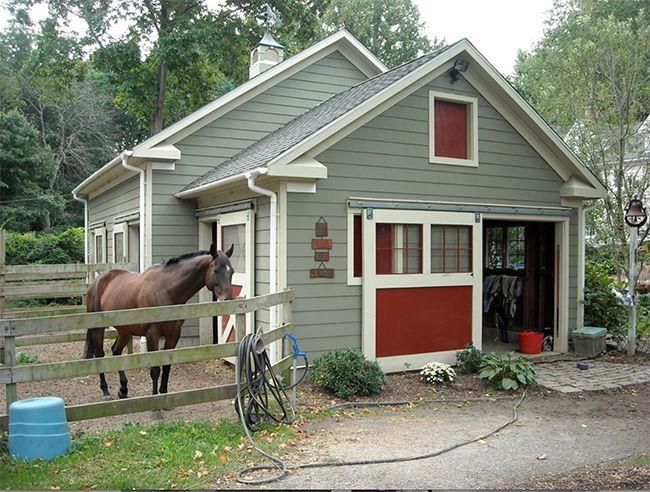
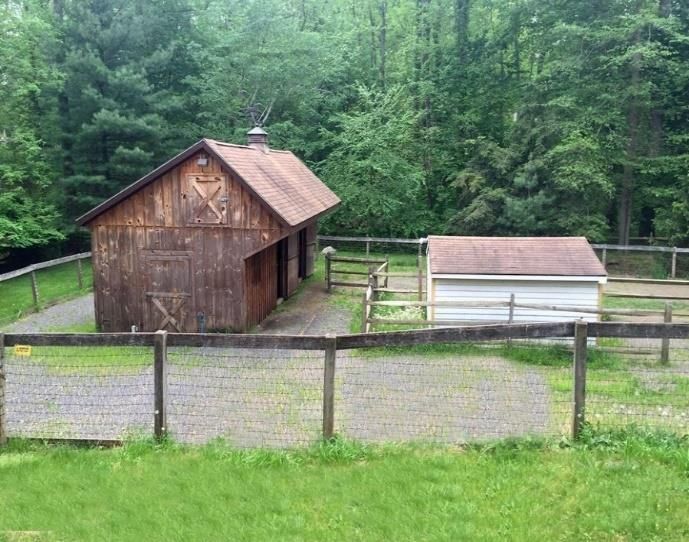
A one-acre New Jersey home zoned for horses

If a property is zoned for horses, the home           ...and a small barn with storage ready for your equine friends.
                                                      Photos Courtesy LandandFarm.org
owner needs to check with their town, city, or
county planning department or engineering
department as to what the restrictions are and
                                                        Communities That Allow Backyard Horse
have the appropriate zoning ordinance(s)
                                                        Keeping – Some Examples
pointed out and explained to them. Zoning
ordinances can generally be found online these          In a comparison between New Jersey, Long
days, but that doesn’t make them any easier to          Island, NY, Los Angeles, CA and many other areas
understand! And if you need to apply for a              surrounding larger cities and on the east and
zoning variance, a good understanding of the            west coasts, the presence of the equine industry
process and an attorney to represent you and            and housing with horse-friendly zoning has not
interpret documents will be necessary.                  stopped the relentless march of development.
                                                        When you have a small property, the
Before you start putting up barn and fence,
                                                        opportunity to ride your horse to a nearby trail
communicate and make friends with your
                                                        system or even a lesson center is an advantage.
neighbors. Broach the subject of horse-keeping
                                                        Trailering is expensive and requires some skill.
carefully. Try to educate your neighbors as to the
advantages of horses and be willing to discuss          As tracts of open land are subdivided, unless the
the potential negative impacts with them, such          municipality has restrictions on developers that
as the odor of manure, noise, escaped animals,          require them to zone a percentage of land for
etc. If you are fortunate enough to be able to          horse keeping or to provide for an equestrian or
have boarders or hold events, increased traffic         multi-use connector trail, valuable trail
and noise is likely to be an issue. So, you’ll have     connections are lost. Trails that are not
to work through that too, and get permitting for        protected with easements on private property or
all the aspects of horse keeping facilities.            that are not located on public land (parks,
                                                        forests, etc.) are very likely to bump up against a
                                                        ‘locked gate’, i.e. property that has been ridden
                                                        on for years or even decades will be subject to
                                                                                                                  2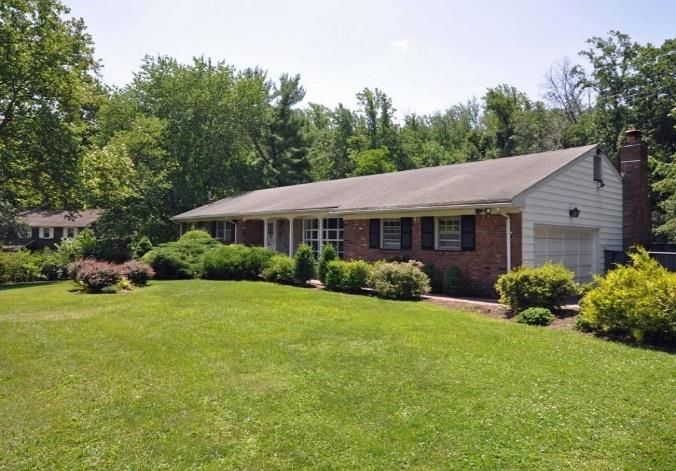
loss of access when a new owner doesn’t want         properties, most of less than ten acres, totaling
horses anywhere on their property. Linear            28,000 acres. Small farms and stabling facilities
easements can be placed on private land to           were moving farther east as development rolled
ensure passage along the trail corridor, but this    over the formerly agricultural land.
needs to happen before the land changes hands.
Pockets of residential horse properties may still    Tracking Your Equestrian Assets
be found. Here are some examples:
                                                     Denise Spezio, past president of the Nassau
Long Island, New York
                                                     Suffolk Horsemen’s Association, spoke about the
In the Long Island township of Islip, NY, horse-     progress that the county has made on the eight
friendly zoning exists in older subdivisions with    study recommendations:
one acre and larger lots. The proximity of the
Connetquot River State Park and its 50 miles of          •   Help to pass the Equine Activity Liability
looping, wooded equestrian/hiking trails to                  Statutes at the state level. This was
surrounding subdivisions is a boon to area                   completed in 2018.
equestrians. There are roadways to cross to get
                                                         •   Form cooperatives, such as partnerships
there by horse, but area riders have figured out
                                                             created through the Long Island Farm
the best ways to go. It’s interesting, because the
                                                             Bureau to make manure and bedding
only evidence that Islip is a horse community is
                                                             disposal available and affordable.
by the appearance of the occasional road apple
grouping and a neigh that breaks the morning             •   Update existing government farmland
quiet.                                                       protection programs. Changed the
                                                             formula for number of horses allowed.
                                                             The original formula, acreage per
                                                             number of horses divided by income per
                                                             year, was altered to allow for a lower
                                                             income level, as previous requirements
                                                             were impossible to achieve due to a
                                                             refocusing of equine activities from
                                                             breeding to lessons, training and trails.
                                                         •   Work on the Model Code. With ten
                                                             townships in the county, a consolidated
                                                             zoning/building code is difficult to
                                                             achieve.
                                                         •   Develop a Suffolk County Equestrian
                                                             Center. The county identified a facility
  Riding on a Suffolk County beach. Photo Courtesy
        Suffolk County Equestrian Task Force                 location to hold events, and a smaller
                                                             facility is currently utilized, but is not
In 2011, Long Island’s Suffolk County legislature            large enough to hold the preferred
collaborated with several other agencies,                    events. A proposal for a new facility has
equestrian organizations, the Long Island Farm               been submitted, with no response as of
Bureau and SPCA to produce a thorough Suffolk                the date of this article.
County Equestrian Task Force Report. At the
time, the Island was home to 1800 equine
                                                                                                     3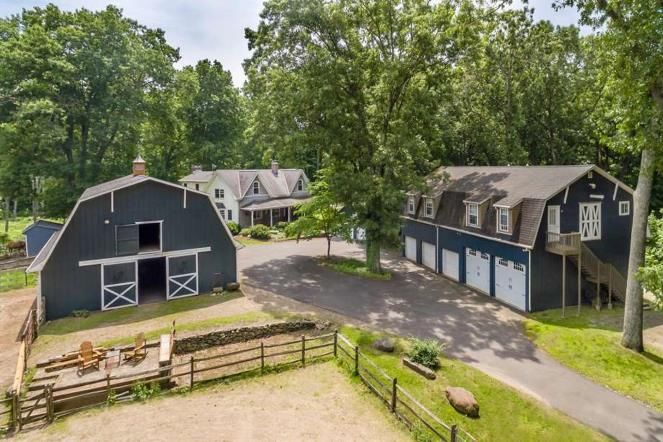
•   Develop a high school equestrian              New Jersey is home to the largest percentage
        program. The Patchogue-Medford                of horses per acre of all the states. The horse is
        district is an example of how this can be
        accomplished on a broader basis, and
        how partnerships can work. Due to
        liability issues for the schools, they can
        partner with local equestrian facilities,
        Scouts and organizations to run their
        program.

    •   Expand and Create New Equestrian
        Trails. This ongoing objective works
        toward connectivity of Long Island’s trail
        systems and trail maintenance. A new
        trailhead was built at the center of the
        Pony Express trails system near Ridge,
        NY. Efforts continue, and youth groups
        are the focus of several stables and use              Horse-friendly communities and trail
        of the trails.                                         systems throughout New Jersey.

                                                      the state animal. What role does the small horse
    •   An Equestrian Survey. A survey was            property play in the state? As you might imagine,
        developed. Results are pending.               the closer you get to New York City and
                                                      Philadelphia, the more pressure development
Denise noted that the coveted small horse
                                                      places on open lands. Though small property
properties and clusters existing on Long Island
                                                      equestrians’ land may not be quite as much at
will likely continue to exist, but that regulations
                                                      risk from development as larger farms are, the
may become stricter, especially regarding
                                                      losses they face involve access to trails, and the
pollution of the water supply. High taxes, the
                                                      additional cost of trailering horses to outlying
elevated cost of feed and bedding and
                                                      trails and events. Properties that are zoned for
availability of equine services may be the
                                                      horses and previously owned by equestrians can
contributing factors that reverse the appeal of
                                                      change hands, with new owners that are not
these small horse properties. The presence of at
                                                      horse oriented. Suddenly your small horse
least a few larger lesson, show and stabling
                                                      operation may be surrounded by unfriendly
facilities is needed, as is a vibrant and connected
                                                      neighbors.
trail system that is accessible to horses for the
long run. All in all, partnerships between
equestrians, municipalities and suppliers are
needed to protect the area’s equestrian
community.                                            The Purpose Of Equine Zoning: “to protect
                                                      the health, safety and general welfare of
                                                      the citizens of the Township…as well as to
                                                      provide for the safety and health of horses
                                                      and similar livestock.”

                                                                                                      4
Many New Jersey counties and townships have                 Rural Residential Zoning Code: Horses.
horse friendly zoning for small and backyard
                                                            Defined. Equidae, including horses,
horse keeping. A sampling of these include
                                                            ponies, donkeys, mules, miniature
Hunterdon, Somerset, Burlington, Monmouth,
                                                            horses, and miniature donkeys.
Sussex, Morris, Bergen, Gloucester, Middlesex
and Warren.                                                 Applicability. This ordinance shall apply
                                                            only to private horse owners who keep
                                                            horses for non-commercial use.

                                                            Exception. Farms, as defined in this
                                                            chapter, shall be exempt from this
                                                            ordinance.

                                                            Generally. Horses are permitted, if they
                                                            are kept under sanitary conditions in
                                                            general accordance with the New Jersey
                                                            Horse    Council's    Horse    Keeping
                                                            Guidelines.

Horses and bicycles do mix when trail users act cordially   Fence. At all times unattended horses
and give way when needed. Photo Courtesy New Jersey         shall be kept within a secure fenced
Horse Council.                                              enclosure, safe to both animals and
                                                            humans. The fence shall be more than 5
What Does A Horse-Friendly Zoning
                                                            feet from any property line.
Ordinance Look Like?
                                                            Housing structure. Horses should be
New Jersey’s East Greenwich and Randolph                    housed in an appropriate housing
Townships utilize similar Residential District              structure no closer than 40 feet from any
Codes to establish where horses can be kept.                property line and 100 feet from a
The Rural Residential Zone lists out the                    principal structure of a neighboring
requirements and definitions related to horse               property.
keeping. Subsequent Single Family residential
                                                            Necessary property. A minimum of
districts, including RLD (low density), R-1, R-2            80,000 square feet of area shall be
and R-3 may follow the Rural Residential code if            provided for the maintenance and
horses are kept under sanitary conditions in                keeping of a horse. If more than 3 horses
general accordance with the New Jersey Horse                are kept, a minimum of 80,000 square
Council's Horse Keeping Guidelines.                         feet of area shall be provided for the first
                                                            three animals and an additional 15,000
                                                            square feet shall be provided for each
See https://www.njhorsecouncil.com/store.htm                additional horse.
and click on the order form (just below the NJHC
Shoppe) for the free NJHC Intro Pamphlet. The
zoning code for rural residential is shown here:

                                                                                                      5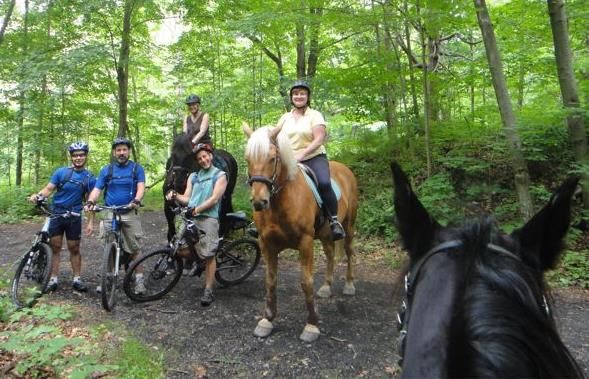
Grandfathering available. Existing horse    Los Angeles has a plethora of backyard equine
        owners, who maintain a horse or horses       zoned pockets. In a 2015 Chronicle of the Horse
        at the time that this ordinance is           discussion forum on urban horse keeping in Los
        adopted with lots greater than 45,000
        but less than 80,000 square feet, may
        grandfather their rights to maintain the
        same number of horse(s) by registering
        with the Zoning Officer within 6 months
        of the date that this ordinance is
        adopted. Existing horse(s) may be
        replaced so long as the number of
        horse(s) does not exceed the number of
        horse(s) maintained at the time of
        registration.                                   Zoned for boarders? Make sure you check with your
                                                         municipal planning/zoning office. Photo courtesy
        Manure. Manure shall be maintained to                             US Pony Club

        prevent storm run-off from adversely
        impacting wetlands, streams, and storm       Angeles, posters talk about some of these areas,
        drainage systems. Manure piles shall be      both in California and further afield. In the LA
        located on the premises at a maximum         area, they list Burbank, Sunland, La Mirada,
        distance from neighboring homes, public      Orange Park Acres, Baldwin Park and Los Feliz,
        streets, streams, and wetland areas.         Glendale, Sun Valley, La Canada, Flintridge,
                                                     Thousand Oaks, Pasadena, South Bay, Westside,
Los Angeles, California                              Riverside, San Gabriel Valley “Diamond Bar,
California communities that allow residential        Stanton, La Habra Heights, Sunny Hills in
scale horse-keeping can be found throughout          Fullerton; Temecula, Palos Verdes and Hidden
the state. Communities like Norco, where horses      Hills in Calabasas; Bradbury near Azusa; Sullivan
may be kept in the backyard, or the front yard for   Canyon in Brentwood; Malibu, Agoura Hills and
that matter, have horse friendly language            Azusa and Topanga Canyon. And don’t forget
written into their zoning ordinances. Established    about Compton, home of the Compton Posse, a
Norco neighborhood streets have horse trails as      program that helps inner city kids by involving
sidewalks, and there are equestrian facilities       them with horses.
surrounding the community. As the community
is further developed, conflicts do exist. Drivers    An impressive list. Further afield, the Bay Area
decry the slow speed limits, and newer               has several ‘horsey’ areas, as do the north shore
subdivision residents complain about horse           communities of Boston, Anchorage, Alaska and
odors, flies and the overall equestrian              Philadelphia. (Chronicle of the Horse, Urban
atmosphere, which begs the question of why           Horse-keeping in Los Angeles, June 19, 2015).
they moved there in the first place.

                                                                                                            6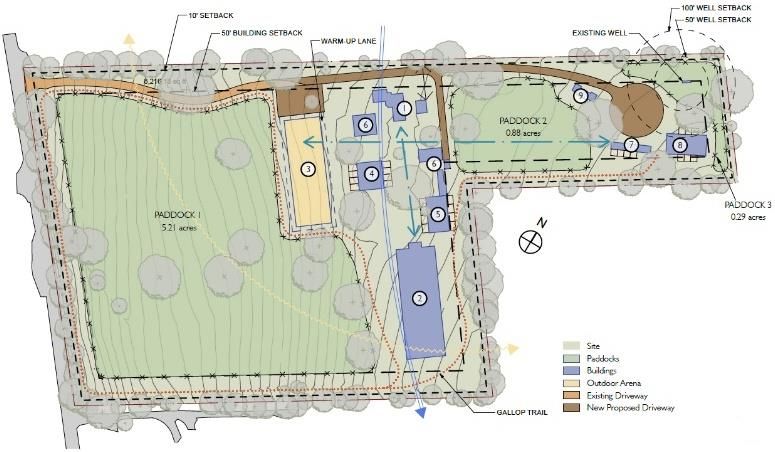
What Backyard Horse Owners Need to
Think About and Do
Here Are Some Tips Concerning Liability

Currently, every state but one has an Equine          Written contracts are a necessity regardless of
Recreational Liability Law that protects private      your relationship with your boarders. However,
landowners from lawsuits when they open their         they may not hold up in court. Waivers, signed
                                                      by all visitors, and posted signage regarding
                                                      state Equine or Recreational Liability Laws are
                                                      most likely necessary. Everything you do to
                                                      warn visitors about the potential hazards
                                                      endemic with horse activities will help, but
                                                      anyone can file a suit. They may not win if you
                                                      have done your best to keep your horse facility
                                                      hazard free, but there will still be legal costs.
                                                      Have your attorney look over the contract
                                                      documents and advise you about your legal
                                                      status as a business.

                                                      You are responsible for the condition of all
land for recreational purposes, and don’t charge
                                                      aspects of your property, and need to keep
for that use. That doesn’t mean a lawsuit can’t
                                                      barns, fencing, paddocks, utilities and all other
be filed, just that you have a strong piece of
                                                      structures and paved areas in good shape.
legislation on your side. However, when you are
                                                      Monitor the condition of your property and
running a boarding/training operation, things
                                                      make repairs to anything that is not functioning
are a little different.
                                                      correctly.
Julie Fershtman Esq., an attorney with Foster,
                                                      Know Your Zoning
Swift, Collins & Smith Attorneys, a long-time
advisory board member for Equine Land                 If you purchase a residential property with the
Conservation Resource and a horsewoman                intent of keeping horses, or if you already keep
herself, has given ELCR a few tips for backyard       horses in your backyard, chances are you have
horse keepers. Even a casual horse operation,         had contact with your community’s zoning
with a boarder or two to help offset costs, is        board. This is a critical step when purchasing,
legally a business. If you have people visiting you   changing or starting a horse keeping operation
or their own horses and they are injured, regular     on property that you already own. Find out what
homeowners insurance might not fit the bill.          your community zoning will allow you to do by
Check the coverages that are excluded. Don’t          visiting the zoning office and having staff explain
end up in court paying for legal fees and             the pertinent horse ordinances to you. Here’s an
potentially losing your property in a settlement.     example.
Talk to your insurance agent about business or        The Township of Jackson, NH has a quite specific
commercial coverage. You may even need care,          Equine Ordinance. Here’s what it looks like when
custody and control insurance to protect you          you research it on the Township’s website:
from the injury or death of boarded horses.

                                                                                                       7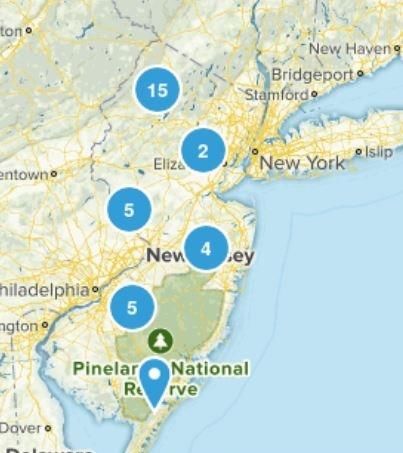
In the Township’s zoning code book, Chapter 98                  • Pasture or field fencing may be
Animals, Article VIII: Horses and Other Livestock,                 placed at any point up to the
you will see the categories: 98-47 Purpose.                        property line. Said fencing shall be a
                                                                   minimum of 50 feet from a
    •   98-48 Regulations.
                                                                   neighboring dwelling.
    •   98-49 Persons presently keeping horses.
                                                         D.   All pasture or field fences shall be
    •   98-50 Violations and penalties, and                   constructed of such material and in such
98-47 Purpose.                                                a manner as to prevent and preclude an
                                                              escape of livestock. It is recommended
The purpose of this article is to protect the                 that an Underwriters' Laboratories, Inc.,
health, safety and general welfare of the citizens            approved electrical fence wire be
of the Township of Jackson, as well as to provide             mounted on the inside of all perimeter
for the safety and health of horses and similar               fencing.
livestock.                                               E.   All fences, barns, three-sided lean-tos or
98-48 Regulations.                                            similar structures must be maintained in
                                                              a state of repair to prevent the escape of
In any zone in the Township of Jackson wherein                horses, ponies or other livestock.
the keeping of horses or other livestock is              F.   Stables and similar enclosures must be
allowed, the following regulations shall be                   built and maintained to avoid the
complied with:                                                creation of offensive odors, fly breeding
                                                              or other nuisances. Fly retardants such
    A. A lot or parcel of at least 45,000 square
                                                              as fly-strips and/or fly-traps must be in
       feet shall be required for the keeping of
                                                              place and in such condition as to perform
       horses, ponies or other similar livestock.
                                                              adequately from March 1 to and
    B. Within the pasture or field there must be
                                                              including October 31.
       provided a barn or similar three-sided
                                                         G.   Manure from stabled horses or other
       lean-to with a roof to provide shelter for
                                                              livestock may not be stored in the stable
       the horses, ponies or similar livestock.
                                                              or housing structure used to house said
       This barn or similar three-sided lean-to
                                                              horses or livestock. Any stockpile or
       with a roof must yield a minimum of 80
                                                              manure shall not exceed 100 square feet
       square feet per horse or pony or animal
                                                              and shall be stored a minimum of 100
       unit. This eighty-square-foot shelter
                                                              feet from the nearest neighboring
       minimum requirement per horse, pony
                                                              dwelling. All stockpiles of manure shall
       or animal unit is in addition to any other
                                                              be limed at least once every week.
       footage required by this section.
    C. Location.                                     98-49 Persons presently keeping horses.
       • All stables and/or similar three-sided
           lean-tos with roofs for sheltering        Any person, firm or corporation presently using
           horses, ponies or similar livestock       land or premises within the Township of Jackson
           shall be located a minimum of:            for the keeping of horses, ponies or other
           ➢ Twenty feet from any adjacent           livestock shall comply with all the provisions of
              property line.                         this article except as follows: Said person, firm or
           ➢ Seventy-five feet from any              corporation is exempt from the requirements of
              neighboring dwelling.                  98-48A, B and C, provided that such person, firm
                                                     or corporation complies with all other
                                                     ordinances, rules and regulations of the
                                                                                                       8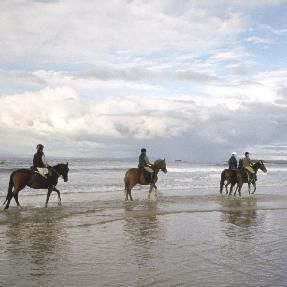
Township of Jackson or any agency thereof, and      Considerations for New Backyard Horse
provided further that such noncompliance shall      Facilities
not be restored in the event of abandonment or
discontinuance.                                     Aside from being close enough to trails or horse
                                                    facilities, back-yarders need to consider the
98-50 Violations and penalties.                     following before jumping in at the deep end:
For any and every violation of the provisions of        1. Zoning ordinances will contain
this article, the owner of said premises where             regulations about such things as
such violation has been committed or shall exist           setbacks for barns and other buildings
or the tenant of such premises where such                  from property lines and adjacent
violation has been committed or shall exist or             residences, location and types of
any other person who commits, takes part in or             fencing, storage of feed and bedding,
assists in such violation or who maintains any             manure storage and disposal, where
building or premises in which any such violation           new driveways can be located, night
shall exist shall, for each and every day that             lighting, stormwater runoff and more.
such violation continues, be subject to a fine of
not more than $500 or be imprisoned in the              2. Compare your lot size and configuration
county jail for a term not exceeding 90 days, or           with relevant setback requirements. If
both.                                                      your lot is 150 feet wide and the
                                                           setback from the property lines must be

                                                                        This Three-acre residential and horse
                                                                        facility layout by Blackburn Architects
                                                                        shows required setbacks for buildings and
                                                                        fencing from property lines, vehicular
                                                                        circulation and parking, and horse trails.

                                                                                                         9
50’ each way, which only leaves you              •   Follow      stream        buffering
       room for a 50’ long barn or structure.               recommendations and keep livestock
       And that is only if you have enough room             away from the stream or pond bank
       to the back property line, which may                 area.
       have the same setback requirement.
                                                    Just Because You Can – Should You Keep a
   3. The same goes for fencing. You may be         Horse in Your Back Yard?
      able to fence along your property line,       Unless you live in an area with very high property
      but only after you take account of the        values or taxes, boarding your horse on your
      setback distance from your neighbor’s         own land can be much less expensive and fairly
      house. There may also be a setback for        convenient. Here are some things to take into
      buildings from the fence line. Don’t          consideration before you venture into home
      forget about security. Horses do, on          horse keeping.
      occasion, disappear!
                                                      1. What is your skill level as a rider? Are you
Obviously, you will need to scale your horse             confident enough as a rider that you won’t
keeping facilities to your lot size minus the            be deterred by your horse’s occasional bad
setback areas. Here are some design and layout           behavior?
tips:                                                 2. Do you have access to a good trainer and
   •   Have a professional engineer, architect           can you afford to send your companion off
       or landscape architect assess your lot for        for a little re-schooling when needed?
       difficult soils that are not good for          3. Do you have a good supplier of feed, hay
       bearing buildings or that are always wet;         and bedding, and can you afford to keep
       steep slopes or very shallow slopes,              an adequate supply on hand at all times?
       which do not allow for good drainage;          4. Do you have friends or neighbors to ride
       and existing vegetation.                          with? If not, how will you and your horse
   •   Create a muck enclosure that will NOT             socialize?
       allow fluids to leach out of the pile and      5. Do you have access to a large animal
       into the surrounding soils or downhill to         veterinarian and farrier services? Is regular
       streams and ponds.                                or emergency care in your budget?
   •   Use permeable or pervious pavements            6. Do you have access to a horse trailer and
       for driveways and parking areas.                  truck in good condition?
   •   Install lighting that does not interfere       7. Have you considered the costs of
                                                         insurance, taxes and upkeep associated
       with neighboring residences or the
                                                         with horse keeping?
       visibility of the night sky.
                                                     8. Do you have an emergency plan to get
   •   If you have room, plan for an exercise
                                                         your horse(s) to safety in the event of a
       ring and/or sacrifice lot for the muddy
                                                         catastrophe?
       season or for use when your turnout
                                                     9. Ask yourself if this is really the best option
       areas need a rest.
                                                         for you and for your horse.
   •   Locate exterior waterers and place
       surfacing that is recommended for your       If, after considering the items above you are still
       soil conditions to prevent erosion.          interested in keeping your horse at home, here
   •   Install sustainable stormwater collectors    is some additional information to help you along.
       such as rain gardens, vegetated swales
       and infiltration basins.
                                                                                                    10
ELCR has in-depth information available about
horse friendly zoning at the following links:
Purchasing a fully developed small horse
https://bit.ly/2F8sW6I - Article: “The Basics of property can be prohibitive. It’s evident that this
Planning and Zoning for Horse-Friendly 10.45 acre property, shown in the online
Communities”, 2017. newspaper CTPost in a September 4, 2018
posting, is a well-appointed small horse facility.
https://elcr.org/zoning-best-practices/ -
The listing price? Just under $900,000.
Guidebook: “Guide – Horse-Friendly Zoning
Practices in American Communities”, 2017
https://elcr.org/event/winter-17-webinar/ -
Webinar: “How to Use and Understand ELCR’s
“Horse-Friendly Zoning Practices in American
Communities”, 2017
https://bit.ly/2SKB2Fz - Webinar: “Horse-
Friendly Zoning Practices in American
Communities”, 2018
Want to know more about the ins and outs of
home horse-keeping? Listen to this podcast If you can invest at this level for a small horse
with expert Alayne Blickel as recorded on The property, you should have a turn-key farm in a
Horse: Managing horses on small acreages. higher cost area of the country. If not, you might
https://thehorse.com/138384/managing- start with a horse-friendly zoned property with
horses-on-small-acreages/ fewer or no horse amenities and develop your
backyard horse home over time.
Happy Horse Keeping!
About the Equine Land Conservation Resource (ELCR): The Equine Land Conservation Resource is the only national
not-for-profit organization advancing the conservation of land for horse-related activity. ELCR serves as an
information resource and clearinghouse for land and horse owners on issues related to equine land conservation,
land use planning, land stewardship/best management practices, trails, liability and equine economic development.
For more information about the ELCR visit our website at www.elcr.org or call (859)455-8383.
11You can also read


