Vision and Strategy for the Lakes of the Rotorua district
←
→
Page content transcription
If your browser does not render page correctly, please read the page content below
PLEASE NOTE: This is an interactive PDF.                           INDEX
To ensure interactive elements function effectively
please use the free Adobe Acrobat reader.

        Vision and Strategy for the Lakes of the Rotorua district

                                                      Whaia te pae tawhiti kia tata, whakamaua te pae tata kia tina!
                                                      Strive for your long term objective so that it may draw closer, once within reach grasp it!
INDEX
     ROTORUA TE ARAWA LAKES PROGRAMME
     Vision and Strategy for the Lakes of the Rotorua district

                                                                         I think the lakes have a beautiful
                                                                         heart inside them and inside there’s
                                                                         a good heartbeat
                                                                         Patricia Waugh Lake Rotoma School

ii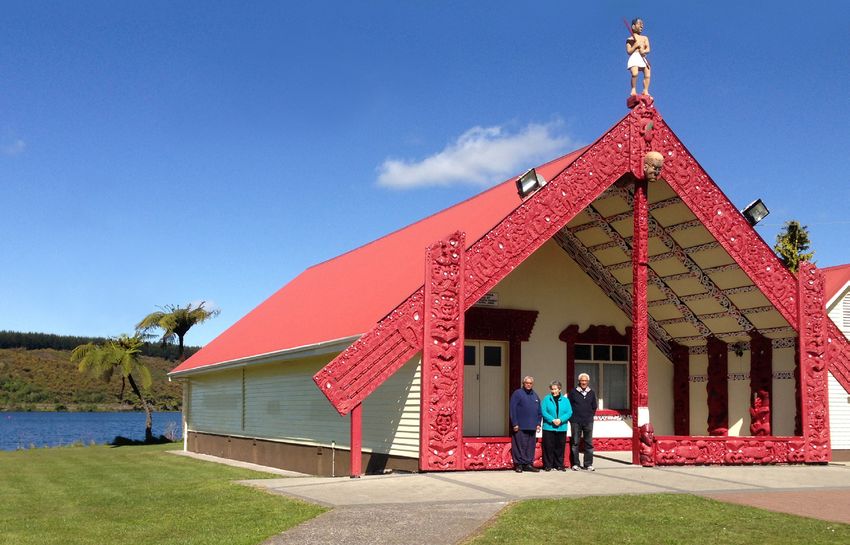
INDEX
                                                                                                                                                                                                                                                                    ROTORUA TE ARAWA LAKES PROGRAMME
                                                                                                                                                                                                                                                                         Vision and Strategy for the Lakes of the Rotorua district

Index
Foreword . .  .  .  .  .  .  .  .  .  .  .  .  .  .  .  .  .  .  .  .  .  .  .  .  .  .  .  .  .  .  .  .  .  .  .  .  .  .  .  .  .  .  .  .  .  .  .  .  .  .  .  .  .  .  .  .  .  .  .  .  .  .  .  .  .  .  .  .  .  .  .  .  .  .  .  .  .  .  .  .  .  . v
Whakapapa - background . .  .  .  .  .  .  .  .  .  .  .  .  .  .  .  .  .  .  .  .  .  .  .  .  .  .  .  .  .  .  .  .  .  .  .  .  .  .  .  .  .  .  .  .  .  .  .  .  .  .  .  .  .  .  .  .  .  .  .  .  .  .  .  .  .  .  . vi
     Haere i mua whakakotahi – moving forward as one. . . . . . . . . . . . . . . . . . . . . . . . . . . . . . . . . . . . . . . . . vii

Reach of the strategy. .  .  .  .  .  .  .  .  .  .  .  .  .  .  .  .  .  .  .  .  .  .  .  .  .  .  .  .  .  .  .  .  .  .  .  .  .  .  .  .  .  .  .  .  .  .  .  .  .  .  .  .  .  .  .  .  .  .  .  .  .  .  .  .  .  .  .  .  .  .  .  . 1

Setting for the strategy . .  .  .  .  .  .  .  .  .  .  .  .  .  .  .  .  .  .  .  .  .  .  .  .  .  .  .  .  .  .  .  .  .  .  .  .  .  .  .  .  .  .  .  .  .  .  .  .  .  .  .  .  .  .  .  .  .  .  .  .  .  .  .  .  .  .  .  .  .  . 2

Our vision. . . . . . . . . . . . . . . . . . . . . . . . . . . . . . . . . . . . . . . . . . . . . . . . . . . . . . . . . . . . . . . . . . . . . . . . . . . . . . . . . .                                                                                3
       What does the vision mean?. . . . . . . . . . . . . . . . . . . . . . . . . . . . . . . . . . . . . . . . . . . . . . . . . . . . . . . . . . . . .                                                                                                   3
       What the community told us. . . . . . . . . . . . . . . . . . . . . . . . . . . . . . . . . . . . . . . . . . . . . . . . . . . . . . . . . . . . .                                                                                                   3
       Ways to deliver the vision of the strategy – what the community told us. .  .  .  .  .  .  .  .  .  .  .  .  .  .  .  .  .  .  .  .  .  .  .  .                                                                                                       4
       How will we work together? . .  .  .  .  .  .  .  .  .  .  .  .  .  .  .  .  .  .  .  .  .  .  .  .  .  .  .  .  .  .  .  .  .  .  .  .  .  .  .  .  .  .  .  .  .  .  .  .  .  .  .  .  .  .  .  .  .  .  .  .  .                                    8
       Guiding principles. .  .  .  .  .  .  .  .  .  .  .  .  .  .  .  .  .  .  .  .  .  .  .  .  .  .  .  .  .  .  .  .  .  .  .  .  .  .  .  .  .  .  .  .  .  .  .  .  .  .  .  .  .  .  .  .  .  .  .  .  .  .  .  .  .  .  .  .  .                     8

Delivery of the strategy. .  .  .  .  .  .  .  .  .  .  .  .  .  .  .  .  .  .  .  .  .  .  .  .  .  .  .  .  .  .  .  .  .  .  .  .  .  .  .  .  .  .  .  .  .  .  .  .  .  .  .  .  .  .  .  .  .  .  .  .  .  .  .  .  .  .  .  .  .  . 9

Life of the strategy. .  .  .  .  .  .  .  .  .  .  .  .  .  .  .  .  .  .  .  .  .  .  .  .  .  .  .  .  .  .  .  .  .  .  .  .  .  .  .  .  .  .  .  .  .  .  .  .  .  .  .  .  .  .  .  .  .  .  .  .  .  .  .  .  .  .  .  .  .  .  .  .  . 10

Connected . .  .  .  .  .  .  .  .  .  .  .  .  .  .  .  .  .  .  .  .  .  .  .  .  .  .  .  .  .  .  .  .  .  .  .  .  .  .  .  .  .  .  .  .  .  .  .  .  .  .  .  .  .  .  .  .  .  .  .  .  .  .  .  .  .  .  .  .  .  .  .  .  .  .  .  .  .  .  .  . 11
     Key focus areas . .  .  .  .  .  .  .  .  .  .  .  .  .  .  .  .  .  .  .  .  .  .  .  .  .  .  .  .  .  .  .  .  .  .  .  .  .  .  .  .  .  .  .  .  .  .  .  .  .  .  .  .  .  .  .  .  .  .  .  .  .  .  .  .  .  .  .  .  .  . 11

Iconic . . . . . . . . . . . . . . . . . . . . . . . . . . . . . . . . . . . . . . . . . . . . . . . . . . . . . . . . . . . . . . . . . . . . . . . . . . . . . . . . . . . . 16
       Key focus areas . .  .  .  .  .  .  .  .  .  .  .  .  .  .  .  .  .  .  .  .  .  .  .  .  .  .  .  .  .  .  .  .  .  .  .  .  .  .  .  .  .  .  .  .  .  .  .  .  .  .  .  .  .  .  .  .  .  .  .  .  .  .  .  .  .  .  .  .  .  . 16

Prosperous. . . . . . . . . . . . . . . . . . . . . . . . . . . . . . . . . . . . . . . . . . . . . . . . . . . . . . . . . . . . . . . . . . . . . . . . . . . . . . . . 20
      Key focus areas . .  .  .  .  .  .  .  .  .  .  .  .  .  .  .  .  .  .  .  .  .  .  .  .  .  .  .  .  .  .  .  .  .  .  .  .  .  .  .  .  .  .  .  .  .  .  .  .  .  .  .  .  .  .  .  .  .  .  .  .  .  .  .  .  .  .  .  .  .  . 20

How do we know if the strategy has been successful? . .  .  .  .  .  .  .  .  .  .  .  .  .  .  .  .  .  .  .  .  .  .  .  .  .  .  .  .  .  .  .  .  .  .  .  .  .  .  .  .  .  .  . 25

Future legacies of the strategy. .  .  .  .  .  .  .  .  .  .  .  .  .  .  .  .  .  .  .  .  .  .  .  .  .  .  .  .  .  .  .  .  .  .  .  .  .  .  .  .  .  .  .  .  .  .  .  .  .  .  .  .  .  .  .  .  .  .  .  .  .  .  . 26

Glossary. .  .  .  .  .  .  .  .  .  .  .  .  .  .  .  .  .  .  .  .  .  .  .  .  .  .  .  .  .  .  .  .  .  .  .  .  .  .  .  .  .  .  .  .  .  .  .  .  .  .  .  .  .  .  .  .  .  .  .  .  .  .  .  .  .  .  .  .  .  .  .  .  .  .  .  .  .  .  .  .  .  . 27

                                                                                                                                                                                                                                                                                                                                     iii
INDEX
      ROTORUA TE ARAWA LAKES PROGRAMME
      Vision and Strategy for the Lakes of the Rotorua district

     Mihimihi
     Toitu te Wai, Toitu te Whenua, Toitu te Tangata
     Tihē Mauri Ora
     Te Arawa wai Maori
     Te Arawa wai Karekare
     Te Arawa wai Marino
     Te Arawa wai Wera
     Te Arawa wai Ora
     Te Arawa wai Ariki
     Anei ngā taonga tuku iho
     Ā Te Arawa ki te motu
     Whano Whano
     Houa mai te Wai Tapu
     Haumi e! Hui e!
     Taiki e

iv
     Kaumātua outside Te Takinga Marae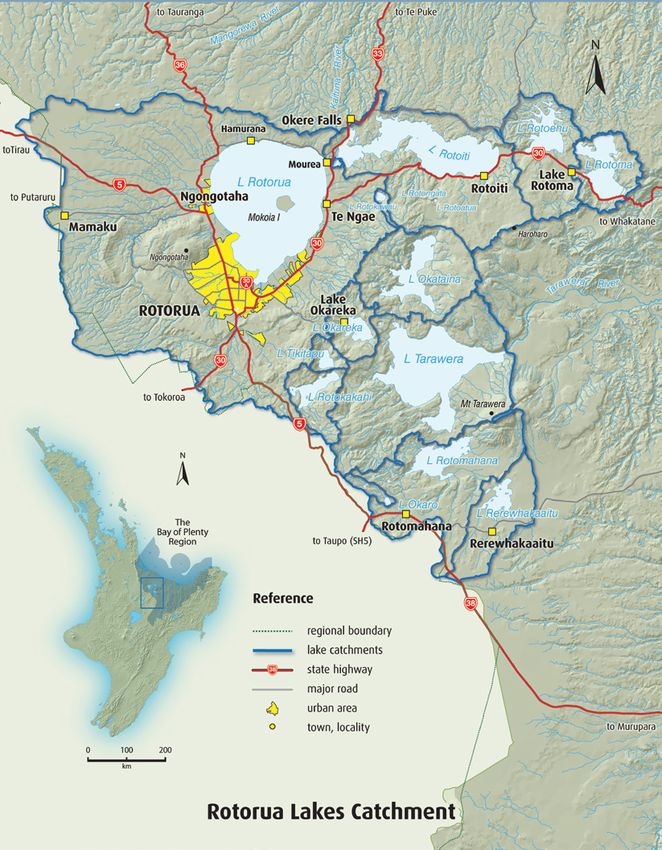
INDEX
                                                                                              ROTORUA TE ARAWA LAKES PROGRAMME
                                                                                                   Vision and Strategy for the Lakes of the Rotorua district

Foreword

   The Rotorua Te Arawa lakes are important     For Te Arawa particularly, the lakes are            The lakes are an important environmental
   to our district, they are important to our   part of us.                                         and economic asset. We need to make
   region and they are important nationally.    The lakes are important to us historically,         sure we are protecting our lakes and
   They are our key tourism attraction for      traditionally and also in terms of the              using them in a sustainable way.
   this area. They are often regarded as the    future and “the future wealth” they
   jewels in our crown.                         can bring to this region in helping the             For me the vision of the Rotorua lakes
                                                development of our economy.                         means that we continually undertake
   Kevin Winters                                                                                    work to ensure our lakes are as clean as
                                                The Mauri and what it means to me is that           can be.
   Mayor Rotorua District Council and Chair     we have a responsibility that we ensure
   Rotorua Te Arawa Lakes Strategy Group        the lakes are in a state of preparedness to
                                                assist our people to live.                          John Cronin
                                                                                                    Chair Bay of Plenty Regional Council
                                                Toby Curtis
                                                Chairman Te Arawa Lakes Trust

                                                                                                                                                               v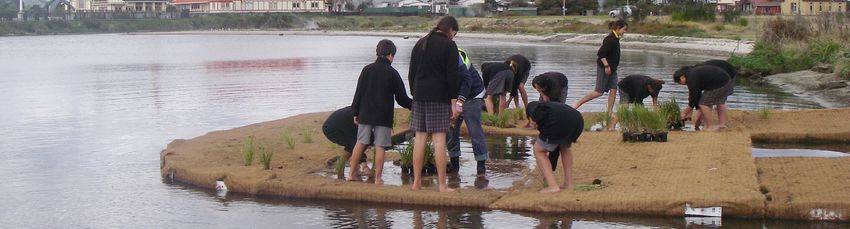
INDEX
      ROTORUA TE ARAWA LAKES PROGRAMME
      Vision and Strategy for the Lakes of the Rotorua district

     Whakapapa - Background
     In 1998 a Lakes Strategy Working Group                       The lakes of the Rotorua district and their        Council, Te Arawa Lakes Trust and the Bay
     comprising the Chairman of the Te Arawa Māori                catchments are preserved and protected             of Plenty Regional Council. This Group is
     Trust Board, the Chairman of Environment                     for the use and enjoyment of present and           charged with providing leadership in relation to
     Bay of Plenty and the Mayor of Rotorua                       future generations, while recognising and          implementing the vision.
     District Council began developing a Lakes                    providing for the traditional relationship of
                                                                                                                     The original Strategy is now over twelve years
     Management Strategy. This was an important                   Te Arawa with their ancestral lakes.
                                                                                                                     old and although the vision is as relevant
     step in addressing problems arising from the
                                                                  In preparing the original Strategy, individuals    today as it was, relationships, knowledge and
     lack of coordination between those involved in
                                                                  and organisations across the district were         innovation have evolved since the Strategy
     managing the lakes.
                                                                  asked what they wanted to see achieved for         was developed. Achievements and gains have
     The purpose was to provide an agreed vision                  our lakes catchment. They were asked to            been made. Partnerships are strengthening and
     for the lakes of the Rotorua district, unite efforts         identify goals for the future, and what could be   developing.
     and focus resources to achieve that vision.                  done to protect our lakes.

     In August 2000, the Lakes Strategy Working                   The status and importance of the original
                                                                                                                     Me huri whakamuri, Ka titiro
     Group adopted the original Strategy for the                  Strategy was formalised through the Deed of        whakamua-
     Lakes of the Rotorua district. That document                 Settlement1 and the Lakes Settlement Act2 . In
     set out why people value the Rotorua Te Arawa                that Act, a joint committee called the Rotorua     In order to plan for the future,
     lakes, their concerns and a vision for the future            Te Arawa Lakes Strategy Group (the Group)          we must look to the past
     of the lakes.                                                was established between Rotorua District

vi
INDEX
                                                                                                                              ROTORUA TE ARAWA LAKES PROGRAMME
                                                                                                                                   Vision and Strategy for the Lakes of the Rotorua district

    Haere I mua Whakakotahi – Moving Forward as One
    This Strategy updates the original Strategy                          The purpose of the Strategy is to achieve the
    approved in 2000. It builds on the commitment                        original vision and work under an overarching
    of partner organisations to provide an                               goal of co-management3.
    integrated and holistic direction for the
                                                                         The Strategy aims to be clear, simple and
    management of the lakes catchment.
                                                                         easily understood. Although it sets out how
    The community have been involved in the                              the partner organisations will deliver the vision,
    scoping of the Strategy which provides a                             the Strategy belongs to everyone who has an
    pathway of what the community and partner                            interest in the lakes now and in the future. This                                                                                         g
                                                                                                                                                                                                 akaaitu plantin
                                                                                                                                                                                   Lake Rerewh
    organisations want to achieve and a framework                        includes iwi, the lakes communities and lake
    for action.                                                          users, as well as our future generations.

1
    Deed of Settlement 2004 of the Te Arawa Lakes Historical Claims and remaining Annuities Issues
2
    Te Arawa Lakes Settlement Act 2006
3
    The overriding intent of co-management has carried over from the original Strategy adopted in 2000 which states:
    Establish in partnership with Te Arawa a co-management framework that achieves the best integrated management.

                                                                                                                                            Lake Tarawera - Photo by
                                                                                                                                                                       Bruce Webber

                                                                                                                                                                                                       vii
INDEX
        ROTORUA TE ARAWA LAKES PROGRAMME
        Vision and Strategy for the Lakes of the Rotorua district

    Reach of the Strategy
    The area that the Strategy applies to is the Rotorua lakes catchment. The
    catchment area includes the rivers, streams, tributaries and land area
    that feed into the 12 lake catchments. However what happens in these
    catchments has downstream effects (Kaituna River, Maketū Estuary and
    Tarawera River). The Strategy acknowledges the concept Mai i nga maunga
    ki te moana - from the mountains to the sea.

    The Rotorua lakes catchment includes:

    Lake Ōkāreka

    Lake Ōkaro (Ngakaro)

    Lake Ōkataina (Te Moana-i-kataina-a-Te-Rangikaroro)

    Lake Rerewhakaaitu

    Lake Rotoehu

    Lake Rotoiti (Te Roto-kite-a-Ihenga-i-Ariki-ai-a Kahumatamomoe)

    Lake Rotokakahi4

    Lake Rotomā

    Lake Rotomahana

    Lake Rotorua (Te Rotorua-nui-a-Kahumatamomoe)

    Lake Tarawera

    Lake Tikitapu

1   4
        Under legal guardianship of the Rotokakahi Control Board.
INDEX
ROTORUA TE ARAWA LAKES PROGRAMME
Vision and Strategy for the Lakes of the Rotorua district
RSHIP FRAMEWORK
PARTNE
Setting for the Strategy awa Lakes Settlement Act 200
Te Ar 6
Alongside the geographical area, which the rua T
e Arawa Lakes Strategy G
roup
Roto
Strategy relates to, we need to be mindful of the
operational setting the Strategy sits in. rawa Bay of P
lent
Te A Regiona y
l O
While the Strategy reflects the community’s ua Counci
Inte ther
tor l
Ro strict r
Pa este
aspirations for the lakes, specific planning and Di uncil rtie d
Co s
Rotorua Lakes
regulatory documents will be important for Restoration Regional
achieving the Strategy’s vision. For example, the MOU & Local
Strategies
regulatory tools in the Regional Policy Statement, NERSHIP Regional
PART
URCING AND WORK PLANS
Policy
Regional Water and Land Plan and District Plan FRA
MEWORK
Statement
POLICY,
are critical for reducing nutrients entering the Funding
RES ORK PLAN D
Deed
OURCING AN
POL D RULE S
lakes.
S
AN
ROTORUA
PLANS AND RULES
Iwi
ICY, PLAN
Rotorua Regional
The Strategy connects all the partner agencies
LAKES VISION District Plan Plans
Management
Plans
Ten Year Workstreams & STRATEGY
and guides how they will manage the Rotorua
S
W
& Annual and
lakes catchment. Although water quality is a key Plans Programmes
RESO
STR ATE G Y
consideration, the Strategy supports a holistic Rules
FOCUS
approach and considers how best to achieve all Lakes
aspects of the vision. Management
Other Policy
The following diagram provides an overview of Al ON
C
US
l is NE RO akes g
the interrelationships that operate around the o con TED
C SPE l in
ou ur w nected PRO erous thriv g
p in
Strategy. r v ate
isio rs, – ICONIC Pro s
nt –
me re thi
nk
n, u An iconic lakes tc h
s ca futu
catchment and
STRATEGY FOCUS 2
INDEX
    ROTORUA TE ARAWA LAKES PROGRAMME
    Vision and Strategy for the Lakes of the Rotorua district

                                                          Our vision
                                                          The lakes of the Rotorua district and their catchments are preserved and protected for the use and
                                                          enjoyment of present and future generations, while recognising and providing for the traditional
                                                          relationship of Te Arawa with their ancestral lakes.

                                                          Matakite:

                                                          E tiakina ana, e manaakitia ana hoki ngā roto o te rohe o Te Arawa hei painga mō tātau me ngā
                                                          whakatipuranga e ara mai nei, ā, me te aro anō ki te hononga tuku iho o Te Arawa ki ō rātau roto

                                                          What does the vision mean?              balance between them continues to     What the community told us
                                                                                                  be of fundamental importance to the
                                                          The Strategy reflects the community     community.                            The following table reflects what
                                                          vision for the future of the Rotorua                                          the community told us they want
                                                          lakes and therefore is broad in         Consultation with the community       the Strategy for the Rotorua lakes
                                                          scope. It is aspirational and           has provided a modern                 to contain under each key element
                                                          challenges partner organisations        interpretation of the four key        of the vision and also identifies how
                                                          to deliver. In order to achieve the     elements to implement the vision.     the community felt this would be
                                                          vision we must have a shared            The key elements are:                 achieved.
                                                          understanding of what the Strategy      •       connected                     Existing initiatives that contribute
                                                          means.                                  •       iconic                        towards achieving these outcomes
                                                          In the original Lake’s Strategy, four   •       prosperous.                   were also acknowledged through
                                                          key elements formed the essence         The Strategy seeks to achieve the     consultation.
                                                          of the vision: protection, use,         vision through outcome and goal
                                                          enjoyment and management. These         setting for each of these three
                                                          elements and achieving the right        elements.

3
INDEX
ROTORUA TE ARAWA LAKES PROGRAMME
Vision and Strategy for the Lakes of the Rotorua district
Ways to deliver the vision of the Strategy – What the community told us
What do we want to achieve?
Connected Iconic Prosperous
• Agencies working together • Better water quality • Quality of life
• Mountains to sea approach • Reduction of nutrient loss to • Best use of resources
(streams, lakes, Kaituna, water
• Balance of conflicting
Maketū, Tarawera)
• Positive experiences for aspirations
• Better understanding of those using the lakes
• Economic development
issues catchment
alongside enhanced lakes
• Community involvement • Innovative solutions
• Sustainable industry
(He Tangata – the people
• Protection, restoration and
together) • Cultural prosperity
enhancement
• Iwi relationships recognised
• Lakes catchment is a healthy
and provided for
food basket
• Healthy ecosystems
Opportunity for more effective communication, regular review, monitoring and reporting
4
Hawea Vercoe Memorial Day May 2009INDEX
ROTORUA TE ARAWA LAKES PROGRAMME
Vision and Strategy for the Lakes of the Rotorua district
My Birthday at the Lake
Ways to deliver the vision of the Strategy – What the community told us
lt’s my birthday.
My granddad sits on a green plastic chair
under the tree.
My dad is leafing through the newspaper,
How will we do it?
sports maybe- catching up on the latest cricket.
My nana, mum and sister are
running after the children. Connected Iconic Prosperous
l stretch out on a towel.
The sun feels so warm
on my back.
“l stuff another chip in my mouth • Provide opportunities for • Review current focus, targets • Identify and investigate
and lie back contentedly.
meaningful engagement and and approach opportunities for economic
“Wanna come for a swim?”
my brother asks. involvement development, innovative
“Yeah,” l shrug my shoulders
• Protect, restore & enhance
employment and niche
and together we wade out, • Educate community on issues lakes catchment so it
leaving a never ending trail of ripples products
behind us. contributes to the four
• Communicate progress and
But it’s not getting any deeper.
wellbeings • A management framework
recognise efforts
I try to rescue the drowning ladybirds.
that enables new enterprises
My brother grabs some seaweed. • Investigate all methods of
Oh no, l know what’s going to happen next • Promote awareness of role of
improving water quality • Promote the lake and their
and I try to run. leaders
But it can’t be avoided. activities
• Manage existing and future
I feel the wet slime • Adaptive catchment
clinging to the back of my togs. land use to enhance water • Use of industry research and
My screams are heard by those management principles and
quality knowledge
crowded around the barbeque. approach
But nothing of concern,
this is care-free summer day. • Enforce On-site Effluent
Even the dogs are lounging • Encourage community
Treatment rules
amongst the daisies. initiatives
Maybe a little later we’ll go for a walk
along Hamurana Springs. • Effective land use
• Assess efficiency of
On days like this you always think planning
you have another ten years. resources designated to
My granddad has just dozed off in the chair, lakes management
hopefully he’s dreaming.
Katie-Jayne Boardman 18 years
Opportunity for more effective communication, regular review, monitoring and reporting
5INDEX
ROTORUA TE ARAWA LAKES PROGRAMME
Vision and Strategy for the Lakes of the Rotorua district
Ways to deliver the vision of the Strategy – What the community told us
What will it take? Lakes are important
because you can catch
Connected Iconic Prosperous fish and you can eat it.
Me and my father like
fishing. I caught my
• Education programmes • Better land use management • Green growth technologies
first trout fish at Lake
• An engaged community - • Better nutrient management • Use of regional assets and Okataina when I was 4.
shared understanding of local investment
• Compatible land use
issues, approaches and
• Value added commodities Caleb Laugesen 5 years
agreed targets • Research and development
of technology • Identification of new
• Catchment based
commercial activities
management • Industrial innovation
• Science based actions
• Compatible land use It is important to keep
• Funding, resources and
expertise • Partnerships - research and Rotorua Lakes clean
• Monitoring and compliance
development and tidy because
• Collaborative governance - the lakes in Rotorua
leadership, role models and • Celebrate uniqueness
of lakes catchment to
represent who we are
programme champions
community and tourists
as a city.
• Voluntary programmes
Kayla Sargison 11 years
Opportunity for more effective communication, regular review, monitoring and reporting
6INDEX
ROTORUA TE ARAWA LAKES PROGRAMME
Vision and Strategy for the Lakes of the Rotorua district
Ways to deliver the vision of the Strategy – What the community told us
Toku Awa O Rangitaiki What’s already being done?
Ki 0ku nei whakaaro e pa ana ki toku awa 0
Rangitaiki, he wai ataahua, he wai tere. Connected Iconic Prosperous
He wai pai m0 te kaukau me te whiwhi tuna.
Engari he tino pouri te ngakau 0 Ngati Awa me
Tuhoe na te mea kei te whakarapopoto te awa a • Existing partnerships - • Lakes Recreation Strategy • Addressing land use change
Trust Power. I pirangi ratou kite tangohia 50%
MOUs, terms of references, through District Plan
0 te wai 0 Rangitaiki. • Implementation of Rotorua Te
reporting processes and
Kare pirangi nga uri 0 Ngati Awa te tangohia Arawa Lakes Programme • Giving effect to economic
areas of influence
enei wai na te mea, mena ka tangohia ka mate growth strategies, iwi
nga kaimoana.
• Science to support water
• Supporting collaboration in strategic and business plans
quality initiatives
K0 Putauaki te maunga Council’s Ten Year Plans
• Supporting economic
• Water quality objectives set
development through
K0 Rangitaiki te awa in the Regional Water and
Council’s Ten Year Plans
K0 Mataatua te waka Land Plan
K0 Ruaihona te marae
K0 Ngati Awa Te Toki (Iwi)
Miharo Sisley
Te Kura Kaupapa Maori o Rotoiti
Opportunity for more effective communication, regular review, monitoring and reporting
7INDEX
ROTORUA TE ARAWA LAKES PROGRAMME
Vision and Strategy for the Lakes of the Rotorua district
How will we work together?
The community confirmed they want a collaborative and participatory process in developing and implementing the Strategy.
Guiding principles • Focused on outcomes – a clear purpose • Seeking to provide certainty for the future –
ensuring stakeholders and landowners are
The following principles give guidance on our • Transparent and fully accountable – a clear
involved in planning for their future
approach to the management of the lakes process for delivery and identified lines of
catchment. To achieve our vision, we will be: responsibility • Partnership driven – engaging with agents of
change by drawing on their skills, knowledge
• Grounded in best knowledge (including
and energy. We will nurture existing
mātauranga and science) and open to full a
relationships and build new ones
range of solutions
• Agile – flexible in our approach and
• Kaitiaki of the lakes catchment – managing
delivery. Able to adapt to changing science,
the lakes for future generations
economics, technology and behaviours.
8
Ohinemutu floating wetland plantingINDEX
ROTORUA TE ARAWA LAKES PROGRAMME
Vision and Strategy for the Lakes of the Rotorua district
Delivery of the Strategy
The Strategy is intended to guide but not direct these important documents. Examples include: The partner organisations recognise that for
the work of the partner organisations including: the Strategy to be successful we need to work
• Bay of Plenty Regional Policy Statement
more with iwi, landowners, other agencies,
• Communication
• Bay of Plenty Regional Water and Land Plan businesses and the community to achieve the
• Community engagement and action vision as they also have a role to play in delivery.
• Rotorua District Plan
• Process development Progress made on delivering the Strategy’s
• Te Arawa Lakes Fisheries Regulations
• Policy development vision, outcome statements, goals and targets
• Bay of Plenty Regional Pest Management Plan
will be assessed annually and reported to the
• Consolidation of knowledge base including
• Other relevant statutory and non-statutory Rotorua Te Arawa Lakes Strategy Group.
further science and Mātauranga
planning documents.
• Improvement plans.
Implementing the aspirational view of
the Strategy will need to be considered
pragmatically and in relation to what the
community can afford.
The planning processes of the partner
organisations will be used to specifically
identify which actions are to be progressed
and to consider new opportunities, changes to
priorities, shifts in focus or emerging risks.
Existing regulation and protection provisions of
the partner organisations and other agencies
will support Strategy delivery, as will the
operational management work, monitoring and
compliance requirements which give effect to Holly Cash 8 years
9
Quinn McCarthy 11 yearsINDEX
ROTORUA TE ARAWA LAKES PROGRAMME
Vision and Strategy for the Lakes of the Rotorua district
Grace Kilkelly 11 years
Life of the Strategy
The Strategy is a living document that shows a
pathway ahead but not the exact steps or when
they will be taken.
The Strategy will be reviewed every ten years
following its adoption to ensure the path we are
on is taking us in the right direction.
I like the lake because I love the sparkling water. I love fishing with my Dad.
The lake is important to me because it is a nice place to go.
Faye Fisher 13 years Daniel Taljaard Kawaha Point School
10INDEX
ROTORUA TE ARAWA LAKES PROGRAMME
Vision and Strategy for the Lakes of the Rotorua district
Connected
Outcome statement: All is connected - our waters, our vision, us.
Connected means a management framework Mā pango, mā whero e oti ai te mahi
is in place to enable statutory authorities, the Through cooperation the work will be
Key focus areas
community, iwi, businesses, other agencies complete
and individuals to work together to achieve • Working together in partnership
Connected recognises the links between the
agreed long term goals for the lakes of the • Recognising lakes catchment
land, rivers, streams, lakes, groundwater and
Rotorua district. To do this everyone must be complexity
surface water. Management of the catchment
well informed on the issues at hand and feel
needs to reflect these connections as well as • Integrating Te Arawa/iwi values
empowered to be part of the solution.
recognise different lakes may require different
solutions.
We are all connected to the lakes catchment
spiritually, economically, socially, culturally
and environmentally. Te Arawa and other iwi He tino pai te roto o
have a traditional relationship with the lakes, Rotorua n ate mea ko
surrounding water bodies and land - their tera wahi te wahi I noho
physical survival and spiritual well-being depend
taku kainga me ahau
on their natural environment.
(Lake Rotorua is special
because that is where I
live.)
Anipatene Williams 8 years
11INDEX
ROTORUA TE ARAWA LAKES PROGRAMME
Vision and Strategy for the Lakes of the Rotorua district
Goal 1: The Strategy is implemented collaboratively
Targets Possible indicators Possible data sources
• In 2013, a Communications • Reported confidence with • Informant interviews on
and Engagement Strategy implementation the Strategy development
Plan between partner process and levels of
• Reported satisfaction with
organisations is developed engagement
level of engagement
and implemented
• Number of policies/ • Baseline surveys – How the
• By 2015, there are positive community feels now about
strategies that consider the
relationships between all engagement? Future survey
Strategy
lakes communities and – How the community feels
partner organisations • Number of joint initiatives in three years?
within the catchment
• By 2018, delivery of • Funding sources
community
Strategy goals are achieved
• Monetary value available • Partner organisation
through partnership with
for funding community reporting
key community groups,
organisations, industry initiatives • Strategies and work
partners and iwi • Number of coordinated streams
actions between partner • Industry Partners’ reporting
organisations and other
agencies
• Number of formal protocols
between partners, industry
groups, community groups
and iwi
12
Lake Okaro planting dayINDEX
ROTORUA TE ARAWA LAKES PROGRAMME
Vision and Strategy for the Lakes of the Rotorua district
Goal 2: The community is engaged and informed about lakes
catchment issues
The lakes are our future.
Arryon Welsh 11 years
Targets Possible indicators Possible data sources
• In 2014, information needs • Number of education • Existing perception surveys
of catchment community programmes/initiatives/
I can spend time with my • Future surveys – How they
identified and benchmarks campaigns
family. If we had no lakes rate their knowledge of
set
• Number of survey lakes issues?
everybody will be sad and • By 2015, information respondents who can
they don’t get to spend is delivered to lakes identify lakes catchment
time with their family at the communities in response to issues
lake. information needs
• Percentage of community
Aquaysia Larson-Taaha who believe they are
Kawaha Point School knowledgeable about lakes
catchment issues
Help the lakes! Save it for
the children.
Anais Mountford 11 years
13INDEX
ROTORUA TE ARAWA LAKES PROGRAMME
Vision and Strategy for the Lakes of the Rotorua district
Goal 3: Knowledge is linked to action and adaption occurs
Targets Possible indicators Possible data sources
• By 2014, an adaptive • Number of predictive tools • Research and development
catchment management and models available industries
process is working including for catchment based
• Eco-servicing trends
annual review, monitoring management
and reporting on strategy • Adaptive catchment
• Reported confidence in
related initiatives. management process
knowledge information
developed and
• By 2016, decision making systems
implementation monitored
will be undertaken
• Number of guideline
considering experience, • Auditing of Rotorua Te
documents to direct
narrative, relationships Arawa Lakes Strategy
catchment management
(past, present and Group and partner
future), robust science, • Range of relevant water organisations’ decision
mātauranga, socio- and land use attributes and making
economic knowledge. characteristics considered
• Improved knowledge base
in resource management
incorporating baseline
decisions including
survey – What is our
experience, narrative,
knowledge on the lakes
relationships (past present
catchment? And future
and future), robust science,
survey – What knowledge is
mātauranga, socio-
available in three years?
economic knowledge
14
Tau koura harvestingINDEX
ROTORUA TE ARAWA LAKES PROGRAMME
Vision and Strategy for the Lakes of the Rotorua district
The lakes are part of us. Every
nook and cranny we have a
Goal 4: The lakes catchment is managed through Te Arawa values
name for, they are named after
prominent ancestors and those
names are still used today as Targets Possible indicators Possible data sources
though they are still living
Toby Curtis • In 2013, there is an • Reported level of access to Te • Iwi surveys
Chairman Te Arawa Lakes Trust Arawa knowledge and values
agreed protocol between
• Shared level of understanding • Partner organisation
partner organisations
that Te Arawa values underpin surveys and reporting
defining terms of Te
the Strategy
Arawa engagement and
involvement in lakes • Number of policies requiring
consideration of Te Arawa
catchment management values
• By 2015, waahi tapu • Percentage of projects and
and significant sites programmes that have been
management plans for the developed with Te Arawa
lakes catchment have been involvement
completed • Te Arawa Lakes Settlement
recognised in policy and plan
• Lakes catchment development
management reflects Te • Number of Te Arawa who
Arawa values participate in mātauranga
collectives
• Level of Te Arawa satisfaction
that lakes catchment
management reflects Te Arawa
values
• Number of Te Arawa members
engaged in catchment
monitoring
15
Ohinemutu WharenuiINDEX
ROTORUA TE ARAWA LAKES PROGRAMME
Vision and Strategy for the Lakes of the Rotorua district
Iconic
They represent a big part of
Outcome Statement: An iconic lakes catchment.
Rotorua, they hold 100s of native
flora and fauna, and give us
great views and loads of fun in
Iconic means the lakes catchment is significant
the water.
Toitu te wai, Toitu a Papatuanuku, Toitu
Euan Robinson 10 years
for the right reasons. The lakes are accessible te Tangata
and well utilised. The lakes catchment offers
If the water is healthy, Mother Earth will
abundant lifestyle opportunities and is managed
be healthy, and the people will be healthy
so that everyone can enjoy them.
People want to use the lakes because they
provide a unique visual, recreational and cultural
experience. The lakes catchment is a top tourist Key focus areas
and visitor destination. • Use and enjoyment
The natural environment is thriving and • Water quality
symbolises New Zealand’s clean green image.
• Natural environment
The lakes catchment offers a healthy food
basket. Water quality keeps getting better - the
ways we are achieving this include appropriate
land use management and leading edge
solutions.
16INDEX
ROTORUA TE ARAWA LAKES PROGRAMME
Vision and Strategy for the Lakes of the Rotorua district
I like the Rotorua Lakes Goal 5: The lakes catchment offers residents and lake users
because sometimes you a range of high quality experiences
can just be alone with no
one to bother you – just the
peaceful slosh of the waves. Targets Possible indicators Possible data sources
Hannah Everett 9 years
• In 2014, resident and user • Percentage of catchment • Lake user surveys – who
experience has been rated residents who have access is using the lakes, for what
and benchmarks set to lakes reason and how they rate
their experience?
• By 2015, an action plan is • Number of people using
developed to ensure high lakes • Tourism statistics
quality experiences for
• Reported satisfaction from • Review of Recreation
residents and lake users
lake users Strategy
• Reported confidence that • Lakes Recreation Forum
lakes catchment attributes feedback
are being managed
• Harbourmaster reports
• Number of lake closures
• Landscape assessment for
due to algal blooms
consent applications
• Number of lake closures
• Fish & Game fishery surveys
due to events
• Reported level of
satisfaction with lakes
events management
17
Hawea Vercoe Memorial Day May 2009INDEX
ROTORUA TE ARAWA LAKES PROGRAMME
Vision and Strategy for the Lakes of the Rotorua district
Goal 6: Nutrient inputs are reduced to levels which ensures
water quality meets community expectations
Targets Possible indicators Possible data sources
• In 2014, a programme of • Number of lakes and rivers • Scientific monitoring
nutrient reducing actions is that meet Water Quality
• Lake user surveys - Is the
developed and agreed Index for contact recreation
water inviting? Can we
and ecological health
• Annual review and reporting swim there? Can we see
against existing initiatives to • Reduction in nutrient loss our feet when we stand in
improve water quality from land to lake to meet the water?
the Trophic Level Index
• Annual water quality targets • Enforcement or uptake
are met for all lakes • Total hectares of land area of land management
implementing agreed best provisions
practice
• Ecosystem services
• Level of support for
• Council benchmarking
community initiatives
• Review of action plans
• Action plans developed for
each lake if required • Land management
agreements
• Households reticulated
• Fish & Game fishery surveys
18INDEX
ROTORUA TE ARAWA LAKES PROGRAMME
Vision and Strategy for the Lakes of the Rotorua district
Goal 7: The health of ecosystems including habitat for kai
roto has improved since 2013
Targets Possible indicators Possible data sources
• The baseline health of • Percentage increase of • Baseline health of
ecosystems is established catchment area planted in ecosystems:
indigenous species
• By 2015, an ecosystems - Habitat loss, fragmentation
and kai roto programme of • Percentage increase of and degradation
actions is commenced and catchment area in wetlands
- Pests and weeds
reported
• Number of species
- Ecosystem diversity and
• By 2020, monitored and ecosystems in the
resilience
improvements in the health catchment with endangered
of ecosystems including or of concern status - Threatened species
habitat for kai roto - Catch rates/Fish & Game
• Number of pest plants and
animals in the catchment monitoring/surveys
• Reported confidence in kai - Plenty of watercress
roto enduring over time - Anecdotal evidence – can
• Level of regeneration of we gather kai roto like our
indigenous plant species in tipuna did?
the lakes • Mahinga kai project
• Level of restoration and between Te Arawa Lakes
revitalisation of customary Trust and NIWA
fisheries • Ecosystem servicing trends
19
Hamurana Springs Kōaro Restoration ProjectINDEX
ROTORUA TE ARAWA LAKES PROGRAMME
Vision and Strategy for the Lakes of the Rotorua district
Prosperous
Outcome statement: Prosperous lakes catchment -
thriving and future thinking
Prosperous means the lakes catchment offers economy to grow is clear. Sustainability is the
an enriching quality of life and healthy living. basis of economic aspiration and achievement.
The community is proud of their catchment as a Future thinking explores new concepts, new
place to live in, play in and call their own. ideas and new ways to grow the economy in a
way that is good for people, the economy and
Ko nga roto ko au, ko au nga roto
the lakes catchment environment. New ways
I am the lakes and the lakes are me
to capitalise on the iconic lakes catchment is
A vibrant well-functioning community is encouraged.
supported by clean water and land. These
The lakes catchment communities are
resources need to be managed for existing and
resilient and well placed to cope with change.
future generations. There is active and positive
Landowners and entrepreneurs can make
engagement to find solutions to improving the
sound economic decisions as they understand
environment.
the regulatory framework within which they are The lakes make a significant
Cultural prosperity for Te Arawa signifies a operating now and in the future. contribution to the overall
strong ahi kaa - whānau, marae and hapū environmental quality of the region
communities are able to maintain and practice and are a source of great enjoyment
their tikanga, traditional practices, knowledge, Key focus areas for both tourists and locals alike.
stories, karakia, and spiritual associations.
• Sustainable economic Katie-Jayne Boardman 18 years
Whilst a growing economy simply expands, opportunities and innovation
a developing economy improves. • Whanau/marae/hapū development
Whilst growing the economy is outside the • Certainty
scope of the Strategy, the way we want the
20INDEX
ROTORUA TE ARAWA LAKES PROGRAMME
Vision and Strategy for the Lakes of the Rotorua district
Goal 8: A developing lakes catchment economy that supports
resource use efficiency and improved water quality
Targets Possible indicators Possible data sources
• Sector initiatives are • Number of sustainable • Surveys
established to encourage initiatives developed
• Planning and policy
innovative solutions to (including codes of practice,
agreed best practices) documents
achieve positive economic
and environmental results • Level of support and uptake • Industry sectors and growth
of sustainable initiatives • Research and development
• Planning provisions support
including
sustainable initiatives expenditure
- level of funding for research
• By 2015, a resource use and development • Reporting on the Rotorua
efficiency report with Economic Growth Strategy
- number of joint ventures
recommendations is between industry, iwi and • Water demand, allocation
complete resource management and productivity – how
• By 2020, improved agencies much water is used to
resource efficiency and - number of tertiary education produce a given output
water quality and research partnerships
• Renewable energy
to drive innovation and
consumption e.g.
sustainable entrepreneurship
geothermal, biofuel from
• Number of new sustainable algae ponds
industries
• Level of support for
sustainable initiatives
through planning and
regulatory provisions
21INDEX
ROTORUA TE ARAWA LAKES PROGRAMME
Vision and Strategy for the Lakes of the Rotorua district
Goal 9: A lakes catchment management framework that enables
iwi to pursue sustainable business ideas and initiatives Without any lakes,
there would hardly be
Targets Possible indicators Possible data sources anyone visiting our
town. Rotorua would
• By 2015, opportunities • Number and type of new • Surveys
become a ghost town.
and challenges to whānau/ programs/services started Also Rotorua would
• Hui
marae/hapū economic by marae/hapū become broke.
development around the • Iwi collectives Simon Smith 11 years
• Number of persons
lakes catchment have been
employed by marae/
identified
hapū ventures and tribal
• Whānau/marae/hapu are businesses
The Rotorua lakes
supported in pursuing
• Number of hapū members are important to me
commercial opportunities
starting private businesses
related to the lakes because it is mine!
catchment • Dollar value of grants or Shakaisha Simon 6 years
investments in marae/hapū/
whānau businesses
• Reported incidents
of regulatory barriers
I believe that the
to iwi economic lake has a life.
development Laeton Lake Rotoma School
22INDEX
ROTORUA TE ARAWA LAKES PROGRAMME
Vision and Strategy for the Lakes of the Rotorua district
Goal 10: The lakes catchment makes a positive contribution
to lake communities’ sense of pride and belonging
They are important
Targets Possible indicators Possible data sources
because our wildlife
economy, activities and
obviously, us. • By 2015, lakes catchment • Perceived sense of pride • Perception surveys
Simon Smith 11 years communities’ sense of and belonging
pride and belonging is
rated, benchmarks set
and priority areas for
Rotorua Lakes are improvement identified
important to me • Annual reporting and review
because they have a against existing initiatives
history behind them.
Sarah Smith 10 years
They mean a lot to
Rotorua heritage.
Jacob Garmonsway 11 years
23INDEX
ROTORUA TE ARAWA LAKES PROGRAMME
Vision and Strategy for the Lakes of the Rotorua district
Goal 11: A lakes catchment management framework that provides
certainty and enables landowners to plan for their future
Targets Possible indicators Possible data sources
• A programme for • Range of options available • Intervention framework
interventions including to landowners
• Surveys
incentives and regulations
• Level of understanding by
is developed together • Funding sources
landowners on interventions
with landowners and • Partner organisation
stakeholders • Level of communication
reporting
between management
• There is provision for
agencies and landowners
transition for landowners
if required into any new • Number of applications for
regulatory regime incentive funding
• Amount of lead in time
before regulation takes
effect
24INDEX
ROTORUA TE ARAWA LAKES PROGRAMME
Vision and Strategy for the Lakes of the Rotorua district
How do we know if the Strategy has been successful?
• Clear shared vision delivered through • Consistent messaging
partnerships
• Informed decision making
• Agreed pathway for long-term improvement
• Innovative thinking.
• Framework for integrated management
areka
et land - Lake Ok
Walkway & W
Kayla Sarg
Bella Uhl 10 years ison 11 ye
ars
25INDEX
ROTORUA TE ARAWA LAKES PROGRAMME
Vision and Strategy for the Lakes of the Rotorua district
Future legacies of the Strategy
• Empowered lakes catchment communities • Customary fisheries are restored and
• Understanding and demonstration of the revitalised
traditional, cultural and spiritual significance • Lakes to swim in and gather food from
and relationship of the lakes to Te Arawa
• People want to live, play and do business in
• Lakes are a treasured taonga – promoted the lakes catchment.
and protected appropriately
• Vibrant, healthy lands and waterways
Cyclists - Lake Tikitapu
Viewing spot - Lake Tarawera
Gisele Howard 7 years
26INDEX
ROTORUA TE ARAWA LAKES PROGRAMME
Vision and Strategy for the Lakes of the Rotorua district
Glossary
Whakahaere Arotaki Hopuwai: He kawenga e matatau ana ki ngā
tātairanga me ngā whakahaere tātaki kua whakataetaetia ki toa rāno
te mea tōtika,
Hīnga ika mai rāno - e whakapākau ana ki ngā tikanga mātāmua-
a-iwi a Te Arawa mahinga kai me ngā momo taonga kua tohungia e
NIWA me te Kaitiakihanga Roto o Te Arawa Hī-ika-mai-rā āno otirā kei
roto hoki i te hōtaka rangahaua o ngā roto o Te Arawa. Kei roto i ēnei
momo arā ko te Kākahi, te koaro me te tuna.
Kai o ngā roto - Ngā kai kua haongia mai ngā roto
Kaitiaki - He tangata he kaitakawaenga rānei tiaki taonga; tērā pea
he wairua a tinana rānei. He kaitiaki, he kaiarataki, engari te tino
whakamāramatanga o te kaitiaki he rerekē anō ia ki tēnā me tēnā
hapū, iwi hoki.
Mātauranga - Mātauranga, mōhiotanga, tohungatanga,
māramatanga, pūkekotanga hoki
Te Rōpū Rautaki mō ngā roto kei Rotorua me Te Arawa - He
komiti-a-hono i whakatūria i waenganui i te Kaunihera Takiwā o
Rotorua, Te Kaitiakihanga o ngā Roto o Te Arawa me te Kaunihera-a-
Rohe o Te Waiariki.
Wāhi Tapu - He wāhi tapu ki ngā Māori i raro i ngā tikanga tuku iho,
whakapono, pure otirā mōhiotanga purākau.
27INDEX
ROTORUA TE ARAWA LAKES PROGRAMME
Vision and Strategy for the Lakes of the Rotorua district
The lakes are special and we have to look after them
Morgan MacCormick 4 years
28INDEX Whaia te pae tawhiti kia tata, whakamaua te pae tata kia tina! Strive for your long term objective so that it may draw closer, once within reach grasp it!
You can also read


