TOURISM SCOTLAND 2020 Strategy - The Scottish Tourism Alliance
←
→
Page content transcription
If your browser does not render page correctly, please read the page content below
A Review of the

TOURISM
SCOTLAND
2020 Strategy
The national tourism strategy, TS2020 was launched in 2012 with the ambition “to make
Scotland a destination of first choice for a high quality, value for money and
memorable customer experience, delivered by skilled and passionate people”.

It helped to define the visitor economy in both leisure and business                   What has the review revealed?
visitor terms and allowed organisations to take a more strategic                       Since the launch of TS2020, the tourism sector has witnessed
approach to the planning and delivery of activity based on a better                    growth across a number of areas, but most significantly in:
understanding of local markets, opportunities and customer demand.
                                                                                       • overnight visitor spend - from international visitors in
An ambitious strategy                                                                    particular, with an increase in expenditure in real terms of
By 2020 the Scottish tourism sector aims to have:                                        some £250m at the end of 2017
• grown visitor spend by £1 bn in real terms, from £4.5 bn                             • economic value– this has grown substantially and now
  in 2011 to £5.5 bn in 2020                                                             contributes an estimated £3.9bn GVA to the Scottish
• increased Scottish tourism advocacy score from 25%                                     economy annually
  to over 50%
                                                                                       • employment - the tourism sector now employs 206,000
• increased the average visitor spend from £358.56 in 2011
                                                                                         people in Scotland, equal to around one in 13 jobs across
• increased total employment in the tourism industry
                                                                                         the country
  from 185,100 in 2011
• increased total tourism turnover from £6.221m in 2011                                • The tourism business base – this has grown strongly in
                                                                                         recent years, to over 14,500 businesses.
A new approach
TS2020 was informed and led by industry, reflecting the sector’s
appetite for growth and commitment to developing Scotland’s
tourism offer. The strategy is presented in a framework, commonly
                                                                                       Developing Scotland’s assets
referred to as the ‘Rocket’ which defines the sector’s target markets
and identifies Scotland’s tourism assets - five key areas with potential               Each asset block developed an action plan early in 2013/14 as a
for growth. These were collectively known as ‘asset blocks’,                           result of TS2020. They also developed their own strategies or
and include: Nature and activities’, ‘Heritage and culture’,                           ‘rockets’ aligned to the national strategy. Nature and Activities, a
‘Business tourism’, ‘Destinations, towns and cities’; and                              wide ranging portfolio of assets has supported the creation of sub-
‘Events and festivals’.                                                                sectoral strategies for golf, marine tourism and country sports.
The strategy has recently been reviewed, and has assessed the                          Evidence of progress and key deliverables has been most notable
contribution which TS2020 has made to the growth of the tourism                        across the Business Tourism and Heritage and Culture asset blocks.
sector, as well as identifying achievements and outcomes.”
                                                                                       These groups have regularly met to discuss progress and take
A STRATEGY FOR LEADERSHIP AND GROWTH                                                   forward planned activities from their action plans and asset block
                                                                                       specific strategies.

                                                                                       However, there is evidence of progress and success across all asset
                          BY 2020 ,
                       SCOTLAND IS A
                                                                          VISION       blocks and a number of destinations and cities. This is a result of
                 DESTINATION OF FIRST CHOICE...                                        action plans and activities being aligned to TS2020 and industry’s
     Grow visitor spend through quality to at least £5.5bn by 2020        MISSION
                                                                                       understanding of and buy-in to the national strategy.

                                                                                       Notable examples include: the mobilisation of Marine, Business
                          OUR GROWTH MARKETS
                                                                                       Tourism, Cycling and Golf asset blocks.
                                                     Distant Cousins
       Near                     Home
    Neighbours                   Turf
                                                    Emerging Markets                   Developing Scotland’s assets for the benefit of attracting more
                                                                                       tourists has also taken place. Driven by effective partner and
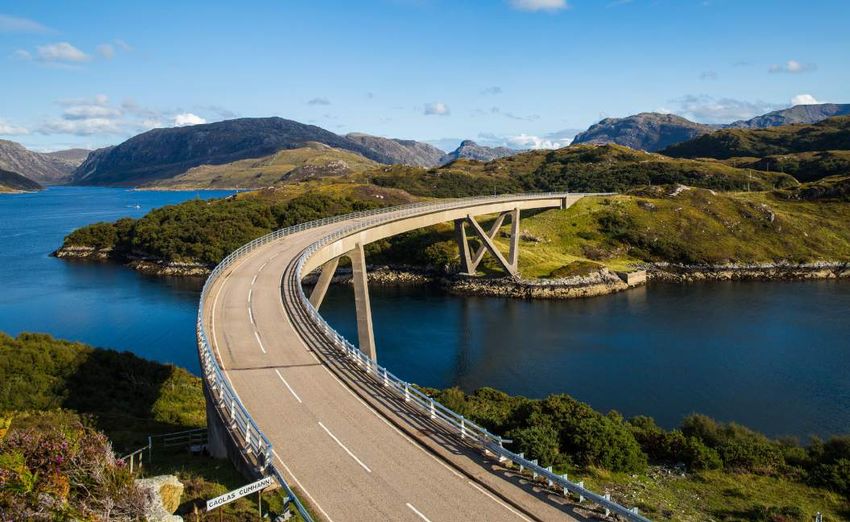
                 PROVIDING AUTHENTIC EXPERIENCES                          STRATEGY     industry collaboration the NC500 a route of just over 500 miles
   Nature &        Heritage     Destinations,      Events &    Business                of stunning coastal scenery across the Highlands and Islands
   Activities      &Culture     Towns & Cities     Festivals   Tourism
                                                                                       reached a global audience of 2,300,000,000 in 2017 and has
                 IMPROVING THE CUSTOMER JOURNEY                                        85,000 followers on social media.
         Food & Drink           Transport        Accommodation
                                                                                       The Midlothian and Borders Tourism Action Groups have
                                                                                       delivered a number of activities to support businesses to exploit
                         BUILDING OUR CAPABILITIES
                             Marketing &                                               the tourism opportunities presented by the Borders railway and
                Skills                       Sustainability               CAPABILITY
                             Intelligence
                                                                                       surrounding areas.
                    LEADERSHIP & COLLABORATION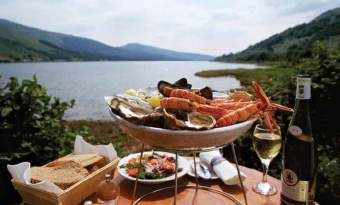
The impact on destinations
TS2020 has been very successful in driving aligned implementation Influencing investment: The Tourism Development Framework
and delivery of activities to develop the visitor experience and boost outlines public and private sector investment worth over
tourist numbers at the local destination level. It has directly influenced £16 billion across almost 700 projects that will support each
29 destination-based strategies and action plans that are aligned to part of the customer journey and provide authentic experiences.
the national strategy framework, several sub-sector strategies and These include multiple projects relating to digital connectivity,
other initiatives, such as the national growth fund agenda and the such as rolling out Superfast Broadband across Scotland’s urban
Scottish Thistle Awards. and rural areas, transport connectivity, including the dualling of the
A9 and rail improvements between Glasgow and Edinburgh, and
As of 2018, 27 of these 29 strategies are linked to TS2020, and 20 of accommodation and food and drink.
these strategies had developed their own ‘rockets’ mimicking
the TS2020’s framework for delivery. This reflects the strategy’s
Raising the quality of the visitor experience, in particular
appeal and flexibility to drive a variety of organisations and groups’
skills: The Tourism Skills Group continues to support the aim of
ambitions for their local tourism sector.
increasing the quality of the visitor experience in Scotland. Driven
Since TS2020’s launch Glasgow and Edinburgh have been two of by a national Tourism Skills Investment Plan examples of initiatives
the top performing destinations. Fife, the Highlands and Islands include the expansion of Modern Apprenticeships and World Host
and Perthshire have also performed strongly, in terms of sectoral training to support skills development in the sector.
development, visitor numbers and business optimism.
Engaging with the tourism business community
Building capacity Despite the disparate and dispersed nature of the tourism sector,
The TS2020 mid-term review in 2016 highlighted four national there have been good levels of engagement at all levels of the
priorities which have demonstrably been taken forward: industry not evidenced prior to TS2020. A key example of this
Increasing the digital capabilities of the sector: The Digital success has been the development of the national tourism sector
Tourism Scotland (DTS) programme was launched in 2015. The gathering, growing from a single conference with around 150
programme provides digital support to tourism businesses helping to delegates in 2013 to the Scottish Tourism Month in March 2019
overcome the current skills gaps in the sector and support business reaching an estimated 12,500 attendees across some 25 events.
and wider economic growth. In its first three years the programme has
supported 5,285 tourism staff and 2,250 businesses in the process.
Increasing the leadership capabilities of the sector:
The Destination Leadership Programme is funded through Scottish
Enterprise and delegate fees, and delivered by Edinburgh Napier
University. It has received UK-wide recognition for developing
leadership capabilities within the tourism industry, including a 2017
Times Higher Education Leadership and Management Award.
Over the first five cohorts to 2018, the programme produced
over 100 senior tourism professionals with a Masters level
leadership qualification.
The rest of this report presents some examples of the strategic approach, activities, opportunities and outcomes influenced by TS2020 and associated with the
Scottish tourism destinations of Edinburgh and the Outer Hebrides, the Golfing sub-sector and the cross-cutting skills programme of Digital Tourism Scotland.
2014 2016
2012 The BTFS group was March
established to grow the 2015 First Scottish Tourism Week 2016 2018
June sector by at least an aims to engage over 2020
additional £400m businesses into the tourism December 27 Scottish destinations
Launch of October conversation and to 'inspire Scottish country sports
visitor spend link their strategies to
TS2020 Mid-term review all to achieve the
tourism strategy launched
per annum Tourism 2020 TS2020 - 20 of these
of TS2020 vision' by the Scottish Country have developed their
begins Sports Tourism Group
own ‘rockets’
(SCSTG)
2012 2019
2015 2017 2019
2013
2015 September
2015 2016 DLP wins a Times
2019
Launch of national events Higher Education January
March March strategy and creation of April Leadership and TS2020
First STA Marine tourism strategy Events and Festivals December New heritage Management Review begins March
conference launched by Marine Industry Group Launch of tourism action plan Award Scottish Tourism
Tourism Development (EFIG) DTS Programme launched by the Month - reaches
Group Heritage Tourism 12,500 attendees
Group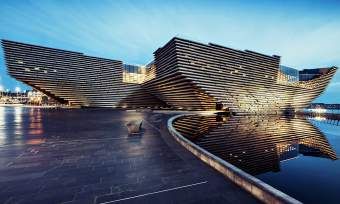
EDINBURGH
THE JEWEL IN THE CROWN
Edinburgh is recognised as a world-class tourism destination and evidence shows it
plays a significant role in boosting Scotland’s economy by offering authentic mem-
orable experiences to their visitors. Industry leadership and collaboration is at the
heart of this success with the Edinburgh Tourism Action Group (ETAG) driving and
enabling industry to capitalise on the growth opportunities within the city.

In 2017, Edinburgh attracted 4.26 million visitors, generating £1.48 billion                     Chinese Tourists
in visitor spend for the city economy and supporting an estimated 8,600                          Edinburgh is the UK’s second most popular visitor destination for
additional FTE jobs. The tourism business base in Edinburgh increased                            Chinese tourists. With industry partners in Edinburgh, Scottish
by 19% between 2011 and 2018, over double the national average.                                  Enterprise has supported the ‘China Ready’ programme, which
                                                                                                 aims to ensure the destination is well positioned to meet this growing
                                                                                                 market.
    4.26                               1.48                         19%                          VisitScotland and Scottish Enterprise have also supported the
    MILLION                            BILLION                    INCREASE
    VISITORS                          visitor spend                business base                 Edinburgh China Social Media Project which aims to engage Chinese
                                                                                                 visitors via innovative online approaches, and has held welcome
                                                                                                 events for Chinese students, designed to create networks of Chinese
Edinburgh Tourism Strategy                                                                       nationals to study and work in the city.
The Edinburgh 2020 Tourism Strategy was launched in 2012 and was                                 ETAG’s ambition is to increase the volume and value of Chinese
embraced by the tourism sector, creating a focus for growth based on                             visitors to Edinburgh and attract Scotland’s first direct flight from
the four key objectives set out in the strategy by 2020. Edinburgh is now                        China.
ahead of target in three of its four strategy objectives, namely:
• To increase the number of visits to the city by a third;                                       Tourism Innovation
• To increase total expenditure by 3% per annum;                                                 In recognition of the fact that the use of data has the potential for real
• To increase the average spend of visitors by 10%.                                              impact within the tourism sector, the Edinburgh Tourism Innovation
                                                                                                 Challenge (#ETIC) was launched in 2017. A number of tourism and
International Visitors                                                                           digital experts were recruited to work collaboratively and come up with
International visitors to Edinburgh have increased by almost half since                          innovative solutions to some of Scotland’s tourism sector challenges.
2011, reaching over 2 million visits in 2017 - totalling over 10 million bed                     As a result, three new businesses formed to provide digital solutions to
nights and spending £1 billion. This is almost 63% in terms of volume and                        travel challenges in Scotland.
45% in terms of value of total international tourism in Scotland for 2017.
The substantial growth in new direct international air routes has been key                       Youth, Student and Educational Travel
to delivering this growth.                                                                       Youth, student and educational travel represents an enormous
                                                                                                 opportunity for the future growth of the UK travel and tourism industry.
Business Tourism                                                                                 Edinburgh is the top UK destination for the youth student travel
The annual economic value of Edinburgh’s business tourism is estimated                           market outside of London. #UncoverEdinburgh is an innovative
to be in excess of £300 million. In October 2017, Convention Edinburgh                           digital campaign which uses internationally known key influencers to
launched the Make It Edinburgh campaign, which was aimed at raising                              produce videos content which brings an energised perspective of
the global profile of Edinburgh as a Business Tourism destination of choice.                     Edinburgh to encourage all year-round visitors from this key market.

                                                2016                                                                 2018                                                                         2019
       2012                                November                                                                                                                                                April
                                        Edinburgh Chinese      2017                                                   July                                     2018                         #UncoverEdinburgh
        January                            Social Media                                                         #UncoverEdinburgh                                                            reaches 4.9 million
                                                               October                                                                                          October
   Edinburgh Tourism                    Campaign, launched                                                      campaign launched                                                           across various social
                                                             First stage of                                                                               Development process
   Strategy launched                        by ETAG                                                                                                                                            media channels
                                                              #ETIC17                                                                                      for the Edinburgh
                                                               tookplace                                                                                     Tourism 2030
                                                                                                                                                            Strategy begins

    2012                                                                                                                                                                                                  2019

                                                                              2017                                                       2018
                               2016
                                                                                                                                           August
             2014             September                                    October                2017                              Edinburgh and South                    2018
                           Midterm review of                            Make it Edinburgh                                             East City Region
            The £780m                                                      campaign              December                              Deal given the                      October
                           Edinburgh Tourism
          Edinburgh tram                                                   launched            ETAG Digital                              green light                     Performance
                           Strategy published
             project is                                                                     Solutions for Tourism                                                    Monitoring Report of
             launched                                                                           Conference                                                            Strategy published
OUTER HEBRIDES
A DESTINATION STORY
Situated on Europe’s Atlantic edge, the Scottish Western Isles of
the Outer Hebrides, Na h-Eileanan an Iar in Gaelic, are a diverse
chain of inter-connected islands with their own unique way of life.
The Outer Hebrides is well known as an area of outstanding natural being leisure tourists, up from 54% in 2013. The 2017 Islands Visitor
beauty. Key cultural assets include the prevalence of Gaelic language Survey showed those coming for work or business was 19 per cent
and arts such as traditional music. Visitors are also interested in and visiting friends and relatives 12%. With 930 accommodation
Harris Tweed and crofting. These cultural assets are all key aspects providers, bed stock is up 50% in five years too. The average spend
of the Outer Hebrides’ heritage and the islands also boast prominent per capita of visitors was £309, up from £245 in 2013. For leisure
archaeological sites such as the Callanish standing stones. Other visitors, the average spend was £344.
historical attractions include the Bonnie Prince Charlie Way which Impressive growth influenced and driven by the Tourism
offers visitors the opportunity to follow in the prince’s footsteps after Outer Hebrides 2020 tourism strategy and its actions.
he fled to the Outer Hebrides following defeat at Culloden. Wildlife
is another asset; the Outer Hebrides is a popular destination for
birdwatching, and the islands also offer more active pursuits such as
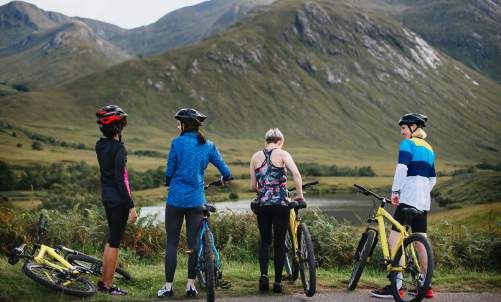
cycling, walking and water sports
218,965 £64.5 50%
TOTAL MILLION INCREASE
Growing the tourism sector VISITORS total spend in bed stock
Outer Hebrides Tourism was established in 2014. It is the destination
development and marketing group for the Outer Hebrides, an
industry body whose membership has grown from some 100 The highlights
companies to over 400 in the last five years. Its remit is to develop, The Eat Drink Hebrides Trail launched in 2014 aims to promote
promote and sustain the tourism industry in the Outer Hebrides. It locally produced food and drink. The trail allows visitors to
provides leadership to Tourism Outer Hebrides 2020, the public/ experience the Outer Hebrides through a waymarked journey of
private partnership strategy for the development of tourism. The taste through the islands. There are now 40 company participants
strategy IS closely aligned to TS2020 AND identifies 15 strands of on the trail an increase from 15 at the launch.
activity and has a main target to grow tourism spend from £53m The Hebridean Way walking and cycling route, launched by Mark
in 2013 to £74m by 2020. Key market opportunities arising from Beaumont in 2016, has proved popular with visitors. The Hebridean
TS2020’s Asset Block approach, are identified in the strategy are: Way is dual aspect - a 185 mile cycling route from Vatersay to the
walking and cycling, Gaelic language and culture, adventure Butt of Lewis and a 156 walking route from Vatersay to Stornoway.
and wildlife, marine tourism, tours and trails. 3000 cyclists used the trail last year.
The story so far Marketing the Outer Hebrides has been the main focus of activity
The Outer Hebrides tourism market is now worth nearly £65 million in last two years. A refresh of the OH website in 2015 has seen an
a year, The latest official figures show an increase of 20 per cent from increase in unique page views grow from 1.2m to 2m last year.
£53.5 million in 2013 and almost 90% of the target of £75 million set High profile marketing campaigns in 2018 include OH! an awareness
to be achieved by 2020. Tourists are spending a third more per head raising campaign to core visitors hosted in Glasgow’s subway stations.
than five years ago. In 2017 there were 218,965 total visitors with 68% ‘Outdoor Hebrides’ targeted a younger audience.
2014 2017 2019
2013
Eat Drink 2015 Value of tourism
2018 Virtual
Value of tourism Hebrdean Trail market grown to 'Team Hebrides'
market launched £64.5million 'OH!''awareness come together
Outer Hebrides raising campaign in
£53.5million
website refresh Glasgow subway
stations
2013 2020
2018 2019
2014
2018
June
2016 'Outdoor Hebrides' 2019
Developing
Tourism Outer Hebrides campaign targeting
Hebridean Way OHT strategy
2020 launched at young people ‘See Uist Soon'
Launch ofHebridean working towards 2030
industry conference Way by cyclist Great Trail status campaign launch
Mark Beaumont with partner
Calmac
GOLF
AN UNTAPPED OPPORTUNITY?
Golf is a key visitor attraction for Scotland in terms of outdoor and
leisure tourism, and Scotland is rightly recognised worldwide as the home of golf.

Golf has been played in Scotland since the 1500s and there are                              With a closer alignment to TS2020 and Scotland’s Economic Strategy
approximately 600 affiliated clubs throughout the country.                                  refreshed objectives focused on:
Scotland is synonymous with the game, but there is recognition that
                                                                                            • ‘Scotland the Home of Golf’ marketing toolkit use
it cannot rest on its laurels in a competitive global market place.
                                                                                            • Gathering quality visitor data and sharing market
Value to Scotland                                                                             intelligence
The golf industry generated total revenues to the value of                                  • Industry leadership and business engagement
£1.171 billion and made a total gross value added (GVA)                                     • Improving the quality of the golf visitor experience
contribution to Scottish GDP of £496 million in 2014.                                       • Maximising the opportunities of major golf and
Scotland’s highly developed golf tourism and events offering, its                             industry events
worldwide reputation as the Home of Golf and the country’s higher
golf participation rate compared with the rest of the UK are cited                          Making it happen
as the key factors in Scotland’s strong overall performance within                          GTDG partners are undertaking better co-ordinated marketing
the UK golf industry. North America and Europe are key overseas                             and messaging through using the toolkit, and working with The Scottish
markets. The golf tourism visitor profile is: 50% from Scotland, 18%                        Incoming Golf Tour Operators Association to actively promote
England, 19% North America and 9% Europe.                                                   Scotland as a golf tourism destination. This has included a successful
                                                                                            ‘meet the buyer’ event as part of the Scottish golf tourism week, for
                                                                                            mid-tier courses – where most of the untapped potential exists - to
                                                                                            engage with tour operators.

   57%                           600                          £245                          Through a concerted effort to gather richer data, such as the industry
                                                                                            barometer to capture performance Golf Tourism is better able to
  REPEAT VISITS                AFFILIATED                     AVERAGE
 from overseas visitors          CLUBS                        spend per night               evidence delivery against its strategy. This data also helps to clearly
                                                                                            identify specific markets for different regions in Scotland.
                                                                                            There has also been a range of activity specifically focussed on
                                                                                            maximising the potential of high-quality, lesser-known courses in
Forecasts for the future are positive and suggests a growing income                         Scotland, as well as co-ordinating regional activity around major golf
stream for clubs at a time when domestic club membership is static.                         and non-golf events.
The strategy for golf                                                                       Through regional groups such as Golf Ayrshire and Carnoustie
The Golf Tourism Development Strategy ‘Driving Forwards                                     Country, an impressive 450 businesses are represented, including
Together’ was launched in September 2013 but developed in                                   hotels, attractions and tour operators, as well as clubs themselves.
parallel to TS2020. The strategy’s vision is to make Scotland ‘the                          The Golf Tourism Strategy has galvanised the sector and has helped
world’s premier golfing destination’ by 2020. It aspired to provide a                       to ensure that Scottish Golf and public sector partners have strong
clear roadmap for future development, marketing and investment                              momentum in successfully delivering against its strategy and reflecting
in the sector in order to achieve the industry’s mission to grow golf                       the ambitions of TS2020.
visitor revenues from £220m in 2012 to £300m
by the end of the decade. The Golf Tourism
Development Group (GTDG), which comprises                         2013
                                                                                                2015                                                                                  2019

eight regional golf groups and other agencies                Strategy launched;
                                                                                                  Golf
                                                                                               GlobalScots
                                                                                                                            2017
                                                                                                                                                                                    Solheim cup
including VisitScotland and Scottish Enterprise, was              Value of
                                                                Golf Industry
                                                                                                Initiative               Scottish Design
                                                                                                                       Masters Conference;
                                                                   study                                                Strategy mid term
established to oversee the delivery of the strategy.                                                                          review

The strategy’s mid-term review in 2017 identified
that golf tourism was on course to exceed its original             2013                                                                                                                      2019
targets for visitor revenue – even excluding the                                                                                                   2018
                                                                                                      2016
impact of the Ryder Cup, at some £286m. As a                                 2014                 Successful Solheim                         Support for portfolio        2017
                                                                                                                                                of Scotland's
result the target was revised upwards to achieve                            World Golf
                                                                                                      Cup bid;
                                                                                                    Scottish Golf                            annual international
                                                                                                                                                 golf events
                                                                                                                                                                         December
                                                                                                                                                                     Delivery of Scottish
                                                                                                    Tourism Week
visitor revenues of £325m by 2020.
                                                                          Business Forum;                                                                               Golf Tourism
                                                                            Ryder Cup                  launch
                                                                                                                                                                     Industry Barometer
                                                                                                                                                                           (2018)
Exploiting the Opportunities
of Digital Tourism
The rapid development of digital technology brings innovation in to tourism,
but it also means that visitor expectations are higher and constantly evolving as
technology develops.
Increasingly, visitors and potential visitors expect to be able to       Partnership working at its best
digitally access information, book their accommodation, activity         The programme is delivered by six partner organisations.
and travel, access peer to peer reviews and more. To remain
internationally competitive the Scottish tourism sector needs to adapt
to make use of digital technologies that can meet visitor experience
expectations at every stage of the process. The Tourism Scotland
2020 strategy highlighted the importance of the sector acquiring
digital skills for all businesses.

This formed the rationale behind the Digital Tourism Scotland
(DTS) programme. Launched in 2015 it sought to provide digital
support to tourism businesses that could help to overcome the
current skills gaps in the sector and support business and wider
economic growth.
                                                                         Scottish Enterprise is responsible for developing the programme
Digital skills required for the tourism business
                                                                         content and trainers, VisitScotland leads on developing the
→ Digital marketing
                                                                         programme website and its content plan, marketing and
→ Data management and analytics
                                                                         communications and supports attendee recruitment, whilst HIE uses
→ Being data driven including online bookings
                                                                         existing contracts to develop tourism specific digital webinars and
→ Content creation
                                                                         increase business engagement with DTS.
→ Social media
→ Managing online reviews                                                Other partners (including Destination Management and Marketing
                                                                         Organisations and Local Authorities) are responsible for awareness-
What did DTS deliver?                                                    raising activities and signposting tourism businesses to the
In its first three years the programme has supported 5,285 tourism       programme via their own channels, e.g. website and social media.
staff and 2,250 businesses in the process. The DTS programme
delivers workshops, surgeries, awareness-raising sessions, group         What businesses say
support and online content including video podcasts at venues
across all of Scotland.                                                  ‘All the workshops relate to tourism, which is
→ 14 regional and industry events groups via                             excellent and this also provides a great opportunity
    intensive support                                                    for networking.’
→ 62 surgeries
→ 435 workshops and awareness-raising sessions                           ‘Using Google My Business; now we show constantly
                                                                         updated photos and guests can leave reviews; as a
The DTS website includes a visitor feedback learning hub and
                                                                         result, our enquiries have increased significantly.’
provides 21 modules to support tourism businesses in using digital
tools to collect, aggregate and analyse customer feedback in order to
                                                                         Participants on the programme said it had: improved their business
grow their business.
                                                                         skills (84%), increased their website traffic (78%) and enabled them
                                                                         to have greater digital engagement with their target markets (74%).
                                                                         Almost one in four businesses has seen an increase in sales to date
                                                                         as a result of DTS support.

                                                                                      84%                 78%                 74%
                                                                                     IMPROVED            INCREASED            DIGITAL
                                                                                      business skills     website traffic     engagement
Learning and Next Steps
Since 2012 the tourism sector has grown in a number of areas,
with a number of destinations performing strongly in terms of
sectoral development, visitor numbers and business optimism.

The evidence gathered as part of this review reflects a scale and diversity   The overwhelming view from industry and stakeholders is that
of planning and activity in the tourism sector not witnessed prior to         “the strategy is still valid and relevant for the sector and reflects
TS2020. Much of what has been delivered has been aligned to TS2020’s          the make-up of the sector, its assets and priorities for growth”.
aims, objectives and cross-cutting themes.
                                                                              Moving forward, the new tourism strategy should maintain the ethos
At a national level the strategy has helped to define the visitor economy     of TS2020 whilst considering how embracing inclusive growth and
in both leisure and business visitor terms. It reflects the make-up of the    sustainability (of sector growth, of businesses and physical assets) will
sector, its assets and priorities for growth.                                 make the sector more robust and improve its potential for growth.
As well as the progress and success discussed in the case studies above,      The outputs of this review will form part of the evidence base being
there has also been evidence of notable progress and success in other         used to inform the planning and development of a refreshed national
asset blocks, destinations and cities. Examples include: the mobilisation     strategy for the tourism sector post 2020.
of Marine, Business Tourism and Cycling asset blocks,
destinations across Fife and Perthshire and cities like Glasgow.
Examples of effective collaboration around asset development include
for example, the NC500 across the Highlands and Islands and
the MBTAG’s activities to support and enable businesses to exploit the
tourism opportunities presented by the Borders railway.
TS2020 has also allowed organisations to take a more strategic approach
to the planning and delivery of activity based on a better understanding
of local markets, opportunities and customer demand.
A significant degree of collaboration and partnership working has also
been evidenced at national, sector and destination levels due to TS2020
resulting in more sector cohesion.
You can also read


