A Strategic Outlook 2020-2023 - Toward a Clean Energy Future: Politico
←
→
Page content transcription
If your browser does not render page correctly, please read the page content below

Toward a Clean Energy Future:

A Strategic
Outlook
2020–2023

Message from
President and CEO
The call to act on climate change reached new heights
during the September 2019 Climate Week, with the youth movement
and climate strikes in New York City and across the nation driving home
the urgency and importance of addressing one of the most pressing
matters of our time.
Governor Cuomo’s nation leading Green New Deal and the New York
State Climate Leadership and Community Protection Act (CLCPA)                              70%
have been at the forefront of creating the framework needed to lower                       renewable
carbon emissions and advance a clean energy future. New York has
embraced sweeping change, and with that commitment has launched                            energy
a plan that will ensure a just transition as we work towards energy
efficiency, community resilience, and bringing clean energy jobs to
                                                                                           by   2030
our State.
New York State is on the path to achieving a carbon free electricity
system by 2040, and ultimately a carbon-neutral economy, touching on
all areas including transportation, buildings, and industrial production.
The CLCPA sets a new standard, codifying New York’s goal of

                                                                              85%
70% renewable energy by 2030, while also cutting greenhouse
gas emissions 85% by 2050.
NYSERDA is at the heart of efforts to jump-start progress towards the
State’s unprecedented clean energy and carbon reduction mandates.
                                                                              reduction
In 2019, Governor Cuomo announced NYSERDA’s first two offshore                of GHG gas
wind projects, totaling nearly 1,700 megawatts that will create enough        emissions
                                                                                   2050
energy to power over 1 million homes. This represents the single largest
renewable energy procurement by any state in U.S. history and is just         by
the first step in achieving 9,000 megawatts of offshore wind by 2035.
It solidifies New York State’s position as the hub of the nation’s offshore
wind industry and these awards will spur more than 1,600 jobs with a
combined economic activity of $3.2 billion across the State.
New York has been building momentum under Governor Cuomo for
many years through strong and consistent climate and clean energy
actions. This includes scaling up grid modernization, energy storage,
and solar to ensure flexibility, reliability, and resilience. This work
provides the necessary foundation to support the fast-paced addition
of renewables to meet the ramp-up of 3,000 megawatts of energy
storage and 6,000 megawatts of distributed solar.
carbon free
                                                                                           electricity system
                                                                                           by   2040

Just as we are creating the sustainable infrastructures and resources
needed to bring renewable energy markets to scale across the
economy, we recognize that along with significant changes to the
energy system, our own action and the actions of other State agencies
play a key role in lasting change. NYSERDA and other State agencies
are building resiliency measures into our own operations and programs
as part of the comprehensive approach to strategically integrate
innovation and resources needed to transition to a carbon-free
economy.
Through proper planning we will ensure that the clean energy
transition meets the needs of low- to moderate-income workers and
families. 35% of the benefits of the State’s clean energy and energy
efficiency investments will benefit disadvantaged communities, as
well as improve energy affordability for all New Yorkers. As we move
from carbon to carbon-neutral, it’s critical to identify and plan for a shift
in economic and market changes which will ensure that the State and
our residents will ultimately be stronger, with a healthier environment
and better quality of life.
In light of the CLCPA, as well as a number of other drivers in the energy
space, including bold action at the local level and changes in utility
strategies, 2020 will be an important year for NYSERDA to reassess
strategies to pursue going forward to ensure we are best meeting the
needs of a changing energy landscape.
It is a proud time to work in clean energy, the opportunities keep                    Alicia Barton,
growing and will continue to do so. This Strategic Outlook highlights
how we will continue to leverage and build on our success to date                     President and CEO,
showing that good thought leadership combined with new technologies                   NYSERDA
and pushing innovation are at the core of a better, more resilient future.

                                                                  This forward-looking document reflects State policy
                                                                  and NYSERDA’s plans as of January 2020. Because
                                                                  New York’s energy policy objectives continue to
                                                                  develop in response to the evidence that aggressive
                                                                  action is needed to combat climate change—and
                                                                  greater ambition is possible—updates to particular
                                                                  targets will be noted on the Strategic Outlook
                                                                  webpage: nyserda.ny.gov/Strategic-Outlook.

                                                                                                                        1
Table of
         Contents

    3    INTRODUCTION: NYSERDA AND ITS CONTEXT
         3    NYSERDA’s Charge
         4	State Policies and Commitments That Steer NYSERDA’s Work
         5    NYSERDA’s Role
         6    Policy Framework
         8    Mission Outcomes and Strategic Focus Areas for 2020-2023

    9    MISSION OUTCOMES
         9	Greenhouse Gas
            Emissions Reductions
         13	Renewable Energy
         17	Energy Efficiency
         20	Clean Energy Economy
         25	Resilient and Distributed Energy System

    28   STRATEGIC FOCUS AREAS
         28	Building a Resilient Energy System
         30   Energy Affordability and Equity
         32	Decarbonizing Transportation
         34	Electrification of Buildings

    38   FUNDING AND BUDGETS

    42   APPENDIX: NYSERDA’S STRUCTURE

2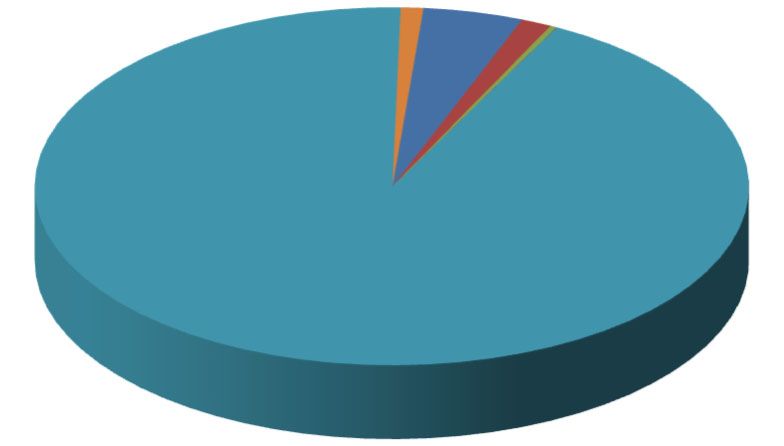
NYSERDA
 and Its Context

                                                                         INTRODUCTION
NYSERDA’S CHARGE
   Mission:

   Advance innovative energy
   solutions in ways that improve
   New York’s economy and
   environment.
   Vision:

   Serve as a catalyst — advancing
   energy innovation, technology,
   and investment; transforming
   New York’s economy; and
   empowering people to choose
   clean and efficient energy as
   part of their everyday lives.
NYSERDA develops markets for clean energy, supports technology
development, and provides financing—all in support of transforming the
energy system to enable economic growth and reduce greenhouse gas
emissions, while building sustainable communities.

                                                                               3
As co-chair of the
                                                                State’s Climate
                                                                Action Council,
                                                                NYSERDA plays
    STATE POLICIES AND                                          a critical role
    COMMITMENTS THAT STEER
    NYSERDA’S WORK
                                                                in charting the
    New York — a founding member of organizations like          direction of
    the Regional Greenhouse Gas Initiative (RGGI) and
    the U.S. Climate Alliance — aims to meet the energy-
    related challenges posed by climate change. Governor
                                                                New York’s
    Cuomo’s Green New Deal, the most aggressive climate
    and clean energy initiative in the nation, sets New York
                                                                energy policies.
    on a path for a just transition to clean energy, spurring
    the growth of the green economy while prioritizing the
    needs of low- to moderate-income New Yorkers.

4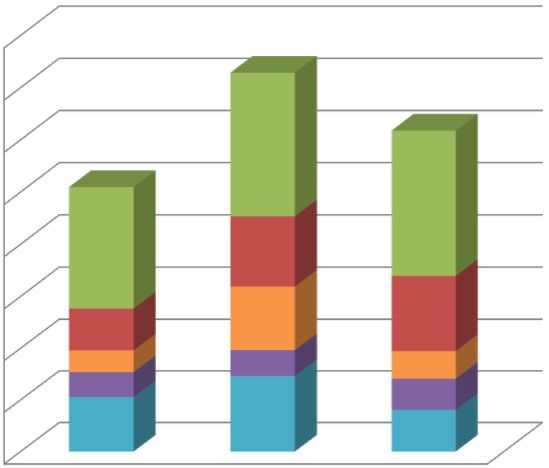
NYSERDA’S ROLE
As New York’s clean energy and innovation agency, NYSERDA leads the way in
implementing the State’s nation-leading clean energy policy and actions, delivering
a cleaner, healthier, and more prosperous future for all New Yorkers.
NYSERDA is on the front lines of a global energy transition, bringing energy expertise to the
challenges of fighting climate change and accelerating the pace to a clean energy future.
NYSERDA works to foster the transformation of markets, pushing them to accurately
value clean energy, energy efficiency, and resilience — while encouraging competition
and innovation that delivers value to consumers. NYSERDA focuses on:
  ■■   De-risking transitions from technological and business model innovation
       to broad commercialization.
  ■■   Reducing hard and soft costs of stimulating clean energy development
       by coordinating demand and focusing the efforts of key stakeholders,
       as well as by supporting technological innovation.
  ■■   Instilling confidence in markets and consumers through information,
       credible analysis, and education.
  ■■   Increasing market participants’ access to capital on commercial terms
       by creating attractive precedents and standardizing approaches
       that capital providers can readily replicate and scale up.
  ■■   Providing targeted financial support where up-front costs present a
       persistent barrier, such as for low- to moderate-income consumers.
  ■■   Fostering investigation of and capacity to undertake ambitious measures
       for the long-term.

                                                                                                5
POLICY FRAMEWORK
                                            The landscape and policy framework surrounding NYSERDA’s work has
                                            changed rapidly over the past year. Key drivers of change include:
                                              ■■   Passage of New York’s Climate Leadership and Community
                                                   Protection Act (CLCPA). Governor Cuomo signed the CLCPA into
                                                   law on July 18, 2019, dramatically raising the bar for the level of
                                                   ambition that New York State needs to achieve.
                                                     ⊲⊲ Existing policies have been expanded or accelerated.

                                                     ⊲⊲ Initiatives and objectives are now in statute.

                                              ■■   CLCPA places substantially increased focus and priority on:
                                                    ⊲⊲ Increasing access to (and benefits from) clean energy for

                                                       disadvantaged communities and low-income consumers.
                                                    ⊲⊲ Creating quality jobs in the green economy and ensuring a
    NYC Climate                                        “just transition” and protecting ordinary workers as our
    Mobilization Act                                   economy shifts to more sustainable production.
                                                    ⊲⊲ Sectors of the economy that require deeper decarbonization
    The NYC Climate Mobilization Act
                                                       (e.g. transportation, buildings).
    is a package of bills which represent
    a path for NYC to reach carbon            ■■   Bold action at the local level, particularly the Climate Mobilization Act
    neutrality by 2050.                            in New York City (NYC), requires unprecedented coordination between
                                                   the State and local government.
    The centerpiece of the law is Local
    Law 97, which requires buildings
                                              ■■   The transition from dependence on natural gas to clean energy is
    over 25,000 square feet to cut                 being actively debated in light of new CLCPA requirements and
    climate emissions 40% by 2030.                 on-the-ground supply/demand realities.
                                              ■■   Under New Efficiency New York, utility investment in energy efficiency
    This requirement covers
                                                   will increase substantially over the next few years — coupled
    approximately 50,000 existing
                                                   with short timelines for achieving targets, the imperative to align
    residential and commercial
                                                   NYSERDA’s role and the role of utilities has never been higher.
    buildings and nearly 60 percent
    of the city’s building area –             ■■   The transportation sector contributes the most emissions by
    3.15 billion square feet.                      category across New York State (36% in 2016); making deep
                                                   in-roads in this sector will require a comprehensive strategy on
                                                   decarbonizing transportation.
                                              ■■   Weather events are increasing in frequency and severity, and energy
                                                   infrastructure will increasingly come under strain.
                                                     ⊲⊲ Need to pivot our thinking to make sure we are building clean

                                                        energy infrastructure that will adapt to changing conditions.
                                            These new drivers of change build upon ongoing challenges and priorities
                                            that have not changed and must continue as core areas of focus:
                                              ■■   Aging energy infrastructure and large pre-existing built environment.
                                              ■■   Need to ensure energy affordability for all New Yorkers as
                                                   energy system changes are implemented.
                                              ■■   Need to leverage market activity and private capital to achieve
                                                   aggressive policy goals.
                                              ■■   Need to continue building public support for difficult systematic
                                                   changes such as expanding support for large-scale projects and
                                                   changing consumer behavior over time.
                                            NYSERDA needs to align policy and program offerings to these
                                            new considerations, including the key strategies and policies
                                            outlined on the next page.

6
Climate Leadership and Community Protection Act
affirms Governor Cuomo’s Green New Deal’s nation leading clean energy targets,
while calling for an orderly and just transition to clean energy that creates jobs and
continues fostering a green economy — 35% of clean energy and energy efficiency
investments will benefit disadvantaged communities
State Energy Plan Clean Energy Standard
quadrennial interagency policy designed to transform the generation
coordination effort that steers of electricity to carbon-free and
energy policy renewable resources
Clean Energy Fund New Efficiency: New York
$5 billion fund for four key comprehensive set of strategies for
program portfolios: delivering energy efficiency gains
> Market Development
> NY-Sun
> NY Green Bank
U.S. Climate Alliance
> Innovation & Research
bipartisan coalition of 24 states and
Puerto Rico committed to achieving
the goals of the Paris Agreement
Charge NY
transportation emissions reductions
through build-out of electric vehicles
market and infrastructure
Regional Greenhouse Gas
Initiative (RGGI)
a cooperative effort among several
states to cap and reduce CO2
Executive Order 166 emissions from power plants
calls on all State agencies to “lead by
example” and realize GHG emissions
reductions through their operations
and programs
7Mission Outcomes
and Strategic Focus Areas
for 2020-2023
NYSERDA’s primary mission outcomes are presented in the following pages. For each outcome,
NYSERDA strategies over the planning horizon are presented along with a summary of NYSERDA’s
unique role in delivering on the critical outcome. Indicators of progress are also presented to
ensure that movement in the market and progress toward these goals can be tracked.
The mission outcomes that NYSERDA seeks to advance to support the energy
transformation in New York include:
CO2
GREENHOUSE GAS RENEWABLE ENERGY CLEAN ENERGY RESILIENT AND
EMISSIONS ENERGY EFFICIENCY ECONOMY DISTRIBUTED
REDUCTION ENERGY SYSTEM
These mission outcomes cover every aspect of our economy. Over the planning horizon,
NYSERDA will focus on the following strategic focus areas which are critical to achieving
our long-term energy and greenhouse gas emissions reduction goals:
BUILDING ENERGY DECARBONIZING ELECTRIFICATION
A RESILIENT AFFORDABILITY TRANSPORTATION OF BUILDINGS
ENERGY SYSTEM AND EQUITY
8Greenhouse Gas
Emissions Reduction
MISSION OUTCOME
STATE POLICY GOAL
FOR GREENHOUSE GAS (GHG) EMISSIONS REDUCTION
The CLCPA sets a greenhouse
gas reduction target of 40% by
2030 and 85% by 2050, each
below 1990 levels.
Hitting these targets will enable the State to advance economy wide
carbon neutrality. In other words, it would mean that New York is doing
its part to reduce the causes of climate change.
9Mission Outcome:
Greenhouse Gas CO2
Emissions Reduction
NYSERDA’S ROLE STRATEGIES FOR 2020–2023
Co-Chair Climate Action Council to ■■ Develop final Scoping Plan by 2023 to identify path to
craft roadmap of policies needed to achieve a 40% reduction by 2030 and 85% reduction
achieve goals in CLCPA. in GHG emissions by 2050.
Guide and facilitate the State Energy
■■ Develop and publish Carbon Neutral Buildings Roadmap.
Plan development and shape energy ■■ Develop and publish a Clean Transportation Roadmap.
policies throughout New York State. ■■ Educate policymakers and the public through information sharing
Identify and implement strategies for and connecting individual energy use to climate impacts.
energy sector emissions reductions. ■■ Advance New York’s climate leadership through support of the
Develop and track statewide State’s participation in the U.S. Climate Alliance.
greenhouse gas inventory. ■■ Advance solutions to drive emissions reductions in all areas
of New York’s economy — electricity, buildings, transportation
Facilitate State agencies’ efforts to
and beyond — and promote growth of beneficial electrification
Lead-by-Example.
technologies that meaningfully contribute to the State’s
emissions reduction goals.
■■ Help communities across New York implement their own
sustainability and clean energy goals, including coordinating
with NYC on Local Law 97.
INDICATORS
OF PROGRESS
■■ Levels and trends in greenhouse The CLCPA codified Governor
gas emissions from sources
statewide
Cuomo’s historic commitment
■■ Number of Clean Energy to transforming New York
Communities
■■ Progress on key metrics for State’s electricity sector to be
renewables, energy efficiency,
and beneficial electrification
100% carbon-free by 2040
(i.e., electric vehicles, and clean
heating and cooling)
10HIGHLIGHTED
2050 target: PROGRAMS AND
INITIATIVES
85% reduction Clean Energy Fund accelerates
the deployment of clean energy
from 1990 emissions
2050 target:baseline
85% reducon from 1990 solutions while driving economic
development
emissions baseline Regional Greenhouse Gas
280 Initiative (RGGI) assigns a price
Non-Fuel to power plant emissions and
262
260 directs revenue to clean energy
Buildings: Combustion
initiatives
240 236 Buildings: Electricity Charge NY reduces
transportation emissions through
Transportation: Electricity
220 build-out of electric vehicles
206 Transportation: Combustion market and infrastructure
200
Goal Carbon Neutral Buildings
+23% Roadmap will establish path to
180 achieve carbon neutral buildings
by mid-century, including interim
160 2030 milestones for various
MMT CO2e
142 building sectors
140
- 24% Clean Transportation
Roadmap will provide a
120
blueprint for actions to support
decarbonization of vehicular
100 traffic, including short- and
- 51% long-term goals for EV sales and
80 charging stations
Blue Ribbon Task Force on EVs
60
will be co-led by NYSERDA and
Professor M. Stanley Whittingham
40 35
+25% from Binghamton University to
identify technology and research
20
- 85% and development opportunities
reducon from
0 1990 for EVs
ns baseline 1990 2005 2016 2030 2050 Clean Energy Communities
recognizes and rewards
communities for implementing
Non-Fuel clean energy actions that save
taxpayer dollars, create jobs, and
Buildings: Combustion
improve the environment
Buildings: Electricity
Transportation: Electricity
Transportation: Combustion
% Goal
11New York State is the most carbon-efficient state in the
United States on a per capita basis and is well on its way
to achieving the level of emissions reduction outlined
under the Paris Agreement.
Source: U.S. Energy Information Administration, State Energy Data System and EIA calculations made for this analysis.
PER CAPITA ENERGY-RELATED CARBON DIOXIDE EMISSIONS (METRIC TONS)
0 20.0 40.0 60.0 80.0 100.0 120.0
Idaho
Florida
North Carolina
New Jersey
Maine Top ten most
Virginia
Nevada
Arizona
carbon-efficient
Hawaii
Georgia
states
Delaware Per Capita Energy-Related
South Carolina Carbon Dioxide Emissions (metric tons)
Michigan
Tennessee New York 8.3
Illinois
Colorado
California 9.2
Minnesota Rhode Island 9.2
Wisconsin
Oregon 9.3
Pennsylvania
South Dakota Massachusetts 9.4
Ohio Maryland 9.6
Utah
Missouri
Vermont 9.6
Arkansas Connecticut 9.6
Kansas
New Hampshire 10.3
Mississippi
New Mexico Washington 10.8
Iowa
Texas
Alabama
Oklahoma
Nebraska
Indiana
Kentucky
Montana
Louisiana
Alaska
West Virginia
North Dakota
Wyoming
12Renewable
Energy
MISSION OUTCOME
STATE POLICY GOAL
FOR RENEWABLE ENERGY
The CLCPA mandates that
at least 70% of New York’s
electricity come from renewable
energy sources such as wind
and solar by 2030.
Achievement of this mandate will move the State closer to achieving its
climate goals, improve air quality, and continue to broaden New Yorkers’
access to energy sources with low or no fuel costs. This clean electricity
system lays the groundwork for decarbonization of the transportation
and buildings sector through beneficial electrification.
13Mission Outcome:
Renewable Energy
NYSERDA’S ROLE STRATEGIES FOR 2020–2023
Facilitate market growth and ■■ Accelerate strategies and mechanisms to achieve the new
sustained markets for renewable 70% renewable goal, as part of the next generation of the
and zero-emission generation. Clean Energy Standard.
Reduce renewable soft costs
■■ Continue to expand cost effective and competitive solicitations
and barriers to deployment. for large-scale renewables, refining program rules to reflect
market conditions.
Build community support ■■ Continue issuing solicitations for offshore wind that spur competition
for renewables.
and cost reductions, including second solicitation for at least 1,000
Spur cost reductions MW in 2020, and build the supply chain in New York State.
through innovation. ■■ Develop strategies and mechanisms to achieve the 6,000 MW
Build supply chain and distributed solar goal by 2025, including strategies to serve
workforce capabilities. low-income communities and consumers.
Provide financing.
■■ Reduce soft costs and siting barriers by assisting local
governments, providing financing for new market models via
the NY Green Bank, addressing interconnection hurdles,
and building support statewide.
INDICATORS New York State continues to grow a strong pipeline of projects to meet
the 70x30 goal. As of November 30, 2019, there were approximately
OF PROGRESS
■■ MWh: progress toward target 35 GW of active renewable,
■■ MW and facilities (large-scale and
behind-the-meter) completed
renewable transmission, and
and in the pipeline storage projects in the NYISO
Solar, onshore, and offshore wind
interconnection queue.
■■
projects’ average capital cost and
timelines to develop and construct Additionally, there are currently 39 projects in the active Article 10
Queue, with three applications being approved in the last year,
indicating more of the pipeline is coming to fruition.
14HIGHLIGHTED
2030 Clean Energy PROGRAMS AND
INITIATIVES
Standard target: Community Solar makes solar
70% electricity affordable and accessible for all
New Yorkers
from renewable sources Solar for All makes subscriptions
to community solar projects
available at no cost for low
PROGRESS TOWARDS 70X30 GOAL income consumers
98,694 GWh to reach goal* Solar PV + Storage funds
* GWH required to meet goal is based on 2016 Clean Energy Standard Order deployment of solar with onsite
load projection for 2030 and is subject to change.
storage capacity
Large-Scale Renewables
100% supports the development of
dozens of large-scale renewable
energy projects
35,132 GWh Offshore Wind establishes
90% Expected Future significant, cost effective,
Renewable renewable generation source
Contributions
with promise of new industry in
70% RENEWABLE
80% LIPA Tier 1 and OSW New York
NYPA Tier 1
NYSERDA NY-Sun 18,674 GWh
70%
NYSERDA Tier 1 Renewable
Pipeline
NYSERDA OSW Under Contract
60%
Imports
50% 42,332 GWh
Existing
In-State Renewable
Baseline Generation
40% Generation
30%
20%
Non-Renewable
Generation
10%
0%
15The CLCPA ramps up renewable energy
goals, including:
QUADRUPLING NEW YORK’S OFFSHORE WIND TARGET TO
9,000 MW BY 2035
up from 2,400 MW by 2030
DOUBLING DISTRIBUTED SOLAR DEPLOYMENT TO
6,000 MW BY 2025
up from 3,000 MW by 2023
New York has awarded a total of approximately 6,000 megawatts of
new large-scale renewable energy contracts since March 2018 through
four separate solicitations — a globally significant advancement in
renewable energy in just two years. Collectively, these projects will provide
enough renewable energy to power more than two million households
and meet roughly 10% of New York’s electricity needs by 2025.
PSC PROCESS TO AMEND CLEAN ENERGY STANDARD
AS PER CLCPA
By June 30, 2021, PSC shall establish a program to require that:
■■ a minimum of 70% of statewide electricity be renewable by 2030.
■■ statewide electricity be zero carbon emission by 2040.
16Energy
Efficiency
MISSION OUTCOME
STATE POLICY GOAL
FOR ENERGY EFFICIENCY
New York set a 2025 statewide
energy efficiency target of 185
TBtu of cumulative site energy
savings relative to forecasted
energy consumption in 2025.
Hitting this target will mean achieving the energy efficiency goal set
in the 2015 State Energy Plan five years early and will deliver nearly
one-third of the greenhouse gas emissions reduction needed to
meet New York’s interim 40x30 climate goal, a necessary milestone
in reaching the 85% reduction in GHG emissions by 2050 goal in the
CLCPA. Also, energy efficiency through electrification of heating load
will put New York’s building sector on a course to carbon neutrality.
17Mission Outcome:
Energy Efficiency
NYSERDA’S ROLE STRATEGIES FOR 2020–2023
Develop and manage programs to ■■ Develop a robust portfolio of programs for low-income consumers
eliminate barriers and increase adoption and disadvantaged communities, in coordination with utilities.
of energy efficiency, providing financial ■■ Develop a roadmap for a statewide carbon neutral building stock
and technical assistance to solution which incorporates deep efficiency, more efficient heating and
providers and consumers, including cooling technologies, and grid-connected capability.
low-income consumers. ■■ Drive deeper levels of efficiency and carbon savings in buildings
Develop and demonstrate strategies using a variety of strategies including peer-based challenges,
to achieve deep energy savings. support of long-term energy planning within the capital
improvement cycle, and development and demonstration of new
Provide technical assistance through
solutions to deliver higher performing/healthier buildings.
energy codes and appliance standards
to improve energy efficiency across ■■ In partnership with utilities, launch a comprehensive building
the State. electrification initiative with consumer incentives and market
support to move New York toward all-electric homes and buildings
Provide financing for energy efficiency and accelerate transition away from natural gas and fossil fuel.
market participants.
■■ Provide support for consumers in gas constrained areas of
New York by providing information and assistance to adopt energy
efficiency and clean heating solutions.
■■ Increase consumer awareness and provide decision-quality
information on energy efficiency opportunities for building owners
and tenants — capitalizing on key points in a building life cycle
INDICATORS (e.g., tenant turnover, major renovations, property transfer).
OF PROGRESS ■■ Advance applications of “Intelligent Efficiency” — using sensors,
■■ Avoided energy use: natural gas, improved analytics, communications, and streamlined M&V.
electricity, and combined total in Btu ■■ Leverage comparative data and information through strategies
■■ New York State’s Clean Energy such as building benchmarking and labeling to drive consumer
Dashboard, found here: adoption of energy efficiency.
rev.ny.gov/cleanenergydashboard ■■ Support statewide improvement in energy efficiency through
improved appliance standards and adoption of advanced
building codes, with a goal of establishing a statewide mandatory
net zero-carbon building code by 2031.
2025 energy efficiency targets will reduce energy
consumption by the equivalent of 1.8 million homes
annually and create as many as 50,000 new jobs
18HIGHLIGHTED
2025 target: PROGRAMS AND
INITIATIVES
185 TBtu Healthy Homes Pilot with
of onsite energy savings*
Department of Health to
integrate health services
with home energy efficiency
improvements and safety
measures
200 TBtu
Utility‐Leveraged LMI Zero Energy Modular
EE Investment Homes to develop the market for
high efficiency modular homes
Statewide
Benchmarking Home Comfort to develop
standardized envelope solutions
Accelerated
NYS Product
Stretch Codes to improve energy performance
Standards
and make homes heat pump
NYPA: Accelerated
EO166:
Southeast NY
ready
Accelerated
150 TBtu Gov. Buildings
Lead‐by‐ Buildings of Excellence
Example NYSERDA CEF: competition for creation of net
Indirect Savings zero multifamily buildings
NYSERDA CEF: New Construction to support
Direct Savings Net Zero Residential and
Commercial buildings
Commercial Tenant program
to improve interior office and
100 TBtu leased spaces through design,
Utility Demos, NWAs,
and New EE Programs proactive maintenance and
operations, and actionable plans
to reduce energy consumption
Utility ETIPs
Empire Building Challenge
to demonstrate scalable
and replicable solutions for
high profile commercial and
LIPA multifamily buildings
50 TBtu NYPA: LED
Streetlights HCR: WAP and
Affordable Housing
NYPA:
Southeast NY E088:Lead‐by‐Example Public Service Commission
Government Orders on New Efficiency
Buildings EEPS: Utilities
and NYSERDA New York more than doubled
utility investment in
Base Codes energy efficiency. Through
& Standards
0 2025, New York State will
Portfolio Activities invest over $6.8 Billion in
energy efficiency, leveraging
* Graphic does not reflect roughly 15 TBtu of overlap between policies utilities and NYSERDA.
19Clean Energy
Economy
STATE POLICY GOAL
FOR THE CLEAN ENERGY ECONOMY
As a direct outgrowth of
New York’s efforts to transform
its energy system and reduce
its GHG emissions, the State has
developed a large and growing
green economy.
With nearly 159,000 clean energy jobs across the State and 8.9% job
growth since 2016 — double the statewide job growth average —
New York’s nation-leading climate policies are driving investment and
job-creation in clean energy solutions like wind, solar, energy efficiency,
and energy storage. Despite additional growth projected in the near-term
(our jobs report forecasts more than 170,000 jobs for next year), NYSERDA
and fellow agencies will need to continue to grow this workforce to ensure
that companies have access to necessary skilled labor, especially in
emerging sectors like clean heating and cooling.
20MISSION OUTCOME
Achieving the CLCPA’s nation-leading goals will mean not only expanded
deployment of existing technologies, but also substantial investment in the
State’s clean energy innovation economy to develop entirely new solutions
for a low-carbon future. New York’s ecosystem of start-ups will develop
these technology and business-model solutions for demonstration and use
in New York, as well as for export to markets across the globe.
NYSERDA will leverage this demand for new solutions in New York to
attract clean energy companies from all ends of the supply chain looking
to serve the growing local market, solidifying and expanding New York’s
status as a hub for companies developing and deploying innovative
solutions on a global scale. To help expedite this vision for a clean energy
economy, the State is placing new focus on proactive and purposeful
cross-agency collaboration to attract clean energy manufacturing and
supply chain companies to invest and locate in New York State.
NYSERDA will seek to unlock and mobilize private capital to further build,
finance, and grow this clean energy economy. All these efforts will seek
to create new economic opportunity and quality jobs for New Yorkers,
including those New Yorkers who have been historically disadvantaged
and who may be affected by the transition away from fossil fuels.
21Mission Outcome:
Clean Energy
Economy
NYSERDA’S ROLE STRATEGIES FOR 2020–2023
Address barriers to mobilization of NY Green Bank
private capital and financing for clean ■■ Invest in clean energy and sustainable infrastructure, including in
energy projects. support of priority energy efficiency and energy storage initiatives.
Foster capital attraction and support
■■ Begin deploying $100m in EV-related financing, as announced
commercialization of products and in 2020 State of the State.
services from clean energy startups, as ■■ Continue efforts to raise at least $1 billion in private capital.
well as innovative utility rate structures. ■■ Continue issuing targeted RFPs and organizing convenings in
Unlock new job growth, such as strategic areas to grow the clean energy investment pipeline.
offshore wind port infrastructure
Innovation
investments and competitions for deep ■■ Support development of innovative solutions to electrify and
commercial building retrofits.
reduce the heating and cooling loads of buildings through
Provide workforce development advanced heating & cooling solutions and advanced building
programs to develop the human cladding, including phase change materials, and healthy,
resources needed to build the clean pollutant-free insulation.
energy economy, support a just ■■ Develop advanced EV-enabling technologies and smart
transition for historically disadvantaged mobility solutions to reduce GHGs and air pollutants harmful to
populations and industries affected by human health.
the transition away from fossil fuels, and
support host communities with a site
■■ Support integrated grid planning to enable connected buildings,
reuse toolkit and consulting assistance. electric vehicles, and other grid edge, including developing the
technology and equipment that can enable grid interactivity, as
well innovative utility rate structures and tariffs that will drive end
users to buy and implement the technology.
■■ Lead National Offshore Wind R&D Consortium.
INDICATORS ■■ Co-lead Blue Ribbon Task Force on EVs with Professor Whittingham.
OF PROGRESS Workforce Development
■■ Ensure that individuals working in conventional energy industries
■■ Clean energy jobs
are provided with training and opportunities in the growing clean
■■ Commercialized solutions to energy economy.
building electrification needs
■■ Ensure training curricula and programmatic support respond to
and related revenues
industry needs.
■■ Launch of incubated firms
■■ Provide targeted support to offset risks that might prevent
■■ “Mobilization ratio” of total capital clean energy firms from hiring or training.
to NY Green Bank capital
■■ Deploy additional $40m announced in 2020 State of the State to
train 40,000 workers over the next five years.
■■ Support launch of $20m Offshore Wind Training Institute and
establishment of SUNY partnerships to meet industry ramp-up.
22NYSERDA’S ROLE: SUPPORT BY STAGE HIGHLIGHTED
PROGRAMS AND
INITIATIVES
0
PHASE
Startup Formation
■■ Proof-of-Concept Centers
NY Green Bank works with
the private sector to increase
investments into New York’s
clean energy markets
Innovation supports companies
involved in sustainability and
Achieve Proof-of-Concept reducing energy usage and
1
■■ Proof-of-Concept Centers carbon emissions, with a focus
■■ Incubators on those conducting applied
PHASE ■■ Entrepreneurs-in-Residence research through Series B, with
a suite of strategically located
■■ Research, Development, and Demonstration
resources
Grants and Collaboration
Workforce Development
supports training for building
Develop and Market Test management staff; on-the-job
2
■■ Proof-of-Concept Centers training for new clean energy
■■ Incubators workers; and clean energy sector
PHASE ■■ Ignition Grants talent pipeline
■■ Entrepreneurs-in-Residence
■■ Co-Investment Fund
■■ Research, Development, and Demonstration
Grants and Collaboration
Commercialize
3
■■ Incubators
■■ Ignition Grants
PHASE
■■ Manufacturing Corps
■■ Entrepreneurs-in-Residence New York’s
NYS Cleantech Venture Exchange
clean energy
■■
■■ Co-Investment Fund
■■ 76West industry is
■■ Research, Development, and
Demonstration Grants and Collaboration already one
of the fastest-
4
Launch at Scale
■■ Manufacturing Corps growing
Entrepreneurs-in-Residence
PHASE
■■
■■ NYS Cleantech Venture Exchange sectors in
■■
■■
Co-Investment Fund
76West
New York’s
■■ Business Model Innovation economy
■■ Research, Development, and
Demonstration Grants and
Collaboration
23CLEAN ENERGY JOBS ACROSS TECHNOLOGY CATEGORIES, 2016–2018
Source 2019 Clean Energy Industry Report
2019
New York
Clean Energy
Industry
Report
i
170,961
158,744
151,824
145,777
180,000
160,000 2,151
1,590 8,624
1,412 7,881 2,654
140,000 8,409 2,950
2,965 22,023
22,064
120,000 22,409
100,000
80,000
60,000 110,582 117,339 123,292
40,000
20,000
0
2016 2017 2018 2019 Projected
Energy Efficiency Renewable Electric Power Generation
Alternative Transportation Renewable Fuels
Grid Storage and Modernization Projected Jobs
24Resilient and
Distributed Energy
MISSION OUTCOME
System
STATE POLICY GOAL
FOR THE ENERGY SYSTEM
New York State aims to
modernize the electric grid in
ways that improve resilience
to disruption, enable greater
flexibility, reduce costs, and
support the integration of
higher volumes of distributed
and renewable energy
resources.
These goals stand on their own but are also critical sources of system
stability as New York progresses toward its 70x30 renewables target and
addresses climate-driven and other hazards to energy system functions.
25Mission Outcome:
Resilient and
Distributed Energy
System
NYSERDA’S ROLE STRATEGIES FOR 2020–2023
Ensure resiliency is factored into ■■ Incorporate resilience considerations into NYSERDA
State programs and investment programs, to ensure that investments are protected
in clean energy infrastructure. against future climate impacts.
Spur development and integration of
■■ Maximize renewable energy content in resiliency
smart grid technologies. solutions, including pairing renewables, storage and
Distributed Energy Resources (DER) for on-site resiliency.
Provide information and insight about ■■ Explore cost reductions through smart grid technologies.
distributed energy resource integration
for policymakers and stakeholders. ■■ Continue to support research and development activities
for the State that strengthen our analytical understanding
of the energy system in transition and the environmental
benefits and impacts that such changes will bring to ensure
promotion of robust, well-informed policy measures.
■■ Promote localization of workforce development and economic
benefit opportunities to strengthen socio-economic resiliency
INDICATORS in our State’s transition to the CLCPA goal, particularly in
OF PROGRESS low-income and disadvantaged communities.
■■ Progress toward storage
deployment goal 3,000 megawatts HIGHLIGHTED PROGRAMS
by 2030
Future Grid Challenge helps solve technical challenges utilities
■■ Solutions to grid challenges face with energy transmission and distribution when integrating
developed renewable energy resources
Energy Storage engages those involved in building, installing,
integrating, or researching energy storage technology
Fuel NY makes fueling stations resilient to power system outages
2627
STRATEGIC FOCUS AREA

                       Building
                       a Resilient
                       Energy System
                       LONG-TERM VISION AND VALUE PROPOSITION

                         With billions of dollars
                         committed to the clean energy
                         sector, the State’s transition
                         to a carbon-free economy
                         needs to be done in a resilient,
                         sustainable manner that
                         anticipates the long-term
                         impacts associated with
                         climate change.

      28
KEY CHALLENGES/BARRIERS NYSERDA KEY ACTIONS FOR 2020-2023
■■ Climate change is expected to have ■■ Incorporate resiliency provisions into PV, offshore wind, and
a diverse range of impacts across large-scale renewables in order to ensure the investments are
New York State within this century— protected against future climate impacts. This will include working
increased temperatures, sea level rise, with the New York State offshore wind regulatory working group
and increased frequency of extreme to ensure that offshore wind projects are designed and permitted
events such as heat waves, heavy in a way that considers climate resilience (e.g. substation
downpours, and coastal flooding— upgrades, cable burial depths), as well as assessing opportunities
requiring strategies that allow systems to better direct large scale renewables siting to areas that
to adapt to future climate conditions.1 present lower land-use and ecosystem conflicts and greater
■■ Climate resilience is an emerging area of grid resiliency benefits.
study within clean energy; approaches ■■ Develop a framework and toolkit for deployment across other
and methods to bolster resilience in clean NYSERDA infrastructure investments to incorporate resilience
energy programs need to be developed. into decision-making processes.
■■ A balance needs to be struck in ■■ Accelerate adoption of the resilience framework and
optimizing for maximum resilience consideration for initiatives with near-term structural decisions
benefit without impeding clean such as the CEF, CES and NY-Sun filings with the Department of
energy deployment. Public Service.
■■ Difficulty quantifying the full value ■■ Address siting in high-risk locations (e.g., future flood zones)
of resilience. and develop guidance for programs such as NY-Sun, Energy
Storage, Large-Scale Renewables, and New Construction
through provision of information and, where necessary, enhanced
technical requirements.
■■ Explore passive survivability (i.e., the ability of a building to
maintain critical life-support conditions during a loss of power) to
better understand the role of deep efficiency in increasing the
PRIORITY ACTIONS ability of building occupants to weather power outages.
FOR NEW YORK ■■ Identify and articulate the resiliency co-benefits of energy
efficiency and clean energy measures (e.g., passive
■■ Improve the State’s resilience to
survivability) to increase market adoption of these measures by
the impacts of climate change,
demonstrating the multiple benefits to the customer.
including both physical assets and
the populations they serve. ■■ Explore strategies that maximize resiliency benefits from
on-site energy storage and renewable technologies during grid
■■ Exercise a global leadership role
outages and extreme weather events
on both GHG mitigation and climate
change adaptation. ■■ Explore strategies to better understand the vulnerability of and
increase the resiliency of beneficial electrification and clean
■■ Protect low-income and disadvantaged
heating systems.
communities from the impacts of climate
change and severe weather events.
■■ Assess the risks of climate change
on proposed energy infrastructure
projects in the State.
1
nyserda.ny.gov/ClimAID
29STRATEGIC FOCUS AREA
Energy
Affordability
and Equity
LONG-TERM VISION AND VALUE PROPOSITION
With the signing of the CLCPA,
equity in climate outcomes for
disadvantaged communities is a
co-equal objective to achieving
emissions reductions.
The adoption of clean energy solutions can drive long-term energy
affordability impacts and improve the health and safety of residents.
As the clean energy economy continues to develop, NYSERDA
will work with other State agencies, utilities, industry, and communities to
identify solutions to scale the adoption of clean energy technologies and
ensure access to clean energy solutions for low- to moderate-income
(LMI) residents and disadvantaged communities.
30KEY CHALLENGES/BARRIERS NYSERDA KEY ACTIONS FOR 2020-2023
■■ 48% of New Yorkers are low- and ■■ Carry out CLCPA requirements in coordination with the
moderate-income consumers who on- Climate Action Council and associated working groups.
average face significant energy burdens. ■■ Implement a statewide LMI portfolio with the investor-owned
■■ Access to capital, split incentives, utilities that increases the impact of ratepayer-funded
and fragmented administration of key LMI initiatives.
programs present barriers to scaling ■■ Invest in development of replicable models for achieving a
adoption of clean energy solutions
healthier built environment and carbon neutrality in LMI and
in the LMI market segment.
otherwise disadvantaged communities.
■■ Size of income-eligible/disadvantaged ■■ Identify scalable models for adoption of heat pump solutions/
population requires innovative
beneficial electrification in the LMI market segment.
approaches to achieve scale.
■■ Invest in the development of carbon neutral and zero energy
modular new construction as an alternative to traditional
manufactured housing and an option for urban infill applications.
■■ Provide targeted clean energy job opportunities and training
for priority populations to support a just transition, along with
PRIORITY ACTIONS support and resources for host communities navigating power
FOR NEW YORK plant retirement.
■■ Improve community-level outreach and engagement to
■■ Align State resources and strategy to
increase access to clean energy solutions and improve
increase public investment in energy
energy literacy.
affordability and access.
■■ Expand reach of energy efficiency
and weatherization programs.
■■ Leverage regulatory, policy, and
financing mechanisms to increase
adoption of clean energy solutions
in affordable housing.
Provide opportunities
for under- or unemployed
■■
individuals to access
■■ clean energy job opportunities.
■■ Introduce energy storage and on-site
generation as a measure to provide
resilience in disadvantaged communities.
■■ Advance equity in clean transportation.
Expand access to solar
for LMI households, communities,
■■
and affordable housing.
■■ Improve transparency and accountability
to stakeholder input; increase
participation of community members
in decision making. Quantify and maximize health
and other non-energy benefits
associated with clean energy
improvements in LMI communities.
31STRATEGIC FOCUS AREA
Decarbonizing
Transportation
LONG-TERM VISION AND VALUE PROPOSITION
The transportation sector is the
largest source of greenhouse
gas emissions in New York.
Achieving New York’s emissions reduction goals will require widespread
shifts to zero-emission vehicles paired with an expansion of the
availability and use of efficient transportation modes, like public transit,
biking, and walking. By identifying new market opportunities and
facilitating the adoption of new technologies, strategies, and policies,
NYSERDA can make electric vehicles and other clean transportation
options more affordable, accessible, and widely available across
New York State.
32KEY CHALLENGES/BARRIERS NYSERDA KEY ACTIONS FOR 2020-2023
■■ Federal rollback of fuel economy ■■ Develop clean transportation roadmap to identify
standards, California waiver. market needs and policies to meet them.
■■ High price differential between EVs and ■■ Co-lead Blue Ribbon Task Force on EVs with Professor
gasoline/diesel vehicles, lack of vehicle Whittingham of Binghamton University, as announced in
models available. Governor Cuomo’s 2020 State of the State address.
■■ Low consumer awareness and acceptance ■■ Continue flagship Charge NY incentive programs and expand
of EVs, especially among LMI customers. their reach to more LMI customers.
■■ Lack of solutions for minimizing grid ■■ Support new product development and innovative
impacts of fast charging and maximizing demonstrations of clean transportation technologies
grid benefits through off-peak charging. and services.
■■ Slow expansion of new mobility services ■■ Initiate mobility competition to support new, integrated
and technologies beyond major urban mobility options in small- and medium-sized cities.
centers due to resource constraints, lack ■■ Work with NY Green Bank and private sector partners to
of documented benefits. expand financing options for new transportation products
■■ Lack of public transit service outside NYC, and services, begin deploying $100m in EV-related financing
stress on the public transit system in NYC. as announced in 2020 State of the State.
■■ Support efforts by community-based groups to engage
and educate consumers about EVs and other clean
transportation options.
PRIORITY ACTIONS KEY ELEMENTS POLICY EXAMPLES
FOR NEW YORK
Transport Demand Management
■■ Develop comprehensive transportation AVOID
strategy to achieve goals of CLCPA.
Avoid and reduce
■■ Continue working with CA and other
the need for
states to protect ZEV mandate. Urban Public Transportation
motorized travel
■■ Develop new strategies and financing
opportunities for vehicle electrification
and smart mobility solutions.
Railways
■■ Expand charging infrastructure to support
growing number of EVs on the road while SHIFT
minimizing impacts and costs for the Shift to more
electric grid. Walking and Cycling
environmentally
■■ Engage partners to increase consumer friendly modes
awareness and acceptance of EVs.
■■ Increase availability of clean mobility New Mobility Services
options and transportation modes —
transit, biking, walking, and shared
mobility — across urban, suburban, and IMPROVE Fuel Economy
rural settings, with particular focus on Improve energy
disadvantaged populations. efficiency of
■■ Explore and institute market-based transport modes Electric Mobility
mechanisms for reducing transportation
sector GHG emissions to support broader
investment in clean transportation choices. Renewable Energy
33STRATEGIC FOCUS AREA
Electrification
of Buildings
LONG-TERM VISION AND VALUE PROPOSITION
New York State will be investing over
$450 million in heat pump incentives
through utilities and over $200 million
in market enabling support through
NYSERDA.
Achieving New York’s aggressive emissions reduction goals will require
a complete transformation in how New Yorkers heat and cool buildings, moving from fossil
fuel-based systems to all-electric clean energy homes and buildings.
This new initiative, called NY-Clean Heat, will pair consumer incentives with market-
enabling initiatives to deliver electrification solutions to New Yorkers.
By increasing the adoption of cutting-edge clean energy technologies such as air source
and ground source heat pumps, building electrification will become a critical component
of the transition to a carbon-neutral economy as directed by the CLCPA. The initiative will
transform the marketplace for heating in New York, and initial activities will be designed
to grow the clean heat installer market and deliver a 20% reduction in installation cost
by 2025, putting New York at the center of the regional market for these technologies in
the Northeast.
These efforts will also specifically seek to grow New York’s green economy by
incorporating efforts to attract global supply chain investments in this new and significant
market for the industry. The building electrification initiative will also prioritize investments
in and support for low-income New Yorkers, improving energy affordability and health
outcomes, and advancing the objectives of the CLCPA.
34ESTIMATED GHG EMISSIONS FROM HEATING AND COOLING
AS A SHARE OF TOTAL NEW YORK STATE EMISSIONS IN 2016
Estimated GHG Emissions from Heating and Cooling as a
Share of Total New York State Emissions in 2016
Non-Energy
16% Heating,
Non-Energy Hea ting,
Ventilation, & Ventilation
Air Conditioning
16% & Ai r Condi tioning
Other Energy
27% 27%
3%
Other Energy
3%
-
Other Building
End Uses
Transportation
18%
Other Building End
Us es
18%
Tra ns portation
36% 36%
35KEY CHALLENGES/BARRIERS NYSERDA KEY ACTIONS FOR 2020-2023
■■ High costs to electrify systems ■■ Workforce development for building electrification and
compared to fossil fuel alternatives. energy efficiency — Increase pool of skilled labor and industry
■■ Lack of consumer awareness and partnerships to rapidly scale the nascent heat pump industry,
education about clean heating providing economic opportunity for New Yorkers, including by
and cooling options. making use of $40 million in workforce development funding
announced in 2020 State of the State.
■■ Shortage of qualified labor such as
installation and service technicians
■■ Beneficial Electrification for Low-and-Moderate Income (LMI)
needed to rapidly scale the market. Consumers — Support development of electrification solutions
that can benefit LMI consumers, addressing both affordability and
■■ Reluctance in the HVAC and general technical issues associated with the low-income building stock.
contractor communities in transitioning
their business and service models
■■ Consumer Awareness and Market Engagement for Clean Heat
away from fossil fuel systems. and Energy Efficiency — Ensure that New Yorkers are aware
of clean energy alternatives for heating and cooling homes
and businesses, while reducing energy waste. Build demand
and reduce customer acquisition costs for heat pumps and
energy efficiency.
■■ Clean Heat Community Engagement and Assistance —
Provide support to communities and local groups to stimulate
PRIORITY ACTIONS adoption of heat pumps along with building envelope solutions,
while leveraging local labor.
FOR NEW YORK
■■ Clean Thermal District System — Test and demonstrate
■■ Develop a long-term roadmap for
potentially scalable models for clean thermal district systems,
advancing all-electric clean homes and
using a NY-Prize style approach.
buildings in New York consistent with
the goals of a carbon-neutral economy. ■■ Clean Heat Supply Chain Development — Support
development activities to draw larger HVAC companies and
■■ Provide consumer incentives through
general contractors into the heat pump business and grow
New Efficiency New York to increase the
businesses that are selling/servicing heat pumps.
affordability of electrification solutions for
residents and businesses in New York ■■ Heat-Pump-Ready Buildings — Build markets for insulation and
while delivering 4.6 Trillion Btu of air sealing services to accompany new heat pump solutions, to
energy savings. reduce thermal load and peak energy demands and increase
home comfort.
■■ Build market capacity, expand product
availability, and drive cost reductions ■■ Energy Audits and Financing — Provide consumers with
in electrification solutions such as decision-quality information and financing options to enable
air source and ground source heat pumps. uptake of energy efficiency and heat pumps.
■■ Review natural gas policy structure to ■■ Innovations/Demonstration of Building Electrification
ensure that alternative heating solutions Solutions — Demonstrate heat pump technologies (and other
can compete on a level playing field. carbon-reducing solutions) in large commercial/multifamily
buildings — working with portfolio property owners to define
technical needs and performance specs, engaging manufactures
to deliver/tailor products to meet NY building needs, and
supporting cost-shared demonstration of solutions in New York.
In addition, support advanced technology development in key
areas related to electrification, including thermal storage.
■■ Identify Innovation/R&D Needs to achieve carbon
neutral buildings.
36INNOVATION OPPORTUNITIES — BUILDINGS
Zero Carbon Buildings
Clean Heating Reduced Transactive Added
& Cooling Load Energy Value
Integrated Systems Customizable Business Models Resiliency
Thermal Distribution Advanced Manufacturing Analytics, Data Fusion P2P Productivity, Health
and Storage and Automation and Comfort
Automation and Controls
Cold Climate Heat Pumps Innovative Materials Operational Efficiency
Renewable Thermal
NextGen Building Building Grid Non-Energy
HVAC Envelope Interaction Benefits
Significant Economical Buildings — Value
Potential for Alternative to Flexible, Value- Stacking
Energy and Building Out Generating Demonstration and
GHG Reductions Generation Resources quantification of
higher-value benefits
HVAC 70% Building-to-Grid (B2G)
enabling products
25% of New York State
buildings
and services
of total energy
built before
used in
Energy Code
New York State
36% 40-60%
reduction potential in
of New York State
thermal load
GHG emissions
37Funding
Commitments
FUNDING SOURCES
NYSERDA
Several funding sources
help NYSERDA advance the
State’s clean energy goals and
achieve the Authority’s mission.
NYSERDA invests these funds
in a fiscally responsible manner
that maximizes benefits to
New Yorkers, fills critical gaps,
and addresses the needs of
the market.
38Clean Energy Fund
Authorized by the Public Service Commission (PSC) and derived from an assessment on retail sales of
electricity by State utilities — it is comprised of four portfolios: Market Development, Innovation and Research,
NY-Sun, and NY Green Bank.
Clean Energy Standard
As authorized by the PSC, these funds are realized by NYSERDA through the sale of Tier 1 Renewable Energy
Credits (RECs), Offshore Wind Renewable Energy Credits (ORECs), and Zero Emission Credits (ZECs) as well as
receipt of Alternative Compliance Payments from New York’s Load Serving Entities (LSEs). Through PSC orders,
LSEs are obligated to meet annual compliance obligations for RECs, ORECs and ZECs. As needed, utility
financial backstop collections may be called upon to meet funding shortfalls.
Regional Greenhouse Gas Initiative (RGGI)
Derived from sale of carbon emission allowances as set forth in 6 NYCRR Part 242 and 21 NYCRR Part 507.
The amount of revenues available is dependent on the variable auction prices for the allowances. Per
requirements in 21 NYCRR 507, RGGI funds are used to advance energy efficiency, renewable energy, and
carbon abatement projects in New York State.
Other Funds
Includes sources provided by various sponsors used for specific purposes. Public funds are leveraged
considerably with private sector funding through NYSERDA programs.
GY D M
ER TE TE
ANTICIPATED COMMITMENTS AB
LE
S
GY CY S
NS S
IO ION N
EN Y
R I BU SYS
EW ER IEN IS T EA OM ST GY
(APRIL 1, 2020-MARCH 31, 2023) RE
N N
E FIC
EF
EM DUC
R E
CL ON
EC
DI ER
E N
INVESTMENT AREAS AND ESTIMATED 3-YEAR % OF NYSERDA MISSION OUTCOME(S)
PRIORITY INITIATIVES INVESTMENT LEVEL TOTAL ICONS INDICATE RELEVANCE FOR PLANNED FUNDING
Renewable and
$ 11,734,446,000 82%
CO2
Clean Energy
Market
$ 1,068,935,000 7%
CO2
Development
CO2
NY Green Bank $ 675,000,000 5%
Innovation and
$ 319,021,000 2%
CO2
Research
CO2
NY-Sun $ 298,692,000 2%
Energy Storage $ 159,894,000 1%
CO2
Total $ 14,255,988,000
39You can also read


