Accoya Performance Testing Summary
←
→
Page content transcription
If your browser does not render page correctly, please read the page content below
accoya                 ®

Performance Testing Summary

                              1
CO N T E N TS                  1   INTRODUCTION

1   Introduction           2
                                   A new way of thinking
                                   about wood
2   Durability             3

3   Termite resistance     8

4   Finish                12
                                   Accoya represents a revolution in modified wood, bringing
5   Certification         16
                                   new design possibilities for architects, manufacturers
6   Thermal and surface   20       and property owners.
7   Contact               24
                                   The benefits of Accoya mean           Accsys run an Approved
                                   that timber projects can now be       Manufacturer Training Programme
                                   designed with absolute confidence.    and we would encourage all
                                   Accoya is a highly proven product     manufacturers planning to use
                                   with testing from many different      Accoya to contact their distributor
                                   perspectives, on a worldwide basis.   or Accsys directly to arrange for this
                                   Many tests have been conducted        training programme. The Approved
                                   in real world conditions over         Manufacturer status also brings a
                                   many years.                           number of benefits which support
                                                                         market activity.
                                   This summary shows some
                                   of these results.

                                                                                                          Accoya® Performance Testing Summary | V4.0 | July 2020   2
CO N T E N TS 2 durability THIS TEST WAS
CON DU CTED BY:
1
2
Introduction
Durability
2
3
10 year durability
10 year durability 3 comparison
5 year decay test 4
Durability and Scion is a Crown research institute Decay rates of fungus cellar stakelets
Decay / insect damage rating system* Rating
strength test 5
that specialises in research, science [Index of condition] No decay or insect damage 10
15 & 20 year canal
lining test 6 and technology development for the Time [Years] Discolouration or trace of decay,
T
0 2 4 6 8 10 not positively identified as decay
20 year window forestry, wood product, wood-derived 10
Minor decay, 0.3% of the cross section
L-joint test 7 9
materials, and other biomaterial sectors. 8 Lightly established decay,
3 Termite resistance 8 8
Scion tested the durability of Accoya
Accoya®
3-10% of the cross section
Merbau
6
4 Finish 12 wood against other naturally durable CCA H4
Well established decay,
10-30% of the cross section
7
and preservative treated timbers.
CCA H3.2
4
5 Certification 16 Radiata pine Extensive and deep decay,
6
30-50% of the cross section
2
6 Thermal and surface 20 Deep and severe decay, more than
The rigorous tests run exposed timbers 50% of the cross section
4
7 Contact 24 0
in accelerated decay chambers and in exterior Failed 0
ground contact tests at the Whakarewarewa Decay rates of stakes [Index of condition]
site. The tests have run for 10 years and Time [Years]
show Accoya outperforming Teak, Merbau, 10
0 2 4 6 8 10
Cypress, Cedar and H3.2 (above ground,
uncoated horizontal) and H4 (in ground contact) 8
Accoya®
preservative (CCA) treated timbers, proving CCA H4
that Accoya has the highest possible
6
CCA H3.2
durability classification. 4
Teak
Cedar
Macrocarpa
2
0
*Based on ASTM D 1758
Accoya® Performance Testing Summary | V4.0 | July 2020 3
CO N T E N TS                  2   durability                                                                                                      THIS TEST WAS
                                                                                                                                                   CON DU CTED BY:

1

2
    Introduction

    Durability
                           2

                           3
                                   5-year decay test
    10 year durability     3
                                   Timber Products Inspection (USA), the largest accredited
    5 year decay test      4
                                   agency under ALSC for wood related auditing programs, have                     5 year decay rating (E18 ground proximity)
    Durability and
    strength test          5       performed decay tests of Accoya wood at their Gainesville (Fl)                 Time [Years]

                                   exposure site.
                                                                                                                   0             1   2     3        4          5
    15 & 20 year canal                                                                                       10

    lining test            6
                                                                                                             8
    20 year window
    L-joint test           7       Testing was done over a 5 year                                                                                                        Accoya®

                                                                                                                                                                         FEQ Teak
                                   field trial period according to AWPA                                      6
                                                                                                                                                                         African
3   Termite resistance     8       E7-09 in ground stake test and                                                                                                        Mahogany
                                                                                                             4

4   Finish                12       AWPA E18-06 ground proximity test.                                                                                                    Western
                                                                                                                                                                         red cedar

                                   The results show Accoya wood to                                           2                                                           Radiata pine
5   Certification         16       outperform high quality (FEQ)
6   Thermal and surface   20       teak, western red cedar and                                               0

                                   African mahogany.
7   Contact               24
                                                                                                                  5 year decay rating (E7 ground contact)
                                                                                                                  Time [Years]
                                                                                                                   0             1   2     3        4          5
                                                                                                             10

                                                                                                             8
                                                                                                                                                                         Accoya®

                                                                                                                                                                         FEQ Teak
                                                                                                             6
                                                                                                                                                                         African
                                                                                                                                                                         Mahogany
                                                                                                             4
                                                                                                                                                                         Western
                                                                                                                                                                         red cedar

                                                                                                             2                                                           Radiata pine

                                                                                                             0

                                   In Ground and Ground proximity testing, Gainesville, Florida
                                                                                                  Accoya® Performance Testing Summary | V4.0 | July 2020             4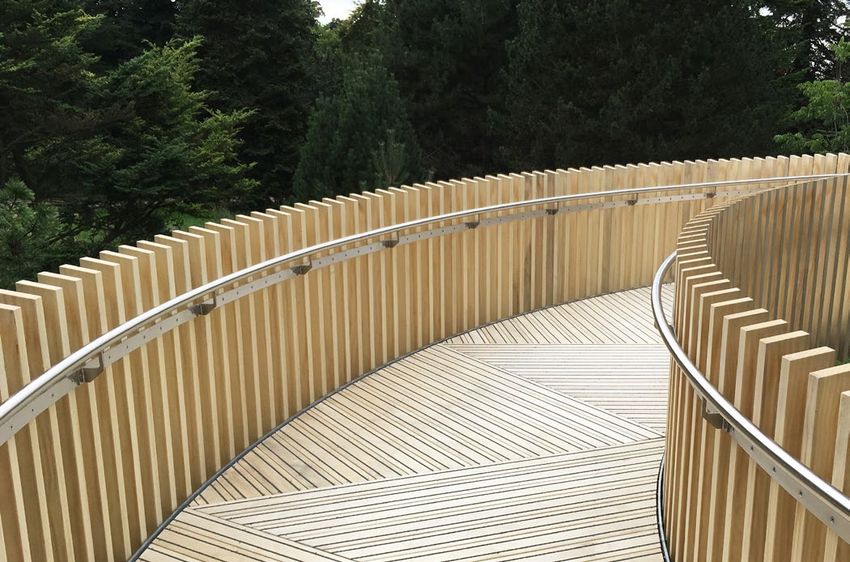
CO N T E N TS 2 durability THIS TEST WAS
CON DU CTED BY:
1
2
Introduction
Durability
2
3
Durability and strength test TPI conclusions Weight loss in decay test
125 25
10 year durability 3
Timber Products Inspection (USA) undertook a number of
5 year decay test 4 100 20
thorough and independent tests to analyse Accoya wood’s
Durability and
durability, stability and strength performance characteristics
75 15
strength test 5
15 & 20 year canal in accordance with the USA’s Window & Door Manufacturers 50 10
lining test 6 Association (WDMA) requirements.
Untreated
Radiata Pine
25 5
20 year window
L-joint test 7
[%]
[%]
0 0 Accoya®
MOR MOE
Trametes WML
Gloeophyllum
3 Termite resistance 8 Accoya wood outperformed The MOR and WML values (Modulus of (Modulus of fungus
versiculour (Work tofungus
trabeum
Rupture – ultimate Elasticity – maximum load)
Radiata Pine in accelerated decay of Accoya are slightly higher and bending strength) Young’s Modulus)
4 Finish 12
chambers highlighting its durability. the average MOE value of Accoya
5 Certification 16 The results showed that Accoya is slightly lower than that of TPI conclusions
wood had a very low weight loss untreated Radiata Pine unlike some
6 Thermal and surface 20 125
percentage for both brown rot wood modification techniques that
7 Contact 24 (Gloeophyllum trabeum) and white cause significant reductions 100
rot (Trametes versicolor) fungi in strength.
against such types of decay.
75
The tests proved that Accoya meets 50
TP also evaluated mechanical WDMA’s stringent rot resistance Untreated
Radiata Pine
properties. Overall, the properties requirements, which means it’s an
25
of Accoya are essentially the same ideal choice for windows and doors.
[%]
0 Accoya®
as those of the untreated (Radiata MOR MOE WML
(Modulus of (Modulus of (Work to
Pine) control. Rupture – ultimate Elasticity – maximum load)
bending strength) Young’s Modulus)
Accoya® Performance Testing Summary | V4.0 | July 2020 5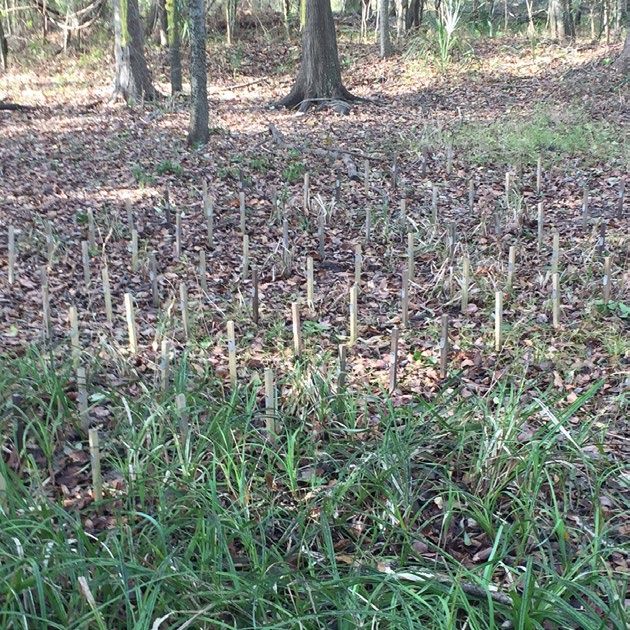
CO N T E N TS                  2   durability                                                                                                          THIS TEST WAS
                                                                                                                                                       CON DU CTED BY:

1

2
    Introduction

    Durability
                           2

                           3
                                   15 & 20 year canal lining test
    10 year durability     3
                                   Accoya wood’s high performance was proven with two Dutch project
    5 year decay test      4
                                   tests in the Flevopolder near Almere, one installed in 1995 and one
    Durability and
    strength test          5       in 2000. The SHR institute in the Netherlands originally set up the tests
    15 & 20 year canal             and made detailed inspections at respective 15 and 20 year exposure
    lining test            6       periods in 2015.
    20 year window
    L-joint test           7

3   Termite resistance     8
                                   These tests include acetylated       highlighting its class 1 durability
                                   wood alongside control wood,         status and reinforcing the 25-year
4   Finish                12       preservative treated wood and        ground and fresh water contact
5   Certification         16       hardwood species used as a canal     warranty. From these test results,
                                   lining (fresh water exposure).       SHR concludes that the durability
6   Thermal and surface   20       These canal bank conditions are      of acetylated wood in fresh water
7   Contact               24       particularly punishing, especially   applications competes with highly
                                   at the waterline, since the wood     durable hardwood species and
                                   is exposed to a combination of       professionally preserved wood.
                                   water, microbe rich soil and air
                                   (oxygen). Both trials show hardly
                                   any sign of rot, decay or fungal
                                   damage in acetylated wood –

                                                                                                                           Accoya wood                    Non-Accoya wood

                                                                                                        Accoya® Performance Testing Summary | V4.0 | July 2020           6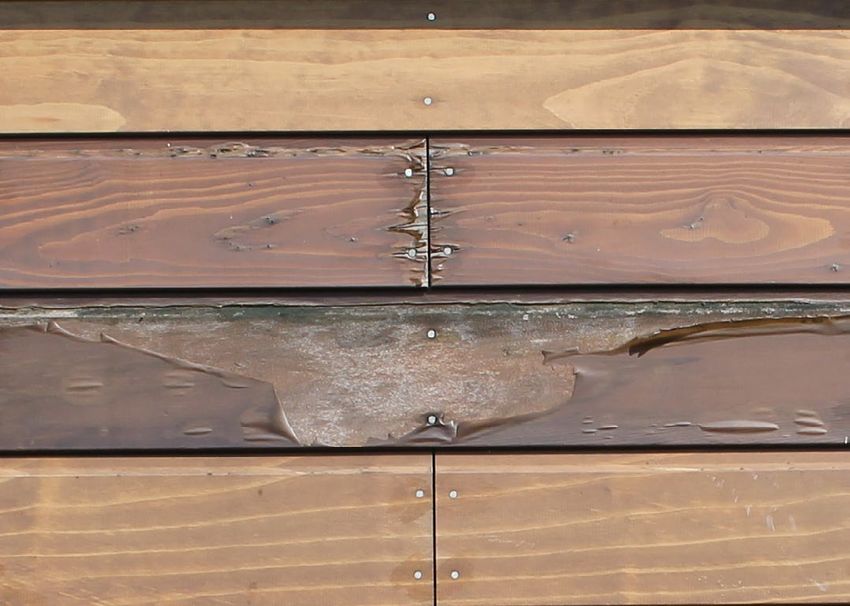
CO N T E N TS                  2   durability                                                                                                             THIS TEST WAS
                                                                                                                                                          CON DU CTED BY:

1

2
    Introduction

    Durability
                           2

                           3
                                   20 year window
    10 year durability     3       L-joint test
    5 year decay test      4
    Durability and                 BRE, with its main campus outside London UK is a
    strength test          5
                                   world leading, multi-disciplinary, building science centre
    15 & 20 year canal
    lining test            6       with a mission to improve buildings and infrastructure,
    20 year window                 through research and knowledge generation.
    L-joint test           7

3   Termite resistance     8       In durability field testing to         In February 1998, L-joints were
4   Finish                12       European Norm (EN) 330:1993            installed at the BRE Garston field
                                   – which parallels American Wood-       exposure site (Watford, UK) facing
5   Certification         16
                                   Preserver’s Association (AWPA)         the prevailing south westerly
6   Thermal and surface   20       E9 – simple mortice and tenon joints   weather on an elevated test rig.
                                   (L-joints) are assembled, coated       The acetylated L-joints used were
7   Contact               24
                                   and placed outside, with the coating   acetylated at the University of
                                   over the joint deliberately broken     Wales, Bangor, to a lower acetyl
                                   to allow water ingress that might      content than Accoya wood, and
                                   be encountered if a joint is open,     still performed significantly better
                                   damaged or poorly maintained.          than the treated wood, which were
                                   This test represents a worst           degraded completely in 2014.
                                   case scenario for joinery products                                                     The acetylated L-joints after 20 years of exposure
                                   and requires the coated wood           BRE concludes that Accoya wood
                                   to be exposed to normal                would exceed the biological reference
                                   environmental factors.                 value (brv) and would be deemed to
                                                                          provide sufficient protection for long
                                                                          life window joinery.

                                                                                                           Accoya® Performance Testing Summary | V4.0 | July 2020           7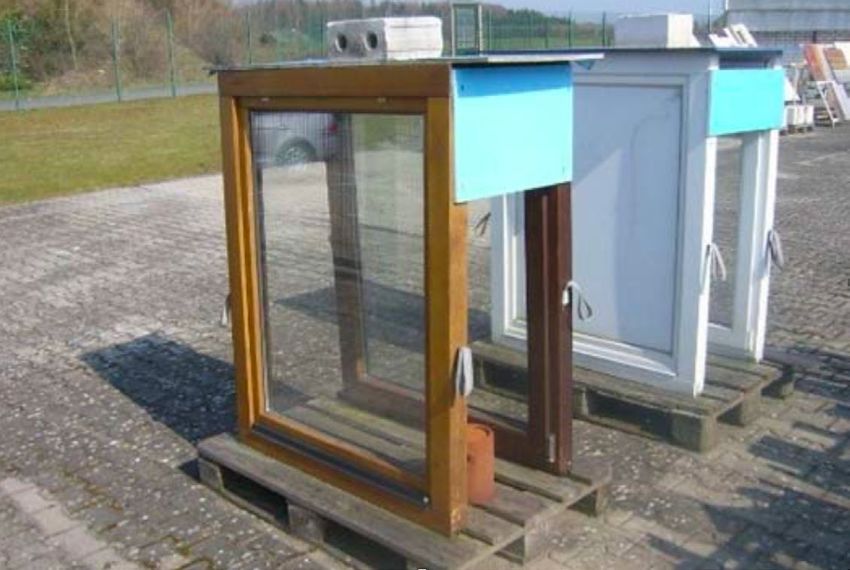
CO N T E N TS 3 termite resistance THIS TEST WAS
CON DU CTED BY:
1
2
Introduction
Durability
2
3
Formosan termite durability test
3 Termite resistance 8
LSU AgCenter’s Wood Durability Lab are a specialist in termite testing of
Formosan termite test 8 wood products. Coptotermes formosanus, known as Formosan termites,
5 year termite field test 9 are considered one of the world’s most aggressive termite species.
Termite test, Australia 10
Termite test, Thailand 11
Louisiana State University (LSU) conducted
4 Finish 12 Weight loss in LSU Formosan
a Formosan termite ‘choice’ test according to
5 Certification 16 AWPA E1-09 standard, using leached and un-
30
leached both treated (acetylated) and untreated
6 Thermal and surface 20
samples together with choice samples. 20
7 Contact 24 Untreated
wood
After 28 days of exposure, the samples were 10
assessed on weight loss. The Accoya wood
[%]
0 Accoya®
treatment, regardless of the wood specie,
resulted in a consistent significant reduction in
)
d)
ac ta
ac d
ea nd
ch a
))
d)
ed
(le an
ea at
ed
he
he
(le dia
nl la
ch
nl di
a al
(u a
Ra
(u Ra
at e
a Ze
weight loss. Accoya wood was even as much as
di w Z
an
an
di ew
Ra Ne
ile
ile
Ra N
22 times better than the untreated radiata (when
Ch
Ch
at
measured by sample weight loss).
Accoya® Performance Testing Summary | V4.0 | July 2020 8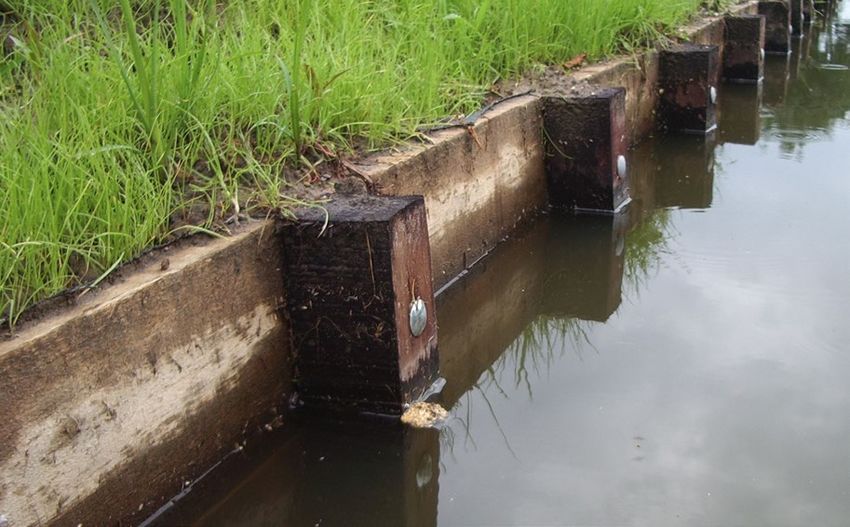
CO N T E N TS                        3   termite resistance                                                                                            THIS TEST WAS
                                                                                                                                                       CON DU CTED BY:

1

2
    Introduction

    Durability
                                 2

                                 3
                                         5 year termite field trial
3   Termite resistance           8       data from Gainesville, Florida
    Formosan termite test        8
    5 year termite field test    9       Additional testing by TPI at their
    Termite test, Australia    10       exposure sites in Gainesville Florida        5 year Termite data (Gainesville FL, E18. Ground Proximity)
    Termite test, Thailand      11       and Cost Rica demonstrate that               Time [Years]

                                         Accoya performance exceeds
                                                                                       0             1       2       3       4       5

4   Finish                      12                                               10

5   Certification               16
                                         that of high quality (FEQ) teak.        8
                                                                                                                                                Accoya®

6   Thermal and surface         20                                               6
                                                                                                                                                Western Red Cedar

                                         The results were developed over                                                                        FEQ Teak

7   Contact                     24       a 5 year field trial period in          4
                                                                                                                                                Radiata Pine

                                         accordance with AWPA E7-09
                                                                                                                                                African Mahogany

                                                                                 2
                                         in ground stake test and AWPA
                                         E18-06 ground proximity test.           0

                                         Performance level was used to
                                         support the qualification of Accoya
                                                                                      5 year Termite data (Gainesville FL, E7 Ground Contact)
                                         for use in termite zones and ‘in
                                         ground’ application in the ICC               Time [Years]

                                         ESR-2825 which confirms Accoya
                                                                                       0             1       2       3       4       5
                                                                                 10

                                         decking compliance with US
                                         Building Code.                          8
                                                                                                                                                Accoya®

                                                                                                                                                Western Red Cedar
                                                                                 6
                                                                                                                                                FEQ Teak

                                                                                                                                                Radiata Pine
                                                                                 4
                                                                                                                                                African Mahogany

                                                                                 2

                                                                                 0

                                                                                                     Accoya® Performance Testing Summary | V4.0 | July 2020              9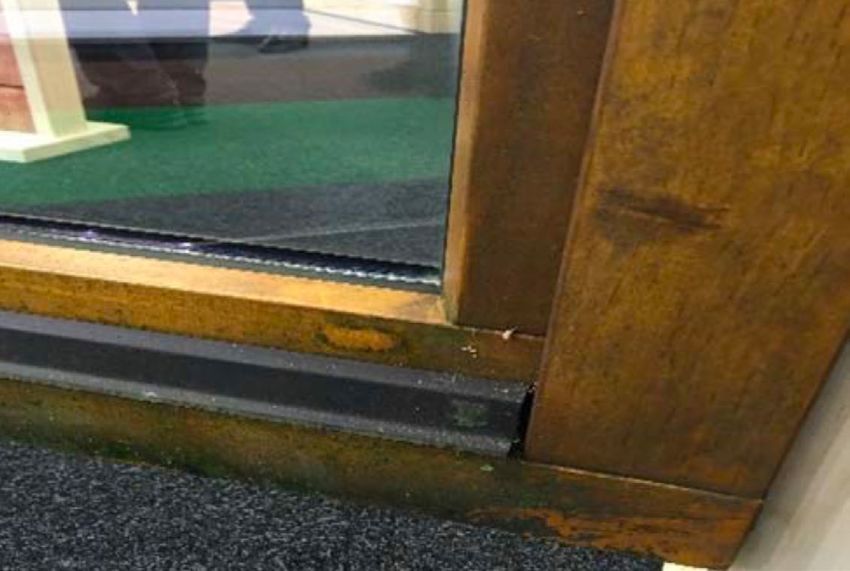
CO N T E N TS 3 termite resistance THIS TEST WAS
CON DU CTED BY:
1
2
Introduction
Durability
2
3
Termite durability test, Australia – AFRC
3 Termite resistance 8
Coptotermes acinaciformis is a widely encountered species of Australian termite
Formosan termite test 8 distributed throughout mainland Australia and is responsible for greater economic
5 year termite field test 9 loss than all the other Australian species of termites combined. Hazard Class 3 above
Termite test, Australia 10
ground testing was set up in Northern Territory, Australia according to the AWPA
Termite test, Thailand 11
protocol by the Australian Forest Research Company.
4 Finish 12
At the conclusion of the field trial All of the Accoya materials
5 Certification 16
all test specimens had evidence performed similarly to Merbau and
6 Thermal and surface 20 of contact by C. acinaciformis, Spotted Gum Heartwood, having Mass loss in Hazard Class H3 field trial [%]
after exposure to Coptotermes acinaciformis
and all untreated Eucalyptus nitens mean mass losses ranging from
7 Contact 24
bait-wood, used as a susceptible 0.2% to 0.7%. Any attack by C. 90
and attractive food source for acinaciformis largely consisted 80
maintaining the presence of of minor localised grazing on the 70
termites in exposure containers, surfaces of test specimens. The 60
had been destroyed. The majority Accoya materials investigated in 50
of the susceptible sapwood this study would be expected to 40
test specimens were destroyed perform well against termites in 30
20
or severely attacked by C. Australia when used in locations
10
acinaciformis. The mean mass south of the Tropic of Capricorn.
[kN]
0
loss of the untreated Radiata
Pine Sapwood was 82.6%.
a®
d)
d)
rt um
d)
tw ed
ne
ne
w u
w rn
Additional testing run at AFRC,
rt ba
oo
oo
oo
llo he
oy
Pi
Pi
ar R
ea G
ea er
w
Ye out
he rn
cc
a
(h ed
(h M
at
r ( ste
in accordance with AWPA protocol,
A
S
t
di
ot
da e
Ra
Sp
Ce W
Merbau and Spotted Gum include performance evaluation
Heartwood were highly resistant in fungal decay testing alongside
to attack by C. acinaciformis. Spotted Gum, a durability class 1
In contrast, the mean mass loss for rated timber and density of 1,050kg/
Western Red Cedar was 28.6%. m3. Accoya performance matched
Spotted Gum.
Accoya® Performance Testing Summary | V4.0 | July 2020 10CO N T E N TS 3 termite resistance THIS TEST WAS
CON DU CTED BY:
1
2
Introduction
Durability
2
3
Termite attack and
3 Termite resistance 8 decay trial – Thailand
Formosan termite test 8
5 year termite field test 9 A test conducted by the Environmental Research Centre;
Decay rating [index of condition]
Termite test, Australia 10 Naresuan University involved setting up ground stake
Termite test, Thailand 11 tests at sites around Thailand. Time [Years]
0 1 2 3 4 5 6
10
4 Finish 12
Test stakes were Accoya, Teak and Makha. After 6 years
5 Certification 16 Accoya demonstrated significantly higher performance than 8
Accoya®
Makha hardwood and high-quality BurmeseTeak. Teak
6 Thermal and surface 20 6
Makha
7 Contact 24 This superior performance relative to Burmese Teak 4
corroborates termite and decay evaluation tests reported in
2
earlier pages of this brochure in Florida and New Zealand.
0
Termite rating [index of condition]
Time [Years]
0 1 2 3 4 5 6
10
8
Accoya®
Teak
6
Makha
4
2
Makha Accoya wood Teak
Failure conditions in termite rating of Makha wood for Ubonratchathani province, 0
72 Months Inspection.
Accoya® Performance Testing Summary | V4.0 | July 2020 11CO N T E N TS 4 finish THIS TEST WAS
CON DU CTED BY:
1
2
Introduction
Durability
2
3
10 year coating test
3 Termite resistance 8 at Teknos
4 Finish 12
10 year coating test 12 A weathering test was set up by Teknos (UK) Ltd, a leading
12 year service life 13 coatings company supplying products to the factory applied
7 year face laminated window, door and cladding industry across Europe. The Accoya
window test 14 test began in March 2009 to obtain natural weathering
.5 year external
9 performance data, end grain sealing, face fix detail and profile
coatings test 15
design impact of three different timber substrates (coated) Siberian Larch
5 Certification 16
and on different cladding profiles. Apart from Accoya –
6 Thermal and surface 20
Western Red Cedar (WRC) and Siberian Larch were
7 Contact 24 included in the test rig.
Western Red Cedar
After 10 years of natural exposure, made from Western Red Cedar
without any form of maintenance, and Siberian Larch have now lost
the Accoya boards have confirmed all of their protective functionality Accoya
the superior long-term performance whereas on the Accoya boards
in virtually all respects compared the coating had yet to show any
to the unmodified Western Red significant deterioration effects
Cedar and Siberian Larch timber after ten years of unbroken
substrates, even more so in the weathering exposure and has
most unfavourable conditions. retained its full protective function.
Accoya wood showed excellent The test shows that the expected
stability, which has served to lifetime of the coating can be
significantly reduce splitting and extended by as much as three times
fissuring at board ends, prevented compared to when unmodified
distortion and fissuring around softwoods are used as a substrate.
fixings. The coating on boards
Accoya® Performance Testing Summary | V4.0 | July 2020 12CO N T E N TS 4 finish THIS TEST WAS
CON DU CTED BY:
1
2
Introduction
Durability
2
3
12 year service life
3 Termite resistance 8
To validate extended maintenance periods, renowned coating
4 Finish 12 company Remmers set up window and door test rigs on their
10 year coating test 12 German premises in 2006.
12 year service life 13
7 year face laminated Based on these test results combined
window test 14
with case studies around the world,
.5 year external
9 Remmers have issued a maintenance
coatings test 15
schedule for their fully factory-finished
5 Certification 16 coatings on Accoya joinery up to 10
years for translucent and up to 12
6 Thermal and surface 20
years for opaque finishes.
7 Contact 24
The test rigs after 10 years of exposure No coating degradation visible
Accoya® Performance Testing Summary | V4.0 | July 2020 13CO N T E N TS 4 finish THIS TEST WAS
CON DU CTED BY:
1
2
Introduction
Durability
2
3
8 year face laminated
3 Termite resistance 8 Accoya window test
4 Finish 12
10 year coating test 12 Two window frames made from face laminated Accoya/
12 year service life 13 Pine/Pine wood were installed in the BRE Window Joinery After 8 years of exposure, these windows
7 year face laminated Test building in June 2012, facing South to maximise solar on exposure at BRE were inspected on;
window test 14 irradiance. One window frame was coated with a translucent
.5 year external
9 › General condition: Appearance excellent
coatings test 15
finish, and one with an opaque white finish.
› Joint condition: Excellent, joints tight, coating
5 Certification 16 intact, no evidence of movement or opening
Additionally, tests have been Pine-Pine and Accoya-Spruce-
6 Thermal and surface 20 completed at IFT Rosenheim, Spruce combination. IFT is the › Bead condition: Excellent
7 Contact 24 Germany according to standard leading institute for window and
methods for 2.0m length scantling door performance in Germany. The › Coating condition: Excellent, bright, no
stability and adhesive bond scantlings met both requirements. signs of deterioration. Some yellowing
delamination resistance. The tests Reports are available upon request. on interior surfaces.*
have been completed for Accoya-
› Operation: Movement of opening light was easy
This resulted in Accoya being awarded
an ‘excellent’ overall rating (9/10).
* When wiped with a wet sponge it picked up some brown pigment
suggesting the coating is eroding gradually with time.
Accoya® Performance Testing Summary | V4.0 | July 2020 14CO N T E N TS 4 FINISH THIS TEST WAS
CON DU CTED BY:
1
2
Introduction
Durability
2
3
9.5 year external
3 Termite resistance 8 coatings test
4 Finish 12
10 year coating test 12 Independent testing institute, SHR Timber Research in
12 year service life 13 the Netherlands, conducted a comprehensive coatings
7 year face laminated test on Accoya and untreated wood with opaque
window test 14 and film forming paints and stains.
.5 year external
9
coatings test 15
Accoya wood constantly no maintenance after 9.5 years –
5 Certification 16 demonstrated better coating which is an important benefit in the
performance and superior coating long-term life cost of the product
6 Thermal and surface 20
adhesion in both wet and dry and ensures that Accoya has a
Accoya Wood Joinery Quality
7 Contact 24 conditions. The white opaque superior whole life cost compared
performed extremely well, requiring to competing materials. Nordic Pine
External coating comparison
Accoya® Performance Testing Summary | V4.0 | July 2020 15CON T E N TS 5 certification THIS TEST WAS
CON DU CTED BY:
1
2
Introduction
Durability
2
3
Accoya in structural
3 Termite resistance 8 applications – DIBt
4 Finish 12
5 Certification 16 Deutsches Institut für Bautechnik (DIBt) plays a pivotal role
in the construction industry. Its approvals and assessments
DIBt structural
applications 16 ensures the safety of construction works. The German building
CBA product
F approval (‘Zulassung’) relates to Accoya sawn wood, for use
certification 17
as structural timber.
ICC ESR decking
certification 18
Flame/smoke spread 19 The allowable dimensions statically or quasi-statically.
Fatigue-relevant stresses are
6 Thermal and surface 20 of Accoya wood are (may be
to be excluded.
7 Contact 24
used both flat and upright):
As with most timber species,
› Width: 100 – 250mm
Accoya wood meets the
requirements of normal flammable
› Thickness: 25 – 100mm Accoya decking in Cambridge, UK
building materials class B2
Accoya wood may be used for (DIN 4102-1).
exterior load-bearing constructions
in service classes 1 to 3. Outdoor In the design of Accoya components
use is allowed up to use class 3.2 the characteristic strength, stiffness
providing that dirt deposits in, and density of strength class C22
for example, wood cracks or on apply for Accoya of A1 quality, and
connecting parts, is prevented. C16 values apply for Accoya of
When used in use class 3.2, a A2 quality (according to EN 338).
professional design (preventing The certificate also gives details
The U mark indicates that Accoya is certified under
water capillaries, end-grain sealing of components and connections,
the German certification system for solid wood in
/ protection) are of particular maintenance and servicing,
structural applications
importance. Accoya lumber may according to EN standards.
only be used in structures loaded
Accoya® Performance Testing Summary | V4.0 | July 2020 16CO N T E N TS 5 certification THIS CERTIFICATION
WAS CON DU CTED BY:
1
2
Introduction
Durability
2
3
Product
3 Termite resistance 8 certification Mechanical
Property
Bending strength (EN 408)
Value
5-percentile characteristic values:
– FCBA
4 Finish 12 › 20°C / 65% RH › Modulus of elasticity: 5290 MPa
› Upright test orientation › Bending strength: 22.4 MPa
5 Certification 16 (The acetylation process does not affect the mechanical properties)
DIBt structural FCBA are the national centre for Wood Brinell hardness (EN 1534) 23.4 MPa (20°C / 65% RH)
applications 16 15.1 MPa (20°C / 12% RH)
Expertise and testing in France.
FCBA product Impact resistance (DIN 52189-1) Average bending strength: 50 kJ/m2
certification 17 (No loss of impact bending strength by the acetylation process)
ICC ESR decking The 2015 certificate of conformity, part of the Screw holding capacity (EN 320) Better than compared to unacetylated Radiata Pine
certification 18 FCBA CCMQ 39/14 control agreement, was Physical Density Average: 500 kg/m3 (20°C / 65% RH)
Flame/smoke spread 19 issued following rigorous test procedures that (BRL 0605) Characteristic: 417 kg/m3
characterizes the physical, mechanical and Dimensional stability Average shrinkage:
6 Thermal and surface 20
biological performance of Accoya wood. (BRL 0605)
› Radial: 0.7%
7 Contact 24 › Tangential: 1.5%
Extensive evaluations were carried out by the
Water uptake (EN 317) 82.5% after 91 days of immersion
FCBA for more than two years, particularly
Equilibrium moisture content Average EMC during drying at 20°C:
in terms of mechanical strength, dimensional
(BRL 0605)
stability, resistance to fungi and insects as well › 7.5% at 95% RH
as its Brinell hardness. › 4.5% at 65%
› 2.5% at 35% RH
One of the requirements of the Control Thermal conductivity (EN 12664) 0.12 W/m·K
Agreement attestation is also the performance of Biological Resistance against fungi (EN 113 › Durability class 1 (NF EN 350)
initial quality checks and regular audits in order
/ ENV 807) after leaching (EN 84) › Material suitable for use classes 1 to 4 (EN 335)
(Dry rot, soft rot and white rot)
to verify the consistency and consistency of the
Termite resistance: The material is not degraded by European
Accoya process. subterranean termites
› Choice test (EN 117
amended): The material is not an appropriate source of food
Subsequent application certifications have › Forced feeding test (EN 118): The material is susceptible to termite degradation
been conducted by FCBA for use of Accoya in
Resistance against wood boring Material not degraded by wood boring insect larvae
Decking (terraces) and windows. These insect larvae (EN 46-1)
are available on request.
Accoya® Performance Testing Summary | V4.0 | July 2020 17CO N T E N TS 5 certification THIS CERTIFICATION
WAS CON DU CTED BY:
1
2
Introduction
Durability
2
3
ICC ESR decking
3 Termite resistance 8 certification
4 Finish 12
5 Certification 16 ICC-ES is a USA based institute specialised in technical
evaluations of building products, components, methods,
DIBt structural
applications 16 and materials.
FCBA product
certification 17
They have evaluated the compliance The ICC-ESR report states that
ICC ESR decking of Accoya wood with the typical applications for Accoya wood
certification 18
International Building Code (IBC), products are among the highest use
Flame/smoke spread 19 the International Residential Code categories defined by AWPA. The
6 Thermal and surface 20 (IRC) and the ICC-700 National service condition UC4A is general
Green Building StandardTM for use use in ground contact and fresh
7 Contact 24 in decking, porch flooring and stair water contact and includes above
threads, resulting in an Evaluation ground applications with ground
Report. contact type hazards or that are
critical or hard to replace.
Accoya® Performance Testing Summary | V4.0 | July 2020 18CO N T E N TS 5 certification THIS TEST WAS
CON DU CTED BY:
1
2
Introduction
Durability
2
3
Flame spread and smoke
3 Termite resistance 8 development testing
4 Finish 12
5 Certification 16 Southwest Research Institute undertook Flame Spread Tests
Flame Spread Classification Flame Spread Index
and Smoke Developed Tests in accordance with the standard
DIBt structural
applications 16 test method for surface burning characteristics of building Class I (or A) 0 – 25
FCBA product materials NFPA 255 (ASTM E84, UL 723 & UBC 8-1).
certification 17 Class II (or B) 26 – 75
ICC ESR decking The conclusion of the Flame Spread Test results is that Accoya wood can
certification 18 Class III (or C) 76 – 200
be classified within the range of standard timber species and achieves
Flame/smoke spread 19 Class C in this US rating system.
*Please see Accoya Performance Testing Summary for European
6 Thermal and surface 20 classification D in EN14915
7 Contact 24
Fire spread index Smoke developed index
120 250
110 200
100 150
90 100
[Index]
[Index] 80 50
a®
a®
r
ak
ne
ne
r
ne
ak
ce
le
h
d
da
da
rc
oo
oy
ap
O
Pi
Pi
ru
oy
O
Pi
Ce
Ce
Bi
nw
cc
te
e
Sp
M
cc
e
ol
w
d
ol
hi
A
A
tto
ep
Re
a
llo
ep
W
tk
dg
Co
Ye
dg
rn
Si
n
er
Lo
te
Lo
st
es
Ea
W
*Data source: USDA(United States Department of Agriculture) Wood Handbook.
Lower numbers equal less flame spread or smoke.
Accoya® Performance Testing Summary | V4.0 | July 2020 19CO N T E N TS 6 thermal and surface THIS TEST WAS
CON DU CTED BY:
Hiroshima Prefectural
Technology research
Institute Japan
1
2
Introduction
Durability
2
3
Thermal gain
3 Termite resistance 8 on decks – Japan
4 Finish 12
5 Certification 16 Thermal gain on decks and terraces is a particular issue
in the summer season. A thermogram image analysis was 20°C 39°C 41°C 43°C 45°C 47°C 49°C 51°C 53°C 55°C 57°C 59°C
6 Thermal and surface 20
arranged in Japan with the Hiroshima Prefectural Technology
Thermal gain on decks 20
Research Institute to assess differences between Accoya,
Thermal performance 21
thermally modified wood and three variants of commercial
Thermal conductivity 22
WPC decking.
Hardness and wear test 23
7 Contact 24 The ambient temperature during This low level of thermal gain,
the testing of all decks was 32°C. combined with in-situ benefits
Deck board dimensions were derived from Accoya’s dimensional Accoya wood Thermally Wood plastic
comparable for all three types: stability provide deck boards modified wood composite
which are truly ‘barefoot friendly’.
› Accoya: 26 x 140mm In-situ benefits derived from
Accoya stability are the boards
› Thermally modified wood: resisting cupping and remaining
26 x 140mm flat, the fixings not being stressed
and remaining flush, and finally,
› WPC: 26 x 145mm the boards not suffering splintering
with prolonged weathering.
The thermographs clearly
indicate thermal gain in Accoya
is substantially less than the
alternatives tested.
Accoya® Performance Testing Summary | V4.0 | July 2020 20CO N T E N TS 6 thermal and surface THIS TEST WAS
CON DU CTED BY:
1
2
Introduction
Durability
2
3
Improved thermal
3 Termite resistance 8 performance
4 Finish 12
5 Certification 16 Thermal value is a critical aspect in window and door design.
The thermal conductivity of the wood (lambda value) makes Declared λ
6 Thermal and surface 20
a significant contribution to the overall window frame
Thermal gain on decks 20
calculated thermal value. 0.25
Thermal performance 21
Thermal conductivity 22 Accoya thermal conductivity has These improved levels provide
Hardness and wear test 23 been assessed by IFT Rossenheim, options in design, in terms of
0.20
Germany in accordance with achieving a higher U-Value for the
7 Contact 24
EN1226: 2001 and then developed same window design by switching
into the required declared value timber type, or alternatively using 0.15
format, under the most rigorous a more preferred aesthetic or
European assessment methods by production friendly design without
significantly compromising 0.10
the EN ISO 10456: 2008 procedure
for determination of declared and energy efficiency.
design thermal values. 0.05
Accoya is regularly used to achieve
[W/mk]
In comparison to other standard wood A rated windows under the UK’s
types for joinery, Accoya thermal BFRC Window Energy Rating 0
conductivity is: Program where other woods in
the same design would not meet
a®
d
d
oo
oo
oy
› Superior to softwood by 8% this standard.
ftw
dw
cc
A
ar
So
H
› Superior to hardwood by 30%
Accoya® Performance Testing Summary | V4.0 | July 2020 21CO N T E N TS 6 thermal and surface THIS TEST WAS
CON DU CTED BY:
1
2
Introduction
Durability
2
3
Thermal conductivity –
3 Termite resistance 8 ASTM C177
4 Finish 12
5 Certification 16 Precision Measurements and Instruments Corporation (PMIC)
measured the thermal conductivity (lambda value) of Accoya
6 Thermal and surface 20
wood and sapele test specimens according to ASTM standard
Thermal gain on decks 20
C177, with the so-called guarded hot-plate method in a dry
Thermal performance 21
nitrogen environment.
Thermal conductivity 22
Hardness and wear test 23
The results show the thermal
7 Contact 24 Wood Thermal
conductivity of Sapele, a tropical
species conductivity
hardwood species, to be 36% higher
than that of Accoya wood. Choosing Accoya 0.1022 W/m-K
Accoya wood for the construction
of windows and doors will have a Radiata pine 0.1284 W/m-K
significant positive effect on the total
thermal performance and therefore Sapele 0.1741 W/m-K
the energy balance of your home.
Accoya® Performance Testing Summary | V4.0 | July 2020 22CO N T E N TS 6 thermal and surface THIS TEST WAS
CON DU CTED BY:
1
2
Introduction
Durability
2
3
Hardness and wear test Taber abrasion weight loss
Revolutions[rpm]
3 Termite resistance 8 0 500 1000 1500 2000 2500
Independent testing from leading timber research institute, 5
4 Finish 12 BM Trada, proved that Accoya wood can withstand harsh, 4
abrasive environments.
Accoya®
5 Certification 16
Siberian Larch
3
6 Thermal and surface 20 European Larch
Thermowood
2
Thermal gain on decks 20
BM Trada’s testing showed that Separate scuffing and mechanical Western Red Cedar
hardening that occurs as a result abrasion tests carried out by BM 1
Thermal performance 21
of the Accoya process results in Trada show that Accoya wood is
Thermal conductivity 22
[g]
greater resistance to indentation just as good, if not better than the 0
Hardness and wear test 23 than Western Red Cedar and two two types of Larch, and significantly
7 Contact 24 types of Larch. This is particularly better than Western Red Cedar. Mean hardness load
useful when making specification
5
choices for cladding and ground
floor exterior products.
4
Siberian Larch Thermowood 3
2
1
[kN]
0
a®
h
h
d
r
da
rc
rc
oo
oy
La
La
Ce
ow
cc
an
n
d
A
m
ria
Re
pe
er
be
Th
rn
ro
Si
te
Eu
Western Red Cedar Accoya wood
es
W
Accoya® Performance Testing Summary | V4.0 | July 2020 23CO N T E N TS 7 CONTACT
1
2
Introduction
Durability
2
3
Get in touch
3 Termite resistance 8 Please email us with enquiries
and the responsible sales manager
4 Finish 12 will follow up promptly:
5 Certification 16 sales@accsysplc.com
6 Thermal and surface 20 United Kingdom and Accsys run an Approved
World Wide Enquiries Manufacturer Training Programme
7 Contact 24
Brettenham House and we would encourage all
19 Lancaster Place manufacturers planning to use
London WC2E 7EN Accoya to contact their distributor
+44 (0) 207 421 4300 or Accsys directly to arrange for
Benelux enquiries this training programme. The
Postbus 2147 Approved Manufacturer status also
6802 CC Arnhem brings a number of benefits which
+31 (0) 26 320 1400 support market activity.
North American enquiries
5000 Quorum Drive #620
Dallas, Texas 75254
+01 972 233 6565
Accoya is made by Accsys Technologies. Accoya ® and the Trimarque Device are registered trademarks owned by Titan Wood Limited, a wholly owned subsidiary of
Accsys Technologies PLC , and may not be used or reproduced without written permission. Accoya wood should always be installed and used in accordance with the
written instructions and guidelines of Accsys Technologies and/or its agents (available upon request). Accsys Technologies accepts no liability for any defect, damage or
loss that may occur where such written instructions and guidelines are not adhered to.
The information contained within this document has not been independently verified, and no warranty (express or implied) or representation is given in respect of the
same, including without limitation as to its accuracy, completeness or fitness for any purpose. Accsys and its affiliates, officers, employees or advisers expressly disclaim 24
any liability to the fullest extent permitted by law for any loss or damage whatsoever arising in respect of such information or the result of having acted upon it.You can also read


