Ahead of the curve Annual Review of Football Finance Sports Business Group - Arko ...
←
→
Page content transcription
If your browser does not render page correctly, please read the page content below
Ahead of the curve
Annual Review of
Football Finance
Sports Business Group
July 2017
                        A
Annual Review of Football Finance 2017 |
                                        Section title goes here

This 26th edition of the Deloitte Annual
Review of Football Finance documents
English and European professional football’s
business and commercial performance
over the 2015/16 season, which will be
remembered for Leicester City’s remarkable
Premier League title triumph.

B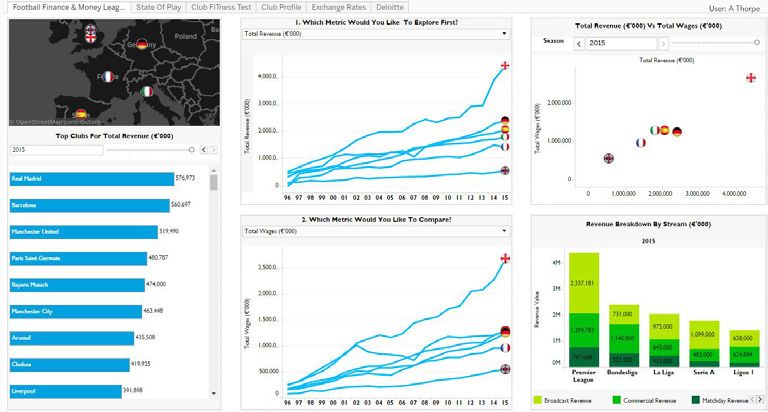
Annual Review of Football Finance 2017 |
                                                                                                                Contents

Contents

Foreword                                       02   Edited by
                                                    Dan Jones
Delivering results worldwide                   04
                                                    Sub-editors
The leading team in the business of football   06   Adam Bull, Chris Stenson

Europe’s premier leagues                       08   Authors
                                                    Michael Barnard, Calum Ross, James Savage
Deloitte Football Intelligence Tool            14   and Christopher Winn

Premier League clubs                           16   Sports Business Group
                                                    Telephone: +44 (0)161 455 8787
For all the teams in China                     22   PO Box 500, 2 Hardman Street, Manchester, M60 2AT, UK
                                                    E-mail: sportsteamuk@deloitte.co.uk
Over the top?                                  23   www.deloitte.co.uk/sportsbusinessgroup

Football League clubs                          24   July 2017

Player transfers                               28
For the good of the game                       29
Stadia                                         30   Please visit our website at
                                                    www.deloitte.co.uk/sportsbusinessgroup to download a
It’s in the game                               32   copy of the full report and to purchase the Databook.

                                                    Databook price £1,000

                                                    Our 32 page Databook includes over 8,000 data items on
                                                    the various topics covered in this report, prepared on the
                                                    basis of our specialist and long-established methodologies.

                                                                                                                      01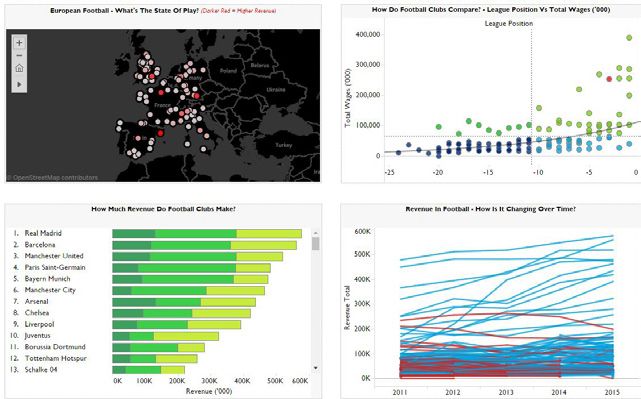
Annual Review of Football Finance 2017 |
                                        Foreword

Foreword

Welcome to the 26th edition of the Deloitte Annual Review of                                             revenues, as has been the case for well over           the same three teams – Paris Saint-Germain,
                                                                                                         a decade now. To compound this situation               Bayern Munich and Juventus – won the leagues
Football Finance, compiling our analysis and commentary on                                               the 2016/17 season’s results will reflect a new        in France, Germany and Italy, respectively.
the recent financial developments within, and prospects for,                                             Premier League broadcast rights cycle, with            Barcelona, meanwhile, retained their La Liga
                                                                                                         central distributions increasing by an average of      crown; their third title in four seasons.
the world’s most popular sport.                                                                          £38m per club.

Whilst the introduction to last year’s 25th         2015/16 will be followed by a domestic deal                                                                 Gimme! Gimme! Gimme!
edition of the Annual Review chronicled the         starting in 2017/18, which promises to deliver       The Winner Takes it All                                In 2015/16 Premier League revenues rose to a
key developments in football finance over the       an impressive 85% increase in revenue on             The collective selling of broadcast rights, and        record £3.6 billion. Each club generated more
last quarter of a century, this year we return      2015/16 levels.                                      the associated relative equality in distribution,      on average than the whole top division of 22
to two familiar themes as we assess the                                                                  has been a fundamental strength of the Premier         clubs did in total in 1991/92 and commercial
2015/16 season – the continuation of relentless     On a pan-European level, the large increases in      League over the past 25 years. The league’s            revenues exceeded £1 billion for the first time
revenue growth across Europe’s major leagues,       UEFA distributions in 2015/16 made qualifying        revenue distribution mechanism – the most              in the league’s history. The aforementioned
in particular the Premier League, and the           for these competitions even more important to        equal of the ‘big five’ European leagues – and         Premier League champions, Leicester City,
commitment of this money to spending on             clubs. Examples such as increases of 50% and         the effective ‘minimum guarantee’ that all clubs       secured a notable revenue increase of
players via transfer fees and wages, again led by   80% in the amounts being received by Spanish         receive as a consequence enables strength              £25m yet still generated less than 40% of
English clubs.                                      and English clubs respectively drive intense         in depth and intense competitiveness as                the average revenue of the ‘big six’ clubs.
                                                    domestic competition to secure these rewards.        exemplified by the shock of Leicester City’s           These six collectively responded strongly and
                                                    Such continent-wide revenue increases, bringing      Premier League title win in 2015/16. In no other       immediately to Leicester’s accomplishment
Name of the Game                                    incentives to compete and stretch financial          major footballing nation could a club with a           by spending more than any other clubs in
New broadcasting deals taking effect in the         resources, reinforce the growing importance          similar profile to Leicester City be able to collect   the summer transfer window of 2016 before
2015/16 season for UEFA and others, together        and use of financial regulations in football. This   c.£90m in broadcast revenue alone, to help             subsequently occupying the top six places in
with those confirmed in England and elsewhere       drive for club sustainability and development        level the playing field and give such an ‘outsider’    the league in the 2016/17 season.
for 2016/17 and beyond, continue to have a          throughout Europe is a topic discussed further       a shot at glory without reckless overspending.
profound effect on the financial landscape of       in For the good of the game.                                                                                Whilst English clubs have therefore remained
Europe’s ‘big five’ leagues. New deals in Italy                                                          Whilst Leicester’s remarkable achievement              ahead of their European counterparts in
and Spain – the latter being its first year of      However, in spite of the aforementioned              made it four consecutive different winners of          terms of revenue generation, the 2015/16
collective selling thus improving the equality of   enhanced deals and improved UEFA                     the Premier League for the first time in the           season also demonstrated their attempts to
distributions – provided substantial increases      distributions, the Premier League continues to       competition’s history, this unpredictability did not   enhance their on-pitch position by already
on previous arrangements whilst the new             power ahead of the other four big European           extend to the rest of Europe’s ‘big five’ leagues.     committing to spend some of the increased
Bundesliga deal for international rights in         leagues, particularly with regard to broadcast       Indeed, 2015/16 was the fourth year in a row that      broadcast revenue arriving in 2016/17. English

02
Annual Review of Football Finance 2017 |
                                                                                                                                                                                                           Foreword

clubs remained by far the largest spenders on                                                              I Have a Dream                                        Take a Chance on Me
transfers in the world, whereas German and                                                                 The three clubs promoted to the Premier               This 26th edition of the Annual Review also
French clubs were net ‘exporters’ of talent in the                                                         League in 2016/17 generated combined                  marks our first inclusion of another form of the
2015/16 season. Notably, the Premier League                                                                operating profits of £28m, a year after               sport, with a brief discussion of professional
collectively recorded net transfer receipts                                                                recording a combined operating loss of £47m           competitive video gaming, or eSports, in It’s
for the first time in a single transfer window                                                             in the Football League Championship, starkly          in the game. Although long considered a niche
in January 2017, primarily due to exports to                                                               illustrating the difference in profitability          activity, this perception is changing, driven by
Chinese clubs. Whether this will continue given                                                            between the two divisions. In contrast to the         impressive audience figures, revenue potential
increased local regulation remains to be seen,                                                             Premier League, Championship clubs continue           and technological advances.
a development discussed further in For all the                                                             to overspend relative to their revenues, with the
teams in China.                                       “Over the three seasons from                         value of promotion continuing to escalate. The        In Over the top? we comment on the latest

                                                       2013/14 to 2015/16, Premier                         two clubs promoted to the Premier League for
                                                                                                           the first time at the end of the 2016/17 season
                                                                                                                                                                 developments in football’s media landscape,
                                                                                                                                                                 driven by consumers’ desire for anytime,
Money, Money, Money                                    League clubs generated                              – Brighton and Hove Albion and Huddersfield           anywhere access to content, and the potential
As Premier League transfer spending has
continued, so has wage cost growth, which in
                                                       combined operating profits                          Town – are guaranteed a minimum uplift in
                                                                                                           revenue of £170m over the next three seasons.
                                                                                                                                                                 threats to traditional Pay-TV platforms posed by
                                                                                                                                                                 new market entrants such as over-the-top (OTT)
2015/16 led to a total of £2.3 billion, an increase    of £1.6 billion, more than                          This is likely to rise to more than £290m if          streaming platforms, social media networks and
of 12%. Wage costs grew at almost twice the
rate witnessed in each of the previous two
                                                       they managed in total over                          they survive more than one season, and may
                                                                                                           grow further when the next Premier League
                                                                                                                                                                 other technology companies.

years as clubs spent in anticipation of the extra      the previous 16 seasons                             broadcast rights deals commence in 2019/20.
                                                                                                                                                                 Thank You for the Music
broadcast revenue in 2016/17. However, over
a longer cycle, the previous trend of revenue
                                                       combined.“                                          Championship clubs again (for the third time in       Finally, I would like to wish continued success
increases being wholly consumed by wage costs                                                              four seasons) spent more on wages than they           in their careers to four colleagues and former
now appears to have been replaced by a more                                                                earned in revenue in 2015/16 and also suffered        contributors to our Annual Review who left us
prudent approach – since 2012/13, just 44%            costs and league position, with the division’s top   record operating losses of £261m, continuing          for new roles this year, and most importantly
of revenue increases have been accounted for          six wage spenders in 2015/16 filling the top six     to stretch their financial limits in the hope of      thank my colleagues in the Sports Business
by wage growth, whereas in the five years to          league positions in 2016/17.                         securing the riches and glory accompanying            Group including new recruits and authors,
2012/13 this figure was 99%.                                                                               promotion to the Premier League. As a result of       Henry Wong, and all those from across the
                                                      Premier League clubs recorded a third                this financial performance aggregate net debt         football community that have helped us compile
As Leicester City’s achievement has confirmed,        consecutive season of operating profits in           increased to £1.3 billion in the 2015/16 season,      this year’s report.
there are other factors beyond wage                   excess of £500m, and although they returned          more than double the revenue of the division.
spend which contribute to clubs’ on-pitch             to cumulative pre-tax losses following two           The division’s new profitability and sustainability   We hope you enjoy this edition.
performance. For example, in 2015/16 whilst           consecutive seasons of profit this was due           rules effective from the 2016/17 season, largely
Leicester won the league despite being ranked         to exceptional items. Over the three year            aligned with the approach for Premier League
15th by wage costs, defending champions               broadcast rights cycle from 2013/14 to 2015/16,      clubs, seem unlikely to deliver a turnaround in       Dan Jones, Partner
Chelsea finished eight places lower than their        Premier League clubs generated combined              Championship clubs’ financial results.                www.deloitte.co.uk/sportsbusinessgroup
wage costs rank of second, and relegated Aston        operating profits of over £1.6 billion; more than
Villa twelve places lower than their wage costs       they managed in total over the previous 16
rank of eighth. The 2016/17 season reverted           seasons combined, and we expect a return to
to a much stronger correlation between wage           record-breaking pre-tax profits in 2016/17.

                                                                                                                                                                                                                 03
Annual Review of Football Finance 2017 |
                                        Sports Business Group

Delivering results worldwide

Deloitte has a unique focus on the sports sector, led from                                                 Strategic programme
the UK and operating across the world. Our experience, long-                                               management
                                                                                                           Continuing assistance to the
standing relationships and understanding of the industry                                                   British Olympic Association
mean we bring valuable expertise to any project from day one.                                              through to the Tokyo Olympic
                                                                                                           Games 2020.

For more than a quarter of a century, across            Deloitte are also audit and tax advisers to many
over 40 countries, we have worked with more             sports businesses.
organisations in sport than any other advisors.                                                            Bid support
Our specialist Sports Business Group at Deloitte        For further details on how Deloitte can add        Lead advisors to Ireland’s bid
provides:                                               value to your project and your business,           for the Rugby World Cup 2023.
                                                        visit our website www.deloitte.co.uk/
•   Business planning                                   sportsbusinessgroup
•   Revenue enhancement and cost control                Telephone: +44 (0)161 455 8787
•   Market analysis and benchmarking                    Email: sportsteamuk@deloitte.co.uk
•   Strategic review                                                                                       Bid support
•   Economic impact studies                                                                                Financial feasibility and
•   Venue feasibility and development services                                                             economic impact of the
•   Sports regulation advice                                                                               city’s bid to host the 2022
•   Due diligence                                                                                          Commonwealth Games.
•   Corporate finance advisory
•   Business improvement and restructuring
•   Forensic and dispute services
                                                                                                           Competition format
                                                                                                           Review of the competition
                                                                                                           structure and calendar for
                                                                                                           major international table
                                                                                                           tennis events.

04
Annual Review of Football Finance 2017 |
                                        Sports Business Group

                           Consulting services
                           Financial and technical
                           consulting services for the
                           privatisation of sports clubs in
                           the Kingdom of Saudi Arabia.

                           Regulatory development
                           Feasibility assessment of
                           financial fair play regulations
                           for the Arabian Gulf League.

                           Consulting services
                           Analysis of various strategic
                           options for international Rugby
                           Union.

                           Competition format
                           Independent financial and
                           strategic analysis of potential
                           domestic T20 competition
                           structures.

                                                             05
Annual Review of Football Finance 2017 |
                                        Sports Business Group

The leading team in the business of football

Improve your strategy and governance
Working together with our clients, Deloitte’s                                Business
unique experience, insights, robust evidence-                                planning
based advice, and credibility in sport helps
build a strong case and consensus for change                                                      Commercial
amongst key stakeholders and enables our                                                         development
clients to positively influence and react to                         Restructuring of
their wider political, economic and social                          competitions and
environment.                                                                calendar
                                                                                                  Media rights
We help deliver effective governance, strategies,                                                    analysis
competitions and impact analysis for sports                          Economic impact
organisations to build their integrity, credibility,                         studies
quality, popularity and value.
                                                                                             Market analysis
                                                                                            and development
Optimise your revenues                                                Governance and
Deloitte bring experience, information,                          organisational design
insights and leading practices to help our
clients to analyse and grow their revenues and                                                   Ticketing and
profitability.                                                                           hospitality strategies
                                                                     Strategy review
We give our clients a competitive advantage by                      and development
delivering solutions to help engage their fans,
grow attendances, promote their brand, build                                               Benchmarking and
value from new markets and accelerate growth.                                                   best practice

06
Annual Review of Football Finance 2017 |
                                                                                             Sports Business Group

                                            Make informed investment decisions
Advice on the                               Deloitte has an extensive track-record of
development of stadia                       delivering tailored added-value services to a
and other facilities                        wide range of investors, owners and financiers in
                        Sports tax          respect of various sports assets around
                        advisory            the world.
Targeting and
acquiring a sports                          We utilise our experience, industry knowledge
business                                    and global networks to provide independent
                        Audit and           and trusted advice to help our clients
                        compliance          understand the commercial realities of their
Financial and                               proposed investments, and plan successfully for
commercial due                              the future.
diligence
                        Investigatory and
                        dispute services
Disposing of a                              Ensure financial integrity
sports business                             Deloitte brings to clients an unrivalled
                                            deep understanding of sports’ regulatory
                        Club licensing      requirements, how the business of sport works
                        and cost control    in practice, and the wider economic, accounting
Business and            regulations         and legal environment in which a sport operates.
venue market
feasibility studies                         Our clients benefit from our expert review,
                        Risk                advice and reports to manage their risks, comply
                        management          with statutory requirements, resolve disputes,
                                            and implement effective sport regulations.

                                                                                                                07
Annual Review of Football Finance 2017 |
                                        Europe’s premier leagues

Europe’s premier leagues

Driven by continued growth in broadcast                  Chart 1: European football market size – 2014/15 and 2015/16 (€ billion)
rights values in European football’s biggest                                                                                                                      The impact of Euro 2016
leagues, and the impact of UEFA Euro 2016,                                                                                         ‘Big five’ European leagues
                                                                    2.2                               3.1
total European football market revenues                             10%
                                                                                                      13%                                                         The increase from 16 to 24 teams at
reached almost €25 billion in 2015/16, a                                   0.6                                0.7                  Non ‘big five’ top leagues     UEFA Euro 2016 in France helped UEFA
                                                             2.4            3%                                3%
13% increase on 2014/15.                                     11%                                2.6                                                               record a significant increase in its
                                                                    €21.8 billion                     €24.6 billion
                                                                                                11%
                                                                                                                                   ‘Big five’ countries’ other    revenues in the 2015/16 season.
                                                                          2014/15                            2015/16    13.4       leagues                        The tournament, which was attended
                                                                                    12.0                                54%
European football market                                      4.6                   55%
                                                                                                                                                                  by roughly 2.5 million fans and
                                                              21%                                  4.8
The ‘big five’ European leagues grew collective                                                    19%                             FIFA, UEFA and National        watched in 230 countries worldwide,
revenues by €1.4 billion (12%) in 2015/16, 59%                                                                                     Associations                   generated gross revenue of over
of which was due to increased broadcast                                                                                                                           €1.9 billion (an increase of more than
revenues, and 31% due to increased                                                                                                 Non ‘big five’ other leagues   €500m on the previous Championships
sponsorship and other commercial revenues.                                                                                                                        in 2012) and a net profit of more than
In recent years, step-change increases in                cycle, resulting in the restatement of prior year                     Source: Leagues; UEFA; FIFA;       €800m.
broadcast revenues have been almost the                  revenue and a marginal reduction in revenue                           Deloitte analysis.
sole preserve of English Premier League                  in 2015/16.                                                                                              European Football Championship
clubs. However, in 2015/16 new broadcast                                                                                                                          revenues have more than doubled since
arrangements in Germany, Italy and Spain,                The 2015/16 season was notable for just how                                                              the 2004 tournament in Portugal, and
coupled with a significant increase in UEFA
broadcast distributions under the new three
                                                         widespread growth was across the entire
                                                         European football landscape, with revenue
                                                                                                                    The ‘big five’ European                       have increased almost 50 fold since
                                                                                                                                                                  Euro 92 in Sweden. For the 2016 event
year rights cycle, led to combined broadcast
revenue growth among the clubs in the top
                                                         increases across the non-‘big five’ European
                                                         leagues, and even clubs in the lower tiers
                                                                                                                    leagues grew                                  broadcast rights exceeded €1 billion,
                                                                                                                                                                  and represented 53% of total revenue.
divisions of those three countries of €535m.             of Europe’s ‘big five’ football markets grew
                                                         revenues by €271m (11%).
                                                                                                                    collective revenues                           Compared to Euro 96, when broadcast
                                                                                                                                                                  rights accounted for 36% of total
A successful UEFA Euro 2016 in France resulted
in a substantial increase in UEFA revenues
                                                                                                                    by €1.4 billion (12%) in                      revenue, and ticket sales 44% (just 14%
                                                                                                                                                                  in 2016) it is clear to see how the
(presented here net of distributions and
solidarity payments to clubs and national
                                                                                                                    2015/16.                                      landscape of European football finance
                                                                                                                                                                  has shifted in a similar way for national
associations to avoid double counting). FIFA                                                                                                                      team football as for club football, over
adopted new revenue recognition policies to                                                                                                                       the last two decades.
more accurately reflect its four-year World Cup

08
Annual Review of Football Finance 2017 |
Europe’s premier leagues
The financial performance of the ‘big five’
European leagues in 2015/16 was heavily
returned to full collective sales in 2016/17 with
the commencement of new three year rights
Growing broadcast revenues have pushed the
influenced by growth in centralised
broadcast revenues, with new collective
deals. ‘big five’ European leagues even further ahead
arrangements in both Spain and Italy, and
new international rights deals in Germany.
Whereas growth in broadcast revenue has
traditionally been driven by the individual rights
of their competitor leagues.
The impact of this growing, shared wealth, deals secured by Barcelona and Real Madrid,
coupled with ever-increasing revenues under the one year transitional collective Chart 2: ‘Big five’ European league clubs’ revenues – 2015/16 (€m)
generated from participation in UEFA’s sales model the average broadcast revenue
6,000
club competitions, has pushed the ‘big five’ generated by the 18 other La Liga clubs, Matchday
European leagues even further ahead of including UEFA distributions, was almost €45m;
4,865
their competitor leagues. an increase of 39% on 2014/15. 5,000 Broadcasting
1,457
30%
The majority of revenue growth in Italy came Sponsorship/Commercial
4,000
‘Big five’ European leagues’ revenues from broadcast rights, with the first year of the
Bundesliga clubs achieved a combined revenue extended media rights advisory relationship 2,577 Other commercial
3,000 53% 2,712
increase of €320m (13%), to remain the second with Infront Sports & Media, and increased 478 2,437
highest revenue-generating football league in UEFA distributions, resulting in a €75m (7%) 18%
705 1,917
773 29%
the world, and the second-fastest growing of increase in broadcast revenue. Commercial 2,000 29% 523 340 1,485 Note: Commercial revenue is not
the ‘big five’ European leagues in 2015/16. revenues grew by €58m (12%), with Juventus 1,232 27% 23%
325 disaggregated into ‘sponsorship’
933 51%
1,190 22%
alone responsible for around half of that. 34% 62% and ‘other commercial’ for clubs in
1,000
This growth was underpinned by the 831 204 656 164 England, Spain and Italy.
17% 528 500 11%
44%
11%
commencement of new two-year international Ligue 1 clubs remained the lowest revenue- 19% 20%
broadcast rights deals, which delivered revenue generating of Europe’s ‘big five’ leagues, and 0 England Germany Spain Italy France Source: Leagues; Deloitte analysis.
growth of around €100m compared with total revenue growth of 5% was less than that of Average revenue per club (€m)
2014/15. Total UEFA distributions to German any of the other ‘big five’ leagues. 243 151 122 96 74
clubs participating in UEFA competitions
Average match attendance
increased by €46m, resulting in an overall Given that most of the stadium developments
36,490 42,420 27,626 21,680 20,894
increase of 28% in broadcast revenue. for UEFA Euro 2016 were completed some
years prior to the 2015/16 season, it was Stadium utilisation
German clubs continued their traditionally unsurprising to see Ligue 1 average attendances 96% 90% 76% 52% 70%
strong commercial performance, generating and matchday revenues remain flat in 2015/16,
total sponsorship and other commercial following three years of growth. Olympique de
revenue of c.€1.3 billion, 47% of total revenue Marseille’s disappointing domestic campaign
and second only to the c.€1.5 billion generated resulted in 11,000 fewer fans attending their
by English Premier League clubs. matches on average than in 2014/15.
La Liga clubs’ combined revenues grew by 19% Paris Saint-Germain, French treble winners for a
to over €2.4 billion in 2015/16; thanks to the second successive season, were responsible for
impact of the one year transitional collective 35% of the division’s total revenue, and 60% of
broadcast rights sales arrangement. La Liga total revenue growth.
09Annual Review of Football Finance 2017 |
Europe’s premier leagues
The reduction in the value of the pound revenue growth in 2018/19, as the full impact of Chart 3: ‘Big five’ European league clubs’ revenues – 2013/14 to 2017/18 (€m)
over the last 12 months means that the new rights deals are felt.
5,500
our prediction in early June 2016, of the England Italy
5,080
combined revenues of European football’s 4,980
4,865
‘big five’ leagues exceeding €15 billion in Spain 5,000 France Spain
the 2016/17 season will not come to pass. Spanish clubs fully adopted their new collective
4,403
Nonetheless, the continued growth in rights selling mechanism from 2016/17, Germany
4,500
broadcast and commercial values means after a transitional year in 2015/16. The new
passing this threshold has only been arrangements are reported to have delivered 3,897
delayed temporarily. a total uplift in rights values of around €250m 4,000 Source: Leagues; Deloitte analysis.
per season compared with 2015/16, which is
likely to take total La Liga revenues beyond 3,500
3,200
England €2.8 billion. We expect the impact of the new
The Premier League’s new three-year broadcast broadcast deals will see La Liga briefly eclipse 2,840
3,000 2,990
rights cycle, which commenced at the start the Bundesliga as Europe’s second highest 2,712
2,790
of the 2016/17 season, resulted in an average revenue-generating league in 2016/17. 2,392 2,437
c.45% increase in central distributions to clubs 2,500 2,275
compared with 2015/16. However, the effect of 2,053
1,960 1,980
1,933 1,917
exchange rate movements mutes the impact Italy 2,000 1,790
1,700 1,700 1,750
of this on our calculation of the total European Italian clubs’ revenues are unlikely to grow
1,498 1,485
market size in euro terms. We still expect the significantly over the next two seasons, with Serie 1,418
1,500
Premier League to break the €5 billion revenue A’s existing media rights advisory relationship
Projected
barrier in 2017/18. with Infront Sports & Media, worth a minimum of
€990m per season, covering the six year period 1,000 2013/14 2014/15 2015/16 2016/17 2017/18
to 2020/21. Juventus’ run to the 2016/17 UEFA
Germany Champions League final will deliver increased
New, four-year, synchronised domestic and UEFA distributions, but any further growth will
c.80%
international broadcast rights cycles are likely to be dependent on improving commercial deals
result in Bundesliga clubs’ combined revenues and/or increasing matchday attendances.
exceeding €3 billion in 2017/18. The total annual
value of broadcast rights in Germany, for the of projected total revenue
top two divisions combined, is expected to rise France growth of Europe’s ‘big five’
to over €1.4 billion over the term of the new We forecast that French clubs will remain the leagues between 2015/16
cycle – an increase of 75% on 2015/16 levels. lowest revenue-generating in Europe’s ‘big and 2017/18 attributable
However, not all of this revenue increase will be five’ leagues throughout seasons 2016/17 and to new broadcast rights
paid to clubs in the first season of the new rights 2017/18, despite the commencement of new arrangements
deal, with one of the major domestic broadcast domestic broadcast rights deals in 2016/17,
partners, Sky Deutschland, reportedly only worth around €130m more than in the previous
paying 32% more in season 2017/18. There is rights cycle, and AS Monaco’s run to the UEFA
therefore the likelihood of further, substantial Champions League semi-finals in 2016/17.
10Annual Review of Football Finance 2017 |
Europe’s premier leagues
Wage costs across Europe’s ‘big five’ Italy Chart 4: ‘Big five’ European league clubs’ revenues and wage costs
leagues grew slightly more slowly than Serie A saw a modest 3% increase in wage – 2014/15 and 2015/16 (€m)
revenue in 2015/16, such that the average costs, which, combined with a 7% increase in
6,000
wages/revenue ratio dipped, from 62% total revenue, saw the wages to revenue ratio
in 2014/15, to 61%. In total, wage costs fall from 72% to 70%. However, this was still the 4,865
increased by 10% to €8.2 billion. highest of any of the ‘big five’ European leagues. 5,000
4,403
4,000
England France
Premier League clubs’ wages increased to Ligue 1 wage costs exceeded €1 billion for the
2,712
€3 billion, more than double the total spent by first time, as 2015/16 saw an increase of 7%, 3,000 3,047
2,392 2,437
2,670
the clubs in any of the other ‘big five’ leagues. following a slight reduction in wage costs 2,053 1,917
1,790
in 2014/15. 2,000 1,485
1,418
1,476 1,341
Spain Wage cost growth outpaced revenue growth, 1,246 1,341 1,280 1,298
1,000 953 1,019
Clubs in La Liga overtook those in Serie A to resulting in the wages/revenue ratio increasing
become the second-highest wage spenders of to 69%. Paris Saint-Germain’s wage bill
Europe’s ‘big five’ leagues in the 2015/16 season. increased by 15% to €292m, representing 0 14/15 15/16 14/15 15/16 14/15 15/16 14/15 15/16 14/15 15/16
almost 30% of total Ligue 1 wage expenditure. England Germany Spain Italy France
Total wages increased by almost €200m (15%), 61% 63% 52% 49% 62% 61% 72% 70% 67% 69%
considerably more than the previous year’s 6%
134 152 69 75 64 74 65 67 48 51
increase, as more clubs were able to increase
wages in line with the collective increase
in broadcast rights, without compromising
operating profitability. Indeed, the league’s
Premier League clubs’ Revenue Wage costs Wages/revenue ratio Average club wages
wages to revenue ratio reduced marginally to
61% in 2015/16.
wage costs were more Source: Leagues; Deloitte analysis.
than double that
Germany
Bundesliga clubs increased wages by €95m (8%)
in 2015/16, matching Serie A and becoming the
of any of the other
‘big five’ European
57%
of additional revenue
joint third-highest wage spenders in Europe. generated by the ‘big five’
However, clubs in Germany recorded a much
lower wages to revenue ratio than those in Italy:
leagues. European leagues in 2015/16
was spent on wage costs
just 49%, compared with Serie A’s 70%. This is
only the third time in the last decade that one
of Europe’s ‘big five’ leagues has recorded a
wages to revenue ratio of less than 50%; on all
three occasions the feat was achieved by the
Bundesliga.
11Annual Review of Football Finance 2017 |
Europe’s premier leagues
As financial regulations at both a European Chart 5: ‘Big five’ European league clubs’ profitability – 2011/12 to 2015/16 (€m)
and domestic level continue to have an Future profitability
1,000
impact, in 2015/16 only Ligue 1 and Serie A England Italy
of the ‘big five’ leagues recorded aggregate Significant growth in broadcast
operating losses. 800 739 721 France Spain revenues is expected with new rights
683
cycles beginning in England, Spain and
Germany France in 2016/17, with Germany to
600
England follow in 2017/18. This provides the
Premier League clubs’ combined operating 397 potential for greater profitability in the
347 316
profits saw a slight decrease, to €683m, with 400 Notes: The operating result is the short term, particularly in the first year
264 250
a number of clubs looking to get ahead of the 190 284 net of revenues less wage costs of the respective broadcast deals.
260
competition by spending on playing talent – 200 96 and other operating costs. The
104
and consequently wages – in advance of the operating result excludes player Worryingly for Italy, Serie A – about to
(3)
new broadcast cycle. Impressively, 17 of the 20 (67) (35) (38) trading and certain exceptional enter the third year of a long term
0
Premier League clubs recorded an operating (53) (140) items. Aggregate operating results media rights advisory arrangement
(98)
profit in 2015/16, and the results for 2016/17 (143) (133) for Spanish clubs were not available through to 2020/21 – has no upcoming
(160)
may show every Premier League club generating -200 prior to 2013/14. short-term ‘step-change’ opportunities.
an operating profit for the first time. Italian clubs face a difficult challenge
-400 2011/12 2012/13 2013/14 2014/15 2015/16 Source: Leagues; Deloitte analysis. competing, in financial terms, with their
European counterparts to attract the
Spain best playing talent over the coming
Clubs in La Liga have worked hard over recent seasons.
years to improve their finances, and 2015/16 Germany Italy
once again saw them rewarded with positive Bundesliga clubs generated an aggregate Italian clubs recorded a significant improvement
results. operating profit of €284m in 2015/16, a 10% in operating profit in the 2015/16 season,
reduction on their record operating profit reducing combined losses by €95m (71%) to
In Spain, the impact of the move to collective in 2014/15. This, coupled with La Liga clubs’ €38m, as clubs spent only around a third (€43m)
broadcast rights selling, and the more even improved profitability, has seen Germany slip of their €127m revenue growth on wages.
distribution of revenues from these, led to a back into third place of the ‘big five’ leagues in
53% increase in combined operating profits in profitability terms.
2015/16, to €397m. France
Despite this, Bundesliga clubs recorded With the increase in wage costs outstripping
Further revenue growth from the three-year combined net transfer receipts of €21m in revenue growth, Ligue 1 clubs recorded an
broadcast cycle commencing in 2016/17, 2015/16, and 16 of the 18 Bundesliga clubs aggregate operating loss of almost €100m in the
and a push from La Liga for further financial generated a net profit after tax, an improvement 2015/16 season, a 180% increase on 2014/15
transparency and responsibility from its on 11 in 2014/15. operating losses. The impact of the new four-
clubs, should sustain their improvements in year domestic broadcast rights cycle, coupled
profitability over the coming seasons. with increased UEFA distributions arising from
AS Monaco’s successful UEFA Champions
League campaign, should see losses reduce
again in the 2016/17 season.
12Annual Review of Football Finance 2017 |
Europe’s premier leagues
The record distributions paid by UEFA to respectively compared with the year to Chart
600 6: Selected other European league clubs’ revenues – 2015/16 (€m)
clubs participating in its competitions in December 2015. FC Copenhagen’s participation
2015/16 was the primary factor behind in the 2016/17 UEFA Champions League group 500
478
revenue growth in European leagues stages also contributed to total year-on-year 80
17%
outside of the ‘big five’. The financial revenue growth of 36%, to more than €200m;
400 178
rewards from participating in the UEFA the fastest growth rate of any of the featured 37%
Champions League or UEFA Europa League leagues.
are now greater than ever. Whilst some of 300
these other countries have seen increases
203
in revenue, mainly thanks to higher value Sweden 76 48 166
200 16% 24%
161 149
domestic league broadcast contracts, their Swedish top-tier clubs’ combined revenues 87 34 132
144 61 21% 62
scale pales in significance compared to grew by 11% as Malmö competed in the UEFA 30%
30%
53%
78 41% 55
100 49% 31 42%
Europe’s ‘big five’ leagues. Each of the top Champions League group stages for a second 79
15
39 23 21% 58 19
39% 23% 26 56
six clubs in our Deloitte Football Money successive year in 2015/16. IFK Norrkoping’s 7% 40 16%
14% 44% 14%
24% 38%
League earned more in revenue than any title triumph in the 2015 Allsvenskan gave them 0 Netherlands Denmark Sweden Austria Scotland Poland
of the six leagues featured here. the opportunity to close the revenue gap to
Average revenue per club (€m)
Malmö through participation in the 2016/17
27 14 10 16 12 8
UEFA Champions League, but they were
Netherlands defeated by Norway’s Rosenborg in the second Wages/revenue ratio
An almost 50% increase in UEFA distributions qualifying round. 58% 56% 46% 66% 67% 59%
to Eredivisie clubs aided total revenue growth Number of clubs
of €41m in the Dutch top league, as PSV 18 14 16 10 12 16
Eindhoven reached the knockout stages of Austria
the UEFA Champions League. Despite no The success of Rapid Vienna, who reached
Dutch cubs reaching the knockout stages of the round of 32 in the 2015/16 UEFA Europa of total revenues as they won the league for a Matchday
the 2016/17 UEFA Champions League, Ajax’s League, was a prime example of the boost fifth consecutive season, and their participation
impressive run to the final of the UEFA Europa such a performance can provide to a domestic in the 2016/17 UEFA Champions League group Broadcasting
League should mitigate any revenue loss. league’s financial performance. Aggregate stages will result in a substantial uplift in
revenues across the ten Austrian Bundesliga revenue being reported in next year’s Annual Sponsorship/Commercial
clubs increased by 25% (€32m), with €5m of this Review of Football FInance.
Denmark coming from UEFA distributions alone, helping Other commercial
The financial results for the Danish Superliga reduce the division’s wages to revenue ratio by Poland
Notes: This chart includes a sample
relate to the year to December 2016, and 12 percentage points from 2014/15. Another demonstration of the importance of countries ranking below fifth in
include the impact of a change in the of UEFA competition revenue is seen in the terms of average club revenues.
competition’s structure at the beginning of the Ekstraklasa, featured in our review for the first Figures in respect of clubs in
Sweden relate to year to December
2016/17 season. The league’s new 14-team Scotland time. Legia Warsaw’s participation in the group
2015. Figures in respect of clubs in
format, with an end-of-season playoff system, Despite Celtic’s failure to qualify for the UEFA stages of the 2016/17 UEFA Champions League, Denmark and Poland relate to the
has been positively received by sponsors, Champions League group stages for the second having competed in the UEFA Europa League year to December 2016.
broadcasters and supporters, and has helped consecutive season, Scottish Premiership in 2015/16, helped Ekstraklasa clubs increase
Source: Leagues; Club accounts;
Danish clubs deliver increases of 50% and clubs’ aggregate revenues grew 10% (€14m), to their combined revenues by 12% in the year to
Deloitte analysis.
67% in matchday and broadcast revenues €149m. Celtic continued to generate over 50% December 2016.
13Annual Review of Football Finance 2017 |
Sports Business Group
Deloitte Football Intelligence Tool
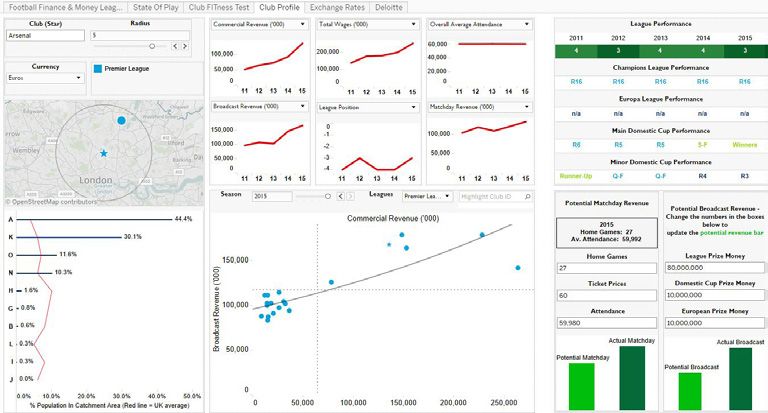
The Annual Review of Football Finance continues to be recognised
01
League wide trends
and analysis
as a definitive independent source of financial information in
Big five European
respect of European football. Reflecting both this and a greater leagues plotted on
industry appetite for financial information than ever before, map, with users
Deloitte have developed the Football Intelligence Tool (FIT).
able to select one
or more by clicking
on them.
02
Users can plot the
charts based on
This digital solution allows the user to This subscription service is ideal for: a range of league
manipulate data in a quick and easy to use level metrics, such
format. •• Football club executives looking to as revenue, wage
understand their organisation’s performance costs and average
Deloitte FIT uses leading user-friendly and position within the market and to attendance.
technology to display many of the data points benchmark against other clubs;
contained in the Annual Review of Football
Finance Databook and a host of other industry •• Aspiring club investors looking to identify and
information. We hope FIT will be a valuable assess a club; and
asset for anyone looking to deepen their
understanding of the football business. •• Sports media and broadcasters looking for
further insight and analysis.
If you would like to find out more about the
tool and to book your free, personalised
03
Club trends and
demonstration, please contact
sportsteamuk@deloitte.co.uk
Revenue splits for
each league set
out and shown
analysis
over time.
14Annual Review of Football Finance 2017 |
Sports Business Group
05 10
Club profiling
Matrix analysis Explore the local
on a club-by-club area of a given club,
basis with the axes
defined by user
with population data
displaying the socio- 11
selected metrics.
Peer group averages
and correlation lines
06
Overall revenue
economic profile of
the catchment area.
Historical details
of key financial
measures and
also plotted. trend for given
selection of clubs,
with ability to click
08
Users can see where their
supporting matrix
analysis for two
parameters
through to further highlighted club is relative simultaneously.
explore historic to their own user selected
revenue trends. peer group.
04 09
Users can create their
An interactive map of
Europe allows the user to
quickly select the clubs
07
Users can configure
own peer groups by
filtering by a variety of
possible metrics such as
Individual club
benchmarking
most appropriate to their the screen by selecting stadium size, whether
specific geography and any metric they wish a club has played in
circumstances, with FIT to explore, setting up European competitions,
currently containing data the overall dashboard their average attendance
for the ‘big five’ European to reflect their areas or their league position.
leagues and the EFL of interest, providing
Championship. visual analysis of
specific clubs.
15Annual Review of Football Finance 2017 |
Sports Business Group
Premier League clubs
Premier League clubs’ revenues grew by Matchday revenue is at its lowest level (17%) League clubs to expand capacities and hence
9% to a record £3.6 billion in 2015/16. In Impact of individual as a proportion of total revenue in the history supply to meet demand amid consistently full or
the final year of the Premier League’s of the Premier League, but in absolute terms near full stadia.
broadcast cycle, the 20 Premier League
clubs (£622m) is at a record high. We expect further
clubs generated more on average (£182m) Of the 17 clubs that were in the growth given the continuing work by Premier Commercial revenues grew by 10% to exceed
than all 22 top division clubs combined did Premier League in both 2014/15 and £1 billion for the first time in the league’s history,
in 1991/92 (£170m), the last season before 2015/16, the club which had the largest driven by new commercial deals at several
the competition began. revenue, Manchester United, was also Chart 7: Premier League clubs’ revenues leading Premier League clubs.
the fastest growing in 2015/16. 2013/14-2017/18 (£m)
Revenue growth of £120m (30%) was
6,000
Premier League clubs’ revenues principally due to their reported £75m Projected
Over half of the £289m increase in Premier per year kit deal with adidas, and a Future revenue growth
League clubs’ revenues year-on-year was due return to Champions League football, 5,000 4,460 4,550
to broadcast income, predominantly as a result which generated UEFA distributions of 1,170 The 2016/17 season was the first of a
1,120 26%
of UEFA distributions to Premier League clubs over £30m. 3,639
25% new Premier League broadcast rights
4,000
increasing (by £100m). This in turn was driven in 3,259 3,350 cycle, with total Premier League central
1,090
part by English clubs’ improved performance in Manchester City generated the largest 897 987 30% 2,700 2,710 distributions increasing by 46% to
29% 61% 59%
UEFA competitions in the 2015/16 season, with revenue increase (£40m) among the 3,000 27% £2.4 billion in 2016/17, an average
Manchester City reaching the semi-finals of the other 16 clubs. Their run to the 1,758 1,780
1,927 increase of £38m per Premier League
53%
UEFA Champions League, and Liverpool the final Champions League semi-finals earned 2,000 54% 53% club. This growth will be enhanced and
of the UEFA Europa League, and it also being them £63m in UEFA distributions, the supported by new commercial
the first season of a new, more lucrative, UEFA highest club distribution made by UEFA agreements such as Chelsea’s with
1,000
broadcast rights cycle. in 2015/16. Leicester City also 640 670
Nike, and likely matchday revenue
604 583 622
generated an absolute revenue 19% 18% 17% 14% 15% uplifts arising from West Ham United’s
The average revenue of a Premier League club increase of £25m, and the second 0 13/14 14/15 15/16 16/17 17/18 move to the London Stadium in
was £182m in 2015/16, which is more than all 22 highest relative increase of the 17 Average revenue per club 2016/17, Liverpool’s expansion of their
top division clubs generated in total in 1991/92, clubs, almost exclusively driven by 163 168 182 223 228 main stand, and Tottenham Hotspur’s
the last year of the ’old’ Division One. Broadcast extra Premier League central planned one-year residency at
revenue has almost doubled since 2008/09, and distributions of £22m in their Commercial Matchday Wembley in 2017/18. As a result, we
in 2016/17 we expect it will make up over 60% title-winning season. Five clubs saw expect total Premier League clubs’
of total revenue, reflecting the growing global their revenue fall. Broadcasting Source: Deloitte analysis. revenues to rise to £4.5 billion in
demand for Premier League football. 2016/17, and £4.6 billion in 2017/18.
16Annual Review of Football Finance 2017 |
Premier League clubs
Although the Premier League has the most Chart 8: Premier League and Championship clubs’ average revenues – 2015/16 (£m)
equal distribution mechanism of broadcast Parachute payments
500
revenue in any of Europe’s ‘big five’ leagues,
there are significant differences between
for relegated clubs 398
clubs in terms of matchday and commercial The average revenue of Championship 400 170
revenue. Qualifying for European club clubs in receipt of parachute payments
competitions also brings a significant was almost double that of those without
300 256
revenue advantage, especially in the in 2015/16, and the average parachute
10 89
context of improved UEFA broadcast deals, payment of £18m exceeded the total 46
which resulted in total UEFA distributions average revenue of non-parachute clubs. 200
8
91 22
to participating English clubs of £230m in 88
110 110
15 23
the 2015/16 season. The new Premier League broadcast cycle, 100 7 5 33
17
81 74 64 6 4
commencing in 2016/17, has increased 49 5 2
3 6
6
year one parachute payments to 14 18 18
0 UCL clubs UEL clubs Premier Premier Championship Championship
Premier League clubs’ revenue levels relegated clubs to over £40m each, a 58% League League with without
The average revenues of Premier League clubs increase year-on-year. However, with (other) (relegated) parachute parachute
competing in the Champions League were parachute payments now lasting for only
almost £400m in 2015/16. This was mainly three years rather than four, and clubs Commercial
due to the return of Manchester United to making an immediate return to the Spending for success
Champions League football and the impact of Championship only receiving the first two Broadcast other
the new UEFA broadcast rights cycle, which years’ worth, it remains to be seen After some disappointing domestic
resulted in a significant increase in distributions whether this will significantly alter the Broadcast UEFA campaigns in 2015/16, the Premier
to clubs. The six clubs who qualified for the competitive balance of the Championship. League’s big six clubs outspent the rest
group stages of UEFA competitions accounted Broadcast PL central of the division in the summer 2016
for almost 80% of Premier League clubs’ total transfer window, and re-established
commercial revenue in 2015/16, demonstrating revenue of the average non-big six club, Chelsea Matchday their on-pitch supremacy, finishing as
the enduring commercial appeal of continental finished tenth, and Liverpool finished eighth the top six in 2016/17 for the second
football to sponsors. despite revenue of over £300m, more than Note: UCL clubs comprised time in three seasons. They will all
double that of sixth-placed Southampton, or Arsenal, Chelsea, Manchester compete in UEFA competitions in
The revenue primacy of these six clubs seventh placed West Ham United. City and Manchester United. UEL 2017/18, with five English clubs in the
(Arsenal, Chelsea, Liverpool, Manchester clubs comprised Liverpool and Champions League following
City, Manchester United and Tottenham The three relegated clubs in 2015/16 averaged Tottenham Hotspur. Manchester United’s Europa League
Hotspur), which was further accentuated by £110m in revenue, 58% of which was Premier success. Although it is difficult to see any
their presence in European competition, was League broadcast revenue. In the 2016/17 Source: Premier League; UEFA; club mounting a sustained challenge to
overcome on the pitch in the 2015/16 season by season the three clubs relegated from the Deloitte analysis. the financial pre-eminence of these
Leicester City. The Foxes won the league despite Premier League received an average of £96.5m clubs in the short term, Leicester’s
generating revenues of less than 40% of the in central distributions alone, highlighting remarkable triumph in 2015/16
average of the big six, and less than one third the impact of the new broadcast rights demonstrated the continuing truth in
of the four Champions League clubs’ average. agreement, and the huge incentive on offer for the old adage that in football, money
Despite generating more than three times the Championship clubs to gain promotion. does not always guarantee success.
17Annual Review of Football Finance 2017 |
Premier League clubs
Premier League clubs’ wage costs We would expect to see another substantial
continued to grow in 2015/16, reaching Impact of individual
£2.3 billion, an increase of 12%. Wage costs
grew at almost twice the rate witnessed
clubs increase in wages in 2016/17, with average
in each of the previous two years, as clubs
spent in anticipation of the extra revenue
The 17 clubs present in both the
2014/15 and 2015/16 Premier League
broadcast rights distribution per club
from the new broadcast cycle commencing
in 2016/17.
seasons increased wage costs by an
average of £13m each. Liverpool
increasing by around £38m.
(£42m) and Manchester United (£37m)
had the largest increases, although Chart 9: Premier League clubs’ revenues and wage costs
Premier League clubs’ wage costs these include the effects of managerial – 2014/15-2015/16 (£m)
For the eighth time in the last ten years, wage redundancy payments. As a result,
5,000
costs grew at a faster rate than revenues in Manchester United replaced Chelsea Revenue
2015/16. As a result, the division’s wages/ as the division’s highest wage payers.
revenue ratio increased for the second These two clubs, along with Arsenal, 4,000 3,639 Wage costs
3,350
successive year to 63%. The introduction Manchester City and Liverpool, were
of the Premier League’s Short Term Cost the only clubs to pay higher than the Wages/revenue ratio
3,000
Control measures in 2013/14, coupled with the average league wage costs. Tottenham
substantial uplift in broadcast rights values, has Hotspur were the only Premier League 2,279 Average wage costs
resulted in the ratio falling by eight percentage club to reduce their wage bill 2,000 2,031 per club
points from the all-time high of 71% in 2012/13. year-on-year, yet managed to improve
Since 2012/13, just 44% of revenue increases their league position from fifth to third. 1,000
have been consumed by wage growth, whereas Source: Deloitte analysis.
in the five years to 2012/13, this figure was 99%. Leicester City had the largest increase
0 2014/15 2015/16
in relative terms (40%), aside from the
Although increased financial regulation has promoted clubs. This increase is 61% 63%
undoubtedly helped limit clubs’ wage spend attributable in part to player and 102 114
relative to their revenues, we would expect coaching staff bonuses as a result of
to see another substantial increase in wages them winning the 2015/16 Premier
£1.6 billion
in 2016/17, with average Premier League League.
broadcast rights distributions per club
increasing by around £38m.
Contributed by English
professional football
to Government in
taxes in 2015/16
18Annual Review of Football Finance 2017 |
Premier League clubs
Seven Premier League clubs had a wages/ Chart 10: Premier League clubs’ revenues and wage costs – 2015/16 (£m)
revenue ratio in excess of 70%, the
600
indicative warning threshold level used
by UEFA as part of their Financial Fair Play 515
Regulations. This is an increase from six 500
Tottenham Hotspur
clubs in 2014/15, and two in 2013/14, as
393
West Bromwich Albion
clubs spent in anticipation of increased
West Ham United
400 350
Newcastle United
broadcast revenue in 2016/17 and beyond. 335
AFC Bournemouth
302
Average
Leicester City
Southampton
Notably, Aston Villa recorded the league’s
Crystal Palace
Swansea City
Norwich City
300
Sunderland
highest wages/revenue ratio in 2015/16
Aston Villa
Stoke City
Everton
(88%), and the eighth highest wage total 209
Watford
241 232 182
(£93m), but finished in 20th position and 200 198 195
209
144
were relegated. 129 126 124 122
108 106 104 101 98 98 96 91 88
Liverpool
Man City
Man Utd
114
Chelsea
105
Arsenal
100 95 93
85 80 75 85 84 82 81 82
74 67 58 60
Correlation between wage costs and
league position 0 47% 50% 56% 69% 69% 50% 63% 59% 62% 59% 68% 78% 78% 88% 79% 80% 75% 69% 85% 64% 68%
The Spearman’s rank correlation coefficient,
which measures the relationship between
league position and total wage cost rank, was Revenue Wage costs Wages/revenue ratio Source: Deloitte analysis.
0.54 in 2015/16, with only four clubs finishing
within one place either side of where one would
expect given their wage bill. This was down from Indeed, had Leicester City not won the league Leicester City, who
0.74 (and ten clubs) in the previous season, and and incurred bonuses as a result, their wage Future wages trends
is the lowest level of correlation we have ever
seen in our analysis of Premier League finances.
costs would have been even lower, which makes
their achievement even more remarkable.
ranked 15th in wage The agreement by Premier League clubs
The remarkable success of Leicester City, who Two of the three promoted clubs, AFC
costs, outperformed to continue the Short Term Cost Control
Rules, albeit under a slightly revised
ranked 15th in wage costs, outperforming
their wage spending to an extent never before
Bournemouth and Watford, successfully avoided
relegation despite recording the lowest wage
their wage spending to format, will continue to help restrict
wage inflation and should, together with
achieved in Premier League history, and
the relative on-pitch struggles of defending
costs in the division. This illustrates that there
are other factors beyond wage spend which
an extent never before the broadcast revenue growth, lead to a
reduction in the wages/revenue ratio in
champions Chelsea heavily contributed to
this figure, with the latter finishing tenth, eight
contribute to clubs’ on-pitch performance. achieved in Premier 2016/17. The 2016/17 results will also
restore a much stronger correlation
places lower than their wage costs rank of
second. Relegated Aston Villa also finished
League history. between wage costs and league
position. The division’s top six wage
twelve places lower than their wage costs rank spenders in 2015/16 were also its top six
of eighth, further contributing to the low level of spenders on transfers in the summer
correlation in 2015/16. 2016 window, and filled the top six
league positions in 2016/17.
19Annual Review of Football Finance 2017 |
Premier League clubs
Premier League clubs recorded a third Chart 11: Premier League clubs’ profitability – 2011/12-2015/16 (£m)
consecutive season of operating profits Premier League clubs’
1,000
in excess of £500m in 2015/16. However,
due to the impact of exceptional, one-off
pre-tax profits 19
accounting adjustments, the division At pre-tax level, which includes the 800 17 17
31
returned to cumulative pre-tax losses impact of player trading and finance 618 27 26
following two consecutive seasons of costs, Premier League clubs returned 549
600 511
pre-tax profits. We expect a return to to collective losses (of £111m) after two
record-breaking profits in 2016/17, with the years of pre-tax profitability. However, 14
400 11 13 14
possibility that it may be the first season’s this result is attributable to one-off 9
results to show every Premier League club accounting adjustments at Chelsea 4 4 187 6
generating an operating profit. (£67m in relation to a compensation fee 200 84 82 112 12
arising from the early termination of the (6)
club’s kit sponsorship deal with adidas),
0 2011/12 2012/13 2013/14 2014/15 2015/16
Premier League clubs’ operating profits and Aston Villa (£45m in relation to the
7
Premier League clubs generated combined impairment of tangible assets following (111)
operating profits (which excludes items such relegation). Excluding these two items, -200 (16)
(246)
as player trading and finance costs) of £511m. Premier League clubs would have been (316)
Despite falling for the second successive year, very narrowly collectively profitable in 8
-400
this is still the third highest aggregate operating 2015/16, albeit significantly less so than (12)
profit ever recorded by Premier League clubs. in 2013/14 and 2014/15. 12 clubs
Over the three year broadcast rights cycle recorded pre-tax profits in 2015/16, the Operating profit/(loss)
from 2013/14 to 2015/16, Premier League clubs largest of which was recorded by Future outlook
generated combined operating profits of over Manchester United (£49m). Profit/(loss) before tax
£1.6 billion; more than they managed in total The return to pre-tax losses in 2015/16
over the previous 16 seasons. Number of clubs generating is likely to be a one-off for the
operating profit/pre-tax foreseeable future, driven by
Of the 17 consistent clubs year-on-year, ten operating loss (Aston Villa and Swansea City) profit exceptional costs. With central
suffered a reduction in operating profitability had the two highest wages/revenue ratios in the distributions to Premier League clubs
in 2015/16. However, as was the case in the Premier League (88% and 85% respectively). Average club operating in 2016/17 £760m (46%) higher than in
previous year, 17 clubs recorded an operating result/pre-tax result 2015/16, increasing matchday and
profit. Manchester United (£173m) and commercial revenues and Premier
Manchester City (£97m) together accounted for Despite falling for the second Note: The operating result is the
net of revenues less wage costs League clubs generating net transfer
over 50% of Premier League operating profits.
successive year, this is still and other operating costs. The
operating result excludes player
receipts for the first time ever in a
The three promoted clubs generated combined transfer window in January 2017, we
operating profits of £28m, a year after recording the third highest aggregate trading and certain exceptional
items, which are included in the
fully expect that Premier League clubs
a combined operating loss of £47m in the
operating profit ever recorded pre-tax result, along with other will collectively achieve record levels of
Championship. This starkly illustrates the costs such as financing costs. profitability in the seasons to come.
difference in profitability between the two by Premier League clubs.
Source: Deloitte analysis.
divisions. Two of the three clubs to record an
20You can also read


