AI psychology - American Psychological Association
←
→
Page content transcription
If your browser does not render page correctly, please read the page content below
A PUBLICATION OF THE AMERICAN PSYCHOLOGICAL ASSOCIATION • NOV/DEC 2021

psychology
monitor on                                                 GST# R127612802

 AI
  THE PROMISE AND
    CHALLENGES
         PAGE 62

     THE SCIENCE OF
        EMPATHY
         PAGE 44

    TREATING ADULTS
   WITH INTELLECTUAL
  AND DEVELOPMENTAL
      DISABILITIES
         PAGE 54

       EFFECTIVE
     THERAPY FOR
     BLACK WOMEN
         PAGE 38

      SUCCESSFUL
     GRANT WRITING
         PAGE 76
Simplify, Automate
                                                       Start a
and Grow Your Practice                               FREE TRIAL
Business-ready EHR software                            Today!
with 100+ features to streamline           SPECIAL
your operations, impress your clients,     OFFER!
and claim back your evenings.            50% OFF
                                          for 6 months
                                         after free trial
                                                                 From

                                                            $5      PER
                                                                    WEEK
                                                              with offer
                                         .com

      ONLINE                                                   TELEHEALTH
  CALENDARS                                                    PORTAL

 APPOINTMENT                                                   PAYMENTS
   SCHEDULER                                                   & INVOICING

  SMS & EMAIL                                                  INDUSTRY
   REMINDERS                                                   INTEGRATIONS

   TREATMENT                                                   REPORTS
FORMS & NOTES                                                  & ANALYTICS

    SECURE &                                                   WORKS ON
   COMPLIANT                                                   ALL DEVICES

                                         Trusted by solo practitioners
                                         and large health clinics worldwide
Welcome, APA!

                                                                                        That’s right
                                when you join, you’ll get additional savings on top of the already
                                affordable insurance rates GEICO offers. Head this way to see
                                   your exclusive savings as a new or current APA member.

                                          geico.com/disc/apa | 1-800-947-AUTO | Local Office

Some discounts, coverages, payment plans, and features are not available in all states, in all GEICO companies, or in all situations. GEICO contracts with various membership entities and other organizations, but these
 entities do not underwrite the offered insurance products. Discount amount varies in some states. One group discount applicable per policy. Coverage is individual. In New York a premium reduction may be available.
GEICO may not be involved in a formal relationship with each organization; however, you still may qualify for a special discount based on your membership, employment or affiliation with those organizations. GEICO is a
               registered service mark of Government Employees Insurance Company, Washington, DC 20076; a Berkshire Hathaway Inc. subsidiary. GEICO Gecko® image © 1999- 2021. © 2021 GEICO
@APA
The Hot List

                                          RESOURCES, OPPORTUNITIES, AND NEWS FOR PSYCHOLOGISTS FROM APA

                                                                                         What to Stream

                                                                                                          1
                                                                                         “Psychological Science and
                                                                                          Public Communications—
                                                                                          Debates and Next Steps”
                                                                                            A panel of psychological
                                                                                         scientists and communication
                                                                                         experts talk about the impor-
                                                                                           tance of sharing research             IMPACT
                                                                                             with the public and the
                                                                                                                               Explore the Legacy
                                                                                           challenges psychologists
                                                                                                                               of a Psychology Icon
                                                                                                    may face.
                                                                                            Watch at www.apa.org/science.

                                                                                                         2                     T    he new Magination Press
                                                                                                                                    book Evelyn Hooker and
                                                                                                                               the Fairy Project celebrates the
                                                                                              APA 2021 Content                 career of Evelyn Hooker, PhD,
                                                                                               More than 1,000                 the psychologist behind the
                                                                                           presentations from APA’s            research and advocacy that led
                                                                                          2021 convention in August            to the removal of homosexu-
    SOLUTIONS
                                                                                            are available to stream            ality from the Diagnostic and

Determine the Cost of
                                                                                               through Nov. 15.                Statistical Manual of Mental

                                                                                                                                                                       UPPER LEFT: THOMAS KUHLENBECK/IKON IMAGES; UPPER RIGHT:MAGINATION PRESS; LOWER LEFT: KLNGE/GETTY IMAGES
                                                                                           Go to https://convention.apa.org.
                                                                                                                               Disorders in 1973. Hooker’s

Your Graduate Degree
                                                                                                                               groundbreaking research on
                                                                                                         3                     gay men—conducted with a
                                                                                         “Improving the Assessment             National Institute of Mental

T
        he American Psychological Association of Graduate                                     of ADHD in Youth”                Health grant and scornfully
        Students (APAGS) has developed the Financial Expen-                                This Nov. 19 webinar will           referred to as “The Fairy
        diture Evaluation for Students (FEES) tool to help                                  explore the most recent            Project” by some federal offi-
current and prospective psychology graduate students calculate                           research on ADHD and best             cials—not only destroyed the
and evaluate the cost of attending any psychology graduate pro-                          practices for assessing symp-         myth that homosexuality was
gram so that they can make informed decisions about the cost                                toms and impairments.              a type of psychopathology but
                                                                                         Go to www.apa.org/news/events/2021/
of their education. FEES helps students score graduate psychol-                              improving-youth-assessment.       also helped spark a social jus-
ogy programs on their transparency about a variety of factors,                                                                 tice movement and important
including the amount of financial support available; career                                                                    allyship for LGBTQ+ people
placement prospects; average salary of graduates; the availabil-                                                               that is still evident today. The
ity of health insurance, including mental health benefits; and                                                                 book ends with guidance on
average time to degree completion. APAGS also encourages                                                                       how to be an effective ally to
training programs to use the tool to assess the costs their stu-                                                               LGBTQ+ people, discussion
dents take on and how easy it is for students to find financial                                                                questions for young readers,
details and other important information about their programs.                                                                  and additional resources.
Find it at www.apa.org/apags/resources/fees-tool.                                                                              Order at www.apa.org/pubs/magination.

2    M O N I TO R O N P S YC H O LO G Y   ●   N OV E M B E R / D E C E M B E R 2 0 2 1
monitor on
i psychology
A publication of the American Psychological Association
How to Reach Us VOLUME 52 | NUMBER 8
Answers to many of your questions may be found on
PRESIDENT Jennifer F. Kelly, PhD, ABPP
APA’s website: www.apa.org; for phone service call (800) 374-2721;
for story ideas or comments, contact Editor in Chief CHIEF EXECUTIVE OFFICER Arthur C. Evans Jr., PhD
Trent Spiner at tspiner@apa.org. CHIEF COMMUNICATIONS OFFICER Alicia Aebersold
EDITORIAL
EDITOR IN CHIEF Trent Spiner
MANAGING EDITOR Susan Straight
SENIOR EDITORS Lindsey Allen, Jamie Chamberlin,
Tori DeAngelis, Jewel Edwards-Ashman
IDEAS ART DIRECTOR Jerry Sealy
CONTRIBUTING WRITERS Zara Abrams,
3 Things To Do This Month Ashley Abramson, Amy Edgar, Charlotte Huff,
Chris Palmer, Stephanie Pappas, Helen Santoro,
Kirsten Weir
Praise your colleagues & explore new opportunities
CONTRIBUTING DESIGNER Callie Strobel
PRODUCTION MANAGER Peter S. Kovacs
SUBSCRIBE TO National Science Foundation each
EDITORIAL ASSOCIATE Barb Fischer
SCIENCE SPOTLIGHT year to help bring psychologists’
1 Be the first to hear about open
calls for papers, grants, and fund-
ing opportunities via APA’s newsletter
expertise to federal policymaking.
Congressional Fellows get the oppor-
tunity to help draft legislation, prepare
A PA M E D I A A N D E V E N T S A L E S
DIRECTOR OF MEDIA SALES Jodi Ashcraft
MEDIA SALES MANAGER James Boston
for psychological scientists. Sci- briefs and speeches, and assist with APA PSYCCAREERS OPERATIONS MANAGER
ence Spotlight is delivered to your congressional hearings. APA’s Exec- Amelia Dodson
inbox every two weeks and features utive Branch Fellows may work on RECRUITMENT ADVERTISING SALES MANAGER
resources to help you further your agency budgets, staff scientific task Nancy Onyewu
work, innovative research from APA’s forces, and run peer review panels. RECRUITMENT ADVERTISING SALES
journals, and news on what APA is Apply by Jan. 3 at www.apa.org. REPRESENTATIVE Shawn Deadwiler II
doing to advance science. SENIOR MARKETING MANAGER Robin Tiberio
Sign up at www.apa.org/science/science-spotlight. NOMINATE A GAME-CHANGING BUSINESS ADMINISTRATOR Eric Fuller
DESIGN & PRODUCTION Rebecca Halloran
PSYCHOLOGIST
3
SALES COORDINATOR Age Robinson
APPLY TO WORK IN The American Psychological
WASHINGTON, D.C. Foundation’s new $1,000 Gold The Monitor on Psychology (ISSN-1529-4978) is the magazine of the American
2
Psychological Association (APA) and is published 8 times per year—January/
APA places two psychologists in Medal Award for Impact in Psy- February combined, March, April/May combined, June, July/August combined,
congressional offices and one chology recognizes the work of a
September, October, and November/December combined. Publications office,
headquarters, and editorial offices are at 750 First St., N.E., Washington, DC
in an executive branch office like the psychologist—or group of psycholo-
20002-4242. APA purchases only “first publication rights” for photos and illustra-
tions. Therefore, it cannot grant permission to reuse any illustrative material. APA
gists—in any career stage and from holds the copyright for text material in Monitor on Psychology articles. Permission
requests to reproduce text material should be addressed to APA, Permissions
any field of psychology whose work Office, at the APA address. Telephone numbers: Headquarters (202) 336-5500; TDD
(202) 336-6123; Display advertising (202) 336-5714; Classified advertising (202)
is innovative and transformational 336-5564; and Subscriptions (202) 336-5600. The views expressed in the Monitor
on Psychology are those of the authors and may not reflect the official policies or
or has led to an important change. positions of the American Psychological Association or the Monitor on Psychology.
No endorsement of those views should be inferred unless specifically identified as
Self-nominations are not accepted. the official policy or position of the American Psychological Association. The pub-
lication of any advertisement by APA is an endorsement neither of the advertiser
Submit a statement describing the nominee’s nor of the product. APA endorses equal employment opportunity practices, and we
reserve the right to edit all copy and to refuse ads that are not in consonance with
work, the nominee’s curriculum vitae, and up to
the principles of Title VII of the Civil Rights Act of 1964. Subscription to the Monitor
three letters of support by Jan. 15 at www.apa. on Psychology ($6) is included in the annual dues and fees for all APA members and
org/apf/funding/gold-medal. student affiliates. Individual subscription rate is $50; individual surface rate is $107;
and individual airmail rate is $139. Institutional subscription rate is $93; institutional
surface rate is $203; and institutional airmail rate is $235. Single copies are $20
each. For $16 extra, the Monitor on Psychology will be mailed first-class to subscrib-
ers in the United States, Canada, and Mexico. For $75 extra, airmail is available
Share Your Art in American Psychologist to foreign subscribers (other than Canada and Mexico). Periodical postage is paid
at Washington, DC, and at additional mailing offices. POSTMASTER: Send address
A PA’s journal American Psychologist is seeking images of original art- changes to Monitor on Psychology Subscriptions Department, 750 First St., N.E.,
Washington, DC 20002–4242. CANADA SUBSCRIPTIONS: Canada Post Agreement
work to include on the covers of its 2022 issues. Art Editors Walter Number 40036331. Send change of address information and blocks of undeliver-
able copies to PO Box 1051, Fort Erie, ON L2A 6C7. Printed in the United States of
Heinrichs, PhD, and Anne E. Kazak, PhD, ABPP, and new Editor-in-Chief America. ©2021 by APA. Address editorial inquiries to the Monitor on Psychology
Harris Cooper, PhD, welcome artists of all backgrounds to submit between editor, and advertising and subscription inquiries to Monitor on Psychology/adver-
BILL CHIZEK/GETTY IMAGES
tising or Monitor on Psychology/subscriptions.
three and six images for consideration in any medium—including paint,
photography, sculpture, mosaic, collage, and fabric. Submit photographs of Please recycle this magazine. If you wish to go
paperless and receive only the digital edition of the Monitor,
work along with a brief biography to Sue Harris, PhD, at Editor-AP@apa.org. please email membership@apa.org or call (800) 374-2721.
Answers to many member-related questions can be found
on APA’s website: www.apa.org.
M O N I TO R O N P S YC H O LO G Y ● NOVEMBER/DECEMBER 2021 3
Renew Your
    APA Membership
    APA continues to make your membership even more
    valuable with new resources to help you navigate
    challenges — and take advantage of opportunities.
    Get the latest research and information across psychology,
    the career development tools you need, and the advocacy
    you want — especially now.

    Renew online today at: on.apa.org/mon-renew
4   M O N I TO R O N P S YC H O LO G Y   ●   N OV E M B E R / D E C E M B E R 2 0 2 1
Features                                                                                                                           NOVEMBER/DECEMBER 2021

COVER STORY

THE PROMISE AND CHALLENGES OF AI
Psychologists are playing a larger role in the development and use of
artificial intelligence software and technologies, such as therapeutic
chatbots and facial-recognition systems. They’re also amassing a
robust literature on human-computer interaction, digital therapeutics,
and the ethics of automation. See page 62

                                                                                                                         54 WORKING WITH
                                                                                                                         ADULTS WITH
                                                                                                                         DEVELOPMENTAL
                                                                                                                         DISABILITIES
                                                                                                                         There is a yawning gap
                                                                                                                         between the need for and the
                                                                                                                         availability of mental health
                                                                                                                         services for adults with
                                                                                                                         intellectual and developmental
                                                                                                                         disabilities—but psychologists
                                                                                                                         can work to close that gap.

                                                                                                                         44 CULTIVATING
                                                                                                                         EMPATHY
                                                                                                                         Psychologists’ research
                                                                                                                         offers insight into why it’s
                                                                                                                         so important to cultivate
                                                                                                                         “other-oriented” empathy,
                                                                                                                         and how to help grow these
                                                                                                                         skills in your patients and
                                                                                                                         yourself.

                                  O N T H E C O V E R : I L L U S T R AT I O N B Y C H R I S G A S H / T H E I S P O T

                                                                                              M O N I TO R O N P S YC H O LO G Y   ●   NOVEMBER/DECEMBER 2021   5
Departments                                                                                                            NOVEMBER/DECEMBER 2021

                            Marijuana use is
                            associated with
                            suicide risk.
                            Page 14

 2 @APA: THE HOT LIST
 8 PRESIDENT’S COLUMN
10 UPDATE FROM THE CEO

RESEARCH
13 IN BRIEF
21 DATAPOINT
88 BY THE NUMBERS

NEWS
22 CHILDREN LOSING
   CAREGIVERS TO COVID
25 BUILDING A MORE DIVERSE FACULTY
30 PROTECTING HEALTH CARE TEAMS
37 JUDICIAL NOTEBOOK

PEOPLE
35 4 QUESTIONS FOR LAURA BOXLEY
70 PSYCHOLOGISTS IN THE NEWS

CE CORNER
3 8 EFFECTIVE THERAPY FOR
    BLACK WOMEN

CAREER
71 HOW TO INCORPORATE
   OPEN SCIENCE
76 SUCCESSFUL GRANT WRITING
80 LAB WORK
                                                                      CAREER
EMPLOYMENTS ADS
85 THE BEST JOBS IN PSYCHOLOGY
                                                                      THE VITAL WORK OF GRANT WRITING
                                                                      Research scientists and program officers share their advice on the
                                                                      importance of seeking out grant funding, making grant applications
                                                                      stand out, and using feedback to move past rejection. See page 76
                                         Rethinking
                                         self-care.
                                         Page 35

                                                                      Losing caregivers to COVID. Page 22   Meeting the needs of Black women. Page 38

6   M O N I TO R O N P S YC H O LO G Y   ●   N OV E M B E R / D E C E M B E R 2 0 2 1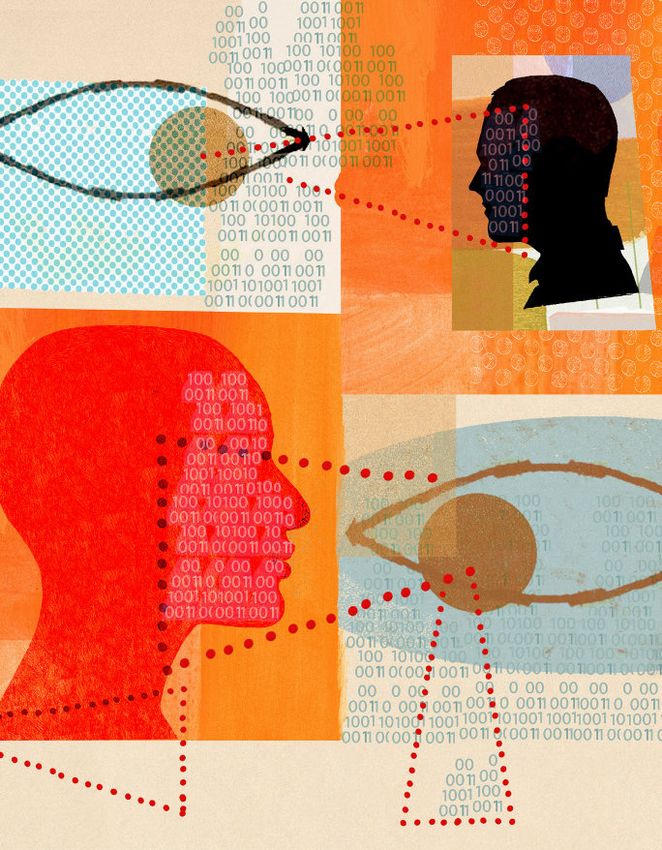
New Resources for Teachers and Students
                      from APA Books®

                                                                                                              Fourth Ed.

 USD $44.99 | PAPERBACK                  USD $24.99 | PAPERBACK                       USD $79.99 | PAPERBACK
  ISBN 978-1-4338-3636-7                  ISBN 978-1-4338-3639-8                       ISBN 978-1-4338-3647-3

Edited by Sangeeta Panicker         Pamela I. Ansburg, Mark E. Basham,                    Charles J. Gelso
    and Barbara Stanley                 and Regan A. R. Gurung                      and Elizabeth Nutt Williams

                                                                                                              Second Ed.

  USD $59.99 | PAPERBACK                 USD $99.99 | PAPERBACK                       USD $69.99 | PAPERBACK
   ISBN 978-1-4338-3472-1                 ISBN 978-1-4338-3693-0                       ISBN 978-1-4338-3445-5

Edited by Regan A. R. Gurung                 Rodney L. Lowman                         Edited by Paul M. Camic
     and Garth Neufeld

                               ORDER TODAY AT AT.APA.ORG/BOOKS
                                                      M O N I TO R O N P S YC H O LO G Y   ●   NOVEMBER/DECEMBER 2021   7
From the President

HOW WE MOVED THE NEEDLE
ON HEALTH EQUITY
Psychology has an outsize role in providing solutions for society’s
greatest challenges BY JENNIFER F. KELLY, PHD, ABPP

                   As my presidential year ends, I have never felt prouder                                        role in achieving health equity, including
                   of the work psychologists are doing to make the world a                                        increasing the number of people of color
                   better place. ¶ This was a year of extreme challenges and                                      in the education and leadership pipe-
                                                                                                                  line and helping practitioners develop
                   welcomed successes: from major natural disasters and
                                                                                                                  competence in working with diverse
                   the Jan. 6 insurrection to the withdrawal of troops from                                       populations.
                   Afghanistan and a return to school and work for many.                                              I want to thank all our members who
                   Throughout my time as your president, I have seen the                                          selflessly gave their time and expertise
power of psychologists coming together and using science to promote health-                                       to APA this year. None of our import-
ier outcomes for individuals and communities.                                                                     ant work could have been accomplished
                                                                                                                  without your volunteer leadership. I also
    Most notably, psychology has been                                 Presidential Task Force on Psycholo-        want to thank APA staff, who continue
instrumental in fighting the COVID-19                                 gy’s Role in Achieving Health Equity. I     to unite to make a difference in society.
pandemic. Psychology will continue to                                 encourage you to read the special issue         It has been an honor and privilege to
play a key role in addressing vaccine hes-                            of American Psychologist focused on         serve as your president this year. In years
itancy, dealing with ongoing social and                               health equity, published by APA. We         to come, I know that APA will continue
emotional fallout from the pandemic,                                  have also proposed a resolution to coun-    to thrive and have a major impact on
and helping to shape the future of work                               cil articulating a vision of psychology’s   society. n
and education.
    A highlight for APA this year has
been our historic strides in addressing
racism and health disparities. We have
been deliberate in focusing on psycholo-
gy’s role in dismantling systemic racism
in the United States. In February, APA’s
Council of Representatives adopted a
resolution to guide our efforts to counter
racism. We are now focused on psychol-
ogy’s role in helping to expose, and to
ultimately dismantle, racism operating
across society, from within education and
science to government and public policy.
    I am most proud of the work of the
                                                                                                                                                                WE ARE/GETTY IMAGES

● Jennifer F. Kelly, PhD, ABPP, is the 2021
APA president and director of the Atlanta
Center for Behavioral Medicine.
Follow her on Twitter: @JFK4APA.

8   M O N I TO R O N P S YC H O LO G Y   ●   N OV E M B E R / D E C E M B E R 2 0 2 1
From the CEO
CREATING NEW OPPORTUNITIES
AMID DISRUPTION
Psychology can provide solutions to the biggest real-world issues
BY ARTHUR C. EVANS JR., PhD
When the COVID-19 pandemic began, most of us individual level of analysis are strategies
viewed it as an acute crisis—a stressful, but defined, critical to ensuring our success. We also
event. Then we realized that addressing the pandemic need to be intentional about creating
would be more like a marathon—a crisis needing a new processes to draw out psychological
sustained effort, but one that we would find a way to get knowledge needed and efficiently and
effectively apply it.
through and recover from. As time has gone on, it has
During the development of APA’s
become clear that the pandemic may be a phenomenon
strategic plan in 2018, a strong and
we will be living with in some way for much longer. consistent theme from our members was
This change to viewing the coronavi- new long-term strategies to cope. This a desire to see psychology have more
rus as something we must live with for means recognizing that the rapidity of impact on the critical issues of the day.
an extended period versus something we change going forward will only increase, Since then, APA has made building our
could overcome and “return to normal,” making change the “new constant.” All capacity to do this a significant goal for
has profound implications for our lives these realities have implications for how the association. As our world becomes
and the role our discipline and profession psychological knowledge and exper- increasingly complex, both APA and
can play in assisting our society. tise is applied to real-world problems. the broader field of psychology must
Moreover, the major societal issues we Using conceptual frames that routinely continue to explore new ways to apply
are grappling with, like climate change incorporate themes like intersectional- knowledge from the field in innovative
and racism, are fundamentally rooted ity and working increasingly beyond the and impactful ways. n
in human behavior, reaffirming that
solutions require psychological exper-
tise. The nation’s COVID-19 recovery
involves not only containing the virus
but addressing the related effects of these
societal issues on people’s health and
well-being.
As a nation, we need a new mental
model for thinking about the rapidly
evolving world around us and the various
roles we play in it. We must deal with
multiple complex issues simultane-
ously. We must get used to the notion
that many of our most vexing issues
will not just disappear, but—like the
coronavirus—will require us to develop
DANIEL SLIM/GETTY IMAGES
● Arthur C. Evans Jr., PhD, is the Chief
Executive Officer of APA. Follow him on More than 600,000 white flags on the National Mall in Washington, D.C., in September
Twitter @ArthurCEvans. 2021 symbolize the lives lost to COVID-19 in the United States.
10 M O N I TO R O N P S YC H O LO G Y ● N OV E M B E R / D E C E M B E R 2 0 2 1NEW!
Mastering APA Style Student Workbook
The official interactive guide to learning APA Style
Order today or try the
sample workbook at
APAStyle.org
Available on VitalSource’s Acrobatiq online learning platform
Save when you bundle our new workbook with an APA Style manual, all delivered through VitalSource.
Already own an APA Style manual? Get the workbook only to be its perfect companion.
Workbook + Concise Guide to APA Style (7th ed.) bundle
best option for high school and early undergraduate students and others new to APA Style
Workbook + Publication Manual (7th ed.) bundle
best option for advanced undergraduate and graduate students, professionals, and copyeditors
Workbook only
best option for readers who already own the Concise Guide or Publication Manual
ORDER TODAY AT APASTYLE.ORG
M O N I TO R O N P S YC H O LO G Y NOVEMBER/DECEMBER 2021 11
●DISCOVER YOUR PROFESSIONAL HOME WITH
APA Divisions
APA has 54 divisions to help you connect with those who share your particular
subdiscipline while enjoying a variety of additional resources and opportunities.
Many divisions offer free or discounted memberships for
new members to help get you started.
Visit pages.apa.org/divisions to learn more and start connecting today!In Brief
Research COMPILED BY CHRIS PALMER
THE LATEST PEER-REVIEWED STUDIES WITHIN PSYCHOLOGY AND RELATED FIELDS
Police officers
use different
tones when
talking with
Black versus
White drivers
during traffic
stops.
TRAFFIC STOP DISPARITIES
D
isparities in how police officers treat Black to rate the officers’ tones of voice. The participants,
and White Americans are reflected in subtle who did not know the race of the person being pulled
differences in officers’ tones of voice during over, perceived that when officers spoke to Black
routine traffic stops, according to research in the men at traffic stops, their tones of voice conveyed less
Journal of Personality and Social Psychology. Researchers warmth, respect, and ease than when they spoke to
collected 250 audio clips of predominantly male White men. In two additional studies with a total of
officers speaking for 10 seconds from body camera 404 participants, the researchers found that listening
FSTOP123/GETTY IMAGES
footage of traffic stops of men in a midsize U.S. city. to officers speaking with a negative tone eroded peo-
Across three studies, the researchers asked a total of ple’s trust in police.
414 White, Black, Latinx, and Asian men and women DOI: 10.1037/pspa0000270
M O N I TO R O N P S YC H O LO G Y ● NOVEMBER/DECEMBER 2021 13In Brief
JOB DEMANDS
AFFECT EXERCISE
People with high-pressure jobs
and little control over their work
are less likely to exercise after
leaving the office, according to
research in the Journal of Experi-
mental Psychology: Applied. In the
first of two studies, 100 partici-
pants in the United States took Being mentally
part in a call center workplace active in old
age can stave
simulation. Half performed off dementia
high-demand tasks and half per- by as much as
formed low-demand tasks. After 5 years.
completing their tasks, partici-
pants rode a stationary bicycle
for as long as they wanted.
Participants in the high-demand
condition cycled less than those
in the low-demand condition. In
a second study, 144 participants
were split into four groups based
on a combination of high- or
low-demand tasks and high or
low control over their job. Again, levels of marijuana use and READ AND WRITE TO
participants with more demand- prevalence of major depres- FORESTALL DEMENTIA
ing jobs cycled less. Though sive episodes. They found Being mentally active in old
there was no direct association that even people who used age can stave off dementia by
between level of job control marijuana on a less-than- as much as 5 years, suggests a
and time spent cycling, there daily basis were more likely study in Neurology. Research-
was an indirect effect of level to have suicidal ideation ers followed 1,903 older adults
of job control on cycling and to plan or attempt enrolled in a longitudinal study
time through its impact suicide than those who in the United States for an
on participants’ sense of did not use the drug at all, average of about 7 years. Par-
self-determination. with this effect larger for ticipants, who were primarily
DOI: 10.1037/xap0000333 women than men. Among in their 70s and 80s at the
people with depression, 35% start of the study, had annual
SUICIDE RISK HIGHER IN People who used of participants who did not clinical evaluations to diagnose
TOP: LJUPOC/GETTY IMAGES; BOTTOM: ALEXANDRUM/GETTY IMAGES
MARIJUANA USERS marijuana even use marijuana had suicidal Alzheimer’s disease and other
on a less-than-
According to a study in JAMA daily basis were ideation, compared with 44% forms of dementia. They also
Network Open, marijuana use is more likely to of those with nondaily mari- reported how frequently they
associated with increased risk have suicidal juana use, 53% of those who engaged in seven cognitively
ideation and to
of suicidal thoughts, plans, and plan or attempt used marijuana daily, and 50% stimulating activities, including
attempts. Researchers analyzed suicide than of those who had a marijuana visiting a library; reading mag-
data from a nationally repre- those who did use disorder. Similar patterns azines, newspapers, or books;
not use the
sentative sample of 281,650 drug at all. held for suicidal plans and writing letters; putting together
adults ages 18 to 34 years in the attempts among people with puzzles; and playing cards
United States. They assessed depression. and board games. During the
participants’ self-reported DOI: 10.1001/jamanetworkopen.2021.13025 study period, 457 participants
14 M O N I TO R O N P S YC H O LO G Y ● N OV E M B E R / D E C E M B E R 2 0 2 1were diagnosed with Alzhei- their pupil size decreased, and non-White children were almost
mer’s disease. The mean age of their brain activity revealed the twice as likely as their White
onset of Alzheimer’s disease was presence of slow waves that are counterparts to say they enjoyed
94 for those participants with commonly observed after sleep school, and children with higher
the highest level (above 90th onset. According to the research- cognitive abilities were also more
percentile) of late-life cognitive ers, these results indicate that the likely to enjoy school. At age
activity and 89 for those with the inattentive mind may result from 16, those children who reported
lowest level (10th percentile and portions of the brain entering a enjoying school at age 6 scored,
below). Neither education nor sleeplike state. on average, 14.4 points higher
early life cognitive activity was DOI: 10.1038/s41467-021-23890-7 on a compulsory exam—a dif-
associated with age of Alzhei- ference of almost three grade
mer’s onset. In 695 participants ENJOY SCHOOL, levels—even after controlling
whose brains were examined GET BETTER GRADES for cognitive ability and family
postmortem, cognitive activity Research in npj Science of Learn- socioeconomic status. They were
was found to be unrelated to ing indicates that children who also 29% more likely to obtain
neural markers of Alzheimer’s enjoy school at age 6 tend to above-average grades.
and other dementias, suggesting have higher academic achieve- DOI: 10.1038/s41539-021-00092-w
that late-life cognitive activity ment 10 years later. Researchers Research indicates
doesn’t influence brain pathology analyzed data from a longitu- that children who THE LONELY
enjoy school at
itself, but rather boosts cognitive dinal study that began in 1991 age 6 tend to have LIVE SHORTER,
reserve—the ability to cope with of 12,135 children and their higher academic LESS-ACTIVE LIVES
the pathology. parents in the United Kingdom. achievement 10 A study in the Journal of the
years later.
DOI: 10.1212/WNL.0000000000012388 They found that children who American Geriatrics Society indi-
liked their teachers were more cates that lonely older adults are
DAYDREAMING than 9 times more likely to enjoy more likely to live shorter lives
AKIN TO SLEEP school than those who did not. than their peers and spend less
Daydreaming is characterized Also, girls were twice as likely as of their remaining life in good
by sleeplike activity in the brain, boys to report enjoying school, health. Researchers interviewed
suggests research in Nature
Communications. Researchers
asked 26 well-rested partici-
pants in Australia to perform
two boring tasks requiring
sustained attention. During the
tasks, participants were ran-
domly interrupted and asked to
self-report their mental state: on
task, mind wandering (think-
ing of something else), or mind
blanking (thinking of nothing).
The researchers continuously
assessed the participants’ pupil
MONKEYBUSINESSIMAGES/GETTY IMAGES
size and measured their brain
activity with electroencephalog-
raphy (EEG). When participants
reported their minds were
wandering or blanking, their
performance dropped, they
declared feeling more tired,
M O N I TO R O N P S YC H O LO G Y ● NOVEMBER/DECEMBER 2021 15In Brief
sports at a young age, rather
than specializing in one, leads to
Playing several greater long-term success.
sports at a young
DOI: 10.1177/1745691620974772
age, rather than
specializing in one,
may lead to more TOOTH LOSS
long-term success as
an adult athlete.
LINKED TO DEMENTIA
Losing teeth is a risk factor
for cognitive impairment and
dementia, according to a study in
JAMDA: The Journal of Post-Acute
and Long-Term Care Medi-
cine. Researchers conducted a
meta-analysis of 14 studies with
34,704 participants, 4,689 of
whom had diminished cogni-
tive function. They found that
participants with tooth loss were
1.48 times more likely to develop
cognitive impairment and 1.28
times more likely to be diag-
nosed with dementia. Risks for
these conditions increased with
each additional lost tooth. How-
ever, there was no association
between tooth loss and cognitive
3,449 participants in Singa- to success, according to a impairment or dementia for par-
pore age 60 and above three meta-analysis published in ticipants who wore dentures. The
times between 2009 and 2015 Perspectives on Psychological researchers suggest that tooth
about their health and level Science. Researchers examined loss may reflect socioeconomic
of loneliness. They found that 51 studies involving 6,096 disadvantages that are also risk
60-year-olds who reported athletes, including 772 world- factors for cognitive impairment
being sometimes or mostly class athletes. They found that, and dementia or that nutritional
lonely lived 3 to 5 years less, on compared with less-skilled deficiencies arising from diffi-
average, than did their less- youth athletes, world-class youth culty chewing may contribute to
lonely peers. Similar findings started in their sport at an ear- these conditions.
were obtained for 70- and lier age, spent less time doing
TOP: WUNDERVISUALS/GETTY IMAGES; BOTTOM: MIKROMAN5/GETTY IMAGES
DOI: 10.1016/j.jamda.2021.05.009
80-year-olds. The researchers other sports, had more practice Losing teeth
also found that participants time with coaches, and reached is a risk factor LINKS BETWEEN
for cognitive
who felt lonelier lived fewer milestones more quickly. On the impairment and TBI AND ADHD
years in a self-rated state of other hand, as compared with dementia. Children who have a severe
good health and more years less-skilled adult athletes, world- traumatic brain injury (TBI)
feeling limited in their activities class adult athletes started their are more likely to have atten-
of daily living. sport and reached milestones at tion-deficit/hyperactivity disorder
DOI: 10.1111/jgs.17343 a later age and accumulated less (ADHD) than are children with
coach-led practice time in their no such injuries or other types of
SUSTAINING SUCCESS primary sport but more such brain injuries, indicates research
World-class youth and adult time in other sports. The find- in JAMA Pediatrics. Researchers
athletes take different paths ings suggest that playing several conducted a meta-analysis of 24
16 M O N I TO R O N P S YC H O LO G Y ● N OV E M B E R / D E C E M B E R 2 0 2 1studies from 1981 to 2020 that can contribute to the onset of a threefold increase in risk for
included 12,374 children ages ADHD. new major depression symptoms,
4 to 18 who had experienced a DOI: 10.1001/jamapediatrics.2021.2033 especially among men. In addi-
TBI and 43,491 children who tion, long working hours were
had not. They found that children TOXIC OFFICES BREED related to a higher number of
who experienced severe TBIs DEPRESSION new cases of severe symptoms of
were about 4 to 6 times more Difficult workplaces can greatly major depression, but not to new
likely to also have an ADHD increase employees’ risk of cases of milder symptoms.
diagnosis. No association was depression, indicates research in DOI: 10.1136/bmjopen-2020-044133
found of ADHD with concus- Toxic workplaces BMJ Open. Researchers sur-
sions or with mild or moderate were associated veyed 1,084 Australian full-time HANDWRITING FOSTERS
with a threefold
TBI. In addition, the incidence increase in risk employees about their employ- LITERACY SKILLS
of pre-TBI ADHD diagnoses for new major ers’ management practices and Handwriting helps people learn
(16%) was greater than the inci- depression assessed them for symptoms of spelling and reading skills faster
symptoms.
dence of ADHD among children major depressive disorder. They and better than do typing or
in general (11%), which suggests found that workplaces with video exercises, suggests research
that ADHD is a risk factor for management practices that fail in Psychological Science. Research-
TBI. The data also allow for to protect workers’ mental health ers taught 42 adult participants
the possibility that severe TBI and safety were associated with in the United States the Arabic
PEOPLEIMAGES/GETTY IMAGES
M O N I TO R O N P S YC H O LO G Y ● NOVEMBER/DECEMBER 2021 17In Brief
words with the letters, use
them to spell new words, and
use them to read unfamiliar
words.
DOI: 10.1177/0956797621993111
BLAME THE PANDEMIC
Research in Social Psychological
and Personality Science suggests
that couples who blamed
the COVID-19 pandemic
for their stress were more
satisfied in their relationships.
Researchers analyzed daily
self-reports from 191 partic-
ipants in the United States
during April and May 2020
and again 7 months later. They
found that although partici-
pants were more unhappy in
their relationships when expe-
riencing higher levels of stress,
the harmful effects of stress
on relationships were weaker
among those who blamed the
pandemic for their problems.
This effect, which was more
pronounced in women than in
men, did not weaken over the
7-month period.
DOI: 10.1177/19485506211022813
INTERNET GAMING
DISORDER
A study in Psychiatry Research
suggests that about 1 in 20
university students may exhibit
addictive behavior related to
alphabet in a variety of ways. letter on a keyboard, and a third online gaming. Researchers
All participants watched vid- Research had to copy the letter with pen interviewed 2,984 undergrad-
eos showing the letters being suggests that and paper. After six sessions, uate and graduate students at a
couples who
written along with their names blamed the all participants recognized the university in the United States
and sounds. After watching the COVID-19 letters and made few errors when between 2007 and 2015 about
PREDRAG POPOVSKI/GETTY IMAGES
video for each letter, a third of pandemic for tested. But the handwriting their online gaming habits and
their stress
the participants saw a quick were more group achieved proficiency faster other use of technology. They
flash of a letter on the screen satisfied in their than the other groups, some in found that 5.3% had internet
and responded whether it was relationships. just two sessions. The handwrit- gaming disorder, a clinical
the same letter they’d just seen, ing group was also better able condition characterized by
a third had to find and press the than the other groups to write using the internet and/or an
18 M O N I TO R O N P S YC H O LO G Y ● N OV E M B E R / D E C E M B E R 2 0 2 1electronic device for at least 15
hours per week and meeting at
least five behavioral criteria, such
as lying about gaming habits
and inability to stop gaming. The
researchers also found that stu-
dents with this disorder were at
greater risk than other students Hospitalizations
for suicidal thoughts, suicide resulting from
restrictive eating
attempts, major depressive disorders increased
disorder, social anxiety disorder, among young people
nonrestorative sleep, excessive during the COVID-19
pandemic.
fatigue, fewer close friends, and
poor to fair health.
DOI: 10.1016/j.psychres.2021.114043
MUSIC EARWORMS
DISRUPT SLEEP were associated with poorer THE PANDEMIC HAS
Listening to music can cause sleep quality. In the second study, INCREASED EATING
sleep disruptions, suggests conducted in a U.S. sleep lab, 48 DISORDERS
research in Psychological Sci- participants listened to one of During the COVID-19 pan-
ence. In the first of two studies, three popular songs before falling demic, hospitalizations resulting
researchers surveyed 199 online asleep. The researchers found that from restrictive eating disorders
participants in the United States participants who experienced an (including anorexia nervosa and
about music listening habits, how earworm had greater difficulty avoidant/restrictive food intake
often they experienced musical falling asleep, had more night- disorder) increased among young
earworms (i.e., songs that con- time awakenings, and spent more people, indicates a study in
tinually run through one’s mind), time in light stages of sleep. The Pediatrics. Researchers reviewed
and sleep quality. They found negative effects of earworms records at a large hospital in
that 87% of participants believed were greater for instrumental the midwestern United States
that music improves sleep. How- versions of the songs. for patients ages 10 to 23 who
ever, participants who spent DOI: 10.1177/0956797621989724 were admitted for restrictive
more time listening to music eating disorders from March
throughout the day were 2017 through March 2021. They
more likely to report recorded 125 total admissions
persistent nighttime during the first 12 months of the
TOP: BYMURATDENIZ/GETTY IMAGES; BOTTOM: PEOPLEIMAGES/GETTY IMAGES
earworms, which COVID-19 pandemic (April 1,
2020, through March 31, 2021),
which was more than double the
People who spend average number of admissions in
more time listening the same 12-month periods in
to music throughout
the day may be the previous 3 years. The number
more likely to report of admissions per month rose
persistent nighttime steadily over the course of the
earworms, which
are associated with pandemic period.
poorer sleep quality. DOI: 10.1542/peds.2021-052201
● For direct links to the research cited in this section,
visit our online edition at www.apa.org/monitor.
M O N I TO R O N P S YC H O LO G Y 19Essentials of Qualitative Methods Series
Written by leading experts in qualitative methods, these quick reads provide clear and comprehensive
descriptions of exciting qualitative approaches, including their benefits and limitations. Each book
presents numerous examples to enable readers to quickly and thoroughly grasp how to leverage
these valuable methods. Visit AT.APA.ORG/QM to browse the titles in the series.
Each $19.99 or $14.99 for APA Member. Order Today!
ALEXA HEPBURN SCOTT D. CHURCHILL RUTHELLEN JOSSELSON
AND JONATHAN POTTER 08/10/2021 • 110 pages AND PHILLIP L. HAMMACK
07/06/2021 • 114 pages ISBN 978-1-4338-3571-1 07/06/2021 • 102 pages
ISBN 978-1-4338-3566-7 ISBN 978-1-4338-3567-4
MICHELLE FINE JONATHAN A. SMITH GARETH TERRY
AND MARIA ELENA TORRE AND ISABELLA E. NIZZA AND NIKKI HAYFIELD
07/06/2021 • 118 pages 08/31/2021 • 94 pages 07/13/2021 • 108 pages
ISBN 978-1-4338-3461-5 ISBN 978-1-4338-3565-0 ISBN 978-1-4338-3557-5Research
Datapoint By Jessica Conroy, BA, Luona Lin, MPP,
and Karen Stamm, PhD
NEWS ON PSYCHOLOGISTS’ EDUCATION AND EMPLOYMENT FROM APA’S CENTER FOR WORKFORCE STUDIES
HOW MUCH DO PSYCHOLOGY
GRADUATES EARN?
n Salaries of graduates n The median salaries of n About 38% of n About 17% of bachelor’s
with psychology degrees psychology bachelor’s, bachelor’s degree degree holders and 19% of
in the United States vary master’s, and doctoral/ holders earned at master’s degree holders
widely, with those who professional degree least $60,000, the earned at least $90,000,
have higher degrees holders in 2019 were median salary of the median salary for
tending to earn more. 1, 2 $50,000, $60,000, and master’s degree doctoral or professional
$90,000, respectively.3 holders. degree holders.
2019 SALARY DISTRIBUTIONS BY PSYCHOLOGY DEGREE LEVEL
BACHELOR’S
20% 25TH
PERCENTILE
75TH
15% $36,000 PERCENTILE
10% 50TH $76,000
PERCENTILE
H O L D E R S
5% $50,000
0%
0K 10K 20K 30K 40K 50K 60K 70K 80K 90K 100K 110K 120K 130K 140K 150K 160K 170K 180K 190K 200K+
MASTER’S
D E G R E E
20% 25TH 75TH
PERCENTILE PERCENTILE
15% $46,000 $81,000
P S Y C H O L O G Y
10%
50TH
PERCENTILE
5%
$60,000
0%
0K 10K 20K 30K 40K 50K 60K 70K 80K 90K 100K 110K 120K 130K 140K 150K 160K 170K 180K 190K 200K+
DOCTORAL AND PROFESSIONAL
O F
P E R C E N T
20% 50TH
PERCENTILE
15% 25TH $90,000
PERCENTILE 75TH
PERCENTILE
10%
$65,000 $120,000
5%
0%
0K 10K 20K 30K 40K 50K 60K 70K 80K 90K 100K 110K 120K 130K 140K 150K 160K 170K 180K 190K 200K+
GRAPHICS: MARY BETH RAMSEY
Note: Salaries greater than $200,000 were combined in the last group.
1
National Science Foundation, National Center for Science and Engineering Statistics. (2021). 2019 National Survey of College Graduates. [Public use data file]. https://ncsesdata.nsf.gov/datadownload/. 2 Data include psychology graduates working
across a wide range of work sectors and occupation types, including psychology and non-psychology related jobs. 3 Values are based on full-time (35 hours/week or more) annual salary. These salaries have not been adjusted for inflation.
Want more information? See CWS’s interactive data tools at www.apa.org/workforce/data-tools/index or contact cws@apa.org.
M O N I TO R O N P S YC H O LO G Y ● NOVEMBER/DECEMBER 2021 21News Feature
A HIDDEN PANDEMIC OF COVID-19
How psychologists are helping children who have lost caregivers to COVID-19 BY AMY EDGAR
A
n image of a dying parent hooked up to a LOSING A PARENT process,” she said. “Post-trau-
ventilator.¶ Knowing a beloved grandpar- TO COVID-19 matic symptoms can greatly
A child may have a wide range of lengthen the mourning process.
ent had to die alone in the hospital during reactions to the loss of a parent They can also prevent children
quarantine. Learning that your mother died before or loved one; grief is a difficult from focusing on everyday things,
you had a chance to say goodbye. ¶ More than 1.5 journey. “However, when that like learning math or making
million children have lost a caregiver during the loss or death is experienced as a friendships.”
COVID-19 pandemic, and many of them have traumatic loss, it can derail devel- Corinn Elmore, PhD, a pedi-
opment,” said Megan Goslin, atric psychologist who works
suffered these types of traumatic experiences. PhD, a clinical psychologist and with families through Walter
While losing a parent or caregiver is always a challenge associate research scientist at Yale Reed National Military Medical
to a child’s mental health, these traumas are magnified University’s Child Study Center. Center in Bethesda, Maryland,
in a situation like COVID-19. A study published by The Goslin’s work focuses on said that during the pandemic
Lancet and led by epidemiologist Susan Hillis, PhD, who therapeutic interventions with she observed that many of her
served on the Centers for Disease Control and Preven- children and families following regular patients without previous
tion’s COVID-19 International Task Force, called such potentially traumatic events. anxiety began to experience it for
orphanhood a “hidden pandemic” and pointed to the “Children can develop post-trau- the first time. She also said that
likelihood of the tragic reverberations being felt well past matic symptoms that are over her patients who already suffered
childhood (The Lancet, Vol. 398, No. 10298, 2021). and above the normal grieving from anxiety started suffering
22 M O N I TO R O N P S YC H O LO G Y ● N OV E M B E R / D E C E M B E R 2 0 2 1much more acutely. For children who are experi- on the whole, she said she had
Children’s grief during the encing devastating grief due to to spend a greater percentage of
pandemic is complicated grief, COVID deaths, these stressors time empowering parents. She
said Julian Ford PhD, ABPP, a can be far worse. “The uncer- found that because kids under
professor of psychiatry and law tainty about who will contract 9 years old had trouble focus-
and director of the Center for COVID and who will become ing for long periods of time, she
Treatment of Developmental very ill adds further anxiety for would spend about 80% (rather
A child who was
Trauma Disorders at the Uni- orphaned when the child, who may fear the loss than her usual 30%) of a session
versity of Connecticut. He noted her father died of of others [the other parent, other with the parent alone. For 9- to
that “the isolation and loneliness COVID-19 in June family, friends] and contracting 12-year-olds, it was about 50/50
2021 during a
many experienced due to pan- surge of infections COVID themselves,” said Ford. child and parent. With patients
demic restrictions made it harder in Hyderabad, over 13 years old, she didn’t find
for children to feel the support of India, holds a SUCCESSFUL APPROACHES much of a difference between
photo of her
close friendships or the comfort parents. TO CHILDREN’S GRIEF in-person and virtual sessions.
of additional caregivers (such as With the shift toward telehealth “I worked to teach parents how
extended family), other sources at the beginning of the pan- to counsel a child through grief,
of support (such as teachers or demic, many providers weren’t including some of the techniques
religious leaders), and even the sure at first if they could succeed I would normally have used with
support of the dying parent (who in delivering their usual stan- a pediatric patient myself in the
may be quarantining at home or dard of care, Stover noted. But office,” Elmore said. “Together,
in the hospital).” given the need—especially for the parent and I would work on a
“Another common thing I children going through intense narrative for the child.”
observed during the pandemic grieving—“we had to learn to Stover added that while there
was my pediatric patients wit- FURTHER deliver therapy in new ways,” she have been some negatives in
nessing their parents losing their READING said. She explained that providers delivering virtual care, such as
parents to COVID,” Elmore managed to adapt and learned to a lack of privacy in some living
Global minimum
said. “While the children grieved do things such as make better use situations and unequal access to
estimates of
for these lost grandparents, they children affected of technology with such strategies broadband internet service, they
also wondered if they might lose by COVID-19- as screen sharing or dropping off were greatly outweighed by the
their parents, too.” associated props for play-based therapy at positives: reaching more parents
Carla Stover, PhD, an asso- orphanhood people’s homes so that parallel and families by meeting people
and deaths of
ciate professor at the Yale Child play could happen virtually. where they are and when they
caregivers: A
Study Center, researches the modelling study For children who had lost are available.
impact of violence and trauma Hillis, S. D., et al. caregivers or other loved ones to For example, for parents
on child development. The The Lancet, 2021 COVID-19 or whose parents widowed by COVID-19, setting
“overarching stress” of everyone were sick with COVID, Elmore up child care for other children
living through the pandemic and counseled the use of transitional while one is in a session can
Estimates and
the heightened levels of contin- projections of objects, since spending time with be an insurmountable financial
ued anxiety can make treating COVID-19 and the sick or dying parent wasn’t burden on top of counseling
patients a different experience, parental death in an option. Among the activities fees. With in-home telether-
according to Stover. She points the US she recommended to children apy, this can become a nonissue,
REBECCA CONWAY/THE NEW YORK TIMES/REDUX
Kidman, R., et al.
to pandemic stressors that even were writing a letter or creating said Goslin. Virtual visits can
JAMA Pediatrics,
children who have not lost a 2021 a drawing to be delivered to their also provide an opportunity to
caregiver may face, such as diffi- loved one, or simply keeping a more easily speak to the surviv-
culty navigating friendships with favorite photo of the loved one ing caregiver and children either
families who are not vaccinated nearby. together or apart.
or experiencing stress from In general, Elmore found that “For all children and families
overhearing unsettling pandemic virtual therapy sessions required in need of therapy, virtual ther-
news or discussions. her to change her approach, and, apy has particularly been helpful
M O N I TO R O N P S YC H O LO G Y ● NOVEMBER/DECEMBER 2021 23News Feature
in engaging dads,” said Stover. WHAT NEXT?
She anticipates that virtual visits What’s needed for all popula-
are here to stay; even with some tions is the allocation of more
patients choosing to return to resources for early identifica-
in-person appointments, others tion and treatment of mental
may find it more convenient to health issues. “The mental health
stay virtual. care system was stretched thin
Psychologists working with even before the pandemic,” said
families who are seeking addi- Goslin. Early treatment can not
tional information after losing a only be more effective for men-
caregiver to COVID-19 might tal health; it can also be more
refer them to helpful resources cost-effective in the long run.
such as the CDC’s COVID- Ford agrees and notes that
19 Parental Resources Kit, the economic support is a crucial
National Child Traumatic Stress component of supporting griev-
Network, or the Yale Child Study ing children. “The pandemic has
Center. Focusing on the mental further adverse consequences, highlighted the need for funding
health of the children is an obvi- such as substance use, and we for universal pre-K and child
ous priority, but it isn’t the only must ensure that children have care for younger children and
one, Ford said. “Providers need to access to these interventions,” economic support for families
consider not only the emotional said Volkow. with children,” he said. For chil-
needs of the bereaved child but Eleven-year-old dren who have lost a caregiver,
also those of their caregivers, who THE IMPACT ON Juan Ramirez is this support could be a lifeline
flanked by his
need to be supported in their own BIPOC CHILDREN three teenage to basic necessities so that they
grieving so that they feel compe- There have been a greater number siblings and their and their remaining caregiver can
tent and successful in providing of caregivers lost to COVID-19 half sister, Marlene focus on emotional healing.
Torres (right),
for their children.” in BIPOC (Black, Indigenous, who became their Lucie Cluver, PhD, a coauthor
and People of Color) communi- guardian when of the Lancet study and a pro-
LONG-LASTING EFFECTS ties. Researchers recently found their father died of fessor of child and family social
COVID-19, in New
According to the Lancet that “Black children are dispro- Jersey in 2020. work at Oxford University and an
study, children orphaned by portionately affected, comprising Their mother had honorary professor in psychiatry
COVID-19 “often face adverse only 14% of children in the died of a heart and mental health at the Uni-
attack just months
consequences, including poverty, United States but 20% of those before their father versity of Cape Town, said, “We
abuse, and institutionaliza- losing a parent to COVID-19” fell ill. have strong evidence from HIV
tion.” For children who don’t (JAMA Pediatrics, Vol. 175, No. and Ebola to guide solutions.
get the mental health care they 7, 2021). Goslin noted that she We need to support extended
need to weather the loss of a has seen this national statistic families or foster families to care
caregiver, the results can mean play out locally among the many for children, with cost-effective
lifelong struggles and addictions, families that she works with economic strengthening, parent-
according to Nora Volkow, MD, in New Haven, Connecticut ing programs, and school access.
director of the National Institute (including among Black patients We need to vaccinate caregivers
MOHAMED SADEK/THE NEW YORK TIMES/REDUX
on Drug Abuse. and other people of color, immi- of children—especially grandpar-
Psychologists play a major grants, essential workers, and ent caregivers” (The Lancet news
role in the welfare of these chil- more). “I’ve observed them being release, July 20, 2021).
dren. “Though the trauma a child disproportionately impacted by Cluver also underscored the
experiences after the loss of a all the stresses and strains of real urgency of this situation:
parent or caregiver can be devas- COVID,” said Goslin. “Working “We need to respond fast because
tating, there are evidence-based from home is not an option for every 12 seconds a child loses
interventions that can prevent everyone.” their caregiver to COVID-19.” n
24 M O N I TO R O N P S YC H O LO G Y ● N OV E M B E R / D E C E M B E R 2 0 2 1News Feature
BUILDING A BETTER, individuals as they navigate the
stressors of the tenure process,
MORE DIVERSE FACULTY as well as ensuring that their
research and those of other
Many universities are ramping up efforts to recruit and BIPOC scholars are embedded
support BIPOC faculty, but inequities persist BY CHARLOTTE HUFF into the curriculum, he said.
Mainstreaming these scholars’
work is crucial so “the BIPOC
R
obert Sellers, PhD, the recruiting efforts, the university faculty don’t feel like they are
University of Michigan’s has built a referral network that exotic, or that the institution has
Dr. Della Mosley
chief diversity officer, includes historically Black and left the University done them a favor, when in fact
describes his institution’s imple- Latinx universities to identify of Florida before their presence really enhances
mentation of a 5-year diversity, emerging BIPOC scholars, Sell- the 2021 fall term the quality of the education that
to protect her
equity, and inclusion (DEI) ers said. It has created the LSA emotional resilience, the institution is providing,” said
strategic plan as an effort to Collegiate Fellows Program to which she felt had Sellers, also the university’s vice
build pathways for more diverse attract early career faculty who been eroded by a provost for equity and inclusion
lack of institutional
faculty, with a particular focus on have demonstrated a com- support and and the Charles D. Moody Col-
elevating and making BIPOC mitment to diversity through experiences with legiate Professor of Psychology.
(Black, Indigenous, and People teaching or research. University microaggressions. The University of Michigan,
ALVIN C. JACOBS JR
of Color) scholarship and voices leaders are also building for- which launched its first DEI
integral to the public university. mal and informal mentorship strategic plan in 2016, is among
Along with other faculty networks to support BIPOC those higher education institu-
M O N I TO R O N P S YC H O LO G Y ● NOVEMBER/DECEMBER 2021 25News Feature
tions that have moved beyond Magazine, but not offering her BEYOND
talking points and token faculty tenure. Moreover, building a TRADITIONAL HIRING
hires amid the intensification of deeper bench of diverse faculty Improving BIPOC repre
national discussions about racial will require more work than sentation among psychology
justice and are improving the simply hiring more BIPOC faculty can benefit academic
hiring of faculty of color among FURTHER scholars, said Jacqueline Bichsel, institutions in several ways,
other inequities on U.S. cam- READING PhD, a psychologist and director including by attracting a more
puses. Some universities, such as of research at the College and diverse mix of students to the
How to fix diversity
Johns Hopkins University and University Professional Asso- field, as well as to a specific
and equity:
the University of Wisconsin– Ritualized regimes of ciation for Human Resources institution, said A. Jordan
Madison, have developed Target political expression (CUPA-HR). Wright, PhD, a clinical associate
of Opportunity Programs, which must be rejected People of color made up 18% professor at New York University
incentivize departments to hire Khalid, A., & of all psychology faculty posi- and chair of APA’s Board of
Snyder, J. A.
faculty from groups that have tions for the 2020–21 academic Educational Affairs (BEA).
The Chronicle of
been underrepresented through Higher Education, year and nearly 25% across “Faculty of color often are the
various approaches, including 2021 all disciplines, according to seats of research around diversity
by establishing a funding pool CUPA-HR data. But across the issues,” he said, noting that
to recruit exceptional diverse Laying the 5 years that the association has students tend to gravitate toward
groundwork:
scholars. Others are looking at been collecting this data, a nota- research that feels relevant. “And
Concepts and
strategies to better recognize activities for ble pattern persists—BIPOC for many BIPOC students it is
research, service, and other work racial equity work representation declines as faculty personally calling to see research
that enhances equity and inclu- Center for Urban move along the promotional on BIPOC issues and issues of
sion. This spring, a partnership Education, University track to full professor, Bichsel marginalization and historically
of Southern California
campus between Indiana Univer- said. minoritized groups.”
Rossier School of
sity and Purdue University called Education, 2020 For instance, 7.56% of assis- This fall, a new BEA work
IUPUI announced inclusion of tant professors in psychology group is taking a closer look at
that work into tenure-track eval- NIH’s new cluster identified themselves as Black diversity and hiring practices
uations. Meanwhile, the National hiring program in 2020–21 versus 2.77% at the in psychology, Wright said. The
aims to help
Institutes of Health announced full professor level. Hispanics initial goal is to scan psychology
schools attract
in late 2020 that it would fund diverse faculty accounted for 6.81% of assis- and other fields for hiring
selected institutions to hire clus- Mervis, J. tant professors and 3.82% of full initiatives and then develop
ters of early career researchers Science, professors. Asians hold 9.06% a position statement likely
from underrepresented groups 2020 of assistant professor positions outlining best practices, he said.
through its Faculty Institutional versus 4.18% for full. CUPA-HR “Although we are starting with
Rethinking the
Recruitment for Sustain- course syllabus: data also show that female psy- psychology faculty, we want this
able Transformation (FIRST) Considerations for chologists of all backgrounds, to be able to be used by academia
program. promoting equity, including White, are less likely more broadly as well.”
Despite such efforts, other diversity, and to move up the ranks, Bichsel Breaking into the faculty
inclusion
recent news has highlighted that said. ranks, particularly a tenure-track
Fuentes, M. A., et al.
BIPOC faculty can encounter Teaching of “We are getting started off position, has long proven to be
hurdles that don’t necessar- Psychology, on the right foot, but something not unlike gaining membership
ily have to be cleared by their 2021 is happening in the promotion to an exclusive club in many
White peers. Earlier this year, process that is discriminating disciplines. A 2015 analysis of
the University of North Carolina against women and minorities,” nearly 19,000 faculty hiring
at Chapel Hill was criticized for she said. “This is continuing to decisions across business,
recruiting Nikole Hannah-Jones, occur. We are not going to solve computer science, and history
a Pulitzer Prize–winning jour- this problem when all of the old found that only 25% of doctoral
nalist and leader of the 1619 White guys retire from their full programs produced 71% to
Project for The New York Times professor positions.” 86% of all tenure-track faculty
26 M O N I TO R O N P S YC H O LO G Y ● N OV E M B E R / D E C E M B E R 2 0 2 1You can also read


