Psychology The Impact of Parental Burnout
←
→
Page content transcription
If your browser does not render page correctly, please read the page content below
A PUBLICATION OF THE AMERICAN PSYCHOLOGICAL ASSOCIATION • OCTOBER 2021

psychology
monitor on                                                         GST# R127612802

                                                                        ADDRESSING

The Impact
                                                                      PSYCHOLOGY’S
                                                                          DIVERSITY
                                                                          PROBLEM

of Parental
                                                                                     PAGE 44

                                                                         MOTIVATION

Burnout                                                                       IN THE
                                                                         WORKPLACE
                                                                                     PAGE 52

How to recognize                                                      HOW TO GIVE
and overcome it                                                      CONSTRUCTIVE
                                                                         CRITICISM
PAGE 36
                                                                                     PAGE 61

                                                                       REIMAGINING
                                                                     MENTAL HEALTH
                                                                         FOR BIPOC
  JOBS IN                                                             COMMUNITIES
 ACADEMIA                                                                            PAGE 66
     PAGE 74
Digital Innovations to Improve Life
Beyond the Screen
The world around us is constantly changing, but then again, so are we. Let us meet you
where you are today and bring the focus back to you. Join us, your partners at Pearson, as
we work to fulfill our commitment of making your life easier through digital enhancements.
Let’s embrace the distance between us and create even stronger connections.

Get to know one of our newest digital innovations, Q-gVP!

With Q-global® Video Proctoring (Q-gVP), you can
have the convenience and confidence of face-to-face                                           Q-gVP
conversation and administration — all within your normal                                      Q-global®
                                                                                              Video Proctoring
Q-global workflow. You can easily assign one of 40+
assessments and proctor “in person” via video without
juggling a third-party platform.

      Learn more at PearsonAssessments.com/Qglobal.

800-627-7271 | PearsonAssessments.com
© 2021 Pearson Education, Inc. or its affiliates. All rights reserved. Pearson and Q-global
are trademarks, in the US and/or other countries, of Pearson plc. CLINA27531 EL 8/21
Make the
Switch Now
and Save!
American Professional Agency
Psychologists Professional Liability
Insurance Preferred Program
Introducing Cyber and Security protection*
Coverage for Telepsychology provided,
subject to terms and conditions of the policy
Prior acts available allowing an easy switch
without purchasing tail coverage
MULTIPLE PREMIUM DISCOUNTS**
20% discount for members of the American
Psychological Association every year
35% part-time discount for up to 20 client hours a week
– employment can be excluded
35% new graduate discount for the first year
5% risk management discount for three risk
management credits
10% new policyholder discount (applicable to new
American Professional Agency, Inc. accounts only;
must be claims-free for the last six months)
5% continuing education discount for six CE credits
10% practice setting discount
20 %
*Available for new policyholders and current policyholders at renewal
beginning January 1, 2021 where allowable by law.
**Discounts and coverage features are subject to individual state approval and
underwriting guidelines.
PREMIUM
DISCOUNT
annually for APA members
Make the switch today
AmericanProfessional.com/psychologist-Info
For questions, please call (800) 421-6694 Ext.2304
or email psychology@americanprofessional.com
Preferred program for APA members who receive a 20% premium discount annually
@APA
The Hot List

                                         RESOURCES, OPPORTUNITIES, AND NEWS FOR PSYCHOLOGISTS FROM APA

    TEACHING                                                                                BE INSPIRED

A New Direction for
                                                                                          PSYCHOLOGY, TECHNOLOGY,
                                                                                          AND THE FUTURE
                                                                                          Learn more about the critical role psychology

Introductory Psychology                                                                   plays in human-technology interaction at
                                                                                          APA’s fourth annual Technology, Mind &
                                                                                          Society virtual conference, Nov. 3–5.

E
        ach year, more than 1                                                             Keynote speakers will include Alison Gopnik,
                                                                                          PhD, of the University of California, Berkeley;
        million students take                                                             Rosemary Luckin, PhD, of University College
        introductory psychol-                                                             London; Tsedal Neeley, PhD, of Harvard
ogy. It is one of the most                                                                Business School; and Frank Pasquale, JD,
popular college courses, but                                                              of Brooklyn Law School.
it can be difficult to teach                                                              Register at https://tms.apa.org.

given the breadth of the field
of psychology. The new APA                                                                  COMPETENCY
book Transforming Intro-
                                                                                          IMPROVING CARE FOR
ductory Psychology: Expert                                                                GENDER DIVERSE PEOPLE
Advice on Teacher Training,                                                               APA’s Committee on Sexual Orientation and
Course Design, and Student                                                                Gender Diversity has developed a new resource
Success guides faculty on                                                                 for psychologists working with transgender,
evidence-based best practices for designing and teaching this important class in four     gender nonbinary, and gender diverse patients.
key areas: course design, assessment of student learning goals and outcomes, promo-       “Psychological and Neuropsychological Assess-
                                                                                          ment With Transgender and Gender Nonbinary
tion of student success, and teacher training and development. The recommendations        Adults” provides an overview of key points for
hail from APA’s Introductory Psychology Initiative, which seeks to make introductory      therapists to consider when administering or
psychology a life-changing experience for all students—a way they can grow person-        conducting an assessment with transgender,
ally and academically even if they don’t choose to pursue psychology as a major or a      gender nonbinary, or gender diverse adults.
career. To learn more about the initiative and order a copy of the book, go to            Go to www.apa.org/pi/lgbt/resources/
                                                                                          transgender-gender-nonbinary.
www.apa.org/ed/precollege/undergrad/introductory-psychology-initiative.
   For more in-depth information, attend workshops on the Introductory Psychol-             VOTE
ogy Initiative at the Society for the Teaching of Psychology Annual Conference on
Teaching in Louisville, Kentucky, Oct. 14–16, and at the National Institute on the        CAST YOUR BALLOT FOR APA PRESIDENT
Teaching of Psychology in St. Pete Beach, Florida, Jan. 3–6, 2022.                        APA members are voting for APA’s 2023
                                                                                          president through Oct. 29. The five candidates
                                                                                          are Kirk J. Schneider, PhD; Thema S. Bryant-
                                                                                          Davis, PhD; Mary Ann McCabe, PhD, ABPP;
     CATCH UP ON THE PROGRAMS YOU MISSED                                                  Diana L. Prescott, PhD; and Beth N. Rom-
                                                                                          Rymer, PhD. Video interviews with each

    M       ore than 3,000 presentations from APA 2021 are
            available to stream on demand through Nov. 15
                                                                                          candidate as well as details on their expertise
                                                                                          and priorities for APA are posted at www.apa.
                                                                                                                                            PEOPLE IMAGES/GETTY IMAGES

     at http://convention.apa.org. Convention registrants are                             org/about/governance/elections/president-
     automatically able to view the on-demand content; those                              elect-candidates. Videos and statements from
     who missed the live meeting in August can register for                               the candidates for APA’s Board of Directors
                                                                                          are also available on that site.
     on-demand access prior to Nov. 15.
                                                                                          Access your ballot on your APA member profile
                                                                                          page until Oct. 29.

2   M O N I TO R O N P S YC H O LO G Y   ●   O C TO B E R 2 0 2 1
monitor on
i psychology
A publication of the American Psychological Association
How to Reach Us VOLUME 52 | NUMBER 7
Answers to many of your questions may be found on
PRESIDENT Jennifer F. Kelly, PhD, ABPP
APA’s website: www.apa.org; for phone service call (800) 374-2721;
for story ideas or comments, contact Editor in Chief CHIEF EXECUTIVE OFFICER Arthur C. Evans Jr., PhD
Trent Spiner at tspiner@apa.org. CHIEF COMMUNICATIONS OFFICER Alicia Aebersold
EDITORIAL
EDITOR IN CHIEF Trent Spiner
MANAGING EDITOR Susan Straight
SENIOR EDITORS Lindsey Allen, Jamie Chamberlin,
Tori DeAngelis, Jewel Edwards-Ashman
GOALS ART DIRECTOR Jerry Sealy
CONTRIBUTING WRITERS Zara Abrams, Ashley
3 Things to Do This Month Abramson, Charlotte Huff, Chris Palmer,
Stephanie Pappas, Heather Stringer, Kirsten Weir
CONTRIBUTING DESIGNER Callie Strobel
Advance your research & learn something new PRODUCTION MANAGER Peter S. Kovacs
EDITORIAL ASSOCIATE Barb Fischer
1 Tune in to Speaking of Psychology.
Recent and upcoming guests
on APA’s award-winning podcast
3 Earn CE. APA’s Center for Interpro-
fessional Training and Education is
hosting live and on-demand webinars
A PA M E D I A A N D E V E N T S A L E S
DIRECTOR OF MEDIA SALES Jodi Ashcraft
include Stuart Vyse, PhD, on belief throughout the fall on timely topics MEDIA SALES MANAGER James Boston
APA PSYCCAREERS OPERATIONS MANAGER
in superstition; John Kounios, PhD, such as the impact of military stress-
Amelia Dodson
on creative thinking and the brain; ors and parental trauma on children
RECRUITMENT ADVERTISING SALES MANAGER
Dacher Keltner, PhD, on the psychol- (Oct. 7), sleep disorders (Oct. 21), and Nancy Onyewu
ogy of power; Roxane Cohen Silver, secondary traumatic stress for health RECRUITMENT ADVERTISING SALES
PhD, on the 20th anniversary of 9/11 professionals (Nov. 4). APA designed REPRESENTATIVE Shawn Deadwiler II
and the cascading collective trau- these webinars to be relevant to phy- SENIOR MARKETING MANAGER Robin Tiberio
BUSINESS ADMINISTRATOR Eric Fuller
mas of 2020 and 2021; and Daniel sicians, nurses, social workers, and
DESIGN & PRODUCTION Rebecca Halloran
Schacter, PhD, on recent develop- psychologists.
SALES COORDINATOR Age Robinson
ments that have increased scientists’ Register and learn more at https://apa.content.
understanding of errors in memory. online/catalog/category.xhtml?eid=2043.
The Monitor on Psychology (ISSN-1529-4978) is the magazine of the American
Listen at Apple, Stitcher, or wherever Psychological Association (APA) and is published 8 times per year—January/
you get your favorite podcasts. February combined, March, April/May combined, June, July/August combined,
September, October, and November/December combined. Publications office,
headquarters, and editorial offices are at 750 First St., N.E., Washington, DC
2
20002-4242. APA purchases only “first publication rights” for photos and illustra-
Apply for APA funding. Appli- tions. Therefore, it cannot grant permission to reuse any illustrative material. APA
holds the copyright for text material in Monitor on Psychology articles. Permission
cations open in October for the requests to reproduce text material should be addressed to APA, Permissions
Office, at the APA address. Telephone numbers: Headquarters (202) 336-5500; TDD
APA Minority Fellowship Program’s (202) 336-6123; Display advertising (202) 336-5714; Classified advertising (202)
336-5564; and Subscriptions (202) 336-5600. The views expressed in the Monitor
Mental Health and Substance Abuse on Psychology are those of the authors and may not reflect the official policies or
positions of the American Psychological Association or the Monitor on Psychology.
Services Doctoral and Postdoctoral No endorsement of those views should be inferred unless specifically identified as
Fellowships. The doctoral fellowship the official policy or position of the American Psychological Association. The pub-
lication of any advertisement by APA is an endorsement neither of the advertiser
is for those pursuing PhDs in clinical, nor of the product. APA endorses equal employment opportunity practices, and we
reserve the right to edit all copy and to refuse ads that are not in consonance with
counseling, and school psychology; the principles of Title VII of the Civil Rights Act of 1964. Subscription to the Monitor
on Psychology ($6) is included in the annual dues and fees for all APA members and
the postdoctoral fellowship is aimed student affiliates. Individual subscription rate is $50; individual surface rate is $107;
and individual airmail rate is $139. Institutional subscription rate is $93; institutional
at early career doctoral recipients surface rate is $203; and institutional airmail rate is $235. Single copies are $20
each. For $16 extra, the Monitor on Psychology will be mailed first-class to subscrib-
interested in developing a career in ers in the United States, Canada, and Mexico. For $75 extra, airmail is available
behavioral health services or policy. to foreign subscribers (other than Canada and Mexico). Periodical postage is paid
at Washington, DC, and at additional mailing offices. POSTMASTER: Send address
APA is also accepting applications for changes to Monitor on Psychology Subscriptions Department, 750 First St., N.E.,
Washington, DC 20002–4242. CANADA SUBSCRIPTIONS: Canada Post Agreement
the Services for Transition Age Youth Number 40036331. Send change of address information and blocks of undeliver-
able copies to PO Box 1051, Fort Erie, ON L2A 6C7. Printed in the United States of
Fellowship for students in terminal America. ©2021 by APA. Address editorial inquiries to the Monitor on Psychology
editor, and advertising and subscription inquiries to Monitor on Psychology/adver-
master’s programs in psychology tising or Monitor on Psychology/subscriptions.
LAFLOR/GETTY IMAGES
who are training to provide men-
Please recycle this magazine. If you wish to go
tal health services to transition age paperless and receive only the digital edition of the Monitor,
please email membership@apa.org or call (800) 374-2721.
youth—ages 16 through 25—and their Expand your clinical knowledge about Answers to many member-related questions can be found
on APA’s website: www.apa.org.
families. Go to www.apa.org/pi/mfp. how parental trauma affects children.
M O N I TO R O N P S YC H O LO G Y ● O C TO B E R 2 0 2 1 3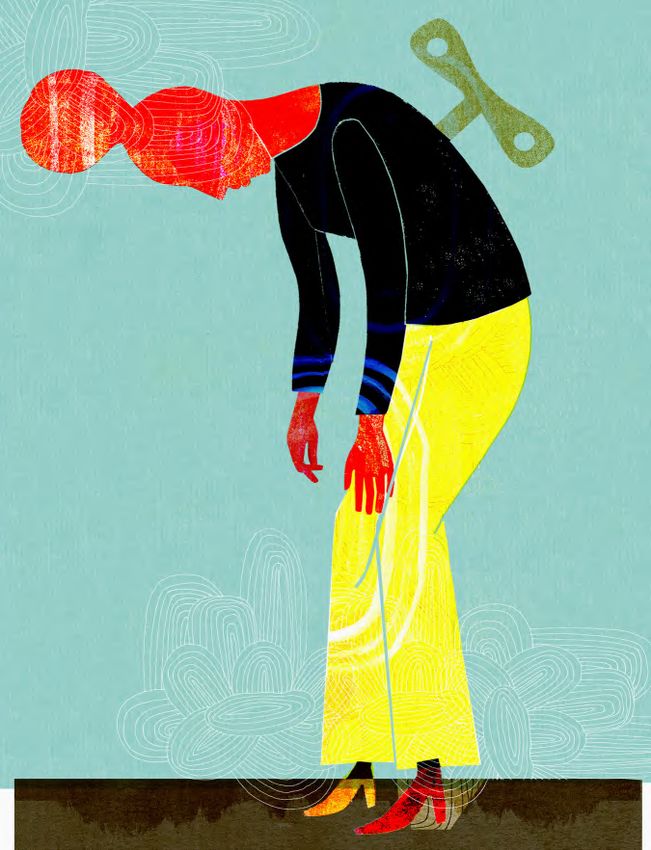
NOVEMBER 3 - 5

REGISTER NOW FOR AN                                                 2021 KEYNOTES

ENGAGING VIRTUAL                                                    • Alison Gopnik, PhD (University of California at Berkeley)
                                                                      What 4-Year-Olds Can Do That AI Can’t (Yet):
EXPERIENCE.                                                           Model-Building, Exploration and Social Learning
                                                                    • Rosemary Luckin, PhD (UCL Knowledge Lab)
The premier interdisciplinary event for                               Two Reasons Why It Matters for Education That AI Is
emerging research and innovation on the                               Intelligence, ‘But Not as We Know It’
critical role psychology plays in human                             • Tsedal Neeley, PhD (Harvard Business School)
and technology interaction.                                           The Future of Digital Work
                                                                    • Frank Pasquale, JD (Brooklyn Law School)
TMS.APA.ORG                                                           The Political Economy of Affective Computing:
                                                                      How Reimbursement Policies and Malpractice Law
#APATech21                                                            May Shape the Future of Chatbot Therapy

4   M O N I TO R O N P S YC H O LO G Y   ●   O C TO B E R 2 0 2 1
Features                                                                                                                                                   OCTOBER 2021

                                                COVER STORY

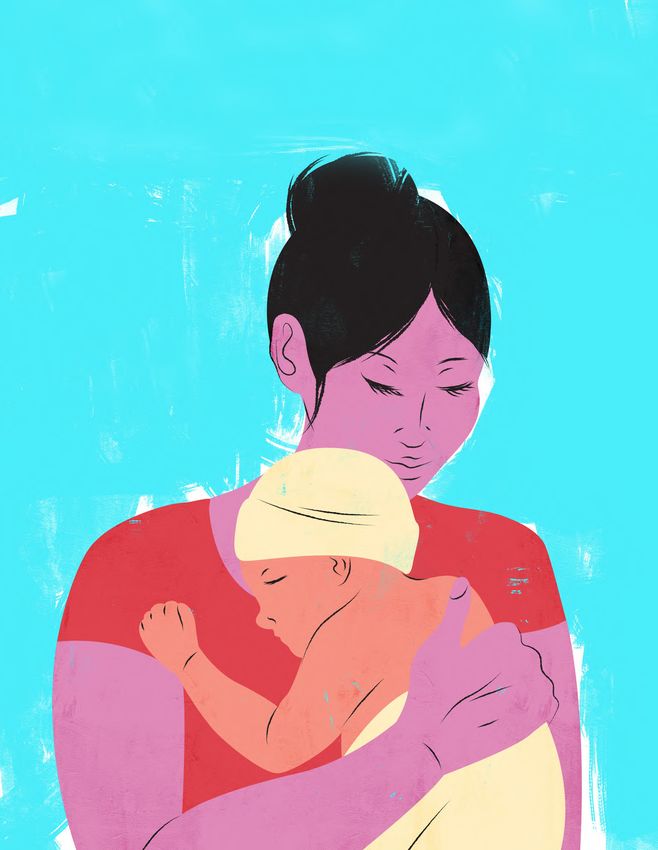
                                                THE IMPACT OF PARENTAL BURNOUT
                                                The COVID-19 pandemic has brought unique stressors that have
                                                led to burnout for caregivers, which can have serious consequences
                                                for both parents and children. Parents may feel trapped in their roles,
                                                experience suicidal or escape ideations, and be violent or neglectful
                                                toward children. See page 36

 44 ADDRESSING
 PSYCHOLOGY’S
 DIVERSITY PROBLEM
 To balance the diversity of
 the psychology workforce,
 educators must ramp up
 support for students of color
 and break the bottleneck of
 obstacles the profession
 has created.

 52 ROUSING WORKERS’
 MOTIVATION
 Decades of psychological
 research have revealed what
 motivates people at work and
 what doesn’t. As the workplace
 is changing dramatically,
 psychologists are working
 with employers in new ways to
 address those transformations.

                                  O N T H E C O V E R : I L L U S T R AT I O N B Y K E N / A D O B E S T O C K I M A G E S

                                                                                                                  M O N I TO R O N P S YC H O LO G Y   ●   O C TO B E R 2 0 2 1   5
Departments OCTOBER 2021 Acetaminophen linked to autism, ADHD. Page 17 2 @APA: THE HOT LIST 8 PRESIDENT’S COLUMN 10 UPDATE FROM THE CEO RESEARCH 13 IN BRIEF 21 DATAPOINT 80 BY THE NUMBERS NEWS 22 THE AGE OF DIGITAL INTERVENTIONS 29 JUDICIAL NOTEBOOK PEOPLE 27 5 QUESTIONS FOR TSEDAL NEELEY 60 PSYCHOLOGISTS IN THE NEWS CE CORNER 30 HOW TO BEST WORK WITH IMMIGRANT POPULATIONS CAREER CE CORNER 61 CONSTRUCTIVE CRITICISM THAT WORKS WORKING WITH IMMIGRANTS & REFUGEES 66 REIMAGINING MENTAL HEALTH FOR BIPOC COMMUNITIES Immigrants to the United States face significant psychological challenges, 70 LAB WORK including racism, acculturation, and trauma, and there is a dearth of EMPLOYMENTS ADS providers well versed in the linguistic, cultural, and policy hurdles these 74 THE BEST JOBS IN PSYCHOLOGY populations face. See page 30 Brilliance and bias. Page 70 Today’s youth are more accepting. Page 80 Criticism that works. Page 61 6 M O N I TO R O N P S YC H O LO G Y ● O C TO B E R 2 0 2 1

A grant, scholarship, or fellowship from
                             the American Psychological Foundation
                             can make a big difference in the career of a
                             young scholar or early career psychologist

                                “APF funding paid for the newborn
                                 MRI scans that were central to
                                  my dissertation. I found that
                                  adversity from a mother’s
                                  childhood influences her baby’s
                                  brain development as early as
                                  one month after birth!”
                                 — Dr. Cassandra Hendrix            “Thanks to APF, I had more time
                                Dr. Hendrix was awarded an              to focus on my research and
                             Elizabeth Munsterberg Koppitz                honors thesis, and will
                            Fellowship in 2018.
                                                                            continue my education
                                                                             in a social psychology
                                                                              PhD program this
                                                                              upcoming fall!”
                                                                             — Ben Valen
                                                                                 Mr. Valen is a past Brehm Scholarship
                                                                               recipient and attends New College
“I am thankful for APF’s funding                                              of Florida
 because it allowed me to improve
 Black students’ mental health
 & academic outcomes
 with a culturally specific
 encouragement intervention.”
 — Nelson O.O. Zounlome, M.S.Ed.
                                                                           APF is the premiere grantmaking
Mr. Zounlome is a student at Indiana                                       foundation in psychology, providing
University and a past COGDOP and Queen-                                    more than 60 different grants, primarily
Nellie Evans Scholarship recipient and author                              to psychology students and early
of ‘Letters to my Sisters & Brothers: Practical                            career psychologists.
Advice to Successfully Navigate Academia
as a Student of Color’.                                                    Your support is critical to fund these
                                                                           programs. To find out more, go to
                                                                           www.apa.org/apf/funding or make
                                                                           your gift at www.apa.org/apf/giving.

                                                                           If you have additional questions,
                                                                           contact APF’s Interim COO, Miriam
                                                                           Isserow at misserow@apa.org or
                                                                           202-336-5622.
                                                                    M O N I TO R O N P S YC H O LO G Y   ●   O C TO B E R 2 0 2 1   7
From the President
LESSONS FROM
PSYCHOLOGY’S GIANTS
Psychology’s pioneers provide inspiration for a new generation
BY JENNIFER F. KELLY, PHD, ABPP
Over the past year, we have lost many of our psychologist n Expanding our reach and communi-
colleagues, including many of the field’s leading lights. cating our science. Our field is making
Although they are no longer with us, what we learned a difference in society, whether it is
addressing climate change or helping
from them will keep the profession moving forward.
athletes manage the challenge of being
They taught us about early cognitive and emotional on the world stage. We know that psy-
development; social learning theory and the construct chological science informs the work that
of self-efficacy; contingency management; and the crucial role of health we do, and we must do a better job in
psychologists in both primary and tertiary health care. Some of these psychol- communicating our science. Let’s explain
what we are doing in a manner that the
ogists also made significant contribu- if we coordinate our efforts instead of world can understand.
tions to the interface between political working in silos. It will be important to n Recognizing the value of leadership
ideology and cognitive functioning; learn from and work with our interna- and advocacy. Some of the people we
group conflict and institutional dis- tional colleagues as well. lost were leaders in the field. To have
crimination; the complexities of human n Lifting and encouraging each other. the greatest impact, we must lead as
relationships; well-being and happiness; Even while we focus on our careers effectively as they did, especially during
the mental benefits of physical activity and the issues we care about, we must these challenging times. That will allow
and the application of sport psychology find time to help nurture those in the us to move forward, to communicate our
techniques to athletes and performers; psychological pipeline, especially our work, and to continue to advocate for
and an issue of incredible importance to students and early career colleagues. positive changes. n
me—the need to work toward eliminat-
ing health disparities.
They were researchers, teachers,
mentors, and advocates for students. One
thing they all had in common was their
ability to apply psychological science to
everyday lives.
Now it is up to us to continue their
work by:
nUnderstanding and recognizing the Psychologists are
helping athletes
power of collective action. Our work can
like U.S. star
have great positive impact on the world. Malian refugees gymnast Simone
LOIC VENANCE/GETTY IMAGES
We can accomplish more as a profession in Goudebou, a Biles manage
refugee camp in the challenges of
Burkina Faso. competing on the
● Jennifer F. Kelly, PhD, ABPP, is the 2021 world stage.
APA president and director of the Atlanta
Center for Behavioral Medicine.
Follow her on Twitter: @JFK4APA.
8 M O N I TO R O N P S YC H O LO G Y ● O C TO B E R 2 0 2 1SPECIAL CE EVENT
PROFESSIONAL DEVELOPMENT
TRAINING INSTITUTE ON
HEALTH DISPARITIES
1.5 CE CREDITS PER PROGRAM | 6.0 CE CREDITS TOTAL
Join us for this live one-day online institute focused on critical issues regarding health
disparities and psychology’s contributions to ensuring equitable access to, and
delivery of, effective services to diverse populations. The institute will consist of four
90-minute webinars, presented sequentially.
FEATURED PRESENTERS INCLUDE:
CAROL GRAHAM, PhD ALEX PIETERSE, PhD
Unequal Hopes, Lives, and Lifespans Doing Anti-Racism in Clinical Practice:
in the USA: Insights from Well-Being Discussing the Why’s and How’s
Research in the Era of COVID-19
LAURA MINERO, PhD RICK WILLIAMSON, PhD
Undocumented Latinx Communities: Mental Health Treatment and the
An Anti-racist, Liberatory and African American Community
Intersectional Approach to Collective
Healing
BUNDLE PACKAGE: INDIVIDUAL SESSION(S):
$125 APA MEMBER | $175 NONMEMBER $40 APA MEMBERS | $50 NONMEMBERS
Visit APA.CONTENT.ONLINE to register
APA.ORG/ED/CE
The American Psychological Association is recognized by the New York State
Education Department’s (NYSED) State Board for Psychology as an approved Continuing Education
provider of continuing education for licensed psychologists #PSY-0100. from your AssociationFrom the CEO
DIVERSIFYING THE
PSYCHOLOGY PIPELINE
Every one of us must aid the effort to create a more diverse profession and discipline
BY ARTHUR C. EVANS JR., PhD
This month’s issue features an article (see page 44) that researchers with diverse viewpoints,
highlights the many social and structural barriers that and our practice is more effective
when those delivering services reflect
hinder having a more diverse psychology pipeline. From
the groups and organizations we are
ensuring the quality of high school psychology courses serving. In the same way that science
to encouraging more diverse graduate school applicants, undergirds all that we do and is critical
there is clearly no single way to address this issue. to the viability of our field, we must
meaningfully infuse diversity in our
Meaningfully diversifying the psy- can establish scholarships not only work, and diversity must also serve as
chology pipeline requires us to employ within academic settings, but with other a lens through which we advocate and
multiple strategies at multiple levels. entities like philanthropic foundations, view our professional roles.
Here are a few examples of what that places of worship, or community service Each of us can play a role in the
could look like: organizations. creation of tomorrow’s rigorous and
n At the individual level, each of us can n As a field, we can be more intentional diverse psychology profession and dis-
take steps to support broader diversity about fostering and maintaining a diverse cipline. We can do so by influencing the
in the field. One of the most powerful discipline and profession. In doing so, institutions and systems in which we
things that we can do is serve as a mentor it is important to understand diversity work, advocating within our field, and
to people at earlier stages in their careers. as not just an important value but as being personally involved in the lives of
I was fortunate to have many great men- critical to the advancement of psychol- students and early career psychologists
tors from various cultural backgrounds ogy. Our science improves when we have from diverse backgrounds. n
who were critical to my development as
a psychologist. Regardless of your own
background, you can be intentional about
mentoring someone who helps to diver- Be intentional
sify our field. about mentoring
a student or early
n At the institutional level, we can shape career psychologist
the organizations in which we work— who helps to
from academia to health care—to better diversify the field.
promote demographic and viewpoint
diversity. For instance, many of us can
create internships in community health
clinics or academic research centers
that would expose psychology students
to new areas of the field. Similarly, we
SOL STOCK/GETTY IMAGES
● Arthur C. Evans Jr., PhD, is the chief
executive officer of APA. Follow him on
Twitter @ArthurCEvans.
10 M O N I TO R O N P S YC H O LO G Y ● O C TO B E R 2 0 2 1Renew Your
APA Membership
APA continues to make your membership even more
valuable with new resources to help you navigate
challenges — and take advantage of opportunities.
Get the latest research and information across psychology,
the career development tools you need, and the advocacy
you want — especially now.
Renew online today at: on.apa.org/mon-renew
M O N I TO R O N P S YC H O LO G Y ● O C TO B E R 2 0 2 1 11Essentials of Qualitative Methods Series
Written by leading experts in qualitative methods, these quick reads provide clear and comprehensive
descriptions of exciting qualitative approaches, including their benefits and limitations. Each book
presents numerous examples to enable readers to quickly and thoroughly grasp how to leverage
these valuable methods. Visit AT.APA.ORG/QM to browse the titles in the series.
Each $19.99 or $14.99 for APA Member. Order Today!
ALEXA HEPBURN SCOTT D. CHURCHILL RUTHELLEN JOSSELSON
AND JONATHAN POTTER 08/10/2021 • 110 pages AND PHILLIP L. HAMMACK
ISBN 978-1-4338-3571-1
07/06/2021 • 114 pages 07/06/2021 • 102 pages
ISBN 978-1-4338-3566-7 ISBN 978-1-4338-3567-4
MICHELLE FINE JONATHAN A. SMITH GARETH TERRY
AND MARIA ELENA TORRE AND ISABELLA E. NIZZA AND NIKKI HAYFIELD
07/06/2021 • 118 pages 08/31/2021 • 94 pages 07/13/2021 • 108 pages
ISBN 978-1-4338-3461-5 ISBN 978-1-4338-3565-0 ISBN 978-1-4338-3557-5
12 M O N I TO R O N P S YC H O LO G Y ● O C TO B E R 2 0 2 1In Brief
Research COMPILED BY CHRIS PALMER
THE LATEST PEER-REVIEWED STUDIES WITHIN PSYCHOLOGY AND RELATED FIELDS
Employees are
more likely to be
harassed if they
rely on tips and
are required to
be friendly.
TIPPING AND
HARASSMENT
E
mployees are more likely to be sexually harassed how much they felt customers held power over them,
on the job if they both rely on tips and are and how often they experienced sexual harassment from
pressured by their employer to provide “service customers. In a second online study with 171 male par-
with a smile.” This was the finding of an online study, ticipants who visited a simulated restaurant, those whose
reported in the Journal of Applied Psychology, in which waitresses worked for tips and were told to be friendly
SEAN MURPHY/GETTY IMAGES
researchers asked 92 participants who worked jobs all the time were more likely to report having a higher
where they regularly received tips how much they were sense of power over the waitstaff than those whose wait-
financially dependent on tips, how much they were resses worked for a flat wage and weren’t asked to smile
required to project a positive attitude toward customers, all the time. DOI: 10.1037/apl0000895
M O N I TO R O N P S YC H O LO G Y ● O C TO B E R 2 0 2 1 13In Brief
ORIGINAL COLORS,
PLEASE
Research in the Journal of
Experimental Psychology: Human
Perception and Performance
indicates that systematically
changing all the colors in an
abstract painting leads viewers to
rate the artwork as less colorful
and less appealing. Researchers
rotated the colors of 100 abstract
artworks by well-known artists
through a 360-degree wheel of
colors, in steps of 60 degrees at
a time, providing six alternately
colored versions of each artwork. Caffeine can
Twenty German participants give a boost
in simple
with normal vision rated each cognitive
version of every artwork for tasks, but
colorfulness and, on another day, it likely has
no effect on
for how much they liked each improving
piece. The researchers found that performance
81% of the original images were on more task as well as a more challeng- a decade before self-harming
challenging
judged as both more colorful tasks. ing “place-keeping” task that activities begin, suggests research
and more liked than the altered required completing activities in in the Journal of the American
versions. They also found that a specific order without skipping Academy of Child & Adolescent
yellow and orange hues are or repeating steps. Half of the Psychiatry. Researchers identi-
overly represented in the original participants then stayed up all fied adolescents who reported
works and suggested a couple night while half had a regular self-harm at age 14 from a
reasons why: First, those colors night’s sleep. In the morning, nationally representative United
imply a scene lit by natural the researchers randomly gave Kingdom cohort of 10,827
daylight; also, the visual system each participant either a pill with individuals. They then used
is less sensitive to yellow, so 200 milligrams of caffeine or a machine-learning algorithms
artists use more of it to make it placebo and had them engage in to reveal characteristics that
noticeable. the tasks again. The researchers were more frequent among the
DOI: 10.1037/xhp0000771 found sleep deprivation impaired 1,580 who reported self-harm.
performance on both types of In general, these adolescents
CAFFEINE BOOST? tasks and that having caffeine experienced sleep difficulties and
While sleep-deprived people can helped people with the simple low self-esteem. Beyond that, the
expect caffeine to give them a attention-based task. However, adolescents who reported self-
boost in simple cognitive tests, the caffeine had little effect on harm clustered into two distinct
it has no effect on improving performance of the more difficult groups. Those in the first group
SURIYO HMUN KAEW/EYEEM/GETTY IMAGES
performance on more challeng- place-keeping task. often were victims of bullying,
ing tasks, suggests research in the DOI: 10.1037/xlm0001023 had difficulty controlling their
Journal of Experimental Psy- emotions, and had parents with
chology: Learning, Memory, and ALGORITHMS mental health challenges; these
Cognition. Researchers asked 276 PREDICT SELF-HARM characteristics could be observed
U.S. undergraduate students to Warning signs of self-harm can as early as age 5. Those in the
perform a simple visual attention appear in some children nearly second group showed more
14 M O N I TO R O N P S YC H O LO G Y ● O C TO B E R 2 0 2 1risk-taking and difficulties in various scenarios in which a to research in Child Development.
relations with family and peers, person offered them one dollar: Surveying 186 Black parents of
with these characteristics often an “okay” person offering them adolescents ages 10 to 18 in the
emerging closer to age 14. a stolen dollar that they had United States, researchers found
DOI: 10.1016/j.jaac.2021.03.010 found, a “bad” person who stole that parents who had experienced
a dollar but was offering them a more racial discrimination were
MORE GUT BUG different dollar that wasn’t stolen, more worried that their children
DIVERSITY, LESS FEAR and a “bad” person offering them would also experience it. Further,
The magnitude of infants’ fear a dollar that they had stolen. the more worried the parents
responses is associated with The researchers found that the were, the more likely their chil-
the composition of their gut children, especially in the older dren were to have symptoms of
microbiome, indicates research group, preferred nonstolen depression and anxiety. However,
in Nature Communications. money offered by a “bad” person when parents reported feeling
Researchers characterized the over stolen money offered by an competent in reducing their stress
gut microbiomes of 32 infants “okay” person. Black parents' related to discrimination and in
at ages 1 month and 1 year. DOI: 10.1111/cogs.12950 confidence in speaking about discrimination
talking about racial
They also assessed their fear discrimination can with their children, it was less
responses at 1 year by observ- TALKING ABOUT reduce the negative likely that their worries would
ing and coding their reactions RACISM HELPS consequences of lead to negative psychological
that discrimination
to people wearing nonhuman Black parents’ experiences of for their children's outcomes in their children.
(e.g., alien and horse) masks racial discrimination can have mental health. DOI: 10.1111/cdev.13607
and to unmasked strangers. The negative consequences for their
children who at either 1 month children’s mental health, but par- POWERLESS, PARANOID,
or 1 year had uneven micro- ents can reduce such outcomes by AND AGGRESSIVE
biomes (i.e., dominated by a talking skillfully and confidently Employees lacking power at
smaller set of bacterial species) about their experiences and how work can feel vulnerable and
were more fearful of the masked they dealt with them, according paranoid, resulting in aggressive
people at 1 year than were those
with more balanced microbi-
omes, though no difference was
observed in fear of the unmasked
strangers. The researchers also
imaged the infants’ brains and
found preliminary evidence for
associations between gut micro-
biome composition and size of
the amygdala—a brain region
involved in processing fear.
DOI: 10.1038/s41467-021-23281-y
KIDS SHUN DIRTY MONEY
Children as young as 5 dis-
approve of accepting “dirty”
money, suggests research in
SDI PRODUCTIONS/GETTY IMAGES
Cognitive Science. Research-
ers presented 327 participants
in the United States from two
age groups—5- to 6-year-olds
and 8- to 9-year-olds—with
M O N I TO R O N P S YC H O LO G Y ● O C TO B E R 2 0 2 1 15In Brief
behavior, suggests research in were incorrect 36% of the time, high prestudy stress showed a
Organizational Behavior and though higher confidence was reduced glutamate response to
Human Decision Processes. In the associated with greater likeli- the tasks. This adaptive change in
first of five studies, 298 online hood of a correct response. the glutamate response was gen-
participants in the United States DOI: 10.1177/0956797620980752 erally absent in the participants
were placed in work hierarchies with MDD. Further, the lack of
in which their power was varied. STRESS, GLUTAMATE, an adaptive glutamate response
Those in positions of lower AND DEPRESSION was associated with participants
power reported experiencing Levels of glutamate in the having pessimistic expectations
higher levels of paranoia. Two brain adapt to chronic stress as measured over 4 weeks fol-
other studies, with 580 partici- in healthy people but not in lowing the stressful tasks.
pants in the United States and those with major depressive DOI: 10.1038/s41467-021-23284-9
with 530 participants in India, disorder (MDD), suggests a
replicated the first study and also study in Nature Communica- CHILD-FREE AND HAPPY
showed that paranoia sparked tions. Researchers asked a total Adults who choose not to have
mild forms of aggression at work, children are just as satisfied with
like purposely wasting company life as those who have had chil-
resources, and at home, with dren, suggests research in PLOS
anger directed toward a family ONE. Researchers analyzed data
member. In addition, two studies, from about 1,000 participants
with 217 undergraduate students accounting for a representative
in Singapore and with 1,217 sample of adults in the state of
online participants, showed Michigan. They found that 27%
that the effect of low power identified as child-free; that is,
on paranoia was weaker when they did not have children and
socioeconomic status was higher did not plan or want to have
or when people felt supported by children. The researchers found
their company and manager. no differences in life satisfaction
DOI: 10.1016/j.obhdp.2021.03.005 among child-free adults, adults
of 88 participants in the United who had children, those who
I WAS WHERE? WHEN? States—including both people planned to have children, and
According to a study in Psy- with and without MDD—about those who wanted children but
chological Science, people recent stress in their lives. They were not able to have them. Lit-
misremember where they were then measured levels of the neu- tle variation in personality traits
on a specific date and time in rotransmitter glutamate within was observed among the groups,
more than one third of instances. People the medial prefrontal cortex—an although child-free adults
Researchers used a smartphone misremember area of the brain involved with tended to be more liberal than
where they were
app to record location data of 51 on a specific date thinking about one’s situation those who had children. Those
adult participants in Australia and time in more and forming expectations— who had or wanted children
for a month. On a subsequent than one third of before and after the participants felt less warm toward child-free
instances.
memory test, participants completed stressful tasks (such adults than child-free adults felt
indicated where they were on a as putting one’s hand in ice toward one another.
given date and time by choos- water and counting backward DOI: 10.1371/journal.pone.0252528
ing from four locations on a by intervals of 17). Partici-
map (each of which they had pants without MDD and with EARLY RISERS,
RAW PIXEL/GETTY IMAGES
visited at some point within low prestudy stress showed an LESS DEPRESSION
the previous month). For each increased glutamate response to Research in JAMA Psychiatry
response, they also reported their the stressful tasks, while partici suggests that a tendency to go to
level of confidence. Participants pants without MDD and with bed or wake up earlier leads to
16 M O N I TO R O N P S YC H O LO G Y ● O C TO B E R 2 0 2 1a lower risk of major depressive
disorder (MDD). Drawing from
databases that included nearly
700,000 individuals of European
ancestry, researchers identified
340 genetic variants associated
with sleep timing preferences (as
represented by the midpoint of
the preferred sleep period). The
researchers then turned to a dif- patterns might be effective for develop symptoms of autism
ferent sample of about 500,000 preventing depression. spectrum conditions (ASC) or
Children
individuals of European ancestry, exposed to DOI: 10.1001/jamapsychiatry.2021.0959 attention-deficit/hyperactivity
including about 170,000 with acetaminophen disorder (ADHD) than children
MDD. They found a 23% lower before birth PRENATAL who have not been exposed.
may be more
likelihood of having MDD for likely to develop ACETAMINOPHEN RISK Researchers examined six
each earlier hour of preferred symptoms According to research in the European samples comprising a
sleep period as indicated by par- of autism European Journal of Epidemi- total of 73,881 children. Across
or ADHD.
ticipants’ genetic markers. These ology, children who have been samples, 14% to 56% of mothers
results suggest that interven- exposed to acetaminophen reported taking acetaminophen
tions that modify sleep timing before birth are more likely to while pregnant. The researchers
BAIBAZ/GETTY IMAGES (TOP); JAMES O'NEIL/GETTY IMAGES (BOTTOM)
A tendency to go to bed or wake up earlier leads to a lower risk of major depressive disorder.
M O N I TO R O N P S YC H O LO G Y ● O C TO B E R 2 0 2 1 17In Brief
found that children exposed to acetamin- with schizophrenia collected from 2007 self-esteem, indicates research in Psycho-
ophen prenatally were 19% more likely to through 2016. Among the 668,836 logical Science. Across four U.S. studies
develop ASC symptoms and 21% more patients, the suicide rate was 74.0 per with 164 undergraduates and 786 online
likely to develop ADHD symptoms 100,000 person-years, which is 4.5 times participants, researchers found that both
than children who were not exposed. higher than the rate for the general women and men stereotype women who
No associations were observed between population. The suicide rate was high- have casual sex as having low self-es-
administration of acetaminophen to est among those ages 18 to 34 (141.9) teem, but they don’t view men who have
children during the first 18 months and lowest for those age 65 and older casual sex the same way. A fifth study
following birth and subsequent ASC or (24.0). For male patients the suicide rate with 283 U.S. undergraduates indicated
ADHD symptoms. was 88.9 and for female patients it was that the stereotype persists even when
DOI: 10.1007/s10654-021-00754-4 56.3 (3.4 and 8.2 times higher than the participants are explicitly told that women
general male and female populations, having casual sex pursue and enjoy it. A
HIGHER SUICIDE RISK FOR respectively). Suicide rates were lower sixth study with 210 U.S. undergraduates
SCHIZOPHRENIA PATIENTS for Black and Hispanic patients than for suggested that expectations that women
In the United States, adults with schizo- White patients. are dissatisfied with having casual—ver-
phrenia, especially young adults, have a DOI: 10.1001/jamapsychiatry.2021.0841 sus committed—sex propels the low
much higher rate of suicide than does self-esteem stereotype. By contrast, no
the general adult population, according THE DOUBLE STANDARD OF connection between casual sex and low
to a study in JAMA Psychiatry. Research- CASUAL SEX self-esteem was found in participants’
ers analyzed data from five national Women, but not men, who engage in reports of their own behavior and self-es-
longitudinal cohorts of adult patients casual sex are perceived to have low teem. DOI: 10.1177/0956797620983829
Health Practices Must Enable
the Hyper-Convenience
Mode of Living!
Power Diary is the all-in-one
practice management software
As lives get even busier and more mobile, Co-founded by psychologist Damien Adler, loved and trusted by health
people want smarter ways of maximising Power Diary has a goal to empower practice SPECIAL
professionals worldwide
their time. To stay relevant, health practices
owners and their teams with business- OFFER!
must fit seamlessly into people’s on-the-
move lives and facilitate service, ensures
ready, all-in-one software that makes
running a health practice simpler. With
50% OFF
for 6 months
tools to manage schedules, appointment
safety, and drives efficiency for the patient. after free trial
reminders, client databases, waiting lists,
During the pandemic, many health practices From
invoicing, online bookings, SMS chat, and
and clinics used the downtime to evolve and
keep up with changing patient expectations
for speed and safety. Moving from a paper-
Telehealth you can store all the information
your practice needs securely online. $5 PER
WEEK
with offer
dependent practice to electronic health Affordable and easy-to-use, it’s perfect
records with self-service online tools was for solo-practitioners and multi-location
a big success for many practices. Their clinics. Power Diary’s automation tools will
digital transformation enabled practitioners make running a health practice easier, and
to exchange information with one another help you provide a fuss-free experience for
remotely and in real time, making sure the patient. Isn’t that what we practitioners Simplify, Automate,
everyone working with a patient has a strive to do? and Grow Your Business
complete and accurate file.
Power Diary’s online business management tools
has everything you need to streamline your
practice’s operations – calendar management,
SMS messaging, invoicing, Telehealth and more.
Start now with a free trial. No credit card needed.
18 M O N I TO R O N P S YC H O LO G Y ● O C TO B E R 2 0 2 1In Brief
FRIENDS FIRST a romantic relationship. About 47% of Two in three romantic couples start
Two in three romantic couples today the students in that group reported that out as friends, and friends-first
relationships are even more common
start out as friends, suggests research in starting as friends was their preferred way among those under 30 and within
Social Psychological and Personality Science. of developing a romantic relationship, LGBTQ+ communities.
In the first of two studies, researchers beating out other options such as meet-
surveyed seven separate groups of uni- ing at a party or online. and proactive in their aggression. Risk
versity students and adults in Canada DOI: 10.1177/19485506211026992 for aggression was higher when people
and the United States from 2002 to 2020 with narcissism felt provoked, such
for a total of 1,897 participants. Two NARCISSISM AND AGGRESSION as being ignored or insulted. The link
thirds of the participants reported that Narcissism is associated with aggression, between narcissism and aggression was
their current or most recent romantic according to a meta-analysis in Psycho- found for various dimensions of nar-
relationship began as a friendship, with logical Bulletin. Researchers looked at 437 cissism (e.g., entitlement, grandiosity,
little variation across gender, level of studies from around the world, with a and vulnerability) and for a variety of
education, or ethnic group. The rate of total of 123,043 participants. They found types of aggression (e.g., physical, ver-
friends-first initiation, however, was even that people higher in narcissism show a bal, and online bullying). Results were
higher among those under 30 and within 21% increase in aggression overall and similar across gender, age, and country
WILLIE B. THOMAS/GETTY IMAGES
LGBTQ+ communities. Among a group an 18% increase in violent aggression of residence.
of 298 university students from the first compared with people lower in narcis- DOI: 10.1037/bul0000323
study, 210 participants from friends-first sism. People higher in narcissism were
couples reported being friends for about not only more likely to lash out in anger ● For direct links to the research cited in this
section, visit our online edition at www.apa.org/
22 months, on average, before beginning but were also more likely to be deliberate monitor.
M O N I TO R O N P S YC H O LO G Y ● O C TO B E R 2 0 2 1 19New Resources for Teachers and Students
from APA Books®
Fourth Ed.
USD $44.99 | PAPERBACK USD $24.99 | PAPERBACK USD $79.99 | PAPERBACK
ISBN 978-1-4338-3636-7 ISBN 978-1-4338-3639-8 ISBN 978-1-4338-3647-3
Edited by Sangeeta Panicker Pamela I. Ansburg, Mark E. Basham, Charles J. Gelso
and Barbara Stanley and Regan A. R. Gurung and Elizabeth Nutt Williams
Second Ed.
USD $59.99 | PAPERBACK USD $99.99 | PAPERBACK USD $69.99 | PAPERBACK
ISBN 978-1-4338-3472-1 ISBN 978-1-4338-3693-0 ISBN 978-1-4338-3445-5
Edited by Regan A. R. Gurung Rodney L. Lowman Edited by Paul M. Camic
and Garth Neufeld
ORDER TODAY AT AT.APA.ORG/BOOKSResearch
Datapoint By Luona Lin, MPP, Jessica Conroy, BA,
and Karen Stamm, PhD
NEWS ON PSYCHOLOGISTS’ EDUCATION AND EMPLOYMENT FROM APA’S CENTER FOR WORKFORCE STUDIES
Percentage
MANAGEMENT CAREER TRAJECTORIES of Psychology
Graduates in
OF PSYCHOLOGY GRADUATES Management
by Degree
M
any psychology graduates work in management as their careers advance. About 12–15% of bache- Level
lor’s, master’s, and doctorate degree receipients hold management roles in their very first job, while First Job
others assume managerial responsibilities by their second or third jobs. Second Job
Current Job
n More psychology degree holders work in management as their careers progress.1 These positions—such
as chief executives, education administrators, medical and health service managers, and human resource
31%
managers—may involve leading individuals or teams and directing projects.
n An increasing percentage consistently serve in managerial roles as they progress through their careers.
For psychology degree holders’ first jobs after graduation, 14% worked in management. For their second jobs, 19%
19% worked in management. For their current (third or more) jobs, 31% work in management (see figure). This 14%
pattern was consistent for psychology bachelor’s, master’s, and doctorate degree holders.
n Management career pathways have many entries. Of those with a current job in management, 34% came
from a previous job in management and 66% came from nonmanagement positions. All Degree Levels
32%
20%
15%
Current Job in
Management
Occupations
Bachelor’s
34
came from a
%
29%
previous job in
management. 18%
66%
13%
GRAPHICS: MARY BETH RAMSEY; PHOTO: DELMAINE DONSON/GETTY IMAGES
came from non-
management Master’s
positions.
31%
18%
12%
Want more information? See CWS’s interactive data tools at www.apa.org/workforce/data-tools/index or contact cws@apa.org.
1
APA. (2021). Emsi profiles database [Unpublished special analysis]. Emsi is a labor market analytics organization. Analysis included career pathways for 548,053 unique profiles of
psychology degree holders, with 321,007 bachelor’s degree holders, 189,709 master’s degree holders, and 37,337 doctorate degree holders in the United States. Analysis included
psychology degree holders who graduated 1991 through 2020, with one or more jobs listed after graduation, and had held at least one job for more than 90 days. Doctorate
M O N I TO R O N P S YC H O LO G Y ● O C TO B E R 2 0 2 1 21News Feature
Jonathan Comer, PhD, director of
THE AGE OF DIGITAL the Mental Health Interventions
INTERVENTIONS
and Technology Program at Flor-
ida International University and
a founding chair of the mHealth
The field of “digital therapeutics,” software designed for diagnosing Working Group of APA’s Society
and treating mental health disorders, is coming into its own of Clinical Psychology (Div. 12)
BY KIRSTEN WEIR Presidential Task Force on Tech-
nology and Mental Health. “It’s
S
happening whether psycholo-
ociety’s reliance on technology has reached gists are on board or not. We can
unprecedented heights during the COVID-19 either opt out or be a part of how
pandemic. People have had to rely on their people engage with these wellness
resources.”
computers and smartphones to complete routine
errands, to work and attend school, and even to access WHAT’S REGULATED
health care. This has set the stage for the rise of digital AND WHAT’S NOT
therapeutics—evidence-based digital interventions to The promise of digital mental
prevent, manage, or treat medical disorders or diseases. health tools is their potential to
And psychologists can help shape this burgeoning field. reach so many people. “We have
an enormous supply and demand
Experts still don’t fully agree without specific FDA approval problem in mental health. There
on a definition of digital thera- or a prescription. are many more people who
peutics. But most use the term Digital behavioral health Digital mental want services than there are
to describe software or digital companies who create these health tools have professionals available to pro-
applications that go beyond interventions drew $2.4 billion the potential vide them—and not by a small
to reach more
mere “wellness” apps that peo- in venture funding in 2020 alone, patients and help margin,” said Stephen Schueller,
ple can download to help with according to venture fund Rock solve the supply PhD, an associate professor
meditation or losing weight, Health. But even as the money and demand of psychological science and
problem in
for example. What sets digital is pouring in, many questions mental health. informatics at the University of
therapeutics apart is that they’re remain, including how well dig- California, Irvine, and executive
designed to treat a disease, and ital therapeutics work, how they director of One Mind Psyber-
some of them are accessible by should be regulated, their place in Guide, a website that reviews
prescription only. Since 2017, the the health care system, and what digital mental health apps.
U.S. Food and Drug Adminis- influence they will have on the But there are many dots to
tration (FDA) has certified half practice of psychotherapy. While connect before the promise of
a dozen digital therapeutics for many of these tools function as digital therapeutics is reached.
diagnosing and treating mental an alternative to psychotherapy, “Everyone agrees it’s early days
and behavioral health conditions, they are based on psychological for the field,” said John Torous,
including attention-deficit/ science—and experts argue that MD, director of digital psychi-
hyperactivity disorder (ADHD), psychologists should play a prom- atry at Beth Israel Deaconess
cognitive impairment, and sub- inent role in their development, Medical Center in Boston. “The
stance use disorders. While that approval, and use. intention is good, but we don’t
number is small, many more “The world has changed, and really know how well these
digital mental health inter- people are using remote technol- things work.”
ventions—hundreds, maybe ogies in almost every aspect of To date, only a handful of
thousands—exist in a regulatory their lives, including for psycho- digital therapeutics have been
gray area, available to consumers logical services,” said psychologist submitted for FDA clearance,
22 M O N I TO R O N P S YC H O LO G Y ● O C TO B E R 2 0 2 1well-demarcated lines between
health and wellness,” he said. “But
it doesn’t seem overly practical for
apps to treat mental health con-
ditions, which are more personal
and dynamic and can’t be mea-
sured with routine biomarkers.”
The FDA seems to recognize
the need for a more comprehen-
sive approach to digital health
technologies. In 2020, the agency
launched a Digital Health Cen-
ter of Excellence to coordinate
research, support developers,
and help reframe its regula-
tory approach to digital health
technology.
Meanwhile, many digi-
tal therapeutics developers are
moving forward without seeking
FDA clearance. They can do so
because the agency has stated
it will exercise “enforcement
discretion” for certain software
functions, including mobile
apps. This category of regulation
stipulates requirements related
to labeling, safety, and quality
but doesn’t include a specific
clearance process. Under this
policy, many software programs
for mental and behavioral health
a signal to consumers and pro- risk presented by the app. can be marketed without explicit
viders that the intervention is It’s a good start, Torous said, FDA approval. Software that fall
safe and effective. The first— but he has argued that more into this category include apps
reSET, a prescription digital detailed regulatory guidelines are that provide psychoeducation,
therapeutic by Pear Therapeu- needed. He and his colleagues offer motivational guidance,
tics used to treat substance use simulated how the Pre-Cert or help people with diagnosed
disorder—was approved in 2017 framework would apply to top psychiatric conditions practice
through a regulatory pathway for health apps in the United States coping skills.
low- to moderate-risk medical and were unable to identify a “By far, the majority of digital
devices. Recognizing the need standard measure that would therapeutics for mental and
for a better approach, the FDA differentiate apps requiring reg- behavioral health fall under
created the Software Precertifi- ulatory review from those that FDA enforcement discretion,”
@WOCINTECHCHAT/UNSPLASH
cation Program (Pre-Cert). The would not (Alon, N., et al., JMIR said Jenna Carl, PhD, vice presi-
program aimed to streamline mHealth and uHealth, Vol. 8, No. dent of clinical development and
review of software-based medical 10, 2020). “The system might medical affairs at digital ther-
devices based on the seriousness work well for conditions such as apeutics company Big Health
of the condition and the level of diabetes or hypertension that have and current chair of the Div. 12
M O N I TO R O N P S YC H O LO G Y ● O C TO B E R 2 0 2 1 23News Feature
mHealth Working Group. But to use on their own, they can be the tools on their own, rather
because no one is regulating integrated into psychotherapy, than with the help of their health
these interventions, even the said Carl, a clinical psycholo- care providers, said David Mohr,
experts aren’t quite sure how gist. “I might be working with PhD, director of the Center for
many are out there—or how someone with anxiety who also Behavioral Intervention Tech-
well an individual product has sleep difficulties. By recom- nologies at the Northwestern
might work. mending they use Sleepio, we University Feinberg School of
don’t have to spend part of our Medicine. In 2019, he cohosted
PROMISE AND PITFALLS FURTHER hour going over their sleep diary a series of meetings on digital
For digital therapeutics com- READING and can instead focus on the mental health in collaboration
pany Big Health, the decision to parts of care that are better done with the Banbury Center, a sci-
APA sharpens
delay pursuing product claims in person.” ence think tank at Cold Spring
focus on practice
that require FDA approval was a innovation, digital Big Health has made its two Harbor Laboratory in New York.
strategic move to improve access therapeutics programs available to nearly The participants—including
to safe and effective interven- APA Services, 10 million users in the United researchers and representatives
tions for common mental health 2021 Kingdom and the United States. from insurance companies and
issues, Carl said. FDA-cleared In the United Kingdom, patients large health care organizations
Actionable health
digital therapeutics such as app evaluation: have access through the National as well as self-employed insur-
reSET require a prescription Translating expert Health Service. In the United ers—concluded that the evidence
from a physician—a barrier frameworks into States, access mostly comes base for digital mental health is
that prevents many people from objective metrics through agreements with large, strong, particularly for common
Lagan, S., et al.
connecting with apps that could self-insured employers who offer mental health problems such as
npj Digital Medicine,
help them. “Most people with 2020 the apps to their employees with depression and anxiety. But there
mental health conditions don’t the hope they will help bring are significant barriers to imple-
actually talk to their provider Regulating digital down health care costs. Other mentation, they found, in part
about them,” Carl said. And even therapeutics for insurers are beginning to take because providers have no way to
mental health:
if they do seek help, most mental notice. Managed-care consor- be reimbursed for using digital
Opportunities,
health care providers can’t legally challenges, and the tium Kaiser Permanente has now therapeutics with patients (Psy-
prescribe medication. “The essential role of integrated digital therapeutic chiatric Services, advance online
prescription barrier means most psychologists apps into its electronic record publication, 2021). “Without
mental health care providers Carl, J. R., et al. system, allowing physicians and a reimbursement mechanism,
British Journal of
can’t provide access to these therapists to refer patients to free there’s no way to roll this out for
Clinical Psychology,
behavioral solutions,” she said. 2021 tools for mindfulness, medita- most of American health care,”
Big Health’s products, tion, and CBT. Mohr said.
including Sleepio for sleep The efficacy of An analysis of the Kaiser The piecemeal approach to
improvement and Daylight for cognitive videogame program found that patients had regulating digital therapeutics
training for ADHD
worry and anxiety, are modeled greater engagement with the also poses problems for safety
and what FDA
on cognitive behavioral ther- clearance means for tools when they were integrated and privacy. Data collected by
apy (CBT) and have research clinicians into the care system and recom- consumer-facing apps may not
to back them up. A randomized Evans, S. W., et al. mended by clinicians (Mordecai, be subject to the same Health
controlled trial of Daylight, for Evidence-Based D., et al., NEJM Catalyst Inno- Insurance Portability and
Practice in Child and
instance, found that 71% of users vations in Care Delivery, Vol. 2, Accountability Act (HIPAA)
Adolescent Mental
achieved remission of general- Health, No. 1, 2021). “Evidence suggests protections as data collected by
ized anxiety disorder, compared 2021 that you get better outcomes providers. And there are poten-
with 33% of those in a control when a mental health profes- tial harms to patients from using
group (Carl, J. R., et al., Depres- sional and client use these tools unproven apps to treat mental
sion & Anxiety, Vol. 37, No. together,” Torous said. health conditions, Schueller said.
12, 2020). Though Big Health Still, most patients interested One app he evaluated, for exam-
designs these apps for patients in digital therapeutics are using ple, recommended an evening
24 M O N I TO R O N P S YC H O LO G Y ● O C TO B E R 2 0 2 1You can also read


