An assessment of the reach and value of IEC activities under Swachh Bharat Mission (Grameen) - JUNE 2019
←
→
Page content transcription
If your browser does not render page correctly, please read the page content below
An assessment of the reach
and value of IEC activities
under Swachh Bharat
Mission (Grameen)
JUNE 2019

                              SUPPORTED BY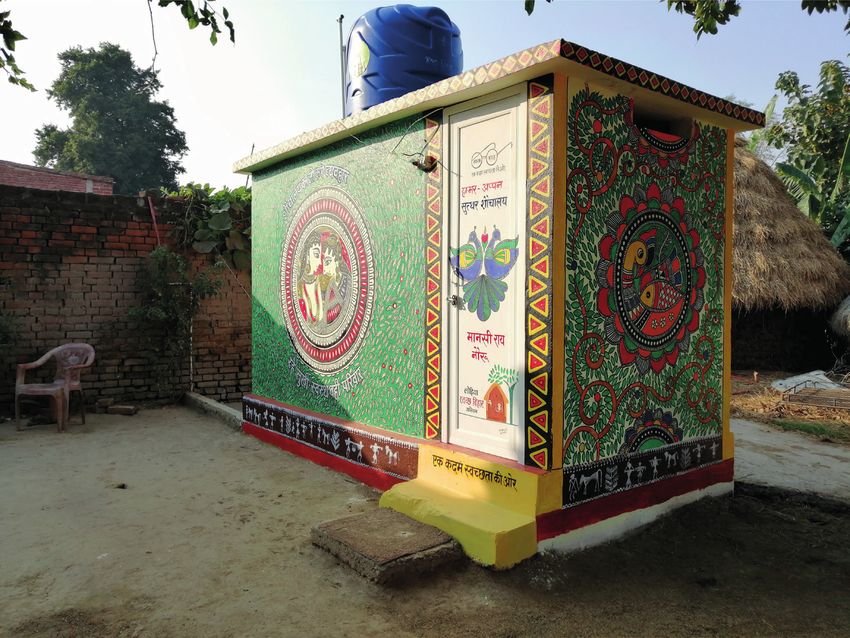
Contents

                                                                                                                                                PAGE NO.

                                                                                                Executive Summary                                  6

                                                                                                Chapter 1 Context and Objectives of the Study      8

                                                                                                Chapter 2 Study Methodology                       10

                                                                                                Chapter 3 Key Findings                            16

                                                                                                Conclusion                                        23

                                                                                                Annexure                                          24

An assessment of the reach and value of IEC activities under Swachh Bharat Mission (Grameen)
List of common abbreviations

                                                                                                    SBM(G)   Swachh Bharat Mission (Grameen)
                                                                                                    SB       Swachh Bharat
                                                                                                    Cr       Crore
                                                                                                    WASH     Water, Sanitation and Hygiene
                                                                                                    IEC      Information, Education, and Communication
                                                                                                    MDWS     Ministry of Drinking Water and Sanitation
                                                                                                    CSR      Corporate Social Responsibility
                                                                                                    IPC      Inter-personal Communication
                                                                                                    PMO      Prime Minister Office

4   An assessment of the reach and value of IEC activities under Swachh Bharat Mission (Grameen)                                                 Whitepaper, May 2019   5
We estimate that an average person The SBM also orchestrated multi-level organic
living in rural India was exposed to efforts to spread key messages on improved
between 2,500 – 3,300 SBM related sanitation to rural and urban Indians using a mix
messages over the last five years. of conventional and unconventional channels.
Executive Summary A large majority of these messages were routed Inter-Personal communication initiatives
via newly constructed toilets, mass media, and the contributed significantly to IEC coverage under
Swachh Bharat logo. Other significant contributors Swachh Bharat. ~ 5 lakh volunteers signed up
included ambient media such as wall murals and to become part of the Swachhagrahi network of
The last five years can be called the society, and the media & entertainment sector hoardings, and other conventional channels such grassroots sanitation motivators. Additionally,
golden age of sanitation in India. participated to bring sanitation messaging as inter-personal communication (IPC), digital there were several large-scale community
and awareness to citizens at significant scale. media, and cinema. mobilisation campaigns aimed at spreading
Since 2014, engagement from the top political Through this period, India witnessed a significant awareness about sanitation and hygiene. For
and government leadership, especially the increase in the construction of toilets (over 9 Cr Under the Swachh Bharat Mission, the government instance, the Swachh Sundar Shauchalaya
Prime Minister, induced catalytic participation toilets were constructed) as well as widespread has shown remarkable ability to leverage resources contest held in January 2019 involved painting
across segments, giving the cause of sanitation IEC messaging on ending the practice of open across the public sector, private sector, media, and of ~1.34 Cr toilets to use them as a channel for
consistent attention and focus. This translated defecation. This led to a significant improvement civil society, to make sanitation a mass movement IEC messaging. Following the Prime Minister’s
into a mission mode approach where a range in sanitation coverage (96.5% of the people who in India. call to action, Swachhata Hi Seva, a grassroots
of government ministries, private sector had access to toilets, used them1) and reduction movement, received participation from over
organisations, the philanthropic ecosystem, civil in the open defecation rate during this period. We estimate that the SBM mobilised 20 Cr people in 2018 alone. Other significant
a spend equivalent worth INR 22,000 contributors to IEC activities were hard assets
to 26,000 Cr in monetary and non- (new toilets constructed) and soft assets (SB logo
monetary IEC activities.2 on currency notes and trains) and programmes
on mass media (TV, radio, newspapers) such as
Of this spend equivalent, cash Hum Saaf Saaf Hain, Chalo Saaf Karein, etc., and
expenditure on IEC activities spent digital (social media, mobile apps, etc.) channels.
by the Government, private sector, Several mass media campaigns and films – such
and the development community is as the NDTV Clean-a-thon, Toilet - Ek Prem Katha,
estimated to be between INR 3,500 – Darwaza Band I & II, Shaucha Singh, Halka, and
4,000 Cr. the like were launched and supported by many.
Of this cash spend, ~20% (~INR 800 Cr) was The SBM was successful in delivering the
spent by the Ministry of Drinking Water and message of safe sanitation practices to hundreds
Sanitation (MDWS), ~35% (~INR 1,250 Cr) by the of millions of Indians through a unique ecosystem
State Sanitation Departments, ~25% (~INR 1,000 approach. This approach to catalysing mission-
Cr) by other government ministries, and the other focused IEC activities led to a paradigm shift in
~20% by the private sector (CSR and business how India approaches awareness and behaviour
expenditures) and the development sector change across sectors.
collectively.
This whitepaper describes the scale of IEC
The Ministry of Drinking Water & Sanitation as activities within the SBM, the model used to
well as state sanitation departments occupied assess associated monetary and in-kind costs,
center-stage in this programme and promoted and outputs such as reach.
toilet incentives and IEC programmes through
significantly enhanced budgets.
2
We estimated this by identifying the key activities and costs by different actors, modelling the number of ‘exposures’ created, and
1
National Annual Rural Sanitation Survey (NARSS) 2018-19 estimating the investment required if the government were to ‘buy’ these exposures in an efficient market
6 An assessment of the reach and value of IEC activities under Swachh Bharat Mission (Grameen) Whitepaper, May 2019 7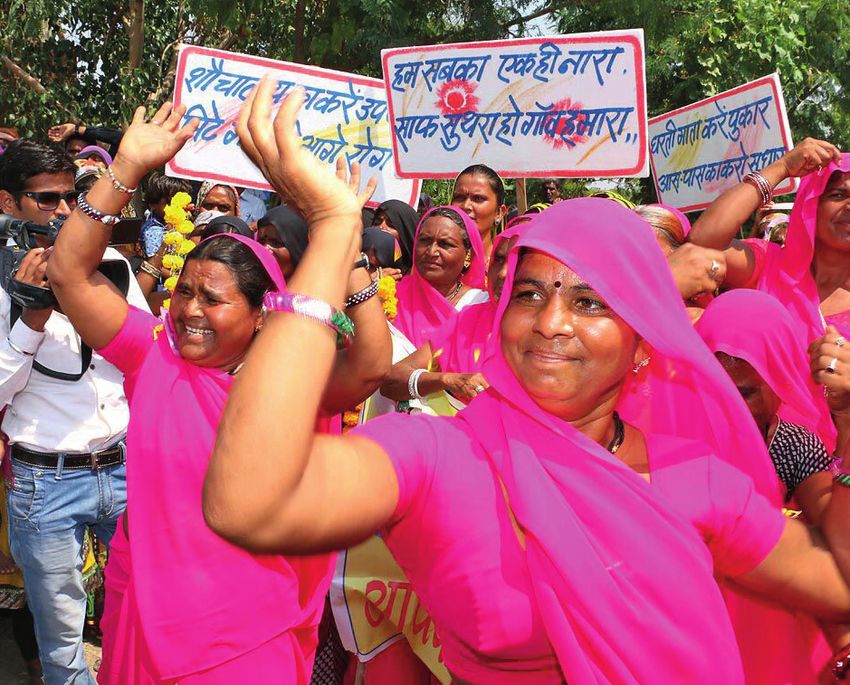
1
                                                                                                                           programmes such as the “Swachhta Kranti”4 and                     extent of sanitation themed awareness and IEC
                                                                                                                           WASH on Wheels across rural India, encouraging                    activities in this period. Given the significant
                                                                                                                           people to build as well as use toilets in order to                role that these play in driving improvements in
                                                                                                                           bring an end to open defecation. Similarly, Tata                  sanitation and the catalytic nature of the SBM
                                                                                                                           Trusts’ Zila Swachh Bharat Prerak programme                       programme, Dalberg Advisors carried out
                                                                                                                           recruited over 500 young professionals to support                 a study to estimate the reach and value of the

Context and objectives                                                                                                     district level implementation of the SBM(G).
                                                                                                                           Corporate India has contributed more than INR
                                                                                                                                                                                             IEC-related activities of cross-sectoral actors
                                                                                                                                                                                             under the Swachh Bharat Mission and to uncover

of the study                                                                                                               600 Cr to the Swachh Bharat Kosh5 and has
                                                                                                                           also conducted sanitation related Information,
                                                                                                                           Education and Communication (IEC) activities
                                                                                                                                                                                             key patterns within these activities (relating to
                                                                                                                                                                                             gender, geography, etc.) to distil key policy
                                                                                                                                                                                             lessons. This whitepaper presents findings
                                                                                                                           across the country.                                               relating to the first objective.

                                                                                                                           While data and estimates are available for the                    This study is supported by the WASH Institute’s
Since the launch of the Swachh Bharat Mission                       The SBM is unique from its preceding programmes        numbers of toilets constructed and associated                     Technical Assistance Programme for Swachh
(SBM) in 2014, sanitation has become a mass                         in the attention it has received from the top polit-   costs, there has been no study6 examining the                     Bharat Mission-Grameen.
movement engaging citizens across the country.                      ical leadership, especially the Prime Minister, and
This is reflected in the wide scale of participation                consequently the scale at which it has been able
by actors across different sectors- government,                     to galvanise resources and cross-cutting interest,
civil society, corporations, and even media and                     attracting important stakeholders who were tradi-
entertainment. The extensive focus on improved                      tionally less involved in sanitation in India.
sanitation and Open Defecation Free status has
paid off, as behaviour change activities have been                  Hundreds of organisations pledged to advance
accompanied by construction of over nine Cr3                        the theme of sanitation and ran extensive
additional household toilets and open defecation                    programmes in their communities. A case in point
rate has seen significant reduction in this period.                 is how the WASH Inter-faith Alliance implemented

                                                                                                                           4
                                                                                                                            Website for Global Interfaith WASH Alliance, Accessed in March 2019
3                                                                                                                          5
    “SBM(G) Dashboard”, February 2019, Ministry of Drinking Water and Sanitation                                            Question of 17 July, 2017, Written Answers to Unstarred Questions, Rajya Sabha
                                                                                                                           6
                                                                                                                            To the best of our knowledge

8       An assessment of the reach and value of IEC activities under Swachh Bharat Mission (Grameen)                                                                                                                Whitepaper, May 2019       9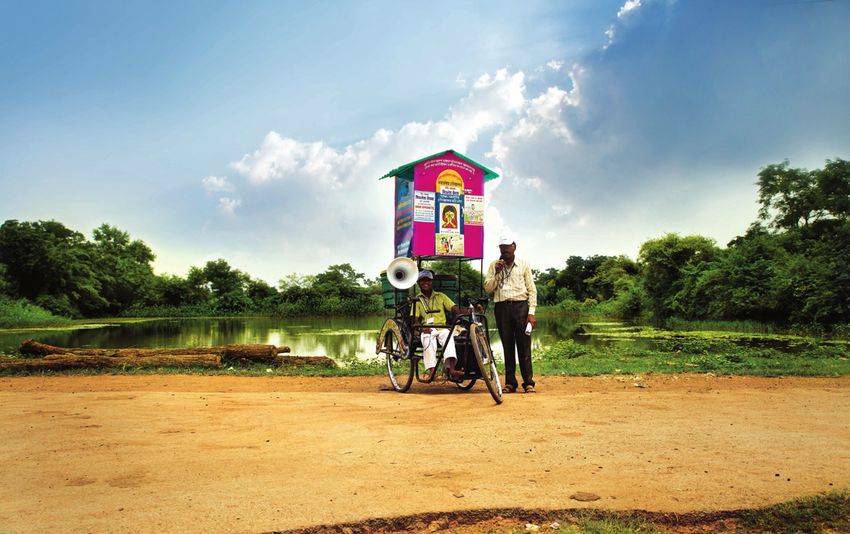
2                                                                                                               Classification of actors
                                                                                                                              EXHIBIT 1

Study
methodology
                                                                                                          Ministry of Drinking Water and Sanitation (MDWS)
                                                                                                          & Associated State Departments
                                                                                                          Includes initiatives undertaken by central, state, and local governments
                                                                                                          under Swachh Bharat Mission (Grameen). E.g., A radio ad campaign by
                                                                                                          MDWS, door-to-door outreach by Swachhagrahis

The methodology has three critical components,         2.1 Actor segments
each of which are described below.
                                                       IEC activities were carried out by five types of   Other Ministries and State Departments
These include the “actors” who carried out a wide-     actors (Exhibit 1):                                Includes activities undertaken by other government ministries under
range of IEC “activity types” and the “model” for                                                         Swachhata Action Plan. E.g., A mass SMS campaign run by Department
computing the “exposures” and the value of these       1   Ministry of Drinking Water and Sanitation      of Telecommunications
activities.                                                (MDWS) & Associated State Departments
                                                       2   Other Ministries and State Departments
The computations are based on existing                 3   Development Partners, Philanthropy,
datasets and further extrapolations informed by            and Civil Society (including faith based
conservative benchmarks and assumptions where              organisations)
                                                                                                          Development Partners, Philanthropy, and Civil Society
needed.                                                4   Businesses
                                                                                                          Includes IEC activities by development agencies, philanthropies, faith
                                                       5   Media and Entertainment                        based organisations, etc. E.g., A grassroots behaviour change campaign
                                                                                                          funded by BMGF/ UNICEF

                                                                                                          Businesses
                                                                                                          Includes IEC activities undertaken by companies as part
                                                                                                          of their CSR projects. E.g., RB’s funding towards NDTV Banega
                                                                                                          Swachh India or HUL’s Swachh Aadat Swachh Bharat campaign

                                                                                                          Media and Entertainment
                                                                                                          Includes big screen films, celebrity endorsements, documentaries, etc.
                                                                                                          E.g., The release of “Toilet, Ek Prem Katha”, TV shows like Hum Saaf
                                                                                                          Saaf Hai, Chalo Saaf Karein

10   An assessment of the reach and value of IEC activities under Swachh Bharat Mission (Grameen)                                                                 Whitepaper, May 2019   11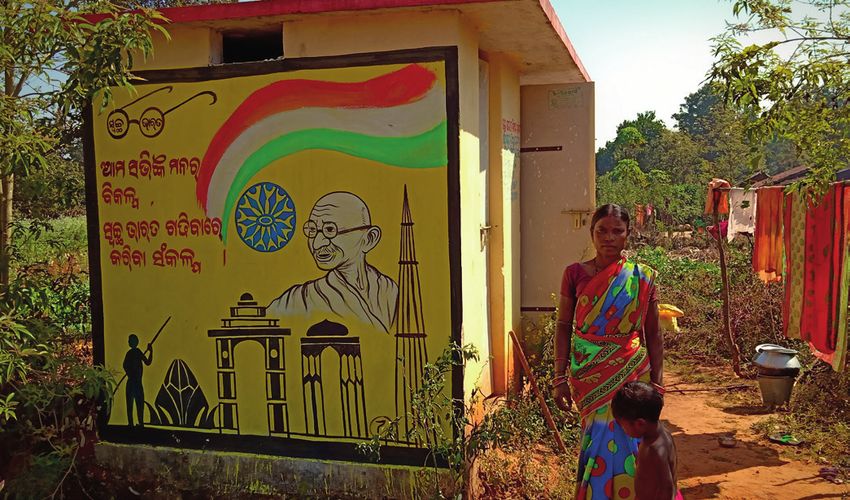
2.2 Activity typology

For this study, we considered all IEC activities that                                                           Classification of IEC activities
were carried out under the SBM since its launch in                                                                           EXHIBIT 2
October 2014 up to February 2019 with a focus on
the rural areas. We classified these IEC activities
into seven channels (Exhibit 2):                                                                    Inter-Personal Communication (IPC)
                                                                                                    Door to door outreach, community events, school workshops,
                                                                                                    competitions and challenges, rallies with influencers, learning material
1    Inter-Personal Communication (IPC) such as                                                     in the form of books, etc.
     door-to-door campaigns, community events,
     rallies, learning material, among others.
2    Ambient Media such as wall paintings
     and hoardings
                                                                                                    Ambient Media
3    Mass Media such as TV, radio, and print
                                                                                                    Graffiti, wall murals, and hoardings
4    Cinema including movies and short films
5    Digital Media such as mobile apps, social
     media, and other online coverage in the form
     of blogs, IVR/Call/SMS campaigns, among
     others                                                                                         Mass Media
6    Hard Sssets such as newly constructed latrines                                                 Radio ads and programmes, television ads and programmes, newspapers
7    Soft Assets such as Swachh Bharat logo on                                                      and magazines
     currency notes and on trains

                                                                                                    Cinema
                                                                                                    Big screen movies, documentary films

                                                                                                    Digital Media
                                                                                                    Social media (Facebook, Twitter, etc.), online coverage on blogs, mobile
                                                                                                    applications, phone calls, IVR outreach, mass SMS campaign, etc.

                                                                                                    Hard Assets
                                                                                                    Newly constructed individual household latrines (IHHL)

                                                                                                    Soft Assets
                                                                                                    Swachh Bharat logo on surfaces of Indian Railways’ trains and currency
                                                                                                    notes

12   An assessment of the reach and value of IEC activities under Swachh Bharat Mission (Grameen)                                                               Whitepaper, May 2019   13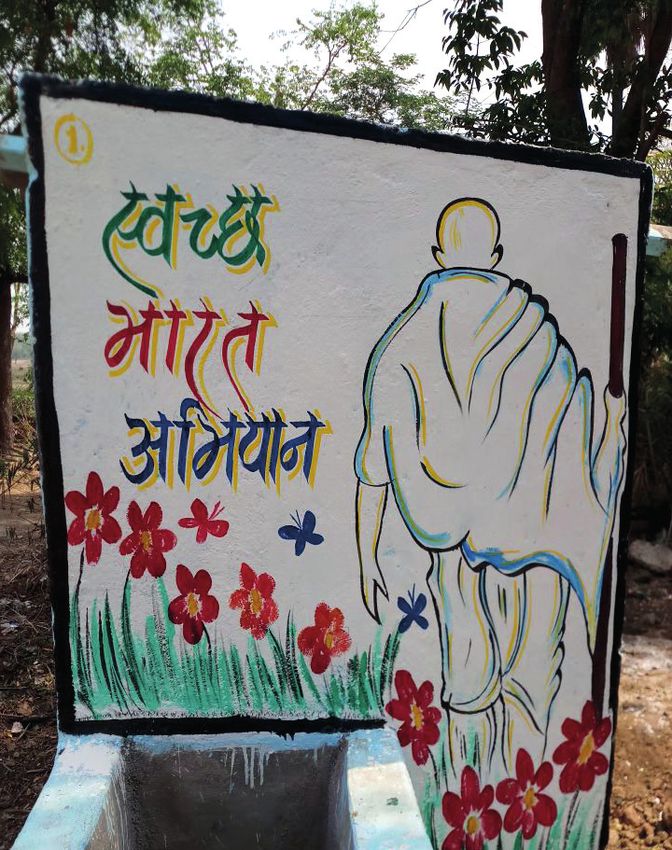
2.3 Model structure                                         organic programmes on radio and TV can                used available information (e.g., total number      Value estimation
                                                            be calculated using a similar computation             of tweets, footfalls, etc.) and estimation models
The model used in this study considers IEC activities       and hence have a similar exposure pathway,            to compute exposures. Each exposure pathway         We define “Value” as the amount of investment
carried out by the actors listed in Section 2.1 and         whereas exposures resulting from IPC channels         had a unique model.                                 required if the actor were to ‘buy’ the exposures
computes their associated exposures and value.              follow a different exposure pathway. Some                                                                 in an efficient market (referred henceforth as
Details of the model are described below.                   IEC efforts were routed via multiple channels.    •   Finally, we normalised these exposures for          “Equivalent Investment”).
                                                            For instance, Toilet Ek Prem Katha was seen in        levels of intensity each channel offers as well
Exposure estimations                                        theatres as well as on TV. We have considered         as for rural target population. For example, a      We used a two-pronged approach (Exhibit 4):
                                                            exposures from both channels.                         single exposure to a door to door campaign
We define an exposure as a non-unique touchpoint                                                                  (say, a visit by a Swachhagrahi) is much more       •   We classified activities into two sets. First,
between a citizen and an IEC message. The term          •   Next, we sought data on IEC activities, cost,         intense than a single exposure to a wall mural.         activities that can be directly “bought” in the
“exposure” is different from “reach” in that multiple       and reach for various actors (See Annexure).          Similarly, exposures from radio were normalised         market through channels such as TV, radio,
exposures from a message to the same person do              We also commissioned media tracking agencies          for radio listenership in rural India.                  cinema, billboards, etc. In this case, the
not increase reach, which measures the number               to collect exposure and reach numbers for a                                                                   equivalent investment was assumed to be
of unique people reached. We used a four-fold               subset of these activities. These data were fed   Complete datasets were rarely available, thus               equal to the media purchase cost.
approach to estimate exposures for the activities           into our model and evaluated against relevant     we made conservative assumptions to estimate
considered (Exhibit 3).                                     benchmarks (cost per thousand exposures,          some of these missing variables. We ran sensitivity     •   The second subset includes activities that
                                                            engagement rates, etc.).                          analyses for these assumptions and have reported            operate in ‘inefficient’ markets. For instance,
•    First, we classified IEC activities into a set                                                           the resulting answers. E.g., The exposure calculation       wall paintings, essay competitions, and public
     of “exposure pathways” to apply different          •   Third, we calculated exposures based on first-    for print media is based on the number of mentions          mentions about Swachh Bharat by the PM.
     models to compute reach based on a set of              principle models where some data points on        in leading newspapers in India (tracked by media
     input indicators. For example, exposures from          cost, reach, or value were not available. We      agencies) and readership numbers. Similarly,                In these cases, we modelled exposures
                                                                                                              exposures for IPC activities where only cost data           from these activities and then estimated the
                                                                                                              was available are modelled based on those for               comparable investment needed to reach similar
                                         Exposure Estimation                                                  which complete data (cost, reach, and exposure)             sized audiences through an efficient paid media
                                                EXHIBIT 3                                                     was available.                                              channel of a similar exposure intensity.

                                                                                                                                               Equivalent Investment estimation
                                                                                                                                                              EXHIBIT 4

14   An assessment of the reach and value of IEC activities under Swachh Bharat Mission (Grameen)                                                                                              Whitepaper, May 2019       15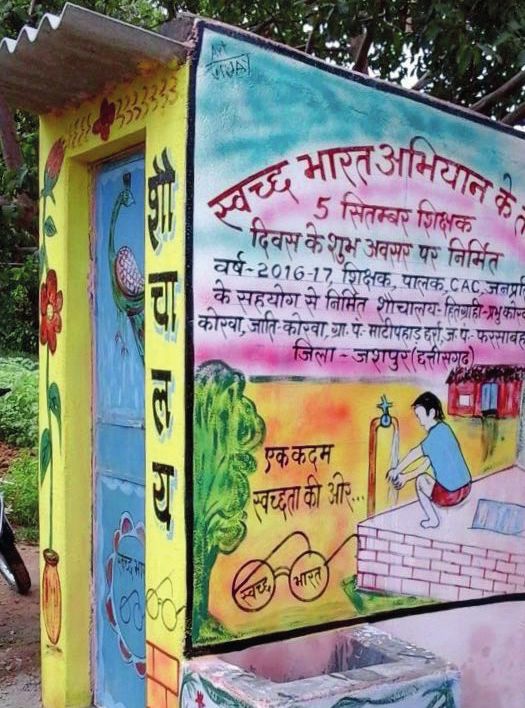
3                                                                                                          1. We estimate that the Swachh Bharat
                                                                                                                  Mission IEC activities were able to
                                                                                                                  mobilise equivalent investment that
                                                                                                                  would be worth INR 22,000-26,000 Cr
                                                                                                                  in efficient markets.
                                                                                                                                                                      This includes both monetary and non-monetary
                                                                                                                                                                      investments by government and non-government
                                                                                                                                                                      actors. Non-monetary investments refer to
                                                                                                                                                                      organic IEC outreach activities achieved with
                                                                                                                                                                      negligible expenditure. These include currency

Key                                                                                                                                                                   notes with the SBM logo, SBM related news
                                                                                                                                                                      coverage, among others.

Findings                                                                                                                            IEC initiatives under Swachh Bharat Mission
                                                                                                                                                          EXHIBIT 6

                                                                                                                      2014       Launch of Swachh Bharat Mission
The Swachh Bharat Mission (SBM)                              was under the Swachh Bharat Mission. Under
catapulted sanitation onto the national                      the SBM, there was a dramatic expansion in
                                                                                                                        2014    Swachh Bharat Kosh launched to channelise CSR and philanthropic contributions
stage and crowded-in interest from a                         engagement from these actors and sectors.
                                                                                                                                towards sanitation
range of actors.
                                                             This was largely driven by the consistent                  2015    Banega Swachh India campaign celebrates its 2nd anniversary
India has run sanitation programmes for decades.             focus and attention from the highest levels
However, sanitation was never as prominently a               of government and political leadership in the              2016    Currency notes with SB logo launched across the country
part of the national agenda and a collaborated               country. Initiatives were no longer restricted to
effort between different players—Government,                 the government or civil society, but other actors
                                                                                                                        2017    Toilet Ek Prem Katha film released across India
private sector, development sector – as it                   of importance also lent their voice to this issue.

                                                                                                                        2017    Zila Swachh Bharat Prerak fellowship launched by Tata Trusts to recruit youth for SBM
                                                                                                                                implementation efforts
                 SBM received consistent focus from the Prime Minister and
                         other political leadership in the country
                                                                                                                        2017    Darwaza Band, a radio and television ad campaign, launched across India in various
                                                 EXHIBIT 5                                                                      languages
     Key to SBM’s mass awareness is the consistent and
     cross-channel touchpoints used by different arms of                                                                2017    Swachhata hi Seva-I entailed sanitation activities carried out over 2 weeks by
     the political machinery. Some examples include:                                                                            schools, colleges, NGOs, political and cultural leaders including celebrities,
                                                                                                                                bureaucrats, and political leaders
     Swachhata Action Plan and Swachhata
     Pakhwada: All ministries incorporated sanitation
                                                                                                                        2018    Swachh Shakti’s 2nd anniversary where 15,000 women SBM champions were
     as part of their priorities by allocating expenditure                                                                      honoured on International Women’s Day for their contributions to Swachh Bharat.
     towards Swachhata Action Plan and Swachhata
     Pakhwada.
                                                                                                                        2018    Mahatma Gandhi International Sanitation Convention inaugurated by the
     Satyagraha se Swachhagraha: To spur attention                                                                              President with participation from over 68 countries
     towards grassroot efforts under the SBM, the Prime
     Minister addressed Swachhagrahis from across the
     country.                                                                                                           2018    Satyagraha se Swachhagraha campaign launched by MDWS

     Swachh Kumbh: The SBM was integrated into the
     2019 Kumbh Mela witih dedicated rallies, posters,                                                                  2019    Swachh Kumbh Swachh Aabhar addressed by the PM in Prayagraj
     and media Kumbh coverage focusing on sanitation.
     Mann ki Baat: The topic of Swachh Bharat featured
     ~40 times over the years on Mann ki Baat, a key                                                                    2019    Chalo Saaf Karein, TV show addressing sanitation, aired across India
     touchpoint between the PMO and the public.

16    An assessment of the reach and value of IEC activities under Swachh Bharat Mission (Grameen)                                                                                              Whitepaper, May 2019    17
2. INR 3,500-4,000 Cr of monetary                         Key organisations include UNICEF, Bill & Melinda
expenditure was spent towards SBM                         Gates Foundation, The World Bank, TATA                                   Banega Swachh India: Private sector comes together
IEC activities.                                           Trusts, WaterAid, and others. A large fraction                                       to champion Swachh Bharat
                                                          of their contribution went towards assisting the                                                        EXHIBIT 8
The Ministry of Drinking Water and Sanitation and         government in strategy, capacity building, and
its state counterparts remain the key funder for IEC      content development for IEC activities7                                                                          About                              Achievements
activities with an estimated total spend of
~ INR 2,050 Cr based on credible assessments of           Investments towards IEC activities under SBM                                                                     In 2014, Reckitt Benckiser         Successfully
government spending.                                      were also made by the media and entertainment                                                                    pledged 100 Cr8 to                 celebrated five
                                                          industry through TV shows, movies, and                                                                           partner with NDTV and              seasons since
Ministry of Railways, Ministry of Health and Family       documentary films. Recently, the TV serials                                                                      Dainik Jagran to host              2014
                                                                                                                                                                           an annual campaign that
Welfare, and Ministry of Rural Development also           “Hum Saaf Saaf Hai” and “Main Kuch Bhi Kar
                                                                                                                                                                           sheds light on the issues          Engaged a
supported IEC activities under the Swachhata              Sakti Hoon” dedicated several episodes to the
                                                                                                                                                                           relating to sanitation             heterogenous
Action Plan and are estimated to have spent               issue of sanitation. Corporate sector, having
                                                                                                                                                                           in India.                          audience from
INR 660 – 1,040 Cr.                                       contributed ~ INR 350-430 Cr to sanitation
                                                                                                                                                                                                              school students,
                                                          related IEC efforts, has also scaled up its                                                                      This is a dedicated                corporations,
Supporting these efforts, development agencies            participation in Swachh Bharat Mission in the                                                                    grassroots campaign                foundations,
and philanthropic organisations also emerged as           last five years.                                                                                                 focused on rural and               media &
key players with an estimated spending of nearly                                                                                                                           periurban areas, even              entertainment,
INR 200-220 Cr.                                                                                                       “We all seem to have a habit of voicing
                                                                                                                                                                           as it enjoys widespread            general public,
                                                                                                                            that oft repeated sentence ..
                                                                                                                    ’it’s not my job’. I suggest that we change            national coverage on               etc. Many
                                                                                                                             this voice to..’it IS my job’.”               NDTV channel.                      celebrities,
                                                                                                                                  Amitabh Bachchan,                                                           including Amitabh
                             IEC expenditure by different actors 2014-19                                                                                                                                      Bachchan and Dia
                                                                                                                                    Ambassador,
                                                 EXHIBIT 7                                                          Swachh Bharat Mission and Banega Swachh India                                             Mirza joined the
                                                                                                                                                                                                              movement.

                                               Values in INR Cr.

                                                                                                                                   Per capita rural exposures through different channels
                                                                                                                                                                  EXHIBIT 9

7                                                                                                            8
    Stakeholder interviews                                                                                    “RB to spend Rs 100 crore on sanitation, ropes in Amitabh Bachchan”, September 30, 2014, Economic Times Research

18      An assessment of the reach and value of IEC activities under Swachh Bharat Mission (Grameen)                                                                                                      Whitepaper, May 2019    19
3. We estimate that a rural Indian9 latrines (IHHL) that were constructed during this 4. Including monetary and non- 80% of exposures from television and radio stem
was exposed to SBM related IEC period12 (Exhibit 9). We estimate that, together, monetary investments, these from organic coverage of SBM related content by
messaging about 2,500-3,300 times these channels created nearly 200,000- 270,000 exposures are estimated to be news channels. These exposures are organic in that
in the last five years. Cr exposures in rural India over the past five years. equivalent to ~INR 22,000-26,000 no planned and dedicated IEC investments were
Hard assets, mass media, soft assets, ambient Cr if they were carried out in an made to this end.
Rural Indians were exposed to IEC messaging media were key contributors to this number. The inefficient market.
through many different channels including Inter- scale of activities conducted under IPC channels Lastly, the construction of new toilets under the
personal Communication (IPC) channels such also remains significant in absolute terms. Inter-Personal communication efforts contributed Swachh Bharat Mission has contributed nearly 25%
as door-to-door campaigns, community events nearly 50% to the total equivalent investment to the total estimated equivalent investment. Over
(including in schools) and rallies; ambient media State governments and the private sector launched despite their relative small share in the exposure the course of the programme, more than 9 Cr.
such as wall murals and hoardings; mass media several programmes using the IPC channels. mix. These IPC exposures are personalised, high- toilets have been built in the country, explaining
channels such as TV, radio, and print; cinema (i.e., Swachhagrahis, Nigrani Samitis, school essay touch, and intensive. Studies show that the recall their large share14 in the mix. When they are built
movies and short films); social media10 such as competitions, and dedicated coverage in Kumbh value of IPC activities is much greater than those and used in communities where open defecation
Facebook, YouTube, Twitter, etc. Mela, are some examples of IPC campaigns of other channels such as ambient media (e.g. wall has persisted over decades, new toilets serve
conducted by the government and various other paintings, hoardings) and mass media (e.g. as nudges for people to adopt safe sanitation
These also include touchpoints via assets such actors. an advertisement on the radio or television)13. behaviour, i.e. build and use their toilets.
as the SBM logo11, and individual household This nature of Inter-Personal Communication
activities justifies their large share in the total mix.
Coverage on mass media – radio, television,
Bollywood sheds light on open defecation newspaper, etc. - contributed about 20% to the
EXHIBIT 10 equivalent investment. This coverage was across
English, Hindi, and regional channels. Further, over
The movie, “Toilet, Ek Prem Katha”, is a case in point for
the untapped potential cinema holds for large scale IEC
messaging on important social issues.
Equivalent investments in different channels, 2014-18
The movie generated nearly 35-40 Cr. exposures across big EXHIBIT 11
screens, social media, and television against an investment of
INR 75 Cr.
“‘Toilet: Ek Prem Katha’ among
the 10 things that inspired
Bill Gates in 2017”
Economic Times
9
Rural population assumed to be ~ 83 Cr. Source: World Bank estimates, 2018, 2018 Revision of World Urbanisation Prospects.
10
The model has relied on global estimates for social media engagement behaviour, instead of being tailored to the social media
habits of rural Indians. However, while accounting for these, we observed that the model was not sensitive to these estimates, and
therefore, tailoring the number further will not affect the exposures and equivalent investment significantly.
11
We modelled the SBM logo exposures only for currency notes and on train doors. While the logo also intersects with other
channels (it can commonly be observed on wall murals, learning material, etc.), we did not consider these separately as they were
already accounted within the exposure estimation from their respective channels. While estimating the perception intensity of the
Swachh Bharat logo, we considered the logo to be open to interpretation of several messages, i.e. it is possible that a symbol for
widespread may be perceived as a message other than safe sanitation. However, we also observed that the model was not sensitive
to the change in this perception intensity, i.e. changing this variable did not affect exposures and equivalent investment significantly
12
Although construction of latrines is not conventionally considered an IEC activity, they remain a key visual reminder for desirable 13
Financial and Economic Impacts of the Swachh Bharat Mission in India”, 2018, UNICEF
behaviour change. The government has also used these as a unique channel of messaging. For instance, the Swachh Sundar
14
Shauchalaya contest held by the government leverages the potential for toilets to be used as messaging instruments of IEC “SBM(G) IMIS”, February 2019, Ministry of Drinking Water and Sanitation
20 An assessment of the reach and value of IEC activities under Swachh Bharat Mission (Grameen) Whitepaper, May 2019 215. We estimate that SBM was able
to induce a cumulate investment
equivalent to 6.5 times the cost15.
media, and cinema contributed to ~20% of
the total equivalent investment. The “high
frequency-low intensity” nature of this coverage
Conclusion
complemented the “low frequency – high
S
The total estimated equivalent investment in IEC intensity” exposures through IPC channels.
anitation has long been a pressing issue in
activities conducted over the past five years is INR
India, in part due to the scale and magnitude
22,000-26,000 Cr against a total cost incurred of • Finally, the creation of soft (SBM logo) and
of behaviour change required. In 2014, the
INR 3,500-4,000 Cr; thus, resulting in a leverage hard assets (IHHL) helped increase the
SBM was launched with an aim to achieve an Open
between 6-6.5 times. Key contributors were IEC exposures to SBM messaging at marginal
Defecation Free (ODF) India.
activities conducted through IPC channels, organic IEC costs. The SBM logo was widely adopted
coverage enjoyed by the SBM programme on mass by all government agencies and, equally
Under the SBM, MDWS invested about ~INR 2,050
media channels, and creation of soft and hard assets importantly, by many non-government
Cr in IEC activities. However, these investments
actors. The SBM logo on currency notes and
were conceptualised such that they crowded
• Expenditure on activities under IPC channels at key locations of the Indian Railways are
in multi-level and organic IEC efforts worth ~
is estimated to be ~INR 1,100 Cr, generating case in point for the mass reach the logo
INR 1,500-2,000 Cr using conventional and
an equivalent investment of approximately INR garnered. Similarly, toilets constructed in
unconventional channels.
10,800 - 12,500 Cr. A significant fraction of the programme period also serve as daily
these came from Swachhagrahis. reminders to households and communities
This crowding in of investment from other players,
to adopt desirable behaviour. Further, the
be it development agencies or other non-traditional
• The SBM also enjoyed ample organic media government has increasingly intersected its
actors that supported it through investments in
coverage which became a source of additional construction activities with IEC activities.
infrastructure as well as IEC activities to drive
leverage. For example, several programmes The Swachh Sundar Shauchalaya Contest is
behaviour change. As a result, an average rural
have been aired under Dettol-NDTV Banega illustrative, where gram panchayats across the
Indian has been exposed to sustained behaviour
Swachh India campaign by NDTV and Dainik country competed to paint their toilets with
change communication through many IEC activities
Jagaran. Likewise, Jaago India on ZEE relevant IEC messaging on Swachh Bharat
across diverse channels.
NEWS has also aired several SBM focused in the end, painting more than 1 Cr toilets.
programmes. Beyond these dedicated Both these mediums created high frequency
programmes, coverage about Swachh Bharat repeat exposures at marginal cost to the We estimate the total equivalent investment in IEC
on news channels, print media, radio, social government. activities conducted by all the players together to
be in the range of INR 22,000 – 26,000 Cr. This
scale of IEC activities has created a paradigm shift
in how India thinks, not only about sanitation, but
Swachh Bharat Mission logo on currency notes also about other policy issues that entail a strong
EXHIBIT 12 behaviour change component
Next Steps
This whitepaper will be followed by a
comprehensive analysis looking at granular
geographic, gender, and thematic patterns within
SBM IEC over the last five years.
15
Ratio of equivalent investments and the total incremental IEC cost incurred. Note that even though we consider the IEC value
from newly constructed toilets, we have not accounted for the costs of building these toilets as part of IEC investment.
22 An assessment of the reach and value of IEC activities under Swachh Bharat Mission (Grameen) Whitepaper, May 2019 23Annexure
Sources
The following table lists the key sources used in the writing of this report. All data remains self-reported.
We have not independently verified the accuracy of the data.
Key sources of data
EXHIBIT 13
SOURCE DATA TYPE
Ministry of Drinking Water and I-MIS data capturing ground level activities by local and state agencies, data for
Sanitation various programmes conducted by MDWS and corresponding state agencies;
Guidelines for Swachh Bharat Mission (Gramin); Swachhata Action Plan dataset,
2017-18 and 2018-19
Directorate of Advertising and Government rate cards for different media
Visual Publicity
UNICEF Financial and economic impacts of the Swachh Bharat Mission in India, 2018
USAID Behavior Change Communication Activities and Achievements, 2012
All India Radio Data on listenership
Donor, development agency IEC activities funded by a range of large development sector players,
discussions, and civil society philanthropic donors and civil society organizations
NGObox CSR activities of companies
BBC Media Action Information on Shaucha Singh radio campaign
Edelman India Data on newspapers articles
The Media Ant Cost of paid advertising across channels
MSL Group Social media review
VeeTrack Print media
FICCI, Ernst & Young Re-imagining India’s M&E sector
RSCI Group, Nielsan, Media IRS 2017 Key Trends, 2018
Research Users Council
Telecom Regulatory The Indian Telecom Services Performance Indicators, 2018
Authority of India
24 An assessment of the reach and value of IEC activities under Swachh Bharat Mission (Grameen)You can also read


