Anatomy of - Understanding Consumer Behavior When Grocery Shopping in the New Next 2020 - Oracle
←
→
Page content transcription
If your browser does not render page correctly, please read the page content below
Retail

Anatomy of
Change

                  Understanding Consumer Behavior
         When Grocery Shopping in the New Next 2020
Anatomy of

                                                     Change
    Methodology

    The research cited in this                                                                                                 Understanding Consumer Behavior When
    report was conducted in
                                                                                                                               Grocery Shopping in the New Next 2020
    2020 with more than 5,143
    consumers across four key
    regions, including Europe
    (France, Germany, Italy,                                                                        Introduction
    United Kingdom, United
    Arab Emirates), APAC                                                                            Unlike any other year in recent history, 2020 has seen consumer behavior, and by extension, the retail
    (Australia, China), LATAM                                                                       market, significantly disrupted. Global public health measures in response to the COVID-19 pandemic quickly
    (Brazil, Mexico), and North                                                                     and dramatically affected not just consumers’ ability to shop in physical locations but also their desire to.
    America (United States of                                                                       Grocery stores, deemed “essential businesses” and not subject to long-term closure, have nonetheless felt
    America).                                                                                       the significant effects of shifting consumer behaviors, perceptions, and expectations on retailers.

    Independent research and                                                                        This report examines key impacts of the COVID-19 pandemic on consumer behavior — including
    creative consultancy Untold                                                                     permanent changes in consumer shopping habits, ongoing challenges in maintaining the grocery experience,
    Insights conducted the                                                                          and consumer exploration of new brands. It also explores what these changes mean for the future of
    research on behalf of Oracle                                                                    grocery retail.
    Retail, which explores
    consumer attitudes and
    expectations regarding the                                                                                                                                          World map regions, indicated by color,
                                                                                                                                                                                       LATAM
                                                                                                                                                                        correlate to the list of countries included
    retail shopping experience                                                                                                                                                         - Brazil
                                                                                                                                                                        per area surveyed.
    now and in the future.                                                                                                                                                             - Mexico
                                                                                                                                                                           North America: United States of America
    This report is based on
                                                                                                                                                                           LATAM: Brazil,
                                                                                                                                                                                   Europe Mexico
    the findings from this
    study, with a focus on the                                                                                                                                                       - France
                                                                                                                                                                           Europe: France, Germany, Italy,
                                                                                                                                                                           United Kingdom,  United Arab Emirates
                                                                                                                                                                                     - Germany
    grocery market.
                                                                                                                                                                                    - Italy China
                                                                                                                                                                           APAC: Australia,
                                                                                                                                                                                       - United Arab Emirates

                                                                                                                                                                                       JAPAC
                                                                                                                                                                                       - Australia
                                                                                                                                                                                       - China

2   Anatomy of Change: Understanding Consumer Behavior When Grocery Shopping in the New Next 2020
A New Era in Grocery
    Shopping

                                                                                                              51%
                                                                                                              51%
    As the global pandemic
    shut down communities,
    consumers began shopping
                                                                                                    Notably
    differently — even with
    “essential” businesses
    like grocery stores, which
    remained open to the public
    for in-person shopping.                                                                                   of respondents said they had rarely or never shopped
                                                                                                              online for groceries before the pandemic began.

                                                                                                    Despite being able to shop in-store, 61% of consumers reported
                                                                                                    making grocery purchases online during the pandemic. Of these,
                                                                                                    41% of consumers reported shopping online more often than in-store
                                                                                                    prior to the pandemic, and 20% shopped in-store more frequently
                                                                                                    than online.

3   Anatomy of Change: Understanding Consumer Behavior When Grocery Shopping in the New Next 2020
How people shop during the pandemic:
               Have                       Shopped                     Shopped                         Shopped
            purchased                    more online                more in-store                   online before
          groceries online              than in-store                than online                     COVID-19

               67%                           41%                                20%                    49%          Global
                                                                                                                             In the months since COVID-19 lockdowns began to change behavior,
                                                                                                                             consumers have formed new habits. In fact, 92% of consumers
                                                                                                                             surveyed will continue online grocery shopping moving forward, with
                                                                                                                             7 in 10 consumers anticipating they will shop online as much as or
             90%                            72%                                 18%
                                                                                                      89%           China    more frequently than they have during the pandemic.

                                                                                                                             Overwhelmingly, consumers who bought groceries online had
                                                                                                                             them delivered, with nearly 3 in 4 consumers opting for home
               66%                           37%                                16%                    41%          US
                                                                                                                             delivery. Just 16% chose to pick up groceries in-store, and 11%
                                                                                                                             chose curbside pickup to collect their grocery purchases.

              66%                           46%                                 20%                    40%          Brazil
                                                                                                                             The shift in consumer behavior also drove the adoption of meal
                                                                                                                             subscription services. More than 1 in 5 consumers started one or
                                                                                                                             more new food or meal subscription services, and 7% of consumers
                                                                                                                             tried a subscription service for the first time.
               66%                           41%                                 25%                   38%          Mexico

               81%                          46%                          35%                          62%           UAE

               52%                          40%                                 18%                    52%          France

4   Anatomy of Change: Understanding Consumer Behavior When Grocery Shopping in the New Next 2020
Maintaining the
    Grocery Experience

    The shopping experience
    continues to be a significant
    driver of consumer
    preference. The speed of
                                                        Checkout speed a priority for

                                                                                              71%
                                                                                              71%   of consumers
                                                                                                                   Consumers also relied on others’ experiences to inform their
                                                                                                                   shopping choices online and in-store. Nearly 9 in 10 consumers
                                                                                                                   (89%) stated they were moderately or very influenced by bad reviews
                                                                                                                   of a product or a store’s service. This reliance on peer inputs has
                                                                                                                   significant potential impacts, as less than 25% of consumers rarely
                                                                                                                   or never leave negative reviews after a bad product or shopping
                                                                                                                   experience.
    checkout remains a priority
    for 71% of consumers, as                                                                                       Beyond relying on reviews and responsible public health measures
    well as knowledgeable                                                                                          to drive grocery decision-making, consumers also base shopping
    and intelligent staff (57%).                                                                                   decisions on a factor that hasn’t been changed by the pandemic:
    In addition, consumers                                                                                         shopping rewards. Despite trying new brands when inventory is
    shopping in stores during                                                                                      lacking, nearly 30% of consumers say they would always choose a
    the pandemic had new                                                                                           grocery retailer where loyalty points or discounts on purchases are
    expectations for the                                                                                           available, versus other options. Nearly 9 in 10 consumers (88%) say
    shopping experience                                                                                            that they would sometimes, frequently, or always choose grocery
    from all retailers.                                                                                            retailers where these types of rewards are available, with just 11%
                                                                                                                   saying that rewards and discounts rarely or never affect their choice
    Beyond safety, the research                                                                                    of the grocery retailer.
    showed that 47% of global
    respondents said out-of-
    stock merchandise topped
    their list for a bad shopping

                                                                                                                                                                           Reduced foot traffic in-store: 76%
                                                                                                                   Aspects of the
    experience. Additionally,                                                                                      consumer experience
    63% said they weren’t

                                                                                                                                           Visible cleaning efforts: 82%
                                                                                                                   rated as important or

                                                                                                                                                                                                                Contactless checkout (66%)
    willing to wait for an item                                                                                    very important:
    to be back in stock before
    trying another brand.

5   Anatomy of Change: Understanding Consumer Behavior When Grocery Shopping in the New Next 2020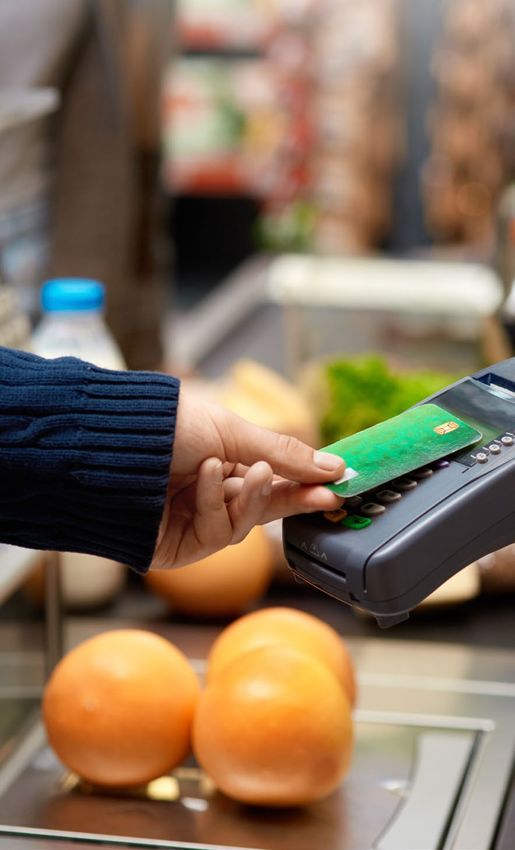
2/
    Private Label Brand
    Discovery During the
    Pandemic

                                                                                                                3
    Retailers should take note
    of the critical role that
                                                                                                     Nearly
    inventory management can
    play in maintaining brand                                                                                                        of consumers (64%) chose to purchase
                                                                                                                                     products at another store or opted to
    loyalty. High demand for                                                                                                         purchase another brand rather than
    pantry staples and other                                                                                                         waiting for a product to be restocked.
    essential items often made
    products difficult to find,
    both online and in stores.                                                                      Of consumers that explored new private label brands in-store,
                                                                                                    more than half (61%) plan to stick with the new brands or include
                                                                                                    them in a mix of new finds and old favorites as they shop in the
                                                                                                    future. And of those that purchased products at new grocery stores,
                                                                                                    53% plan to continue shopping at the new locations in addition to
                                                                                                    their prior preferred stores.

                                                                                                    Also interesting to note that consumers in UAE (93%) and
                                                                                                    China (90%) were the most adventurous in trying new private
                                                                                                    brands, while Germany (63%) and France (67%) were less
                                                                                                    reluctant to explore them.

6   Anatomy of Change: Understanding Consumer Behavior When Grocery Shopping in the New Next 2020
With grocery shortages during COVID, did you explore

                                                                                                                                                                45%
                                                                                                                                                                45%
          store own brands/private labels?

                                                                                                                                                                                                         discovered new
                                                                                                                                                                                                         brands online

          Breakdown by Country                                                                                                                             Many consumers unable to find what they needed in the
                                                                                                                                                           store turned to online storefronts and new brands to meet
                                                                                                                                                           their grocery needs. In fact, nearly half of consumers (45%)
                                                                                                                                                           discovered new brands online and will continue to shop
                                                                                                                                                           for those brands moving forward, with 16% anticipating
                                                                                                                                                           choosing the new brands over their former preferred brand.
                       Germany: 63%

                                                Australia: 78%

                                                                               Mexico: 87%
                                                                 France: 67%

                                                                                                        Brazil: 88%

                                                                                                                      China: 90%

                                                                                                                                              Italy: 88%
                                                                                                                                   UAE: 93%
                                                                                             USA: 86%
                                      UK: 87%

7   Anatomy of Change: Understanding Consumer Behavior When Grocery Shopping in the New Next 2020
Conclusion
                                                                                                    The face of grocery shopping, as we know, it has been forever changed by the COVID-19 pandemic.
                                                                                                    Agility and adaptability are critical to the health of grocery businesses. Consumers have new
                                                                                                    expectations of retailers that go beyond the availability of products and the usual quality of in-store and
                                                                                                    online experiences. There is greater pressure on retailers to reassure in-store consumers are safe and
                                                                                                    that their time in-store is brief and efficient.

                                                                                                    There is also a growing imperative to manage stock online and in-store to ensure that the products
                                                                                                    consumers need are available wherever they shop. But, with stockpiling behaviors creating new
                                                                                                    inventory management challenges for grocers, brand and store loyalty is up for grabs.

                                                                                                    As we enter 2021 and beyond, grocery retailers will be challenged to maintain the quality and
                                                                                                    consistency of shopping experiences, no matter where they occur.

                                                                                                    See More on How Consumer Habits Have Shifted

8   Anatomy of Change: Understanding Consumer Behavior When Grocery Shopping in the New Next 2020
About Oracle Retail:
—
Oracle is the platform for modern retail. Oracle provides retailers with a complete, open, and integrated platform for leading retail solutions, cloud
services, and hardware that are engineered to work together. Innovative retailers use Oracle solutions to pivot to customer and to drive agility across
the business. Oracle Retail customers can deliver an authentic customer experience while protecting their people, processes, brand, and customers.
For more information, visit our website.

              CONNECT WITH US

              Call +1.800.ORACLE1 or visit oracle.com. Outside North America,
              find your local office at oracle.com/contact.

                     blogs.oracle.com/retail                   facebook.com/oracleretail                     twitter.com/oracleretail                  linkedin.com/company/oracle-retail/

              Copyright © 2020, Oracle and/or its affiliates. All rights reserved. This document is provided for information purposes only, and the contents hereof are subject to change without notice.
              This document is not warranted to be error-free, nor subject to any other warranties or conditions, whether expressed orally or implied in law, including implied warranties and conditions
              of merchantability or fitness for a particular purpose. We specifically disclaim any liability with respect to this document, and no contractual obligations are formed either directly or
              indirectly by this document. This document may not be reproduced or transmitted in any form or by any means, electronic or mechanical, for any purpose, without our prior written
              permission.

              Oracle and Java are registered trademarks of Oracle and/or its affiliates. Other names may be trademarks of their respective owners.

              Intel and Intel Xeon are trademarks or registered trademarks of Intel Corporation. All SPARC trademarks are used under license and are trademarks or registered trademarks of SPARC
              International, Inc. AMD, Opteron, the AMD logo, and the AMD Opteron logo are trademarks or registered trademarks of Advanced Micro Devices. UNIX is a registered trademark of
              The Open Group. 1120
You can also read


