Approved by Tallahassee Memorial HealthCare Board of Directors February 12, 2020 or 850-431-3720
←
→
Page content transcription
If your browser does not render page correctly, please read the page content below
Approved by Tallahassee Memorial HealthCare
             Board of Directors
             February 12, 2020

 melissa.dancer@tmh.org or 850-431-3720

                                              1
Contents
G Introduction . . . . . . . . . . . . . . . . . . . . . . . . . . . . . . . . . . . . . . . . . . . . . . . . . . . . . . . . . . . . . . . . . 3
G Community Served . . . . . . . . . . . . . . . . . . . . . . . . . . . . . . . . . . . . . . . . . . . . . . . . . . . . . . . . . . . 3
G Community Health Improvement Process . . . . . . . . . . . . . . . . . . . . . . . . . . . . . . . . . . . . . . . . 4
Community Health Needs Assessment . . . . . . . . . . . . . . . . . . . . . . . . . . . . . . . . . . . . . 4
Significant Health Needs of the Community . . . . . . . . . . . . . . . . . . . . . . . . . . . . . . . . . 5
Significant Health Needs to be Addressed . . . . . . . . . . . . . . . . . . . . . . . . . . . . . . . . . . . 6
Implementation Strategy Development . . . . . . . . . . . . . . . . . . . . . . . . . . . . . . . . . . . . 7
G Fiscal Years 2020 – 2022 CHNA Implementation Strategy . . . . . . . . . . . . . . . . . . . . . . . . . . . 8
Priority Area: Access to Health Services . . . . . . . . . . . . . . . . . . . . . . . . . . . . . . . . . . . . . 8
Priority Area: Preventive Services related to Nutrition, Physical Activity
and Obesity . . . . . . . . . . . . . . . . . . . . . . . . . . . . . . . . . . . . . . . . . . . . . . . . . . . . . . . . . . . . 10
Priority Area: Mental Health and Substance Abuse . . . . . . . . . . . . . . . . . . . . . . . . . . 12
Community Partnerships . . . . . . . . . . . . . . . . . . . . . . . . . . . . . . . . . . . . . . . . . . . . . . . . . 15
Community Benefit Programs Description . . . . . . . . . . . . . . . . . . . . . . . . . . . . . . . . . . 15
Southside Farmers Market and Fresh Fruit and Vegetable Rx Program . . . . 15
Happy Hydrators . . . . . . . . . . . . . . . . . . . . . . . . . . . . . . . . . . . . . . . . . . . . . . . . . . 16
Safe Kids Big Bend . . . . . . . . . . . . . . . . . . . . . . . . . . . . . . . . . . . . . . . . . . . . . . . . . 16
Nutrition Education for School Children . . . . . . . . . . . . . . . . . . . . . . . . . . . . . . 17
TMH FOR LIFE Health and Wellness . . . . . . . . . . . . . . . . . . . . . . . . . . . . . . . . . . 18
Worksite Wellness . . . . . . . . . . . . . . . . . . . . . . . . . . . . . . . . . . . . . . . . . . . . . . . . . 18
Ministry for Life . . . . . . . . . . . . . . . . . . . . . . . . . . . . . . . . . . . . . . . . . . . . . . . . . . . 19
Implementation and Measurement . . . . . . . . . . . . . . . . . . . . . . . . . . . . . . . . . . . . . . . 19
Resources . . . . . . . . . . . . . . . . . . . . . . . . . . . . . . . . . . . . . . . . . . . . . . . . . . . . . . . . . . . . . . 19
Priority Areas not being Addressed and the Reasons . . . . . . . . . . . . . . . . . . . . . . . . . 19
2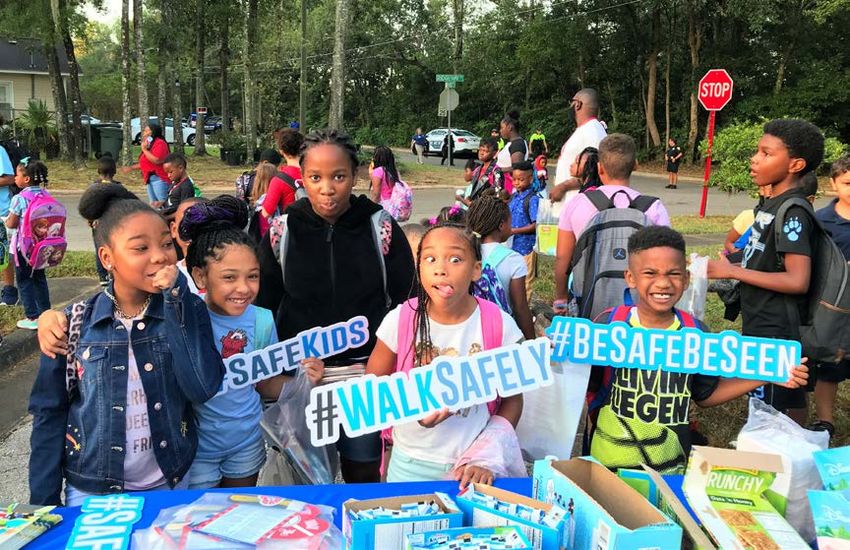
Introduction
Tallahassee Memorial HealthCare (TMH) is a private, not-for-profit community healthcare system committed
to transforming care, advancing health, and improving lives with an ultimate vision to elevate the standards of
our healthcare practice, quality and innovation in our region. Tallahassee Memorial HealthCare is comprised
of a 772-bed acute care hospital, a psychiatric hospital, multiple specialty care centers, three residency
programs, 32 affiliated physician practices and partnerships with Doctors’ Memorial Hospital, Florida State
University College of Medicine, University of Florida Health, Weems Memorial Hospital and Wolfson Children's
Hospital. Tallahassee Memorial HealthCare is a key anchor institution focusing on improving the health of the
communities we serve. With ongoing dedication to the health of our region, we advance care through clinical
services, medical education, research and community health investments. The purpose of this implementation
strategy is to describe what Tallahassee Memorial HealthCare plans to do to address the community health
needs identified in the Community Health Needs Assessment (CHNA) published September 25, 2019. It is our
intention to work diligently with stakeholders and partners to address as many of the complex health needs as
possible with the greatest community impact.

Community Served
Tallahassee Memorial HealthCare’s service area, comprised of Gadsden, Jefferson, Leon and Wakulla counties,
has a total population greater than 385,000 according to the most recent American Community Survey by
the United States Census Bureau. Seventy-six percent of the population lives in Leon County with Gadsden,
Wakulla and Jefferson comprising of 12%, 8% and 4% respectively. The four counties differ greatly in age, race,
socioeconomic status and health outcomes of residents. Please visit www.tmh.org/-/media/files/about-and-
global/chna/2019-community-health-needs-assessment-report.pdf?la=en to view the full report.
Tallahassee Memorial HealthCare is based in Tallahassee, the core city in the Tallahassee Metropolitan
Statistical Area (MSA), which is made up of the four counties that comprise the Tallahassee Memorial
HealthCare primary service area. The Tallahassee MSA is in Florida’s Big Bend region, which stretches across
northern Florida from the St. John’s River west to the Apalachicola River, encompassing St. Marks National
Wildlife Refuge and the Apalachicola National Forest. Leon County is bordered to the south by Wakulla County
and to the east by Jefferson County. Gadsden County lies to the west and, like both Leon and Jefferson counties,
is bordered to the north by southwest Georgia. Jefferson and Wakulla counties are on the Gulf of Mexico and
their landscapes include salt marshes and oyster reefs, as well as the mix of agricultural land, hardwood and
pine forests, lakes, swamps, and freshwater springs that characterize much of the region.

                                                                                                              3
Tallahassee Memorial HealthCare determined the
definition and scope of the community served by                                GADSDEN

                                                                                                     ON
assessing the geographic area representing 80% of                                        LEON

                                                                                                   RS
                                                                                                 FE
                                                                                                JEF
its inpatient discharges and outpatient services. For
                                                                                   WAKULLA
the 2019 CHNA, the defined service area includes
Gadsden, Jefferson, Leon and Wakulla counties. These
counties comprised nearly 80% of Tallahassee Memorial                       385,000+
HealthCare’s patient volume annually from 2012 to 2017,           TALLAHASSEE MEMORIAL HEALTHCARE
                                                                       SERVICE AREA POPULATION
with Leon County alone accounting for almost 58%.
(Data Source: Agency for Healthcare Administration,                      LEON            76%
Florida Inpatient State Data)                                            GADSDEN         12%
                                                                         WAKULLA          8%
The target populations for Tallahassee Memorial                          JEFFERSON        4%
HealthCare’s CHNA projects consist of the following

                                                                                  }
groups: low-income individuals, uninsured and under-                                     Gadsden, Jefferson, Leon and
insured individuals, populations with barriers to                                        Wakulla Counties comprised
accessing healthcare and other necessary resources,                    80%               80% of Tallahassee Memorial
                                                                                         HealthCare patient volume
populations living with chronic diseases and minority                                    between 2012-2017
groups facing significant health disparities.

Community Health Improvement Process
                                  COMMUNITY HEALTH NEEDS ASSESSMENT
                                 Tallahassee Memorial HealthCare CHNAs are community-driven projects
                                 and success is highly dependent on the involvement of citizens, health
                                 and human service agencies, businesses, and community leaders. The
                                 Tallahassee Memorial HealthCare CHNA Advisory Team directed the
                                 planning and execution of the CHNA process and activities. The assessment
                                 included primary and secondary data collection, analysis and prioritization
                                 of significant health needs. Community partner and stakeholder
                                 collaborations were essential in distribution and collection of community
                                 health surveys and soliciting valuable input through focus groups. The
                                 partners and stakeholders consist of health and human service agency
                                 leaders, persons with special knowledge of or an expertise in public health,
                                 local health departments, and leaders/representatives of those medically
underserved, people with chronic diseases, lowincome and minority populations. The CHNA Advisory
Team invited partners and stakeholders to attend both the CHNA Community Health Partners Meeting in
January 2019 and the Prioritization of Needs Meeting in May 2019.

         The Tallahassee Memorial HealthCare Board of Directors approved the 2019 CHNA September 25, 2019.
                                          To view the final report, please visit
      www.tmh.org/-/media/files/about-and-global/chna/2019-community-health-needs-assessment-report.pdf?la=en.

                                                                                                                        4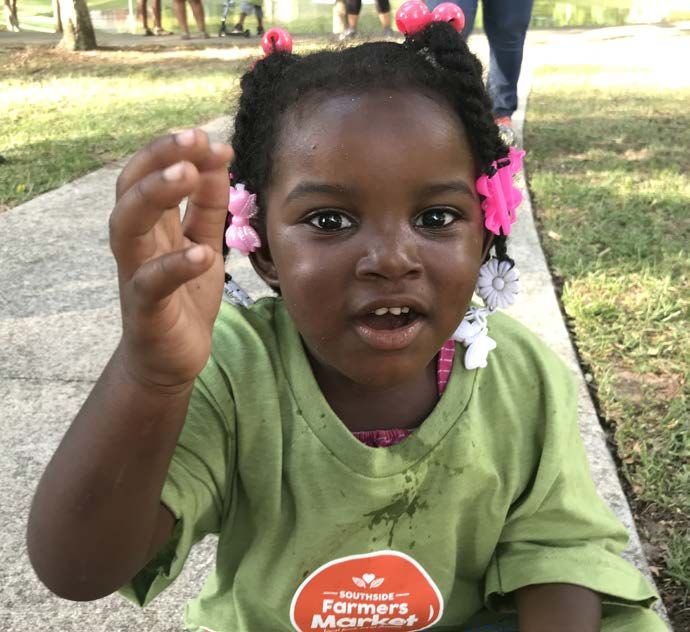
SIGNIFICANT HEALTH NEEDS OF THE COMMUNITY
The findings of the 2019 CHNA revealed vast and distinct disparities for community
members based on locality of residence (both county and specific neighborhoods/
areas), age and race/ethnicity. Disparities in the social determinants of health
including higher poverty rates, lower academic attainment rates and higher                  Fewer than 20% of
unemployment rates are more evident in both Gadsden and Jefferson counties                adults in the area eat
compared to Leon and Wakulla counties and to statewide averages.                            the recommended
                                                                                          5 servings of fruit and
CHNA data also reveal that residents of all four counties report high rates of missed      vegetables per day
activities due to poor physical and/or mental health days. Adult obesity rates
in all four counties exceed the state level. Fewer than 20% of adults are eating
the recommended minimum five fruit and vegetable servings per day and well                   Gadsden
below half of Community Health Survey respondents reporting meeting minimum               County’s teen
physical activity recommendations in all four counties.                                    birth rate is
                                                                                          nearly double
Several measures of reproductive and sexual health are notable. Teen births are           that of Florida
high, compared to state averages in all counties except Leon. Gadsden’s teen birth
rate is almost double that of Florida. Sexually transmitted infections also remain
a significant issue with Leon County experiencing 2.5 times the rate of Florida,
Gadsden County at 1.7 times that of Florida and the other counties just below the         According to partner
                                                                                            and stakeholder
state figures.
                                                                                            respondents, the
Respondents to the Community Health Survey (CHS) and focus group participants,              main barriers to
whether insured or uninsured, noted that the cost of services, long wait times and          their clients are:
lack of evening and weekend services keeps them from accessing healthcare.                     Transportation

There are significant differences in resource insecurities between Black and White               Education
CHS respondents. Black respondents are over 3 times more likely to worry about
running out of food before they can afford more and are more likely than White                    Literacy
respondents to report housing insecurity.
                                                                                               Access to care
Mental health, social isolation and cultural competency resonated strongly among
                                                                                           Provider/network issues
focus group participants. Focus group participants called for more community-
based approaches and use of technology regarding education and healthcare                   Poverty/Cost of care
services due to transportation challenges and economic inequalities.
Partners and stakeholders cited lack of transportation, limited education, low health literacy, access to care,
systemic issues with provider and healthcare network and poverty/cost of care as major barriers to the
populations they serve. Also noted by partners and stakeholders, are specific localities or neighborhood with
the greatest needs including Southside Tallahassee, Highway 20 (zip code 32304), rural communities in all
counties, communities with Title 1 Schools and Gadsden County specifically.
Partners and Stakeholders see a strong need to develop a “Culture of Health” with an emphasis on health
literacy, access to healthcare, access to healthy foods, increased physical activity and mental/behavioral
health. The community is rich in resources; however, coordination of care, eliminating barriers to care and
focusing on social determinants for target populations could significantly improve access to health care and
preventive services. Partners and stakeholders also see a need for policy changes and better regulation of the
healthcare industry.
                                                                                                                     5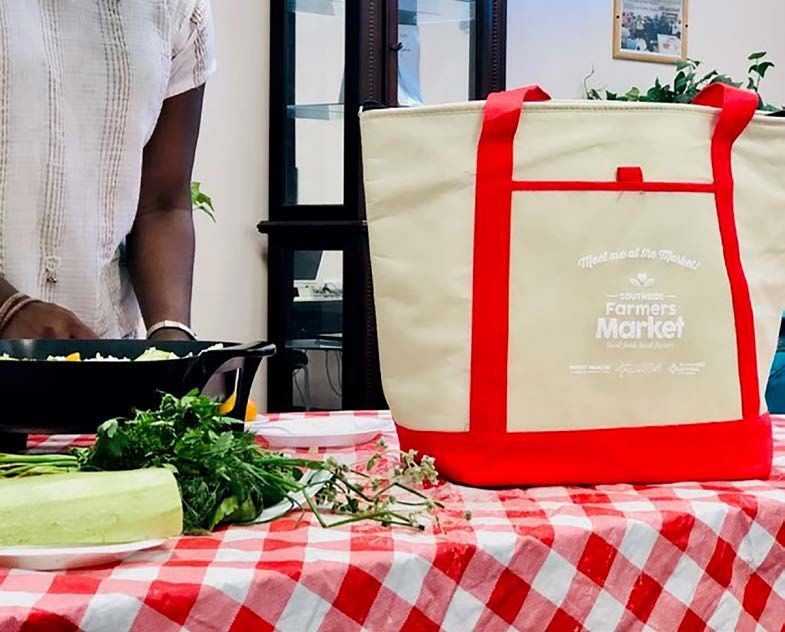
SIGNIFICANT HEALTH NEEDS TO BE ADDRESSED
On May 29, 2019, the CHNA Advisory Team, partners and stakeholders participated
in an interactive exercise to identify the greatest needs in the service area based
on the primary and secondary data presented. Seventy-four people participated in
the exercise. The top five significant needs emerged from these findings include:

 Access             Mental           Nutrition,           Clinical          Maternal,
   to               Health            Physical          Preventive            Infant
 Health                               Activity           Services              and
Services                            and Obesity                            Child Health

       On June 6, 2019, the CHNA Advisory Team reviewed and discussed the
       results of the priority rankings and the Tallahassee Memorial HealthCare
       Mission, Vision and Strategic Plan. After this review and discussion, the
       CHNA Advisory Team recommends the following final priorities:

           1                             2                               3
      Access                   Preventive Services                 Mental Health
        to                     related to Nutrition,                    and
  Health Services                Physical Activity                Substance Abuse
                                   and Obesity

The CHNA Advisory Team recommended giving special attention to Maternal,
Infant and Child Health and Social Determinants of Health during creation of the
Implementation Strategy as these were also identified as high priority areas and
tactics may be designed to achieve outcomes spanning priority areas.

                                                                                          6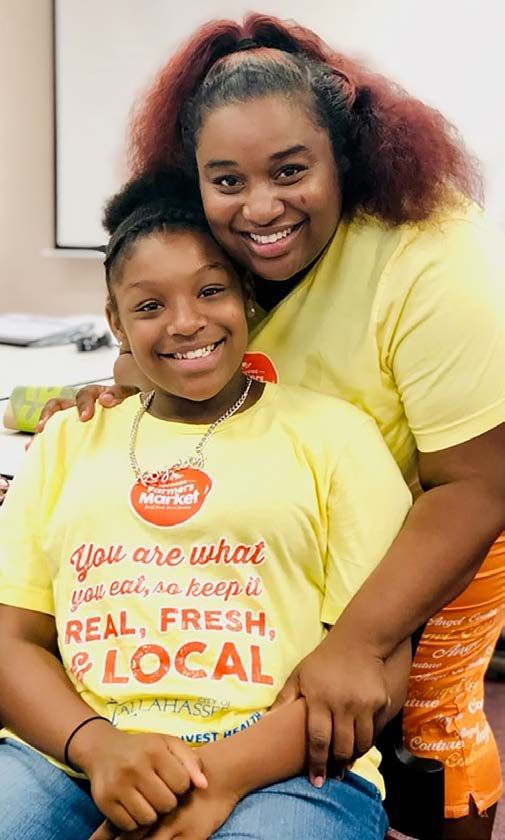
IMPLEMENTATION STRATEGY DEVELOPMENT
The Tallahassee Memorial HealthCare CHNA Implementation Strategy Steering Committee developed this
document and plan based on full review of the CHNA data, significant health needs to be addressed, existing
programs and services and gaps in care/services. The committee attended strategic planning sessions weekly
during the month of October 2019. The following team members participated in the Implementation Strategy
development:

           COMMIT TEE LEADERS
            G   Melissa Dancer, Director of Health Promotion
            G   Nate Myers, Director of Strategy and Business Planning

           COMMIT TEE TEAM MEMBERS:
            G   Afaf Qasem, Community Wellness Dietitian
            G   Andrea Friall, Chief Medical Officer
            G   David Brickler, Technical Architect
            G   Dean Watson, Chief Integration Officer
            G   Delia Edson, Director of Patient Experience
            G   Derek Hillison, Data Architect
            G   Heather Lincicome, Service Line Administrator, Behavioral Health Center
            G   Jay Reeve, CEO Apalachee Center
            G   Jenny Lannom, Director of Spiritual Care
            G   Jeremy Martin, Business Analyst II
            G   Joseph Mazziotta, Family Medicine Residency Program Director
            G   Kelly Lefler, RN Improvement Advisor
            G   Lacey Weslager, Assistant Group Practice Administrator
            G   Lauren Faison, Service Line Administrator, Population Health & Regional Development
            G   Leanne Adkins, Director Project Management
          G Mary Matthews, Corporate Compliance Officer and Health Information Management (HIM)
        			 Executive Leader
            G   Rachel Francis, Controller
            G   Sandy Lyall, Director of Employee Assistance Program
            G   Susan Gormley, RN, Clinical Education Coordinator
            G   Valerie Foster, Manager Case Management

Tallahassee Memorial HealthCare Board of Directors approved this document and the 2020- 2022 CHNA
Implementation Strategy.

                                                                                                          7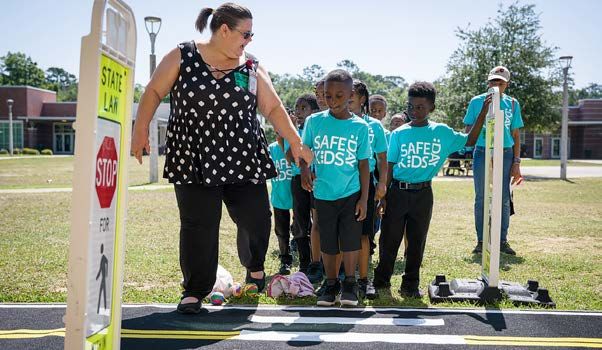
Fiscal Years 2020 – 2022 CHNA Implementation Strategy
PRIORITY AREA: ACCESS TO HEALTH SERVICES
         Long Term Goals:
         1. Decrease barriers to access healthcare
         2. Provide more flexible and accessible options to access healthcare

     				                                                                                     Partners or
		          Target		            Expected                                                     Collaborative
 Strategy Population Activities Outcomes                                                       Interests

Utilize              Children in select     Connect school          Decrease response     Leon County
telemedicine to      Leon County            clinic personnel to     time to triage        Schools
improve access       Schools with           support services        health concerns
for healthcare       Type 1 Diabetes        via TMH Metabolic
                                                                    Improve school
services                                    Health Center
                                                                    attendance

                     Children newly         Connect children        Decrease response     TMH Metabolic
                     diagnosed with         and their               time for education    Health Center
                     Type 1 Diabetes        caregivers with         and training
                                            TMH Metabolic
                                                                    Families more
                                            Health Center to
                                                                    comfortable
                                            provide education,
                                                                    and equipped to
                                            support and
                                                                    handle plan of care
                                            training

                     Adults with            Provide clinic visits   Decrease time for     TMH Metabolic
                     diabetes living        with diabetes           appointment with      Health Center
                     in rural areas of      educators for           diabetes educator
                     Gadsden, Jefferson     adults with Type 1
                     and Wakulla            and 2 diabetes in
                     Counties               their home county

                     Residents of           Provide onsite          Reduction in          The Kearney
                     Leon County            and telemedicine        911 calls             Center
                     experiencing           services to address
                                                                    Reduction in          Connecting
                     homelessness           immediate
                                                                    ER visits             Everyone with
                                            healthcare needs
                                                                                          Second Chances
                                            rather than using       Reduction in cost
                                                                                          (CESC)
                                            Emergency Room          of care
                                            (ER)                                          Apalachee Center
                                                                    Reduction in
                                                                    Baker Acts

                                                                                                             8
PRIORITY AREA: ACCESS TO HEALTH SERVICES

		                          Target		                 Expected       Partners or
    Strategy              Population      Activities Outcomes Collaborative Interests

 Improve access       Vulnerable           Establish program/      Increase kept          Leon County
 to healthcare        populations (Low     services to reduce      appointments
                                                                                          City of Tallahassee
 services             income, persons      transportation
                                                                   Increase affordable
                      with chronic         barriers and                                   Private
                                                                   and convenient
                      conditions,          increase affordable                            transportation
                                                                   transportation
                      Seniors, etc.)       transportation                                 businesses
                                                                   options
                                           options

 Improve Cultural     TMH Colleagues       Provide cultural        TMH Colleagues         Local Universities
 Competence                                competence              provide culturally     and Colleges
                                           training for            competent and
                                                                                          Equality Florida
                                           providers and           compassionate
                                           other healthcare        care to all patients
                                           employees
                                           for vulnerable
                                           populations such
                                           as LGBT+, older
                                           adults, mentally ill,
                                           homeless, racial
                                           minorities and
                                           those that are low
                                           income

 Conduct an           General population   Engage community        More appropriate       Working Well
 educational                               members via             acuity level of
                                                                                          Leon County
 campaign focusing                         outreach and            Emergency and
 on the importance                         education focusing      Urgent Care visits     City of Tallahassee
 of choosing the                           on when to use
                                                                                          Capital Health Plan
 most effective                            primary care,
 and efficient type                        specialty care,
 of healthcare for                         urgent care
 condition                                 and emergency
                                           services

                                                                                                                9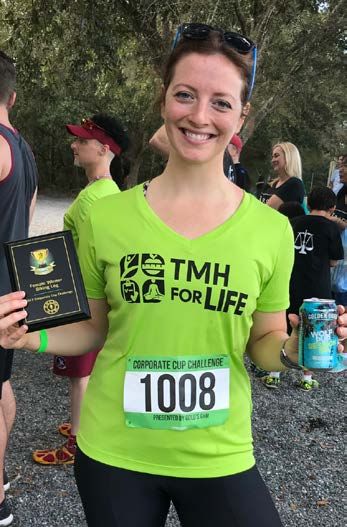
PRIORITY AREA: PREVENTIVE SERVICES RELATED TO NUTRITION, PHYSICAL
ACTIVITY AND OBESITY
          Long Term Goals:
          1. Increase access to nutritious food
          2. Increase fruit and vegetable consumption
          3. Increase participation in physical activity
          4. Increase water consumption and decrease sugar sweetened beverage consumption

     				                                                                                      Partners or
		          Target		            Expected                                                      Collaborative
 Strategy Population Activities Outcomes                                                        Interests

Increase access       Vulnerable           Support and             Increased              City of Tallahassee
and affordability     populations (low     promote Farmers         number of people
                                                                                          Red Hills Small
of nutritious food,   income, minority     Markets and other       attending and
                                                                                          Farm Alliance
education and         populations,         local produce           purchasing from
behavior change       disadvantaged        sources                 Farmers Markets        Local Farmers
support               neighborhoods)                                                      Markets
                                                                   Sustainability of
                                                                   Farmers Markets

                                           Engage target           Class series offered   City of Tallahassee
                                           population through      at least once a year
                                                                                          Red Hills Small
                                           Fresh Fruit and
                                                                   Increase in fruit      Farm Alliance
                                           Vegetable Rx
                                                                   and vegetable
                                           (FFVRx) Program                                Florida A & M
                                                                   consumption
                                                                                          University
                                                                   Improvement in
                                                                   self-perception of
                                                                   health

                      TMH hospital         All hospital            Increase               Second Harvest
                      inpatients           patients identified     identification of
                                                                                          Tallahassee Food
                      identified at        at nutrition risk are   patients who are
                                                                                          Network
                      nutrition risk       screened for food       food insecure
                                           insecurity                                     Farmers Markets
                                                                   Increase in
                                           All patients            distribution of        Area Agency
                                           screening positive      emergency food         on Aging
                                           for food insecurity     kits and resources
                                                                                          Leon County
                                           are linked with
                                                                                          Department
                                           community
                                                                                          of Health
                                           resources and/or
                                           provided with food
                                           emergency kits

                                                                                                              10
PRIORITY AREA: PREVENTIVE SERVICES RELATED TO NUTRITION, PHYSICAL ACTIVITY AND OBESITY
Target Expected Partners or
Strategy Population Activities Outcomes Collaborative Interests
Support and General population Develop walking Promote free, City of Tallahassee
promote program(s) accessible, outdoor
Trail and running
community focusing on free physical activity
associations/clubs
walking programs and accessible options
local options
Increase physical
activity level of
residents
Educate Children in Title 1 Implement Increase water Leon County
and support Schools, minority Happy Hydrators consumption Schools
elementary populations Challenge in at
Decrease sugar
school students least one Title 1 Title 1 Elementary
sweetened
to decrease Elementary School Schools
beverage
sugar sweetened per year
consumption
beverage (SSB)
consumption and
increase water
consumption
Support General population Create a Increase Working Well
community health community Community Benefit
Leon County
improvement benefit program hours
efforts via that allows City of Tallahassee
TMH colleague TMH colleagues
Capital Health Plan
volunteerism to work and
support the CHNA
Implementation
Strategy tactics
in their specific
communities
11PRIORITY AREA: MENTAL HEALTH AND SUBSTANCE ABUSE
Long Term Goals:
1. Expand prevention and support services for emotional and social wellbeing
2. Increase awareness and skills to assist individuals experiencing mental health or substance
use-related crisis
3. Raise public awareness of issues and resources
Partners or
Target Expected Collaborative
Strategy Population Activities Outcomes Interests
Improve access Improve access Collaborate Increase in number Mental Health
to community- to community- with faith-based ofemotional and Council
based, preventive based, preventive organizations, social wellbeing
Behavioral Health
emotional and emotional and schools and programs offered
Center
social wellbeing social wellbeing other community to the community
services services groups to offer Music Therapy
programs focused
on emotional and
social wellbeing
(Mindfulness,
expressive therapies,
music therapy)
Teen and preteens Collaborate with Increase in Gadsden County
living in Gadsden Gadsden County mentoring and Health Department
County Health Department support services
to offer mentoring, offered to teens
counseling and preteens in
and support to Gadsden County
pregnant girls and
teens/preteens
who are high risk
for teen pregnancy
Improve Target vulnerable Collaborate with Increase number Apalachee Center
community population based faith-based and of residents
members’ on need other community trained in Mental
knowledge and groups to offer Health First Aid
skills to assist Mental Health
individuals in First Aid
crisis and connect
to mental health
services
12PRIORITY AREA: MENTAL HEALTH AND SUBSTANCE ABUSE
Target Expected Partners or
Strategy Population Activities Outcomes Collaborative Interests
Participate in Community Foster an Support goals and Apalachee Center
Mental Health Stakeholders evidence-based activities of Mental
Council of the approach to Health Council
Providers
Big Bend determine needs
and solutions to
mental health and
substance abuse
and to provide a
“think tank” for
stakeholders in this
region
Establish and TMH Colleagues Provide in-depth Increase EAP Employee
expand programs training for all TMH overall utilization Assistance Program
and services leaders on using
Increase in
available to TMH the Employee
suggested and
colleagues to Assistance
formal manager
support wellbeing Program to
referrals
support colleague
wellbeing
Establish routine Improve colleague Employee
Schwartz Rounds wellbeing Assistance Program
sessions
Improve TMH Spiritual Care
colleagues’
Patient Experience
ability to provide
compassionate care Corporate
Compliance
Provide space
and forum for Medical Staff Office
TMH colleagues
to engage in
dialogue, sharing
experiences,
thoughts and
feelings about
patient care
13PRIORITY AREA: MENTAL HEALTH AND SUBSTANCE ABUSE
Target Expected Partners or
Strategy Population Activities Outcomes Collaborative Interests
Promote and Improve colleague
educate TMH wellbeing
Employees on use
Improve TMH
of Code Lavender
colleagues’
as a resource
ability to provide
for wellbeing,
compassionate care
utilizing holistic
interventions to Increase in overall
support colleagues utilization
experiencing
emotionally
distressing events
and assisting
colleagues
in returning
to effective
functioning
Establish and Improve colleague
implement wellbeing
a Critical
Improve TMH
Incident Stress
colleagues’
Management
ability to provide
(CISM) Program at
compassionate care
TMH
Increase in overall
utilization
Expand addiction TMH and Mental Patient navigation Increase referrals Apalachee Center
recovery care Healthcare towards recovery for treatment
DISC Village
Partners
Expand integrative TMH hospital Include an array Increase Family Medicine
medicine offerings inpatients of non-narcotic nonnarcotic Residency
to prevent opioid alternative alternative
dependence therapies for pain therapies to
management providers
14COMMUNITY PARTNERSHIPS
Tallahassee Memorial HealthCare has a deep appreciation for collaborative efforts and partnerships. We know
the only way to address the many complex health needs of our community we must work with stakeholders,
partners and community members to create lasting impact from the health assessment and community health
improvement process. Tallahassee Memorial HealthCare participates in and provides financial and in-kind
support to many coalitions, non-profit organizations, local government and other entities that address health
needs and social determinants of health in our region.
COMMUNITY BENEFIT PROGRAMS DESCRIPTION
Southside Farmers Market and Fresh Fruit and
Vegetable Rx Program
The Southside Farmers Market and Fresh Fruit and Vegetable Rx (FFVRx)
Program are two initiatives designed to work in concert to improve
access to local, affordable fresh fruits and vegetables and to increase
consumption of these foods by Southside Tallahassee residents. Both
initiatives began May 2018 and are implemented in partnership with
Tallahassee Memorial HealthCare, City of Tallahassee Neighborhood
Affairs and Florida A & M University. Besides access to healthy foods,
each market features entertainment, health screenings, cooking
demonstrations and exhibitors offering education and resources.
The FFVRx Program expands the concept and provides educational and
skill building experience for participants to manage behaviors affecting
nutrition and health. Class participants learn how to select local
produce as well as how to prepare these foods in a delicious and cost-
effective way. All classes are hands-on and interactive with discussion,
preparation, cooking and eating. Class participants receive vouchers to
shop for produce at the Farmers Market.
15Among children Happy Hydrators
par cipa ng in the The Happy Hydrators Challenge was developed and implemented as part of the Leon
Happy Hydrators County Health Department’s Community Health Improvement Plan (CHIP) working
Challenge:
collaboratively with Early Childhood Obesity Prevention Work Group (ECOP), Big Bend
#rethinkyourdrink Area Health Education Center (AHEC), Whole Child Leon, Department of Health in
Leon County, FAMU Cooperative Extension and UF/IFAS Extension.
93%
say they To promote a positive culture of health and inspire students to make healthy
drank more choices, the Happy Hydrators challenge was delivered to over 200 teachers
water and students in the first year (2018). This educational campaign offered 3rd
thanks to graders of two Title 1 schools, a fun and easy way to #swapwaterforsoda and
the Happy #rethinkyourdrink. Students were taught the benefits and importance of drinking
Hydrators
more water and had the opportunity to get creative and “bling” their “Happy
bole
Hydrator” water bottles. Happy Hydrators have the goal of drinking at least 6 cups
of water a day and reducing consumption of sugar sweetened beverages to one or
#swapwaterforsoda
fewer a day. So far, the program has been a huge success with the following results:
75% (1) 93% of children report that having the Happy Hydrators bottle helped them drink
say they more water; (2) 75% of children report reducing their sugar sweetened beverage
cut back
consumption and (3) 72% of children say they would recommend this program to
on sugary
beverages
other children and schools. The Tallahassee Memorial HealthCare Health Promotion
because of Department will continue to offer this program in Title 1 schools in Leon County
the program and is working on expanding to other counties within the Tallahassee Memorial
HealthCare service area.
Safe Kids Big Bend
Safe Kids Big Bend, founded in April 2018, and
led by Tallahassee Memorial Healthcare, is a new
coalition that is a part of an extensive network of
more than 600 coalitions in the United States who
work to reduce the number of unintentional injuries
and death in children 0-19 years of age through
community partnerships, advocacy, public awareness
and distribution of safety equipment and education
of its proper use. The Safe Kids Big Bend coalition
aims to work diligently to not only be a presence,
but also a resource to communities and create a
safe environment for children. With the expertise of
individuals from various organizations such as law
enforcement, EMS, service groups, schools, child care providers, parents, and many others, the overall goal is to
collectively carry out the Safe Kids mission by addressing safety at home, school, play, and on the way.
In addition to various community outreach activities, Safe Kids Big Bend participates in annual programs
dedicated to raising awareness on injury prevention. Safe Kids Day is a day to celebrate kids, prevent injuries
and save lives. In May, communities across the United States celebrated Safe Kids Day to raise awareness
to keep kids safe from preventable childhood injuries and deaths due to car crashes, drownings, fires, and
16more. Safe Kids Big Bend Coalition celebrated Safe Kids
Day with over 650 K thru 12 teachers and students at
FAMU DRS. Students learned how to be safe with various
fun and interactive educational presentations throughout
the day. In October of every year, millions of children
from countries around the world participate in Safe Kids
Walk this Way events for International Walk to School Day
(IWTSD. The events raise community and global awareness
about walking safety and promote healthy behavior.
Nutrition Education for School Children
The Health Promotion team offers school-based lessons that encourage and empower, preschool and elementary
school aged, children to develop healthy nutrition habits and vital safety skills that improve overall physical and
social well-being. Since 2018, nutrition presentations have been delivered to over 1,000 students in schools,
community centers, and after school programs. We offer the following programs to elementary school students:
I Can Eat a Rainbow (preschool through first grade) By the end of nutrition presentations children:
Understand the importance of eating 5 colorful fruits and vegetables daily
Practice packing a healthy meal
Reinforce the colors of the rainbow through fruits and vegetables
Mission Nutrition (grades 4-5) By the end of nutrition presentations children:
Utilize the USDA’s MyPlate to make healthy food choices
Understand how to read food labels and its importance
Know the difference between serving size and portion size
The Health Promotion Team
has delivered nutrition
presentations to more than
1,000 students since 2018.
17TMH FOR LIFE Health and Wellness
The TMH FOR LIFE program began in 2015 and is currently in its fourth year. TMH FOR LIFE was created to
promote personal health and improve health behaviors in the community. The program has four quadrants
designed to offer simple messaging, motivation and education: Healthy Eating, Active Living, Find Your Happy
and Know Your Numbers. The program hosts classes, special events and challenges that are hands-on and
experiential; therefore, providing personal engagement in a health enhancing activity such as walking, running,
stress relieving practice, grocery shopping or nutritious eating and cooking. For the last four years, Tallahassee
Memorial HealthCare has hosted a family-friendly Challenge attracting approximately 400 hundred participants
from ages 1 to 80+. These walk/run challenges are designed to be approachable for new and veteran members
of the fitness community and are usually sprinkled with strollers, wagons and canines. For many participants,
the Challenge is their very first 5K event.
In addition to hosting our own health and wellness events, TMH FOR LIFE also supports many other community
health events financially, in-kind and as a supportive participant. In the last several years we have worked
in partnership with the Greater Bond Community Walk and Wellness Day, Bethel Missionary Baptist Church
Health and Wellness Day, The Gladiator Challenge, Shoes for School and The MADD Walk.
Worksite Wellness
Tallahassee Memorial HealthCare supports worksite wellness initiatives both via
Board participation in Working Well, Inc., a local, non-profit organization that helps
organizations design and deliver worksite wellness programs, and by providing
free health screenings and other services to employer groups in the community.
Tallahassee Memorial HealthCare sponsors the Working Well CEO Breakfast
(CEOB) and the Corporate Cup Challenge each year. The Working Well CEOB is an
annual meeting which gathers community business and governmental leaders to
attend to a topic relevant to the health and wellbeing of individuals and functional
organizations. The Corporate Cup Challenge is a physical activity challenge that
gathers teams of coworkers from different organizations to compete for awards
and recognition. In addition, Tallahassee Memorial HealthCare offers customized
worksite wellness events, screenings and other activities for employer groups.
18Ministry for Life
Beginning in 2017, The Ministry for Life program engages the faith-
based community and works individually with clergy and health
ministries to support their health and wellness initiatives. The Health
Promotion Department currently has active relationships with
numerous churches attending and supporting health fairs, screenings,
providing speakers and other special events and services.
IMPLEMENTATION AND MEASUREMENT
The CHNA Advisory Team is responsible for oversight of
Implementation Strategy execution, measurement and
reporting. The Advisory Team will meet regularly to review
processes and progress towards goals. Tallahassee Memorial
HealthCare will report Implementation Strategy progress on
each annual Internal Revenue Service Form 990.
RESOURCES
Tallahassee Memorial HealthCare dedicates staff time and financial resources toward programming and
services that are executed as part of this Implementation Strategy.
PRIORITY AREAS NOT BEING ADDRESSED AND THE REASONS
The following are priority areas not being addressed as part of this Implementation Strategy and the reasons
why Tallahassee Memorial HealthCare chose not to address each.
Sexually Transmitted Infections (STI) – Although STIs are a significant issue in two of
our four county service area, Tallahassee Memorial HealthCare believes that local health
departments and other specialized clinical programs are better equipped to address this
issue. Tallahassee Memorial HealthCare actively supports the initiatives of the health
departments and coalitions doing this work both in-kind and financially.
Poverty, lower academic attainment and higher unemployment rates in specific
locations and populations – Although Tallahassee Memorial HealthCare acknowledges
the critical importance these social determinants of health play in one’s overall health
and wellbeing, we assert that these issues must be addressed at a higher systems level
with policy changes and supporting infrastructure.
The cost of services, long wait times and lack of evening and weekend services keeps
them from accessing healthcare – Tallahassee Memorial HealthCare acknowledges
these issues and realizes the important role these barriers play in access to care;
however, has chosen not to address due to resource constraints and a lack of effective
interventions to address the need independently.
1920
You can also read


