COACHING GUIDE

Athlete Nutrition, Safety and Fitness
←
→
Page content transcription
If your browser does not render page correctly, please read the page content below

COACHING GUIDE Athlete Nutrition, Safety and Fitness

Athlete Nutrition, Safety and Fitness
Table of Contents

Table of Contents

Nutrition
    Hydration - Keeping Water in the Body
    Calories
    Energy Balance
    Nutrient Balance
    Types of Nutrients
    Balanced Diet
    Pre-Competition Meal/Nutrients
    During Competition Nutrients
    Post-Competition Nutrients
    Analyze Your Diet
Fitness
    Sample Fitness Program
    Fitness Triangles
    Things to Keep Athletes Tobacco Free
Principles of Training
    Law of Overload
    Law of Reversibility
    Law of Specificity
    Principle of Individualism
    Principle of Variety
    Principle of Active Involvement
    Training Principles Summary
    Training Periods
Systems Training
    Energy Systems
          Aerobic System (with oxygen)
          Anaerobic Lactic System (without oxygen)
          Muscular System

2                                                    Special Olympics Coaching Guide – General Sections
                                                                               Created: December 2003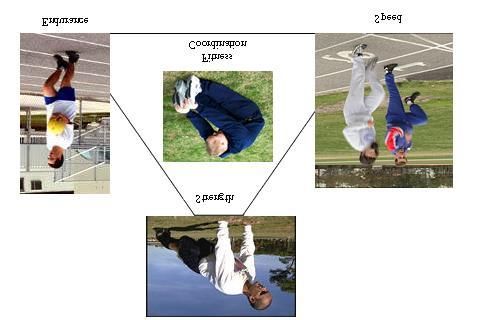
Athlete Nutrition, Safety and Fitness
                                                                                     Table of Contents

Strength Training and Conditioning
       Strength
       Principles of Strength Training and Conditioning at-a-Glance
       Muscle-Specific Strength Exercises
               Exercises to Develop Back and Abdomen Muscles
               Exercises to Develop Arm and Shoulder Muscles
               Exercises to Develop Foot and Leg Muscles
               Exercises for Agility and Conditioning
Plyometrics Training
       Coaches Guidelines for Teaching Plyometrics
       Plyometric Drills
Designing a Strength and Conditioning Circuit
       Circuit Training
       Training Considerations
       Setting up the Circuit
       Sample Training Circuit Routines
               General Conditioning Circuit – Sample 1
               General Conditioning Circuit – Sample 2

Special Olympics Coaching Guide – General Sections                                                   3
Created: December 2003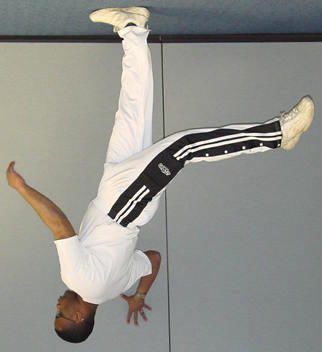
Athlete Nutrition, Safety and Fitness
Nutrition

Nutrition
In this section, we will see how the food we eat impacts successful training and competition. Nutrition basically means
all the food we eat and the beverages we consume. Food is our body’s energy source which gives us our “get up and
go.” Without it, athletic performance goes down.

Hydration - Keeping Water in the Body
During exercise, the body loses water primarily through sweat, even in cold weather or in water. The body has several
mechanisms to protect itself from the negative effects of dehydration, but thirst does not occur until the person is
already dehydrated! As small a loss as 4 percent of body weight (4 pounds in a 100 pound person) can seriously affect
performance.
   The goal is to keep the athlete hydrated and not allow him/her to become dehydrated. The easiest way is to create a
simple, routine system that all your athletes follow:

               When to Drink Water                               How Much Water to Drink
    Night before practice or competition             Glass of water (8 oz/250ml)
    Four hours before event                          Glass of water (8 oz/250ml.)
    15 minutes before event                          One-half glass of water (4 oz/125ml)
    During event of less than one hour               One water break
    During event of more than one hour               One-half glass every 20 minutes
    After event                                      Glass of water every three hours until next day

   Athletes need to be instructed to “drink as much water as they want.” Several serious medical conditions can occur
from too much water. If you are practicing in warm environments, you may need to increase the frequency of water
breaks. The athlete can hydrate with several types of liquids; however, the best replacement for most events is plain
water.
         Water

         Carbohydrate drinks (PowerAde, Gatorade)

         Mixture of one-third fruit juice and two-thirds water is best used when the activity is of longer duration than
         one hour

Calories
The energy the body gets is measured in calories. Different foods provide different amounts of energy, therefore
varying amounts of calories. The amount of calories a person needs depends on many factors. Our metabolic rate is the
speed at which we convert food to energy. This rate can be fast, slow or moderate, depending on the athlete. For
example, younger athletes require about 3,000 calories per day. This may decrease for some older athletes that have less
stringent training and competition programs. All these factors determine an athlete’s diet. If insufficient calories are not
consumed, an athlete’s performance will be negatively impacted.

4                                                                                            Special Olympics Coaching Guide – General Sections
                                                                                                                       Created: December 2003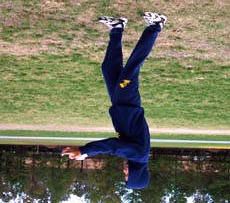
Athlete Nutrition, Safety and Fitness
                                                                                                      Nutrition

Energy Balance
Energy balance is important for successful training and competition.

    Energy Intake < Energy Output                      Energy Intake = Energy Output   Energy Intake > Energy Output

Nutrient Balance
Nutrients have different jobs, though they work together or need the presence of others to work properly. Nutrient
balance is like the energy balance. Athletes must take in all the nutrients they require to be healthy and strong in
training and competition. A typical high performance diet for an athlete will provide most energy from carbohydrates,
with low and almost equal amounts of fat and protein.

                       Recommended High Performance Diet

                                                     Proteins, 20%

                        Carbohydrates,                  Fats, 20%
                             60%

Types of Nutrients

Protein—main body building nutrient
      Constant need for regular intake
            High quality: eggs, milk, fish, meat
            Low quality: nuts, lentils, beans
            Too much protein converts into energy source or stored as body fat

Special Olympics Coaching Guide – General Sections                                                                     5
Created: December 2003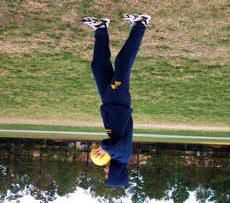
Athlete Nutrition, Safety and Fitness
Nutrition

Carbohydrates—our energy food
     Body’s major energy source
      Breaks down quickly and easily in digestive system
      Good sources (complex): rice, corn, potatoes, beans, fruits
      Poor sources: white sugar, honey, soft drinks, chocolate bars
      Complex carbohydrates need to be main part of diet

Fats—slow energy food
     Concentrated energy source, twice as much as carbohydrates
      Breaks down very slowly and uses more oxygen to create energy
      Need small amounts for optimal health
      Visible fats: butter, margarine, plant and fish oils, fat on meat
      Invisible fats: milk, cheese, nuts, certain vegetables (vegetable fat is better for us)

Vitamins—most easily consumed through well-balanced diet
      Need small amounts daily
      Low levels can reduce performance
      Highest proportions in natural, fresh foods
      Fat soluble: stored in body and ready for use
      Water soluble: cannot be stored, must be in daily food intake
      Vitamin C cannot be used without iron

Minerals—most easily consumed through well-balanced diet
      Need small amounts daily
      Essentials: calcium, sodium, potassium, iron, iodine
      Iron is essential for oxygen transport throughout the body
      Iron cannot be used without Vitamin C
      Iodine controls rate that energy is released
      Calcium helps muscles react normally and recover from exercise

6                                                                                               Special Olympics Coaching Guide – General Sections
                                                                                                                          Created: December 2003
Athlete Nutrition, Safety and Fitness
                                                                                                                        Nutrition

Water—required by the body for survival
     Performance is impacted immediately if water needs are not met, especially for aquatics athletes
                           The harder you train and exercise, the more water you need
                           Drink water often and in small amounts before, during and after competition
                           Food contains more water than we think

                                     Percentage of Water Found in Foods
     Percentage of Water

                           120%      99%
                           100%                 90%        86%
                                                                    75%
                            80%
                            60%                                               39%      37%
                            40%
                                                                                                  15%
                            20%
                             0%

                                                                                                   e
                                                                               d

                                                                                       se
                                     r

                                                ts

                                                           es

                                                                   gs
                                  be

                                                                                                rin
                                                                            ea
                                            rro

                                                                                     ee
                                                         ng

                                                                 Eg
                                 m

                                                                                              ga
                                                                          Br
                                         Ca

                                                                                   Ch
                                                      ra
                               cu

                                                                                            ar
                                                     O
                            Cu

                                                                                            M
                                                                                  rd
                                                                               Ha

                                                                Type of Foods

Fiber—important though often ignored
      Not absorbed by body
                           High fibers: natural plant foods
                           Good fibers (bran): wheat, oats, brown rice
                           Low fibers (processed foods): white flour, white sugar, white rice, white pastas
                           Make you feel full without getting fat

Special Olympics Coaching Guide – General Sections                                                                             7
Created: December 2003
Athlete Nutrition, Safety and Fitness
Nutrition

Balanced Diet
A balanced diet maintains proper energy and nutrient balance. It does not have to be expensive when you follow some
of the ideas below.

    Guidelines for a Balanced Diet

           Eats lots of different kinds of food – vegetables, fruits, fish, meats, dairy produce and grains
           Eat fresh food rather than ready prepared, canned or frozen foods
           Eat a high proportion of complex carbohydrate rich foods
           Grill, steam or bake foods. Avoid boiling or frying
           Avoid fatty meals and sweet and salty snacks
           Check fiber intake by eating whole grain breads, cereals, pastas
           Eat brown rice instead of white rice
           Flavor food with herbs and spices rather than salt
           Drink small amounts of water and fruit juices often

Pre-Competition Meal/Nutrients
The body’s energy levels need to be high before training and competition. The high performance diet above will supply
this everyday requirement. Athletes are individuals and require different foods and their body responds differently to
certain foods. Generally speaking, the guidelines below will help your athletes consume the proper nutrients before
competition.
        Eat a small, easily digestible meal, usually less than 500 calories

        Eat about 2½-4 hours before competing

        Limit proteins and fats since they digest slowly

        Avoid foods which form gas in digestive system

        Drink small amounts of water often, before, during and after competing

During Competition Nutrients
        Besides hydration, nutrients are not needed for events that last less than one hour.

        For events that have more than one hour of continuous activity, carbohydrate drinks or fruit will supply the
        needed energy for continued effort.

        During tournaments lasting more than two hours, let your athletes nibble on small pieces of banana, peanut
        butter sandwiches, noodles or plain pasta (complex carbohydrates) when they have at least a half-hour break
        before their next game. This will help them keep their energy levels up. Do not fast your athletes for the
        duration of a 6-8 hour event.

8                                                                                            Special Olympics Coaching Guide – General Sections
                                                                                                                       Created: December 2003
Athlete Nutrition, Safety and Fitness
                                                                                                  Nutrition

Post-Competition Nutrients
               To replenish energy, foods with readily available carbohydrates (fruit, carbohydrate drink, granola bars) should
               be eaten in small amounts immediately following exercise.

               Throughout the remainder of the day, meals should contain 65 percent complex carbohydrates to replenish
               energy.

Special Olympics Coaching Guide – General Sections                                                                         9
Created: December 2003
Athlete Nutrition, Safety and Fitness
Nutrition

Analyze Your Diet
The following questions will help you analyze your athlete’s diet (and yours). Mark the column with the most accurate
reply.

                                Question                             Yes      No         Do Not Know
     Are there a lot of different foods in your diet?
     Do you eat enough carbohydrates?
     Do you eat mostly complex carbohydrates?
     Do you eat animal proteins?
     If yes, are they mostly red meat?
     Mostly fish and white meat?
     Do you eat eggs?
     Do you eat dairy produce?
     Do you eat a variety of plant proteins?
     Are there a lot of vegetable fats in your diet?
     Is your food mostly fresh?
     Is your food mostly canned?
     Do you drink a liter, or more of water a day?
     Do you drink mostly soft drinks?
     Is there enough fiber in your diet?
     How do you prepare your food mostly?
                                                         Steamed
                                                           Grilled
                                                           Baked
                                                        Stir Fried
                                                           Boiled
                                                             Fried

Recommendations
     Foods to Add
     Foods to Decrease
     Changes in Storage
     Changes in Cooking

10                                                                                       Special Olympics Coaching Guide – General Sections
                                                                                                                   Created: December 2003
Athlete Nutrition, Safety and Fitness
Fitness
Fitness
Fitness is how well a person is adapted to and capable of living a certain lifestyle. The fitness requirement of our
athletes is greater than that of non athletes. Training theory brings together all the information about sport from social
and scientific sources. The coach and athlete work together to produce an effective training program to increase an
athlete’s fitness and ultimately improve their athletic performance.
Fitness is made up of five basic components.
1. Strength
2. Endurance
3. Speed
4. Flexibility
5. Coordination
Each exercise in training develops a specific component. Different events have different demands on fitness.
Exercise Requires Load
Strength Maximal
Endurance Duration and distance maximal
Speed Quickness and frequency
Flexibility Agility and conditioning
Coordination Complex movements
Special Olympics Coaching Guide – General Sections 11
Created: December 2003Athlete Nutrition, Safety and Fitness
Fitness
Sample Fitness Program
Focus on overall general fitness for Special Olympics athletes. The program below has three major components—
warm-up, exercises and cool-down. The number of reps and sets will determine the goal of your program: muscle
endurance or muscle strength. Review the following muscle specific strength exercises and plyometric drills to develop
your own fitness program.
Activity Duration
Warm-Up
An Athletics Example
Easy aerobic walk/jog/run 3-5 min
Stretching 15-20 min
Upper Body 3-5 exercises
Low Back-Glutes of each
Lower Body muscle group
Exercises
Agility & Conditioning
Acceleration Strides 3 x 30m
Leg Swings (F/S) 1 x 10 each leg
Calf Raises 1 x 10 each leg
Arms & Shoulders
Push ups: Wide 5 reps
Triceps Dip 5 reps
Push ups: Regular 5 reps
Back & Abdomen
Sit Ups: Side Lifts 10 reps
Leg Raises 10 reps
Trunk Twists 10 reps
Foot & Legs
Lunges – Walking 3 x 30m
Squats 10 reps
Kangaroo Hops 2x5
Cool-Down
Easy aerobic walk/jog/run 3-5 min
Light Stretching 10-15 min
A strength training and conditioning circuit can be used in the exercise section above within your fitness program.
12 Special Olympics Coaching Guide – General Sections
Created: December 2003Athlete Nutrition, Safety and Fitness
Fitness
Fitness Triangles
Fitness triangles are an excellent way to attain good fitness. A fitness triangle exercise cane easily be integrated into a
strength and/or conditioning circuit. Maintaining proper running form and building muscular strength is the purpose of
the fitness triangle below. Repeat this triangle several times after a long warm-up. A good warm-up would start with a
1-1½ mile jog and ample stretching. Running or jogging to a park is a good break from the track.
Fitness Triangle - Example 1
Sprint Start
20 crunches 10 push ups
Sprint
Sprint
10, 1-Legged
Squats, each leg
Fitness Triangle - Example 2
Special Olympics Coaching Guide – General Sections 13
Created: December 2003Athlete Nutrition, Safety and Fitness
Fitness
Things to Keep Athletes Tobacco-Free
Top physical conditioning is not accidental. It is the result of lots of hard work and proper guidance that promotes
positive athlete behavior. As a coach, you have tremendous influence on an athlete’s nutrition, physical conditioning,
sportsmanship, personal responsibility and goal setting. The effects of tobacco use are extremely limiting to athletic
performance, especially when athletes are recovering from injuries. The following are a few things to help keep your
athletes and their sporting environment – tobacco free.
1. Never use tobacco products around your athletes. Recognize the influence you have over them. Model the
behavior you would like them to assume.
2. Adopt a tobacco-free policy for you and your players.
3. Share your tobacco-free policies with athlete’s family members and caregivers.
4. Distribute tobacco-free information to your athletes.
5. Work with assistant coaches and athlete family members to make the field of play tobacco-free.
6. Connect with a community group that is also working for a tobacco-free community.
7. Talk to you athletes about the health effects of tobacco. Remember they will relate more to messages about the
immediate effects of tobacco use – such as poor athletic performance – than to it long term health effects. Make
the following points over and over.
Tobacco cuts down on fitness. So if you smoke or use other tobacco products, you are not going to be able
to run as fast or as far as your tobacco-free teammates and competitors.
There are no safe tobacco products. Spit tobacco and cigars also cause cancer and harm your athletic
performance.
Tobacco slows down your lung growth and reduces lung function. That can leave you gulping for air when
you need it most.
Teen smokers suffer from shortness of breath almost three times as often as teens who do not smoke. Breath
is something and athlete cannot afford to be short of!
A smoker’s heartbeat is three times faster than that of a non smoker. So in competition, your body wastes a
lot of heartbeats just trying to keep up with non smokers.
Young smokers produce phlegm (yuck!) more than twice as often as those who do not smoke. Ever try
breathing and trying to spit at the same time?
Three out of four young people who smoke say they keep smoking because it is really hard to quit. Do you
want to be hooked on nicotine or sports?
Teens who smoke are more likely to drink heavily and use illegal drugs such as marijuana and cocaine. So,
if you think, “it is just cigarettes,” think again.
The long term health effects of smoking may seem to be in the distant future, but they are real. Each year,
smoking kills more people than AIDS, alcohol, drug abuse, car crashes, murders, suicide and fires –
combined! Smoking and athletic performance definitely do not mix.
8. Spread the word about tobacco on athletes and their bodies and athletic performance.
14 Special Olympics Coaching Guide – General Sections
Created: December 2003Athlete Nutrition, Safety and Fitness
Principles of Training
Principles of Training
Training is a systematic process in which athletes improve their fitness to meet the demands of their sport. Training is a
long-term process that is progressive and meets the individual athlete at their level of fitness and conditioning. Training
uses both general and event-specific exercises to develop an athlete for their sport. Training is a cyclical process: tear
down, recovery, super-compensation and buildup (adaptation).
When we train, we do specific damage to some cells, and use up cellular resources (fuel, water, salts). When you
walk off the track or get out of the pool after a workout, you are weaker, not stronger. How much weaker depends on
the amount and intensity of the exercise. After the training session, if the body is given proper rest and food, the body
will adjust to super-compensate and prepare for the next stress.
Law of Overload
Overloading is perhaps the fundamental principle of fitness. It is basically an increase in demand to force bodily
adaptation. A training load is the work or exercise that an athlete performs in a training session. Loading is the process
of applying training loads—training programs.
Fatigue
Improved
Recovery Overloading
Fitness
Adaptation
When an athlete’s fitness is challenged by a new training load there is a response from the body. This bodily
response is called an adaptation. The initial response is fatigue. When the loading stops there is a process of recovery.
Recovery and adaptation take the athlete to a higher level of fitness from where he/she started.
It is safest to alter one of the three factors below to overload the body. We will address these three factors event
specifically in each sport specific coaching guide. The load is changed in a slow, systematic manner to allow gradual
adaptation of the body.
Frequency how often
Duration how long
Intensity how hard
The body’s ability to adapt explains how training works. If the training load is not great enough there is little or no
increase in fitness level or athletic performance. A loading that is too great can result in injury or illness to the athlete.
Law of Reversibility
You know the saying, “If you do not use it, you lose it.” If athletes are not training regularly, there is no need for their
bodies to adapt. Be creative and innovative in getting your athletes to train and compete more often. Increased training
frequency will not only help them improve their athletic performances, but their fitness levels will improve as a direct
result of increased training. That will have a positive impact on their overall quality of life—they’ll be healthier.
It is also important to not over train or overload the body so much that it experiences incomplete adaptation. Rest is
no longer adequate for recovery. Decline in performance caused by incomplete adaptation is one of the most obvious
signs of over training.
Additional common signs of over training include the following.
Irritability and moodiness
Special Olympics Coaching Guide – General Sections 15
Created: December 2003Athlete Nutrition, Safety and Fitness
Principles of Training
Altered sleep patterns
Loss of appetite
Loss of motivation or competitive drive
Persistent muscle soreness that does not go away
Fatigue not relieved by rest
Increased incidence of minor illness or injury
Law of Specificity
The specific nature of a training load produces its own specific response and adaptations. The exercise will have a very
specific pattern of joint and muscle coordination. The training load must be specific to both the individual athlete and
the demands of their chosen event. This does not negate general training. General training prepares athletes for specific
training. The greater the volume of general training, the greater the capacity is for specific training.
Principle of Individualism
Athletes respond in their own individual way to fitness activities. Athletes bring their unique talents, capabilities,
capacities and responses to training. Heredity determines many physiological factors such as heart and lung size,
characteristics of muscle fiber, physique and balance. The amount of rest and sleep as well as responses to the
environment (heat/cold, pollution, stress and altitude) vary from one athlete to another. Nutrition and past or current
illness or injury will also have an influence on ability to perform.
The body’s physiological readiness for training is another important factor. Athletes at the same chronological age
can be at very different levels of maturity, and up to four years apart in their developmental and biological ages. In
addition, training age, the length of time an athlete has been training, must also be considered.
Athletes – Same Chronological Age – Different Training Capacities
Chronological Age Biological Age Training Age
11 9 1
11 13 3
Athletes – Same Chronological Age – Similar Training Capacities
Chronological Age Biological Age Training Age
12 13 2
15 13 2
Principle of Variety
Training is a long-term process and loading and recovery can become boring. Plan variety into your athlete’s training
program. Build in cross-training workouts and add pool workouts to the program. Be creative. Variation is an
alternation of stress and is a necessary part of an athlete’s progression. A weekly and monthly schedule should contain
alternating periods of hard and easy work. Work should alternate with periods of rest to allow the body to adapt to the
changes that have occurred.
16 Special Olympics Coaching Guide – General Sections
Created: December 2003Athlete Nutrition, Safety and Fitness
Principles of Training
Principle of Active Involvement
Perhaps the most important principle, active involvement, requires the athlete wanting to actively and willingly
participate in their training program. Improvement in overall fitness requires long-term commitment by the coach and
especially the athlete. This requires that all aspects of an athlete’s life contribute to the success of his/her performance
on the field of play.
Training Principles Summary
Law of Overload
Body adapts to training loads—explains how training works
Adequate training loads improve overall fitness and increase performance
Factors impacting training load—frequency, duration and intensity
Law of Reversibility
Training loads that increase progressively create higher fitness levels
No increase in fitness will occur if loading is too far apart or stays the same
Over training or incomplete adaptation occurs when training loads are too great or too close
Law of Specificity
Specific training load produces specific response and adaptations
General training prepares athletes for specific training
Greater the volume of general training, greater the capacity for specific training
Principle of Individualism
Athletes bring their unique talent, capabilities and capacities to training
Heredity determines many physiological factors that impact training
Chronological, biological and training ages must be considered when designing a training and
competition plan
Principle of Variety
Training is a long-term process and loading and recovery can become boring
Make it fun for the athlete
Be creative
Principle of Active Involvement
Athlete has to want to actively and willingly participate in their training program
Athlete has to be committed
All aspects of an athlete’s life contributes to their athletic success
Special Olympics Coaching Guide – General Sections 17
Created: December 2003Athlete Nutrition, Safety and Fitness
Principles of Training
Training Periods
Improvements in performance are not linear but occur at different rates in the physiological systems. For those reasons,
fitness and/or sports training should be divided into useful periods with varying goals, depending on the time relation to
the actual athletic event. A well-designed fitness plan not only changes its focus from period to period but also varies
from hard to easy and from activity to rest within each seasonal period.
The most logical division of the year for athletes involved in one or more sporting activities is into periods related to
that sport. If the athlete is involved in more than one athletic event, these periods must be tailored around the several
athletic pursuits.
Pre Season (8-12 Week Period Prior to Competition)
The goals of the pre-season period include the following:
Development of sport-specific muscle strength and endurance
Development of appropriate aerobic (endurance) vs. anaerobic (high-intensity) conditioning
Development of muscle power (as needed for activity)
Development of sport-specific skills and team play
In Season (Competitive Period)
The training program during the actual season has two primary goals:
Maintenance of the gains of pre-season training
Continued specific attention to areas of the body at risk?either from past injury or the particular risks of the
sport
Post Season (3-4 Week Period or Less Following the End of Competition)
Short period
The goal of this period is rest and physical and mental recovery of the athlete
Off Season (Longest Period of Time between Post and Pre Seasons)
The focus of the off season is recovery and rehabilitation of injuries; overall aerobic conditioning; development of
general, balanced muscle endurance and strength; and development of neuromuscular balance and coordination.
18 Special Olympics Coaching Guide – General Sections
Created: December 2003Athlete Nutrition, Safety and Fitness
Systems Training
Systems Training
Different exercises use different fuels via different pathways, depending on the intensity and duration of the activity and
the fitness level of the athlete. The goal of effective training is to make the appropriate system most efficient when the
activity is performed. There are two primary systems of the body that have to become fit for activity—the energy
system and the muscular system. This sounds more complicated than it actually is.
Sport coaches must understand the energy system capabilities and limitations to design sequenced training
programs. In teaching athletes to listen to their bodies during training sessions, adjustments can be furnished in the
sequenced workout with careful understanding of the energy system. Remember that all energy systems turn on at
basically the same time; intensive tempo running makes high demands on both the aerobic and anaerobic and, thus, is a
sharing system.
Energy System
Ask yourself these quick, easy questions to determine which system your exercise is using.
1. Is oxygen required? (or, is running or jumping involved)
If yes, the energy system is Aerobic?with oxygen
If no, the energy system is Anaerobic—without oxygen
2. Is lactic acid produced?
If no, the energy system is Anaerobic Alactic (0-10 seconds energy)
If yes, the energy system is Anaerobic Lactic (10 seconds-1 minute energy)
Athletes are capable of using one or a combination of the two energy systems. Different events demand different
types and amounts of muscle activity. Different systems dominate in various events. Our goal is to design a training
program that increases the capacity of a specific energy and muscular system, therefore increasing performance.
Aerobic System (with oxygen)
Aerobic training is good for the development of the cardiovascular system. It enables athletes to recover from tough
workouts and helps develop the capacity increase repetitions.
Very efficient, does not produce fatigue-producing waste products
Lower intensity exercises
Important in the recovery process for all exercises
Heart and lungs are critical
Resists fatigue
Takes longer to overload than the anaerobic systems
Requires a minimum 20 minutes duration training period
Workload can be continuous or broken up into interval training
Examples of aerobic activities include jogging, running, walking
Special Olympics Coaching Guide – General Sections 19
Created: December 2003Athlete Nutrition, Safety and Fitness
Systems Training
Anaerobic Lactic System (without oxygen)
Less efficient, produces lactic acid, hastening muscle fatigue
High intensity level
Body must burn carbohydrates stored in muscle
Lactic acid must be removed?can take up to one hour
Carbohydrates must be replaced for further activity to occur
First ten minutes of active recovery produces greatest reduction in lactic acid
Provide majority of energy requiring high bursts of speed or resistance lasting up to 10 seconds
Built by alternating periods of work and rest
Several easy indications of anaerobic effort are difficulty with breathing, or difficulty with sustaining effort
Builds on the aerobic base, and challenges the athlete at the upper level of aerobic capacity
Examples of anaerobic activities include weight training, sprints, starts, jumping, interval training, training at
various speeds or training at a defined pace
Muscular System
Just as with the energy system, the muscular system must be developed for efficiency of action. The muscular system
can be trained for endurance, strength, power and speed.
Muscle Endurance
Muscular endurance is the ability of the muscle to perform repetitive contractions over a long period of time. The
number of repetitions needed is dependent on the particular activity. However, it is important to count minutes of
activity, not sets. Muscle endurance is increased by adding 1-3 minutes to a workout each week. This training is usually
completed in sets and repetitions. Repetition also trains the athlete to perform the activity correctly before any
additional load is added.
Muscle Strength
Muscular strength is the development of maximal force in a muscle or group of muscles. Once muscular endurance has
been developed, the activity can switch to development of more force in specific muscles. Again, the number of sets
and repetitions must be designed with the activity in mind, but usually 5-6 repetitions in 2-3 sets will be effective for
most strength activities. Ultimately the athlete will be able to lift 2-2½ times more resistance than they will encounter in
their activity.
Muscle Power
Muscle power is the ability to quickly exert force (strength) over a distance in relation to time. Power cannot be
developed until the athlete has first developed strength. This is a common error in training that can lead to injury.
Training for power combines force and speed in a sport-specific activity. For example, instruct the athlete to lift 30-60
percent of the maximal amount quickly for 15 repetitions in two sets. Another example of power activities is
plyometrics, or explosive activities, that build the strength necessary for jumping or bounding activities.
20 Special Olympics Coaching Guide – General Sections
Created: December 2003Athlete Nutrition, Safety and Fitness
Systems Training
Muscle Speed
Muscle speed is training those sprint muscles to punch it. Training for speed takes athletes outside of the energy system
requirements preset in the sprint. For example, a 200m athlete training for speed endurance needs to run very fast, at a
very high percentage of maximum effort. Therefore, the athlete cannot train for speed endurance at less than 90 percent
or he/she will be locked into a slower muscular recruitment, thereby getting a slower muscular response—and no speed.
Want to run fast? Train fast.
Special Olympics Coaching Guide – General Sections 21
Created: December 2003Athlete Nutrition, Safety and Fitness
Strength Training and Conditioning
Strength Training and Conditioning
In this section we will focus on exercises that can be performed outside of the weight room, as many may not have
access to weight-room facilities. A comprehensive strength and conditioning program can be performed on the track
infield or soft surface for almost every muscle and movement associated with sport by utilizing medicine ball drills,
plyometrics, traffic cones or body-weight resistance exercises. Please refer to the end of this section for weight training
exercises.
Strength
Muscular strength is the ability of the body to exert force. Strength is important to every event in athletics. The strength
information here is designed to take athletes through a systematic set of exercises that will lead to specific results.
Therefore, the strength training program you design for athletes needs to enhance, not replace, the actual event-specific
training of each athlete.
Types of Strength
1. Maximum Strength
2. Elastics Strength
3. Strength Endurance
Shot
High Jump (Straddle)
Jumps: High Jump (Flop)
Hurdles
An Athletics Example
Sprints
800
1500 - 5000
10,000 - Marathon
Elastic Strength
Elastic strength is our source of power. It is the combination of speed of contraction and speed of movement. Elastic
strength is most important in explosive events?sprints, jumping and throwing.
Strength Endurance
Strength endurance is the ability to continue to exert force while increasing fatigue. Performing sit-ups to exhaustion is
a test of strength endurance. Runs between 60 seconds and eight minutes require greater strength endurance.
Developing Strength
Both resistance and weight training develop strength. Avoid weight training with young athletes. Resistance exercises
with body weight, circuit training and medicine ball exercises will help athletes meet their desired goals.
22 Special Olympics Coaching Guide – General Sections
Created: December 2003Athlete Nutrition, Safety and Fitness
Strength Training and Conditioning
Strength Development
Maximum Elastic Strength
Strength Strength Endurance
High Low Medium Fast Light High
Load Reps Load Reps Load Reps
Special Olympics Coaching Guide – General Sections 23
Created: December 2003Athlete Nutrition, Safety and Fitness
Strength Training and Conditioning
Principles of Strength Training and Conditioning at-a -Glance
Strength and conditioning training is designed to assist athletes in their overall development. There are two types of
strength training programs: general and specific. The exercises used in each program reflect the athlete’s need for
strength development. A general strength and conditioning training program gives athletes extra strength in the
particular muscles that are needed to perform well in their sport-specific events. In addition, strength and conditioning
training can help to prevent injury to athletes by building healthier, flexible and stronger muscles and bones.
Flexibility
Stretch slowly and with control
Do not bounce or feel pain
Breathe slowly and rhythmically; do not hold your breath
Easy stretch: slight tension to no tension—hold for 5-12 seconds
Developmental stretch: stretch further feeling slight tension again?hold for 15-30 seconds
Muscle Balance
Train both the front and the back muscles when strength training
Example: if training the biceps, also train the triceps
Important in preventing injury
Selection of Exercises
Emphasize total body condition
Order of Exercises
Very important in getting the most out of each exercise
Exercises and lifts that work many muscle groups and require more mental concentration—perform early
in the workout
Exercises and lifts that work small muscle groups and require little concentration?perform last in the
workout
Frequency of Training
Always include one day of rest between strength training workouts
Number of Sets
One set of each exercise is recommended during the first and second week of training. Increase the
number of sets as your training program progresses.
Rest between Sets
Depends upon the desired results of the workout
Muscular endurance: short rest period—full recovery not required
Strength and power: longer rest period?full recovery required
Active Rest
An active period, recreational level, after the completion of a season of sport
May or may not include strength training
Gives athletes a break and their bodies time to regenerate and rest
24 Special Olympics Coaching Guide – General Sections
Created: December 2003Athlete Nutrition, Safety and Fitness
Muscle-Specific Strength Exercises
Muscle-Specific Strength Exercises
It is recommended that Special Olympics coaches concentrate on developing the overall body strength of their athletes.
The types of exercises used for an athlete’s general strength and conditioning training program can include the
following exercises to develop the various muscle groups. The primary exercises in this guide uses body weight as
resistance and medicine ball exercises. As an athlete matures, weight training and other more demanding strength and
conditioning exercises can be introduced.
Arms & Shoulders Back & Abdomen Foot & Legs Agility &
Conditioning
Push-Ups Sit-Ups Jump and Reach Leg Swings
Regular Regular Kangaroo Hops Front
Wide Crunches Squats—Slow Side
Narrow Side Lifts Lunges Front Eagle
With a Clap w/ Medicine Ball Single Leg Back Eagle
Horizontal Swing Trunk Lifts Walking
Triceps Dip Ball Trunk Twists Burpees
Medicine Ball Throws: Leg Raises Mountain Climbers
Kneeling—Overhead Calf Raises
Standing?Overhead
Standing—Chest Pass
Standing?One Arm
Standing—Side Twists
There are many types of exercises that cover each of these three major muscle groups and agility and conditioning
exercises. Coaches should consider exercises for an athlete based upon the athlete’s stage of development and level of
ability. The exercises described below are acceptable in a general strength training program for Special Olympics
athletes. Please refer to Teaching Skills in the sport specific coaching guides integrating these exercises into
event/sport-specific training.
Special Olympics Coaching Guide – General Sections 25
Created: December 2003Athlete Nutrition, Safety and Fitness
Muscle-Specific Strength Exercises
Exercises to Develop Back and Abdomen Muscles
Sit-Ups
For all sit-up exercises, start with repetitions (reps) of 2 sets x 10 with your athletes. Gradually increase to 20 reps or
more as athletes’ conditioning increases. There are also many variations that you can perform with sit-ups to develop
abdomen and back muscles. We have included a few of the basics here to get you started.
Points of Emphasis Squeeze abdominals as you lift
Breathe out on the lift?breathe in on return to start position
Never jerk or stress neck—keep chin up and out
When to Use All the time, anytime you can
Sit-Ups: Regular
1. Lie on floor with knees bent
2. Hands can be on chest, shoulders or on side with fingers touching ears
3. Elbows are out to the side
4. Keep back straight; slowly lift shoulders, reaching sitting position
5. Slowly return to start position
Sit-Ups: Crunches
1. Perform steps 1-3 above
2. Keep back straight; slowly lift shoulders about 45 degrees
3. Slowly return to start position.
Sit-Ups: Side Lifts
1. Lie on left side, resting on elbow, arm is at 90 degrees, knees are 45 degrees
2. Lift hips off ground until body is in a straight line
3. Slowly return to start position.
4. Switch sides and perform lifts
26 Special Olympics Coaching Guide – General Sections
Created: December 2003Athlete Nutrition, Safety and Fitness
Muscle-Specific Strength Exercises
Sit-Ups: With Medicine Ball
Reps: 2x5
1. Lie on floor with arms and legs outstretched
2. Hold medicine ball between hands
3. Slowly lift ball and legs off ground at 45 degrees
4. Slowly return to start position.
Trunk Lifts
Reps: 2x10
1. Lie face down on the floor with toes pointed back
2. Hands and legs are straight out
3. Slowly raise upper body off the ground as high as possible
4. Slowly return to start position
Special Olympics Coaching Guide – General Sections 27
Created: December 2003Athlete Nutrition, Safety and Fitness
Muscle-Specific Strength Exercises
One Arm Lifts
You can also add variety to this exercise alternating arm lifts.
Points of Emphasis Can also be performed by lifting only legs or alternating arms and legs
Do not use arms for leverage
Keep hips, thighs, knees, and feet on the ground
When to Use Early season and throughout season as maintenance if desired
28 Special Olympics Coaching Guide – General Sections
Created: December 2003Athlete Nutrition, Safety and Fitness
Muscle-Specific Strength Exercises
Horizontal Swings
Reps: 2x10
1. Stand with feet shoulder width apart
2. Hold dumbbell or weighted object with both hands straight out in front of body, chest level
3. Swing toward one side
4. As momentum increases, check the motion by pulling in opposite direction
5. Repeat swinging action from side-to-side
Points of Emphasis Allow work to come from the shoulders and arms
When to Use Early season and throughout season as maintenance if desired
Ball Trunk Twists
Reps: 1x10
1. Stand back-to-back with a teammate with feet spread wider than shoulders
2. One athlete is holding ball next to body
3. Begin rapidly twisting the torso in the opposite direction of the ball
4. Check the twist, with one in the opposite direction, releasing ball to teammate
5. Concentrate on rapid cocking action before twisting in the direction of the throw
Points of Emphasis Use lighter ball, football at beginning, works towards using a heavier ball
When to Use Early season and throughout season as maintenance if desired
Can also practice with or without a partner
Special Olympics Coaching Guide – General Sections 29
Created: December 2003Athlete Nutrition, Safety and Fitness
Muscle-Specific Strength Exercises
Leg Raises
Reps: 2x10
1. Lie on back with upper body raised on elbows
2. Lift one leg up about 20 centimeters (about eight inches) from ground
3. Alternate legs
Points of Emphasis Can also be performed lifting both legs at same time
When to Use Early season and throughout season as maintenance if desired
.
Remind your athletes to keep their toes up to the sky As your athlete progresses, help them extend their
as they lift their leg from the hip joint and not the range of motion by gently, lifting their leg higher.
trunk. Remember, a little tension is okay, pain is not good.
You do not want your athlete to lean back on their This is almost correct; ask the athlete to extend their
arms. Stress the importance of doing the exercise arms fully, until their elbows and back are straight,
correctly, to improve their athletic performance and tummy tucked tight.
confidence.
30 Special Olympics Coaching Guide – General Sections
Created: December 2003Athlete Nutrition, Safety and Fitness
Muscle-Specific Strength Exercises
Exercises to Develop Arm and Shoulder Muscles
Push-Ups
For all push-up exercises, start with reps of 2 sets x 5 with your athletes. Gradually increase to 10 reps or more as
athlete’s conditioning increases. There are also many variations to push-up exercises to develop arm and shoulder
muscles. We have included a few of the basics here to get you started. It is also important to remember that push-ups
can be performed with knees on or off the ground. Either way achieves arm and shoulder strength. The major goal is to
make sure the back is kept straight and the abdominals tight.
Points of Emphasis Keep the back straight!?keep those abdominals tight!
Squeeze abdominals as you lift
Keep head up and the back straight
Breathe out on down position—breathe in on return to start position
When to Use All the time, anytime you can
Push-Ups: Regular
Reps: 1x10; Gradually increase to 3x10 or more
1. Kneel down
2. Place hands on ground in front of body, shoulder-width apart with a straight back
3. Move feet back behind until you are on toes
4. Weight is on both hands and feet
5. Slowly bend arms until parallel to ground, dropping chest 4-5 inches from ground
6. Push up to starting position
Special Olympics Coaching Guide – General Sections 31
Created: December 2003Athlete Nutrition, Safety and Fitness
Muscle-Specific Strength Exercises
Push-Ups: Wide
1. Same as above, except hands are spread wider than shoulder-width apart
2. Perform steps 3-6
Push-Ups: Narrow
1. Same as above, except hands form a triangle under body
2. Perform steps 3-6
32 Special Olympics Coaching Guide – General Sections
Created: December 2003Athlete Nutrition, Safety and Fitness
Muscle-Specific Strength Exercises
Push-Ups: With a Clap
Reps: 1x3; Increase to 2x5 or more
1. Kneel down
2. Place hands on ground in front of body, shoulder width apart with a straight back
3. Move feet back behind until you are on toes
4. Weight is on both hands and feet
5. Slowly bend arms until parallel to ground, dropping chest 4-5 inches from ground
6. Push up powerfully off ground, clap hands, and end in starting position.
Points of Emphasis Action is very controlled
When to Use Early season and throughout season as maintenance if desired
Triceps Dip
Reps: 2x5; Increase to 3x10
1. Stand with back to chair/box
2. Using chair/box for support, legs are outstretched, arms straight, hands forward on chair/box
3. Bend elbows slowly, until arms are parallel to ground
4. Straighten elbows slowly
Points of Emphasis Keep back straight and abdominals tight
Very controlled
When to Use Early season and throughout season as maintenance if desired
Special Olympics Coaching Guide – General Sections 33
Created: December 2003Athlete Nutrition, Safety and Fitness
Muscle-Specific Strength Exercises
Medicine Ball Exercises
The following diagrams show medicine ball exercises that are effective in offering resistance through various ranges of
motion. Many are extremely helpful in developing abdominal and back muscles. Exercises in which the ball is released
get the best results when performed explosively.
Purpose
To develop explosiveness, strength, flexibility and coordination
Reps: 1 x 10; Increase to 20 or more
Points of Emphasis Actions is very controlled
Ball is pushed or thrown rapidly during action
Extend arms to full length
Kneeling Overhead
Kneeling Overhead 2
34 Special Olympics Coaching Guide – General Sections
Created: December 2003Athlete Nutrition, Safety and Fitness
Muscle-Specific Strength Exercises
Kneeling Overhead Out
Kneeling Overhead Side
Running Sit-Ups: Leg-Arms Extended
Special Olympics Coaching Guide – General Sections 35
Created: December 2003Athlete Nutrition, Safety and Fitness
Muscle-Specific Strength Exercises
Standing Chest Pass
Standing Overhead
Standing Overhead Side
36 Special Olympics Coaching Guide – General Sections
Created: December 2003Athlete Nutrition, Safety and Fitness
Muscle-Specific Strength Exercises
Standing Side Twists
Standing One Arm
Special Olympics Coaching Guide – General Sections 37
Created: December 2003Athlete Nutrition, Safety and Fitness
Muscle-Specific Strength Exercises
Standing Squat Throws
Standing Overhead Back
38 Special Olympics Coaching Guide – General Sections
Created: December 2003Athlete Nutrition, Safety and Fitness
Muscle-Specific Strength Exercises
Exercises to Develop Foot and Leg Muscles
In all of the exercises used, make sure the athlete’s feet and toes are straight ahead and pointing in the direction that
they are moving. You may have to take a few moments at the beginning of each exercise to right the athlete’s body
position.
Jump and Reach
Reps: 10-12 jumps in a row
Teaching Steps
1. Take “hips tall” position, feet slightly apart
2. Bend knees and hold arms down toward ground
3. Swing arms forward and up; reach as high up as possible while powerfully jumping straight up
4. Flex knees and ankles to soften landing
5. Return to start position
Special Olympics Coaching Guide – General Sections 39
Created: December 2003Athlete Nutrition, Safety and Fitness
Muscle-Specific Strength Exercises
Points of Emphasis Push strongly off ground with feet
When to Use Conditioning or fitness circuits
Kangaroo Hops
Reps: 10-12 jumps in a row
Teaching Steps
1. Take “hips tall” position, feet slightly apart
2. Move weight to balls of feet
3. Drive knees up to chest (hopping up)
4. Arms drive out and up with knees
5. Land on flat feet
40 Special Olympics Coaching Guide – General Sections
Created: December 2003Athlete Nutrition, Safety and Fitness
Muscle-Specific Strength Exercises
Points of Emphasis Keep head up and arms out
When to Use Conditioning or fitness circuits
Special Olympics Coaching Guide – General Sections 41
Created: December 2003Athlete Nutrition, Safety and Fitness
Muscle-Specific Strength Exercises
Squats: Slow
Reps: 10-12 squats
Teaching Steps
1. Stand with feet shoulder-width apart and pointing forward
2. Hold arms in running form
3. Squat slowly until knees are at 90 degrees
4. Return to start position
Points of Emphasis Keep head up and back straight
Can also add weight for increased resistance, i.e., medicine ball
When to Use Throughout season; conditioning or fitness circuits
42 Special Olympics Coaching Guide – General Sections
Created: December 2003Athlete Nutrition, Safety and Fitness
Muscle-Specific Strength Exercises
Lunges: Single Leg
Reps: 10-12 squats
Teaching Steps
1. Stand with feet shoulder-width apart and pointing forward
2. Step out and squat with right leg until knee is 90 degrees
3. Push up powerfully on ball of foot
4. Return to start position
5. Alternate legs
Points of Emphasis Keep head up and back straight
Can also add weight for increased resistance, i.e., medicine ball
When to Use Throughout season; conditioning or fitness circuits
Lunges: Walking
Reps: 2x20M Increase to 3x30M
Teaching Steps
1. Stand with feet shoulder-width apart and pointing forward
2. Step out and squat with right leg until knee is 90 degrees
3. Push up powerfully on ball of foot
4. Drive back leg forward, stepping out until knee is 90 degrees
5. Continue walking
Points of Emphasis Keep head up and back straight
Can also add weight for increased resistance, i.e., medicine ball
When to Use Throughout season; conditioning or fitness circuits, recovery exercise
Burpees
Reps: 10-20 in a row
Special Olympics Coaching Guide – General Sections 43
Created: December 2003Athlete Nutrition, Safety and Fitness
Muscle-Specific Strength Exercises
Teaching Steps
1. Take “hips tall” position, bend down, placing hands in front of feet
2. Jump, pushing both feet back, push-up position
3. Jump back to crouch position
4. Jump as high as possible
Points of Emphasis Keep head up
Stay on balls of feet
When to Use Conditioning or fitness circuits
44 Special Olympics Coaching Guide – General Sections
Created: December 2003Athlete Nutrition, Safety and Fitness
Muscle-Specific Strength Exercises
Mountain Climbers
Reps: 10-20 in a row
Teaching Steps
1. Take “hips tall” position, bend down, placing hands in front of feet
2. Extend one leg straight back, resting on its toes
3. Support the weight of the body with the bent leg and hands.
4. Switch legs quickly, moving one forward and one back.
5. Repeat the switches to resemble climbing up a mountain.
Points of Emphasis Keep head up
Stay on balls of feet
When to Use Conditioning or fitness circuits
Calf Raises
Reps: 10 each foot
Purpose
Develops flexibility and strength in the ankle joint
Teaching Steps
1. Take “hips tall” position with ball of feet on curb/step
2. Slowly let heel fall below curb/step, slowly move weight to toes
3. Continue up and down action
Points of Emphasis Slow and controlled, full range of motion
When to Use Warm-up
Special Olympics Coaching Guide – General Sections 45
Created: December 2003Athlete Nutrition, Safety and Fitness
Muscle-Specific Strength Exercises
Exercises for Agility and Conditioning
Free Leg Swings: Front
Reps: 1x10; Increase to 3x10
Purpose
Develops dynamic flexibility in the hip joint
Teaching Steps
1. Begin at “hips tall” position next to fence or wall
2. Leg away from fence or wall swings loosely
3. Swing this leg up towards torso, leg extended
4. Drive leg down and through behind you
5. Bend knee as reaches other leg
6. Drive knee through, bringing foot behind body up and out
You want the athlete’s legs to swing like a pendulum. The upper body is tall and straight with a slight lean.
Forward Swing
Here, we want the athlete to rise to the ball of the Again, the athlete may need help in achieving
foot while performing the exercise. Remember, to greater range of motion after they have been
pull in those abdominals and stand tall. practicing this exercise over a period of time.
46 Special Olympics Coaching Guide – General Sections
Created: December 2003Athlete Nutrition, Safety and Fitness
Muscle-Specific Strength Exercises
Back Swing
To keep the athlete from rotating their hips, hold their waist. Make sure you stand behind the athlete,
opposite the leg that is swinging backward.
Points of Emphasis Maintain “hips tall” position and erect posture
Similar to kicking a soccer ball
When to Use Warm-up
Special Olympics Coaching Guide – General Sections 47
Created: December 2003Athlete Nutrition, Safety and Fitness
Muscle-Specific Strength Exercises
Free Leg Swings; Side
Reps: 1x10; Increase to 3x10
Purpose
Develops dynamic flexibility in the hip joint
Teaching Steps
1. Begin at “hips tall” position next to fence or wall for support
2. Step one foot away from support
3. Swing leg closest to support in front of you until parallel to ground
4. Drive swinging leg down and out, bringing foot up and out towards sky
48 Special Olympics Coaching Guide – General Sections
Created: December 2003Athlete Nutrition, Safety and Fitness
Muscle-Specific Strength Exercises
Body Position
Above, our athlete is leaning too much away from Focus on keeping the athlete’s body as straight and
the leg swing out, decreasing his range of motion. tall as possible. You can help by holding the hips on
both sides and gently pressing down on hip of the
leg that is swinging.
Points of Emphasis Maintain “hips tall” position and erect posture
Allow hips to swivel for greater range of motion
When to Use Warm-up
Special Olympics Coaching Guide – General Sections 49
Created: December 2003Athlete Nutrition, Safety and Fitness
Muscle-Specific Strength Exercises
Front Eagle
Reps: 1x10; Increase to 3x10
Purpose
Develops dynamic flexibility in the hip joint
Teaching Steps
1. Lay face down on track, feet shoulder-width apart
2. Shoulders resting on lane line, arms outstretched along the lane line
3. Swing right leg to opposite side, right toe touches back of left hand
4. Alternate legs
Points of Emphasis Maintain shoulder contact with track
When to Use Warm-up
You may want to start doing this exercise with your athletes. Once your athletes get the hang of it, help them
Have a little fun with them. to get in the correct position – reaching with
the foot to the opposite hand.
Back Eagle
Reps: 1x10; Increase to 3x10
Purpose
Develops dynamic flexibility in the hip joint
Teaching Steps
1. Lay with back on track, feet shoulder-width apart
2. Shoulders resting on lane line, arms outstretched along the lane line
3. Swing right leg to opposite side, right toe touches left hand
4. Alternate legs
50 Special Olympics Coaching Guide – General Sections
Created: December 2003You can also read


