Attachment 6.6
SA Power Networks:
Customer Service Strategy 2014-2020
←
→
Page content transcription
If your browser does not render page correctly, please read the page content below

Attachment 6.6 SA Power Networks: Customer Service Strategy 2014-2020

Customer Service Strategy
2014-2020
 Deloitte Digital. © 2013   1
About this document
This Customer Service Strategy is a product of several pieces of research including customer profiling, industry trends, and feedback through customer workshops. Three
supplementary documents described below provide further detail about this research.

                              Customer Service Strategy 2014 – 2020
                              This strategy outlines our customer service vision and initiatives. It provides an overview of key customer segments, their current and
                              future needs, and outlines our roadmap in response to this which we expect to deliver improved customer satisfaction. This strategy is
                              based on insights gathered through research and through engagement with employees and customers (see the Supplementary report:
                              Customer Service Workshop Feedback). The strategy will be realised through the Customer Service Strategy Implementation Plan, a
                              supplementary document to be written in 2014, which will develop the business cases and business requirements for each initiative.

                              Supplementary document: Customer Segmentation and Persona Profiles
                              This document identifies our customer segments and their unique needs and expectations. This has been validated in most cases directly
                              with customers, and where time did not permit, they were validated by internal customer advocates or key customer account managers
                              representing each customer segment. We expect to validate all segments directly with customers in future. As customers’ needs and
                              behaviours change and evolve, this document will be regularly reviewed with customers to ensure it continues to accurately reflect their
                              changing needs.

                              Supplementary report: Emerging Digital Consumer and Industry Trends Review
                              This review presents the major findings of the emerging utility industry and consumer trends research conducted by Deloitte. It highlights
                              the increased desire for self-service, mobile internet and multi-channel behaviour by customers, and the new technologies and services
                              utilities use to interact with customers.

                              Supplementary report: Customer Service Workshop Feedback
                              This document presents the major findings of customer focused workshops conducted by Deloitte for SA Power Networks. It outlines
                              customers’ service needs and expectations, communication channel preferences, suggestions for improved customer service, feedback on
                              the current website and self-service tools, as well as consolidated ideas for future products and services.

Deloitte Digital. © 2013                                                                                                                                                   2
Contents   Executive summary                                   06
           Customer segmentation and service needs             10
              Our key customer segments                        12
              Highly valued customer service attributes        13
           Customer service vision and strategic initiatives   14
              Customer service vision                          16
              Strategic initiatives                            17
              Success measures                                 22
              Service delivery enablers                        23
              Key deliverables                                 24
           Customer service strategy roadmap                   25
              Strategic deliverables value matrix              26
              Strategic roadmap 2014 – 2020                    27
              Quick wins                                       28
              Next steps                                       30
           Appendix                                            31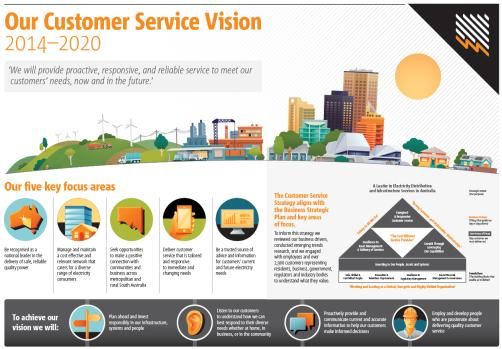
Executive summary                                                                                                                    During this process we discovered that while customers rate the overall customer experience as
                                                                                                                                     positive, there is room for improvement. Primarily, customers expect a consistent and proactive
                                                                                                                                     service response across all interactions and communication channels, and for current website
Since privatisation in 1999, we have undertaken a journey of consolidating our customer service                                      information and tools to deliver better experiences when accessed via mobile devices. To help
operations and putting in place measures to monitor customer satisfaction with our delivery of core                                  prepare for the future, customers want more information on emerging and alternative energy
customer services. As we look forward to the future, our vision is to ensure our customers are key                                   technologies to help them make more informed choices. Looking into the future, many customers
influencers in our business direction (refer to the appendix, page 30 for information on our journey to                              want more self-service tools to monitor and manage their own electricity usage.
date).
To achieve this, we have developed a new Customer Service Strategy and a set of strategic initiatives                                Delivering a Customer Service Strategy that meets customer needs and is aligned with our
that meet emerging customer needs and will keep us in the top-tier of Distribution Network Service                                   strategic business plan
Providers (DNSP) in an increasingly digital world.                                                                                   In considering feedback from customers regarding key service priorities and our own ‘readiness’ to
                                                                                                                                     meet these needs from a capability and systems perspective, we have developed a strategic
Our five strategic initiatives for 2014-2020                                                                                         roadmap. This roadmap outlines a staged approach for progressive implementation.
     1. Be recognised as a national leader in the delivery of safe, reliable and quality power                                       (Refer to the appendix, page 25 for the roadmap).

     2. Manage and maintain a cost effective and relevant network that caters for a diverse range of                                 The Customer Service Strategy has been aligned to our strategic business plan and provides steps
          electricity consumers                                                                                                      to realise our new customer service vision for 2014-2020: We will provide proactive, responsive,
     3. Proactively seek opportunities to make a positive connection with communities and business                                   and reliable service to meet our customers’ needs, now and in the future.
          across metropolitan and rural South Australia
                                                                                                                                                           Inputs
     4. Deliver customer service that is tailored and responsive to immediate and changing needs
     5. Be a trusted source of advice and information for customers’ current and future electricity
          needs

Our approach
                                                                                                                                                           Draft output
In determining these initiatives we leveraged best practice customer-focused principles to ensure the
implemented strategic deliverables will meet our customers’ needs. This process involved:
                                                                                                                                                           Test & validate
     •    reviewing current customer feedback, Brand Health Monitor and Customer Satisfaction Survey
          results, and the 2012 Customer Management Model research results
     •    researching emerging customer and utility industry trends
     •    identifying customer segments and profiling our customers’ diverse needs
                                                                                                                                                           Final output
     •    crafting a draft vision with employees from key business units
     •    engaging with a diverse range of customers to test and validate the draft vision and strategic
          initiatives                                                                                                                  Shaping the Customer Service Strategy

     •    seeking insights regarding customers’ priority needs                                                                         Using inputs from the strategic business plan, employee and customer insights (via workshops ,
                                                                                                                                       satisfaction surveys and other market research), a customer survey with over 2800 participants,
     •    using all insights gathered to shape and finalise the Customer Service Strategy vision, initiatives
                                                                                                                                       and emerging trends research, an internal workshop was conducted with employees to create a
          and roadmap
                                                                                                                                       draft customer service vision. This draft vision was tested and validated in three customer
(Refer to the appendix, page 31-32 for more information regarding our approach and methodologies used in designing this strategy).     workshops with target customers representing key customer segments.

Deloitte Digital. © 2013                                                                                                                                                                                                                  4
What we have learnt
The following points represent a selection of key findings from the customer research undertaken. These insights have been used to inform the strategic initiatives.
Not all customers are the same 840,000
1 While there are common needs and service attributes across all customer segments, there are also specific needs that will drive improved customer satisfaction for each segment. For example, commercial/
industrial customers with complex electricity needs and high consumption highly value face-to-face interactions with a knowledgeable Account Manager who can help them optimise their installations,
tariffs, and future planning. The majority of customers are currently satisfied with, and prefer to use, the website and Contact Centre. Of customers who have contacted the Contact Centre, 90% rate their
customer service experience as positive. It is important that we continue identifying relevant customer segments, and have targeted conversations to identify evolving needs, wants and issues to continue
customers
supplied across
SA in 2013
delivering against their (changing) expectations. Above all, customers are seeking transparency in our operations. 430%
Increase in
unique visitors to
the website
Customers want more choice in how they interact with us
2
between 2008-
The key to effective communication is a consistent, proactive and seamless service experience across all interactions, with diverse service and communication channel preferences for different customer 2012
types. Customers value service attributes such as knowledgeable employees who can either answer their question or direct them to the right person and who are empowered to resolve issues. They also
expect their request to be resolved in a timely manner. In an increasingly complex environment of new tariffs, technologies and digital applications, as well as evolving energy sources, we will need a better
resourced and skilled Contact Centre and technical advisors to manage an increasing volume of calls about emerging issues. To better serve customers, we need a ‘single view’ of information such as events
and decisions that have, or will, impact customers. This will enable us to be proactive and pre-empt ‘unnecessary’ contacts which will decrease costs as we smooth the traditional peaks and troughs of 82%
customer contact and add greater value to each customer interaction. of South
Australians have
internet access
(as at Dec 2012)
Customers increasingly value self-service technologies and mobility
3 While the Contact Centre will remain a vital part of our customer interaction suite, many customers want to find more information themselves as they seek greater autonomy and control over their
interactions, information, and energy use. Customers expect self-service tools to be efficient, easy-to-use, and available 24/7 across multiple communication channels, particularly mobile devices such as
tablets, Smartphones, and emerging devices. With mainstream examples in other utilities and industries, customers are also increasingly expecting integrated portals and applications that bundle all
interactions and information with an organisation. Integrating our suite of self-service products and optimising the website for mobile access will greatly improve the customer experience and reduce our f 5900
Facebook fans
(as at July 2013)
cost to serve customers for transactional issues. We will ensure the usability and value of our self-service products by engaging customers in the design process, and continuing to enable easy opt-in and
opt-out arrangements.
Value for money retains its importance 1,025
4 Customers would like to know how we rate against other distributors in terms of reliability and cost-efficiencies. They expect to pay a reasonable price for a reasonable service and want confidence we
invest responsibly to meet current and emerging needs based on reliable technologies. Customers also want to know more about our planning to better understand and appreciate the value we provide
through asset management. They feel we offer better value when we engage them (individually and collectively such as through associations, councils and regional development boards), and consult with
them early in the design of our network and products to optimise our investments and avoid unnecessary costs, including complaint management. Building local intelligence networks will be part of us
SA Power Networks’
Twitter followers
(as at July 2013)
better understanding customers, and customers having a better understanding of what we do and don’t do. With regular media attention on price, and the changing factors affecting price such as the
carbon price and the cost of the solar feed-in tariff being passed through to all consumers, there is increasing scrutiny of the composition of bills. Visibility of the distribution network component of bills will 45,000
help clarify the value of our offerings. Power@MyPlace™
subscribers
(as at July 2013)
Customers are not clear about SA Power Networks’ role and brand
5 Since the name change from ETSA Utilities to SA Power Networks in September 2012, many customers have been confused as to who we are and what we do,. With greater understanding of the
communication channels customers use, we can release targeted messages/ campaigns to boost brand awareness. Online communication channels such as the website and social media present an
opportunity to improve brand perception using rich media content that engages and educates customers. Customers are looking for SA Power Networks to fill the current gap of a single trusted advisor to
provide independent and accurate information to assist them in making informed decisions about adopting new energy technologies and managing their consumption and budgets.
150%
Increase in total calls
to the Contact
Deloitte Digital. © 2013 Centres since 2007/8 5
Building strong customer and stakeholder relationships Customer Service Vision 2014-2020
‘We will provide proactive, responsive, and reliable service to meet our customers’
needs, now and in the future.’
To do this we:
• Listen to our customers to understand how we can best respond to their diverse needs • Proactively provide and communicate current and accurate information to help our
whether at home, in business, or in the community customers make informed decisions
• Plan ahead and invest responsibly in our infrastructure, systems and people • Employ and develop people who are passionate about delivering quality customer service
Strategic initiatives
Be recognised as a national leader in Manage and maintain a cost effective Proactively seek opportunities to Deliver customer service that is tailored Be a trusted source of advice and
the delivery of safe, reliable and and relevant network that caters for a make a positive connection with and responsive to immediate and information for customers’ current
quality power diverse range of electricity consumers communities and business across changing needs and future electricity needs
metropolitan and rural South
Australia • A longitudinal, single view of customers, including
their call and outage history and relevant network
activity that impacts them (SVOC, Single View of
Key deliverables the Customer)
• A defined range of products and services to be
• A best practice safety approach which protects • A long term investment plan that cost- • A disciplined approach to regular engagement • An agreed position and defined scope of services
progressively released to customers
our employees, the community, and the effectively meets the electricity supply needs of with customers to determine information and as a consumer energy advisor
network our customers now and in the future service needs • Implementation of recommendations from the
• Frameworks, systems, processes and training to
Customer Data Quality Plan 2014 – 2020 and
• A repository that captures knowledge from local • A tariff strategy which takes into consideration • Consultation regarding major network continue building a knowledgeable and
alignment with asset data improvement projects
intelligence sources (customers, councils, current and long term needs of our customers investment proposals and issues of key customer-focused workforce (e.g. in the
business, and state and federal government) and the business interest to customers • Website, mobile and social media services including development of products, services and support
internal and customer digital applications that services such as HR, Finance, Fleet, IT, etc.)
• An engagement plan to progressively increase • A disciplined approach to regular engagement • A strategic approach to brand management
provide timely and accurate information for
the knowledge in the community about our with customers to determine information and and monitoring (e.g. scheduled brand health • A customer education plan regarding new
customers and employees
role, and emerging products and services service needs checks and social media brand sentiment energy technologies (e.g. using the website and
analysis) • A customer relationship management strategy for roadshows to provide advisory related
• An annual DNSP benchmarked scorecard • Consultation regarding major network key customer segments
published for customer viewing and feedback investment proposals and issues of key interest • A sponsorship strategy that steers sponsorship information)
to customers investment to positively impact South • Frameworks, systems, processes and training to • A disciplined approach to regular engagement
• Improved customer information about power
Australians in ways they value continue building a knowledgeable and customer- with customers to determine information and
outages using automated means where possible • Implementation of recommendations from the focused workforce (e.g. in the development of
Customer Data Quality Plan 2014 – 2020 and • Promotion of sponsorship activities via the service needs
products, services, and support services such as HR,
alignment with asset data improvement website, and relevant social media and media • Consultation regarding major network
Finance, Fleet, IT, etc.)
projects channels investment proposals and issues of key interest
• Develop new customer feedback tools for self- to customers
service products, and Contact Centre analytics to
• Established relationships with key partners to
identify the root cause for calls and to gauge
provide seamless service offerings to customers
customer satisfaction
• Improved website analytics
• An internal review of our alignment against our
customer service vision
• A long term investment plan that cost-effectively
addresses the marketing/brand, technology,
processes, and people/culture requirements in
order for us to deliver on our customers’ needs
now and in the future (to be identified in the
Customer Service Strategy Implementation Plan)
Success criteria
• Setting a benchmark for other Australian Network Service Providers by showing • Progressive release of future products and services that are relevant to the needs • Embedded customer focused service culture where employees are responsible for
leadership in electricity distribution and consistently delivering safe and reliable of the market (demand-driven and customer-focused), and presents market adhering to customer oriented frameworks and strive for customer service excellence
power meeting regulatory, legislative and national industry standards, whilst also opportunity, whilst taking into account emerging industry and consumer trends which is results driven
meeting customers’ diverse needs • Having strong local connections with customers, i.e. residents, business and • Have a culture of continual innovation that challenges the status quo, and keeps up
• A visibly transformed business that is different in terms of improved focus on industry, and being involved in major regional planning and development with the evolving needs of customers and employees
customer experience and profitability, and that transparently publishes benchmarked initiatives to improve outcomes for South Australians • A unified workforce that is committed to improving customer value and satisfaction
results ratings
Deloitte Digital. © 2013 6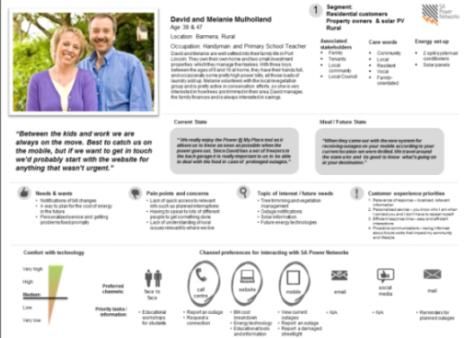
Areas of focus
In our review of each strategic initiative, we identified activities we need to continue doing and to start doing to achieve success. The activities were reviewed and tested with a diverse range of
our key customer segments to ensure these focus areas are aligned to customer priorities.
Be recognised as a national leader in the Manage and maintain a cost effective and Proactively seek opportunities to make a positive Deliver customer service that is tailored and responsive Be a trusted source of advice and
delivery of safe, reliable and quality power relevant network that caters for a diverse connection with communities and business across to immediate and changing needs information for customers’ current and future
range of electricity consumers metropolitan and rural South Australia electricity needs
Continue doing Continue doing Continue doing Continue doing Preparation
• Operate a safe electricity network for our • Provide a reliable electricity supply that meets • Be an employer of choice and employ people • Provide a variety of ways for customers to • Explore what the role of advisor might
customers, our community and our regulatory standards in a cost effective with local knowledge where possible communicate with us via their preferred look like to determine what our specific
communication channels role would be, and where we can deliver
employees manner and be responsible managers of the
• Ensure our network assets appropriately fit • Provide self -service and self-management options the most value to customers
network
• Provide a high availability of power that the local setting that our customers value
meets reliability and regulatory standards • Design the network to deliver the best overall • Provide accurate and timely information on service
• Support the SA Power Networks Employee
long term outcome for customers and status and power restoration activities
• Restore promptly when supply is Foundation for its work in the community
shareholders in light of changing network, and • Respond to faults and provide essential services 24/7
interrupted and keep customers informed
customer-side, technologies • Target sponsorship of causes that make a
on progress • Proactively seek out feedback from customers to
positive impact in the community and that the
• Engage more with customers to better continuously grow and improve
• Communicate our annual reliability and community values
safety results
understand their evolving needs • Strengthen our field to customer information flow,
• Require Leaders to be accountable for through automated means where possible
• Make asset management decisions on the ensuring decisions consider customer needs • Enhance and develop systems that contribute to
basis of their impact on the level of these initiatives
customer service
Start doing Start doing Start doing Start doing Start doing
• Demonstrate an understanding of customers’ diverse (subject to clarifying the role of advisor)
• Collate benchmark indices and outcomes, • Provide clarity regarding the breakdown of the • Form strong relationships with business
needs now and in the future • Be a trusted, balanced, and responsible
and communicate these to customers tariff structure and the components of the leaders and councils to better understand,
• Innovate and offer tailored products and services authority on energy options, solutions
customer’s bill and plan for, their needs
• Build local intelligence networks to relevant to customers and technologies to assist customers in
improve customer-derived information • Communicate and engage with customers • Leverage current communication processes to • Provide an application or portal with integrated making informed choices about their
about faults, to develop Community before we finalise long-term infrastructure appropriately emphasise community information available externally to customers, electricity needs
Champions, to relay community investment plans and new products and connections progressively extending the range of information
sentiment, and to provide advance services that affect them available • Share knowledge about energy options
• Seek greater involvement in the development and alternatives in an easy to understand
information on major developments and • Provide our employees and contractors with systems
• Align the Asset Management Strategy with of regional planning initiatives format for customers
planning that have relevant customer information to support
customer priorities (in addition to risk • Better promote our support and sponsorship them in delivering valued service at the point of
• Guide community understanding of our • Develop a skilled and knowledgeable
mitigation and condition monitoring) of relevant local and valued initiatives to contact
role workforce with respect to new
ensure the contribution is well recognised • Align all aspects of our business to provide a high technologies and tariffs
• Survey customers following significant standard of customer service
events or outages to collate feedback • Embed our use of up-to-date customer segmentation • Adopt a systematic approach to routinely
regarding customer service provided and engagement across the wider organisation help customers get an answer to their
• Offer seamless and consistent service across all query
communication channels
• Develop customer impact statements for network
Deloitte Digital. © 2013 projects
7
Customer segmentation and
service needs
Our customers’ needs and behaviours are constantly changing as
new devices and new energy technologies emerge, and as many
customers increasingly value self-service and self-management
options. It is essential we have a consistent and shared view of who
our customers are so we can continue to be relevant and evolve
with them.
Understanding our customers
Our customers’ needs and behaviours are constantly changing and evolving as new devices, new energy technologies and an increased desire for self-service emerge. It is essential we
have a consistent and shared view of who our customers are so we can continue to be relevant and evolve with them. We have employed contemporary techniques to segment our
customers and will continue to use this approach to understand their common and segment-specific valued service attributes and needs so we can provide products and services they find
most important.

In order for us to provide ‘proactive, responsive, and reliable customer service’, we must have a
comprehensive, shared, and customer-validated view of who our customers are and their diverse
needs. To achieve this we have:

•         leveraged existing customer research and customer experience feedback from a recent
          survey with over 2800 customers, and conducted customer workshops with 130 customers

•         identified and defined our key customer segments and profiled their unique characteristics,
                                                                                                                        Residential                Business                Government and              Energy Industry
          current and future service needs, highly valued service attributes, and communication
                                                                                                                                                                           community
          channel preferences                                                                                                                                              organisations
•         validated customer profiles with customers and key account managers representing each
          segment to ensure our view of the customer is accurate and relevant                                           Customer profiling and personas
                                                                                                                        We have developed a set of Personas (fictional profiles) for each customer segment to help us
                                                                                                                        visualise them, deepen our understanding of their needs, and help respond in more empathetic
Defining our customers                                                                                                  and relevant ways. This is provided in a supplementary report and has been validated with
Our customers fall into four key customer segments: residents, business, government and                                 customers. The Customer Segmentation and Persona Profiles document is intended to be a living
community organisations, and the energy industry. The following pages provide a summarised                              and breathing document and will be regularly updated and validated with customers.
profile of each customer segment, their characteristics, service attributes that are most important to
them, their communication channel preferences, and their priority needs.
(Further details about each of the key customer segments are in the supplementary document: Customer Segmentation and
Persona Profiles)

This insight helps us best determine where we should prioritise our investment to serve our
customers in a way that they most value, to increase their satisfaction and to reduce complaints.
Customer preferences continue to change and evolve. As such, regular validation of these profiles,
priorities, and communication preferences will be undertaken and profiles refined to ensure we
continue to meet and match our customers’ changing needs and expectations.

                                                                                                                                                         SA Power Networks Persona Profiles
                                                                                                                                             (refer to Supplementary document: Customer Segmentation
Deloitte Digital. © 2013                                                                                                                                                                                                 9
                                                                                                                                                               and Persona Profiles)
Our key customer segments
This page summarises the customer types within each of the key customer segments and their priority needs. These views of the customer will help us design services and products
that meet their common, and segment specific, needs and will be regularly reviewed with customers to ensure they remain relevant as their needs evolve.
Residential Business Government and community Energy Industry
organisations
A mix of the South Australian population A combination of South Australian business Includes government of all levels, community Electricity retailers such as Origin Energy,
with characteristics such as different consumers, including, small – medium in size, areas impacted by projects and works, Energy Australia and AGL, SA Power
genders, ages, locations (e.g. metropolitan/ of varying enterprise types and from various departments and employees within Networks’ contractors such as Active Tree
rural/ urban*), life stages (e.g. future bill locations, larger businesses with account government, organisations and business or Services, Electel, and Service Stream, and
payer, education/ career focused, family managers, those with solar PV panels installed industry associations, emergency services, solar PV installers.
formation, empty nester, retired). It includes or other embedded generation or energy educational institutions, community agencies Contact is often through structured periodic
households where English is a second storage technology, businesses that are such as the South Australian Council of Social meetings of account managers and subject
language, members who have a disability or critically dependent on their power supply, Service (SACOSS), the Council on the Ageing matter experts. Market rules and other
care for others, those having high energy commercial developers, and various groups (COTA) and Families SA, business partners, regulations tend to shape relationships.
usage or high energy bills, tenants, and and federations. It also includes graduates, vendors and suppliers, and various media and The way in which we conduct our business to
people experiencing hardship. electricians, tradespeople, engineers, agency bodies. business activities, the information we share,
Contact is generally via the Contact Centres administrators, and current or prospective There is varying degrees of contact with these and the way each of us maintains customer
or website. employees or contractors. organisations, and an area we wish to provide relationships affects the other industry
Larger businesses expect more personalised greater focus in future. participants.
service to meet their more specialised needs.
•Regional economic development boards •Regulatory agencies
•Residential customers •Small - medium business consumers
•Emergency services organisations •Generation companies
•Life support customers / critical care •Major business accounts (by energy
consumption) •Educational institutions •Transmission companies
• Solar PV owners / customers
•Electricity critical businesses •Potential and future partners •Retailers
•Pensioners & low income customers
•Commercial developers and builders •Community welfare groups •Electrical industry contractors
•Property owners
•Commercial interest groups •Media •Meter providers and meter data providers
•Landlords / property managers /
•Current and prospective employees •Special community interest groups •Vegetation maintenance contractors
conveyancers
•Customers with embedded generation/ •Regulatory agencies
•Tenants energy storage •Local Government
• Customers on demand tariffs or other •Community
* Urban denotes major regional towns such as Mount ‘specialised’ tariffs
•State and Federal Government
Gambier, Port Lincoln and Port Augusta. Validated June 2013
Deloitte Digital. © 2013 10Highly valued customer service attributes
There is a set of service attributes that all customer segments highly value. Deloitte asked survey and workshop participants which service attributes were most important to them and how this looks in
practice. These insights help us best determine where we should place emphasis in our service delivery, and changes we may need to make to serve our customers in the way they most value.
Survey respondent importance rating How would our customers like to see this happen/ what do they expect?
• employees are knowledgeable in dealing with common everyday enquiries and resolving enquiries and questions about emerging energy technologies
• contact centre agents deliver effective support for self-service tools offered by SA Power Networks
Staff knowledgeable 8.6
• contact centre agents can direct them to the right person if they cannot answer the question themselves
• employees have access to up-to-date and accurate information relating to current outages and events occurring across the state
• employees have local knowledge, and understand their unique electricity needs and issues relevant to their local area
Time taken to fix • visibility on the progress/ status of their request and ongoing communication via their preferred communication channels (not SA Power Networks’ preferred
8.6 communication channel)
request/enquiry
• manage expectations and provide clear timeframes around planned and unplanned outages. Communication lead time is important, especially for rural and business
customers who will need to adjust their operations
Ability to address • employees are empowered with training, knowledge and authority to resolve enquiries without the need to constantly seek approval from managers for common requests
8.5
request/enquiry • follow up communication through their preferred communication channels (a reminder system should be in place to ensure requests are met with follow up
communication) and in promised timeframes
Staff's ability to investigate • ongoing communication to keep customers updated on progress
8.4 • a consistent point of contact with someone who understands the context of their enquiry
request/enquiry
• employees are willing to admit when they don’t know the answer and can direct them to the correct team or individual to help
Note: Customers identified that suggestions for this attribute were similar to those for ‘ability to address request/enquiry’
Time taken to address • a recorded message about power outage information which is accurate and up to date
8.4 • a call back service allowing them to leave their number, hang up and maintain their position in the queue (to manage extensive ‘on hold’ wait times, especially when in
request/enquiry
common telephone coverage drop out zones, a particular issue in rural areas)
• information provided is accurate, especially in the event of power outages
• responses are tailored and relevant
Relevance of response 8.3 • we listen to, and understand, our customers
• they don’t necessarily need all the details, but they want enough information to feel like progress is being made on their request
• customer facing employees are respectful and friendly indicating they care about their request and are polite, attentive and sensitive to all customers, especially those with
Way your query was language, or hearing impairments
8.1 • interactions with a contact centre that is local, with representatives who have South Australian and rural vs metropolitan knowledge and who are easy to talk to and
handled
understand (should have excellent verbal English skills)
• a degree of personalisation, especially when interacting with the Contact Centre. This includes having a history of previous calls on hand so that customers do not need to
repeat themselves and for call agents to use their name.
Personalised service 7.6
• Key account holders rated personalised service as a priority, looking for a greater degree of personalisation through Account Managers who understand the specific
context and energy dependencies of their business and work with them to help them shape their future energy requirements, including adopting new energy technologies
7 8 9
Note: Overall ,workshop participants agreed with the priorities reflected in the Consumer Consultation Survey. There was a number of common suggestions that emerged
across all of the service attributes, including employees having the knowledge to direct customers to the correct person within the organisation, having a respectful and friendly
Rating Scale: 1 Least
Deloitte Important
Digital. © 2013 10 Most Important attitude, employees having access to up to date and accurate information concerning outages and events, and providing ongoing follow-up communication throughout the
11
resolution process to keep customers informed of changes and progress. Refer to the supplementary report ‘Customer Workshop Feedback’ for more information.Customer service vision and strategic initiatives For our Customer Service Strategy to be effective it must link to, and deliver on, the overall business goals and Key Performance Indicators, and deliver value to shareholders, employees and customers.
Creating a strategic vision that aligns with the business plan
For our Customer Service Strategy to be effective it must link to, and deliver on, the overall business goals and KPIs, and deliver value to shareholders, employees and customers.
Following initial emerging trends research, we employed an inclusive approach to engage with employees and customers in building and validating the strategy before finalising.
Designing and shaping the Customer Service Strategy with business Strategic business plan
The Customer Service
and customers
Strategy is driven by, and
To ensure the Customer Service Strategy delivers a return on
aligned to, the Strategic
investment, it is essential that business and customer needs are Business Plan and key
explored. The intersection of where these needs meet will drive drivers. It identifies the
efficiencies and deliver value. strategic initiatives, key
An internal workshop was conducted with employees using inputs deliverables and roadmap.
from the strategic business plan, employee and customer insights
(via workshops and satisfaction surveys), and emerging trends
The Customer Service
research to create a draft customer service vision. This draft vision Customer service delivery definition
Strategy Implementation
was tested and validated with target customers during each of the Customer Service Strategy Plan defines how the five
three customer service strategy workshops conducted with strategic initiatives will be
Customer service vision and initiatives
residential, business and industry customers. delivered and details the
Customer focussed delivery process
Customer Service Strategy Implementation Plan product and service
requirements. It also defines
Strategy accountability and ownership
Service delivery enablers the customer focussed
To ensure accountability and ownership of the Customer Service approach and framework to
SA Power Customer Customer Customer TBD
Strategy, we sought understanding from key employees across the Networks Technology Data Quality Service (post delivery be applied across all
business to identify their pain points, issues, and the barriers to Communications Plan 2014 - 2020 Plan 2014 - 2020 Initiatives plans) subsequent project
Plan 2014-2020 Investment Plan
success in delivering quality customer service. Customer-facing deliverables in order to
deliver consistent and
employees were engaged to ensure we understand the common
Key performance indicators quality outcomes.
issues and customer complaint areas, and their suggestions in fixing
these issues. Generating financial Delivering value to Ensuring a safe,
returns and growth customers and benefits skilled and committed
for owners to the community workforce
A robust Customer Service Strategy that will deliver return on
investment (ROI) Customer service business model
Our approach to collect and analyse insights has assisted us in
The customer service strategic initiatives have been mapped The Service Delivery Enablers will be driven by the requirements
building a robust strategy that will deliver on business, employee against the Strategic Business Plan KPIs, and success measures in the Customer Service Strategy Implementation Plan. There
and customer needs. The following page outlines the strategic defined to ensure we can deliver on them. These customer KPIs will are likely to be new projects initiated as a result of defining the
initiatives, success
Deloitte Digital. criteria, key areas of focus and the deliverables.
© 2013 be incorporated into employee, and other, performance measures. Customer Service Strategy Implementation Plan. 13Our new customer service vision
In line with the business driver to build ‘strong customer and stakeholder relationships’ we have developed the following customer service vision. It encompasses customers’
expectations for highly valued service attributes of proactive, responsive and empathetic customer service. The vision was developed in conjunction with the business, reviewed and
tested with customers from each key segment, and further refined. Customers want a vision that is authentic and proactive, and that accounts for future needs. The customer
validation process gives us confidence that our new customer service vision resonates with our diverse range of customers.
Customer service vision 2014-2020
Building strong customer and stakeholder relationships
‘We will provide proactive, responsive, and
reliable service to meet our customers’ needs,
now and in the future.’
To do this, we:
• proactively provide and
• listen to our customers to
communicate current and
understand how we can best
accurate information to help our
respond to their diverse needs
customers make informed
whether at home, in business, or in
decisions
the community
• employ and develop people who
• plan ahead and invest
are passionate about delivering
responsibly in our infrastructure,
quality customer service
systems and people
Deloitte Digital. © 2013 14Strategic Initiative 1:
Be recognised as a national leader in the delivery of safe, reliable, and quality power
What is it? Key deliverables
Our customers want clarity regarding SA Power Networks’ role. They want their electricity to be available • A best practice safety approach which protects our employees, the community, and the network
when they need it. Customers also want us to provide timely and accurate updates of progress and for us to
• A repository that captures knowledge from local intelligence sources (customers, councils,
respond to, and fix, faults in an acceptable timeframe.
business and state and federal Government)
• An engagement plan to progressively increase the knowledge in the community about our role and
How can we do it? emerging products and services e.g.
• Publish annual reliability and safety results on the SA Power Networks website and
• Operate a safe electricity network for our customers, our community, and our employees
communicate its availability to customers
• Provide high availability of power that meets reliability and regulatory standards
Continue doing
• Communicate power outages via social media, website, IVR recorded messages and
• Restore power promptly when interrupted and keep customers informed of progress proactively via subscription services
• Communicate our annual reliability and safety results • Increase media usage (television, local Messengers, radio) to promote our brand and our
• Make asset management decisions on the basis of their impact on the level of customer role
service • Provide a link to the SA Power Networks video (on YouTube) and highlight content on the
website explaining our role and how our service forms a component of the customer’s
• Collate nationally benchmarked indices and outcomes, and communicate these to
bill
customers
• An annual scorecard published for customer viewing and feedback
• Build local intelligence networks to improve customer-derived information about faults,
Start doing
develop community champions, to relay community sentiment, and to provide advance • Increased automation of information flows for power outages through the Field Force Automation
information on major developments and planning proposals programme
• Guide community understanding of our role
• Survey customers following an event or outage to collate feedback regarding customer
service provided
How can we measure success?
• Meeting regulatory, legislative and national industry standards
• Improved Brand Health Monitor survey ratings (biannually)
“There are [so many] entities out there, not just SA
• Customer satisfaction survey scores targeted rating of >5.8 out of 7)
Power Networks; you need to be clear and upfront
• Customer feedback surveys (post product/service delivery) about your role” – Local Government, Metro
• Benchmarked results against other Australian Electricity Distributors
Deloitte Digital. © 2013 15Strategic Initiative 2:
Manage and maintain a cost effective and relevant network that caters for a diverse range of electricity consumers
What is it?
Our customers want to feel that their interests and diverse needs drive the decisions we make about Key deliverables
network investment and balancing costs with reliable and relevant services. Customers wish to be engaged • A long term asset investment plan, that cost-effectively meets the electricity supply needs of
when planned network investments and initiatives may impact them, their community, or their bill. our customers now and in the future
• A tariff strategy which takes into consideration current and long term needs of our customers
and the business
How can we do it? • A disciplined approach to regular engagement with customers to determine information and
service needs
• Provide a reliable electricity supply that meets regulatory standards in a cost effective
• Consultation regarding major network investment and key issues of interest to customers
Continue doing
manner and be responsible managers of the network
• Design the network to deliver the best overall outcome for customers and shareholders • Implementation of recommendations from the Customer Data Quality Plan 2014 – 2020 and
in light of changing network, and customer-side, technologies alignment with asset data improvement projects
• Engage with customers to better understand their evolving needs
• Provide clarity regarding the breakdown of the tariff structure and the components of the
Start doing
customer’s bill
• Communicate and engage with customers before we finalise long-term infrastructure
investment plans and new products and services that affect them
• Align the Asset Management Strategy with customer priorities (in addition to risk
mitigation and condition monitoring)
How can we measure success?
• Meeting regulatory, legislative and national industry standards
“[There is a] significant disconnect between utility
• Customer satisfaction survey scores targeted rating of >5.8 our of 7) plans and economic development plans for the
• Improved ratings of the Brand Health Monitor (biannually) future.” – Local Government, Rural
Deloitte Digital. © 2013 16Strategic Initiative 3:
Proactively seek opportunities to make a positive connection with communities and business across
metropolitan and rural South Australia
What is it?
Key deliverables
Our customers want to feel confident that their community and business is important to us and that we
• A disciplined approach to regular engagement with customers to identify information and service
value them as customers. They are looking for us to employ people with local knowledge, to support and
needs
sponsor relevant local and valued initiatives, and to ensure our infrastructure visually fits in with their local
environment. • Consultation regarding major network investment and issues of key interest to customers
• A strategic approach to brand management and monitoring (e.g. scheduled brand health checks,
How can we do it? and social media brand sentiment analysis)
• A sponsorship strategy that steers sponsorship investment to positively impact South Australians
• Be an employer of choice and employ people with local knowledge where possible
in ways they value (funded by owners and employees)
•
Continue doing
Ensure our network assets appropriately fit the local setting
• Support the SA Power Networks Employee Foundation for its work in the community
• Target sponsorship of causes that make a positive impact in the community and are
valued by the community (funded by owners and employees)
• Leaders are accountable for ensuring decisions consider customer needs
• Form strong relationships with business leaders and councils to understand and plan for
Start doing
their needs
• Leverage current communication processes to appropriately emphasise community
connections
• Seek greater involvement in the development of regional planning initiatives
How can we measure success?
“[You] need to engage the community so they know
• Improved ratings of the Brand Health Monitor (biannually) these services [self-service tools] exist”
• Customer satisfaction survey scores targeted rating of >5.8 out of 7) – Business/Commercial, Metro
• Having a seat at the table at major regional development initiatives
• Developing additional appropriate customer feedback tools
Deloitte Digital. © 2013 17Strategic Initiative 4:
Deliver customer service that is tailored and responsive to immediate and changing needs
What is it? Key deliverables
Our customers want service that is proactive, responsive and relevant to their individual needs. They want • A longitudinal, single view of customers, including their call and outage history and relevant
network activity that impacts them (SVOC, Single View of the Customer)
us to use clear and simple language when communicating with them. Customers want to be included in our
planning to ensure we deliver services and products that are relevant to them and suit their evolving needs. • A defined range of products and services to be progressively released to customers
We must remain current and relevant on emerging technologies, communications, customer focused • Implementation of recommendations from the Customer Data Quality Plan 2014 – 2020 and
training, processes and service delivery to ensure we are continually meeting customers’ changing needs. alignment with asset data improvement projects
• Website, mobile and social media services including internal and customer applications that
How can we do it?
provide timely and accurate information for customers, employees and contractors
• Provide a variety of ways for customers to communicate with us via their preferred
• A customer relationship management strategy for key customer segments
communication channels
• Frameworks, systems, processes and training to continue building a knowledgeable and
• Provide self -service and self-management options that our customers value
customer focused workforce (e.g. in the development of products, services and support services
Continue doing
• Provide accurate and timely information on service status and power restoration activities such as HR, Finance, Fleet, IT, etc.)
• Respond to faults and provide emergency services 24/7 • Develop new customer feedback tools for self-service products and Contact Centre analytics to
identify the root cause for calls and to gauge customer satisfaction
• Proactively seek out feedback from customers to continuously grow and improve
• An internal review of our alignment against our customer service vision
• Strengthen our field to customer information flow, through automated means where
possible • A long term customer investment plan (Customer Service Initiatives Investment Plan) that cost-
effectively addresses the marketing/brand, technology, processes, and people/culture
• Enhance and develop systems that contribute to this initiative requirements in order for us to deliver on our customers needs now and in the future (as
determined in the Customer Service Strategy Implementation Plan)
• Demonstrate an understanding of customers’ diverse needs now and in the future
How can we measure success?
• Innovate and offer tailored products and services relevant to customers
• Customer satisfaction survey scores targeted rating of >5.8 out of 7)
• Provide an application or portal with integrated information available externally to
• Contact Centre call and email volumes for common enquiries transition to self-service via web and
customers, progressively extending the range of information available
mobile channels
Start doing
• Provide our employees and contractors with systems that have relevant customer
• Product and service adoption/take-up rates
information to support them in delivering valued service at the point of contact
• Employees achieve KPIs for customer service projects/initiatives
• Align all aspects of our business to provide a high standard of customer service and ensure
alignment against our customer service vision • Customer impact statement templates developed and used for network projects
• Embed our use of up-to-date customer segmentation and engagement across the wider
“When you ring it is difficult to explain where you are,
organisation
• Offer seamless and consistent service
we need people on the phones that know the area…
• Develop customer impact statements for network projects
it’s frustrating.”
– Resident, Rural
Deloitte Digital. © 2013 18Strategic Initiative 5:
Be a trusted source of advice and information for customers’ current and future electricity needs
What is it?
Our customers see SA Power Networks as an independent organisation, well positioned in the midst of a Key deliverables
number of retailers and energy information sources to fill the current gap in the energy market to be a • An agreed position and defined scope of services as a consumer energy advisor
single source of trusted information. Customers are looking for advice on electricity technologies and
• A framework, systems, processes and training to continue building a knowledgeable and
market players so they can make informed decisions to help reduce their costs and/ or make
customer focused workforce (e.g. in the development of products, services and support
environmentally sustainable decisions, and to use reputable service providers.
services such as HR, Finance, Fleet, IT, etc.)
How can we do it? • A customer education plan regarding new energy technologies (e.g. using the website and
roadshows to provide advisory related information)
• Explore what this role (of advisor) might look like, to determine what our specific
Preparation
• A disciplined approach to regular engagement with customers to determine information and
role would entail and where we can deliver the most value to customers
service needs
• Consultation regarding major network investment and issues of key interest to customers
• Established relationships with key partners to provide seamless service offerings to customers
Start doing (subject to clarifying
• Improved website analytics
• Expand our on-grid and off-grid options
• Be a trusted, balanced, and responsible authority on energy options, solutions and
the role of advisor
technologies to assist customers in making informed choices about their electricity
needs
• Share knowledge about energy options and alternatives in an easy to understand
format for customers
• Develop a skilled and knowledgeable workforce with respect to new technologies
and tariffs
• Adopt a systematic approach to routinely help customers get an answer to their
query regardless of our official role
How can we measure success? “[It is] important to give customers the
• Improved ratings of the Brand Health Monitor (biannually) knowledge and involve them as part of the
• Customer satisfaction survey scores targeted rating of >5.8 out of 7) solution to power consumption and supply”
• Website analytics indicate customers are finding and locating information in an acceptable – Energy industry, Metro
timeframe and with minimum number of clicks
Deloitte• Digital.
New © customer
2013 feedback tools indicate satisfaction with the service and advice 19You can also read


