Because of Obamacare - I LOST MY INSURANCE
←
→
Page content transcription
If your browser does not render page correctly, please read the page content below
HOUSE REPUBLICAN
     PLAYBOOK

 Because of Obamacare...
I LOST MY INSURANCE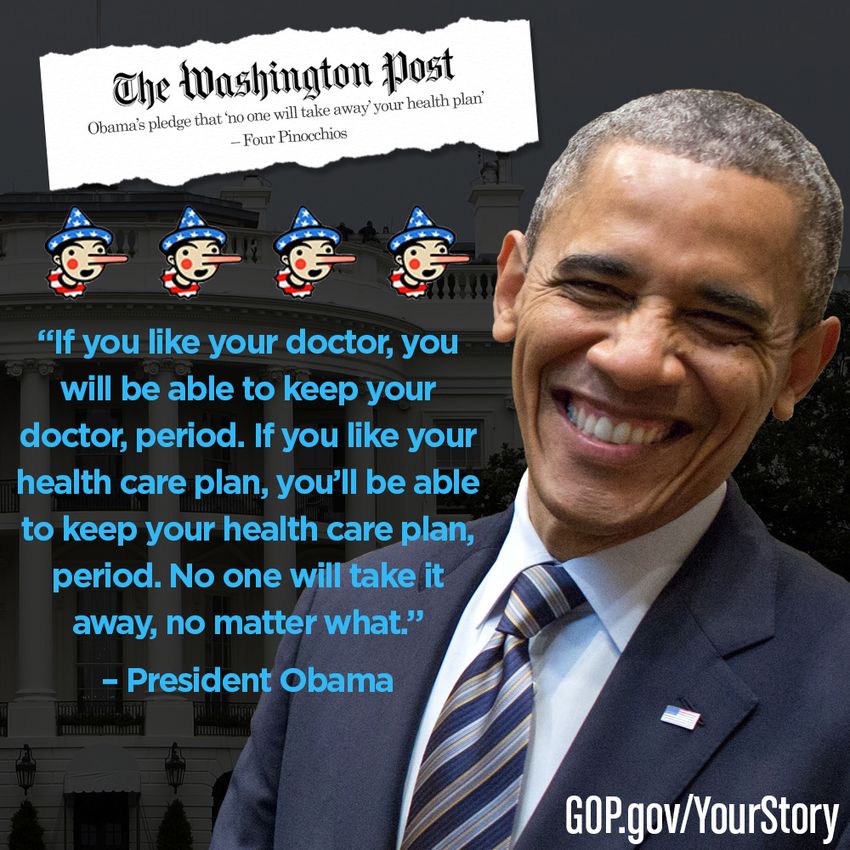
Messaging Tools
                                  #YourStory
                                                   In this Playbook, you’ll find messaging tools to help
                                                  you communicate in your district about the disastrous
                                                                   Obamacare rollout.
                                     s e  f eel          For your one-stop shop on Obamacare,
                         n s , plea nce                      visit www.gop.gov/healthcare.
               q u e stio onfere
      u h a ve ct the C p at
If yo to conta tions Sho use.gov
     free mmunica mail.ho 00.                                YourStory
             Co press@ 226-90                                Talking Points
               r e n c e           2 0 2 )
                                 (
        confe y calling                                      Social Media
              or b
                                                             Videos
                                                             Digital Flyers
                                                             Sample Op-Ed
                                                             Fact Sheet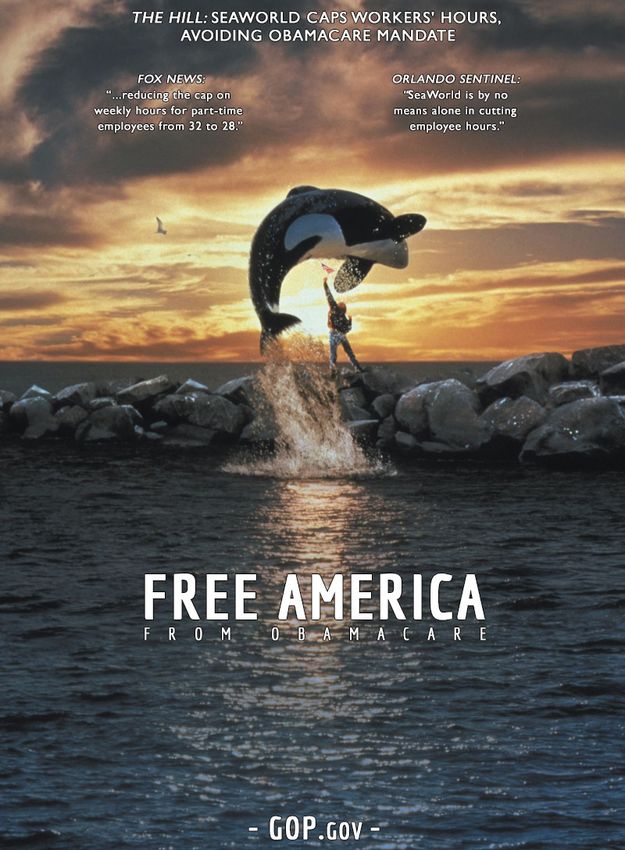
YourStory
    Obamacare is much more than a bad website; it’s a bad law. Americans all across the country are already feeling
    the law’s negative effects, such as rising premiums, limited access, and cancelled policies. This is happening to
    hardworking Americans in every corner of America – including your own district. When you’re home, highlight the
    House Republican Conference’s “YourStory” project and encourage your constituents to submit feedback of their own
    experiences with Obamacare.

3                                                                                                   HOUSE REPUBLICAN CONFERENCE
                                                                                                          Chair Cathy McMorris Rodgers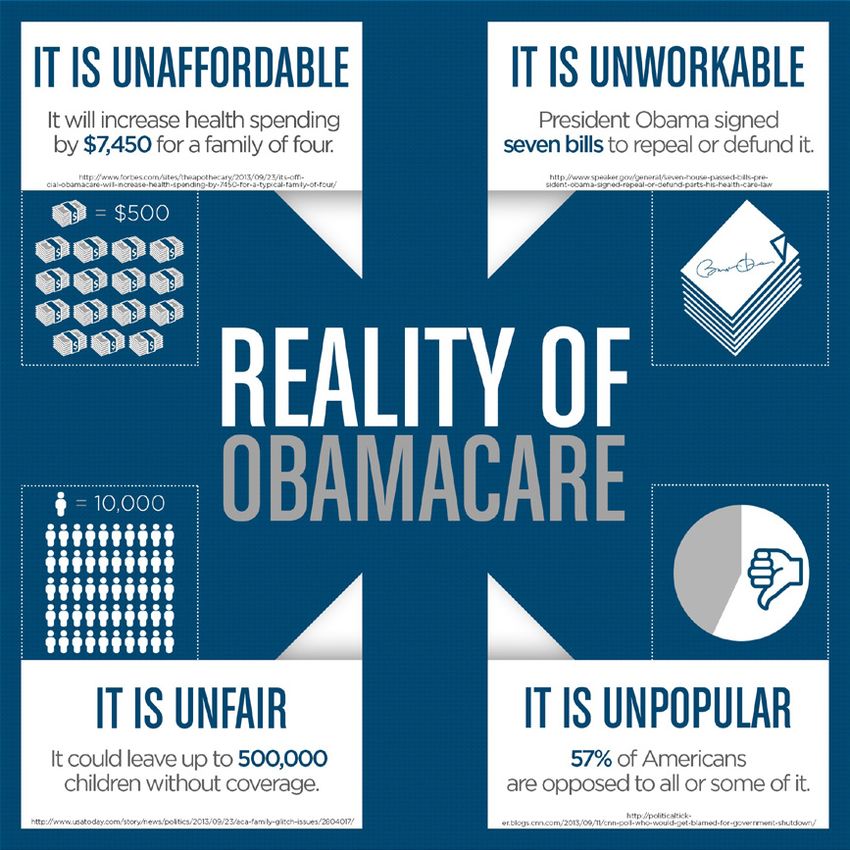
Talking Points
    Courtesy of the House Ways & Means Committee
    Obamacare is increasing costs and forcing employers to reduce hours, eliminate jobs or cut wages. Families and
    individuals are losing the health insurance they have and like. No wonder a majority of Americans still disapprove of
    the law.

      •   Premiums are increasing: The administration has abandoned President Obama’s promise to reduce
          premiums by $2,500, and now acknowledges premiums will increase as a result of Obamacare.
      •   Millions of Americans will lose the plan they have and like: Despite President Obama’s promise that
          you can keep the plan you have and like, we now know at least 7 million Americans will lose their employer-
          provided insurance as a result of Obamacare.
      •   Obamacare is hurting job creation: While Minority Leader Pelosi promised that Obamacare would be a
          “jobs” bill, 70 percent of small businesses now cite Obamacare as a major obstacle to job creation.
      •   Billions of dollars in tax hikes: The size of the individual mandate tax has risen dramatically from the original
          estimate of $17 billion to $55 billion.
      •   Fewer people will get covered: Despite repeated claims that as many as 30 million plus people would gain
          insurance through Obamacare, recently the Administration said they hoped that up to 7 million people would
          enter the health care exchanges.
      •   Millions more uninsured: The number of Americans left uninsured by Obamacare has risen by 8 million from
          the original estimate.

    Courtesy of the House Energy & Commerce Committee

    Keep Your Health Plan Act
    Chairman Upton and all GOP E&C members have introduced the Keep Your Health Plan Act to allow health care
    plans available today on the individual market to continue to be offered so Americans have the option to keep what
    they have if they like it. The bill also ensures that Americans maintaining their health care plan would not face a
    penalty under Obamacare.

      •   NBC News reports that “the Obama administration has know that for at least three years,” the
          President’s promise would not hold true for millions of Americans.
      •   CBS News adds, “more than two million Americans have been told they cannot renew their current insurance
          plans…and this is just the tip of the iceberg.”

    Broken Promises
    The President sold his health care law on two major promises: 1) If you like what you have, you can keep it. Period.
    And 2) Health care costs will go down for all Americans, and “save a typical family an average of $2,500…” Each of
    these promises has now been broken.

4                                                         GOP.gov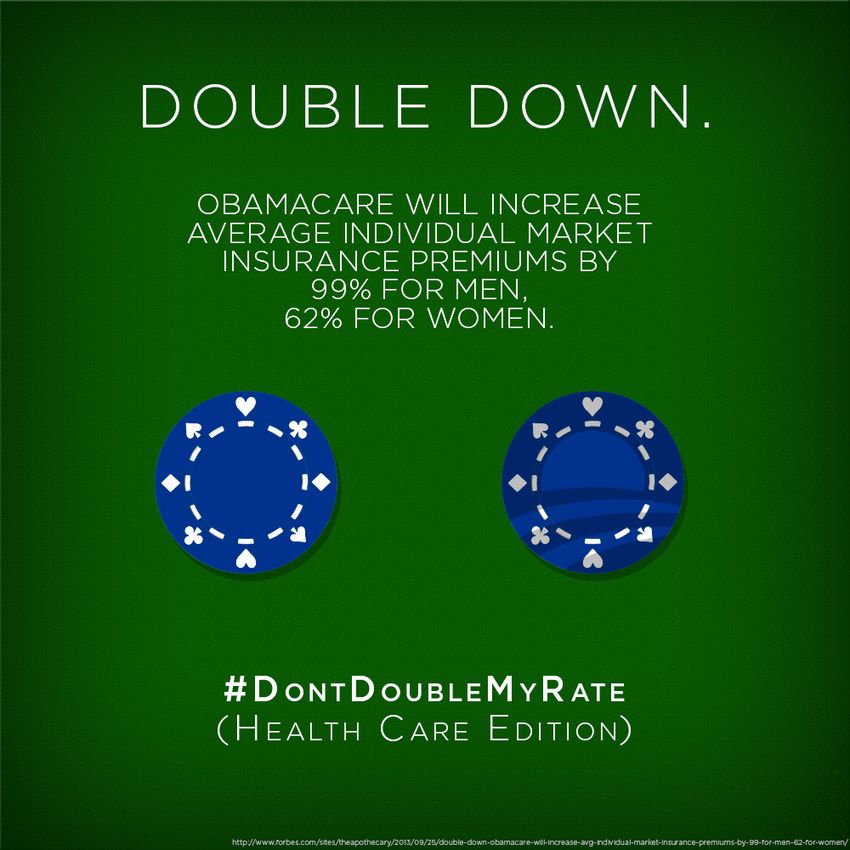
Accountability
    Administration officials and the companies involved
    with building Healthcare.gov looked the committee in
    the eye and repeatedly insisted that everything was
    “on track.” Last week the contractors who built the
    site explained that they warned the Administration of
    problems and that the final, end-to-end testing was
    the Administration’s responsibility.

    On October 30th, Secretary of Health and Human
    Services Kathleen Sebelius testified that the website
    was not operating at its full functionality and confirmed
    the rollout was a debacle.

    Transparency
    What else is the Administration not disclosing?
    What further problems lay ahead for Healthcare.gov?
    The Administration boasts its record on transparency,
    but is refusing to provide enrollment figures. E&C
    Committee members first wrote to Secretary Sebelius
    on October 8 requesting these figures.

    Fairness
    How can the Administration force the American people to buy a product from a system that does not work? The
    Administration has given businesses a break for one year – what defensible reason do they have to not provide the
    same fairness to individual Americans? The bipartisan chorus for a delay is growing.

    Competence
    The Administration now has a serious competence problem. Healthcare.gov is so much more than a website. The
    website should have been the easy part.

5                                                                                                    HOUSE REPUBLICAN CONFERENCE
                                                                                                            Chair Cathy McMorris Rodgers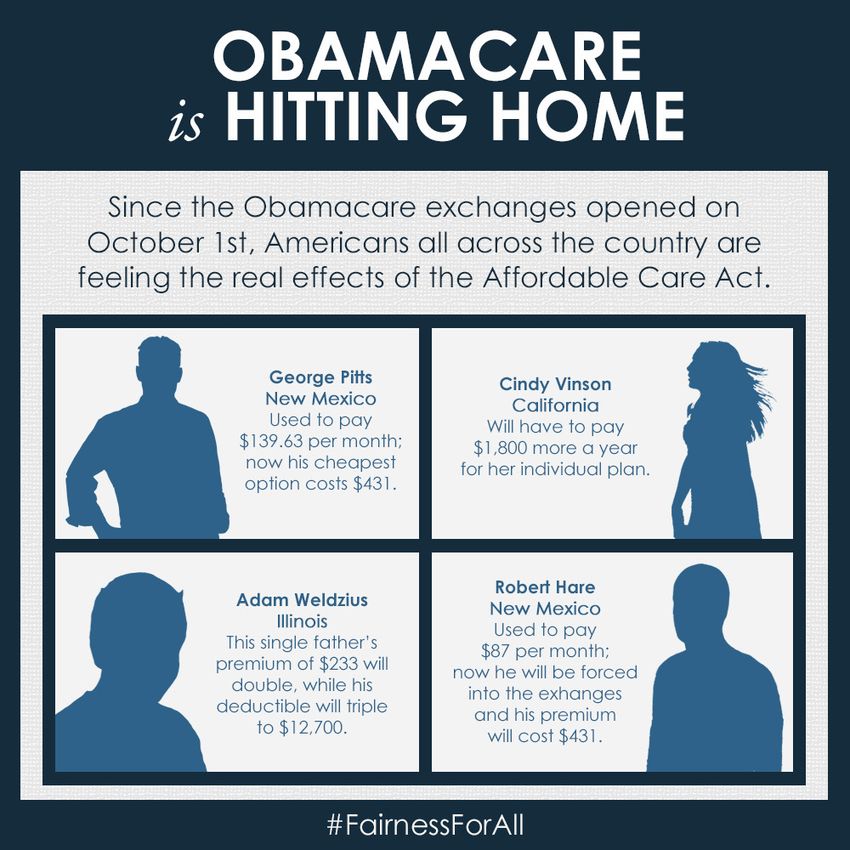
Social Media
    It’s important to execute effective messaging across all media, and social media is a crucial component.
    You should use Facebook, Twitter, YouTube and Instagram to update your constituents daily with posts
    linking to press releases, photos, video, and graphics that drive our messaging. Below are examples of
    recent tweets and Facebook posts from House Republicans that communicate our position.

6                                                    GOP.gov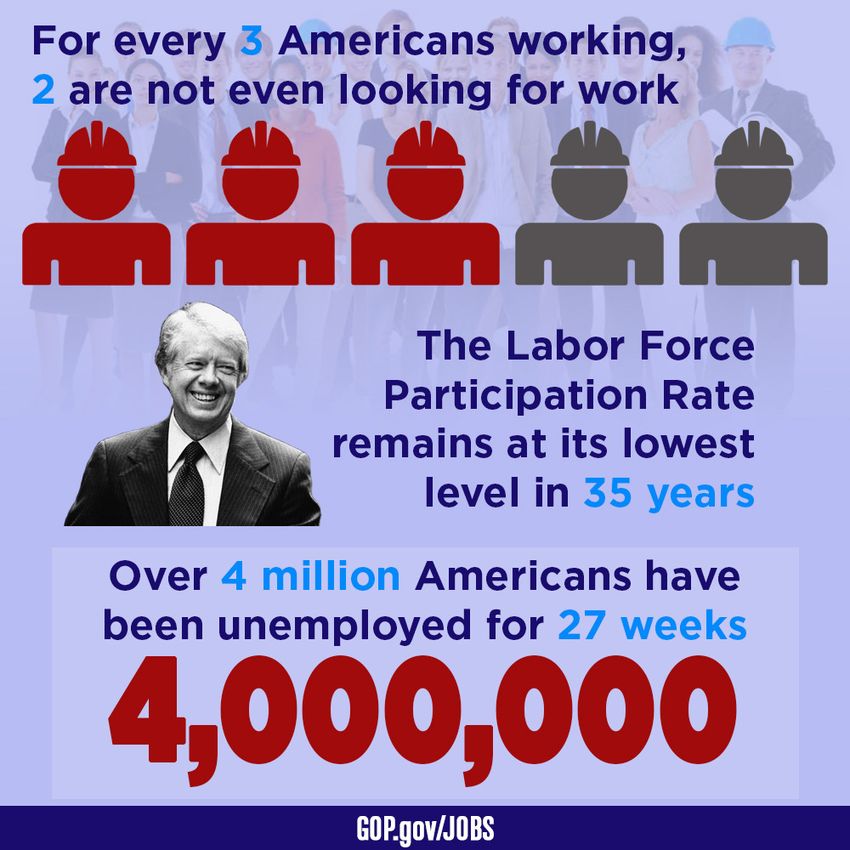
7   HOUSE REPUBLICAN CONFERENCE
          Chair Cathy McMorris Rodgers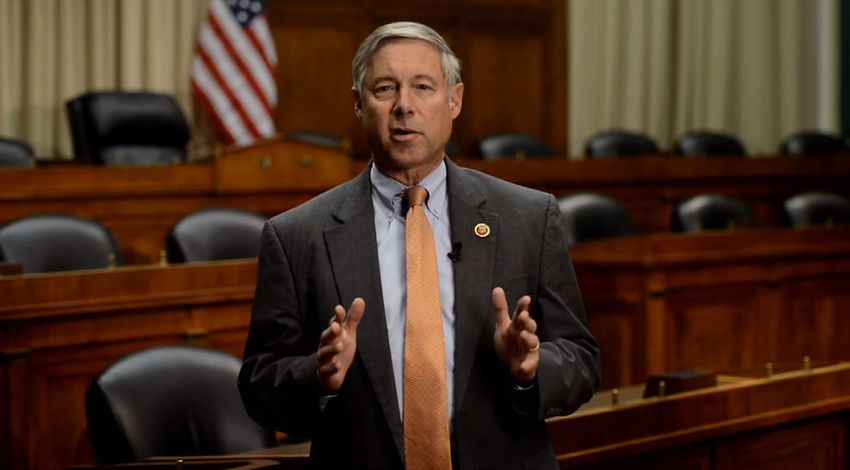
Videos
                                                                      A Promise He Could Not Keep
                                                                      President Obama repeatedly promised Americans
                                                                      that, “If you like your current health care plan, you can
                                                                      keep it.” Now, millions of Americans are discovering
                                                                      that is a promise the President could not keep.

                             Online Chat Help
                          with Healthcare.gov
    Excerpts from a real online chat between a potential
    customer and a customer service representative for
                                        Healthcare.gov.

                                                                      Dismantle The Chaos
                                                                      The reality of Obamacare is setting in and the
                                                                      American people have taken notice that Washington
                                                                      Democrats passed a health care bill that is driving
                                                                      up costs and cutting jobs.

             Weekly Republican Address
             Chairman Fred Upton (R-MI)
                                       October 26, 2013
      The problems with Obamacare are more than just
     website glitches. From broken promises to special
    waivers, House Republicans are actively conducting
      thoughtful oversight of this law, while at the same
     time crafting patient-centered solutions to improve
                            healthcare for all Americans.

8                                                           GOP.gov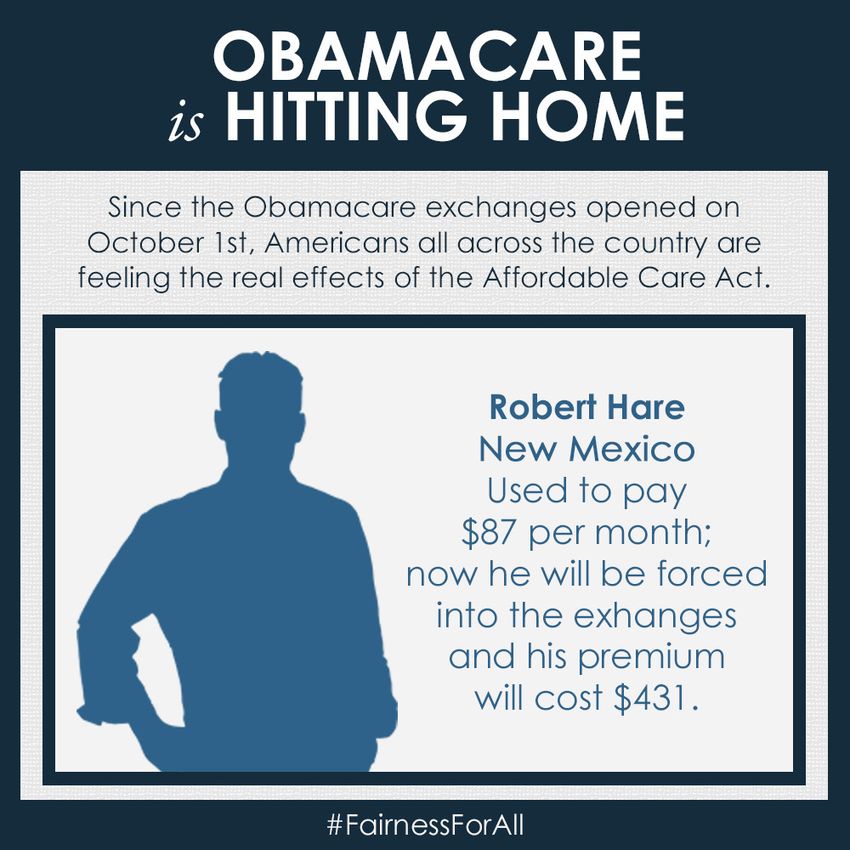
Digital Flyers
          Use these digital flyers in your social media posts to point to all the problems
          with the President’s Affordable Care Act.

9                                                                                            HOUSE REPUBLICAN CONFERENCE
                                                                                                   Chair Cathy McMorris Rodgers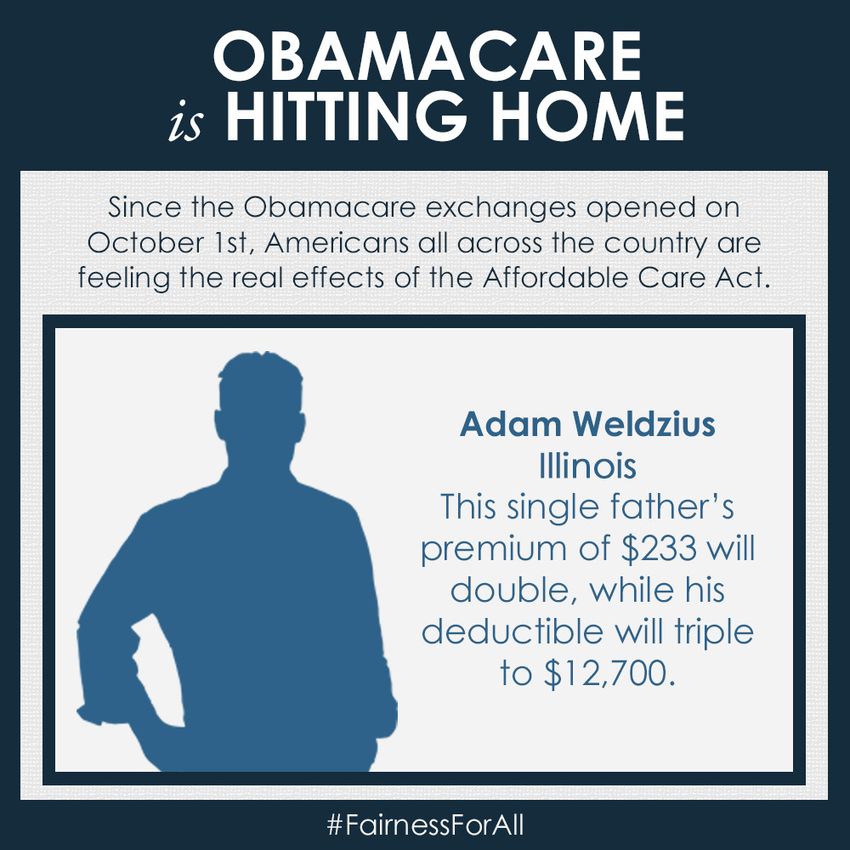
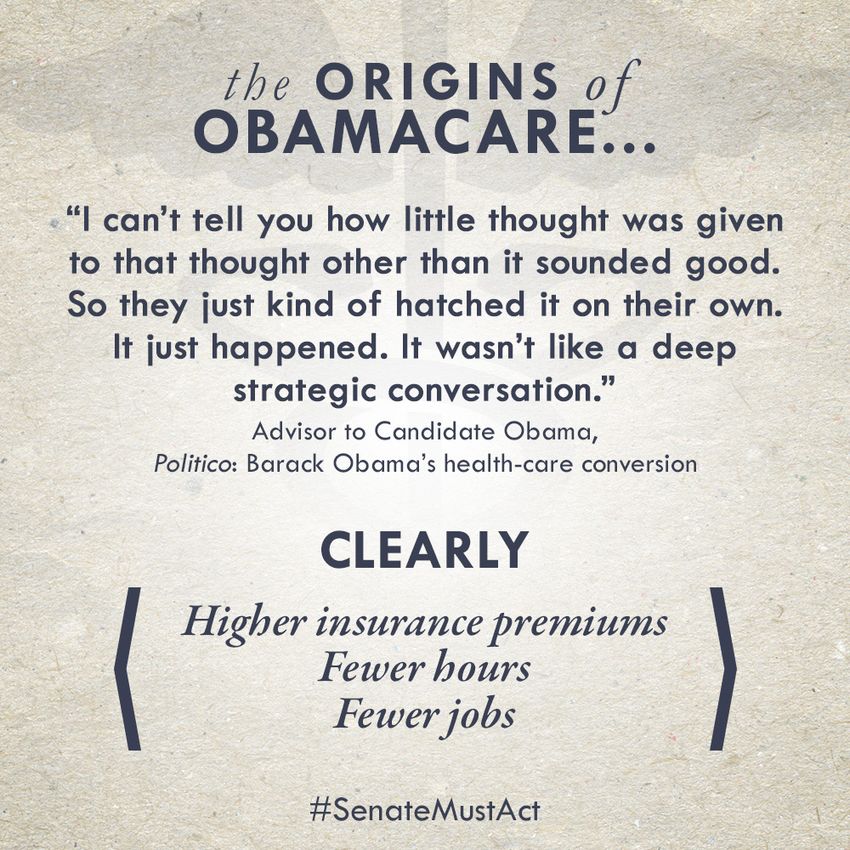
10 GOP.gov
11   HOUSE REPUBLICAN CONFERENCE
           Chair Cathy McMorris Rodgers
Sample Op-Ed
Based on an op-ed by Rep. Cory Gardner (CO-4), published in The Gazette September 13, 2013
“If you like your health care plan you will be able to keep your health care plan. Period.” That was one of the many
promises made in 2009 by President Barack Obama to sell the Affordable Care Act, commonly known as Obamacare,
to a skeptical nation.
Today, as the federal government works to roll out implementation of the health care law, we see that the president’s
promises of 2009 could not be further from the realities of 2013.
Last month, my wife, Jaime, and I received notice that our health care plan would be discontinued Dec. 31. To comply
with the myriad new regulations, requirements and mandates of the president’s health care law, my family must find a
new health care plan.
When I was elected to Congress, I chose not to enroll in the Federal Employee Health Benefits program that is
available to Members of Congress and their staffs. Instead, I purchased insurance from the private market because I
wanted to be enrolled in the same health insurance network that all Coloradans have access to. It’s the same type of
plan that many of my friends and neighbors in Yuma and across Colorado have.
When I heard my family’s plan was going to be discontinued, I felt blindsided. And I am not alone.
Millions of people are seeing changes to their health care coverage as insurers scramble to come into compliance
with the health care law’s thousands of pages of regulations. And these regulations aren’t just forcing changes to
health care coverage; they’re driving premiums up at an alarming rate.
Recent analysis has shown that average premiums in Colorado for the individual market will increase between 23 and
25 percent. Moreover, premiums are expected to increase by 17 percent in the small group market. After my current
plan is discontinued, the closest comparable plan through our current provider will cost over 100 percent more, going
from roughly $650 a month to $1,480 per month.
The president, congressional Democrats led by then-House Speaker Nancy Pelosi and their celebrity allies went
out on television, radio and the Internet to insist that the law would lower premiums for average Americans. But for
families across Colorado and the United States opening letters from their insurers or employers this week, the shiny
veneer of the new law has given way to the ugly realities of higher premiums, reduced work hours and forced chang-
es to coverage.
Choosing a health care plan is a difficult and time-consuming process.
Families like my own try to find coverage that works for them, taking into consideration access to family doctors, af-
fordability and other factors that best fit their family. Those who have been happy with their current health care plans
are now being forced to find new plans and must navigate the maze of new regulations in doing so.
As a parent of two children, I want to have the peace of mind that when my children get sick, I am able to take them to
our local doctor and make sure they get the treatment they need. The letter I received about my plan being dropped
creates a genuine uncertainty about how my health care is going to be administered. Like millions of other Americans,
my wife and I are now working to understand what our health care coverage will look like in 2014 and beyond.
The letter I received last month has only served to renew my resolve to repeal this law. We need to ensure that
12 GOP.govpeople have better access to care with lower costs. The president’s health care law expands coverage, but families,
small businesses, and young people are already seeing the skyrocketing costs.
I know my family’s situation is not unique. Unfortunately, this is happening to too many families and individuals all
over the country, and it is for them and for all Americans that House Republicans remain committed to fighting this
law. But we need your help.
Have you or someone you know lost your health care coverage as a result of the President’s health care law? Share
your story with House Republicans at our new website, GOP.gov/YourStory. Stories like yours and mine are more
reasons for House Republicans to continue focusing on patient-centered reforms, not government-centered health
care.
The president has made a promise that he couldn’t keep. Share your Obamacare story and help us hold the adminis-
tration accountable.
13 HOUSE REPUBLICAN CONFERENCE
Chair Cathy McMorris RodgersFact Sheets
Fast Facts
• No one, not even the Administration, knows the full extent of the technical problems.
• The Administration spent $267 million for the underlying system and a total of $500 million on the online effort,
including back-end systems. To put into perspective, Facebook operated for six years before surpassing the
$500 million mark; Twitter brought in $360.17 million before getting a boost in 2011. And finally, Instagram
generated $57.5 million before Facebook acquired it.
• To date, HHS has awarded approximately $3.8 billion to establish, plan, and innovate exchanges.
• Both GAO and Office of Inspector General issued reports prior to October 1, 2013 highlighting vulnerabilities,
particularly for the data hub.
• The Administration knows it needs seven million individuals to enroll in 2014 to be financially sustainable.
• 6200 people completed applications on October 1, 2013.
• During the first week, about 51,000 people completed an online application.
• According to a Washington Post-ABC News poll, fifty-six percent of Americans believe that the website’s flaws
“reflect larger problems with the health care law.”
Courtesy of House Ways & Means Committee
Republicans are still committed to full repeal. To date, Republicans have secured numerous repeals and cuts
to the law:
Although the Democrat-led Senate still refuses to take up legislation to fully repeal Obamacare, House Republicans
have not stopped looking for ways to defund it, resulting in nearly $55 billion being taken out of Obamacare as efforts
continue into the 113th Congress and beyond:
Obamacare Repeal/Cut Provisions That Are Now Law Savings
Reducing wasteful and fraudulent overpayments of taxpayer-funded subsidies (P.L. 112-9) $24.9 billion
Striking the Democrats’ overly-generous eligibility criteria for taxpayer-subsidized health cover- $13 billion
age to more closely align eligibility with other federally-means tested programs (P.L. 112-56)
Slashing funding for Harkin “Prevention” Fund (P.L. 112-96) $5 billion
Rebase Medicaid Disproportionate Share Hospital allotments (P.L. 112-96) $4 billion
Eliminating funding for the “Louisiana Purchase” (P.L. 112-96) $2.5 billion
Cuts to Obamacare Co-Ops (P.L. 112-10) $2.2 billion
Obamacare’s so-called “Free-Choice” vouchers (P.L. 112-10) $400 million
Rescinds funding for the Democrats’ rationing board in FY 2012 (P.L. 112-74) $10 million
Repeal of unsustainable CLASS program (P.L. 112-240) N/A
Further rescissions in funding for the “Louisiana Purchase” (P.L. 112-141) $670 million
Eliminate remaining funding for Co-Ops (P.L. 112-240) $2.3 billion
TOTAL $54.97 billion
14 GOP.govIn addition to the provisions above, President Obama also signed into law the repeal of the onerous 1099 IRS report-
ing provision in his health care law. This will save American businesses countless hours and dollars in compliance
costs, freeing up money to hire new workers or retain existing ones during tough economic times. The President also
signed the Budget Control Act (P.L. 112-25) into law, which will force the White House Office of Management and
Budget to adopt billions of dollars in across-the-board cuts to Obamacare.
The House has also voted to cut or repeal a number of Obamacare provisions that the Senate refuses to consider,
including:
• Reducing wasteful and fraudulent overpayments of taxpayer-funded subsidies even further (H.R. 3630)
• Additional cuts to the Harkin Fund (H.R. 1217 and H.R. 3630)
• Repealing the Democrats’ rationing board (H.R. 5)
• Eliminating a new entitlement program that Obama Administration officials agree is unsustainable (H.R. 1173)
• Ensuring that the long standing Hyde amendment is applied consistently, prohibiting the use of taxpayer
money in the expanded Medicaid program and the new health insurance exchanges (H.R. 3 and H.R. 358)
• Allowing physician-owned hospitals to grow and expand to meet the needs of patients in their area (H.R. 3630)
• Repealing funding for health insurance exchanges (H.R. 1213)
• Repealing funding for SBHC construction (H.R. 1214)
• Converting funding for graduate medical education in qualified teaching health centers to an authorization of
appropriations (H.R. 1216)
• Delaying the arduous individual and employer mandates from Obamacare (H.R. 2667 & 2668)
Obamacare Timeline
Date Provision
Higher Costs and Taxes - 2013
January 1, 2013 Limitation on flexible savings account contributions to $2,500 per year (indexed to CPI).
Employers may adopt retroactive amendments to impose the $2,500 limit before December,
2014.
Imposition of a 0.9 percent Medicare Part A wage tax and a 3.8 percent tax on unearned,
non-active business income for those earning over $200,000 or $250,000 for families (not
indexed to inflation)
Imposition of a 2.3 percent excise tax on medical devices
Increase in the income threshold for claiming tax deductions for medical expenses from 7.5
percent to 10 percent
Elimination of the existing deduction for employers who maintain prescription drug plans
Increase in Medicaid payment rates to primary care physicians for primary care services to
100 percent of the Medicare payment rate for 2013 and 2014
July 1, 2013 Mandated Consumer Operated and Oriented Plan (CO-OP) nonprofit, member-run health
insurance companies go into operation.
15 HOUSE REPUBLICAN CONFERENCE
Chair Cathy McMorris RodgersDate Provision
The Secretary, in conjunction with the NAIC, issues regulations on health care choice
compacts which allow states to enter into agreements regarding which health plans could be
offered in the markets in all States, but only be subject to the laws of the State where the plan
was created.
October 1, 2013 Cuts to Medicare payments to hospitals for treating low-income seniors1
Start of open enrollment in Health Insurance Marketplace
Cuts to federal Medicaid payments for Disproportionate Share Hospitals from $18.1 billion to
$14.1 billion (beginning FY 2014)
November 15, 2013 The Administration indicated it will roll out enrollment data.
December 15, 2013 Deadline for enrollment in order to be covered on January 1, 2014.
More Government, Higher Costs
January 1, 2014 Implementation of Health Insurance Marketplace (Exchanges) – 17 states plus DC will
implement their own exchanges, 7 in partnership with federal government, remaining 26
states will be run by the federal government
Prohibition on annual limits or coverage restrictions on pre-existing conditions (guaranteed
issue/renewability).
Extension of prohibition on excessive waiting periods (90 days) to existing health plans
Imposition of modified community ratings: family versus individual; geography; 3:1 ratio for
age and 1.5:1 for smoking
Imposition of government-defined “essential benefits” and coverage levels on insurance plans
Limitation on out-of-pocket cost sharing (tied to limits in HSAs). Limits are $6,250 for
individuals and $12,700 for families (indexed for COLA)
Implementation of premium subsidies for insurance purchased in the Health Insurance
Marketplace -- amounts of subsidies are dependent on income and available up to 400
percent of the federal poverty line
Requirement that federal government offer at least two multi-state plans in every state
Higher Taxes
January 1, 2014 Imposition of new health insurance industry tax (increase will be $8 billion in 2014, $11.3
billion in 2015 and 2016, $13.9 billion in 2017, and $14.3 billion in 2018 and indexed to
medical cost growth afterwards
Imposition of individual mandate. Individuals who fail to obtain acceptable insurance will incur
a penalty tax of the greater: $695 or 2.5 percent of income. For families without approved
coverage, penalties are capped at $2,250 until 2016 and then indexed for inflation
Higher Costs/Lost Coverage/Lost Jobs/Employer Mandates
January 1, 2014 Imposition of the Employer mandate. Employers with 50 full time employees or more who fail
to offer “affordable” coverage must pay a $3,000 penalty for every low-income employee that
receives a subsidy through the Exchange, even if coverage is already provided
Imposition of $2,000 tax penalty on employers who employ more than 50 full time employees
and don’t provide insurance coverage. Penalty assessed for every full time employee. Up to
30 full time employees are exempt when calculating penalty
Require employers with more than 200 employees to auto-enroll employees in health
coverage, with opt-out options
16 GOP.govDate Provision
Decreased Access and a Weakened Safety Net
January 1, 2014 Continued cuts to Medicare home health reimbursement
Cuts to Medicare payments to Disproportionate Share Hospitals
Expansion of Medicaid coverage to 22 million childless adults up to 138 percent of the federal
poverty line – diminishing resources for vulnerable populations. States will receive 100
percent of the FMAP 2014-2016, 95 percent in 2017, 94 percent in 2018, and 90 percent after
January 15, 2014 Submission of IPAB recommendations. The IPAB annual report on system-wide healthcare
costs is submitted on July 1. IPAB submits recommendations to slow the growth of health
care expenditures January 1, 2015.
Further Costs after 2014
January 1, 2015 Implementation of payments tied to quality of care
Continued cuts to Medicare reimbursements for home health care
January 1, 2016 Healthcare Choice Compacts go into effect.
January 1, 2017 States may allow businesses with more than 100 employees to purchase insurance in the
exchange
January 1, 2018 Imposition of the “40 percent” excise tax on “high value” or “Cadillac plans”
1 http://www.californiahealthline.org/articles/2013/5/14/cms-outlines-cuts-to-hospitals-that-treat-lowincome-patients.
aspx
17 HOUSE REPUBLICAN CONFERENCE
Chair Cathy McMorris RodgersYou can also read


