Benchmarking Analysis on Sport Organizations
←
→
Page content transcription
If your browser does not render page correctly, please read the page content below
Benchmarking
Analysis on Sport
Organizations

KPMG Sport Advisory

KPMG Advisory Ltd
Canada
                                                           Introduction and scope of the study

                                                           Main attributes of Canadian sport                                                                                 Highlights of the Canadian sport scene
                                                           ■    Canada is the second largest country in the world in terms of area                                            Population of Canada                               35,158,300
                                                                (9,984,670 km2). It has a developed economy, according to the
                                                                International Monetary Fund; in 2012 Canada was the eight
                                                                wealthiest country in terms of nominal GDP per capita.                                                        People active in sport1                            11,950,000
                                                           ■    The population is generally very interested in sports, but this
                                                                                                                                                                              Monthly sport participation rate2                       34.0%
                                                                shows mostly in high viewership of sporting broadcasts. There are
                                                                many national television and radio stations devoted entirely to
                                                                sports. However, there is much room for improvement in the                                                    Weekly sport participation rate3                        25.8%
                                                                participation rate of the general public in sports, which has shown
                                                                a decreasing trend across all age groups, according to government                                             National sport federations                                    61
                                                                sources.
                                                           ■    The most popular sport of Canada is ice hockey. Lacrosse is also                                             Source: KPMG Analysis
                                                                widely practiced during the summer season. A federal law in 1994                                             Note: (1) % taking part at least once a month
                                                                identified hockey and lacrosse as „national sports of Canada”.                                                      (2) Canadian Fitness and Lifestyle Research Institute
                                                                                                                                                                                    – Sport Monitor 2011-12
                                                           ■    Canadian sport has strong ties with the United States. The largest                                                  (3) Canadian Heritage – Sport Participation 2010 -
                                                                professional leagues, the National Hockey League (NHL),                                                             Research Paper
                                                                National Basketball Association (NBA), Major League Baseball
                                                                (MLB) and Major League Soccer (MLS) are predominantly based
                                                                in the US, only a few franchises (teams) are from Canada.
                                                           ■    Canada has hosted the Olympics on three occasions so far, once
                                                                the Summer (Montreal, 1976) and twice the Winter Games
                                                                (Calgary, 1988 and Vancouver, 2010). However, the country failed
                                                                to win a gold medal in the first two Olympics it organized. This
                                                                disappointment boosted the efforts to ensure success in 2010 and
                                                                was a catalyst for structural changes in the sport system.

                                                           The scope of the study
                                                           Our assessment of sports in Canada covers the following topics:
                                                                ■ Governance structure and main institutions
                                                                ■ The effect of major event hosting
                                                                ■ Funding structure
                                                                ■ Elite sport performance
                                                                ■ Community sport

© [year] [legal member firm name], a [jurisdiction] [legal structure] and a member firm of the KPMG network of independent member firms affiliated with KPMG International                                                                       1
Cooperative (‘KPMG International’), a Swiss entity. All rights reserved.
Canada
                                                           Governance structure and main institutions (1/7)

The political governance                               Summary of the governance structure of Canadian sport at the federal level
structure of Canada is
divided into three distinct
levels:
                                                                                                                                                                                    IOC
       • Federal
                                                                     Federal government
       • Provincial/Territorial
       • Municipal

Organizations at all levels                                                                                                         Department of                             Canadian Olympic
                                                                     Provincial/territorial                                                                                      Committee
have some role in Canadian                                                                                                         Canadian Heritage
                                                                        government
sport, but that of the federal
government is the most
extensive and significant.
Sport related tasks and                                                                                                                Sport Canada
responsibilities of the                                                      Municipal
provincial/territorial and
                                                                            government
municipal governments are
discussed in detail in the                                                                                                                                                                       National sport
following section.                                                                                                                                                                                federations
                                                                                                                                                                  Own the Podium

                                                                               Details on pages 4 and 5.

                                                                                                                                                                   Canadian Sport
                                                                                                                                                                     Institutes                   Sport clubs

                                                                                                                                                                                                            Source: KPMG Analysis
© [year] [legal member firm name], a [jurisdiction] [legal structure] and a member firm of the KPMG network of independent member firms affiliated with KPMG International                                                2
Cooperative (‘KPMG International’), a Swiss entity. All rights reserved.
Canada
                                                           Governance structure and main institutions (2/7)

                                                           The structure of Canadian federalism                                                                          The Physical Activity and Sport Act (2003)
                                                           ■    Canada is a federal parliamentary democracy consisting of ten                                            ■     The federal government’s involvement in sport is defined by the
                                                                provinces and three territories (Northwest Territories, Yukon and                                              Physical Activity and Sport Act (PASA).
                                                                Nunavut). The federal government is at the top of the structure.
                                                                                                                                                                         ■     The PASA identifies two main pillars covering the government’s
                                                           ■    The main difference between territories and provinces is that the
                                                                formers derive their powers from the federal government, whereas                                               objectives regarding sport. The first one is about „encouraging
                                                                provinces receive authority directly from the Constitution Act, thus                                           more people to take part in physical activity”, while the other
                                                                they have more power in their own areas. Municipalities (cities and                                            „promotes excellence in high-performance sport”. Through this
                                                                towns) also have their own governing bodies.                                                                   approach they target all Canadians (casual sport participants) and
                                                                                                                                                                               elite athletes as well.
                                                           ■    Provinces have jurisdiction over many issues, including education,
                                                                welfare. They receive transfers from the federal government and                                          ■     It should be noted, that the realization of the two pillars of the PASA
                                                                are allowed to levy their own taxes.                                                                           is not the sole responsibility of the federal government, as several
                                                           The role of the federal government                                                                                  organizations work in this field. The PASA is only the backdrop for
                                                                                                                                                                               the more detailed policies, for example the Canadian Sport Policy
                                                           ■    A key turning point in the history of sport policy in Canada came in                                           2012-2022, which is a general guide for stakeholders in Canadian
                                                                1961, when the ‘Fitness and Amateur Sport Act’ was passed.                                                     sport (more details on page 4)
                                                                Through this policy the federal government officially committed
                                                                itself to encourage, promote and develop sport. This Act was the
                                                                main guideline for Canadian sport until the first Canadian Sport
                                                                Policy in 2002 and the Physical Activity and Sport Act in 2003.
                                                           ■    The following decades saw a series of legislation and policies,                                              Two pillars of the PASA
                                                                bringing Canadian sport more and more under state influence
                                                                through funding channels and control mechanisms. The two main
                                                                parts of the federal policy were Sport Canada (developing high-                                                                              Participation
                                                                performance, elite sports) and Recreation Canada (focusing on the                                                                      Increase physical activity
                                                                public’s participation in all kinds of physical activities)                                                                           participation by integrating
                                                                                                                                                                                                       sport into the daily life of
                                                           ■    After many changes, the system reached its current form in the
                                                                early 1990s. The Sport Canada organization became part of the                                                                                  Canadians
                                                                newly founded Department of Canadian Heritage in 1993, which
                                                                is responsible for various fields (e.g. culture, media, sports). The
                                                                federal government supports the national sport federations and                                                                              Excellence
                                                                Olympic sports entirely through Sport Canada.                                                                                        Promote and support high-
                                                                The Department of Health (established in 1996) assumed the                                                                          performance sports and build
                                                                tasks of the now defunct Recreation Canada; their role is to                                                                          capacity for it n the sport
                                                                encourage Canadians to lead a healthy life, which includes regular                                                                             system
                                                                physical activity. However, sport is not a primary concern for them,
                                                                just part of an active lifestyle.,

© [year] [legal member firm name], a [jurisdiction] [legal structure] and a member firm of the KPMG network of independent member firms affiliated with KPMG International                                                                          3
Cooperative (‘KPMG International’), a Swiss entity. All rights reserved.
Canada
                                                           Governance structure and main institutions (3/7)

                                                      The role of governments of provinces/territories                                                                       Intergovernmental cooperation – Canadian Sport Policy
                                                      ■    Although sport is not defined in the Constitution Act as an issue in                                              ■    After two years of consultations, the first Canadian Sport Policy
                                                           which provinces have a clear jurisdiction, the majority of them have                                                   (CSP) was agreed upon in 2002. The policy was a result of the
                                                           been organizing their own sport life for many decades. Provinces                                                       close collaboration of federal, territorial and provincial sport
                                                           and territories have their own governments, usually with a minister
                                                           responsible for sport.                                                                                                 ministers, ultimately committing all levels of political power to
                                                                                                                                                                                  the same goals in both community and elite sport. The CSP
                                                      ■    As the federal government became more and more active in sport                                                         gives a coherent and unified framework for governmental
                                                           policy, greater cooperation between the two levels was required.                                                       involvement in sport at every level.
                                                           After long debates it was settled that the provinces and territories
                                                           are responsible for community sport through launching regional                                                    ■    The revision of the first CSP was overseen by Sport Canada
                                                           initiatives for increased participation and financing infrastructure                                                   between 2010 and 2012 and the evaluation report further
                                                           development for major events held in the province. Elite sports are                                                    strengthened the belief in the usefulness of the policy. Based on
                                                           generally supported and funded at the federal level.                                                                   the findings, the second CSP was worked out for the period
                                                      ■    Provinces mostly support provincial sport federations and also fund                                                    between 2012 and 2022. The vision of CSP 2012 is to create „a
                                                           youth development at their level. However, in some cases                                                               dynamic and innovative culture that promotes and celebrates
                                                           competences overlap, for example Québec provides financial                                                             participation and excellence in sport.”
                                                           support for their „own” athletes. It should be noted that, while
                                                           provinces have relative autonomy in implementing their own                                                        Five overall goals of CSP 2012
                                                           programs for community sports and sport participation, the federal
                                                           government through the PASA and the Canadian Sport Policy still                                                       1. Introduction to sport
                                                           sets national goals in this field.
                                                                                                                                                                                 Canadians have the skills, knowledge and attitudes to participate in sport.
                                                      ■    The extent of the provinces efforts is highly varied. For example,
                                                           British Columbia has longer traditions and more experience in                                                         2. Recreational sport
                                                           organizing voluntary sports than many others.
                                                                                                                                                                                 Canadians participate in sport for fun, social interaction , recreation etc.

                                                                                                                                                                                 3. Competitive sport

                                                                                                                                                                                 Canadians have the opportunity to systematically improve and measure their
                                                                                                                                                                                 performance against others in competition in a safe and ethical manner.

                                                                                                                                                                                 4. High performance sport

                                                                                                                                                                                 Canadians are systematically achieving world-class results at the highest
                                                                                                                                                                                 levels of international competition through fair and ethical means.

                                                                                                                                                                                 5. Sport for development

                                                                                                                                                                                 Sport is used as a tool for social and economic development, and the
                                                                                                                                                                                 promotion of positive values

© [year] [legal member firm name], a [jurisdiction] [legal structure] and a member firm of the KPMG network of independent member firms affiliated with KPMG International                                                                                      4
Cooperative (‘KPMG International’), a Swiss entity. All rights reserved.
Canada
                                                           Governance structure and main institutions (4/7)

                                                           The role of municipal governments                                                                             Sport federations (national and provincial/territorial)
                                                           ■    Situated below the provincial/territorial level, municipal                                               ■   Sport federations are responsible for their own sports and mainly
                                                                governments are generally involved in local transportation,                                                  operate by the same principles as every country’s federations.
                                                                education, public utilities issues. Most of them have the authority to                                       However, the Canadian system identifies federations at both the
                                                                levy their own taxes to cover the costs of these functions and they
                                                                also receive transfers from their respective provincial government.                                          national and the provincial level.

                                                           ■    Management of city parks and recreational centers is the                                                 ■   There around 60 national sport or disabled sport federations,
                                                                responsibility of municipalities, thus they are heavily involved in                                          while many more operate in the provinces and territories.
                                                                the community sport life. Facilities for public use are usually                                              National federations are the representative bodies of sport clubs
                                                                developed and financed at the municipal level. This system                                                   and they concentrate on overarching, nationwide policies and
                                                                operates effectively, almost every city has numerous ice hockey                                              programs. For example, Badminton Canada is responsible for the
                                                                rinks for use by local, amateur teams.                                                                       national team and the overall structure of badminton in Canada.
                                                           ■    According to a survey carried out by the International Ice Hockey                                            Provincial federations (e.g. Badminton Ontario) promote the sport in
                                                                Federation (IIHF) in 2013, Canada has around 2600 indoor and                                                 their region and ensure there are enough facilities.
                                                                5000 outdoor hockey rinks, accounting for almost half of all rinks in
                                                                                                                                                                         ■   The governance structure of national federations is more formal
                                                                the world.
                                                                                                                                                                             and professional; provincial federations are often run by volunteer
                                                           ■    The successful performance of Canadian athletes in other sports                                              Boards of Directors.
                                                                has boosted the efforts to build more multi-sport facilities as well.

© [year] [legal member firm name], a [jurisdiction] [legal structure] and a member firm of the KPMG network of independent member firms affiliated with KPMG International                                                                     5
Cooperative (‘KPMG International’), a Swiss entity. All rights reserved.
Canada
Governance structure and main institutions (5/7)
Sport Canada Main programs of Sport Canada
■ As mentioned earlier, Sport Canada, established in the 1960s is a The organization supports the realization of the goals set out in the
branch at the Department of Canadian Heritage. They are the body Canadian Sport Policy by providing substantial funding to various
that carries out the federal government's commitments and tasks players of the Canadian sport scene. Three grants and contributions
regarding both elite and community sport. Sport Canada is active in programs should be highlighted. It should be noted, that Sport Canada
policymaking and planning (CSP 2002 and 2012), business does not make technical decisions; it is up to the expertise of the
operations and management. This organization is the main federations how they invest the funds, but they are still held
channel through which the federal level invests in sport. responsible for their effective and sensible use of the support.
■ Sport Canada is also responsible for allocating and administering Information on the funding figures of these programs are on page 11.
federal government funding through various sport programs. Their
role is crucial in the system, since most sport organizations ■ Sport Support Program (SSP): this initiative has various target
operation depend on this type of financial backing. The power of groups, the main beneficiaries are athletes, coaches and other
the Canadian sport policy sector concentrates in Sport Canada. sport participants at the national team level. Funding is distributed
to sport federations, multisport service organizations, sport
■ Although the officially Sport Canada is also competent in supporting centers and other institutions that provide professional sport
the sport participation of the public, it mostly concentrates on elite services for athletes.
(Olympic) sports. Some criticism aimed at the organization
demanded more attention on the nationwide promotion of The Sport Funding and Accountability Framework (SFAF) is used
participation in sport. by Sport Canada to determine who can receive the funding.
Recipients are required to implement accountability measures to
■ Other Sport Canada initiatives include research activities about ensure that their operation is aligned with the goals of Sport
public sport policy (surveys, impact studies, statistics), and the Canada.
Long-Term Athlete Development Program, which sets out a
seven-stage career path for future elite athletes. ■ Athlete Assistance Program (AAP): the primary target group of
this program are Canadian high performance athletes, who are
usually required to live and train in the country. Living and training
allowances are awarded to help them combine their sport,
academic and working careers.
Generally athletes from high performance sports funded through
the SFAF are eligible for AAP backing, guaranteeing
accountability.
■ Hosting Program (HP): sport federations are assisted in hosting
and organizing the Canada Games and international sport events
in Canada. The sporting, economic, social and cultural legacies of
such events are managed together.
Contributions through the HP are only awarded to federations
operating by the SFAF. This is the only Sport Canada program
that supports the building and developing of sporting
infrastructure.
© [year] [legal member firm name], a [jurisdiction] [legal structure] and a member firm of the KPMG network of independent member firms affiliated with KPMG International 6
Cooperative (‘KPMG International’), a Swiss entity. All rights reserved.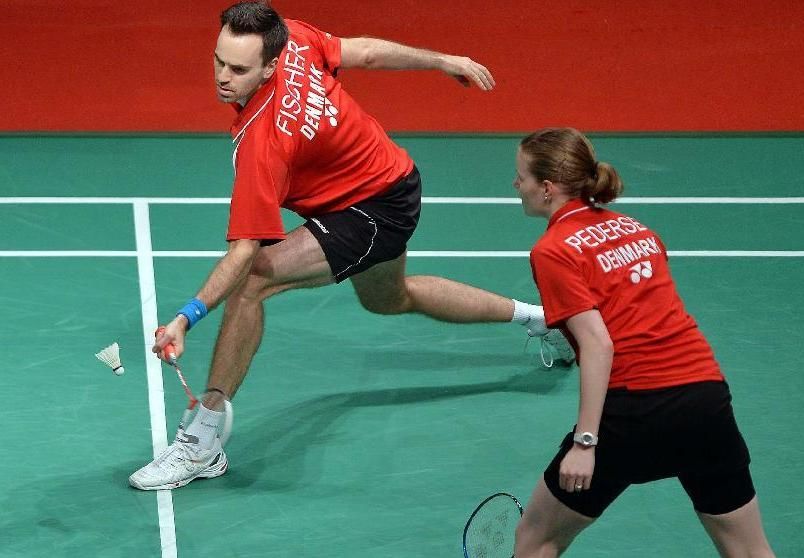
Canada
Governance structure and main institutions (6/7)
Canadian Olympic Committee (COC) Own the Podium (OTP)
■ The national Olympic committee of Canada is independent from the ■ When in 2003 Canada was awarded the right to host the 2010
governments at every level. Its main task is to represent Canadian Olympics in Vancouver, every stakeholder in Canadian sport
athletes at the international sport level and look out for the interests agreed that they must avoid the failure of the two previous
of the country at the International Olympic Committee. The COC’s
budget relies on private contributions. Olympics hosted by the country, where they did not win a single
gold medal.
■ Around 50 national federations of Olympic sports are members
of the COC. The organization cooperates with them to prepare the ■ The Canadian Olympic Committee (COC), the Canadian
Canadian teams and individual athletes for the Olympic, Youth Paralympic Committee (CPC), Sport Canada and the organizing
Olympic and Pan American Games. They conduct site visits and committee of the Vancouver Games established Own the Podium
hold preparation seminars for the athletes, among many other (OTP) in 2004, after extensive consultation with 13 winter sport
activities. federations. Later summer sports also became involved through the
■ The COC is managed by a Board of Directors, which has 20 Road to Excellence program. The program for winter and summer
members: the Chief Executive Officer, 12 elected and 7 ex officio sports were merged in 2009 , keeping the Own the Podium name.
members (two IOC members, two athlete representatives, one
■ OTP currently operates as a non-profit, multi-sport
coach representative, the chair of the Canadian Olympic
Foundation, and the Immediate Past President). organization, which serves as an advisory board in the funding
of Olympic and Paralympic sports. This organization helps
■ Although the COC does not have direct influence on the allocation selecting the federations that should receive funding by assessing
of government funds (Sport Canada), it is a highly respected their potential for Olympic success then making investment
organization with a long history. Their main role is to coordinate
recommendations for the funding partners (see below). OTP is an
the efforts related to the Olympic movement, but during the last
decade the COC also took up a role in financing Olympic sports important part of the ‘Excellence’ pillar of the PASA.
through the ‘Own the Podium’ initiative. ■ Contributions come from Sport Canada (Sport Support Program),
COC private fundraising and sponsorships. Sport Canada transfers
around USD 68 million each year to federations through OTP. In
addition, the COC provides a wide range of professional services to
federations of Olympic and Paralympic sports through the program.
■ OTP is credited with the success of Canadian athletes at the 2006
and 2010 Winter Games, where they finished third and first in the
medal table, respectively. The main and widely communicated goal
is to contend for the first position at every Winter Olympics and be
among the top 12 nations at the Summer Games.
■ Detailed information about the funding of sport federations through
OTP is on page 12.
© [year] [legal member firm name], a [jurisdiction] [legal structure] and a member firm of the KPMG network of independent member firms affiliated with KPMG International 7
Cooperative (‘KPMG International’), a Swiss entity. All rights reserved.
Canada
                                                           Governance structure and main institutions (7/7)

                                                           Canadian Sport Institutes (CSI)                                                                                   Winter Sport Institute (WinSport)
                                                           ■    Also known as Canadian Sport Centres, the first CSI was                                                      ■   Branded as the „world’s leading winter sport institute”, WinSport is
                                                                established in Calgary in 1994. Later six others were founded in the                                             based in Calgary and tasked with managing the legacy of the
                                                                regions of Montreal, Ontario, Manitoba, Saskatchewan, Atlantic                                                   1988 Winter Olympics. This include the maintenance and
                                                                Canada and Pacific Canada. The network of these institutes spans                                                 operation of several facilities, chief among them the Canada
                                                                the whole country.                                                                                               Olympic Park, which is the primary base of the CSI of Calgary.
                                                           ■    CSIs were created by the partnership of Sport Canada, the COC,                                                   They also fund two-thirds of the budget of Olympic Oval, a speed-
                                                                the coaching association of Canada and the respective provincial                                                 skating venue.
                                                                governments. Their main responsibility is to support high                                                    ■   WinSport also has a stake in the operation of the National Sport
                                                                performance (Olympic)       sport excellence by providing sport                                                  School (More details on page 15)
                                                                science, research, training and medical services to elite athletes.
                                                                Experts are employed in nutrition, physiology, conditioning and                                              ■   WinSport venues do not only support the preparation of Canadian
                                                                mental Preparation.                                                                                              elite athletes for the Winter Olympics, but also helps the efforts to
                                                                                                                                                                                 introduce winter sports to Canadians.
                                                           ■    The network of CSIs operate mostly on funding from the federal
                                                                government through Sport Canada and Own the Podium. Financial
                                                                backing from provinces is also important.
                                                           ■    The Institutes have successfully positioned themselves as the main
                                                                providers for Olympic sport federations preparing for the Games,.
                                                                The table below shows the contribution of the Canadian Sport
                                                                Institute of Ontario (CSIO) to Olympic success since 2004.

                                                                                                          Year                         Event                       % of athletes trained at CSIO % of medals won by CSIO athletes

                                                                                                         2012         London Summer Olympics                        42.5% ( 118 / 277 )               50% (1 Gold, 4 Silver, 4 Bronze)

                                                                                                         2010         Vancouver Winter Olympics                     23.3% ( 48 / 206 )                26.9% (4 Gold, 2 Silver, 1 Bronze)

                                                                                                         2008         Beijing Summer Olympics                       34.9% ( 116 / 332 )               50% (1 Gold, 4 Silver, 4 Bronze)

                                                                                                         2006         Turin Winter Olympics                         15.3% ( 30 / 196 )                33.3% (3 Gold, 4 Silver, 1 Bronze)

                                                                                                         2004         Athens Summer Olympics                        42.9% ( 113 / 263 )               41.6% (1 Gold, 3 Silver, 1 Bronze)

                                                                                                      Source: Canadian Sport Institute Ontario Website

© [year] [legal member firm name], a [jurisdiction] [legal structure] and a member firm of the KPMG network of independent member firms affiliated with KPMG International                                                                           8
Cooperative (‘KPMG International’), a Swiss entity. All rights reserved.
Canada
                                                           The effect of major event hosting

                                                           Vancouver 2010 – Winter Olympic Games                                                                         Toronto 2015 – Pan American Games
                                                           ■    Winning the rights to host the Winter Olympics and Paralympics led                                       ■   Pan American Games are held every four years, just before the
                                                                to structural and policy changes in the Canadian elite sport sector.                                         year of the Summer Olympics. Canada has hosted it on two
                                                                As mentioned earlier, the ‘Own the Podium’ programme was                                                     occasions so far (1967 and 1999, both in Winnipeg). The next one
                                                                                                                                                                             will be in July 2015 in Toronto.
                                                                initiated in 2004 to advise Sport Canada and other contributors on
                                                                how to finance Olympic sports.                                                                           ■   The Games will have 41 participating nations in 36 different sports.
                                                                                                                                                                             In terms of the number of athletes and sports, the Pan American
                                                           ■    Every player related to Canadian sport policy worked together to                                             Games will be significantly bigger than the Vancouver Winter
                                                                ensure the sporting success at Vancouver in 2010. This joint effort                                          Olympics.
                                                                by governments at all levels was reflected in consultations and the
                                                                                                                                                                         ■   Although no large, new venues are being constructed in Toronto,
                                                                alignment of policy goals.                                                                                   the existing (sporting) infrastructure will be thoroughly renovated.
                                                           ■    Canada performed exceptionally at the Games, finishing at the top                                            Policymakers hope that it will provide a boost for the sporting
                                                                of the medal table. After the good results the public perception                                             life of the Toronto region.
                                                                of sports changed among Canadians as they established a                                                  ■   The estimated cost of the Games (USD 1,55 million) is divided
                                                                strong emotional connection with national teams, which was                                                   between the three administrative levels. Federal and provincial
                                                                practically non-present before.                                                                              (Ontario) governments pay 35% each, while the municipality level
                                                                                                                                                                             covers the remaining 30%.
                                                           ■    The Vancouver Olympics also left a strong legacy in
                                                                infrastructure. Six completely new venues were built for the
                                                                Games: Cypress Mountain (ski sports), Richmond Olympic Oval
                                                                (indoor arena, multi-sport), UBC Thunderbird Arena (ice
                                                                hockey), Vancouver Olympic/Paralympic Centre, Whistler Olympic
                                                                Park, and The Whistler Sliding Centre (bobsleigh, luge, skeleton).
                                                                Other arenas and sport facilities were renovated. These venues
                                                                provide adequate training opportunity for athletes and also help in
                                                                bidding for future sporting events.

© [year] [legal member firm name], a [jurisdiction] [legal structure] and a member firm of the KPMG network of independent member firms affiliated with KPMG International                                                                     9
Cooperative (‘KPMG International’), a Swiss entity. All rights reserved.
Canada
Funding structure (1/3)
Canadian Olympic
Elite sport funding
The following chart shows
Committee
the most important funding
channels that define the
Canadian sport system.
Own the Podium
The federal government is
the biggest contributor to Canadian Sport
elite sport, while community Federal government Sport Canada Institutes
and leisure sport are mostly
financed at provincial, National sport
federations
territorial and municipal
levels.
Sport clubs
Community sport
Provincial/territorial Provincial/territorial
funding
government sport federations
Municipal
Sport facilities
government
Source: KPMG Analysis
© [year] [legal member firm name], a [jurisdiction] [legal structure] and a member firm of the KPMG network of independent member firms affiliated with KPMG International 10
Cooperative (‘KPMG International’), a Swiss entity. All rights reserved.Canada
Funding structure (2/3)
The funding system of Sport Canada Funding figures of Sport Canada programs
(in Canadian dollars, million)
■ Sport Canada uses federal government funds to support national
sport federations, elite athletes and the hosting of major sporting Hosting Athlete Sport
Year Total
events through three distinctive programs. Program Assistance Support
■ The total amount of financing divided between the programs more 2002-03 16,1 15,1 48,3 79,5
than tripled between 2002 and 2008, which could be attributed to
the increased efforts prior to the Vancouver Olympics. Since then 2003-04 29,7 15,2 56,7 101,6
the funding of the Hosting Program significantly decreased due to 2004-05 80,3 19,8 83,3 183,4
the lack of major international events organized in Canada.
■ However, the funds made available for sport federations (Sport 2005-06 51,6 24,8 93 169,4
Support Program) still shows an increasing trend, signaling the
2006-07 126,5 25,3 94 245,8
intent of Canada to be among the top sporting nations of the world.
The Athlete Assistance Program also remains high on the agenda 2007-08 118,7 25,3 103,1 247,1
of the federal government.
■ The current trend in the ‘global sporting arms race’ is that more and 2008-09 44,5 26,5 111,9 182,9
more money goes to the support Olympic athletes. This also seems
2009-10 58,5 26,1 113,7 198,3
to be the priority of Sport Canada, while the financing of community
sport is left almost entirely to the provinces and municipalities. 2010-11 23,8 25,9 154,4 204,1
Funding of Sport Canada programs visualized 2011-12 23,1 26,8 148,8 198,7
300 Source: Public Accounts of Canada: Transfer Payments
250
Canadian Dollar, millions
200
Hosting Program
150 Athlete Assistance Program
Sport Support Program
100 Total
50
0 Source: Public Accounts of Canada:
2002-03 2003-04 2004-05 2005-06 2006-07 2007-08 2008-09 2009-10 2010-11 2011-12 Transfer Payments
© [year] [legal member firm name], a [jurisdiction] [legal structure] and a member firm of the KPMG network of independent member firms affiliated with KPMG International 11
Cooperative (‘KPMG International’), a Swiss entity. All rights reserved.Canada
Funding structure (3/3)
Funding of elite sports through Own the Podium Top 10 winter sports by OTP funding for 2013-2014
(million Canadian dollars)
■ As discussed earlier, Sport Canada provides the majority of the
funds that are distributed among Olympic and Paralympic sport Sport Funding
federations through the Own the Podium initiative.
1 Speed skating 3.537
■ Funding through this programme is divided into four categories: 2 Freestyle skiing 3.253
National Team: contributing to the training and competing
costs of national teams. 3 Alpine skiing 2.976
SSSM: funding to cover sport science and medical services 4 Ice hockey 2.801
through Canadian Sport Centres or other providers. 5 Bobsleigh/skeleton 2.454
Coaching: financing of world class coaches.
6 Snowboard 2.448
Administration: support staff salaries and various
administrative costs that are related to the programme. 7 Cross county skiing 1.966
8 Curling 1.892
■ OTP supports both winter and summer sports. As a general rule,
those with a higher chance of Olympic success and better past 9 Ski Cross 1.468
results receive more funding. 10 Luge 1.088
Top 10 summer sports by OTP funding for 2013-2014
(million Canadian dollars)
Sport Funding
1 Rowing 4.285
2 Swimming 4.180
3 Athletics 3.625
4 Cycling 3.500
5 Canoeing 2.700
6 Diving 2.600
7 Soccer (women) 2.250
8 Rugby 7s (women) 1.700
9 Wheelchair basketball 1.400
10 Wrestling 1.300
© [year] [legal member firm name], a [jurisdiction] [legal structure] and a member firm of the KPMG network of independent member firms affiliated with KPMG International 12
Cooperative (‘KPMG International’), a Swiss entity. All rights reserved.Canada
Elite sport performance
Most successful Olympic sports
Canada’s Olympic history
■ As mentioned in the introduction, Canada has hosted three Sport Gold Silver Bronze Total
Olympics, once the Summer (Montreal, 1976) and twice the Winter
Games (Calgary, 1988 and Vancouver, 2010). The first two events 1 Athletics 13 14 26 53
brought no success in terms of gold medals won, but in 2010
Canada managed to finish at the top of the medal table at the 2 Ice hockey 13 5 2 20
Winter Olympics.
3 Rowing 9 16 15 40
■ The country has participated at every Olympics, except for the first
modern Summer Games in 1896 and they boycotted the 4 Speed skating 8 12 15 35
competition in 1980. From the 1930s until the 1990s Canadian
athletes usually won only one or two gold on every occasion, 5 Short-track speed skating 8 11 9 28
complemented with a couple of other medals. Their best
performance at the Summer Olympics (10 gold) came in 1984, 6 Swimming 7 14 22 43
when the majority of Communist countries did not compete.
7 Curling 5 3 2 10
■ In the last 15 years Canada has established itself as a top nation in
winter sports; they always finished in the top 5 at the medal table 8 Figure skating 4 10 11 22
since 1998. Their two best performances came at the last two
Games. Although their main focus is on winter sports, they usually 9 Canoeing 4 10 10 24
achieve good results in summer sports as well.
■ Canada’s main strength is perhaps that they have realistic medal 10 Shooting 4 3 2 9
chances in a wide range of sports. The last 10 Summer Olympics
Source: Olympics.Org
gold medals were delivered across 8 different sports.
Medal count of the Summer Olympic Games Medal count of the Winter Olympic Games
18
16 Gold Silver Bronze Gold Silver Bronze 14
14
12
12 11
10 10 10
10 9
8 8
8 7 7 7 7 7 7 7
6 6 6 6
6 5 5 5 5
4 4 4
4 3 3 3 3 3 3 3 3
2 1
0
Barcelona Atlanta 1996 Sydney Athens 2004 Beijing 2008 London Lillehammer Nagano Salt Lake Turin 2006 Vancouver Sochi 2014
1992 2000 2012 1994 1998 City 2002 2010
Source: Olympics.Org Source: Olympics.Org
© [year] [legal member firm name], a [jurisdiction] [legal structure] and a member firm of the KPMG network of independent member firms affiliated with KPMG International 13
Cooperative (‘KPMG International’), a Swiss entity. All rights reserved.Canada
Community sport (1/2)
Participation statistics
■ Although Canada has achieved great results in elite sports in recent
years, the weak participation statistics are still a great concern for
policymakers. The evaluation of the first Canadian Sport Policy
carried out by Sport Canada found that almost every elite sport goal
was met, but only half of the participation goals were achieved.
■ According to Canadian Heritage, only 26% of the population
aged over 15 years old took part in sporting activities on a
weekly basis, which is a significant, 17% decline since 1992.
Obesity among young people is also a problem.
■ Meanwhile, Sport Canada spent only 13% of its the Sport Support
Program on community sport purposes. It is clear, that Sport
Canada’s main goal is to support elite sports, but due to the
decreasing trend in public sport participation the organization is
urged to focus more on community sport.
Top 10 most practiced sports in Canada (% of adult population,
■ Other stakeholders, including provincial and municipal governments aged 15+ regularly pursuing a sport)
and Health Canada focus on sport participation, but the almost all
federal level fund is still aimed at the ‘Excellence’ pillar of the 1992 2010
PASA.
1 Ice hockey (6.4%) Golf (5.2%)
Sport participation (at least once a week) by age groups
2 Skiing (6.3%) Ice hockey (4.4%)
90
80 3 Swimming (6.2%) Soccer (3.5%)
70 4 Golf (5.9%) Baseball (2.1%)
15-19
60 5 Baseball (5.6%) Volleyball (1.9%)
20-24
50
25-34
6 Volleyball (3.8%) Basketball (1.8%)
40
35-54 7 Basketball (2.9%) Skiing (1.6%)
30
55- 8 Badminton (1.9%) Cycling (1.4%)
20
10 9 Soccer (1.8%) Swimming (1.4%)
0 10 Cycling (1.0%) Badminton (1.1%)
1992 1998 2005 2010
Source: Canadian Heritage – Sport Participation 2010 – Research Paper Source: Canadian Heritage – Sport Participation 2010 – Research Paper
© [year] [legal member firm name], a [jurisdiction] [legal structure] and a member firm of the KPMG network of independent member firms affiliated with KPMG International 14
Cooperative (‘KPMG International’), a Swiss entity. All rights reserved.Canada
Community sport (2/2)
Involvement of young people School Sport Canada (SSC)
■ Although there is no program that directly targets the participation ■ As the biggest, structured sport organization in the country, the
of young people in sports, there are some initiatives that indirectly School Sport Canada reaches more than 750,000 students, 52,000
serve this purpose. volunteer PE teachers and 3,200 schools.
■ As mentioned earlier, Canada has the most ice hockey rinks in the ■ SSC has numerous member provinces and territories, where it
world; most of them are free for public use. The youth development operates individual offices. The organization mainly serves as a
in ice hockey thus is well equipped with adequate facilities. representative lobby group for school sports, but also has an
important role in organizing interscholastic sport events and
■ Education in Canada is a provincial jurisdiction, meaning that
competitions in Canada.
primary and secondary schools receive funding from the provincial
governments. Physical education programs and school sports
are therefore not financed by an overarching, federal program.
■ It is up to the municipalities to provide sporting opportunities for
young people. There is not much collaboration between provincial
or national sport federations to organize programs.
Canada Games
■ The Canada Games is a multi-sport competition held biannually,
which was launched in 1967. It has a Winter and Summer Games
edition.
■ All participating athletes are amateurs. Over the years the Games
has established itself as the most important developmental
event for young athletes between the age of 15 and 17. Teams
are selected on a provincial basis. The events generally take place
at community sport facilities.
■ Many ot the Canadian superstars of today has gone through this
system, for example Sydney Crosby (ice hockey) or Steve Nash
(basketball)
■ The competition is overseen and managed by the Canada Games
Council, which supports the hosting cities in technical,
organizational planning, marketing and sponsorship issues.
© [year] [legal member firm name], a [jurisdiction] [legal structure] and a member firm of the KPMG network of independent member firms affiliated with KPMG International 15
Cooperative (‘KPMG International’), a Swiss entity. All rights reserved.Canada
Key takeaways
Population: Elite sport assessment system Large number of sport facilities
35 200 000 ■ The ‘Own the Podium’ initiative decides the amount of ■ Both the general public and elite athletes have sufficient
funding an Olympic sport federation receives. The means to exercise and train. Canada has the most indoor
assessment is based on performance potential and many and outdoor ice hockey rinks in the world, the majority of
variables are taken into account. them is for public use.
Sport participation rate:
■ A mechanism called Sport Funding and Accountability ■ Hosting of major events, such as the Winter Olympics
34% Framework holds the federations accountable for the use (Vancouver, 2010) and the Pan American Games
of funds they receive from the program. (Toronto, 2015) helped the development and
maintenance of elite sport training centers and facilities.
■ The financing of the federations is used to cover
Funding for elite sport: numerous costs ranging from training, management,
CAD 90 million (per year) medical and other expert services.
Funding for leisure sport:
Cooperation between different levels of government Youth competition opportunities
CAD 150 million (per year)
■ In Canada the federal, regional and municipal authorities ■ Although there is no detailed youth sport policy in the
all have a say in the development of the sport sector. country, there are some notable initiatives.
■ Their jurisdictions and responsibilities are not always ■ For example, the Canada Games, a multi-sport event
clear, but they have created some overarching systems taking place every two years, pitches teams of young,
and frameworks that help coordinating their efforts. amateur athletes against each other. The groups of
athletes are chosen on a regional basis.
■ The most notable among these is the Canadian Sport
Policy which sets the basic principles of ■ The competition gives valuable experience for the
intergovernmental cooperation. participants. Many of them later become professionals
and represent Canada at the highest sporting levels.
© [year] [legal member firm name], a [jurisdiction] [legal structure] and a member firm of the KPMG network of independent member firms affiliated with KPMG International 16
Cooperative (‘KPMG International’), a Swiss entity. All rights reserved.United Kingdom
Introduction and scope of the study
Introduction to sport in the UK Highlights of the UK sport scene
■ The United Kingdom has a developed economy in terms of both nominal Population of the United Kingdom 62,641,000
and per capita GDP. London has hosted the Summer Olympic Games
three times, more than any other city. The modern version of many People active in sport1 32,500,000
sports have developed out of the UK, including football, cricket, rugby,
tennis and snooker. Today these sports are still very popular in the Sport participation rate2 52%
country.
■ In addition to rich sporting past, the UK is one of the most significant National sport federations3 320
players in the international sports scene. Every year the country is home
to many major sporting events, for example the historic tennis Sport clubs2 151,000
tournament in Wimbledon. The Premier League is the top-tier football
competition in England, which generates world-wide interest. Sport club members2 12,380,000
■ Following disappointing Olympic displays in the 1980s and the 1990s,
the governance and funding system of sport in the UK went through Olympic sports receiving government
19
significant changes. UK Sport was established and other organizations funding
saw their roles becoming clearly defined.
Source: KPMG Analysis; Sports Club Survey (2013)
■ At the same time, with the advent of the National Lottery, unprecedented Note: (1) who takes part at least once a month
Eurobarometer survey (2009)
amounts of funding were made available for sport. (2) Ranked 12th out of the 27 EU member countries
(3) including every home nation (Scotland, Wales, Northern Ireland
■ The first real test of the new system came in 2002, when Manchester and England),
hosted the Commonwealth Games. The newly reorganized institutions Sport and Recreation Alliance Website
proved that they could cooperate and ensure the success of a major
sporting event. The winning bid in 2005 to host the 2012 Olympics also
significantly helped the development of British sport life.
The scope of the study
Our assessment of sports in the UK covers the following topics:
■ The governance structure and main institutions
■ Major reforms in the UK sport system
■ The funding structure
■ Elite sport success
■ Public sport participation in the UK
© [year] [legal member firm name], a [jurisdiction] [legal structure] and a member firm of the KPMG network of independent member firms affiliated with KPMG International 1
Cooperative (‘KPMG International’), a Swiss entity. All rights reserved.United Kingdom
The governance structure and main institutions (1/5)
Community sport Elite sport
The majority of the
organizations active in British
sport have a clear mandate;
they either focus on
IOC
community sport participation UK Government
or elite sports. Naturally, the
government through its
connections is involved in N. Irish Scottish Welsh
government government government British Olympic Sport and
both aspects. Department of
Association Recreation
Culture, Media
Alliance
and Sport
The two institutions with the
largest influence are Sport
England (promoting and
supporting public sport Sport Sport Sport Sport UK Sport Sport
N. Ireland Scotland Wales England federations
participation in England) and
UK Sport (allocating funds to
and reviewing the operation of
sport federations).
County sports
Partnerships
Sport clubs
Sport clubs
Source: KPMG Analysis
© [year] [legal member firm name], a [jurisdiction] [legal structure] and a member firm of the KPMG network of independent member firms affiliated with KPMG International 2
Cooperative (‘KPMG International’), a Swiss entity. All rights reserved.United Kingdom
The governance structure and main institutions (2/5)
The two pillars of sport in the UK Home Nation Sport Councils
■ These national organizations are tasked with promoting sport
■ The development and funding of elite sports is the sole participation among the general public. Every home nation has its
responsibility of UK Sport, which is sponsored by the Department own council competent in their area. These are:
for Culture, Media and Sport, an institution controlled by the
government of the UK. Sport England (English Sports Council)
Sport Northern Ireland (Northern Irish Sports Council)
■ The allocation of responsibilities is different in community sport. Sport Scotland (Scottish Sports council)
The UK consists of four „home nations”, England, Northern Ireland, Sport Wales (Welsh Sports Council)
Scotland and Wales, each with its own government (England’s is ■ They are affiliated with their corresponding governments, for
the common UK government). In this setting certain issues example Sport Northern Ireland is under the Department of Culture,
(including sports) are qualified as devolved matters for which home Arts and Leisure, which is part of the Northern Irish government.
nation governments are responsible. Community sport tasks are
the responsibility of sport councils in each home nation. The largest ■ The councils are responsible for working out the details of
council is Sport England, both in terms of size, budget and government policies and they are also responsible for allocating
influence over community sport policies in England. funds between community sports projects aimed at increasing
participation. Funding ends up in the hands of local sports clubs
Department for Culture Media and Sport (DCMS) who can put it to use to improve local facilities and access to sport.
■ The DCMS is responsible for a wide range of issues, including ■ Councils operate in close cooperation with sport federations
tourism, media and the national lottery. The Secretary of State for (national governing bodies - NGBs). They also play an important
Culture, Media and Sport is responsible for the department. role in talent development by identifying potential early on, and
■ The DCMS oversees and funds the two important sports providing them with sufficient sporting opportunities. In this sense
organizations, namely UK Sport and Sport England, and also councils provide access for young people to become elite athletes.
plays an important coordinating role between them, in order to Because of this, they work in partnership with UK Sport (the
make the overall operation of the sport system more effective. organization for elite sports) to make sure their goals and
investments are aligned.
■ The DCMS can set out policies for both the community and the elite
sport sector, for example to increase the number of people playing ■ A good example of council projects is the ‘Active Places' website by
sports, or making elite (Olympic) sports more successful. However, Sport England, which is designed to help the public find sports
it should also be noted, that the DCMS is involved only indirectly in facilities anywhere in England. Searching can be through an
the realization of these goals though the bodies mentioned interactive map to discover more information about public facilities.
previously. The exact allocation of funding between projects or
sport federations is not the role of the DCMS.
■ In addition to these general tasks, the department supports the
bidding process for major sport events, protects UK’s sporting
interest abroad.
■ The DCMS is also the lead government body regarding the legacy
of the London 2012 Olympics. The Government Olympic
Executive is a unit within the department which was focused on the
preparation for the Games and since then they are responsible for
the management of the legacy of the Olympics.
© [year] [legal member firm name], a [jurisdiction] [legal structure] and a member firm of the KPMG network of independent member firms affiliated with KPMG International 3
Cooperative (‘KPMG International’), a Swiss entity. All rights reserved.United Kingdom
The governance structure and main institutions (3/5)
Community sport in England Example of CSP activity – The Copeland Physical Activity Project
Compared to other home nations, England has the most extensive
community sport system, therefore this part of the case study The North Country Leisure organization, which operates in the
concentrates on their example. Borough of Copeland, successfully applied for a GBP 91,800
investment from Sport England in 2013. This amount, which comes
County Sports Partnerships (CSPs) from the National Lottery, was complemented with support from local
■ These networks comprise of local agencies active in the sport life partners.
of given region. Authorities, schools, sport federations, community
sport networks and other agencies work together to develop sporting The programme builds on a pilot project and provides fitness and
opportunities for the local population. For example, in England there exercise sessions in Cleator Moor (a small town in Copeland) for
are around 49 different CSPs,, covering almost the whole country. adults and children of all ages.
■ Sport England contracts these partnerships to carry out the actions
of the overall community sport plan at the regional level. For
example, the goal to increase sport participation in England is
achieved through the diligent work of these CSPs.
School Sports Partnerships (SSPs)
■ Numerous schools have formed partnerships on a voluntary basis in
order to work together in creating sporting opportunities of young
people. These are usually led by a partnership development
manager with sport coordinators at participating schools.
■ In 2010, the government decided to cut two-thirds of the budget
available for SSPs through Sport England, which resulted in a drop
in the number of active partnerships. There are now around 200
school sports partnerships in England instead of 400.
■ To make up for this setback, another, complementary, programme
was launched in 2013 with the aim to distribute funds directly to
schools. Currently GBP 150 million is set aside for school sports
every year between 2015 and 2020. The funding comes from the
Department of Education and the DCMS. A average primary school
with 250 pupils receive a yearly lump sum of GBP 10,000.
■ The school headmasters are free to decide how they use the money
to improve the quality of physical education in schools. For example,
they can hire specialist coaches and sport teachers. National
sport federations also offer coaching and skill development
programmes. The schools are held accountable for how they spend
the funding by Ofsted, an inspectorate body
© [year] [legal member firm name], a [jurisdiction] [legal structure] and a member firm of the KPMG network of independent member firms affiliated with KPMG International 4
Cooperative (‘KPMG International’), a Swiss entity. All rights reserved.United Kingdom
The governance structure and main institutions (4/5)
UK Sport
■ UK Sport (UKS) was set up in 1997 by Royal Charter as a non-
departmental body of the DCMS; since then it has established itself
as an organization of vital importance in the UK sport system.
■ With no responsibilities towards community or grassroots sport,
UKS concentrates only on elite (Olympic) sports. The overall
budget of UKS increased significantly in recent years, from
GBP 30 million in 2005 to the current amount of 127 million,
consisting of:
■ Exchequer funds directly through DCMS – GBP 40 million Core responsibilities of UK Sport
■ National Lottery funds – GBP 87 million
■ UKS is managed and overseen by the UK Sport Board which Effectively invest in
includes representatives from the four home nations along with
Olympic and Paralympic
independent members. UKS being the most important organization
in elite sports policy, it is essential that every home nation has a sports
say in its operation.
■ The organization acts as the strategic lead body for elite sports
through allocating funds between Olympic and Paralympic sports. Develop a supportive
This is achieved through the World class Performance Programme, background for elite
for which the „No Compromise” policy is used as a guideline. As a sports through
result, only federations of sports with realistic chance of success partnerships
receive funding from UKS. (More details on page 11).
■ UKS works in partnership with numerous institutions to provide elite
athletes with the necessary support for Olympic preparation. These
services include high quality training opportunities, coaching , and Bring major,
sport performance research. international sporting
events to the UK
■ Through the Gold Event Series programme running from 2013 to
2019, UKS helps sport federations (NGBs) in bidding for and
hosting international sporting events in the United Kingdom.
■ Finally, UKS supports federations in building relationships with Aid the international
their international partners and other regulatory bodies. This is sporting representation
aimed to represent British interest on the international scene,
of the UK
■ It should be noted that Sport Scotland, Sport Northern Ireland and
Sport Wales complement the work of UKS in their corresponding
home nations through coordinating the support of their „own” elite
athletes.
© [year] [legal member firm name], a [jurisdiction] [legal structure] and a member firm of the KPMG network of independent member firms affiliated with KPMG International 5
Cooperative (‘KPMG International’), a Swiss entity. All rights reserved.United Kingdom
The governance structure and main institutions (5/5)
Umbrella organizations of sport federations
British Olympic Association (BOA)
■ Unlike many other countries, the Olympic Committees of the UK plays
less significant role in policy-making and elite sports funding decisions.
■ The main task is to help athletes in preparing for the Olympics by
implementing programs, but it should be noted that direct funding of
Olympic sport federations and athletes is the responsibility of UK Sport.
The BOA represents the Olympic movement in the country and organizes
the participation of UK athletes at the Games.
■ The sport federations of Olympic sports are customary members of the
BOA, which is independent from the government.
■ Every Olympic sport can send a representative to the BOA. Six people
from the representatives are elected to the Board, which oversees the
decision-making process of organization.
Sport and Recreation Alliance (SRA)
■ This umbrella organization serves to bring together the interests of the
Services provided by SRA for sport federations and clubs
sport federations. Currently it represents the views of and speaks on
behalf of its more than 320 members. This number includes even major Category Examples
federations, like the Football Association or the Rugby Football Union.
Through its members, the SRA represents more than 150,000 clubs and Annual event where chair and executives of
8 million regular sport participants (club members). Leadership Convention sport and recreation can get together and
■ The SRA is strictly independent from the government and political discuss the biggest issues.
parties. Their aim is to ensure that sport and recreation remains to be Training and networking Workshops, seminars etc.
high on the political agenda in the UK. They essentially campaign on
issues affecting sports in general (e.g. Olympic legacy, regulations, Wide range of resources to help members
access to facilities etc.). Governance advice
improve their governance structures.
■ Members are divided into five different divisions based on their common
Access to approved commercial partners, HR
characteristics: 1. Games and Sports 2. Major Spectator Sports, 3.
Business support and payroll shared services and a free
Movement and Dance 4. Outdoor Pursuits 5.Water Recreation. This
business support helpline.
setup covers every type of physical activity.
Daily news summary, publication of research
Information
findings etc.
Source: Sport and Recreation Alliance Website – Who We Are
© [year] [legal member firm name], a [jurisdiction] [legal structure] and a member firm of the KPMG network of independent member firms affiliated with KPMG International 6
Cooperative (‘KPMG International’), a Swiss entity. All rights reserved.United Kingdom
Major reforms in the UK sport system (1/2)
The reorganizing efforts of Restructuring in the 1990s Developments of the 2000s
the 1990s significantly ■ As a result of the disappointing performances at the Olympics of the ■ Exact, well-defined goals were set by the early 2000s, by which the
improved the governance 1980s and 1990s, the UK sport system went through a series of success of the system could be judged. The most important ones
reforms, which brought substantial changes in the structure of both aimed to improve the medal tally of the British Olympic Team and to
structure of British sport. funding and governance. win the bid for hosting the 2012 Olympics. The communication of
Reallocating tasks resulted these goals to the public was well-organized and this lent credibility
■ Governance: prior to the 1990s, the now defunct Sports Council was
in each organization being responsible for almost every aspect of sport in the country. In 1994 it to the whole British sport policy. The organizations built a unified
was decided that the system should be revised. The United Kingdom narrative around the sport policies at every level, resulting in that they
able to focus their
Sports Council was formed in 1997, which was later renamed to UK communicated in the same way.
resources on a well-defined
Sport. As mentioned earlier, this organization had a clear mandate to ■ The Commonwealth Games in 2002, hosted in Manchester, were the
field of sport policy. concentrate only on elite (Olympic and Paralympic) sports. first event that required the extensive collaboration of the newly
Another important part of the restructuring was that tasks and restructured organizations. The successful hosting proved that the
The fine tuning of the system was functional and the stakeholders couldwork together. It was
responsibilities for community and grassroots sports were completely
system has continued also a catalyst for later hosting bids, for example the 2012 Olympics,
transferred to the Home Nation Sport Councils (Sport Wales, Sport
throughout the past decade, Scotland etc.) between 1997 and 2000. Today they are the most which were awarded to London in 2005 and the 2014 Commonwealth
important actors in the field of mass-participation sports in their Games in Glasgow.
as the responsibilities of UK
respective countries. ■ The sport councils and UKS experienced additional changes during
sport and the home nation
■ Funding: the National Lottery was launched in 1994 when the UK the 2000s, but on a much smaller scale. Actions mostly aimed to
sport councils became more further streamline the system. Sport England was significantly
government granted license for its operation to Camelot Group, a
clearly defined. private company. Some part of the revenues was designated for downsized between by 2006, when their responsibilities became
investments in both community and elite sports. All of a sudden the UK clearer. In 2009 the Regional Sports Boards was disbanded, making
The preparation for the sport system gained access to substantial funding, which they lacked the decision-making process of Sport England more centralized.
London Olympics resulted in during the previous decades. The London Olympics
larger contribution from to Meanwhile, the plan was to cut back on the number of sport disciplines ■ UK Sport established a strategic alliance with the London organizing
government and the private receiving government funding and increase the budget for the committee, and the BOA in order to launch the first-ever UK
remaining ones. After 1997 number of sports funded by the fundraising programme for elite athletes. It was called Team 2012 and
sector for elite sports.
government or the Lottery decreased from 110 to less than 30, provided a third stream of private sector income alongside National
enabling the more effective use of financing. Lottery and Government funding. As mentioned earlier, the budget of
■ In addition to reforms in funding and governance responsibilities, UKS was increased to support the preparation of British athletes for
positive changes started in other fields, too. The UK sport system the 2008 and 2012 Games.
lacked the proper sporting infrastructure, however this significantly ■ The success of sports at the Olympics and other competitions made
improved after increased efforts by policymakers to channel funds for them more popular and enabled the public to “emotionally connect”
infrastructure development. with them. This process was also encouraged by the active
participation of athletes and clubs in promoting sports “off the field”.
■
© [year] [legal member firm name], a [jurisdiction] [legal structure] and a member firm of the KPMG network of independent member firms affiliated with KPMG International 7
Cooperative (‘KPMG International’), a Swiss entity. All rights reserved.You can also read


